



Abstract
Incorporating phase change material (PCM) into paving materials can regulate the pavement temperature, improve the pavement durability, and mitigate the heat-island effects. In this research, porous fillers were used as the PCM carrier, and the thermal and rheological behaviors of the asphalt mastic with the PCM were evaluated. Two different carrier materials (diatomite and expanded perlite) and four types of PCMs were used in the study. The candidate filler, PCM, and proper blending ratios were determined based on the results of scanning electron microscope image analysis, the filter paper test, and the temperature sweep test. The thermal and rheological behaviors of the mastics with PCMs were further evaluated with different filler replacement ratios. Thermal analysis through a differential scanning calorimetry test, thermal conductivity and volumetric heat capacity test, and real-time temperature performance test were performed on the asphalt mastics. Rheological tests, including the complex shear modulus test, the bending beam rheometer test, and the linear amplitude sweep test, were also conducted. The modified mastics were found to have high heat capacity with the latent heat storage ability. The rheological analyses showed that with the addition of polyethylene glycol, while the low-temperature performance of the asphalt mastics was improved, the performance at intermediate and high temperatures was not adversely affected by the PCM.
Keywords
Phase change materials (PCMs) have been drawing much attention in civil engineering because of their unique thermal behavior. They have been utilized in walls, ceilings, and floors of buildings, functioning as a thermal regulator to avoid extreme temperature swings, which has yielded human comfort and reduced energy consumption and costs ( 1 ). In recent years, pavement engineers have also been trying to incorporate PCMs in asphalt pavements. It is believed that they can limit temperature changes in asphalt pavements, increase the service life of pavements, and mitigate the heat-island effects ( 2 ). PCM is known as a novel and capable material, which can absorb and release a large amount of energy in the form of latent heat (ΔH) during the phase transition and act as a balancer in modifying the temperature of temperature-sensitive materials. As heat is transferred into the system, the PCM begins to melt and keep absorbing energy when the temperature reaches a certain point (the so-called melting point temperature). During the phase transitioning stage, the system temperature can remain constant. The amount of heating energy that the system can absorb without increasing its temperature is defined as the latent heat storage.
Different methods have been applied to incorporate PCMs in construction materials. For example, one popular approach is the macro encapsulation method, where porous aggregate is used as a carrier material for PCMs in asphalt and concrete cement mixtures ( 3 , 4 ). However, engineers have been facing some critical challenges in using large porous aggregate in asphalt materials, for example, the leakage of the PCM. One effective solution to reduce the risk of leaking is to use the coating method to coat the porous aggregate surface. Coating materials such as epoxy resins, polyester resins, granite powder, and cement paste have been used ( 5 – 8 ). However, the coating method is complex, expensive, and difficult to apply in asphalt plants. Another challenge of using porous aggregates is the associated structural problem. The light-weight porous aggregates usually have lower strength than regular coarse aggregates, thus leading to cracking and rutting problems in pavements in their early service life. Therefore, it is necessary to develop a practical and cost-effective method to incorporate PCMs in asphalt mixtures.
In this research, the feasibility of using porous fillers as PCM carriers in asphalt mixtures was investigated in the scale of mastic. A few existing studies have reported the efficiency of using the composition of some PCMs and mineral fillers (composite phase change materials [CPCMs]) in asphalt pavement with respect to their thermal behaviors ( 9 , 10 ); however, the rheological behaviors and durability of the binders with CPCM have not been evaluated. In this study, the thermal and rheological behaviors of the asphalt mastic with CPCM were systematically tested. Two types of porous fillers and four types of PCMs were included as candidate materials. The types of PCMs and fillers and the blending ratios were first selected through a series of morphological and rheological tests. After the material design, the rheological tests, including the complex shear modulus test, the bending beam rheometer (BBR) test, and the linear amplitude sweep (LAS) test were conducted on asphalt mastic. Among those tests, the BBR test was used to find the low-temperature performance of mastics and the tendency of mastic to thermal cracking ( 11 ). The LAS test is a fatigue test that can be quickly performed using a dynamic shear rheometer (DSR). Researchers have used the LAS test to predict the fatigue life of asphalt binders and mastic at different strain levels ( 12 – 14 ). The thermal analysis was performed to investigate the effectiveness of PCM as a latent heat storage material in mastic. A differential scanning calorimetry (DSC) test was performed to find the amount of heating energy that the mastic can absorb without increasing its temperature ( 15 ). The specific heat capacity was evaluated to find the potential of mastic to regulate the extreme temperature changes ( 16 ). The thermal conductivity as an important parameter that showed the rate of heat transfer was measured ( 17 ). In addition, the real-time temperature performance test was also performed to assess the effectiveness of the PCM-incorporated mastics in temperature regulation ( 2 ).
Testing Materials
Two types of porous fillers, that is, diatomite (DI) and expanded perlite (EP), and four types of PCMs, that is, polyethylene glycol (PEG), luric acid (Lu), paraffin with a melting point of 42°C (Pa-42), and paraffin with a melting point of 58°C (Pa-58), were initially included in this study. With the combinations of fillers and PCMs, eight CPCMs were evaluated.
Composite Phase Change Material Preparation
To maximize the absorption of PCM, the simple and reliable vacuum impregnation method was implemented. A negative pressure (−25.0 in Hg) at a temperature higher than the PCM’s melting point (80°C) was applied in the vacuum oven. The following four steps were followed to complete the impregnation method:
- blending PCM and carrier materials at room temperature;
- heating the blend in the oven at 80°C for about 15 min;
- grinding the blend to reduce the possibility of agglomeration at room temperature;
- keeping the PCM composite under the vacuum pressure of 25.0 in Hg at 80°C for about 1 h.
Eight CPCMs were produced, that is, DI/PEG, DI/Lu, DI/Pa-42, DI/Pa-58, EP/PEG, EP/Lu, EP/Pa-42, and EP/Pa-58. For each combination, three blending ratios were mixed, that is, 40:60, 50:50, and 60:40 ,as the proportion of filler to PCM by mass. The candidate filler, PCM, and the optimum blending ratio were later selected based on the results of scanning electron microscope (SEM) image analysis, the filter paper test, and the rheological test on the corresponding asphalt binder.
Preparation of Asphalt Mastic
To fabricate asphalt mastic samples, a Missouri local binder with a performance grade of PG 64-22 was used in this study. Hydrated lime (HL) was used as the control filler. To prepare the mastic samples, the fillers were added to the binder by the volumetric concentration of 25%, calculated based on the design of a typical local Superpave surface mixture with a 12.5 mm nominal maximum aggregate size. The fillers were dried in an oven at 110°C for 72 h to ensure they were completely dry; then, they were stored and retained at room temperature to be cooled. The filler and asphalt binder were mixed at a temperature of 160°C for 10 min so that the mastic was homogeneously blended to guarantee good filler distribution in the binder. In the mastic samples with CPCMs, different filler replacement ratios were also used. CPCMs were used to replace 50%, 75%, or 100% of the HL, where the CPCM mastic with 50% replacement ratio indicates half of the fillers by volume were CPCM and the other half was composed of regular filler to simulate more realistic situations. In addition to the eight CPCM fillers, mastic with HL was also fabricated as the control material.
Research Methods
In this study, three tests were first performed to select the candidate CPCM combination and the optimum blending ratio. The tests include SEM image analysis, the filter paper test to evaluate the risk of leakage, and the temperature sweep test on asphalt mastic to evaluate its rheological behaviors.
The SEM image analysis was conducted mainly to investigate the particle shape and the surface conditions of the porous fillers. The test was performed using a RAITH e-Line Plus Electron Beam Lithography SEM. Before the test, the sputter coating technique was applied and the samples were coated with a thin gold film ( 18 ). Fillers with and without the incorporation of PCM were analyzed.
The filter paper test was conducted to evaluate the leakage ratio of each type of CPCM. The test was performed on filter papers with a diameter of 150 mm at 80°C. To prepare the test samples, a certain number of CPCM specimens were dispersed on the filter paper. Then, the samples were kept in the oven at 80°C for 30 min. The specimens were then retained at room temperature. The PCM leakage ratio was calculated based on the PCM absorption in the filter paper. Figure 1 demonstrates the setup of the tests with different CPCM ratios.
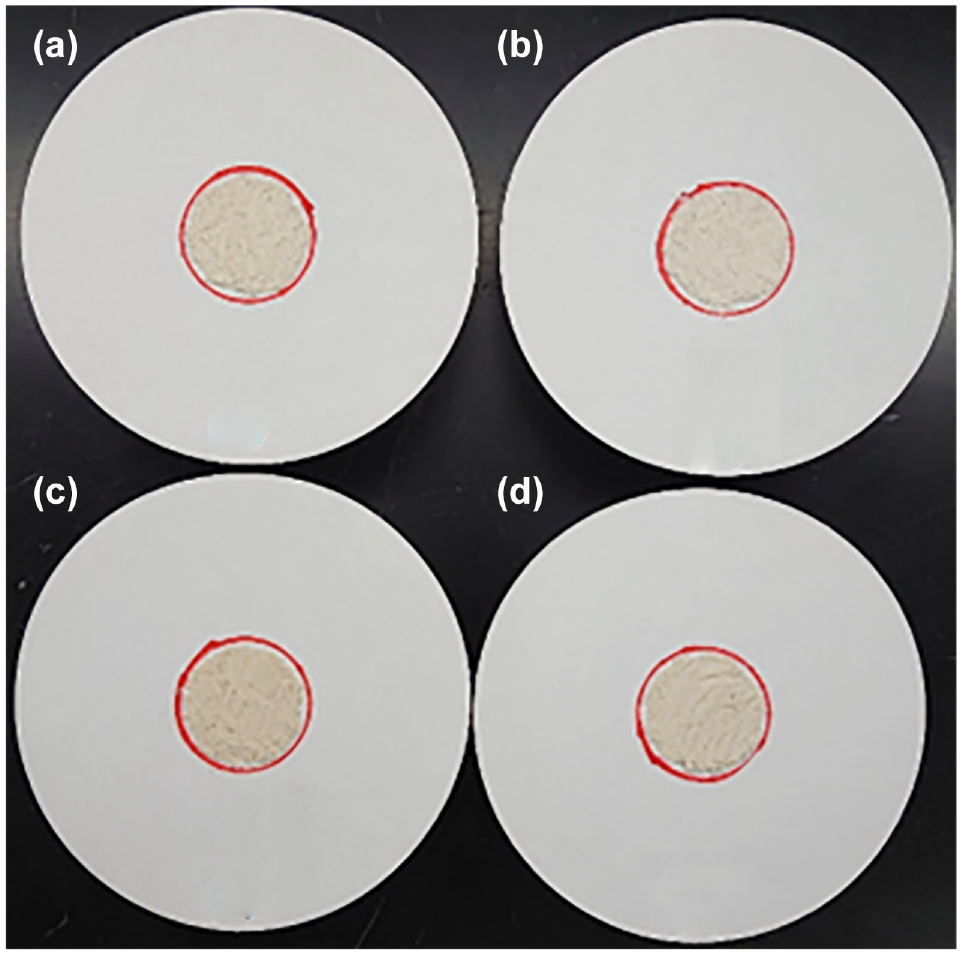
Filter paper test: (a) diatomite (DI):polyethylene glycol, (b) DI:luric acid, (c) DI:paraffin with a melting point of 42°C, and (d) DI:paraffin with a melting point of 58°C.
To characterize the rheological behaviors of CPCM mastics, the temperature sweep test was performed on the mastic samples with 50% filler replacement ratio. The mastics were tested using an 8 mm parallel plate geometry with a testing gap of 2 mm. To improve the adhesion of the parallel plates and mastic before trimming, the mastic between plates was preheated to 64°C.
The testing temperature ranged from 20°C to 45°C, which was below the melting point of the PCMs. At each temperature, loading frequencies ranging from 100 to 0.1 rad/s were applied on the testing sample. The master curve of the complex shear modulus was constructed with the reference temperature of 35°C. The candidate filler was expected to have a high PCM absorption rate and low risk of leakage, and the mastic with the selected CPCM was expected to have similar rheological behaviors to regular mastic.
After the candidate fillers, PCM, and the optimum blending ratio were selected, thermal analyses and rheological tests were conducted to further characterize the material behaviors. The thermal properties, such as the phase change temperature (Tm) or the melting point, the specific heat capacity, and the enthalpy (ΔHm), can be obtained from the DSC curve. The PCM efficiency was also calculated using Equation 1:

where ΔHtm is the testing enthalpy (J/g) and ΔHTm is the theoretical enthalpy (J/g). In addition, the thermal conductivity of the mastics was measured using a TPS 500S Hot Disk.
To assess the thermoregulation of asphalt mastics during the heating process, a real-time temperature performance test was conducted. In the test, the mastics were placed in 8-oz cans and K-type thermocouples were installed in the center inside of the mastics. A data logger was used to monitor and log the temperature of the mastics during the heating process. Water baths were prepared at two different temperatures, that is, 10°C and 58°C. The mastics were first retained in a cool water bath for about 1 h. The cans were then transferred to a hot water bath, and in the meantime, the temperatures changes were monitored using the data logger. The temperature changes of the mastic samples continued to be monitored for about 30 min as the temperature of the control mastic sample increased from the cool to the hot water bath temperature.
Rheological tests were performed on the mastics as well. The rutting performance was evaluated by the Superpave rutting factor (G*/sinδ). For the Superpave rutting factor, the temperature sweep test was conducted at the temperature range of 52–82°C with a temperature increment of 6°C on unaged specimens. The BBR test was performed at low temperatures of –6°C, −12°C, and −18°C to determine the creep stiffness (S) and creep rate (m-value) on mastic specimens after rolling thin film oven (RTFO) and pressure aging vessel (PAV) conditioning according to the American Association of State Highway and Transportation Officials (AASHTO) T 313 standard. Lastly, the fatigue performance at intermediate temperatures was investigated by the LAS test in compliance with AASHTO T 391. It was performed on mastics after RTFO and PAV conditioning at 25°C and fatigue performance was assessed by the integrity parameter (C) and the fatigue life before failure (Nf).
Determination of Candidate Composite Phase Change Material and the Optimum Blending Ratio
Scanning Electron Microscope Image Analysis
SEM image analysis is used to investigate the morphology of materials ( 19 ). The microstructure of the carriers (DI and EP) as well as the CPCMs were investigated using this method. Figure 2a presents the cylindrical shape of DI with a highly dense porous structure and large specific surface area, which makes it a good candidate for the impregnation process. Figure 2b demonstrates the spherical shape and round edges of EP with a low number of pores on the surface. The observation indicated that the DI particles contained more pores on the surface compared to the EP. The compacted porous network of DI had the potential to be fully filled and saturated with PCMs.
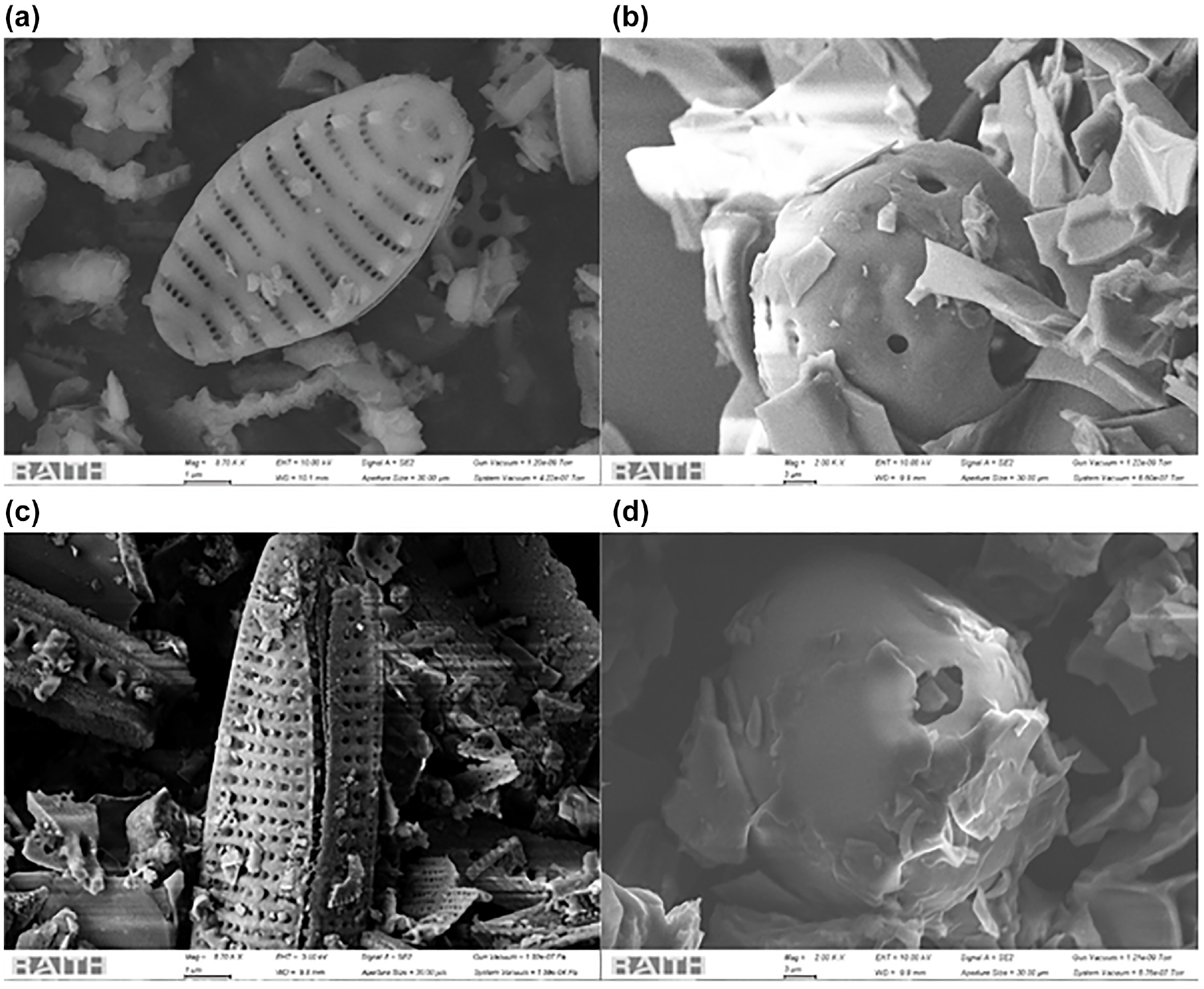
Scanning electron microscope images of (a) diatomite, (b) expanded perlite, (c) diatomite/polyethylene glycol (PEG), and (d) expanded perlite/PEG.
The morphology of carriers after PCM (PEG) absorption are presented in Figures 2c and d . It can be observed that, based on their particle surface conditions, the PCM was able to be trapped inside the porous structure of DI more efficiently.
Filter Paper Testing Results
To verify the SEM results, a filter paper test was performed to assess the risk of PCM leakage and determine the optimum blending ratio. Figure 3 presents the measured leaking ratios of the CPCMs with different blending ratios. It can be observed that CPCMs consisting of DI exhibited a lower leaking ratio in comparison to those made with EP, regardless of the type of PCM. The testing results confirmed the SEM observation that DI was able to preserve more PCM compared to EP and act as a proper carrier for PCMs. Also, as shown in Figure 3, the leaking ratio of the CPCMs with DI was reduced by changing the ratio from 40:60 to 50:50, but there was no significant change in leakage percentage for the lower PCM percentage. Therefore, the optimum ratio of DI:PCM was 50:50. Likewise, the ratio for EP:PCM was limited to 60:40 based on the testing result.
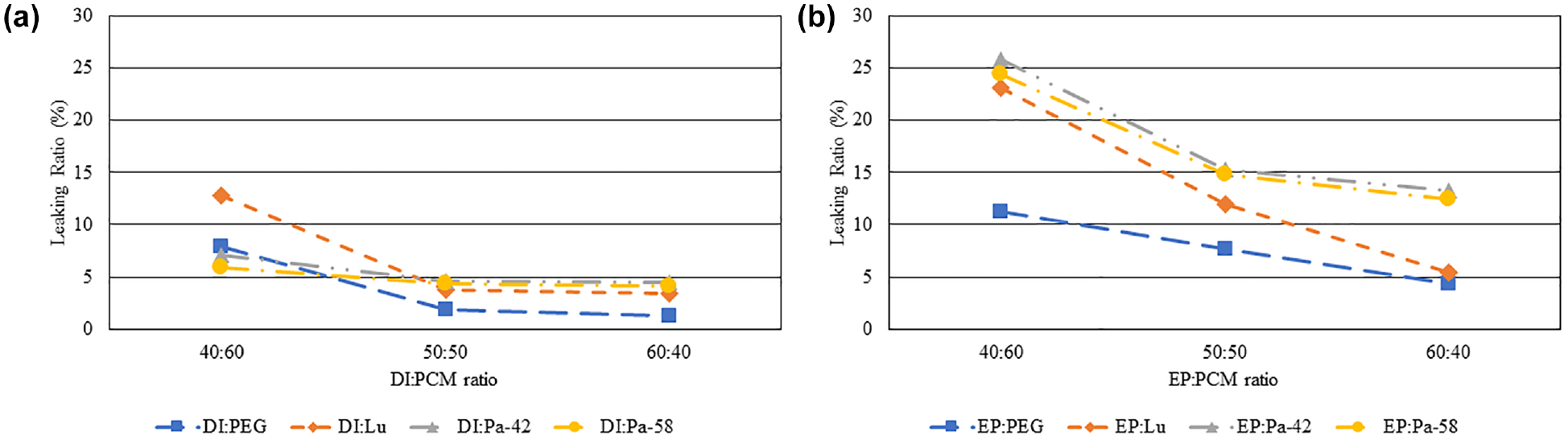
Leaking ratio of phase change material (PCM) from the carrier: (a) diatomite (DI):PCM and (b) expanded perlite (EP):PCM.
Master Curve of the Complex Shear Modulus
After the optimum blending ratio was determined using the filter paper tests, the dynamic shear modulus of the mastics was measured and the master curve was constructed to ensure that the rheological properties were not adversely affected by the addition of the PCM. In the temperature sweep tests, the filler replacement ratio was fixed at 50%, which was a representative value assuming 50% of the fillers in the asphalt mixtures were replaced by the CPCM. Table 1 presents the components and the designation of different mastic samples.
Mix Proportions of Mastics Prepared by Composite Phase Change Materials (CPCMs)
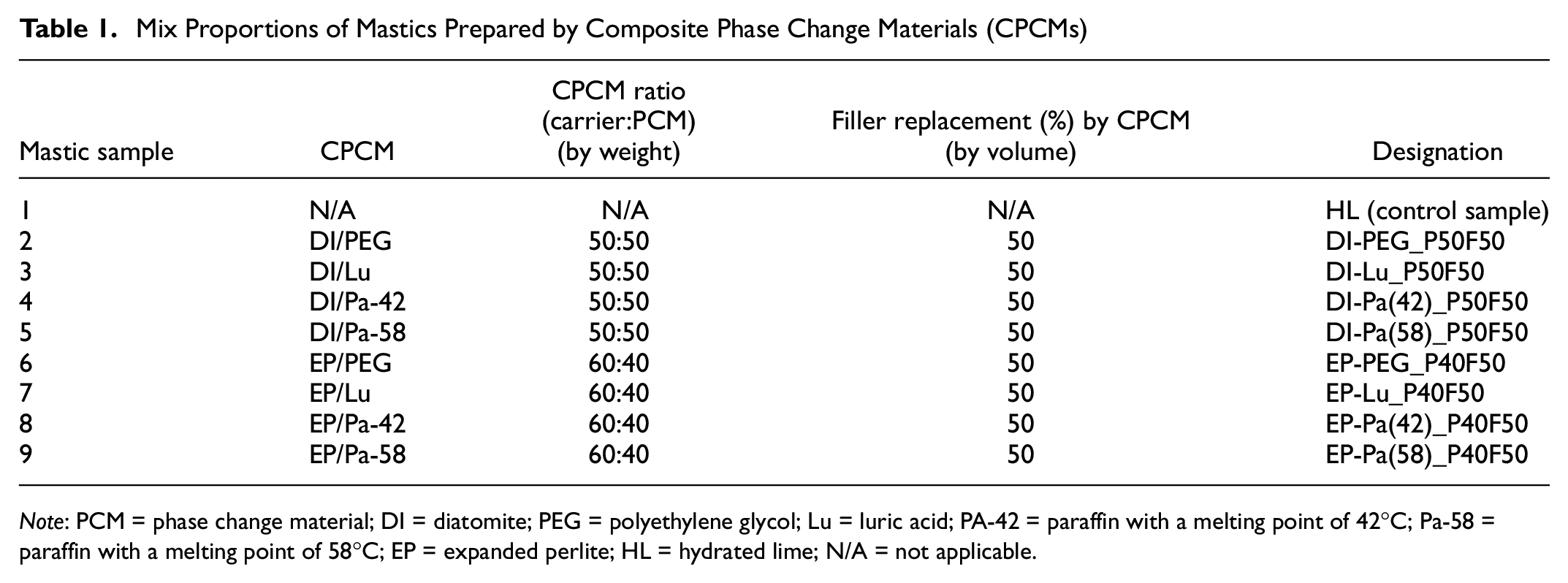
Note: PCM = phase change material; DI = diatomite; PEG = polyethylene glycol; Lu = luric acid; PA-42 = paraffin with a melting point of 42°C; Pa-58 = paraffin with a melting point of 58°C; EP = expanded perlite; HL = hydrated lime; N/A = not applicable.
Figure 4 presents the obtained complex shear modulus curve of the mastic samples. The mastics containing Pa-42 and Pa-58 became very soft during the test setup and could not be stably placed and tested between the DSR parallel plates. The softening indicated that the paraffin had unexpected effects on the rheological behaviors of asphalt mastic. The complex modulus master curves of the mastics with PEG and Lu are presented in Figure 4. It can be observed that the DI-Lu_P50F50 samples exhibited a significantly lower modulus than the other materials, and the shape of the master curve could not be fitted with the Christensen-Anderson-Marasteanu (CAM) model, which indicated this CPCM might have changed the rheological behaviors of the asphalt mastic and was not recommended to be used in further analysis. The mastic with EP-Lu had a similar modulus to that of the control sample, and the CPCMs containing PEG lowered the mastic modulus at high temperatures.
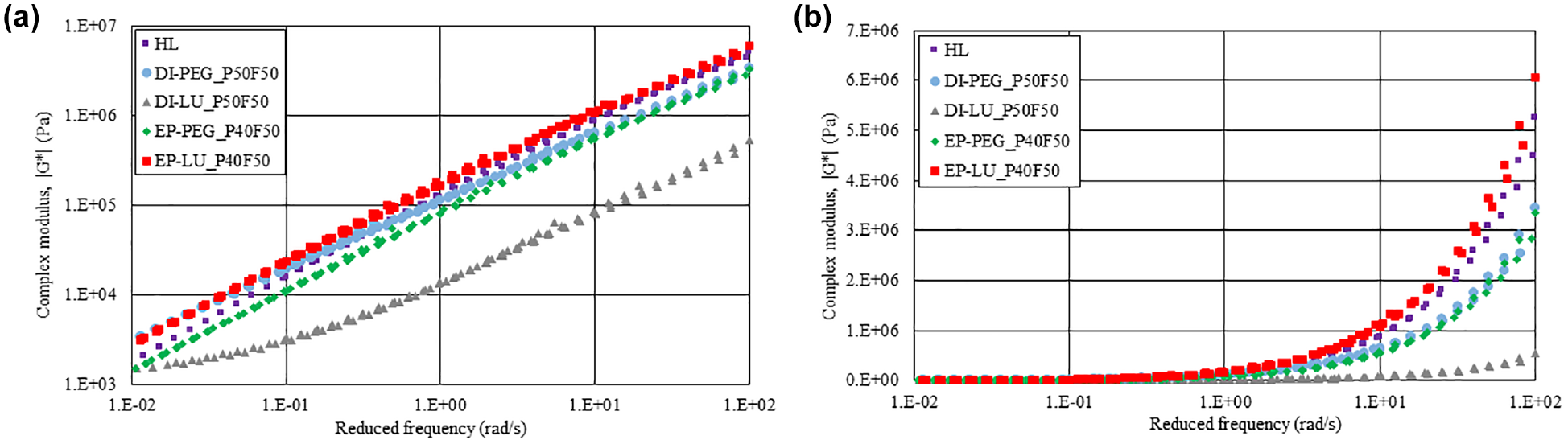
Master curve of the complex shear modulus (G*): (a) logarithmic and (b) semi-logarithmic.
Given the testing results from the SEM analysis, the filter paper test, and the complex shear modulus tests, it can be concluded that compared to the EP, the DI contained a more porous structure and was able to preserve more PCM with a lower risk of leaking. The combination of DI and PEG with the blending ratio at 50:50 was recommended to be used for further analyses. In the following thermal and rheological tests, different filler replacement ratios, that is, 50%, 75%, and 100%, were also applied to complete the study.
Results of Thermal and Rheological Analyses
Differential Scanning Calorimetry Test Results
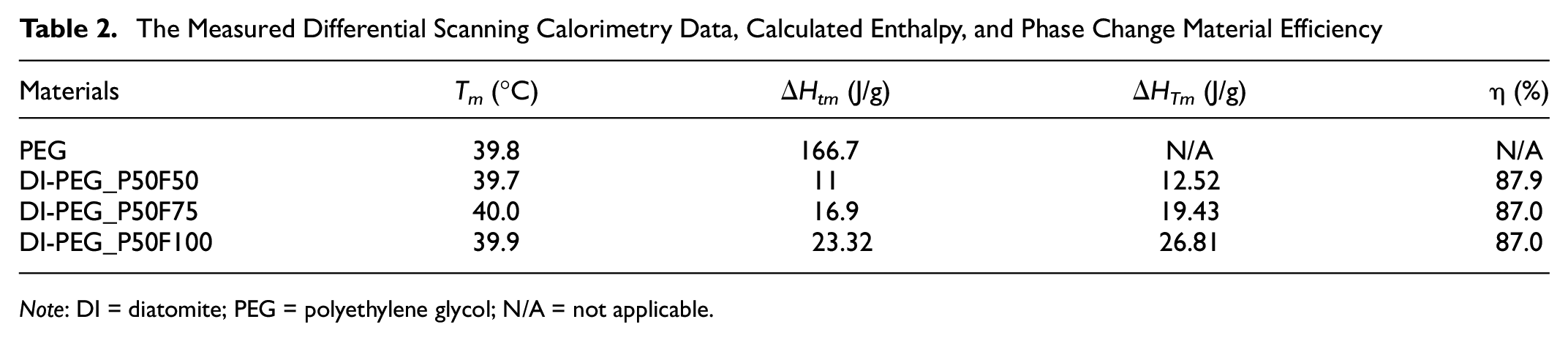
The thermal properties of pure PEG, CPCM, and modified mastics were tested by a DSC instrument to detect the melting point and enthalpy (latent heat storage). Figures 5a and b presents the DSC curves of the tested PEG and the mastics. The melting point is calculated at the intercept temperature of the tangent line of the ascending part of the curve and the baseline, and the enthalpy is defined as the area under the curve at the phase transition region. In Figure 5b, it can be observed that the control mastic exhibited no apparent peak, which indicated that there was no endothermic process in the control mastic, as expected. The calculated melting point, enthalpy, and efficiency of PCM in the modified mastic are presented in Table 2. The temperature range of the modified mastic was found to be between 39.7°C and 40.0°C, almost equal to that of PEG (39.8°C), as expected. The testing enthalpy of the modified mastic listed in Table 2 shows that the sample DI-PEG_P50F100 had the highest enthalpy, indicating the highest thermal storage among modified mastic as more fillers were replaced by the CPCM.
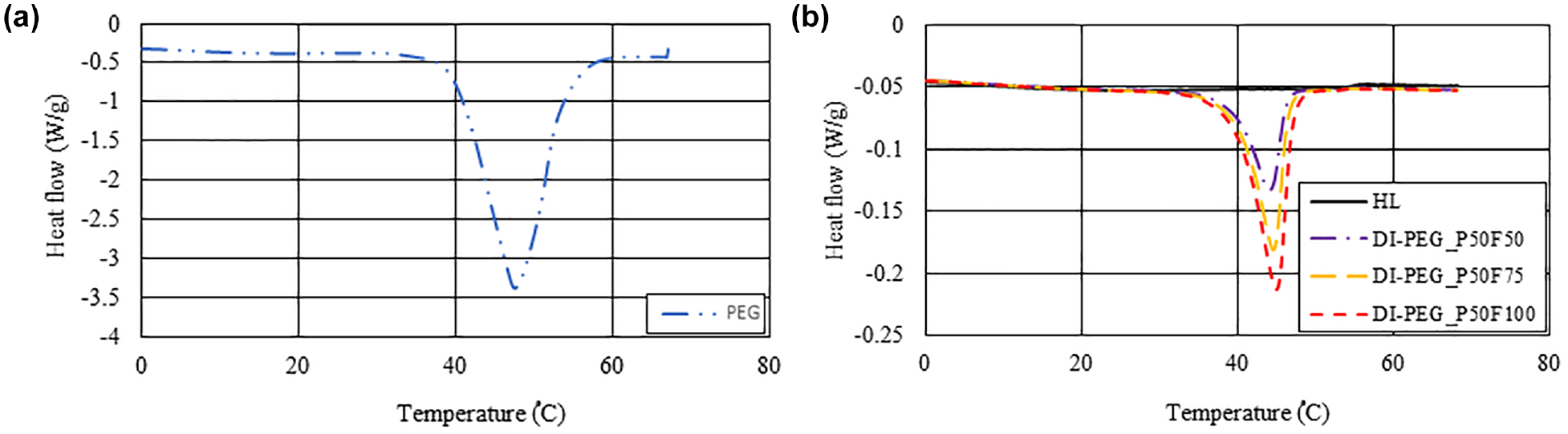
Differential scanning calorimetry curves of the materials: (a) polyethylene glycol (PEG) and (b) mastics.
The Measured Differential Scanning Calorimetry Data, Calculated Enthalpy, and Phase Change Material Efficiency
Note: DI = diatomite; PEG = polyethylene glycol; N/A = not applicable.
With respect to the efficiency of the PCM, 87% efficiency was obtained for the modified mastic. The 13% loss could be attributed to the mass loss of PEG during mixing with the binder at high temperatures. In the research conducted by Zhang et al. ( 20 ), expanded graphite was used to preserve the PCM, and 65.5–71.0% efficiency was reported. Despite the slightly different testing conditions, the differences suggested that DI is a suitable PCM carrier because of its honeycomb microstructure.
Thermal Conductivity and Volumetric Heat Capacity
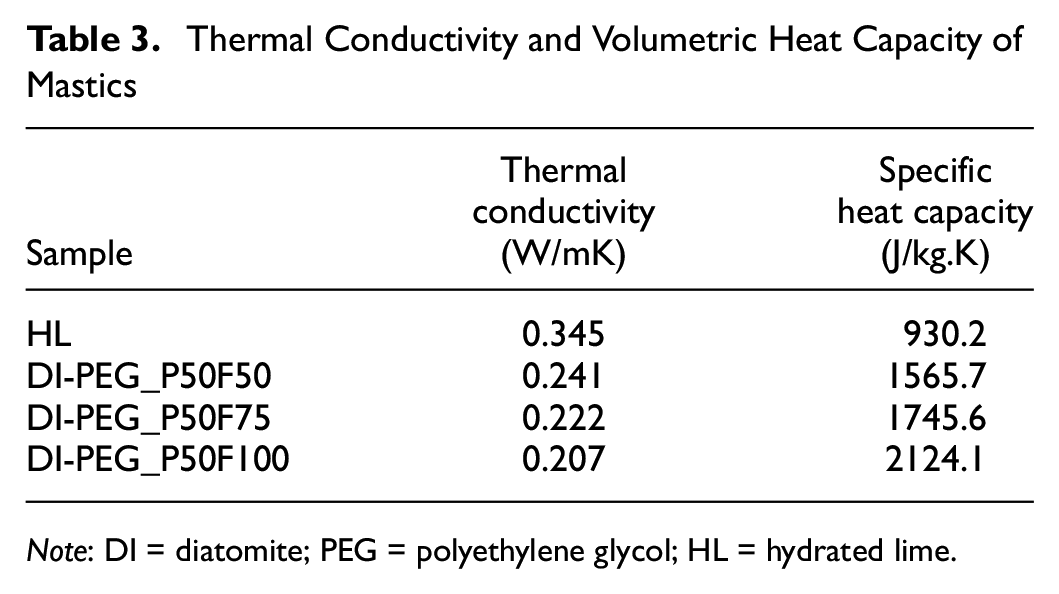
The thermal conductivity and specific heat capacity are important thermal properties that are directly related to the changes of pavement temperatures. Higher thermal conductivities accelerate the heat transfer within the asphalt layer. As presented in Table 3, lower thermal conductivity of modified mastics was observed compared to the control mastic, as PEG had low thermal conductivity. Another thermal parameter was specific heat capacity, which was measured at the melting point of mastics. Unlike the thermal conductivity, an increasing trend was manifested for the modified mastic. A greater specific heat capacity can decrease the temperature gradient of asphalt pavement and contribute to the thermal regulation of the pavement system.
Thermal Conductivity and Volumetric Heat Capacity of Mastics
Note: DI = diatomite; PEG = polyethylene glycol; HL = hydrated lime.
Real-Time Temperature Performance Test (Thermoregulation of Mastics)
The real-time temperature performance test was conducted to directly investigate the thermal regulation performance of CPCMs in asphalt mastic. The test results are presented in Figures 6 and 7. It can be observed that the modified mastics with CPCMs had consistently lower temperatures compared to the control mastic throughout the test. The increase of the mastic temperature was effectively delayed with the addition of CPCMs. The observation validated the thermal regulation effect of CPCMs. The difference between the temperatures of the control sample and the modified mastics was greater as a higher content of fillers was replaced by the CPCMs. The maximum temperature difference during the test was observed with the DI-PEG_P50F100 mastic, which was as high as 6.3°C. In addition, it can be observed in Figure 6 that for DI-PEG_P50F75 and F100, the temperature increase rate decreased as the temperature approached the melting point.
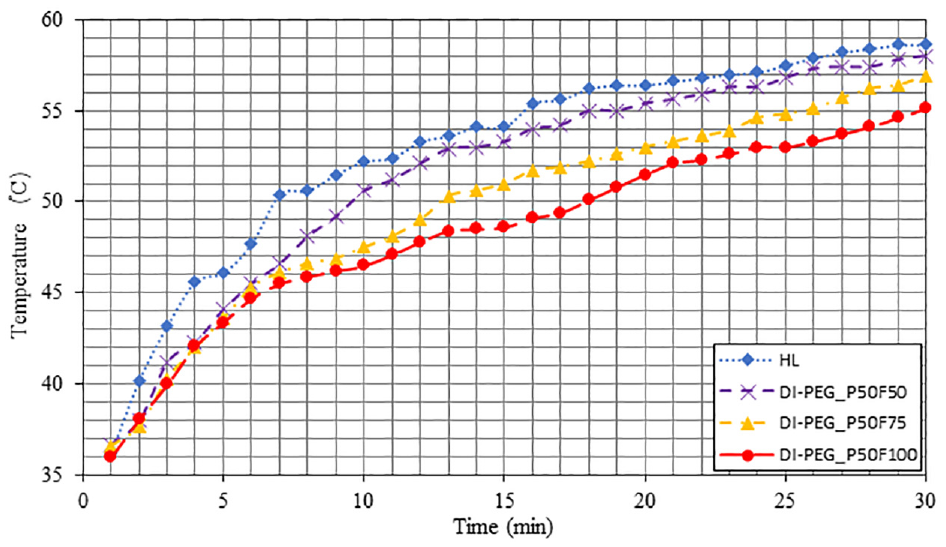
Real-time temperature performance of mastics.
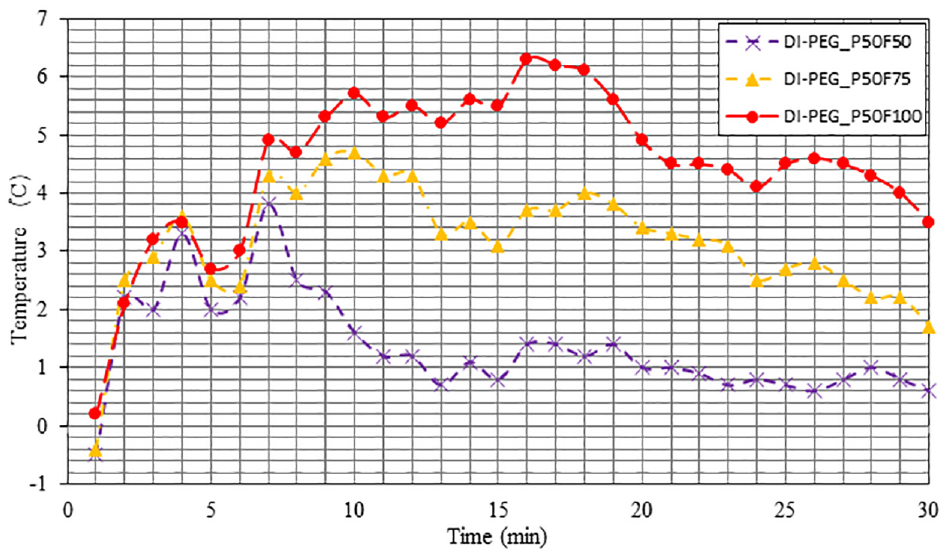
Temperature difference of mastics.
Rutting Performance by the Superpave Rutting Factor (G*/sinδ)
The Superpave rutting factor, G*/sinδ, was used to evaluate the rutting resistance of the binder, where G* is the complex modulus and δ is the phase angle. A higher G*/sinδ value indicated higher resistance to permanent deformation. Figure 8 presents the calculated rutting factors of the control and modified mastic. It can be observed that below 58°C, the mastic with CPCMs had lower rutting resistance; however, at temperatures higher than 64°C, the difference between the modified mastics and the control binder was minor. As the aggregate structure also plays an important role in rutting resistance in asphalt mixtures, the effects of the PCMs on permanent deformation resistance will be further evaluated at the mixture level in a future study.
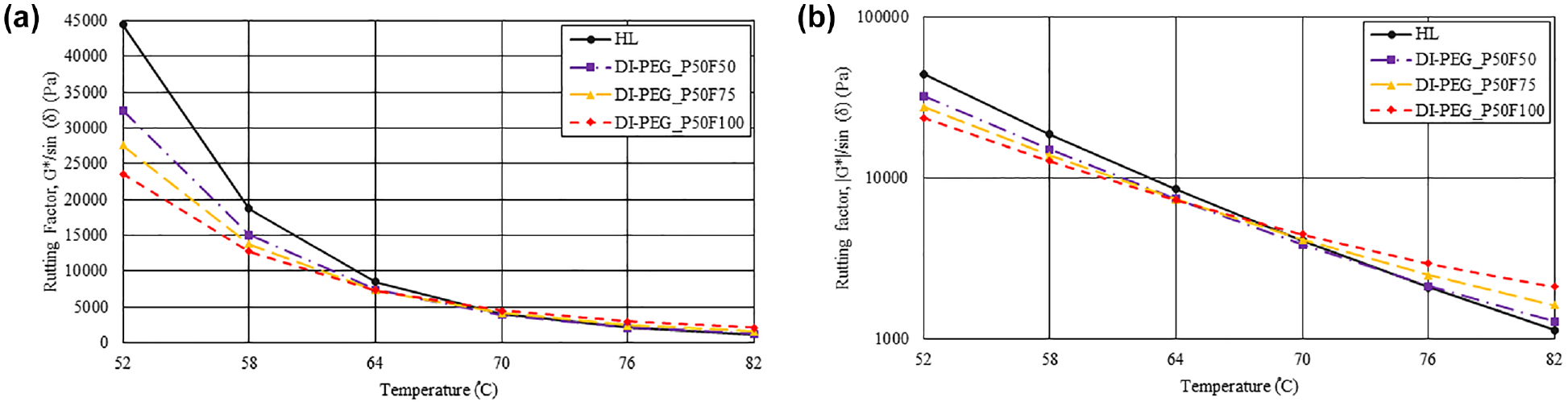
Rutting factor (G*/sinδ) at different temperatures: (a) linear, and (b) semi-logarithmic.
BBR Low-Temperature Performance Test
The BBR test was conducted to evaluate the low-temperature rheological properties of mastics. Materials with high creep stiffness and a low m-value lead to low low-temperature cracking resistance ( 21 ). Figures 9 and 10 present the BBR results, including the creep stiffness (S) and creep rate (m-value). It can be observed that mastics containing CPCMs had lower creep stiffness and higher m-values, which indicated that the addition of PEG could not only function as a thermal regulator, but was also able to improve the low-temperature performance of the pavements.
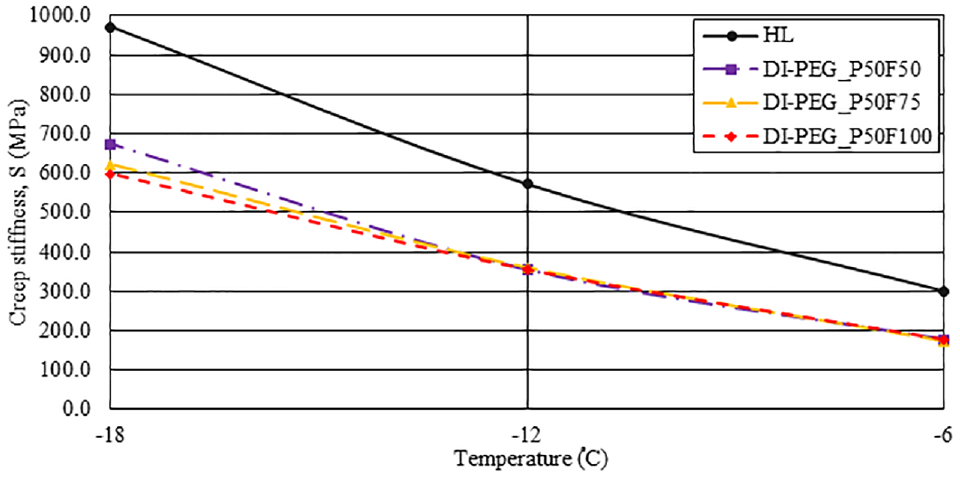
Creep stiffness of the mastics.
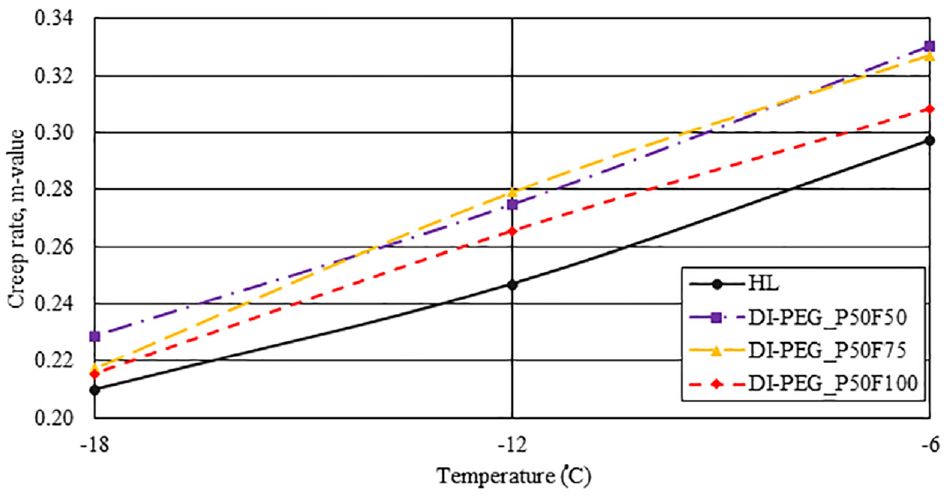
Creep rate of the mastics.
Fatigue Performance at Intermediate Temperature Using the Linear Amplitude Sweep Testing Results
The LAS test was conducted to evaluate the fatigue performance of the mastics at intermediate temperatures on the PAV-aged samples. Figure 11 presents the fingerprint testing results, which were measured under a frequency sweep test at 25°C with loading amplitude within the linear viscoelastic range. The testing results suggested that the CPCM mastics had lower stiffness compared to the control mastic. The linear sweep amplitude tests were conducted directly following the fingerprint test, and the test results were analyzed using the simplified viscoelastic continuum (S-VECD) model. For each material, a damage characteristic curve was obtained, which described the change of the material integrity (C) as a function of the damage intensity factor (S). Figure 12 presents the obtained damage characteristic curves of the mastics. The results showed that even though there were differences among the moduli of the mastics, the damage characteristic curves of different mastics almost overlapped each other, which indicated that the addition of PCM did not have a significant impact on the fatigue resistance of the mastics.
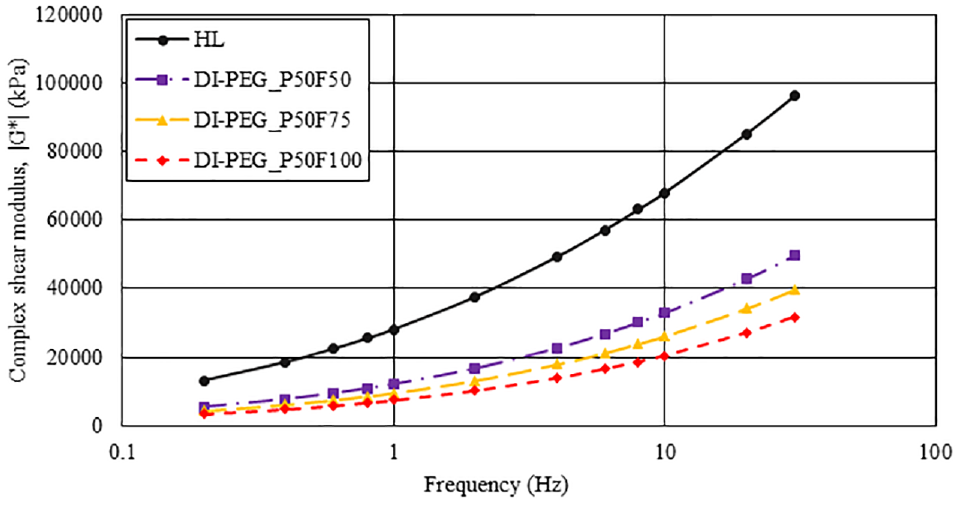
Fingerprint test of the mastics.
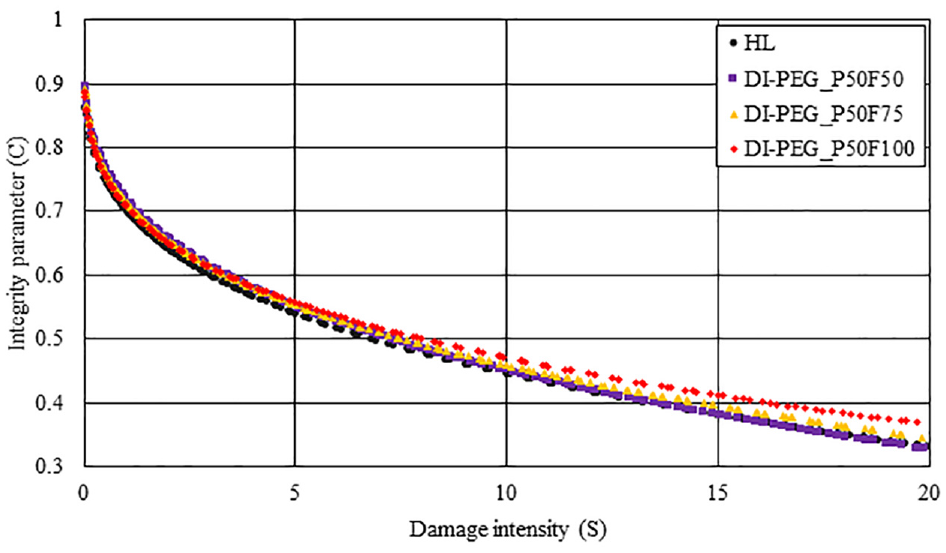
Integrity parameter versus damage intensity of the binders.
The fatigue lives of the mastics under different loading amplitudes were predicted using the S-VECD model. Figure 13 presents the predicted number of cycles to failure (Nf) at a range of loading strain levels. Both the modulus values and the damage characteristic curves played important roles in the calculation. The results showed that at the same loading amplitude, the mastics with CPCMs generally exhibited slightly lower fatigue lives than the control mastic. However, in realistic situations, as the moduli of the materials were different, the strain levels applied on the material would be different as well. The full analyses of the effects of PCM on asphalt will be completed on the mixture level in a future study.
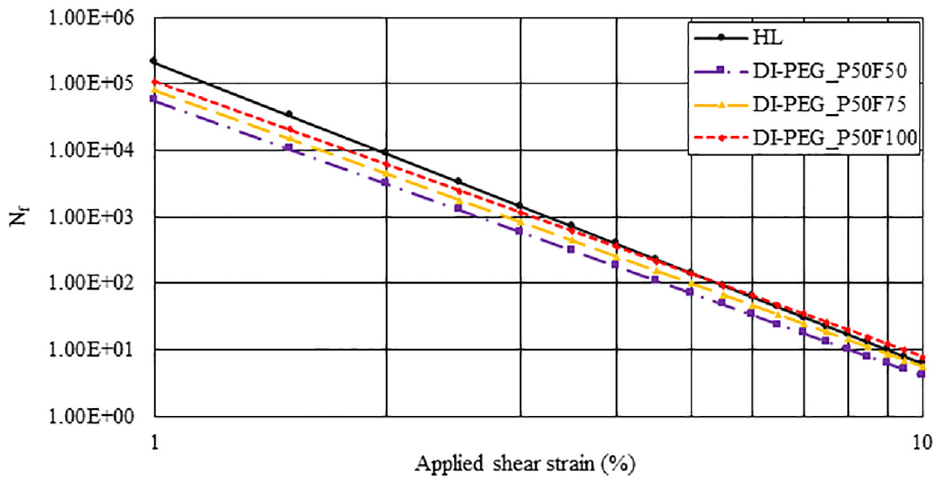
Fatigue life of the mastics.
Conclusions
In this study, porous fillers were used as carriers to incorporate PCMs into asphalt pavements. Thermal and rheological tests were performed on the asphalt mastic to select the appropriate fillers, PCMs, and the blending ratio. Two different carrier materials (DI and EP) and four types of PCMs (PEG, LU, Pa-42, and Pa-58) were included in the research. Based on the results of the SEM image analysis, the filter paper test, and the temperature sweep test, the combination of DI and PEG with the blending ratio of 50:50 was selected. The thermal and rheological behaviors of the mastics with CPCM were further evaluated with different filler replacement ratios. The following findings were made in the research.
The DSC results showed that modified mastics presented a peak in the DSC curve and enthalpy, which led to latent heat storage. The maximum latent heat storage was observed by DI-PEG_P50F100. The melting point of mastics was found to be very close to the melting point of PEG.
The real-time temperature performance test confirmed the thermal regulation effect of CPCM on asphalt mastic; the highest temperature reduction was observed for mastic DI-PEG_P50F100, which was equal to 6.3°C.
The rutting factor obtained from the Superpave DSR test suggested that the rutting resistance of modified mastics was lower than that of the control mastic when the temperature was below 70°C; the mastics with CPCMs had higher permanent deformation resistance at high temperature.
The low-temperature BBR tests confirmed that the modified mastics had higher low-temperature cracking resistance because of the addition of the PEG.
LAS fatigue performance tests at intermediate temperatures were conducted and analyzed by the S-VECD model. The predicted fatigue life of the modified mastics was slightly lower than the that of control mastic at the same strain level.
In summary, the study validated the concept of using porous fillers as carriers for the incorporation of PCM into asphalt pavements. The thermal analyses demonstrated the merits of the innovative material with respect to its thermal regulation effects. The rheological analyses confirmed that with the addition of PEG, while the low-temperature performance of the asphalt mastics was improved, the performance at the intermediate and high temperatures was not adversely affected by the PCM. For future research, the effects of the CPCM will be further evaluated at the mixture level. The pavement temperature profile and the pavement performance with the incorporation of CPCM will be predicted and simulated under different loading and climate conditions to complete the evaluation.
Footnotes
Acknowledgements
The authors appreciate the material supplier Dicalite for their support and providing fillers (DI and EP) samples for conducting this research.
Author Contributions
The authors confirm contribution to the paper as follows: study conception and design: F. Saberi K, D. Wang, J. Liu; data collection: F. Saberi K; analysis and interpretation of results: F. Saberi K, D. Wang, J. Liu; draft manuscript preparation: F. Saberi K, D. Wang, J. Liu. All authors reviewed the results and approved the final version of the manuscript.
Declaration of Conflicting Interests
The author(s) declared no potential conflicts of interest with respect to the research, authorship, and/or publication of this article.
Funding
The author(s) disclosed receipt of the following financial support for the research, authorship, and/or publication of this article: This work was supported by the National Center for Transportation Infrastructure Durability & Life-Extension, U. S. Department of Transportation.
