




Abstract
Background:
Unsuitable footwear worn in childhood may cause some foot problems by interfering normal development of foot.
Objectives:
To compare footwear suitability rate of indoor and outdoor footwear at all points in preschool children and investigate factors which could affect footwear suitability.
Study design:
A cross-sectional survey study.
Methods:
A total of 1000 healthy preschool children (4–6 years old) participated in this study. Indoor and outdoor footwear of children were evaluated through Turkish version of Footwear Assessment Score. Effect of factors like age, sex, number of siblings, educational and occupational situation of parents, and behavior of school management about selecting footwear was investigated.
Results:
Children got better footwear score for outdoor than indoor ones (p < 0.001). Boys got statistically better footwear score for both indoor and outdoor ones than girls (p < 0.001). Also significant difference in footwear score was found in favor of children who were going to schools that gave guidance about selecting footwear for both indoor and outdoor in comparison to children going to other schools (p < 0.001).
Conclusions:
For healthy foot development, parents need an education about suitable footwear for their children. Performing education programs and investigation of their effect with comprehensive follow-up studies in future is essential.
Clinical relevance
This study reflects footwear habits of Turkish preschool children and factors affecting this issue. Results may give way to education programs about suitable footwear worn in childhood for healthy foot development.
Background
Footwear which was actually invented to protect human feet from harmful effects of environment is seen as an indispensable product of fashion today. Vital components of footwear, necessary for foot health, are usually ignored for the sake of fashion.1,2 Functional demands from footwear are protecting the foot, increasing friction between foot and floor, and providing foot stability and shock attenuation. 1 Today, we know that wearing ill-fitting shoes may cause some foot problems like hallux valgus, claw toe, hammer toe, lesser toe deformities, corn, callus and foot pain, and so on by interfering with biomechanical balance of foot.3–9
In childhood, wearing appropriate footwear is an important issue that parents are interested in, but there are considerable amount of conflicting knowledge and question marks about it in their minds. Some footprint studies have showed that wearing footwear before 6 years of age makes children prone to flat foot deformity compared with children whose feet were always bare until that age.10,11 When the importance of first 6 years of life for foot development is taken into consideration, authors suggest that children should be encouraged to play and walk barefoot on different surfaces for normal development of foot. Footwear is thought to prevent normal development of the child foot by interfering with intrinsic muscle activity of foot.2,10,12 However, these children need to wear footwear especially for outdoor areas to protect their feet from cold or other traumatic factors of the environment. This necessity makes choosing appropriate footwear for children crucial so as not to affect their foot development adversely, but still parents’ knowledge is poor or wrong. Studies have focused at length about this issue, but suitability of footwear should be tested with not only fit but also style, material, stability, heel height, and wear properties of footwear.13,14 There is no comprehensive study in which children’s footwear was evaluated by considering all these parameters. Our aim with this study was to compare footwear suitability rate of indoor and outdoor footwear in preschool children and investigate factors which could affect this issue.
Methods
A total of 1000 preschool children between the ages of 4 and 6 years from 16 kindergartens located at various towns in Ankara, Turkey, were studied between February and July 2011. Towns were selected from different urban and rural areas to reflect educational level variation of parents. Children with any neurologic or orthopedic problem were excluded from the study. Research procedures were approved by the Hacettepe University, Clinical Research Ethics Committee, and written informed consent was taken from parents for their children to participate in the study.
Parents were divided into three groups according to their total education year (<8 years, 8–11 years, and >11 years), and also divided into three groups according to their occupation (doctor, physiotherapist, nurse, and chemist were categorized as health professionals, apart from these, parents were divided as others and not working group). All these information and number of siblings were taken from school archives. Furthermore, according to guidance of school management about selecting footwear for children, schools were grouped as guide and others.
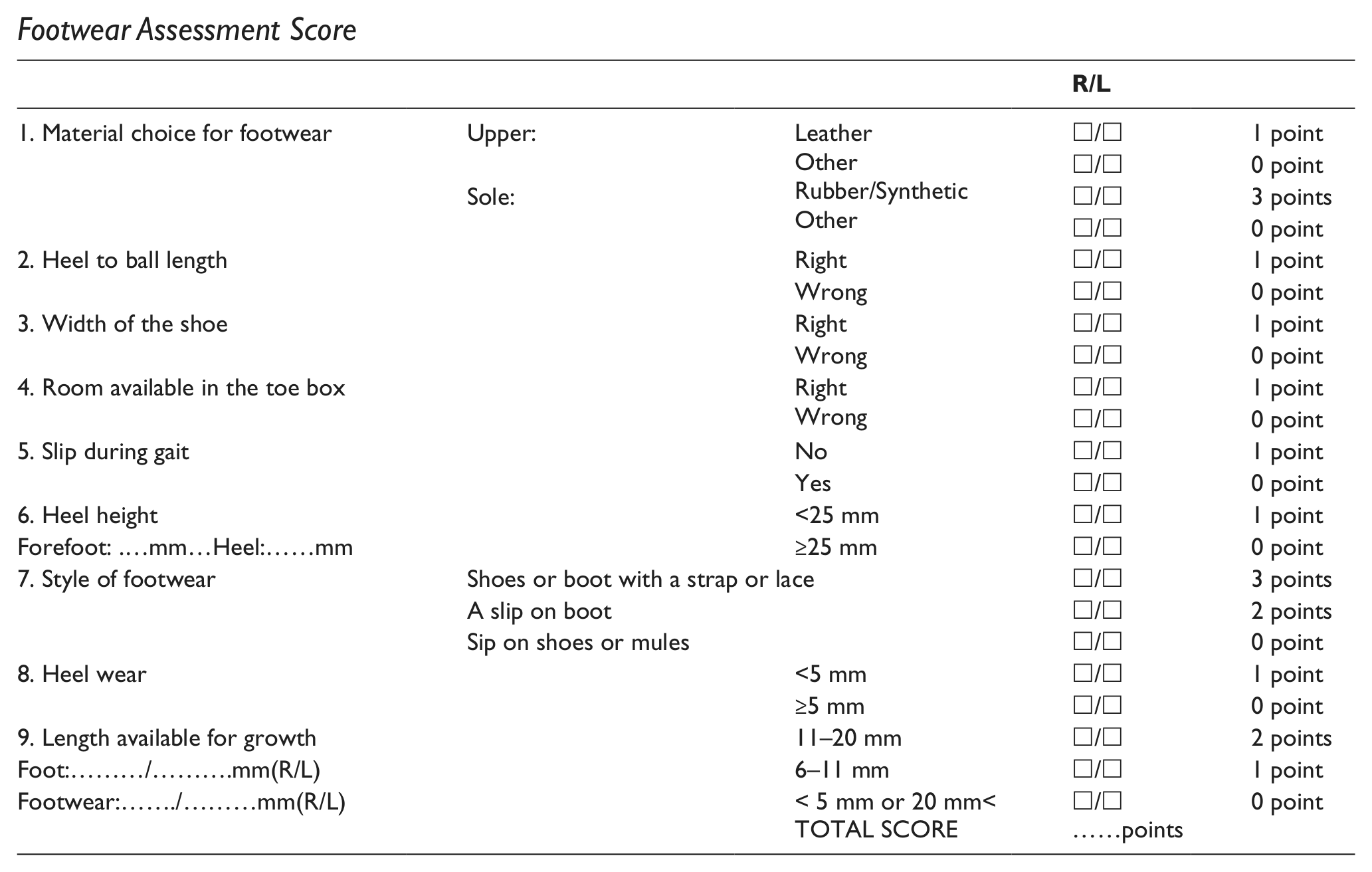
After analyzing similar studies and regional habits, footwear type was categorized into slipper, athletic shoe, boot, canvas shoe, oxford shoe, ugg boot, sandal, moccasin, backless slipper, orthopedic shoe, and other. 15 Suitability rate of footwear was evaluated with Footwear Assessment Score (FAS) developed to score different parameters of children’s footwear. 13 Reliability of Turkish version of FAS was shown before this study. 16 This is a simple tool consisting of material, heel to ball length, width, room available in the toe box, slip during gait, heel height, style, wear, and length available for growth evaluation parameters for child footwear, and total score is 15 (Appendix 1).
Material of choice for footwear
Leather is seen superior than other materials for upper part of footwear because of its durability, breathability, conformity, and ability to prevent fungal growth features. 14 For outsole material, rubber is thought to reduce injury risk in children. 17 Leather took 1 point for upper, and rubber took 3 points for outsole after observation.
Heel-to-ball length
Footwear should hinge at first metatarsophalangeal joint level not to prevent its critical role in walking. 18 In weight-bearing standing position, if first metatarsophalangeal joint was palpated in the widest part of the shoe that could hinge, it took 1 point.
Width of footwear
To determine proper ball width, pinch test was used while child was standing as described by McPoil, 1 If bunching of the upper part was slight, it took 1 point, if it was thigh or excessive, it took 0 point.
Room available in toe box
For free motion of toes and absence of pressure on toes, there should be extra space in toe box. 19 If the upper material at toe region could be pinched, it took 1 point.
Footwear slip during gait
Child was observed during gait with footwear, and if the heel region indicated a good fit and there was no slip, it took 1 point.
Heel height
For normalized heel height, difference between heel and forefoot height of the outsole was calculated after measuring of both with a millimeter (mm) ruler. If the difference was lower than 25 mm, it took 1 point, and if more than 25 mm, it was scored 0.
Style of footwear
To prevent sliding of foot, a good fixation is desirable. 1 Although laces are considered the best for fixation, strap and Velcro are also seen enough because laces are difficult to manage for children. Shoes and boots with strap, Velcro, or lace took 3 points; slip on boots took 2 points; slippers, backless slippers, and moccasins without strap took 0 point after observation.
Heel wear
Worn footwear is thought to have potential of creating deformity in foot. After placing footwear on a flat surface, the amount of wear was measured with the ruler to the highest point of the heel and less than 5 mm heel wear took 1 point, and more took 0.
Length available for growth
Researchers suggest that there should be at least 10-mm space in front of the longest toe.1,20 To measure internal length of footwear, we developed a measuring device like Klein et al. 9 used in their study (Figure 1). Foot length was measured with a mm ruler on footprint from most prominent part of the heel to the longest toe which was marked on pedograph while taking the footprint (Figure 2). Footprints were taken with a standard pedograph by replicating procedures of Riddiford-Harland et al. 21 If the difference was ≥10 mm and ≤ 20 mm, it took 2 points; ≥5 mm and <10 mm, it took 1 point; and less than 5 mm and more than 20 mm, it took 0 point.
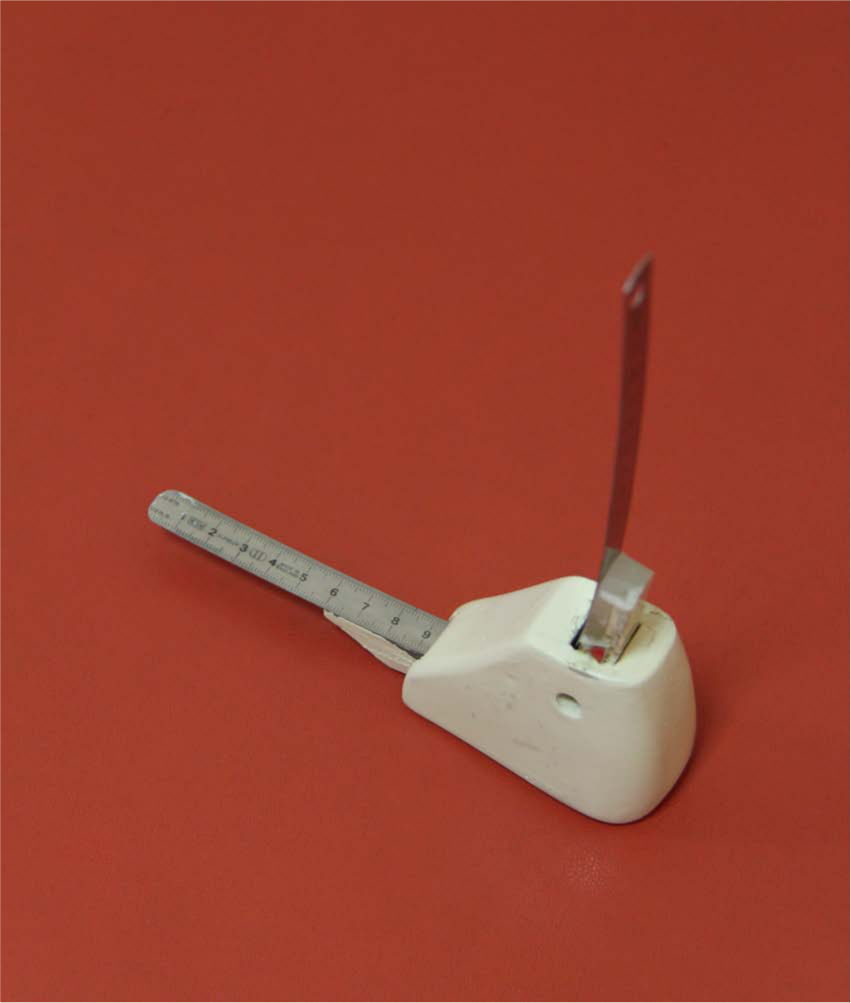
Footwear measuring device.
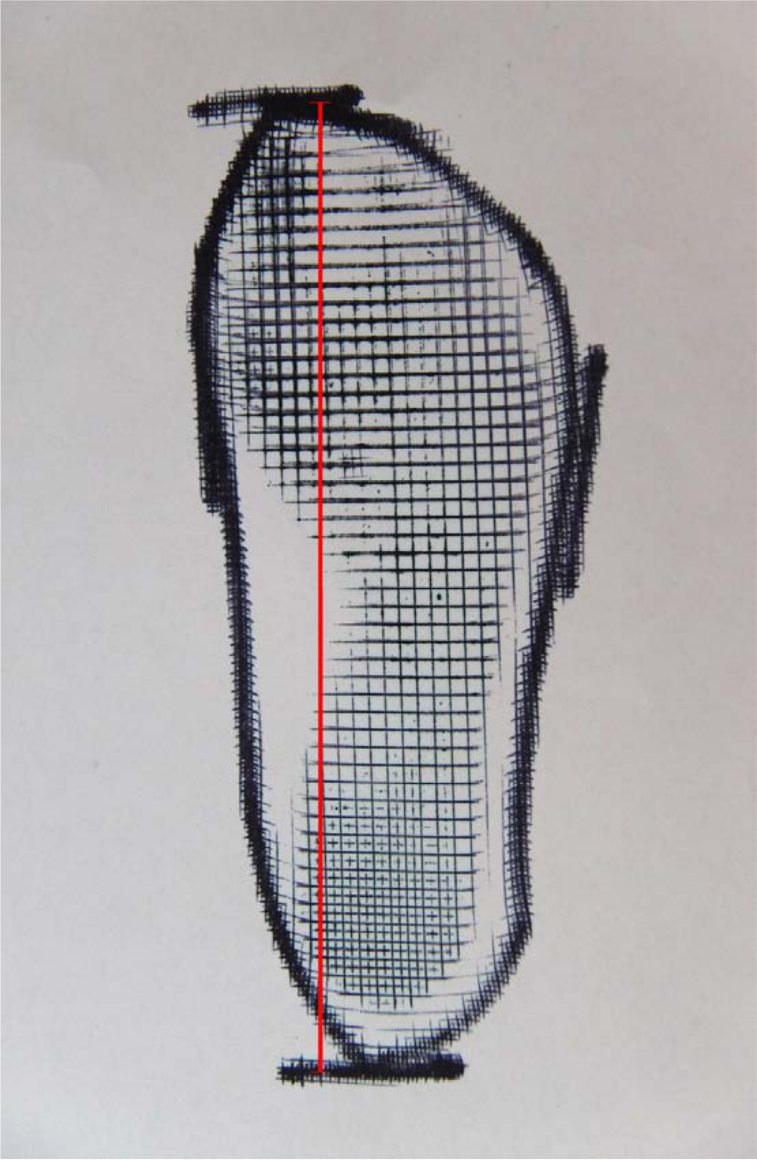
Foot length from most prominent part of the heel to the longest toe.
Kindergartens were visited in morning to minimize the effect of foot volume change on measures as described by McPoil. 1 All tests were performed by the same author on both sides with three readings as Byrne and Curran 13 did. Both indoor and outdoor footwear were assessed within our study.
Statistical analysis
Analyses were performed with the statistical package for social sciences (SPSS) 15.0 version at p ≤ 0.05 significance level for all comparisons. Normality of distribution was tested with skewness–kurtosis, histogram graphic, and normality plots with test before statistical analyses were performed to choose correct test. To compare features of indoor and outdoor footwear, McNemar’s test for variables consisting of two groups, Marginal Homogeneity test for variables consisting of three groups, and Wilcoxon test for numeric variable were used. To compare both indoor and outdoor footwear score between two groups Mann–Whitney-U test and between three groups Kruskal–Wallis test were performed. Post hoc Mann–Whitney-U test with Bonferroni correction was performed for significant results found after Kruskal–Wallis test. To compare variables between school types, 2 × 2 and 2 × 3 chi-square tests were performed. Right side was used for analyses in order to prevent confusion because right side got statistically worse FAS results than the left side in our study.
Results
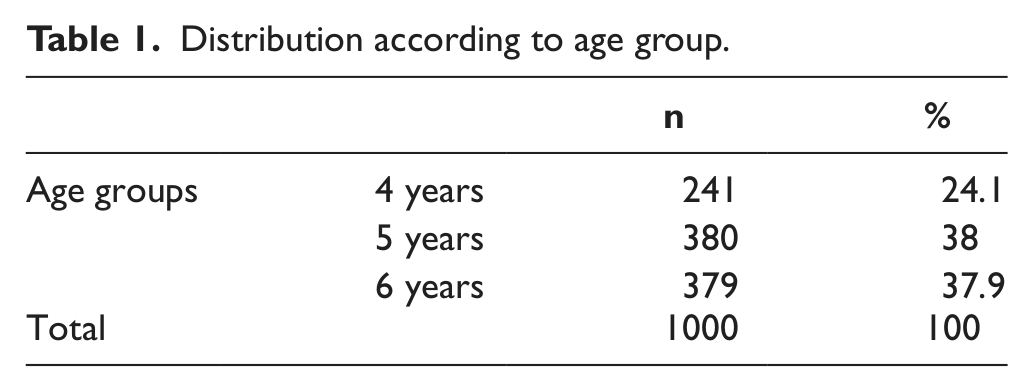
A total of 1000 children (530 boys and 470 girls) were included in this study, and their mean age was 5.14 ± 0.78 years. Distribution according to age group is shown in Table 1.
Distribution according to age group.
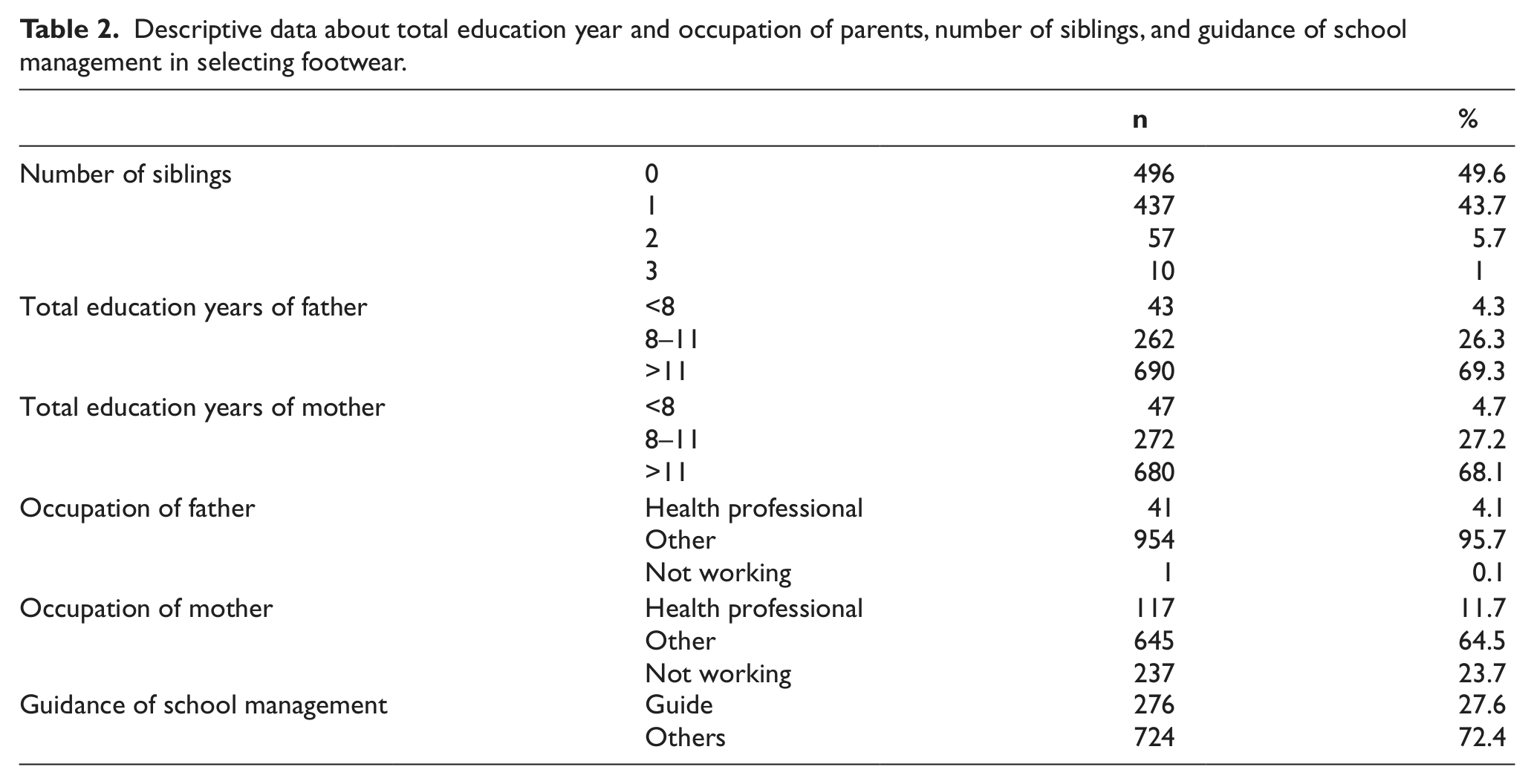
Descriptive data about total education year and occupation of parents, number of siblings, and guidance of school management in selecting footwear for children are shown in Table 2. Percentages of footwear types worn indoor and outdoor are illustrated in Figure 3.
Descriptive data about total education year and occupation of parents, number of siblings, and guidance of school management in selecting footwear.
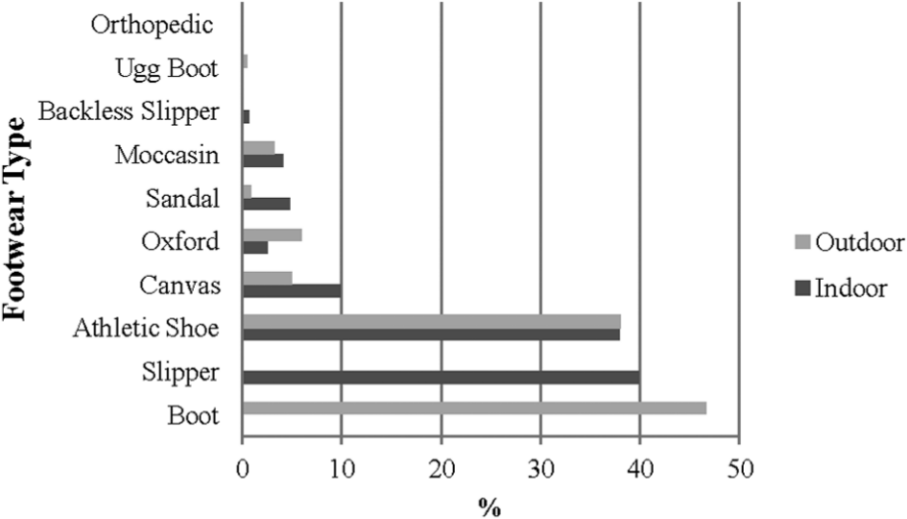
Footwear types worn indoor and outdoor.
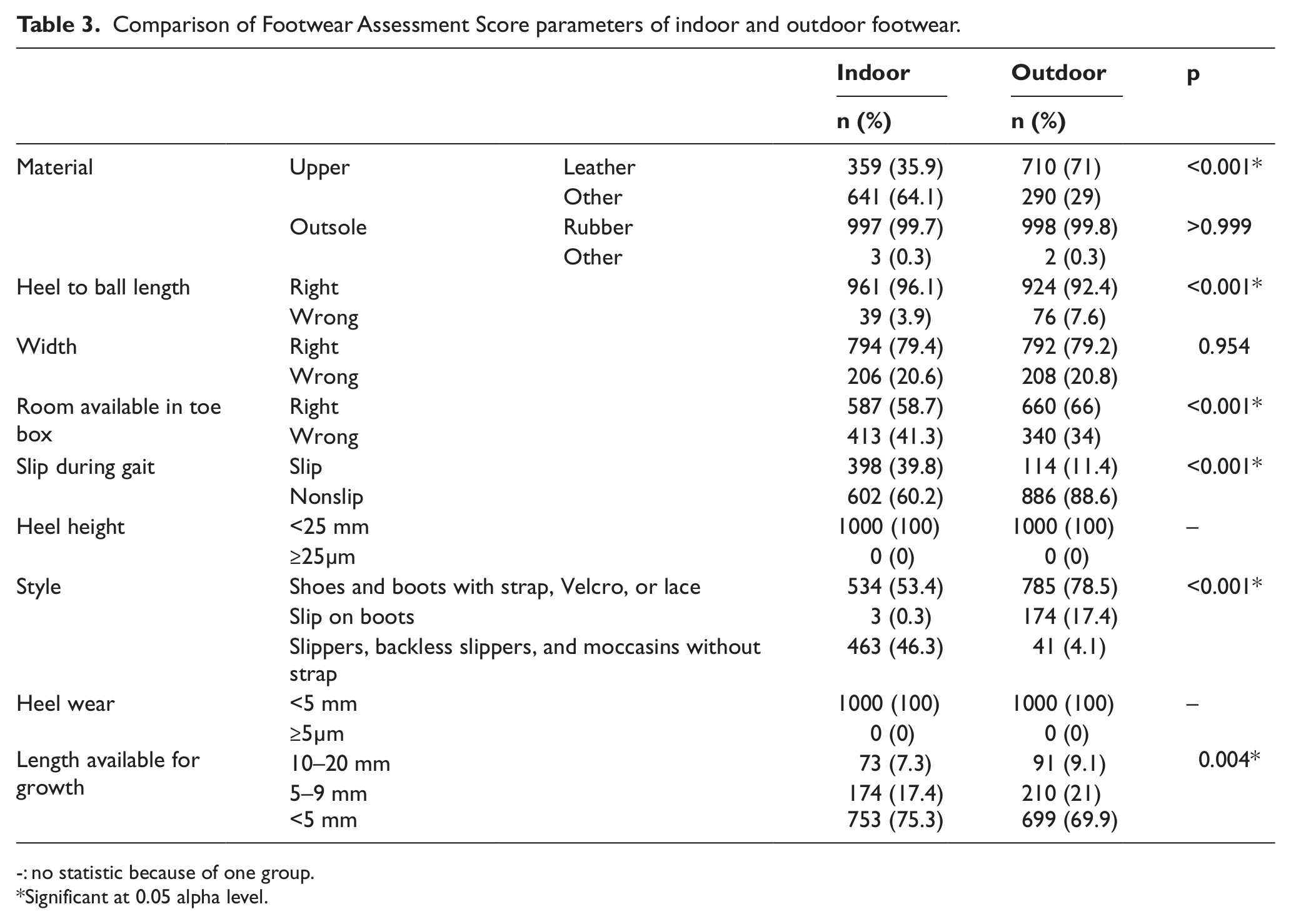
Outdoor footwear score, 12.06 (95% confidence interval: 11.96–12.16), is significantly higher than indoor ones, 10.22 (95% confidence interval: 10.06–10.37) (p < 0.001; Figure 4). Comparing indoor and outdoor footwear parameters, it was found that children wear leather-made footwear statistically more frequently outdoor than indoor (p < 0.001). But there is no difference for outsole material. Length available for growth and room available in the toe box parameters of fit statistically got better score for outdoor (p < 0.01). Footwear slip on the heel during gait was more frequently observed for indoor in accordance with worse style of footwear than outdoor (p < 0.001). Although heel-to-ball length score is statistically higher for indoor footwear, the difference is not clinically significant (Table 3).
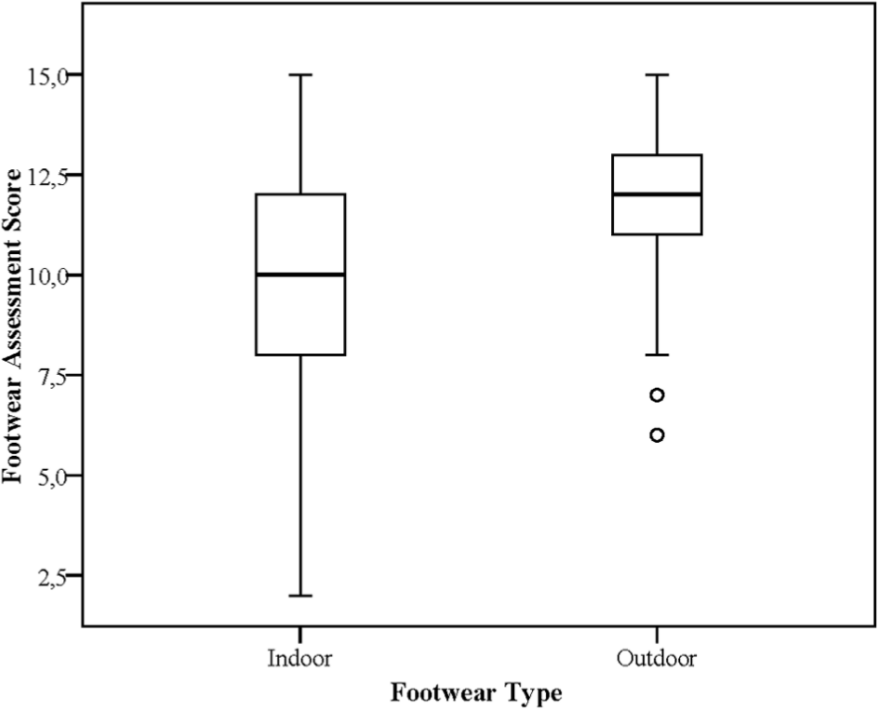
Comparison of indoor and outdoor footwear assessment total score.
Comparison of Footwear Assessment Score parameters of indoor and outdoor footwear.
-: no statistic because of one group.
Significant at 0.05 alpha level.
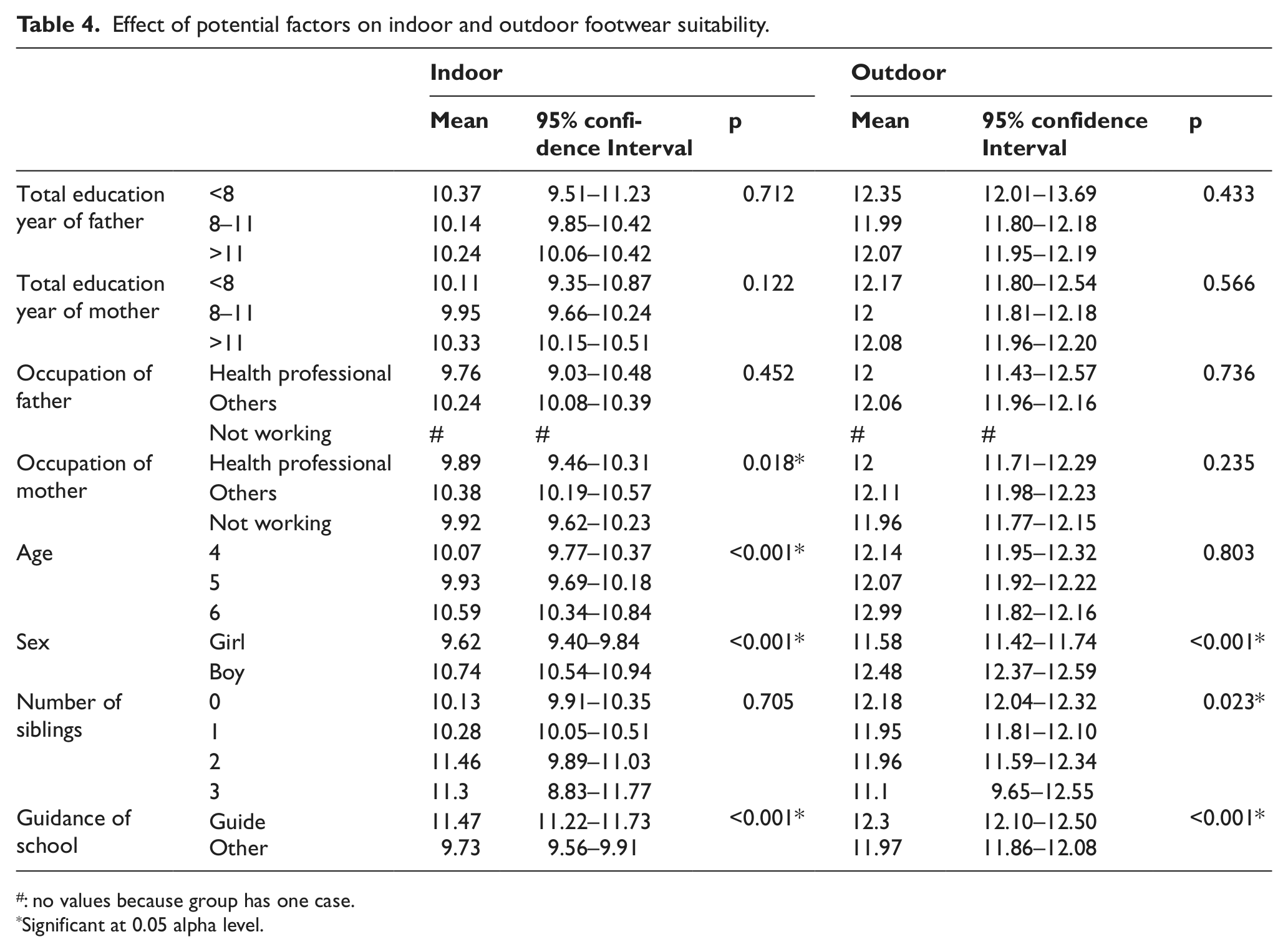
Boys got significantly higher FAS score than girls for both indoor and outdoor footwear (p < 0.001). Also guidance of school had a similar effect on footwear suitability, with children from guided schools scoring higher (p < 0.001; Table 4). Statistically, children aged 6 years got a higher score than 4- and 5-years-olds for indoor footwear (p < 0.016; Tables 4 and 5). Although within-group results of occupation of mother are not statistically significant, there was difference between others and not working groups. A similar situation is present in number-of-siblings factor, as minor differences were present in children groups having none or one sibling (Table 5).
Effect of potential factors on indoor and outdoor footwear suitability.
#: no values because group has one case.
Significant at 0.05 alpha level.
Comparison of factors within groups affect footwear suitability.
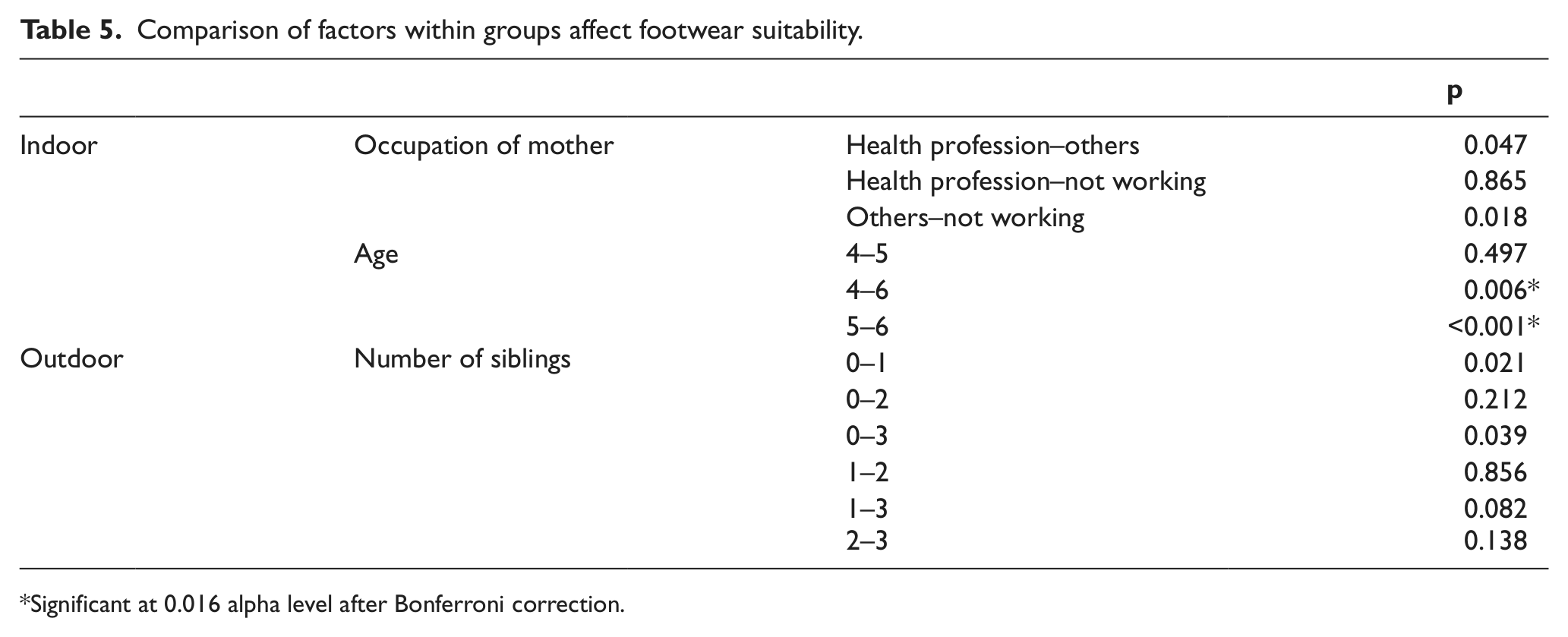
Significant at 0.016 alpha level after Bonferroni correction.
In addition, we compared the major factors between school types that affect footwear suitability to see the effect of school type clearly. No significant difference was found due to sex between school groups (p > 0.05). There is a significant difference for age groups between school types (p < 0.05), but this difference is not in favor of guide school group (Table 6).
Comparison of school groups.
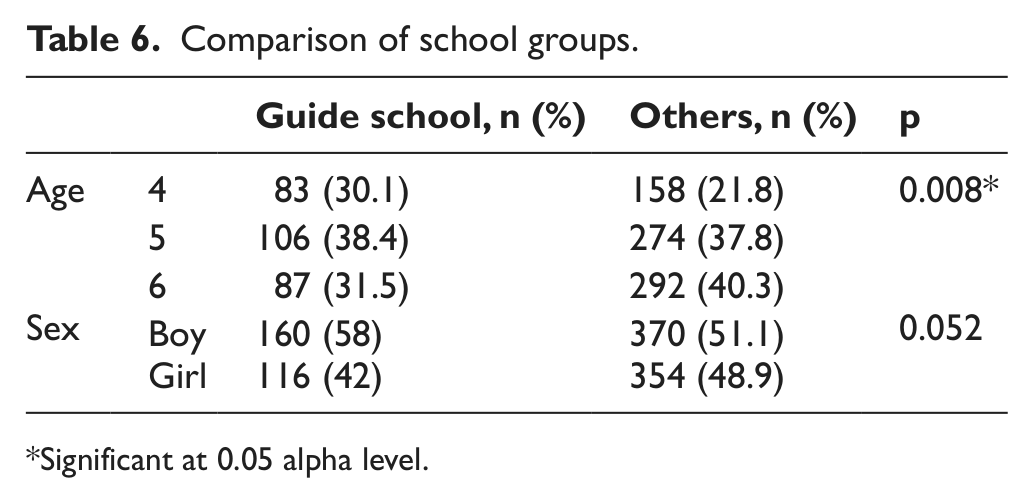
Significant at 0.05 alpha level.
Discussion
Outdoor footwear got better total score than indoor ones because of their better results about upper material, room available in toe box, slip during gait, style and length available for growth parameters. Major factors that affected footwear score were sex and guidance of school for both indoor and outdoor footwear. Although statistically significant results were observed in age and occupation of mother factors for indoor footwear and number of siblings factor for outdoor footwear, we do not think these results are clinically significant.
There is limited literature about footwear suitability in children. Byrne and Curran, 13 developers of FAS, reported 12.2 total score for outdoor footwear of 50 children whose ages were between 2 and 15 in their pilot study. They assessed a specific population who were attending School of Podiatry and suggested to perform that study in general population. However, we found similar results for outdoor footwear with a mean of 12.06. An important difference between the two studies was the effect of gender. Boys got a higher score in both indoor and outdoor footwear than girls in our study, but they reported no difference between genders.
Some studies have reported women are more prone to wear ill-fitting footwear than men and also women have more foot problems like pain or deformities.5,8,22,23 Poor footwear scores of girls are remarkable in our study because developing feet of children are more vulnerable to harmful environmental factors. For lifelong foot health, wearing suitable footwear is important from the beginning of life. Parents, especially mothers, should be careful in choosing footwear not only for their children but also for themselves because children do what they see.
Klein et al. 9 assessed length available for growth parameter of both indoor and outdoor footwear in 858 preschool children with similar technique to our study. They reported 22.8% for outdoor and 9.4% for indoor footwear percentages of correct fit in Austrian population. Their correct fit range was 10–16.67 mm. In our study, these percentages were 9.1% for outdoor and 7.3% for indoor footwear, although our wider range that was between 10 and 20 mm. When the similarity of the method of two studies is taken into consideration, it is important to recognize distinct difference between populations especially for outdoor footwear fit.
We also evaluated width and toe box height parameters of fit. According to our results, high percentages of children wear ill-fitting footwear both indoor and outdoor, although child foot should not be restricted for normal development. Some parents think that children can wear same footwear through a year, but foot size of preschool children can grow three sizes a year. 24 It is suggested that parents should check children’s footwear once every 2 months without waiting for their complaint. 2
Mauch et al.25,26 have shown that foot shapes differ between populations and genders. For proper footwear fit, footwear should have enough size varieties to imitate different foot shapes of all humanity. Our observation is that manufacturers tend to use foreign countries’ last shapes for the sake of fashion, and they do not manufacture different wide sizes for one length size. They ignore this issue because of its cost and so it needs a legal regulation.
Children who were guided by schools had higher scores than other children for both indoor and outdoor footwear in our study. Their guidance was only to inform parents about purchasing athletic shoe for indoor and informing them when a child need a new pair of shoes because of growing feet. Also high educational level or being a health professional did not affect children’s footwear suitability score. All these results show a requirement of education about selecting the right footwear for children, and an appropriate way may be to begin with parent’s meeting at kindergartens.
It is clear that monthly income of a family could affect this issue because child footwear is unfortunately not cheaper than adult’s. We did not ask any questions about this issue to the parents, and it could be the limitation of our study. However, these kindergartens cost average 1,000 Turkish Liras (about 450 Euro), and we think these parents could buy new footwear more frequently for their children’s foot health. Another limitation is that we found statistically significant differences for some comparisons although the differences were not clinically significant. It could be a result of our big sample size.
Conclusion
Footwear, worn in childhood, is crucial for lifelong foot health, and we assessed suitability of it by considering all the parameters. Indoor footwear got worse scores than outdoor ones although children are usually more active indoors. Effects of gender and guidance of school on both indoor and outdoor footwear scores were clinically significant. It is important to perform education programs or projects for schools, parents, and footwear manufacturers about suitable footwear for public foot health. Also this idea should be supported by other comprehensive studies consisting of different age groups and populations.
Footnotes
Appendix 1
Footwear Assessment Score
| R/L | ||||
|---|---|---|---|---|
| 1. Material choice for footwear | Upper: | LeatherOtherRubber/SyntheticOther | ☐/☐ | 1 point |
| ☐/☐ | 0 point | |||
| Sole: | ☐/☐ | 3 points | ||
| ☐/☐ | 0 point | |||
| 2. Heel to ball length | Right | ☐/☐ | 1 point | |
| Wrong | ☐/☐ | 0 point | ||
| 3. Width of the shoe | Right | ☐/☐ | 1 point | |
| Wrong | ☐/☐ | 0 point | ||
| 4. Room available in the toe box | RightWrong | ☐/☐ | 1 point | |
| ☐/☐ | 0 point | |||
| 5. Slip during gait | No | ☐/☐ | 1 point | |
| Yes | ☐/☐ | 0 point | ||
| 6. Heel height | <25 mm | ☐/☐ | 1 point | |
| Forefoot: .…mm…Heel:……mm | ≥25 mm | ☐/☐ | 0 point | |
| 7. Style of footwear | Shoes or boot with a strap or lace | ☐/☐ | 3 points | |
| A slip on boot | ☐/☐ | 2 points | ||
| Sip on shoes or mules | ☐/☐ | 0 point | ||
| 8. Heel wear | <5 mm | ☐/☐ | 1 point | |
| ≥5 mm | ☐/☐ | 0 point | ||
| 9. Length available for growth | 11–20 mm | ☐/☐ | 2 points | |
| Foot:………/……….mm(R/L) | 6–11 mm | ☐/☐ | 1 point | |
| Footwear:……./………mm(R/L) | < 5 mm or 20 mm< | ☐/☐ | 0 point | |
| TOTAL SCORE | ……points | |||
Conflict of interest
The authors have no conflict of interest to disclose.
Funding
This research received no specific grant from any funding agency in the public, commercial, or not-for-profit sectors.