




Abstract
A biomechanical analysis of sports performance provides an objective method of determining performance of a particular sporting technique. In particular, it aims to add to the understanding of the mechanisms influencing performance, characterization of athletes and provide insights into injury predisposition. While the performance in sport of able-bodied athletes is well recognized in the literature, less information and understanding are known on the complexity, constraints and demands placed on the body of an individual with a disability. This article provides a dialogue that outlines scientific issues of the performance analysis of multi-level athletes with a disability, including Paralympians. Four integrated themes are explored, the first of which focuses on how biomechanics can contribute to the understanding of sports performance in athletes with a disability and how it may be used as an evidence-based tool. This latter point questions the potential for a possible cultural shift led by the emergence of user-friendly instruments. The second theme briefly discusses the role of reliability of sports performance and addresses the debate of two-dimensional and three-dimensional analyses. The third theme addresses key biomechanical parameters and provides guidance to clinicians and coaches on the approaches adopted using the biomechanical/sports performance analysis for an athlete with a disability starting out, to the emerging and elite Paralympian. For completeness of this discourse, the final theme is based on the controversial issues on the role of assisted devices, and the inclusion of Paralympians into able-bodied sport. All combined, this dialogue highlights the intricate relationship between biomechanics and training of individuals with a disability. Furthermore, it illustrates the complexity of modern training of athletes, which can only lead to a better appreciation of the performances to be delivered in the London 2012 Paralympic Games.
Clinical relevance
Biomechanical analysis can play a fundamental role in optimizing the performance of an athlete with a disability. Clinicians should be aware and understand the mechanisms that may influence performance and have an appreciation of the factors that may predispose such athletes to injury.
Keywords
Using one spinal cord injury related and one transtibial amputee as examples, what advice do you give to an athlete expressing an interest in participating in a sport?
I can only encourage all persons with a so-called, disability to be involved in sports activities, adapted or not. Go for it! Various factors could make this experience rewarding. In my opinion, it is essential that participants find the right match between their physical abilities, personal preferences and access to local resources.
Paralympic sports are designed for individuals with amputation, spinal cord injury as well as visual impairment, cerebral palsy, learning disabilities and other forms of impairments (‘les autres’). The good news is the list of sports on offer can accommodate a range of physical abilities and classifications. 1 Some required minimal engagement like Boccia. Others are highly demanding like the Marathon. So, there are opportunities for individuals with all types and ranges of impairments. 2
The other good news is that these sports can accommodate a range of personal preferences: indoor versus outdoor, individual versus collective, dry versus wet, short versus long, summer versus winter, fine motor skills versus high physical engagements and so on. That includes sports like athletics, archery, wheelchair rugby, downhill ski, swimming, tennis, seated ice hockey: you name it!
A sustainable involvement requires access to training facilities as well as partakers with some expertise in coaching, design of equipment, classification, physiotherapy, sports administration, and so on. These initial choices might appear daunting at first glance. The International Paralympic Committee (IPC) (http://www.paralympic.org/) provides official resources and links to National Paralympic Committees. This is a good starting point. Furthermore, there are plenty of user-group websites and countless blogs are available. All combined, this information will help to set motivation and suitable expectations to kick-start a fulfilling athletic experience.
Do you think ‘biomechanics’ offers real added value to sports performance of Paralympians?
I would love to say that biomechanists alone can generate radical new techniques or equipment leading to performance improvement, but this is rarely the case. For example, the transition in high jump techniques from scissor to Fosbury flop passing by the eastern cut-off, western roll and straddle techniques was mainly led by athletes and coaches although the biomechanical advantages of Fosbury flop are obvious with the benefits of insight.
Nonetheless, biomechanical analyses are critical to coaches and athletes because they provide comprehensive description and eventually, explanation of the performance. Kinematic analyses can demonstrate that high jumper’s body could clear the bar while his/her centre of mass could be passing below the bar. More importantly, these analyses can determine the distance between the position of the centre of mass, the body segments and the bar during clearance.
How does biomechanics act as a tool to support evidence-based training?
Biomechanical analyses are used to assess how changes in core mechanical parameters of sports techniques, strength and conditioning as well as design of equipment influence the performance. They are also used to identify outskirt parameters that can potentially lead to injuries and/or improvements. This information is essential to guide the decisions made by coaching teams. 3
In principle, these analyses can rely on the kinematic (e.g. range of movement, position, velocity, acceleration and momentum), dynamics (e.g. contact external forces and moments and impulse) or kinetics (e.g. joint moments, power and mechanical work) data collected separately or simultaneously. However, in reality, the decisions made by coaching teams are mostly guided by kinematic information. I will go even further by arguing that over the last 10 years, access to high-quality and easy-to-use video information has strongly contributed to place biomechanics, more particularly kinematic analyses of the performance at the heart of evidence-based training programmes. 4
So how does evidence-based training influence day-to-day training?
In most cases, coaching teams rely on two forms of biomechanical analyses. The first one is often referred to as a ‘qualitative’ analysis. In this case, the performance is described using words and very simple tools provided by the video analysis software packages. It is a great way to facilitate self-observation. I have used it either in-between drills and/or during post-training debriefings (Figure 1). This is important because the vast majority of activities are too rapid to be fully comprehended with the naked eye. Furthermore, self-observation is essential for athletes with a cerebral palsy or spinal cord injury as their proprioception might be limited or even misleading. 4
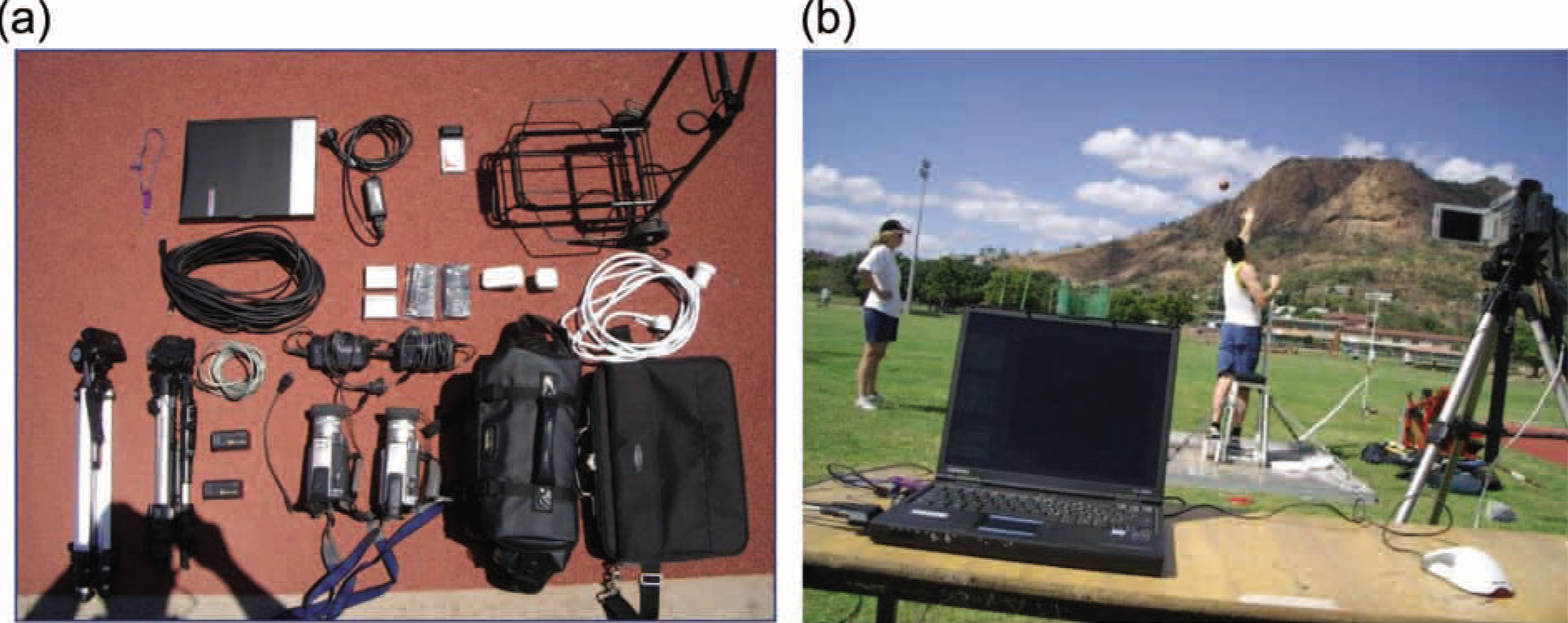
(a) Lay out and (b) set-up of portable motion analysis system used to facilitate evidence-based training of Australian emerging and elite stationary throwers.
Coaching teams can also gather information from so-called, qualitative analyses. Here, the performance is described by data presented mainly in table and graph formats. This requires a wider range of measuring device (e.g. accelerometers, high-speed video cameras, three-dimensional (3D) motion analysis systems, forces plates and load cells), more constraining recording conditions to warrant accuracy and specific software packages. Typically, these measurements are conducted during purposeful and carefully planned data collection sessions taking place in dedicated facilities (Figure 2). The data analysis is labour intensive. Thus, the extraction of meaningful results can take up to several weeks. So, the benefits of this approach are not as immediate. Nonetheless, it contributes to more in-depth reflection.
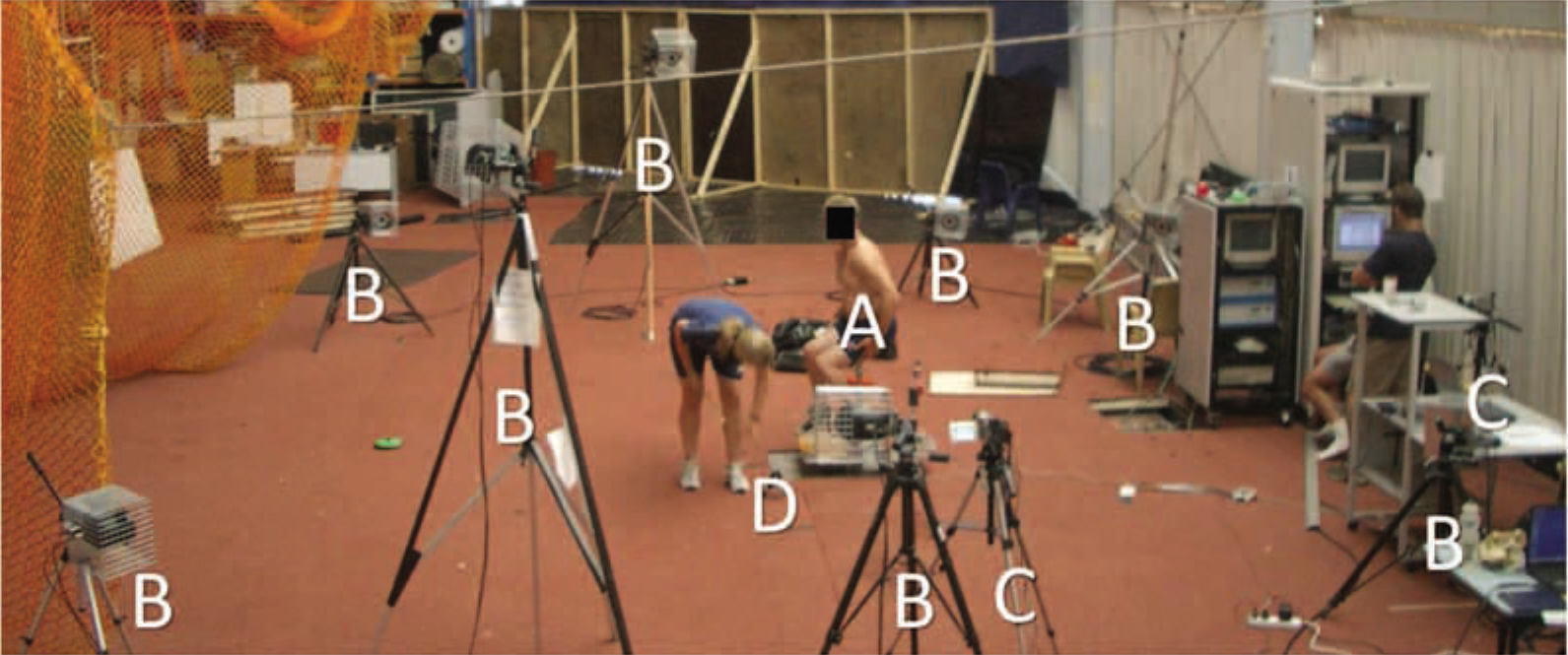
Performance analysis of stationary thrower (A) in the motion laboratory of Australian Institute of Sports’ including the eight-camera 3D motion analysis system (B), two high-speed video cameras (C), a force plate (D) and two load cells.
What are the specificities of evidence-based training programmes for Paralympians?
The general principles underlying the evidence-based training mentioned earlier are applicable to Paralympians and able-bodied athletes alike. However, I will argue that biomechanical analysis of the performance is far more critical to Paralympians on two accounts (Figure 3).
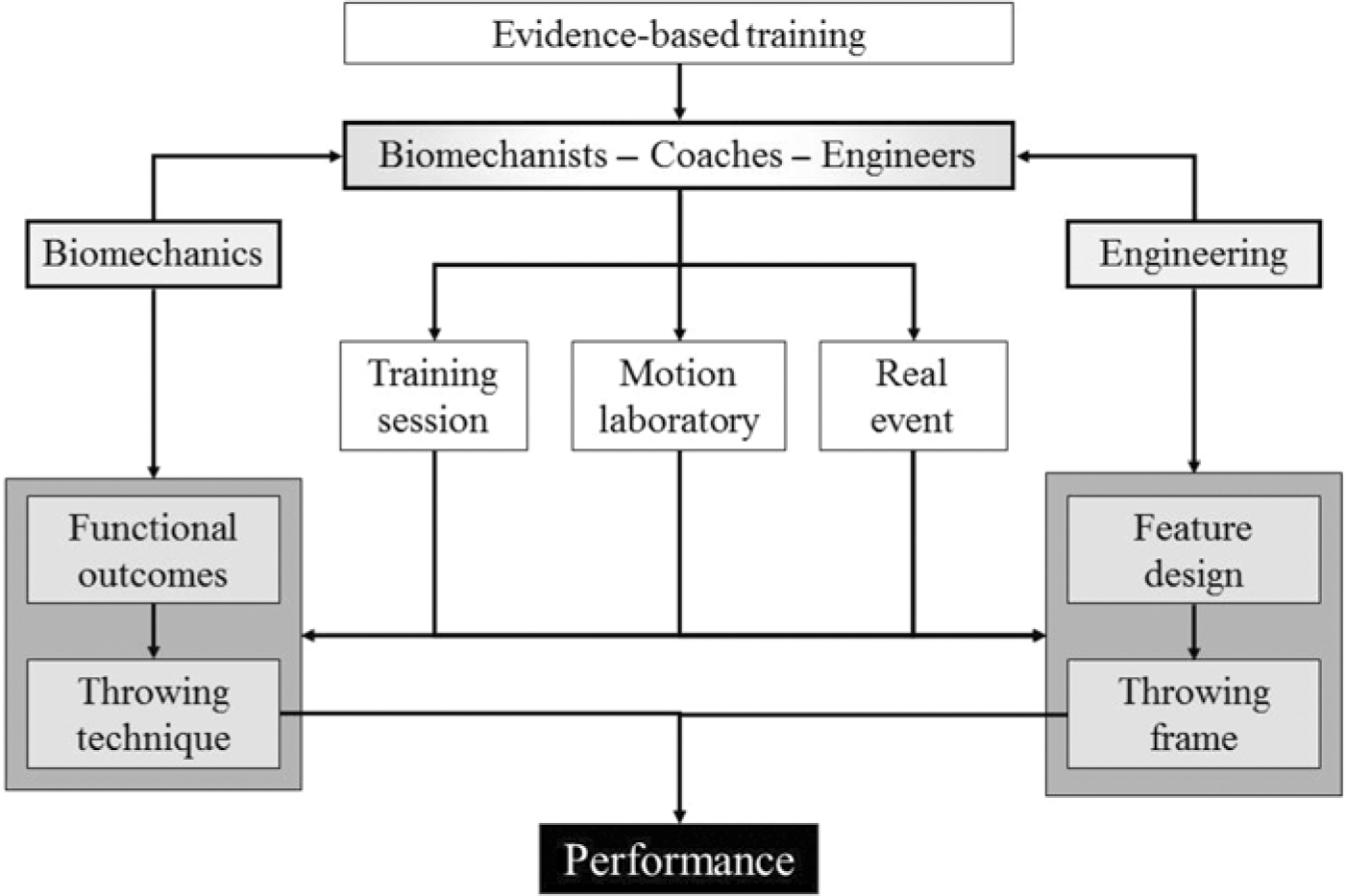
Procedure supporting evidence-based training aiming at improving the performance of seated throwers.
Impairments, disabilities, illnesses or accidents rarely affect individuals in exactly the same way. Consequently, variations of basic functional abilities are greater between Paralympians than able-bodied athletes. Therefore, there is a greater need for individual assessments of the functional outcome. Also, there is more room for exploring avenues of technical developments. Furthermore, such assessments might lead to an evidence-based classification of the participants.5–16
Another fascinating facet of adapted physical activities is the use of specific sports equipment, which includes wheelchair, bicycles, throwing frame and so on. Currently, the construction of each individual equipment is mainly driven by an empirical approach relying on the feedback from coaches and athletes, apparent functionality and sensations of comfort as well as access to local resources. This means that there is a need for more biomechanics supporting evidence-based design of this equipment. 3
How can biomechanics and performance analysis aid in reducing the perceived risk of injury in Paralympians?
At first glance, one could presume that athletes with a disability are more prone to injuries. However, very little evidences support this hypothesis.17–22 Most studies demonstrate the rate of injuries of athletes with disability comparable to able-bodied athletes.
In principle, biomechanical analyses have the potential to reduce intrinsic and extrinsic risk factors related to injuries corresponding to factors that affect the tolerance and the characteristics of the load applied to the tissues within the athlete, respectively. In particular, biomechanics can help to minimize risk factors related to movement technique and interaction with equipment.
Assessments of the range of movement during training can determine whether the technique promotes excessive joint constrains that are beyond the acceptable and sustainable limits of the athlete’s actual anatomical and physiological abilities. Customization of the throwing frame is critical as some athletes may be prone to pressure sores due to time spent on frame for training purposes. Furthermore, self-observations and comprehensive evaluations can help to do less, but may be more focused with efficient drills. This can subsequently reduce the opportunities for fatigue-related injuries.
Within the field of biomechanical analysis of sports performance, how important is collaborative team work?
I was lucky to be included in the coaching team of the seated throwers of Australian Athletic Paralympic team as Sport Biomechanics between 2000 and 2009 under the lead of Alison O’Riordan, Head Coach of seated throwers, and Scott Goodman, Head Coach of the Athletics team. To the best of my knowledge, I think Australia was the only country worldwide to embed a biomechanist in its staff.
This gave me the opportunity to participate and collect data during regular training sessions, training camps, as well as several local, national and international competitions including two IPC World Championships (i.e. Lille and Assen) and three Paralympic Games (i.e. Sydney, Athens and Beijing (Figure 4)). Some of my missions included making recommendations about the throwing technique and the design of the throwing frame in the framework of an evidence-based training (Figure 3). This is when I realized how much biomechanical analyses of the performance of athletes with a disability are becoming a multidisciplinary effort. They involve input not only from coaches and athletes but also from biomechanists, engineers, classifiers, officials, referees and even sports administrators. Modern and visionary coaches, like Alison O’Riordan, are becoming architect and conductor of the ‘coaching team’ in charge of synthesizing and harmonizing critical information.
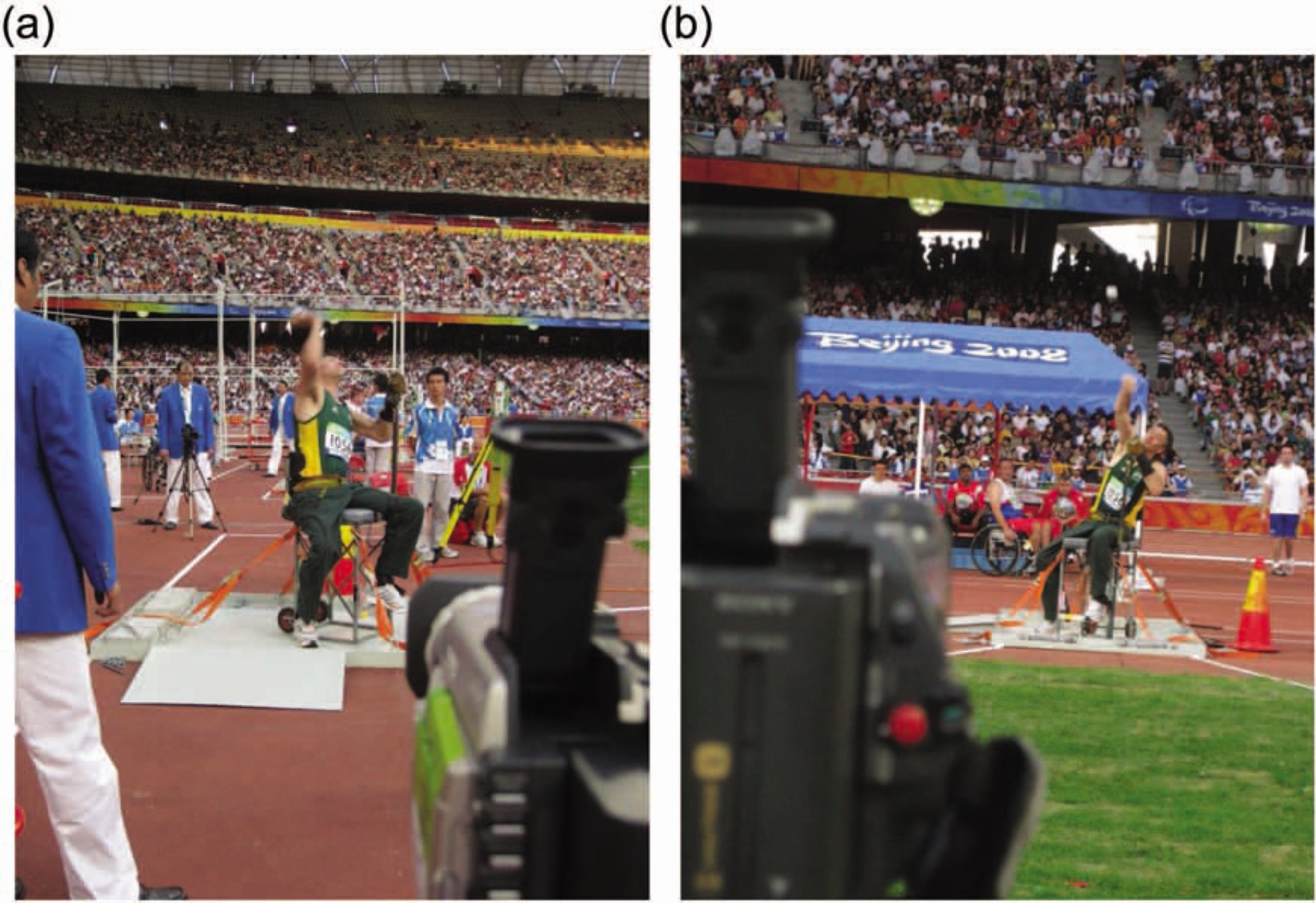
View of the camera from the (a) side and (b) front collecting kinematic data during a seated shot-put throwing event at the Beijing 2008 Paralympic Games.
What are the emerging new technologies in the field of biomechanical analyses of sports performance for athletes with a disability?
Biomechanical analyses of athletes with a disability are currently driven by affordable, discrete, highly performing and easy-to-use technologies capable of recording and analysing the movement. The range of commercial products, including device and software, on the market is amazing.
Handheld equipment such as cameras has been coaches’ best friend for over a decade. Nowadays, high-speed and digital footage can be manipulated a lot easier, thanks to simple media player or more advanced video analysis software packages. More importantly, a number of ‘on-board’ device are emerging. Accelerometers, load cells, global positioning system (GPS) and odometers, to name only a few, are now commonly attached to the athlete’s body. Recordings are taking place not only during training but even during competition in some cases.
Like any other facets of society, Smartphones are currently revolutionizing biomechanical analyses of sports performance. Their advanced computing ability pools connectivity (e.g. Bluetooth and Internet), devices (e.g. high-resolution digital video camera, gyroscope and GPS) and software (e.g. apps and applications programming interface) into a one single device capable of recording, analysing and transmitting motion-related information. All that is a handheld device! There is already a bunch of apps available looking at the range of movement, intersegment angles or implement’s trajectory, for example.
Coaches might be using Smartphones to assess the movement the same way as doctors check the heart beats with a stethoscope or orthopaedic surgeons assess a fracture with a radiograph! All combined, these instruments could make the unknown visible. Therefore, they have the potential to change dramatically not only the perception but also the consensus in the field of biomechanics of Paralympians.
How can new technology impact on evidence-based training analyses? Is there a possible cultural shift?
This emergence of training-friendly instruments could generate significant cultural shifts in ways athletes are trained. Athletes are no longer going into motion analysis laboratories to be assessed by sports biomechanists only. Some performance assessments are also conducted directly by the coaches and athletes on a daily basis during training. There is an ‘instrumentalization’ of athletes, so that information can be collected during the actual performance. This means that the usual paradigm underlying biomechanical analyses of the performance relying on the dichotomy between qualitative and quantitative approaches is no longer relevant. All analyses are more likely to be qualitative by nature.
Given your previous response and comments, is there likely to be a possible end of empirical assessment of performance analysis?
I think simple visual observations will always be useful although they might not be valued as much. Consequently, I believe a new paradigm is currently emerging contrasting at-glance and in-depth analyses. At-glance analyses are supported by a range of new training-friendly instruments that can provide immediate, simple and two-dimensional (2D), but not always validated, and accurate information. Complementary in-depth analyses could be conducted in dedicated facilities such as motion analysis laboratories fitted with 3D motion analysis systems and other dynamics equipment to provide accurate and comprehensive description of the performance that might be slightly altered.
Can and should sports coaches subsume an integrated role as coaches and laboratory technicians?
Training-friendly instruments provide blunt information. Coaches are needed to determine what to look for and which data are relevant. At this stage, I believe coaching remains a craft that relies on the ‘expert eye’ combining intuition, experience and tangible information. However, adoption of new technologies might promote the importance of the ‘instrumented eye’, where training decisions might be based on evidences rather than subjective information.
Instrumentalization of athletes is also contributing to an otherwise surprising trend: teletraining. Daily face-to-face contacts and live observations of an athlete during training are no longer a pre-requisite for successful coaching. Instead, video files and other data reporting the workload achieved could be sent to a remote coach. Technical comments and instructions can be exchanged using shared software platforms.
In order to claim scientific credibility, accurate measurement represents a fundamental element to all aspects of human movement analysis (e.g. clinical and sport). Given the fact that ‘reliability’ is considered as the cornerstone of any scientific endeavour, how confident are you with the information and data gleaned from the current systems and interpretation (i.e. intra- and inter-rater reliabilities of observers)?
By definition, training-friendly device provides a signal regardless of the way it is used. However, the protocols matter. A poor implementation might lead to unreliable information. 23 For example, an accelerometer stuck on the sleeve of a T-shirt covering the throwing wrist might determine poorly the hand’s acceleration because of the sliding between the skin and the sleeve. Therefore, the reliability of the information deriving from these instruments will depend on the coaches’ and athletes’ basic and applied understanding of instrumentation as well as kinematics, dynamics and kinetics all together. This knowledge is essential to determine how much the data can be trusted and caution in the interpretation must be applied.
Do you think ‘instrumentalization’ is a plus or a burden for both athletes and coaches?
It could be either a burden or a blessing depending on the level of interest and trust the coaching team put in these measures. Once, I have tried to use altogether two video cameras and two transducers embedded into the foot straps of an adjustable throwing frame. This set-up aimed at determining the optimum foot position during stationary throwing event (Figure 5). The recording took place during training session a few months before Athens 2004 Paralympic Games. The recording protocol had to be modified halfway through the session as the data observations in-between attempts or drills were deemed too disruptive. The coach felt that the extension of the recovery time was compromising the aims of the drills themselves. The athlete also reported focusing more on the data than on the theme of the drills. So, it was decided to carry the measurement but postpone the observation to the post-training debriefing.
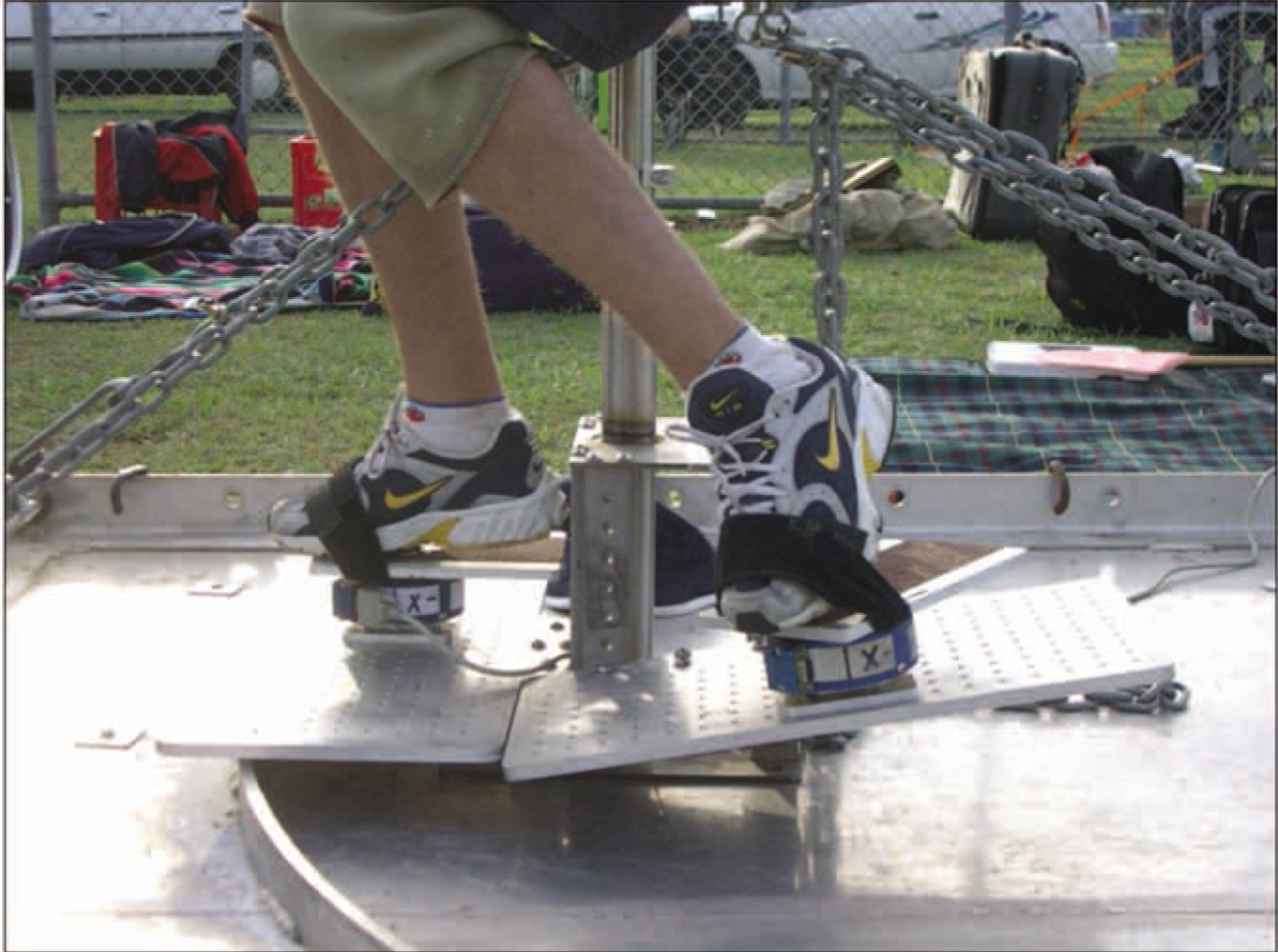
Load cells fitted within an adjustable throwing frame measuring the forces and moments applied on the feet during stationary throwing event.
So, the abundance of equipment and too frequent reference to the output can be invasive and eventually counterproductive. Another downside of this equipment is that they might give a false impression of conducting scientific measurements, particularly when the, sometimes too restrictive, terms of use are violated. However, I have experienced that a parsimonious use of training-friendly equipment can be extremely informative and productive. I think it is a little bit like school exams to verify acquisition of knowledge or medical check-ups to follow health status.
Incidentally, I am interested to know about the position of the feet. Why does it matter? Have you been able to find this optimum position for an individual athlete? Could your results be generalized to other athletes?
The importance of the positions of the feet relies on the validity of the concept of transfer of linear and angular momentum from one segment to the next. The movement is facilitated when the heavier segments move first followed successively by the lighter ones. Typically, athletes in F33 and F34 classes have limited extension in their lower limb. However, the foot position is critical to determine how the ground reaction forces and moments are transmitted through the lower limb to action the trunk during the course of the throw. So, it is important to find feet positions that create the most favourable displacements of the trunk and ultimately the release of the implement.
The load cells embedded into the throwing frame helped to identify several combinations of the loading profiles that could possibly led to better performance. The measurements certainly showed that the loading profiles were different for each athlete.
I am always reluctant making generalizations based on data from a small cohort. Furthermore, analyses of feet positions of all athletes competing in the F30s classes during the Assen 2002 IPC World Championships revealed a weak correlation with the performance. 24 These results confirm that feet positions might be athletes dependent, highlighting the need for individual assessments to determine optimum feet positioning.
Over the years, there has been much discourse and debate on the role of kinematic 2D versus 3D analysis. Many readers will be aware of the practical and theoretical limitations of both approaches, but in terms of your experience what are your thoughts?
Let me share an anecdote with you. My involvement in sports biomechanics of Paralympians started in early 2000, after a conversation with Dr Keith Gilbert, a colleague at Queensland University of Technology (QUT). As the future Chef de Mission of the Australian Paralympic Team at the Sydney 2000 Paralympic Games, Keith mentioned that there might be some research opportunities with the Australian athletes. Chris Nunn and Scott Goodman, coaches of the Paralympic athletic team, welcomed some of my research proposals. They facilitated further opportunities to work together around the performance analysis of stationary throwers. They suggested that I tried to collect some data during the upcoming Paralympic Games in Sydney. This opportunity was too good to be missed!
Back then, I had limited experience in sport with disability. However, I was well aware of the uniqueness of collecting data under these exceptional circumstances. So, I was determined to make the best out of it. That included collecting 3D kinematic data. My doctoral work, completed in France and Canada a few years before, focused heavily of 3D kinematic analyses of the locomotion of individuals with lower limb amputation. In Montreal, I had been trained on one of the most advanced 3D motion analysis system at the time. So, I thought I had sufficient basic and applied knowledge to face the challenges associated with the recording of 3D data during live outdoor event.
I knew the calibration would be tricky. So, I designed a portable calibration frame featuring all the necessary reference points (Figure 6). The second problem to overcome was the tracking of body landmarks. In conventional experimental settings, reflective markers are placed on the participant during recording. The path of each marker is detected and reconstructed in 3D by the motion analysis software. No need to say that placing markers on the athlete was not an option during the Games. So, I had come to term with the long hours I would have to spend on locating body landmarks manually, frame after frame. I had written a specific piece of software to do so in the reasonably efficient way. Several pilot studies were successfully completed at the Sydney Academy of Sports and QUT. I felt as prepared I as could be when I was looking up to the cauldron inside the Homebush Bay stadium before the first stationary throwing event.
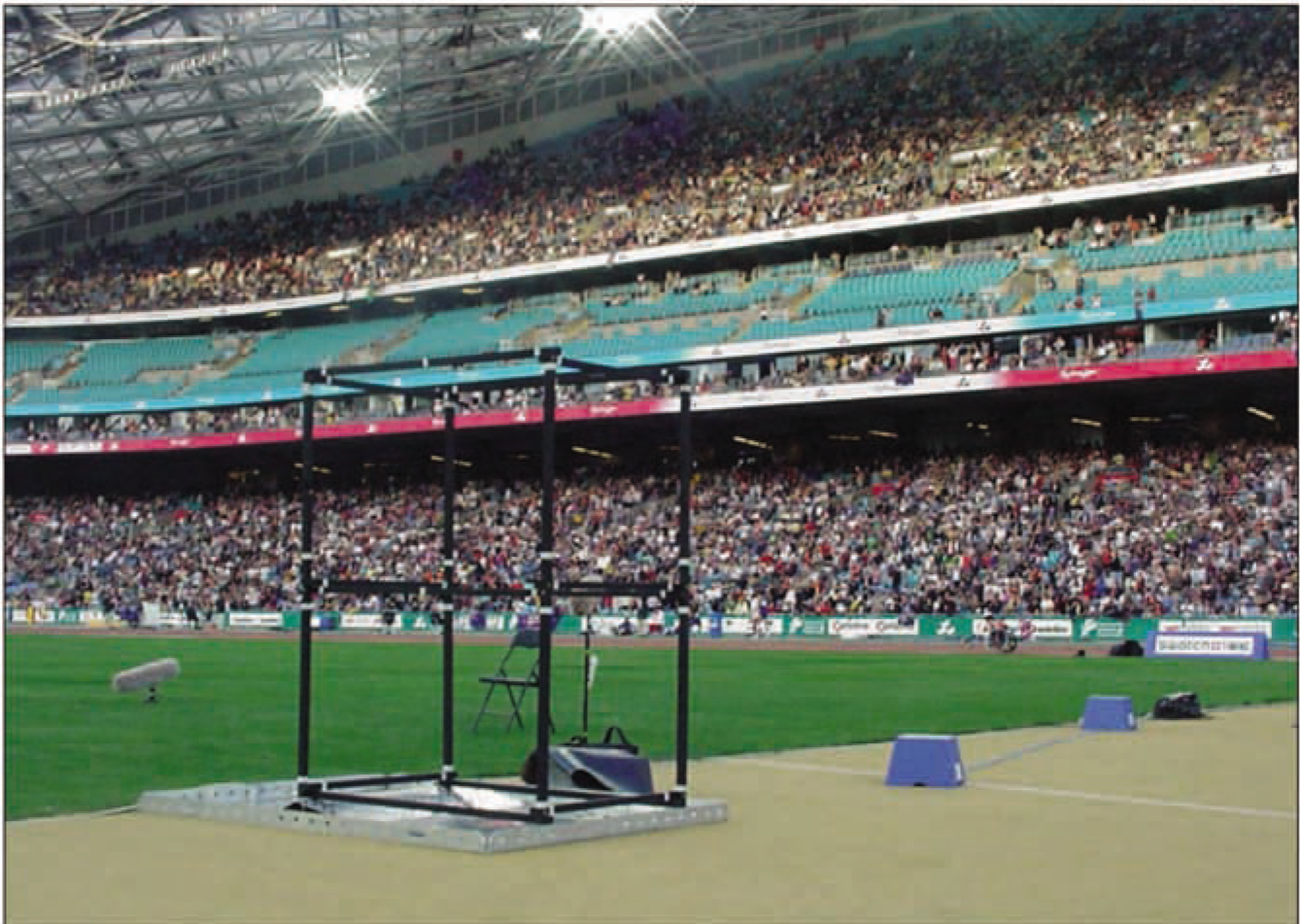
Calibration frame used for 3D reconstruction of kinematic data collected during world-class events.
Well … reality had truly set in by the end of the day! I had been able to place the cameras on the front and the side of the thrower as I wanted. The problems of power to feed the cameras had been solved rather quickly. Both issues were addressed with a great support of the organizers and TV crews. Finally, I had been able to calibrate before and after the event. Calibration is a pivotal step in experimental settings. The number of experimenters in the laboratory is kept to a minimum. Everyone is focused and cautious not to interfere with the process. It is a little bit like taking an X-ray: do not breathe, do not move! Here, this task was completed surrounded by about 20 people around the pit and 60,000 spectators: a Guinness World Records in its own!
All the intrinsic aspects of the measurements went by the book. However, I had simply overlooked the context of the recording. The throwing pit was crowed! The view of the camera was occasionally obstructed in-between and during the attempts by objects or people passing by such as officials, athletes, referees and TV crews. More importantly, I had no certainty that none of the cameras were moved in between calibrations. I carried on with the same procedure for the rest of these Games. Fortunately, a fair number of attempts were eligible for 3D reconstruction. The other ones were analysed through two bi-planar analyses including the sagittal and frontal planes.
Since, I have found ways to go around these perturbations.23,25,26 However, this experience taught me a valuable lesson that helped me a great deal in the development of biomechanics tools for evidence-based training of stationary throwers. It is essential to make sure that the instrumentation and recording set-up fits nicely with the practical circumstances surrounding the recording.
In terms of performance analysis of multi-level Paralympians is there scope and validity for the introduction of a one-fit-all model?
This is an important question because I believe that a successful integration of biomechanical information into a training programme seats on proposing analyses matching the needs of coach and athlete. Indeed, the expectations of a newcomer, emerging and elite Paralympian are different. This can be illustrated by the performance analysis of stationary throwers (Figure 7).
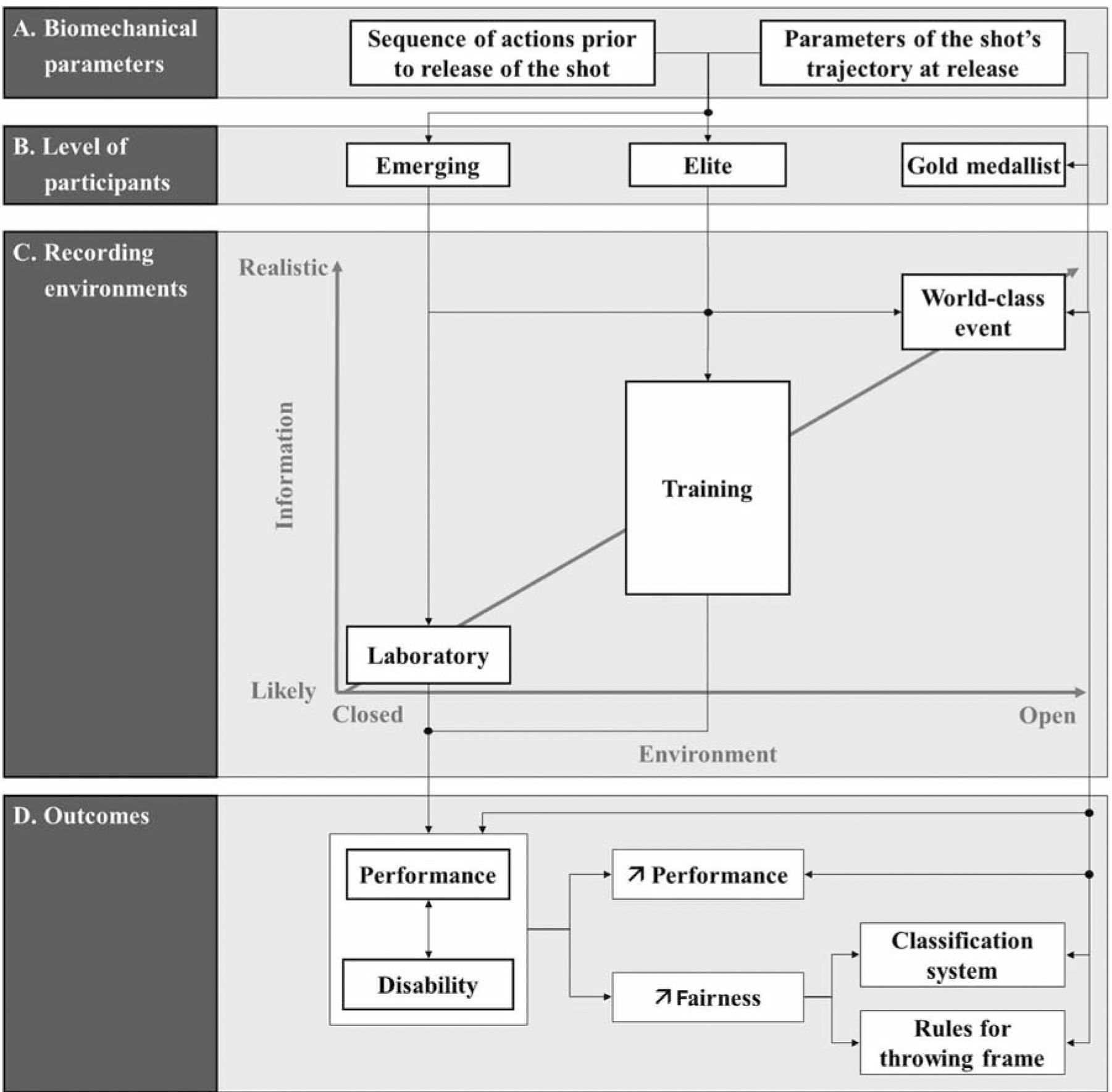
Overview of key factors determining the performance analysis of the seated throwers.
Before detailing the performance analysis for athletes with different levels, it will be useful to describe briefly what is a ‘stationary throw’?
Seated or stationary throwers participating in shot-put, discus and javelin events belong to the F30 and F50 classes including mainly athletes with cerebral palsy, spina bifida, amputation and spinal cord injuries. They all required an individual throwing frame anchored onto a plate. At first glance, a frame is a scaffold-like chair made of metal bars and plates welded together. 27 Athletes with the least physical abilities remain seated during the whole throw. Others with more abilities throw from a seating or standing position and release the implement standing up. Some use a rigid pole attached to the frame for balance and/or propulsion purposes. Others do not.
A typical throwing technique involves a few preparatory oscillations of the upper body prior release of the implement. 3 The performance corresponds the distance between the edge of the plate and the footprint left by the implement on the ground. The performance is predetermined by the parameters of implement’s trajectory at the instant of release, namely, the position in relation to the edge of plate, the angle and the speed (Figure 8). 28
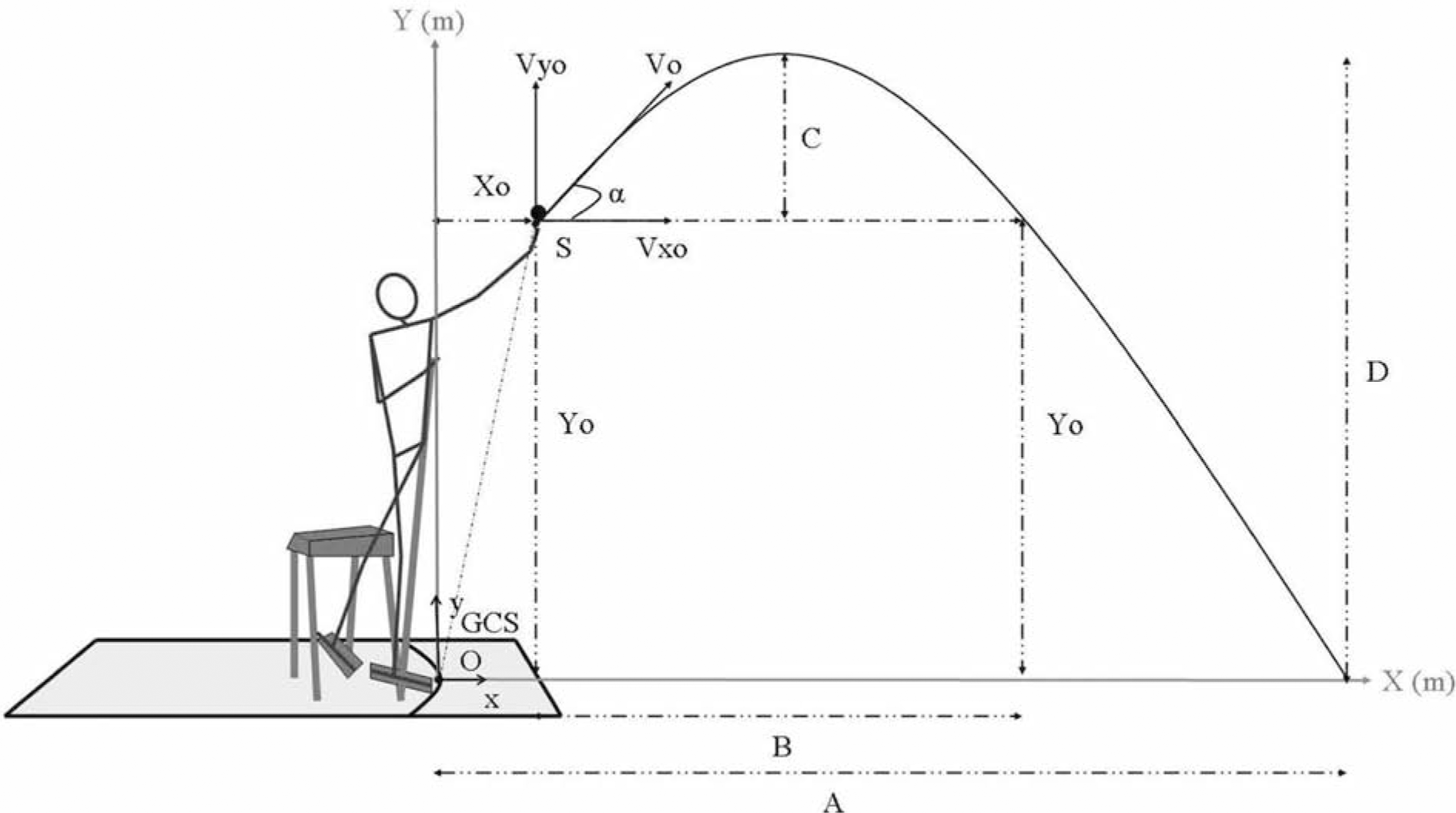
Initial characteristics of the trajectory of the shot at the moment of release.
What are the key biomechanical parameters of the performance of an athlete with disability?
The primary aim of performance analyses is to comprehend how these parameters are generated. Typically, the variables of interests are the sequence of actions prior to release (origin of performance) using spatial and temporal characteristics of backward and forward body movements, range of motion, linear and angular momentum of each segment and so on.10,28,29 Eventually, the secondary purpose is to put forward modifications in throwing technique and/or in design of the frame susceptible to produce the most favourable parameters. In both cases, a good understanding of the interaction between the athletes and their throwing frame is critical (Figure 9).4,27
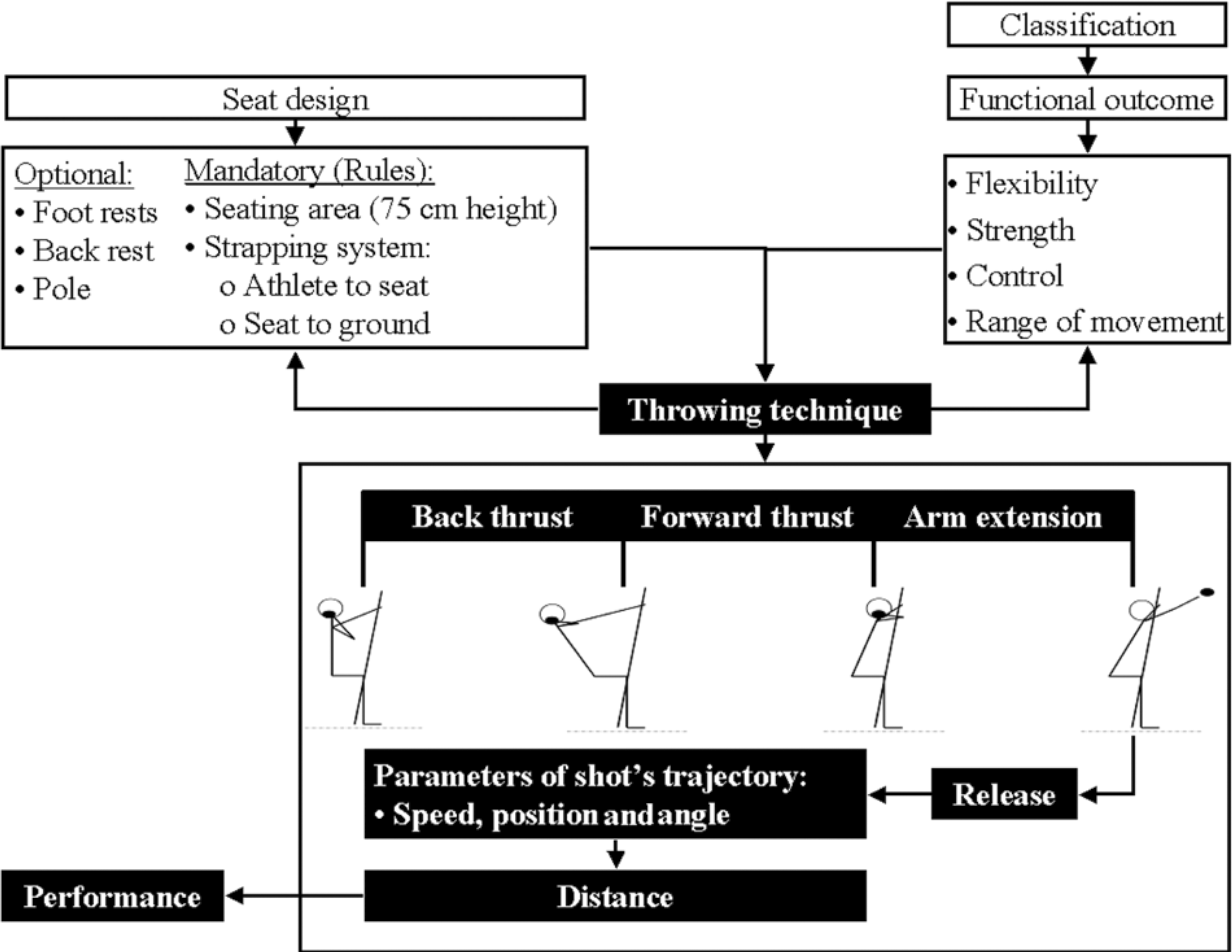
Factors influencing the throwing technique of seated throwers.
The relationship between performance and throwing technique is fairly well described in several studies focusing on able-bodied throwers20,30–40 and seated throwers.2–4,10,28,29 However, the relationship between performance and the characteristics of throwing frame tends to be ignored despite its critical contribution to the performance.3,27 Some of my applied research as a Sport Biomechanics of the Australian Paralympic team under the lead of Alison O’Riordan revealed the nature of this contribution through the development of an adjustable throwing frame.
For athletes with a disability starting out in a sport, what approach would you suggest?
Typically, the room for improvement of newcomer athletes is large. It might be a matter of metres rather centimetres. Therefore, biomechanical assessments have to report important variations between performances requiring minimal level of accuracy. Initially, these assessments can be conducted using a Smartphone’s camera. This is simple, practical and efficient! Footages can be visualized with any widely accessible media player on and off the field, during and after training for immediate and more in-depth feedback. The footages contribute to develop a sound technique. Here, coaches tend to have a holistic view of overall body shape. Is the sequence of transfer of momentum starts from the lowest and heaviest segments all the way to the hand during the course of the delivery?
I would expect that self-observations have the additional benefits: increasing motivation. These footages are the living memories of progression pathways. So, archiving and visioning of regular footages are essential for athletes, the same way writers look back on early drafts of their books or musicians on initial sound track of a piece.
Another benefit, more removed from performance itself but equally important for individuals with a disability, might be anticipated: improvement of self-esteem. Individuals engaging in adapted sports activities might be coming for difficult walks of life. In some cases, illness or accident has led to complete review of one-self, including body image. Footage might facilitate a positive reorganization as they are the living proof of individual’s ability. They highlight the term ‘ability’ in the word ‘disability’.
What approach would you adopt for emerging athletes?
Slightly more advanced assessments might be required for emerging athletes. I found commercial motion analysis systems useful. I have used some featuring up to three video cameras recording independently or simultaneously or via a laptop. The 2D or 3D displacements of the body segments are extracted and analysed through specific software featuring key interactive tools, such as replay with slowing down motion, overlapping scenes and insertion of visual cues. For example, throws of an athlete with different searing arrangements could be superimposed. Again, the footage can be analysed on and off the field, during and after training for immediate and more in-depth feedback.
Self-observations, alone or with the coach, through the footages are particularly important for emerging athletes. They can contribute to readjust the disconnection between their sensations and actual movement if needed. I can report countless examples when stationary throwers with cerebral palsy in the F30s classes were surprised by the gap between the actual position of their throwing arm at release and the one they felt.
Do the same principles apply to elite Paralympians?
Expectations from biomechanical analyses of elite seated throwers are more specific. By essence, the aim is to improve the performance by a small but crucial percentage. Centimetres matter. So, the measurements must have a great deal of accuracy. The analyses are focusing on clearly identified and limited number of parameters. What is the load applied on both feet increasing when their positions change? Is a rotating handle on the pole modifies the position at release? Is a stiffer pole increasing the speed of release?
These questions might be only partially answered using basic motion analysis systems in conventional training facilities. This is why alternative biomechanical analyses are taking place in dedicated venues fitted with 3D motion analysis systems, forces plates and other specific sensors such as load cells, accelerometers or dynamometers (Figure 2). I have been privileged to coordinate some of the most advanced data collection in the motion laboratory of Australian Institute of Sports during the course of the development of ground breaking adjustable throwing frame prior the Athens 2004 Paralympic Games. The effect of different seating arrangements was assessed using simultaneously a eight-camera 3D motion analysis system, two high-speed digital cameras to record kinematic data along with one force plate and two load cells to obtain dynamic data (Figure 10). That was amazing! I hope I will have a chance to conduct such comprehensive measurements again.
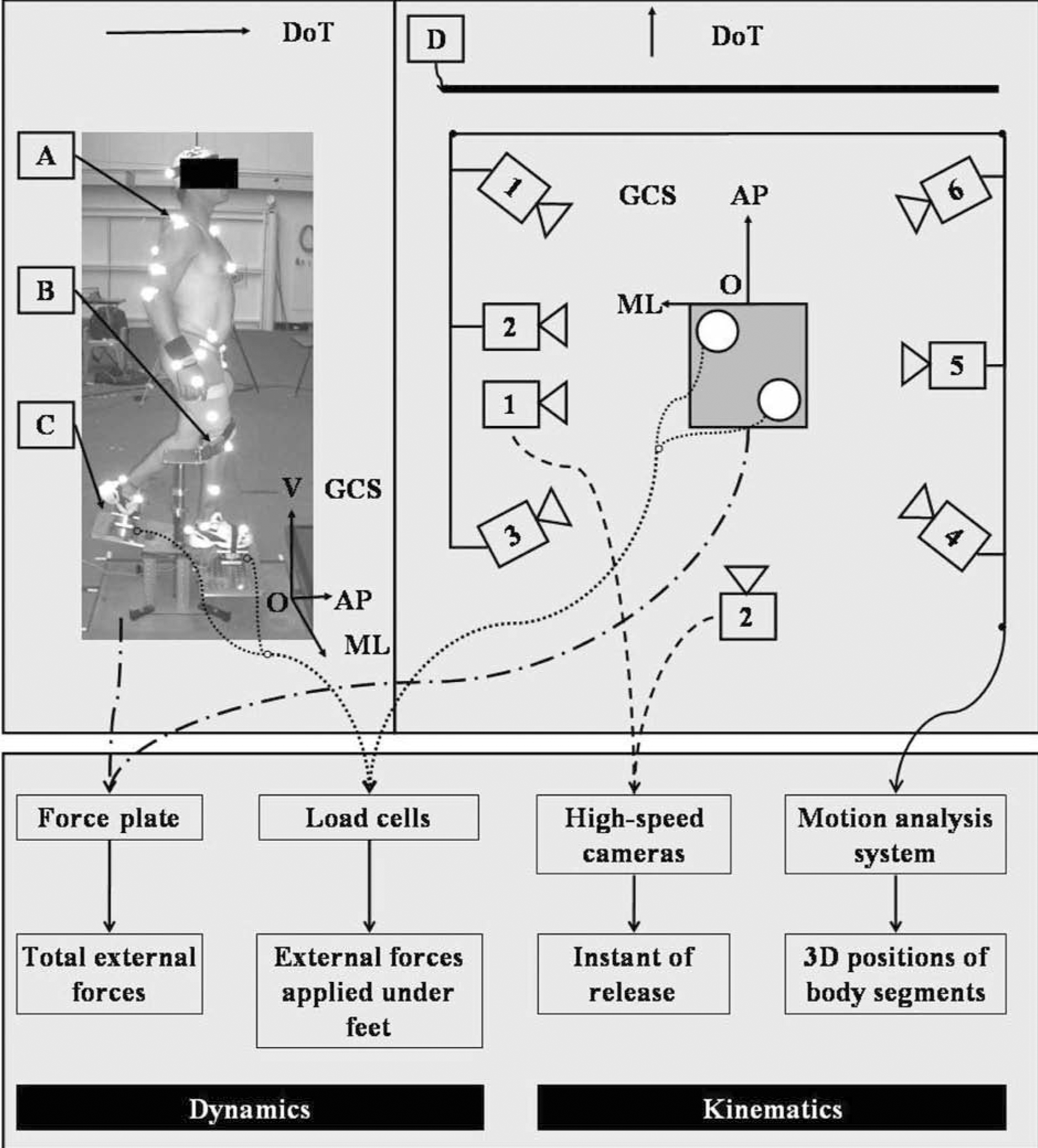
Schematic representation of the recording of kinematic and dynamics data to support evidence-based design of an adjustable throwing frame.
Adjustable frames are used for throwers with a disability, how can they help improve performance?
I believe it is fair to say that Alison O’Riordan and her team have set up new standards in design of throwing frame. Australian throwers have been using it since Athens. Their overall performances are following an upward progression. Some won medals in world-class events with it.
However, performance is multi-factorial. Alison O’Riordan had brilliantly put in place multiple concurrent performance enhancement procedures. Consequently, one needs to be cautious about the direct contribution of the frame. At best, we could only conclude that it was not counterproductive. Personally, I believe that the Australian coaching team has greatly benefited from the reflective process underlying the design of the frame. This itself is a drive for performance enhancement.
The use of assistive devices seems to be an unrelenting controversial area within the world of sport as a whole and is particularly apparent within sport and disability. Given your experience and past involvement with the Australian Paralympic team, what are your thoughts on this?
This is a difficult question. Indeed, I believe this might be one of the critical issues facing the governing bodies of adapted physical activities. It is commonly acknowledged that the performance results from the interaction between the athlete and the sports equipment involved.
I have used the term ‘sports equipment’ but your question is referring to ‘assistive device’. In this context, both terms are interchangeable. In principle, they should describe two separate categories with specific attributes. Sports equipment enables and, eventually, improves performance. Assistive device compensates for loss of function. This distinction cannot be made in the case of devices used in Paralympic sports. Some equipment fit into one category more than the other. Most belong to both. The prosthesis of the sprinter with lower limb amputation is an assistive device replacing the missing limb. However, the blade fitting the prosthesis is specifically designed to perform in sprinting events. This ambiguity adds enormous complexity to the debate.16,41
The question is how the interaction between the athlete and the equipment should be regulated? More precisely, what degree of equipment engineering is acceptable?
Most instances promote all innovative technical developments within the rules. This largely contributes to new world records. Furthermore, it attracts interest from industrials sometimes, but not always, motivated by possible commercial outcomes. So, this is a vector of progress in the sport.
Other instances have chosen the standardization of equipment, applying the ‘same-for-all’ principle. For instance, World Swimming Federation (FINA) has banned hi-tech swimsuits that cut down on fatigue and give swimmers more buoyancy and speed. The development and implementation of a universal throwing frame are currently examined. In principle, this position limits technical developments while potentially increasing access and participation.
To the best of my knowledge, international regulating bodies, such as the IPC, have yet to find a consensus around standardization. In the meantime, it is critical to continue to provide solid evidence of the real biomechanical benefits of this equipment to enlighten the debate.
Obviously, the debate around the standardization depends partially on technical progresses (e.g. new materials), but what about the medical progresses?
You are absolutely right. The ambiguity between sports equipment and assistive device generates another set of issues. How governing bodies of Paralympic sports are going to accommodate new medical discoveries leading to significant biomechanical advantages?
Let us take the example of sprinters with lower limb amputation. Typically, they wear their running prosthesis through a socket. Some amputees are already attaching their prosthesis through an osseointegrated fixation for activities of daily living.42–48 In this case, the socket is replaced by an implant directly inserted into the bone of the residuum. Future generations of fixation are more likely to accommodate loading during sprinting. Athletes fitted with a fixation will have a tremendous advantage. For example, they will be able to train more since there will be no more friction between the skin of the residuum and the socket that causes blisters. Should athletes fitted with a socket and osseointegrated fixation belong to the same class?
Mechanical structures, such as leg exoskeletons, designed to transfer the load directly to the ground have been used by soldiers and firefighters as well as individuals with limited lower limb functions. This equipment could assist stationary throwers with cerebral palsy or spinal cord injuries to transit from the seating to the standing position. Should it be allowed?
Finally, recent developments in electromyography (EMG) are revolutionizing the activation of muscles or prosthesis fitted microprocessor-controlled artificial knees.45,49 Internal wires activating lower limb muscles of stationary throwers with spinal cord injury could facilitate balance. How functional outcomes of these athletes should be assessed during their classification?
Finally, the inclusion of Paralympians into able-bodied events is a ‘hot topic’ of debate with many for and against. Considering an equal playing field what are your thoughts on this?
I have been fascinated by the debate around the participation of Oscar Pistorius in able-bodied running events. I have seen him running from the side of the track in a number of occasions: he is an impressive athlete!
Several scientific studies contributed to the controversy over whether he is at an unfair advantage competing against other sprinters, given that he compensates the absence of both legs below the knee by carbon-fibre prostheses.14,21,41,50–57 Some confirmed an unfair advantage. Others concluded to the equitable participation. All based on data presenting the typical intrinsic limits of any biomechanical performance analyses.
One of the most significant outcomes of this controversy is to raise the awareness of Pistorius’ actual abilities. Indeed, I am astonished by the shift in perception. He is not seen as a ‘disabled’ but as a ‘too-abled’ athletes with a possible unfair advantage over able-bodied athletes! However, I will argue that whether his prostheses constitute an advantage or a disadvantage is irrelevant. In my view, a competitive event aims at discriminating the best athletes among a group of athletes with very similar initial biomechanical predispositions.
Consequently, I am ambivalent about inclusion of Paralympians into able-bodied events. I think inclusion and separation are both equally acceptable depending on the intent of the event. Athletic meetings on professional circuit seem to be a relevant platform for mixed events. Organizers can adapt the rules to make sure that the audience is captivated by the sporting and entertainment value of the competition. I think it is a great opportunity to showcase Paralympians’ athletic abilities. However, I think official international events such as World Championships, Olympic and Paralympic Games should involve athletes under the premises of the classification regrouping as fairly as possible individuals with similar biomechanical predispositions.
The alternation of events involving able-bodied and athletes with a disability within the competition is far more interesting and respectful. Indeed, the Olympic Games have hosted wheelchair sprinting events as a demonstration. A full integration of both Olympic and Paralympic Games presents significant logistical challenges (e.g. duration of the Games and size of the Olympic Village). However, such arrangement might equally acknowledge and value the performance of all athletes regardless of their functional outcomes.
Footnotes
Funding
This research received no specific grant from any funding agency in the public, commercial or not-for-profit sectors.