




Abstract
Water scarcity is a global issue, affecting in excess of four billion people. Interbasin Water Transfer (IBWT) is an established method for increasing water supply by transferring excess water from one catchment to another, water-scarce catchment. The implementation of IBWT peaked in the 1980s and was accompanied by a robust academic debate of its impacts. A recent resurgence in the popularity of IBWT, and particularly the promotion of mega-scale schemes, warrants revisiting this technology. This paper provides an updated review, building on previously published work, but also incorporates learning from schemes developed since the 1980s. We examine the spatial and temporal distribution of schemes and their drivers, review the arguments for and against the implementation of IBWT schemes and examine conceptual models for assessing IBWT schemes. Our analysis suggests that IBWT is growing in popularity as a supply-side solution for water scarcity and is likely to represent a key tool for water managers into the future. However, we argue that IBWT cannot continue to be delivered through current approaches, which prioritise water-centric policies and practices at the expense of social and environmental concerns. We critically examine the Socio-Ecological Systems and Water-Energy-Food (WEF) Nexus models as new conceptual models for conceptualising and assessing IBWT. We conclude that neither model offers a comprehensive solution. Instead, we propose an enhanced WEF model (eWEF) to facilitate a more holistic assessment of how these mega-scale engineering interventions are integrated into water management strategies. The proposed model will help water managers, decision-makers, IBWT funders and communities create more sustainable IBWT schemes.
Keywords
I Introduction
Estimates suggest that four billion people are currently affected by severe water scarcity (Liu et al., 2017a, 2017b; Mekonnen and Hoekstra, 2011), driven by an increasing demand caused by population growth and economic development (Best, 2019; Parish et al., 2012). Water scarcity is becoming such a challenge that the UN has established the Water Action Decade (Guterres, 2016), the World Economic Forum lists water crises in its top five global risks by impact (World Economic Forum, 2020) and universal access to sustainable fresh water is specified within the UN Sustainable Development Goals (Griggs et al., 2013).
To address current and projected future water stresses, policies are being implemented globally to either reduce water demand, termed ‘demand side strategies’, or increase the availability of fresh water, known as ‘supply-side strategies’ (Katz, 2016). One such approach to augmenting the availability of fresh water in water-scarce regions is Interbasin Water Transfer (IBWT). IBWT moves surplus water from hydrologically separate water-surplus basins to water-deficit basins (Davies et al., 1992) using engineering structures (Snaddon and Davies, 2006) to address water scarcity and assure water supply in areas with water deficits (Gohari et al., 2013).
IBWT has a long history, with the majority of schemes implemented in the early 1900s rising to a peak in the 1970s and 1980s (Gupta and Van der Zaag, 2008). The large number of schemes developed in the 1980s prompted a surge of academic interest in the planning and delivery of these projects, exploring a diverse range of topics spanning ecology, hydrology, economics and socio-cultural impacts (Ghassemi and White, 2007; Micklin, 1984; Sewell, 1984; Thatte, 2009). This research reflects both the broad impacts of IBWT, and also that schemes are often portrayed as a solution to multiple issues in the region of interest (UNESCO, 1999). Increasingly, ambitious projects have been developed more recently, transferring larger volumes of water over longer distances, for example, the North-South Water Transfer Project in China and the Interlinking Rivers Project in India. Further mega-scale projects are planned across the world (McDonald et al., 2014; Shumilova et al., 2018) to address the emerging water security crisis. Common across all IBWT planning is that it has largely been water-centric, revolving around Integrated Water Resource Management (IWRM) (Gupta and Van der Zaag, 2008), despite water being a common-pool resource (Ostrom, 2009).
Relatively little scholarship has explored IBWT schemes using a holistic perspective; previous project evaluations have focused on individual schemes or on narrow impact evaluations. There is an urgent need for a renewed holistic evaluation of IBWT as political and environmental interest grows because: firstly, there is increasing recognition that the impacts of anthropogenic climate change on the availability of fresh water are subject to high levels of uncertainty (Kundzewicz et al., 2018) making long-term planning and impact assessment challenging; secondly, IBWT is increasingly seen as a readily deployable technological solution to address large-scale challenges of water scarcity, rather than trying to change socio-cultural behaviours that determine patterns of water use (Warner and Turton, 2000); and lastly there have been major changes in the economies and technologies of water conservation and management which may heavily influence the external drivers and evaluation of IBWT.
In this paper, we undertake an up-to-date evaluation of IBWT, building on previously published work, but incorporating learning from schemes developed since the peak of construction in the 1970s and 1980s. We frame this evaluation specifically within the context of global social and environmental change, asking whether these changes challenge the popularity and viability of IBWT as a solution for water scarcity, or whether these projects are now more important than ever. We explore two potential conceptual models, the Social-Ecological Systems (SES) model and the Water-Energy-Food Security (WEF) Nexus model, that can drive evaluation of IBWT schemes from a more holistic foundation to evolve planning from using a water-first conceptualisation. We find that neither model represents an off-the-shelf solution to evaluating IBWT schemes, but that blending key components of each model through an enhanced WEF model can provide a valuable tool for decision-makers in examining the role of IBWT in a changing world.
II A systematic review of interbasin water management
2.1 Identifying a core body of research
This study adopted a scholastic approach to the review of the IBWT literature following Hart (2018). The scholastic approach involves an in-depth review of contributions to the field and is ideally suited to the exploration of policy problems such as IBWT (Victor, 2008). The adoption of a scholastic approach allows the exploration of critical underlying themes which cut across the diverse IBWT literature.
Relevant literature was initially identified using keyword searches of scientific databases. The subscription–based scientific citation indexing service ‘Web of Science’ was used to identify the scientific, peer-reviewed literature, whilst the freely accessible web search engine ‘Google Scholar’ facilitated coverage of reports and grey literature not typically included within Web of Science. The bibliographies of key articles on IBWT including Micklin (1984), UNESCO (1999), Ghassemi and White (2007), Gupta and Van der Zaag (2008), and Pittock et al. (2009) were also reviewed to ensure that previously cited material had been included.
Breakdown of literature types used in this review (a complete list can be found in supplementary information).
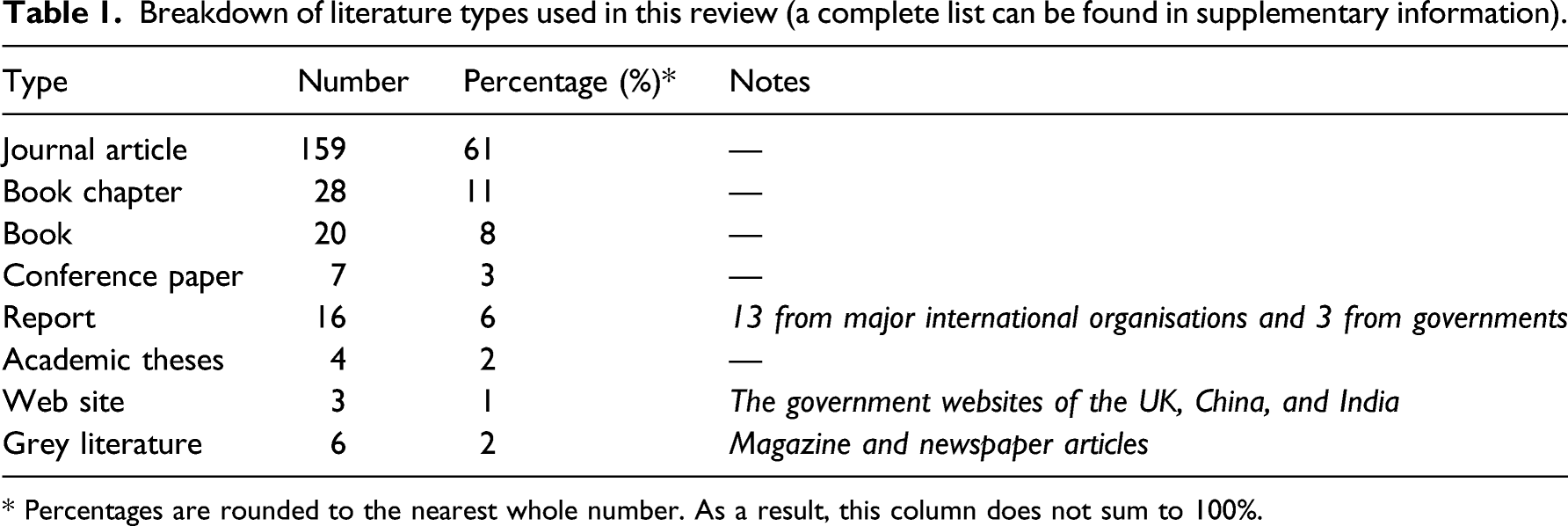
* Percentages are rounded to the nearest whole number. As a result, this column does not sum to 100%.
The temporal distribution of the literature shows significant growth in publication frequency in the last two decades (Figure 1). The earliest publication dates from 1957, with publication rates not exceeding 20 until post 2000. 87% (212 items) of the surveyed literature was published after 2000; 142 of which were published after 2010. Publications in 2020 alone constitute 23% (55 items) of the total number of publications reviewed. Temporal distribution of publications included within the review.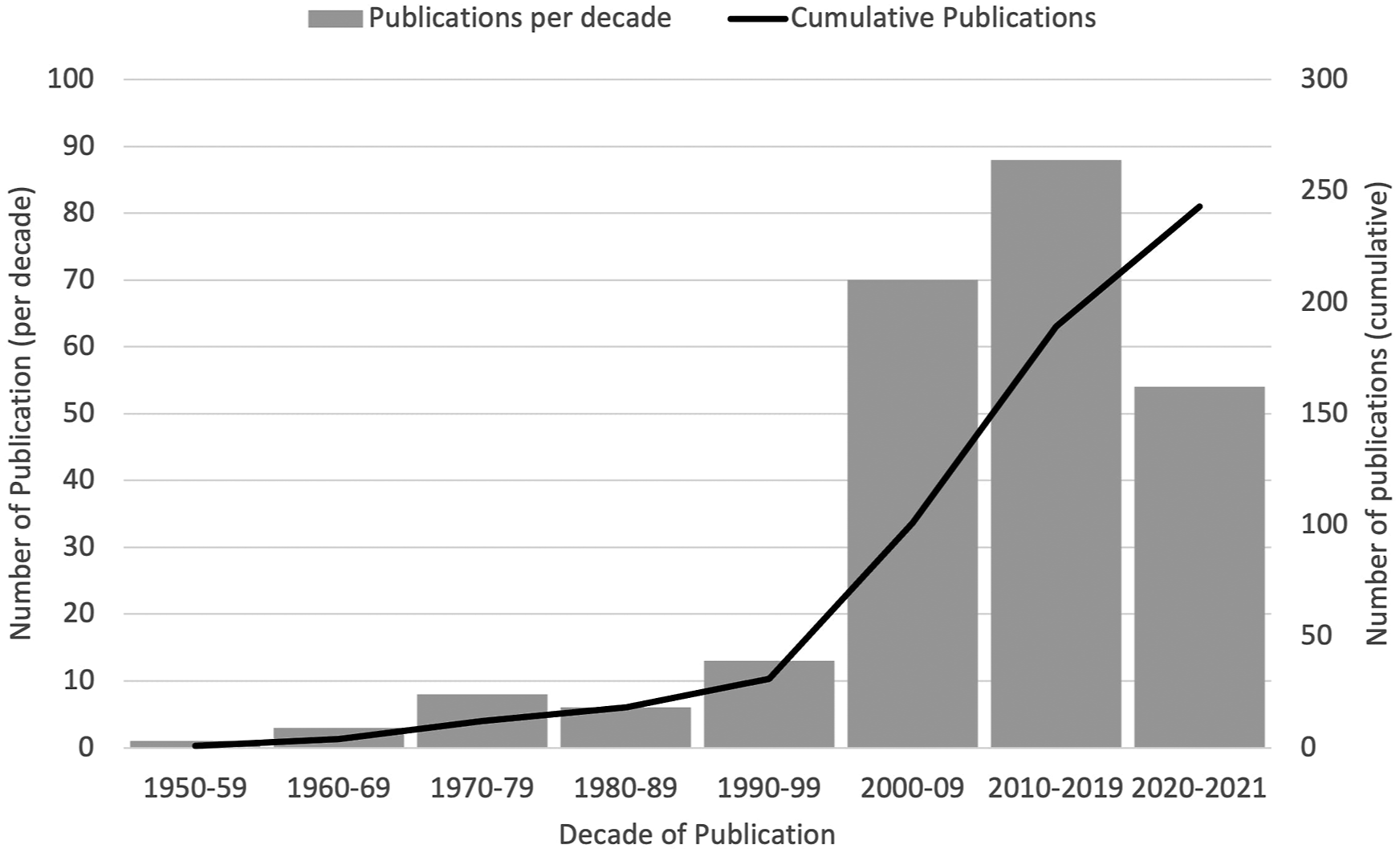
2.2 The review process
The compiled body of literature was reviewed to identify recurring topics and to establish a thematic structure for detailed analysis. Three overarching themes were identified, similar to those previously suggested by Khosla (2006) and Sinha (2017): (i) socio-economic development, (ii) ecological and environmental impacts and (iii) strategic issues with planning and delivery (Figure 2). Adopting a thematic approach allowed the consideration of trends around different perspectives on the role of IBWT in addressing different water stressors and of differing assessments of the multiple benefits and costs of implementing IBWT. The thematic structure adopted for detailed analysis of the IBWT literature.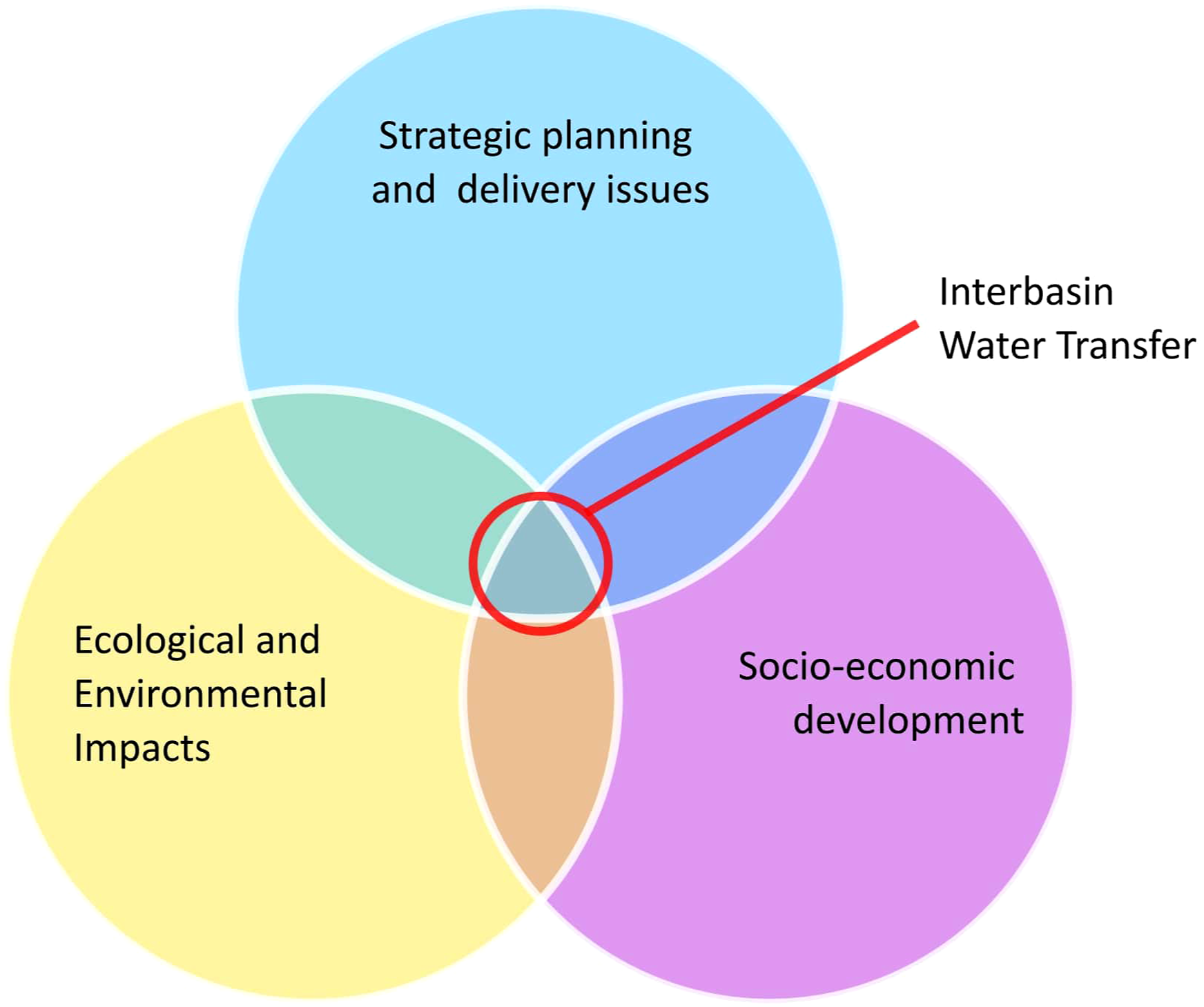
III Understanding IBWT
In this section, we present a summative assessment of the status of IBWT research. We discuss temporal trends in the historical development of IBWT schemes as well as projections into the future. We deliberate on the purposes for which these schemes have been planned, as well as examine their spatial distribution to understand the relationship between IBWT and water scarcity. Subsequently, we present the debate around IBWT through the three overarching themes identified in Figure 2 and summarise the principal arguments presented for and against implementation of IBWT schemes as a solution to water scarcity.
3.1 IBWT development through time
Water diversion projects have been employed for centuries (Gichuki and McCornick, 2008). Two of the earliest examples include the canal to transfer water from the River Tigris to the Euphrates constructed in 2500 BC (Meador, 1992), and the Lingqu Canal connecting the Yangtze and Pearl River basins built in 214 BC (UNESCO World Heritage Centre, 2016). However, large-scale development of IBWT can be traced to the industrialisation of the 19th Century, with further development in the 20th Century (Ghassemi and White, 2007; Howe and Easter, 1971; Shumilova et al., 2018). Both developing and developed countries are involved in the implementation of IBWT schemes, although distinct patterns of their use and water transfer capacity can be seen (Figure 3). A complete list of projects considered in this analysis can be found in the Supplemental Information. Trends in IBWT scheme construction and transfer capacity through time.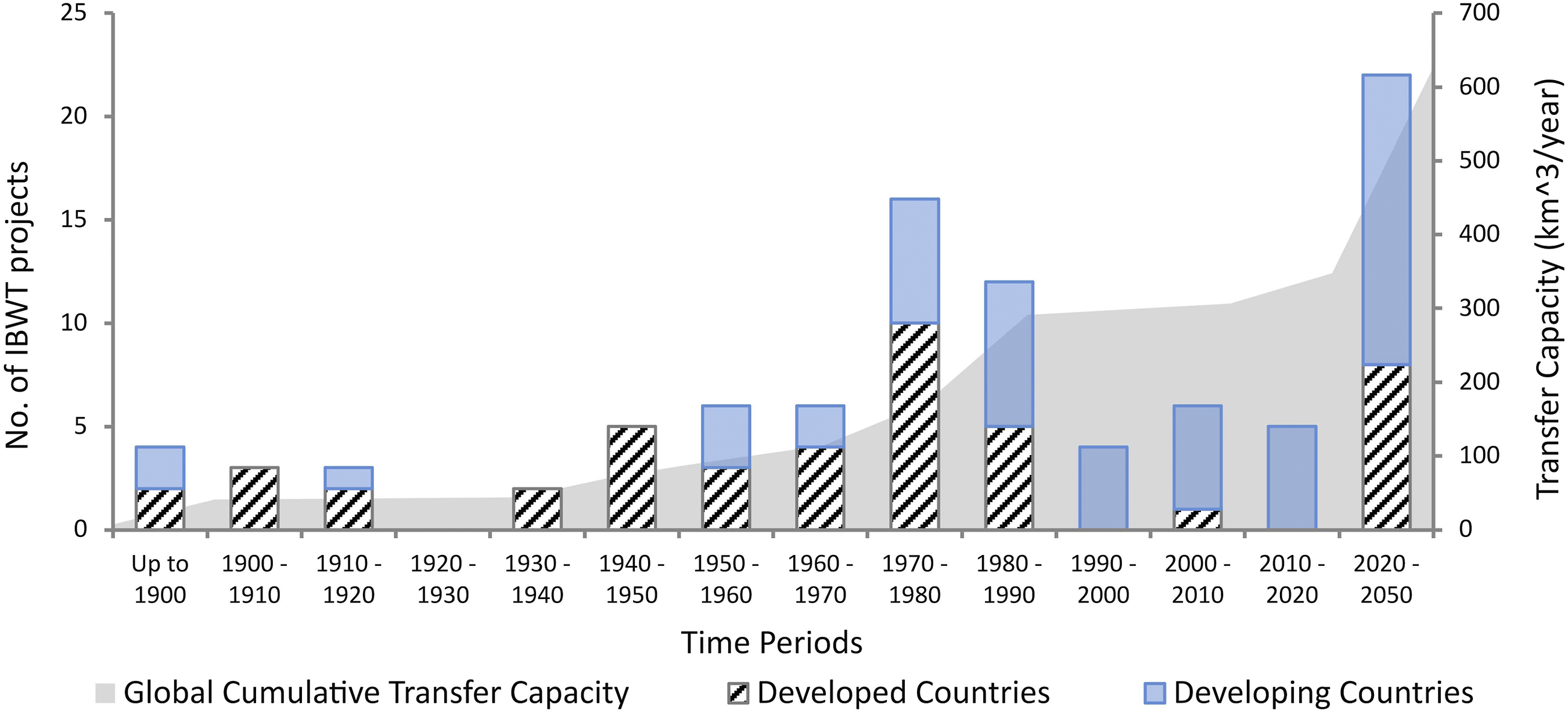
Figure 3 demonstrates that the number of IBWT projects constructed peaked in the 1970s, with a 100% increase in the number of schemes compared to previous decades. This increase is explained predominantly by the construction of a greater number of schemes in developed countries supplemented by dramatic growth in the number of schemes built in developing countries in the 1970 and 1980s. The growth in schemes in developing countries is likely to have been caused by periods of sustained economic development (Shiklomanov, 1999), supported by the availability of finance from external funding organisations (Pasi, 2012), and encouraged by initiatives such as the International Drinking Water Supply and Sanitation Decade (Najlis and Edwards, 1991). Although the number of schemes constructed has fallen since the 1980s, developing countries have dominated the construction of new schemes, with no schemes promoted in developed countries in the 1990s and early 2000s. Analysis of the literature indicates that the period up to 2050 is projected to see a revitalisation in the number of schemes constructed, with an increasing number situated in developing countries, coupled with a return to construction in developed nations as well (Shumilova et al., 2018; Sinha, 2017). The data indicate that the United States of America is the only developed country to propose new IBWT schemes between now and 2050.
Although the number of schemes constructed has fallen since 1980, global cumulative transfer capacity has risen sharply since 2010. Currently, developed countries have a greater water transfer capacity than developing countries; however, developing nations are not far behind and their IBWT capacity is projected to exceed that in developed countries by 2050 (Shumilova et al., 2018). This spike in cumulative transfer capacity reflects the promotion of increasingly larger schemes, with average capacity per project increasing from 3.56 km3 per year up to 1980 to a projected 12.7 km3 per year in 2050. Much of this increase is related to promotion of a small number of mega-scale projects, such as the Chinese North-South Water Transfer Project and the Indian Interlinking Rivers (ILR) Project. The North-South Water Transfer Project, currently partially completed, has a total transfer capacity of 27.8 km3/year (Wang and Li, 2019), with a further route projected for completion by 2050 which will add 17–20 km3/year to this capacity (Wilson et al., 2017). In India, the planning of several IBWT projects under the umbrella of the ILR Project is under way which, when completed, will transfer a total water volume of 178 km3 per year (Shah et al., 2008).
3.2 Where are schemes being constructed?
IBWT schemes have been constructed, or are proposed, on every continent in the world except Antarctica (Figure 4). Spatial distribution of countries with existing and proposed IBWT schemes, and areas affected by water stress or climate conditions associated with water stress (Climate and water stress data adapted from Kottek et al., 2006 and World Resources Institute, 2019 - refer to supplementary information for IBWT scheme sources).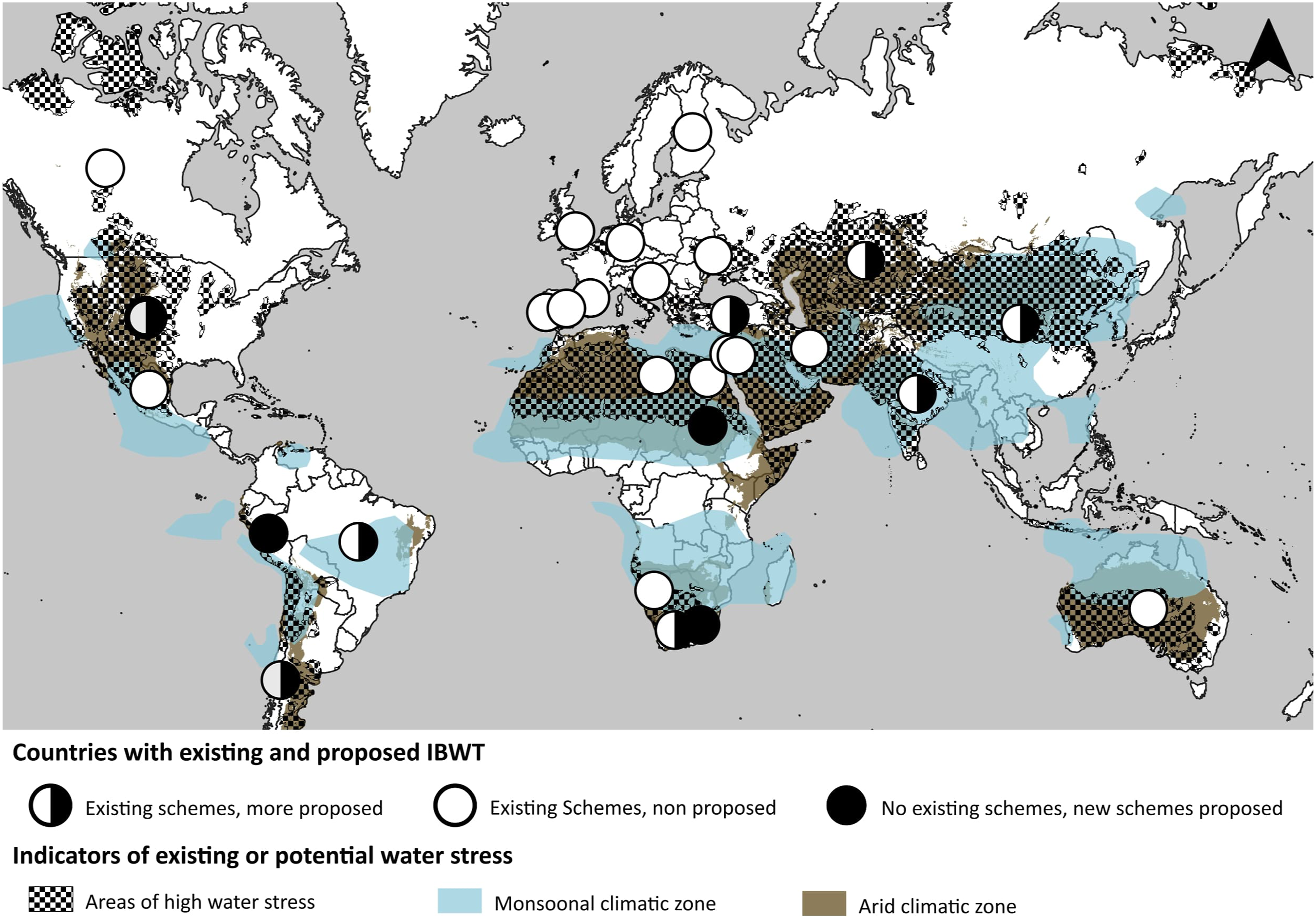
The spatial pattern of IBWT development reflects different hydro-meteorological and socio-economic characteristics between developed and developing countries. Developing countries are more frequently affected by arid or monsoonal conditions which, combined with their often rapid urban and industrial development, is a major driver of IBWT. In contrast, schemes in developed nations are either situated in locations with extreme climates, such as Australia and the USA, or reflect smaller-scale, more localised drivers of water stress. One such example being the Rhine-Danube Canal in Germany, which connects the Rhine and Danube basins to facilitate the transport of goods as well as water (Leuven et al., 2009). Construction of this scheme was driven by the need to facilitate trade, as well as to enhance the water supply to the city of Nuremburg (Seeger, 2014).
3.3 How long do schemes take to be constructed?
Start and completion dates can be identified for 47 IBWT projects, with another seven where completion dates alone can be identified or where planning is continuing with no current construction. Of these 47, 26 are in developing countries and 21 are in developed nations. Although, size and design may vary, on average, the length of time between the start of construction and completion for all schemes studied here is 14.6 years, with little variation between developed (16 years to completion) and developing countries (13 years). However, the majority of projects are completed in 5 years.
Shorter completion times are associated with smaller average project capacity. However, consideration of average project capacity per time period disguises sizeable variability in both project capacity and project completion times. There is no relationship between capacity and completion time when evaluating all projects (Figure 5(a)). The pattern is replicated when differentiating between developed (Figure 5(b)) and developing countries (Figure 5(c)), with no relationship observed between capacity and completion time in either case. Several very large capacity projects, for example, The James Bay Programme (52.9 km3 per year capacity) and Churchill Diversion Scheme (24.4 km3 per year capacity) were delivered in under ten years, and five projects with annual capacities below 0.5 km3 year took over 20 years to complete. It must also be acknowledged that the results do not reflect all of the projects, with some very large projects, such as the Indian ILR, not reporting a completion date; this scheme is therefore not included within the figures presented. Relationship between IBWT capacity and project completion time for reviewed projects (a) worldwide, (b) in Developed Countries, and (c) in Developing Countries.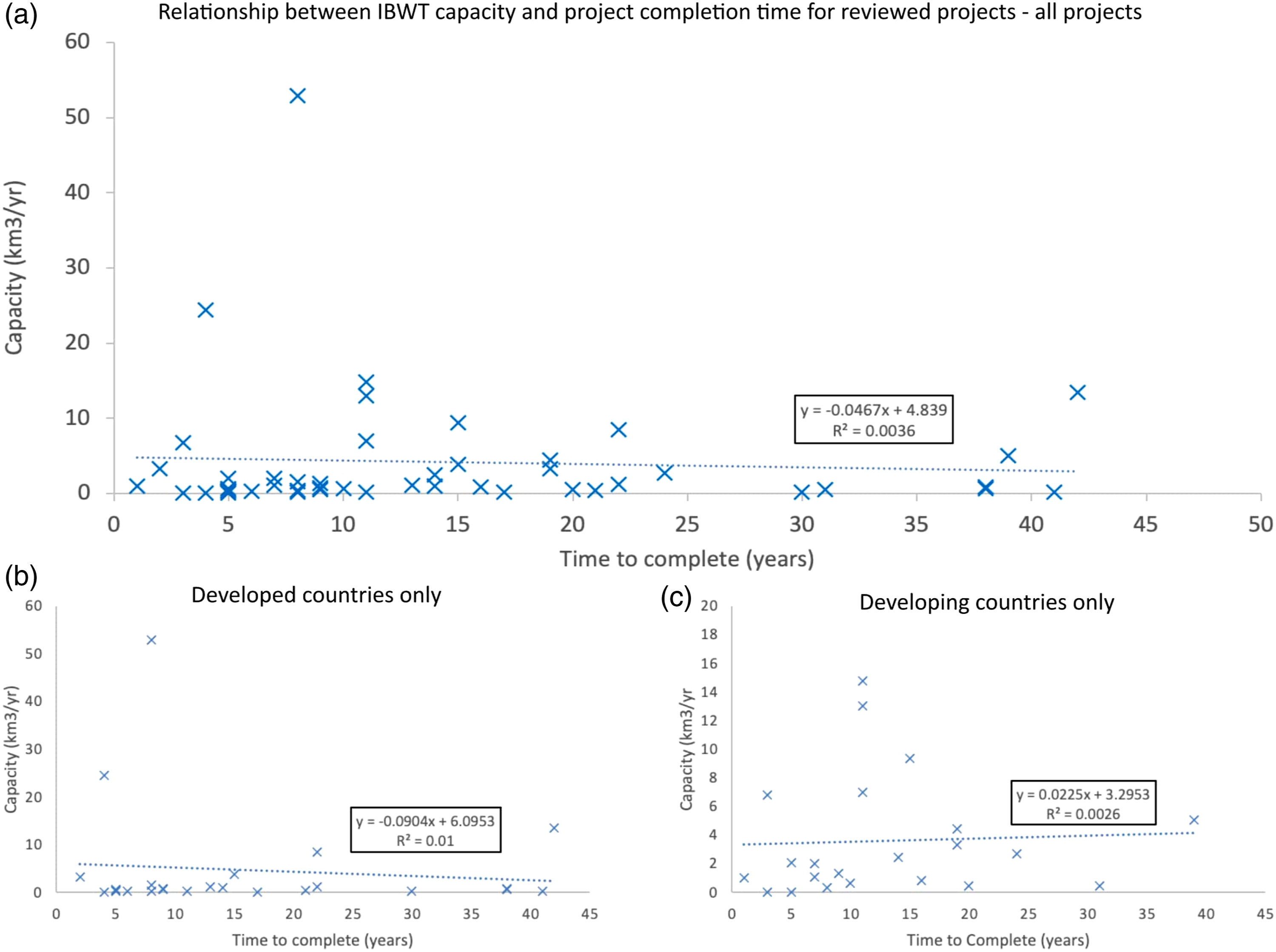
Based on the data available, we suggest that the results reflect the high levels of complexity associated with the completion of any IBWT scheme, but also that very large projects, typically driven by national or regional government agencies, can proceed very quickly.
3.4 Why are schemes being constructed?
The overarching aim of IBWT schemes is securing water supplies for areas affected by water stress by transferring water from catchments of relative water abundance (Amarasinghe and Sharma, 2008). However, such a broad statement disguises underlying trends in the drivers for, and justification of, IBWT. Our analysis has been able to explore the specific purpose of schemes, which helps to shed light on the likely beneficiaries and broader trends in IBWT drivers.
The majority of studies included within the review identify a primary and secondary purpose for implementing IBWT, with some specifically highlighting the multi-purpose nature of the project with as many as five stated aims. The documented purposes of schemes can be summarised into six primary groups: irrigation, municipal, industrial, hydropower, environmental and flood control. Of this list, environmental aims are the most diverse category, covering a range of sub-aims such as improvements to water quality, enhancing ecological sustainability and supplementing flows to meet environmental minimum flow requirements (Berkoff, 2003; Fu and Yang, 2019; Lund and Israel, 1995). Other usages are identified in the literature, for example, recreation, but the number of schemes which identify these are small, and they have a low priority when cited, so these have not been included here.
Previous studies have highlighted irrigation as a primary driver of IBWT (Kumar and Verma, 2020; Micklin, 1984; Shumilova et al., 2018). However, this review indicates that municipal usage is by far the most commonly stated primary driver for schemes, with irrigation second (Figure 6(a)). For schemes which indicate a different primary driver, municipal is the most quoted secondary driver (Figure 6(b)) alongside irrigation, followed by industrial and hydropower, with environmental and flood control identified by only a small proportion of projects. Change in IBWT drivers through time, (a) comparing primary and (b) secondary drivers of all schemes, and between (c) developed and (d) developing countries.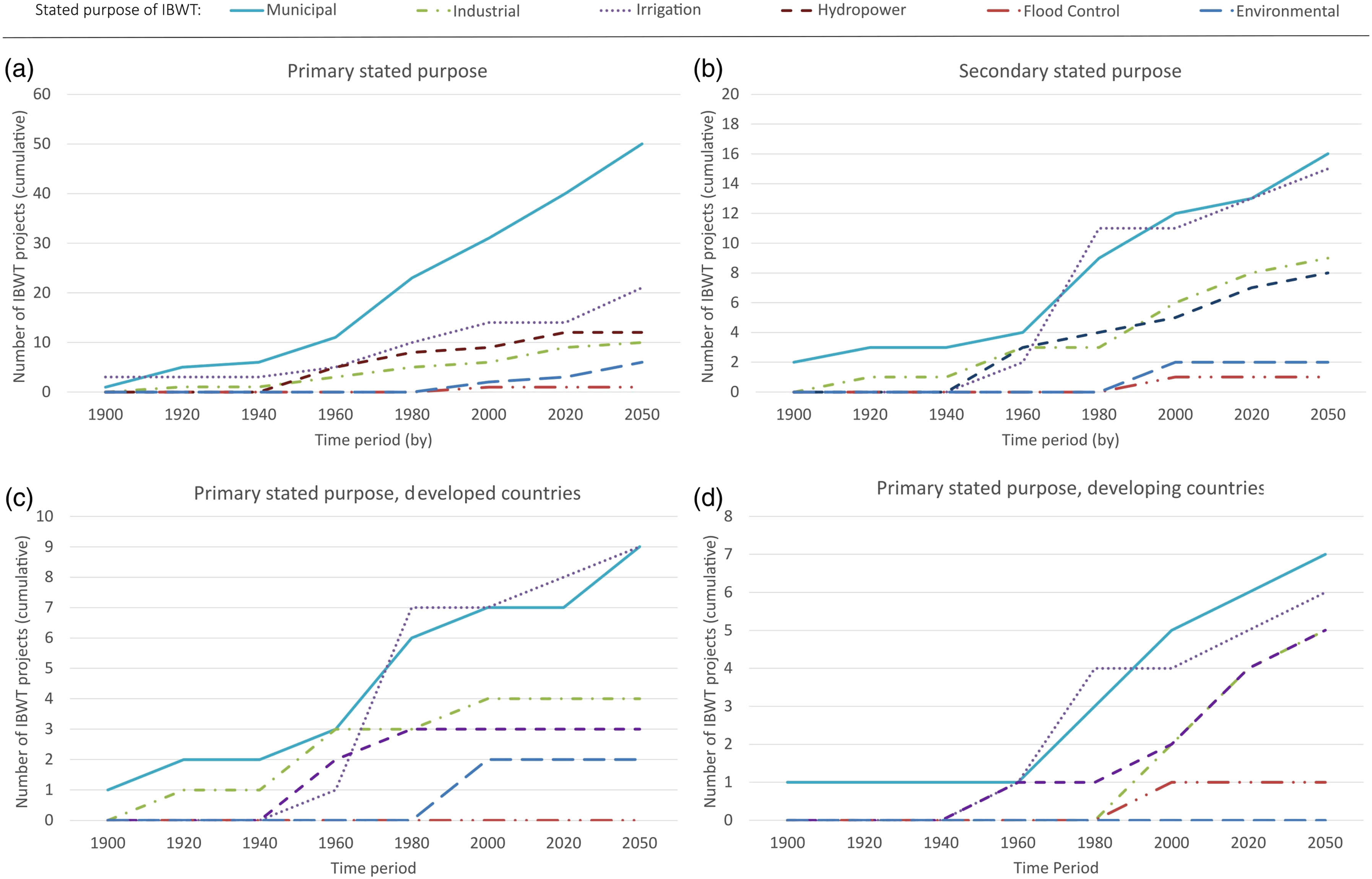
Considering the results through time, patterns also emerge. Municipal usage has always been the primary driver for IBWT, except in the 1900s. Irrigation, Industrial and hydropower emerge as drivers post 1940s, although the number of schemes identifying these as a primary driver is much lower than municipal drivers. Flood control and environmental purposes emerge as drivers only post 1980s and are cited by only a very small numbers of schemes. The pattern for secondary drivers is similar, with the main difference being the strong growth of irrigation as a secondary driver for schemes.
Patterns are similar in developed and developing countries to those seen for all schemes combined (Figure 6(c) and (d)). In developed countries, municipal and industrial drivers are initially dominant, with irrigation emerging strongly post 1940s, whilst industrial as a cited driver plateaus post 1960s. There is a short period of hydropower development between the 1940s and 1980s. In developing countries, the literature includes few schemes until the 1960s, when schemes driven by municipal and irrigation usages dominate. Hydropower emerges strongly as a driver post 1980s, along with industrial. Across both subsets very few schemes identify environmental or flood control as drivers.
These trends in IBWT drivers broadly reflect wider trends in development across the world. For example, the drive for municipal water supply likely reflects rises in urban population in the early 1900s (Roser et al., 2013), whilst the intensification and modernisation of farming post 1940s (Martin, 2000) explains the rise of irrigation as a driver. Both these developments increased water demand, either through increased municipal usage, or through demands for irrigation (Edwards and Smith, 2018). The rising trend in hydropower as both a primary or secondary purpose for IBWT, first in developed and then developing countries, reflects global trends in hydropower development, with hydropower increasingly implemented in developing countries in tandem with other water supply projects (Oud, 2002). Environmental and flood control emerge as drivers for IBWT only in the 1980s, likely reflecting increasing environmental awareness, although very few schemes identify these as primary or secondary drivers.
The disparity between this study and earlier findings for the drivers of IBWT is likely to result from this review bringing together a more comprehensive database of existing schemes than has been undertaken previously. Review of the data through time and between developed and developing countries shows that irrigation has been the most-stated purpose for IBWT, although the results are sensitive to the time period chosen and the selection of case studies.
3.5 Debating the case for IBWT
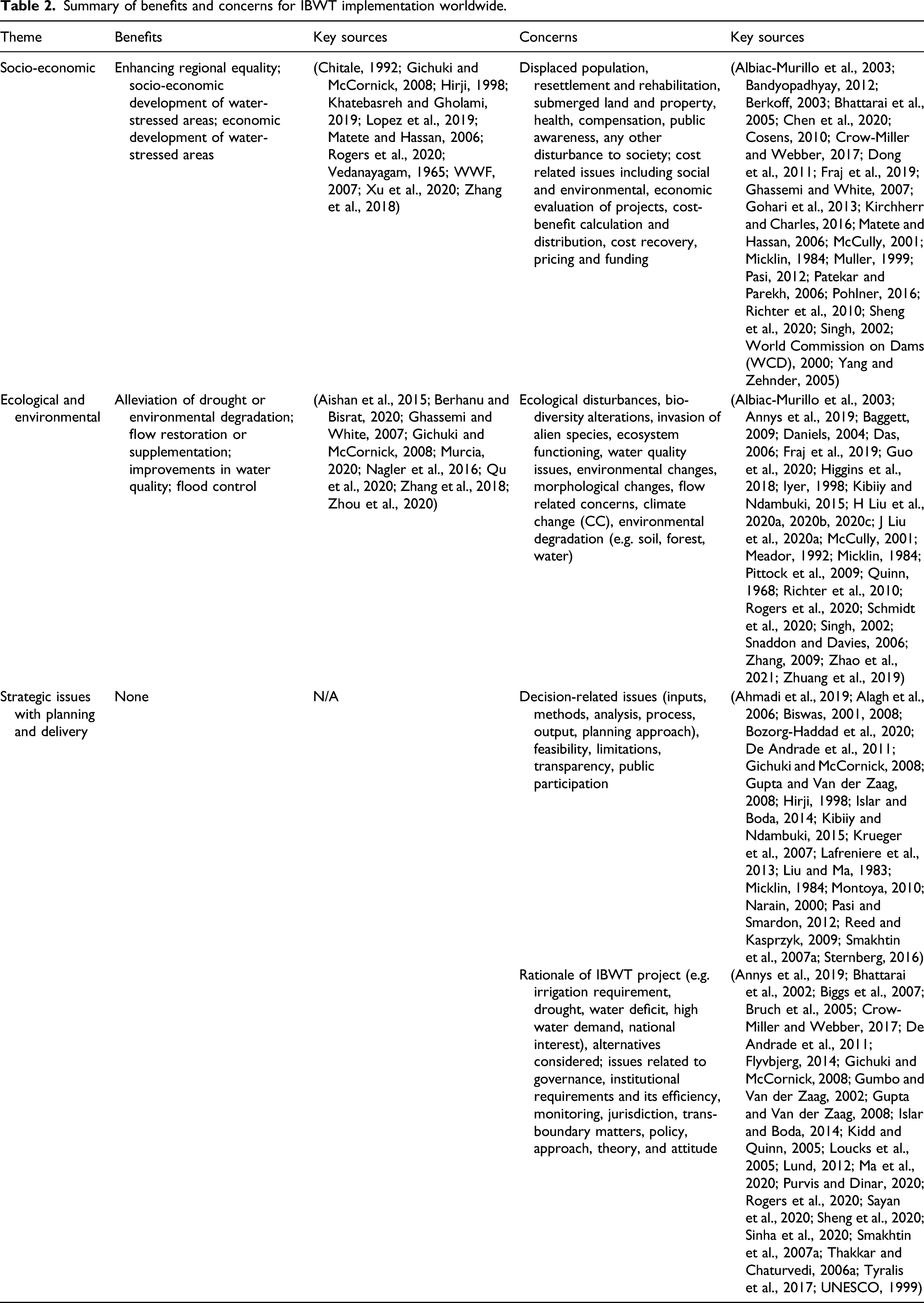
Summary of benefits and concerns for IBWT implementation worldwide.
3.5.1 Socio-economic development
The potential to enhance the socio-economic development of water-stressed areas is the most cited argument for implementing IBWT (Khatebasreh and Gholami, 2019). Specifically, projects have developed local economies in recipient basins (Rogers et al., 2020), enhanced regional equality, allocating water for better-value use and strengthening co-operation between donor and recipient areas (Gichuki and McCornick, 2008), whilst schemes are argued to enhance regional and basin-scale sustainability (Xu et al., 2020). These benefits can be significant, particularly for developing countries. For example, the Lesotho Highlands Water Project (LHWP) transfers water from water abundant Lesotho to alleviate water stress in South Africa. Revenues generated from the water transfer, as well as hydroelectric power generated along the route, are estimated to amount to almost 30% of the total revenues of Lesotho (Matete and Hassan, 2006; WWF, 2007).
However, socio-economic development from the implementation of IBWT is neither guaranteed, nor necessarily beneficial to donor or recipient basins. IBWT schemes are typically constructed at large scales and require significant engineering works in the form of dams, reservoirs and canals. These activities often uproot and resettle large populations (Singh, 2002; World Commission on Dams (WCD), 2000), frequently impacting most significantly on marginal communities (Fraj et al., 2019) or those from the lowest income strata (Matete and Hassan, 2006), who are expected to sacrifice their interests in the name of the public good by surrendering their rights to land and water (Crow-Miller and Webber, 2017; McCully, 2001; Patekar and Parekh, 2006). These communities do not tend to have a voice in the decision-making process (Pasi, 2012) and are not well compensated (Dong et al., 2011; Pohlner, 2016), especially in developing countries (Crow-Miller and Webber, 2017; World Commission on Dams (WCD), 2000).
Economic impacts are similarly not always equitable or positive. The very high cost of these mega-schemes, which frequently increase as projects progress (Flyvbjerg, 2014), places considerable pressure on the public finances of countries in which they are developed, and the resultant high price of water (Pohlner, 2016; Sheng et al., 2020) can require significant subsidies for beneficiaries in the recipient basin (Berkoff, 2003; Muller, 1999). The long-lead times of projects also means that in some cases future projections of water use have not reflected actual future demand, with central governments forcing recipient areas to buy transferred water even when they do not need it (Chen et al., 2020). By promoting the subsidy of industrial and agricultural beneficiaries over ordinary water users (Micklin, 1984; Muller, 1999), schemes can also enhance inequality and promote the development of inefficient industries, resulting in further increased water demand and requirements for further IBWT in the future (Albiac-Murillo et al., 2003; Bandyopadhyay, 2012; Gohari et al., 2013).
3.5.2 Ecological and environmental impacts
Ecological and environmental enhancements resulting from IBWT schemes are highlighted by a range of studies, citing flow restoration, the reversal of abstraction-related environmental degradation, water quality, land use and groundwater recharge (Berhanu and Bisrat, 2020; Murcia, 2020; Qu et al., 2020; Zhou et al., 2020). For example, the Snowy Mountains Hydroelectric Scheme in southern Australia is credited with providing supplementary flow in the Murray–Darling River basin during drought periods (Ghassemi and White, 2007), which ensures ecological diversity and stimulates forest-growth in the Yanga National Park (Nagler et al., 2016). Some studies suggest that schemes have little or no impact on water quality or discharge following water diversions (Zhao et al., 2020). However, once again the environmental benefits of IBWT are matched and outweighed within the literature by concerns around negative environmental impacts (particularly in the donor basin), many of which are argued to be irreversible (Higgins et al., 2018).
The removal of flow from donor rivers is the greatest consequence of IBWT, which can have dramatic impacts on the natural flow, leading to changes in downstream morphology (Annys et al., 2019), drying up of wetlands (Richter et al., 2010) and triggering delta retreat leading to sea-water incursion (Pittock et al., 2009; Zhang, 2009). In recipient basins, enhanced flows have been linked to promoting wasteful water use, particularly in irrigation (Albiac-Murillo et al., 2003; Liu et al., 2020a, 2020b, 2020c; Quinn, 1968), resulting in water-logging (Singh, 2002) and salinisation (Iyer, 1998; McCully, 2001). The linking of two previously independent basins can also lead to invasive species passing through the transfer system (Daniels, 2004; Das, 2006), alter fish species distributions, richness and resilience (Guo et al., 2020; Schmidt et al., 2020; Zhao et al., 2021), as well as facilitate the transfer of pollutants to recipient basins (Zhuang et al., 2019). The construction impacts of increasingly large schemes are also highlighted, particularly where productive agricultural land or forest is lost (Liu et al., 2020a, 2020b, 2020c). Recent studies also highlight the need to consider the longer-term sustainability of projects, underlining their energy usage, carbon emissions and the displacement of pollution (Y Liu et al., 2020a, 2020b, 2020c; Rogers et al., 2020).
3.5.3 Strategic issues with planning and delivering IBWT
As well as the tangible impacts of IBWT schemes on the donor and recipient basins, the literature highlights a range of high-level issues with the planning and implementation of IBWT projects which frame and shape many of the tangible consequences of schemes. Water is regulated at different scales through various laws and policies (Cullet, 2006) which have achieved a high degree of complexity through time (Pflieger and Bréthaut, 2018). Yet, IBWT schemes, particularly large ones, often operate outside traditional legal structures or are pursued following the establishment of new laws (Gichuki and McCornick, 2008; Montoya, 2010), bringing new stakeholders from different jurisdictions into water management (Ahmadi et al., 2019; Lafreniere et al., 2013). For example, water tends to be subject to local or state jurisdiction (Narain, 2000); however, its transfer from one basin to another is typically planned, promoted and then controlled by National/Federal/Central governments (Gupta and Van der Zaag, 2008; Islar and Boda, 2014; Sternberg, 2016). This situation can result in complex top-down negotiations, often water-centric in nature, and make mutually acceptable legal agreements difficult to achieve (Biswas, 2001, 2008). Some studies even highlighted the potential for interregional conflicts in the future associated with changing water availability following water transfers (Bozorg-Haddad et al., 2020).
Forms of governance can also heavily impact on the planning and implementation of IBWT projects. As major construction enterprises, they are typically promoted by powerful collectives representing engineering, financial and political groups (Gumbo and Van der Zaag, 2002), who may promote projects which knowingly underestimate costs, side-line potentially negative stakeholders and ignore potential negative impacts (Flyvbjerg, 2014; Sinha et al., 2020). Such governance is often aligned with efforts to increase power and influence within affected regions, sometimes drawing on security and developmental arguments to win public support (Sayan et al., 2020). Purvis and Dinar (2020) argue that, through lack of engagement and scrutiny, or consideration of other options, many transfers can be classed as ‘involuntary’ and imposed on affected populations.
The scrutiny, or lack thereof, typically undertaken of large-scale IBWT projects exacerbates this issue, with key data on scheme plans, benefits and costs often obscured to public view, compounded by a lack of public participation in their decision-making process (Biggs et al., 2007; Thakkar and Chaturvedi, 2006b; UNESCO, 1999). This issue impacts both developed and developing countries through institutional inefficiencies (Bhattarai et al., 2002; Gichuki and McCornick, 2008) or prevailing corruption (Gichuki and McCornick, 2008) and makes the promotion of unsustainable and poorly planned schemes more likely. In some cases, authoritarian states have used high profile water transfer schemes to solidify their legitimacy amongst the public (Sheng et al., 2020).
The lack of scrutiny exacerbates the complexity of evaluating the potential costs and benefits of IBWT, particularly given the huge scale of many current and proposed projects. The methods for designing and simulating water transfers often rely on significant assumptions (De Andrade et al., 2011), which are often driven by the demands of major stakeholders (Islar and Boda, 2014), data of questionable quality (Sinha et al., 2020), or the use of data which averages out local variability across large spatial and temporal scales (Gupta and Van der Zaag, 2008; Smakhtin et al., 2007b). Current studies demonstrate that for existing large schemes, such as China’s South-North Water Transfer Project, management schemes are evolving, and/or being created, to address unforeseen impacts such as changes in water quality (Rogers et al., 2020). A failure to effectively scrutinise decisions impacted by such issues can have significant impacts for donor and recipient basins, particularly in areas where spatially or temporally variable water availability results in large inter-annual variability in water availability. For example, Sinha et al. (2020) demonstrate how components of the Interlinking Rivers project in India may enhance donor basin water stress by failing to take account of monsoonal rainfall patterns. This scrutiny must also continue long after projects have been implemented (Rogers et al., 2020) because impacts may not arise for many years, or the efficacy of schemes may decrease, requiring additional interventions in the future to maintain water supplies (Ma et al., 2020).
IV Where now for IBWT in a changing world?
The renewed popularity of IBWT as a solution to water scarcity issues is likely to see major increases in water transfer volume over the next 20–50 years (Shumilova et al., 2018). However, this review has demonstrated that these mega-scale interventions in natural water systems are accompanied by potentially catastrophic and irreversible socio-economic and environmental impacts which may not be fully evaluated until after they have occurred. If IBWT is to become one of the solutions to addressing the global water crisis this situation cannot continue and schemes must be integrated more effectively into a revitalised approach to conceptualising how water is managed across society.
Our review has identified three main challenges for IBWT in a changing world: 1. Equitability must be a key component of IBWT because the nature and scale of IBWT schemes often dictates an unequal power relationship between states, or areas, who develop and implement schemes, and those affected by them. 2. Schemes must be robust and transparent about the options which have been considered and how. The evaluation of IBWT schemes is possible using publicly available data and such analysis can identify significant shortcomings in the assumptions and models which have been used to justify schemes (Sinha et al., 2020). 3. Schemes must be sustainable, able to withstand future changes in water availability and demand without resulting in negative consequences for areas affected and should not place undue socio-economic or environmental burdens on donor basins or countries.
These challenges arise partly due to weaknesses within IWRM, the framework through which IBWT schemes are typically promoted and evaluated (Rahaman and Varis, 2005). IWRM is broadly defined as a process for the integrated management of land, water and related resources for maximising socio-economic development and environmental protection (Agarwal et al., 2000). However, IWRM has been criticised for ambitious yet vague and often ambiguous objectives (Petit, 2016), which have often led to restricted integration and water-centred management (Biswas, 2008; Butterworth, 2014; Giordano and Shah, 2014) and a consequent lack of flexibility (Giupponi and Gain, 2017). In practice, despite commitments to IWRM, national water strategies have often seen the centralisation of power and decision-making in the hands of expert water managers and engineers (Mehta and Mehta, 2018), with the construction of engineering-led schemes prioritised (Madrigal et al., 2018).
The exclusion of perspectives and expertise from other disciplinary areas can result in many of the problems highlighted in section 3.5. Issues of water scarcity should not therefore be viewed purely through the lens of the water manager without water supply becoming prioritised over equally important environmental, economic, social and cultural considerations. Similarly, a myopic focus on water management excludes broader considerations of wider societal and technological changes which may influence water availability, or long-term climatic impacts which might have diverse impacts on water availability. In this respect, water scarcity is a quintessentially ‘wicked problem’ (Lund, 2012), lacking a clean, technologically derived solution, characterised instead by shifting dynamics, competing perspectives and stakeholders, and large uncertainties. Thus, integrated and sustainable management of water must have a decentralised focus, which brings together the expertise of a wide range of sectors, and gives equal importance to the perspectives of all of the sectors and disciplines involved (Hagemann and Kirschke, 2017). We therefore argue that IWRM is no longer an effective framework within which to govern IBWT as a potential tool for managing future water scarcity issues. Instead, a new conceptual model is needed to ensure that IBWT is effectively evaluated in this changing world.
We consider two potential frameworks which provide alternative ways for understanding the complex social and environment systems, and their anthropogenic exploitation which IBWT represents: The Water-Energy-Food (WEF) Nexus and the Socio-ecological Systems (SES) Approach. We provide an outline of these frameworks and then critically examine their use in the context of IBWT and how they might be used to ensure that the evaluation of IBWT schemes is holistic and robust.
4.1 The Water-Energy-Food (WEF) Nexus
The WEF Nexus concept is in its infancy, originally proposed at the Bonn 2011 WEF Nexus Conference, a contributing conference to the Rio +20 UN Conference on Sustainable Development and directly aligned with the UN SDGs (Endo et al., 2017) (Figure 7). Conceptual model of the Water-Energy-Food Security Nexus (Adapted from Yi et al., 2020).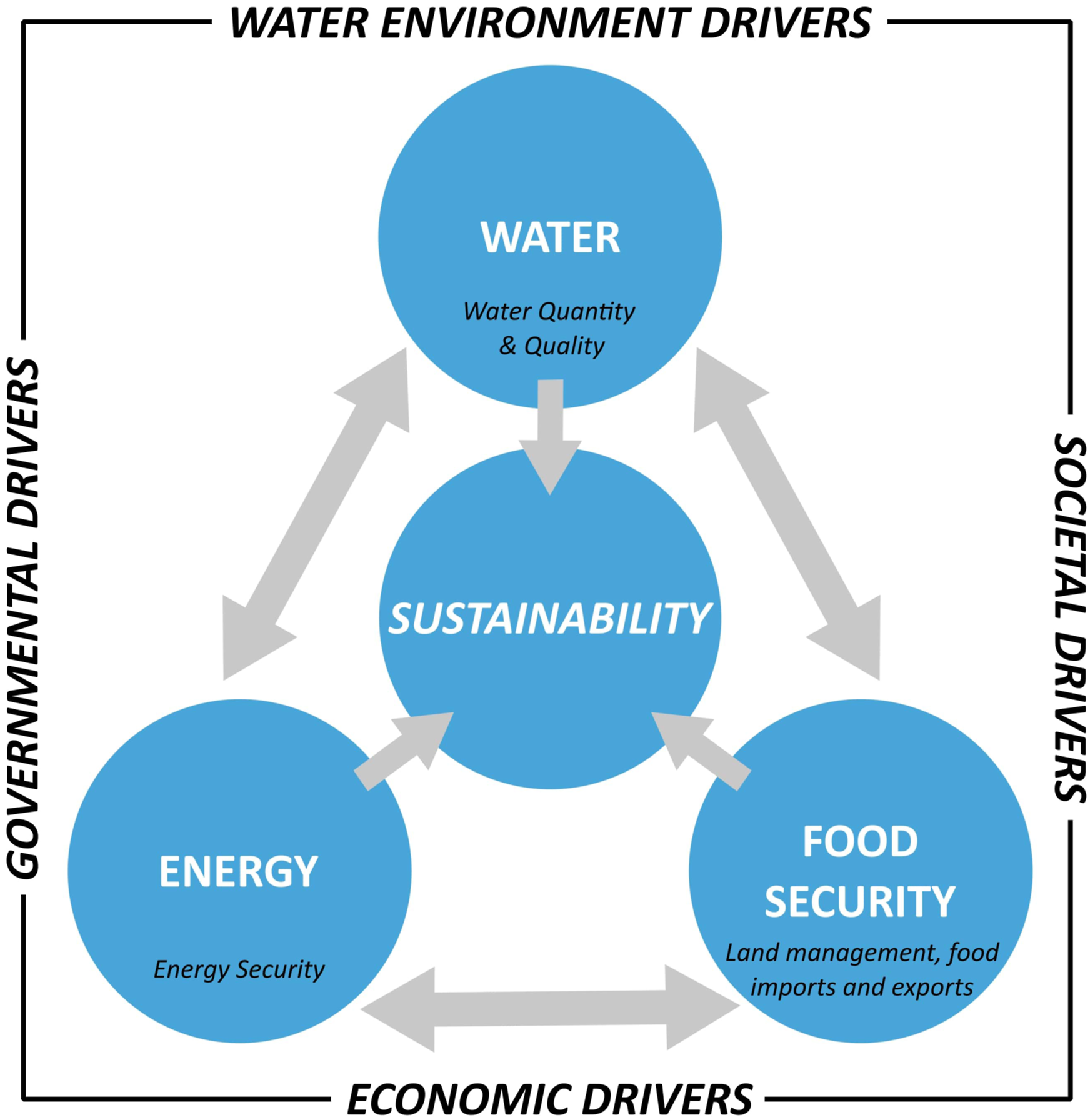
The nexus approach removes the traditional sectoral focus (McGrane et al., 2019) of development spending, highlighting the interdependencies between human wellbeing, and water, food, and energy security (Yillia, 2016) (Figure 7). The core focus of the nexus approach is the adoption of a systems approach to the management of water, energy and food networks which considers the complex interdependencies between them (Urbinatti et al., 2020) in order to avoid unintended consequences of sectoral management (Rasul and Sharma, 2016). This is achieved through facilitating effective governance, encouraging public-private partnerships (Galaitsi and Huber-lee, 2018), and balancing the different interests of stakeholders in managing ecosystems (Abulibdeh and Zaidan, 2020). However, there are few tangible examples of nexus application and its associated long-term challenges have yet to be fully explored (Yillia, 2016; Liu et al., 2017a, 2017b). Although the flexibility of the WEF Nexus approach appears to be its strength, it could equally represent a long-term hindrance, since there is a lack of focus and too-broad an aim (as with IWRM). This criticism has already been levelled at the nexus concept, with Galaitsi and Huber-lee (2018) arguing that the nexus approaches have so far failed to develop ‘a discernible intellectual toolkit’ for policy-makers. Similarly, Van Gevelt (2020) argues that our current understanding of WEF, as a complex system of components, is overly simplistic and designed to be modelled and quantified, hence a greater understanding of the technical and political nature of interdependencies is required to produce effective policy solutions. However, it is increasingly evident that WEF Nexus ‘makes the discussion much more multi-sectoral and multi-stakeholder’ an essential component of efficient water management (Dr James Dalton, Director IUCN Global Water Programme, cited in Pflieger and Bréthaut, 2018).
4.2 Socio-ecological Systems
An alternative framework which has risen to prominence in water management over the last 30 years is the Socio-ecological Systems approach (SES). Originally coined to intertwine human and natural systems (Berkes and Folke, 1998), the concept has been adapted and widely used to study the relationships between people, institutions, and natural systems at different scales (Colding and Barthel, 2019) (Figure 8). More recently SES approaches have integrated concepts of resilience thinking to explain the resistance of systems to change, as well as their ability to rapidly change from one state to another (Tanner et al., 2015). Conceptual model of a socio-ecological system (Adapted from Berkes et al., 2003).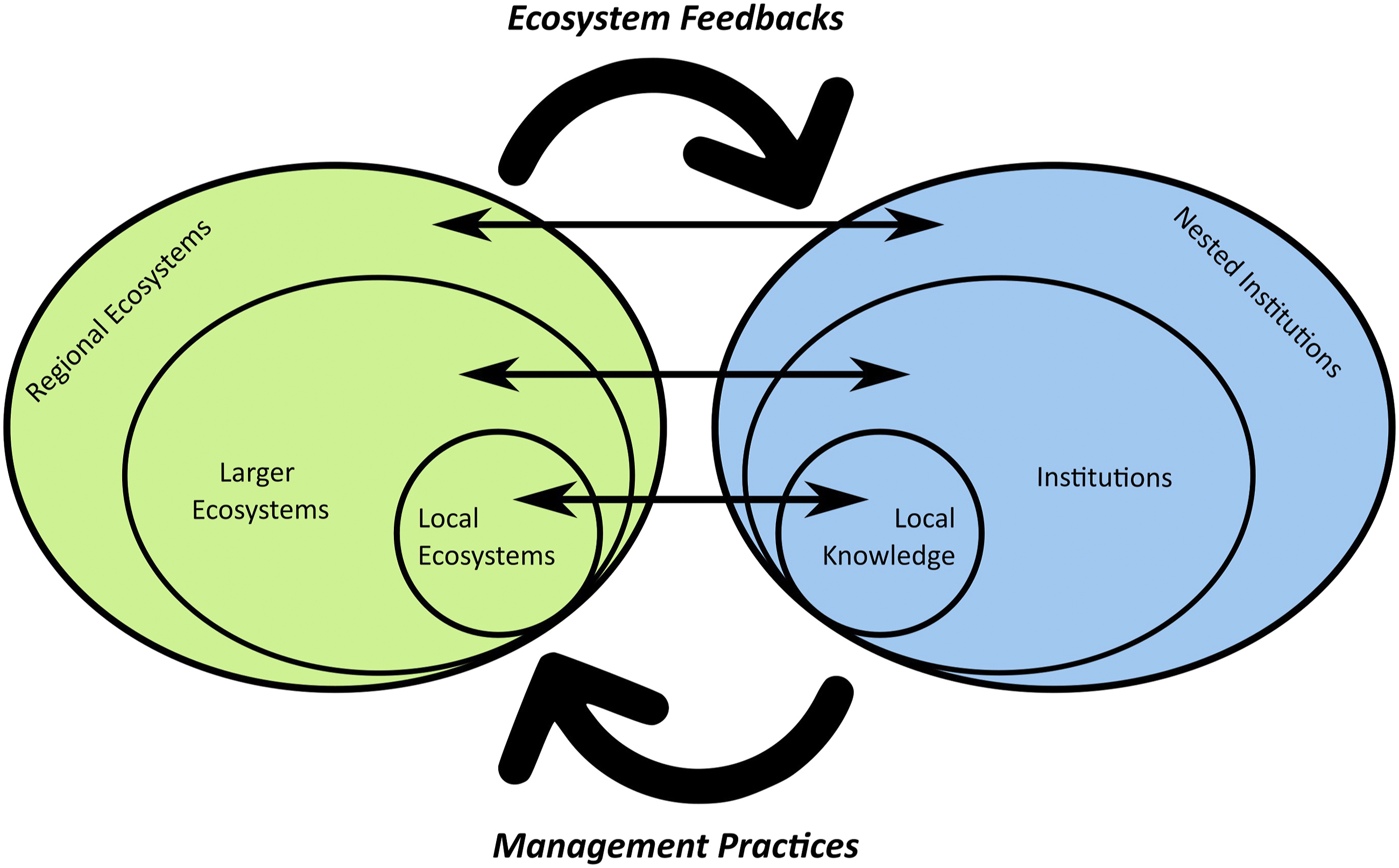
SES approaches have been widely adopted to study water management, exploring how different actors within a water management system understand water at different scales and across different sub-systems (Madrid et al., 2013), how different communities participate in water decisions (Godden and Ison, 2019), who is integral to the management of water systems, what ecosystem components are considered, and how value is associated with different ecosystem components within a management approach (Everard, 2020). Berkes (2017) argues that SES approaches are vital to achieving sustainable environmental governance due to their focus on the interdependence of human and natural systems, the integration of resilience as a concept and the focus of the approach on co-production of knowledge and collaborative learning. However, Colding and Barthel (2019) argued that SES lacks a robust definition, particularly in relation to the definition of diverse social systems, something echoed by Fabinyi et al. (2014) who highlighted the weakness of SES in considering power relationships between different institutions and actors. The broadly descriptive nature of the SES framework produced by Berkes and Folke is also highlighted as a weakness of applying the approach in practice (Colding and Barthel, 2019), with Cumming et al. (2020) calling for more robust, quantitative approaches to define the role of institutions in the management of socio-ecological systems.
4.3 A novel conceptual interpretation for IBWT research and practice: the enhanced Water-Energy-Food nexus model (eWEF)
It is clear from this review that neither WEF or SES offer a ready-made and robust framework into which IBWT can neatly fit to shape the decision-making for planning future schemes. Although specifically conceptualised to explore the types of interconnected social and natural systems into which IBWT schemes are inserted (Berkes, 2017), the SES approach lacks the ability to effectively engage with power relationships (Fabinyi et al., 2014). Power, and the relationships between institutions and communities, source-catchments and benefitting catchments, or between water managers and other stakeholders is key to the current practices of the promotion and delivery of IBWT schemes (Sayan et al., 2020), often resulting in project planning being done at a high level without local involvement, despite the majority of impacts being felt at local levels (Figure 9). Without a specific conceptualisation of these power relationships, SES is likely to represent no more than an approach for the scholarly critique of IBWT scheme implementation, much like IWRM. Mapping the planning of IBWT projects and their impacts against the conceptual models of SES and the WEF nexus. The SES approach lacks the ability to interrogate hierarchical power relations leading to imbalances in planning involvement versus impacts. In contrast the WEF nexus approach distributes planning and consideration of impacts across sectors, resulting in a more holistic evaluation.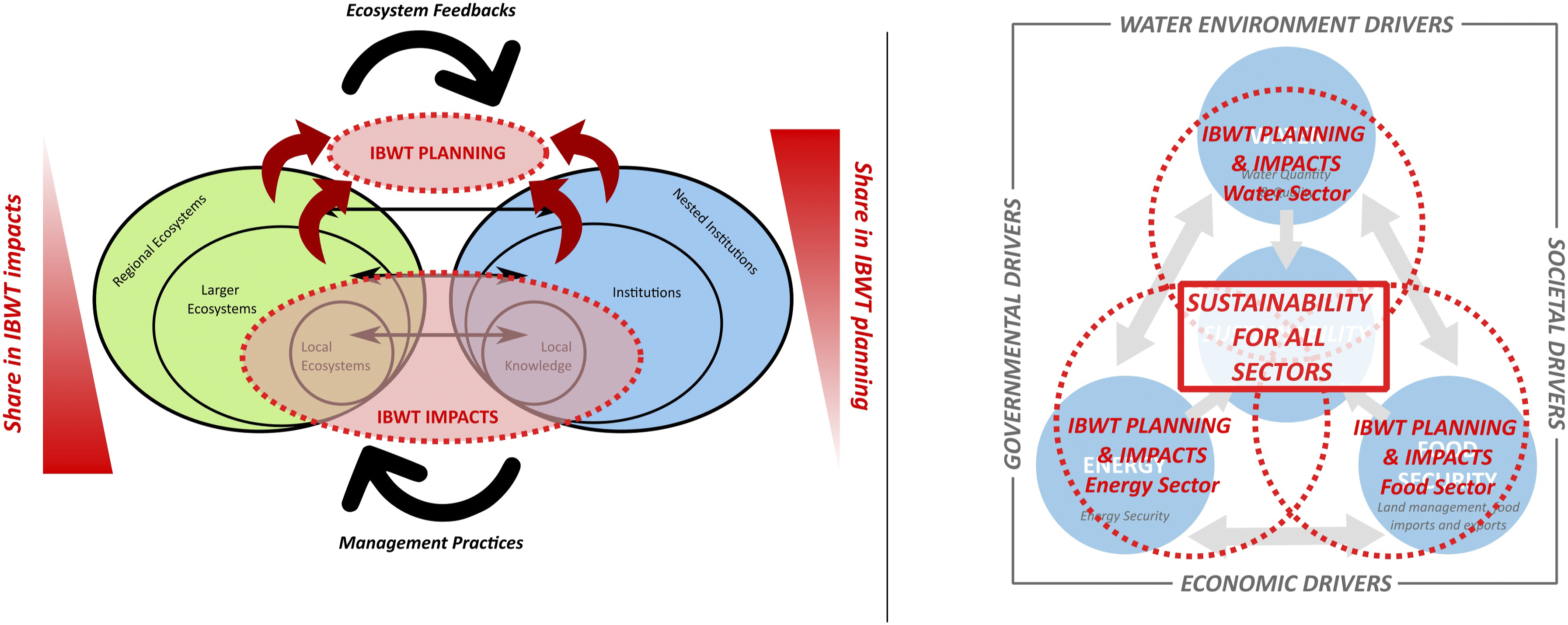
In contrast, the WEF Nexus approach seeks to integrate many of the high-level components which IBWT schemes themselves address: water (water supply for municipal and industrial usage), food security (irrigation) and energy (hydropower). Examining these components and their interrelationships automatically deprioritises IBWTs focus on water, potentially leading to more comprehensive appreciation of the trade-offs between sectors (Abulibdeh and Zaidan, 2020) (Figure 9). However, this too is not without complication. The nexus approach has been criticised for lacking novelty and repackaging existing frameworks (Wichelns, 2017), for failing to produce a robust intellectual toolkit or provide proof that the nexus approach produces better resource management outcomes (Galaitsi and Huber-lee, 2018), and, like SES, for failing to critically engage with issues of power (Allouche et al., 2019). Additionally, the WEF Nexus is lacking practical application. As McGrane et al. (2019) argue, there are two key challenges in implementing the WEF Nexus approach: the first is scale, and the challenge of identifying interdependencies across multiple spatial and temporal scales and between different actors; the second is data on which to found this analysis. Building on these challenges, Allouche et al. (2019) further argued that the question of who should undertake the analysis and by what processes integration of different systems should occur remains open.
Based on these critiques, we suggest that neither the SES nor WEF models is ideally suited for conceptualising the role of IBWT in our changing world. Both have limited utility to assist planners, water managers, or communities in assessing their viability and sustainability. We do not suggest a brand-new model, but rather a new way of interpreting the existing models to allow specific conceptualisation of IBWT and its place within the complex socio-ecological to support decision-making. In so doing we propose an enhanced WEF Nexus model (eWEF) which can provide insight and guidance in the conceptualisation of IBWT schemes and their planning and evaluation (Figure 10). The enhanced WEF Nexus model interpretation. The eWEF model facilitates the conceptualisation of IBWT schemes within the WEF Nexus, drawing on specific components of the SES model and accounting for the major critiques of IBWT which have been advanced within this paper. Conceptualisation of IBWT schemes within this way allows critical examination of the equitability of schemes, their robustness and transparency, and their long-term sustainability.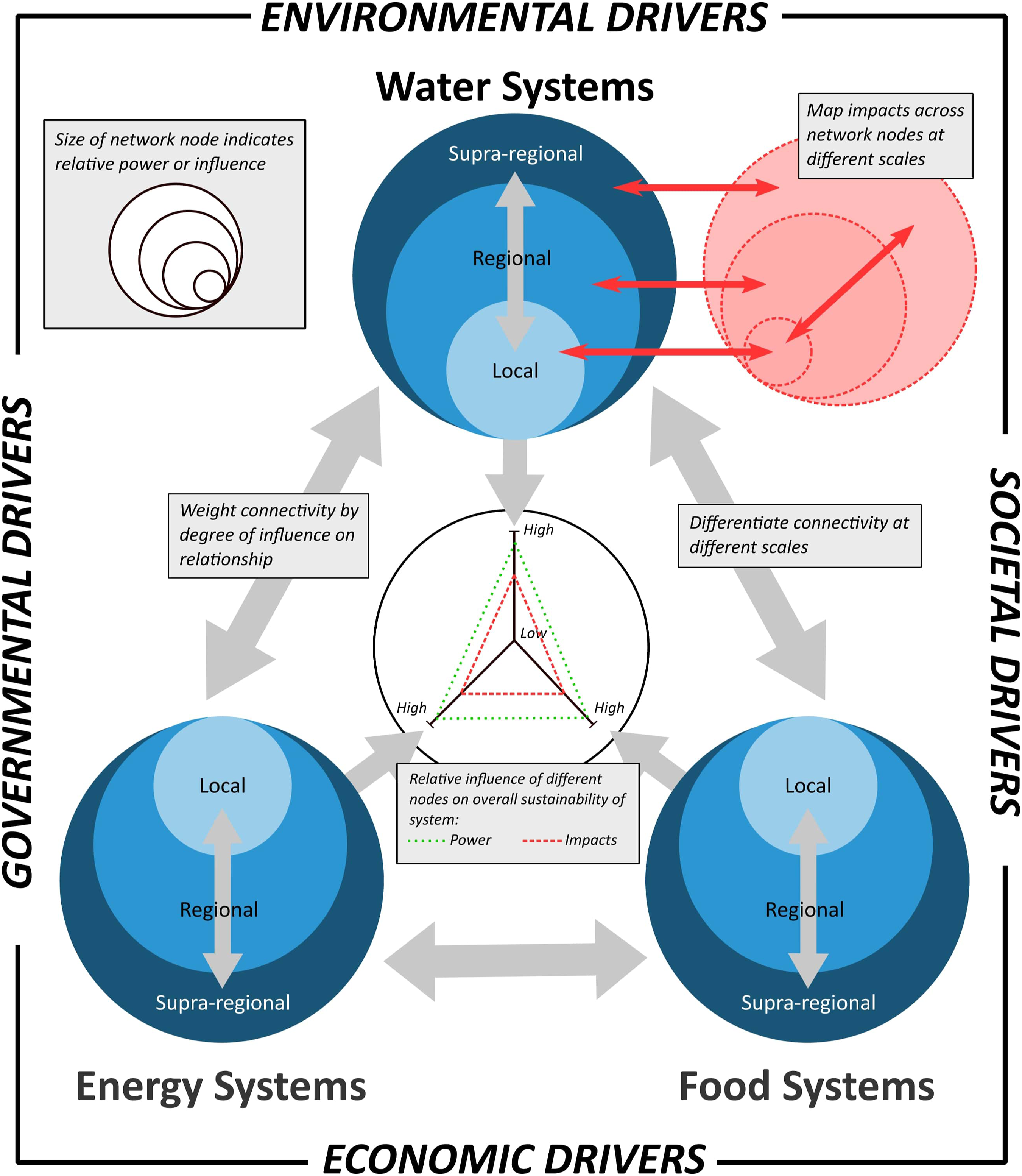
The eWEF model takes the overall form of the WEF Nexus model (Figure 7) but incorporates issues of scale considered within the SES model (Figure 8), as well as incorporating consideration of power dynamics and sustainability which are missing from both models (Allouche et al., 2019; Fabinyi et al., 2014). Using this new conceptual model enables the issues identified in this review to be specifically considered and addressed (a theoretical worked example of the proposed model interpretation can be found in Supplemental Information).
eWEF avoids a water-first approach and encourages a more holistic evaluation of a scheme’s drivers and impacts. The drivers, impacts and outcomes of IBWT are highly varied across economic areas as well as spatially and temporally (Pueppke et al., 2018), often driven by the power, or lack of, different stakeholders. Visualising the relative influence of different stakeholders, or economic areas, by altering the size of different network nodes and the size and directionality of connections forces consideration of relative power and influence, as well as the distribution of benefits and consequences at different scales. Utilising the tripartite WEF Nexus approach also allows these factors to be considered across the wider socio-ecological system in which a scheme will exist.
IBWT schemes are highly complex with many interrelated stakeholders, benefits and negative consequences, the evaluation of which is often incomplete or deliberately opaque. To make evaluation of schemes more transparent, the eWEF model conceptualises an IBWT scheme as a component within a wider network, specifically mapping the benefits and negative consequences of a scheme across as wide a group of stakeholders as possible. For planners this model enables this exercise to be structured and readily demonstrated, facilitating open and transparent conversations about the impact of schemes with diverse stakeholders and encouraging buy-in. For external bodies, such as NGOs or community groups, the model provides a framework for understanding the potential impacts of a scheme, and therefore for critical scrutiny of proposals using available data (Sinha et al., 2020).
The sustainability of IBWT schemes is multi-faceted and dependent upon a wide range of internal and external factors across different spatial and temporal scales (Zhuang, 2016). The eWEF model interprets sustainability using the assumption behind the WEF Nexus, that holistic consideration, and integration, of water, food and energy systems will result in more sustainable resource use (Simpson and Jewitt, 2019). The model allows rapid consideration of whether this integration has been achieved by including a sustainability weighting, factoring in the relative influence of each network component and the degree of impacts on each component. Differentiating this by both the power of the system on the decision-making and the impacts which a scheme will have on the network component allows poorly balanced proposals, which are either disproportionally driven by or disproportionally impact on individual network components, to be identified and critically examined.
V Conclusions
Water supply and water stress are some of the most pressing socio-ecological problems of our age, driven by falling water availability and increasing water demand, particularly in developing nations. In response, a new wave of mega-scale anthropogenic interventions within the water cycle are proposed through IBWT. These schemes are driven by increasing water demand for municipal and industrial water usage, as well as by water for irrigation and energy in the form of hydropower. This review has demonstrated that the implementation of IBWT is often associated with wide ranging social and environmental impacts across large spatial and temporal scales, often driven by opaque, water-centric decision-making frameworks which prioritise water supply and security to the detriment of other factors. Although IWRM has been an accepted framework for water management for decades, this approach has failed to ensure the effective or sustainable management of IBWT. The renewed focus on IBWT construction therefore requires renewed activity from IBWT planners, stakeholders and scholars to ensure: 1. The equitability of scheme impacts across different groups and environments and at different scales; 2. That robust and transparent evaluation of scheme impacts is carried out during the planning phase; and 3. That scheme planning considers the long-term sustainability of schemes in the face of rapidly changing social and environmental factors.
We have argued that these issues relate mainly to the weaknesses of IWRM in driving how projects are governed and how the impacts of schemes are considered. In response, a new conceptual understanding of IBWT as one component of a wider socio-ecological network is necessary for helping ensure that these mega-scale engineering projects can provide a sustainable part of future water management strategies.
We propose a new eWEF conceptual model which integrates key components of the SES model, as well as addresses issues of power, and sustainability which are specific to IBWT to evaluate future IBWT schemes. The enhanced model can be used to conceptualise the place of IBWT schemes within wider socio-ecological networks, as a tool to assist in the effective planning and evaluation of IBWT schemes by planners and stakeholder, and by external bodies impacted by proposed schemes.
The pace of IBWT scheme planning and implementation looks set to accelerate, with larger and larger schemes being implemented to help address increasing water scarcity in many areas of the world. To match this trend, a renewed academic focus on IBWT is required to match that seen in the heyday of the technology in the 1980s and 90s and ensure that issues already identified with IBWT are not repeated or reinforced. Without this renewed scholarly activity and scrutiny, new IBWT schemes run the risk of entrenching existing inequalities in access to water, driving water scarcity and resulting in negative environmental consequences on a huge scale.
Footnotes
Declaration of conflicting interests
The author(s) declared no potential conflicts of interest with respect to the research, authorship, and/or publication of this article.
Funding
The author(s) received no financial support for the research, authorship, and/or publication of this article.
