




Abstract
This photo-elicitation study with four fathers and six mothers (half of whom had learning disabilities) set out to explore their experiences of visiting children in care, an under-researched area. Participants described loss as central to family time but also identified coping strategies, before, during and after visits. The use of visual methodology revealed how material objects such as toys and food became loaded with multiple meanings, providing a bridge between a shared remembered past, a separated present and an imagined future, crossing boundaries between home and placement. During care proceedings, when relationships with social workers had broken down, contact supervisors were key; parents were willing to accept support (including referral to other services) when they perceived workers to be knowledgeable, compassionate and respectful of their loss. There is under-utilised potential for skilful, trusted family time workers to maximise prospects of change in the aftermath of child removal and help parents survive emotionally. This would require a re-imagining of the purpose of family time to encompass support for parents as beneficial for children; it would depend on adequate resources and training to work with parents with learning disabilities.
Plain language summary
To make family time work, we have to think about everyone’s feelings: dads, mums, children and the people looking after them. This research was with six mums and four dads. Half of them had learning disabilities. The parents took photos to show what it is like to visit children in care. Then we talked about the pictures. Mums and dads said it is sad and lonely when children get taken away. They never stop thinking about them. Keeping in touch is important. But it can make them feel sad all over again. Parents are nervous and excited getting ready. The best things are being together, playing and bringing treats to eat. It is good to see that children are doing okay. But it is hard to hear about the fun children have with new families. Saying goodbye and going home alone is the worst part of family time. It can help to walk the dog, watch television or cuddle a teddy. It is hard work acting happy in visits, but parents don’t want to make children sad or worried. Mums and dads need support when they see their children, and family time workers are good people to provide this support.
Keywords
Introduction
The extent to which children growing up away from birth parents are supported to keep in touch with their family and important others has lifelong implications for everyone involved. Birth parents remain a powerful psychological presence for most children living away from their families of origin, but work with these adults is a neglected area of practice in the UK, and there is limited research into their experiences of ‘family time’ or direct contact, terms used interchangeably here (Boddy et al., 2013). Family time represents an opportunity to both maintain and improve these important relationships but is often emotionally challenging for everyone involved (Neil et al., 2015). For birth parents, contact with their child can be a traumatic reminder of their loss, a frustratingly constrained opportunity to be a parent again, a chance to maintain connections, a source of reassurance and joy at witnessing their child’s progress or a mixture of all of these (Collings and Wright, 2022; Ross et al., 2017).
An international review of the research across placement types found that well-managed, skilfully facilitated contact or family time is associated with positive short- and long-term outcomes for children (Iyer et al., 2020). This includes increased placement stability, a stronger sense of identity, better relationships with birth families and carers, improved prospects of reunification and better emotional wellbeing. However, the same research also found that unreliable, inflexible or poorly managed contact is associated with negative outcomes, particularly when children are exposed to birth parents’ difficult or unpredictable behaviour. Children are aware of their parents’ feelings, worry when they do not see them and want help to improve these relationships (Selwyn and Lewis, 2022). They are also affected by conflict between the two families in their lives, which can be triggered by or manifest in arrangements for keeping in touch (Iyer et al., 2020). Parental experiences of family time are central to children’s experiences but under-researched.
There is a growing body of research into the impact on parents of losing a child to the care system, particularly when a baby is removed at birth (Broadhurst et al., 2018). This highlights child removal as a catastrophic source of disenfranchised grief, exacerbating existing difficulties, causing further losses of relationship, income and housing, and disproportionately affecting those with histories of childhood loss and trauma (Broadhurst and Mason, 2013, 2020). Many such parents are required to manage visits to their children in the immediate aftermath of child removal with little or no support.
There is emerging international evidence that helping parents to prepare for seeing their child and facilitating interactions during visits can improve the reliability and quality of family time (Taplin and Suomi, 2020). Group work that provides emotional support with loss is valued by parents; improved parental adjustment to this loss is associated with more positive and sustained post-adoption contact and mutually respectful relationships between birth and adoptive parents (Boddy et al., 2020; Neil et al., 2015). However, in the UK, few birth parents currently receive such specialist support at the point of child removal, and there is limited research into their experiences of routine practice or the role of contact supervisors.
In England and Wales, the emphasis on timely decision-making and closed adoption as a route to permanence renders early contact visits during care proceedings particularly high stakes encounters, in which parents must provide evidence of parenting capacity in a context for which there are no social norms. Until recently, the closed nature of family court decision-making perpetuated an online climate of fear and distrust, suggesting a social work conspiracy to remove children for adoption. However, the extent to which parents are able to focus on their children’s needs in family time during care proceedings is a poor indicator of their capacity to contribute to a child’s life in the longer term with appropriate support, suggesting that many children’s connections to birth family may be severed unnecessarily (Neil, 2006).
There is growing recognition that our approach to helping children keep in touch with their birth family needs radical reform. This includes moving towards an assumption that adopted children will have direct contact with family members unless there is a compelling reason against this as well as a renewed focus on building relationships through supported, flexible arrangements for all children and families (including kinship carers) into adulthood, recognising the needs of birth families, carers and children (Iyer et al., 2020; Public Law Working Group: Adoption Sub-Group, 2023). There is limited knowledge about UK birth parents’ contemporary experiences of contact to inform this process. The existing research largely focuses on the impact of such visits on children’s welfare and is often organised by placement type, framing family time as part of the child’s life in an adoptive, fostering or kinship household. However, the reality is more complex as children and their siblings may move through different kinds of family and have different kinds of visits over time, with family time as an evolving aspect of parents’ lives little explored.
Internationally, the research into parental experience of contact is primarily focused on mothers (Philip et al., 2020). Only a small number of studies include parents with learning disabilities, although this group is disproportionately likely to lose care of their child (Tilbury and Tarleton, 2023). The research is dominated by interview-based studies (which can inadvertently exclude those with learning disabilities), but creative methodologies have been used to increase accessibility and allow for the containment of painful emotion, producing powerful visual material that communicates on multiple levels (Collings et al., 2022).
Much of the most recent research into parental experience is from outside of the UK, particularly Australia and New Zealand, where there is little use of adoption and less emphasis on decision-making within tight timescales, limiting its relevance. The most important work in this country is Neil and colleagues’ longitudinal study of children placed for adoption in the 1990s, which offers invaluable insights into parental experiences of contact over time (2006, 2015). Clapton and colleagues’ (2022) research with Scottish birth relatives is a rare example of a study focused on contemporary experiences of visiting children: this found a continued lack of empathy for parental loss and damaged identity which could be compounded by contact practices, highlighting a lack of research into the role of contact supervisors.
The present study
This study, conducted as part of my Social Work Research Master’s degree, set out to fill some of the gaps in the existing research by exploring what practitioners might learn from parents about their experiences of family time and the kind of support they would like. It sought to examine little-researched aspects of the field by ensuring the participation of fathers and parents with learning disabilities and extending the scope of enquiry across placement types and over time, involving those still going through care proceedings as well as those who lost their children some time ago. Shifting the focus from child to adult, the research sought to explore family time as an event in a parent’s life, considering the strengths and strategies they used before, during and after such visits and the ways they found to express their identity as parents. It positioned parents as a source of knowledge about how to survive such an experience, asking for advice they might offer to others in similar circumstances.
Methods
This qualitative study used photo-elicitation, an approach in which images taken by participants following an initial interview are used as prompts for discussion during a second interview. The research was based on a critical-realist, social-constructionist perspective, regarding words and images as meaningful aspects of the social world rather than representing a single objective reality (Mason, 2007). This qualitative approach was in keeping with the nature of the subject as exploratory, sensitive, inherently subjective, messy and relational (Broadhurst et al., 2010; Munro, 2011).
A creative methodology was selected to allow the expression and containment of powerful emotions and feelings beyond words, making it easier to talk about difficult things (Mason, 2007). Visual methods have been used successfully to explore similar themes: Collings and colleagues (2022) have used body-mapping collage to research women’s experiences of child contact in Australia, whilst Marsh and Leamon (2019) used photo-elicitation with women experiencing child removal at birth. Visual methodology was also appropriate due to its potential to reveal how objects become invested with meaning when parents and children are separated (Smart, 2009). The use of images and other non-verbal means of communication to support conversations also helps make research more accessible to people with learning disabilities, as demonstrated by Greenstein (2014). Inclusion of this group was a key aim of the project.
The use of photographs taken between sessions increased participant control over the selection and sharing of images, and power differentials were further reduced through the use of familiar technology in the form of smartphones and WhatsApp (Leal et al., 2018; Stafford, 2017). This was an important consideration given the powerlessness experienced by parents who lose a child to care proceedings. An additional benefit was the production of powerful images, with potential to communicate with practitioners, another key aim of the research (Molloy, 2007). Photovoice, a method that includes group analysis of images and presentation of results, would have been more participatory but was outside the timescales of this project (Evans-Agnew et al., 2022; Stambe and Fryer, 2014).
Data collection
All research information was provided in an ‘easy read’ format; time was allowed for participants to go through this with their family time workers or advocates before deciding whether to give consent. My initial plan was for a short initial interview to seek consent, gather brief demographic information and explain the process. This was rapidly abandoned when it became clear that many participants wanted to use this opportunity to tell me the story of how they lost their child. The plan was revised to allow as much time as necessary for this first meeting, letting each person tell me whatever part of their story they chose in their own way. These conversations, which took place either in the family time centre or the advocacy service building, sometimes lasted more than an hour, and my sense was that the trust this established helped to ensure that all but one person returned for a second interview.
A second interview was arranged for two to three weeks later and, in the meantime, participants were asked to take photos on their mobile phones representing their experiences before, during and after visits to their children. They sent these to me via WhatsApp (an encrypted platform). During the second interview, we looked at the photographs together on my laptop screen. These photographs were then used as prompts for discussion, in response to an open invitation to tell me about the images, with key phrases selected to create captions for images included in the final research. This was a largely unstructured interview in which participants were free to share any aspect of their experience they deemed relevant, with occasional reminders to consider their experience before, during and after contact. Towards the end of the interview, each person was asked the following questions:
What do workers need to understand about what it is like to visit your children? What advice would you give to other parents in the same situation?
Both meetings were face to face but audio-recorded on Microsoft Teams. Participants chose their own pseudonyms, and all identifying details were changed in transcripts of their interviews. No images of children were included in the photographs. A dedicated phone was used for WhatsApp messages, and this number was deleted at the end of the study.
My professional background as a social worker motivated my choice of research subject, eased access to participating organisations and gave the confidence and skills to broach difficult subjects (Beuving and Vries, 2015). My change of role to that of researcher required me to listen to parents’ stories in new ways, without the filter of responsibility for making plans for their child. As such, it was necessary to silence my internal voice, which wondered ‘What is it like if this is your Mum or Dad?’, putting birth parents centre-stage for the first time after decades of child protection work. Fears that participants might be constrained in their comments as a result of my professional identity proved unfounded; instead, I found myself with an uncomfortable sense of complicity in the emotional harm they felt social work had caused (Featherstone and Gupta, 2020).
Ethical considerations
Formal ethical approval was granted by the participating local authority and The University of Bristol (approval number 14175). This was regarded as sufficient by the charity involved, an advocacy service for people with learning disabilities that provides support during and after care proceedings. However, ethical practice relied on numerous small decisions throughout my interactions as well as repeated clarity that participation would not influence long-term plans for children. The risk of harm to participants was reduced through the involvement of workers in recruitment, the option to have a supporter present at one or both interviews and a follow-up message after each meeting. Participants were paid £30 for their time in interview; it was made clear that this was not contingent on them providing photographs or responding to questions and that they could leave the interview or withdraw consent at any time.
Recruitment
Purposive sampling was used to recruit a mixture of male and female participants with and without learning disabilities from two local authorities in the South West of England (Bryman, 2016). The two research sites were: (1) a family time service in a rural location which promoted a supportive approach to parents, children and carers and (2) a city advocacy service for parents with learning disabilities who had experienced supervised contact as part of assessment. Family time workers or advocates in each location promoted the study through posters and personally approaching those whom they felt were able to cope emotionally, as well as spending time with potential participants, ensuring that the research information pack and consent forms were fully understood and offering support during and after interviews. Participants consented to the use of their words and images for research, publication and training purposes. Children’s social workers were not made aware of the parents’ participation.
Data analysis
I used a mixture of inductive and deductive approaches to analysis, informed by existing research, my practice experience and the material generated in interview, to search for moderate generalisations as well as differences across accounts (Broadhurst and Mason, 2020). Data were read in the context of creation and regarded as co-constructed rather than extracted (Beuving and Vries, 2015). Images were treated as valid material in themselves, without further interpretation other than the selection of participants’ words to use as captions (Sutton-Brown, 2014).
Limitations and strengths
The local authority family centre was unusual in its focus on support, potentially limiting the transferability of findings but providing useful insights and contrasts with formally assessed contact. The sample lacked ethnic diversity, and ethical considerations excluded the most vulnerable parents from the study, a factor probably exacerbated by attrition (Silverman, 2010). The involvement of an independent advocacy service ensured that parents with negative views of the local authority were not excluded. My sampling strategy provided variety at the expense of in-depth considerations of specific groups but yielded thick description and rich fine-grained data (Bryman, 2016).
The use of thematic analysis fragmented the material to some extent, and the voices of practitioners, children and carers were not included. Time constraints prevented the involvement of participants in analysis. Nevertheless, the study has high contextual and practice validity, being rooted in practice experience and participants’ knowledge (Sheppard, 1998).
Participants
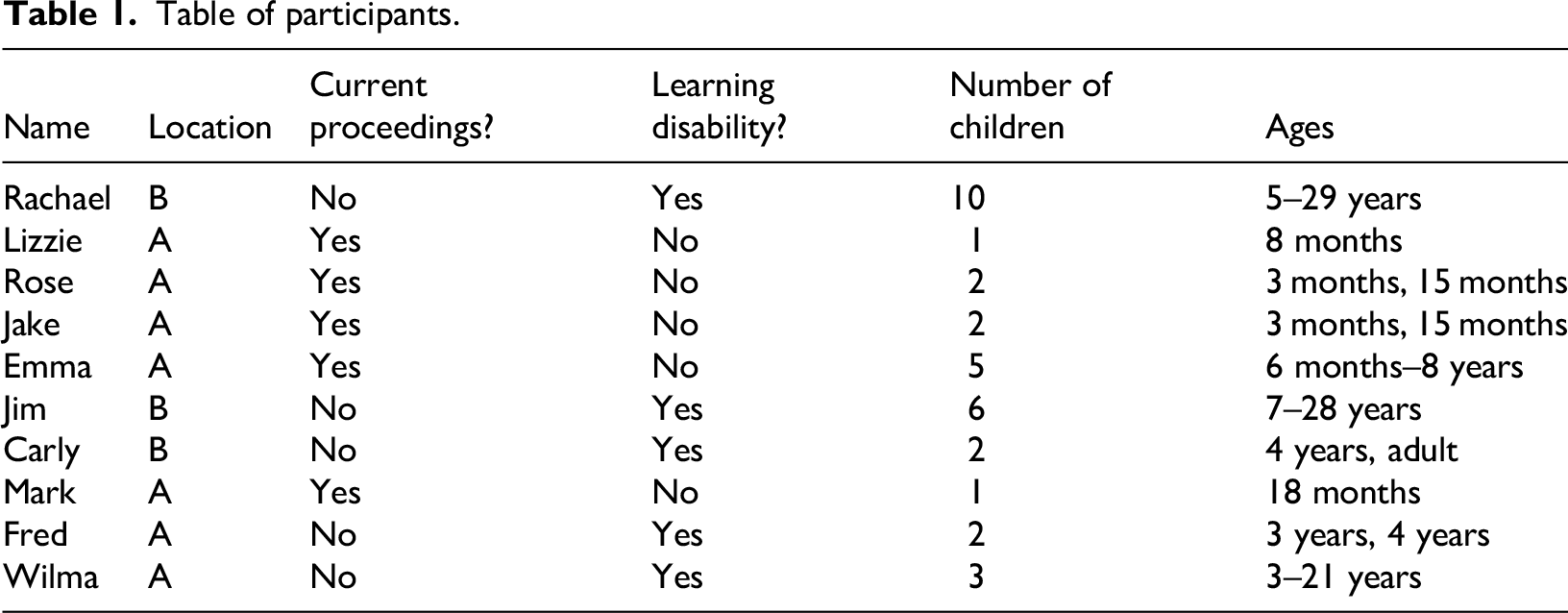
Sixteen parents expressed an interest, 11 of whom attended an initial interview with all but one returning for a second interview. All were white British or Irish, aged between 20 and 51. The 10 parents were from eight families and had 31 children and six grandchildren between them. Five were still in care proceedings whilst the others had lived apart from some or all of their children for over four years. Five had experienced repeated child removal. Participants had experience of caring for their children at home or in the maternity hospital for periods from a few days to 10 years, as well as keeping in touch with children in short- and long-term foster care, adoption, kinship care, parent-and-baby placements or placement with the other parent. They had attended formally supervised sessions (sometimes as part of assessment), supported contact and visits facilitated by carers. The frequency of visits ranged from seven times a week to three times a year; four had at least one child who was adopted without contact, arrangements for indirect contact having broken down. Many parents had experienced multiple kinds of contact with children in different family types over time or across sibling groups. As a result, this group represented a unique source of parental knowledge, pushing the scope of the study beyond the relatively small sample size. See Table 1 for a summary of the participants.
Interviews lasted between 20 minutes and two hours. Two sets of parents chose to be interviewed together and provided one set of images. Participants sent between three and 23 images; one took photographs but chose not to share them.
Table of participants.
Results
The key findings from this study are discussed under three themes: (1) ‘Loss’, including the subthemes, ‘In the aftermath of removal’, ‘Enduring loss’, ‘The age of the child’ and ‘Loss of trust’; (2) ‘Being a parent in contact’, including the subthemes, ‘Still a parent’, ‘Getting ready’, ‘Being together’, ‘Protecting our children’ and ‘Saying goodbye’; and (3) ‘Family time workers’, including the subthemes, ‘Feeling judged’ and ‘Feeling supported’.
Theme one: Loss
The single most powerful message from mothers and fathers with and without learning disabilities was the inextricable link between family time and loss. Experiences of child removal pressed against our interviews and demanded to be told so urgently that it was sometimes a challenge to get consent forms signed first. Emma described the pervasive and persistent nature of this grief with 23 photographs of her home without her children. The first of these is presented in Figure 1, with her words as a caption.
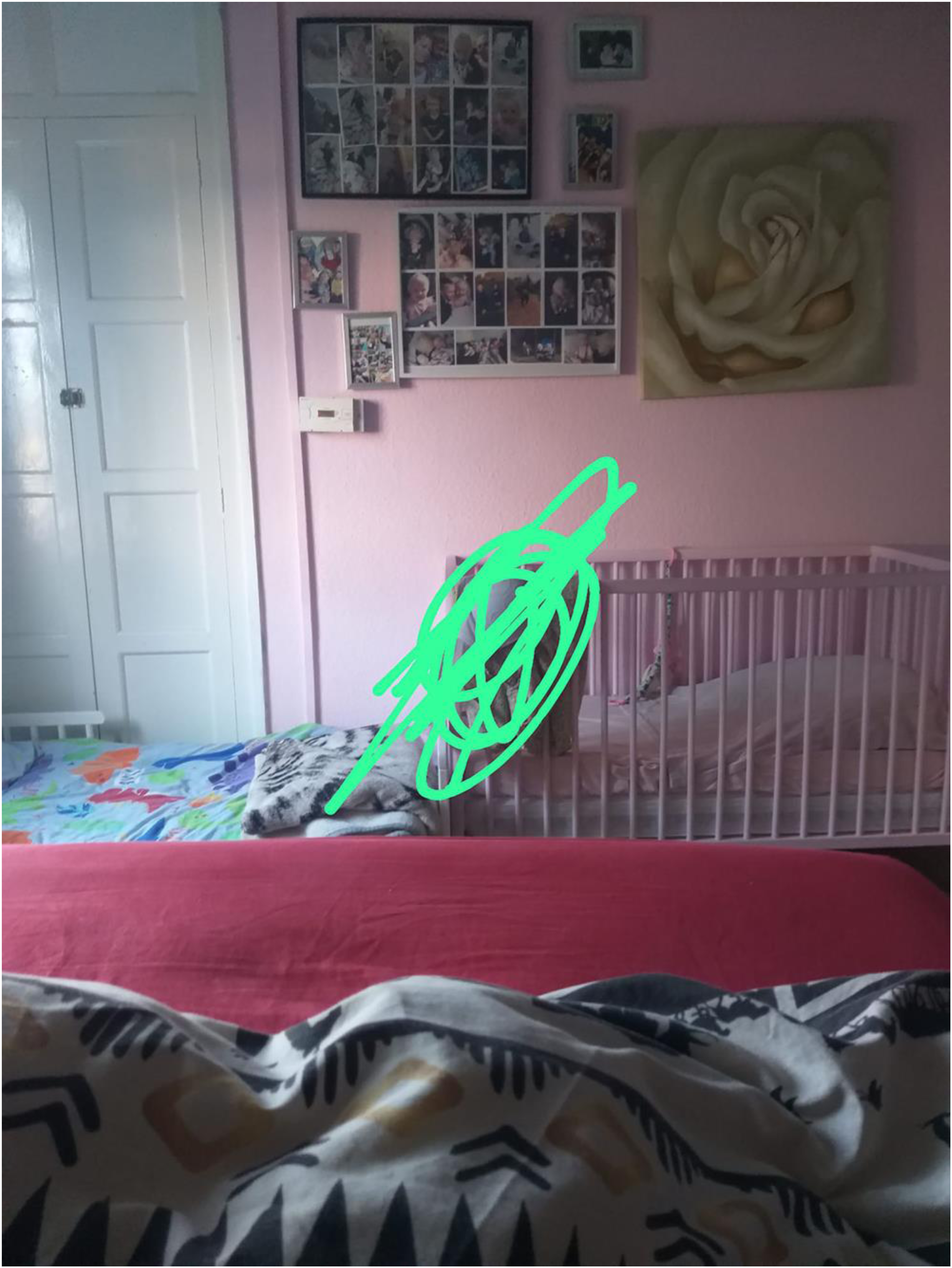
That’s normally what I do. I just lie there, looking at the wall, no emotions. Just thinking about everything… when I go to my mum’s and… when I go to sleep. That’s the only time that I forget about it. (Emma)
For all but one parent, the loss of their child was compounded by temporary or permanent separation from their partner due to residential assessment or in response to social work concerns. This was a gendered loss: fathers were separated from their partner and child during mother-and-baby placements, and two felt unfairly accused of domestic violence. Mothers bore the brunt of demonstrating capacity to care, and several felt they were being punished for a partner’s violence or unreasonably expected to make plans for future contact when this might put them at risk of further abuse.
Even for those participants who had supportive partners, family or friends, there was a profound sense of isolation and stigma following child removal: ‘No one understands how much pain I was going through… I done it all on my own. I stand on my own two feet and on my own’ (Carly).
Loss in the aftermath of removal
The devastating impact of child removal was a universal backdrop for every parent’s account of visiting their child. However, it was also mediated by time. Those parents who had lost a child within the last few months were in a state of shock: ‘It can happen within literally five minutes. Your life can just be turned upside down’ (Emma).
Parents who were still in care proceedings described living in emotional limbo, not knowing whether their child would be returned. Many mentioned difficulties in eating and sleeping. They lived surrounded by their children’s belongings in anticipation of their longed-for return: It’s still everywhere… all of his other stuff, like his play den and all of that is still up and his like bouncy thing, still up and all of his clothes are everywhere. (Lizzie) All the toys we buy for them a minute. We’re putting in their room ready for when they sort of come home. We’ve noticed our little boy likes certain things in there. So we’re gonna buy similar sort of things. (Jake)
The intensity of visiting several times a week dominated some parents’ lives, with all else reduced to an ‘in between’ existence. Some found comfort and distraction in paid work or helping neighbours (see Figure 2).
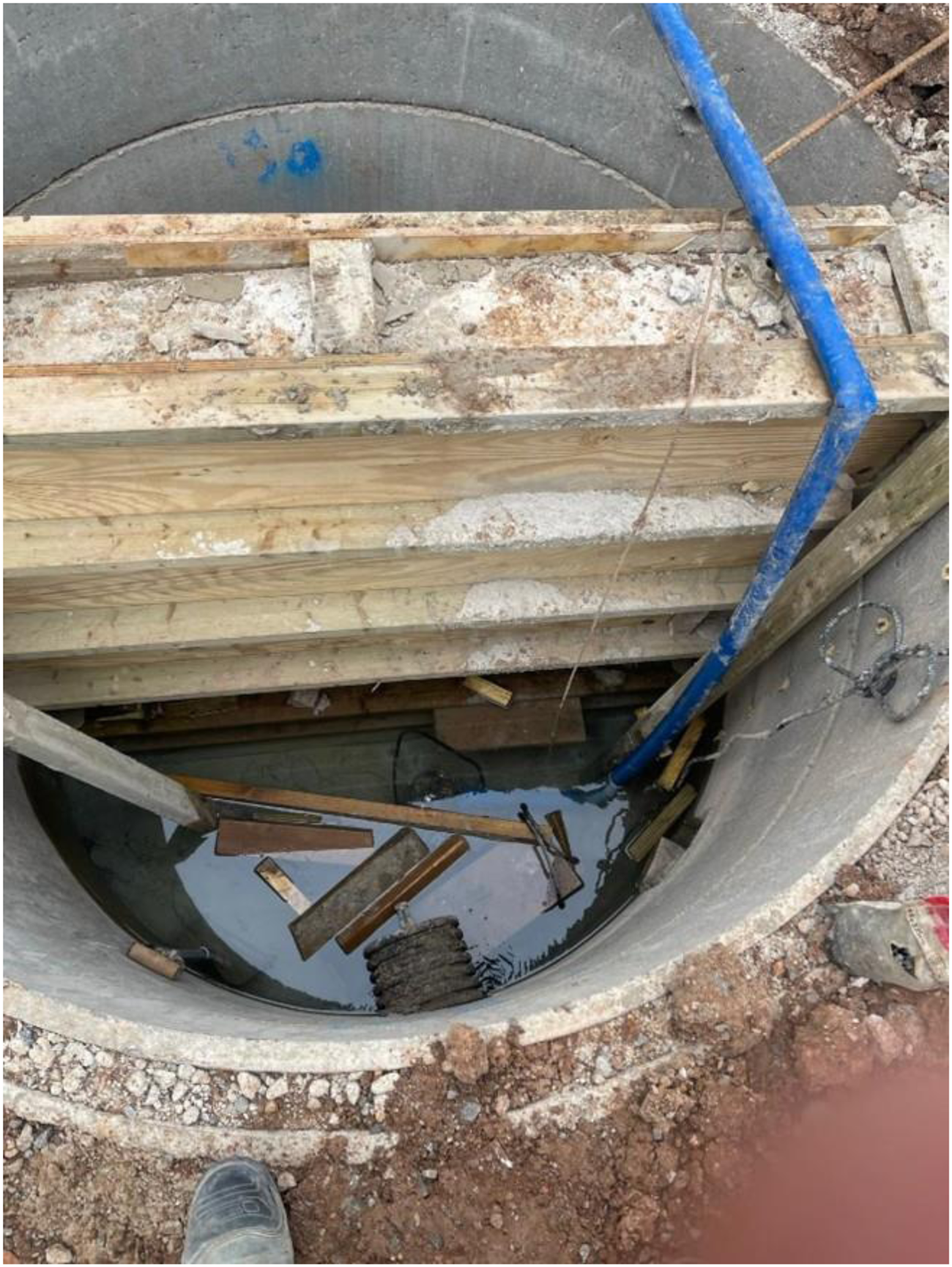
When I'm working and my mind is busy, I’m not thinking about all the things, the sad things what’s happened. I’ve always got a good work ethic. (Mark)
Enduring loss
For those whose children were in long-term care, four of whom had no contact with at least one child, the pain of loss endured over time. These children were never forgotten, but all of those who had experienced child removal more than four years ago had built lives around this loss, through work, volunteering or as grandparents. Involvement with advocacy services and research provided meaning and structure for three participants: I am actually enjoying my life now, but I still think about her at the same time. I’ll go out for a day trip, I’ll think, my daughter would love it here. She’s always on my mind. I always think about her 24/7. (Carly)
Parents of adopted children conveyed a sense of living a life on hold, caught between a remembered past with the child and an imagined future return. For these individuals, their child’s baby belongings were laden with hope and meaning (see Figure 3).
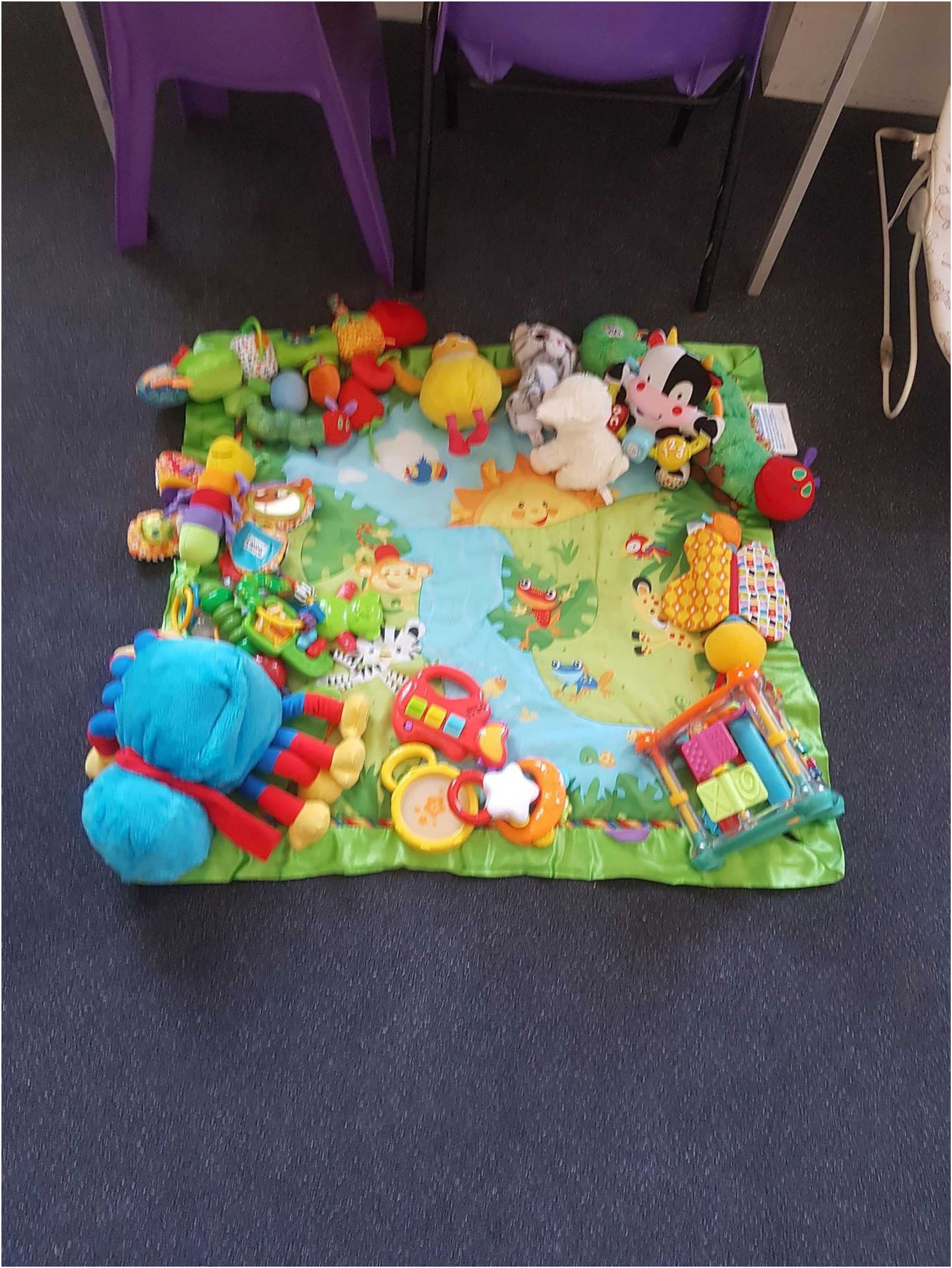
All the toys, I have still got all her toys at home. Little toy box. My niece last year had a baby and she’s like, ‘Oh sort some toys out’. I can’t let her have any of those toys so they’ll probably stay there till she’s at least 18 and comes home. (Rachael)
Loss and the age of the child
The age of the child was also significant. For the three mothers who had experienced the removal of a newborn baby from hospital, this loss was visceral and vividly recalled many years later (no men in the study had experience of this): The way that she got taken off me, out of my arms… My breasts were leaking… that’s when it got me upset. Thinking, she really needs this, but she’s not here. That’s what hurt me the most. Because it’s my bond, I have my bond with her on those three days and that’s it… felt like it’s broke apart from us. (Rachael)
Being with their baby was an emotional imperative for these women but required enormous physical and emotional effort as they travelled to visits still literally bleeding from childbirth, desperate to get to know this new child. Rachael contrasted this loss to that of her older children: ‘It’s a lot different with my older children. But then I’ve had them as babies, so I have been able to do the nurturing’.
After the loss of older children, men and women alike mourned for their old life together. The child’s absence pervaded their home, making routine tasks such as shopping or cooking a painful reminder: ‘Our little boy was with us the whole first year of his life. So, we’re so used to having him there and put him to bed every night, him waking us up in the morning… it’s very difficult’ (Jake).
Loss of trust
The initiation of care proceedings undermined parental relationships with children’s social workers even when these had been positive previously; several mentioned a loss of trust after reading what they regarded as inaccurate court reports. Participants often felt abandoned and uncared for in the aftermath of child removal: They don’t care about the parents. It’s only them lot [social workers] they care about, parents are always chucked to the side and no consideration. (Emma) Social workers, I think, need to think more with their hearts than making decisions because it’s their job. (Lizzie)
For four parents, this distrust went beyond their individual social worker. They ascribed to online claims of social work conspiracy to remove children for personal gain with a complete loss of trust in the whole system, although a fifth mentioned the need for scepticism about online information. When family time workers were formally part of social work assessment, they could be seen as complicit with social workers (see Figure 4).

[The contact centre] represents a lot of corruption. I walk past every day. Because I live just round the corner from there and every time I see it, I’ve just wanted to scream and shout and be, like, be careful. (Rachael)
Theme two: Being a parent in contact
Still a parent
Jake came to our interview wearing a t-shirt emblazoned, ‘I’m the Daddy’. A sense of themselves as still ‘mummies and daddies’ was universal among participants, regardless of their child’s legal or geographical separation from them or the passage of time: ‘I’m the one that gave birth to them. They came out of my stomach. I know when something’s wrong with my children. Even though I’m not with them, I still know cause I can’t sleep at night’ (Wilma).
Family time provided a moment in which this powerful sense of unbroken psychological and biological connections with their child was briefly congruent with physical reality. Several parents gave examples of small acts of kindness and respect by foster carers at handover that served to confirm their continued role and importance in a child’s life: They always ask, my baby, her hair was getting a bit in her face, she’ll come up to me, so I’m not gonna cut it, but is it alright to give it a snip and that, so I’m like fine. (Emma)
Once reunited with their child, family time seemed almost to bring the mothers and fathers themselves back to life: All that time, the 10 weeks, I did actually be a mummy. (Carly) For that short couple of hours, I could be a mum to her…I hated leaving her but I lived for those mornings. (Rachael)
Getting ready
Mothers and fathers prepared to see their child with a mixture of excitement and anxiety. Many parents identified the need for emotional strength in putting aside painful feelings and difficult circumstances in anticipation of family time: ‘I don’t think I even had a thought… I was just trying to get there on time… I didn’t care about anything else and anyone else but the babby’ (Rachael).
Parents were conscious of professional scrutiny as they prepared for visits (see Figures 5 and 6).

Make sure I’m all clean. Because when you go places like the contact centre, gotta make sure you’re clean and hygiene and all that sort of thing. (Carly)
Those living in rural areas were reliant on taxis or limited and unreliable bus services, extending their journeys and heightening their anxieties about arriving on time (see Figure 7).
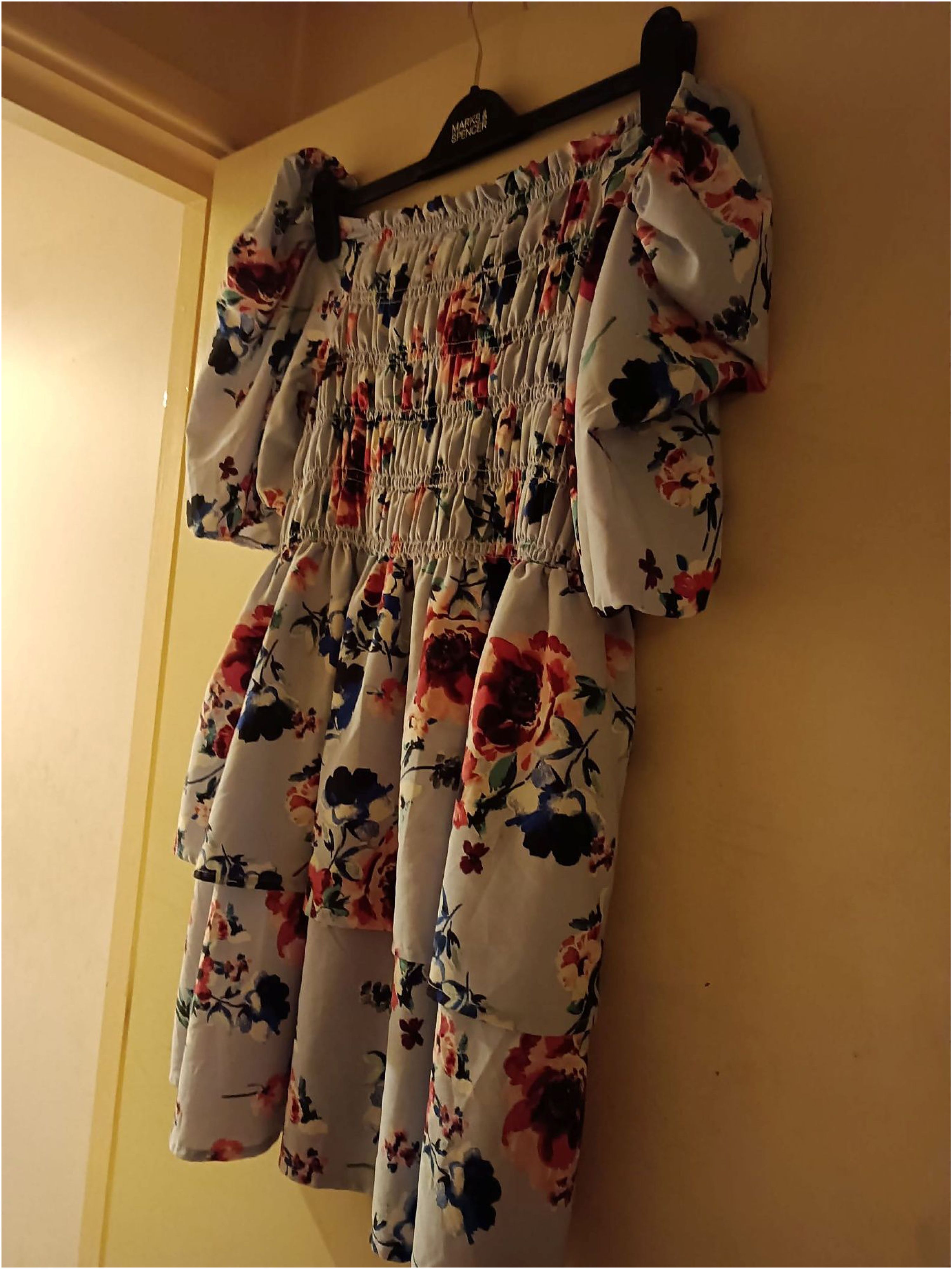
I always get the outfits ready the night before. I get everything planned, I gotta be careful what I’m wearing, because if I wear something too revealing, then they’ll say something. (Carly)

Waiting for the taxi, sitting on the wall. (Wilma)
Being together
Almost every parent identified the best thing about family time as ‘being together.’ Several participants described how bringing food to family time allowed them not just to nurture their child but also to keep memories of a shared past alive, asserting a continued parenting identity and knowledge (see Figure 8): So everything that I do, even the snacks, I always try and make sure it’s what we used to eat. So it’s like, Mummy’s still ain’t forgot. (Emma) I know what our little girl loves… she knows that I’ve got something. ‘Daddy, Daddy, Daddy’s got something for me?’ (Fred)
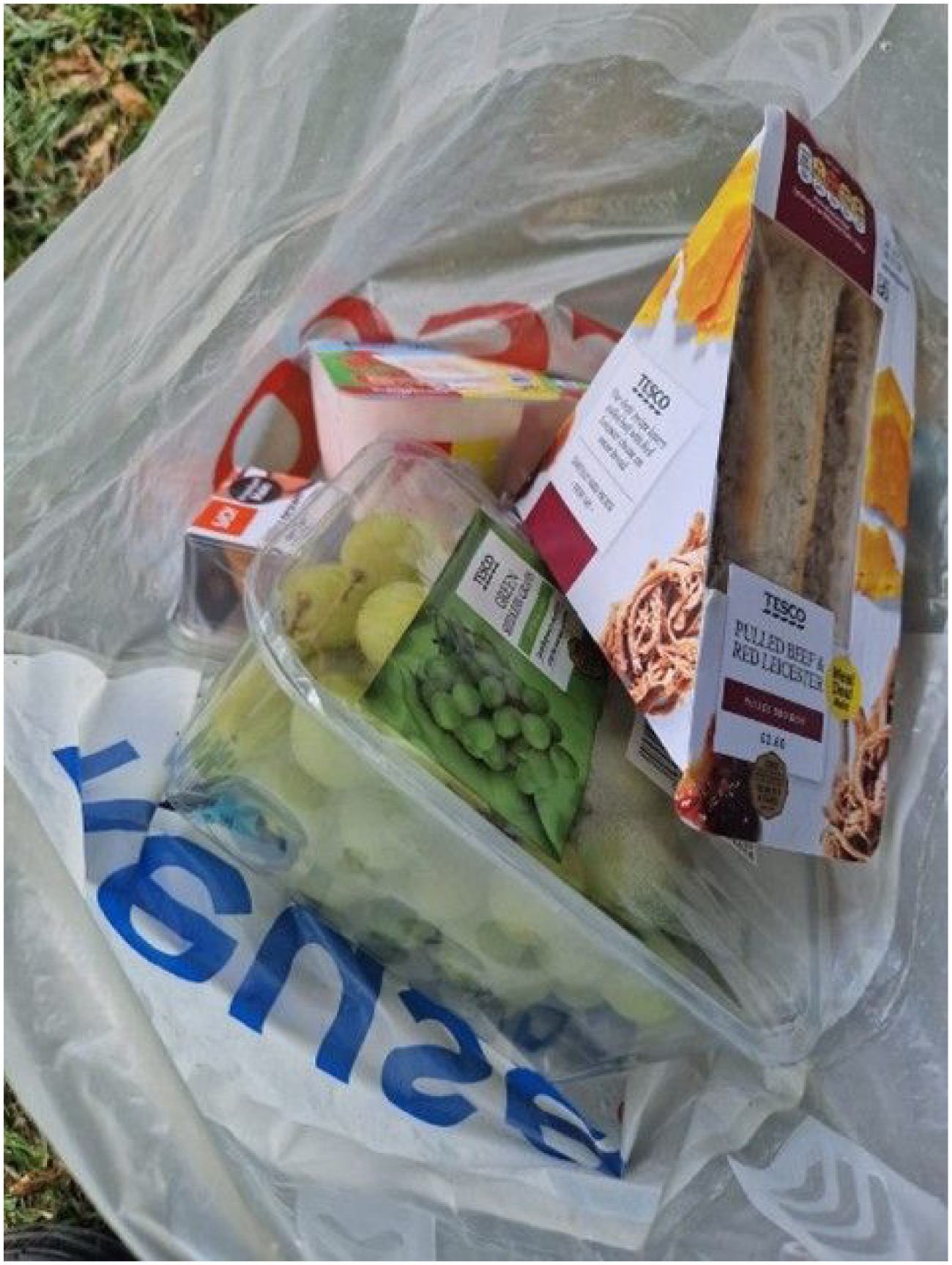
We will still go and buy our little boy’s fruit and he likes his grapes and so he’s got grapes in there and some yoghurt pots. (Jake)
Being able to play with, talk to and care for older children were highly valued by parents. Parents found joy and reassurance in their children’s progress: You can see they’re still happy and that, still enjoying themselves… It’s just good to see that they’re not being affected so much by the current situation… it’s just nice to still be able to see him growing and learning. (Jake)
However, family time was a constrained opportunity for exercising parental identity; many parents in this study wanted longer, more flexible visits in which they could take children out and see siblings or extended family together. Jim was so frustrated by restrictions that he did not attend the last few family times before his sons were placed for adoption (the only participant to have made this decision).
Protecting our children
Family time provided a longed-for opportunity to be together again but also reawakened powerful feelings of grief from which children had to be protected. This constituted hard emotional labour: We try not to show too much sad emotion in front of the kids and stuff because even though they’re so young they pick up on those things and you don’t want them to see you like that and it is hard, but you just gotta stay strong for the kids, haven’t you? (Jake)
This was particularly acute when hearing news of a child’s life without them: [Foster carer says] ‘Tell Mummy about what we’re doing’… I’m just sat there thinking, shut the fuck up. It’s what I should be doing… I just gotta stay quiet and just be happy about it…. the amount of times I wanted to break down crying. But I know if the kids seen me like that, they’re gonna get upset. (Emma)
Providing their own toys and equipment for children was an expression of parental agency for some, asserting continued care and protection (see Figure 9).
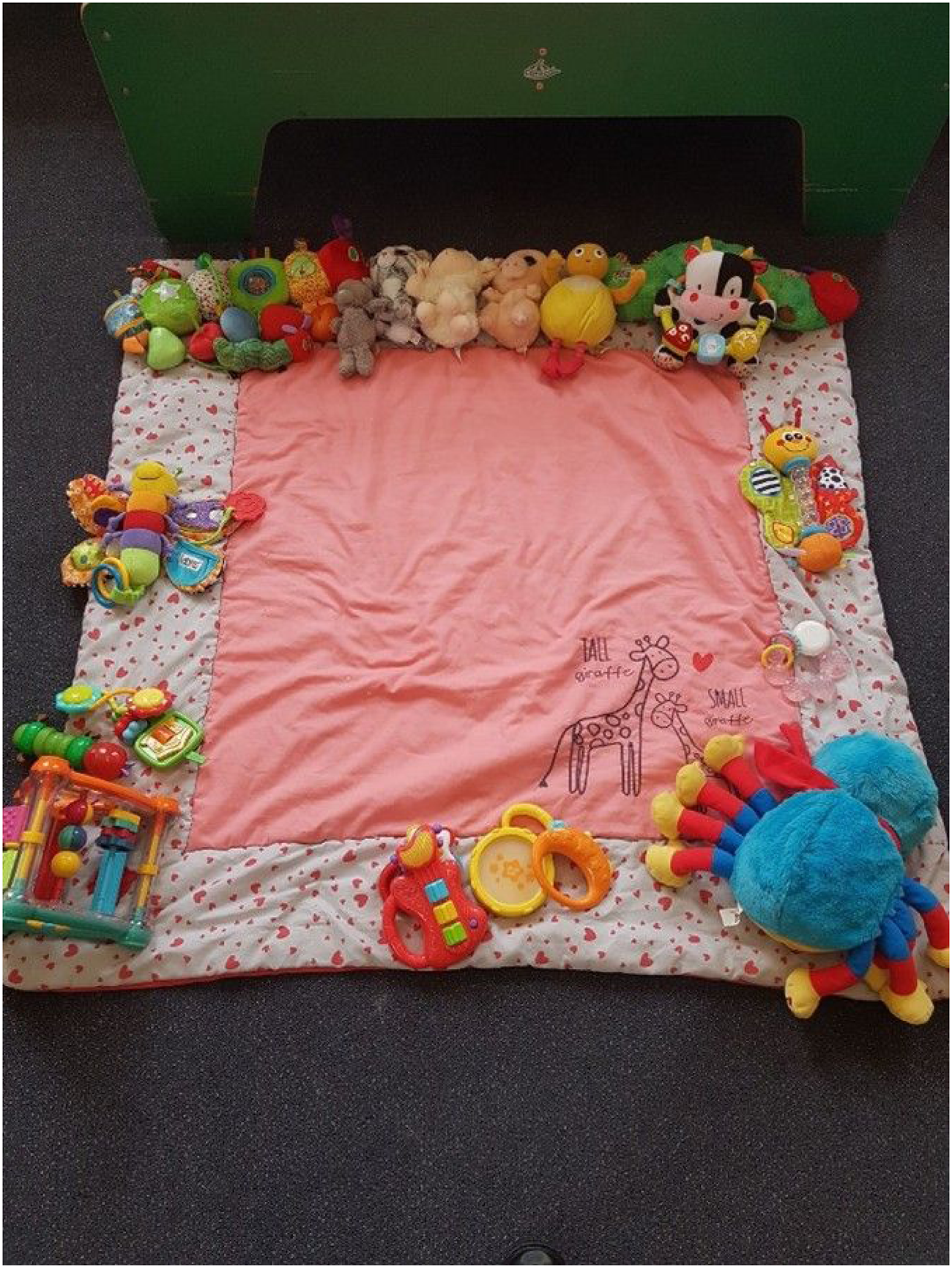
I wouldn’t let her play with any of their toys because I didn’t know if they were sterilised, what she’d catch so she had her own toys, carried in her bag. (Rachael)
Mothers and fathers also expressed a broader sense of responsibility for keeping their child safe and regarded contact as a key moment for this: ‘Our five-year-old comes in and says, “I don’t want to go back with the foster carer”. I’ll sit her on my knee, like… “What has she done to you?”’ (Fred).
For those with personal experience of growing up in foster care or adoption, fears for their child were heightened, and the harm caused by their own removal was at the forefront of their minds: Care kids just get chucked on one side. We don’t get listened to and everyone just thinks we’re just angry, violent kids…because some social workers didn’t bother helping us and our original family… It ruins the children as well. (Lizzie)
Two parents of older children also mentioned the challenge of explaining decisions that had been made by others (such as stopping sibling contact) to their children.
Saying goodbye
Almost every participant identified saying goodbye as the hardest part of family time: ‘When I stay and he goes, it’s like he’s being removed from me again… if I leave first, it’s a bit better because I know that I’ve left him somewhere safe’ (Lizzie).
For parents of older children where plans were not yet decided, this was exacerbated when they asked to come home: She was running back in the room crying, screaming and she wouldn’t walk out the room unless I was holding her hand… walking away, and I could hear her crying, going ‘Mum, Mum, Mum’… your kids want you. They don’t wanna be with them. They wanna come back home and you got no choice but to turn your back and walk away from them. (Emma)
Parents felt exhausted and emotionally drained after visits; those in rural areas sometimes faced long journeys home on unreliable public transport with no privacy. Participants having frequent contact found the last visit of the week particularly difficult as the weekend stretched before them. When family time was cancelled, parents were desolate (see Figure 10).
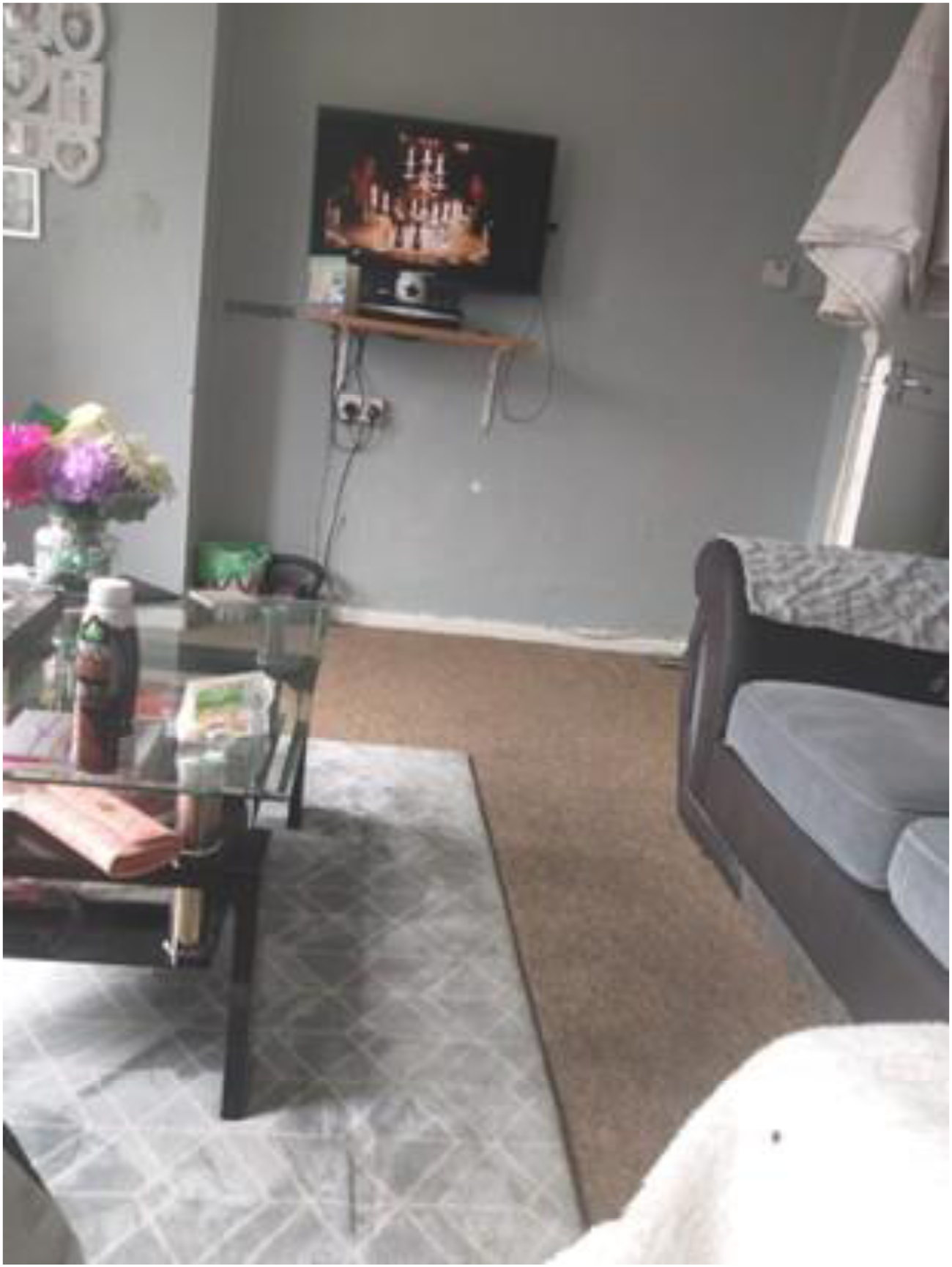
My baby was ill so I couldn’t see her. I got the blanket out, put the telly on and I was just like that all day, all day and all night. (Emma)
The pain of separation was acute during final farewell visits with a child going for adoption, as Rachael vividly recalled (see Figure 11).

Horrible, horrible. Like the last contact was extremely difficult. I just wanted to pick her up and run. But I didn’t. It’s not a good idea. (Rachael)
Returning home, some parents found comfort in their child’s belongings, caring for pets (see Figure 12), watching TV or gaming: ‘I would go back to bed and cuddle into one of her teddy bears and I’ve still got one of them now. I cuddle into it every night and think about her’ (Carly).
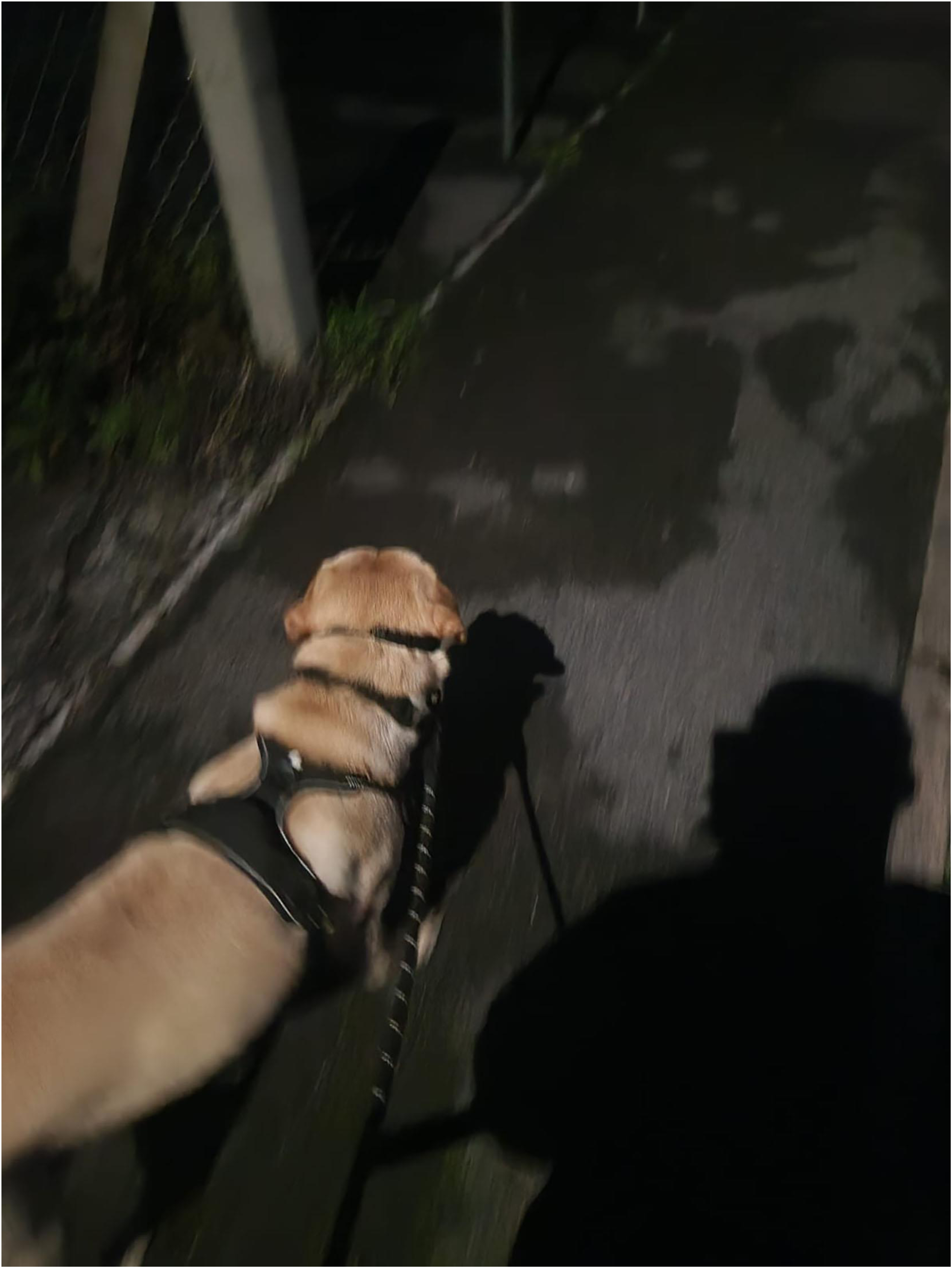
We normally chuck the ball, he goes running off…. The dogs noticed our children ain’t there… he’s a bit iffy with strangers… he’s definitely picked up on stuff and I think he’s just now wants to protect his family sort of thing. (Jake)
Some parents also found solace in the knowledge that their child had belongings from home with them in their new family: ‘She’s got some of them with her now, from when she was a baby… cause her aunt took them up with her’ (Carly).
Two parents mentioned the effort required to resist the comfort of substance use after visits: ‘[I would] Probably just sit there on Facebook and not talking, because I didn’t use any like alcohol or drugs to blank things out, it was just anxiety and quietness to be fair’ (Rachael).
Theme three: Family time workers
Feeling judged
All 10 parents had experience of professionally supervised contact and most disliked this (see Figure 13). Supervised family time was particularly negative for parents with learning disabilities when it formed part of a specialist assessment of their ability to care, which felt confusing and unfair: They were watching me. How I look after a child. It didn’t feel very nice, I don’t like people watching me how I look after my own daughter… I did something right. But they put that I had done it wrong, it just felt like they didn’t even bother helping or nothing, they were just writing things down. (Carly)

The cup of tea at the contact centre. But you know, you got to drink it up, you are not allowed to take it in. Wishing the contact worker wasn’t there… I had to take the snacks; it was part of the assessment… it’s rubbish. If you do one thing wrong, they mark it all wrong. (Jim)
The three parents involved with the learning disability advocacy service were able to frame their past experiences in the context of a wider pattern of discrimination, voicing the need for specialist assessment and training for workers. Their ongoing participation in research, activism or supporting others appeared to have contributed to a new and positive parenting identity after the loss of their children.
Feeling supported
The views of parents whose contact formed part of assessment were in contrast to those who saw their children in the family time centre, where workers focused on supporting everyone involved: In the beginning it was really difficult. Cause you’re in a room you’ve never been in before, being watched by people, and you hear keyboards going… but then you get used to it, and you get to know the staff and it is a lot easier. (Mark) It’s nice though, cause I’m getting that bond with them. (Emma)
Overall, in stark contrast to their feelings about social workers, these parents were positive about family time workers, a role that has been little researched. They valued kindness and validation of their loss as well as expertise and practical help in visits, particularly when this was tailored to their specific needs: They understand how hard it is… they know all about children. And just the way that they help you… I didn’t really know how to make the food up… so they taught me how to do it, but now I know what I am doing, they sit there and leave me to it. (Lizzie) One of the staff members went out in the car and went and got nappies for us. So they’re really helpful… They’re always there, always giving you good advice. And if they notice anything that they think you could improve on, they’ll let you know. (Jake)
Parenting support was not the primary or only need for some participants, who were able to provide good care in a protected environment but had underlying difficulties beyond the contact room, such as domestic violence. The local authority family time service had provided some parents with much appreciated wider help, including referral to mental health services, debt advice and advocacy.
Discussion and implications for practice
This study captured the voices of parents rarely heard in research: those currently involved in care proceedings, fathers and parents with learning disabilities. Some participants had experienced a wide variety of contact over time with children in different kinds of placement, enabling nuanced discussion and comparison of their experiences. This was an opportunity for these silenced groups to describe their experiences and to share what they had learnt about how to survive. Participants were motivated by the desire to tell their stories and the hope of increasing professional understanding.
The most important outcome of this study was the generation of visual images and compelling parental accounts with the power to communicate directly to practitioners. The use of a creative methodology allowed parents to respond on their own terms, provided emotional safety in discussing painful feelings and made the research accessible to parents with learning disabilities. Purposive sampling ensured that the research included the little-researched experiences of men, finding shared experiences of loss across gender (although no fathers had experienced the loss of a newborn baby which was particularly profound for mothers). There were gendered differences in the impact of couple separation, with men more likely to be separated from young children in residential assessments and women bearing the brunt of responsibility for demonstrating parenting capacity and protecting children from male violence. This reflects a wider pattern of gendered practice and requires further research (Scourfield, 2003).
As found in other studies, the pain of child removal and the joys and anxieties of contact were universal for parents with and without learning disabilities (Collings et al., 2022; Ross et al., 2017). However, involvement with advocacy services had given three participants a rights-based perspective which framed the inadequate support they received as part of a wider pattern of discrimination. Activism and involvement in research were important survival strategies for these parents. This highlights both the importance of advocacy services and the need for all family time workers to be trained in this area. The use of visual methodology revealed the significance of material objects, which resembled transitional objects at times, in managing loss. Children’s belongings held multiple meanings: as a statement of hope in their return, a reminder of their absence, an assertion of agency and a comfort after visits. Food was also used as a means of keeping memories alive and maintaining family identity. Toys and treasured objects sent back with foster carers or given to children as they moved into permanent families constituted messages of love and concern. These items crossed the boundaries of time and space, reconnecting home, contact and placement, providing a link between a shared past, the dislocated present and the imagined future which converged during family time. There are implications for practice here as snacks and gifts can be a point of conflict in family time; exploring the meaning and messages they carry could help to defuse this.
The methodology used also provided new insights into family time as an event in parents’ lives, highlighting the emotional impact of long journeys to and from the venue, particularly for women who have recently given birth. It also exposed other temporal aspects of parental experience, such as the last visit of the week and the return to an empty home. Waiting – for the bus, for the next visit, for the outcome of care proceedings or the return of their adopted child – dominates parents’ lives. Both a parent and not, they endure what can come to feel like a half-life between a remembered shared past and a longed-for or dreaded future. Contact represents a liminal space in which physical reality is briefly congruent with a sense of themselves as still parents, with potential to both ease and reignite the pain of loss, confronting parents with evidence of the child’s life without them and creating new parenting responsibilities of keeping memories alive, and protecting the child from parental grief and harm within the care system.
The findings of this study echo the findings of existing research with parents at risk of repeated removal, which highlight the impact of losing a child to the care system and indicate the need for best practice guidelines for supporting parents of babies removed at birth to be extended to encompass support for parents separated from older children through care proceedings (Broadhurst and Mason, 2013; Mason et al., 2023). The study adds to this work by identifying parental strategies for survival both in the immediate aftermath of loss and over the longer term, such as caring for pets or activism. It also captures the views of a different group of parents – although some of this sample had experienced repeated removals, all were either now involved with advocacy services or attending high levels of contact during care proceedings, some with the prospect of reunification; to varying degrees they had avoided or overcome the catastrophic escalation of social difficulties found in previous studies (Broadhurst and Mason, 2013).
A key theme across this study was the importance of supportive adult relationships, including those with foster carers, as found in existing research (Collings and Wright, 2022; Neil et al., 2015). Participants also valued the encouragement and acceptance of family and friends both in dealing with the aftermath of visits and over the longer term as they rebuilt their lives after permanent separation. There is scope for innovative practice in building these supportive networks at the onset of proceedings, perhaps through the Family Group Conference.
Whilst Neil and colleagues’ (2006, 2015) longitudinal study of children placed in the 1990s found that constructive relationships between parents and adoption social workers were key to contact, no participant in this study identified their child’s social worker as a source of support. This echoes wider findings of negative parental experiences of contemporary social work intervention in the UK and highlights the complex and conflicting demands on practitioners, particularly during care proceedings when they must both provide evidence for the court and work in partnership with parents (Davies et al., 2023). The insidious impact of misinformation online was apparent for those parents who came to regard the entire system as corrupt and requires further research. Access to independent advice and information such as that provided by the Family Rights Group is key.
Syrstad and Slettebø (2020) have described rejection of individual child protection concerns as a strategy for avoiding the painful dissonance between self-identity as a good parent and the judgement of others, but rejection of the entire social work and judicial system represents a more far-reaching loss of trust, rendering partnership working impossible. Nevertheless, there are shared professional, research, judicial and parental concerns about a focus on adoption which also need to be acknowledged as reform of family time progresses (Featherstone and Gupta, 2020; Public Law Working Group: Adoption Sub-Group, 2023).
Participants in this study made use of these two discourses – that the system was flawed or that the concerns about their child were mistaken – in nuanced ways. For some, this perspective applied to one but not all of their children or co-existed with other more constructive responses such as working for reunification and positive change, supporting new carers, helping others and taking pride in their child. This highlights the complexity of working with parents and the multiple strategies they use to survive this loss and build a new parenting identity. It also raises the need for support to parents in answering children’s questions during visits and the need to address discrepant accounts of the reasons for removal in life story work (Baynes, 2008).
For all of the parents in this study, family time workers constituted their primary encounter with children’s services following removal. Their accounts suggest that these under-researched relationships are key to parents’ experiences of visiting their children. The three parents in this study who experienced contact as part of specialist assessment for parents with learning disabilities had negative experiences, which exacerbated their feelings of loss and failure; this may reflect a wider, unhelpful elision between contact and assessment in the UK, as found by Boddy and colleagues (2013).
The seven parents who experienced a supportive approach (two of whom had learning difficulties) still found visits difficult but were much more positive about the workers involved, valuing them as knowledgeable, independent-minded and helpful, providing practical assistance, advice, referrals and time to talk after visits. Visiting a child in care is central to the construction and performance of a new parenting identity following removal (Said Salem and De Wilde, 2022). To varying degrees, in the context of trusting and respectful relationships, these mothers and fathers were able to reframe themselves as parents in need of help and support (Ross et al., 2017).
In the UK, only a minority of parents receive support through organisations such as Pause (www.pause.org.uk) following child removal; this generally begins after final decisions have been made and is primarily focused on mothers of adopted children. This small study across two local authorities suggests that in the immediate aftermath of removal, when social work relationships are under extreme stress, there is potential to build trusting relationships with contact workers, which may enable mothers and fathers to survive loss and accept help to make positive changes. To make this possible, family time workers need to be valued and given sufficient time, support and resources to carry out this work but it does not require a specialist model, just a re-imagining of the scope of the family time service to encompass emotional and practical support for parents, information and signposting. There is even potential to co-locate services such as domestic violence support in some centres given parental receptiveness to accepting help in this setting. Ensuring adequate training and adaptation for the needs of parents with learning disabilities throughout services is vital.
Planning and supporting contact are challenging, and the needs of parents, children and carers may be in conflict; multiple perspectives need to be understood. But parents’ feelings matter as individuals in their own right and because their feelings matter to children. A key message from the participants in this study is their need to be recognised as still parents – parents who have lost a child. Above all else, they value respect, kindness, compassion and practical support. Mothers and fathers like these have valuable knowledge and survival skills to share. Participation in research, activism and in the co-production of materials as well as group support have the potential to disseminate this knowledge whilst also reducing isolation and contributing to a new, positive sense of identity as a parent in need of help, who also helps others and contributes to the development of better services.
Footnotes

Funding
The author(s) disclosed receipt of the following financial support for the research, authorship, and/or publication of this article: UK Research and Innovation, Economic and Social Research Council, grant number: ES/P000630/1.
Declaration of conflicting interests
The author(s) declared no potential conflicts of interest with respect to the research, authorship, and/or publication of this article.