




Abstract
School belonging is an important avenue for exploration due to its associations with positive outcomes across behaviour, academic achievements and mental health. This study aimed to investigate differences between looked after and non-looked after young people, the associations between school belonging and related outcomes across groups, and factors that help young people feel they belong at school. Quantitative analysis of data from an anonymous online survey completed by looked after young people and matched participants revealed that school belonging was related to mental wellbeing outcomes for all participants. While school belonging and mental health scores did not differ between groups, looked after young people reported lower peer support. Based on within group correlations, three relationships were examined using moderation analysis which showed that the relationship between bullying and school belonging was moderated by care status. Based on qualitative data, young people across groups highlighted friends, teachers, school atmosphere and personal characteristics as important for their school belonging. The research was limited by sample size, but results suggest that a focus on mental wellbeing and school belonging remains important; this is discussed in relation to current educational practice and supporting school belonging within education settings.
Plain Language Summary
This study explores school belonging and its impact on various aspects of young people’s lives, such as behaviour, academic performance and mental health. It looks at school belonging for children who have experienced care and those who have not. It also explores which factors contribute to a sense of belonging in school for each group.
Using data from an online survey completed by both groups, the study found that school belonging was linked to better mental wellbeing for all participants. Although there were no significant differences in mental health scores between the two groups, care-experienced young people reported lower levels of peer support. Further analysis revealed that the relationship between bullying and school belonging was influenced by care status. In other words, being in care affected how bullying impacted a young person’s sense of belonging at school. Written responses gathered from the participants highlighted the importance of friends, teachers, school environment and personal qualities in fostering a sense of belonging at school.
Despite the limited number of people taking part in the study, its findings show the importance of focusing on mental wellbeing and promoting a sense of belonging in schools. Implications for educational practices and strategies to support overall school wellbeing are suggested.
Introduction
Around 14% of young people worldwide experience a mental health difficulty (World Health Organization [WHO], 2021), with long-term impacts into adulthood if not adequately addressed (European Joint Action on Mental Health and Wellbeing, 2013–2016; UNICEF, 2021; WHO, 2021). School is considered the second most important setting for children, after home (Allen and Kern, 2019) and could therefore support resilience and positive outcomes in young people through enhancing school belonging (Gilligan, 2000).
School belonging is defined as ‘the extent to which students feel personally accepted, respected, included, and supported by others in the school social environment’ (Goodenow and Grady, 1993: 60–61). This relates to a subjective feeling, with two aspects included consistently in attempts to define belonging. The first aspect is personal relationships with teachers and peers, feeling ‘known’ as an individual, supported, accepted, and respected for who you are (Allen, 2019; Libbey, 2004). The second aspect includes feelings of engagement and acceptance in the wider school community, feeling safe and supported with any need, and having a student voice (Allen and Kern, 2019; Allen et al., 2021; Libbey, 2004).
School belonging is associated with a range of positive outcomes including engagement, academic achievement, health, increased positive affect, higher life satisfaction, higher self-esteem, and fewer symptoms of depression and anxiety (Allen et al., 2021; Arslan et al., 2020; Blum, 2005; Centers for Disease Control and Prevention, 2009; Daley, 2019; Goodenow, 1993b; McMahon et al., 2004; O’Brien, 2015; Peña-López, 2019; Phan, 2013; Shochet et al., 2006; Vaz et al., 2014; Vera et al., 2021; Washburn, 2009).
Despite the importance of a sense of belonging (Goodenow and Grady, 1993), the number of young people reporting that they feel they belong at school is as low as 38% in some European countries (Peña-López, 2019), demonstrating that there is a sizeable number of young people who may need support in this area. Whilst belonging is important across different demographic groups (Wingspread Declaration on School Connections, 2004), it may be especially important for vulnerable pupils (Peña-López, 2019; Sanders and Munford, 2016). Research has shown long-term associations between school belonging and mental health outcomes for young people who have experienced early adversity (Gunnarsdóttir et al., 2021; Markowitz, 2017). However, research on school belonging in looked after children, as a particularly vulnerable group, is limited and mainly qualitative. Previous studies showed that being labelled ‘looked after’ within a school setting (e.g., having meetings with professionals during school hours) was identified as a barrier to a sense of belonging, with young people, especially at secondary school age, feeling different from their peers (Jones et al., 2020; Mannay et al., 2017; Rogers, 2017; Selwyn and Briheim-Crookall, 2022). In addition, despite friendships being of high importance to children in care, they can experience disruptions to their social networks, such as when coming into care, experiencing placement moves or during school transitions, and this can lead some young people to feel isolated (Francis et al., 2021; Ridge and Millar, 2000). Considering the potential importance of the school setting for vulnerable young people, a sense of belonging at school for looked after children is an important avenue for exploration.
Children and young people up to the age of 18 years old are defined as ‘looked after’ if they have been in the care of the local authority for more than 24 hours, or if they are subject to a care or placement order (Children Act 1989). In 2021 there were 80,850 looked after children in the UK, including 2,780 placed for adoption and 4,070 unaccompanied asylum-seeking children (Department for Education [DfE], 2021a). These young people are considered a particularly vulnerable group with 56% having a special educational need compared to 15% of all children, most commonly relating to social, emotional and mental health needs (DfE, 2021b). Looked after young people mostly report that they enjoy school (Social Exclusion Unit, 2003); however, they are likely to experience additional barriers to their education including regular school moves, time without a school placement, and an increased number of fixed term exclusions (Ferguson and Wolkow, 2012; Maclean and Gunion, 2003; Social Exclusion Unit, 2003).
Although there is diversity within the population, being in care is a risk factor for negative long-term outcomes (Jones et al., 2011). This may not be predictive of itself and young people are likely to have experienced other influential risk factors, such as previous poor school attendance, family breakdown, maltreatment, or low socio-economic status before coming into care (Berridge, 2007; Maclean and Gunion, 2003) or bullying after entering care (Rao and Simkiss, 2007). These factors contribute to lower academic achievement for young people across all ages (DfE, 2021b; Social Exclusion Unit, 2003) and long-term risks of negative outcomes, such as detrimental effects on mental health and wellbeing (Ford et al., 2007; Luke et al., 2018; McCrory and Viding, 2015; Mullan et al., 2023; Rubin et al, 2007; Social Exclusion Unit, 2003).
McCrory and Viding (2015) highlight the importance of preventative approaches for young people who have experienced adversity. As school belonging is related to positive outcomes across domains and school support can be protective of negative mental health outcomes for vulnerable young people (Yule et al., 2019), school belonging may provide one such avenue for the promotion of positive mental wellbeing.
Wellbeing can encompass physical health, internal resources, social relationships and economic markers (Livingston et al., 2022); however, there is a debate over the definition of mental health and wellbeing. Two differing views have emerged (Patalay and Fitzsimons, 2016) which focus on subjective wellbeing and more standardised and medical mental health instruments. Subjective wellbeing includes measures of life satisfaction, self-esteem, and positive and negative affect (Diener et al., 2009; Keyes, 2006; Larsen, 2009; Rojas, 2007; Veenhoven, 2012), whereas mental health relates to psychopathology, often guided by set criteria (Ryan and Deci, 2000). For the purposes of this study, both strands will be considered under the umbrella term of mental wellbeing (See Figure 1).
Defining and measuring mental wellbeing.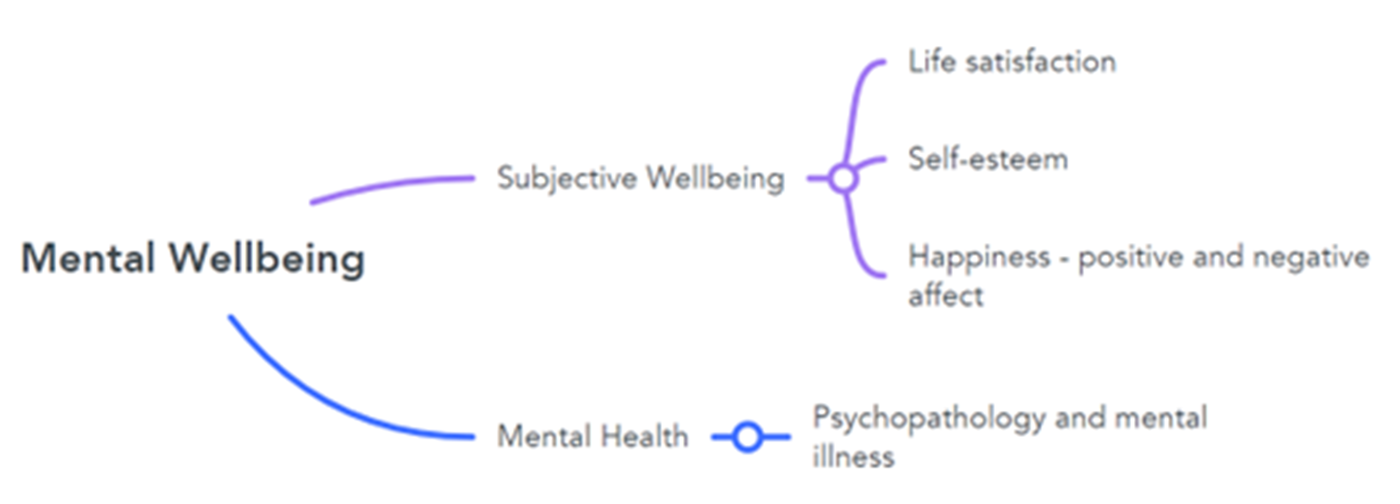
The importance of school belonging on wellbeing outcomes has not yet been researched for looked after children; however, a qualitative study identified worries about not belonging and being bullied in 36 looked after children who were transitioning to secondary school (Francis et al., 2021). The current study aims to fill this gap within the research field and provide an initial exploration of school belonging and related mental wellbeing outcomes for a small sample of looked after children. Within the current study, the inclusion of friendships and bullying will allow for more detailed analysis of how the experiences of looked after children differ from those who have not experienced care, and how school belonging, bullying and peer support relate to mental wellbeing outcomes.
Hypotheses
Based on previous research the following hypotheses were formed:
Hypothesis 1: Looked after young people will report lower school belonging than non-looked after young people. Hypothesis 2: Looked after young people will report lower scores on positive indicators of wellbeing (life satisfaction, self-esteem, positive affect, friendship quality) and higher scores on negative indicators of wellbeing (bullying experiences, negative affect, mental health problems). Hypothesis 3: Across both groups, school belonging will be positively associated with positive indicators of wellbeing and negatively associated with negative indicators of wellbeing. Hypothesis 4: Care status will moderate the relationship between school belonging and wellbeing. Hypothesis 5: Bullying victimisation will be associated with lower school belonging for both groups. Hypothesis 6: Peers, student–teacher relationships, and general school atmosphere will help young people to feel a sense of school belonging (qualitative data).
Method
Participants
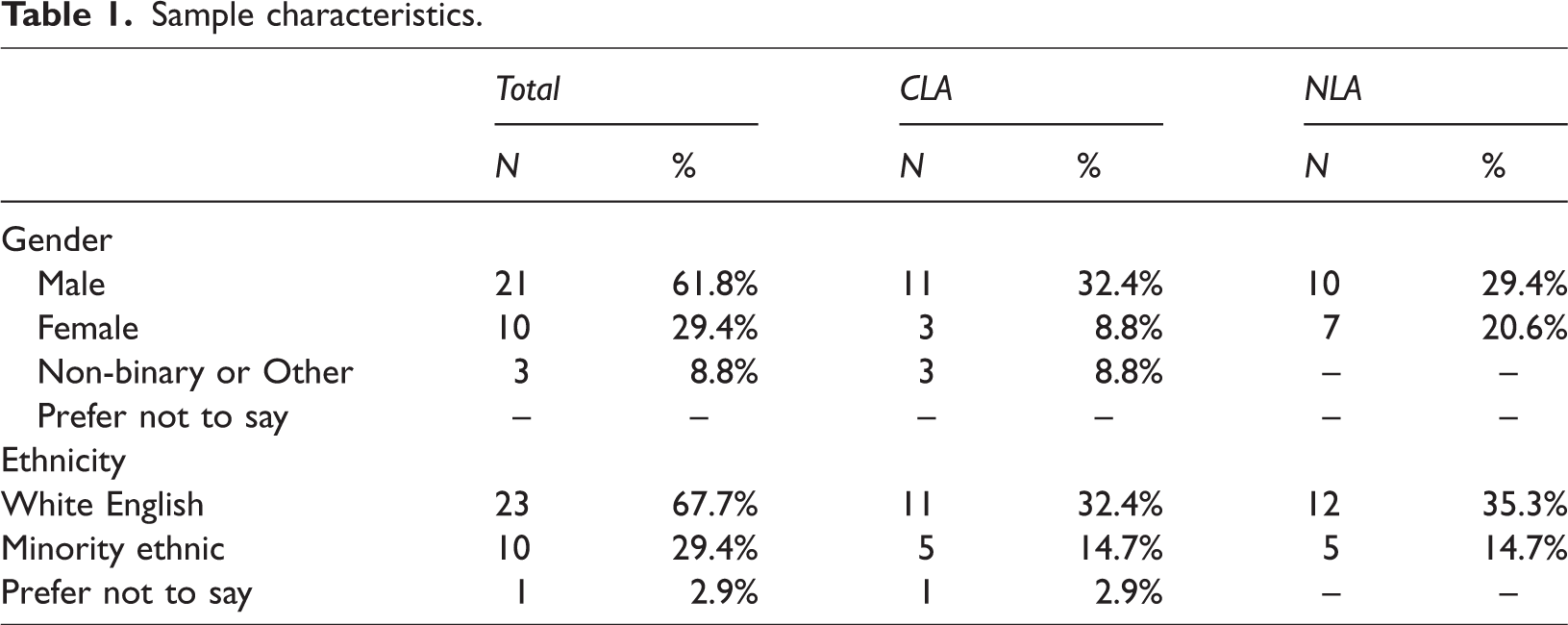
Following recruitment through three virtual schools, one secondary school, and a post-16 setting, we were able to recruit a sample of 17 young people living in care and a matched comparison group of 17 young people who had never been looked after. Groups were matched as closely as possible, first on age, followed by gender and ethnic group (N = 34). The final sample consisted of 34 young people aged 11–17 years old (
Sample characteristics.
Procedure
Research was carried out using an online survey on the platform Qualtrics (2022) which gathered information on participants’ age, gender, ethnicity, and who they lived with. In order to engage participants in the planning stages of the study, the researcher attended one virtual meeting with looked after children, arranged by a Virtual School Engagement Officer. Within the meeting, young people had the opportunity to share their opinions on the research aims and the type of questions they would like to be asked. Following feedback from the session, questions about placement, looked after status, and early experiences including adversity or maltreatment were not included.
The survey included a series of quantitative measures and one qualitative question: ‘Please list up to three things that help you feel like you belong at school’. Following ethical approval from the university ethics committee, virtual school head teachers were contacted to act as gatekeepers and provided with information on how to gain consent for young people. Study adverts were provided to the virtual schools for use on social media and within newsletters and other communications. The researcher attended one virtual youth group run by a virtual school, to inform young people about the study and how to get involved. Due to the anonymity of the research, the researcher had no further direct contact with young people interested in taking part, and information about how to take part in the online survey was shared by the virtual school gatekeepers. Participants who chose to take part liaised with staff at the virtual school, who obtained consent from the relevant adults (e.g., parents or legal guardians). Consent and assent were confirmed at the beginning of the survey, which was sent home to carers with instructions on how to access the survey. Confidentiality was confirmed at the start of the survey where young people were being supported by an adult/carer. Following an initial wave of recruitment of looked after children, secondary school and post-16 settings were contacted. School gatekeepers recruited participants through opt-out consent forms and information sheets sent home for young people and their parents. Opt-out consent was deemed appropriate for participants recruited from school settings due to the limited risks of taking part in the study and the requirement for young people to provide assent at the start of the online survey. Participants over the age of 16 were able to provide consent for themselves. Participants could complete the survey in any setting, with school staff given instructions on how to administer the survey within school (i.e., in a private room, with confidentiality confirmed at the start of the survey for those being supported by an adult) or, as decided by school staff, survey links could be sent home to parents/carers for young people to complete. All participants were sent a £10 voucher if they chose to leave an email address on a separate survey link.
Measures
For each participant the survey measures were presented in the same order, measuring the following.
Satisfaction With Life
The Satisfaction with Life Scale (Diener et al., 1985) consists of five items rated on a 7-point scale from ‘Strongly agree’ to ‘Strongly disagree’. The scale has been adapted for children to include five items with similar language, rated on a 5-point scale from ‘Disagree a lot’ to ‘Agree a lot’ (Gadermann et al., 2010). Examples of the adapted wording include changing the statement ‘In most ways my life is close to my ideal’ to ‘In most ways my life is close to the way I would want it to be’ and changing ‘I am satisfied with my life’ to ‘I am happy with my life’. Whilst the original scale has demonstrated good validity and reliability (Diener et al., 1985), the adapted version has also shown good psychometric properties including high internal consistency (.86) and convergent and discriminant validity (Gadermann et al., 2010). Cronbach’s alpha for the current study was .72 and therefore acceptable (α > .5: poor, α > .6: questionable, α > .7: acceptable, α > .8: good, α > .9: excellent; George and Mallery, 2019).
School Belonging
To assess school belonging, the Psychological Sense of School Membership scale was used (PSSM; Goodenow, 1993a). It consists of 18 items measuring school belonging. Items including ‘People at this school are friendly to me’ and ‘I can really be myself at school’ are rated on a 5-point scale from 1 – ‘Not at all true’, to 5 – ‘Completely true’, with five negatively worded items. The PSSM has shown good construct validity and internal consistency (Goodenow, 1993b). Cronbach’s alpha within the current study was .91.
Mental Health
To assess mental health, the Strengths and Difficulties Questionnaire (SDQ) (Goodman, 1997) was used. It is a 25-item measure that is made up of five subscales: emotional symptoms, peer problems, conduct problems, hyperactivity, and prosocial activities. The overall score for the SDQ is calculated using 20 items, with the prosocial subscale scored separately using the remaining five items. All items are rated on a 3-point scale from ‘Not true’ to ‘Certainly true’. Scores can also be calculated for externalising behaviour by combining the conduct and hyperactivity subscale, and for internalising problems by combining the emotional and peer subscales. Within the current study, the child self-report version of the SDQ was used as a measure of psychological functioning and wellbeing. Previous studies have reported internal reliability scores between .74 and .85, and acceptable convergent validity (Shochet et al., 2006; Van Roy et al., 2008). The current study found a Cronbach’s alpha for the total SDQ of .68. Cronbach’s alpha for the externalising subscale was .72 and was .69 for the prosocial subscale. Cronbach’s alpha for the internalising subscale was low at .57 and could not be raised above .7 with the deletion of individual items. Although contained within results tables, the internalising subscale will not be taken into account when considering relationships between variables.
Positive And Negative Affect
The Positive and Negative Affect Schedule (PANAS) (Watson et al., 1988) is a 20-item measure made up of two subscales for positive and negative affect, each measured by 10 items. On a 5-point Likert scale from ‘Very slightly or not at all’ to ‘Extremely’, respondents mark how they generally feel in response to words such as ‘Interested’, ‘Upset’ and ‘Proud’. The two scales have demonstrated good convergent and concurrent validity and high internal consistency (.84−.90) and test–retest reliability (.79−.81) (Watson et al., 1988). The Cronbach’s alpha for the current study was .85 for positive affect and .84 for negative affect.
Peer Relationships
The Patient-Reported Outcomes Measurement Information System (PROMIS) peer relationships short form (DeWalt et al., 2013) was used to assess peer relationship quality. It is an eight-item self-report measure where young people indicate the extent they have felt that each statement has applied to them over the last seven days. Responses are given on a 5-point Likert scale which ranges from 1 – ‘Never’, to 5 – ‘Almost always’. Items include statements such as ‘In the past seven days … I was able to count on my friends’ and ‘… other kids wanted to be with me’. Cronbach’s alpha for the current study was .89.
Self-Esteem
Self-esteem was assessed with the Rosenberg (1965) self-esteem scale, which includes 10 items answered using a 4-point Likert scale which runs from ‘Strongly agree’ to ‘Strongly disagree’. For the current study, item scores for five items such as ‘I feel that I have a number of good qualities’ and ‘I take a positive attitude towards myself’ were reverse scored during analysis so that a higher score was indicative of higher self-esteem. In previous research the Rosenberg self-esteem scale has shown good convergent validity, adequate discriminant validity (Sinclair et al., 2010), and high internal reliability (Cronbach’s alpha .85−.91; Perry and Lavins-Merillat, 2018) with a Cronbach’s alpha of .92 for the current study.
Bullying Victimisation
The Olweus (1996) questionnaire was used to assess bullying victimisation. It is made up of two parts that ask young people to report on their experiences of being bullied, and their bullying of others. The measure includes 39 items exploring the frequency, longevity, location, and type of bullying, and the response from adults, and has shown good reliability across the two subscales (Cronbach’s alpha .85−.87; Gaete et al., 2021). For the current study, 13 items were used to explore participants’ experiences of being bullied. This included 10 subscale items exploring the frequency of each type of bullying, for example ‘I was threatened or forced to do things I didn’t want to do’. These 10 subscale items, and the question ‘How often have you been bullied at school in the past couple of months?’ were rated on a 5-point scale with the following options: ‘It hasn’t happened to me in the past couple of months’, ‘Only once or twice’, ‘Two or three times a month’, ‘About once a week’ and ‘Several times a week’. The question: ‘By how many students have you usually been bullied?’ was rated on a 6-point scale from ‘I haven’t been bullied in the past couple of months’ to ‘By several different students or groups of students’. ‘How long has the bullying lasted?’ was rated on a 6-point scale from ‘I haven’t been bullied’ to ‘It has gone on for several years’. Cronbach’s alpha for the 10-item scale included within the current study was .83.
Statistical Procedure
IBM SPSS Statistics 26 software was used for the analysis of the data. Shapiro-Wilk normality testing highlighted that total scale scores for at least one of the groups on the prosocial subscale, externalising subscale, PROMIS, and bullying did not meet assumptions for normality. Three of these scales also demonstrated high skew or kurtosis for at least one of the subgroups. Following the identification of two outliers in the externalising and PROMIS subgroups, these were adjusted using Windsorizing (replacing outliers with the next highest/lowest value in the distribution which is not an outlier; Field, 2013). Following this, normality assumptions were still not met.
To test hypotheses 1 and 2, t- or Mann-Whitney U tests were conducted depending on whether or not assumptions for normality were met.
To test hypothesis 3, Spearman’s correlations were used to analyse the associations between school belonging and wellbeing indicators, across all participants and each subgroup.
Based on the results from group comparisons and correlational analyses, potential moderators were selected to test hypothesis 4. Moderation analyses with bootstrapped confidence intervals (5000 bootstraps) were carried out using SPSS PROCESS (Hayes, 2022).
Means and standard deviations for each gender group can be seen in Table 2. Comparison of group means between males and females revealed no significant differences between groups on any measure. Groups were matched as closely as possible on gender; however, due to the available sample not all participants could be matched. Three CLA participants reported their gender as non-binary or a gender other than male or female, and within the NLA group only male and female genders were reported. Due to the small sample, comparison between non-binary/other participants and male/female participants was not carried out. Group means for this group are not reported due to the risk of identifying participants. Group means indicated that those who reported their gender as non-binary or other had lower mean scores on school belonging and peer relations, and higher mean scores on the SDQ and bullying.
Means and standard deviations by gender.
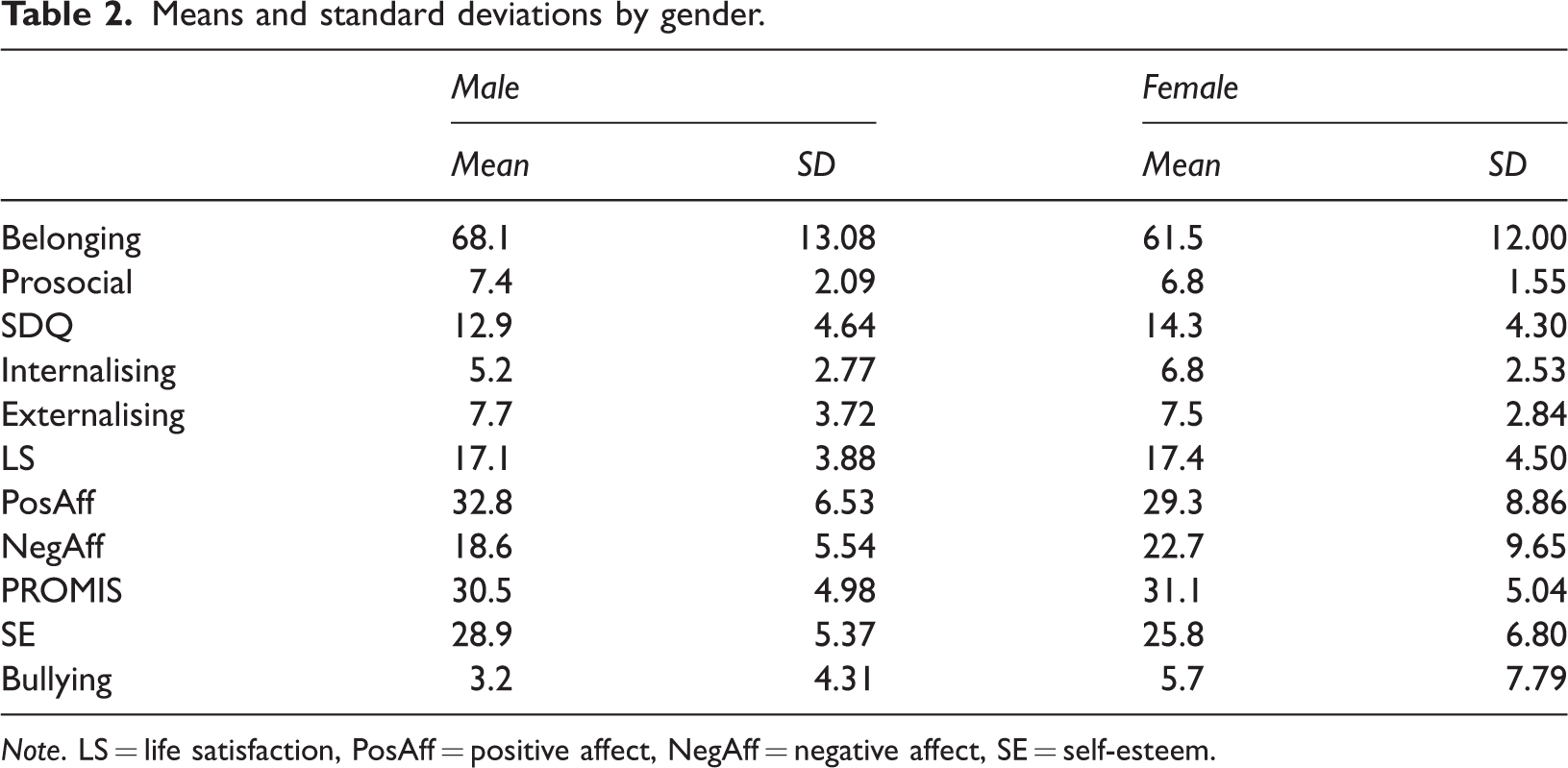
Note. LS = life satisfaction, PosAff = positive affect, NegAff = negative affect, SE = self-esteem.
Results
Descriptive Statistics And Overall Intercorrelations
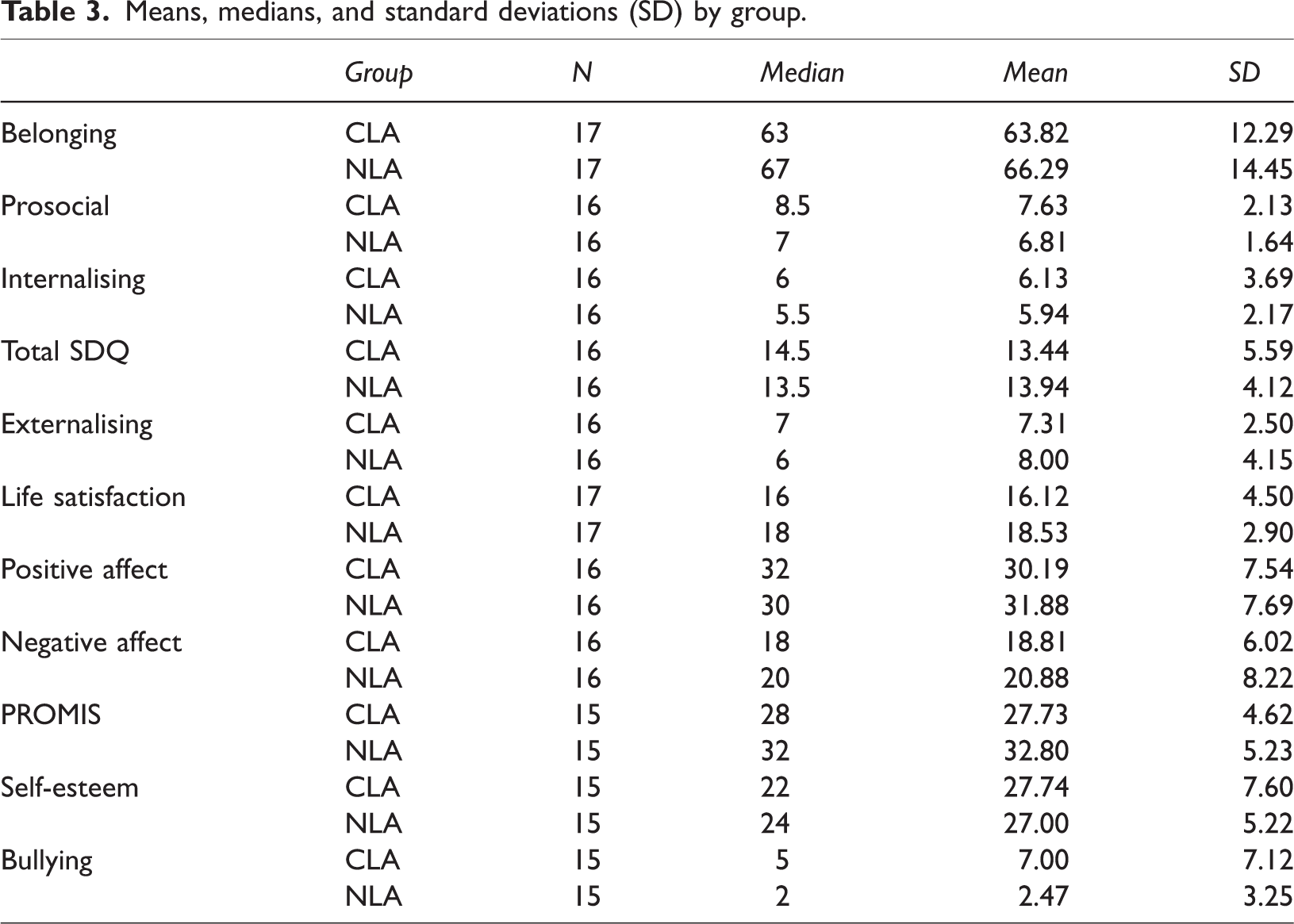
Means, medians and standard deviations for each measure, split by group, can be seen in Table 3. Due to incomplete responses from two CLA young people, only the measures of school belonging and life satisfaction were completed by all participants. Little’s MCAR test was conducted and confirmed that data were missing completely at random (Chi-Square = 93.09, DF = 167, p = 1.00). Where a measure was not complete, scores from the matched participants were removed on the same measure. The total number of responses included for each measure can be seen in Table 3. Scores on school belonging and life satisfaction from those who left the survey fell within one standard deviation of the mean for CLA.
Means, medians, and standard deviations (SD) by group.
Hypothesis 1: Looked After Young People Will Report Lower School Belonging Than Non-Looked After Young People
As assumptions of normality were met, an independent samples t-test was carried out to examine differences between groups on school belonging. No significant difference was found between CLA and NLA young people on school belonging scores,
Hypothesis 2: Looked After Young People Will Report Lower Scores On Positive Indicators Of Wellbeing (Life Satisfaction, Self-Esteem, Positive Affect, Friendship Quality) And Higher Scores On Negative Indicators Of Wellbeing (Bullying Experiences, Negative Affect, Mental Health Problems)
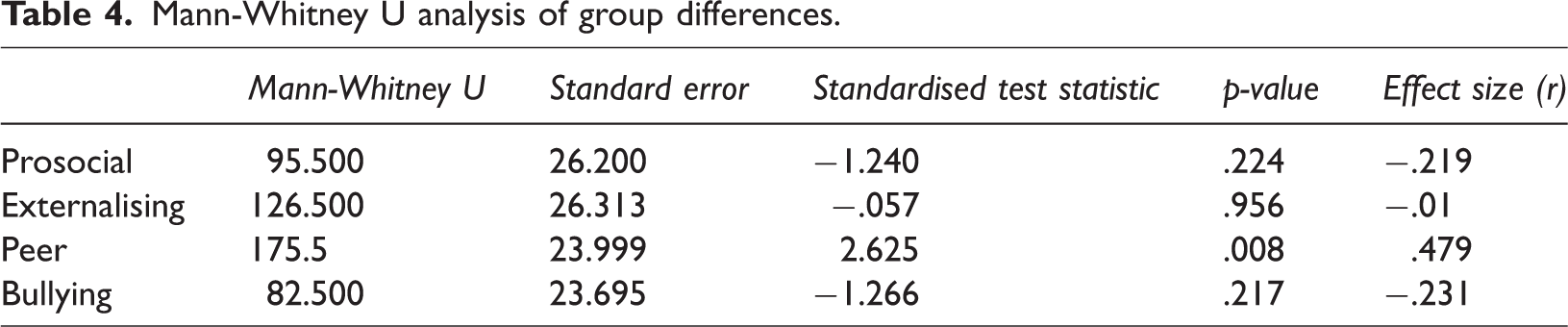
No significant difference was found between CLA and NLA young people for the prosocial subscale, externalising subscale or bullying. Mann-Whitney U analysis, included in Table 4, indicated that scores on peer relationships were higher for NLA (Mdn = 32) than CLA (Mdn = 28),
Mann-Whitney U analysis of group differences.
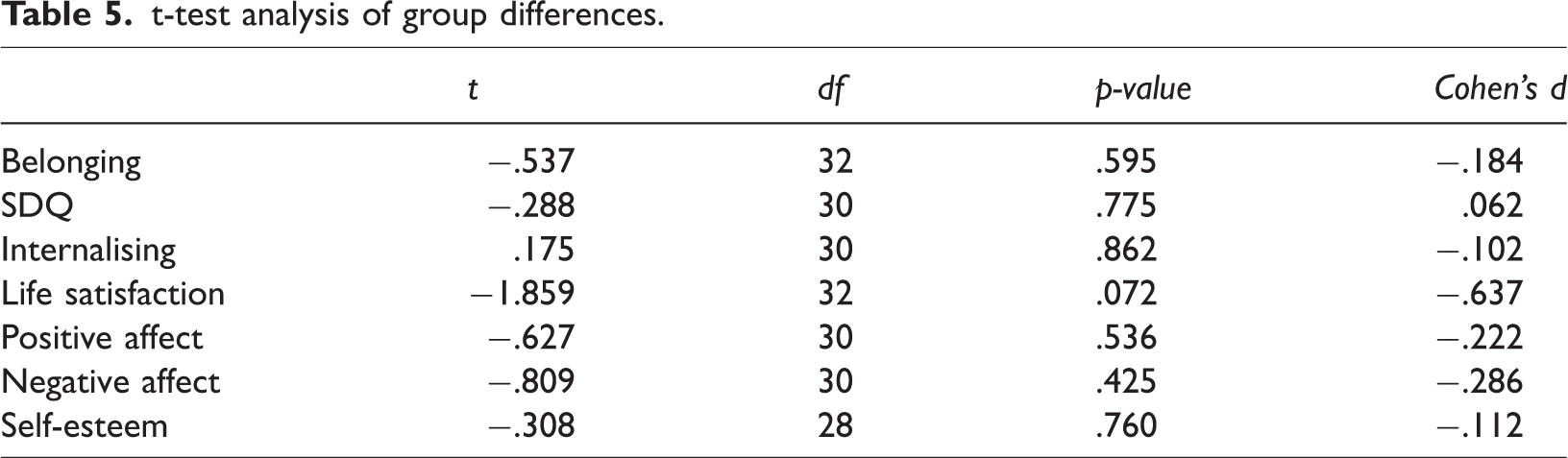
An independent samples t-test was carried out on measures that met assumptions for normality. No significant differences were found between group scores on any of the remaining measures, as seen in Table 5. It should be pointed out that, while not significant, the group difference for life satisfaction showed a medium effect size of −.637 (NLA:
t-test analysis of group differences.
In analysing the number of participants in each group who meet the cut-off scores for the SDQ, showing slightly raised (15–17), high (18–19) or very high scores (20–40; Educational, Health, Care and Prison services [EHCAP], 2014), Chi-squared analysis demonstrated no significant differences between groups,
Hypothesis 3: Across Both Groups School Belonging Will Be Positively Associated With Positive Indicators Of Wellbeing And Negatively Associated With Negative Indicators Of Wellbeing
Bivariate (Spearman’s) correlations for the whole sample can be seen in Table 6 and demonstrate that belonging significantly correlates with the SDQ, SDQ prosocial subscale, positive and negative affect, self-esteem, and bullying in the expected direction. While not reaching significance, school belonging correlated with life satisfaction and peer relationships with a medium effect size.
Whole sample Spearman’s correlations.
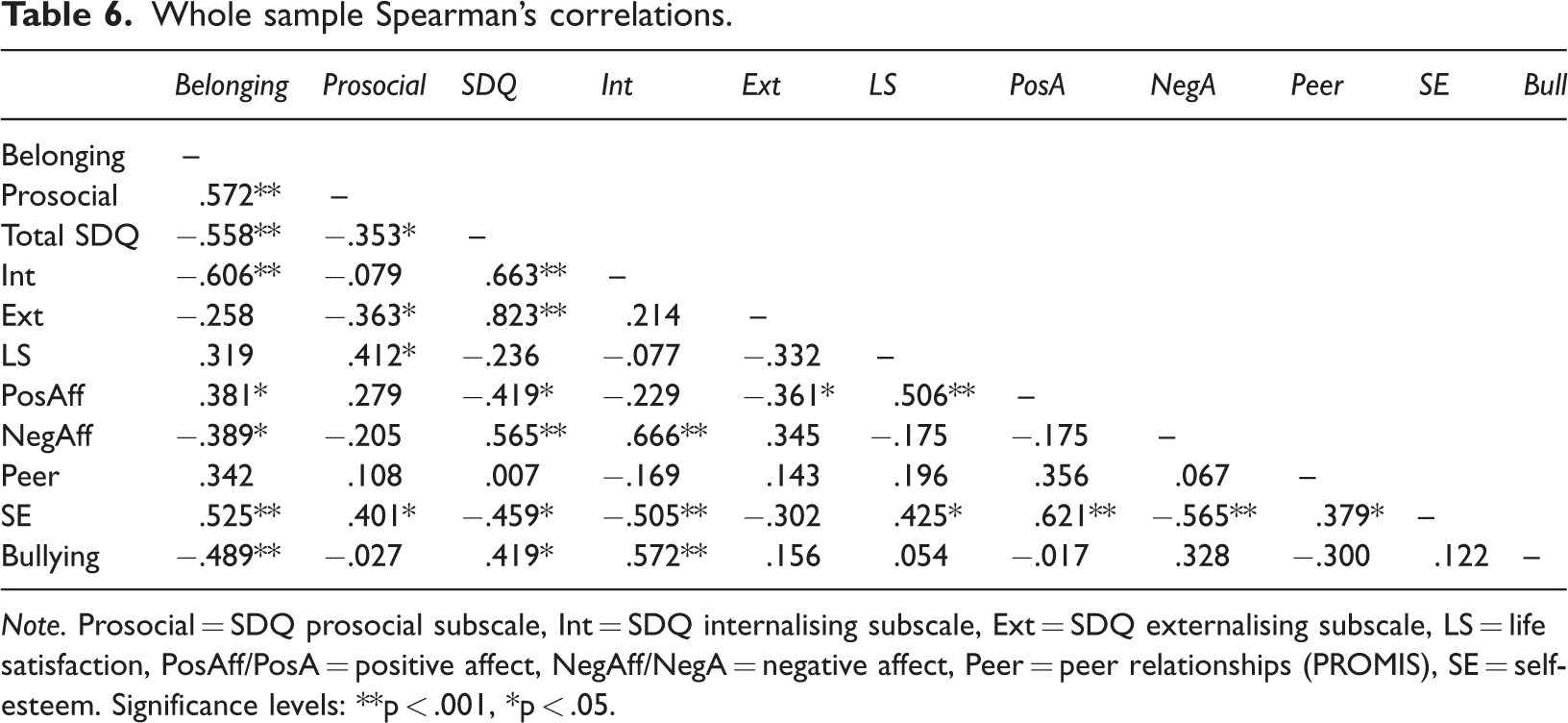
Note. Prosocial = SDQ prosocial subscale, Int = SDQ internalising subscale, Ext = SDQ externalising subscale, LS = life satisfaction, PosAff/PosA = positive affect, NegAff/NegA = negative affect, Peer = peer relationships (PROMIS), SE = self-esteem. Significance levels: **p < .001, *p < .05.
Following analysis of group differences, intercorrelations were carried out for each subgroup, as seen in Table 7. Significant correlations remained for both groups on the total SDQ and prosocial subscale. Results for both groups showed medium effect sizes for the relationship between school belonging and negative affect, positive affect and peer relationships. There was a medium to large effect size for the relationships between school belonging and self-esteem for CLA (
Spearman’s correlations by subgroup.
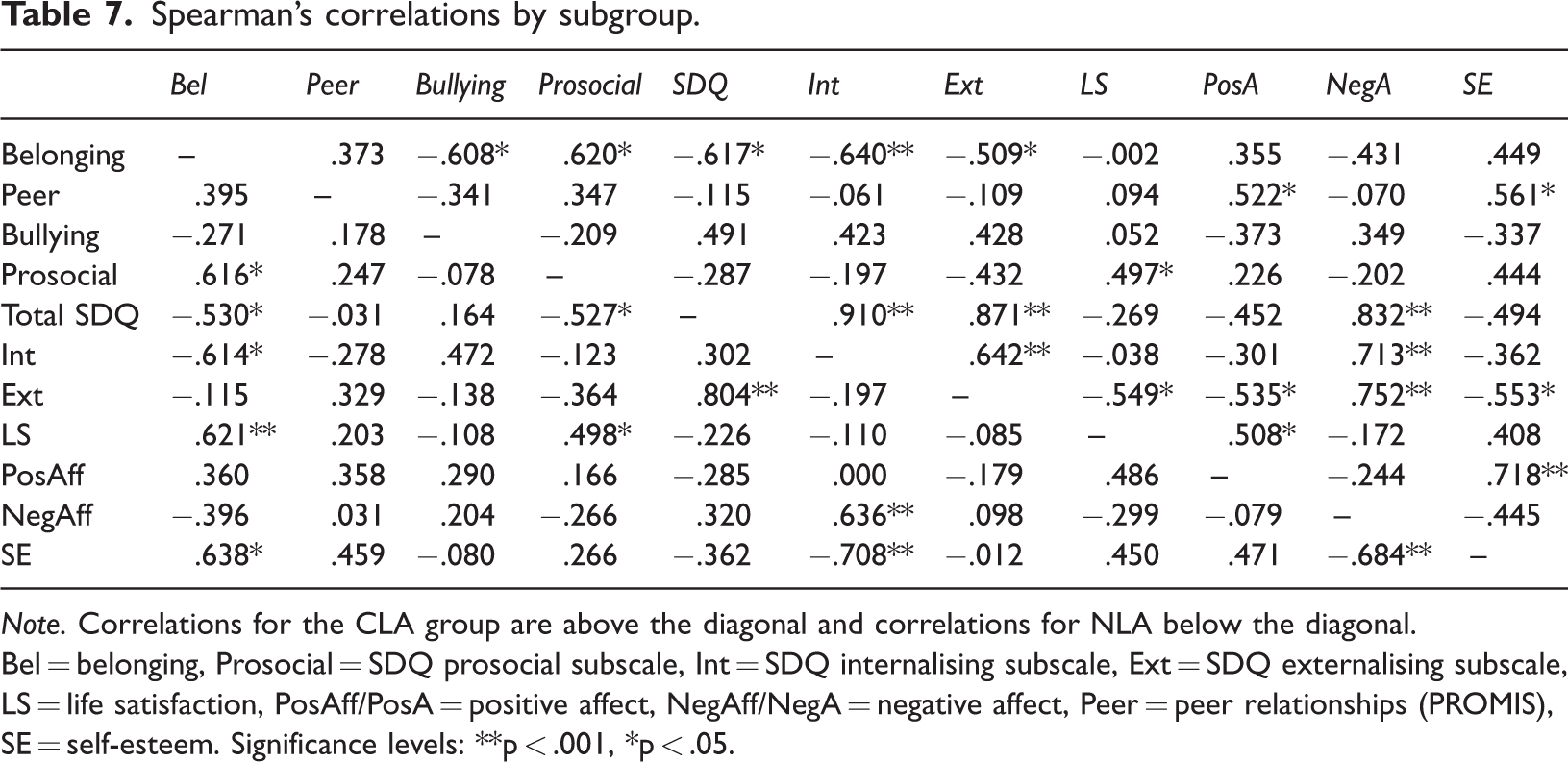
Note. Correlations for the CLA group are above the diagonal and correlations for NLA below the diagonal. Bel = belonging, Prosocial = SDQ prosocial subscale, Int = SDQ internalising subscale, Ext = SDQ externalising subscale, LS = life satisfaction, PosAff/PosA = positive affect, NegAff/NegA = negative affect, Peer = peer relationships (PROMIS), SE = self-esteem. Significance levels: **p < .001, *p < .05.
During analysis for hypothesis one, groups significantly differed on peer relationships; however, a non-significant but similar relationship was found for both groups in the association between school belonging and peer relationships. Scores were placed on a scatter plot to provide a visual representation of the relationship for both groups (Figure 2). Results demonstrate that lower scores on peer relationships have the same impact on school belonging for CLA as higher scores on peer relationships in the NLA group.
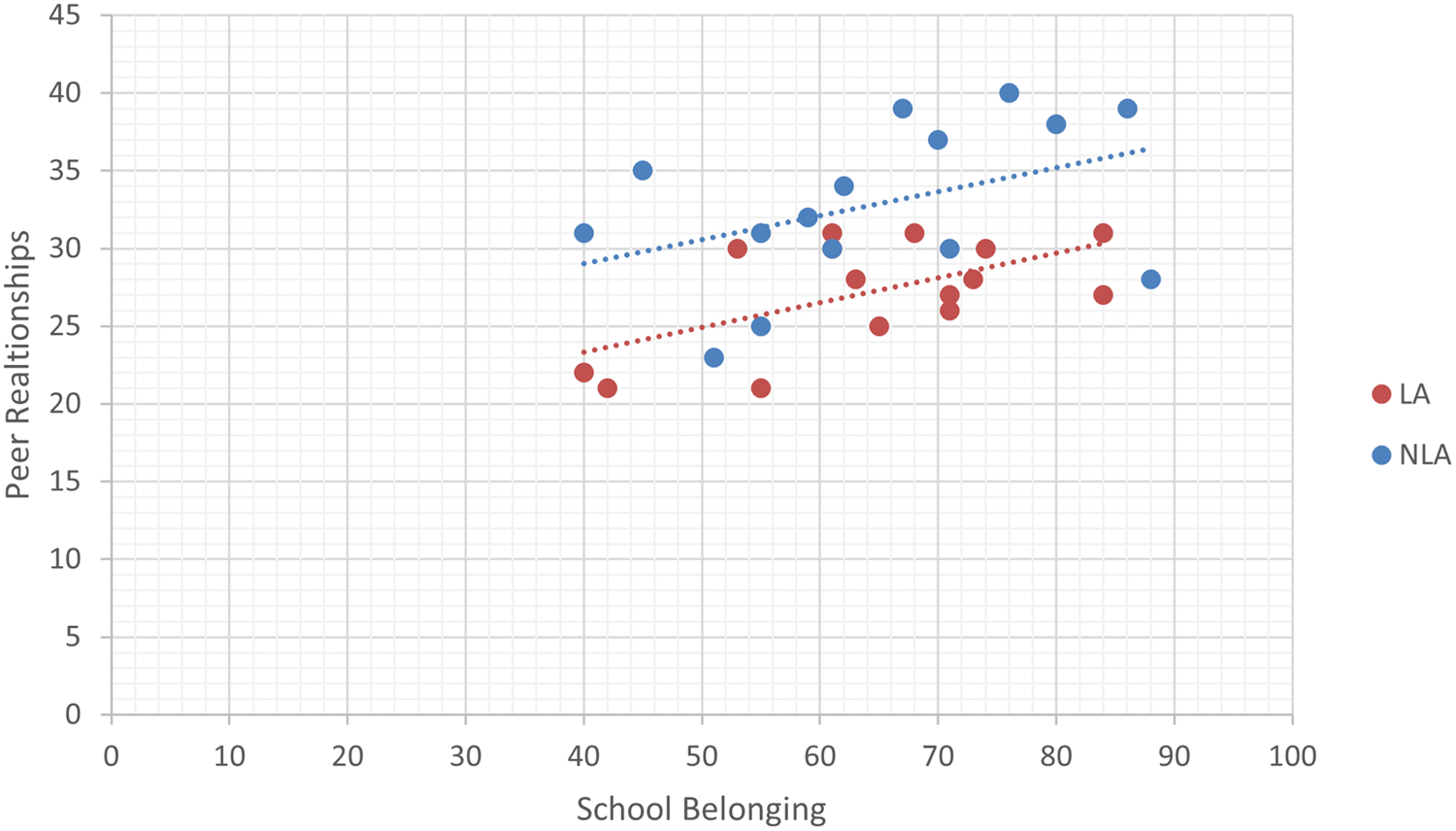
Scatterplot representing the relationship between school belonging and peer relationship by group.
Hypothesis 4: Care Status Will Moderate The Relationship Between School Belonging And Wellbeing
Initial evidence from correlational analysis suggests two main differences between groups that warrant further exploration. The CLA group demonstrates a relationship between school belonging and externalising symptoms (
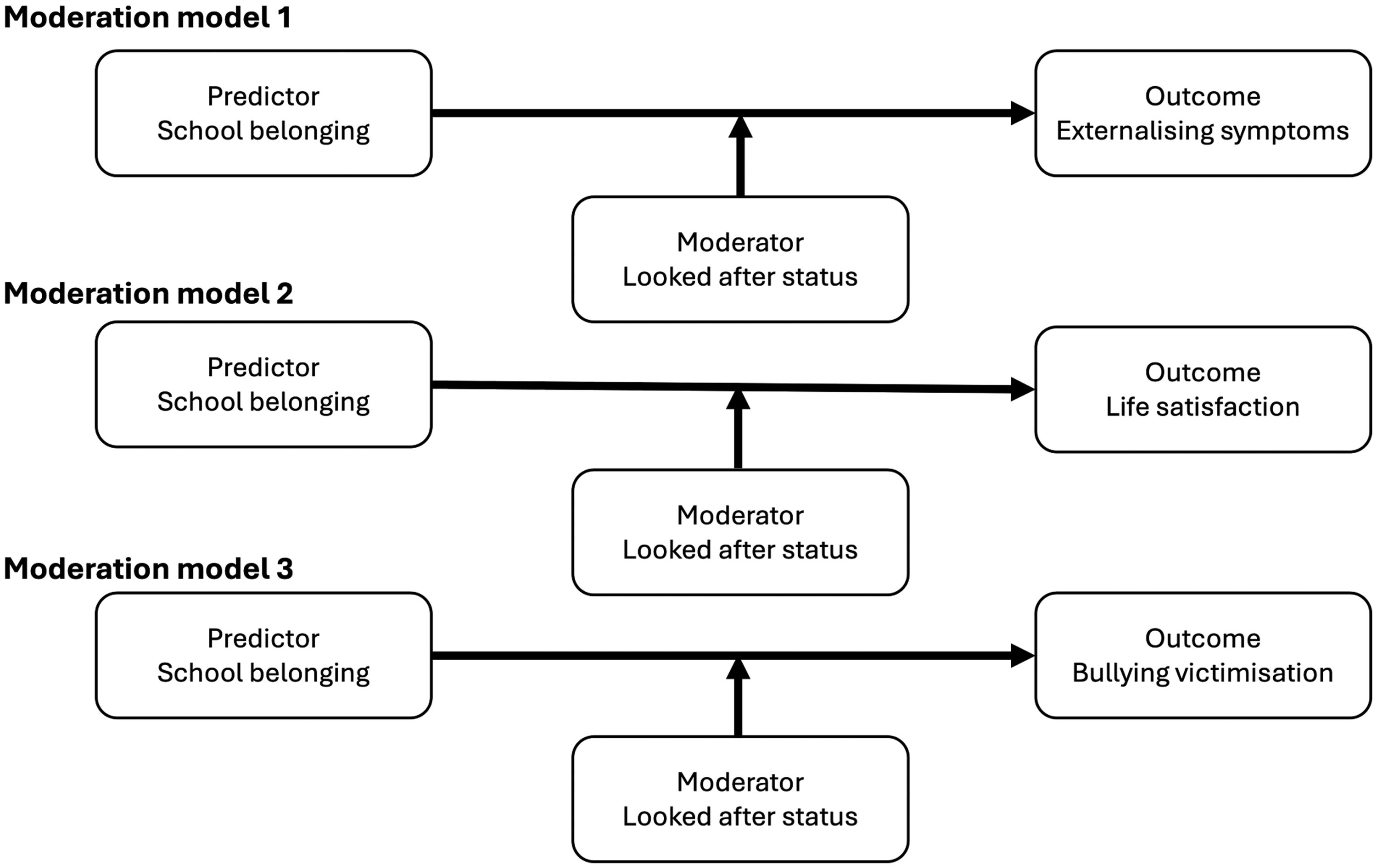
Overview of tested moderation models.
The relationship between school belonging (independent variable) and externalising symptoms (dependent variable) was analysed with the moderator variable as looked after status. The overall model was not significant,
Hypothesis 5: Bullying Victimisation Will Be Associated With Lower School Belonging For Both Groups
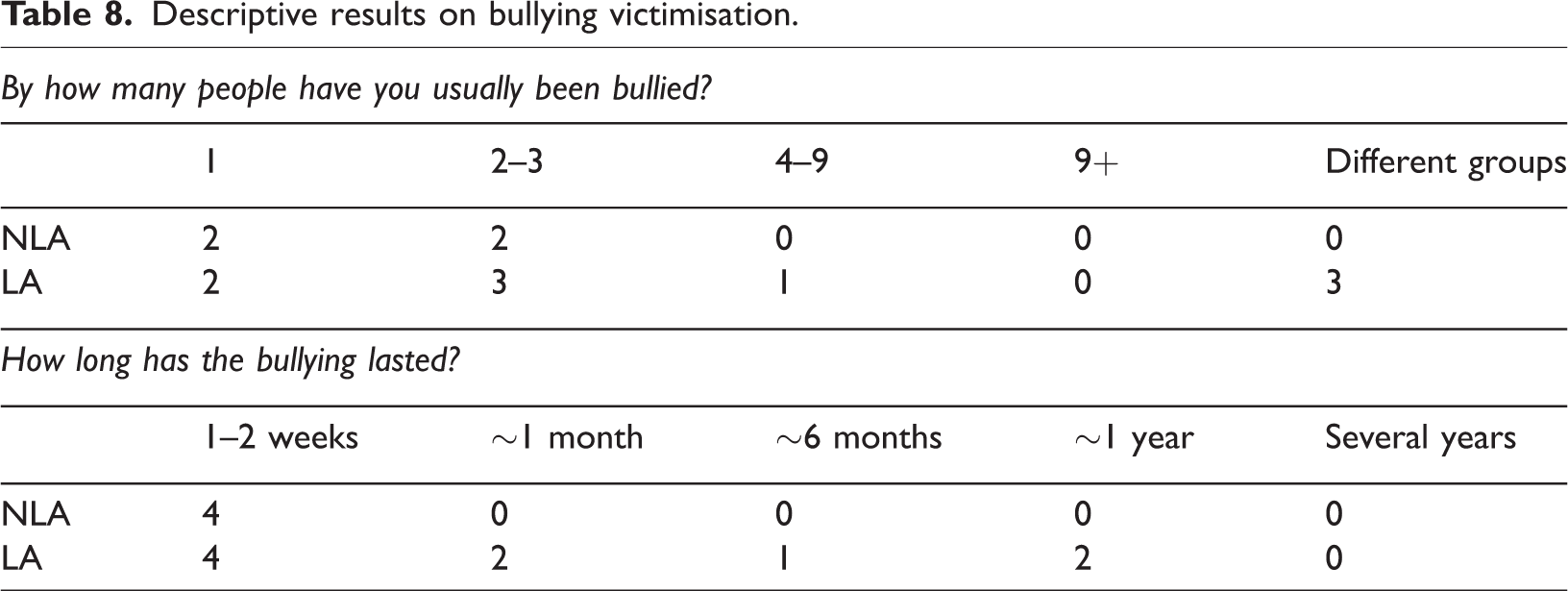
Mann-Whitney U analysis indicated no significant differences between groups on the bullying victimisation subscale (see Table 4). Frequency of bullying was analysed based on responses to the question: ‘How often have you been bullied at school in the past couple of months?’ The variable was dichotomised by categorising participants into those who responded ‘I haven’t been bullied’ (0) and those who responded that they had been bullied one or more times (1). Chi-squared analysis showed that the frequency of being bullied did significantly differ by looked after status, with the CLA group more likely than the NLA group to have been bullied,
Descriptive results on bullying victimisation.
When looking at correlations by group, a significant correlation was found for CLA between school belonging and the bullying subscale (
Moderation analyses of the association between school belonging and bullying victimisation by looked after status.
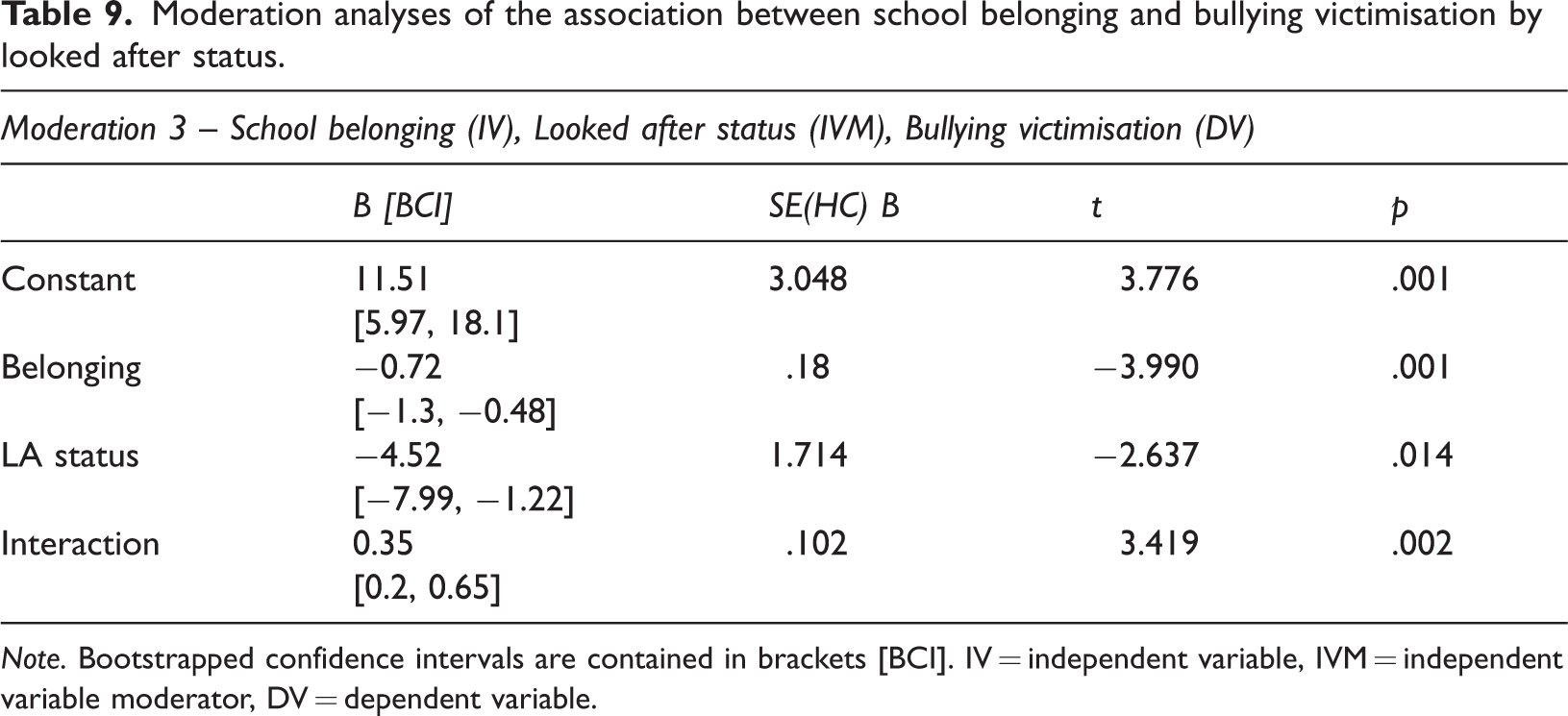
Note. Bootstrapped confidence intervals are contained in brackets [BCI]. IV = independent variable, IVM = independent variable moderator, DV = dependent variable.
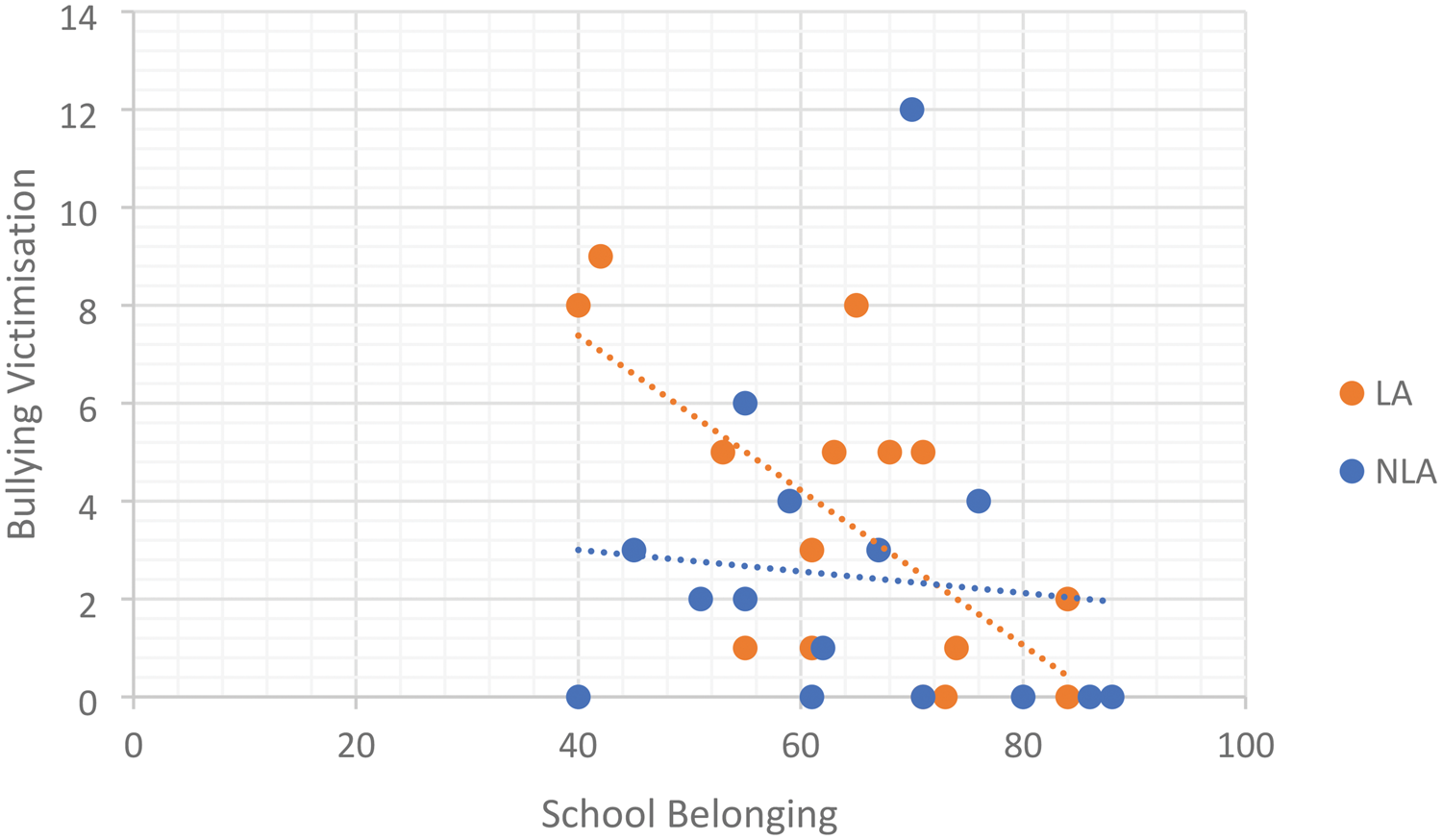
Scatterplot representing the relationship between School Belonging and Bullying Victimisation by group.
Hypothesis 6: Peers, Student–Teacher Relationships, And General School Atmosphere Will Help Young People To Feel A Sense Of School Belonging (Qualitative Data)
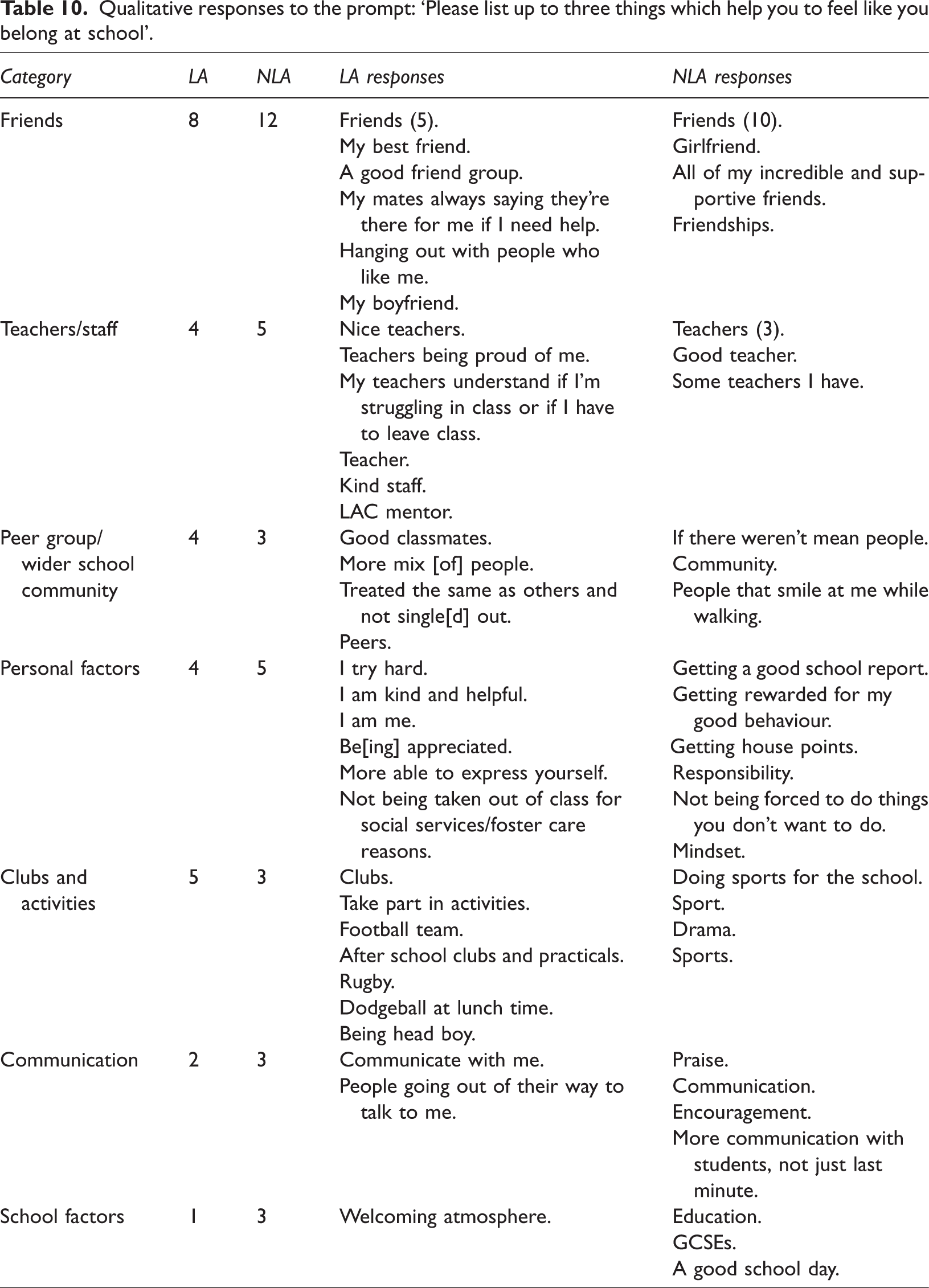
Qualitative responses were gathered from 15 CLA participants and all 17 NLA participants in response to the prompt: ‘Please list up to three things which help you to feel like you belong at school’. Responses have been split into categories which can be seen in Table 10. The most common response across groups was related to friends. Fifteen participants wrote ‘Friends’ or ‘Friendships’ as their response with some participants expanding on this to include a best friend, a relationship partner, and a good group of friends. One CLA participant wrote that ‘mates who say they are there for you’ is a key factor, and another NLA participant described their friends as ‘incredible’ and ‘supportive’. Following on from friends, teachers and school staff were the next most common answer, from nine young people across the two groups. Whilst most responses were ‘Teachers’, two CLA also wrote about other school staff, including a mentor for looked after children. Nine young people left responses which related to personal factors including the kind of person that they are, their mindset, their achievements, and feeling appreciated and respected. The wider peer group and school community was included as important for eight young people across groups who left responses relating to good classmates or peers, a mix of people, a community, and being treated the same as others. Being involved in clubs and activities at school was also seen as supporting school belonging for eight young people. Communication was a key factor for five young people, and four young people reported factors relating to the broader school context, such as a welcoming atmosphere, education, and a good school day.
Qualitative responses to the prompt: ‘Please list up to three things which help you to feel like you belong at school’.
Discussion
Individual Factors
Considering the study population as a whole, high school belonging was significantly negatively related to poor mental health outcomes. This is consistent with previous research which has suggested that high school belonging relates to increased positive affect and decreased negative affect (Vera et al., 2021) and is related to fewer mental health difficulties (Vaz et al., 2014). Whilst the relationship between school belonging, positive affect and negative affect did not reach significance when results were split by group, effect sizes suggest that belonging is related to these factors for both groups.
When looking at the data by group, the relationship between school belonging and mental health outcomes remained for both groups, as measured by the total SDQ and prosocial subscales. The current study was not able to explore the direction of relationships due to its cross-sectional design; however, previous research suggests that school belonging has a long-term impact on overall mental health, including depression and anxiety (Shochet et al., 2006). There were observed differences between groups, with looked after children showing a strong negative relationship between school belonging and externalising symptoms, which was not present for young people who have not experienced care. Comparison of groups showed no significant differences on measures of school belonging or externalising symptoms, nor was this association moderated by looked after status, despite previous research suggesting that looked after children, those who have experienced abuse and neglect or those with difficult home lives are at higher risk of psychiatric disorder and externalising problems (Goodman et al., 2004; Lazenbatt, 2010; Luke et al., 2018; Papachristou et al., 2020).
Looked after status did also not moderate the association between school belonging and life satisfaction. Differences between groups on life satisfaction scores showed a medium effect size, despite not reaching significance, which was likely due to issues with power. Life satisfaction was also significantly related to belonging for young people who had not experienced care and showed no relationship for those in care. Whilst subjective wellbeing for all young people is influenced by a range of factors – including: relationships; home, school, and neighbourhood environments; and safety and choice (Rees et al., 2010) – life experiences outside of school may be particularly influential for children in care. For looked after children, placement stability and close bonds with caregivers can impact mental health outcomes (Briggs, 2018; Jones et al., 2011); however, the influences on subjective wellbeing may be far more complex. Discussing impacts on their subjective wellbeing within focus groups, 140 looked after children shared factors important to them including relationships with social workers and carers, trusting relationships, feeling trusted, having choice in decisions, and being informed (Wood and Selwyn, 2017). Family and friends were of key importance, and this included having appropriate contact arrangements to see siblings and parents. Considering the additional adverse experiences young people in care may have faced (Berridge, 2007), and the factors which are influencing their overall wellbeing, this evidence might suggest an explanation for the differences seen in life satisfaction and its relation to school belonging between groups in this study.
School-Based Factors
The two groups differed in the relationship between bullying and school belonging, with these two variables relating significantly, with a medium effect size, for looked after young people. This is contrary to previous findings from 50 looked after children which suggested bullying rates were around 30%, similar to national figures for all children (Rao and Simkiss, 2007). Whilst being looked after may not be a contributing factor to being bullied (Maclean and Gunion, 2003), a higher number of looked after children within the current study had experienced bullying in the last few months, compared with the matched group. Moderation analysis revealed a significant interaction effect between school belonging and looked after status, with a strong relationship present for looked after young people between school belonging and bullying. This finding warrants particular attention as bullied young people can experience long-term negative outcomes associated with behaviour, social relationships and mental health (Arseneault, 2017; Mullan et al., 2023; Wolke et al., 2013). School belonging has been found to act as a mediator between bullying and mental health outcomes (Li et al., 2020) and therefore the interaction between school belonging and bullying is an important one, especially for vulnerable young people.
Considering the qualitative results, friends were reported, most commonly, by both groups as helping young people to feel they belong at school. School staff and the wider school community were also highlighted as important, including access to clubs, an accepting peer group and the school atmosphere. Consistent with the idea that a sense of belonging is a subjective feeling and not something objectively measurable (Goodenow, 1993b), several of the young people talked about characteristics that they themselves hold which help them feel they belong. This included being kind and helpful to others, being themselves, being successful, and being appreciated. Whilst most qualitative factors were of roughly equal importance to both groups, friends were mentioned less regularly by looked after children. This is reflective of the quantitative results as peer relationship scores were significantly lower for looked after children. Despite this, the relationship between peer relationships and belonging was similar for both groups, with a medium effect size. Peer relationships are a key aspect across belonging definitions (Allen et al., 2021; Libbey, 2004) and looked after children can experience increased difficulties with friendships and peer relationships (Anderton, 2009). However, promising findings from the current study suggest that looked after children can experience the same sense of school belonging as non-looked after young people, despite having worse quality peer relationships.
In contrast, looked after children who experienced high levels of bullying reported lower school belonging scores, which was not the case for children who have not experienced care. While the evidence is not directional, the impact of bullying and school belonging on one another appears far greater for looked after children. This might suggest that school belonging can protect against bullying but could also suggest that high school belonging does not just come from positive relationships with teachers and peers and an inclusive school environment (Goodenow, 1993b; Libbey, 2004), but also the absence of negative peer experiences. Whilst this is acknowledged somewhat in Baumeister and Leary’s (1995) belonging hypothesis, the focus of belonging has largely been on forming significant, positive and long-lasting relationships which are free from negative affect, and rarely on aspects that could negatively impact belonging. School belonging has been shown to moderate the negative outcomes of bullying experiences (Arslan et al., 2020); however, this buffering effect may not be present for looked after children if belonging is low when bullying is high.
Strengths And Limitations
The small sample size within the current study limits the power of this research to estimate the true results for the whole population. However, this study facilitated inclusion of the experiences and views of looked after young people within research on school belonging, which was previously missing. Quantitative analysis is also rare within research with looked after young people as it can be difficult for researchers to recruit larger sample sizes, resulting in qualitative analysis being more common for this group (e.g., Sprecher et al., 2021; Stoddart et al., 2021). It is further worth reflecting on the decision of using bootstrapping on our rather small sample. Hayes (2018: 103) emphasises that ‘bootstrapping is particularly useful […] in smaller samples …’; however, the process can be impacted by outliers in small samples and samples not representative of the target population (Hayes, 2018). To reduce the impact of extreme cases, outliers were Windsorized prior to applying bootstrapping. Whether or not the sample was representative of the target population is hard to tell, as comparable quantitative data on school belonging are lacking. Replication of our findings in larger samples is therefore advised.
Young people and virtual schools were engaged throughout the planning phase to ensure that the final survey was appropriate and asked young people questions that they were comfortable answering as well as giving them opportunities to share additional views, through the option to leave comments. Whilst this is a strength of the current study, additional information on maltreatment, adversity, length of time in care or placement moves was not sought, which could have provided additional useful information.
The results also do not provide directional information on the relationship between variables; however, the results do fit with other evidence in this field. Whilst limited, the qualitative results also provide additional information on the factors that are important for young people in feeling that they belong, providing them with an additional voice. The self-report nature of the survey ensures that young people’s subjective views are considered, as opposed to the views of those working with them, such as social workers or carers.
Participants within the study were matched as closely as possible; however, there were differences between groups in terms of gender. Participants who reported their gender as non-binary or other were not appropriately matched due to all matched participants of the same age reporting their gender as male or female. This is likely to have impacted on the group means for looked after children as non-binary/other young people had lower mean scores than both male and female participants on school belonging and peer relationships, and higher scores on bullying and the SDQ. This is consistent with other research in which young people in the LGBTQ+ community experience higher levels of bullying and discrimination and worse mental health (Bower-Brown et al., 2021; Eisenberg et al., 2019; Fish, 2020); however the sample sizes did not allow for these findings to be explored any further within the current study.
The absence of significant group differences regarding mental health was surprising, suggesting potential selection effects. Foster care placements are associated with increased positive outcomes compared with residential care settings (Maclean and Gunion, 2003; Meltzer et al., 2003), and all participants in this group resided in foster care.
Future Directions
Considering the limitations of the current study discussed above, future research could focus on addressing these limitations and expanding the research to include young people who are looked after within residential or independent living settings. Data young people are uncomfortable reporting, such as questions about their placements, home moves or previous experiences, were not included. However, with around 63–68% of children who were looked after in England and Wales in 2018–19 experiencing abuse or neglect before coming into care, and 10% of young people having three or more home placements within a year (National Society for the Prevention of Cruelty to Children [NSPCC], 2021), inclusion of these factors may be helpful to analyse the differences between individual experiences, school belonging and mental wellbeing variables. This could be assessed through caregiver reports. Additional research with an increased sample size would be beneficial to evaluate school belonging within the wider population. Alternatively, given that the experiences of looked after children are diverse and complex (Luke et al., 2018), more in-depth qualitative research would be useful to better understand the importance of school belonging for looked after children and to provide more detail on the specific factors that help them to feel they belong at school.
Implications For Practice
School belonging has been related to mental health outcomes across the research base; however, currently, schools report supporting those with special educational needs or existing mental health needs rather than preventative efforts (Patalay et al., 2017). Despite schools being instrumental in providing early support to young people at risk of mental health difficulties (DfE, 2021b; Rose, 2021), full-school policies and approaches are infrequent (DfE, 2018).
With a research base growing in support of the positive associations between school belonging and outcomes in education and health, the current research adds to the evidence base that the promotion of good school belonging should be a focus within educational settings. Information on specific interventions to increase belonging is growing (Allen et al., 2021) but remains limited (Slaten et al., 2016). However, this should not diminish our aim to increase school belonging for young people, especially for vulnerable groups. In line with definitions of belonging and the qualitative results from the current study, education settings should focus on the following aspects.
Friendships And Peer Relationships
This includes ensuring that young people experience positive interactions with peers and have relationships that remain over time, as consistent with the belonging hypothesis (Baumeister and Leary, 1995). For looked after children, it should be considered that having supportive peer relationships sometimes can still lead to higher school belonging. To support peer relationships, schools can provide relationship education as part of a whole-school curriculum and offer additional interventions targeting social skills, or providing peer support and mentoring (Anna Freud Centre, n.d.; DeLuca et al., 2019). Building social skills may be particularly important for young people in foster care to allow them to build and maintain high-quality relationships (DeLuca et al., 2019).
Bullying
Within the current study, school belonging and bullying were related for looked after children. Similar to other minority groups such as LGBTQ+ youth and those from ethnically diverse backgrounds, those who were bullied were more likely to report feeling that they did not belong (Biggart et al., 2013; Poteat et al., 2015). The current study highlights the importance of not just positive experiences for vulnerable young people, but the reduction of negative experiences. A range of approaches have been recommended for the prevention of and intervention in bullying, with peer mentoring and buddy schemes common in schools and having a positive impact for all young people involved and in the reduction of bullying (Bishop, 2003; Tzani-Pepelasi et al., 2019). Schools implementing bullying policies and strategies for anti-bullying find that whole-school approaches and school assemblies, focused personal, social, health and economic (PSHE) education, adult modelling, and restorative approaches, can be helpful in tackling bullying (Thompson and Smith, 2011). Focusing attention on ensuring that those who are vulnerable feel included and are not subject to bullying may be especially important, and whole-school approaches encouraging inclusion and understanding of diversity may be particularly beneficial. Resources are readily available to support schools to develop whole-school approaches to inclusion, including books on celebrating difference (Dellenty, 2019), the inclusive classroom (Sobel and Alston, 2021) and the no outsiders programme (Moffat, 2020).
Conclusion
Overall, the results of this study suggest that school belonging is related to a range of mental wellbeing outcomes for both looked after children and children who have not experienced care, consistent with research involving young people who have experienced adversity (Gunnarsdóttir et al., 2021; Markowitz, 2017). Relationships between factors differed for looked after children, with lower scores on friendships related to higher school belonging scores than for the matched group, and with bullying being far more related to school belonging. Whilst the results regarding peer relationships are encouraging, as looked after young people may need fewer peer relationships to feel the same sense of belonging, the significant relationship between bullying and belonging is an area that warrants attention. School belonging has been related to a range of mental wellbeing outcomes and therefore continues to be an important place where schools should focus their attention.
Footnotes
Declaration Of Conflicting Interests
The author(s) declared the following potential conflicts of interest with respect to the research, authorship, and/or publication of this article: Since Adoption & Fostering’s Editor-in-Chief is a co-author, the submission, review and decision processes were overseen by a guest editor. The review process was double anonymised, as with all submissions to the journal.
Funding
The author(s) received no financial support for the research, authorship, and/or publication of this article.
