




Abstract
On the night of 2 September 2018, a large fire struck the Brazil National Museum located in the Quinta da Boa Vista Palace, in Rio de Janeiro. The fire caused considerable damage to the structure of the building and to the collections housed inside. To rescue the collections from the affected area, a salvage excavation has been conducted in the ruins of the palace. This article provides a preliminary report on the salvage excavation in the room housing the Egyptian collection exhibition.

Introduction
On the morning of 3 September 2018, many newspapers around the world reported that a devastating fire destroyed the National Museum of Rio de Janeiro, housed in the Quinta da Boa Vista Palace. Several news outlets reported on substantial damage to both the building and the majority of its collections, including the Egyptian collection, 1 which was considered to be the largest such collection in Latin America, consisting of more than 700 artefacts. 2
Despite this, the National Museum community had hopes that parts of the collections might have survived the fire, so a group of employees, scholars and students from the Federal University of Rio de Janeiro, of which the National Museum is part, set up a task force to carry out a salvage excavation amid the Quinta da Boa Vista Palace’s ruins. In the months following the fire, this group successfully rescued a significant part of the National Museum’s collections.
Despite the extensive destruction, several pieces of the National Museum collections survived. Examples include ceramic fragments, rocks and minerals, meteorites, metal fragments, fossils, shells, bones, and occasionally a few elements that escaped the fire’s most intense regions. A portion of the ethnological, archaeological, malacological, geological, palaeontological, and bioanthropological collections could be recovered, although in different states of preservation. 3 In the case of the Egyptian collection, more than 300 items were rescued, including several of the collection’s highlight artefacts.
This article’s purpose is to provide a glimpse of this work by presenting the preliminary reports of the excavation conducted in the room where the Egyptian collection exhibition was on display before the fire.
The Collection Before the Fire
The National Museum of Rio de Janeiro is the oldest scientific institution in Brazil. It was founded in 1818 by a royal decree issued by D. João VI, king of Portugal at the time. On this occasion, Portugal’s royal family was in Brazil, fleeing from the Napoleonic Wars, and made several changes in the colony, raising Brazil to the status of a ‘United Kingdom with Portugal’. During this time the museum was established in the palace of Campo de Santana under the name ‘Royal Museum of Brazil’. With the proclamation of the republic regime in Brazil, in 1898, the museum changed its name to ‘National Museum’; it moved to Brazil’s former royal residence, the Quinta da Boa Vista Palace, in 1892. 4
Over the years, the museum had become the largest natural history museum in Latin America. It hosted a remarkable and diversified collection, ranging from archaeology, ethnology, palaeontology, zoology, and many others. Some of these collections were formed by direct action of the royal family, including the collection of Greek, Etruscan, and Roman artefacts brought to Brazil by Empress Teresa Cristina as part of her dowry. 5 Others were gathered by researchers from the institution, such as the archaeological collection of the hunter-gatherer populations that inhabited the coast of Rio de Janeiro State collected by Lina Kneip in the 1980s, 6 or the arachnid collections created by Cândido Firmino de Mello-Leitão in the 1930s and 1940s. 7
In 1946, the National Museum became part of the Federal University of Rio de Janeiro. In the 1980s, the palace’s gardens were handed over to the city of Rio de Janeiro and turned into the municipal park, Quinta da Boa Vista Park. 8
One of the museum’s most prominent collections was the Egyptian collection. The first part of the collection was brought to Brazil in 1826 by an antiquities dealer named Nicolau Fiengo, who docked in Rio de Janeiro’s harbour on 14 June that year, causing a stir among the local elite. 9 We do not know the exact origin of the collection, but Fiengo stated at the time that he had brought the collection from Marseilles and that it came from Giovanni Battista Belzoni’s excavations in Luxor. As Kenneth Kitchen points out, this was probably true, because a great part of the collection belonged to Theban priests and officers. 10
In 1828, the collection was bought by D. Pedro I, who had been the emperor of Brazil since the proclamation of independence in 1822. 11 He donated it to the National Museum in the same year (when it was still called the ‘Royal Museum’).
Although we do not know exactly which artefacts were present in this first batch, it is possible to get a rough idea based on the descriptions made by Astrea, a newspaper that covered the event at the time. It described three elaborate coffins, probably the coffins of the priests of Amun: Pestjef (inv. 529), Hori (inv. 525), and Harsiese (inv. 528). It is also possible to identify a large collection of stelae, four canopic jars, and human and animal mummies. 12 Probably many other items were in this first part of the collection, since the descriptions in the museum’s first inventories mention a much larger number of pieces.
Over the years, the collection increased due to a large number of donations. One of the most notable of these gifts was the coffin of the songstress at the temple of Karnak, Sha-Amun-em-su, which was presented to D. Pedro II (D. Pedro I’s son) by Khediva Ismail in 1876, during the Brazilian emperor’s second visit to Egypt. D. Pedro II was very fond of the coffin, which he chose to keep sealed. His decision was respected by successive generations, and its contents were revealed only in 2005 after a CT scan, when it was discovered that it contained the mummy of Sha-Amun-em-su, a scarab amulet, placed near her heart, and eight smaller protective amulets. 13
Another important donation were the 47 bronze statuettes bestowed by Eduardo Bianchi in 1891. Most of them are votive statuettes, dating from a period stretching from the Late Period to the Ptolemaic Period. 14 A noteworthy bronze statuette is that of the priest of Amun Menkheperre, dating from the 21st Dynasty. Its peculiarity lies in the fact that Menkheperre is represented wearing a royal kilt bearing the inscription: ‘made by the High Priest of Amun, Menkheperre’. 15 We do not know whether it was donated by Bianchi or if it was purchased from Fiengo, seeing as the statuette is not mentioned in the early inventories of the collection.
The museum’s Egyptian collection used to be the largest in Latin America, with more than 700 pieces. In its diversity, the collection had funerary masks, coffins, stelae, shabtis, statuettes, amulets, prehistoric lithic tools, ceramics, amulets, and some Nubian objects. Before the fire, half of these items were on display on the first floor of the palace, and the other half were stored in the archaeological collection’s storage unit on the ground floor.
The collection has been published in two catalogues. The first was curated by Albert Childe, 16 who served as the collection’s curator from 1912 to 1938. The second one was made by Kenneth Kitchen towards the end of the 1980s, and it was released in 1990. 17 Kitchen’s catalogue remains, to this day, the most comprehensive account of the collection.
With an increase in studies on ancient Egypt in Brazil, 18 driven by an expansion of post-graduate courses in Brazil, investigations involving the Egyptian collection have gained new impetus. Along with the National Museum, different research institutions began to collaborate on studies involving the collection.
In 2005 the National Museum and the National Institute of Technology formed a partnership. Through this collaboration, a significant portion of the collection was 3D scanned, using various techniques and technologies. Stelae, coffin fragments, and statuettes were examined using laser scanners and 3D photogrammetry. The human and animal mummies were scanned using computed tomography. 19 Based on the images generated by the tomography, Sheila Mendonça developed a series of studies on the mummies in the collection. 20
With the creation of the post-graduate programme in archaeology at the Federal University of Rio de Janeiro, based at the National Museum campus, in 2006, several PhD theses and master’s dissertations have been produced concerning the collection. Some of these serve as detailed catalogues of sections of the collection. These include the research conducted by Cintia Gama Rolland on the shabtis, 21 Simone Bielesch on the statues of Ptah-Sokar and Osiris, 22 and Cintia Facuri on the bronze votive statues. 23 Other MPhil dissertations and PhD theses were developed with the human mummies in the collection. Victor Bittar analysed the tomographic images of the mummy of the priestess Sha-Amum-em-su to expand on the work done by Mendonça, 24 and Ricardo Reis analysed the mould found in the mummies in the collection. 25
Some of these studies were also disrupted by the fire. Pedro Von Seehausen was developing a 3D epigraphy of the stelae 26 in the collection for his PhD thesis, and had to change the topic following the fire.
The Fire and the Salvage Excavation Methodology
On Sunday 2 September 2018, two security guards detected a fire coming from the main auditorium. Since the fire could not be controlled by fire extinguishers, they called the fire department around 7:30 p.m. The firefighters quickly arrived on the scene, but due to the lack of water in the hydrants in front of the palace, the work of containing the flames could not be started immediately. As a result of these setbacks, combined with the presence of organic materials and flammable chemicals in the palace premises, the fire quickly spread through the building, and by 9 p.m. it was out of control.
The first contingent of firefighters from four fire stations had initially responded to the fire. This contingent was expanded to include firefighters from twelve fire stations as the fire grew. At 9:15 p.m., a specialized team of firefighters entered the building to assess the extent of the damage and block off unaffected areas. Approximately 80 firefighters, two water tankers, and two ladder trucks worked to contain the blaze. 27 The fire took about six hours to be contained. However, the next day, some pockets of fire were still found in the palace.
During the event a few museum collection items and some equipment were rescued. 28 All these items were located in a specific region on the first floor. Due to safety concerns and the fast-moving flames, other parts of the palace could not be accessed during this time, including the three sectors of the palace where the Egyptian collection was stored and on display. The difficulty in accessing these sectors in the following days further prevented the rapid assessment of the damage caused to these collections.
Due to the ferocity of the fire, the building’s structure collapsed in multiple places. Among them were the chambers positioned directly above the archaeological storage unit and the room that served as the Egyptian collection’s exhibition space. The next day it became evident that the fire had behaved differently in distinct portions of the building. In some places, the heat had been so powerful as to melt the steel girders, while in others it somehow spared paintings and other wooden objects. This was probably due to the variety of collections housed within the palace, which may have contributed to the development of multiple courses of events.
This scenario brought hope about some collections having survived the fire, thus creating a need for a salvage excavation in the ruins of the palace. On 9 September, a meeting was held by a group of National Museum employees to put together a taskforce to conduct this excavation. A ‘Collection Rescue Nucleus’ was established to manage the various situations and organize the several excavations that would take place in the ruins. This was initially composed of eleven staff members from various departments and divisions of the National Museum. As the efforts progressed, this core underwent modifications, and resulted in the formation of the Rescue Team for Collections of the National Museum, which grew to 40 statutory members plus temporary collaborators while keeping its multidisciplinary nature.
In the initial phase of the work, the salvage excavation approach was adapted to meet other requirements, such as reinforcing and stabilizing the palace’s structure and accommodating a federal police investigation. At this stage, therefore, the rescue team’s activities were directed towards these other requirements.
During the initial discussions, certain general methodological parameters for the work’s progression were determined. It was decided that collection items, along with personal items and scientific equipment, would be recovered. As soon as all the identifiable items of interest were collected from the palace, they would be taken to the triage sector, undergoing a sorting procedure. At this point, all the rescued material would be registered, receiving an identification number and a photographic record, and a form detailing the archaeological context of the object would be filled out. After these procedures, a team of conservators would stabilize the collection if it required emergency treatment; otherwise, materials would be placed in temporary storage.
The Egyptian Collection’s Excavation
The Egyptian collection was displayed in one of the National Museum’s largest rooms, with a total area of 165.89 m², on the second floor of the building. Approximately 227 items selected from the collection were on display in this room. Below, on the first floor, was the exhibition ‘The Plant Revolution’, which featured objects from the palaeobotany section. On the third floor, there was an office and a storage area for the museology sections. Since the three floors collapsed and all materials, including the collections, had become overlapped, a multidisciplinary team composed of archaeologists, palaeobotanists, bioanthropologists, conservators, and museologists was assigned to develop a plan and excavate this room together.
Before the fire, the palaeobotany exhibition was being dismantled and the majority of its collection had already been removed. On the date of the fire, the room contained only a fossilized stem from Antarctica and a series of fossilized trunk fragments from Santa Maria and São Pedro do Sul, RS, Brazil. The museology storage room on the third floor was the largest in terms of size and complexity. Its varied contents included personal items, scientific equipment, and museum collections.
The collapse of the three floors also brought a significant amount of rubble and debris into the room (fig. 1). At the beginning of the excavation, some portions of the room were buried beneath nearly 2 m of debris. Four of the structural steel beams that supported the rooms above melted and collapsed (UE09, UE10, UE11, UE12).
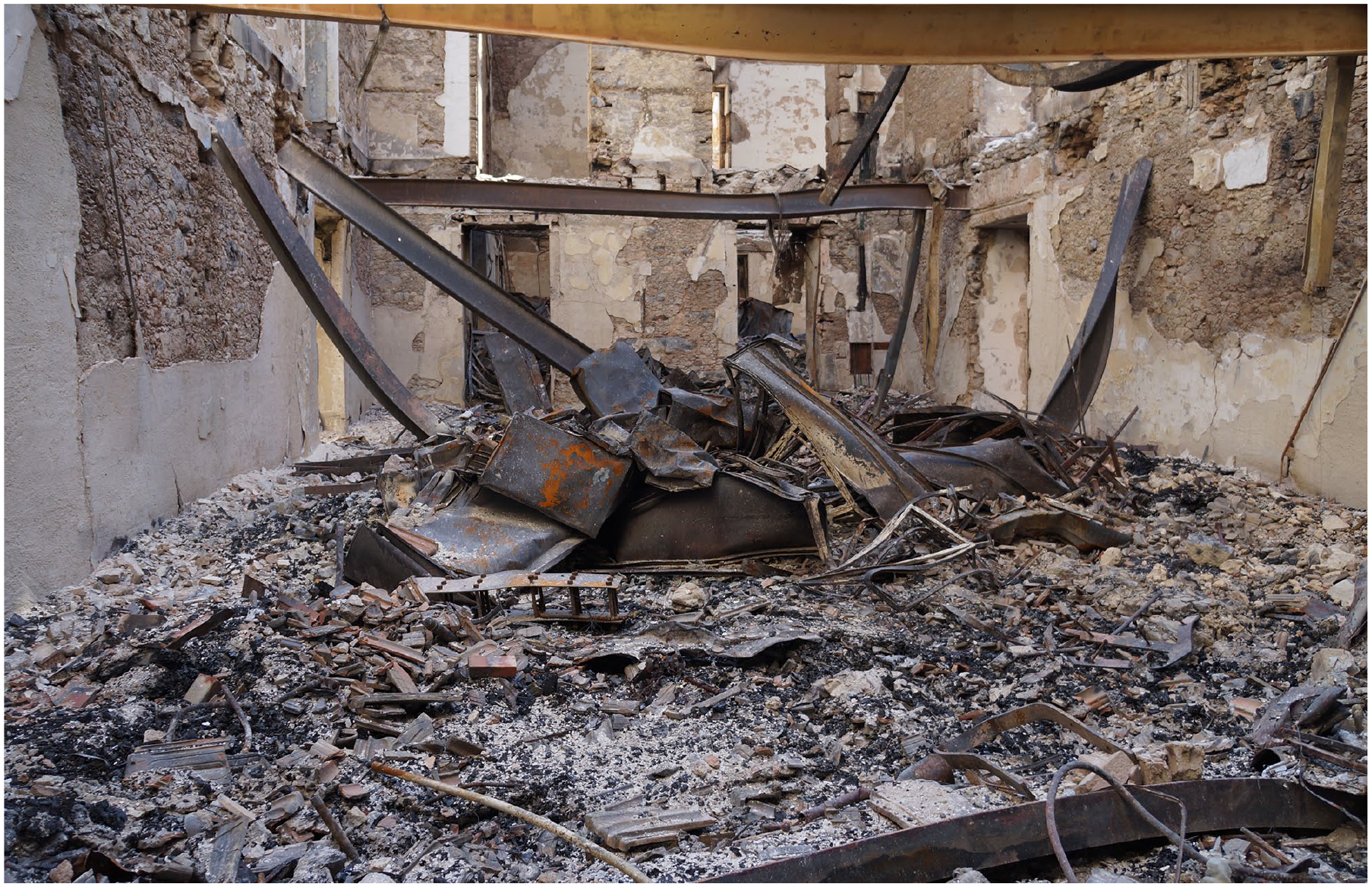
A view of the room after the fire (photo: Pedro Von Seehausen).
The collapse of the ceiling also brought another risk factor into the equation, by leaving the room exposed to the weather, soaking the sediment on rainy days. This increased the urgency of the excavation, because some items that may possibly have survived the fire, such as the bronze statuettes, could suffer irreversible corrosion processes if exposed for prolonged periods to this scenario.
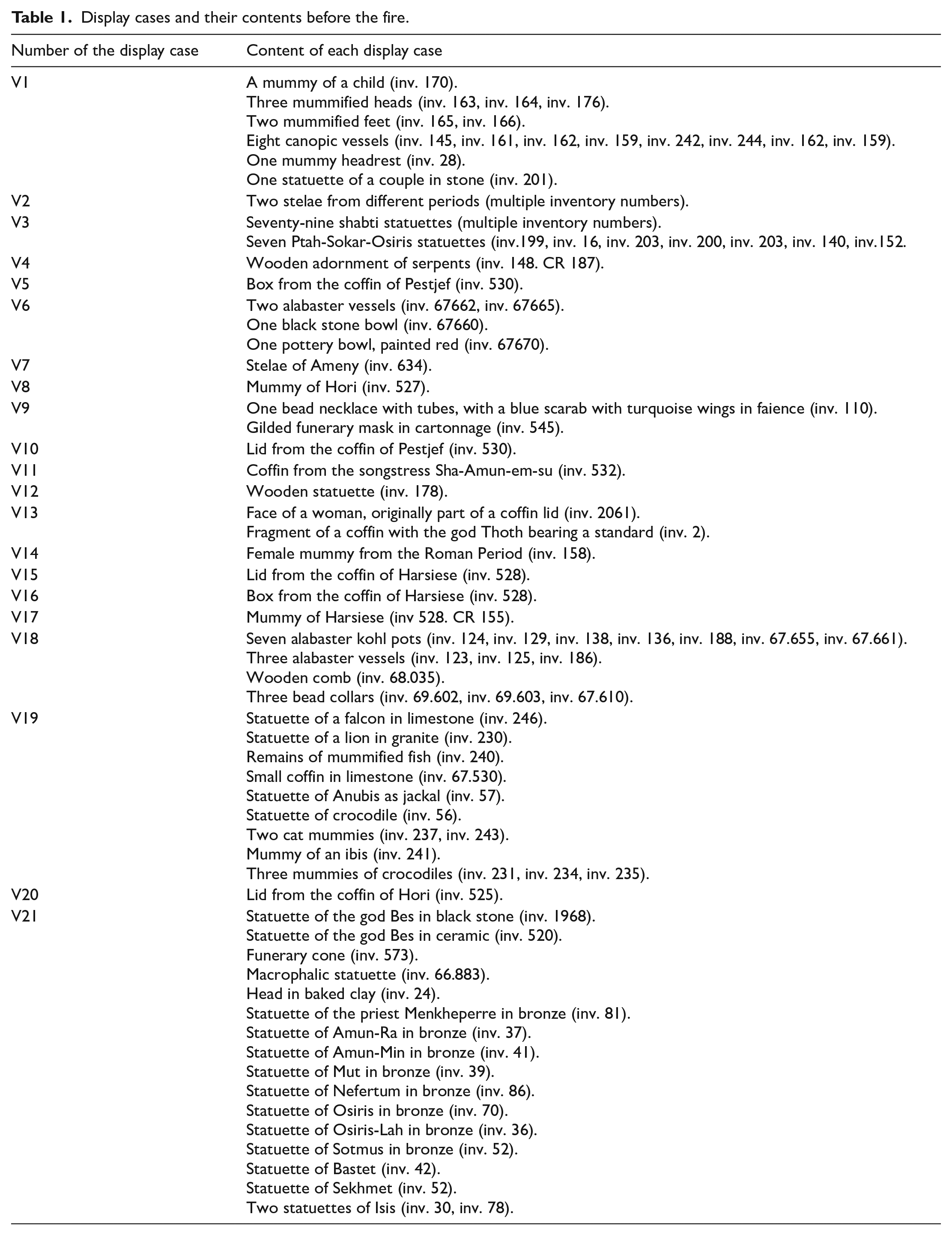
Considering all the variables, the excavation was planned as a two-step action. In the first step the original Egyptian exhibition map was studied in detail, considering the placement of every item on display and all previous pertinent information, such as the mummy tomographies and items found within the bandages and in the coffin (table 1). The same process was applied to the content of each floor.
Display cases and their contents before the fire.
The second step was to survey the collapsed area using a drone, to create an updated map. The first and second maps were then overlaid and placed on a square grid map (fig. 2). With this data it was possible to develop a risk map and a precise approach, tailored to each square in the grid, as appropriate for the items present in each display case.
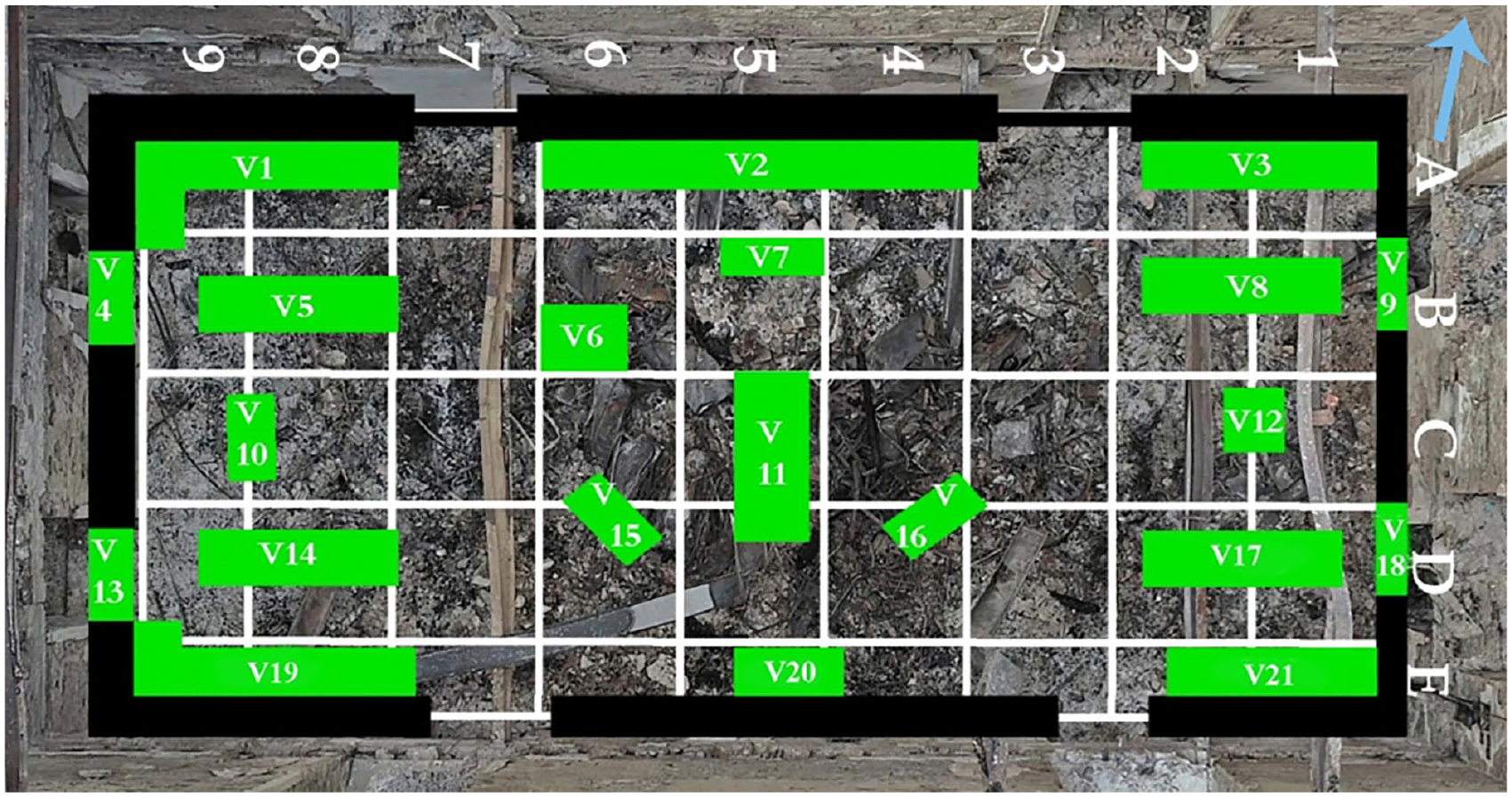
Map with the showcases (for their contents, see table 1) overlaid by the drone mapping (photo and sketch: Pedro Von Seehausen).
The rescue procedures in the room containing the Egyptian collection can be divided into three phases: 1) surface collection, 2) archaeological excavation, and 3) sieving. Each step was tailored to the archaeological context created by the catastrophe and to the material being rescued. Because the museology storage took up the majority of the third floor and had a large number of metal cabinets, the fire and the building’s collapse had turned these into a massive amount of twisted hardware (UE01) that was mixed with the archaeological and palaeobotanical material.
After a thorough surface collection, the ironwork was removed by a crane. During this surface collection, we identified the dispersion pattern of the materials found in the room. After falling from the upper floor, the Egyptian items were not displaced more than 1 m away from where they were originally displayed. Based on this valuable information obtained during the planning and surface collection, it was possible to develop an excavation and sieving methodology that best suited the material being rescued and the post-fire contextualization. After the surface collection, the room was gridded using a 2 x 2 m mesh to georeference the objects present. The squares’ size was determined using the material’s dispersion pattern. By overlaying the maps previously produced with the inventory and the surface collection data, it was then possible to establish a customized excavation and sieving methodology for each grid square to account for the unique characteristics of the material to be salvaged.
This interchangeability of excavation and sieving techniques allowed the process to be meticulous in areas where there were small artefacts, such as amulets and strung beads, and to proceed more hastily in areas with low occurrence of items. This activity management helped to prevent any further deterioration of the artefacts buried in wet sediment. To curb the effects of rain in the bronze pieces’ areas, improvised tents were set up during surface collection and excavation.
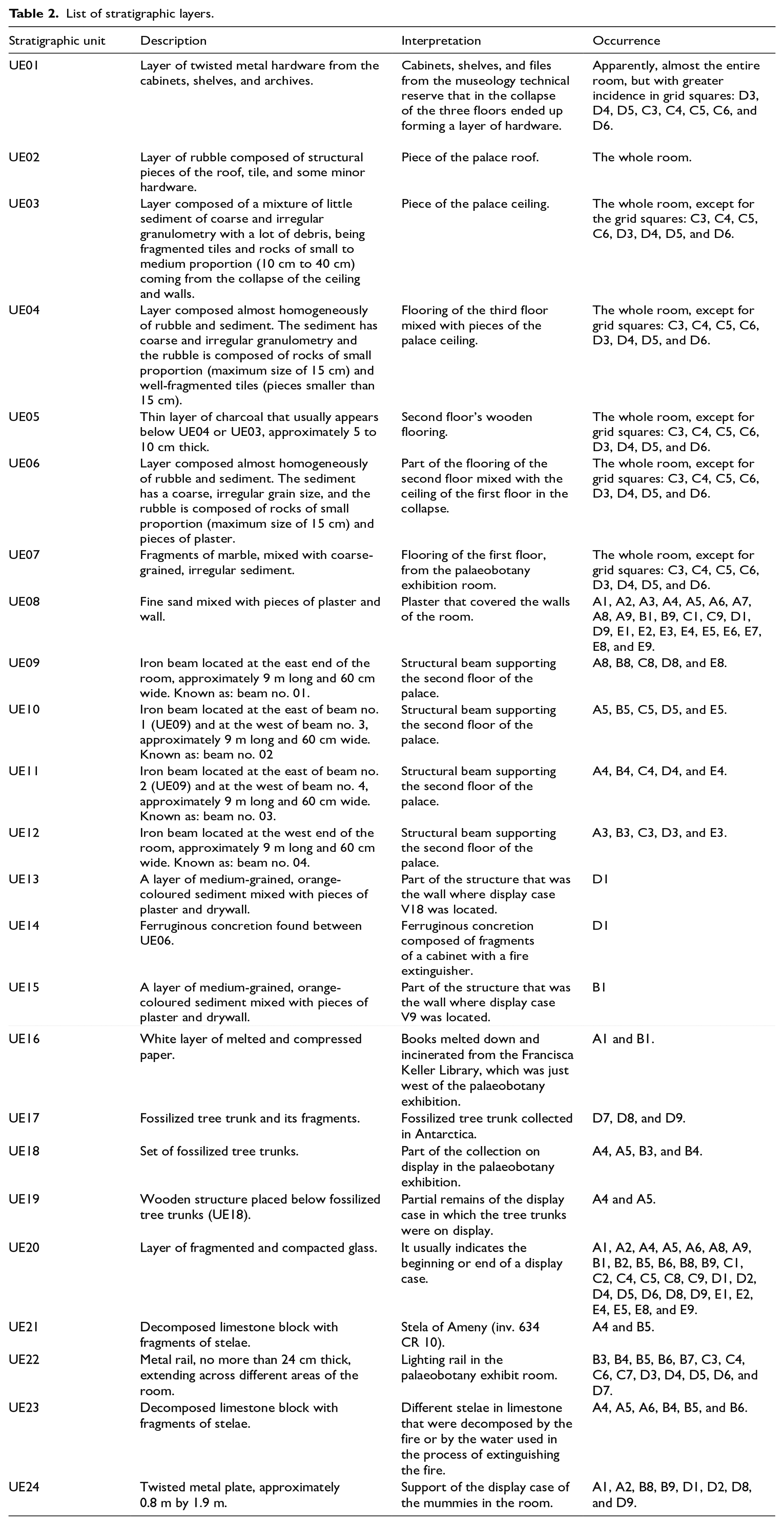
To enhance the record, a stratigraphic record of the context caused by the building collapse was also composed. The stratigraphic units of the room were recorded (table 2) to provide a narrative of the disaster and to use as a tool in the excavation process, as it was important to know which ‘floor’ we were excavating. Later, these recordings were used to create the room’s Harris matrix (fig. 3).
List of stratigraphic layers.
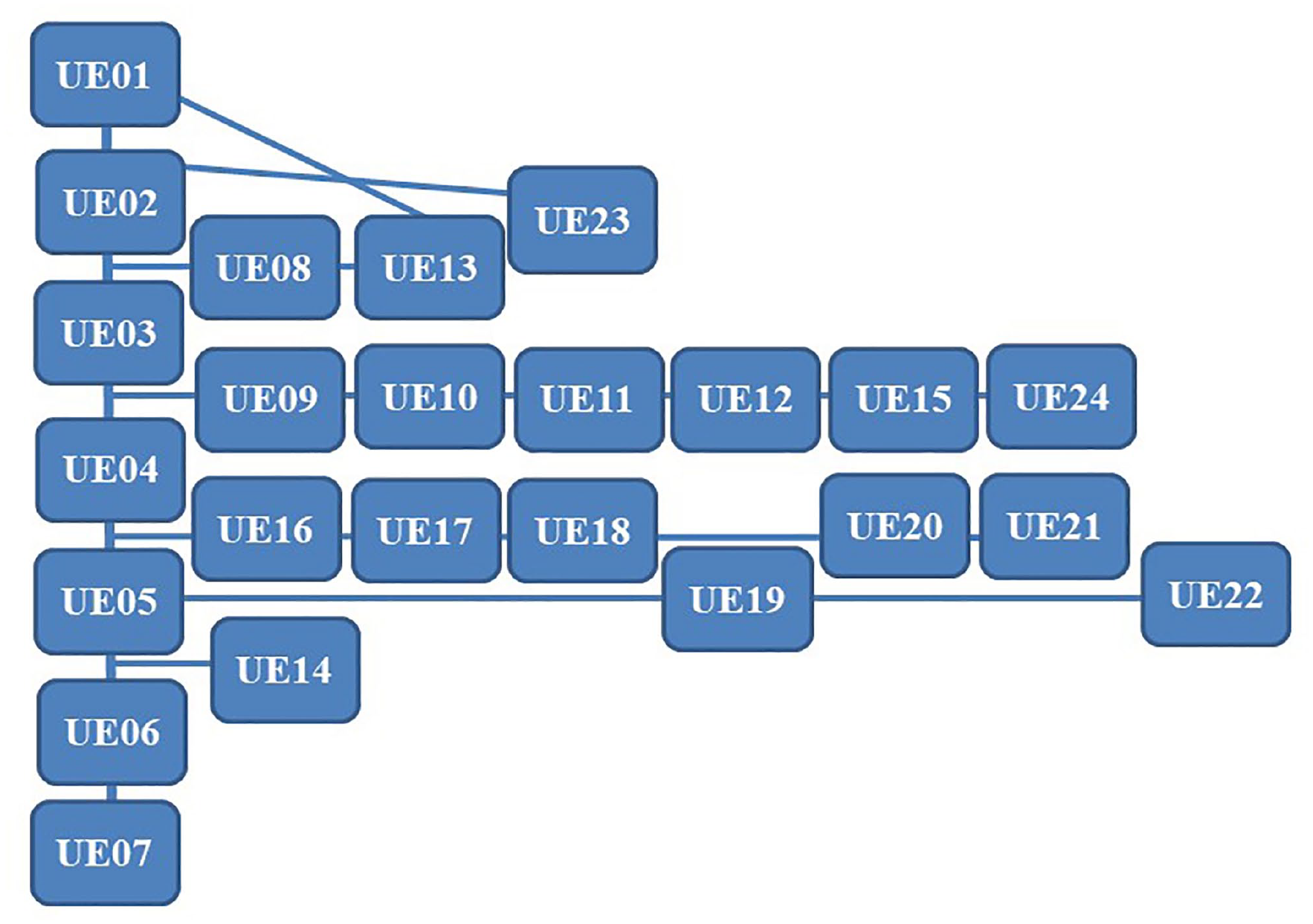
Harris matrix of the room (sketch: Pedro Von Seehausen).
Preliminary Results From the Salvage Excavation
The surface collection phase ended on 25 April 2019, and the excavation phase was completed on 6 March 2020. During the fieldwork, approximately 300 artefacts were found and recovered. The documentation work on the collection was interrupted in March 2020 by the COVID-19 pandemic and underwent a long hiatus. It was resumed in February 2022, when the Federal University of Rio de Janeiro resumed its activities. Currently, work is being done to identify the pieces, diagnose their conservation needs, and map their damage in order to create an inventory and a catalogue of the surviving collections, beside gathering information for the definition of appropriate conservation treatments.
During the course of the excavation, it became apparent that the composition of the items directly influenced their chances of survival. Items made of wood and cartonnage, like coffins, funerary masks, shabtis, and statuettes, were not able to withstand the fire. In squares C6, D6, D5, D4, E5, and E4 pieces of charcoal in the shape of fragmented coffins were found. These were collected and we believe that an identification will be possible in future anthracological work. The human and animal mummies lost their soft tissues and bandages, but it was still possible to recover their bones under different taphonomic conditions.
The artefacts made of faience, ceramics, and terracotta, such as amulets, shabtis, and other statuettes, survived the fire and the collapse but were also altered. Among the main alterations observed during the field work, we found chromatic and physical alterations, cracks, dirtiness, and adherence of materials (fig. 4). The collapse also caused fragmentation and crushing of some of the pieces made of these materials.
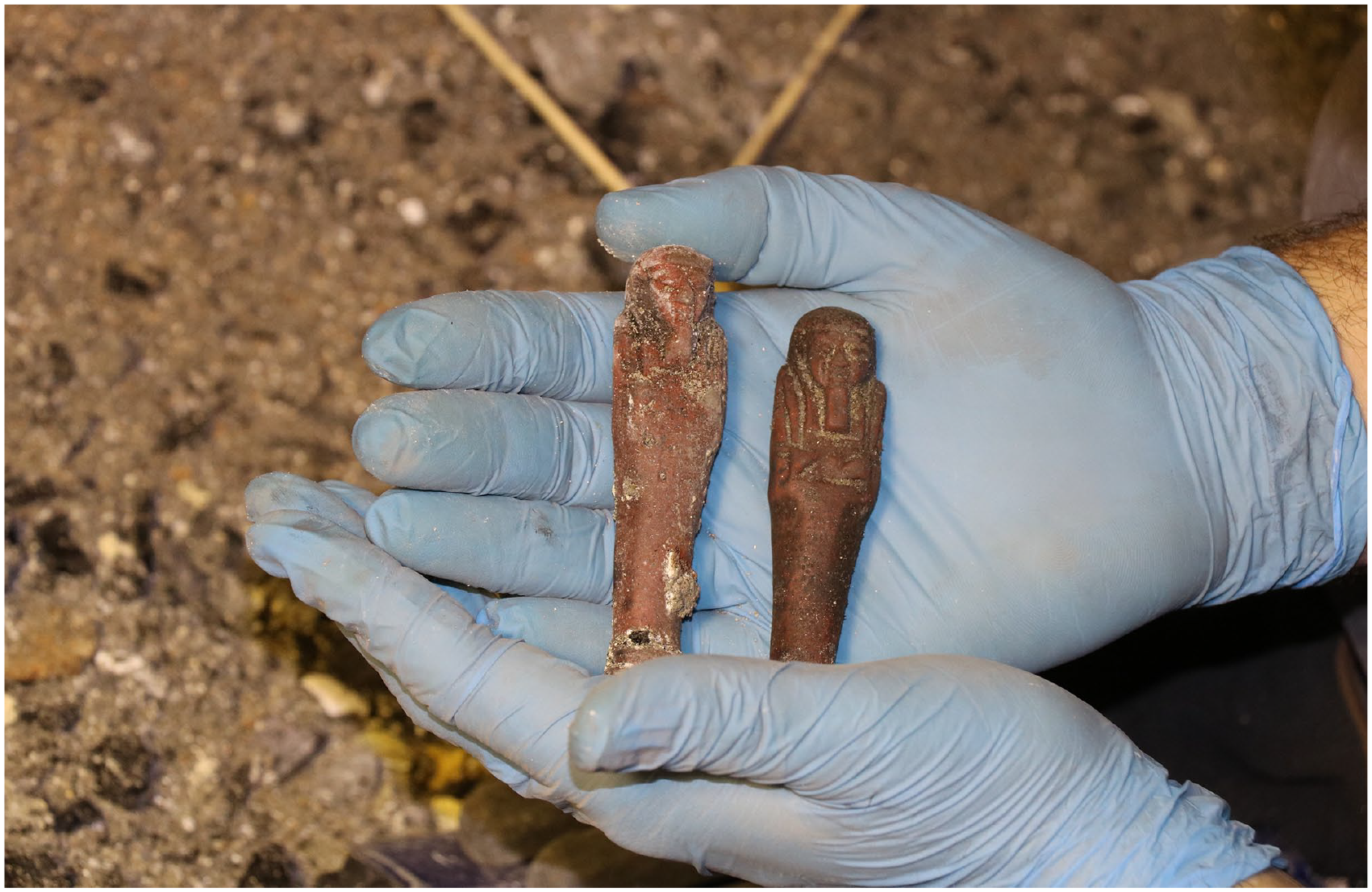
Shabtis with chromatic alteration and adherence of materials after the fire, in situ (photo: Gabriel Cardoso).
The bronze pieces, especially the votive statuettes, were recovered, with the exception of the statuette of Somtus (inv. 52 CR 196/2). It is possible that this piece was melted because of its size and previous degree of corrosion. 29 It’s worth mentioning that, since the temperatures reached over 1000ºC in some parts of the room, as is evidenced by the bent state of the steel beams that supported the building structure, some metal artefacts would have been melted.
Among the bronze votive statuettes, we must mention the rescue of one of the collection’s highlights, the statuette of Menkheperre, priest of Amun (inv. 81), which survived with very little apparent damage (fig. 5). The degree of corrosion of the bronze pieces is diversified, too (fig. 6). Some of the statuettes also showed melting, fragmentation, and other types of damage. 30
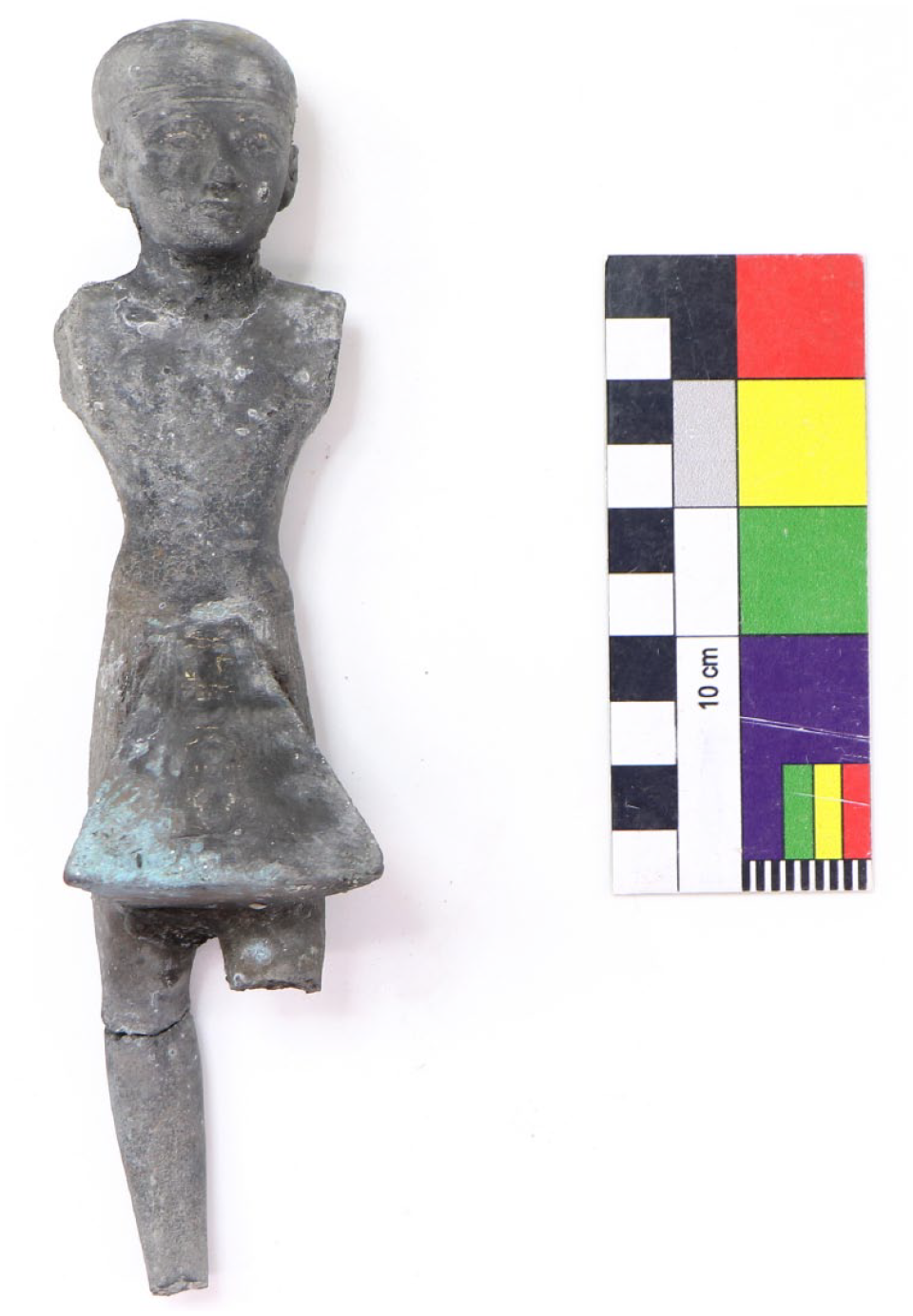
The statuette of Menkheperre after the fire (inv. 81 CR 76) (photo: Pedro Von Seehausen).
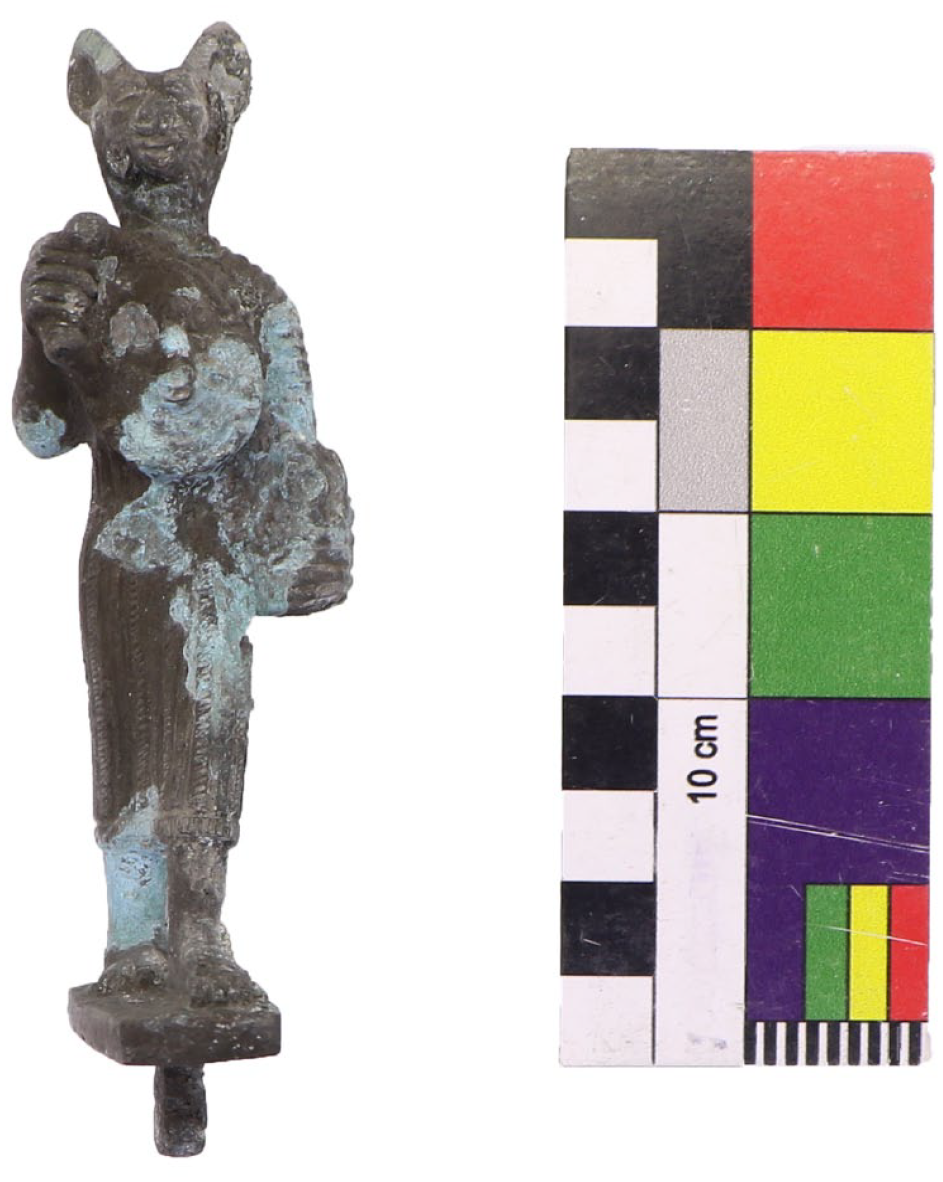
The statuette of the goddess Bastet after the fire (inv. 42 CR 200/2), with different types of corrosion (photo: Pedro Von Seehausen).
Limestone, sandstone, and alabaster objects also survived the fire, but showed different degrees of material alteration. During the surface collection and excavation phase, it was possible to recover and identify different canopic vessels, stelae, and statues. Some of these items are in good or average states of conservation, while some others present different degrees of fragmentation. Some limestone artefacts have begun a process of decomposition of the rock, triggered by the fire and the water.
In addition, a significant amount of unidentified fragments were recovered. Probably, the identification of these fragments, associated with future restoration work, will increase the number of items recovered in the Egyptian collection of the National Museum. We can exemplify this situation with a canopic vase lid representing the god Imsety (inv. 144), which the collapse smashed into five pieces. After the manual assembly and consolidation work, it was possible to reconstruct 90% of the original piece (fig. 7). This context typically applies to the other canopic vases and lids of the collection as well.
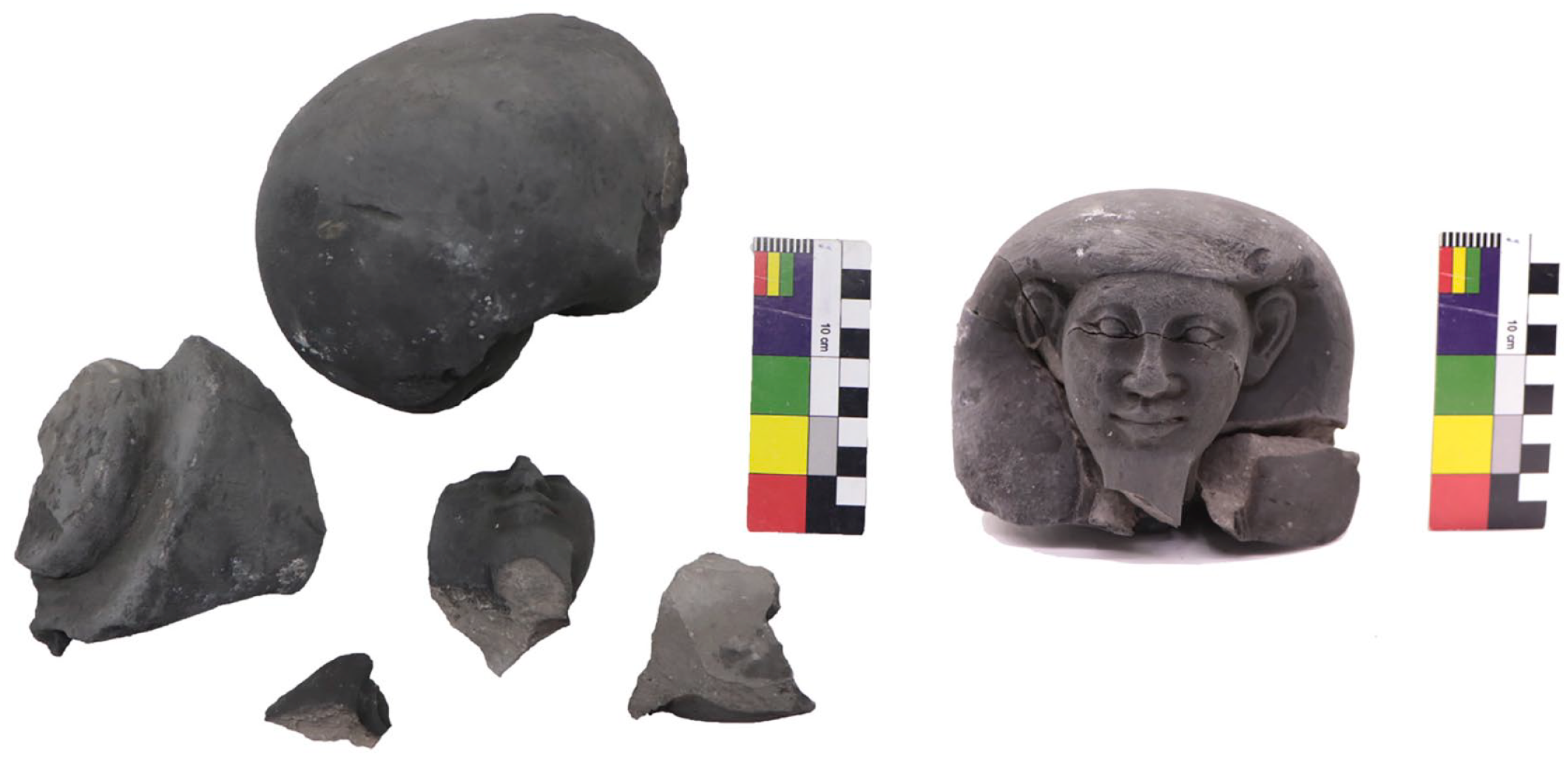
Canopic vase lid representing the god Imsety (inv. 144), after manual assembly and consolidation (right) and before (left) (photo: Pedro Von Seehausen).
The limestone stelae of the collection are in a relatively similar situation: the collapse and fall of the second floor caused many of them to fragment. In this specific area of the room, where the stelae were displayed, it was necessary to further subdivide the 2 x 2 m grid into 1 x 1 m squares, to better understand the collapse processes, to identify the stelae, and to make it possible to reassemble them at a later stage. During the excavation of this area, in addition to a group of stelae with little damage, a considerable amount of stela fragments were collected which will require further identification.
Along with the already known pieces of the collection, it was possible to recover the amulets that were inside the never-opened coffin of the priestess Sha-Amun-em-su (inv. 532), which were known only because of the tomography done in 2005. Based on the information generated by the tomography, during the rescue it was possible to adopt a more meticulous excavation and sieving methodology until all the amulets identified in the tomography images were recovered.
The scarab amulet found inside the Sha-Amun-em-su coffin is made of green feldspar and has no inscriptions. It was carved in such a way that every major anatomical detail of the insect was preserved (fig. 8). Six of the eight other amulets revealed on the 2005 CT scan were recognizable from the images: two djed pillars, two Isis-knots, and two wadj amulets (fig. 9).
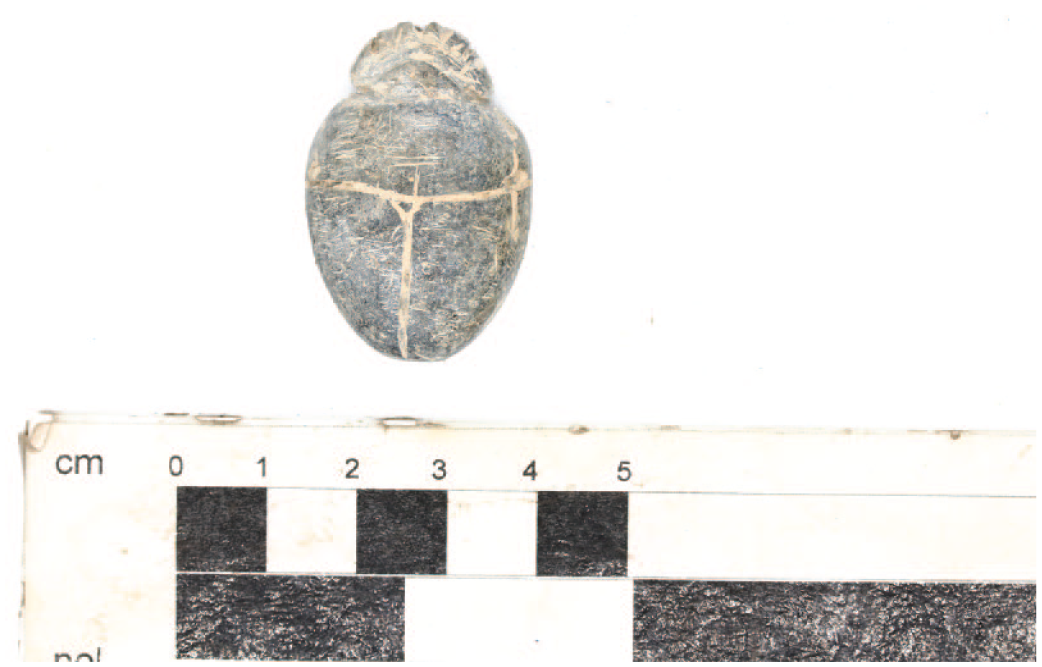
The scarab amulet of Sha-Amun-em-su (photo: Pedro Von Seehausen).
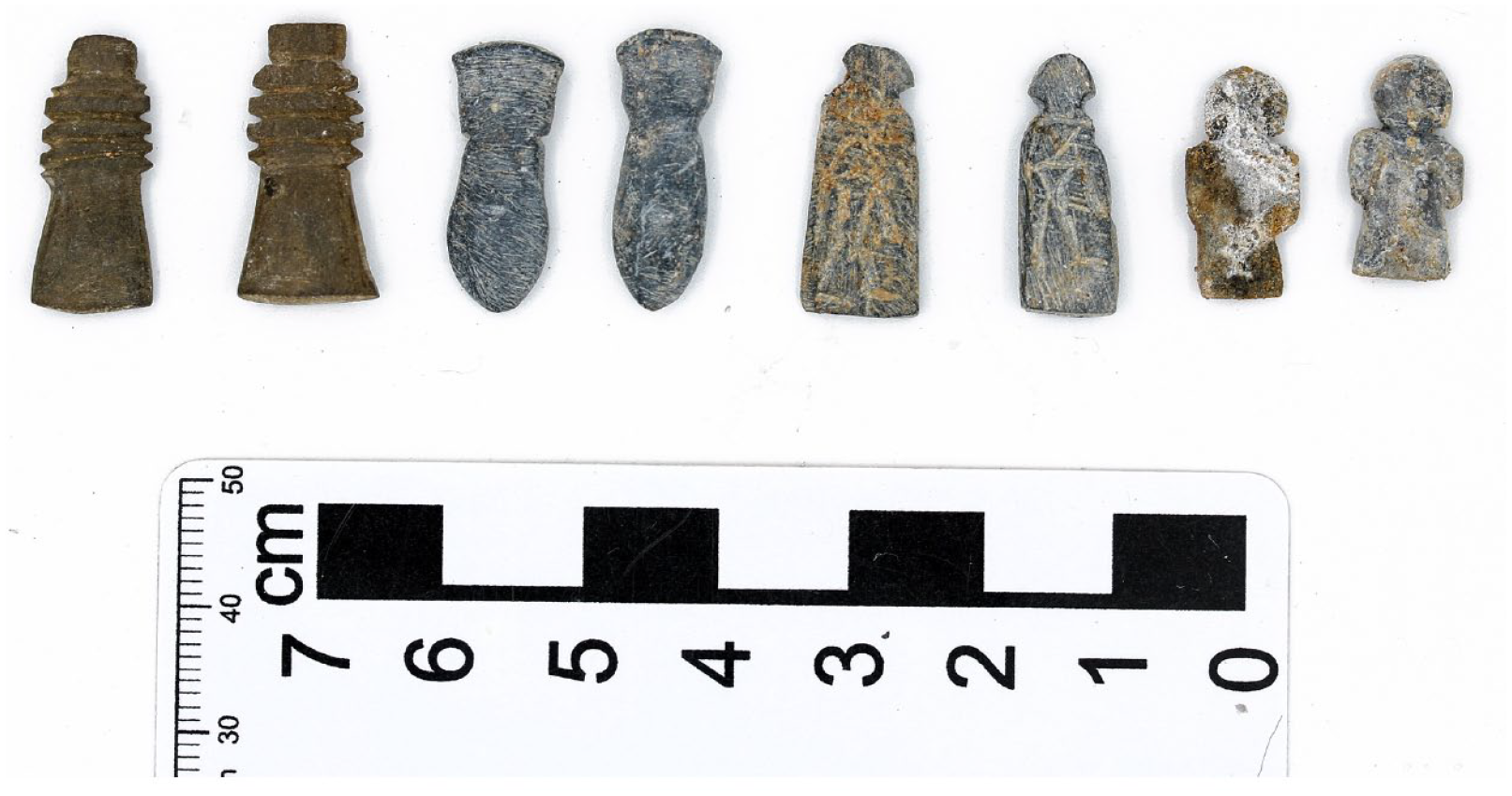
The amulets of Sha-Amun-em-su (photo: Pedro Von Seehausen).
After the rescue process, it was possible to identify the images of the deities engraved on these amulets. One of them was identified as the god Thoth with a human body and the head of an ibis wearing an atef crown (fig. 10). Another artefact identified is a human figure with the head of a falcon, and no crown. These amulets were made in green feldspar, the same material as the scarab.
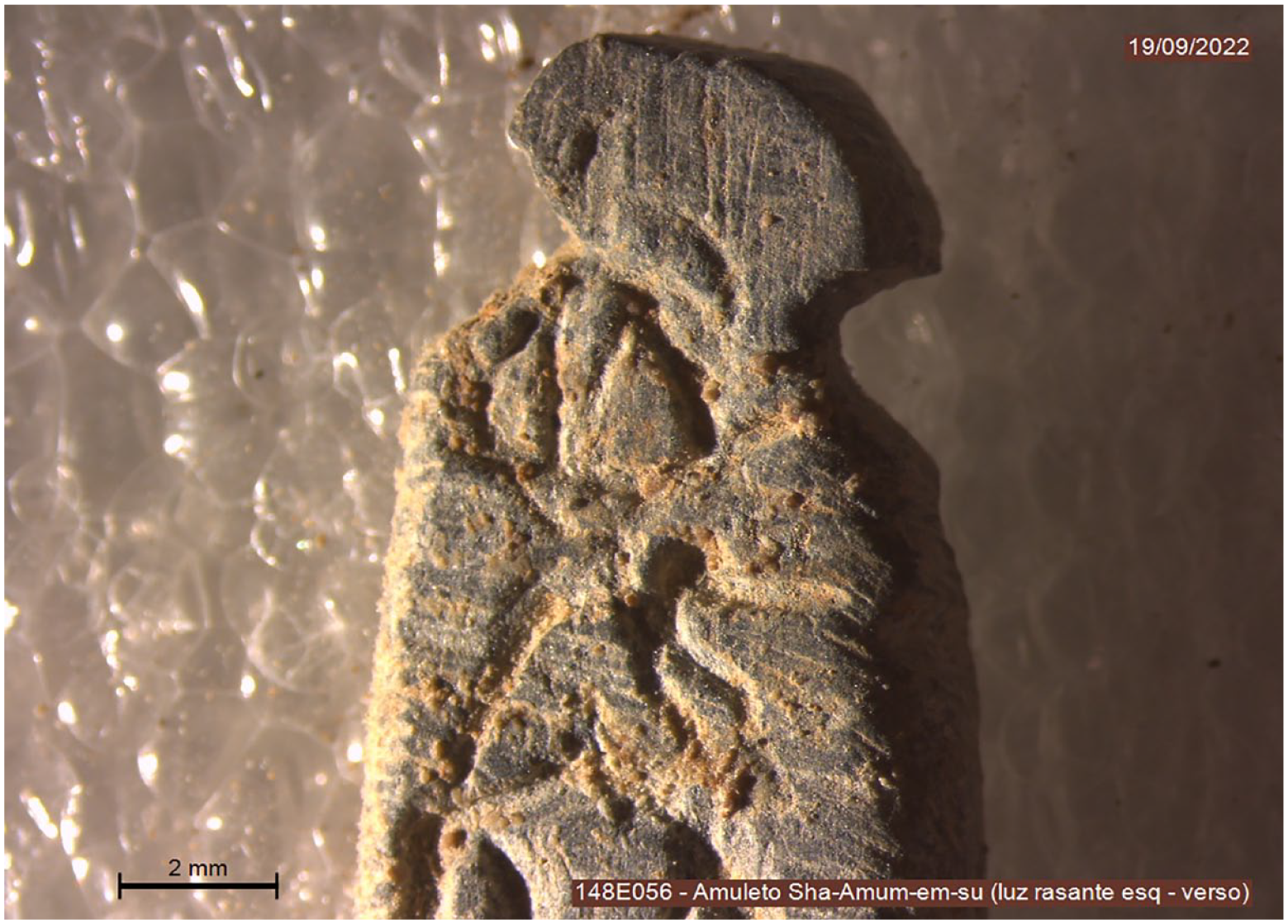
Microscope photo of the Sha-Amun-em-su amulet representing the god Thoth. Taken with a Leica M080 microscope (photo: Handerson Oliveira).
Overall, during the excavation we observed that the items’ original placing in the room directly influenced their chance of survival. Generally speaking, the items displayed closer to the corners of the room had a higher chance of survival than the items located in the middle of the room, where the absence of a well-defined stratigraphic profile indicated a more abrupt collapse. In the room’s corners it was possible to observe well-defined stratigraphic profiles. At some specific points, one could identify the second level’s parquet flooring (UE05), albeit charred; it was clearly visible and somehow preserved (fig. 11). The pieces in the room’s corners were usually associated with the stratigraphic levels of their respective floors, with a few exceptions, where intrusions occurred.
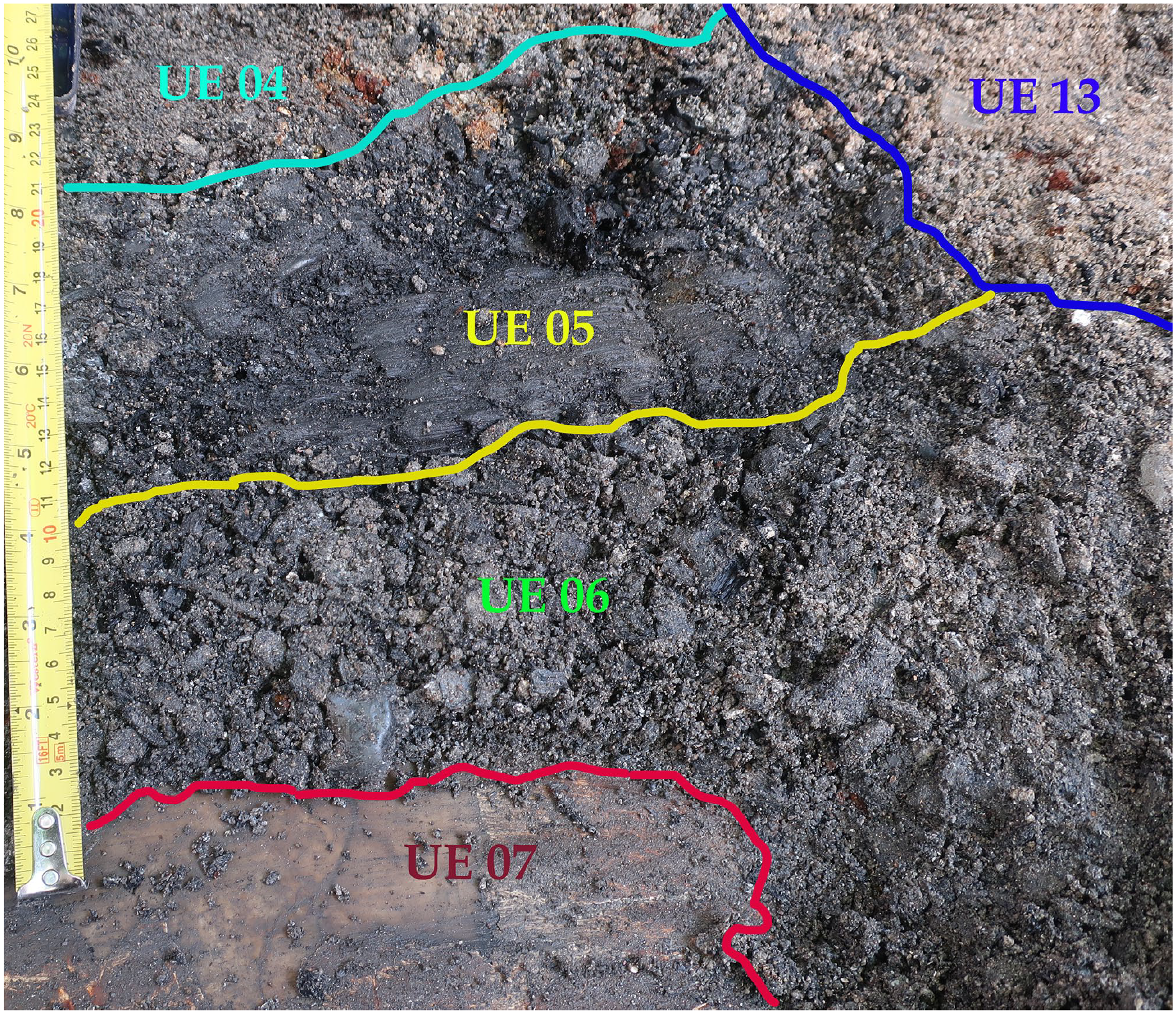
Stratigraphic profile of grid square D1 (photo: Pedro Von Seehausen).
In the middle of the room, this scenario is less common, and most of the pieces suffered major damage because of the collapse, with the exception of the material associated with the mummy of the priestess Sha-Amun-em-su found underneath one of the support beams that melted and crashed into the room (UE10). We believe that in this particular case, the beam helped preserve part of this mummy’s skeletal remains during the collapse.
Conclusions
After the tragic event of 2 September 2018, and an exhaustive rescue excavation, the National Museum now has around 300 pieces of its Egyptian collection. During the fieldwork we observed many pieces in varying states of conservation, many of which can luckily be restored. Although much work will be needed to identify all the fragments of the remaining pieces and map the damage caused by the fire, it will prove to be absolutely essential for future restoration projects and also future exhibitions.
Currently, the rescued collection is in the process of being inventoried, including the damage and all the pieces rescued in the excavation. There are plans to turn the data obtained in this inventory into a catalogue of the collection after the fire.
In a bittersweet way, the tragedy has brought new life to the pieces by adding a chapter to their history, and understanding the materials’ transformation processes caused by the fire and collapse opens a whole new range of investigations, many of which are already under way. Currently, there are three PhDs and one master’s student working on the materials rescued from the National Museum: regarding the human remains, Victor Guida is analysing the fire’s effects on the bone fragments rescued, whereas Farias is researching the ethical implications of their preservation. Marina Buffa César is researching the morphological transformations of the collection’s shabtis, while Deborah Ribeiro is examining the kohl vases.
Due to the modifications to the stelae and the equipment loss, Von Seehausen changed the focus of his doctoral dissertation to include the research conducted before the fire, the rescue excavation of the Egyptian collection, and some techniques for restoring the pieces using the data from the 3D files from before the fire. He defended his PhD thesis in April 2022. 31
The fire put the Egyptology collection of the National Museum in a position that would require a rebirth, in a manner of speaking. This could be done on many fronts, but the rescue of the collections brought the possibility of it being based on materiality. Largely thanks to the work of the Collections Rescue Team, the National Museum still has an Egyptian collection. This collection will continue to tell different stories through its materiality, and the fire will become a mere chapter in its biography, not the epilogue.
Footnotes
Acknowledgements
We would like to express our gratitude to the following people for their assistance with the excavation and rescue of the Egyptian collection: Sérgio Alex Azevedo, Luciana Witoski, Marcelo Brito, Pedro Henrique Gomes, Arthur Castro, Tathiana Gomes, Maria Elizabeth Zucolotto, Helder de Paula de Silva, Mário Polo, Marcela Laura Monné Freire, Gabriel Cardoso, Guilherme R. S. Muricy, Manoela Wojovicz, Marcos Davi Duarte, Letícia Gomes, Bárbara Maciel, Letícia Romualdo Dutra, Cleide Martins, Mariane Duarte, Marina Coppoli, João Gustavo Cha-Chá, Victor Guida, Isabela Sá Ribeiro, and Juliana Emenes.
Funding
Following the fire, the National Museum received funding from the German Ministry of Foreign Affairs, the British Council, and a large number of anonymous donations aimed at supporting the salvage excavations of the palace ruins.
12
Jornal Astrea, 29 July 1826. Antiguidades na alfândega do Rio de Janeiro <http://memoria.bn.br/docreader/DocReader.aspx?bib=749700&PagFis=63> (accessed 12.01.2023).
18
On the development of Egyptology in Brazil, see: Bakos 1998; Rocha 2017;  .
.
19
For the 3D scanning of the stelae, statuettes, and coffin fragments see: Lopes, et al. 2013. For the work with the 3D tomography of the human mummies in the collection, see: .
30
Amaral, et al. 2021: 36.