




Abstract

Index’s
The 59-year-old journalist suspects that a government official was behind the firebombing of his vehicle in May, which was just the latest in a series of aggressions that have left him in a state of constant anxiety.
“You try to be strong,” Duarte told Index. “But I have suffered physical damage [and] death threats, people have robbed me, and they have killed my pet dogs.”
Campaign groups are calling for greater investment in the treatment of psychological problems in the lead-up to World Mental Health Day on 10 October. But few Mexican media outlets provide care for the reporters at the frontline of the nation’s security crisis – even though they work in the deadliest country for the press in the western hemisphere.
At least 133 media workers have lost their lives because of their reporting in Mexico since 2000.
That figure includes Jorge Armenta, a close friend of Duarte’s, who was shot dead as he left a restaurant in Ciudad Obregón in May. And unknown assailants killed journalist José Luis Castillo in the same city in June.
Besides dealing with the loss of colleagues to violence, Mexican journalists routinely suffer threats and physical aggression. While the exact emotional toll of such an environment is impossible to quantify, trauma research points to acute levels of psychological distress.
One recent review of 35 studies on the emotional well-being of media workers from around the world concluded that “rates of psycho-pathology among journalists appear to be higher than in the general population”. Increased exposure to potentially traumatic events and poor social support were both risk factors for greater distress.
In 2012, neuropsychiatrist Dr Anthony Feinstein published one of the few studies focused on Mexican media workers.
He observed alarming rates of post-traumatic stress disorder, anxiety and depression among the sample. Feinstein also found a quarter of the journalists he studied had stopped covering stories because of intimidation.
Drug cartels had managed to “undermine the freedom of the press”, Feinstein told Index. “The media were being manipulated through fear.”
Forensics inspect the body of someone who tried to steal the vehicle of journalist Hector de Mauleon in Mexico City, May 2019
CREDIT: Pedro Pardo/Getty
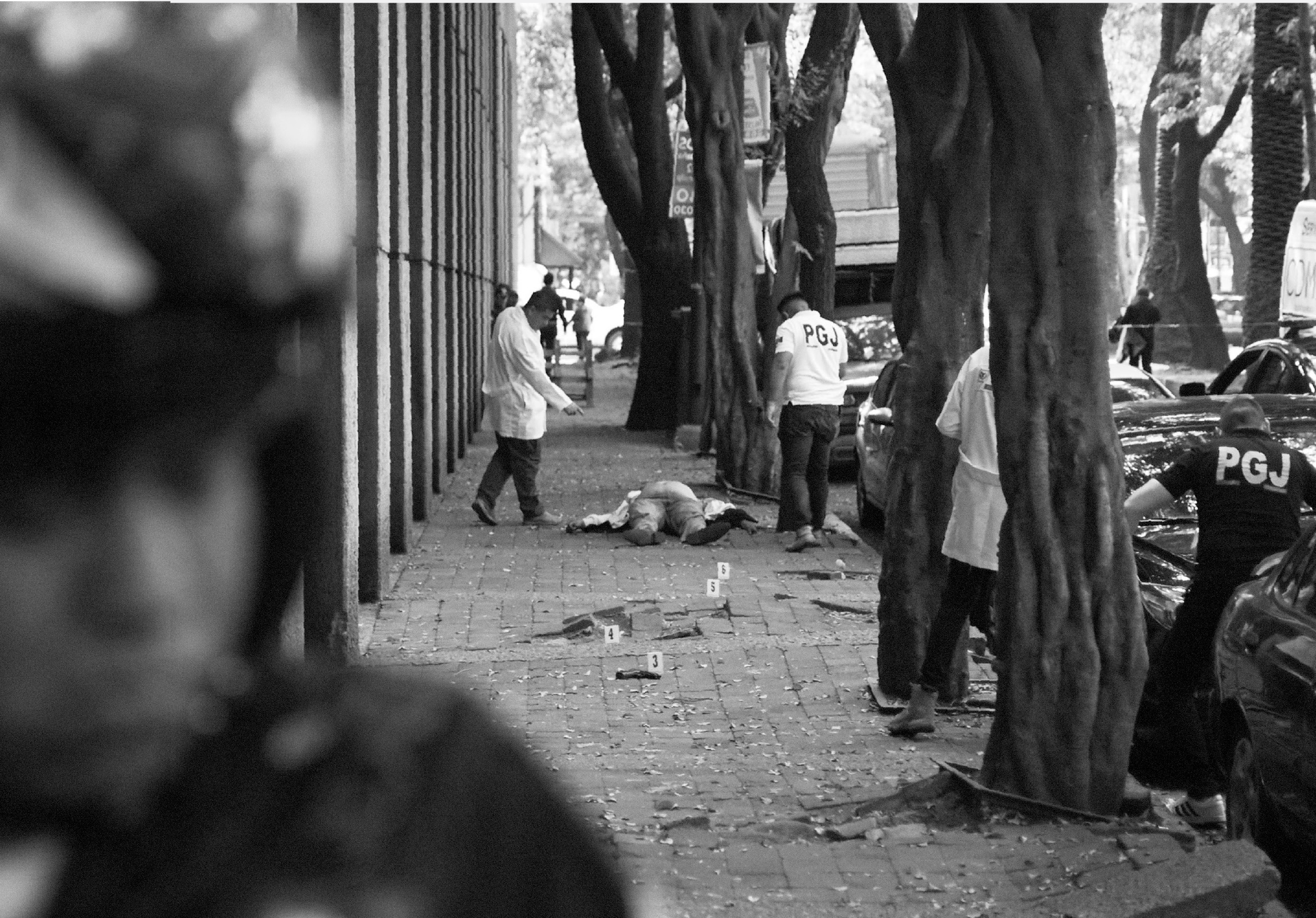
In a follow-up analysis published in 2013, Feinstein concluded that Mexican journalists working in dangerous areas had even more symptoms suggestive of psychological disorders than war correspondents did.
“The typical conflict reporter flies into a war zone for three or four weeks and returns to their country of origin,” Feinstein said. “But [Mexican journalists] don’t have the option to go back to recouperate and recharge their batteries. There is no such downtime for this group. They are living in very dangerous areas, doing extremely dangerous work.”
Feinstein also observed that fear for the safety of family members was the “single biggest factor undermining [the journalists’] ability to do their work”.
Duarte told Index that concerns for his wife’s physical and psychological wellbeing were the main source of his own distress. Both are receiving counselling as part of Mexico’s Mechanism to Protect Human Rights Defenders and Journalists. Established in 2012, this manages the safeguarding of more than 1,000 people.
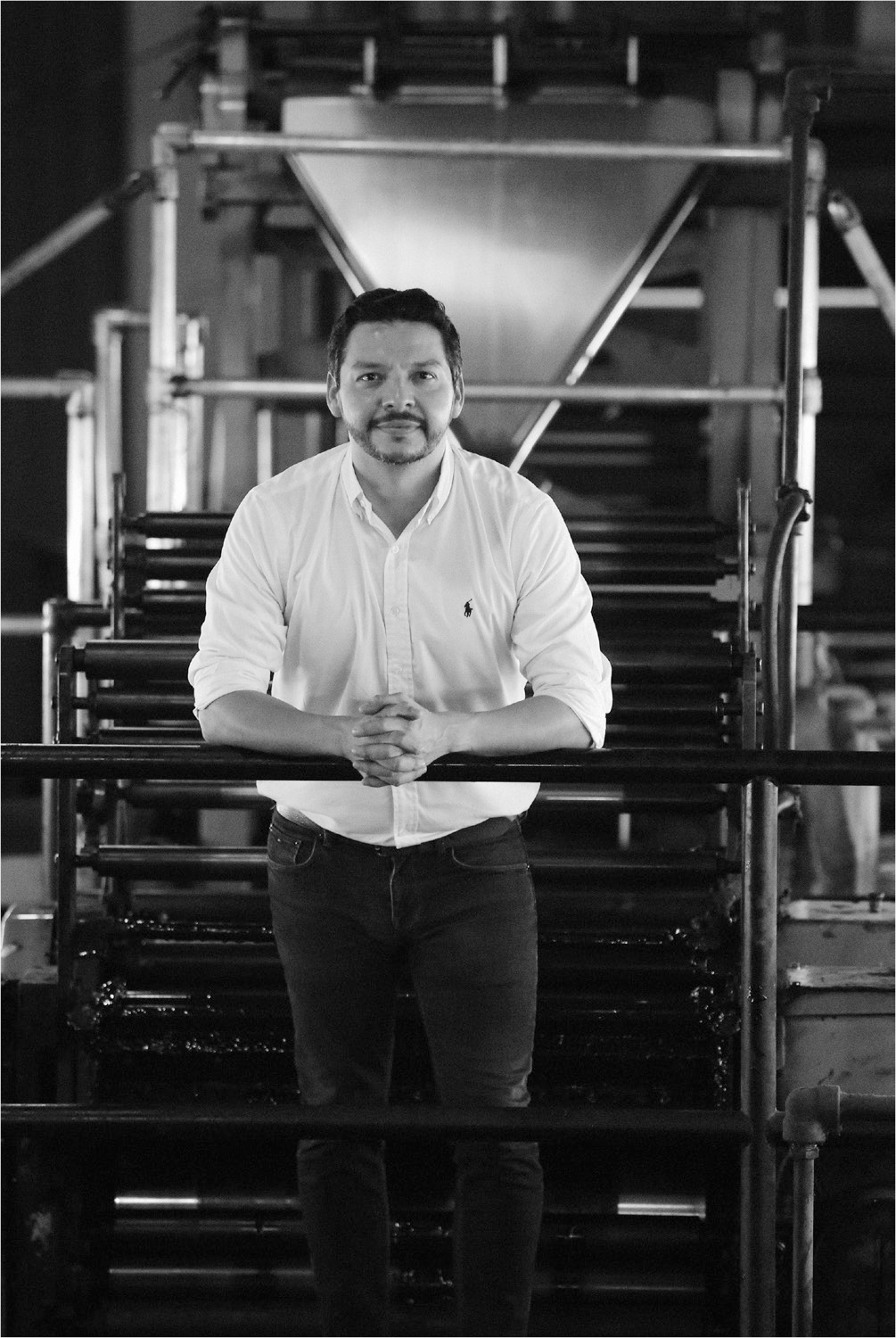
The journalist Adrián López, whose newspaper offers free psychological support to staff
CREDIT: Noroeste
Given the level of risk Duarte faces, the programme has offered to move him to a safe house in another city. But he has refused, as he worries his tormentors will destroy his home in his absence. He says moving would also deprive him and his wife of a support network of friends and colleagues.
According to Diego Martinez, a human rights lawyer who has represented at-risk journalists, the mechanism does little to address the impact of trauma on freedom of expression.
“The specific aim of moving journalists … is to offer them physical protection,” he said.
“But in protection mechanism meetings, mental health solutions are rarely discussed.”
While Martinez is not pushing for the removal of safe houses from the programme, he is calling for greater consideration and investment in the emotional impact of attacks. By only protecting physical wellbeing, Martinez says the relocation scheme generates other issues for victims.
“When journalists completely change their lives because of a specific traumatic event … they have to get used to a new environment and to not seeing friends or family,” he said. “They also have to stay in the shelter most of the time, sometimes without the possibility of leaving.”
Gladys Navarro, a reporter for El Universal newspaper, believes the Covid-19 pandemic has compounded the existing mental health crisis for Mexican media workers. She points to health fears, the stresses of social distancing and increased job insecurity as the principal sources of strain.
Navarro lives in the coastal state of Baja California Sur, which had avoided the drug gang violence that rocked other parts of the country. “Crime reporting used to focus on car accidents, fights, robberies; crimes of that nature,” she said.
In July 2014, a cartel shootout in the state capital La Paz marked the beginning of a wave of murder that swept across the peninsula, and the press had to function in a deeply traumatic environment.
“Crime reporters had to cover high-impact crimes: executions and dismembered bodies … There were clandestine graves and, from 2017, bodies began to appear hanging in public places.”
Although the crime rate has declined in the past two years, the emotional consequences of the outbreak linger. “Many journalists suffer chronic insomnia and anxiety disorders,” Navarro said. “There was no training or support… We went out without any of that.”
Navarro said the experience had fostered a culture of solidarity among reporters in the state. They have since developed security protocols, formed a collective and organised protests. But access to counselling remains limited. Navarro has been in therapy for a year, covering the cost herself as no organisation or government body has offered to pay for the treatment.
In recent years, freedom of expression groups such as Article 19, Periodistas de a Pie and the Dart Centre for Journalism and Trauma have offered counselling and mental health workshops to Mexican media workers.
And Noroeste, a newspaper based in the troubled Pacific state of Sinaloa, is one of the few media outlets in the country to offer free psychological support to staff as a permanent option.
“We decided to hire a psychologist because we realised there was still this false idea that if you felt vulnerable, you couldn’t handle the job,” said Adrián López, Noroeste’s director general.
“We don’t have access to any information on who visits [the psychologist], nor do we refer people to them. We just insist our editors let everyone know the resource is there.”
In some parts of the country, such as the border state of Tamaulipas, the drug cartels and corrupt officials have won. Investigative journalists have fallen silent, unable to report on their surroundings for fear of violent retaliation.
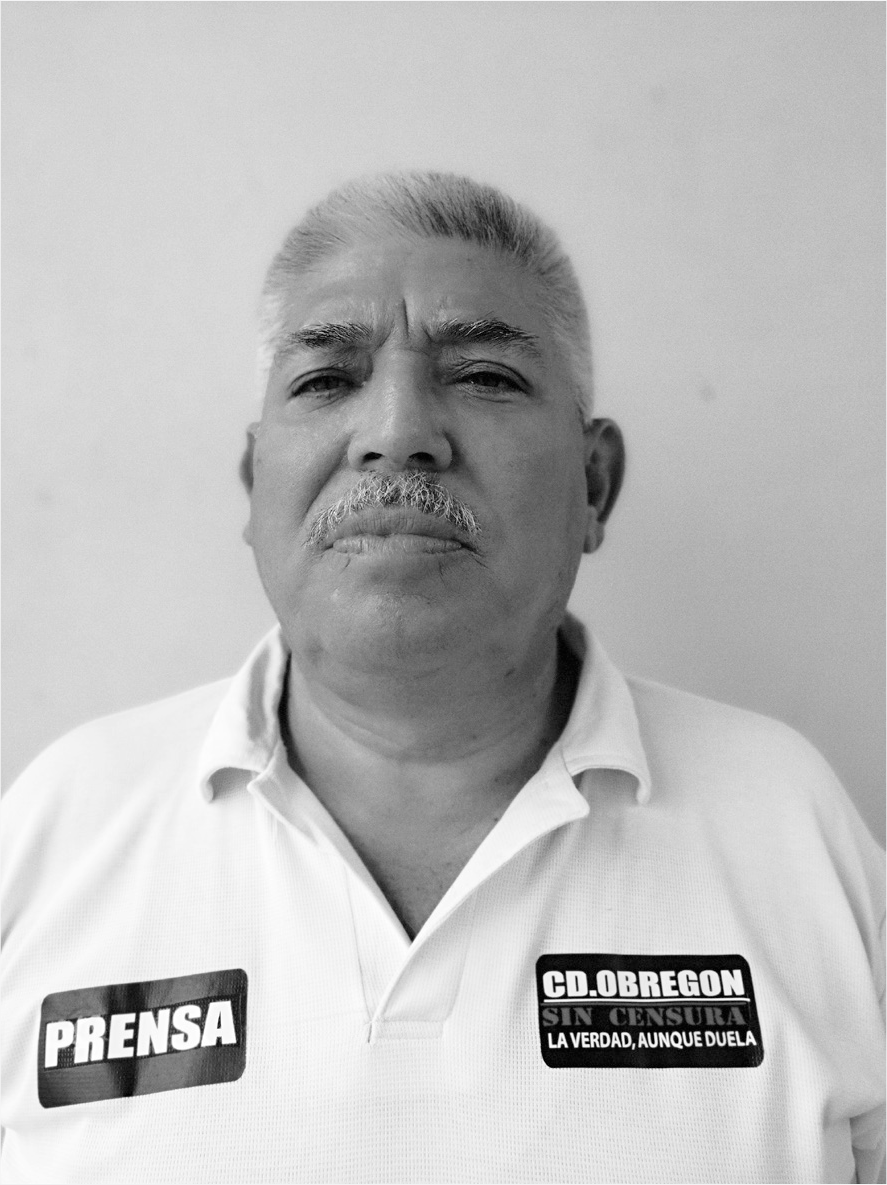
Marco Antonio Duarte, whose car was bombed back in May
CREDIT: Marco Antonio Duarte
The predicament illustrates the threat that a traumatic landscape poses – both to individual journalists and to journalism itself.
López believes the failure to provide adequate psychological support to staff was a major factor driving the freedom of expression crisis across Mexico and represents a significant moral failing of the industry. According to him, cost concerns are the main reason managers refuse to add psychologists to the payroll. But he argues that therapeutic interventions make sense, even in purely economic terms.
“It would be more expensive to lose a journalist because they burn out or abandon their passion and discipline. All that is more expensive,” López said. “It can be difficult to sustain these policies, but it’s always cheaper to have a stable organisation.”