




Abstract

Helen Lewis tells
The term Terf, first coined in 2008, has taken on a life of its own in recent years. Like a heat-seeking missile, it races through the internet at breakneck speed, ready to smash into anyone who says the “wrong” thing in reference to trans people. Just ask JK Rowling and other women who have been labelled as Terfs. For Lewis, it’s a term of sexist abuse; “a stain that’s put on you”.
“It’s basically putting a label on somebody that says ‘you don’t have to listen to anything else this person has to say’.”
The backlash has led to many people becoming wary of discussing anything related to trans issues.
“That has happened, I think, to trans people on both sides of the argument who – [and] obviously this is a very personal issue to them – have felt quite burned by it, but also to women and feminist campaigners and people who actually just want to find out more,” she said.
Herein lies the problem. As many avoid the topic for fear of offending, the level of knowledge and understanding of trans lives, identity and experience is poor, says Lewis. And in this climate, where the middle ground is missing in action, anti-trans voices have more prominence than they should. “You see unsavoury people [latching on to} the arguments and then you get exactly what happened in the immigration debate – a sense that there are big truths out that no one is allowed to say. Actually introducing some light onto that conversation would mean that those nasty bits wouldn’t fester.”
Lewis gives an example of the line that trans people are “innately predatory”.
“[It] is pushed by unsavoury people on the far right and people get the sense that, because we are not allowed to talk about what happens in prisons (because that would get us in trouble), that maybe there is something in it, maybe there’s something that we are not allowed to be told. Whereas having a sensible, grown-up conversation in the open would, I think and I hope, actually put those issues in perspective.”
Lewis says that left-wing newspapers in particular are self-censoring. They have not been “harbouring any space for debate, acquiescing to the idea that any debate was in itself harmful and transphobic”.
Lewis says she’s aware of an internal debate at The Guardian among female staff members who feel that the issue hasn’t been covered in a balanced way, although she says this is beginning to change (as evidenced by a recent article from Suzanne Moore). She also notes she has been lucky to have “bosses who always defended my right to write about difficult topics”, but even then she says that in her past role as deputy editor at the New Statesman she was resented for publishing a range of views.
CREDIT: Patric Sandri/Ikon
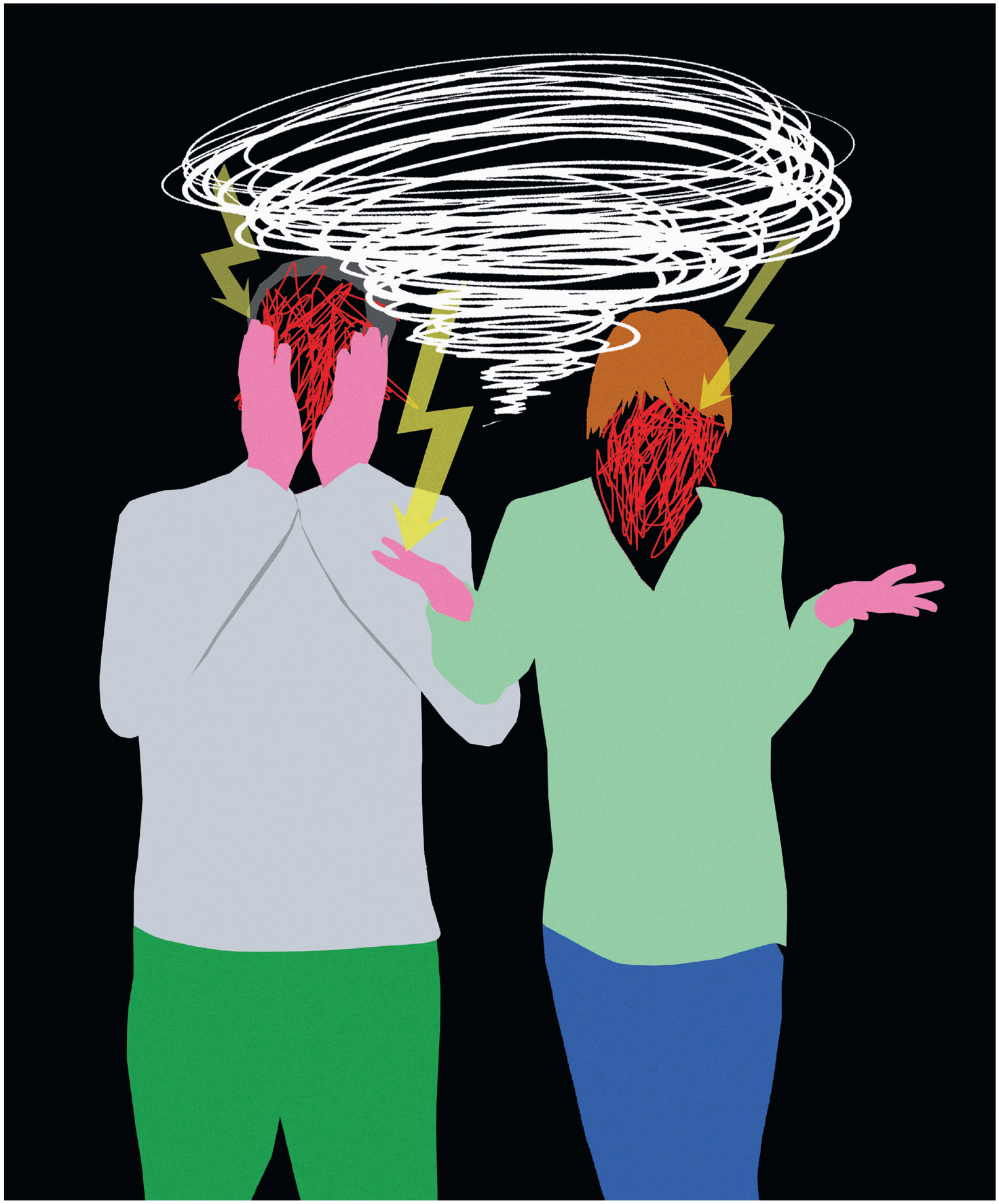
“People felt that only one view was acceptable,” she said. She says many use the phrase “being on the right side of history”; and if people, particularly on social media, want to signal they are opposed to racism, sexism, homophobia or transphobia, they find an opinion which makes their case and then parrot it without necessarily engaging with the details.
So where does all this leave the average person?
“If you’re a random schoolteacher or cleaner or civil servant, why have an opinion on a subject that could lead to complaints against you to your professional body, could lead you getting censored by your employer, could lead to you ending up on a site on the internet with a label against you?” she said.
And people are also reluctant to engage if it could threaten their jobs, as was seen in the case of Maya Forstater, a tax expert whose contract was not renewed at a charity last year following comments she made on Twitter about transgender identity.
“If it’s not a life or death issue to you immediately, [you] think, ‘why stick my neck out?’. I know academics who have had complaints to their professional unions, people try to ‘no platform’ them,” she said.
She adds that event hosts might also try to programme an event on the condition that there is a balance of views – someone in favour of self-identification and someone against – but they can’t find anyone to speak in favour “because they say they won’t appear on a platform with ‘transphobes’, so the whole event gets cancelled”.
Of course, name-calling and women turning on women isn’t unique to those discussing trans issues. Lewis, whose book Difficult Women: A History of Feminism in 11 Fights was published this February, is all too familiar with how women can be their own worst enemies.
Of the feminist movement specifically, she says: “Any movement ends up with hierarchies and interpersonal rivalries… I don’t know why we would ever think that feminism, because it’s mostly women, would be immune to forces that are pretty much constant across all of human life and hierarchical organisations.”
Rather than condemning those who choose to remain silent, Lewis is sympathetic. “It’s a difficult thing to put yourself at odds with the prevailing culture.”