




Abstract

Fiction writers increasingly face controversy if they write about characters who don’t reflect their personal experience.
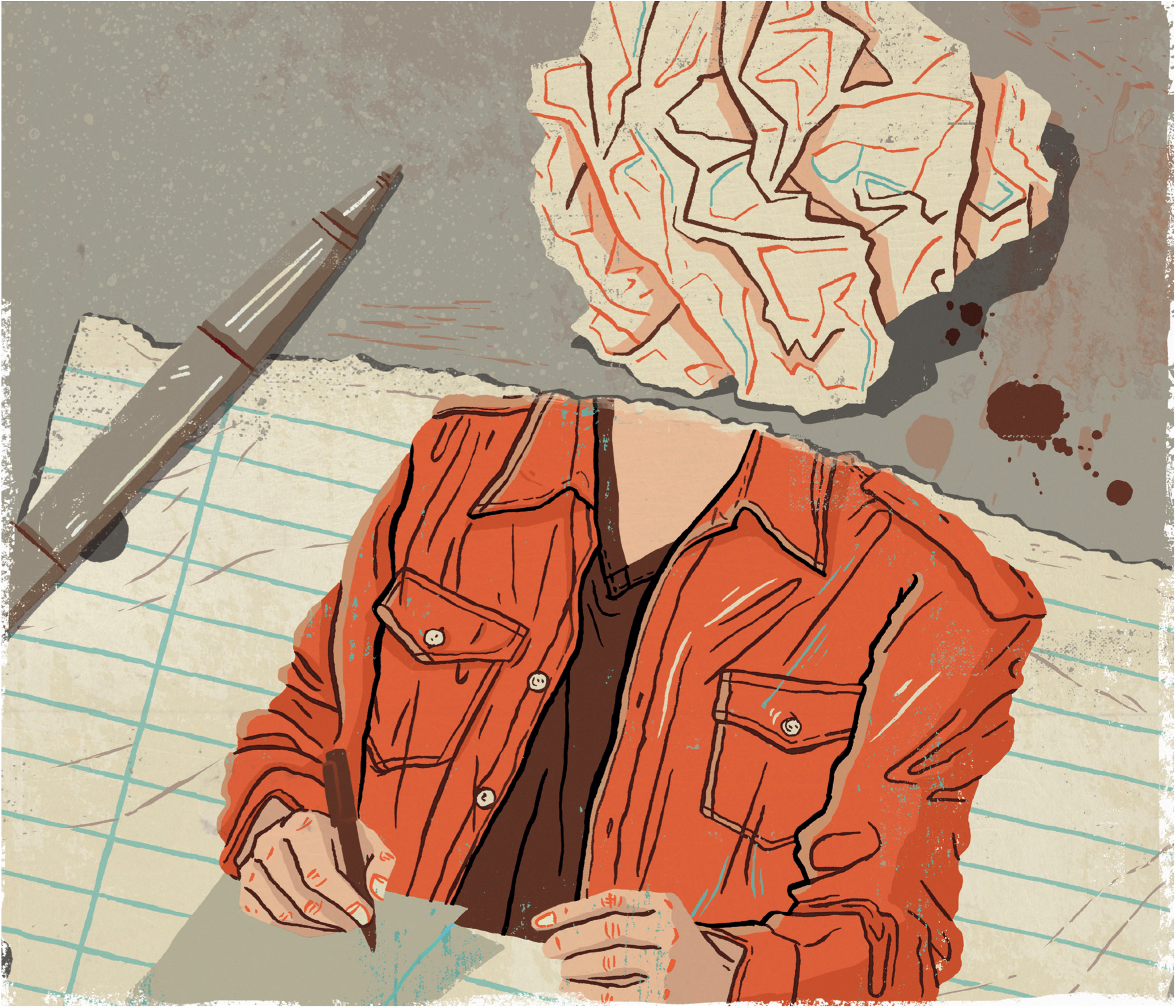
Drake worked on her new draft with “sensitivity readers”, to whom publishers are increasingly turning in order to vet manuscripts for, as the Writing in the Margins database puts it, “internalised bias and negatively charged language”. They also look at “issues of representation” across fields from disability to – as in Drake’s case – race.
Writers and publishers tread a thorny path between the vital drive for more diverse representation in literature and the charged atmosphere online, where public outcry follows accusations of cultural appropriation.
Does this mean that novelists shouldn’t tackle “other” voices? Does it mean that acclaimed titles of the past would be received differently today?
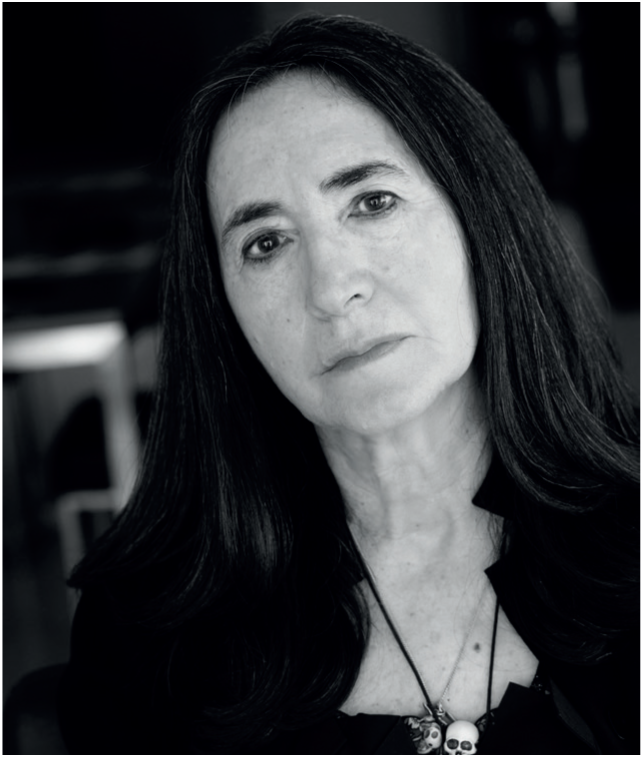
Francine Prose
FRANCINE PROSE, NOVELIST and former president of the PEN American Center, had the disconcerting experience of being able to see exactly what would happen if her novel Blue Angel, which was nominated for the National Book Award and published to great acclaim in 2000, were to be submitted to publishers today. A film based on the book, Submission, was released this year: “Movie About Student-Teacher Affair Fails Gender Politics 101,” screamed the headline in Rolling Stone in response.
“It’s about a college professor who falls in love with a student. The novel got very well received here and did really well and then the film came out… [It] was just shredded because it was perceived to have come out on the wrong side of the #MeToo movement. And it was the same story as the novel, essentially,” Prose said. “There were a number of reviews that made me sound like I was some right-wing anti-feminist nutjob when, in fact, nothing could be further from the truth. It was very weird.”
Francine Prose
Blue Angel
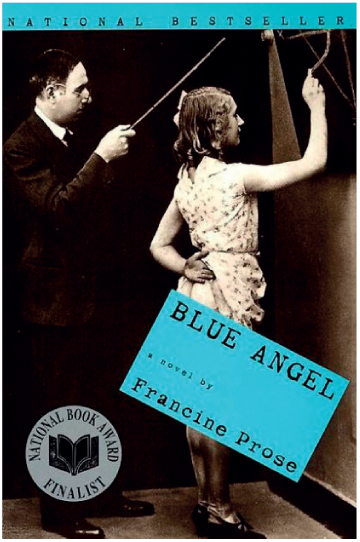
Prose believes the reaction of publishers would have been completely different if she had submitted it today. “One of the reasons the novel resonated when it came out was that people recognised that these things happened. I think now people seem to think if they do happen they only happen a certain way – which I don’t believe. They’re not always cases of predation. They can be love affairs gone very badly with a power differential. Those are two very different things,” she said.
“And let me just say – and I really need to be clear in these situations – I am very much on the side of the #MeToo movement. I don’t believe that rapists should be allowed to wield power over women in the workplace but that’s not, in fact, what happens in my novel. [Reviewers today] can’t even see the young woman has power, although it’s perfectly clear. All they see is ‘older professor has affair with younger student equals predator’.”
Melvin Burgess
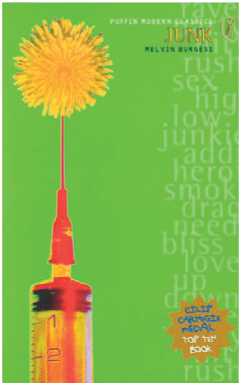
MELVIN BURGESS IS the Carnegie Medal-winning author of the controversial young adult novel Junk, which deals with drug addiction.
“Junk was shocking back in the day because YA wasn’t a recognised form [of literature] in this country at the time… These days it wouldn’t cause such a stir and I like to think it would be taken up pretty quickly,” he said. “If I were to pick books that might struggle it would be the more experimental ones, the oddities, such as Lady: My Life as a Bitch, or Sara’s Face.” The former sees a teenager turned into a dog, the latter is a creepy thriller about plastic surgery.
Melvin Burgess
Junk
CREDIT: (Prose) Christine Jean Chambers; (Illustration) Eva Bee/Ikon
“YA commands big sales now and I don’t think publishers are so willing to take risks and get books out there that might not sell so well. Mind, I’m talking about the big publishers now – there are plenty of smaller ones who publish for the love of books rather than just for profit. It’s definitely the smaller outfits that grow talent and aren’t so ruled by profit and loss,” said Burgess. He has just published a new novel, The Lost Witch and has been unable to find a publisher for his memoir about his own teenage years.
“When it got turned down, I had all sorts of people knocking at my door asking for the film rights and so on, on the grounds that, since I wrote it, it would be a great heap of sin and degradation. But nothing could be further from the truth. Like a lot of teens, I had a fairly boring adolescence and it was only in my twenties that I was able to really jump in the deep end. I don’t know if it would be published today. Maybe I’ll dig it out one day and see.”
Burgess is clear that authors should be able to write characters who don’t reflect their own identities. “In fact, I’m doing just that right now. The reason is that if we’re going to have diversity, we white cis writers need to be able to do that. It’s not easy – people from minorities are surrounded by people like me, whereas I only get to know occasional pools of them. They know us but we don’t know them. I appreciate that own voices are the more important ones, but if you’re a novelist you need to be able to give voice to all sorts of characters and reflect or cogitate on the society you live in. Otherwise, what’s the point?”
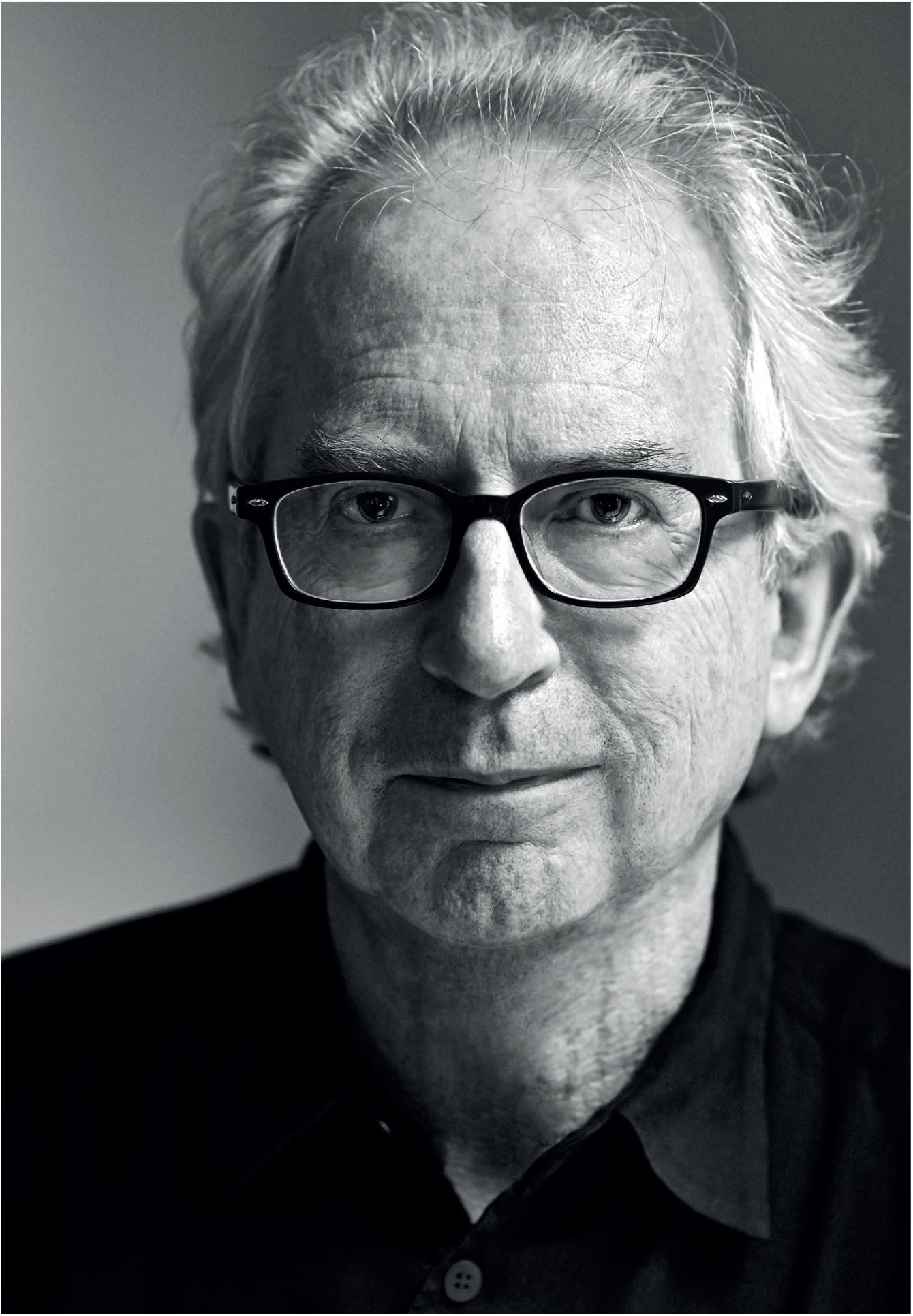
Peter Carey
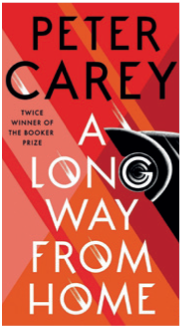
THE DOUBLE BOOKER Prize-winning novelist Peter Carey tackled Australia’s thorny relationship with its past in his latest novel, A Long Way From Home, and admits that he had some concerns as he started writing.
“When I began A Long Way from Home, my friends feared for me. I feared for myself a little, too, but I took the time and trouble to show respect, to share both drafts and final manuscripts, to invite participation and criticism – all things that make the final draft richer, truer, but never tame,” he said.
For many years, Carey has sought out “people whose special expertise is seldom literary” with whom to share his late drafts.
“I always approach this apprehensively and, of course, discover I have been totally wrong about all sorts of things, from flying Bleriot monoplanes to riding horses [and] the possibility of a piano in a Penang brothel. ‘Impossible,’ my experts say. ‘Could never happen.’ Am I stupid to make myself so vulnerable? Do I allow myself to be censored by people who read airport thrillers? The opposite. These early readers, like all readers, become the writer’s collaborators, and what I end up with, far from being diminished, is a truer, more complex imagining which I would never have had without their help,” he said.
Peter Carey
A Long Way From Home
So he trusted to this experience “when I came to write about the cruelties of British invasion of what we call Australia; the lingering damage still felt by Aboriginals; and the continuing injustice administered by white society”, and set out to “get to know my Aboriginal neighbours”.
“I did this in person, by email, with frequent flyer miles, on the phone from New York to north-west Australia, in conversations with close to 50 individuals, white and black,” he said. “I learned and listened. I had some dialogue corrected and other lines rewritten by a teacher of Kriol. After these glorious improvements, I shared my last two drafts with two gifted Aboriginal writers who would be quick to tell me if I was making a dick of myself.”
He says he “did OK, it seems”, and publishers jumped on the latest novel from the two-time Booker winner. But he passes on “one simple tip” to those who might follow: “Always spell Aboriginal with a capital A – same as the A in Australian and the E in English.”
He added: “Many of my white friends cautioned me against putting my nose where it did not belong. Yet, as I kept on telling them, this was a white story, too. None of these atrocities would have occurred without white people. It seemed cowardly not to own the truth. “This is why I write, because it is a writer’s job, in my opinion, to imagine what it is to be someone else.”
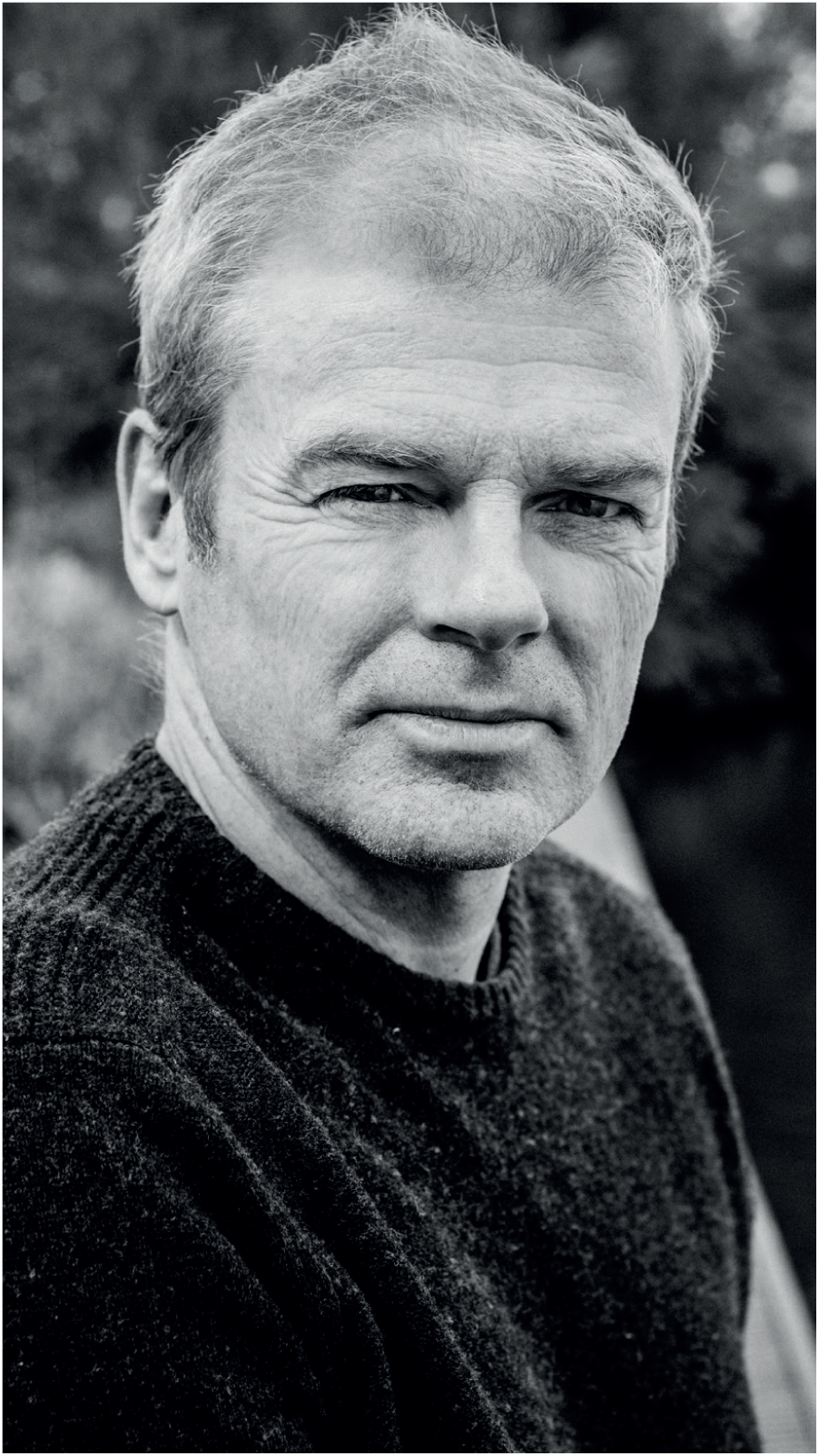
Mark Haddon
IDON’T THINK THERE’S anything I wrote, or wanted to write, that might not (or should not) get published today. But The Curious Incident of the Dog in the Night-Time was banned on various occasions in the US, which was interesting in various ways. And of course some people still consider it offensive because I’m not on the spectrum,” said British author Mark Haddon of his award-winning and bestselling mystery novel, which is narrated by a boy with Asperger’s.
“Every so often I hear complaints about Curious Incident from people who identify as being on the autistic spectrum themselves, or who are close relatives of people who identify as being on the autistic spectrum. They usually fall into two categories: one, that my portrayal of Christopher is stereotypical and reductive; two, that I should not have written the book because I am not, myself, someone who identifies as being on the autistic spectrum. The latter critics sometimes describe me [as] making money from the experience of people like themselves.”
Mark Haddon
The Curious Incident of the Dog in the Night-Time
CREDIT: (Carey) Laura Wilson; (Haddon) Charles Moriarty
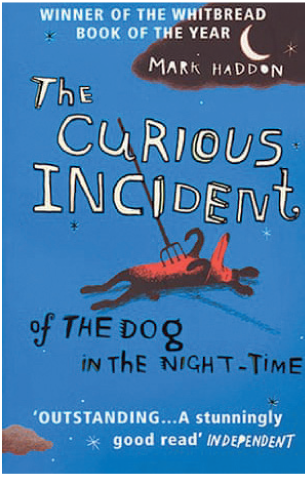
Haddon has much to say in response. First, there’s the other side of the picture: he has also been “contacted by a significant number of readers who have said that the book describes their lives with uncanny accuracy”. Second, he reveals that Christopher was not intended specifically to be a character on the autistic spectrum. “I put him together by combining traits, behaviours, beliefs and tics which I drew from a number of people I knew, none of whom would regard themselves as having any kind of ‘learning difficulty’ or ‘developmental disorder’ (I’m using those quote marks very deliberately),” said Haddon. “Indeed, the title essays which punctuate the narrative are, in one sense, me simply indulging myself and talking to camera. I simply intended to create an interesting, empathetic, quirky, believable character. And there is a profoundly important issue here. There is nothing fundamental which separates Christopher from the rest of us. Very few readers don’t share something with Christopher. It is the combination of traits, behaviours, beliefs and tics which creates great difficulties for him and his family.”
Should he not have written the book because he does not identify as being on the autistic spectrum, he wonders? “That phrase, ‘on the autistic spectrum’, suggests that this is a very well-defined group of
people. However, the definition itself is contentious, the borderlines are very fuzzy indeed, and the ‘disorder’ is characterised by a number of features which can be present or not to different degrees,” he said.
“I have met people who define themselves as being on the autistic spectrum who appear to have nothing in common with one another. I have also met many people in my life who exhibit a number of those features, but who would never think of themselves as being on the autistic spectrum. In short, how ‘like Christopher’ would one have to be to qualify as being able to write his story (noting in passing that if you were genuinely ‘like Christopher’ you would find the idea of writing a novel inconceivable)? Does the fascination with mathematics and science which I share with Christopher not count? Or must I have similar difficulties with social interactions? And if so, why is the latter considered more important than the former? Christopher would think the former far more important than the latter.”
The online version of this article was amended on December 18th 2018 to correct an error in the text. The spelling of 'Creole' on page 66 was corrected to ‘Kriol‘.