




Abstract

Since the attempted coup in Turkey in mid-2016 and the introduction of a state of emergency, the country which is one of the world’s leading jailers of journalists, has seized the passports not only of media critical of the government but also their loved ones. In September, Dilek Dündar, the wife of Turkish journalist and editor Can Dündar, was prevented by authorities from travelling out of Istanbul’s Atatürk Airport. Her passport was confiscated and she was banned from going abroad where her husband had already fled. Her husband, former chief editor of the Turkish daily newspaper Cumhuriyet, had been arrested in 2015 on charges of disclosing state secrets, espionage, and aiding a terrorist group after he published videos and photos of arms deliveries by the Turkish intelligence services to Islamist groups in Syria. “The mob took my wife hostage,” Dündar wrote for Index a week later.
Credit: 1000 Words / Shutterstock.com
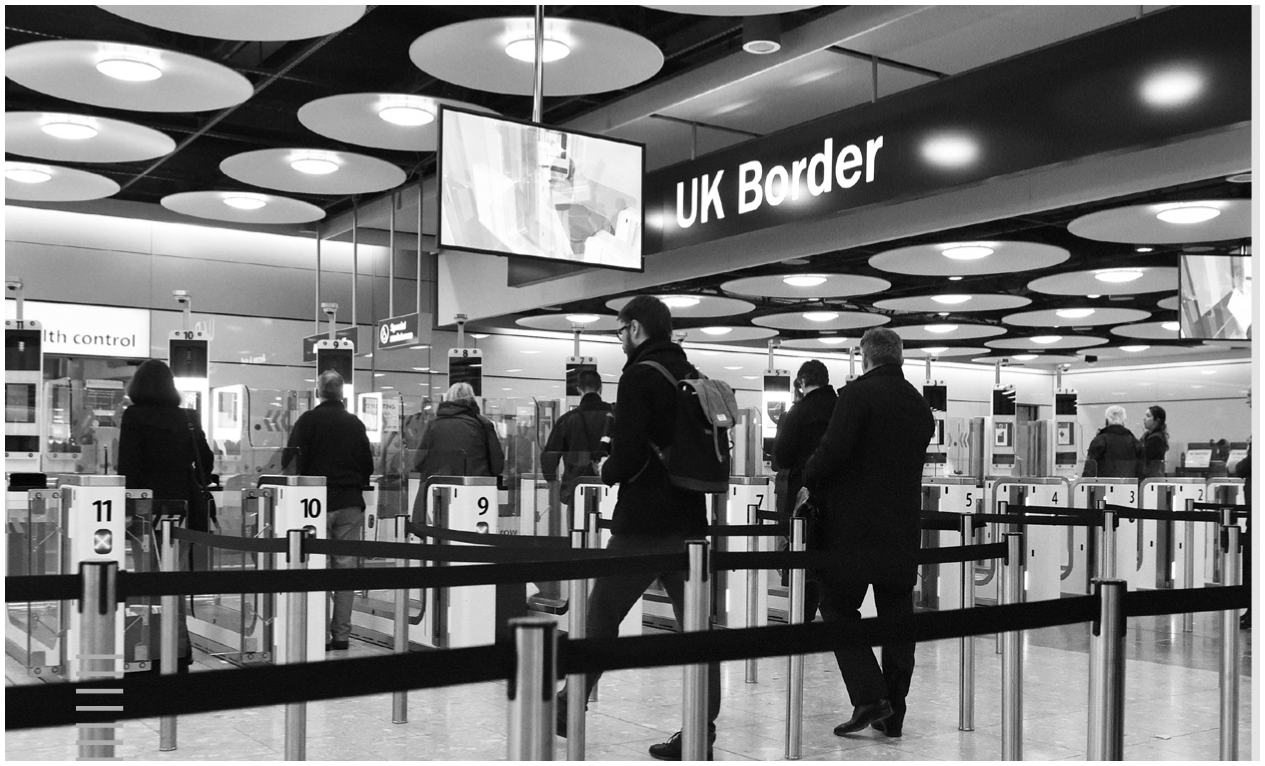
Countries even stretch their arms beyond their own borders. Syria has used the passport system in an effort to punish those it considers enemies of the state, as was seen in the case of Zaina Erhaim, Index’s 2016 Freedom of Expression Award Fellow for Journalism. Erhaim travelled to the UK for an Index-led panel event in September with veteran UK journalist Kate Adie. Erhaim’s passport, the same one she used to join us for the Index awards five months previously, was confiscated on arrival by UK border officials because it had been reported as stolen by the Syrian authorities. When she asked how she might get her passport back, Erhaim was told to take the matter up with Damascus, a city she is no longer able to visit because she is blacklisted by the regime.
Though Erhaim was able to enter the UK, the passport seizure has made further travel highly problematic, which, as Erhaim told a press conference, is a very effective mechanism for stifling her. She has had to reject a number of invitations to speak at events throughout Europe in the coming months where individuals who might not otherwise have encountered her journalism could have heard from her personally on the current situation in Syria.
The internet has enabled views and ideas to be shared more widely than ever before, but it has not yet successfully replaced the need for face-to-face contact as a means to share and debate ideas. That’s why governments continue to use restriction of movement as a means to stifle freedom of speech, and why those who defend free speech must also fight every attempt by states to use travel bans or passport seizures to muzzle critics.
It is not just journalists or their families who find themselves subject to such restrictions. In April, Azerbaijani author Akram Aylisli, who was recently published in this magazine, was prevented from leaving the country to attend an Italian literary festival. Aylisli, who has incurred the regime’s wrath for publishing stories about the massacres of Armenians in Azerbaijan, was detained at the airport and accused of assaulting border guards.
“Absurdly and illogically, this alleged incident of punching a border guard happened well after the plane departed and was later used by the border service as an explanation for denying the border-crossing before the plane had left!” he told Index. The speech Aylisli had been due to give was published on the Index website, but this is very different from hearing the man himself deliver his own words. At the time of writing, fellow Azerbaijani, investigative journalist Khadija Ismailova, is subject to a travel ban, as are other Index friends including former Freedom of Expression Award winner Nabeel Rajab of Bahrain and Malaysian cartoonist Zunar: all three prevented from travelling as punishment for their free expression.
While leaving a country can be difficult, entering it can be too. Italian playwright Dario Fo, who died in October 2016, was unable to travel to the USA for four years under the McCarran-Walter act, which restricted immigration. In September 1983, he was again refused permission to enter, and accused of “belonging to organisations supporting terrorist groups.” As Fo later wrote in an article for Index: “The whole thing is absurd. My books are published over there and my plays performed, and the same applies to the other authors who are not allowed to visit the USA, but I’m banned from entering the country. It really is difficult to understand how someone like me can make America tremble merely by what I say. It is grotesque, a leftover from McCarthyism.”
Lest we think such absurdities are now reserved only for Fo’s playwright successors, in 2015 US rapper Tyler, the Creator was banned from entering the UK because some of the lyrics from old songs were considered as encouraging “violence and intolerance of homosexuality” and fostering “hatred with views that seek to provoke others to terrorist acts.”
Countries that claim to uphold freedom of expression as a fundamental right must demonstrate that by also allowing freedom of travel, even for those whose views they find offensive, and whose views offend those of the dictatorships who seek to silence their critics by curbing their travel.
