




Abstract

Alongside death threats from organised crime rings, Italy’s journalists have to contend with stifling defamation laws that date from the fascist era, writes
Take Lirio Abbate. The reporter for L’Espresso has been living under protection since he started being threatened over his work about crime in Sicily. But he also has to worry, among other things, about a defamation complaint made by a Sicilian politician he wrote about in 2012. Or Nicola Rinaudo, editor of the small regional magazine Extra, who was handed a one-year suspended sentence for writing that a politician in Trapani used his ministerial car for personal purposes. In a country where defamation is still punishable by imprisonment, it is inevitable that journalists start to resort to self-censorship.
“Many complaints are preposterous and those who file them know it, but they prefer to take a risk instead of asking for a print correction,” said Giovanni Tizian, a reporter for L’Espresso magazine and living under protection since he wrote, in 2011, about activities of the ‘Ndrangheta, the Calabrese organised crime organisation in northern Italy.
“I am lucky to be working for a solid editorial group, but local papers which are asked to pay £10,000 [$14,479] as a compensation for having written that someone had dinner with a mafioso cannot cope with it, and they have to stop reporting once and for all,” he stressed.
Prison sentences for defamation have their roots in the Rocco criminal code, a fascist relic of the 1930s that was amended in 1948 but is still waiting for a more radical reform. Sentences range from six months to six years, and tend to be particularly severe if the defamation concerns a politician, a judge or any other institutional figure. Investigative journalist Fabrizio Gatti said: “This threat can often be more successful than a death threat in order to stop a disturbing investigation.”
There are some protections. While the right to access information is not enshrined in the constitution, article 21 of the criminal code protects the right to report and to make criticisms following three parameters: whether something is true, whether the report is in the public interest, and whether the wording is not pointless and offensive. Yet the system leaves much to be desired. “Judges and magistrates often sue journalists for defamation,” said veteran reporter Frank Cimini. “And they almost always win and obtain good compensations thanks to rulings made by their colleagues. This is a very twisted system.”
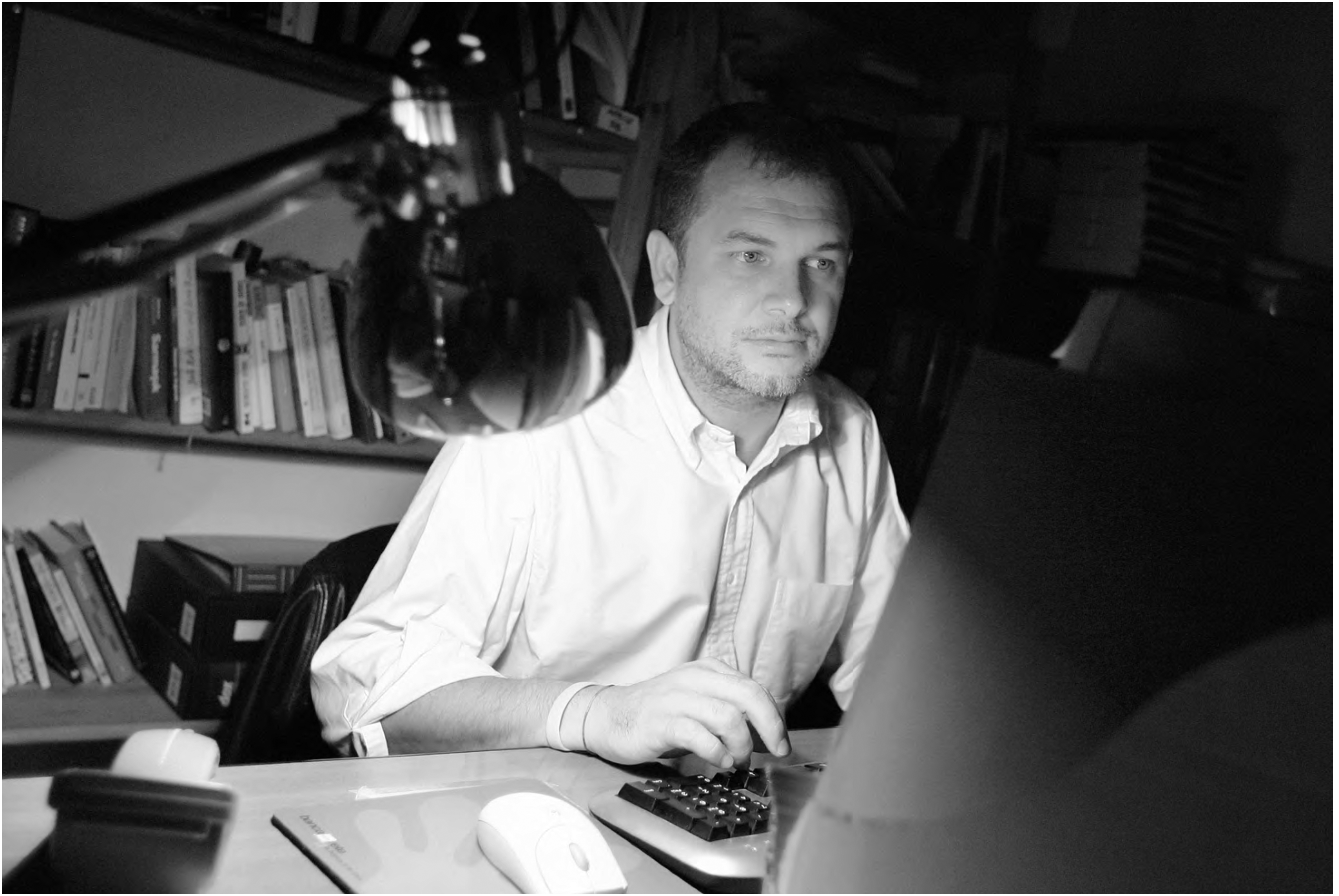
Italian journalist Lirio Abbate has been living under protection since being threatened for his work about crime in Sicily
CREDIT: Tony Gentile/Reuters
Cases of imprisonment are very rare. But the mere threat of prison, in the form of suspended or commuted sentences – far more common – can disrupt journalists’ careers. In 2012, the vociferous right-wing journalist Alessandro Sallusti was found guilty of having allowed the publication of defamatory remarks in Libero, the newspaper he used to edit. Few thought this friend of Silvio Berlusconi would become the poster boy for legal reform. Yet, after he spent four weeks under house arrest with the prospect of 13 more months in jail, his case became a cause célèbre. Public opinion was suddenly more attuned to the threats faced by journalists.
Editors such as Sallusti are even more vulnerable than reporters, as they are responsible for everything that appears in their publication. No judge would ever send to jail a reporter convicted for the first time, but an editor might accumulate several cases and, therefore, have to face the same fate as Sallusti. It was only thanks to the intervention of the then president of the republic, Giorgio Napolitano, that Sallusti avoided imprisonment and, instead, paid a €15,500 ($17,300) fine. Napolitano himself, together with the Council of Europe, the European Court of Human Rights, the UN and countless other organisations, have called for the country’s defamation laws to be updated.
Attempts to reform the laws started almost 10 years ago, and a new draft bill presented to the parliament in May 2013 is still waiting for final approval. If it is passed, prison sentences will be abolished and replaced by fines. According to critics, however, this is hardly an improvement: they point out that defamation will still be a criminal offence, and that the maximum fine will be a hefty €50,000 ($56,000). Moreover, it will be extended to online media and blogs. Editors will be forced to publish a correction within two days without a comment or a reply or even a headline, and websites could face trials in the city of the plaintiff, raising their legal costs. Considering how slow and ineffective the judiciary system already is, none of this bodes well for media freedom.
Scrapping the prison threat is generally presented in the media as just a way to sugarcoat these unpalatable new measures. Some journalists are so critical of the draft bill that they have started tweeting with the hashtag #meglioilcarcere, meaning #prisonisbetter. “In the new draft bill jail is replaced with heavy fines, which also have a chilling effect – particularly devastating for smaller and very vulnerable media,” said Giuseppe Mennella of NGO Oxygen for Information. He believes that in these times of economic hardship, the most damaging tool politicians and public figures have to muffle journalists is pecuniary sanctions.
The threat of imprisoning journalists must be scrapped without delay, but it would be wise to consider what should replace it. Heavy fines can have the same effect: limiting freedom of expression through self-censorship, and encouraging a type of journalism where only the official line is reported. Corrupt local powers can thrive in a context where independent newspapers, television stations, radio stations and websites lack the means to defend their stories in court. In this light, the maximum fine provided for by the draft bill ought to be significantly reduced. Oxygen for Information, a journalism monitoring organisation, suggests that fines should be imposed also on those who file unnecessary, unmotivated complaints, which still happen very frequently. “They should set a threshold, a filter to avoid specious complaints, which fill the agenda of an already overstressed judiciary system,” said Tizian.
In Italy, particularly in the south, organised crime is still a plague. Here, journalists face a level of intimidation unmatched in other Western countries: death threats, slashed tyres, killed pets, and of course the looming risk of legal action. The proper reform of punitive defamation laws would go a long way in helping them to do their jobs.