




Abstract

The internet has allowed the masses to discuss and dissect the burning issues of our time on a scale that was previously unimaginable. But comment sections are most often not where this happens. It is a format that is designed for trolling, outrage and the spewing of batty opinions.
Of course, none of that means they should be censored. Free speech means allowing people to exercise it however they wish. Commenters must be free to be as abusive, as infantile and as tedious as they like. Otherwise, you turn the right into a privilege – something which we are only granted if we promise to behave ourselves. And that’s not free speech at all.
Many readers, typically the ones who are angriest at, well, everything, are hair-trigger quick to cry censorship. But when it comes to news, I think it’s an insult to put some folks’ well-considered remarks and reactions next to self-serving, inflammatory garbage.
That is easy to say, but what’s tougher is drawing the line. What is the difference between being offensive and causing offence?
The best comment systems are almost always microcosms of the larger site. Comments should give you more of what you originally arrived for. In the case of a news site like The New York Times, readers come for news judgment, quality editing, perhaps a cosmopolitan feel. So we try to be sure the comments reflect that.
For any news source, credibility is hard won every single day. The same goes for moderators. A comment system that drives out opposing views isn’t worth visiting.
I’m sorry, but it doesn’t matter if the comments are “inflammatory garbage” or not. If it’s legal speech, and you delete it, it’s censorship.
I agree that newspapers and magazines are under no obligation to allow people to post comments. But publications that have taken the plunge and offer a comments section need to stick by it. You can’t crow on about “the conversation” and then balk at what people come out with.
I know comment sections are hardly bastions of constructive, forward-thinking debate. But they never have been. If you have a comments section, if you claim you care about what commenters think, then you can’t pick and choose the comments you do and don’t find appropriate or only allow ones that are in keeping with the publication’s vibe.
Bassey Etim
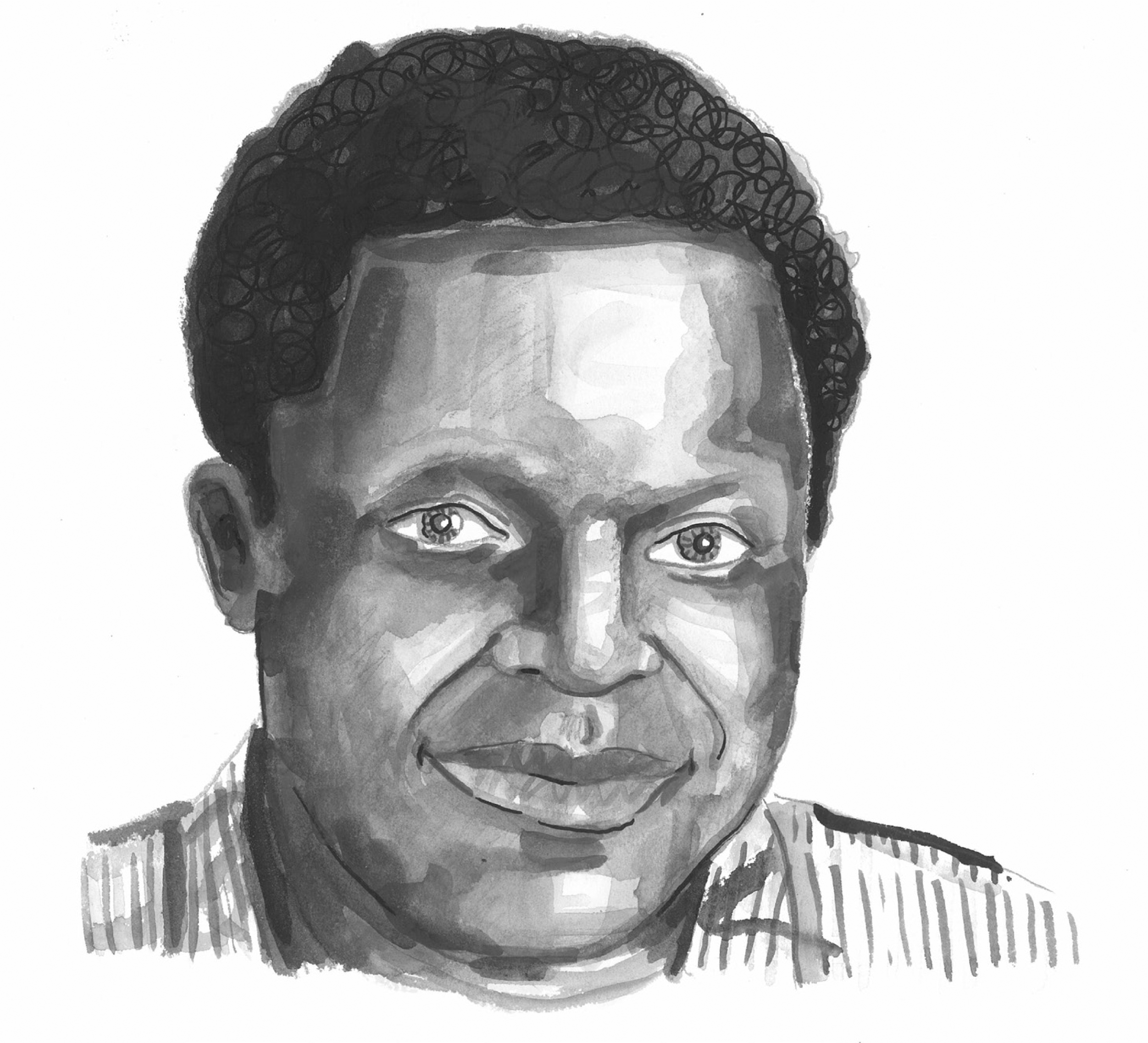
Journalists and readers share a responsibility, and they can work together. I believe the best news comments systems serve those who intend to read the comments. That means comment writers have the responsibility to contribute to a news report.
You can see how this simplifies the process. Insulting fellow contributors adds nothing to the news: those are out. Insults toward the ideas of other commenters or public figures are fine, but they can’t go much further than our organisational standards. Conspiracy theories can be OK, but they need to make an honest effort to explain how they relate to the story. And we don’t publish the news in all caps, so we won’t print comments like that, either.
What you’re talking about, Tom, is a commenter-focused system. But if average readers are too disgusted to ever click on the comments, we’re narrowing our news report to our own perspective for the general public. Well-moderated comments allow average readers to be exposed to dissenting views far more often.
Harassment is where many websites draw the line, and this, too, is a slippery slope. Even Reddit, the message board cherished by its pimpled users for its vile, un-PC flaming, has been taken in hand by the self-appointed speech police. This summer saw users leave the site in droves after Reddit shut down particular forums – or subreddits – over claims that particular posters were engaging in harassment.
If certain members of the puerile /r/fatpeoplehate or /r/shitniggerssay subreddits were engaging in criminal harassment, why not ban them individually – or report them to the police? Harassment is fast becoming a synonym for mere unpleasantness, or forthright argument. In Canada, a man called Greg Elliott is currently facing harassment charges for criticising and uttering a few minor insults to two feminists on Twitter. If we continue to throw the h-word around so casually, this could soon become the norm.
If a private publication is what granted you free expression, you never had it in the first place. To survive in the marketplace, a publisher needs to understand how dearly she needs her readers.
But newspapers and magazines don’t have a law enforcement arm, and we are not jailers. Only the authorities can abridge your right to free expression. Our right to free expression includes the ability to decide what appears on our pages.
Are moderators too powerful? That question gets much more interesting when we apply it to user-generated content sites, including Reddit, when the comments can’t be seen as extensions of a journalistic mission with pre-defined boundaries.
In those cases, individuals must be protected. But ideas should always be allowed to be challenged, no matter how disgusting the views of either side appear.
That is so long as they do not result in an atmosphere where opposing ideas can no longer be safely defended. That is the end of debate. Good moderation and good communities perpetuate debate so that all battles can be conceivably won without violence or intimidation.
Tom Slater
Credit: Brian John Spencer

The law is the law. There are various forms of speech – from libel to incitement – that are criminal offences, and proprietors are held responsible if their commenters commit them on their patch. But comment moderating so often goes beyond legal compliance. From The Guardian to the Daily Mail, moderators routinely delete or bury merely unpleasant speech and backward ideas.
From Reddit to Twitter to the Guardian and the New York Times comments sections, internet forums can often bring us face to face with some of the most vile and infantile speech imaginable. But we must resist the urge censor it. If you don’t like something, comment back. Or, ignore it entirely. After all, it’s not real life. If you took comment sections seriously, you’d think men’s rights activism was in the ascendant – and no one had a job.
