




Abstract

All over the world there are taboos that stop things being discussed, when a discussion might make people aware of a problem and sometimes give them a chance of fixing it. Taboos change from country to country, as our cartoonists have illustrated in this special collection, but everywhere they create ignorance and, often, fear
Predrag Srbljanin
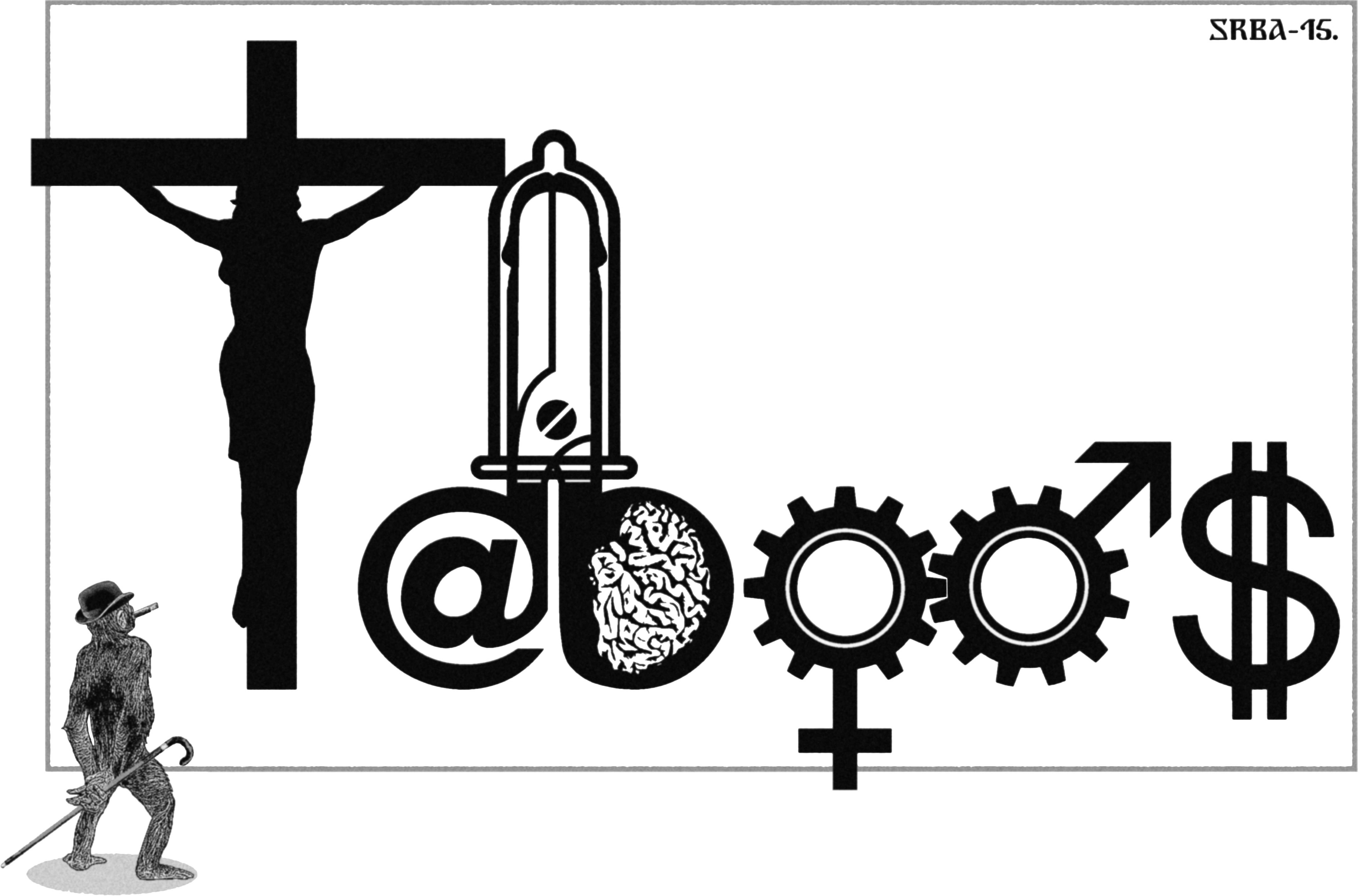
Predrag Srbljanin is a cartoonist based in Serbia. His cartoon is based on primary sources of all taboos: religion, sex, power and self-censorship. He is a self-educated, freelance cartoonist and illustrator. He began drawing cartoons in 1977. He also designs record covers.
Credit: Predrag Srbljanin
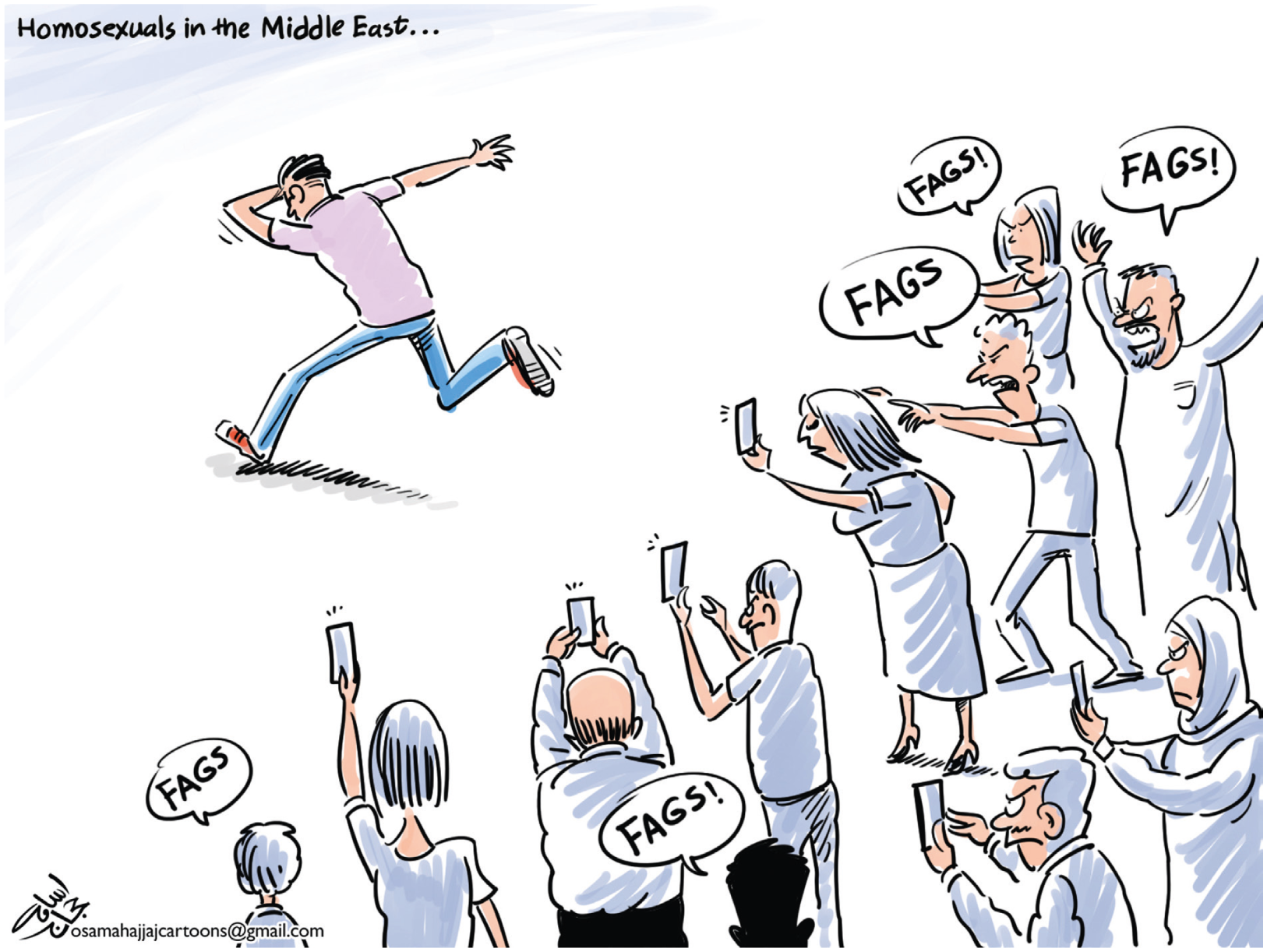
Osama Eid Hajjaj
Osama Eid Hajjaj is a cartoonist from Jordan, where he works at Al Arab Al Youm newspaper. He was jailed briefly in 1994 for drawing comics about the Muslim Brotherhood, which were published in the newspaper Al Belad.
Of his first cartoon for Index (top left), he said: “In 1951, Jordan made homosexuality legal, unlike many other countries in the region. In other Middle Eastern countries there can be huge pressure on many people to remain discrete.”
Of his second cartoon (bottom left), he said: “The question is can we believe in both science and religion? I suggest that if you do believe in both science and religion, you are not doing either properly.
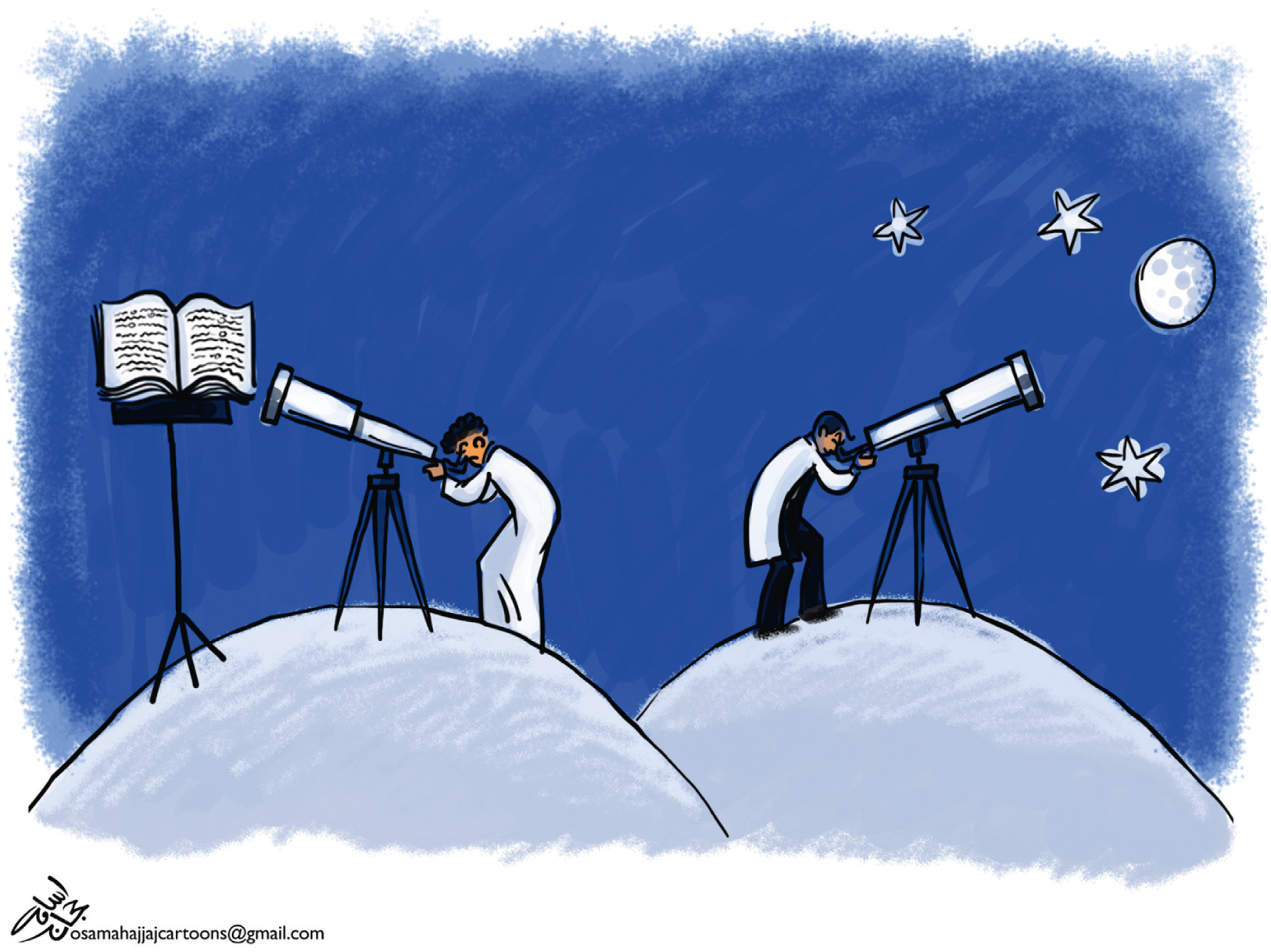
“A lot of people believe that every word in a religious book is right, and they don’t believe in science. Science then becomes taboo.”
Bonil
Xavier Bonilla, known as Bonil, is an award-winning cartoonist from Quito, Ecuador, who started working for the national press in 1985. In 2014, his current employer, newspaper El Universo, was fined approximately $100,000 after one of his political caricatures angered President Rafael Correa. Bonil was nominated for a 2015 Index on Censorship Freedom of Expression Award.
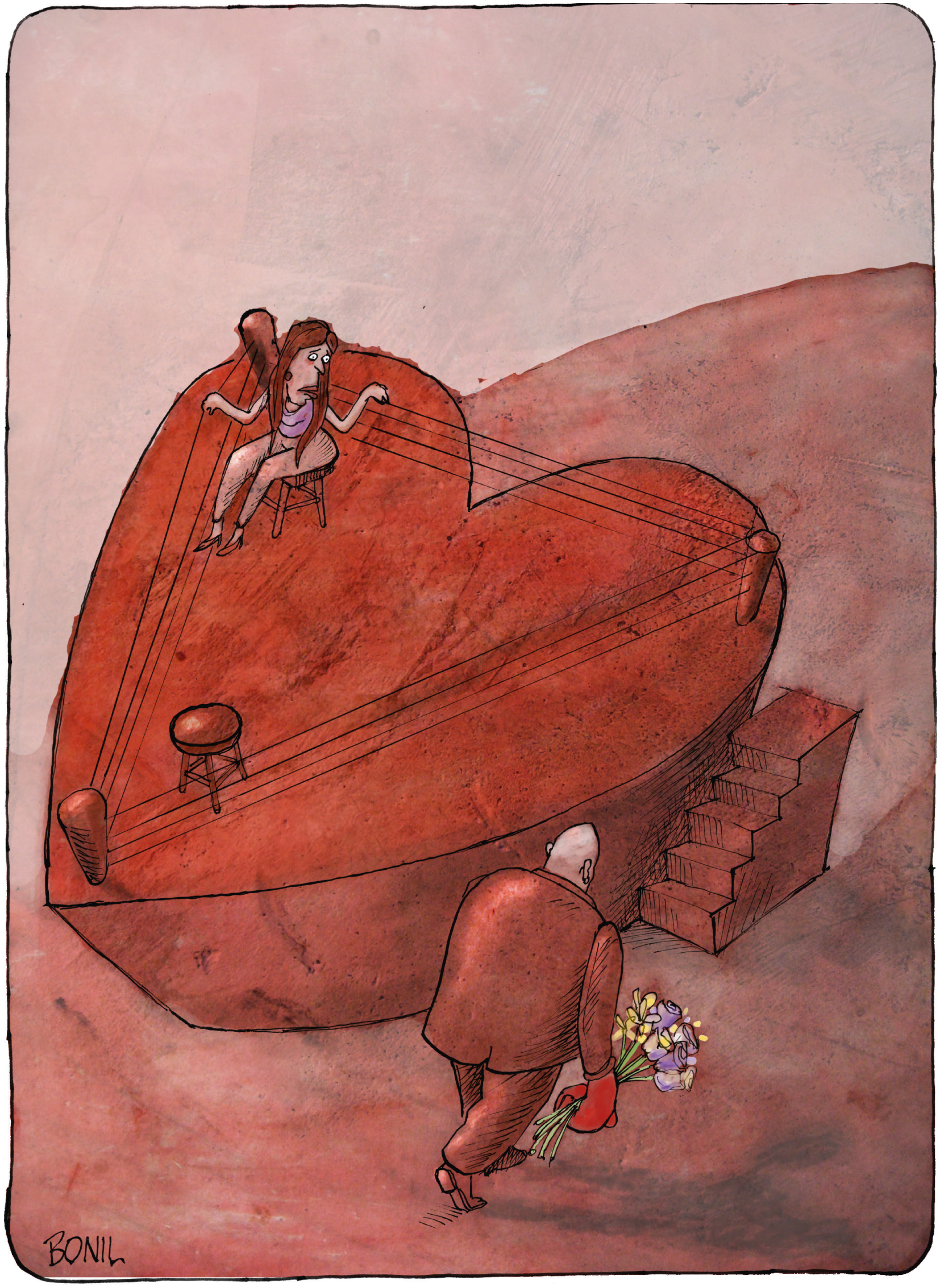
Of this cartoon, he said: “Domestic violence is a topic many people don’t speak about because it happens behind closed doors. Often the violence is hidden under the cloak of everyday complicity and silenced by repetitive pardons.”
Vilma Vargas
Vilma Vargas is a muralist, architect and political cartoonist in Ecuador.
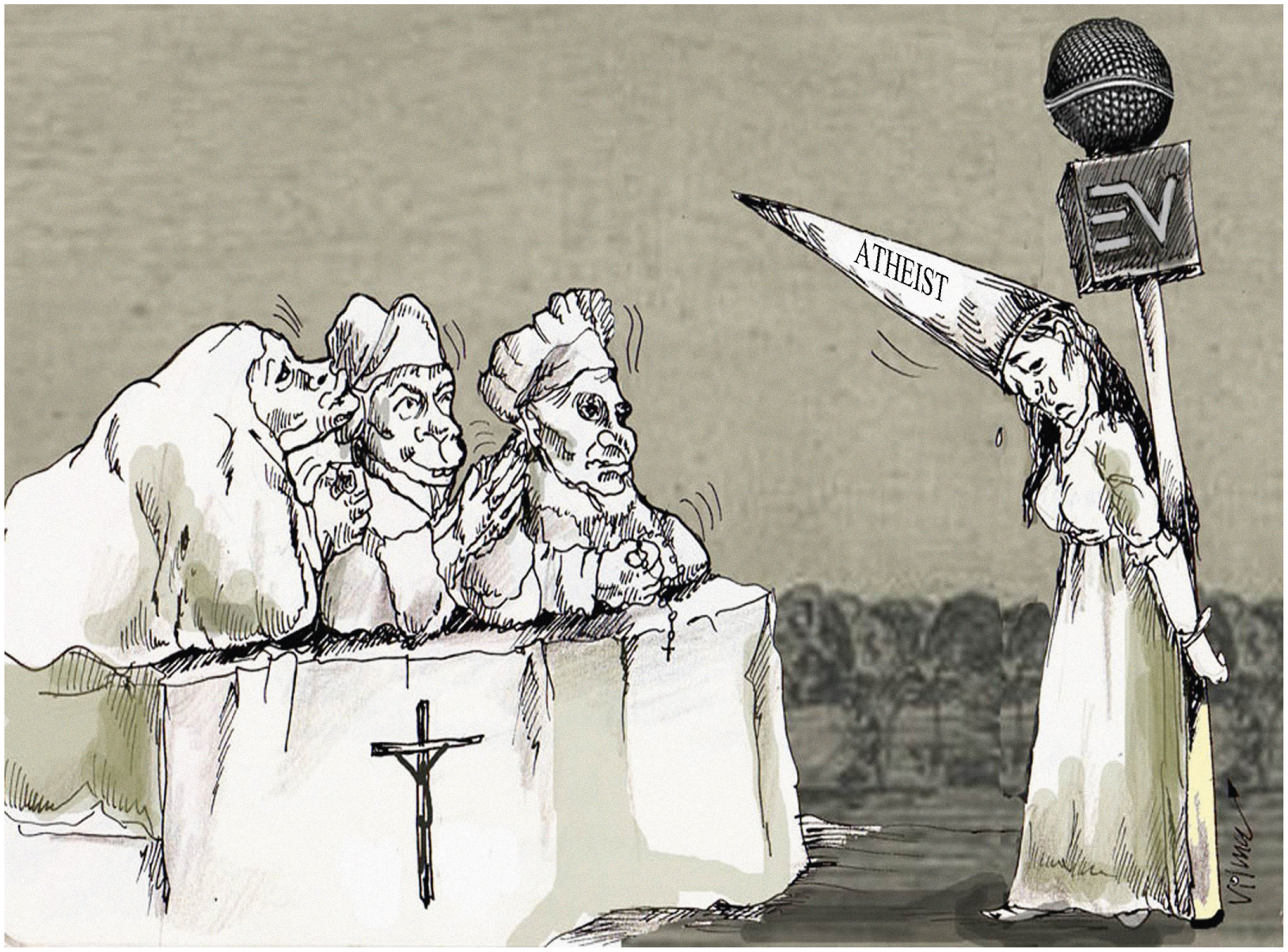
She said: “This cartoon was inspired by an incident here in Ecuador, where there is a predominantly Catholic population, when a girl was villified on television for saying she was an atheist.”
Fiestoforo
Fiestoforo is a Chilean cartoonist, based in Sheffield, England.
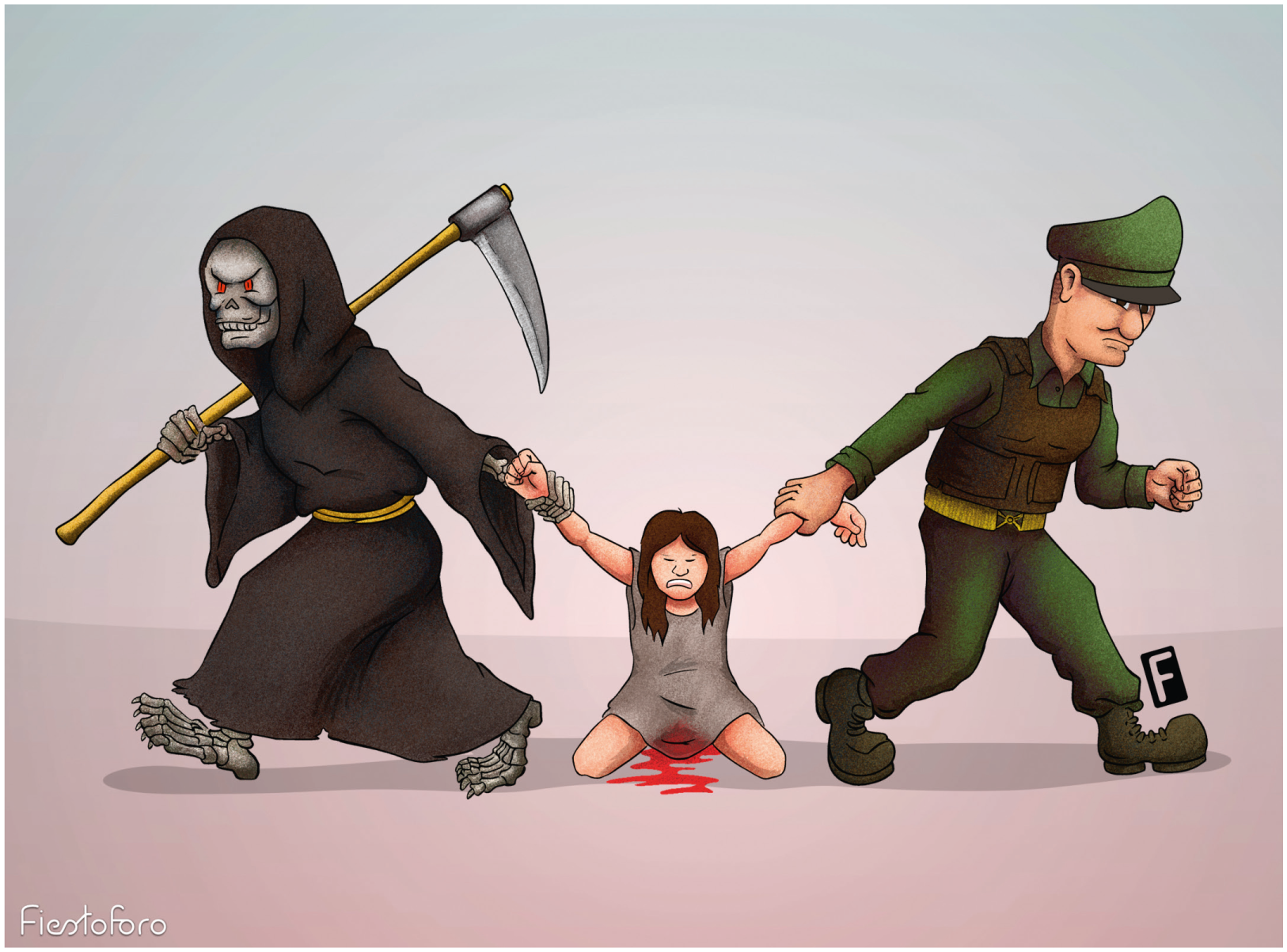
He said: “In Chile, abortion is illegal without exception. I made this cartoon after a Chilean woman ended up in police custody because her doctor accused her of having had an abortion.“
T0ad
T0ad is a Paris-based cartoonist.
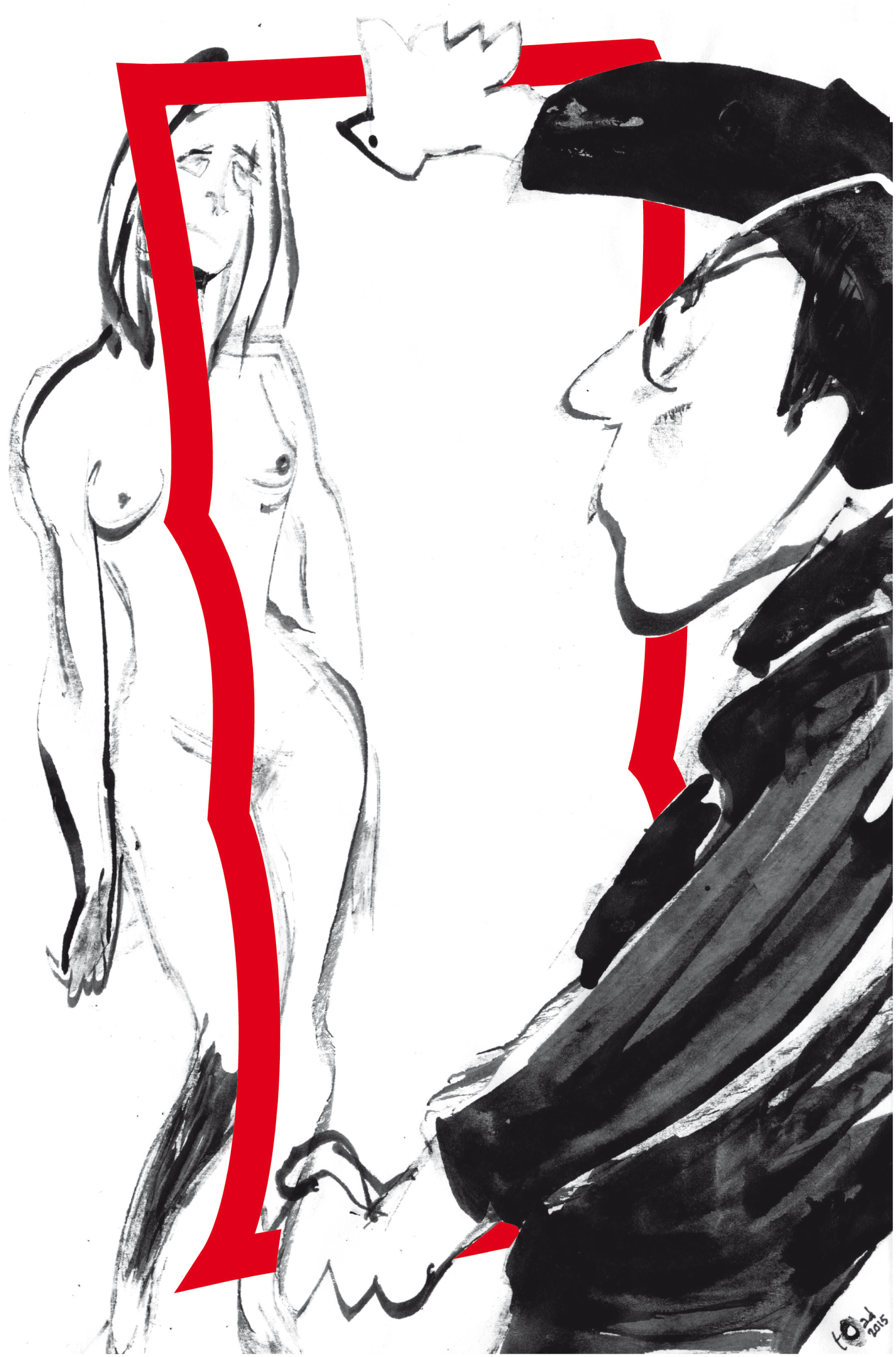
He said: “In this cartoon, I tackle the taboo around nudity as only sexual. Googling ‘nude’, for instance, shows a set of images that have sexual connotations. Here, pornography is the sacred veil covering the plain (non-sexual) body.”
Ben Jennings
Ben Jennings is a UK-based cartoonist and illustrator, who works for many publications, including The Guardian, New Statesman and Index on Censorship.
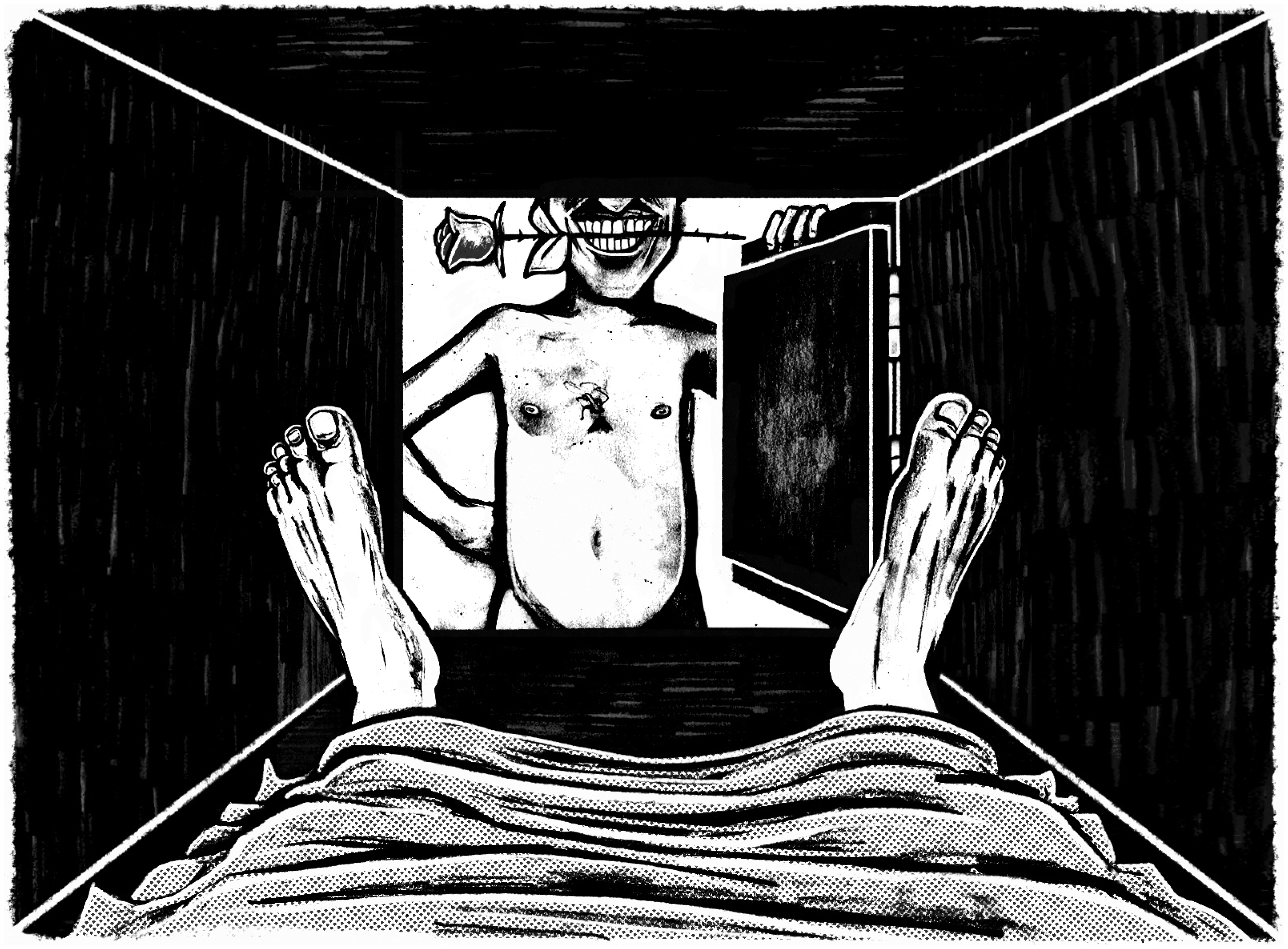
He said: “In a digital age where a cornucopia of twisted sexual material is always just a few clicks away, there aren’t many fetishes that can’t be satisfied, no matter how obscure. It’s hard to think of a sexual act that would still be considered taboo in the UK, but I think this is one of them… ”
Dave Brown
Dave Brown is a cartoonist at The Independent newspaper in the UK.
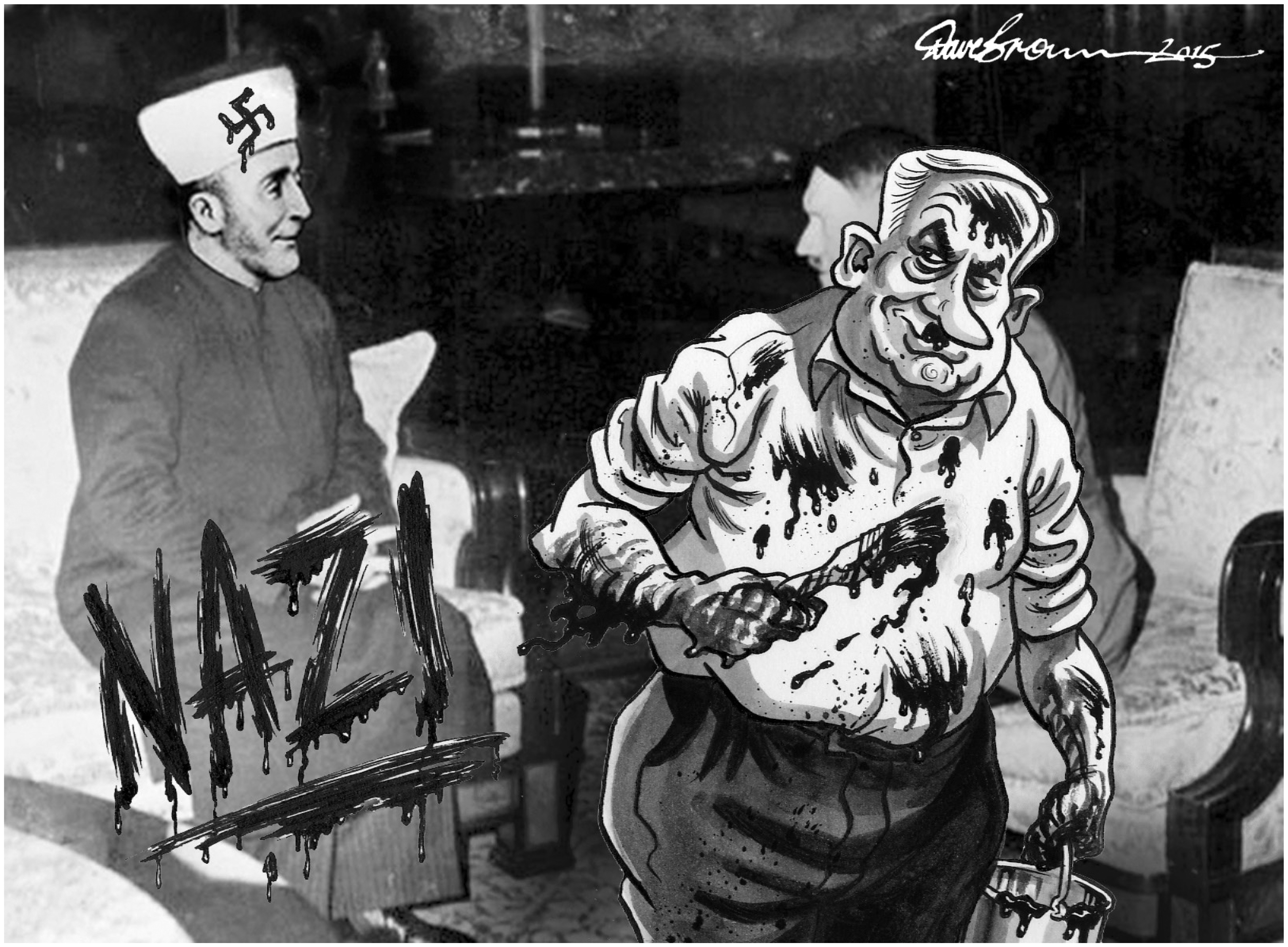
He said: “Drawing a Hitler forelock and moustache on somebody has become something of a cartoon staple. If a cartoon were to criticise Netanyahu’s treatment of the Palestinians, a comparison to Hitler would be both excessive and self-defeating. But what if Bibi got himself into a sticky situation while tarring somebody else as a Nazi…?”
Martin Rowson
Martin Rowson is a multi-award winning cartoonist and writer whose work appears regularly in The Guardian, The Daily Mirror, Index on Censorship and many other publications.
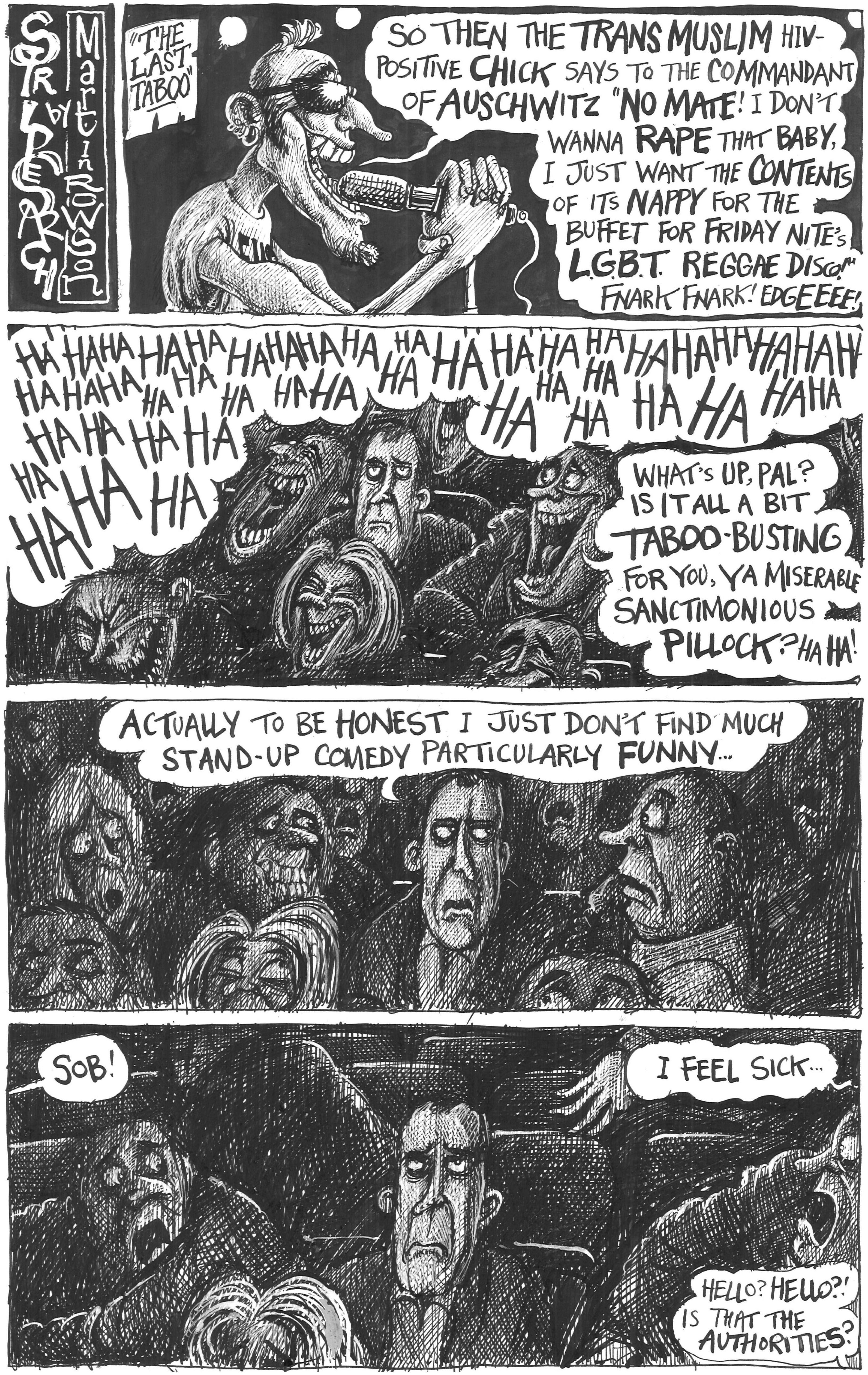
He said: “As a satirist it’s my job to push things to the limit, but satire is different from comedy because it’s about attacking elites, not simply laughing at everything. Increasingly, I find comedy based simply on saying the most outrageous thing that comes into the comedian’s head is often neither funny nor challenging, though of course no one is allowed to say so.”
Brian John Spencer
Brian John Spencer is a writer and artist from Belfast, Northern Ireland.
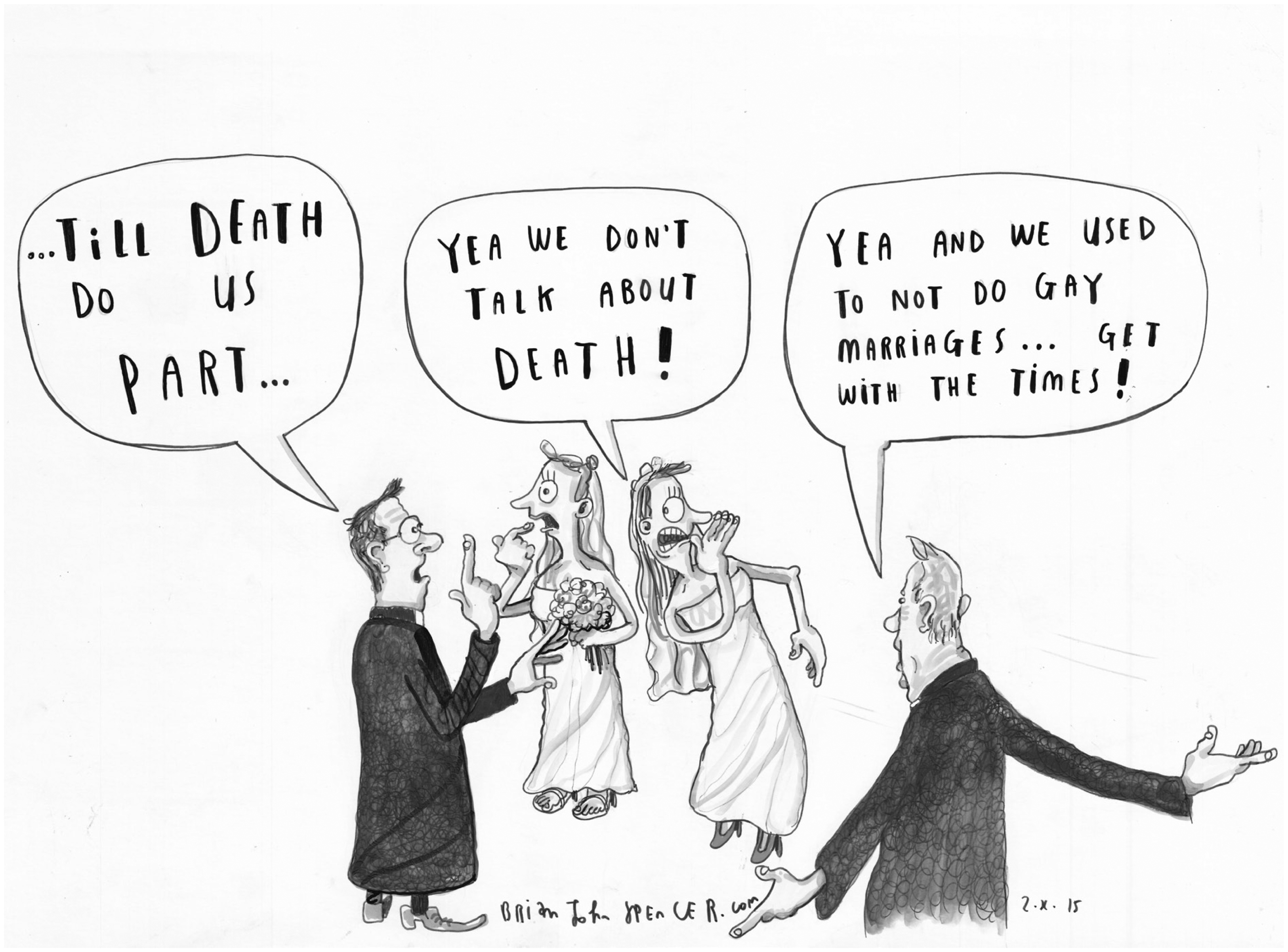
He said: “I grew up in a household in the 1990s with values that were almost Victorian. You did not talk about money or love, and you especially did not talk about death. Things have changed a lot since then. The world is completely different. I embrace equal marriage but because of my upbringing still struggle to talk about death. It is the last taboo for me.”
Khalil Rahman
Khalil Rahman is a Bangladeshi political cartoonist. His cartoons haved appeared in several leading daily newspapers, including The Daily Jugantor and The Daily Samakal, for over a decade.
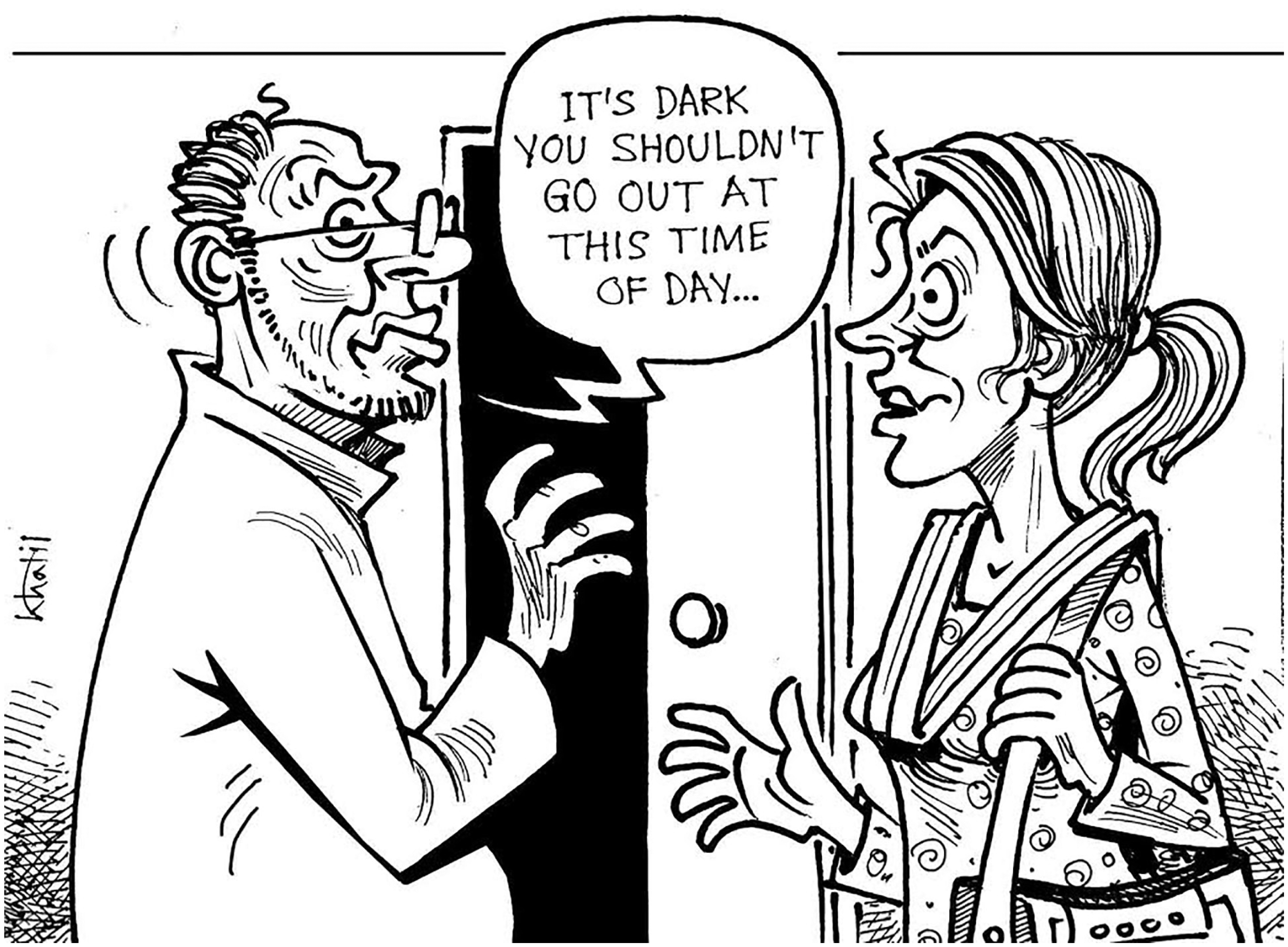
He said: “I want to say through this cartoon that in Bangladesh women are not safe or free when it is dark. Some people feel they cannot speak about the attacks on women at night, or admit they happen.”