




Abstract

Credit: Eva Bee
How do you move forbidden information in and out of authoritarian states?
Chile
Lip service
I joined the Revolutionary Left Movement (MIR) in Chile around 1971 or 1972. Some wholesalers had hidden food supplies in warehouses to destabilise Salvador Allende’s Popular Unity government, so the stores were empty and people weren’t even able to buy the most basic goods. I didn’t want to stay home doing nothing while others suffered, so I joined a cell of the MIR as a messenger.
After the 1973 coup d’état, which brought to power the army commander-in-chief, General Augusto Pinochet, many dear friends were killed or tortured by the secret police. But my cell remained active.
Our mission was to provide information to the highest ranks of the MIR. Each of us had to deliver pieces of information to someone in a specific location, that person had to hand the content to another comrade, and so it would go on until the material reached the party leaders.
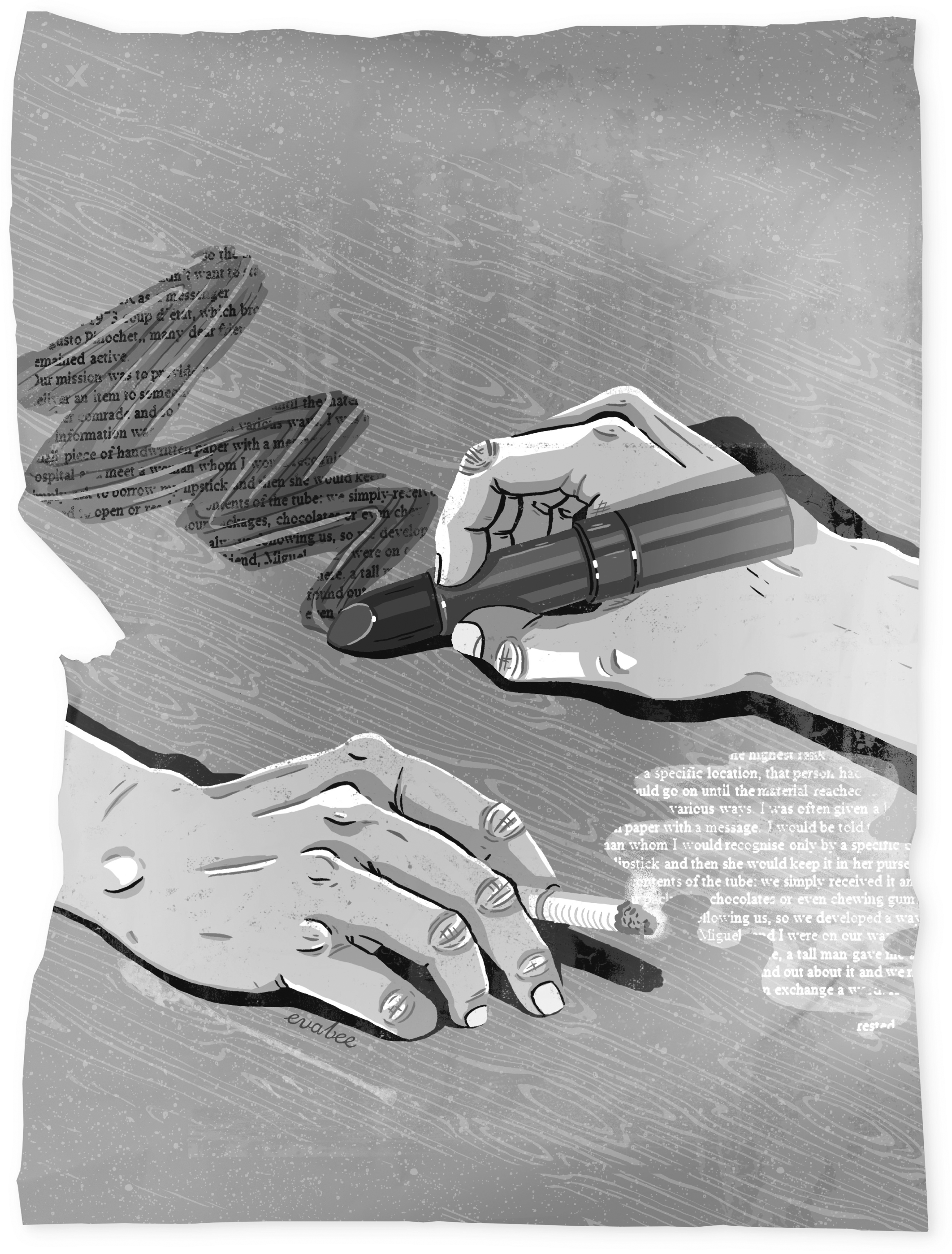
The information was smuggled in various ways. I was often given a lipstick tube containing a small piece of handwritten paper with a message. I would be told to go into the toilet of a hospital and meet a woman whom I would recognise only by a specific code. She would simply ask to borrow my lipstick and then she would keep it in her purse. We weren’t allowed to open or read the contents of the tube: we simply received it and transported it. On other occasions we used flour packages, chocolates or even chewing gum.
Pinochet’s secret police were always following us, so we developed a way to alert each other in case of danger. Once my boyfriend, Miguel, and I were on our way to hand someone a lipstick tube in a public square. Before we got there, a tall man gave me a look that implied we had to abort the operation. The police had found out about it and we risked being arrested. It’s difficult to describe it now, but we didn’t even exchange a word. His look told me everything.
Months later, there was a big police operation and many were arrested, among them a very good friend of mine. She found a way to send me a message, telling me to stay home and do nothing. She ended up being taken to a torture centre and exiled to Europe.
I carried on sporadically collaborating with the MIR, but then I married Miguel and had children, so I decided to bring them up in a safe environment. My husband continued his struggle against Pinochet, although by other means, including joining a civil organization that aimed to teach and prepare people for the 1988 referendum, in which a majority rejected an extension of Pinochet’s rule.
Like many others, I’m just an anonymous Chilean who wanted to contribute her grain of sand to a worthy cause. In those years, I had the chance to meet many people who are now in power, but they seem to have forgotten about all that.
I am really proud of what I did and I would happily do it all over again. The dictatorship was horrible and many people died, but we did manage to save a few lives as well. And that makes everything worthwhile.
© Nancy Martínez-Villarreal
Smoke signals
The North Korean defector
On the border between North Korea and China, along the Tumen and Yalu rivers, thousands of North Korean soldiers keep watch. In one of the most isolated and repressive countries in the world, the military’s job is two-fold: stop people getting out; stop information getting in. When you look from the Chinese side, it is difficult to see the guards, but they are there, hiding in strategic holes dug in the ground, sitting quietly and observing.
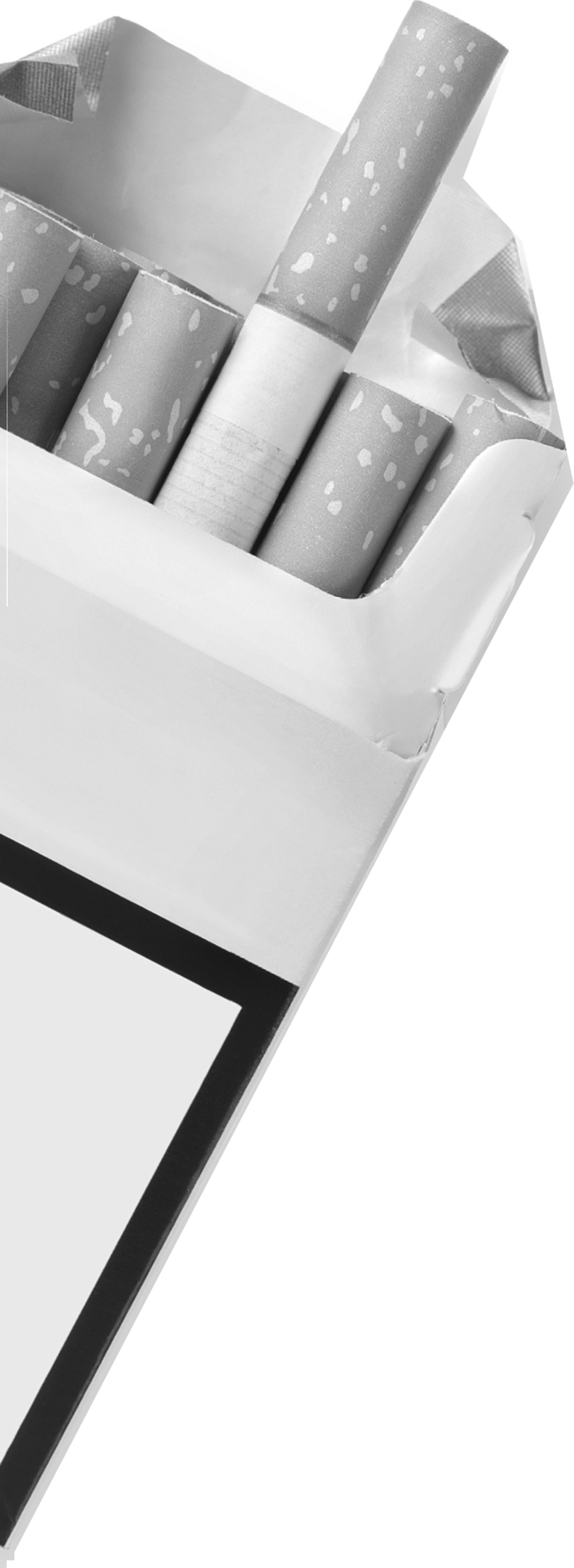
Every so often the soldiers spot something suspicious floating in the river. One of the ways people smuggle foreign content into North Korea is to put it on a flash drive and hide it in cigarette boxes. You carefully wrap the boxes with plastic bags and tie them to a spare tyre. Parts of the river are only a few metres wide and there you can throw the tyre into the water. The soldiers will see you; later, when nobody is looking at them, they will pick up the tyre, take the cigarettes and find the flash drive inside.
These soldiers are typically young and curious. Being on watch can become lonely and solitary. They are tempted by this China contraband, including flash drives and DVDs with South Korean programmes and foreign movies, all of which are strictly forbidden. The flash drives carry content that is fresh and different from everything that North Koreans know.
The soldiers might watch the content on their computers or portable DVD players, or sell it on the black market. Perhaps they will report it, but then their supervisors will end up watching the content anyway. It will be quickly passed on among family and close friends, and it is through this curiosity that North Koreans are slowly beginning to understand the outside world, personal freedoms and opportunities for choice. This is why the national leader, Kim Jong-un, has recently tried to cut down on banned music through house-to-house searches.
What threatens this authoritarian regime most is external information getting into the ears, minds and, eventually, mouths of its controlled citizens.
Czechoslovakia
Forbidden fruit
Once upon a time, almost impossible to recall today, the East-West border snaking through Mitteleuropa, from Szczecin in the Baltic to Trieste on the Adriatic, exercised quite a spell. It was a place of jeopardy, historical consequence and icy superpower confrontation.
Frontiers are always cool, and the Iron Curtain was super-cool. The watchtowers, arc lights and frozen-faced guards policing a divided Europe had a tangible noir chic.
Looking back, I confess to the thrill of crossing to the dark side, especially going by train, particularly at night. I did this several times from the ages of 17 (heading for Moscow via the German Democratic Republic), to 30-something (from Vienna to Warsaw).
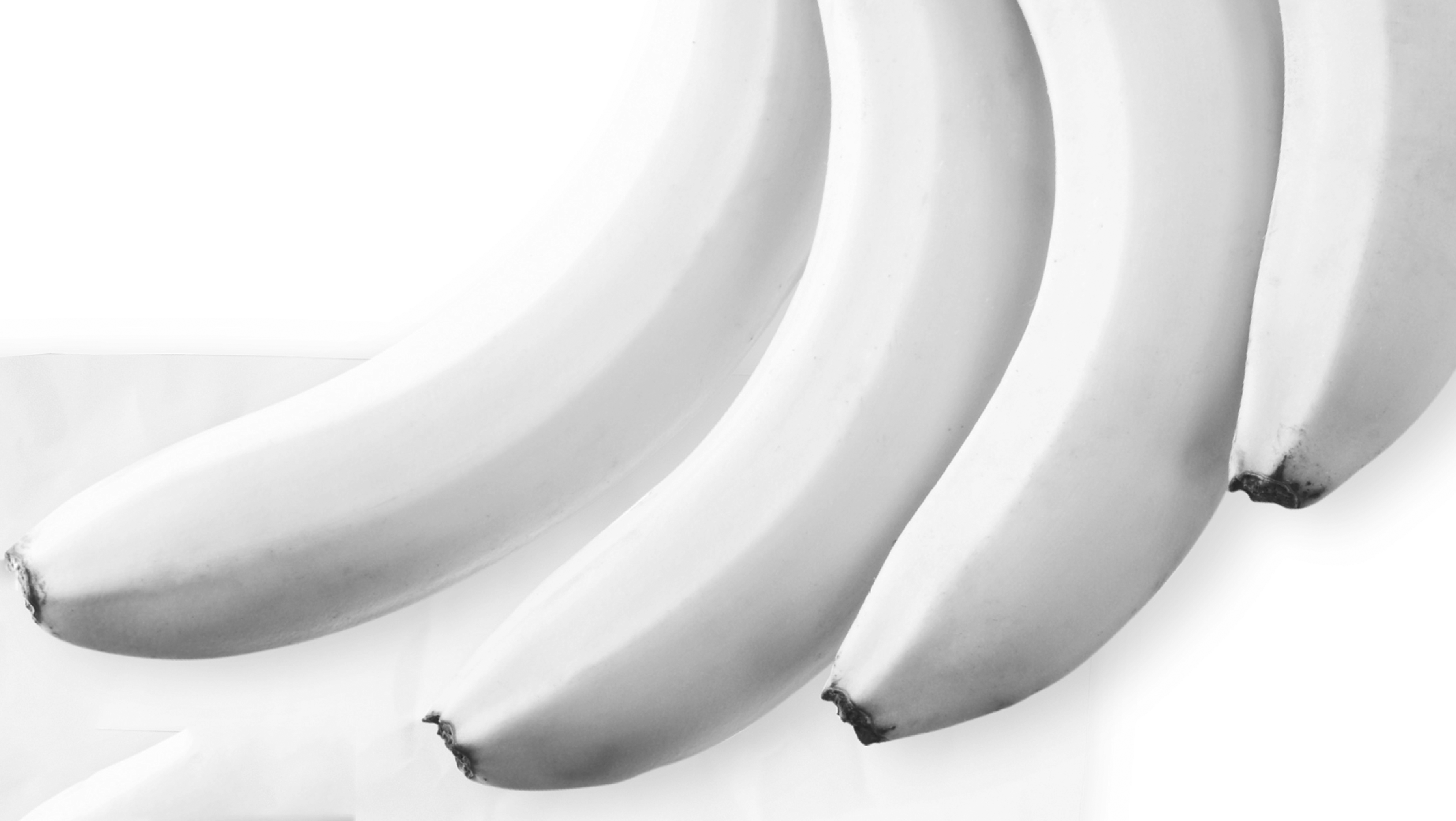
On one occasion, in the 1980s, I also smuggled literary contraband into Czechoslovakia (as it was then), returning to the West with precious dissident material hidden in my suitcase. Which is how I came to be on the Berlin-Prague express with some banned copies of Index on Censorship – and a bag of bananas – in the spring of 1982.
Three coincidences had conspired to arouse my interest in Czechoslovakia and to propel me inexorably eastwards. First, in 1981, I had received a letter from a Prague bookseller named Peter Cisar, asking for a signed copy of a novel I’d written. A minor correspondence ensued and I flirted unsuccessfully with the idea of a meeting. (Later, I would use the experience in The Fabulous Englishman, another novel – but that’s another story.)
At about this time, I had also joined the board of Index, then under the editorship of George Theiner. George was a gentle, modest, expatriate Czech, with whom I became friends, and his memories of his home town were another prompt for my journey. Finally, as an editor for Faber & Faber, I was given the extraordinary opportunity to publish Milan Kundera’s most recent novel, The Book of Laughter and Forgetting. That’s certainly another story.
But in the end, I went simply as a kind of clandestine courier. The bananas were a ruse – a mixture of pretext and decoy.
In those distant days, fruit and vegetables were so scarce in the Eastern Bloc that Western visitors were encouraged to take fresh fruit as gifts for their hosts. Theiner also advised that a supermarket bag of, say, bananas would be sufficiently frivolous to distract any inquisitive border guard.
Passing through the Iron Curtain was never a trivial matter. Some years before my trip to Prague, I saw a fellow passenger bundled off the Moscow train at Brest-Litovsk. I will never forget the look on his face as he was dragged past our carriage.
So with my bag of half-ripe bananas I duly arrived at the main station in Prague – where I was met by a young Misha Glenny, just starting out on his career as a distinguished foreign correspondent. I was introduced to several key figures in the Czech literary underground, handed over my copies of Index on Censorship and received various documents to bring back to the West.
Without the bananas, my return journey was edgier, but I got through. The next time I saw the Iron Curtain, it was October 1991. The checkpoints were deserted, and a strange episode in European history was over. ®
© Robert McCrum