




Abstract

Commerical pressures on universities fuel fears that only research that boosts Ireland’s economy gets the go-ahead, says
In March, more than 800 scientists wrote to The Irish Times to voice their concern that research grants were being awarded increasingly to those work in fields where there is a short-term commercial imperative, and that investment in more fundamental scientific research was being downgraded. Moreover, faced with insecure contracts and an overall shortfall in core state grants to universities, some of the country’s 5,000 full-time researchers are beginning to turn to corporate sponsorship to conduct their research – the focus of which, of course, is decided by the company in question.
The creeping commercialisation of academia is creating what Irish academic Mary Gallagher described in her book Academic Armageddon as the “corporate campus”. The scientists’ letter is symptomatic of a growing anxiety over this trend. “The intrusion of the values of the marketplace on to the campus is changing public and political attitudes towards higher education,” explained economist Sean Byrne of the Dublin Institute of Technology. “Third-level education is increasingly seen as a ‘private’ service, which should be paid for like any other private service.”
The atmosphere in academia is illustrated by the response I had recently when I asked a group of academics gathered in Dublin if research being approved depended on its possible application within industry, all agreed that it was. None agreed to be identified.
Of particular concern are the implications for the freedom of researchers to express opinions without running the risk of losing their funding. In 2011 the country’s largest university, University College Dublin, produced a detailed statement on this subject which suggested that the freedom of academics is as central to a modern democracy as that of the press. The report said that academic staff have a duty to inform society through independent research, analysis and discourse, and that while support from the state carries a duty of accountability, “such accountability does not [give the state] a right to control or dictate the manner in which the university conducts its core business of teaching and research nor should it curtail academic freedom.”
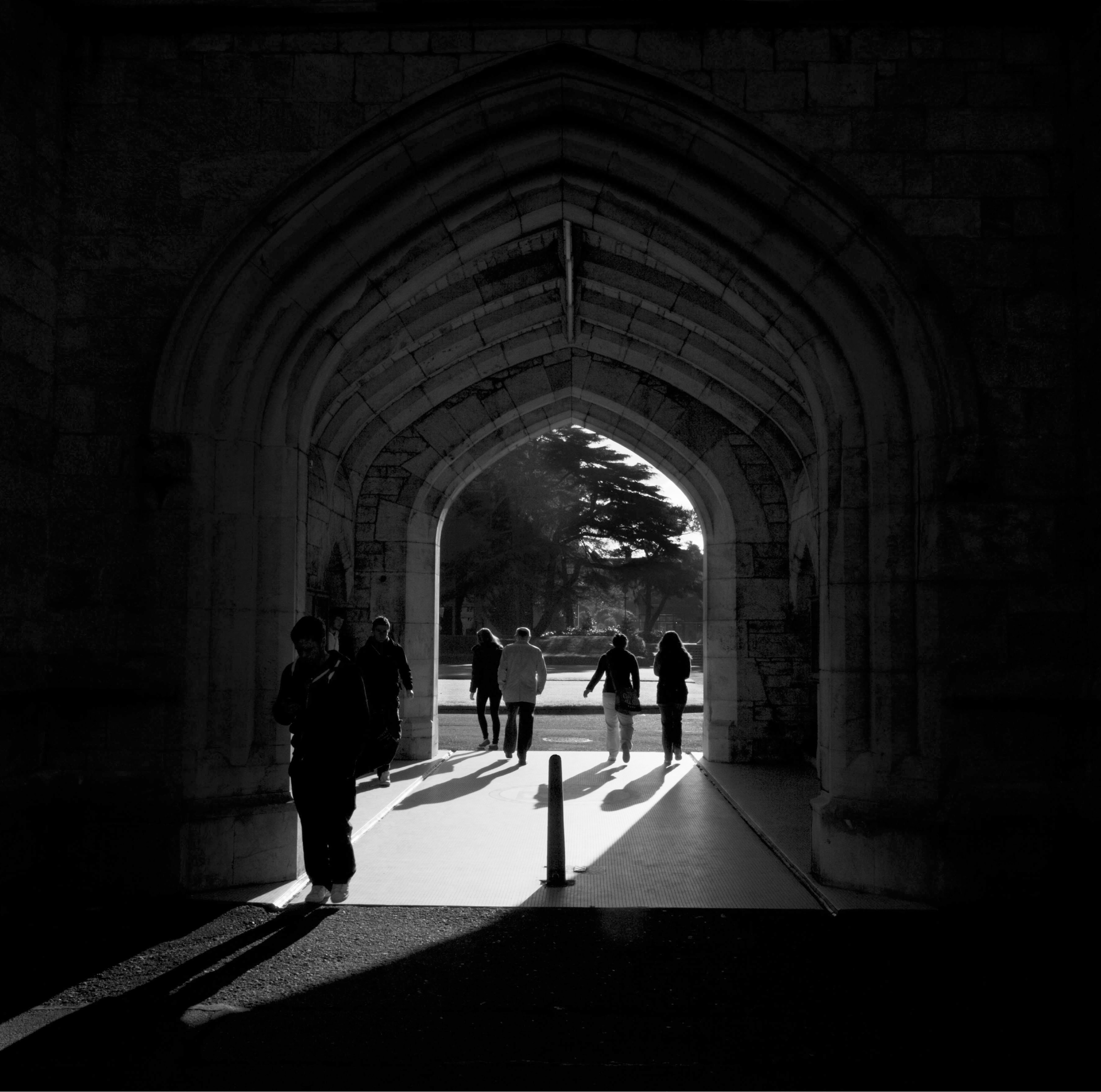
Academics at universities across Ireland are worried about restrictions on their research. Here, students and lecturers walk to class at University College Cork
Credit: George Munday / Alamy
For evidence of the importance of this freedom, one need only turn to the University College’s professor of economics Morgan Kelly, who in 2006 predicted the collapse of Ireland’s property market and with it the economy – much to the displeasure of then Taoiseach Bertie Ahern, who implicitly criticised Kelly for “sitting on the sidelines, cribbing and moaning”. Of course, time has vindicated Kelly, and voices like his are crucial in a progressive society. But if vested interests are allowed to dictate the shape and direction of academia, they will only grow quieter.
© Michael Foley