




Abstract

To kick off this special report,
The US Supreme Court: Americans recognise the influence of the Magna Carta on the constitution
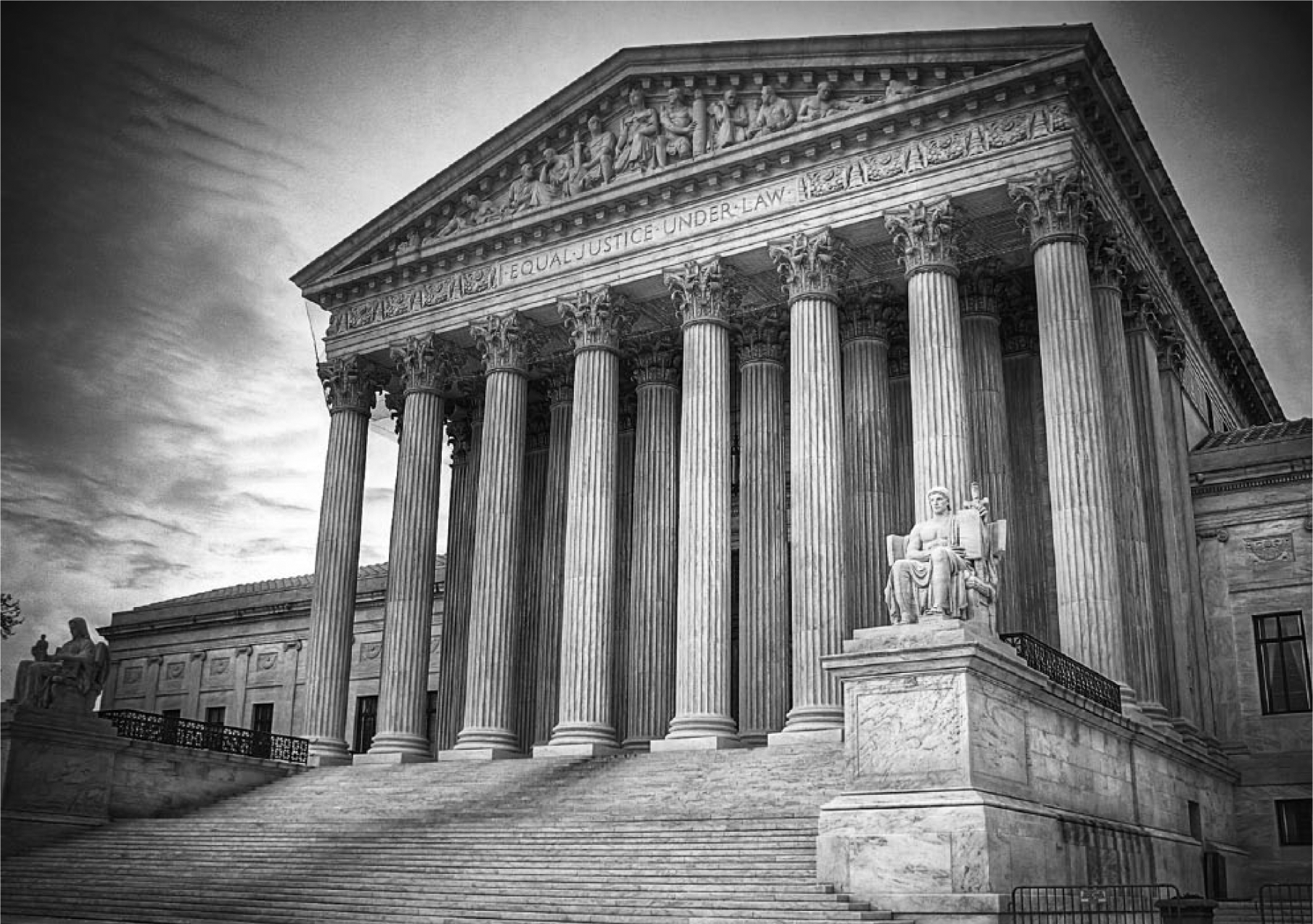
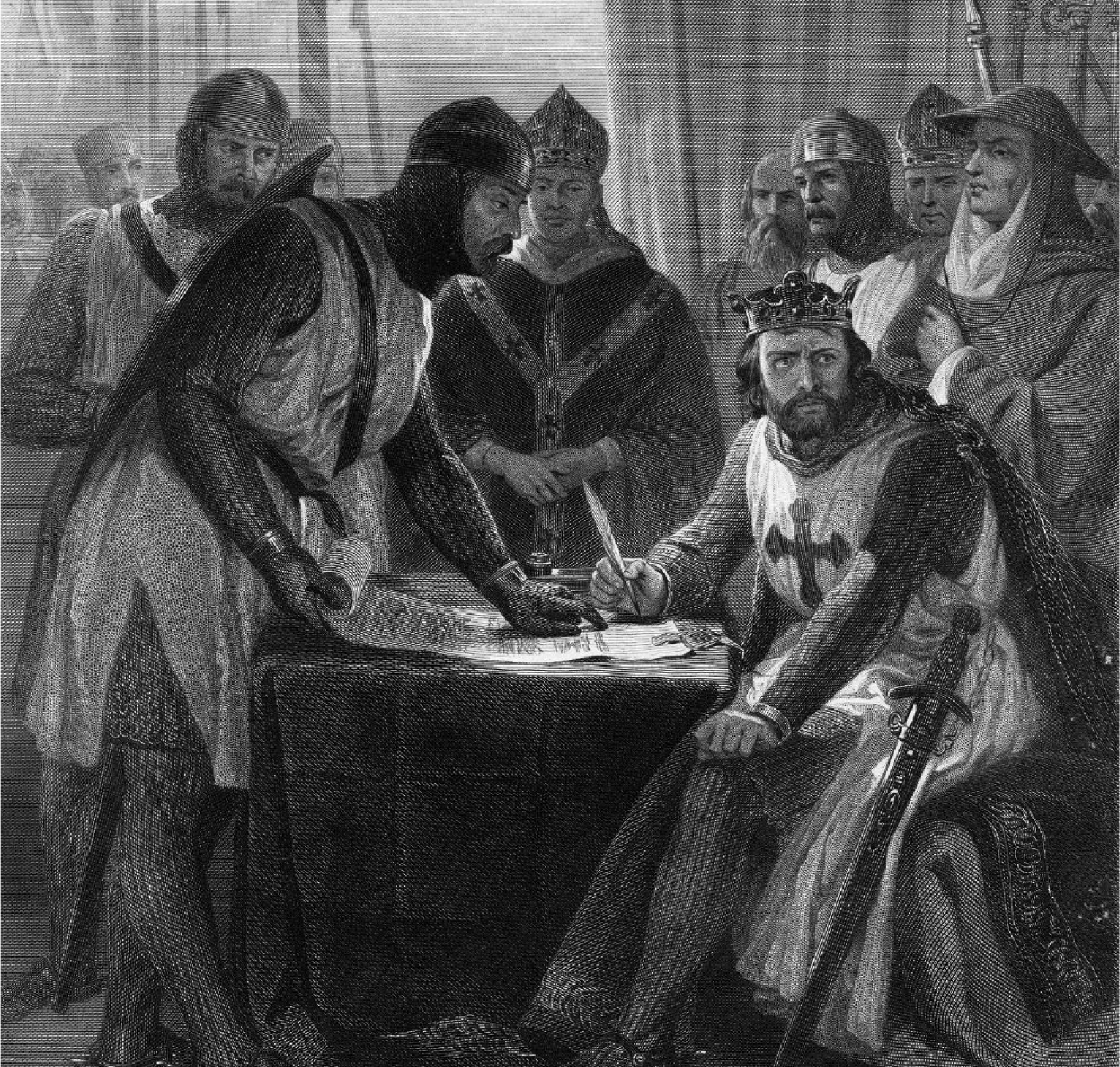
King John and the Magna Carta at Runnymede
Credit: Images (left )Patrick McCay (right) iStock
In the following special report, we also consider the ideas and expectations at the heart of this document; justice, freedom, liberty, and a balance of powers between those who rule and those who are ruled. We consider the global consequence of such ideas, and their relevance throughout history and today for those who struggle for individual freedoms. We consider whether land ownership still confers greater freedoms and rights of freedom of expression. And we look at countries where public trust in their justice system is waning, or being destroyed by the way the state operates. When the Magna Carta was drawn up, it gave certain powers to a small number of English people. Throughout the centuries though it has been used as a basis, or inspiration, for laws around the world, from the US Constitution to the UN Declaration of Human Rights that give power and rights, and freedom of expression, to an ever wider group of citizens.
A few months ago, Syrian activist Mazen Darwish was awarded the PEN/Pinter International Writer of Courage award, in his acceptance speech he said: “For a long time I’ve wished that one day I might set foot in London, so that I’d perhaps be able to touch the soul of that great city, and discover the traces left by John Locke, Shakespeare, and the men who drafted the Magna Carta”. The heritage of the ideas behind the Magna Carta lives on, and inspires those who seek freedom to think, live, speak and act.
While the Magna Carta is centuries old, its influence is clearly traceable to the modern day, and still cited