




Abstract
This paper presents supply chain capabilities in a three-stage circular model. Different from most studies exploring supply chain integration (SCI) from the perspective of processes, this paper studies SCI from a holistic approach. By applying dynamic capability view (DCV), this study develops a measurement of SCI capability based on the three-stage circular model. The scale items were drawn from existing literature. A survey study gathered 187 responses from firms in New Zealand. Factor analysis was conducted to validate the measurement of supply chain integration in the New Zealand businesses. The paper defines the SCI capability as a second-order construct including several well-studied dynamic capabilities such as visibility, agility, and flexibility. The three-stage circular model enables firms to learn, response, and reconfigure to achieve rapid continuous improvement in supply chains. This paper provides new insights and practical implications in SCI and supply chain capability studies and practices in the Industry 4.0 era.
Introduction
The fundamental principle of managing the supply chain is to integrate various companies across the entire chain. Supply chain management must integrate three key flows: information flow, physical flow, and financial flow among supply chain partners (Rai et al., 2006; Shah et al., 2020; Wang et al., 2024c). An integrated supply chain generates more value for the customers and its stakeholders (Christopher, 2005). Organisations must contemplate how to integrate their supply chains to achieve sustainable and long-term objectives. This question has become crucial for many managers. For example, COVID-19 pandemic caused many supply chain disruptions (Flynn et al., 2021; Velayutham et al., 2021). Supply chain integration (SCI) enables firms to control their business processes across organisations in supply chains (Zhang et al., 2020). This highlights the crucial importance of integration in supply chains in the post-COVID-19 era.
SCI can be classified into vertical integration (Li and Chen, 2020), horizontal integration (Álvarez-SanJaime et al., 2013), external integration, and internal integration (Huo, 2012) to fulfil its end customers’ requirements and then create stakeholder value (Wang et al., 2021). Previously, most studies considered that SCI was types of processes, which enables the strategic collaboration with business partners and customers in supply chains (Flynn et al., 2016; Rai et al., 2006). Some researchers have explored the SCI performance measurement (Basnet, 2013; Flynn et al., 2010). In our study, SCI is viewed as a critical supply chain capability. It encompasses multiple capabilities that enable and guide companies in integrating their supply chains. There is scant study on dynamic SCI capability despite the fact that SCI aims to improve the capability for all the supply chain members. Furthermore, while many studies on SCI capability focus on a static process perspective (Rai et al., 2006; Trkman et al., 2007), SCI actually involves strategic decision-making, uncertain information, unstable processes, and a dynamic environment (Wang et al., 2016). Therefore, measuring SCI capability should be approached from a systematic and dynamic perspective.
Modern supply chain is a complex and dynamic integrated system, which plays a vital role to facilitate the learning and innovativeness (Braunscheidel and Suresh, 2009; Wang et al., 2020). Many emerging technologies, including the Internet of Things, Artificial Intelligence, Blockchain, and Robotics, have been implemented in various industries, reshaping supply chains on a global scale. Additionally, COVID-19 and the fluctuating environment have introduced greater uncertainties into supply chains (Flynn et al., 2021; Wang et al., 2022). Although SCI and supply chain capabilities have been extensively discussed in the supply chain management literature, there is still a lack of a clear conceptual model that combines these capabilities to achieve continuous supply chain integration in fluctuating environments and support a circular supply chain. Moreover, it is crucial to reconsider SCI in the Industry 4.0 era and explore how firms can effectively integrate and optimise their supply chains in the aftermath of COVID-19. The research questions are formulated as below.
RQ1: Which key supply chain capabilities do the firms need to integrate the supply chains in fluctuating environments?
RQ2: How can the supply chain capabilities seamlessly blend to achieve rapid continuous improvement in supply chains? To address these questions, the study aims to develop a measurement of SCI using a generic circular model from an enterprise perspective. Initially, key SCI capabilities were identified through a review of existing literature. Subsequently, a circular process model of SCI was established to illustrate how these capabilities can harmoniously combine to achieve continuous improvement in dynamic and fluctuating supply chain environments. Finally, empirical verification of the measurement models was conducted in the context of New Zealand. These models can serve as guidance for both researchers and practitioners to facilitate SCI and offer insights into optimising supply chains post-COVID-19. The article is organised as follows: the next section presents theoretical background and a review of literature on the SCI. Then, the following section illustrates the SCI circular process model. Research methods are depicted in section 4. Section 5 provides data analysis and results, followed by the discussion, managerial implications, and conclusion in the last section.
Theoretical background
Dynamic capability view
The study was based on the dynamic capability view (DCV). To overcome the static approach of the RBV, we adopted DCV. The RBV is a foundation of DCV, which stressing that the ability to respond timely and adequately and to external changes requires comprehensive capabilities. Within the RBV, a firm’s resources may contain different capabilities, skills, physical resources, financial resources, and people. These are coordinated and deployed to create value and competitive advantage (Mohamed et al., 2014; Teece et al., 1997).
In organisational theory, a capability should be a customer-desired (Day, 1994). Hafeez et al. (2002) define capability as the ability to make use of resources to perform some tasks or activities; a resource may refer to anything, intangible or tangible, owned or acquired by a firm. Capabilities may include complex skills and knowledge. Helfat and Peteraf (2003) further develop the DCV and argue some capabilities may deal specifically with learning, adaptation, and change processes; all capabilities have the potential to accommodate changes.
Companies use their capabilities to compete (Teece et al., 1997). DCV is a distinct approach to strategic management. While the RBV of strategic management and organisational learning were constitutive of the DCV in the earlier stages of its evolution, more recent literature indicates that the field is shifting towards a more integrated agenda of research (Vogel and Güttel, 2013; Zhang et al., 2020). In this study, SCI capability is viewed as a dynamic capability, which can renew competencies to achieve congruence with a fluctuant environment. It is the firm’s ability to integrate, build, and reconfigure internal and external competences to address rapidly changing environments (Teece et al., 1997). This research establishes a SCI circular process model based on the DCV to provide insights into SCI and optimisation. This can also aid in the establishment of a circular supply chain.
Supply chain capability
Supply chains vary across industries. According to the Council of Supply Chain Management Professionals, supply chain management involves integrating material, information, and financial flows across a network of companies or organisations that manufacture and deliver products and services from source to consumer. Therefore, achieving supply chain integration should be the overarching objective for all supply chains.
Effective supply chain management has been widely viewed as a crucial factor in differentiating products and obtaining competitive advantage for firms (Christopher, 2005). SCI has been identified as a key practice to manage supply chains risks, as it allows supply chain partners to share information and coordinate. Integration can provide firms with the opportunity to collaborate and compete in international markets. Based on DCV, a capability may pass through multiple stages of transformation (Helfat and Peteraf, 2003). There are different forms of integration including internal, supplier, and customer integration (Kim, 2006). In previous studies, Rai et al. (2006) address the supply chain process integration capability from three aspects: physical flow integration, information flow integration, and financial flow integration. Flynn et al. (2016) operationalise the SCI in terms of different types of SCI: internal integration, customer integration, and supplier integration. Wang et al. (2016) address the SCI from content-based SCI dimensions: strategic alliance, information sharing, and process coordination. In this study, we focus on the SCI capability, which is defined as a capability to sense, collaborate, coordinate, and reconfigure the elements in a supply chain including internal and external integration to respond rapidly to changes.
Conceptualisation and hypothesis of supply chain integration capability
We conceptualise and measure the constructs of SCI capability based on the current literature. Previous studies on supply chain capabilities typically employ first-order constructs to examine different types of capabilities individually (Merschmann and Thonemann, 2011). Supply chain management involves complex managerial tasks, where a single supply chain capability alone is insufficient to handle the complexity and environmental fluctuations. Such capabilities only capture fragmented aspects of supply chain operations. Therefore, a higher-order SCI capability is essential to encompass a more integrated perspective of SCI. In this study, the SCI capabilities are constructed of visibility, agility, and flexibility in supply chains. The supply chain is not a business chain with one-to-one relationships. Instead, it is a group of multiple businesses and relationships; the three first-order constructs of supply chain integration offer the opportunity to capture the synergies across organisations (Lai et al., 2004).
In this context, our hypothesis regarding the three sub-dimensions of supply chain integration capability is as follows:
A firm’s supply chain integration capability is composed of three dimensions, which are supply chain visibility, agility, and flexibility. Supply chain visibility scale items.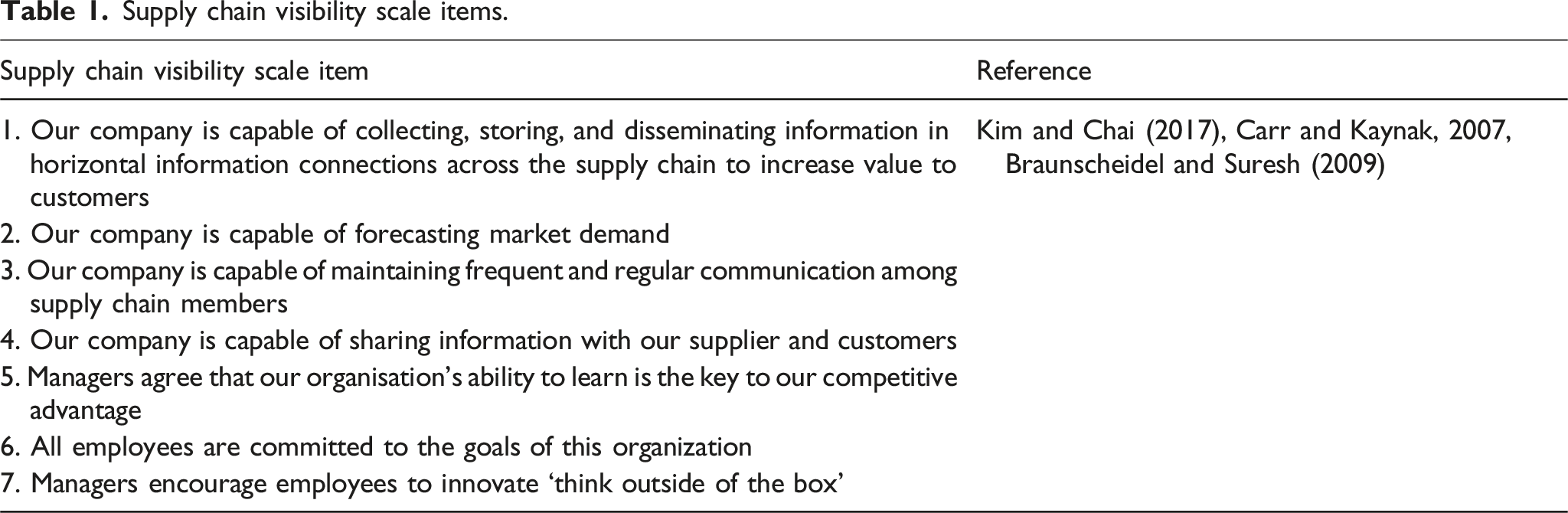
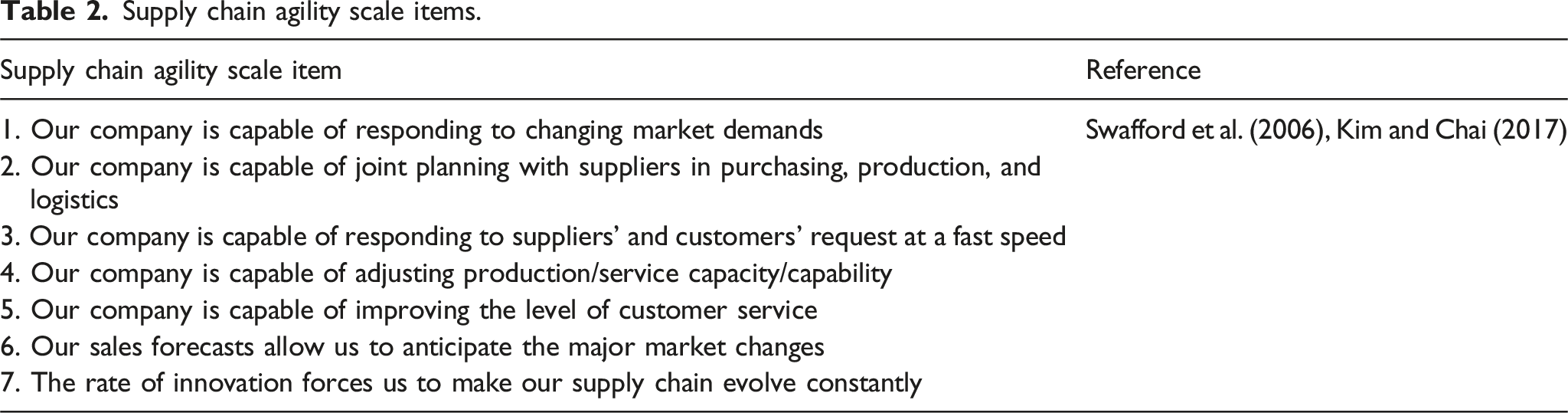
SCI requires business partners to rapidly respond and collaborate in order to synchronise the supply chain operations and minimise the uncertainty and risk across entire supply chain. Agility is a relatively new construct in the operations and supply chain management (Gligor et al., 2015). It has been discussed as the firm’s ability to quickly adjust its supply chain tactics and operations (Gligor et al., 2015). Braunscheidel and Suresh (2009) (Braunscheidel and Suresh, 2009) defined supply chain agility as the capability of the firm, both internally and in conjunction with its key suppliers and customers, to adapt or respond in a speedy manner to marketplace changes as well as to potential and actual disruptions, contributing to the agility of the extended supply chain. In addition, agility addresses supply chain uncertainty and risk (Cavinato, 2004; Christopher and Towill, 2001; Gligor et al., 2015). Wang et al. (2024d) stress that that supply chain agility also requires the capability to quickly resolve problems and adapt to changes.
Supply chain agility scale items.
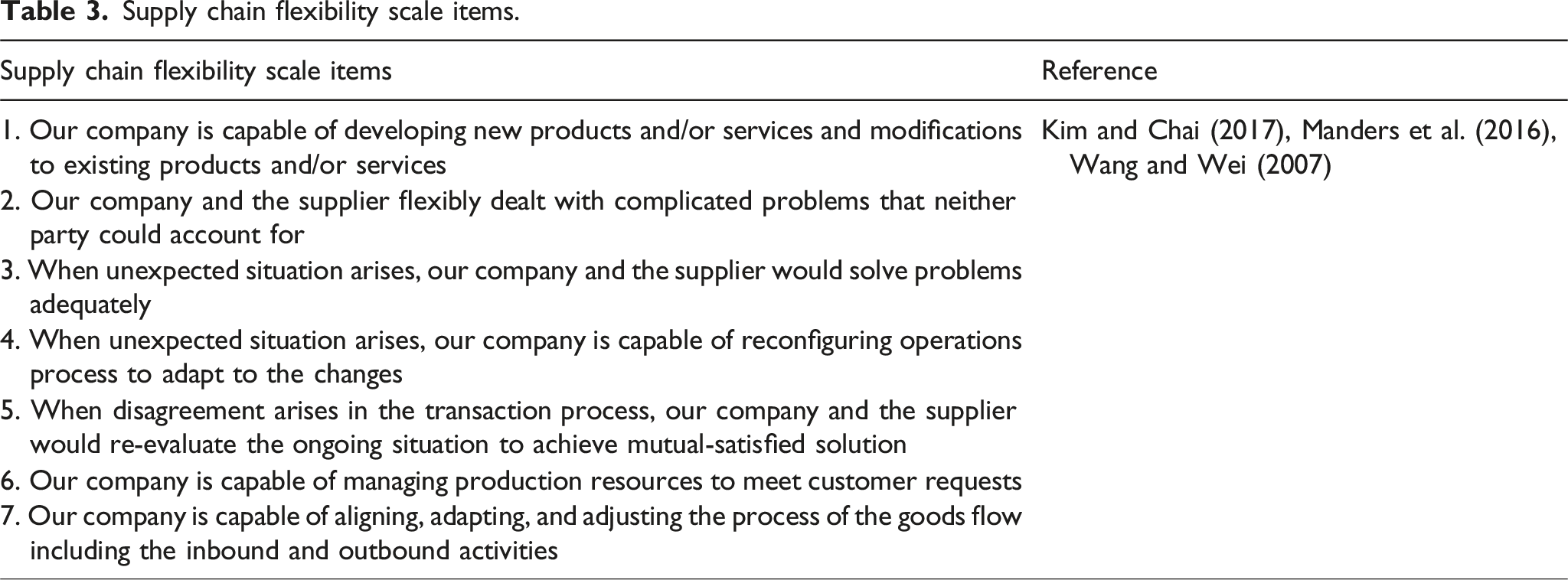
Often, quick response and collaboration are difficult to adapt the SCI. For example, supply chain must become more flexible and easier to be reconfigured to adapt new products and new markets. In the literature, flexibility is a dynamic capability, which enables products/services to meet the customers’ demands (Gunasekaran et al., 2004). It is a key ability to reconfigure the systems and allow firms not only to reduce the cost and time but also to mitigate the supply chain uncertainty and risk (Lee and Rha, 2016; Wang et al., 2015). Moreover, supply chain flexibility is a predominant capability to add value to the customers (Kothari and Lackner, 2006). It is worth noting that Wang et al. (2024b) argue that increasing supply chain flexibility does not always enhance an organisation’s strategic performance. In fact, firms with high supply chain flexibility may sometimes perform worse than those with low supply chain flexibility in terms of strategic performance. In the study, supply chain flexibility refers to firm's flexible capabilities. Table 3 shows the scale items for supply chain flexibility in the survey.
Supply chain flexibility scale items.
A three-stage circular model
In this section, we present a three-stage circular model. This SCI model has three stages that include learning, responding, and reconfiguring (Figure 1). Each stage represents different supply chain capabilities that enable companies to integrate their supply chains and continuously improve supply chain operations. The circular model was developed based on the concept of sense-and-respond supply chain (Enyinda and Szmerekovsky, 2008). Enyinda and Szmerekovsky (2008) proposed a sense-and-respond supply chain model, arguing that an adaptive supply chain network can develop beneficial capabilities, including (1) monitoring and sensing, (2) detecting and interpreting, (3) analysing, (4) deciding, and (5) responding and executing. emphasised the importance of establishing a sense-and-respond system to detect the potential occurrence of a pandemic. SCI circular process model.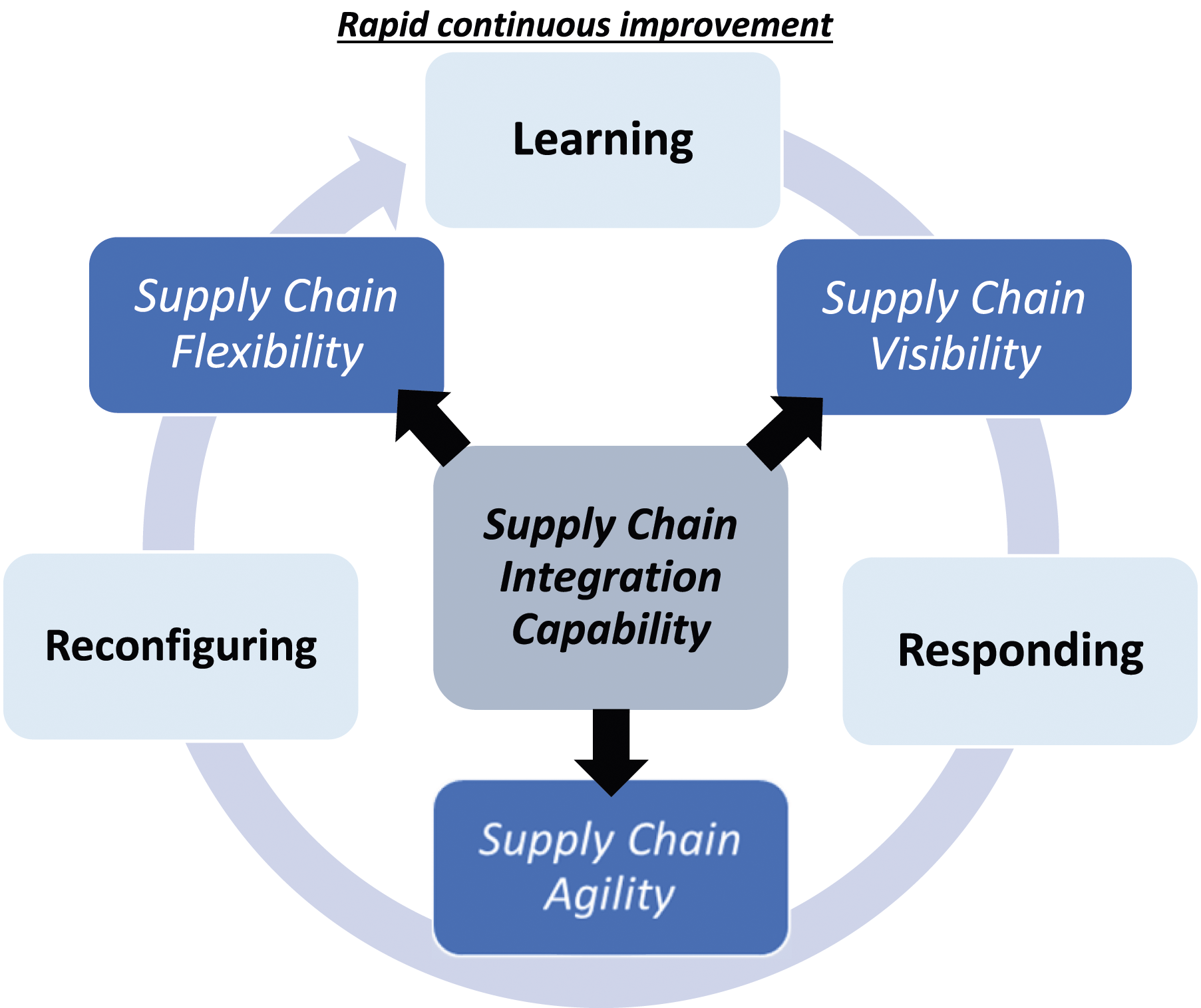
The learning stage
The SCI circular model begins the learning stage, which is to learn and understand the customers, business partners, and market/situation and explore the new opportunities. Firms must search for the processes of learning, behaviour change, and improvements to survive in dynamic and turbulent environment (Christopher, 2000). From an enterprise perspective, a firm needs capabilities to sense and understand these diversities in the global environment (Tatham et al., 2017). During the learning stage, information plays a vital role to help firms to learn from intra- and inter-organisational cooperation and integration in supply chains (Smith et al., 1995). It is a key capability to facilitate the learning stage. The emerging technologies provide opportunities for the development of supply chain visibility and explore new foreign markets in the Industry 4.0 era (Wang et al., 2020; Wang and Prajogo, 2024). The ability to learn about markets, supply chain partners, stakeholders, etc. is only a start in the SCI.
The responding stage
Then, the responding stage is the next stage to respond to the learning stage changes and adjust the business processes, strategies, and/or directions accordingly. SCI is a process where supply chain partners constantly assess their decision and performance to continue to cooperate. During the responding stage, firm adopts and responds rapidly to the changes from internal operations, markets, and environments. The firms need to identify and prioritise the changes and opportunities from the previous stage and respond to the changes accordingly (Tatham et al., 2017). The responding stage involves more than just reacting; to respond quickly, companies must have strong problem-solving and decision-making capabilities (Enyinda and Szmerekovsky, 2008). Wang et al. (2024d) emphasise that supply chain agility must include the ability to resolve problems effectively. The supply chain agility can be viewed as a strategic capability; it allows firms to deliver customised product (Potdar et al., 2017). Innovation may enhance strategic capability. Supplier innovativeness has positive impacts on the supply chain agility (Kim and Chai, 2017). It is necessary that firms embrace the supply chain agility to deal with unpredictable changes and create competitive advantages.
The reconfiguring stage
After the responding stage, a firm may find it lacks the necessary capabilities for the new changes or has redundant capacities. Consequently, it needs to reconfigure its business to effectively react to these changes. The reconfiguring stage is a transitional phase where firms take actions to manage change, seize opportunities, and mitigate risks. This can involve developing new products or services, modifying existing ones, and reconfiguring operational processes to adapt to changes. During this stage, firms may also choose to disregard unnecessary changes or modifications. With the rapid evolution of technology, SCI and the implementation of new technologies are two sides of the same coin in Industry 4.0. Therefore, firms must consider the big picture before committing to significant changes.
In the circular model, the three stages are interconnected. Due to the supply chain complexity, stages may overlap and occur simultaneously; a new stage may begin before the previous one is fully completed in the model. For example, in the construction sector, firms need to continue to learn while managing and delivering the projects. In addition, SCI provides structural supply chain capabilities associated with performance and enables a firm to obtain corporate competitive capabilities (Kim, 2006). The SCI capability represents multiple abilities to sense (visibility and learning), respond (agility, coordinate, and responding), and collaborate and reconfigure (flexibility and reconfiguring) in the study. Based on our literature review, the SCI capabilities consisting of visibility, agility, and flexibility are included in the conceptual model. The three crucial supply chain capabilities are embedded in our circular model. As this study is in its initial stage, we focus solely on the three main capabilities mentioned above. However, additional capabilities such as supply chain analytical capability, risk management, and technology integration can be investigated in later stages to enrich the model.
Research methodology
Research design
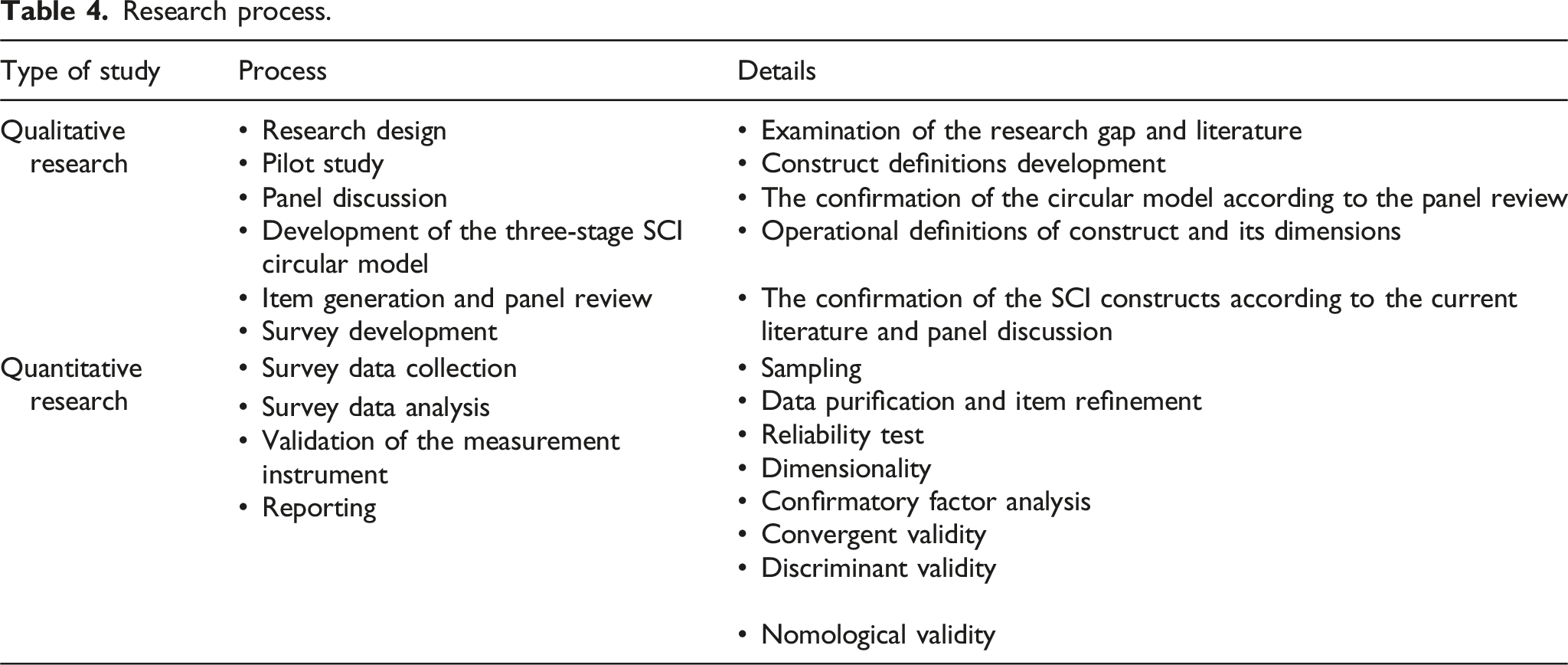
The research comprises three main phases: literature review, development of the three-stage SCI circular model, and empirical validation of the SCI capability measurement (Figure 2). A rigorous research process was designed to tackle the research questions; a thorough review of articles on SCI is performed to identify the research gap and generate items. Table 4 outlines the measurement instrument development, which includes a qualitative process, such as panel review and item generation, and a quantitative process for the scale validation. This research follows rigorous stages of scale development to develop a reliable and valid scale of supply chain integration capability for effectively measuring its strength from a corporate or an enterprise perspective. The SCI circular process model is developed based on the DCV to demonstrate how the SCI capabilities can blend seamlessly. The entire process of confirmation was examined by expers and academia based on their SCM backgrounds. Research main phases. Research process.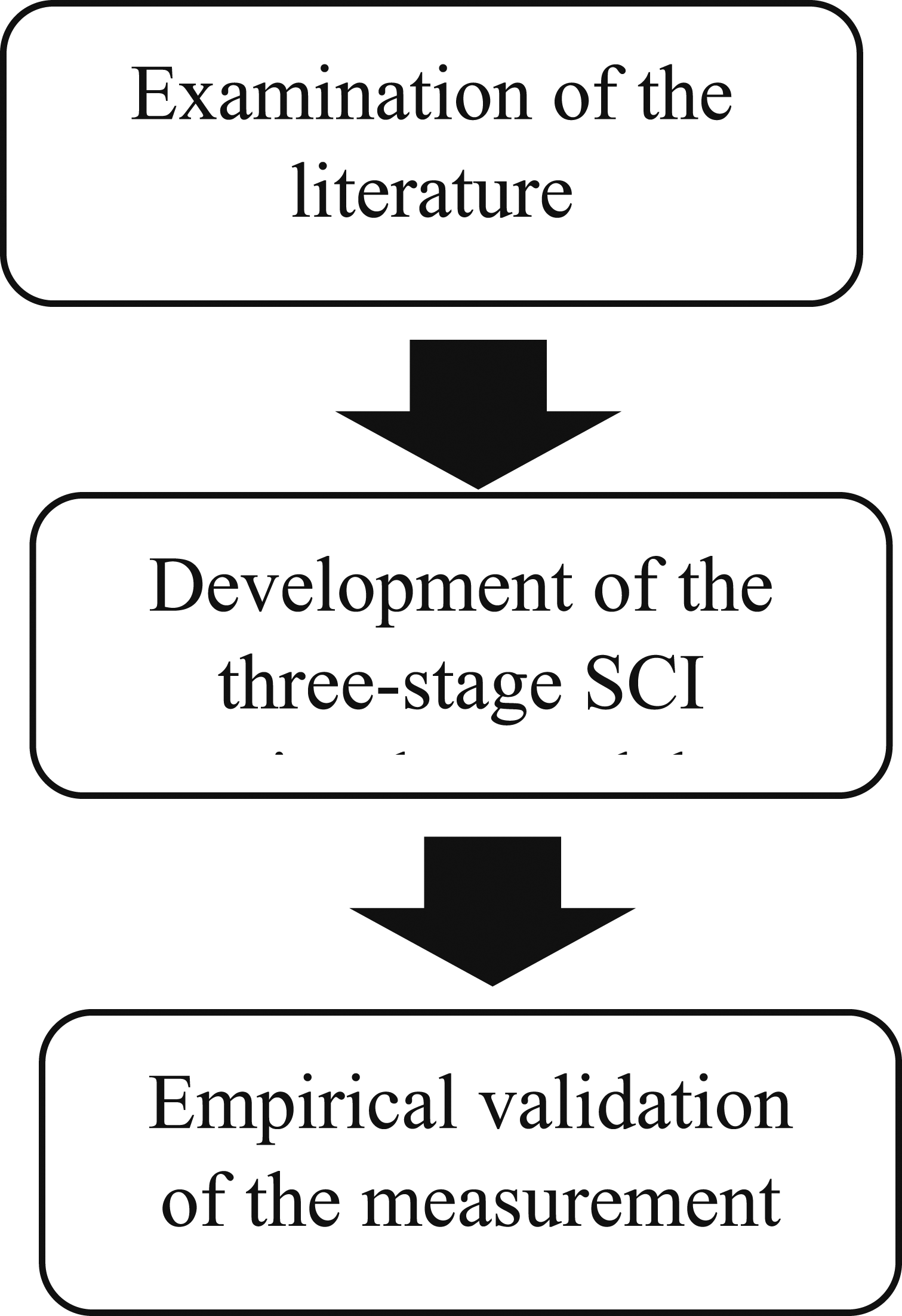
Data and instrument
This study is a cross-sectional survey research (Walter, 2013). The measurement instrument is developed to measure the SCI capability. In this study, we collect the empirical data in New Zealand businesses to assess a generic SCI capability across the supply chains from an enterprise perspective. Thus, we did not target specific industries or sectors. The sample companies were randomly selected from the Yellow Pages® and LinkedIn in New Zealand. The criteria used to select businesses included any business operating in New Zealand. The SurveyMonkey is used to manage the online research questionnaire. The invitation letter with survey web link was emailed out to the companies in early November 2019. To ensure the study is meeting ethical requirements, the anonymous research survey was designed. A total of 560 companies have been invited in the research; 187 valid responses were received in early 2020 prior to the COVID-19 breakout in New Zealand. The survey response rate was 33%.
A reliable instrument plays a vital role in the research (Zikmund, 2013). The questionnaire was designed to collect data for validating the measurement instrument. Structural equation modelling includes two kinds of measurement, a reflective and a formative measurement (Loehlin, 2004). In this study, we use a reflective scale (Coltman et al., 2008). The measurement items were drawn and developed from previous studies. We used a multiple-indicator measure to measure the SCI capability (Bryman and Bell, 2011) because a single indicator may cause many potential problems; also, structural equation modelling requires multiple indictors for a latent variable (Loehlin, 2004). Besides, multiple-indicator measures may reduce measurement errors and improve the reliability and validity of instrument (Grinnell and Unrau, 2011). The questionnaire underwent review and discussion with several researchers and managers in New Zealand. Some questions were slightly modified to suit the New Zealand context. We asked respondents to what extent you agree with each statement as they related to your firm. All scale items were measured on a 7-point Likert-type scale where 1 = ‘Strongly disagree’ and 7 = ‘Strongly agree’. We chose to use a 7-point Likert-type scale because it offers distinct advantages over other scales (Joshi et al., 2015, Veldhuyzen van Zanten et al., 2006).
Nonresponse bias and common method bias
Nonresponse bias refers to the potential distortion in research findings that may arise when respondents differ systematically from non-respondents in a study (Armstrong and Overton, 1977). It can affect the validity and representativeness of the results if those who do not respond differ in important ways from those who do respond. To assess nonresponse bias, we analysed the differences in responses received at the beginning versus those received later in the survey period. Our results show there were no significant differences found between early and late responses. Therefore, nonresponse bias does not pose a significant concern in this study.
Common method bias refers to a potential bias that arises when the measurement method used in a study systematically inflates correlations among variables due to shared methodological factors (Podsakoff et al., 2012). To address common method bias, we employed various methodological controls and statistical techniques to mitigate any potential inflation of correlations among variables due to shared methodological factors in our study. The Harman single-factor test is a statistical technique used to assess the extent of common method bias in research studies. It involves conducting a factor analysis on all items included in the study to determine if a single factor explains the majority of the variance in responses. If a single factor (usually the method factor) accounts for a substantial portion of the variance (typically more than 50%), it suggests the presence of common method bias (Podsakoff et al., 2003). Our analysis of the Harman single-factor test indicates that our results show a factor loading well below 50%, suggesting minimal risk of common method bias influencing our findings.
Data analysis and results
The data analysis and results are presented in this section. A questionnaire survey was undertaken in firms across New Zealand. Response biases were tested in this study. We did not find any significant evidence of late-response bias and non-response bias in the data (Armstrong and Overton, 1977). To ensure the construct validity, the measurement items in the instrument were adopted from existing literature. Moreover, all indicators and measurements are developed based on existing literature. Several researchers and practitioners were invited to review and provide comments to further improve the measures. The data collection was conducted through the SurveyMonkey; participants were invited and required to answer all questions before the data can be recorded. Thus, no missing values were identified. All responses were checked and accepted for the data analysis. A total of 187 valid responses are used in the data analysis. Pearson’s correlation coefficients were used to examine the correlations between different measures. No multi-collinearity issue was found in this study.
Descriptive statistics
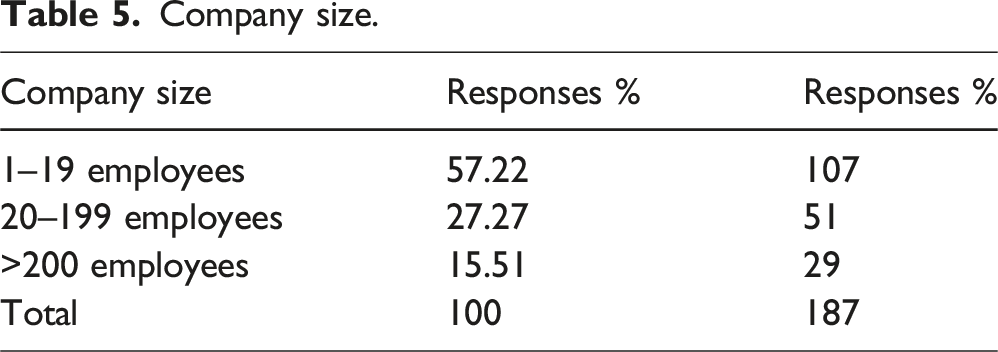
Company size.
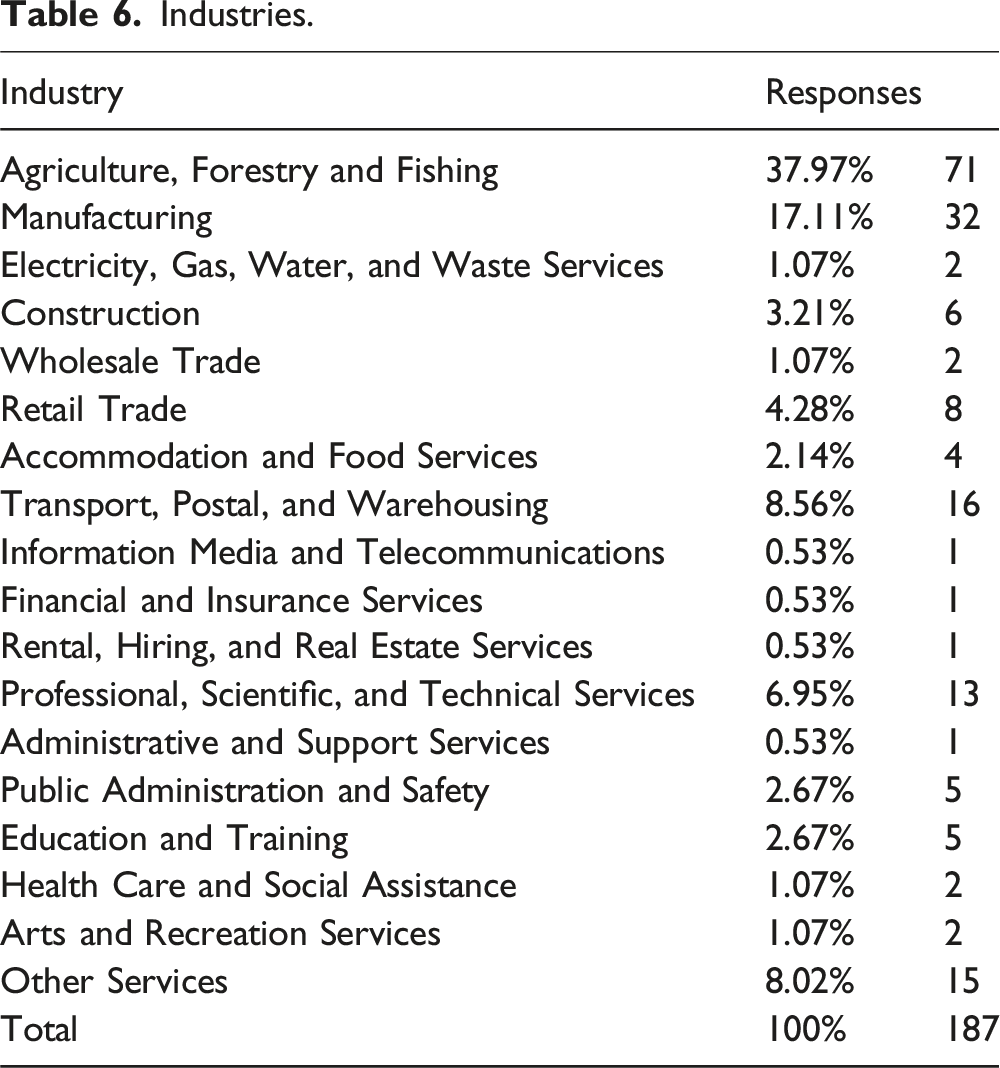
Industries.
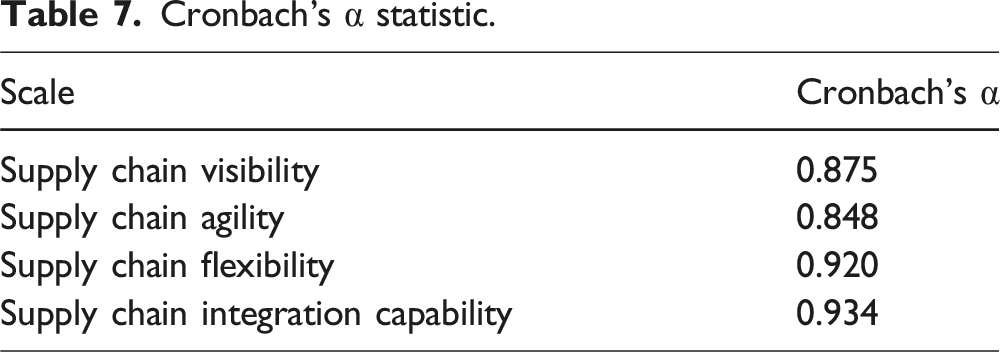
Scale reliability and validity
Cronbach’s α statistic.
Standardised loading s and t values (n = 187).
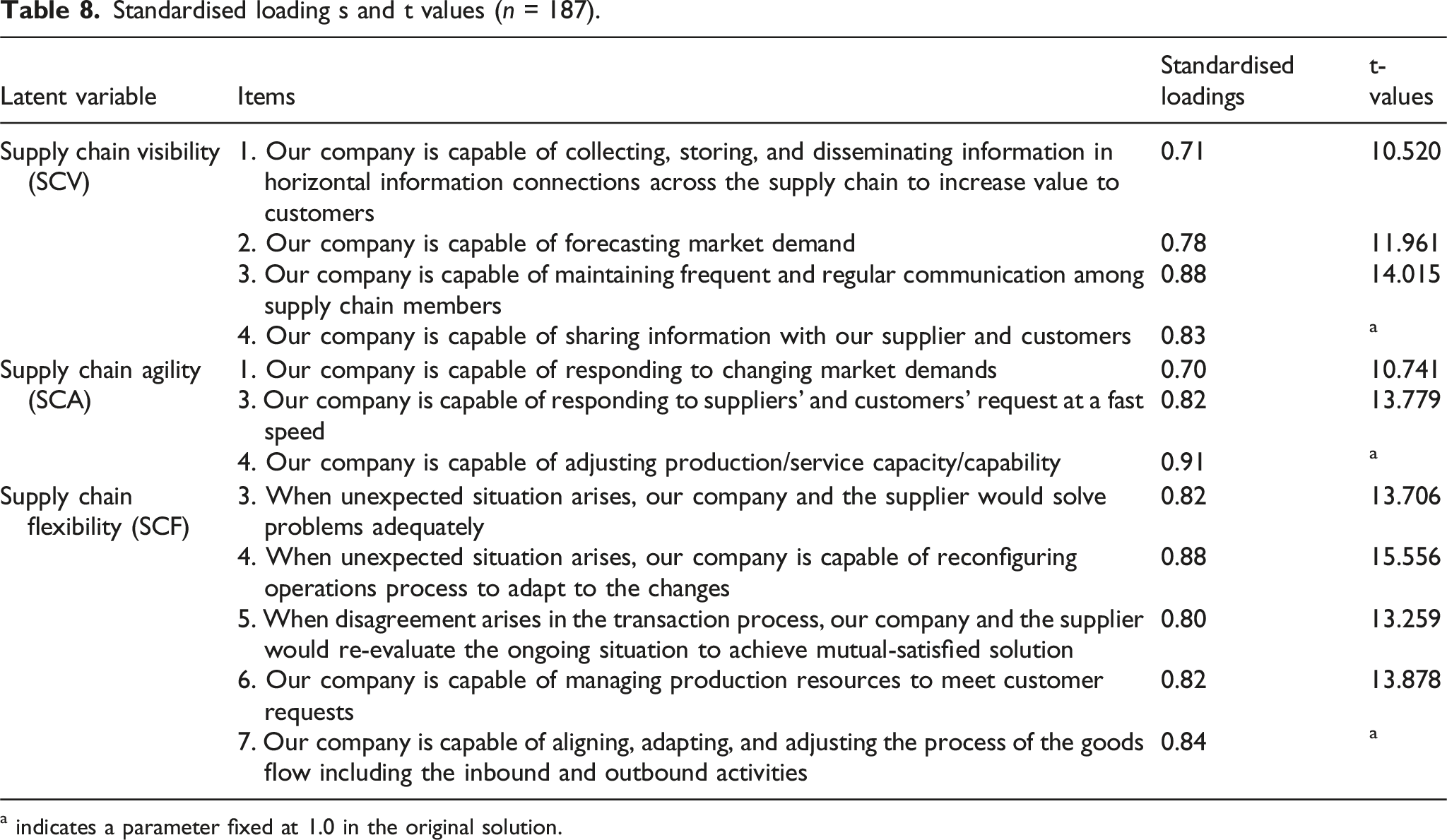
a indicates a parameter fixed at 1.0 in the original solution.
The SCI capability is a second-order latent variable. Three main constructs are used to measure the SCI capability in the measurement model. Supply chain visibility, supply chain agility, and supply chain flexibility. The software IBM SPSS AMOS 25 was applied to analyse the data and verify the measurement models in this study. The CFA is satisfied based on the tests.
Each latent variable includes 7 items in the questionnaire. With CFA, any item that does not fit the measurement model due to low factor loading should be removed from the model (Hair, 2010). During the CFA, three items were removed from SCV, four items were removed from SCA, and two items were removed from SCF. A total of 12 questionnaire items were adopted to measure the constructs: four for supply chain visibility (SCV), three for supply chain agility (SCA), and five for supply chain flexibility (SCF). Table 8 illustrates the details on each item in the model.
Correlation matrix with composite reliabilities and validities.
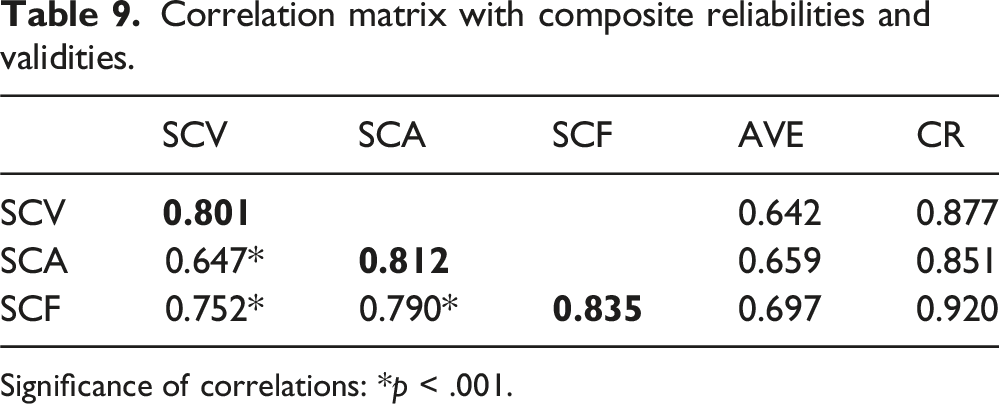
Significance of correlations: *p < .001.
Model fit measures.
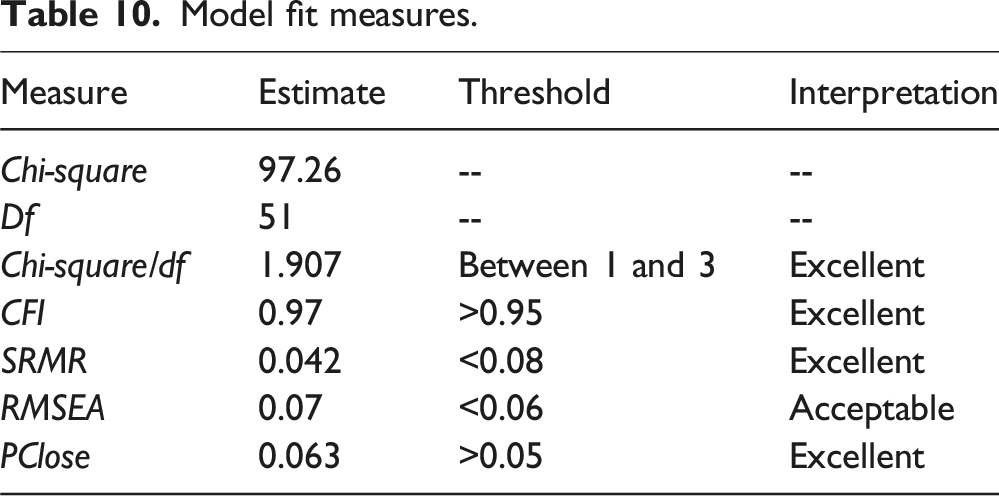
As the SCI capability is measured by a second-order construct, we also conducted a second-order CFA using AMOS 25 to validate the second-order measurement model. All analyses were performed on a covariance matrix using maximum likelihood (ML) estimation and on the entire set of items simultaneously (Anderson and Gerbing, 1988). The overall structural model fit was good. The following criteria were determined: X2 = 97.26 with 51 df, X2/df = 1.91, CFI = 0.97, AGFI = 0.95, NNFI = 0.95, and RMSEA = 0.070.
Nomological validity
Regression analysis for nomological validity.
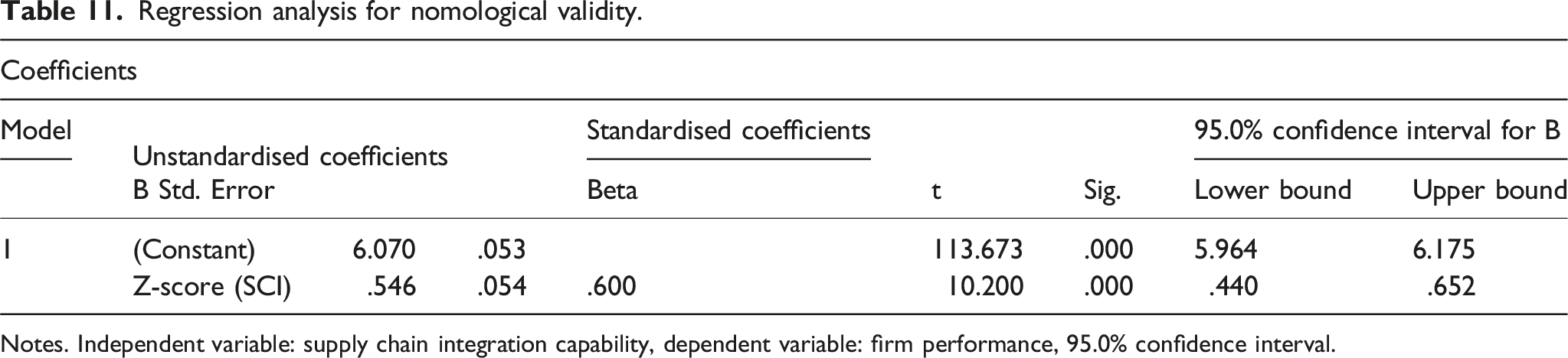
Notes. Independent variable: supply chain integration capability, dependent variable: firm performance, 95.0% confidence interval.
Discussion and conclusion
Modern supply chains have become significantly more complex and dynamic due to factors such as climate change, emerging technologies, the COVID-19 pandemic, the US–China trade war, the Russia–Ukraine conflict, and environmental fluctuations (Wang et al., 2024c; Wang and Prajogo, 2024; Wang and Wang, 2023). These developments have introduced numerous opportunities, challenges, and uncertainties into supply chains. Firms must integrate their supply chains and reconsider their SCI strategies to capitalise on opportunities, manage challenges, and mitigate uncertainties effectively. The SCI circular model enables supply chain members to engage in a rapid continuous improvement cycle. This approach allows them to learn, respond, and reconfigure collaboratively, thereby achieving seamless SCI. It represents a contemporary organisational development strategy in supply chain management, particularly relevant in the context of Industry 4.0. Additionally, this perspective offers valuable insights into SCI in the Industry 4.0 era.
The main purpose of study is to develop a measurement of SCI capability based on the circular model. All the scale items were drawn from the existing literature. The number of items was reduced through the scale refinement process (Hair, 2010). The measurement models offer an instrument to evaluate the SCI capability in modern supply chains. In this paper, SCI capability is conceptualised as a dynamic capability comprising visibility, agility, and flexibility, all embedded within the circular model. This dynamic capability enables firms to continually learn, respond, and reconfigure from a supply chain perspective, thereby staying competitive. Additionally, SCI capability can influence and enhance other operational capabilities such as customer service, business administration, and operations to achieve rapid and continuous improvement.
In this study, SCI capability is considered a second-order construct consisting of three latent variables to capture the mechanism of SCI in the SCI circular model. The empirical data collected from NZ companies were used to verify the construct. Factor analysis is conducted to validate the SCI capability construct, which includes three unidimensional constructs: supply chain visibility, supply chain agility, and supply chain flexibility. They represent the main dynamic capabilities for integrating supply chains in the circular process model. Although supply chain visibility, supply chain agility, and supply chain flexibility often appear in the supply chain management literature, very few studies treat them as a holistic SCI capability.
The findings confirm the efficacy of the integration circular process model in supply chain management. Supply chain visibility marks the initial stage of this model, where supply chain members must comprehend customer needs, understand market dynamics, and collaborate effectively to create value across the supply chain. The second stage, illustrated by supply chain agility, follows the learning phase. Here, each member of the supply chain must swiftly respond to requests from suppliers and customers and adapt to market changes – this represents the responsive stage. The third stage of the circular model involves reconfiguring. Supply chain flexibility plays a crucial role during this transitional phase, enabling members to adjust and reconfigure their operations to cope with changes and uncertainties. Given the complexities and dynamics of today’s supply chains, the flexibility stage is followed by a continuous learning process. This circular model allows supply chain members to continually adapt, manage changes, and enhance performance through rapid continuous improvement.
Managerial implications
The study offers several managerial implications that can be derived from the circular process model. Managers should prioritise enhancing supply chain visibility to better understand customer needs and market dynamics. This requires robust data analytics and information-sharing platforms that facilitate real-time insights across the supply chain. Additionally, organisations need to cultivate supply chain agility to quickly respond to changes in customer demands and market conditions. This involves agile practices such as flexible manufacturing processes, responsive logistics capabilities, and adaptive supply chain planning. Furthermore, recognising the importance of supply chain flexibility, managers should invest in technologies and strategies that enable rapid reconfiguration of operations. This includes flexible sourcing arrangements, agile inventory management systems, and adaptable production capabilities. Managers should also be mindful of the potential drawbacks or negative effects associated with supply chain flexibility. Moreover, to effectively implement the circular model, managers must foster strong collaboration among supply chain partners. Embracing a culture of continuous learning and improvement is essential. Managers should encourage a feedback-driven environment where supply chain members continually learn from performance metrics, market feedback, and internal assessments to drive improvements. This can also be instrumental in establishing a strong foundation to support a circular supply chain.
As supply chain is a network structure, there indeed seems to be an existence of interdependence among the capabilities and organisations. It is worthy to further study the interdependent relationships to gain an in-depth understanding of contemporary organisational development change strategy in a supply chain level. Moreover, global SCI has become an important topic in the Industry 4.0 era; emerging technology plays a vital role to reconfigure the supply chains; further research may be conducted to rethink the supply chain management strategies by embracing the new technologies.
This study includes some limitations. The circular model is designed to a generic supply chain; each industry has different structures or constraints in different countries. No case study/pilot studies were carried out to verify each stage in the circular model. The measurement model is only validated by the New Zealand companies in this paper; thus, the results are generalisable to the extent that these companies represent the population.
Footnotes
Declaration of conflicting interests
The author(s) declared no potential conflicts of interest with respect to the research, authorship, and/or publication of this article.
Funding
The author(s) received no financial support for the research, authorship, and/or publication of this article.
