




Abstract
This article argues that the United Arab Emirates benefits from the Abraham Accords with Israel at the defense and security levels despite the absence of explicit references to such cooperation in the agreement. It imbues the scholarly debate concerning security with dynamism through introducing the concept of Dynamic Security Regime as an alternative to the otherwise static continuum of states either engaging in a Tacit Security Regime on one end of the spectrum and a Security Regime on the other end of the spectrum. Through Dynamic Security Regime, the article offers a comprehensive assessment of the security and defense cooperation between the United Arab Emirates and Israel following the Abraham Accords. The article draws upon remarks by key officials from both states, including former directors of Mossad, the UAE’s National Cyber Security Council, and others, in combination with scholarly debate to offer an overview that situates first-hand experiences within academic contexts. Finally, the article offers insights into how said aspects of cooperation can change as the relationship matures amidst critical regional and domestic challenges.
Introduction
The normalization of relations between the United Arab Emirates (UAE) and Israel, formalized through the Abraham Accords, marks a significant turning point in the geopolitics of the Middle East, especially with the perceived US decline. This study explores the evolving security and defense cooperation between these two nations. It aims to assess the extent and implications of their collaboration in response to shared security threats, including regional political instability, cyber threats, and the strategic competition with Iran. The research question guiding this study is, how has the UAE-Israel defense partnership evolved post-Abraham Accords, and what frameworks best explain their cooperation dynamics? This inquiry situates the UAE-Israel relationship within the broader theoretical context of international security regimes, drawing upon established concepts such as Tacit Security Regimes and Security Regimes.
In this context, our article introduces the concept of Dynamic Security Regime (DSR) to denote the nature of the security and defense cooperation underpinning the relations between the United Arab Emirates and Israel following the signing of the Abraham Accords. DSR does not reject IR theory but works as a supplementary framework offering better explanatory value for cooperative behaviors that are ad hoc, elite-driven, and strategic in their visibility. It imbues the otherwise static approach of relations within a Security Regime (SR) assuming a tacit or overt level with dynamism that captures how cooperation across defense and security matters can be dynamic in its manifestations to provide states with flexibility in managing their cooperation amidst changing circumstances.
The study places DSR as a transition from the pre-existing Tacit Security Regime (TSR) relations between the UAE and Israel. By virtue of normalization, cooperation between the two states can no longer be identified as a form of TSR. Yet, there are no clear agreements that present a concrete SR. Therefore, the concept of DSR is particularly suitable for understanding how the UAE and Israel, while lacking formal defense agreements, have managed to coordinate on hard and soft security issues in a region marked by volatility and complex threats.
Methodologically, this study employs a qualitative approach, utilizing a combination of document analysis, open source information, and a case study to investigate key developments in the UAE-Israel security and defense relationship. Although the secretive nature of defense and security ties between the UAE and Israel, coupled with a lack of transparency and the absence of credible information regarding critical areas such as intelligence sharing, surveillance cooperation, maritime security, aerospace, and space technology collaboration, presented significant empirical challenges, the authors have attempted to effectively utilize available evidence from open sources. We have also drawn on data from specific databases, such as SIPRI and the official websites of defense companies, to substantiate our argument, particularly in relation to cybersecurity, defense, military exercises, arms, and research and development cooperation.
The study applies the SR framework to analyze the evolving nature of this cooperation, paying special attention to bilateral initiatives, cybersecurity collaborations, and regional defense strategies. The article adopts the Copenhagen School approach to security, which ascribes primacy to military and non-military threats that decision-makers securitize. This provides flexibility for positioning emerging sources of securitized threats that are hitherto not encapsulated within traditional definitions of security that focus on the state and the military (Buzan et al., 2013).
Despite the absence of a universally accepted definition of defense, it is frequently linked to the conventional understanding of security, which encompasses “the study of threat, use, and control of military force” (Walt, 1991, p. 212). This article builds upon Walt’s focus on military force by incorporating defense establishments and military exercises as integral components of a state’s capacity to develop, utilize, and potentially export its military capabilities. In examining the security and defense relationship, the paper argues that the UAE and Israel have effectively leveraged their unique security interests and regional strategies to forge a dynamic and pragmatic partnership. This cooperation, characterized by elite-level interactions, shared threat perceptions, and flexible security initiatives, underscores the shifting nature of Middle Eastern geopolitics in the aftermath of the Abraham Accords.
Security Regimes Framework
International security cooperation has been extensively studied in the fields of international relations and security studies, focusing on how states manage security challenges, cooperate on common threats, and build institutional frameworks to ensure mutual safety. Several international relations theories explain the cooperation between states across the security-defense dimensions (Haggard & Beth, 1987; Lipson & Inbar, 2014). In his seminal article analyzing international regimes, Krasner defines the emergence of international regimes as “sets of implicit or explicit principles, norms, rules, and decision-making procedures around which actors’ expectations converge in a given area of international relations” (Krasner, 1982, p186).
Krasner’s reference to an implicit or explicit mode of cooperation in a regime is crucial as it expands the theoretical explanatory value for international regimes to accommodate implicitly held procedures of engagement as in the case of TSRs or explicitly enumerated modes of engagement within states through the conception of SRs. However, it is also problematic as it implies a static form of engagement that can assume an implicit or explicit form. Accordingly, within this broader academic discourse, various concepts, including TSR and SR, have been developed to explain different levels and forms of cooperation among states.
Security Regime
The concept of SR can be traced back to the pioneering work of Robert Jervis (1982) and Stephen Krasner (1982). SR is defined as sets of principles, norms, and decision-making procedures around which states converge to coordinate their actions concerning security issues. SRs, unlike formal alliances or coalitions, rely on a shared understanding and mutual expectations that states act in ways that enhance collective security without necessarily having formal, binding agreements. Jervis’ foundational work emphasized how the creation of SRs could reduce the risks of unintended escalation, mistrust, and conflict in international relations. His theories laid the groundwork for understanding how regimes can prevent arms races or accidental wars by encouraging transparency and communication.
Krasner’s more general theory of regimes highlighted how international regimes could apply to a variety of issue areas, not just security, through institutions that regulate state behavior. Krasner’s approach provides a broader theoretical foundation for the study of SRs, offering a link between security cooperation and other forms of international governance, such as trade or environmental regimes. Scholars such as Charles Lipson (1991) and Joseph Nye (1987) further explored SRs by analyzing how norms of cooperation emerge and are maintained, often stressing the importance of international institutions (e.g., NATO and the UN) in shaping state behavior. They pointed to deterrence, confidence-building measures, and arms control agreements as examples of security regimes at work.
Tacit Security Regime
TSR builds on the idea of SRs but introduces an informal layer of cooperation to address common security threats (Siniver & Lucas, 2019). While formal SRs depend on explicit agreements, TSRs operate through implicit understandings and practices, which can influence state behavior even in the absence of formal institutions. TSRs are often driven by shared, tacit norms and expectations rather than legally binding agreements or formal alliances. The concept of TSR was first articulated by scholars such as Andrew Kydd (2005) and Charles Glaser (2010), who analyzed the Cold War as an era where superpowers adhered to a form of TSR. Despite their rivalry, the United States and the Soviet Union developed informal norms and behaviors, such as mutual deterrence and communication through hotlines, to avoid nuclear escalation.
TSRs are often formed in response to security dilemmas, where states may not fully trust each other but recognize the need to manage conflict and reduce risks through restrained behavior. These regimes rely on trust-building measures (Kydd, 2005) and costly signals that demonstrate a state’s commitment to peace (e.g., arms control talks or military transparency). Apart from the Cold War, other examples of TSR include regional security arrangements in Southeast Asia, where countries like Singapore and Malaysia have engaged in tacit understandings of military restraint without formal security agreements. Concerning the Middle East region, Aaron Klieman (1995) first applied the concept to the region by examining the emergence of clandestine ties between Israel and Jordan preceding the 1994 peace treaty. Jones and Guzansky (2019) recently applied TSR to study the Israeli clandestine relations with GCC states, focusing primarily on the UAE.
Dynamic Security Regime
Comparative Analysis of the International Regimes
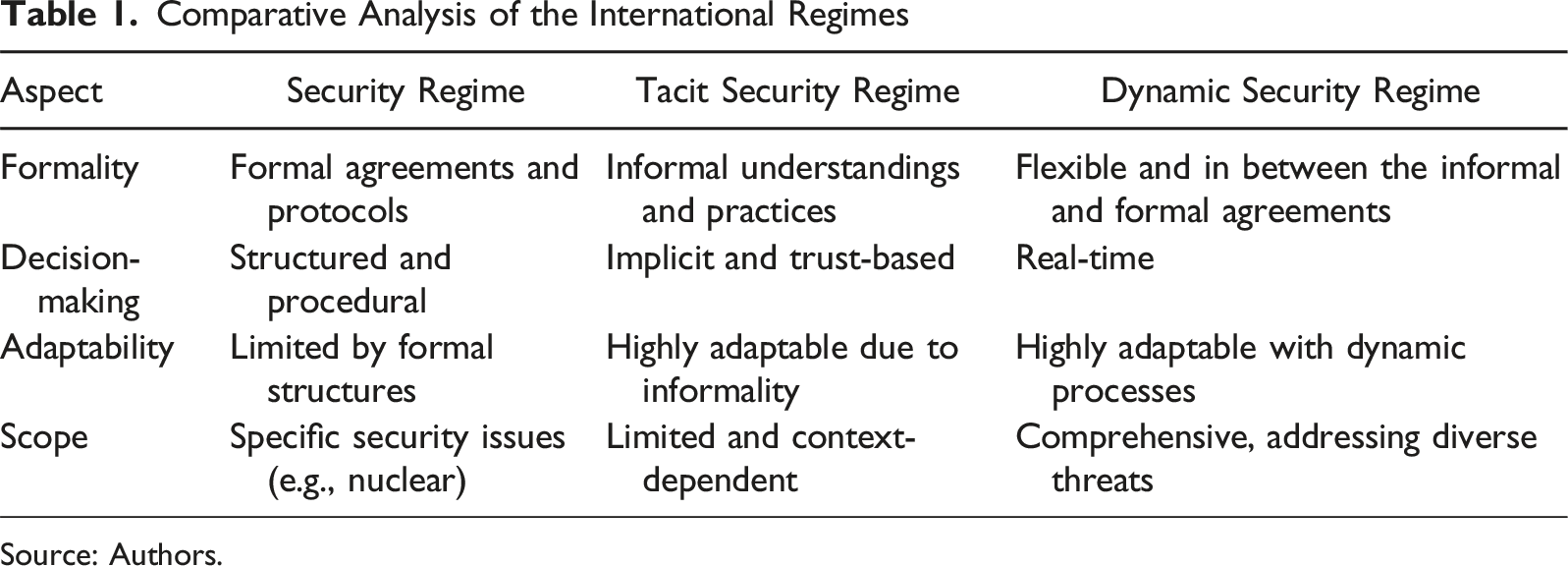
Source: Authors.
Therefore, DSR seeks to address the limitations of static SRs that might not necessarily be able to explain the flexibility inherent within nascently public relations that emerge from deeply rooted clandestine ties. We argue that DSR better explains the nature of the security-defense relations between Israel and UAE, highlighting its flexibility in manifestations between the covert and the overt. In this framework, principles, norms, rules, and decision-making procedures can be dynamic in their manifestations, explicitly and implicitly, depending on a confluence of domestic and external factors that determines the volatility of collaboration over a given domain.
The diagram (Figure 1) presents an overview of DSR where the vertical axis represents the volatility of a particular mode of interaction whereas the horizontal axis presents how tacit or cover said interaction is. Unlike TSR that assumes relatively limited cooperation across short-term interests, DSR contends that cooperation increases in its scope as states move from the clandestine to the public. More importantly, DSR argues that at any given time, the extent to which cooperation between states, and potentially non-state actors, across specific domains can dynamically change due to a confluence of domestic and external factors. Some domains are less resistant to domestic and external factors and therefore considered less volatile. Conversely, other domains are more susceptible to domestic and external factors and are considered to be more volatile. The volatility of each domain is largely dependent on the value placed by the states involved for the need to maintain cooperation even amidst the presence of extremely drastic conditions that might otherwise force states to consider reducing their cooperation. An overview of DSR. Source: Authors.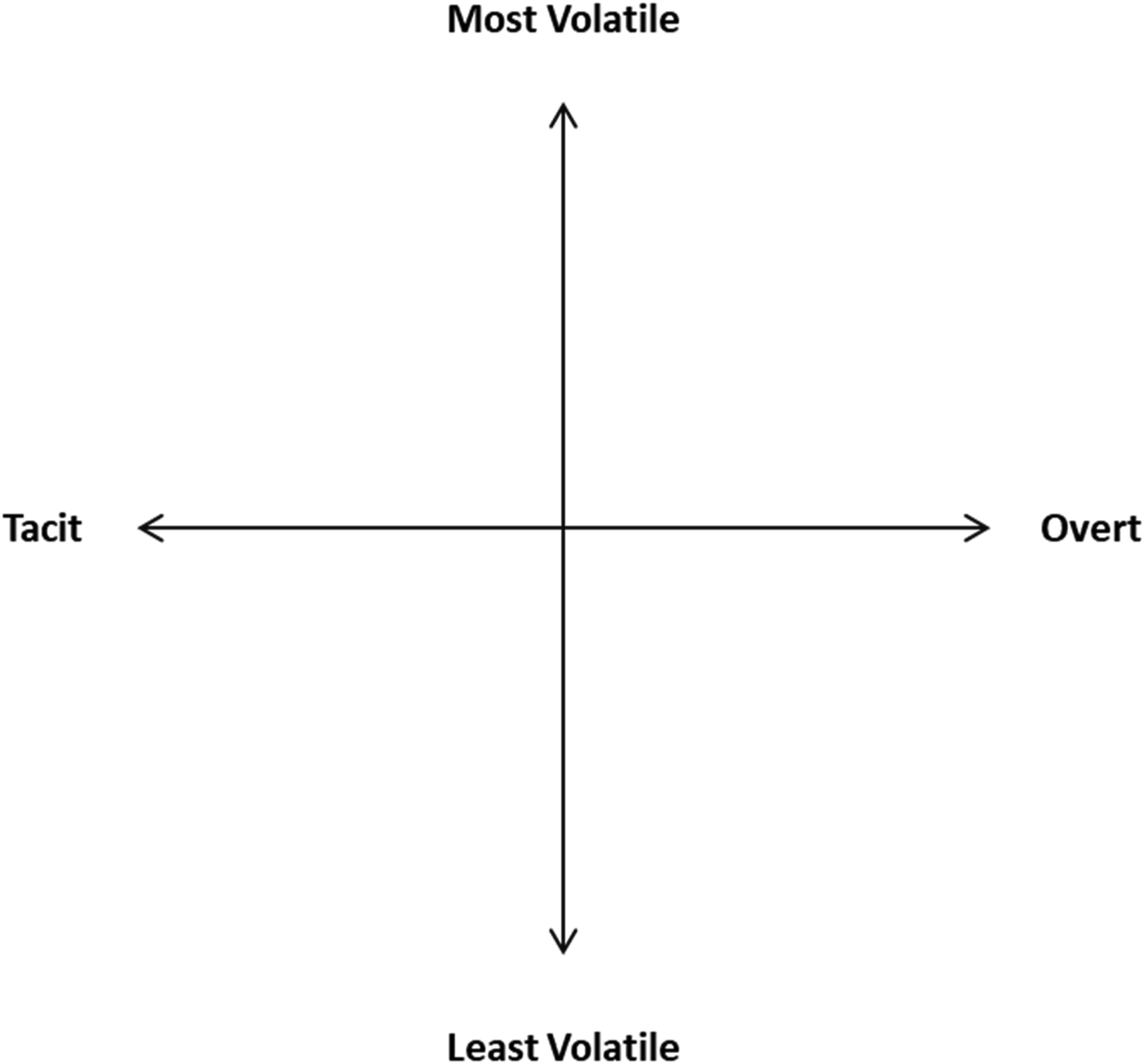
UAE-Israel Ties: Which Security Regime Framework?
On September 15, 2020, the UAE, along with Bahrain signed a normalization agreement with Israel in Washington. The agreement, which was mediated by the United States, came under the title “Abraham Accords Peace Agreement: Treaty of Peace, Diplomatic Relations and Full Normalization Between the United Arab Emirates and the State of Israel” (State Department, 2020) and was initially announced on August 13, 2020. The agreement posits that UAE recognizes The State of Israel, enabling the establishment of full diplomatic relations. The agreement is Israel’s first successful attempt to establish diplomatic relations with an Arab country since 1994, when the Israel–Jordan peace treaty came into effect.
Zooming in on the text of the agreement between the UAE and Israel, one can notice the lack of any broad or specific indication of cooperation, coordination, or collaboration in the defense realm. As for the term security, it was used eight times throughout the text, four of them in the main body of the agreement and another four in the annexed pages. Concerning the context of using the term “security,” with the exception of three indications, the term held a general connotation. The specific cases of using the term security were related to soft security, mainly food, water, and energy security. Yet, nothing in the text cited the existence or development of security cooperation in terms of hard security issues.
This is not to suggest that no security cooperation existed between the UAE and Israel before this agreement, but rather to highlight two things. First, the pre-Abraham Accords security cooperation between the UAE and Israel has been going at the TSR level before the agreement (Jones & Guzansky, 2019). Second, the fact that the agreement did not explicitly indicate the existence of defense and security ties or the will to work on defense and hard security issues does not mean that there will not be such cooperation. In fact, factual evidence reveals that such cooperation increased following the Abraham Accords. However, we can no longer argue that this is being done at the TSR rather than the DSR level, which we will discuss afterward.
Accordingly, we can argue that the UAE-Israel relationship has evolved from a TSR to a DSR, but has not yet reached the level of a full SR. By virtue of normalization, the relations can no longer be considered as a TSR due to TSR’s emphasis on relations being very limited in their scope and interest-driven. Yet, there are no clearly identifiable treaties establishing alliances or an agreement that is short of such to justify a SR.
DSR allows for addressing shared security concerns that have expanded beyond their initially limited tacit scope while also providing decision-makers with the flexibility to adapt their cooperation depending on a complex interplay of domestic perceptions, elite-level interactions, and external factors.
In the UAE-Israel context, the study builds upon the existing drivers of TSR as outlined by Jones and Guzansky (2019) to explore how they can manifest within a DSR that emphasizes adaptability in its manifestations by specifically catering the framework to a set of domestic and international contexts that can reflect the factors that determine cooperation between UAE and Israel. Accordingly, to operationalize the DSR, we examine five metrics that reflect the dynamic nature of cooperation between Abu Dhabi and Tel Aviv:
Elite-Level Interaction
In a DSR, decision-making is often centralized within a small group of political elites, allowing for rapid and flexible responses to security threats. In the UAE, power is concentrated in the hands of a few individuals from the ruling families of the seven emirates (Salisbury, 2020). This centralization streamlines decision-making, particularly on sensitive issues like security and defense, where the convergence of national and regime security is most pronounced (Hedges, 2021). From the Israeli decision-makers perspective, the centralization of power within the elite of the UAE and other Arab states is advantageous as it enables Israel to maintain clandestine ties with states that it deems to be strategically important and where establishing fully fledged relations would otherwise be politically challenging for the involved states (Alpher, 2015). To facilitate these relations, Israel largely relies on its externally focused intelligence agency, the Mossad, which maintains a specific department known as Tevel, tasked with working with states that Israel does not necessarily maintain official relations with (Alpher, 2015). Under the premiership of Yossi Cohen, a Strategic-Diplomatic unit was specifically established to strengthen ties with Arab states that Israel officially and non-officially maintains ties with (Bob & Evyatar, 2023). Mossad directors who have argued that building relationships with Arab elites facing similar threats has been fundamental to Israel’s covert cooperation with these nations (Halevy, 2008; Shavit, 2020).
Moreover, while Israel does not have a ruling family, it still shares some elements of elite-driven decision-making. Sheffer and Barak (2006) capture this through the concept of the security network to denote the pervasive presence of former security and defense officials within Israel’s foreign policy decision-making apparatus that is largely viewed through a securitized lens. The concept covers how former defense and security officials managed to occupy the highest positions of power in Israel and have since extensively relied on their prior experiences and networks to provide a security and military recommendations even on issues that are not necessarily entirely within the domain of the two spheres (Sheffer & Barak, 2006). Within the foreign policy domain, the security network specifically examines how the Prime Minister often relies on the security and defense establishments, as opposed to the Ministry of Foreign Affairs, in Israel’s foreign relations.
Furthermore, the security network, composed of individuals who have directly confronted security threats, equips Israel to collaborate effectively with partners on shared challenges. This elite-to-elite interaction between the UAE and Israel facilitates a pragmatic approach to addressing common threats, bypassing broader institutional or public challenges that might arise in a more formalized SR.
Common Threats
The foundation of the UAE-Israel DSR lies in the shared perception of regional threats, particularly political Islam and Iran (Triantama, 2023). Here, DSR’s approach in compartmentalizing domains of cooperation is extremely relevant, considering that despite UAE’s burgeoning economic and diplomatic links with Iran, the former still views the latter as a potential security threat.
For both countries, these perceivable threats challenge the stability of the region, albeit in different ways. The UAE views Iran primarily through the lens of territorial disputes, particularly over the sovereignty of the Abu Musa and Tunbs islands (Guzansky, 2016), while Israel sees Iran as a sponsor of proxy groups like Hezbollah (Freilich, 2018), which directly threaten it. Despite these differences in specific threat perceptions, the overarching concern about Iran’s incresaing threat to both countries, as well as its destabilizing influence in the region stemming from its non-state armed actors, ballistic missile program, and nuclear program, forms a common ground for cooperation. Both states are motivated to counter these threats collectively, even as they maintain distinct strategic priorities. The shared but contextually varied nature of these threats makes the DSR particularly adaptable, allowing each state to address its own security concerns while benefiting from the broader alignment of objectives.
Tacit and Overt Collaboration
One of the defining characteristics of a DSR is the strategic use of both public and covert collaboration. In the UAE-Israel context, this manifests in a dual strategy where publicized cooperation serves as a signal to both domestic and international audiences, while secret agreements are maintained to preserve strategic advantages (Carnegie, 2021). Public collaboration, such as joint military exercises or diplomatic exchanges, is often used to demonstrate alignment and deter common adversaries. However, secrecy is equally important in maintaining operational flexibility, especially when domestic constituencies or regional actors may be opposed to overt collaboration (Jones & Guzansky, 2019). This balance between transparency and discretion allows both states to manage their alliances without provoking unnecessary backlash, either from within their own populations or from neighboring countries that might view such alliances unfavorably (Jones & Guzansky, 2019).
Domestic Factors
A key challenge in a DSR is managing the disparity in public perceptions between the cooperating states. In the case of the UAE and Israel, there is a clear contrast in how their respective populations view the Abraham Accords, which normalized relations between the two countries. Israeli citizens have been more receptive to the accords, with over a million Israelis visiting the UAE since the normalization until the end of 2023 (Abbas, 2023a, 2023b), reflecting optimism about the potential for economic and cultural exchange. Conversely, public opinion in the UAE has been more cautious, with only a small percentage expressing positive views about the accords. In 2022 Washington Institute poll surveying perceptions of individuals in the UAE concerning the Abraham Accords, only 10% and 15% of polled individuals maintained very positive and somewhat positive views about the Accords, respectively (Kassin & Pollock, 2022). Moreover, less than 2,000 UAE citizens traveled to Israel during the last 10 months of 2022 (I24NEWS, 2023).
This disparity requires the UAE’s elites to delicately balance the public and covert aspects of the relationship, ensuring that overt collaboration does not alienate significant segments of the population. The concept of the “dual dialectic” introduced by the Director of the Mossad, Efraim Halevy, becomes relevant here, where states like the UAE may allow public expressions of anti-Israeli sentiment during times of political tension followed by regular state condemnation, even as they maintain security cooperation behind closed doors (Halevy, 2008). This strategic ambiguity helps manage domestic opposition while preserving the benefits of the security partnership.
External Factors
The formation and continuation of a DSR are also shaped by external geopolitical factors, including the shifting role of global powers like the United States. One explanation for the Abraham Accords, and by extension the UAE-Israel DSR, is the perceived retrenchment of the United States from the Middle East partnerships (Fakhro & Baconi, 2022). Since the Obama administration’s “Pivot to Asia” strategy and the United States’s perceived reluctance to intervene decisively in regional conflicts during the Arab Uprisings, Gulf states like the UAE have sought to diversify their strategic partnerships (Fakhro & Baconi, 2022; Parker & Bakir, 2024; Wang, 2017). Israel, with its advanced military capabilities and shared concerns about Iran, represents a valuable ally in this new geopolitical context. Additionally, the UAE’s desire to procure advanced military technology, such as the F-35 fighter jets, as the only regional state apart from Israel (Geerlings, 2022) further underscores the strategic incentives behind the DSR. Although complications related to the UAE’s partnerships with China’s Huawei have delayed the delivery of these jets (Bakir & Al-shamari, 2025; Rumley, 2022), the broader logic of security cooperation between the UAE and Israel remains intact, driven by a mutual interest in maintaining regional stability in the face of declining U.S. involvement.
Beyond Iran, both the UAE and Israel shared a common interest in countering Turkey’s rise as a regional power and its influence, particularly following its support for the Arab uprisings and Qatar during the Saudi-led blockade against Doha (Bakir, 2023). Consequently, Turkey’s expanding regional role has become another external factor driving security cooperation between the UAE and Israel. Abu Dhabi and Tel Aviv perceived Turkey’s assertive policies in Syria, Libya, the Eastern Mediterranean, and the Horn of Africa as a threat (Aydıntaşbaş & Bianco, 2021). In these theaters, Turkey and the UAE have engaged in a series of proxy political-military conflicts that have reshaped regional dynamics. In Libya, for instance, Turkey’s support for the UN-recognized Government of National Accord has directly opposed the UAE’s backing of former General Haftar’s so called Libyan National Army, creating a battleground for their competing regional visions (Bakir, 2020). Similarly, in Syria, Turkey’s military presence carries significant potential for friction with Israel (Bakir, 2025) while simultaneously challenging the UAE’s strategic interests in the region (Neriah, 2025). In the Eastern Mediterranean, Turkey met the geopolitical alignments aimed at isolating it by assertive policies. Therefore, both the UAE and Israel viewed Ankara as a common challenge.
The situation in Syria, Turkey’s expanding regional influence, and the uncertainty surrounding Iran and the potential informal détente with the United States following President Donald Trump’s direct talks with Iranian officials (Seddon & Gritten, 2025), all present significant future stress tests for UAE-Israel coordination and the flexibility of the DSR. While the UAE has shown cautious support for the administration’s Iran nuclear talks, partly because they fear being the first victims of a regional conflict (CSIS, 2025), Israel has expressed strong opposition to these negotiations (Plitnick, 2025). According to recent reports, Trump has characterized these negotiations as aimed at “long-term peace” (Reuters, 2025) and has indicated that Iran has been given a draft deal proposal (The Times of Israel, 2020). Such developments could alter the strategic calculus for both the UAE and Israel, forcing a recalibration of their security partnership. From a DSR perspective, this kind of exogenous underscores the advantages of a dynamic, non-institutionalized framework, which proves to be more resilient than a formal alliance. As for the manifestation of this DSR, it can be best observed through two primary sectors; the security cooperation, particularly within the Cyber realm; and the multifaceted defense cooperation (Figure 2). UAE- Israel security and defense cooperation within the DSR framework. Source: Authors.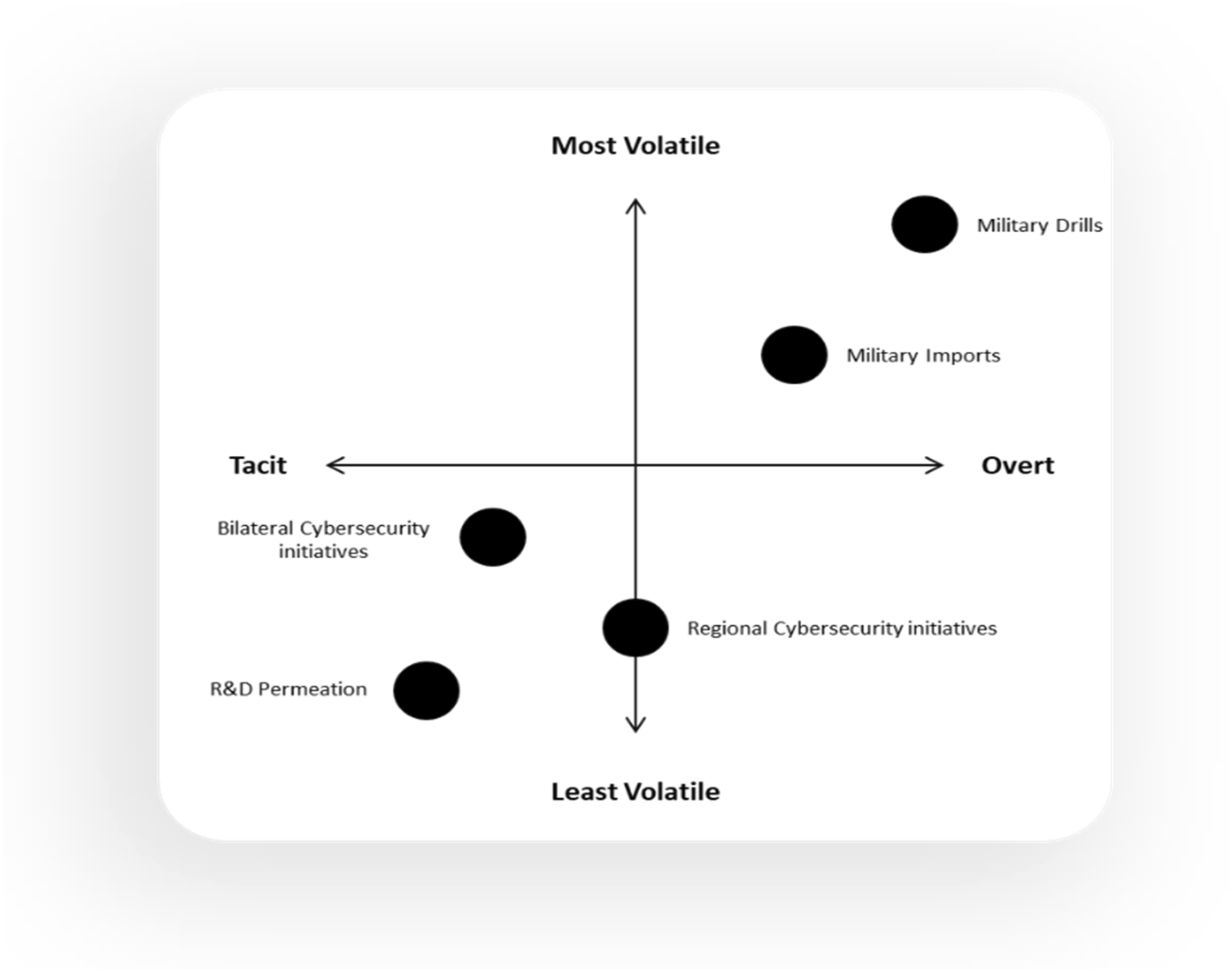
Security Cooperation within the Cyber Realm
In the aftermath of the Abraham Accords, cybersecurity emerged as a pivotal area of collaboration between the United Arab Emirates (UAE) and Israel, reflecting the securitized nature of the cyber domain in both nations. According to Microsoft’s 2023 Digital Defense Report, Israel is the most targeted state in the Middle East by cyberattacks, enduring over 38% of the region’s incidents, with the UAE following at 12% (Microsoft, 2023). Furthermore, the UAE experienced a staggering 71% increase in overall cyberattacks from 2021 compared to 2020, with ransomware incidents impacting more than 78% of firms in the UAE during 2020 (Al-Kumaim et al., 2023). Notably, from the first to the third quarter of 2023, the UAE faced over 71 million cyberattacks (Al-Shouk,2023).
While cyber threats can originate from various state and non-state actors, the prevailing threat perception within the cyber domain retains a distinct geopolitical dimension. Mohamad Al Kuwaiti, head of the UAE Cybersecurity Council, has frequently attributed the cyberattacks against the UAE to Iranian groups (The Times of Israel, 2020). For instance, in an advisory publication released by the UAE Cybersecurity Council in 2024, the Council explicitly identifies UNC1549 as an “Iran state-sponsored group ... [that] pursues targets in the Energy & Utilities, Defense, Technology, and Government sectors in the Middle East region” (Cyber Security Council, 2024, p. 1).
The alleged Iranian cyberattacks warrant attention for several reasons. Firstly, they signify a shift in the mode of engagement between the two states, transitioning from indirect confrontations—such as the ongoing conflict in Yemen—into the cyber realm. This evolution necessitates a different mode of conduct, wherein both states may resort to cyberattacks as a means of settling scores and signaling their positions regarding emerging regional developments that could affect the status quo. A pertinent example is the surge in cyberattacks following the signing of the Abraham Accords. At a cybersecurity conference hosted in Dubai, Dr Al Kuwaiti noted an increased frequency of cyberattacks originating from Iran in the immediate aftermath of the Accords (Reuters, 2025).
The UAE’s collaboration with Israel in the cyber domain, despite the absence of such cooperation initially outlined in the Abraham Accords, manifests through various bilateral and regional initiatives.
Bilateral Initiatives
Since the Abraham Accords, the UAE has established multiple bilateral partnerships with leading Israeli technology firms to enhance its cyber defense capabilities. In 2023, the Israeli company Cyber Together entered into a memorandum of understanding with its Emirati counterpart, EliteCISOs, to collaborate on sharing insights, hosting joint cybersecurity workshops, and assisting in the training and development of personnel (Khaleej Times, 2023). According to Cyber Together’s website, its current president, Yair Cohen, is a former chief of Israel’s renowned intelligence corps, Unit 8200 (CyberTogether, 2024). Unit 8200 is the intelligence unit of the Israeli Defense Forces, equipped with signals intelligence capabilities utilized for military intelligence, surveillance, and decryption (Cordey, 2019).
Another significant example relevant to securing critical infrastructure is the 2023 agreement between Israeli Cyberint Technologies Ltd. and Etisalat, one of the UAE’s largest telecom companies, aimed at safeguarding the Emirati telecom architecture against cyberattacks (Wrobel, 2023). Etisalat, the largest telecommunications entity in the Gulf Cooperation Council (GCC), serves over 11 million customers and 300,000 enterprises of varying scales in the UAE (Etisalat, 2024). This agreement focuses on real-time threat analysis and management to protect the telecom infrastructure (Cyberint, 2023). Similar to the presence of former Israeli intelligence officials in Cyber Together, Cyberint Technologies Ltd.'s current CEO, Yochai Chorem, previously led the computers department at Unit 8200 (Chorem, 2024).
The involvement of former security officials within prominent Israeli private sector entities forging ties with the UAE reflects the ongoing covert dealings that have historically characterized UAE-Israeli relations.
From a Dynamic Security Relations (DSR) perspective, the limited availability of publicly disclosed partnerships underscores the necessity of balancing tacit and overt cooperation in security matters. This balance reflects the adaptive and flexible nature that recognizes the propensity for cooperation across a particular domain to vary in its volatility and manifestations depending on a set of domestic and external factors.
Given the frequency and severity of cyberattacks targeting various entities, the fact that only a handful of agreements are publicly accessible suggests that much collaboration continues to occur at a covert level. This secrecy is not unprecedented; it is believed that the Herzliya-based NSO Group, known for developing cyber surveillance products, allegedly sold its flagship product, Pegasus, to the UAE prior to the Abraham Accords through a series of high-level covert meetings to secure Israeli governmental approval for the export (Richard & Pegasus, 2023).
Within the DSR framework, bilateral cybersecurity initiatives are primarily tacit in nature and are regarded as less volatile, as they largely operate within the covert realm. Consequently, the public disclosure of aspects concerning cyber products signifies an evolving dynamic in the visibility of collaborative efforts. The decision to publicize newly forged agreements in broadly defined and largely consumer-oriented sectors, such as telecommunications, rather than in critical security domains, exemplifies how DSR elucidates the selective publicization of cooperation, effectively conveying a message to potential adversaries without disclosing sensitive details. As for matters of particular interest to the elite but might not necessarily be domestically palatable, specifically regarding the case of Pegasus, the tacit nature of bilateral cybersecurity initiatives within DSR accounts for the largely secretive nature of this domain.
Regional Initiatives
In January 2023, Gaby Portnoy, Director General of Israel’s National Cyber Security Directorate, announced the Cyber Dome initiative at Tel Aviv’s Cybertech Global conference (Mohnblatt, 2023). The Cyber Dome was conceived as an Israeli effort to establish a cyber shield, staffed by personnel from both the private and public sectors. This initiative aims to integrate the cyber defense architectures of the signatories to the Abraham Accords, with support from technology giants such as Microsoft and Israel’s Rafael. Although specific details regarding this system remain scarce, it is believed to employ artificial intelligence for threat identification.
Additionally, in June 2023, during Tel Aviv’s Cyber Week Conference, the UAE’s head of cybersecurity announced the activation of a joint UAE-Israeli threat intelligence platform named ‘Crystal Ball’ to combat cyberattacks (Ferziger, 2023). The Emirati official’s visit included discussions with several leading Israeli cybersecurity figures, including the Director General of the Israeli National Cyber Security Directorate (Bhat, 2023). While specific details about the platform are not publicly available, it is part of a broader regional cyber initiative involving multiple states, leveraging its capabilities to share extensive data aimed at countering cyber threats in the region.
Given that regional initiatives encompass various states, this represents a departure from the primary focus of DSR, which typically emphasizes cooperation between two states. However, the decision to publicize the aforementioned initiatives reflects the UAE’s intention to establish itself as a credible partner in addressing common threats facing Israel. Notably, the U.S. Department of Homeland Security announced the expansion of the Abraham Accords to include cybersecurity matters, albeit without detailing the specifics of this expansion (Homeland Security, 2023).
From a DSR perspective, engaging in such agreements as part of a larger regional initiative affords the UAE the flexibility to benefit from advanced capabilities associated with these collaborations while minimizing the effort required to manage the visible aspects of cooperation compared to a bilateral agreement with Israel. Thus, in light of DSR’s emphasis on volatility, regional cybersecurity initiatives appear to be less susceptible to the fluctuations inherent in the region, in contrast to bilateral initiatives where various factors, including regional instability, alter the intensity of the interactions.
Unlike bilateral cybersecurity initiatives, which can be more easily concealed due to the involvement of only the UAE and Israel, regional cybersecurity initiatives tend to be more overt. This is largely because they involve multiple partners and the subsequent publicization of the partnership’s effectiveness in combating threats. However, regional initiatives are arguably less volatile than bilateral partnerships, as the presence of various partners can effectively dilute the potential public perception of complicity with any particular state.
Defense Cooperation
The defense cooperation between the UAE and Israel within the DSR focuses on three primary aspects: military drills, defense imports, and Research & Development (R&D) permeation. This cooperation enhances the UAE’s military capabilities, strengthens its position as a credible partner in the eyes of the United States and the Western partners in the region, and benefits its defense exports, adding a strategic facet to its foreign policy.
Military Drills
Prior to the Abraham Accords, the UAE was already engaging in multinational military drills involving Israel. For instance, in 2016 and 2017, Emirati and Israeli jets participated in aerial exercises in the United States and Greece, where they engaged in dogfights and simulations (Gross, 2017). These early engagements, though indirect, laid the groundwork for more direct cooperation post-Abraham Accords.
Following the Abraham Accords, two notable drills involving both countries were reported. In October 2021, Israel hosted its largest air force military exercise, “Blue Flag,” in the Negev Desert, involving air forces from over seven countries, including the UAE (Bowman et al., 2021). However, instead of deploying military jets like the other participating nations, the UAE opted for a high-level delegation led by Air Force Commander Major General Ibrahim Nasser Al-Alawi. This decision to observe rather than participate directly reflects a deliberate calibration, weighing the willingness for cooperation against potential domestic and regional sensitivities, especially considering the political sensitivities associated with such an exercise taking place on Israeli soil.
In November 2021, the UAE took part in a 5-day naval drill in the Red Sea, alongside Israel, Bahrain, and the United States (Gardner, 2021). Unlike the Blue Flag exercise that occurred within Israeli territory, this naval drill took place in international waters near Iran’s waterway, highlighting concerns over perceived threats from Iran’s naval capabilities affecting the free flow of commerce in the Gulf region. The drill was significant, marking the first instance of a joint naval exercise between the UAE and Israel.
The contrasting approaches to the two drills illustrate the DSR concept of different levels of representation. The UAE’s high-level delegation at Blue Flag reflected a cautious stance, recognizing potential backlash from being seen alongside Israeli forces within Israel. In contrast, the naval drill, conducted in international waters, faced fewer constraints, allowing the UAE to dispatch military personnel more freely. Engaging in such exercises enables the UAE to project itself as a credible partner in addressing regional security threats, which aligns with building goodwill with the U.S., given their shared concerns over threats in the region. Thus, military drills can be regarded within the DSR framework as highly volatile and overt forms of interaction. In other words, this mode of interaction is particularly susceptible to both external and domestic factors.
Military Imports
Israel ranks as one of the world’s largest arms exporters, accounting for 2.4% of the total arms exports from 2019 to 2023, making it the 9th largest globally (Wezeman et al., 2023). In 2022, Israeli defense exports reached a record $12 billion, with Abraham Accords states contributing 24% of this figure (IDF, 2023). The UAE remains a significant arms importer in the MENA region, accounting for a substantial portion of regional arms imports. According to SIPRI’s latest data, the 11th largest arms importer in the world in 2020–24. While its arms imports saw a 19% decrease compared to 2015–19, the UAE, emerged as the 6th largest customer of Israel’s arms exports accounting for 4.2% of Tel Aviv’s arms exports in 2020–24. Likewise, Israel is the 6th biggest supplier of arms to UAE with imports accounting 5% of Abu Dhabi’s total arms imports in 2020–24 (SIPRI, 2024).
Although specific details on the UAE’s imports from Israel remain undisclosed, there are notable examples indicating collaboration. One significant instance is the UAE’s procurement of the SPYDER air defense system in 2022, an Israeli-made mobile air defense solution designed to protect large areas against various aerial threats (SIPRI, 2024). This acquisition occurred in response to drone attacks launched by the Houthis from Yemen, such as the January 2022 incident where Houthi drones targeted a fuel tank in Abu Dhabi, resulting in civilian casualties (Reuters, 2022). The attack underscored the limitations of the UAE’s existing missile defense systems, like THAAD, which is less effective against low-altitude threats (Al-Jazeera, 2022). In contrast, the SPYDER system is highly capable of neutralizing such threats, thus addressing the UAE’s security gaps (Rafael, 2019).
Another notable development is the partnership between the UAE’s EDGE and Israel Aerospace Industries, which resulted in the unveiling of a naval unmanned vessel at the Naval Defense and Security Exhibition in Abu Dhabi (Felstead, 2023). This vessel can perform various tasks, including mine detection and serving as a platform for unmanned aerial vehicles (UAVs). Such collaboration responds to perceived maritime threats, particularly from Iran and its affiliated non-state actors like the Houthis.
The significance of Iranian naval threats, dating back to the 1980s, continues to be a concern, with Iran deploying sea mines and engaging in proxy warfare to disrupt maritime activities in the Gulf (CIA, 1984; Dolatabadi & Kamrava, 2024; Singh, 2011). These threats have become more prominent, as seen in the 2023 Red Sea Crisis, where Houthi missile and drone strikes caused a significant trade decline through the Suez Canal, forcing vessels to divert to the Cape of Good Hope route (Kamali et al., 2024). Given the UAE’s reliance on maritime trade, disruptions pose substantial challenges to its position as a leading hub for naval commerce (Abu Dhabi Customs, 2020). Hence, acquiring advanced Israeli defense technologies aligns with the UAE’s strategic interest in safeguarding its maritime infrastructure.
However, importing defense products requires careful balancing. While Abu Dhabi’s government might be able to suppress any internal criticism concerning increasing dependence on Israeli defense systems on the internal level, the situation is much different on the regional level. Advanced defense imports from Israel could be perceived as a threat by states like Iran. Domestically, the delicate nature of this balance was evident in March 2023, when the UAE suspended the purchase of Israeli defense systems after tensions escalated over Israel’s actions at the Al Aqsa Mosque (Haaretz, 2023).
Therefore, within the DSR framework, military imports are generally perceived as volatile and overt, though not to the same extent as military drills. Unlike military drills, military imports can often be concealed and utilized selectively, thereby avoiding the exposure of the imported hardware and technologies to extensive public scrutiny.
R&D Permeation
Since the Abraham Accords, over 500 Israeli companies have established a presence in the UAE, with projections suggesting this number would double by 2022 (Abdulkader, 2021). Notably, in November 2021, Elbit Systems, a prominent Israeli defense company, announced the establishment of Elbit Systems Emirates (ESE). The company’s stated objective for ESE is to cultivate a long-term partnership with the Emirati Armed Forces, facilitate the customization of solutions to meet the operational requirements of end users, and spearhead the transfer of technologies to local partners (ELBIT, 2021). As reported in 2025, discussions were underway between the Edge Group and representatives from Elbit Systems concerning the procurement of the Hermes 900 medium-altitude long-endurance (MALE) UAV. These negotiations also encompassed agreements related to technology transfer (TOT) and licensed production (TR, 2025).
Likewise, RAFAEL, a leading Israeli defense company, opened a facility in Abu Dhabi (Rafael, 2022, Rafael, 2023), offering a broad range of capabilities, including missile defense systems and drone warfare. At IDEX 2023, RAFAEL showcased a laser weapon system capable of intercepting aerial objects, potentially integrable with Israel’s Iron Dome (Rafael, 2022). Collaborative agreements between Israeli and Emirati firms have furthered R&D integration. For instance, EDGE signed a $14 million deal with Israeli High Lander to enhance autonomous vehicle technologies (Morrison, 2023), while G42 partnered with RAFAEL to commercialize AI technologies (G42, 2020). The UAE’s emphasis on leveraging R&D rather than just acquiring technology allows it to integrate advanced defense capabilities and improve its own products, thereby enhancing its defense export potential.
EDGE exemplifies this strategy, with sales reaching $1.5 billion in international orders by 2022, marking a 2000% increase since 2019 (Al-Bannai, 2023). This growth positions EDGE as a key player in the UAE’s soft power strategy, enabling it to influence foreign partners through defense exports. A case in point is Angola, where UAE exports nearly doubled in 2022 before EDGE secured a $1 billion contract to supply BR71 MKII Corvettes to the Angolan Navy, addressing maritime piracy challenges (EDGE, 2023). While no direct link exists between this contract and Israel, EDGE’s partnership with Israeli Aerospace Industries in 2021 likely contributed to this capability (The Economic Times, 2021).
Contracts awarded to EDGE by the UAE Ministry of Defense
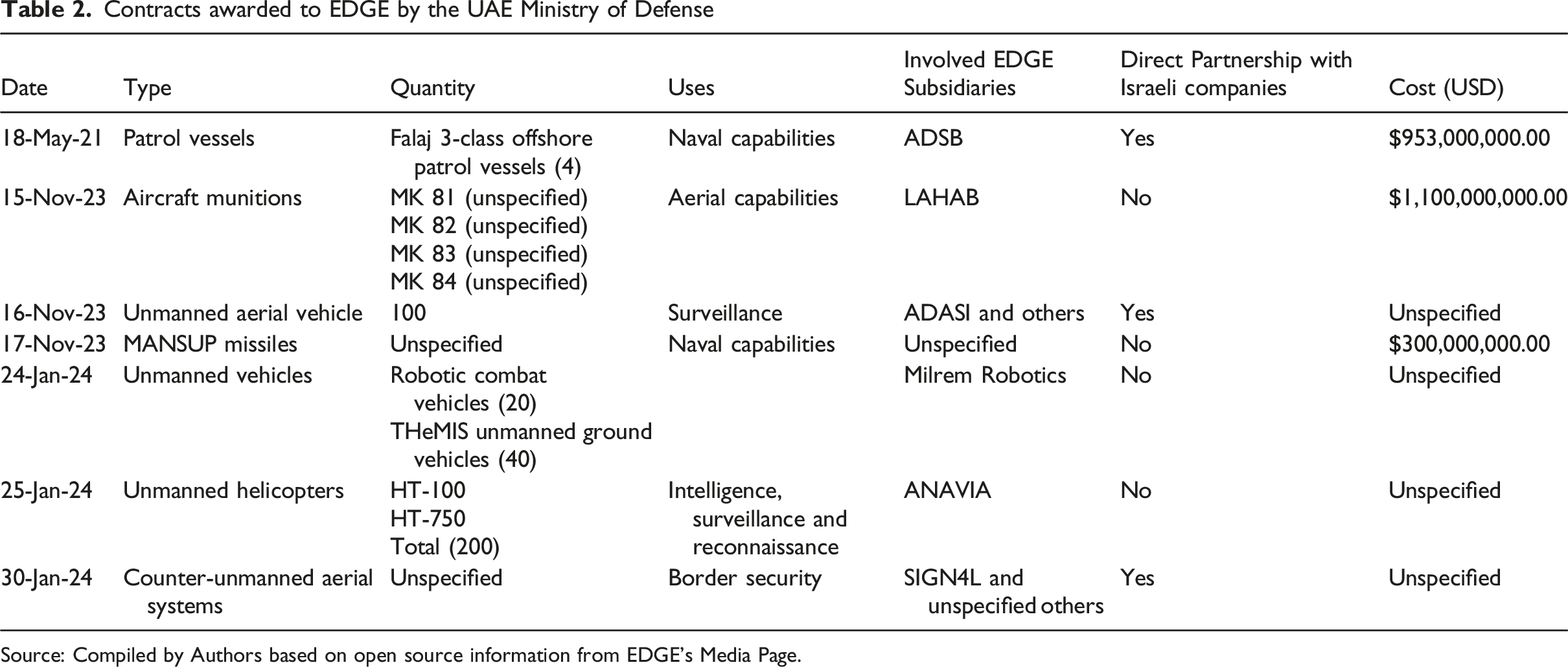
Source: Compiled by Authors based on open source information from EDGE’s Media Page.
From a DSR perspective, R&D collaboration between the UAE and Israel is less traceable than joint military exercises or the import of defense products. Hence, it is the most tacit and least volatile mode of engagement as much of R&D occurs after publicized partnerships and often involves sharing expertise that leads to locally produced items, such as some of EDGE’s naval products. This makes the influence of Israeli involvement less apparent at the public level compared to direct imports. Consequently, the volatility of R&D collaboration is lower, as it allows for greater flexibility and is less affected by domestic and regional perceptions than more visible forms of cooperation.
Conclusion
This article introduced the concept of the DSR to explain the evolving nature of security and defense collaboration between the UAE and Israel since the signing of the Abraham Accords. DSR’s emphasis on the dynamism of cooperation within both tacit and overt domains extends beyond the static designation of relations as either tacit within a TSR or overt and institutionalized within a SR. This dynamism enables a more comprehensive understanding of the delicate, nascent normalized relations, where decision-makers remain cautious due to the same domestic and external concerns that initially shaped their tacit relations. Consequently, cooperation and its public announcements continue to be carefully calibrated efforts.
Applying the DSR concept to security cooperation, bilateral and regional collaboration against cyber threats is expected to thrive, albeit at varying rates. Regional initiatives are more stable and likely to take on an overt role as the inclusion of other states diminishes the incentive to reduce cooperation during periods of tension. Conversely, bilateral initiatives remain more volatile and are likely to stay within the covert realm, reflecting the UAE leadership’s cautious yet strategic approach to benefiting from cooperation without risking backlash.
In the realm of defense cooperation, R&D permeation presents the most promising and least volatile avenue for growth. Unlike joint military drills or the procurement of Israeli defense products, R&D allows for flexibility through knowledge sharing that can be transformed into UAE-produced goods, mitigating the risks of visible alliances. While military drills provide opportunities for operational cooperation, they are the most volatile and carry potential risks, as they may be perceived as a direct threat by regional actors like Iran. Additionally, the procurement of Israeli-made defense products, although beneficial in addressing critical capability gaps, is susceptible to public scrutiny and geopolitical sensitivities. The visibility of such procurements, especially through identifiable means like satellite imagery, poses challenges in balancing strategic needs with domestic and regional perceptions.
Overall, while DSR provides a suitable framework for understanding the evolving UAE-Israel security and defense partnership, the relationship remains sensitive to both internal and external pressures. Continued progress hinges on carefully managing visibility, maintaining a balance between public and covert cooperation, and adapting to shifting regional dynamics.
Footnotes
Acknowledgements
This paper is part of a special issue edited by Ali Bakir and Robert Mason. The concept of this paper was originally presented and discussed at the workshop titled “Securing the Future: The GCC States' Endeavors in Defense Industry, Warfare Technologies and Policy” led by Ali Bakir and Robert Mason during the Gulf Research Center’s annual conference, the “Gulf Research Meeting,” held at Cambridge University, UK, in July 2024. The authors would like to express their sincere gratitude to the anonymous reviewers for their valuable feedback and constructive comments. Open Access funding provided by the Qatar National Library.

Funding
The authors received no financial support for the research, authorship, and/or publication of this article.
Declaration of Conflicting Interests
The authors declared no potential conflicts of interest with respect to the research, authorship, and/or publication of this article.