




Abstract
Aims of the Study:
The aims of the study are: (a) to compare the perceptions of dental specialists and laypeople regarding smile esthetics; (b) to compare male and female smile parameters; (c) to find influence of smile parameters on esthetics of smile.
Materials and Methods:
The study was conducted on 60 subjects (30 males and 30 females) of age 18 to 25 years. Frontal posed photographs of all subjects were taken using a digital camera and rated on a visual analog scale by 10 dental specialists and 10 laypersons. Measurements made on photographs were used to analyze various parameters of smile, such as buccal corridor space, smile arc, modified smile index, anterior height of smile, most posterior maxillary tooth visible, and midline relationship of central incisors to philtrum.
Results:
Visual analog scale values showed that 6 photographs were rated as very good (3 males, 3 females), 29 as good (11 males, 18 females), 21 as average (13 males, 8 females), and 4 photographs were rated as bad (3 males, 1 female). A high correlation was observed between ratings of dental specialists and layperson’s ratings for both male and female smiles. Most of the subjects had non-consonant smile arc, and a high correlation was found between buccal corridor space on right and left sides in both males and females. Most of the male and female smiles had an average anterior height of smile; permanent maxillary first molar was the last tooth visible during smile (73.3% females, 66.7 males); and 55% subjects had coincident midline relationship of central incisors to philtrum.
Conclusion:
There was no significant difference in perception of dental specialists and laypersons regarding esthetics of smile. Smile arc and anterior height of smile influenced the esthetics of smile. No significant difference was found between male and female smile parameters except modified smile index.
Introduction
Smile is a wine that intoxicates the eyes of both the holder and the beholder. An attractive smile in modern day society is considered an asset in work settings and social interaction, as it plays an important role in facial expression and appearance. 1 Studying smile esthetics is difficult because of the inability to standardize a realistic model and to alter the variables of interest. 2 But it is important for an orthodontist because most laypeople use smile to judge the treatment success. 3 Hence, the expectations of the patient must be considered because ideals of esthetics may vary. 4
The perception of smile esthetics is subjective, influenced by personal experience and social environment. 5 Diamond 6 reported that what a person finds attractive has much to do with the qualities of surrounding population and other environmental factors. For the same reasons, there can be differences of opinion regarding esthetics of smile between laypeople and professionals. Some studies concluded that dental professionals and general population have different preferences for smile esthetics.7, 8 Mc Leod also observed that cultural differences related to smile perception do exist. Canadian laypersons are more discriminating to deviations from ideal and have a narrower range of acceptability as compared to the people of USA. 9 US Caucasians, US American Asian Indians, and Indians living in India have different preferences for smile esthetics. 10 Therefore, there is a need of regional studies on perceptions of different populations regarding smile esthetics.
Most orthodontic patients seek orthodontic treatment to improve their smile. Therefore, smile analysis becomes an integral component of orthodontic diagnosis and treatment planning for a patient, and the expectations of the patient must be considered because of subjective variation in perception. Smile analysis is the assessment of some variables such as smile arc, buccal corridor space, gingival display, tooth proportions, dental and facial midlines, and tooth color. Esthetics of smile depends on these variables. 11 Also some studies found gender difference for various parameters of smile, which was different for different populations.12-15 Therefore, it is essential to understand components of an esthetically attractive smile to satisfy patient’s expectation as well as to achieve successful treatment results, and knowledge of sexual dimorphism regarding smile components is also necessary.
The purpose of this study was: (a) To compare the perceptions of dental specialists and laypeople regarding smile esthetics; (b) to compare male and female smile parameters; and (c) to find the influence of smile parameters on esthetics of smile.
Materials and Methods
In this study, a sample of 60 subjects including 30 males and 30 females, aged between 18 and 25 years were selected.
Inclusion Criteria
All subjects had full complement of permanent teeth with no supernumerary teeth, and the presence or absence of third molars does not affect our inclusion criteria.
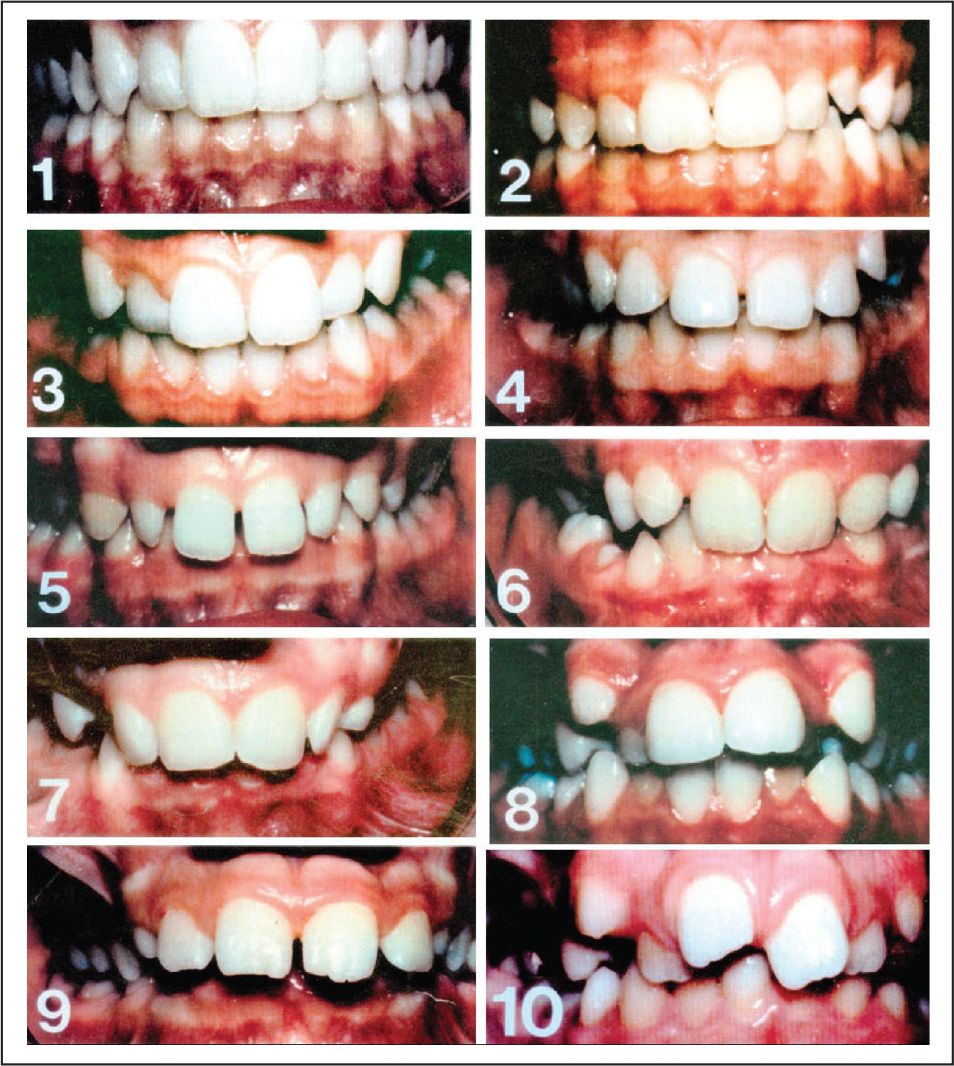
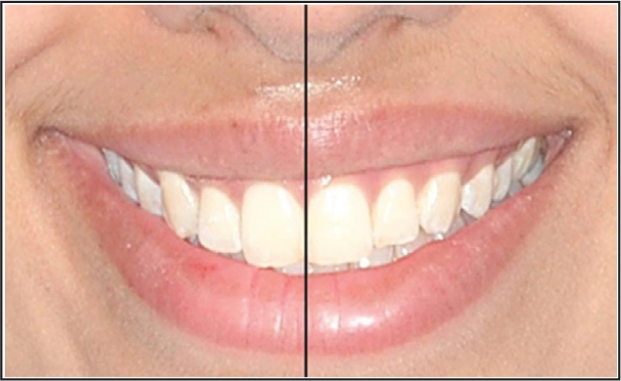
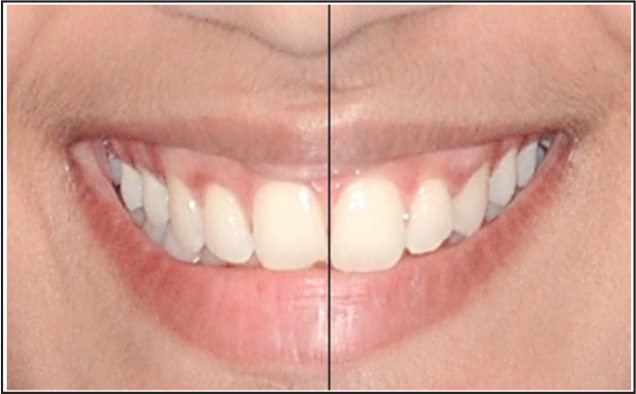
All subjects fulfilled the criteria till grade 3 of the esthetic component of Index of Orthodontic Treatment Need (IOTN) (Figure 1). 16 The first three grades of esthetic component of IOTN include subjects having well-aligned teeth without any tooth malformation or fracture.
None of the subjects had any history of orthodontic treatment or maxillofacial surgery, periodontal disease, and treatment except for routine scaling and polishing.
The subjects did not have any craniofacial anomalies or other pathologies.
Subjects with short upper lip were not included in study sample.
Informed consent was obtained from each subject before taking the photographs, and ethical clearance was obtained from Ethical Committee of Desh Bhagat Dental College and Hospital for conducting the study. Sample size was calculated using statistical analysis based on pilot study. Intraobserver and interobserver errors were calculated statistically using Dahlberg’s formula and dependent t tests at significance level of 5%.
The subjects were photographed with posed smile after positioning them in a cephalostat. A mirror was hung on the wall facing the cephalostat at a distance of 5 feet from the subject. The subject was asked to look into the reflection of his/her own eyes in the mirror to obtain natural head position. 17 Photographs were taken in the same environment with same lighting conditions using a digital camera which was fixed in position with a tripod stand at a distance of 4 feet from subject. The camera lens was adjusted parallel to the apparent occlusal plane. Colored photographs were taken and transferred to computer software and cropped in vertical and transverse direction to a standardized (4″ × 6″) image size. A panel of 20 evaluators was selected, which included 10 dental specialists and 10 laypersons. Dental specialists were dental academicians in different departments except department of orthodontics as orthodontists observe smile parameters more critically due to their special training and detailed knowledge of smile analysis and smile esthetics. Laypersons are educated people with minimum qualification of graduation. The age range for all evaluators was 30 to 50 years. Photographs were projected in front of evaluators as a slide show on a projector. For evaluation, each photograph was projected for 25 seconds. Evaluators were not familiarized with any of the smile parameters in questionnaire form. The evaluators were given a chart with a visual analog scale for rating the overall appearance of smiles based on whatever factors they feel important. Photographs were grouped according to rating of visual analog scale as follows: <3 very good, 3 to 4.9 good, 5 to 6.9 average, >7 bad.
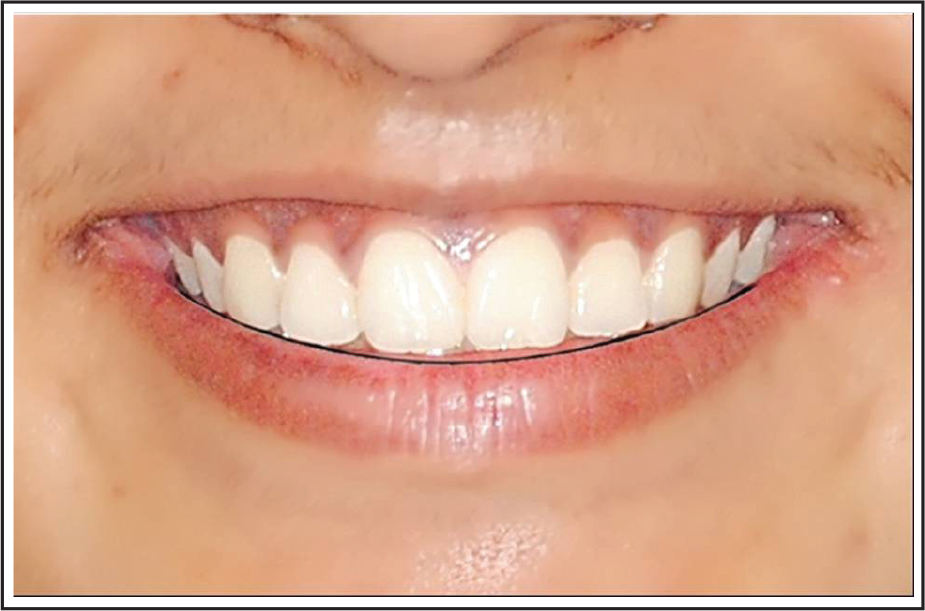
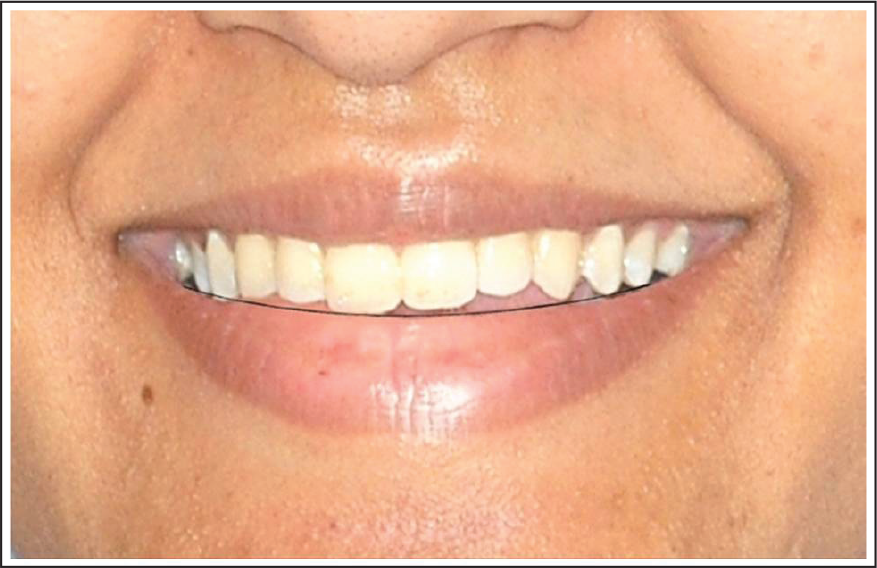
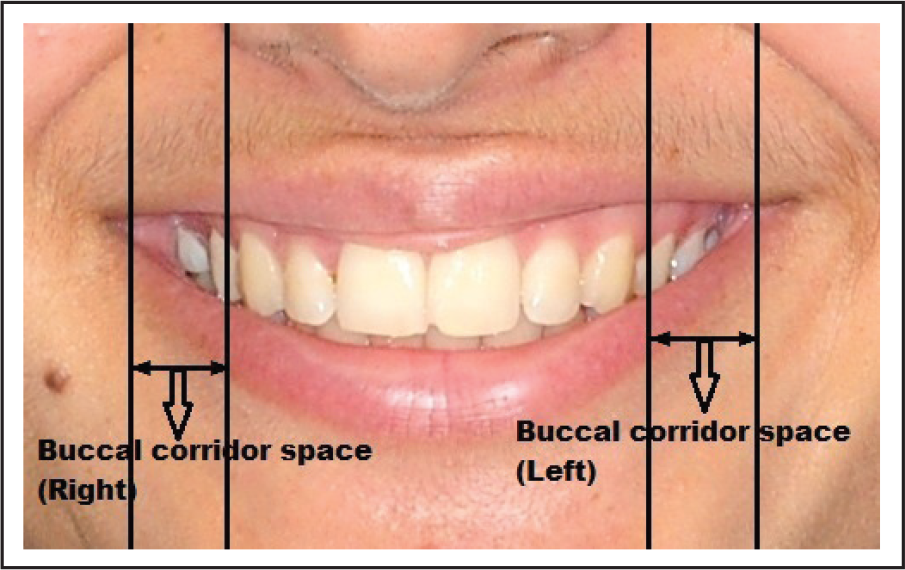
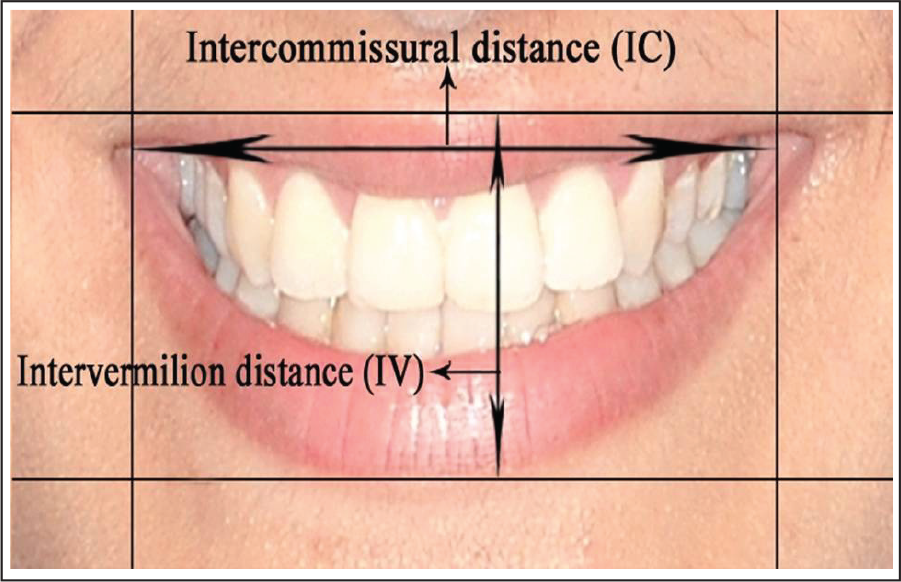
All photographs were developed in standardized size (4″ × 6″), and these parameters were measured: smile arc, buccal corridor space, modified smile index (MSI), anterior height of smile, most posterior maxillary tooth visible, and midline relationship of central incisors to philtrum.
Formula for modified smile index (MSI):

Results and Observations
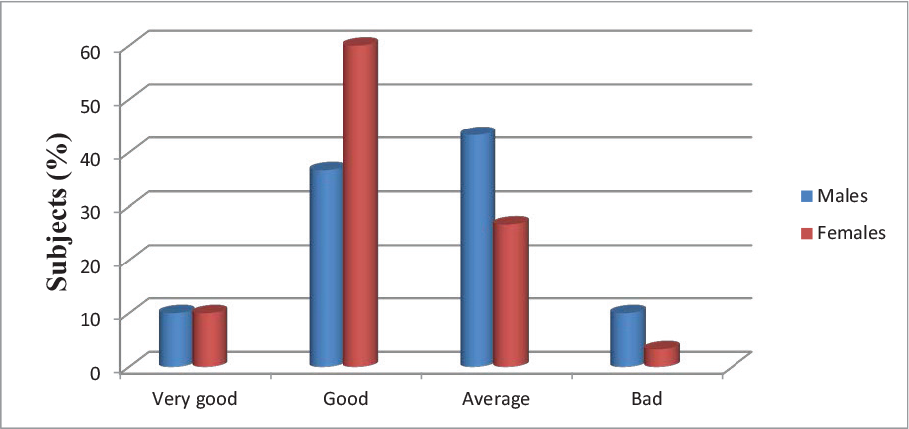
The average visual analog scale value for each smile was calculated and rated from good to bad. According to visual analog scale values, 6 photographs were rated as very good (3 males, 3 females), 29 as good (11 males, 18 females), 21 as average (13 males, 8 females), and 4 photographs were rated as bad (3 males, 1 female) (Figure 7).
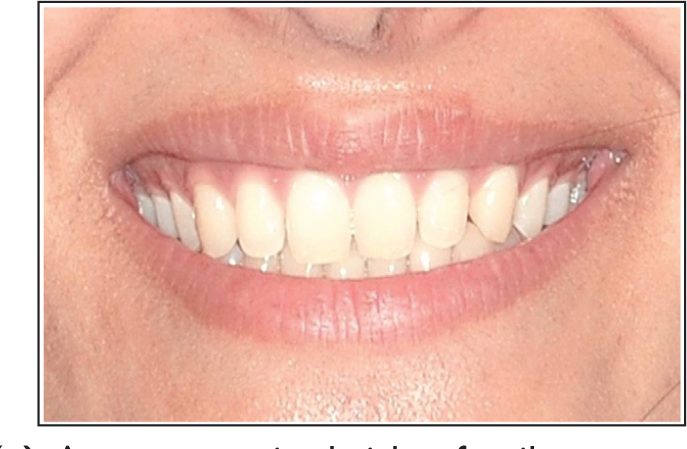
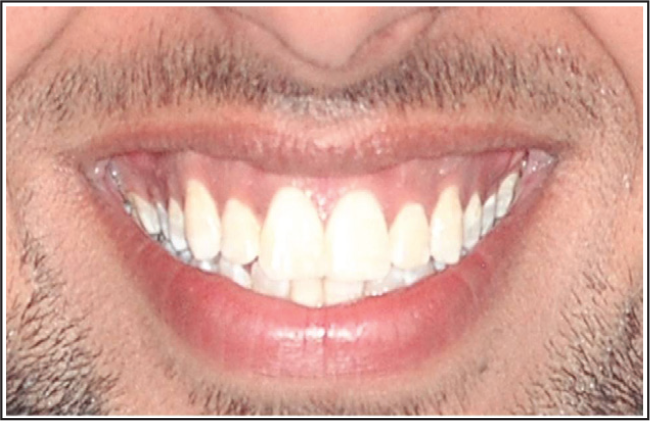
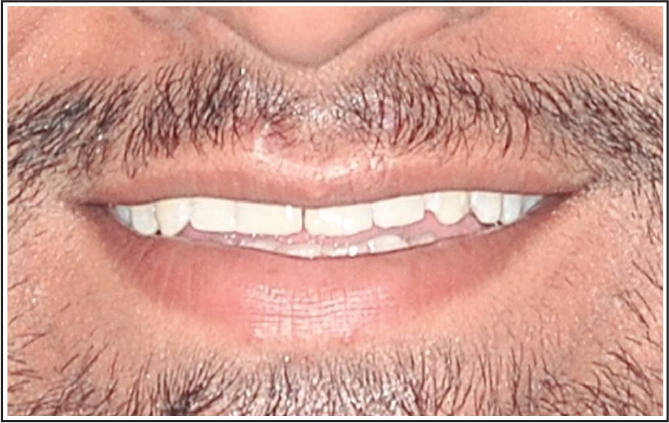
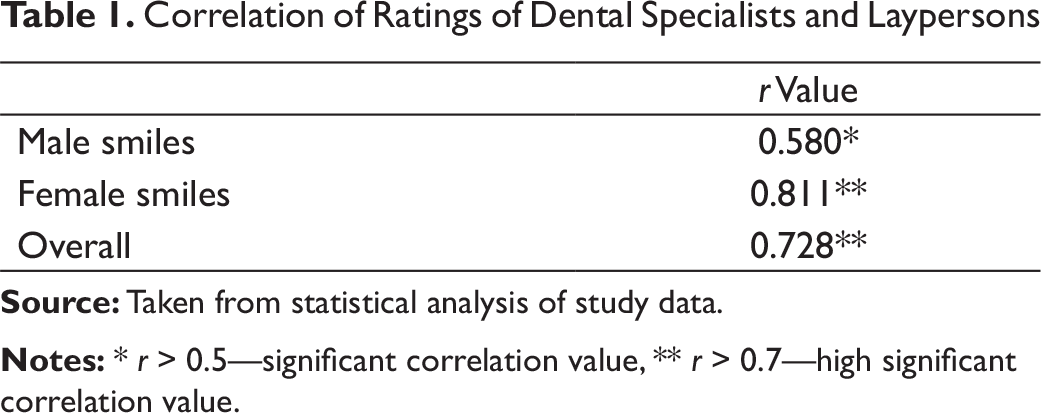
Spearman’s correlation coefficient rho was calculated to find the correlation between dental specialists’ and layperson’s ratings (Table 1).
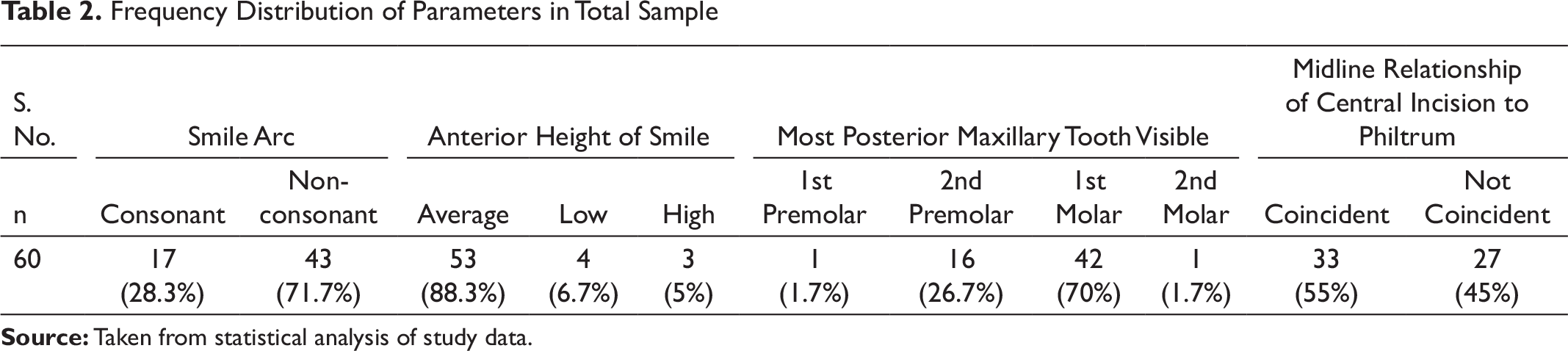
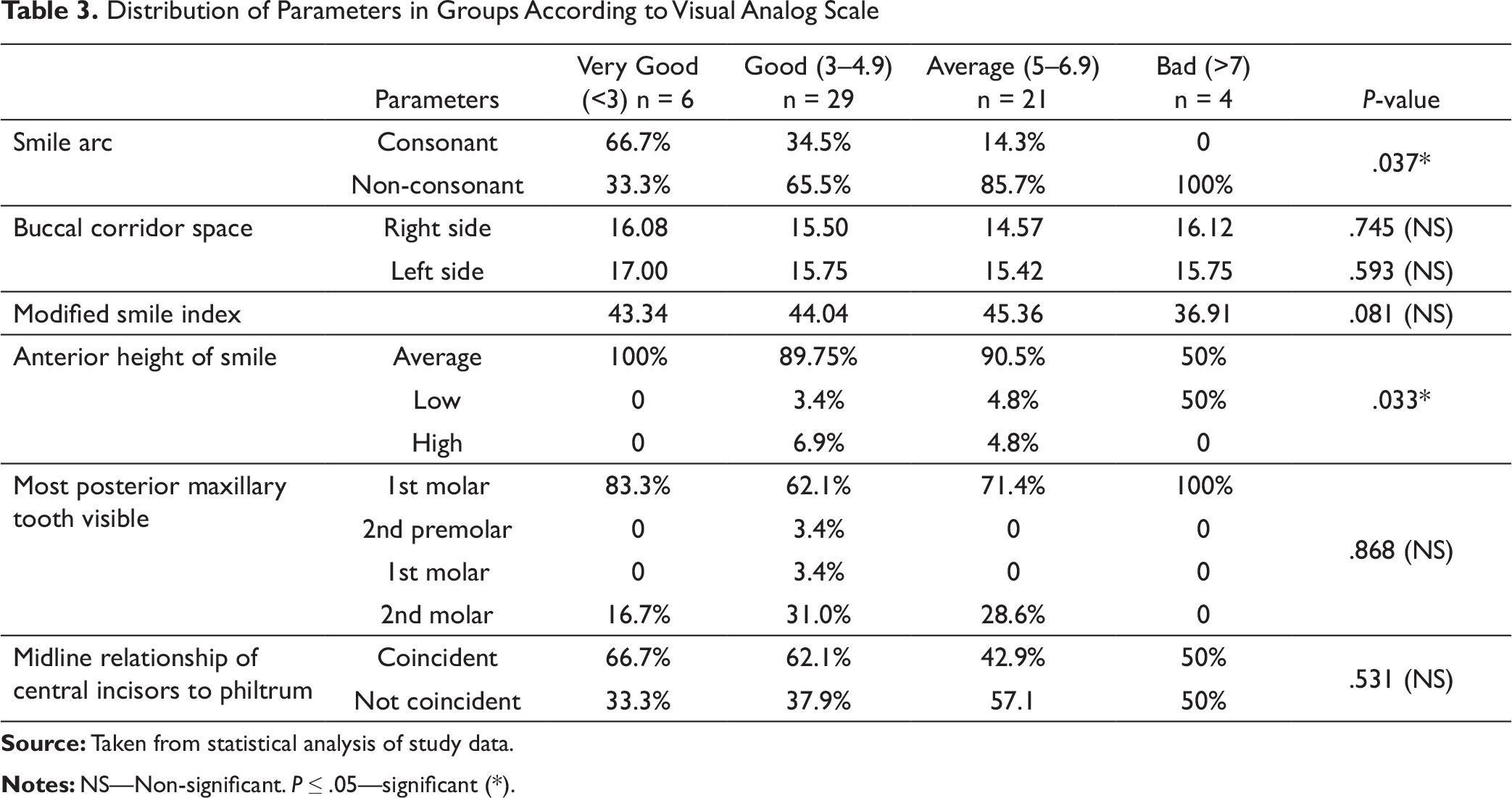
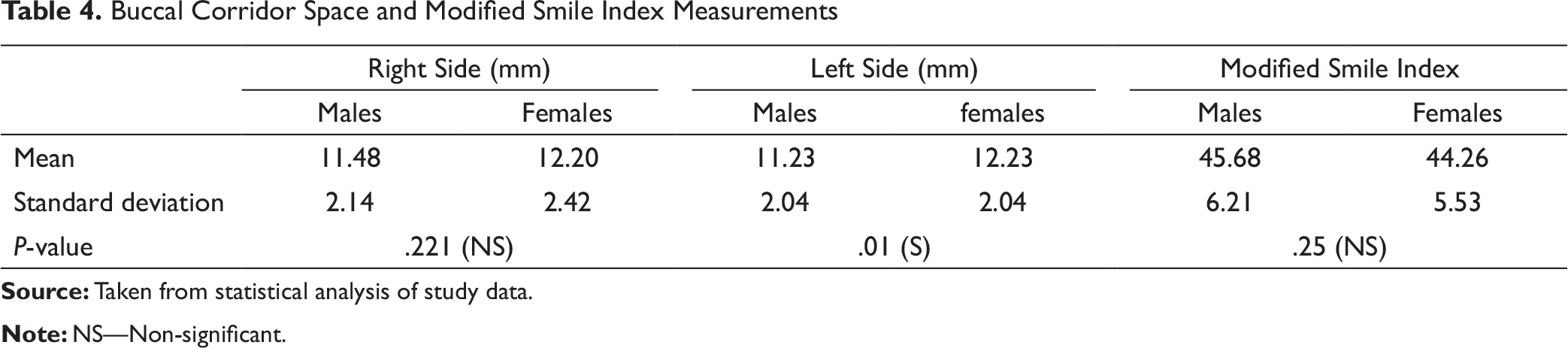
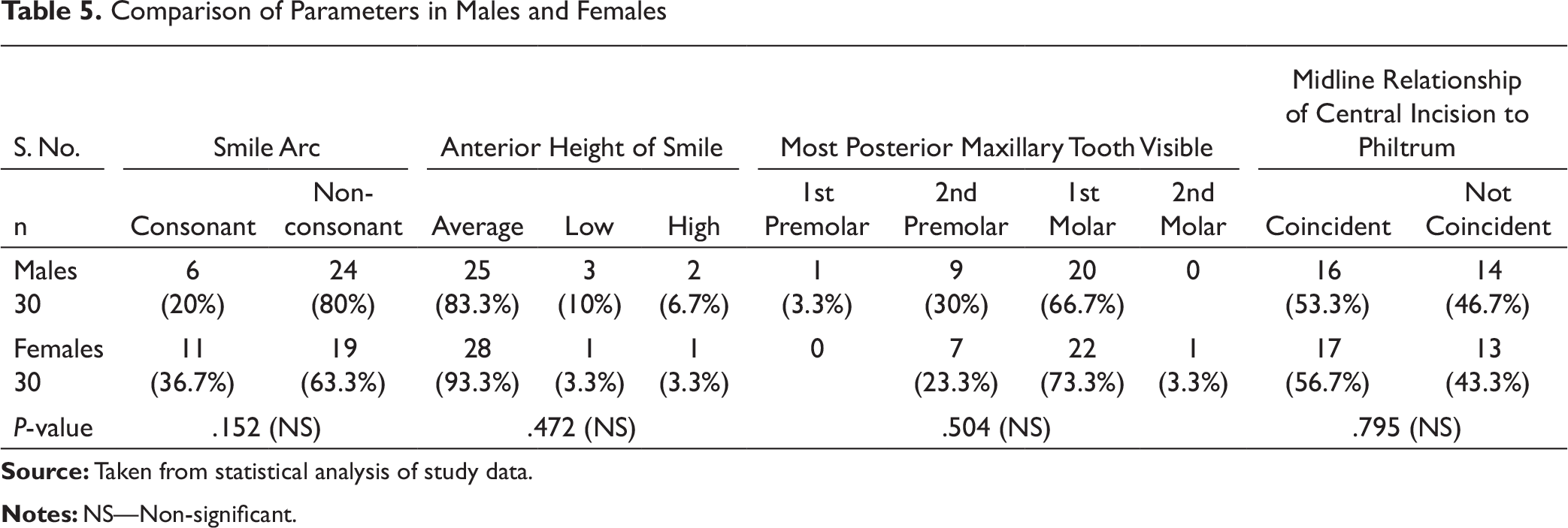
Frequency distribution of various smile parameters was calculated for the total sample given in Table 2, and parameter distribution in smile groups was also calculated according to visual analog scale (Table 3). Parameters were also compared in male and female smiles (Tables 4 and 5).
Correlation of Ratings of Dental Specialists and Laypersons
Frequency Distribution of Parameters in Total Sample
Distribution of Parameters in Groups According to Visual Analog Scale
Buccal Corridor Space and Modified Smile Index Measurements
Comparison of Parameters in Males and Females
Discussion
In the present study, a high correlation was found between evaluation of dental specialists and laypersons (r = 0.728). This is in accordance with the study by Flores-Mir et al 5 which stated that the level of dental education has little impact on esthetic perception. Rajeev et al also observed no difference of perception between general dentists and laypersons. 19 Saffarpour et al also observed a similar smile esthetic perception between laypersons and dental specialists. 20 Al Taki et al reported that orthodontists are more exact and perceptive in evaluating the smile arc and buccal corridor space. 11 A similar observation was made by Sridharan and Samantha, which states that low scores were given by orthodontists as compared to other dental specialists. 21 Another study concluded that laypersons were less discriminating in evaluating buccal corridor spaces than orthodontists and prosthodontists. 22
Various studies also found that buccal corridor space did not influence the esthetic evaluation of smile.25-27 Nimbalkar et al reported that a medium buccal corridor is the esthetic characteristic of a pleasing smile. 28 Loi et al, 29 Tikku el al, 30 and Parekh et al 2 also found a significant effect of buccal corridor space on esthetic perception of smile, as perceived by orthodontists, dental students, and laypeople. The differences in results of all these studies may be due to regional and ethnic differences in the perception of people. There was difference among male and female smile buccal corridor space, but it was not significant. Balani et al also reported a similar result. 12
Maulik and Nanda 15 , Tjan et al, 13 and Dong et al 23 reported that most patients have average anterior smile height. Geron and Atalia 31 studied the effect of gingival display on smile attractiveness and concluded that attractiveness decreased with increased gingival display during smile and speech. Hulsey and Mackley24, 32 demonstrated that minimal gingival display is more esthetic. Hence, these studies are in favor of our study results. Average anterior height of smile was observed to be more in female smiles than male smiles, but the difference was not statistically significant.
These results need to be investigated further with a larger sample for their implementation in clinical use. Effect of facial hair on esthetics of smile in males was not taken into consideration in this study, which may affect esthetic perception. Therefore, this factor also needs to be further investigated.
Conclusions
Dental specialists and laypersons had similar perceptions of smile esthetics in this study sample.
Smile parameters affecting esthetics of smile are: Smile arc and anterior height of smile. Both dental specialist and laypeople preferred average anterior height of smile and consonant smile arc.
There was no significant difference in male and female smile parameters except MSI, but this difference was not statistically significant.
Therefore, in planning orthodontic treatment, parameters influencing smile esthetics should be considered, but separate considerations for male and female patients are not of much importance. Although laypeople are not aware of orthodontic smile parameters, they have the same preference for smile parameters as that of dental specialists. Therefore, orthodontists can rely on judgments of laypersons in determining and executing appropriate treatment for improving smile esthetics.
Footnotes
Declaration of Conflicting Interests
Funding
The authors received no financial support for the research, authorship, and/or publication of this article.
Statement of Informed Consent and Ethical Approval
Necessary ethical clearances and informed consent was received and obtained respectively before initiating the study from all participants.
