




Abstract
Background: An understanding of bracket slot–archwire interface is imperative for biomechanical effectiveness in orthodontic sliding mechanics and hence the aim of the study is to evaluate frictional properties of lingual self-ligating brackets comparing with conventional lingual and labial self-ligating brackets using three different archwire alloys in various environments.
Materials and Methods: This in vitro study compared the frictional force of labial and lingual self-ligating and conventional lingual brackets with stainless steel, TMA, and Cr-Co alloy archwires of 0.017” × 0.025” dimension in dry and wet conditions. Frictional forces were evaluated in a simulated half arch fixed appliance using a testing machine. Static and kinetic friction were measured and analyzed by one-way analysis of variance (ANNOVA) test and post hoc Duncan multiple range test. The effects of brackets and archwires in dry and wet conditions were analyzed by three-way variance (ANNOVA) test.
Result: The maximum frictional forces were observed with labial self-ligating brackets followed by lingual conventional brackets and the least by lingual self-ligating brackets. Of all the wires tested, TMA wires had the maximum frictional forces followed by Co-Cr and stainless steel. In both conditions, the values were non-significant with all bracket–wire combinations except with Co-Cr and TMA wires.
Conclusions: Varied amount of frictional force was shown by the brackets and wires with highest by labial self-ligating bracket, followed by lingual conventional and lingual self-ligating brackets. TMA wires experienced higher friction followed by Co-Cr and stainless steel with minimum friction.
Introduction
Sliding movement is one of the recognized methods of retraction of tooth in contemporary orthodontic space closure mechanics. In this modality, resistance to sliding is attributed mainly by friction, binding, and notching, and friction is experienced largely by the type and size of archwire, the bracket, and the method of ligation. 1 The quintessence of modern orthodontics is to introduce brackets as well as archwire materials which can reduce friction during initial stages of tooth movement particularly in space closure. Innovation in bracket design technology has led to the introduction of various types of self-ligating systems and the greatest virtue of these brackets is reduced friction.2-5 In addition to this, self-ligating brackets are supposed to be advantageous in providing greater patient comfort, shortened treatment time, and reduced chair time.6, 7 They are claimed to offer more precise control of tooth translation, reduced overall anchorage demands, rapid alignment, and more effective space closure. 8 There is reduced incidence of soft-tissue lacerations, improved oral hygiene status, less chance of cross infection risk, and better aesthetics. 9
The development of fixed lingual orthodontic appliances began in the mid-1970s, largely because of an increased interest in adults seeking for orthodontic treatment. These new “invisible braces” were designed in an effort to offer valuable service to many patients who were unwilling to undergo treatment with labial appliances due to aesthetic concerns. During the past 10 years, various designs of lingual brackets have been used and frequently modified in an attempt to provide patient comfort, mechanical efficiency, and precise tooth positioning. A small but growing number of orthodontists have realized the tremendous advantages and rewards available when the “invisible” technique is incorporated into the practice. Lingual brackets are similar to labial brackets but have difference in morphology and dimensions contributing to varied biomechanical effects and hence clinical performance. Almost all lingual brackets are single brackets and have narrow mesiodistal width than labial brackets because of the anatomical limitation which is intended to obtain adequate interbracket distance, and the diversity of lingual bracket design attracts further attention. 10
A common problem with lingual bracket is the difficulty in obtaining complete archwire engagement and tendency of the archwire to be pulled out of the bracket slot, creating difficulty in torque and rotation control. Higher frictional forces were also documented between lingual brackets and archwires even in conventional lingual brackets compared with labial brackets. 11 The new generation conventional lingual brackets are claiming to have reduced friction due to passive ligation design. To further improve the performance of the lingual appliance, a new lingual self-ligating bracket has been recently introduced in the market for better clinical efficiency. 12
Even though various studies have been conducted to evaluate the frictional properties of labial brackets with different archwire combinations, there is a scarcity of literature to characterize the frictional property of lingual brackets especially with self-ligating lingual brackets.10, 13-15 The various factors determining frictional resistance in labial and lingual brackets are the type of ligation, force of ligation, material type, bracket design, interbracket distance, and contact angle between archwire and slot. In many self-ligating brackets, a spring clip or slide hold the archwire in place and these exert an active force or minimum force in passive designs. When compared to labial side, lingual self-ligating brackets have altered parameters of friction like mode of ligation, force of ligation, bracket design, and contact angle, and only few studies have been conducted to estimate friction between archwire alloys and lingual self-ligating brackets.16-20 An understanding of the frictional characteristics of labial and these newer lingual brackets with various archwire alloys is imperative and hence this study is to evaluate the frictional properties of lingual self-ligating brackets comparing with that of conventional lingual and labial self-ligating brackets with three different archwire alloys in various environments.
Materials and Methods
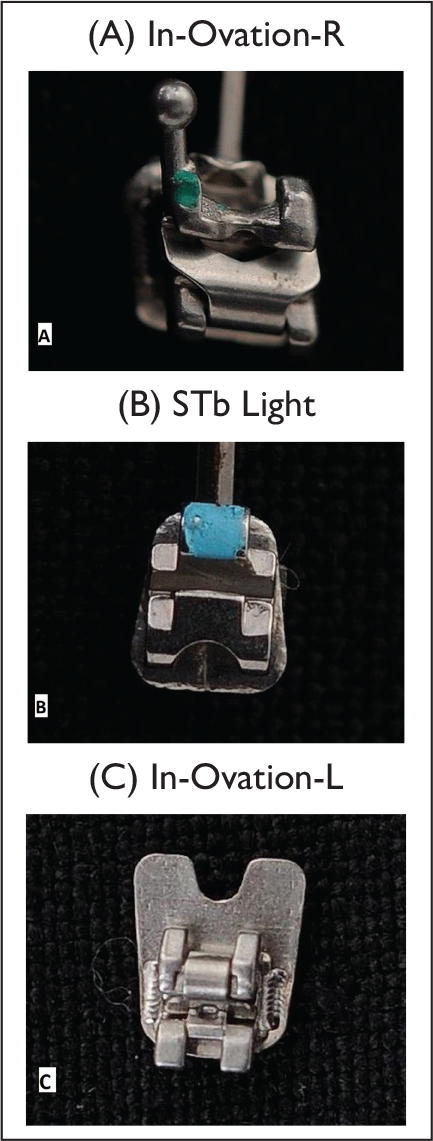
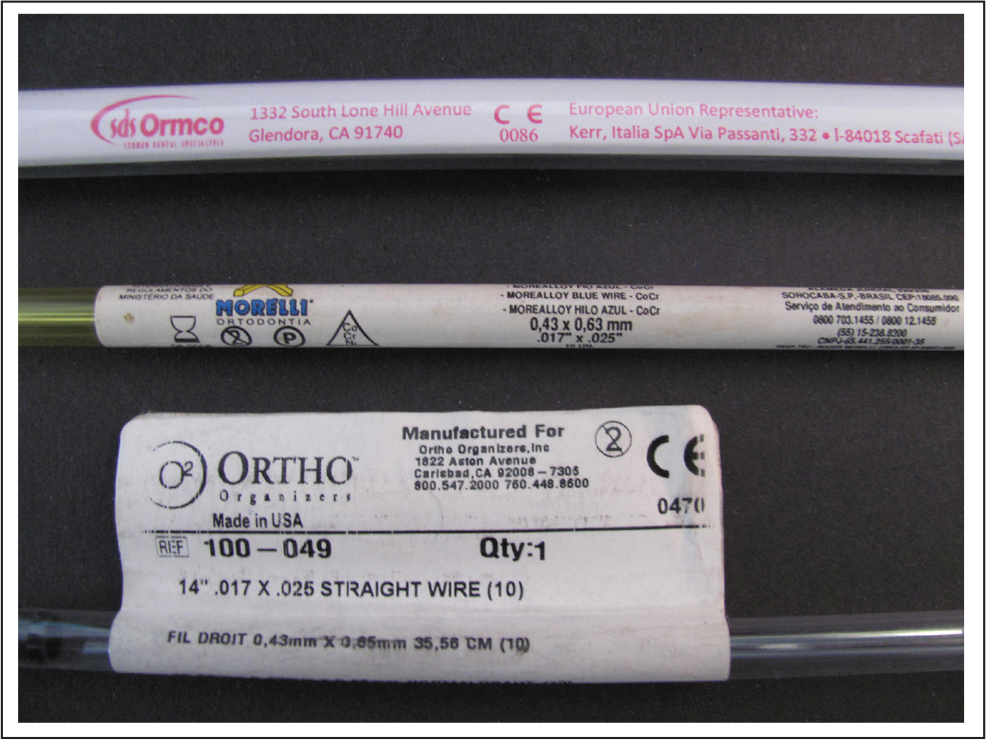
The samples tested in this study were 60 numbers each of labial self-ligating maxillary canine brackets (In-Ovation-R, Dentsply GAC International, Bohemia, NY 11716), lingual conventional maxillary canine brackets (Ormco STb Light Lingual system, Glendora, California, USA), and lingual self-ligating maxillary canine brackets (In-Ovation-L, Dentsply GAC International, Bohemia, NY 11716) with 0.018′′ × 0.025′′ slot size (Figure 1). The wires used in the study were stainless steel (Ortho Organizer, USA), Beta titanium archwires (TMA, Ormco, USA), and Co-Cr archwires (Morelli Orthodontics) having 0.017′′ × 0.025′′ dimension (Figure 2). Conventional lingual brackets were ligated with 0.009′′ steel ligature wire (Ortho Organizer, USA). All samples were tested in dry and wet conditions with artificial saliva, a product named E-Saliva mouth spray by Yash Pharma lab.
Brackets Tested in the Study
Wires Tested in the Study
Brackets Attached with Power Arms
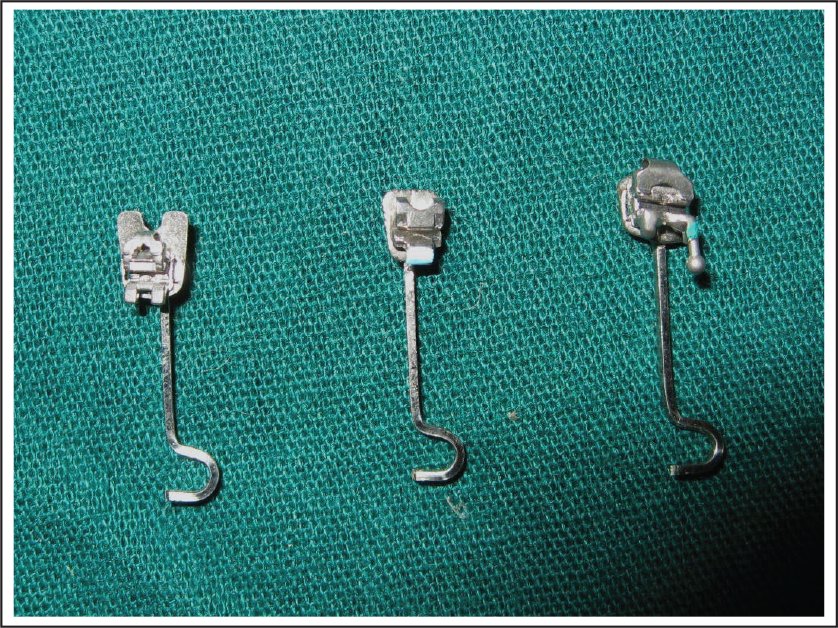
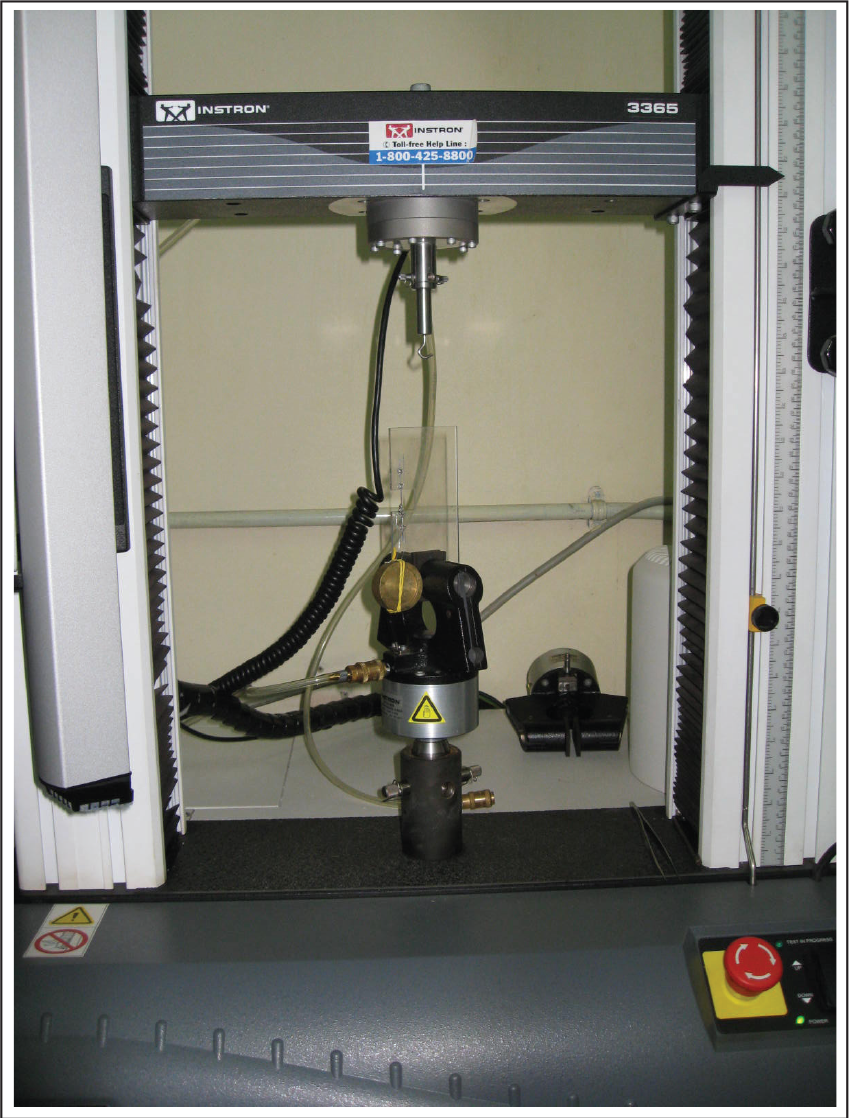
The evaluation of friction between the brackets and the archwires were carried out as per the test protocol described by Tidy. 21 It consisted of a simulated half arch fixed appliance with archwire ligated with the bracket in vertical position. Four standard stainless steel MBT brackets having a slot size of 0.018′′ × 0.025′′ bonded onto a rigid Perspex sheet at 8 mm intervals. A space of 16 mm was left at the center for sliding the tested labial and lingual canine bracket to simulate canine retraction. The movable canine brackets were attached with a 12 mm power arm from which weights of 100 gm hanged to represent the single equivalent force acting at the center of resistance of the tooth root (Figure 3). All tests were conducted in dry and wet conditions with an Instron (model 3365 UK) universal testing machine. The movable bracket suspended from the load cell of the testing machine, while the Perspex sheet was mounted on the cross head below (Figure 4). The full-scale load was at 100 N with a crosshead speed of 10 mm/minute over 10 mm archwire.
The Study Setup with Movable Bracket Suspended from Instron Testing Machine
All brackets and archwire segments were cleansed with isopropyl alcohol before testing. For the Ormco STb lingual brackets stainless steel ligatures were initially fully tightened and then unwound by 3 turns. Loose ligation was checked by rocking the ligature to confirm that there was a little play between both spans of the ligature and archwire. At the start of each test, a trial run was performed with no load on the power arm to check whether there is any binding between the archwire and bracket. Then a 100 gm weight suspended from the power arm and the load needed to move the bracket across the central span in the apparatus recorded. Each bracket was tested only once and each wire specimen was drawn through one bracket only so as to eliminate the influence of wear. Ten representative readings were taken for each group of bracket and archwire combinations in dry and wet conditions.
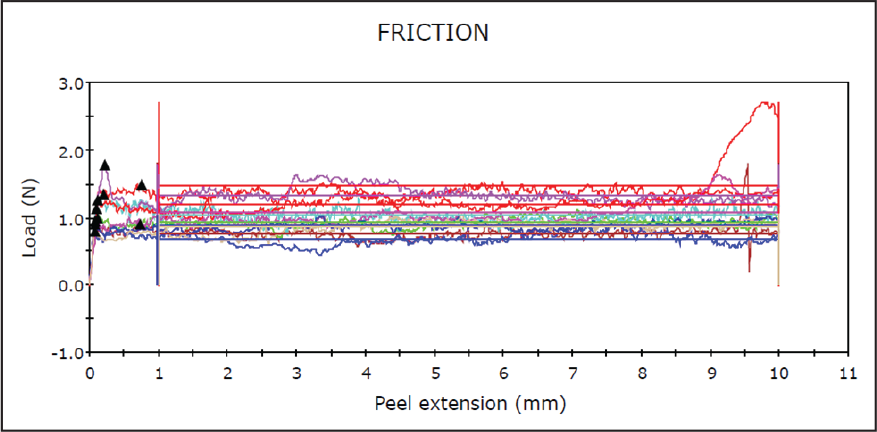
The load cell reading represents the clinical force of retraction that would be applied to canine, part of which would be critical friction, while the rest would be the translation force on the tooth. A load-deflection graph was plotted during each test by using Bluehill software (Instron) on a computer, where the X-axis represents the bracket movement in millimeters, and the Y-axis recorded the load in Newton (Figure 5). The difference in load in the power arm and the load cell reading shows the frictional force. The initial peak of the graph was taken as static friction, and kinetic friction was determined by averaging the ten reading on the Y-axis at fixed intervals. The difference between the load cell reading and load on the power arm represents frictional resistance. The coefficient of friction of the archwire–bracket interface can be calculated by the formula:
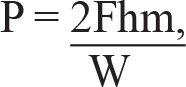
where P is frictional resistance, F is equivalent force acting at a distance h, W is bracket slot width h = 12 mm, and μ is coefficient of friction.
Load-Deflection Graph to Represent Bracket Movement and Frictional Force (Bluehill Software)
Statistical Analysis
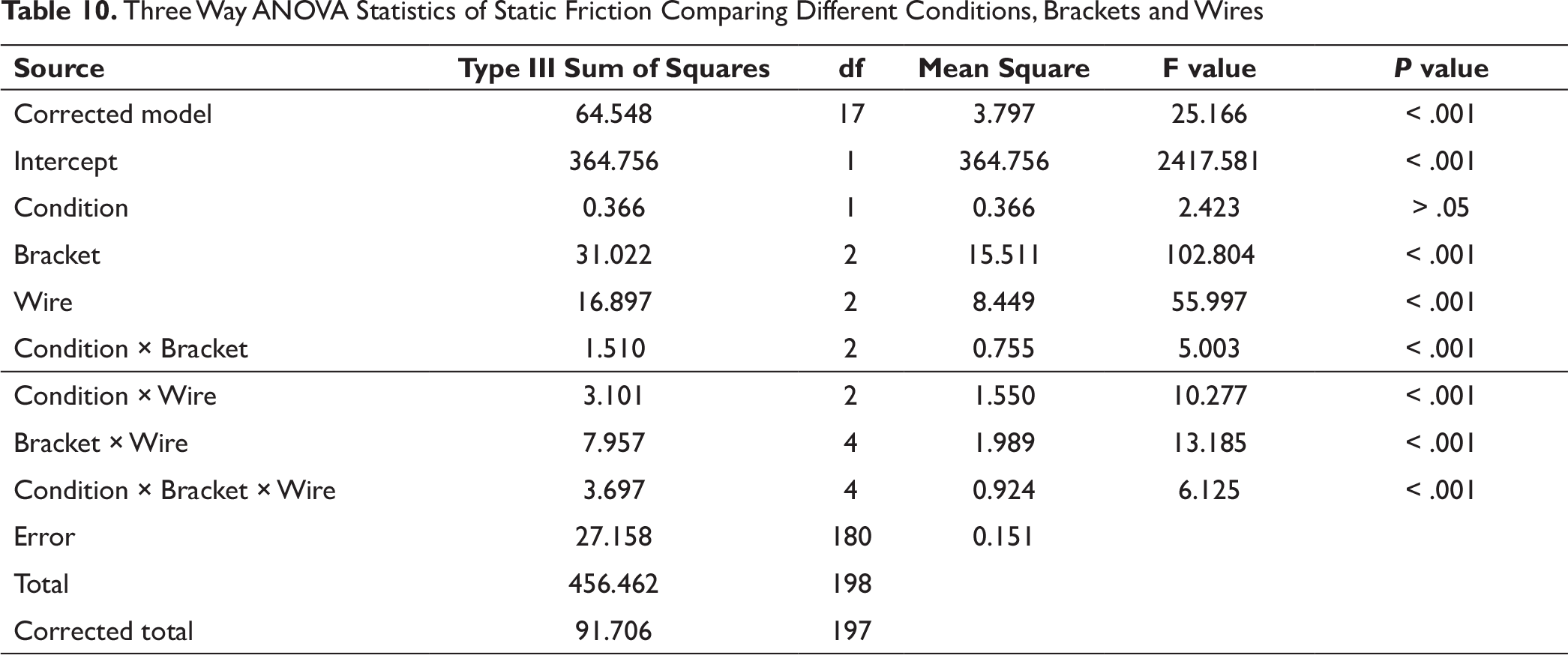
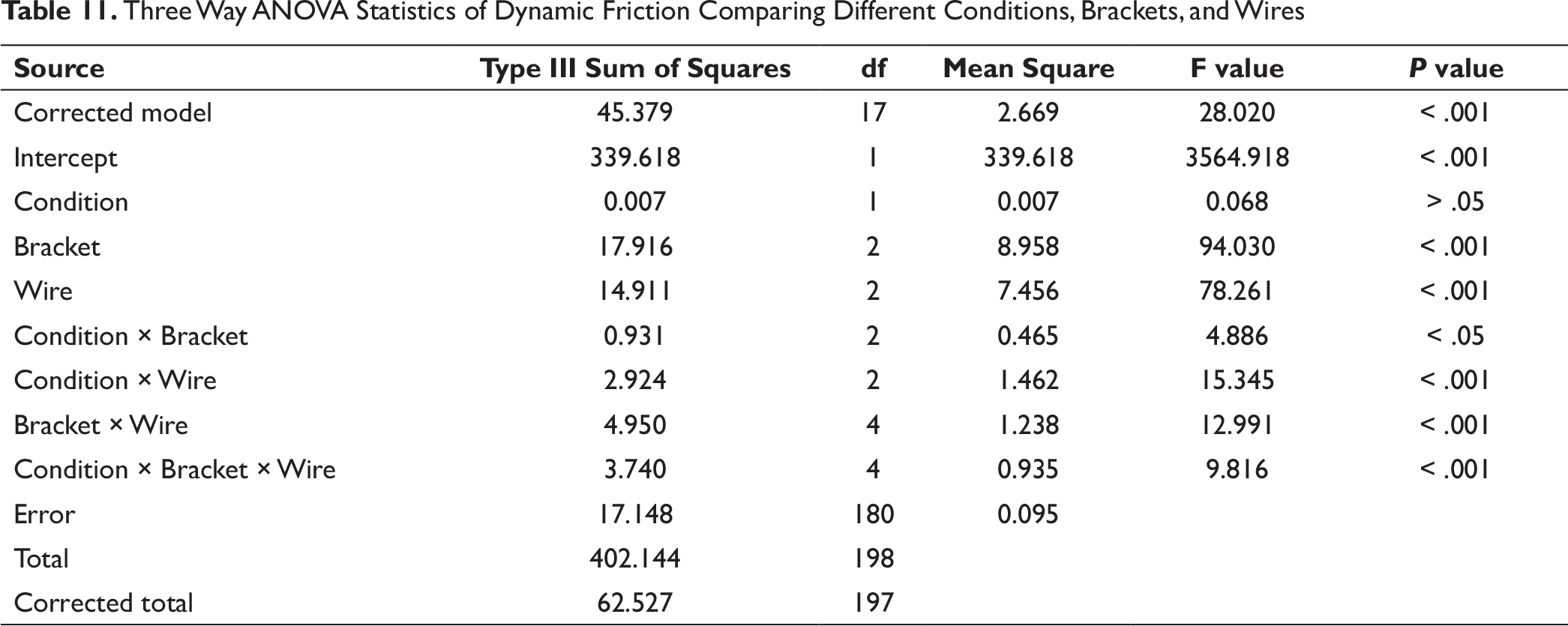
Data were analyzed using computer software, Statistical Package for Social Sciences (SPSS) version 10. Data were expressed in its mean and standard deviation. One-way analysis of variance (ANOVA) was performed as parametric test to compare different variables. Duncan’s multiple range test was used as post hoc analysis along with one-way ANOVA to elucidate multiple comparisons between variables. Three-way ANOVA was also employed to compare different wires, brackets, and conditions together and their interactions. Unpaired Student’s t-test was used to compare mean values between two conditions for each wire and bracket. For all statistical evaluations, a two-tailed probability of value, < 0.05 was considered significant. Descriptive statistics including mean and standard deviation of all tested groups were calculated.
Results
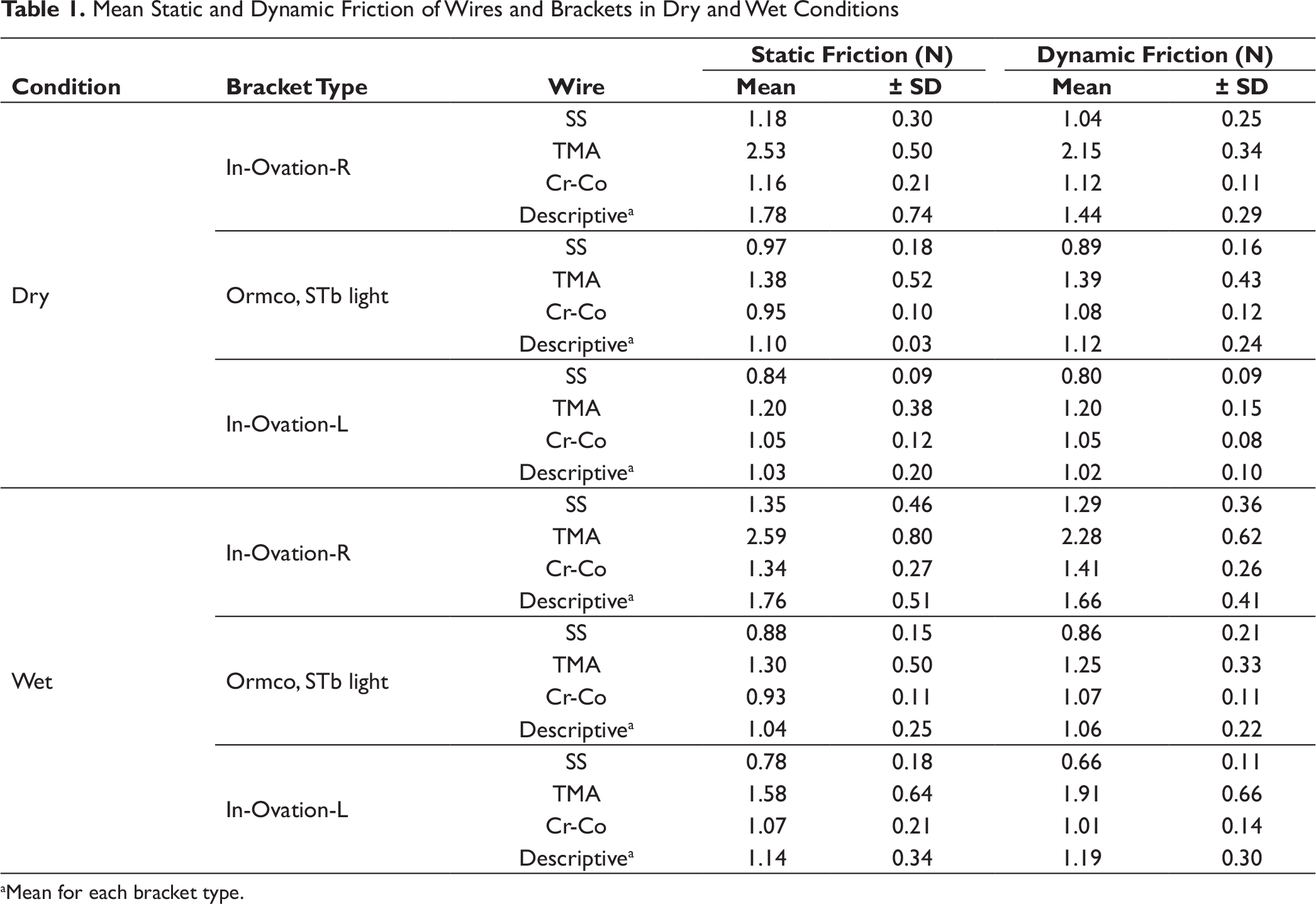
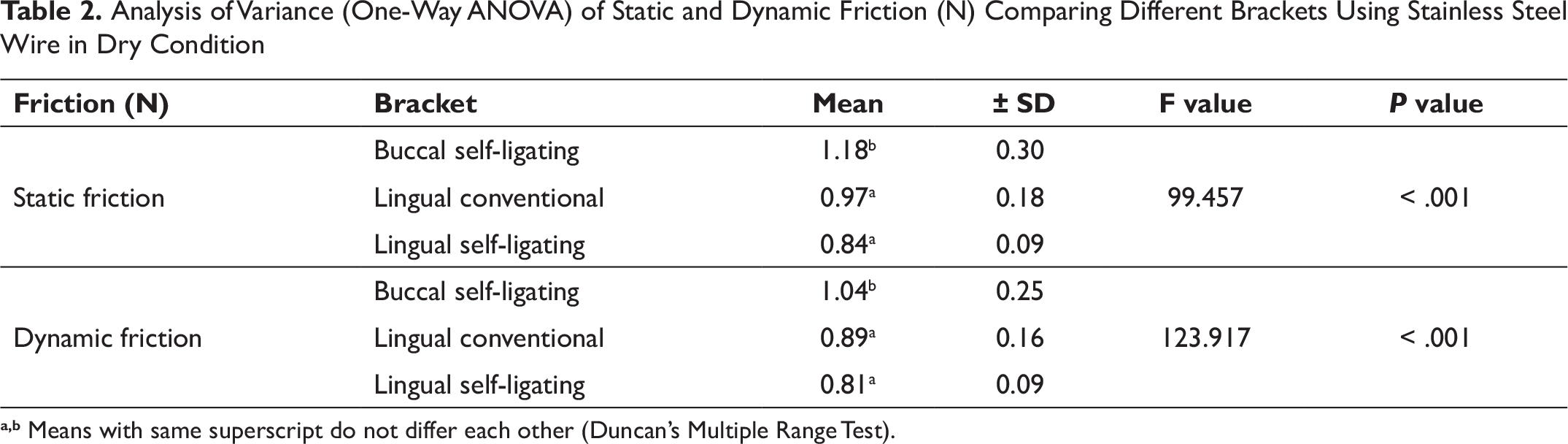
Frictional characteristics of the tested bracket types with different wire combinations showed that labial self-ligating brackets were having increased mean static and dynamic friction in dry state followed by conventional lingual brackets and the least frictional force by lingual self-ligating brackets. However, in wet condition, the lingual conventional brackets showed the least frictional force followed by lingual self-ligating and labial self-ligating brackets with the maximum frictional force (Table 1). One-way ANOVA showed that the mean frictional force values among the bracket types using stainless steel and TMA wires in dry state are significantly different (P < 0.001), with the order of labial self-ligating having the higher value followed by lingual conventional and lingual self-ligating brackets (Tables 2 and 3). Co-Cr wires in dry condition with all bracket types, had the mean dynamic frictional force values which is non-significant (P > 0.05), but mean static frictional values were significantly different (with P < 0.05) and value of lingual self-ligating brackets is more than that of lingual conventional brackets (Table 4). However, post hoc comparisons with the Duncan multiple range test show that frictional force values of lingual conventional brackets and lingual self-ligating brackets have no significant difference between them.
Mean Static and Dynamic Friction of Wires and Brackets in Dry and Wet Conditions
aMean for each bracket type.
Analysis of Variance (One-Way ANOVA) of Static and Dynamic Friction (N) Comparing Different Brackets Using Stainless Steel Wire in Dry Condition
a,b Means with same superscript do not differ each other (Duncan’s Multiple Range Test).
Analysis of Variance (One-Way ANOVA) of Static and Dynamic Friction (N) Comparing Different Brackets Using TMA Wire in Dry Condition
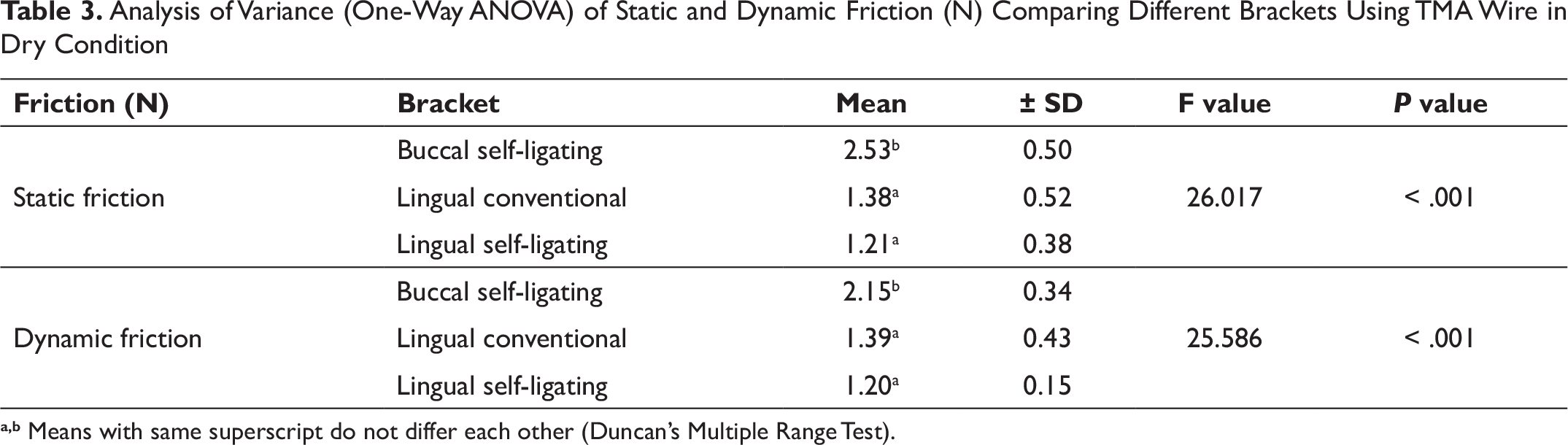
a,b Means with same superscript do not differ each other (Duncan’s Multiple Range Test).
Analysis of Variance (One-Way ANOVA) of Static and Dynamic Friction (N) Comparing Different Brackets Using Co-Cr Wire in Dry Condition
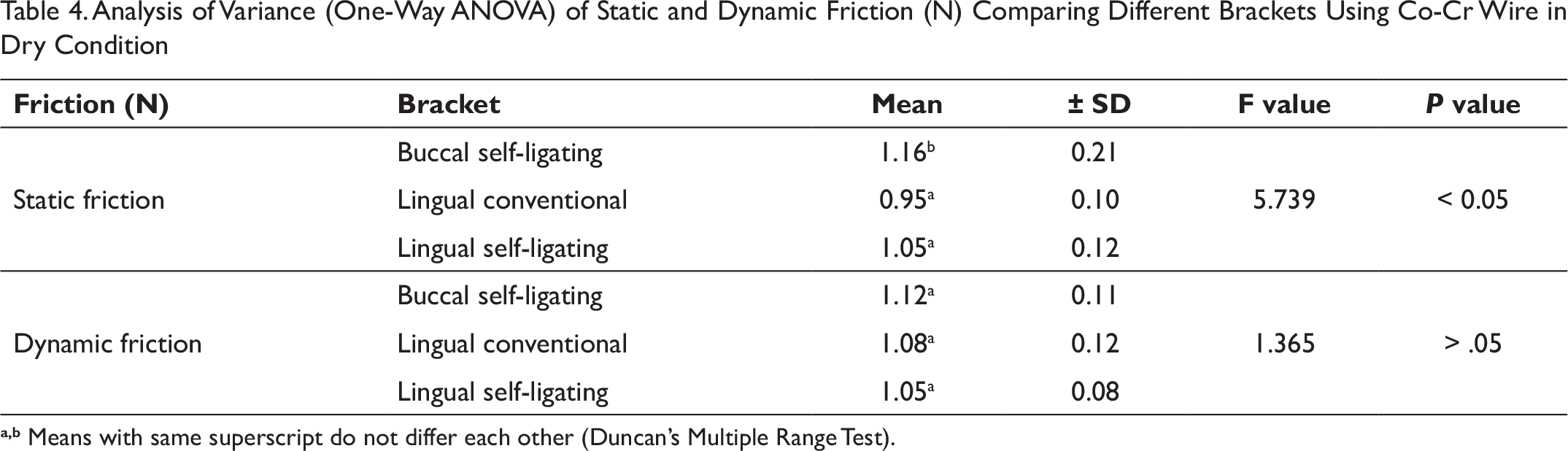
a,b Means with same superscript do not differ each other (Duncan’s Multiple Range Test).
Analysis of Variance (One-Way ANOVA) of Static and Dynamic Friction (N) Comparing Different Brackets Using Stainless Steel Wire in Wet Condition
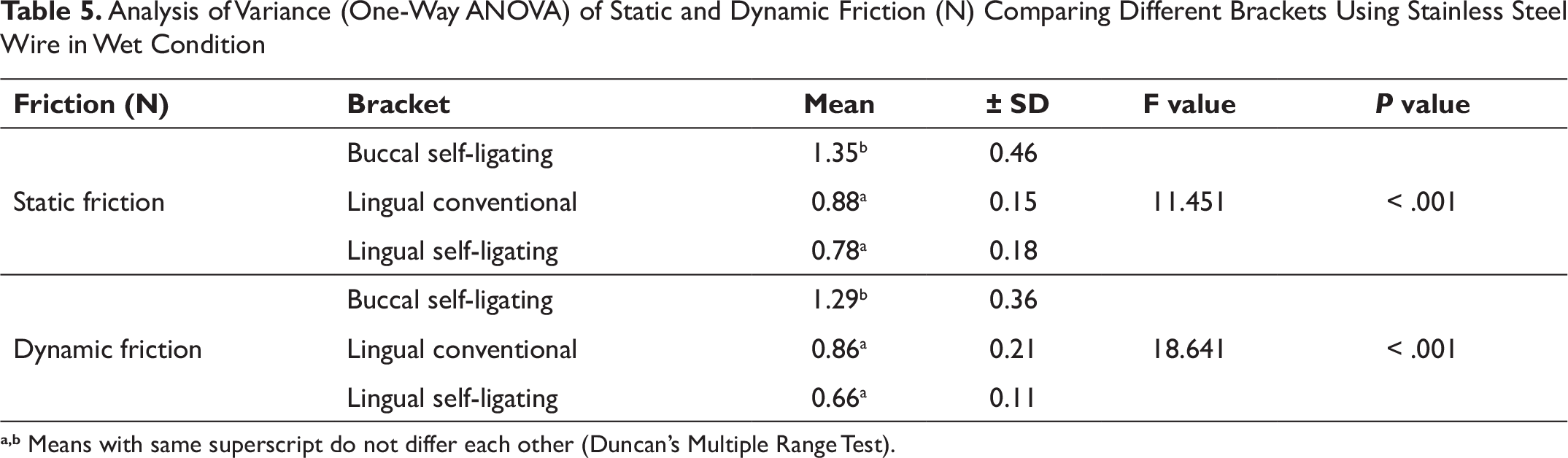
a,b Means with same superscript do not differ each other (Duncan’s Multiple Range Test).
Analysis of Variance (One-Way ANOVA) of Static and Dynamic Friction (N) Comparing Different Brackets Using TMA Wire in Wet Condition
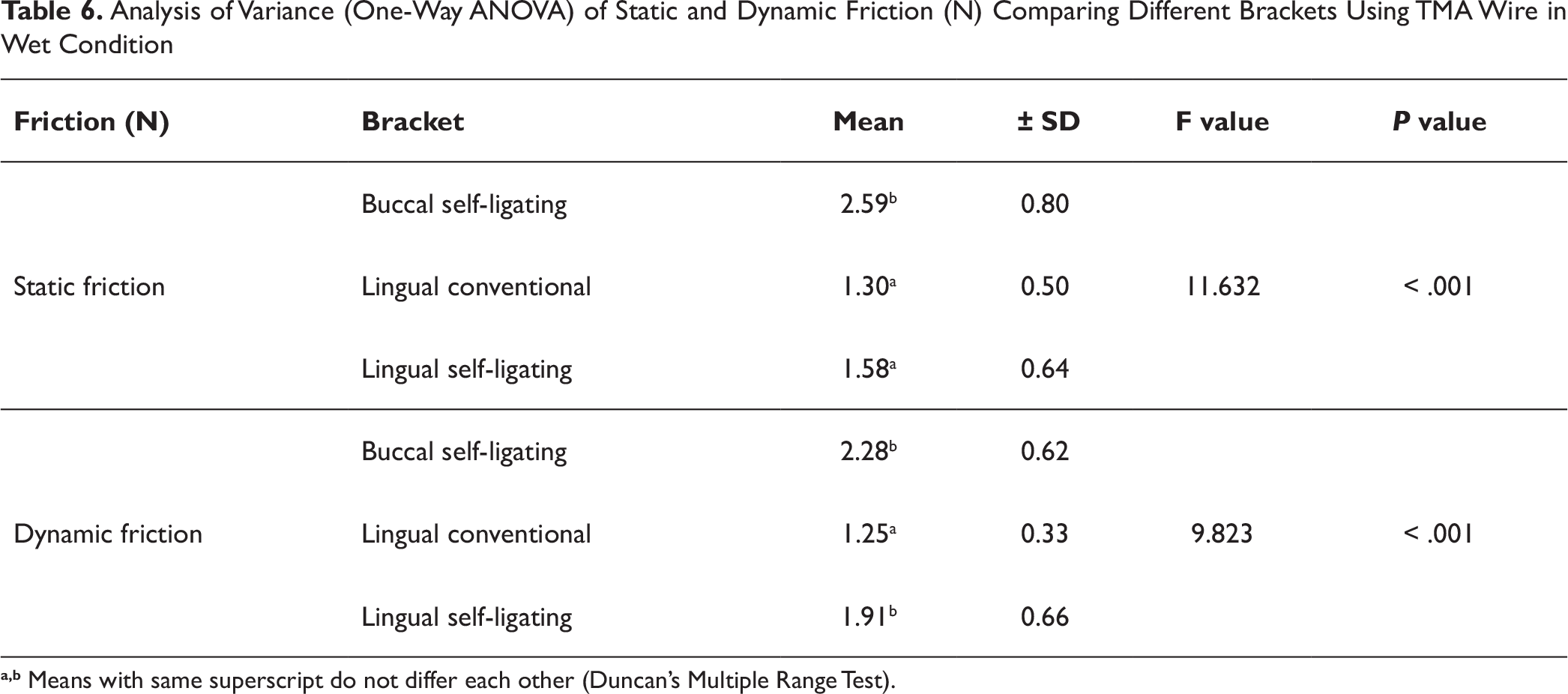
a,b Means with same superscript do not differ each other (Duncan’s Multiple Range Test).
Analysis of Variance (One-Way ANOVA) of Static and Dynamic Friction (N) Comparing Different Brackets Using Co-Cr Wire in Wet Condition
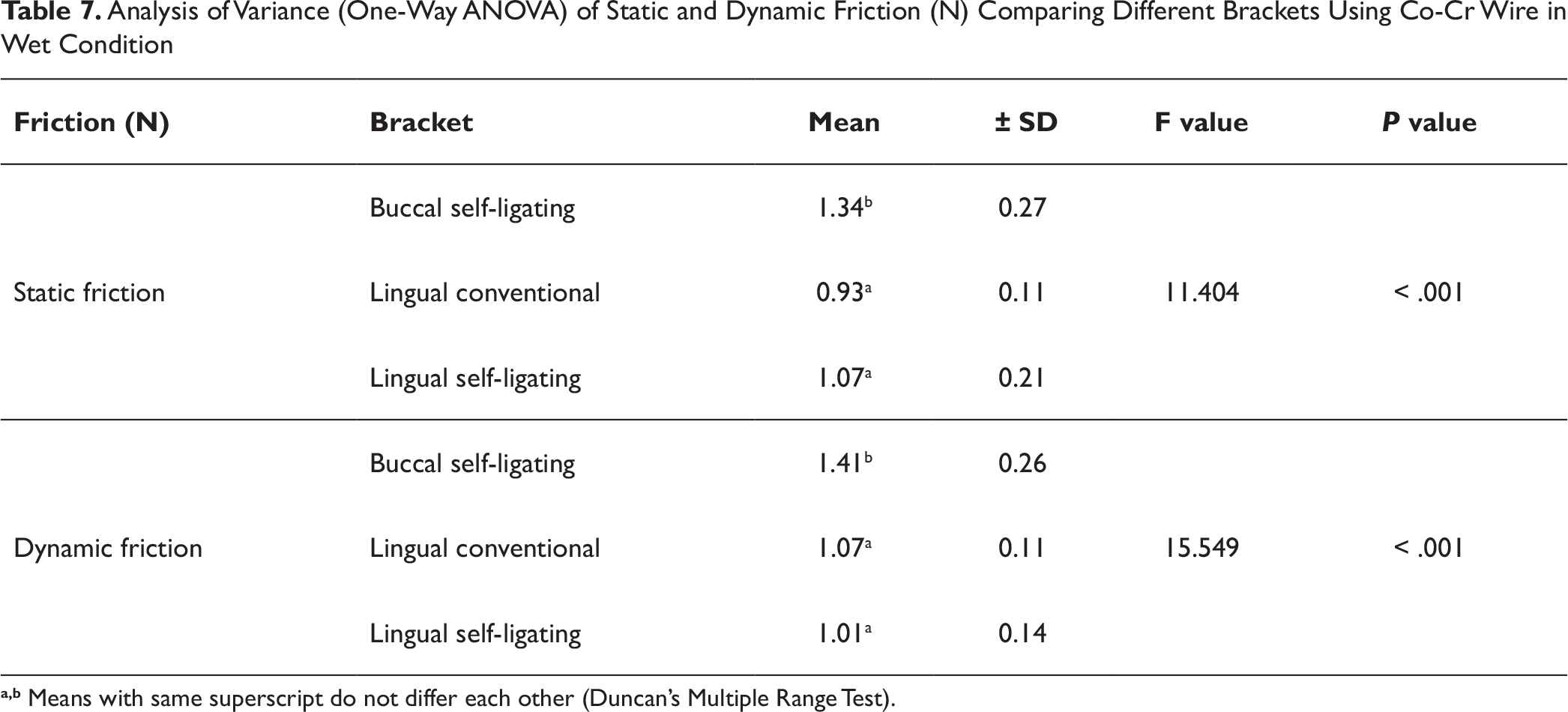
a,b Means with same superscript do not differ each other (Duncan’s Multiple Range Test).
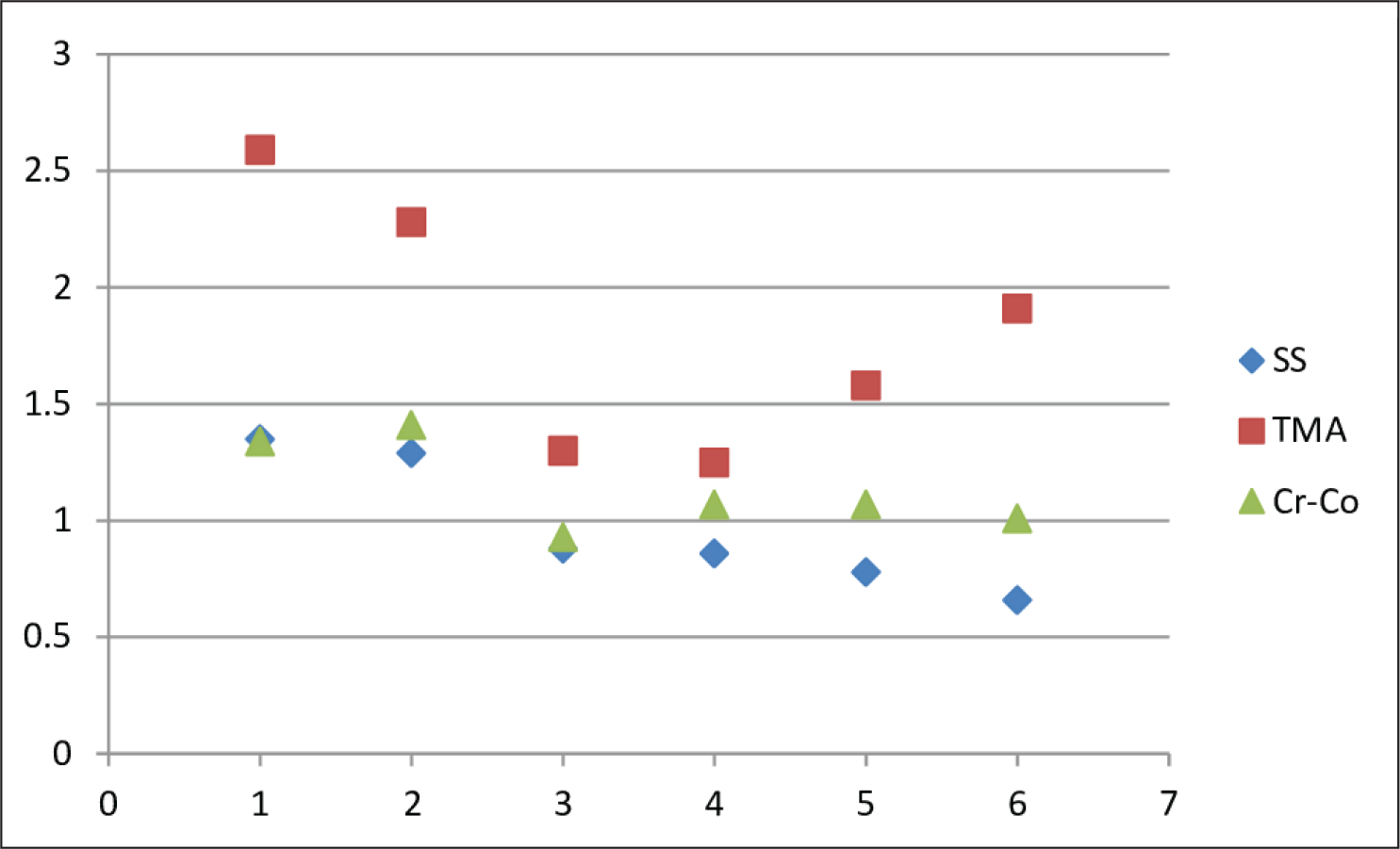
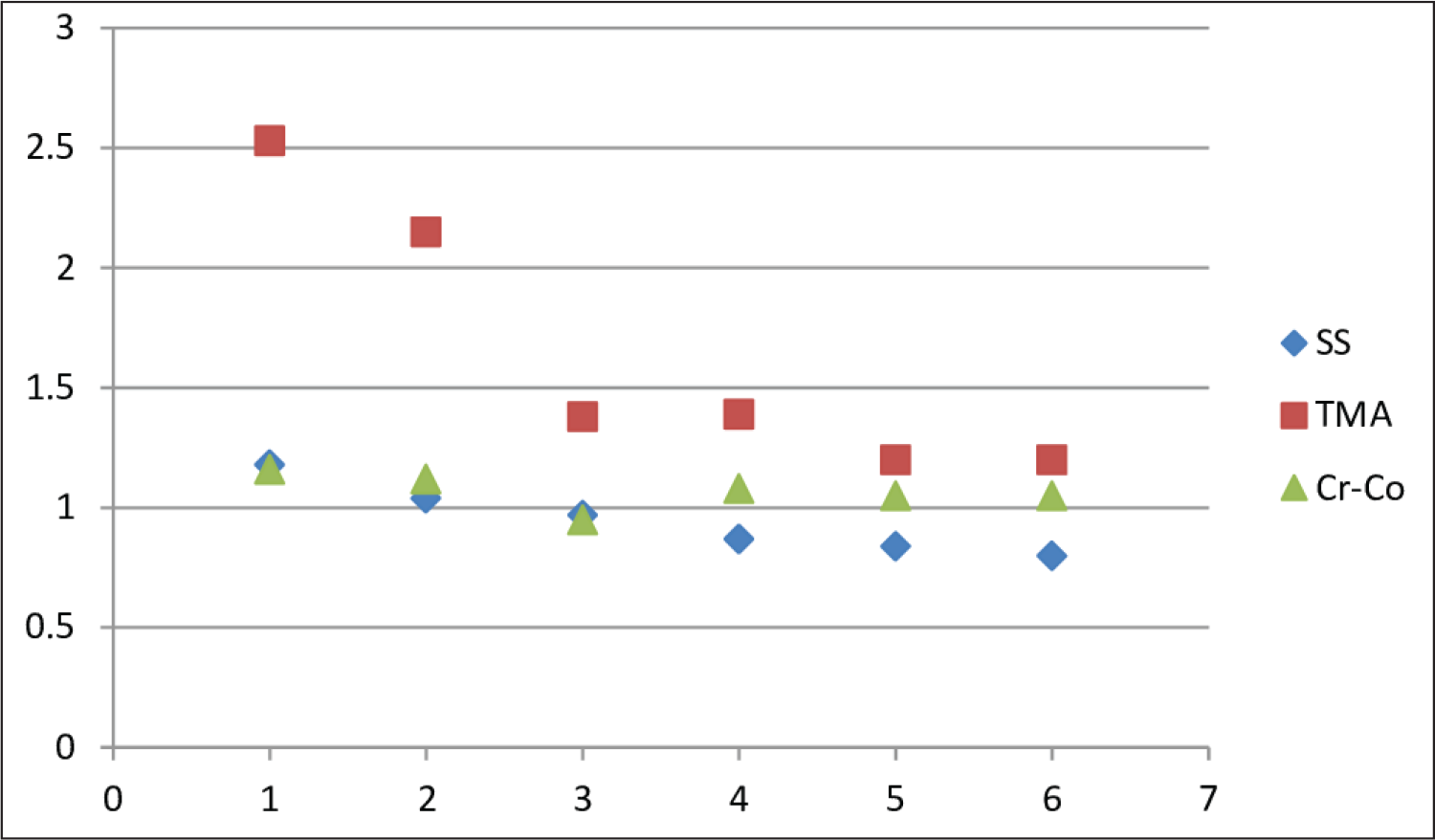
The effect of different wires with various brackets in dry and wet condition showed that mean frictional force value is highest with TMA wires followed by Co-Cr wires and least with the stainless steel wires (Figures 6 and 7). Post hoc comparisons with multiple range test revealed frictional forces of Co-Cr wires and stainless steel wires have no significant difference between them (Table 8).
The effects of dry and wet (artificial saliva) environment on static and dynamic frictional forces with each bracket and wire were analyzed. Unpaired Student’s t-test revealed that most bracket–wire combinations showed the mean frictional values that are not much significantly (P > 0.05) different in dry and wet environments. If at all significant, it is in few combinations where mean dynamic friction is more in wet than dry state, and in only one combination it is just the opposite (Table 9). Three-way ANOVA statistics of static and kinetic friction shows significant (P < 0.001) differences between brackets, wires, and in different conditions and among themselves (Tables 10 and 11).
Scatter Plot Showing Mean Static and Dynamic Friction of Wires in Dry Condition
Scatter Plot Showing Mean Static and Dynamic Friction of Wires in Wet Condition
Analysis of Variance (One-Way ANOVA) of Static and Dynamic Friction (N) Comparing Different Brackets Using TMA Wire in Wet Condition
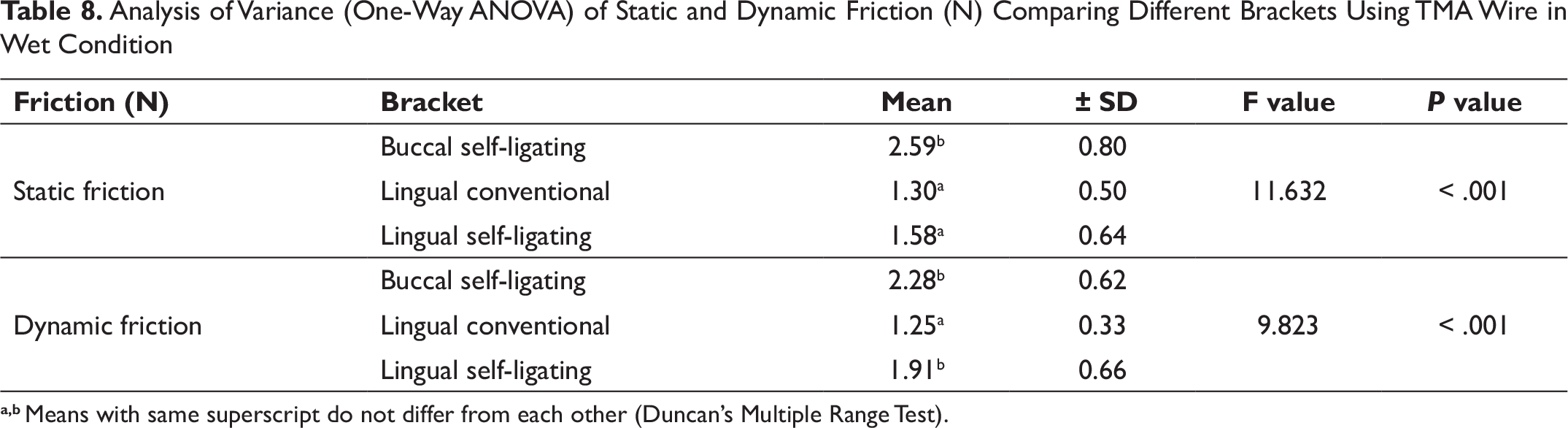
a,b Means with same superscript do not differ from each other (Duncan’s Multiple Range Test).
Mean Static and Dynamic Friction (N) Comparing Between Dry and Wet Condition for Self-ligating Lingual Bracket and TMA Wire

Three Way ANOVA Statistics of Static Friction Comparing Different Conditions, Brackets and Wires
Three Way ANOVA Statistics of Dynamic Friction Comparing Different Conditions, Brackets, and Wires
Discussion
The brackets tested in this study showed that mean frictional forces were significantly different from each other with various archwire combinations in different conditions. Bracket type, along with slot size, slot width, method of ligation, wire size, type of alloy, and contact angle between slot and wire, has been attributed to frictional resistance in sliding. 18 Although many factors were involved when interpreting the variation in frictional forces between labial and lingual brackets, the difference in bracket slot-width (mesio-distal) could be one of the important deciding factors. Since labial and lingual brackets have many differences in terms of dimension and clinical performance, the mechanics involved should be understood. As the lingual arch radius is significantly narrower than labial, a mesiodistally narrow bracket and thereby relatively smaller interbracket distance is the choice with mechanics. In our study, the labial self-ligating brackets were having more slot-width dimension, followed by conventional lingual and the lingual self-ligating brackets, and showed much higher friction compared to lingual counterpart systems, which is in agreement with many previous studies.20, 23 The reason behind this could be the difference in the size of two bracket systems and hence the increased mesiodistal width of slot causing more frictional force. Tidy and Kapila et al reported that the force required for retracting the wide bracket was greater than that for the narrow bracket and the same is applicable in our study.21, 22 However, Frank and Nikolai commented that the retraction force for the narrow bracket was higher as the angulations of the bracket slot to the wire are more, while it was lower for the wider brackets. 23 In our study we have used full-slot archwires hence minimizing the angulations between bracket slot and archwire giving the lower frictional force, especially with In-Ovation-L brackets. On the contrary, Yamaguchi and Nanda concluded that the retraction force for the narrow twin bracket was significantly higher than that for the wide twin bracket. 24
Both labial and lingual self-ligating bracket systems have active spring clips made up of Co-Cr alloy. With 0.017′′ × 0.025′′ full-slot archwire, the positive contact of the active clip exerts force on the archwires and is likely to produce higher friction. 25 When compared to In-Ovation-R, the tiny In-Ovation-L brackets have much smaller size clip. The tiny clip contacts smaller area with the archwire compared to the larger clip of In-Ovation-R bracket, which can be another important factor for the reduced friction of In-Ovation-L brackets. Our results were somewhat in contrast to the study of Park and Lee et al, who found that lingual brackets showed higher frictions compared to labial bracket as the control. 11
When compared between the two lingual bracket groups, even though they produced comparable frictions, conventional ligation had the least friction in wet condition (1.04 versus 1.14 N). The reason for reduced friction for Ormco STb light lingual brackets could be the bracket design. Passive ligation notch at the top of the bracket prevents ligature from binding the archwire against the slot base for reduced friction. The ligature touches only at one edge of the rectangular full-slot archwire. Again, active self-ligation design of In-Ovation-L system with full-slot rectangular archwire generally produces slightly higher friction making the values comparable with those of conventional lingual brackets especially in dry state. 26
Among the three archwire alloys evaluated, the TMA had the highest frictional force with all categories of bracket systems followed by Co-Cr and least with stainless steel wires. Post hoc comparisons with multiple range test reveals frictional force of Co-Cr wires and stainless steel wires had no significant difference between them. This is similar with the trend observed for stainless steel brackets with these alloys in most of the studies.27, 28 The higher friction associated with TMA wire is attributed to the higher titanium content and the surface reactivity with stainless steel alloy brackets. Also, many scanning electron micrographic studies documented that stainless steel and CO-Cr wires have relatively smooth surfaces, whereas TMA wires have an extensive surface roughness.29-31 The “stick-slip” movement of bracket relative to archwire is more pronounced with TMA wires. 5
Most bracket–wire combinations in our study showed mean frictional values that are not much significantly (P > 0.05) different in dry and wet environments. In few combinations, values are significant, where mean dynamic friction is more in wet than dry state, and in only one combination it is just the opposite. With TMA wires, In-Ovation-R and Ormco STb light brackets showed comparable frictional values in dry and artificial saliva, but In-Ovation-L brackets showed the higher mean dynamic friction in artificial saliva than in dry state. Our results were in support of Kusy et al who also found that friction was comparable or increased significantly in wet environment.32-34 The “adhesion theory of friction” refers to the increase in friction by the presence of polar liquids (such as artificial saliva) creating increased atomic attraction among species leading to adhesion of surface asperities, thus resistance to sliding.
In another study, park et al concluded that in dry environment, frictional force levels were significantly different from those in artificial saliva but in an uncertain pattern and the effect varied by the bracket–wire combinations, which more or less conforms to our study. 11 Kusy and Whitley compared the frictional coefficients in dry and wet states and found that stainless steel and Co-Cr wires had more friction in wet states compared to dry states, but TMA wire had 50% decrease of friction in wet state compared to dry state. 34 In contrast, Baker et al found that the introduction of saliva substitute provides a significant reduction in the frictional force level for all archwire alloys. 33 So saliva substitutes in vitro are questionable as a valid representation of the clinical situation as there are contradicting reports. 34 Further research is required to enlighten the reason behind these contradicting findings while measuring friction in artificial saliva and dry states.
The design of this study does not entirely represent what might be occurring in clinical situation, particularly when comparing labial and lingual sides due to reduced interbracket span of archwire and arch perimeter on the lingual side. The clinical interpretation of these experimental data, however, requires further considerations that modulate the findings, and the results should be interpreted with caution. It should be stressed that in vitro studies cannot reproduce exactly what occurs in the oral cavity during orthodontic tooth movement. Minimal adjustments at the bracket–wire–ligature system may significantly change frictional resistance because of physiologic oral functions as well as the oral tissues or food contacting the orthodontic appliance. The present effort did, however, help to clarify friction issues with these three different bracket systems.
Conclusion
Frictional force is influenced by the placement of brackets in labial and lingual side, type of archwire material, manner of ligation, and the environment on sliding movement.
All the bracket systems examined in this study expressed varied amount of frictional resistance during sliding movement.
Labial self-ligating brackets showed the maximum frictional resistance with all tested wire samples and the least friction was expressed by the lingual self-ligating brackets.
Of all archwire alloys, TMA wires had the highest friction with the brackets tested followed by Co-Cr and stainless steel having the least amount of friction.
Effects of dry and wet environments on friction between bracket and archwires were comparable in this study with more frictional resistance in wet condition.
Footnotes
Declaration of Conflicting Interests
The authors declared no potential conflicts of interest with respect to the research, authorship, and/or publication of this article.
Funding
The authors received no financial support for the research, authorship, and/or publication of this article.
