




Abstract
Artificial Intelligence, at the forefront of innovation and intelligence, is redefining the pace of life and work, notably within education. This study investigates the determinants influencing Gen Z's behavioral intentions (BI) to integrate AI-powered tools within Indian Higher Educational Institutions (HEIs) by extending the UTAUT2 model with four additional constructs: trustworthiness, personal innovativeness, perceived task excellence, and perceived privacy concern. The data gathered from 430 respondents within Indian HEIs through an online survey following purposive sampling was meticulously analyzed using the structural equation modeling approach in AMOS. The findings validate the applicability of the UTAUT2 model for understanding AI tool integration in the Indian context, with an explanatory power of 34.2%. The study highlights the beneficial impact of hedonic motivation, perceived task excellence, facilitating conditions, and performance expectancy on Gen Z's intention to integrate AI tools. Additionally, the study suggests recommendations for future research and outlines implications based on these findings.
Stemming from Alan Turing's foundational question posed in 1950, “Can machines think?” (Turing, 2009, p. 23), research in Artificial Intelligence (AI) has made significant strides across multiple domains, resulting in a vast and engaging body of literature (Zhang & Aslan, 2021). Notably, AI tools utilizing different AI technologies have found expanded applications in education, holding exceptional potential for dynamic assessments, personalized learning, and fostering meaningful interactions within mobile, online, or blended learning environments (Roschelle et al., 2020; Zhu et al., 2020).
The emergence of advanced Generative AI and Predictive AI-powered tools further expands higher education possibilities (Pelletier et al., 2023). Generative AI (GenAI) utilizes sophisticated machine learning algorithms to discern patterns and generate new data samples resembling existing datasets (Salah et al., 2023), creating novel content across various mediums, including text, audio, images, videos, and code (Lim et al., 2023). Noteworthy examples of GenAI tools include ChatGPT, Scribe, Gemini, Jasper, Copy.ai, Wordtune, and Dall-E. On the other hand, Predictive AI systems employ cutting-edge machine learning algorithms, statistical techniques, and data analysis to generate predictions, identify patterns, and extend insights for adaptive learning platforms, enrolment management, career recommendations, and learning analytics (Sghir et al., 2022). Furthermore, Gen AI is poised to significantly impact the global economy, potentially boosting annual labor productivity growth by 0.1 to 0.6% through 2040, according to McKinsey's report (2023). Specifically, for India, a joint report by NASSCOM and the Boston Consulting Group (BCG) (2024) projects that the domestic AI market will reach USD 17–22 billion by 2027, positioning India as a significant contributor to global AI-driven growth. This highlights AI's transformative power in reshaping India's economy and driving global growth. Moreover, AI is set to revolutionize learning and administration in the education sector, with the global AI market in education projected to reach $21.13 billion by 2028, growing at a CAGR of 39.7%, according to the Global Market Report (2024).
Given this backdrop, considering the immense potential of AI in reshaping higher education (Slimi, 2021), it is imperative to understand how the current generation, particularly Generation Z learners in higher education institutions in India (HEIs), integrates these tools into their daily activities, including learning. Generation Z, or Gen Z, born between 1995 and 2010, are often called digital natives as they are the first generation to grow up with the internet, smartphones, and social media as integral components of daily life (Axcell & Ellis, 2023). Gen Z's frequent access to digital platforms makes them prefer hybrid learning methods integrating technology and multimedia materials, distinguishing them from previous generations (Seemiller & Grace, 2017). Their key characteristics, such as a drive for success, a persistent desire to improve, and efficiency (Saiyed & Srivastava, 2022), enhance their problem-solving skills, quick access to knowledge, and adaptability. Consequently, they are more inclined to adopt and utilize AI tools in different domains of their life.
With 472 million inhabitants, India has the highest Gen Z population worldwide (Hameed & Mathur, 2020). Additionally, the Gross Enrolment Ratio (GER) for higher education in India has reached 28.4% for the 18–23 age group (AISHE 2021–2022, Government of India 2023), highlighting a significant opportunity to explore the integration of AI tools among this demographic. Further, with over half of India's population, approximately 759 million individuals, actively using the Internet, a figure projected to rise to 900 million by 2025 (Internet in India, 2022), the stage is set for a comprehensive investigation into the integration of AI tools and the factors influencing Gen Z learners’ behavioral intention (BI) regarding such integration in higher education institutions (HEIs).
While prior researchers have investigated the instructional applications of various AI tools across different educational levels (Rodway & Schepman, 2023; Yilmaz & Karaoglan Yilmaz, 2023), there remains a critical gap in understanding how Gen Z learners, particularly in India, adopt and integrate AI tools into their daily activities, including learning. Previous research has explored Gen Z's adoption of digital payments, online learning, healthcare wearables (Bagdi et al., 2023; Nayak et al., 2022; Srivastava et al., 2024), and other digital technologies, including MOOCs (Meet et al., 2022), among the Indian Gen Z population. However, no studies have addressed the unique characteristics and contextual factors influencing AI tool adoption among Indian Gen Z learners, leaving a significant gap in the literature. This study marks an initial investigation into these unexplored areas, extending the Unified Theory of Acceptance and Use of Technology 2 (UTAUT2) framework ( Venkatesh et al., 2012) with four additional constructs: Trustworthiness (TW), Personal Innovativeness (PI), Perceived Task Excellence (PTE), and Perceived Privacy Concern (PPC). The decision to incorporate these additional constructs is grounded in previous research that highlights their relevance in the context of AI technology adoption. For instance, Trustworthiness or the quality of being trusted has been identified as a critical factor in AI adoption, influencing users’ confidence in AI systems (Salloum, 2024; Sun, 2021). Additionally, Personal Innovativeness reflects the degree to which an individual is open to new technologies, which has been shown to significantly impact the adoption of AI tools (Hanji et al., 2024; Lee et al., 2021). Perceived Task Excellence refers to the belief that AI tools can enhance task performance, a concept supported by studies emphasizing the proven efficacy of AI in improving educational outcomes (Boubker, 2024; Wu & Yu, 2024). Finally, Perceived Privacy Concerns have been recognized as a barrier to technology adoption, particularly in AI applications where data privacy is a significant concern (Hu & Min, 2023; Kronemann et al., 2023). This approach allows us to address the determinants of AI tool adoption that have not been studied before, especially in the context of Indian Gen Z learners, thereby strengthening our research's theoretical contributions and novelty. The subsequent research questions form the foundation of the investigation.
Research questions:
What determinants influence Gen Z's behavioral intention in integrating AI tools? How do the following determinants, Trustworthiness, Personal Innovativeness, Perceived Task Excellence, and Perceived Privacy Concern, influence Gen Z's behavioral intention to integrate AI tools?
In summary, this study makes several significant contributions to the existing literature. Firstly, it pioneers the research on Gen Z's BI towards integrating AI tools into daily life, including learning. Secondly, it expands the UTAUT2 framework by incorporating additional constructs, providing a more comprehensive understanding of the factors influencing AI tool integration. Thirdly, it validates the UTAUT2 theoretical framework for usage intention research, further enhancing its applicability in diverse contexts. These contributions underscore the importance of this study in shaping the future of AI integration in higher education, extending beyond India to a global scale, where a substantial proportion of learners belong to the Gen Z cohort (Jayatissa, 2023).
This paper follows a structured organization. The subsequent section offers a comprehensive literature review, outlines the development of hypotheses, and introduces a research model centered on the determinants influencing Gen Z's behavioral intention to integrate AI tools, building upon and extending the UTAUT2 framework. Subsequent sections elaborate the methodology, detailing the research design and data collection process, followed by data analysis, presentation of results, and subsequent discussion. Further, the paper presents the conclusion by addressing implications and limitations and offering suggestions for future research.
Theoretical Framework
AI tools are software applications or systems that use AI algorithms to automate tasks, provide predictive capabilities, or aid decision-making processes (Al Ka’bi, 2023; Marzuki et al., 2023). These tools, including chatbots, image recognition software, data analytics platforms, and virtual assistants, aim to improve efficiency and address challenges across various fields such as business, medicine, and education (Bezverhny et al., 2020; Horodyski, 2023; Madarász et al., 2023). The researcher is always interested in knowing how people accept and use new advancements in information and communication technologies (Dwivedi et al., 2019). The Unified Theory of Acceptance and Use of Technology (UTAUT), developed by Venkatesh et al. (2003), is a well-regarded framework for predicting user adoption of novel technologies. The eight primary theories included in the UTAUT are the theory of reasoned action (TRA) (Fishbean & Ajzen, 1975), the Technology Acceptance Model (TAM) (Davis, 1989), Social Cognitive Theory (SCT) (Compeau & Higgins, 1995), Theory of Planned Behavior (TPB) (Ajzen, 1991), Motivational Model (MM) (Davis et al., 1992), Model of Personal-Computer utilization (Thompson et al., 1991), Combined TAM and TPB (C-TAM-TPB) (Taylor & Todd, 1995) and Innovation Diffusion Theory (IDT) (G. C. Moore & Benbasat, 1991). It incorporates the four exogenous constructs, Performance Expectancy (PE), Effort Expectancy (EE), Facilitating Conditions (FC), and Social Influence (SI), and two endogenous constructs, Behavioural Intention (BI) and Use Behaviour (UB). Additionally, it includes four moderator variables: Gender, Age, Experience, and Voluntariness of use. The available literature shows that the UTAUT is one of the most extensively used and well-researched theories for describing learners’ behavioral intentions in e-learning environments (Bansal et al., 2022; Hunde et al., 2023).
Building on the UTAUT framework, Venkatesh et al. (2012) developed the extended version, UTAUT2, which combined three additional exogenous constructs: Hedonic Motivation (HM), Price/Value (PV), and Habit (HT), enhancing its focus consumer acceptance. This extended model significantly improves predictive capacity, estimating user Behavioral Intention (BI) by up to 74% (Venkatesh et al., 2012). Researchers have validated the UTAUT2 model in various contexts (Azman Ong et al., 2023; Parhamnia, 2022), including educational settings. For instance, Al Farsi (2023) examined the model's applicability in understanding Virtual Reality technology acceptance among students, while Faqhi and Jaradat (2021) investigated the adoption of Augmented Reality technology in educational settings by integrating UTAUT2 with the Technology Task Fit (TTF) model. Additionally, Arain et al. (2019) investigated mobile learning acceptance among higher education students using the extended UTAUT2.
Literature Review and Hypotheses Development
Research has also demonstrated the applicability of both UTAUT and UTAUT2 models in understanding AI technology acceptance among students and educators (Habibi et al., 2023; Lavidas et al., 2024). For example, Zhu et al. (2024) applied the UTAUT2 model to explore university students’ adoption of Gen AI products, while An et al. (2023) utilized the UTAUT model to investigate senior secondary students’ perceptions of AI-assisted language learning. Alhwaiti (2023) also employed the UTAUT2 model to assess educators’ acceptance of AI applications in the post-COVID era, underscoring the model's robustness across various educational contexts.
To enhance the explanatory power of UTAUT2 in the context of AI tool adoption among Gen Z, we have extended the model by incorporating four additional constructs: Trustworthiness (TW), Personal Innovativeness (PI), Perceived Task Excellence (PTE), and Perceived Privacy Concern (PPC). These additions are based on Gen Z users’ unique characteristics and concerns and are supported by relevant literature.
Trustworthiness (TW): Trust is a fundamental factor influencing technology acceptance, particularly in contexts involving sensitive data and privacy concerns (Janssen et al., 2018). Gen Z, who are highly aware of digital privacy issues (Bekman & Al, 2023), place significant importance on trust in determining their willingness to adopt AI tools. Studies have shown that the quality of being trusted significantly impacts technology adoption behaviors (Kuen et al., 2023), making it a critical variable for understanding Gen Z's AI tool integration.
Personal Innovativeness (PI): This construct reflects an individual's tendency to embrace new technologies for innovative solutions (Jackson et al., 2013). Gen Z is known for its openness to new technologies and a solid readiness to explore novel digital tools (Molinillo et al., 2023). Research indicates that personal innovativeness is a significant predictor of technology adoption, particularly among younger users who are more receptive to innovations (Aldahdouh et al., 2020; Chen, 2022).
Perceived Task Excellence (PTE): Gen Z tends to prioritize efficiency and high performance in their use of technology (D. Janssen & Carradini, 2021). While performance expectancy refers to the belief that using technology will improve overall performance (Al-Adwan & Al-Debei, 2023), PTE is centered on Gen Z users’ expectations of achieving high standards and exceptional task outcomes (Chillakuri, 2020; Pataki-Bittó & Kapusy, 2021), significantly determining their acceptance.
Perceived Privacy Concern (PPC): Data privacy and security concerns are increasingly prominent in the digital age, especially among younger users (Vimalkumar et al., 2021). PPC addresses the apprehensions regarding how personal data is handled by AI tools, which can significantly impact adoption decisions (Baruh et al., 2017). Research has shown that perceived privacy risks can influence technology adoption (Guhr et al., 2020), underscoring the importance of addressing privacy concerns in technology acceptance models (Al-Qaysi et al., 2020; Tamilmani et al., 2021).
By integrating these constructs, our study aims to provide a comprehensive understanding of the factors influencing Generation Z's Behavioral Intention to integrate AI tools into their daily lives, including learning. This approach extends the UTAUT2 model and addresses the specific needs and concerns of a key demographic in the educational sector.
Performance Expectancy (PE)
The PE is the degree to which a technology's use will benefit stakeholders in certain activities (Venkatesh et al., 2003, p. 447). Individuals are more likely to utilize a technology if they are convinced it will help their performance (Sewandono et al., 2023). Different studies have demonstrated the significant effect of PE on behavioral intention to adopt technology. For instance, studies by Thongsri et al. (2018), Inder et al. (2022), and Alomari and Abdullah (2023) confirm the pivotal role of PE in influencing users’ intention to adopt innovative technologies. In this context, PE indicates how much an individual believes that AI tools can aid them in productivity. This study assumes that the technologically proficient Gen Z learners in HEIs may opt for AI tools to increase productivity and work efficiency (Magano et al., 2020). As a result, the following hypothesis is proposed:
Effort Expectancy (EE)
The EE refers to the ease of utilizing a technology or system, which affects users’ adoption decisions (Duong et al., 2023). In various research contexts, EE has been identified as a crucial predictor of technological acceptance (Al-Riyami et al., 2023; Chiu & Tsuei, 2023). Given the understanding that Gen Z is often considered adept at using digital devices and navigating online environments (Weinswig Deborah, 2016), it is proposed that they may require assistance in integrating AI tools due to their complexity or unfamiliarity. Therefore, understanding EE can provide insights into the cognitive and behavioral factors that affect the adoption of AI tools among Gen Z learners. As a result, the following hypothesis is proposed:
Social Influence (SI)
SI refers to the degree to which an individual's willingness to utilize technology is influenced by their social environment, including family and friends (Joa & Magsamen-Conrad, 2022). Recent studies have identified SI as a significant predictor of BI for utilizing technology (Pagán & Medina, 2021), even among younger generations (Baudier et al., 2020; Persada et al., 2019), who often rely on social cues and peer opinions in their decision-making processes. In the context of this study, understanding SI can help elucidate the social dynamics that contribute to AI adoption among Gen Z learners. As a result, the following hypothesis is proposed:
Facilitating Conditions (FC)
FC refers to users’ perceptions of the support and resources available to help them complete a specific task (Brown & Venkatesh, 2005). Previous studies have indicated that the FC directly influences technology adoption (Altalhi, 2021; Fianu et al., 2020). In today's AI-driven technological landscape, whether used by individuals or organizations, it is crucial to have a supportive infrastructure that enables optimal utilization of AI tools (Alshammari & Alshammari, 2024). As a result, the following hypothesis is proposed:
Hedonic Motivation (HM)
HM refers to the delight that individuals experience from using modern technology (Sitar-Tăut, 2021). Previous studies have confirmed the positive relationship between HM and BI (Al-Azawei & Alowayr, 2020; Moorthy et al., 2019). Given Gen Z's proficiency in adopting new technology and high activity on social media platforms (Mahapatra et al., 2022), they are likelier to adopt AI tools that offer hedonically rewarding experiences. As a result, the following hypothesis is proposed:
Price Value (PV)
PV is the cognitive trade-off an individual user makes between the claimed benefits of adopting technology and its cost (Alalwan et al., 2018). If individuals perceive benefits from adopting and utilizing technology, they will be willing to bear the associated expenses (Abu Gharrah & Aljaafreh, 2021). PV becomes particularly significant in platforms employing a freemium pricing strategy, where basic services are offered for free with the option to pay for premium features or upgrades. As a result, users’ perceptions of the value proposition compared to the cost of upgrading to premium features heavily influence their adoption and engagement behavior. Since Gen Z prioritizes efficiency and innovation (Aggarwal et al., 2022) while recognizing the benefits and revolutionary features that AI brings in various areas of their life, they are anticipated to consider the advantages supplied by AI tools over the costs. As a result, the following hypothesis is proposed:
Habit (HT)
The extent to which individuals carry out behaviors automatically due to repeated learning and practices is recognized as a habit (Limayem et al., 2007). Research has consistently shown that habit significantly influences people's BI to integrate technology into their daily lives (Schomakers et al., 2022; Strzelecki, 2023). The digital-first Gen Z is inclined to adopt AI in various facets of their life, including work and daily life activities, due to its capacity to amplify potency, network, and access to knowledge (Imjai et al., 2024). As a result, the following hypothesis is proposed:
Trustworthiness (TW)
Regarding privacy, information security, and task accomplishment, trust continues to be highlighted as a critical factor in adopting new technology (Dionika et al., 2020; Thiebes et al., 2021). TW, defined as the quality of being trusted (Peels & Bouter, 2023), is essential in this context, as it directly influences users’ perceptions and acceptance of technology. For instance, Xiong et al. (2024) demonstrated the significant impact of trust on user acceptance of AI virtual assistants, establishing that trust positively affects the acceptance of AI tools. Similarly, Mohd Rahim et al. (2022) investigated postgraduate students in Malaysian HEIs who belong to the Gen Z demographic, showing that trust significantly influences chatbot adoption. Together, these studies highlight the crucial role of trust in technology adoption, underscoring its importance for Gen Z's acceptance of AI tools. Therefore, establishing TW is foremost for fostering user confidence and encouraging the widespread adoption of AI tools among Gen Z. As a result, the following hypothesis is proposed:
Personal Innovativeness (PI)
PI is the extent to which an individual is open to novel ideas and makes creative choices regardless of others’ experiences (García de Blanes Sebastián et al., 2022). In the realm of information technology, individuals with an elevated level of personal innovativeness are more likely to appraise technological advancements (Al-Adwan et al., 2023) favorably and possess the capacity to overcome the challenges associated with adopting new technology (Ciftci et al., 2021). Gen Z is renowned for their innovativeness and discerning judgments on the utility of emerging technologies (Singh & Sibi, 2023), presenting a prime target for such strategies. Therefore, understanding PI is crucial for targeting this demographic effectively. As a result, the following hypothesis is proposed:
Perceived Task Excellence (PTE)
Task excellence outlines consistently accomplishing remarkable results and meeting expectations in a particular activity or endeavor. Due to their tech-savvy nature (Turner, 2015), Gen Z is particularly inclined to utilize AI tools to enhance task excellence (Bińczycki et al., 2023), leveraging these technologies to accelerate workflows, maximize productivity, and achieve high-quality results in their dynamic digital lives (Alruthaya et al., 2021). Therefore, understanding PTE is essential for effectively targeting and engaging Gen Z. As a result, the following hypothesis is proposed:
Perceived Privacy Concern (PPC)
Individuals often worry about how their personal information gets collected, stored, and misused online, leading to privacy concerns (Kumar et al., 2021) in the digital world. AI technologies can easily manage and store users’ personal information, such as biometric data, behavior logs, and identifiers (Ioannou et al., 2021), leading to a growing concern about public security and privacy (Walsh, 2023). As a result, individuals may hesitate to adopt AI tools due to fears of privacy breaches and unauthorized access to their sensitive data (Alam, 2023; Mhlanga, 2023). Therefore, investigating PPC is essential for effectively addressing barriers to AI tool adoption and fostering a secure and privacy-conscious digital environment. As a result, the following hypothesis is proposed:
Figure 1 represents the study's proposed research model.
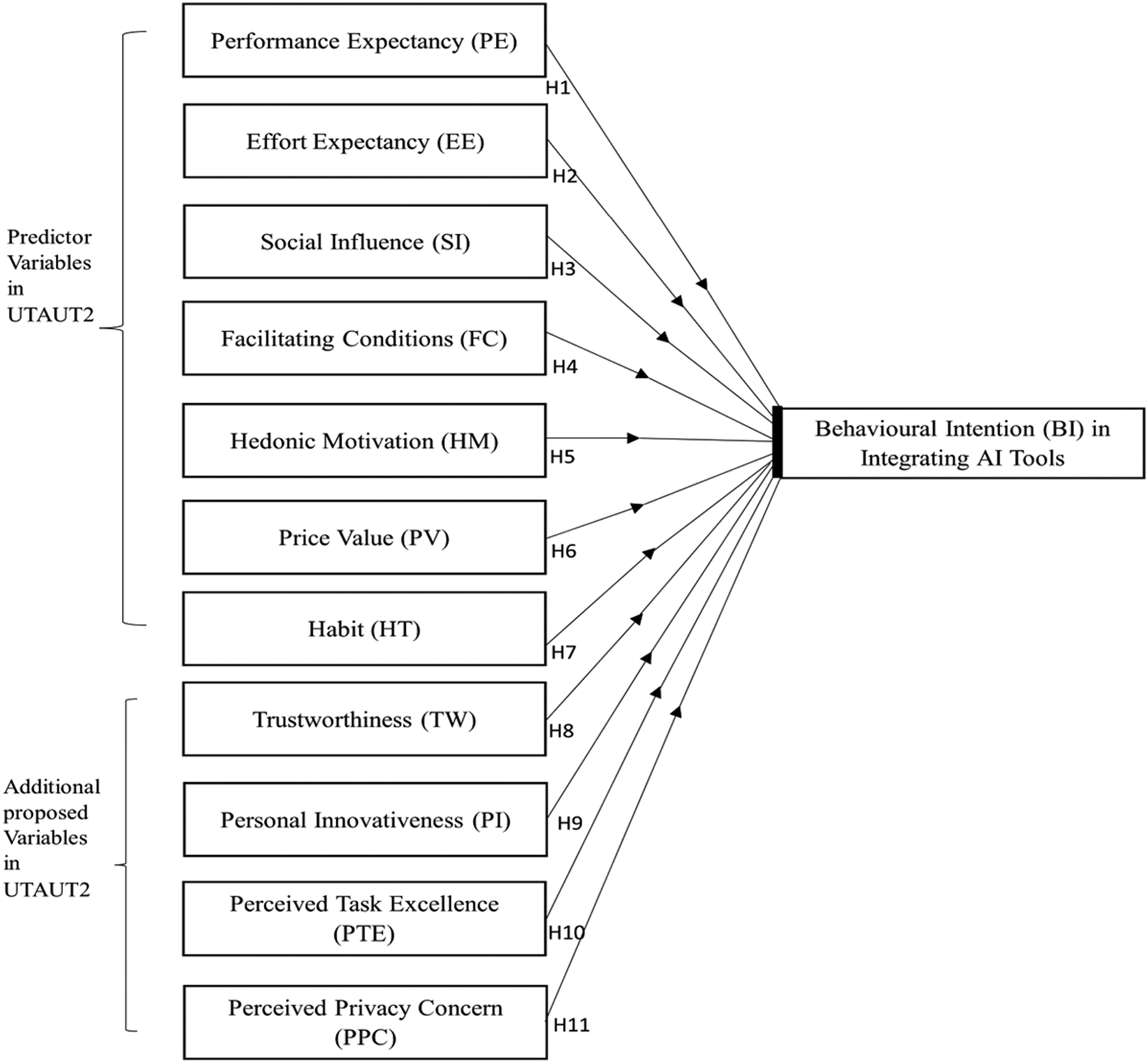
The research model.
Methodology
Using the CB-SEM technique, our study employed a thorough quantitative analytical approach to evaluate and validate the research model (Gao, 2023). Structural Equation Modeling (SEM) is a technique for carrying out high-quality statistical analysis on a dataset with multiple variables (Alhwaiti, 2023) to specify the relationships between both observed and latent variables simultaneously by combining path analysis, factor analysis and multiple regression analysis (Babalola & Nwanzu, 2021). Additionally, it has the power to be sensitive to the potential measurement error of the variables included in a research model (Wang & Wang, 2019). CB-SEM is one of the widely used methods of SEM, and it relies on covariance and proves to be well-suited for factor-based models like the one used in the present study (Dash & Paul, 2021). Furthermore, our study is primarily confirmatory, and CB-SEM enables us to extensively analyze a well-established conceptual framework. The study used IBM SPSS Statistics 25 to analyze the constructs’ reliability. CFA and SEM were performed on the collected data using IBM SPSS AMOS 22 to evaluate the measurement model and the path analysis (Batucan et al., 2022). IBM SPSS AMOS 22 is chosen as the analysis software due to its widespread recognition and unique graphical interface, designed explicitly for CB-SEM analysis, facilitating comprehensive assessment of the measurement model and path analysis (SPSS Amos | IBM, n.d.; Thakkar, 2020). By employing these rigorous analytical techniques and software, the study ensures robustness and reliability in evaluating the proposed research model and examining the relationships between variables
Research Design
The study deployed a quantitative research approach with the UTAUT2 model and the CB-SEM technique to examine the proposed research model. Before conducting the study, a thorough literature review was undertaken to ascertain the existing research gaps. Subsequently, a survey questionnaire has been developed as the research tool. In addition to collecting socio-demographic information and a consent letter, the study's questionnaire had two sections. The first section adopts the Venkatesh et al. (2012) instrument, customized to fit the context of AI tool integration. It contains 29 items that assess the seven constructs of UTAUT2. The second section includes 15 self-developed items for the four additional constructs incorporated into the model aligned with the specific requirements and objectives of the study. These items were developed by referring to the research works of Alhadabi and Karpinski (2020), Camacho-Morles et al. (2021), Herrero et al. (2017), Meyliana et al.(2020), and Twum et al. (2022), and modifying them to align with the contextual and demographic characteristics of the Gen Z population in Indian HEIs. Further, each item underwent expert validation and pilot testing, aimed at ensuring clarity and alignment with theoretical constructs, thus enhancing the precision of our measurements and contributing to a better understanding of AI adoption among Gen Z. The 5-point Likert scale (de Rezende & de Medeiros, 2022) was used to measure the respondents’ degree of agreement with 1 (Strongly Disagree) to 5 (Strongly Agree) as the range.
Data Collection and Respondents
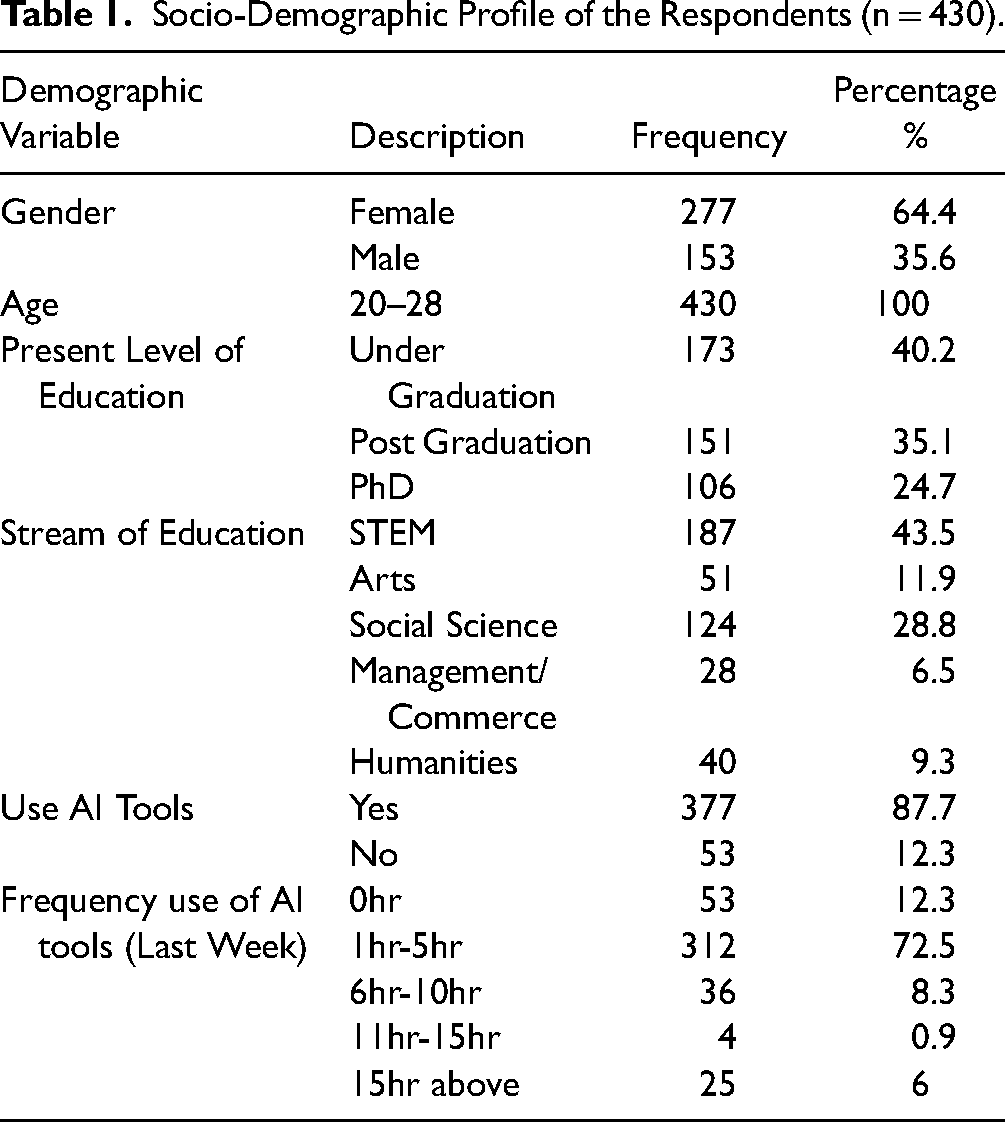
The study population comprised Gen Z learners from Indian HEIs, specifically targeting individuals aged 20 to 28. After ensuring expert validity, a pilot study was conducted among 150 sample Gen Z learners (not included in the final survey) of HEIs using a convenience sampling technique to clarify the phrases and remove non-identical items from the questionnaire. The experts consulted for validating the questionnaire were distinguished professors from the discipline of education, both national and international, who specialize in scale development and validation, selected for their extensive experience and contributions to the field. Convenience sampling was chosen for the pilot study due to its practicality and efficiency, enabling quick access to a diverse group of participants within a limited timeframe to gather preliminary data and refine the questionnaire before the main study. Further, the pilot study's reliability was strengthened with a Cronbach's Alpha value of 0.910, facilitating the final survey. The final survey's minimum required sample size was determined utilizing Daniel Soper's (2023) a priori sample method for structural equation modeling - an online sample size calculator incorporating methodologies outlined by Cohen (1988) and Christopher Westland (2010). With an estimated effect size of 0.3, a desired statistical power level of 0.8, 12 latent variables, and 44 observed variables at a significance level of 0.05, a minimum sample size of 200 respondents was recommended. The final survey collected primary data from 430 respondents in the fourth quarter of 2023 using a non-probabilistic purposive sample technique. This technique was chosen to target individuals who fit the specific age criteria of Gen Z and were actively engaged in higher education (Campbell et al., 2020). In India, higher education typically enrolls students aged 18–23, aligning with the Gen Z demographic (AISHE 2021–2022, Government of India 2023). Participants were identified and recruited from this group, with data collection focused on those aged 20–28, ensuring an accurate representation of Gen Z learners in Indian HEIs. Google forms were distributed to students’ email addresses, with prior permission obtained from the departmental heads. Additionally, Google forms were shared with some students in person for comprehensive outreach. Respondents received detailed information about its purpose and procedures through a consent letter at the beginning of the survey questionnaire to ensure voluntary participation and comprehension of the research. Further, efforts were made to include diverse respondents by reaching out to students from various academic disciplines and institutions, ensuring representation across different fields of study. The sociodemographic characteristics of the sample are outlined in Table 1. Initially, IBM SPSS Statistics 25 was used to analyze the data, which examined missing data, uncommitted responses, outliers, and data leveling.
Socio-Demographic Profile of the Respondents (n = 430).
Data Analysis
A two-step process was used to perform the data analysis procedure. The first phase assessed the model's validity, reliability, and fit using confirmatory factor analysis (CFA). In the second phase, the hypotheses were tested using the SEM technique.
From Table 1, the total sample consisted of 64.4% females and 35.6% males, reflecting the higher female enrolment in Indian higher education (AISHE 2021–2022, Government of India 2023). While this skewed gender distribution was noted, the study's model did not explicitly reflect gender influence, thus mitigating potential biases. Additionally, 40.2% were pursuing under graduation, 35.1% were pursuing post-graduation, and 24.7 were progressing with research. 43.5% of the participants were from the STEM stream, 11.9% were from the arts stream, 28.8% were from the social science stream, 6.5% were from the management/ commerce stream, and the remaining 9.3% were from the humanities stream. 87.7% of the participants were employing AI tools, and out of which 72.5% were employing AI tools between 1hr to 5hr in the last week, 8.3% were using between 6hr to 10hr, 0.9% were employing between 11hr to15hr, and 6% were utilizing AI tools more than 15hr in last week. 12.3% of the participants have yet to explore any AI tools.
Measurement Model Assessment
The data's normality assumptions were examined before proceeding to the model's estimation analysis. This was achieved using the Skewness and Kurtosis measures (Kline, 2016). The Skewness and Kurtosis measures were within the acceptable range of − 3 and + 3, and − 10 to + 10, as Brown (2006) and Thornberg et al. (2023) recommended. Furthermore, the potential for multi-collinearity and Common Method Bias (CMB) were assessed using the Variance Inflation Factor (VIF) and Harman's single factor test (Sundus et al., 2022) with IBM SPSS Statistics 25. VIF values ranging from 1.312 to 2.322 below the threshold of 3 (Hair et al., 2019; Ostic et al., 2021) (Table 2) indicated the absence of multi-collinearity among the independent variables. Additionally, loading all observed items of the dataset simultaneously resulted in a percentage variance of 19.136%, below the threshold of 50% (Podsakoff et al., 2003), signifying the absence of CMB.
Constructs Reliability and Convergent Validity.
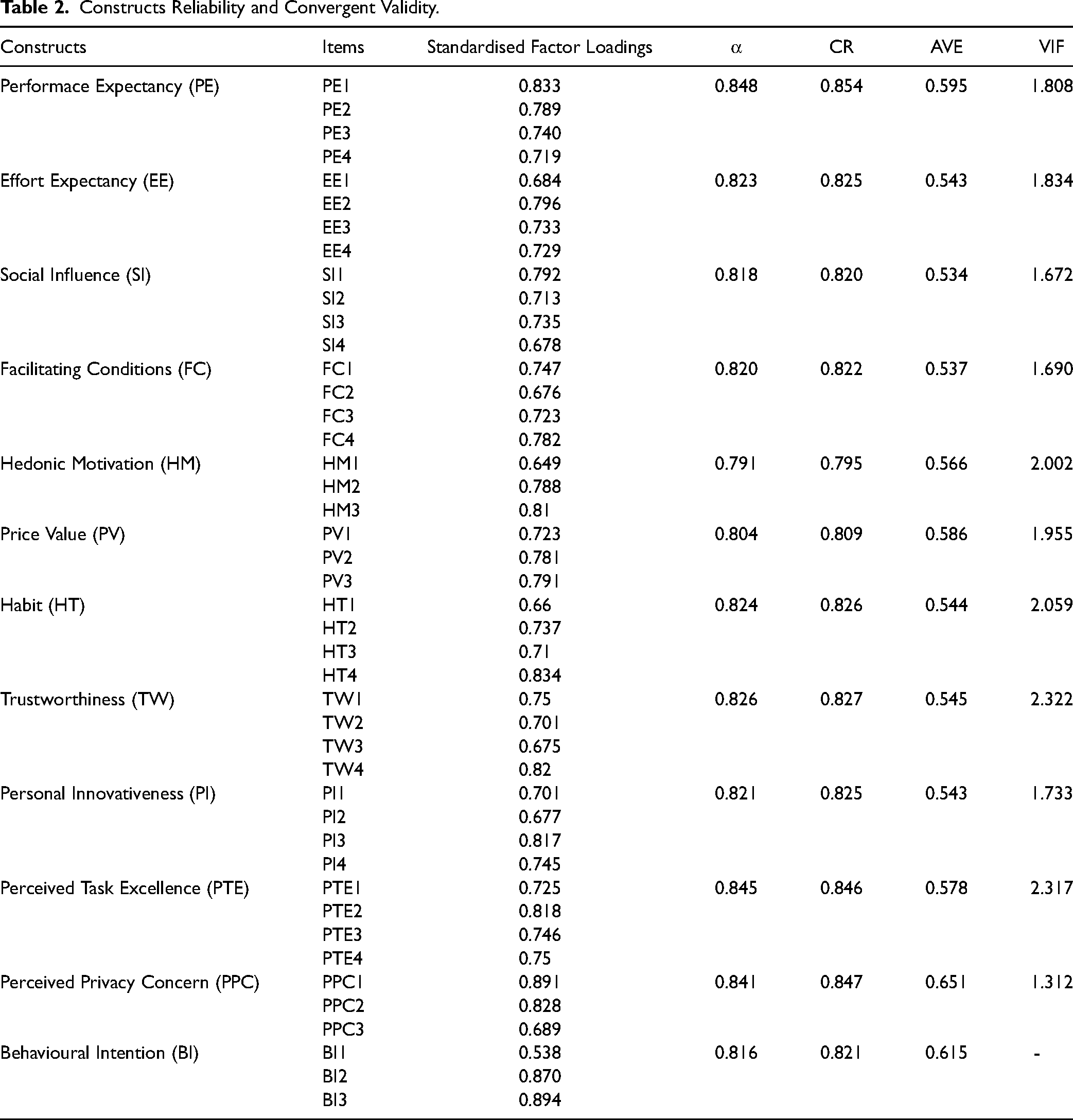
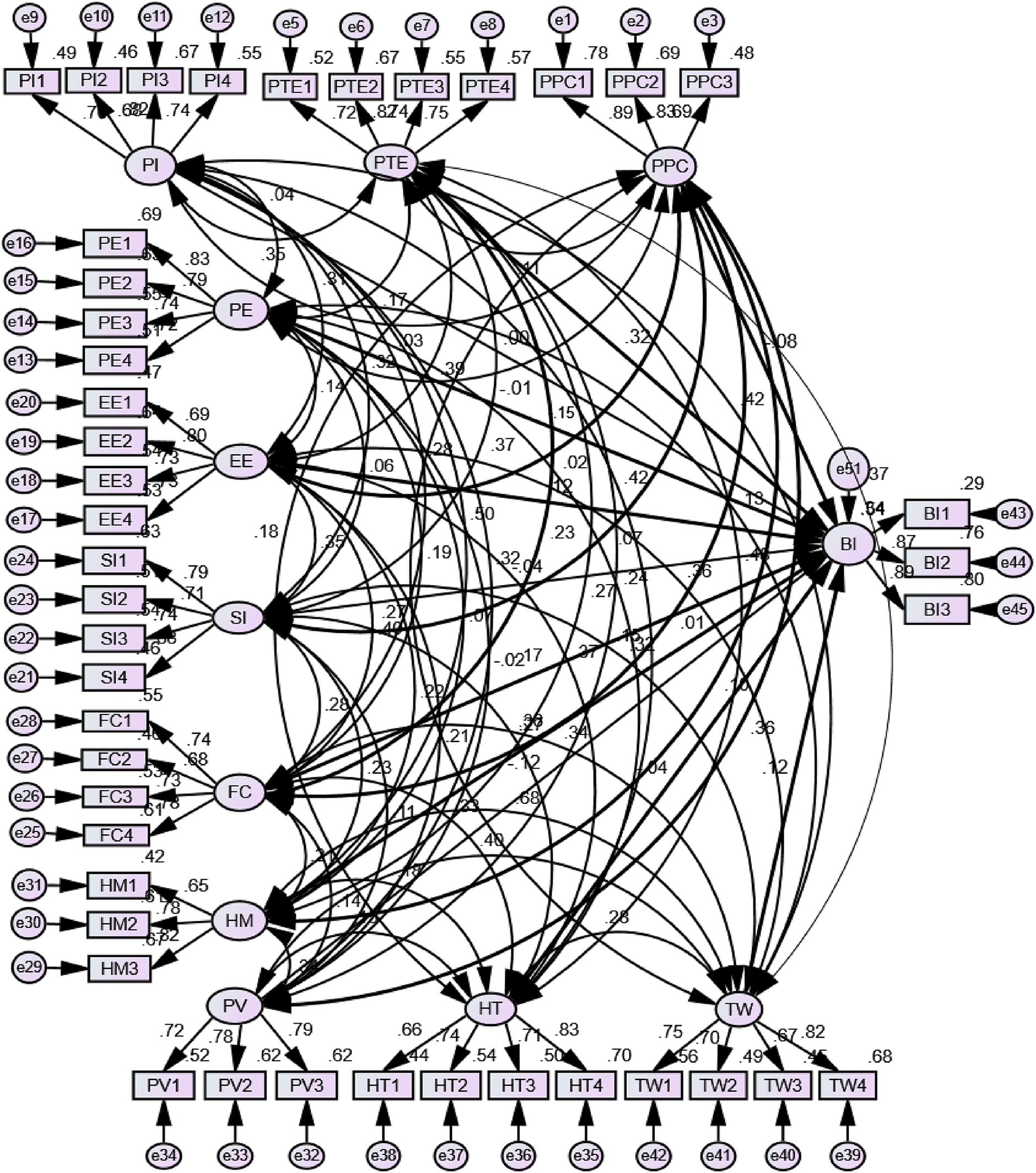
Subsequently, the measurement models’ (Figure 2) convergent validity and reliability of the constructs were examined with maximum likelihood by using the following well-established measures: standardized factor loadings, Construct Reliability (CR), Average Variance Extracted (AVE), and Cronbach's alpha (α) (Cheung et al., 2023). First, the standardized factor loadings were assessed, revealing values ranging from 0.538 to 0.894, all exceeding the recommended threshold value of 0.50, as suggested by Hair et al. (2009).
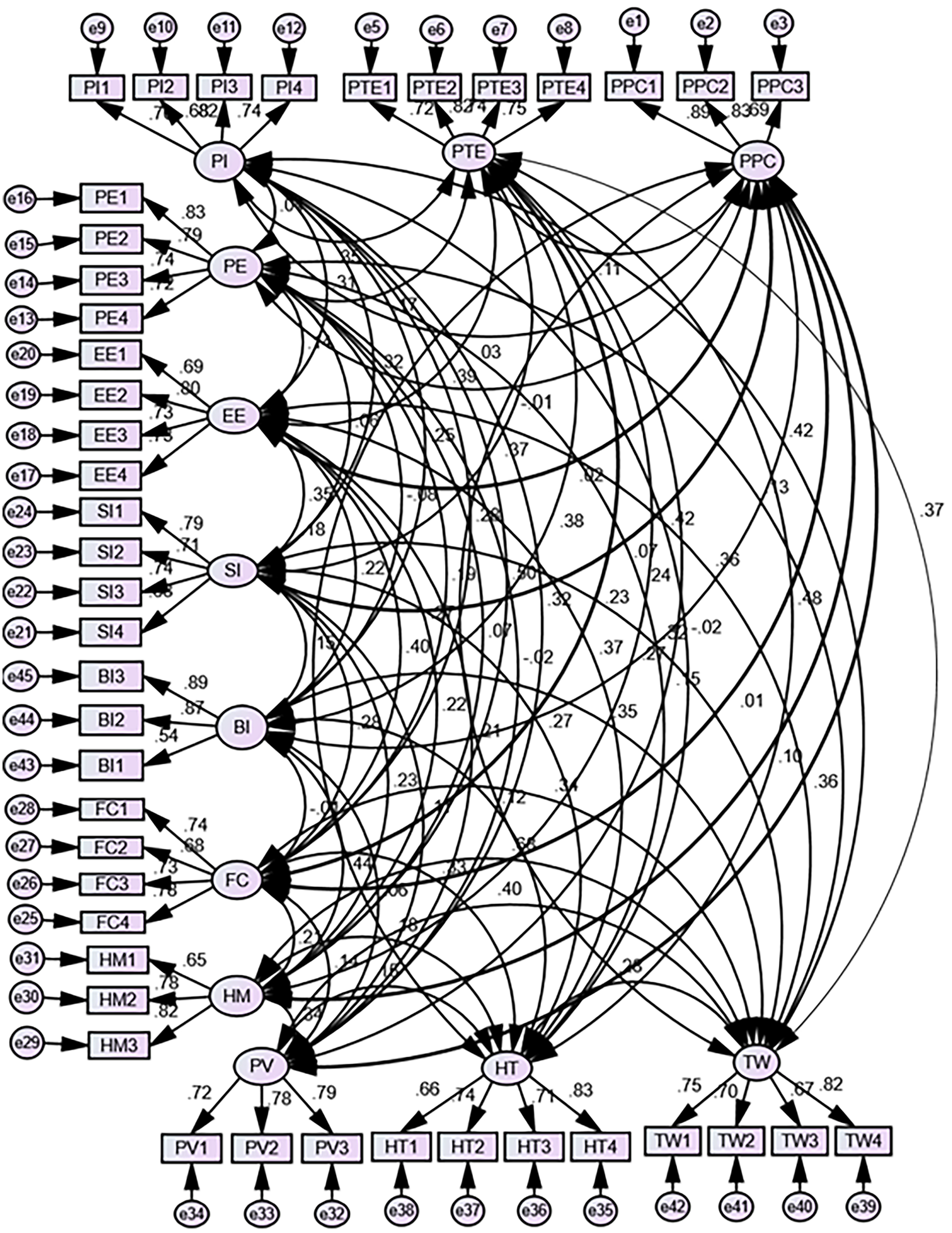
The measurement model.
Moving forward, the Average Variance Extracted (AVE) was calculated, which measures the amount of variance captured by a construct to the amount of variance due to measurement error (dos Santos & Cirillo, 2023). The AVE values ranged from 0.534 for SI to 0.651 for PPC, exceeding the generally recommended threshold value of 0.5 (Fornell & Larcker, 1981). Finally, two well-recognized indicators, Cronbach's alpha (α) and Construct Reliability (CR), were used to assess the constructs’ reliability. The values for these reliability indicators were all found to be above the threshold value of 0.70, following guidelines by Hair et al. (2009) and Lance et al. (2006). Therefore, all the constructs of this study, given in Table 2, are highly reliable, and the convergent validity results ensure the internal consistency of the indicators in measuring the same construct.
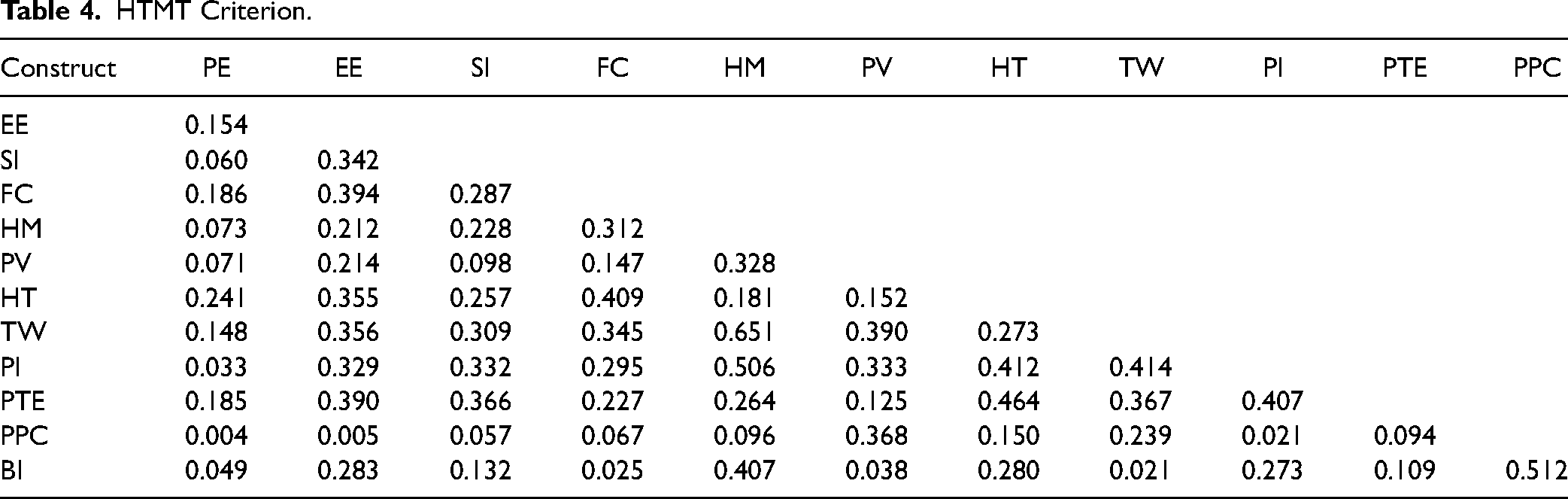
The Discriminant validity (DV) ensures that the exogenous constructs in the study are not strongly linked with each other (Ab Hamid et al., 2017). This was confirmed through the two prominent measures: AVE/SV or Fornell and Larcker criterion and the Heterotrait- Monotrait (HTMT) ratio (Kuppelwieser et al., 2019). According to Fornell and Larcker's (1981) criterion, DV will be attained when the squared root of each construct's AVE is higher than any correlations with other constructs. The Table 3 presents the evaluation of this criterion and validates DV. On the other hand, HTMT measures the correlation of indicators across the constructs to the correlation of indicators within the constructs (Hair et al., 2021). According to the criterion of Henseler et al. (2015), all HTMT ratios in Table 4 were below the threshold value of 0.85, confirming that all the constructs in the study differ from other constructs. In conclusion, the above findings established the DV of the study's constructs and validated the measurement model.
Fornell and Larcker Criterion.
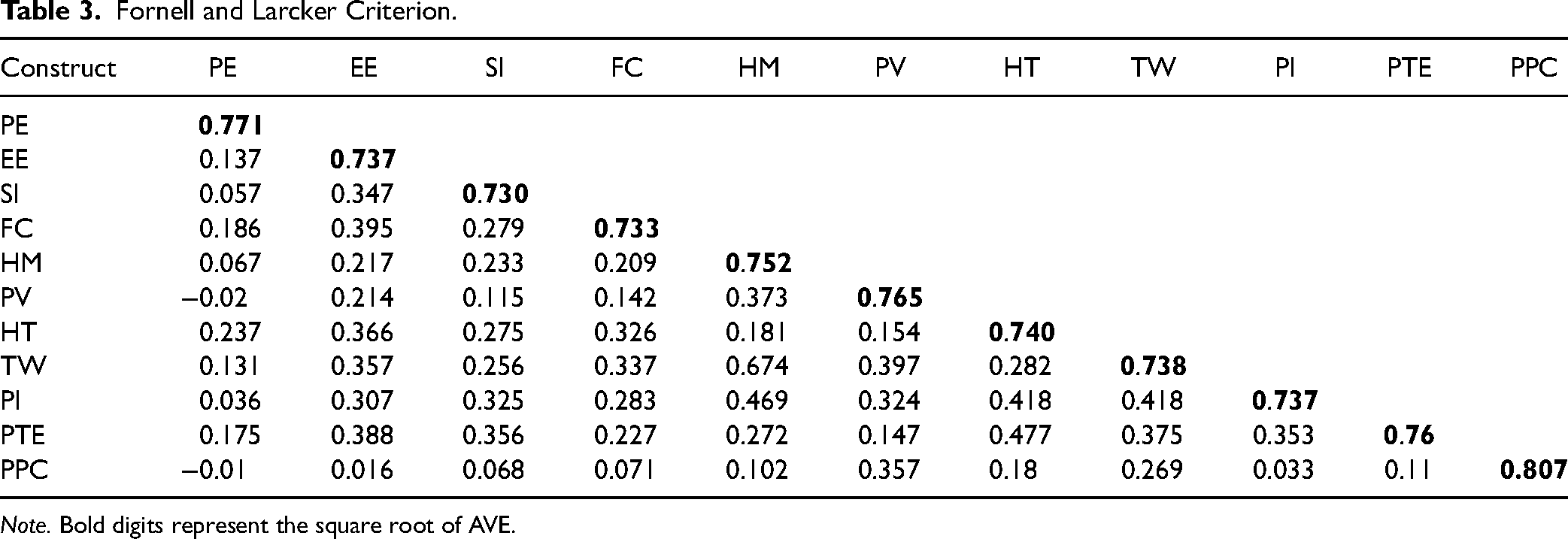
Note. Bold digits represent the square root of AVE.
HTMT Criterion.
Structural Model Assessment
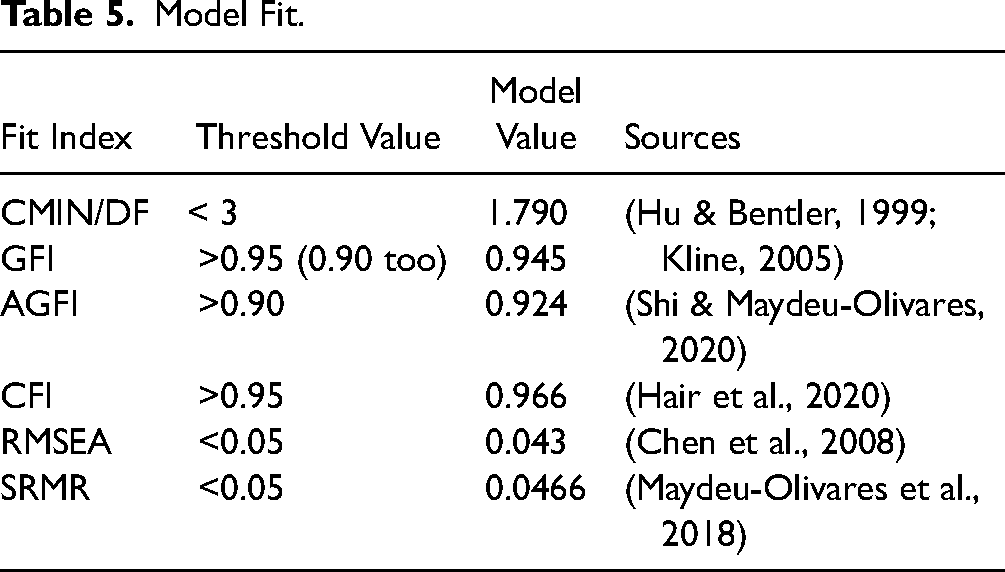
The general fit of the proposed research model was examined by deploying the fit measurements, such as CMIN /DF (Chi-square /Degree of freedom), Goodness of Fit Index (GFI), Adjusted Goodness of Fit Index (AGFI), Comparative Fit Index (CFI), Root Mean Square Error of Approximation (RMSEA) and Standardized Root Mean Square Residual (SRMR). The findings shown in Table 5 confirm that the model fits with the data against the threshold values.
Model Fit.
For further assessing the structural model, the explanatory power of the endogenous construct has been measured as R-squared (R2). The R2 value is the extent to which the exogenous constructs explain the variations of the endogenous construct (Kang & Ahn, 2021). The R2 value ranges from 0 to 1, where a higher value indicates substantial explanatory power (Sapra, 2014). Hence, Social sciences deal with the dynamic nature of human behavior and relationships, which are susceptible to ongoing change influenced by individual self-interest, emotions, group dynamics, and other factors (Cziko, 1989). Consequently, predicting and modeling human behavior still needs improvement (Kennedy, 2012), as a singular model struggles to accurately encompass all the factors influencing behavior at a given time (Marien et al., 2019). Therefore, a model with an R-squared between 0.10 and 0.50 can be considered effective in capturing the complex dynamics of human behavior in the social sciences with some of the significant exogenous constructs (Ozili, 2022). In the present study, the BI was found to have an R2 value of .342, given that the exogenous constructs explain 34.2% of the endogenous construct. The above result indicates that the research model stipulated a 34.2% for measuring the BI of Gen Z in integrating AI tools.
In the final step, the structural relationships between the exogenous and endogenous constructs were tested using the path coefficients (β) (Figure 4) (Hair et al., 2017). From the SEM results (Figure 3) in Table 6, H5 and H10 were tested as significant at 0.001 significance level, and H1 and H4 were tested as significant at 0.01 significance level. That is, HM (β = 0.363), PTE (β = 0.320), FC (β = 0.17), and PE (β = 0.15) appeared to be significantly correlated with Gen Z's BI towards integrating AI tools. The hypotheses H2, H3, H6, H7, H8, H9, and H11 were not significant at 0.001 level of significance. Therefore, EE (β = 0.12), SI (β = −0.045), PV (β = −0.12), HT (β = −0.044), PI (β = −0.003), TW (β = 0.120), and PPC (β = −0.08) were not correlated with the BI of Gen Z learners from the HEIs in integrating AI tools.
The structural model results.
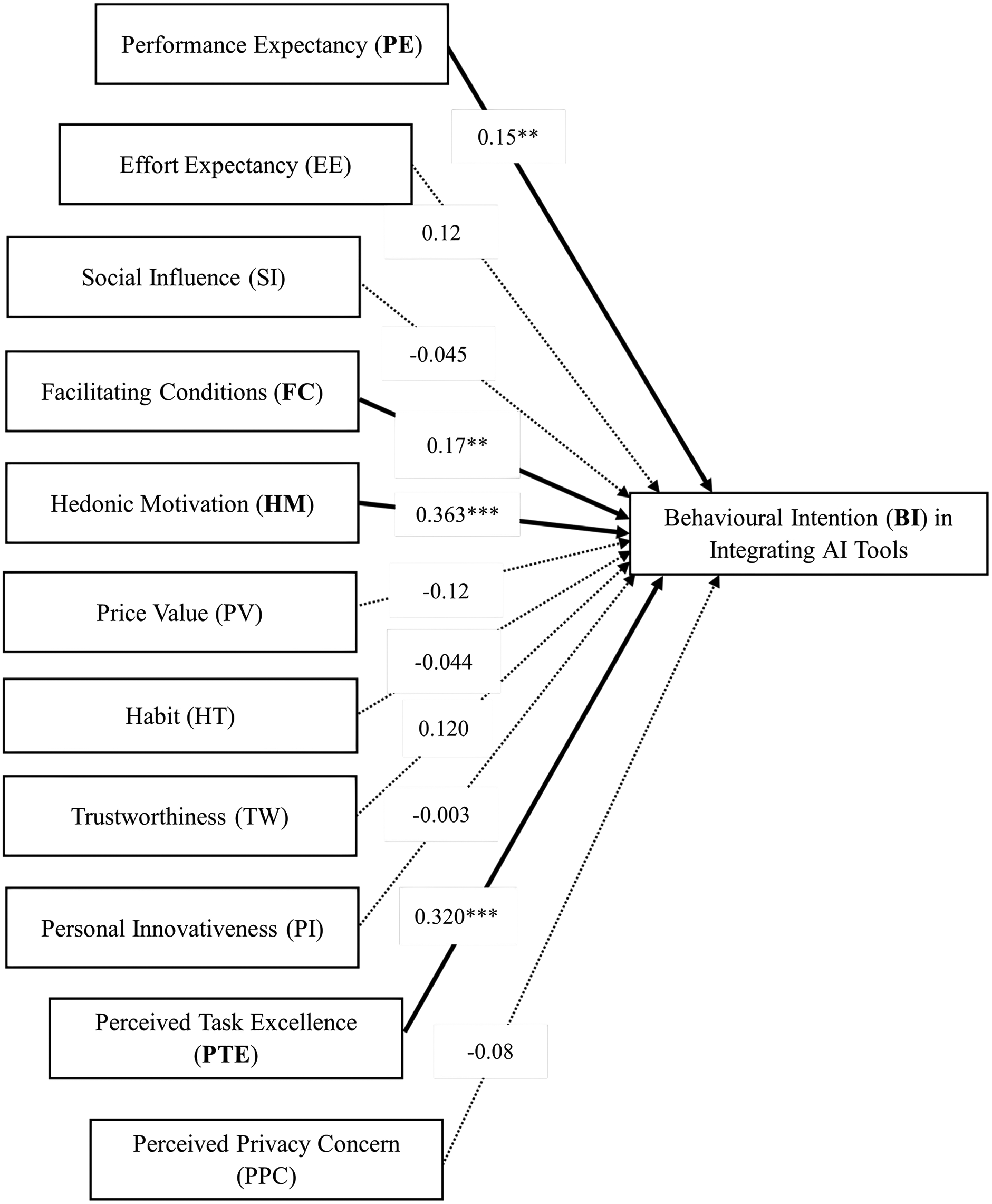
Visual paths of the structural model. Note. ***(p < 0.001), **(p < 0.01), Indicate Insignificant Paths.
SEM Result - Path Coefficient and p-Value.
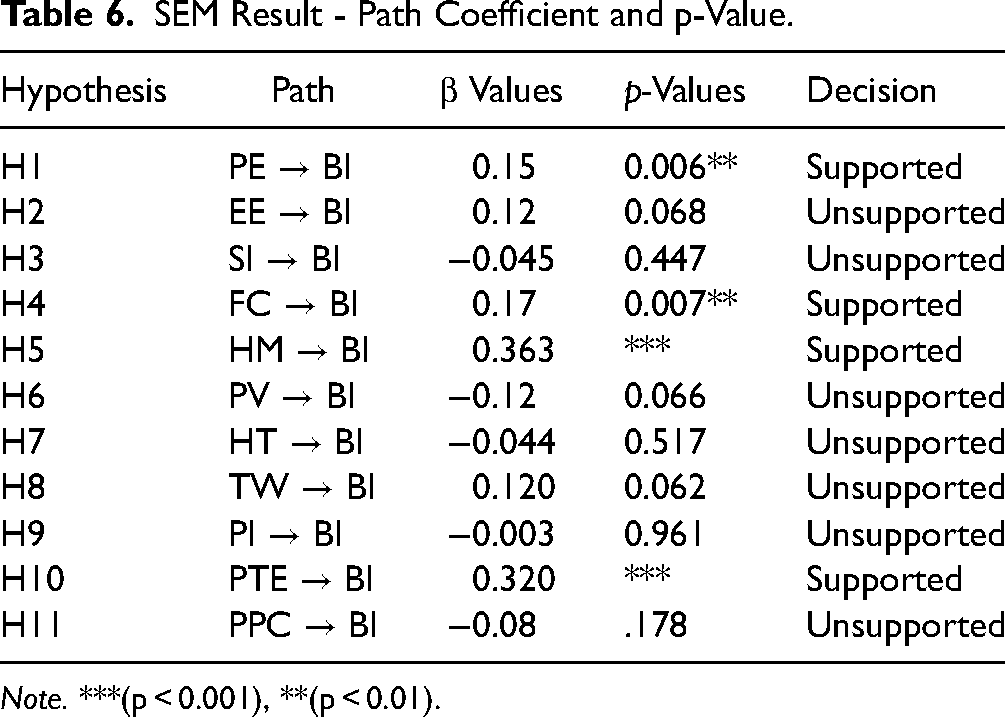
Note. ***(p < 0.001), **(p < 0.01).
Results and Discussion
The present study intends to validate and expand upon the UTAUT2 model framework within the realm of AI tools. Additionally, it recognizes the determinants that impact Generation Z's intentions to incorporate AI tools. The R2 value of .342 further confirms the UTAUT2 model's adequate explanatory power towards the BI of Gen Z in integrating AI tools. The model analysis found that the exogenous constructs or the predictor variables (Petersen, 2001) PE, FC, HM, and PTE significantly influence BI, which indicates that they play an essential role in the Gen Z learners’ BI to integrate AI tools. Among the four exogenous constructs, HM (β = 0.363) seemed to exert a significant substantial positive impact on Gen Z learners’ BI towards integrating AI tools in their daily lives, including learning. The constant interaction of Gen Z with the online environment (Szymkowiak et al., 2021) makes them more inclined to integrate AI tools (Ameen et al., 2023), aligning with their preferences for engaging and enjoyable learning experiences (Diwan et al., 2023; Sayed et al., 2023). PTE also appeared to significantly influence Gen Z learners’ BI toward integrating AI tools. Gen Z, also called Gen tech (Dolot, 2018), is well known for valuing technology (Hernandez-de-Menendez et al., 2020) that aids in quick task accomplishments. Thus, the task-enhancing capabilities of AI tools and technologies play a persuasive factor in encouraging their integration among Gen Z learners (Dai et al., 2023). PE significantly influences Gen Z learners’ BI toward integrating AI tools. Gen Z's desire for efficiency and innovation (Seemiller & Grace, 2015) makes them embrace the advancements in AI technology, aligning with their tech-savvy and outcome-driven approach (Pichler et al., 2021), which in turn contributes to PE. The noteworthy positive influence of FC (Jakkaew & Hemrungrote, 2017) on Gen Z learners’ BI towards integrating AI tools can be attributed to convenience and accessibility. When user-friendly, necessary conditions and resources are available (Alyoussef, 2021), it can reduce the barriers and enhance Gen Z's willingness to incorporate different AI tools. This emphasizes the significance of establishing an atmosphere that simplifies the use of AI tools, in line with Gen Z's propensity for effortless and successful technological interactions (Pillai et al., 2023; Tang et al., 2023).
Contrary to other studies (El-Masri & Tarhini, 2017; Handoko, 2020), EE has an insignificant influence on Gen Z learners’ BI towards integrating AI tools. This can be due to the technologically proficient traits of this generation. Gen Z individuals are often proficient in navigating cutting-edge technologies (Moore et al., 2017), making EE less of a determining factor in their decision to incorporate AI tools. Gen Z, also known for their efficiency and adaptability, might prioritize other factors, such as enjoyment or utility, over the perceived effort involved in integrating AI tools, rendering EE less influential in shaping their intentions. The exogenous construct SI has no significant influence on Gen Z learners’ BI toward integrating AI tools. The increasing autonomy and individualistic inclinations can characterize this (Jang & Chiang, 2023) of Gen Z. The Gen Z preference for individual choice and distinctive experiences indicates that external viewpoints and societal pressures have less influence in shaping their decisions concerning integrating AI tools. This result emphasizes the strategies for promoting individualized benefits and intrinsic motivations for endorsing Gen Z's incorporation of AI tools.
The insignificant influence of PV (Rudhumbu, 2022) on Gen Z learners’ BI to integrate AI tools can be attributed to different factors. Gen Z's priority for experiences over material considerations can be attributed to a greater emphasis on AI tools’ functionalities, benefits, and usability or enjoyment rather than their cost-effectiveness. Furthermore, the limited exposure to a wide range of AI tools could contribute to the non-significant influence of PV on Gen Z learners’ BI (Tewathia et al., 2020). The insignificant impact of HT, TW, PI, and PPC on Gen Z learners’ BI aligns with the early phase of AI in the Indian education sector (Market Trends, 2022). Considering the ongoing emergence of new AI tools, habitual behavior related to AI integration is still in the developmental stage among Gen Z learners. As AI tools become more prevalent and are employed regularly, the influence of habit on BI could become more noticeable over time. Being discerning in nature (Chicca & Shellenbarger, 2018), Gen Z individuals could require specific and convincing reasons to trust AI technologies. Factors like accessibility, prior interactions, and the reliability of AI systems can significantly influence trust and, consequently, impact their decision to integrate AI tools. Additionally, Gen Z's innate comfort and familiarity with advanced technologies (Pueschel et al., 2020) could reduce the distinctiveness of PI in determining BI. More importantly, the insignificant impact of PPC on Gen Z learners’ BI towards integrating AI tools could possibly be related to the lack of sound knowledge about the privacy and security risks associated with these tools (Mylrea & Robinson, 2023). Conversely, if Gen Z feels that AI tools can safeguard their privacy and are secure, this could lead to no significant impact of PPC on their decision to integrate AI tools. Further exploration into specific domains and contextual factors influencing TW, PI, and PPC is required to provide more clarity on these non-significant relationships.
Implications
Theoretical Implications
The study contributes to the corpus of literature regarding factors determining the widespread deployment of advanced technologies, notably those based on the Internet. By integrating novel constructs such as TW, PI, PTE, and PPC within the UTAUT2 framework, this research extends current theoretical models to better explain the determinants influencing Gen Z learners’ BI toward AI tool integration. These additions highlight the evolving landscape of technology adoption, especially in contexts where privacy and trust in AI systems are pivotal (Brusilovsky, 2024). Moreover, this study underscores the contextual relevance of these frameworks by examining these dynamics within the Indian educational landscape, offering insights applicable to similar emerging markets. The findings further emphasize the importance of updating theoretical models in response to technological advancements and demographic shifts, encouraging future research to explore these dimensions in detail. Additionally, the study adopts an interdisciplinary approach by integrating insights from psychology, information systems, and education, enriching theoretical foundations with diverse perspectives on technology adoption.
Practical Implications
The present study's findings on Gen Z learners’ BI towards integrating AI tools offer insightful information with practical implications for educators, technology developers, and policymakers. The strong positive influence of HM (Ramírez-Correa et al., 2019) on Gen Z's BI suggests that educational content and AI tools should be designed with a focus on enjoyment and engagement. Educators can utilize AI tools to bring gamified elements, interactive features, and multimedia content to align with Gen Z's preferences for enjoyable learning experiences (Alam, 2022; Ng et al., 2023). Emphasizing the task-enhancing capabilities of AI tools is crucial because the study highlights the notable beneficial impact of both PTE and PE on the BI of Gen Z. Educational platforms should prioritize showcasing how these AI tools can optimize tasks, provide fast information retrieval and improve overall efficiency in the learning process (Gonge et al., 2021). FC is significant for Gen Z, indicating their user-friendly design priority (Zwain, 2019). The development and deployment of AI tools with user-friendly interfaces, simple functionality, and easy accessibility should be the primary focus of developers and educators (Goldenthal et al., 2021). This will ease hurdles and encourage the preference of Gen Z to integrate these tools into their educational journeys. Even though PPC had no significant influence on BI, the study implies that privacy concerns must be addressed for a successful AI integration. Educational institutions, policymakers, and developers should focus on robust privacy measures and communicate these measures transparently among Gen Z learners (Nguyen et al., 2023). The study also necessitates establishing a national-level policy to ensure equity in AI integration within the education domain. The Government should acknowledge the initial stage of AI implementation in the education sector and view AI as a catalyst to achieve the country's Sustainable Development Goal 4 by 2030 (Saini et al., 2023).
Limitations and Directions for Future Research
Despite the present study offering insightful information on the Gen Z learners’ BI to integrate AI tools, further studies need to be undertaken to overcome limitations and improve the applicability of the findings. The study deployed a cross-sectional design with the sample. First, for better generalizability, a longitudinal study can be conducted to provide a more comprehensive overview of how Gen Z's attitudes and intentions evolve over time. Different aspects of longitudinal investigation can include changes in performance and effort expectancy as AI tools become more integrated into educational settings, shifts in trustworthiness and privacy concerns as Gen Z gains more experience with these tools, and the evolving impact of personal innovativeness and perceived task excellence. Additionally, understanding how continuous exposure to AI tools influences long-term behavioral intentions and actual usage patterns can provide deeper insights into sustained technology adoption and the potential for AI tools to enhance educational outcomes over time. Second, the model's ability to explain the determinants influencing Gen Z's BI in integrating AI tools is 34.2%, leaving 65.8% unexplained. Thus, additional factors like AI literacy, Perceived Autonomy, and Digital well-being could be included in the UTAUT2 model to improve the model's explanatory power. Third, future research must also investigate the effects of different moderating variables on Gen Z's BI in incorporating AI tools. Fourth, learners from K-12 levels should be the focus of future investigation into their attitudes and perceptions of AI tools integration in learning. Fifth, future studies could investigate the role of AI literacy in forming the attitudes of Gen Z towards AI tools, therefore providing better insights into the factors influencing their acceptance. Sixth, comparative studies can be conducted among different generations to gain insights into the specific aspects of Gen Z related to AI apart from other generations.
Conclusion
AI is rapidly emerging as the ubiquitous buzzword of recent times, with applications across diverse sectors, most notably in education. Recognizing the growing significance of AI, particularly in education, this study explores different determinants impacting the BI of Gen Z learners in HEIs in India concerning the integration of AI tools. The current investigation further confirms and extends upon the UTAUT2 model with four additional constructs: trustworthiness, personal innovativeness, perceived task excellence, and perceived privacy concerns. The R2 value of 0.342 confirms the satisfactory explanatory power of the UTAUT2 model towards the BI of Gen Z regarding the integration of AI tools. The notable positive impact of PE, FC, HM, and PTE on BI indicates their vital role in molding Gen Z's outlook on AI tools. Notably, the substantial positive influence of HM demonstrates the importance of enjoyable and engaging learning experiences in driving Gen Z's inclination toward AI tool integration. In contrast to some existing literature, the study indicates that EE, SI, PV, HT, TW, PI, and PPC were not found to influence Gen Z's BI significantly. Additionally, this study adds to the body of current literature on the UTAUT2 model by evaluating the model's suitability to Gen Z's BI regarding integrating AI tools, specifically in the Indian context. Further, the study contributes to the ongoing discourse by providing sound groundwork for informed strategies and policies that can effectively integrate AI into the quality and equitable educational journeys of Gen Z learners in India.
Footnotes
Authors’ Contributions
Both authors, K. Kavitha, and V. P. Joshith, have made substantial and indispensable contributions throughout the entire research process, ensuring the depth and quality of this article. K. Kavitha and V. P. Joshith engaged in brainstorming sessions, shaping the core ideas and devising the research framework. Both authors played essential roles in acquiring, organizing, and meticulously analyzing the dataset. K. Kavitha wrote the first draft of the manuscript, and V. P. Joshith commented on the manuscript and made necessary grammatical corrections. V. P. Joshith supervised the study, offering guidance and expertise at every stage of the research process. Both authors revised the draft and contributed to the final compilation of the manuscript.
Availability of Data and Material
The datasets used during the current study are available from the corresponding author upon reasonable request.
Declaration of Conflicting Interests
The authors declared no potential conflicts of interest with respect to the research, authorship, and/or publication of this article.
Funding
The authors received no financial support for the research, authorship, and/or publication of this article.
