




Abstract
This article evaluates the pedagogical approach of the EU-funded project ‘Rewriting the Story: Gender, Media, and Politics’, designed to dismantle gender stereotypes in political news reporting and foster equitable democratic participation. Drawing on feminist and deliberative pedagogies and utilising the Participatory Action Learning and Action Research method, the project engaged over 400 students from five European universities. By creating safe and collaborative learning spaces, highlighting the meaningful visibility of students’ work, and fostering participation and inclusion, the project addressed intersectional inequalities in media representation and empowered students to become agents of social change. Further qualitative analysis of student outputs reveals the transformative potential of feminist pedagogies in cultivating gender-aware professionals and amplifying student voices. The project highlights the role of education in challenging systemic barriers to gender equality, promoting intercultural dialogue, and advancing democratic values within media practices.
Introduction
This article critically examines an international teaching partnership developed within the EU-funded project Rewriting the Story: Gender, Media, and Politics, 1 which aimed to challenge gender stereotypes in political news and improve media coverage of women to support equal democratic participation through a strategic alliance among journalist unions, third-sector associations, media students, and professionals. This alliance was operationalised through three axes: a gender-sensitive political reporting training programme led by the International Federation of Journalists (IFJ); a peer-to-peer programme fostering gender awareness in newsrooms led by the Permanent Conference of the Mediterranean Audiovisual Operators (COPEAM); and an international teaching partnership involving over 400 students from five European universities, led by the University of Padova. The project shows how gender-specific training – for both media professionals (through IFJ's training programme with journalistic unions and COPEAM's with public broadcasters) and students – is key to challenging gender bias in media representation. This article focuses on the lessons learned and challenges detected in the implementation of the international teaching partnership developed in the context of higher education in media and communication studies.
The political context of the project was the 2024 European Parliament (EP) elections. The pre-election briefing by the EP Think Tank highlighted persistent gender inequality in politics, stating that women remain underrepresented despite advancements in voting rights and political participation. Women politicians face heightened scrutiny and gendered violence, including online hate speech, harassment, and symbolic abuse (European Parliament, 2024a, 2024b), forms of discrimination heightened by unequal media representation. These issues were prevalent across project participant countries, except Sweden, underscoring systemic gendered barriers to political representation in the EU (Kantola, 2010) (Figure 1).
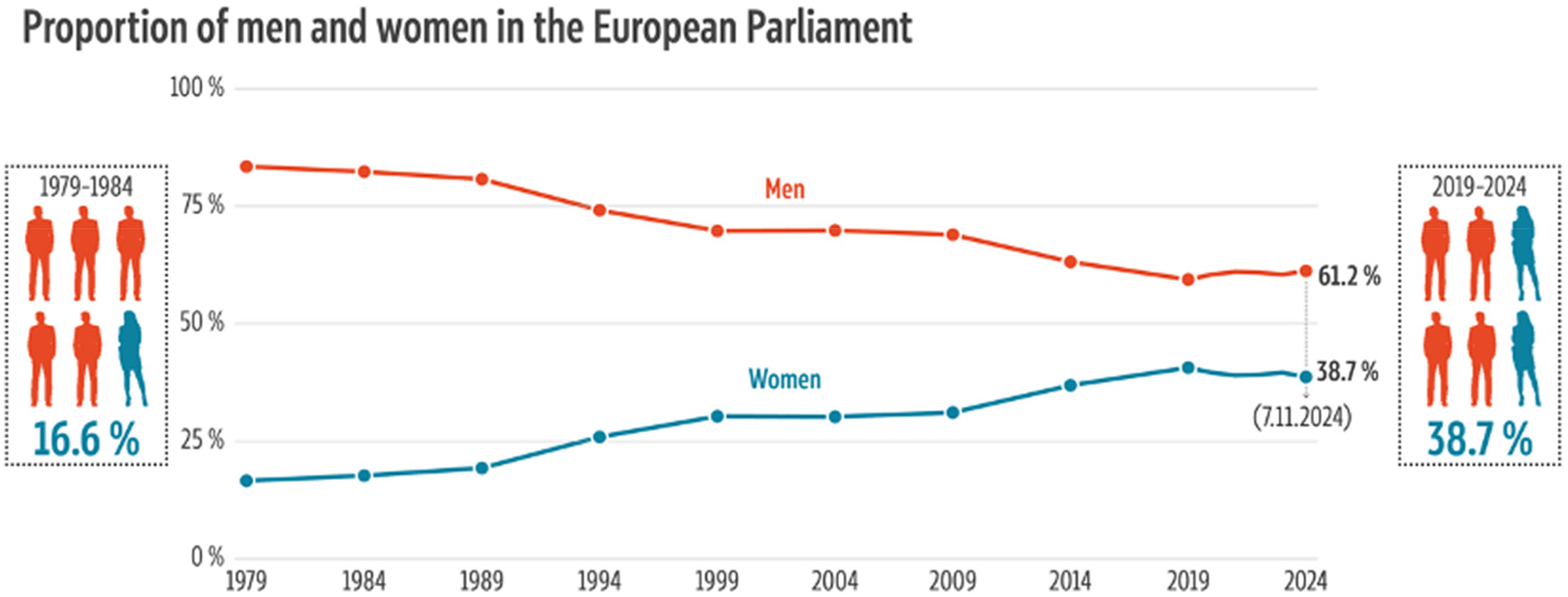
Proportion of men and women in the European Parliament (EP).
The pedagogical context of the project was an identified lack of journalism curricula across European higher education institutions, which specifically included discussions of gender inequalities in media industries. Although women constitute over 70% of journalism graduates (French et al., 2019), curricula rarely focus on gender-sensitive reporting or address the problem of structural inequalities in media industries. Scholars, including Gallagher (2019) and Vega Montiel and Macharia (2019), emphasise the need for gender mainstreaming in media education beyond specific subjects to foster gender-aware professionals. Existing pedagogical models, such as the UNESCO-UNITWIN's Gender, Media and ICTs framework (French et al., 2019), informed the project's curricular design, adapting its approaches to focus on political representation.
The project aligned with the Beijing Platform for Action (1995), especially its goals of increasing women's media presence and promoting non-stereotyped portrayals. It incorporated EU Gender Mainstreaming principles (European Commission, 1996) – like the use of gender-sensitive language and gender-disaggregated data – into a feminist and deliberative pedagogical approach. Thus, the teaching partnership sought to create democratic, empowering classrooms to challenge gender stereotypes in political news and prepare future journalists for more equitable reporting.
Building on these principles, the ‘Rewriting the Story’ project specifically utilised Participatory Action Learning and Action Research (PALAR) as an educational method and technique, which is an inclusive, innovative and energising approach to higher education teaching with a proven track record of preparing students for a socially reflective and engaging role in the media (Rozgonyi, 2021). In parallel, valuing students’ achievements, giving voice and nurturing their contributions were at the core of curriculum design, so we made student-generated materials publicly available, with their full names and credits, in Advancing Gender Equality in the Media Industries (AGEMI), 2 an online platform developed as a result of a previous EU-funded project to combat gender stereotypes and promote an equal, diverse and inclusive media sector. AGEMI acts as a repository of resources around gender and media, comprising a Resources Bank of good practices and a set of learning materials (see Ross and Padovani, 2021).
A key strength of the Rewriting the Story project lies in its feminist, collaborative, participative pedagogical approach, which was carefully conceptualised from the very outset of the project's design (grant application) and during the initial kick-off meeting, where partners collectively designed the project timeline, planned activities, and defined the structure of the educational strand. In recognition of its quality and innovation, Claudia Padovani (University of Padova) accepted the Arqus Teaching Excellence Award in 2025 3 for the project, an honour bestowed annually by the Arqus Alliance to outstanding transnational teaching initiatives that foster inclusion, interdisciplinarity, and innovation in higher education. As well as managing the project, the University of Padova has also committed to ensuring the long-term sustainability of the AGEMI platform, thereby securing continued open access to these educational resources for future academic and professional training.
Students’ work, published on the AGEMI platform, showcased impressive diversity and creativity. As part of their assessment, students collaborated on creative group projects exploring different aspects of the media representation of women politicians, producing podcasts, documentaries, interactive maps, websites, or social media campaigns, often drawing on advanced research methods and innovative forms of storytelling. Our inclusion of figures from their work (with attribution) responds to our intention of making their contributions visible within the whole academic community, showcasing the outstanding rigour, creativity, and potential for advocacy resulting from the implementation of participatory and feminist pedagogies. Individually, students also submitted reflective journals analysing their learning, which were later anonymised for research purposes. Moreover, students voluntarily engaged in a range of additional tasks beyond the original scope of the project, such as collecting specialised literature and best practices on the media representation of women politicians; creating 12 country profiles with gender-disaggregated data; collaborating with other projects and institutions; and pilot testing the Media Monitoring Tool (MMT) developed within the project – a coding framework designed to analyse the gendered dimensions of political media coverage. All materials resulting from their learning activities are available on AGEMI.
Goals and methodology
Our study evaluates the pedagogical approach of the international teaching partnership, which aimed to improve students’ skills in reporting about women politicians in the media, focusing on outputs and student feedback. First, we outline the theoretical foundations of the pedagogy, incorporating various deliberative and feminist approaches in curricular design and classroom practices. We review the relevant literature and summarise the key insights that have informed the teaching project and developed into three key pillars. Next, we analyse the educational activities using a theory-driven framework to identify how pedagogy and practice address and challenge gendered inequalities in teaching ambitions and methodologies.
Our methodology also includes a thematic analysis of student-submitted materials, focusing on reflections on learning experiences, the impact of pedagogical strategies, and engagement with project themes through the analysis of creative group projects, in-class activities, and reflective journals, which were also categorised according to the three pillars structuring our pedagogical approach. The analysis drew on 41 group projects and 154 individual journals from Padova and Klagenfurt students. Using computational text analysis with the quanteda package in R, we systematically searched keywords and categorised students’ reflections according to the three theory-driven pedagogical pillars to assess whether students’ experiences matched framework objectives. By triangulating these insights, we aim to provide a comprehensive evaluation of the project's educational impact and its ability to foster meaningful learning experiences within the context of feminist and participatory pedagogies.
Rewriting the story of teaching gender and media: Our pedagogical approach
The curricula aimed to create enabling communicative spaces for students, advancing the commitment to challenging the (re)production of gender inequalities in and by the media. Designed using feminist and deliberative pedagogies, it sought to develop ‘the feminist HE classroom as a site of activism, collaboration, resistance and transformation while centering self-care and solidarity’ (Morris, 2020: 1). Deliberative pedagogy views education as an arena for democracy and social change, creating spaces for authentic, transformative dialogue (Shaffer et al., 2017). Simultaneously, feminist pedagogies emphasise care, the inclusion of marginalised voices (hooks, 1994), and critical reflection on knowledge as context-bound and partial (Haraway, 1988), disrupting traditional classroom norms.
Hence, our ambition was bold: to create inclusive spaces for engagement, encouraging students to critically reflect on what inequality means, whose perspectives prevail, and how to address injustices not only based on gender but also on race, ethnicity, class, age, and sexual orientation. The teaching partnership expanded beyond the project's initial binary frameworks, addressing media portrayals of trans and non-binary politicians, too. Opening sessions addressed stereotypes through an intersectional lens (Crenshaw, 1989), with materials on LGBTIQ+ representation and the portrayal of racialised women politicians. This contextualisation fostered critical discussions and deepened understanding of media-perpetuated stereotypes around gender and other identity vectors (e.g. Hicks, 2022). Student work also emphasised the importance of intersectionality, with six group projects examining topics like the representation of Muslim women in the EU and racialised women politicians combating discrimination. Three other projects focused on LGBTIQ+ representation, including studies on violence against LGBTQI+ activists in multiple countries, media portrayals of transgender politicians, and recommendations for inclusive reporting on transgender women in politics.
Intersectional feminist pedagogies, with their resistance to fixed norms and focus on valuing student voices and experiences, aligned with the project's goals: transforming classrooms into spaces for activism and social justice, recognising female role models, and challenging patriarchal educational frameworks (Crabtree and Sapp, 2003; hooks, 1994). These objectives were structured around three pillars: creating safe spaces for deliberation (space), enabling participation and inclusion (inclusion and participation), and ensuring visibility and recognition of students’ work (visibility).
Space
The Rewriting the Story project began in 2022–2023 and expanded in 2023–2024, involving universities in Padova, Klagenfurt, Gothenburg, and Zagreb, with around 400 students and nine women instructors across Europe. The partnership also included the IFJ Gender Council, COPEAM, and journalist unions from 12 countries, which provided extra-academic perspectives and feedback, enhancing student engagement in a supportive setting (Ross and Padovani, 2021). The project built upon a pre-existing network of collaborations, including previous EU-funded work like the AGEMI platform and ties within the UNESCO-UNITWIN Network on Gender, Media, and ICTs, 4 further reinforcing transnational connections around gender and media education (see French et al., 2019). Moreover, an earlier international teaching collaboration had already been piloted in 2021 for the International Day for the Elimination of Violence Against Women, providing valuable experiences for several of the involved instructors.
Digital and hybrid methods supported intercultural learning while instructors had the freedom to design their class settings by the customs of their respective universities. A series of joint hybrid seminars – combining in-person sessions in Padova with online participation from other institutions – was crafted, emphasising dialogue, collaboration, and creativity. In Padova, students from the modules Communication Practices, Diversity, and Inclusion (MA Communication Strategies) and Laboratory in Public Values in Media and ICT (welcoming students from various degrees) contributed under Professor Claudia Padovani (academic IP of ‘Rewriting the Story’), aligning curriculum with project goals. In Klagenfurt, students in Medien und Gender used Action Research to explore Gender Stereotypes in Political and Public Life within European news media. Voluntary participants at various levels from Gothenburg, Malta, and Zagreb also added to the diversity in course types, academic and cultural backgrounds and institutional contexts, significantly enriching the outcomes of the pedagogical approach. The seminar series culminated in an asynchronous online open course developed after the seminar series and hosted on AGEMI, utilising Moodle's functionalities and drawing on the Toolkit for Journalists published by IFJ (2023). Divided into six units, it covers stereotypes, intersectionality, language, visual framing, violence against women, and interactive learning activities.
At the same time, we were attentive to Richardson's (2016) warnings in the design of our intercultural, hybrid, transnational pedagogy. He asserts that ‘many [virtual exchange] activities reflect the face-to-face assumption that if students interact with those different to themselves, they will somehow be transformed by the experience. We know that this is not the case, so a very careful design of online learning activities is essential (Richardson, 2016: 123–124). Hence, our pedagogical spaces, both physical and online, adhered to deliberative pedagogy principles, viewing education as a democratic arena (Shaffer et al., 2017) and highlighting the transformative power of dialogue. We emphasised intercultural dialogue, aligning with the Council of Europe's Framework of Competences for Democratic Culture framework (2018), which identifies the skills learners need to ‘participate effectively in a culture of democracy and live peacefully with others in culturally diverse democratic societies’ (Council of Europe, 2018: 5). Many students were from non-European backgrounds, which enriched discussions but presented certain challenges. For instance, projects like Violence Against LGBTQIA+ Activists in China, Italy, Morocco, and Spain and Women and Journalism Around the World: Protection and Democratic Systems in Albania, Chile, and Nigeria highlighted issues from non-European regions. While these projects expanded the project's geographical focus beyond the EU, they also posed difficulties in finding meaningful connections to gender media inequalities in Europe. Despite these challenges, we valued intercultural exchange over methodological rigour.
Sensitive topics, such as LGBTIQ+ representation or activism in Russia and China, required careful handling to ensure student safety and anonymity, including withholding certain projects from publication. To foster inclusive participation, instructors used tools like breakout rooms, Wooclap, and Mentimeter to encourage anonymous participation during hybrid sessions. Finally, English language dominance presented a barrier to the participation of some students, reinforcing inequities akin to those found in feminist discourse (e.g. white privilege and Western teaching paradigms). To address this, students were allowed to publish their projects in community languages on the AGEMI platform, accompanied by English abstracts, further highlighting our commitment to inclusivity.
These efforts aimed at creating safe spaces for the ‘Rewriting the Story’ project and valued student debates on gender, inequalities, and the role of the media as a democratic institution. Classrooms served as an agora for deliberative discussions, enabling ‘authentic and productive dialogue – debates that can ultimately be not only educational but also transformative’ (Shaffer et al., 2017: xxi). Meanwhile, we should acknowledge that open debates and the liberated classroom might challenge some students who have been socialised in top-down, rule-driven higher education practices. The lack of formal and strict structures posed some uncertainty and made some students question their own capability to meet the course's demands. The interconnectedness with fellow students across several countries sometimes heightened the delivery pressure and their stress. While all instructors actively worked to mitigate the (intercultural) fears of participation through personal interactions, moments of disorientation and some drop-outs from the classes were also present throughout the project; however, as the analysis of students’ journals highlighted, several students acknowledged how this more autonomous approach led to deeper awareness, criticality, and sense of academic worth, allowing them to overcome initial insecurities. As a student wrote: ‘At first, I was a bit concerned on how we are going to execute the task because of the unfamiliarity with research such as our project, but looking back, it is a very humbling and very educational project’. As a pedagogical reflection, most activities were designed as group work in the spirit of fostering feminist-informed cooperation and exchange, thus active involvement. Inspired by bell hooks, classrooms were also designed as joyful spaces for shared learning, connection, and activism, where freedom of thought and collaboration thrived (hooks, 1994).
Inclusion and participation
The ‘Rewriting the Story’ project tackled the problems of gendered portrayals, silencing and stereotyping in media by encouraging students to produce empirical evidence on the challenges of women's political participation across Europe, analysing literature on gender representation in politics, and identifying good reporting practices. It built on the gender gap in media coverage during past EU elections – even for prominent candidates – and the bias evident in such coverage (Lühiste and Banducci, 2016). The significance of media misogyny on women's political ambition, as shown in global data (Haraldsson and Wängnerud, 2019), informed the curriculum. However, the underrepresentation and misrepresentation of women remains shaped by contextual factors – national, cultural, historical, and linguistic – all of which affect women's public participation.
Participatory and inclusive methods, especially PALAR (Wood, 2020), engaged students in exploring women politicians within contexts they found meaningful. Assignments offered flexibility, allowing students to select candidates, elections, and theoretical approaches, often beyond the EU, adopting a comparative approach. Rooted in critical pedagogy, the aim was ‘to inspire creative and collaborative efforts to address and overcome oppression’ (Freire, 1970) and to examine inequality through an intersectional lens (Crenshaw, 1989). Student advocacy projects exceeded expectations, producing outputs like Recommendations for Inclusive Reporting on Transgender Women in Politics and AI-generated graphics about women politicians (Figure 2). This openness encouraged original perspectives that had received limited attention in the literature, including the analysis of gender bias in AI media content, illustrating how giving students the freedom to pursue social justice themes in which they are personally invested enhances both quality and creativity.
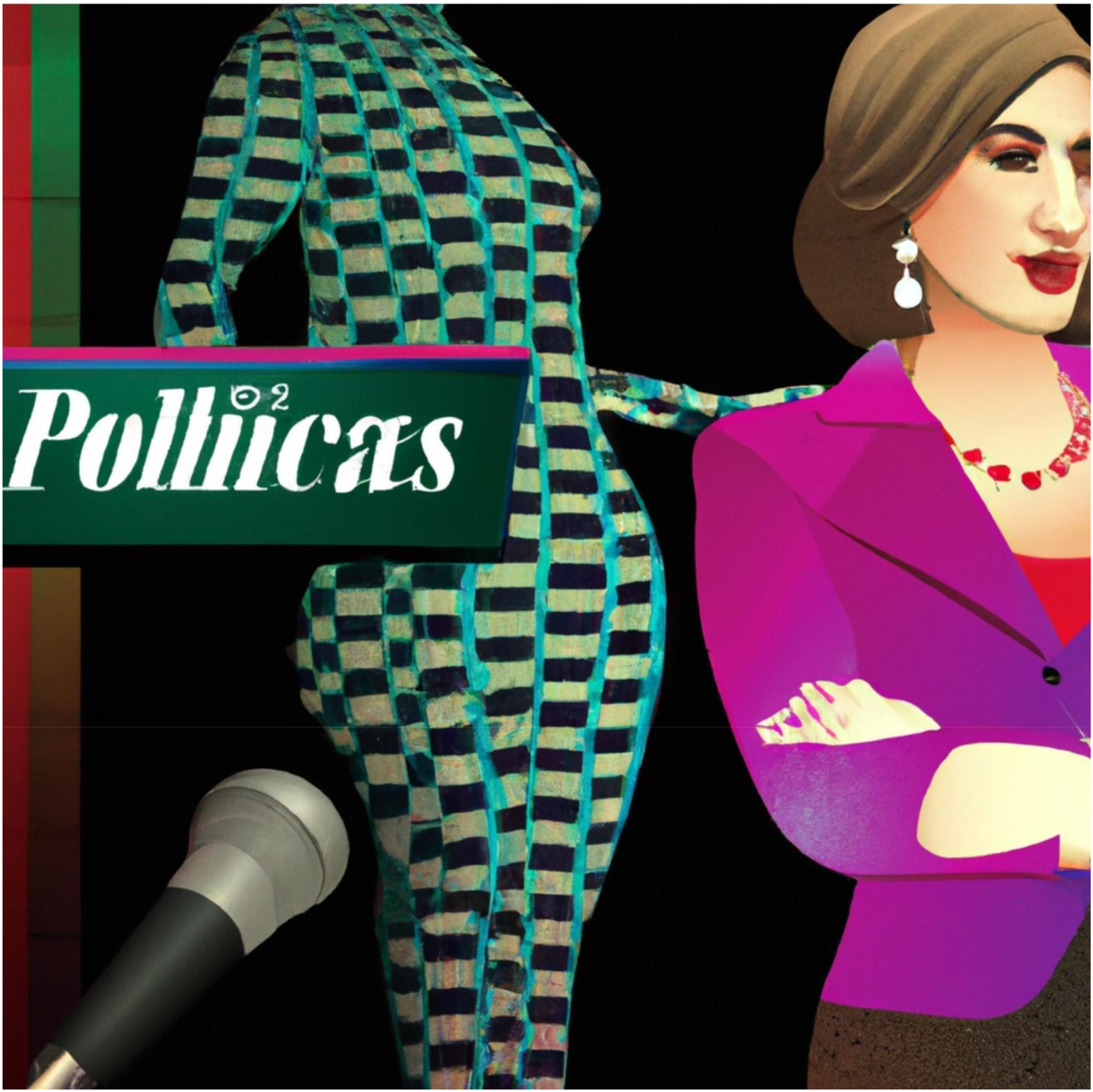
AI-generated image about media sexualisation of women in politics.
The teaching and assessment approach prioritised inclusivity by valuing creative, multimodal outputs alongside traditional academic work. Drawing on multimodal (counter)storytelling for social change (Wargo, 2017), students produced a wide range of projects now available in the AGEMI database – from traditional academic papers to blogs, documentaries, and games. This approach encouraged students to combine various semiotic modes beyond the written word and critically analyse how media images shape gender discourses (van Leeuwen, 2017). A dedicated seminar unit introduced multimodality, semiotics, and intertextuality, with activities like analysing magazine covers or politicians’ self-representation on social media. These led to a label to categorise students’ creative works, images, including a striking project on face-ism (Archer et al., 1983), which tackled the gendered imbalance in face-to-body ratios in media representation (Figure 3), a bias relevant in today's image-driven platforms (Jungblut and Haim, 2023).
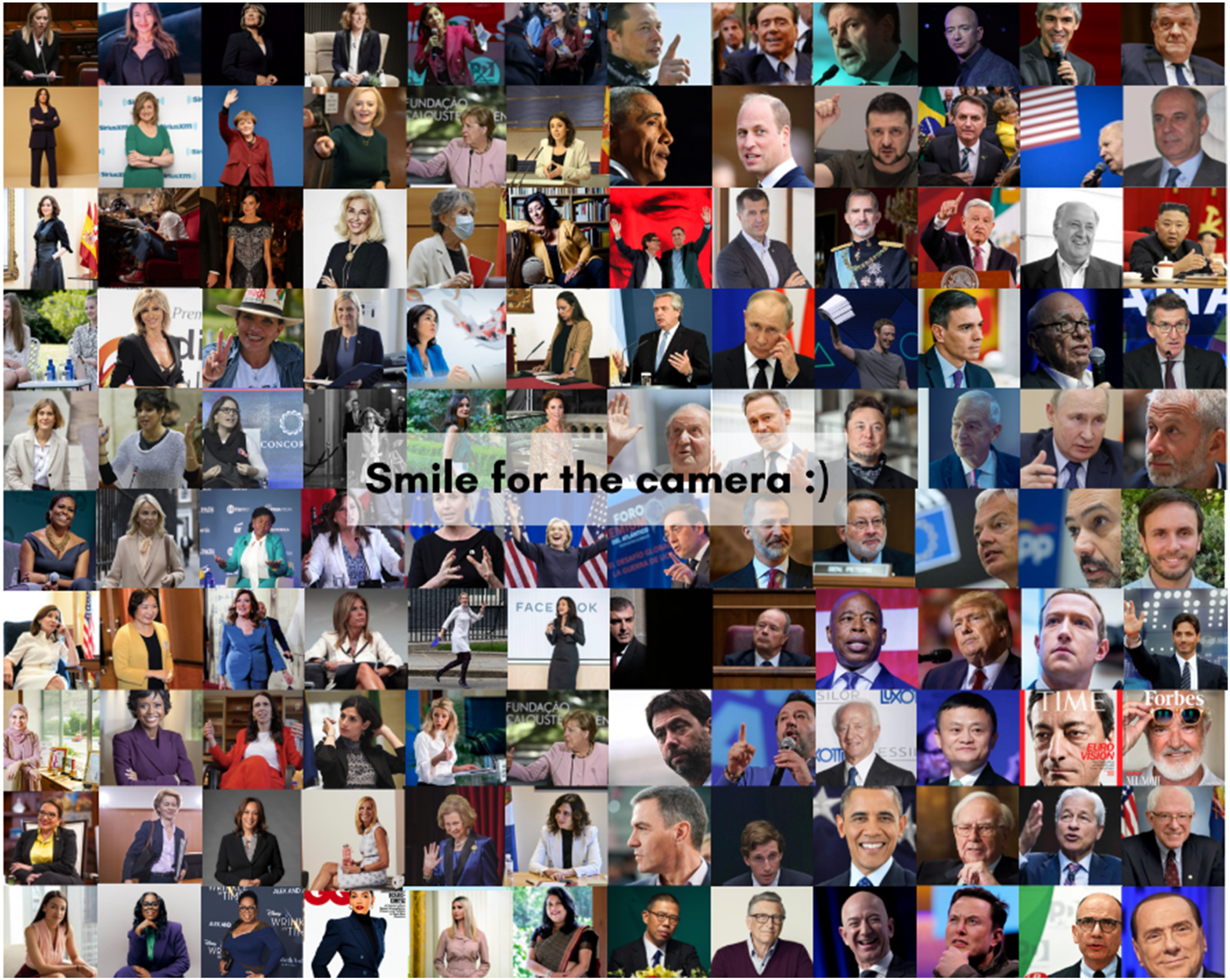
Photographic collage made to showcase the issue of face-ism.
Highlighting both student visibility and the project's advocacy focus, students also contributed promotional materials for the European Women's Lobby Manifesto Europe at a Crossroads: Equal participation of women at all levels: prerequisite for peace, prosperity & societal change. Following a seminar session with EWL coordinator Jeromine Andolfatto, students created posters (see Figure 4) and social media posts, which were presented to campaign organisers. In essence, the inclusive and participatory pedagogical approach fulfilled its promise, demonstrating that getting students involved in the fight against (patriarchal, media-driven, gender-based) oppression (Freire, 1970) can yield fruit. At least 10 students went on to focus their MA and BA dissertations on the topic of the project, and some of them followed up on the advocacy projects they had created, further evidencing the importance of giving students agency and a sense of shared responsibility on the matter of gender equality in the media, to inspire them to undertake advocacy-driven work. However, a key challenge for students in developing advocacy campaigns was reaching broader audiences beyond their immediate networks, which was partly due to the lack of dedicated funding for campaign promotion and to the limited timeframe of the course (three months). Although most initiatives used social media for outreach, their visibility remained limited, with none of the campaigns attracting more than 500 followers.
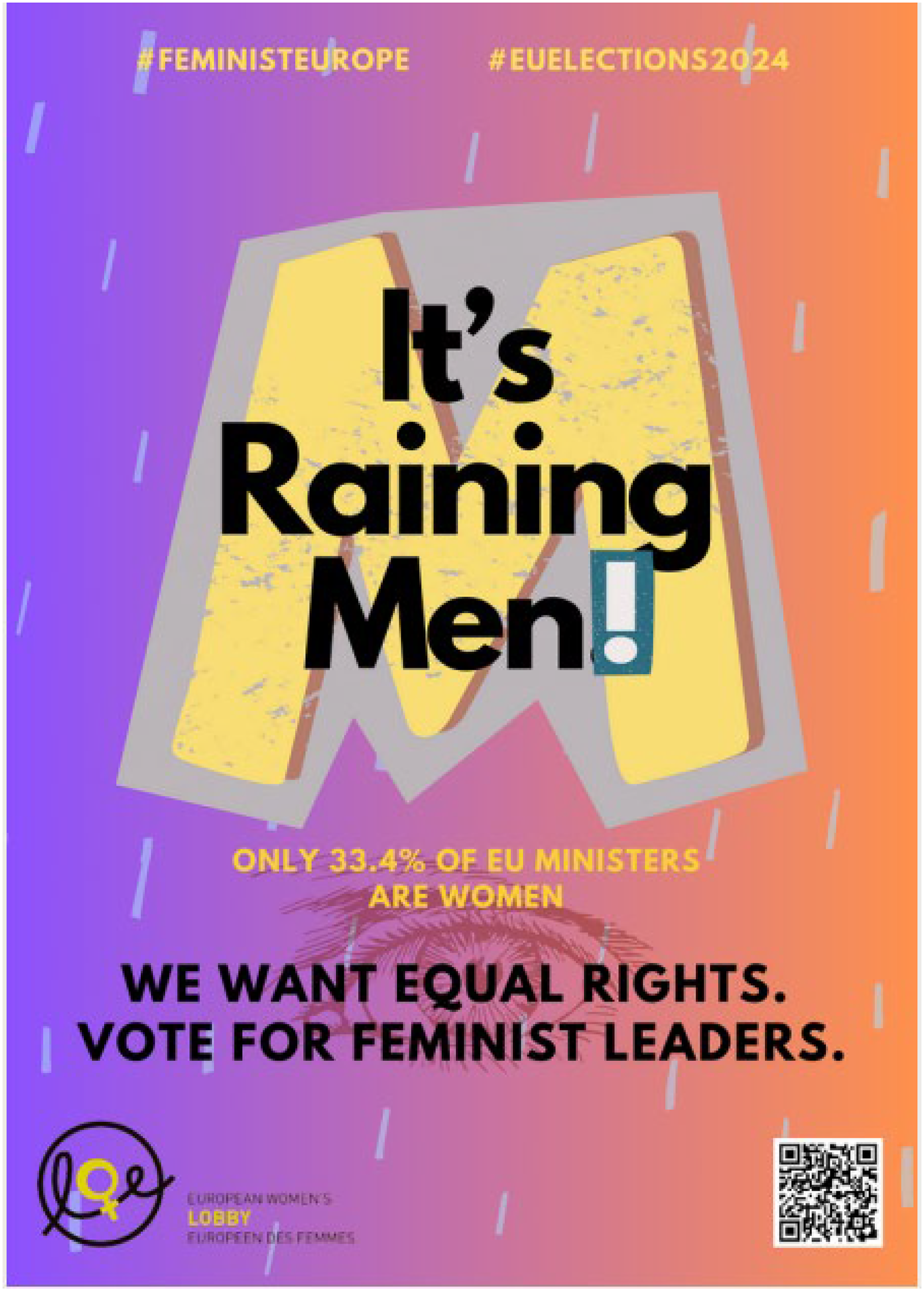
Example of the promotional materials developed for the EWL's ‘Europe at the crossroads’ manifesto.
Visibility
The third pillar of the pedagogical concept focused on recognising students’ work, building on the PALAR approach, which prioritises relationships, reflection, and recognition (Kearney et al., 2013), and feminist pedagogy emphasising nurturing students’ voices and providing visibility to their achievements (Bradbury-Rance, 2020). All 41 creative projects were made publicly available on the AGEMI web platform within a dedicated section featuring corporate branding to enhance accessibility and visibility. The Training Toolkit (IFJ, 2023), developed for gender-sensitive political reporting and disseminated in the workshops developed by Journalist Unions across participating countries, referenced several student projects which had been developed to showcase good and bad practices in how the media represent women politicians, strengthening the relationship between academia (students) and the professional world (journalists), which was one of the goals of the project. This was also an acknowledgement of the quality and professional value of students’ work.
Final group presentations, held in hybrid format, included feedback from experts, ‘Rewriting the Story’ consortium members, the IFJ Gender Council, and COPEAM specialists. Selected students also presented their work at the project's final conference at Venice International University in October 2024. Their projects were also exhibited at the Elena Cornaro Center for Gender Studies at the University of Padova, with forex displays showcasing their contributions. These efforts fulfilled the core goal of recognising students’ meaningful contributions to addressing gender inequalities in and by the media.
Students also collaborated with the EU-funded UNTWIST 5 project, testing a coding scheme to assess the gender-related focus of EU political party manifestos. After an online session with CoI Louise Luxton, students analysed manifestos and provided feedback on the tool, which was incorporated into subsequent versions. This collaboration, aligned with the PALAR approach, allowed students to engage in broader research and raised awareness about how extreme-right parties use gender issues to promote anti-feminist agendas, such as in abortion or anti-LGBTIQ+ rights policies.
The Media Monitoring Tool
The development, testing, and implementation of an MMT 6 to assess the gender sensitivity of media reporting on women politicians merits a dedicated section. This tool is the first of its kind, specifically designed for the systematic analysis of women politicians’ representation; while various methodologies aimed at assessing gender awareness in news content have long been developed and implemented, there has been none focusing on political reporting. Created through a collaborative effort led by the University of Padova and involving international experts in gender and media, the tool builds on established monitoring frameworks such as the methodology implemented for the Global Media Monitoring Project, 7 the Toolkit on Gender-Sensitive Communication (EIGE, 2019), UNESCO's Gender-Sensitive Indicators for Media (UNESCO, 2012), and the Gender Equality Media (GEM) Model. 8 As such, the MMT was developed with the same ambition of feminist research as a self-organised, collaborative and advocacy-driven endeavour.
The MMT comprises a set of self-guided questions in Google Form format divided across four sections: (1) basic information about the news item and the subject of the story; (2) gender awareness (assessing gender-sensitive practices in reporting, aligned with the GEM model); (3) gender representation (multimodal analysis); and (4) stereotypes, from an intersectional perspective. Designed for researchers, scholars, and students, the tool evaluates how media perpetuates or challenges gender stereotypes, offering a replicable and adaptable methodology for diverse contexts, which is crucial for advocacy-led gender equality initiatives in the media.
Piloted at the University of Padova and later adopted by other participating universities, the MMT was applied to news coverage of the June 2024 European Elections. A key feature was the integration of student feedback during its development at the University of Padova, ensuring the tool reflected both academic insights and emerging scholars’ perspectives from different European regions. Student feedback, for example, raised critical concerns regarding the design of the MMT, particularly its exclusive focus on the representation of women politicians. Some students pointed to the limitations of a framework that relied on a binary understanding of gender, highlighting the absence of categories or indicators that would allow for the analysis of non-binary or gender-diverse politicians within media coverage. This participatory approach highlights the value of incorporating student contributions in research outputs and promoting their visibility beyond the classroom. In addition, students’ findings from their use of the MMT were presented at the project's final conference, showcasing the tool's replicability and value for future gender-sensitive media monitoring initiatives. By intersecting research, pedagogy, and advocacy, the MMT fosters social transformation and equips students with critical frameworks to analyse media practices.
The tool was also piloted by journalists of the participating unions, and due to time and work-pace restrictions, it was deemed unsuitable for professional use. Its themes and some of its main questions were then adapted into a series of less time-consuming, easily implemented guidelines (‘dos’ and ‘dont's’) for the media coverage of women's politicians that was translated into several languages and made available on AGEMI and the IFJ's website (IFJ, 2024). Since the tool was co-designed with students, the fact that the guidelines incorporated some of their insights and approaches to gender-aware media representation derived from the tool again emphasises the visibility and utility of students’ contributions in a professional setting. In essence, the MMT became a sustainable, accessible and explainable teaching tool for higher education lecturers, applicable across time and context, offering methodological entry points for studying gendered media inequalities with students, while also showcasing the limitations of social science qualitative methods and the need for careful research design.
Rewriting the story of assessment for feminist media courses: The reflective journals
So far, we have explained the goals of our pedagogical approach; this section explores whether our top-down approach resonated with the students’ experiences of the teaching partnership, drawing on their own perspectives. Feminist pedagogy literature primarily addresses classroom practices and curriculum design, with limited focus on assessment, particularly at a theoretical level. This oversight may stem from the inherent tension between the concepts of ‘feminism’ and ‘assessment’ (Clifford, 2002: 109). However, because the ‘Rewriting the Story’ teaching partnership was integrated into existing higher education modules, formal assessment needed to be incorporated into the pedagogical design. In addition to the creative projects previously mentioned, students were required to maintain reflective journals documenting their experiences with the partnership and to share their perspectives on the main issues concerning the representation of women politicians in the media.
Reflective journals foster creative and critical thinking and have been embraced as a feminist assessment practice in various contexts. Karran Thorpe defines them as ‘written documents that students create as they think about various concepts, events, or interactions over a period of time for the purposes of gaining insights into self-awareness and learning’ (2010: 328). To counteract the journals’ individualist nature, dialogical and collaborative reflections about group work were invited, fighting higher education's ‘encroachment of neoliberal market values’ (Morris, 2021). This practice was, therefore, aligned with the three pillars of our pedagogical approach: a safe space for deliberation, visibility, and active student participation. What follows is a categorisation of students’ reflections structured around these three pillars.
Space
One of the key pedagogical pillars underpinning our international teaching partnership was the creation of safe and inclusive learning spaces – environments where students could critically engage with sensitive topics, reflect on their own positionalities, and articulate their evolving understanding without fear of judgement. In this context, reflective journals emerged as a particularly valuable tool, aligning with feminist and advocacy-based pedagogies that view education as a site for critical consciousness and transformative learning. As Clifford (2002: 110) observes, journals enable students to ‘become aware of their own learning, the way they reconstruct new knowledge in the light of their existing knowledge and experience, and to assess their own development’.
This emphasis on awareness was central not only to the pedagogical design of the course but also to our analysis of students’ reflective journals, where keywords such as ‘aware’, ‘gender-aware’, and ‘awareness’ appeared with striking frequency. Importantly, these journals often revealed how the safe space of the classroom allowed students to acknowledge, interrogate, and overcome their own biases while fostering a greater sensitivity to gender inequalities in media representation.
For instance, one student reflected on the empowering dimensions of the course, writing: ‘The answer is, in my opinion, exactly what we are doing with this university course: making people who face intersectional discrimination visible … This is the road to making tomorrow's working generation aware and proactive’. Similarly, another student – aspiring to become a primary school teacher – emphasised how the learning environment had shaped her professional aspirations: ‘Being part of this course has meant that I am more aware of how essential it is to show my students that diversity, inclusion, and equality are needed in our society. I believe that, especially if I want to be a primary school teacher, I need to teach my students to think of cultural diversity as a valuable educational resource’.
These reflections speak to the transformative potential of constructing safe pedagogical spaces – not only as sites for acquiring knowledge but also as spaces for fostering empathy, critical self-reflection, and a commitment to gender-aware professional practices beyond the classroom.
‘Safe space’ was also used as a keyword in our qualitative analysis; for example, a student shared, ‘Being a Lebanese, Muslim woman, classes that tackle diversity, intersectionality, inequality, and inclusion in the media are very important to me. They give me the space and the opportunity to discuss some topics I face in my everyday life’. This highlights the value of intersectional approaches and the lived experiences of our cohort, which were connected to wider power structures, as well as demonstrating that our ambition to create a safe classroom and design a curriculum focusing on intersectionality resonated with students’ experiences.
Visibility
Visibility of student contributions was another key pedagogical focus, achieved through publication on AGEMI and presentations at project events, so it was also used as a keyword in the analysis of student journals. Although many of the results we got dealt with the visibility of women politicians themselves, a significant number of students also commented on the importance of having their work publicly available on AGEMI. A University of Padova student remarked, ‘I checked the AGEMI platform and was impressed with the previous students’ work’, expressing hope her project would join the archive. Another student described participation as ‘a highlight and a chance to feel part of something big and important’, underscoring the significance of contributing beyond the classroom. This again resonated with the importance we gave to valuing, disseminating, and publishing students’ work.
Some students expressed challenges in participating in a transnational project where their work was made publicly available and used by media professionals. For instance, one student wrote, ‘I was highly motivated but not sure how I was able to participate in this huge transnational project … I have never experienced a course that felt like a journey instead of a classic seminar at university and I am thankful that I got that experience in Padua!’, reflecting our concerns that students coming from more teacher-centred educational contexts might find our pedagogical approach challenging. Nevertheless, the student's concluding remark – ‘I am happy that I was able to be a small part of such a meaningful project and got the opportunity to make a difference as an individual’ – testifies to the transformative potential of fostering participatory learning environments. The teaching partnership successfully empowered students by valuing their work both in the classroom and the public sphere, fostering a sense of ownership and agency, and helping students feel seen, heard, and capable. It highlights the importance of safe spaces, collaborative knowledge production, and student-centred learning in cultivating empowerment.
Diversity and inclusion
Figure 5 is a visualisation of a co-occurrence word network that shows the top 30 terms that appear within a five-word window of the term ‘inspiring’, found through a systematic keyword search with the quanteda package. This network helps identify patterns and relationships between words, revealing how they are contextually linked. The thickest lines, linked to words like ‘diversity’, ‘inclusion’, and ‘intersectionality’ represent the strength of the connection, suggesting that our ambition to create diverse and inclusive classrooms (the third pillar of our pedagogical approach) was successful with our students. The strong link to the word ‘people’ also highlights the impact of our person-centric approach to feminist pedagogies, fostering non-hierarchical exchanges with students while also aiming to provide strong female role models.
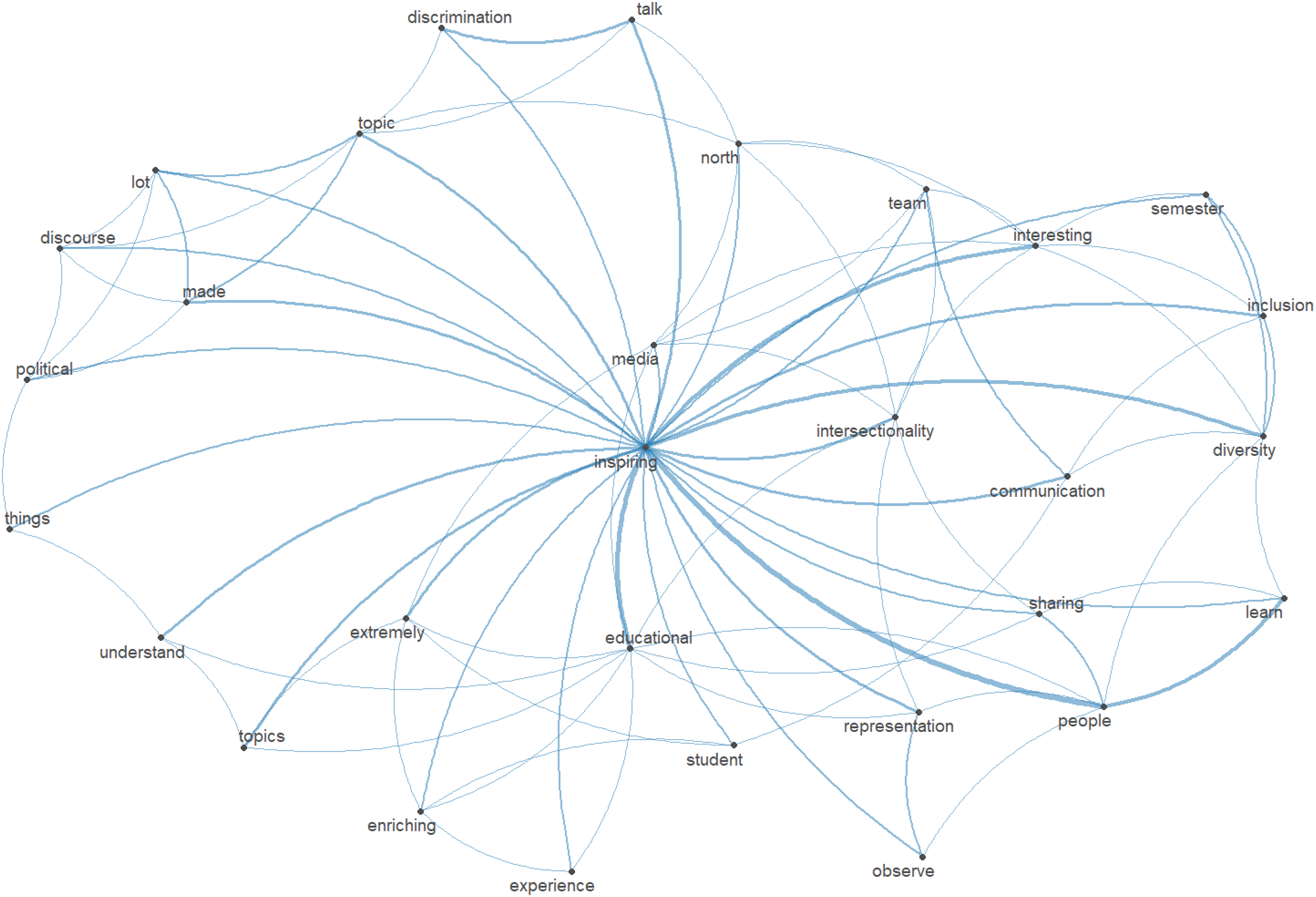
Co-occurrence network of words in the learning journal, based on the word ‘inspiring’.
Students engaged with the concepts of diversity and inclusion in multiple and varied ways throughout their reflective journals. While some focused on the transnational and intercultural dimensions of the project, others placed particular emphasis on the significance of addressing LGBTIQ+ and racialised representation in media content, a key aspect in our curriculum design. For instance, one student reflected that ‘The discussion on LGBTQ+ phobia in the media was incredibly enlightening’; at the same time, the limitations of our binary framework – already noted in student feedback to the MMT – resurfaced concerning classroom discussions as well: ‘I would have found it interesting to address the problematic binarity of media discourse on this subject’. This feedback underscores not only the importance of integrating content on diversity and inclusion but also the need for educators to remain attentive to how younger generations conceptualise these issues, often moving beyond binary understandings of gender and sexuality. In this sense, fostering spaces where students feel empowered to question the very frameworks through which diversity is addressed becomes a crucial dimension of critical, feminist pedagogy.
Several students explicitly highlighted how the project's international framework expanded their perspectives on gender and media, enabling them to engage with issues beyond their national contexts. As one student wrote: ‘Working on this project, I connected with students from various countries, gaining a global perspective on gender-related issues’. Another student similarly reflected on the value of engaging with transnational initiatives, noting that they ‘provided invaluable insights into diverse cultural contexts and media landscapes’, which aligned with our ambition to provide space for intercultural dialogue.
While English as a lingua franca posed challenges for non-native speakers, it did not hinder students’ sense of inclusion or participation. Many students appreciated the inclusive, non-judgmental atmosphere that helped them overcome insecurities. One student shared: ‘Opening the course to students of other nationalities is a plus for a topic like this with no borders. Although my poor English limited me, the course created an inclusive environment where I felt comfortable expressing myself’. Another student added: ‘Despite some initial difficulties due to the language and some problems related to the first group I had fallen into, I managed, however, to be comfortable and not afraid to express my issues. In fact, on the other hand, I found a lot of understanding, and I can sincerely say that I took a course in which not only theoretically are issues of inclusion discussed, among many others, but these issues are applied in practice in the classroom by the teachers. I never felt less despite having struggled with English and with the initial group I was in’. This non-hierarchical approach that celebrates diversity aligns with critical pedagogies that aim to challenge and transform power relations, moving away from a traditional, transmissive model of education (Freire, 1970; hooks, 1994).
Conclusions
In the surrounding political context, the 2024 European Parliament elections revealed harsh realities about gender parity, even some regression since the last elections in 2019 with women making up just 38.53% of MEPs (European Parliament:, 2024c), and clear connections with gendered violence against women politicians and the role media portrayal has played within that (European Parliament, 2024a). These results underscore the need for continuous work to achieve gender equality in political participation, something that can only be achieved through non-stereotyped, gender-aware media representations. While our methodology could not demonstrate the long-term impact of the teaching project on students work as future media professionals (further longitudinal studies might address this), our goal was to equip them with critical gender-awareness tools to challenge this status quo (Peuchaud, 2021), empowering and encouraging them to ‘rewrite’ the story of women in media and politics through our innovative pedagogical design. In a context marked by the rise of right-wing populism and anti-feminist rhetoric (Toledo et al., 2023), our project reaffirms the importance of fostering global alliances to advance gender equality, media literacy, and gender-sensitive education (García-Ramos et al., 2020), particularly challenging in an institutional climate suspicious of gender-sensitive educational practices.
This article evaluated the pedagogical approach of the international teaching partnership developed within the ‘Rewriting the Story’ project through PALAR and feminist pedagogies, focusing on insights from student feedback and project outputs. The student-led contributions analysed in this article constitute valuable learning resources for advancing gender equality in and through the media, offering an array of multimodal creative projects, activist materials, and conventional research outputs that, in line with AGEMI's ethos, are freely accessible and open for all. Our analysis highlights the transformative potential of the three pedagogical pillars proposed here: constructing safe spaces, fostering participation and inclusion, and granting visibility to students’ contributions both through publication in AGEMI and by building bridges between academia, media professionals and third-party organisations with a social justice ethos (such as COPEAM or the European Women's Lobby). By fostering transnational collaboration, critical reflection, and exposure to diverse worldviews, the programme empowered students to contribute meaningfully to more equitable media narratives in Europe and beyond.
The conclusions also draw on the written reflections of more than 400 students, using their journal entries as a case study to offer insights into their lived learning experiences and their perceptions of the value of reflective, collaborative, and activist-based practices. Our analysis demonstrates that the efforts to create diverse, inclusive, participatory classrooms were meaningfully reflected in students’ learning processes. We contend that critical pedagogical reflection supports learning by enhancing students’ personal, intellectual, and political abilities to navigate complex socio-political issues and engage with feminist media activism (Morris, 2021). As Ross and Padovani (2021: 28) emphasise, rethinking journalism education through critical and gender-sensitive approaches is not only essential for improving diversity within the media sector but also integral to the broader struggle for democracy and fundamental human rights. We strongly agree that if we aim to achieve change and gender justice, our pedagogies, teaching practices, and classrooms must also be transformed.
Pedagogical note
The pedagogical coordination – central to the focus of this article – was led by Claudia Padovani, whose considerable time investment, expertise, and commitment were instrumental in translating feminist pedagogical principles into practice. This involved extensive coordination of the syllabus and scheduling of the online seminar series, the design and facilitation of inclusive learning activities, and the alignment of these activities with diverse institutional calendars. Moreover, she oversaw collaboration across universities, including coordination with instructors, project stakeholders and external partners, all of whom played a vital role in mentoring students, showcasing their work, and offering feedback. Particular care was also given to student support and engagement, including close supervision of Elena Cornaro interns in producing country sheets, the follow up of students’ creative projects and hybrid attendance at students’ presentations at each university partner. The pedagogical team met frequently – often through lengthy and meticulous coordination meetings – reflecting a feminist ethic of care and shared responsibility. Dissemination activities, such as the final conference and a public exhibition at the Elena Cornaro Centre, were also planned in detail to ensure wide impact. In parallel, the University of Padova led the development and management of a dedicated section on the AGEMI platform, including branding, creation of pedagogical materials, content curation, and Moodle-based delivery of educational resources. The level of coordination required to implement these pedagogical components significantly exceeded initial projections, with personnel costs at Padova surpassing estimates due to the vast number of hours needed for teaching partnerships, data collection, and digital infrastructure. Crucially, the number of volunteer contributors also far surpassed expectations: teachers, students, and interns across Europe collectively dedicated substantial time to testing resources, organising class-based activities, and sustaining transnational dialogue, making this a deeply collaborative and activist-driven effort.
Footnotes
Acknowledgements
We want to extend a special thanks to Louise Luxton (Manchester University) for her invaluable help in analysing students’ journals through the quanteda package. We also want to extend our acknowledgements to all the instructors and students who participated in the ‘Rewriting the Story’ project.
Declaration of conflicting interests
The authors declared no potential conflicts of interest with respect to the research, authorship, and/or publication of this article.
Funding
The authors disclosed receipt of the following financial support for the research, authorship, and/or publication of this article: This work was supported by the EU-CERV funding scheme.
