




Abstract
Community radio's effectiveness in health information ecosystem in rural Africa has yet to be explored much in the literature. This paper seeks to understand rural residents’ perceived effectiveness of community radio in health promotion using Mdantsane FM's listeners in selected communities in Eastern Cape Province as a point of departure. We applied Qualitative and quantitative methods within the theoretical frameworks of the public sphere and Uses and Gratification theories. The findings showed that Mdantsane Community F.M. could be an effective health information source. However, the station still needed to optimise its health information promotion role. To fulfil this role, community radio stations must proactively and intentionally create and broadcast culturally nuanced health programmes consistently and sustainably.
Introduction
The mass media, including community radio, have become critical in health promotion strategies worldwide (Thomas et al., 2018; Wilkinson, 2016). Previous studies show that the media is crucial in achieving health outcomes such as public education and enlightenment, changing attitudes, and influencing health behaviour (Ahmad and Murad, 2020; Mheidly and Fares, 2020; Wakefield et al., 2010) that could lead to social sustainability (Heras-Pedrosa et al., 2020). Apart from serving as communication channels for creating awareness about likely risks to public health, the media, especially in Sub-Saharan Africa, can be critical to mobilising public response in the face of a public health crisis such as a pandemic (Adebisi et al., 2021; Ajilore et al., 2017; Olaoye and Onyenankeya, 2023). Furthermore, the media has proven effective in countering disinformation, breaking down myths and misconceptions that often obfuscate and limit the uptake of health messages (Ajilore et al., 2018).
In South Africa, the media remains a key vehicle for public service announcements creating awareness about health issues and influencing a change of attitude and behaviour toward such issues. Whether it be combating infectious and endemic-disease outbreaks such as HIV/AIDS (Tyali and Tomaselli, 2015), mental health (Kakuma et al., 2010), Covid-19 or advocating lifestyle changes (Mkize, 2017), the media, including community radio has been a vital and frontal component of the public health delivery ecosystem (Wilkinson, 2016), especially for rural residents.
Within the population in the Eastern Cape, it can be expected that community radio could be a popular health information source and a veritable alternative outlet for rural residents, especially marginalised groups often crowded out in mainstream media (Wabwire, 2013), to articulate and advance social values and “issues pertinent to their collective identities as a people burdened by feelings of disillusionment, ethnic victimisation, and exclusion by hegemonic power structures” (Mabweazara, 2015, p.102).
Despite its importance, there is scanty information on community radio's effectiveness in health information promotion. While radio broadcasting, especially commercial radio, has been well documented in the literature, focusing on its socioeconomic and political contributions, such as race and identity (Bosch, 2018; Smith, 2021); service delivery (Day et al., 2021); religion (Haron, 2021; Tyali, 2021), Economic Development (Nkoala and Matsilele. 2021) democracy and citizenship (Bosch, 2018; Chiumbu and Motsaathebe, 2021), only a small body of works have examined community radio. While helpful, the existing studies have focused on community radio's utility as an alternative or counter-hegemonic medium for populations in the margin of society (Onyenankeya and Salawu, 2022) and an essential tool of information dissemination to rural women (Fombad and Jiyane, 2019) revealing significant gaps and leaving many questions unanswered.
This paper seeks to understand rural residents’ perceived effectiveness of community radio in health promotion using Mdantsane FM's listeners in selected communities in Eastern Cape Province as a point of departure. The paper also sought to establish participants’ preferred media channels for accessing health information and the needs and desires that underpin the preferences. It further ascertains whether the use of indigenous language could influence the acceptance and uptake of health information. Finally, it examines the opportunities and challenges that might impede the effective delivery of health information via community radio. It proposes ways the medium might be deployed to optimise health information provided to rural communities. This is critical in the face of infodemics (WHO, 2022) that have spurned myths and misconceptions, significantly eroding trust in mainstream health information. The result of this study is analysed from the perspective of the Habermasean public sphere and the Uses and Gratification Theory.
The study's findings have important implications for health communication professionals and researchers, community radio operators, provincial and national health and NGOs promoting various health outcomes. The rest of the paper is organised in the following manner: First, we give an overview of the literature on media and health communication, community radio as an alternative platform. Then we examined the Public Sphere and Uses and Gratification Theory, the theoretical foundation underpinning the study. After that, the research methodology, results, discussion, and conclusion of the study,
Media and health promotion
Over the years, health communication has relied on written, verbal and visual media communication strategies (CDC, 2020) to influence public views and perceptions about health issues. However, in the past decade, health communication's design, delivery and theoretical foundations have evolved, shifting significantly from ‘text/broadcast-based to digital messaging and social media’ (Berube, 2021; Tsarwe and Chiumbu, 2023). In Sub-Saharan Africa, including South Africa, social media platforms such as Facebook, YouTube, Twitter—WhatsApp have become integral components of health campaigns, especially in crisis communication (Nwogwugwu, 2023; Olaoye and Onyenankeya, 2023).
The growing interest in using social media to inform, educate, and communicate health information is because it offers a significant opportunity to enhance programmes and campaigns and support public health interventions (Adebisi et al., 2021; Kubheka et al., 2020; Nwogwugwu, 2023), especially when used in combination with other communication strategies (Fayoyin, 2016; Fayoyin and Nieuwoudt, 2017). Furthermore, the relatively low cost of social media and ease of access through mobile phones makes it a potent vehicle to reach a large audience, especially the huge virtual communities of young people. For instance, the Haybo wena T.B. campaign in South Africa leveraged technology, especially cell phones, to reach and engage the younger generation (Moola and Cilliers, 2019; Saatchi and Saatchi, 2016).
While social media has become increasingly vital in health communication, it has proven to be susceptible to being used to purvey misinformation (Mheidly and Fares, 2020; Nwogwugwu, 2023). Furthermore, although social media such as Facebook, YouTube and Twitter can help scale up health promotion interventions, it tends to focus on well-resourced individuals in urban areas isolating rural dwellers (Rubyan-Ling, 2015). In contrast, community radio caters primarily to under-resourced communities and those excluded from mainstream media (Molefe and Molefe, 2007; Onyenankeya and Salawu, 2022; Wabwire, 2013).
Community radio as an alternative platform
Community radio generally refers to a radio station confined to a small geographic area and often supported by local listeners or social groups (Onyenankeya and Salawu, 2022). It is radio owned, managed, and programmed by the people it serves (MISA, 2003). Here, ownership and participation are the defining characteristics of community radio. Barlow (1988) agreed that community radio stations are distinct from other radio types in “their non-commercial status as broadcast outlets, their avowed policy of local community involvement in their programming, and the democratic organisation of their institutional procedures and practices” (p.81).
Community radio has gained widespread traction with South Africans (Onyenankeya and Salawu, 2022). This is because it enables rural listeners to participate in national dialogues and evoke and express their cultural heritage (Onyenankeya and Salawu, 2022: p.1). The pervasive appeal of community radio, particularly in rural areas, can be ascribed to the popularity and ease of access individuals have to platforms of expression around them (Megwa, 2007; Li et al., 2012). Community radio also resonates with the audience because of the perceived affordance of participatory dialogue (Siemering, 2000). Although commercial or mainstream radio can provide dialogue through talk shows and phone-in programmes, rural listeners’ involvement in such shows appears tokenistic.
Furthermore, the spectrum of participation is often narrow and follows a prescribed format. For instance, in South Africa, like in most societies, mainstream media tends to serve the interest of the dominant group in society and frames public discourse from the perspective of this powerful minority (Bosch, 2018). This tends to exclude or muzzle grassroots voices in public discourse (Tsarwe, 2014). In contrast, the community radio audience can participate actively in the design and production of content (Al-Hassan et al., 2011). This allows grassroots-level participation in various discussions and debates over issues affecting their lives (Madamombe, 2005; Onyenankeya et al., 2020; Wabwire, 2013).
Community radio's orientation towards public service instead of profit positions it to offer more inclusive participation in public deliberations and debates (Gaynor and O'Brien, 2017: 1). In addition, while faith in mainstream media is waning (Guo, 2012), perception of community radio as a more trustworthy channel appears stable (Keogh, 2010). The participation of community members in the production process may be a plausible reason for the perceived credibility of community radio content (Keogh, 2010).
Cultural affinity is a social-cultural dynamic that underpins community radio's popularity. Listeners can easily connect with the individuals who deliver the radio content because they are community members who understand and better represent contextual and cultural nuances that reflect the audiences’ lived experiences (Mesquita et al., 2016). The cultural closeness or affinity deepens the sense of connectedness or belonging (Meadows, 2009; Meadows et al., 2005) listeners associate with community radio. Petersen et al. (2019) hold that promoting its immediate community's psychological and social mechanisms underlies audience connection to community radio. This is more poignant for community radio that employs indigenous language because it affords ethnic groups the linguistic resource to tell their side of the story, thus deconstructing dominant narratives and representations (Onyenankeya and Salawu, 2022).
Using the immediate community or audiences’ spoken language bridges linguistic barriers (Fombad and Jiyane, 2016; Onyenankeya and Salawu, 2022; Tsarwe, 2014), accentuates inclusion and deepens audiences’ connection to the community. This is particularly important for previously colonised entities where resistance against “linguistic imperialism” (Rose and Conama, 2018; Phillipson, 2012) continue to generate tensions. For example, in the South African radio landscape, where, for the last 100 years, there has been a struggle for power and control between the ‘imperial languages’, English and Afrikaans, on the one hand, and diverse indigenous language populations on the other, community radio, has disrupted the status quo, emerging as a strategic site for indigenous language promotion and revival as well as discursive interaction on matters that concern ordinary people (Fombad and Jiyane, 2019; Onyenankeya and Salawu, 2022; Sharma, 2012). According to Olorunnisola (2002, p. 141), “Community radio at its utilitarian best should primarily be geared toward the empowerment of community members who would also be co-owners, co-planners, co-producers, and co-performers in the expression of communal issues,”
To achieve this, audience members must participate in content production. The ICASA (1999) guideline stipulates that community radio stations must organise and invite community members, including deprived community members, to programming meetings. A study by Tyali and Tomaselli (2015) shows that community radio provided a platform for a beneficiary community to participate in HIV/AIDS communication. Although some community radio stations organise programme content meetings (Diedong and Naaikuur, 2012; Fombad and Jiyane, 2016; Olorunnisola et al., 2022), many do not, and where they do hold, the meeting is often superficial, excluding some marginalised groups. The concept of participation is one that lacks consensus (Tyali and Tomaselli, 2015). It varies in meaning and application. The study underpinning this article examined Mdantsane community F.M. as a sphere facilitating open discourse and health communication participation.
Mdantsane Fm community radio
Mdantsane FM started as “Mdizee FM” between 2007 and 2009 as a private initiative by Sivuyile Mahlahla. It was shut down by the Independent Communications Authority of South Africa (ICASA) for operating illegally. Following protestations from Mdantsane residents, the station was subsequently licensed to broadcast as community radio and aired on November 18, 2011 (Malingo, 2012). The community currently owns the station and sustains its operations through government grants and advertisements while retaining its ideological orientation of a community voice, participation, and empowerment platform.
Mdantsane FM is located in Mdantsane, the second biggest township in South Africa after Soweto. The station broadcasts 60% in isiXhosa and 40% in English. The station covers Buffalo City Metro, where it is situated and other municipalities, such as the Great Kei, Ngqushwa, and Amahlathi, all in the Eastern Cape Province (ICASA, 2017). As of December 2022, Mdantsane FM reaches an audience of over 60000 (BRC, 2022) across the sprawling city and adjacent rural communities, including Phumlani and Bhongweni.
On its website (https://mdantsanefm895.co.za/), Mdantsane FM states that it focuses “on discovering the street culture, fashion, food, people, music, homes, humour, of the people who create, innovate and improve their life”. Moreover, its vision is to be “a leading, development-orientated radio station that is not only accessible but attractive to both public and private interests by promoting the needs of the community.” An analysis of the station's programme schedule shows no stand-alone health programme. The health issues or topics form part of its current affairs and panel discussions. Based on its popularity and reach, this paper argues that Mdantsane FM community radio can be a veritable channel for effective risk and crisis communication.
Theoretical framework
Jurgen Habermas’ Public Sphere theory and the Uses and Gratification Theory (U&G) provide an interpretative framework for this study. In its fundamental conception, the public sphere refers to a kind of open space, a “collective realm” where “private people come together as a public” (Habermas, 1989, p.27), ideally outside of the control of the state, essentially to engage in the exchange of ideas and knowledge (Blanning, 1998, p.27)—shaped by the “normative force of communicative rationality” (Susen, 2011, p. 47). Habermas (1989) considers radio, television, newspapers and magazines as a public sphere or space where people congregate to articulate societal needs without duress or hindrance.
In the Habermasean perspective, the public sphere shapes public opinion and functions as a platform for societal coordination and integration (Calhoun, 1992, p.6). Furthermore, Habermas conceives the public sphere as playing an emancipatory role by proffering rational resistance to “arbitrary forms of power”, interrogating the legitimacy of the state, and affording perceptive “public forms of reasoning” (Susen, 2011, p. 58).
While the public sphere offers a constructive, reflective, and insightful theoretical framework for understanding the structural transformation of the public sphere in contemporary society, it is not without criticisms. Some scholars such as Susen (2011) have pointed out the theory's overly attention on the hegemonic or dominant public sphere while overlooking or underestimating other public spheres - “the sociological significance of alternative—i.e., non-bourgeois—collective realms that contribute to a rational-critical engagement with the world” (Susen, 2011, p.52).
Some critics have argued that the transformation of the public sphere as envisioned by Habermas is superficial, unrealistic, and unmindful of people in the margin of society, such as black people, women, and those outside the heterosexual bracket, such as the LGBTQ + community (Chiumbu and Ligaga, 2012). Furthermore, voices and participation of disadvantaged groups in some public spheres, like community radio, can be isolated or limited by costs, “elite participation and frames’ (Tsarwe, 2014),
While community radio stations such as Mdantsane FM can serve as a counter-public, it needs to be inclusive (Tyali, 2014). Furthermore, citizens must have the same capacities of discourse. Furthermore, there is no one-size-fits-all public sphere. This is more so in radio, which previous research has shown is a negotiated public sphere (Hart, 2011; Mhlanga, 2006). According to Tyali and Tomaselli (2015, p.6)."In some societies, the concept of the public sphere needs to be contextualised in terms of the prevailing societal norms, power dynamics and lived cultures that are associated with that group of people” While the public sphere provides a sociological understanding of the emancipatory and participatory potentials inherent in the communicative processes of community radio, the Uses and Gratification Theory explores varying needs underpinning media use.
The Uses and Gratifications Theory explains motivation in media use (Katz et al., 1973). The theory has been used to investigate why people use various types of media, including conventional media (Vaterlaus et al., 2019), such as community radio. The theory assumes that the audience members’ media use is purposive, intentional, and participatory. There are other sources other than media that can satisfy needs. Notably, the agency to evaluate the value of media content and the ensuing gratification rests with the audience members only (Katz et al., 1973).
Furthermore, some intervening variables, such as environmental contexts and psychosocial differences, can moderate individuals’ motivations and satisfaction derived from media usage (Katz et al., 1973). As shown by past studies, the needs audience members seek to satisfy can vary depending on the media channel used (Alhabash and Ma, 2017; Kircaburun et al., 2020). Literature suggests that anchoring health messages, stories, and drama in indigenous language and knowledge systems can help build trust with the community and improve the chances of health information uptake (Falade and Murire, 2021; Salawu, 2022; Stewart et al., 2022)
One of the objectives of this paper was to ascertain participants’ media preferences for accessing health information and the needs and desires that drive the preferences. Here our interest was to understand whether listeners prefer Mdantsane FM and actively and intentionally use it to satisfy their health information needs. The Uses and Gratifications Theory provides an interpretative framework for understanding the psychological and social dynamics that encourage or imperil gratification from using Mdantsane FM.
Methodology
A convergent parallel mixed-methods design involving qualitative and quantitative methods was applied in collecting data. We used qualitative research to explore and gain an in-depth understanding of the perceived effectiveness of community radio in health information promotion, which has yet to be explored much in the literature. The quantitative method helped to provide further explanation and examined other variables. Consistent with the extant procedure, the qualitative and quantitative data were conducted concurrently, the data sets were analysed independently, and the results were interpreted together (Creswell and Plano Clark, 2017). We aim to triangulate the methods by comparing the qualitative and quantitative statistical results to discuss the findings’ convergence and increase the study's validity. Although the findings were presented sequentially, both methods received equal emphasis.
The population of the study comprises the residents of two local townships in the Eastern Cape Province of South Africa, Phumlani-Needs Camp (6696) and Bhongweni (3808). The two communities share similar cultural and socioeconomic characteristics. The residents are predominantly of the Xhosa ethnic group, with over half of the households headed by females, with a 57.4 dependency ratio (Statistics South Africa, 2011).
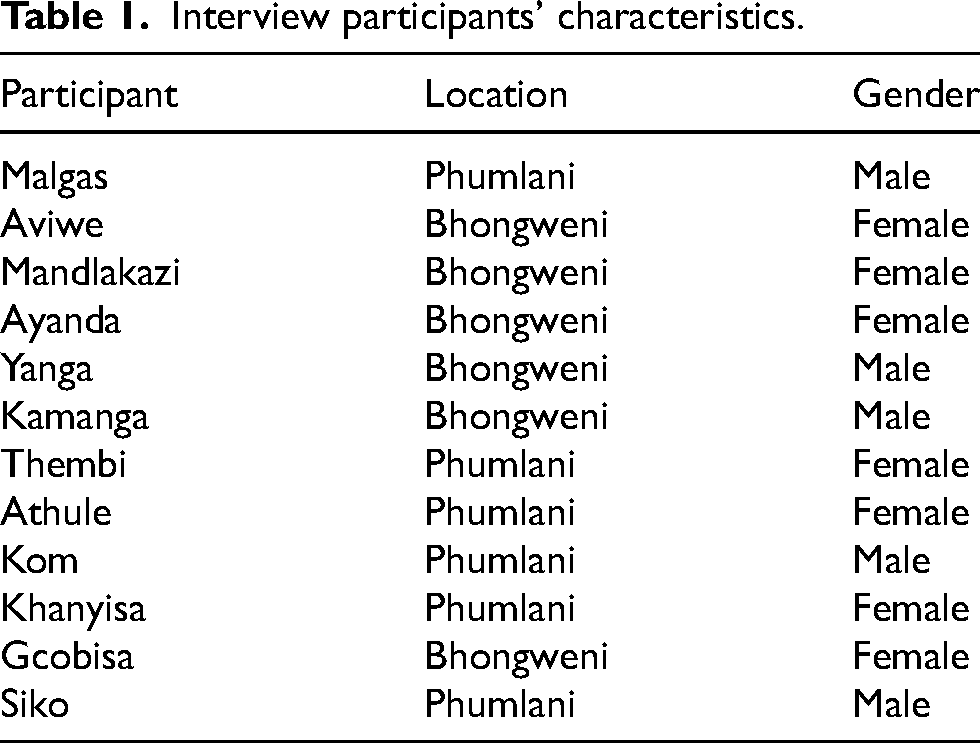
First, we stratified the population into two groups according to community locations, Phumlani and Bhongweni. For the semi-structured interviews, 12 participants (7 Phumlani, 5 Bhongweni), all current listeners of Mdantsane community F.M., were drawn using convenience sampling, one of the purposeful sampling methods. The method was informed by the accessibility of participants given the communities’ work, religious and cultural dynamics. Participants cut across diverse socioeconomic classes.
Only participants 18 years and above were chosen based on the premise that they could make health decisions and access the preferred channels for health information.
During the screening survey to assess eligibility, participants were provided with a brief description of the research, information about compensation, and the eligibility criteria. Participants were asked if they had listened to Mdantsane FM and Kumkani FM and had participated in the study. If the answer to the last question was yes, they were asked to state their age and contact information (Table 1).
Interview participants’ characteristics.
The interview schedule is composed of five main questions and five probe questions. For example, the main questions “Have you participated in the Mdantsane programmes?” and “How would you rate community radio as an effective source of health information?” were followed by probes like “If yes, can you explain how you participated,” “Has listening to Mdantsane FM improved your knowledge of health issues” “Can you explain it with concrete examples?” During the interview, additional follow-up questions not included in the interview form were asked to gain deeper insights into the participants’ views.
The interviews took 10–15 min to complete. The interviews were conducted physically. Data were transcribed and analysed inductively using closely linked themes guided by Braun and Clarke (2006: p.83), six phases and processes of the thematic analysis. Firstly, initial ideas and patterns were identified from the transcribed semi-structured interviews. Secondly, relevant aspects of the data sets were systematically collated and assigned codes guided by the research questions and theoretical framework. The generated codes were then streamlined, eliminating themes unrelated to the research question or theories. After that, initial themes were reviewed, refined and renamed were necessary, divided into sub-themes to be more succinct. Finally, the themes
A questionnaire was administered to 410 respondents, of which 405 returned, representing a 98% response rate. The principal researchers and four local assistants administered the questionnaire directly to participants. This may explain the high response rate.
Survey participants were drawn from the two selected communities using a proportional stratified random sampling technique and included those participating in the in-depth, face-to-face interviews. The primary criteria for determining the participants include 18 years and above and volunteering to complete the questionnaire. The questionnaire introduction page contained information about the principal investigators, contact details, the study aims, and expected benefits.
The questionnaire consisted of questions to assess participants’ sources of health information, motivations for community radio use, levels of participation and perceived effectiveness of community radio as an effective source of health information. Two experts in community radio research and a statistician evaluated the instrument's validity. The reliability of the questions was tested among 20 residents in a pilot study, and the questionnaire was finalised using feedback gained in the pilot test.
The data were analysed in SPSS (SPSS Inc., Chicago, IL, USA) and presented in simple frequency and cross-tabulation. Regression analysis was used to establish the influence of gender, age and education on the perceived effectiveness of community radio in health information promotion.
This research complied with the University of Fort Hare's Code of Conduct for Research and followed all ethical protocols in the ethics clearance certificate ONY001-22 (Project). Participation in this research was voluntary. All participants completed consent forms, and in keeping with mutual agreement, pseudonyms have been used to protect the participant's privacy.
Results
The findings are presented on the four broad themes that emerged during the data analysis process, namely, i) sources of health information, ii) motivation for specific media platforms, iii) community participation, and iii) perceived effectiveness of Mdantsane FM in health information promotion.
Sources of health information
The mass media, including community radio, plays an influential role in satisfying various needs and desires (Katz et al., 1973), including health information needs (Thomas et al., 2018; Wilkinson, 2016). An important aim of this study was to establish the participants’ sources of health information using listeners of Mdantsane community F.M., one of the important media platforms accessible to the study population.
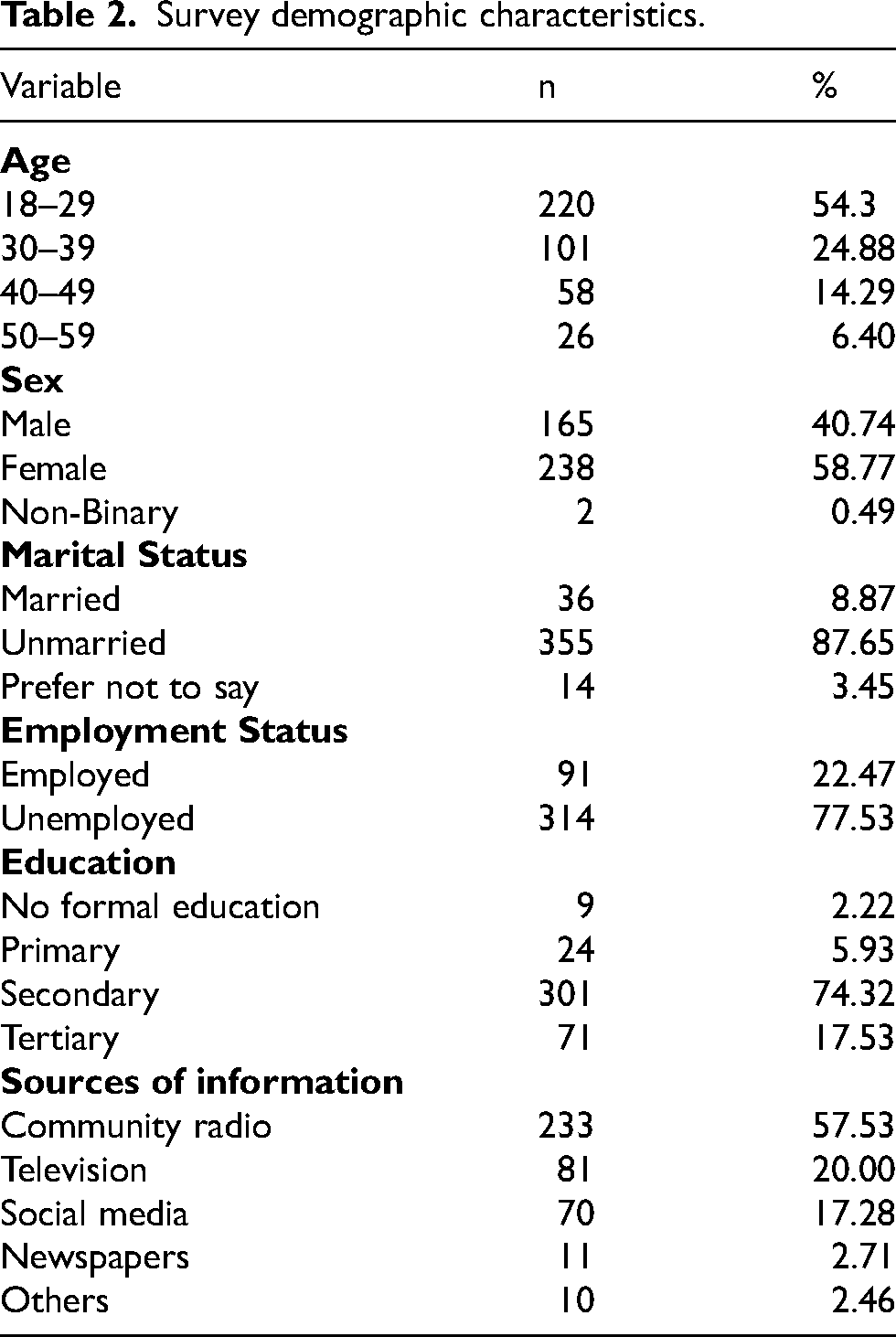
Community radio was the most commonly cited source of health information in both the qualitative and quantitative phases (Table 2). Of the 405 surveyed, 57.53% indicated community radio as their primary source of health information, followed by television (20%) and social media (17.28%). In the qualitative phase, participants stated that the community radio was a significant source of information on health and other issues. Those who hold this view acknowledge that other sources of information, such as social media, word of mouth and community forums, also satisfy their health information needs. The station created a lot of awareness about Covid-19, which helped me and my family take the necessary steps to avoid getting the disease. I think it was through the station that I heard about Monkeypox. So, I can say Mdantsane FM helps in creating awareness about new diseases and inform us of how to protect ourselves (Siko, Male, Phumlani)
Survey demographic characteristics.
I listen to Mdantsane Community F.M. every day except if there is no electricity. I also watch television. Sometimes, we hear about this disease and what-what in our community meetings and when some government or healthcare workers come to our community. Mostly I get the information from the radio Mdantsane FM and Kumkani Fm (Mandlakazi, female Bhongweni).
I think Mdantsane Community F.M. is my major news source because I listen to it in the morning while going and returning from work. But I also get a lot of information through social media. But you know there is so much fake news out there, so at least the radio stations should know better. (Athule, female, Phumlani)
These comments indicate that although participants have other sources of health information, community radio appears more accessible and reliable. Mandlakazi's comments indicate that participants are aware of fake news in social media and consider community radio stations authentic sources of information. Each issue mentioned in the qualitative data had also been repeated in the quantitative phase. In the quantitative data, community radio, tv and social media were the most commonly cited sources of health information. One of the most instructive findings from the qualitative and quantitative strands was the poor preference of newspapers for health information. This might be because of the falling reading culture or the migration of newspapers online. Participants identified medical doctors, health practitioners, and experts featured on the radio as credible sources of information.
Community participation in Mdantsane Fm
In the literature, participation emerges as one of the defining characteristics of community radio. Some scholars have conceived community radio as a public sphere that provides space for communities in the margin to contribute to discourses that affect their interests (Mabweazara, 2015; Onyenankeya and Salawu, 2022; Wabwire, 2013). A significant obligation of Mdantsane FM, as contained in its licence, is the inclusion of community members in arriving at programmes (ICASA, 2017). Currently, community members can participate through phone-ins and panel discussions.
Most participants in the qualitative phase stated that they have never participated in the Mdantsane FM programming and would love to contribute if the opportunity presents itself. One participant, Yanga, recounted the challenges in participating through phone-in, while another, Gcobisa, emphasised the need for community radio to include non-expert opinions in their programming: I listen to people phone in and make a contribution on some topic of discussion, and I wish I could also call in to air my views, but the lines are not toll-free, and I can't afford the talk time for such discussions. I may be lucky one day, and they will interview me. I know a friend who has tried calling the station, but getting through is always tricky (Yanga, Male Bhongweni).
No, I have never participated in any of their programmes. They talk to those who are educated and occupying fancy government positions. Not many people in rural areas get a chance to air their grievances on air. Even when they discuss health, it is the experts. Yes, I agree those ones know better, but they should also speak to those suffering from these diseases to know how we are coping. Well, you said I could call on live programmes, but on whose account? Maybe they should, from time to time, come to talk to us in the townships. It will be nice to be on air to talk about the joblessness of our people and the crime and drug situation destroying our community here. (Gcobisa, female, Bhongweni)
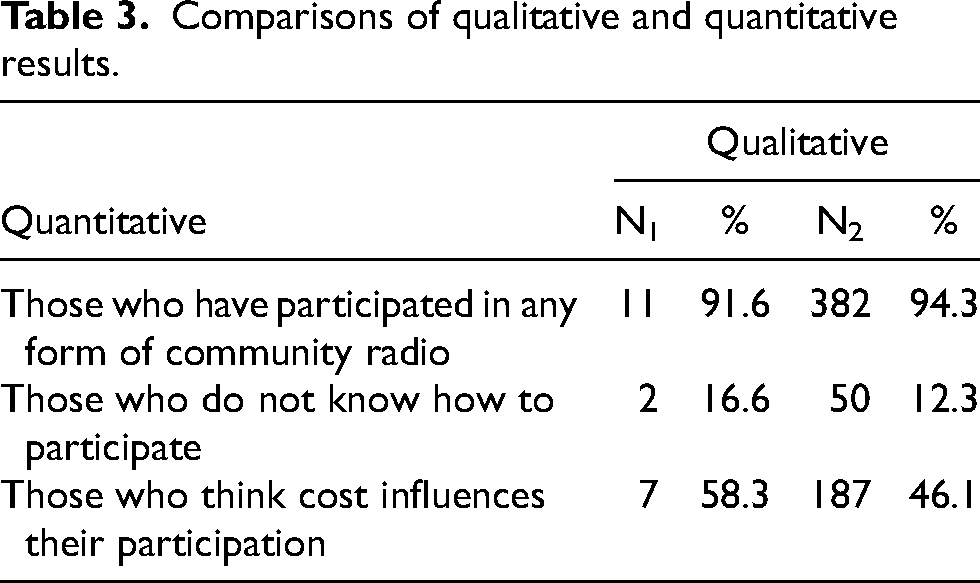
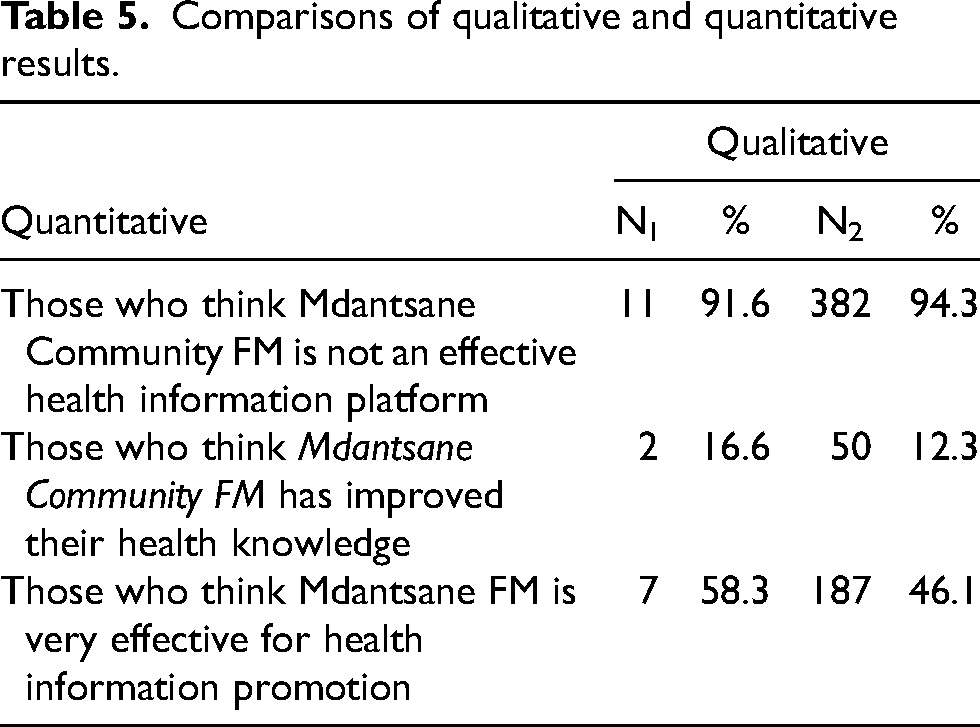
The Yanga and Gcobisa comments indicate participants’ minimal participation in Mdantsane Community FM. The quantitative phase also produced similar results. Table 3 shows that 94.3% of participants in the quantitative sample have stated that they have never participated in community radio programming. Similarly, 46.1% of the quantitative study group and 58.3% of participants in the qualitative phase stated that cost influenced their participation. The qualitative and quantitative findings are mostly compatible.
Comparisons of qualitative and quantitative results.
Motivation for preferring Mdantsane Fm
In the Uses and Gratifications Theory, Katz et al. (1973) explain that individuals purposively and intentionally use the media to satisfy various needs. Participants adduced several reasons when asked what motivates their preference for Mdantsane FM. Most participants stated that the station was the preferred news source, including health information and entertainment. Some participants stated that Mdantsane FM's valorisation of the Xhosa culture, especially language and indigenous music, was a strong motivation for tuning in to the station.
To many, Mdantsane FM represents a cultural symbol and space for experiencing ethnic identity and belonging. ‘It is our thing … it positively represents Mdantsane community and the Xhosa culture” (Kom, male, Phumlani). This finding is consistent with the view that the nature of media channels and contextual dynamics can influence individuals’ media preferences and gratifications sought (Katz et al., 1973; Alhabash and Ma, 2017; Kircaburun et al., 2020).
The use of the local language emerged as a significant attraction for qualitative and quantitative participants. Most participants in the qualitative group stated that the station's use of their mother tongue, IsiXhosa makes it relatable and easy to follow. Some of the participants explained that they were able to follow the discussions on the stations, especially health-related issues, because it is conducted in the language they understood: I think for me I like listening to Mdantsane FM because they broadcast mostly in isiXhosa, which makes it easy for us to follow the discussion, especially when they discuss health matters. Yes, they sometimes use English, but they also explain in isiXhosa. I also enjoy the music, especially our traditional music and Afrobeat (Malgas, male Phumlani).
Of course, the language, I am a proud Xhosa woman, and I enjoy hearing our people speak our language on the radio. You know, some things are better said or interpreted in the local language. So, yea, that is an important attraction. Also, the station is nearby, and the sound quality is okay. The station is my regular source of information. I also like that they discuss issues that affect our community (Thembi, female, Bhongweni).
In the quantitative phase, 94.9% of the respondents identified the use of IsiXhosa as the most important motivation for preferring the Mdantsane community F.M. more than any other media channels. Those who hold this view indicated that the station was one of their primary sources of health information. Table 4 shows a convergence of views among the qualitative and quantitative groups regarding the primary motivation for choosing the Mdantsane community F.M.
Motivation for preferring Mdantsane FM.
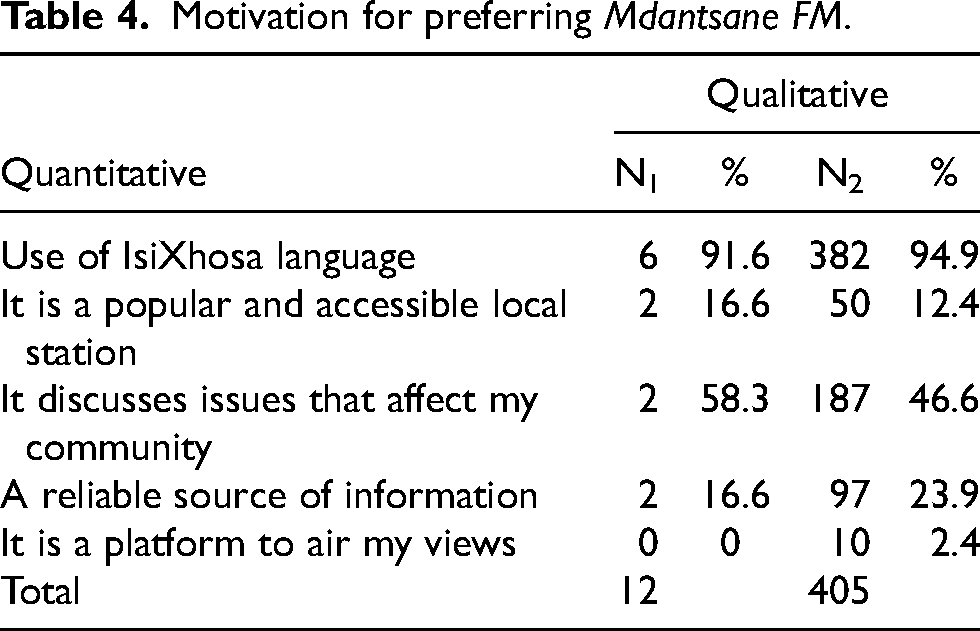
What stands out from the qualitative and quantitative findings is that participation is not a significant motivation for choosing Mdantsane FM. The findings highlight the need for traditionally nuanced health information strategies.
Perceived effectiveness of Mdantsane Fm in health information promotion
Another primary objective of this article was to report participants’ perspectives on the effectiveness of Mdantsane FM as a platform for health information promotion. This is against the scanty information in the literature regarding community radio effectiveness for health information promotion. Most interviewees in the qualitative phase do not think Mdantsane FM prioritises health information promotion. Those who hold this view insist that health information or discussions on health issues are few and far between. Most participants thought community radio could be an effective channel for disseminating health information if well-resourced. One of the interviewees,
Khanyisa agreed that the station was effective during the Covid-19 outbreak. “The station provided a lot of information on the disease, which assisted many of us in the community”, they stated.”
While a few participants agreed that listening to the station has positively influenced their health knowledge, others were hesitant to admit that the medium has improved their knowledge of health issues. Two participants, Khanyisa and KOM, pointed out that the community voices are not well represented in the station and that the station needed to focus more on health issues: In my personal view, what I can say is that we get to hear about diseases and infections on the radio station. During Covid-19, there was a lot of information. They invited people to talk about it. So, I learnt a lot about the disease and how to stay safe. But there has been little health news these days. (Khanyisa, female, Phumlani)
For me, Mdantsane FM was an effective source of health information during Covid-19. There is more focus on health during certain outbreaks. I think the station must provide health information regularly. There are so many diseases and infections that our people need to know about. If I can say, I think community radio stations should create more time for health education because people are dying so much from ignorance (Kom, male, Phumlani).
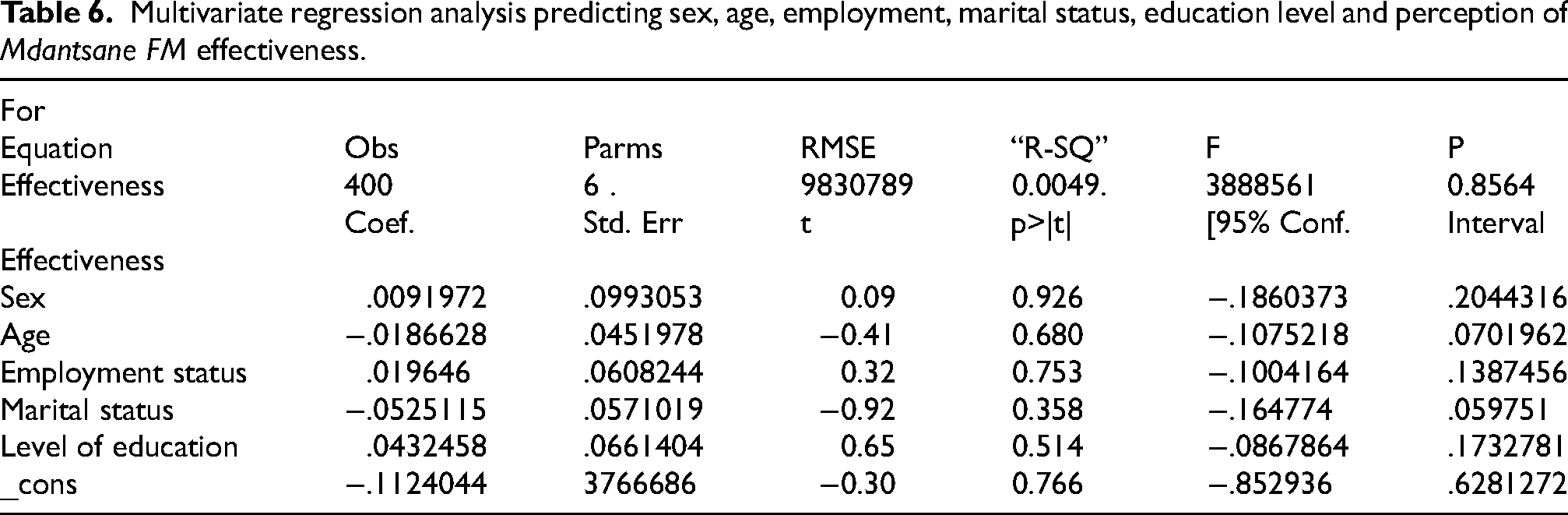
The participants’ comments suggest that the station lacks a sustained health information programming plan. This is consistent with the station's schedule which does not provide a clear-cut health programming schedule. While most participants believe Mdantsane FM to be a good source of health information, they do not think the station and other community radio stations prioritise health information and educational programming. Table 5 shows that the quantitative group share similar views with qualitative participants. A further test to determine the relationship between variables showed that no variable was significant or affected the participant's perception of Mdantsane FM's effectiveness in health information promotion (Table 6).
Comparisons of qualitative and quantitative results.
Multivariate regression analysis predicting sex, age, employment, marital status, education level and perception of Mdantsane FM effectiveness.
Discussion and conclusion
Theoretical and empirical evidence indicate that the mass media are influential in satisfying various media needs and desires (Katz et al., 1973), including health information needs (Thomas et al., 2018; Wilkinson, 2016). One of the critical media platforms is radio. An important aim of this study was to establish the participants’ sources of health information. The findings from the study's qualitative and quantitate components suggest an overwhelming preference for community radio, in this case, Mdantsane Community FM. The community radio's proximity to local communities makes them accessible and popular. Previous studies suggest that people naturally gravitate to the platform of expression closest to them (Megwa, 2007; Li et al., 2012). One of the most instructive findings from the qualitative and quantitative strands was the poor preference for newspapers.
The findings show social media to be over and above newspapers as a health information source for most participants. This might be because of the falling reading culture or the migration of newspapers online. Despite its pitfalls, empirical evidence shows that social media has become increasingly vital in health communication (Mheidly and Fares, 2020; Nwogwugwu, 2023). The findings about participants’ apprehension and cautious embrace of social media can be attributed to its vulnerability to misinformation and fake news. The finding is consistent with the extant literature that found social media a pliable source of misinformation ((Mheidly and Fares, 2020; Nwogwugwu, 2023). The growing social media use to access health information suggests that health authorities could leverage social media platforms to increase health information uptake in rural areas.
An exciting finding from the qualitative and quantitative analysis is that participation is not a significant motivation for choosing Mdantsane FM. This is evident from the qualitative and quantitative analysis, which reveal negligible community participation in Mdantsane FM. As past research has shown, participation in community radio can be limited in scope (Tyali and Tomaselli, 2015) and constrained by socioeconomic factors (Tsarwe, 2014). Most participants in the qualitative and quantitative phases admitted that they could not participate in phone-in programmes because of airtime costs.
This negates the overarching goal of community radio, which is to provide a platform for communities to air their views on local and national discourses about issues that affect their livelihood and the Development of their societies (Gaynor and O'Brien, 2017; Mabweazara, 2015; Madamombe, 2005; Onyenankeya and Salawu, 2022; Onyenankeya et al., 2020; Wabwire, 2013).
There is a sense that respondents feel participation in the community radio is reserved for the elites. This speaks to the tendency of the station to invite experts or government officials to discuss certain topics.
This finding is consistent with previous studies that found the public sphere tends to valorise elite perspectives, which tend to exclude and isolate marginalised groups’ voices (Chiumbu and Ligaga, 2012; Tsarwe, 2014). In this context, community radio cannot perform an important dimension of its role as an emancipatory realm for collective communicative processes as envisaged in the Habermasean public sphere (Habermas, 1989). The finding highlights the limitation of community radio, which, although accessible theoretically, can be constricted space. Contrary to extant literature (Al-Hassan et al., 2011 Madamombe, 2005; Onyenankeya et al., 2020; Siemering, 2000; Wabwire, 2013), the findings suggest that community radio's perceived affordance of grassroots-level participation in discourse and content production is not a given or universal but dependent on contextual factors including dynamics of power and control between the station and its audience.
The comments from the qualitative study and quantitative results indicate that individuals have different motivations for using specific media platforms. Several social and psychological factors underpin the motivations (Katz et al., 1973). This includes social integration provided by a shared language and culture, social status, and work environment, which can also moderate the needs individuals seek to satisfy (Alhabash and Ma, 2017; Katz et al., 1973; Kircaburun et al., 2020). The qualitative and quantitative findings show that Mdantsane FM's use of IsiXhosa was the most important motivation for participants to choose the station.
This is not surprising. Language is a contested terrain in South Africa, especially for historically disadvantaged groups, including the Xhosa ethnic group, whose languages were relegated during the colonial and apartheid eras. The language represents an identity marker and a platform to assert and promote their mother tongue but also resist linguistic domination (Rose and Conama, 2018; Phillipson, 2012) of English and Afrikaans, which are still regarded as “imperial languages”. More importantly, as evinced from the qualitative and quantitative findings, most participants stated they are comfortable receiving information in their spoken language.
Previous studies show that indigenous language radio provided ethnic groups with the linguistic resource to tell their side of the story, thus deconstructing dominant narratives and representations. (Onyenankeya and Salawu, 2019, 2022). More importantly, indigenous language radio provided ethnic groups with the linguistic resource to tell their side of the story, thus deconstructing dominant narratives and representations. The findings indicate that Mdantsane FM affords participants a platform to evoke and express their cultural heritage connection. Most quantitative participants see Mdantsane FM as a symbolic or mediated-cultural community because it valorises the Xhosa language and culture. This is consistent with the Uses and gratification theory (Katz et al., 1973)., Mdantsane FM afford participants with the platform to gratify their need for ethnic identity and belonging.
In the literature, the media, including community radio, plays a vital role in health promotion strategies (Thomas et al., 2018; Wilkinson, 2016). However, while most participants believe Mdantsane FM to be a good source of health information, they do not think the station and other community radio stations prioritise health information and educational programming. This contrasts with the assumed critical role the mass media, including community radio, play in health promotion strategies (Thomas et al., 2018; Wilkinson, 2016).
The participants’ comments suggest the station lacks a sustained health information programming plan. The intermittent broadcast of health topics may be a plausible reason for this perception. Furthermore, few qualitative and quantitative analysis participants agreed that the station has significantly improved their knowledge of health issues. While most participants thought Mdantsane Community FM was a reliable source of health news, they insist the station needed to have a sustained and effective health information promotion programming. Multivariate regression analysis suggests this perception cut across demographic categories such as sex, age, employment, marital status, and education level.
This paper has investigated the perceived effectiveness of Mdantsane FM community radio in health promotion. The findings show that community members find community radio a reliable source of health information. While community members find Mdantsane FM accessible, only a few participants participated in the station's content creation. The quantitative and qualitative analysis evidence shows that Mdantsane FM's broadcast in the Xhosa language is the most crucial attraction for its listeners. Many also see the station as a cultural symbol and platform for negotiating ethnic identity and belonging.
It can be concluded that while Mdantsane FM can be an important platform for disseminating health information to rural residents, it is yet to optimise this role. The findings of this study highlight the need for community radio stations to prioritise health education programming. Many community radio stations, including Mdantsane FM, must proactively and intentionally create and broadcast health programmes consistently and sustainably.
Currently, many stations only broadcast public service announcements and occasional interviews and discussions with health officials. These interviews and discussions must be reorganised to incorporate grassroots community participation, especially as most listeners cannot call in or phone during live programming. Notably, health programmes produced and delivered in IsiXhosa are likely to resonate with most listeners and elicit greater participation leading to the uptake of health information. As established in the literature, producing health information, stories, and drama in the Xhosa language can help make health information more understandable, reinforce trust with the community and improve the chances of health information uptake.
