




Abstract
In this article we argue that the reports of conductresses accompanying female migrants shed new light on the nature of interwar labour migration. As they mitigated the anxiety and insecurity that women faced during the process of migration, they fulfilled a crucial role in the highly restrictive post-1918 international migration regime. The Polish government introduced conductresses in 1925 to respond to news of the mistreatment and sexual exploitation of Polish women working in France. Developed in close collaboration with international organizations and the League of Nations, the work of these conductresses on land and sea routes was framed as those of ‘moral guardians’ protecting female migrants from the dangers of sex trafficking. However, we argue that their main function was to mitigate the uncertainties of the post-war international order, as traditional routes of migration were ruptured and both dispatching and receiving countries attempted to control and restrict migration. Female migrants had no networks with existing diasporas, were often illiterate, and mistrusted both Polish and French institutions. By addressing these challenges, the conductresses took on roles far beyond their function as moral authority: they acted as translators, knowledge imparters, mediators, and network forgers. Both in Poland and at the international level, the Polish conductress scheme was regarded a success, as they managed to provide a relatively ‘secure’ migration experience within a migration regime designed to walk a fine line between demands for foreign labour on the one hand and the rising ideal of economic protectionism on the other.
Introduction
Female labour migrants are deemed particularly vulnerable to exploitation. Think tanks and NGOs frequently criticize temporary labour migration (or ‘guest worker’) programmes for leaving migrants indebted, for separating them from their families, and for failing to provide them with security, given that their status is exclusively tied to fixed-term job contracts. 1 Some emphasize the specific vulnerability of illiterate, uneducated female migrants, who are regarded as incapable of dealing with bureaucracies and exploitation abroad. 2 Such criticism is not new, and neither are efforts to address these problems. In the nineteenth century, associations were established to fight the trafficking of women for sexual exploitation. 3 With new forms of labour migration emerging after the First World War, several international organizations and national governments sought to prevent the exploitation of female migrants, both en route and at their workplaces. 4
The interwar Polish government deployed conductresses (konwojentki) to assist female Polish migrants who sought employment in France. Scholars have traditionally viewed the work of these conductresses as that of ‘chaperones’, tasked with maintaining the moral conduct of female migrants and protecting them from sexual exploitation. However, we argue that we can only fully appraise the function of these conductresses if we examine their work in the context of the dramatic post-1918 change in migration routes and migration regimes. We need to look at the extent to which migration hinged on trust, networks, and education and how the lack of these shattered the sense of security among female migrants. Although historical studies emphasize the rupture in global migration caused by the First World War and specifically by the US Emergency Quota Act (1921) and Immigration Act (1924), they focus more on the prevention of migration than on how activists continued to facilitate migration under severely restrictive conditions. 5 We will use the case study of Polish conductresses to show how the destruction and territorial reconfiguration caused by the First World War led to a fundamentally changed system of international labour migration, and how international, national, and transnational actors sought to mitigate its shortcomings, especially its impact on female migrants. We will discuss what the reports of conductresses, who travelled together with single female migrants to their workplaces in France, reveal about the nature and challenges of female labour migration, and how far the conductresses could provide a more ‘secure’ migration experience for female migrants.
Marianne Marchand has studied post-9/11 anti-terror measures to explain how efforts to make immigration countries more secure makes the experience of migration ultimately much less secure. These insecurities, Marchand claims, ‘extend to the entire migratory experience, ranging from crossing borders to being subjected to abuse and discrimination at the workplace and the risk of being deported’. 6 This ‘migration/insecurity nexus’ affects men and women in dramatically different ways. 7 More broadly, scholars of multiple disciplines have acknowledged the disruptive effect of xenophobia and alien bureaucratic apparatuses on migrant subjectivities, leading to a loss of a sense of home and of the capacity to exist as citizens. 8 Louise Ryan has stressed the crucial role of social networks in mitigating this insecurity. Networks at home and in the destination country can influence decisions to migrate, provide funding to move, as well as accommodation, jobs, knowledge, emotional support, and possibilities to return home. 9 In the case of the large-scale Polish migration to the UK after 2004, Ryan notes that, as networks between migrants and non-migrants proliferated, the process of emigration lost its uncertainty: ‘There is not that fear of migration as a step into an unknown world’. 10 Confidence among migrants increased as networks helped pre-arrange employment, travel became less bureaucratic, and networking was facilitated through the communication revolution. Due to the positive impact of networks on migration, trust between migrants and institutions and between the migrants themselves grew. 11
The study of trust in Poland constitutes a scholarly field in itself, which has largely been shaped through the lens of the Solidarity movement, leading to the notion that Poland, throughout centuries of foreign rule, had become a ‘civil society against the state’. 12 However, more recent studies have challenged the impact of foreign rule, arguing that there is no evidence for a specific lack of institutional trust during the pre-1914 partition era. Quite the opposite: trust in state institutions seems to have declined with post-1918 independence, as the institutions of the Second Polish Republic failed to reflect the realities of the new state and continued to put forward entrenched narratives of Polishness under threat. 13 Embroiled in civil war, revolution, and inter-state wars for the first three years of its existence, the new state's institutions were contested, fragile, and often resorted to authoritarian means in their struggle for survival. In parallel to wars with all the neighbouring countries, forces within Poland struggled with each other for political and military hegemony. Jochen Böhler cites an anecdote that illustrates the low level of trust in the new state as an official attempted to explain to a farmer why the Polish authorities were unable to buy produce from him: ‘When the official pointed out that the important thing was that Poland was finally ruled by Poles instead of foreigners, the peasant snorted derisively that if they could not do a better job, he would just as soon have the Russians return!’ 14
This raises the question how labour migration from Poland manifested itself within a period of high political and social uncertainty. Since the 1870s, rapid industrialization had led to a surge in demand for labour. This prompted countries such as Germany and France to introduce temporary worker programmes to prevent migrant workers from settling permanently. 15 In the interwar period, with demand for labour surging in those areas directly affected by the destruction of the First World War (especially northern France and Belgium), such programmes flourished. 16 Yet they also changed, now taking the form of bilateral recruitment agreements. These provided templates for the post-1945 temporary labour migration programmes that improved the rights and conditions offered to labour migrants in Europe (known today under the name of Bilateral Labour Agreements – BLAs). European states of the interwar period not only established bureaucratic frameworks to control migration, but actively steered migration flows, setting up government-run emigration agencies and sending recruitment commissions directly to those countries that became sources of migrant labour. Work migration thus became a matter of international politics. This resulted, as Christoph Rass argues, in ‘an internationally rooted and commonly practised European model of regulated temporary labour migration which promised to solve the key problem of combining protectionism with labour migration while avoiding permanent settlement and immigration’. 17
Within a system designed to reconcile demands for foreign labour with demands for the protection of national economies, international activists pushed for the protection of female migrants from (mainly sexual) exploitation. As part of this push, but also as a result of specific concerns within Poland that the mistreatment of Polish women in France constituted a threat to the coherence and health of the Polish nation, the Polish government deployed conductresses to accompany migrants on both land and sea routes to France. 18 No studies exist that shed light on how these conductresses facilitated the migration of women, what core functions they fulfilled, and how successful their deployment was. Although the League of Nations Advisory Committee on the Traffic in Women and Children stipulated the deployment of ‘female supervisors’ on all major migration routes, the Polish efforts were particularly far reaching: Canada was the only other country that deployed conductresses on ships and trains. 19 These initiatives can be viewed in the broader context of initiatives towards what Magaly Rodriguez has called the ‘moral recruitment of women’: concerted efforts to improve the working conditions and security of migrant women by deploying means of social control, thus improving the virtuous and moral nature of the contexts in which their work and migration took place. 20
Scholars of the history of interwar Poland have mentioned conductresses only in relation to very specific efforts to stop the trafficking of women and children for the purpose of prostitution, which is not least due to the fact that their deployment was primarily debated within the League of Nations Advisory Committee on Traffic in Women and Children and carried out by the Polish Committee for the Fight Against Traffic in Women and Children. 21 In this article, we argue that the conductresses’ core function in the migration process was not to prevent sex trafficking, but rather to mitigate the lack of the single female migrant's lack of knowledge of the seismic shifts in post-1918 migration regimes, of their lack of trust in individuals and institutions, and their lack of networks. As a first step, we will address the question of how the dramatic post-1918 change in migration routes and regimes affected the experience of Polish migration to France and how far ‘insecure’ migration experiences were shaped by a lack of trust, networks, and knowledge. In the article's second section, we will examine the reports of the Polish conductresses, which provide us with a unique perspective on how far the conductresses were able to mitigate insecurity, but also how function interacted with their morally-defined roles as ‘chaperones’.
Interwar Temporary Labour Migration from Poland to France
The Franco-Polish emigration convention of 3 September 1919 pioneered a new form of bilateral labour migration agreements that emerged in interwar Europe and that subsequently became an internationally accepted standard based on its regulative scope and clear structure. It replaced spontaneous, individual migration with a heavily organized and regulated, contingent-based form of recruitment that involved representatives and authorized agents of both the French and Polish state. At the same time – at least notionally – it treated Polish migrants as equal to French workers. 22 France was much less affected by the collapse of routes of international trade and migration than other European countries. Never having been a traditional source of overseas migration, France was now in dire need of foreign labour to reconstruct the industrial regions devastated by the war. 23 While this convention satisfied the needs of both countries, it favoured France, for which Poland constituted only one source of foreign labour among several others. Poland, on the other hand, was under pressure to find alternative migration routes after the US had begun to introduce strict quotas for immigration and Germany rejected applications of Poles for seasonal labour.
Following the 1919 agreement, the first route established was from Mysłowice in Silesia by train to Toul, the second via ship from Danzig (later from Gdynia) to Le Havre. Additional treaties of 1920 and 1923 entitled Polish immigrants to the same benefits, insurances, and compensations as French workers and pledged the Polish authorities to do all they could to facilitate the transport of Polish emigrants on ships travelling under the French flag. 24 In 1920, the French Ministries of Labour and Agriculture established missions in Poland alongside an agency of the Société Générale d’Immigration (SGI), a private organization which from 1924 had a monopoly on the management of Polish immigration to France. 25 French employment offices were set up in both Wejherowo and Mysłowice to recruit workers for mining and agriculture. These were manned by representatives of the French Central Mining Committee (Comité Central des Houillères de France) and of the General Confederation of Agricultural Associations in the Devastated Regions (Confédération Générale des Associations Agricoles des Régions Dévastées).
In the early 1920s, Polish emigration to the Americas and within Europe had still developed largely in congruence. This changed in the mid-1920s after the 1924 Immigration Act, which shifted the targets of Polish emigration from the United States to South America and Europe. The number of Polish emigrants within Europe rose from 42,000 in 1925 to almost 120,000 in 1926 and to as much as 180,000 in 1929, before it slumped with the Great Depression. 26 If there was a ‘golden age’ of European migration at all in the interwar period, it started in 1925, ended in 1930, and revolved around France. More than half of all Polish immigrants settled in the departments Pas de Calais, Nord, and Seine. 27 Across the 1920s, the number of Poles living in France grew from fewer than 50,000 to more than half a million. By the end of this ‘golden age’, Poles accounted for 18.7 per cent of all foreigners in France – second only to Italians. 28 Of these, 60 per cent were men, 40 per cent women. 29
Emigration within Europe mostly took the form of labour migration. However, the two main destinations for Polish migrants – France and Germany – regulated immigration differently: whereas labour migration to Germany was, as a consequence of a strict immigration regime, purely seasonal, French immigration laws were less strict, and the majority of Polish workers stayed in France over the winter. 30 After the Polish government lifted its ban on emigration to Germany in 1926, those who sought work in the German countryside were almost exclusively workers classed as ‘agricultural labourers’. In France, on the other hand, more than half of all Polish workers were classed as ‘without closely defined professions’, reflecting a higher proportion of women. 31
Reflecting the novel character of the Polish-French emigration agreement, the vast majority of Polish emigrants travelled to France as part of collective emigration. In 1922 already, 92 per cent of Polish emigrants were part of such contingents, and this share would rise further over the following years. French employers in need of foreign labour would submit their demands to the Ministry of Labour and Social Assistance. The Ministry would consult with Polish employers’ and workers’ associations to ensure recruitment was authorized only as long as it did not threaten to harm Poland's national economy. The decision was then transmitted to Poland's employment offices. Subsequently, the employment offices located in districts with an excess labour force would recruit candidates, who would then be transported to Danzig, Gdynia, Mysłowice or Poznań for further transport to France. While registration and checks were carried out, the workers were housed in emigration camps (so-called etaps), which included restaurants, cafés, and even cinemas used to showcase the conditions under which Polish workers lived and worked in France. Workers received their passports upon the actual moment of departure. 32 Only at this moment were they presented with one-year contracts to sign. These guaranteed them a job, but often did not yet disclose the actual location of their work.
We know little about the experience of women who migrated to France on their own. However, we can make inferences from a series of interviews which the Institute of Social Economy (Instytut Gospodarstwa Społecznego) carried out with Poles working in France in the late 1930s. While no single women (and only two married women) were interviewed, the study nonetheless provides us with a striking perspective on the extent to which a lack of networks, trust, and knowledge caused insecurity and anxiety among migrants. The editors of the study likened the migrants, most of whom came from rural backgrounds, to a herd in the steppe, constantly trailed by predators seeking to exploit their weaknesses in a foreign land: ‘Whether it is a matter of stopovers, lodging for the first few days after arrival, or the type of work contract …, or finally the conditions of work in general, everywhere there is someone who is happy to take advantage of their lack of relations and knowledge’. 33 All migrants could tell stories of illiterate compatriots working under ‘slave-like’ conditions, their passports withheld by their French employers. 34
As migrants were unaware of the rules and logics of the new migration route to France and could not draw from the experiences of a sizeable Polish diaspora in France, every step of the journey represented a distressing challenge. A pregnant traveller recounted her fear as an overzealous orderly violently attempted to remove her husband from the emigration camp, mistaking him for a sexual predator. Then, upon departure, her expectations of a journey in relative comfort were shattered: We came to the station, the people are in a commotion, shouting, they are waiting for the wagons. I am also waiting, everyone is looking at me, you can hear the whistles, wagons are coming, pressure comes, everyone wants to get into the wagons at once. … God, I thought there would be a seat, and here are wagons like cattle cars. I started crying, I didn’t want to get on because I would like to have a little more comfort, because I’m not alone, one child is in my arms and the other in the womb, and France is far away …
35
The migrants’ accounts detail how the lack of trust, but also the lack of networks shaped the migration experience. In her landmark studies on Polish immigrants in France, Janine Ponty has described the living conditions of immigrants in France as desolate. She claims rural labourers were often housed in stables, they were poorly paid, and their cultural requirements, such as attending mass on Sundays, were frequently ignored. For these reasons, many – mostly young – male and female labourers broke their contracts before the full year, with some becoming vagrants. Industrial labourers were often recruited into iron mines once their one-year-contracts ended, which paid much less than coal mines. These dire conditions led labourers to further concentrate in the dense colonies of Pas-de-Calais and Nord, where, at least, they could turn to a network of compatriots. 37 However, the proportion of workers who left their contracts early dropped from 30 per cent in 1920 to 9.2 per cent in 1922 as the French authorities increasingly facilitated the migration of whole families as opposed to single workers. 38 As the husband of a female interviewee decided to terminate his contract in a mine to work on a large farm, the family found themselves in an uninhabitable ramshackle forest hut instead. Homeless in Paris, the Polish embassy met them with indifference: ‘He gave me no advice, shrugged his shoulders and told me to come the next day’. Thanks to fellow Polish migrants, her husband found employment again, but they felt ‘as if we had just arrived from Poland’. As most other migrants in this community were ‘Westphalians’, i.e., descendants of Poles who had migrated to Germany in the nineteenth century and spoke German, she continued to feel like an outsider, disappointed in formal institutions and without useful networks: ‘I no longer believe anyone anything, everything I do, I do according to my own reasoning’. 39
As emigration numbers surged in 1925, Polish workers arrived in a country that had already seen its dreams of prosperity after victory in the Great War shattered. While the extreme labour shortage meant that the 1920 Franco-Polish Convention was enthusiastically welcomed in France, the mood had already shifted by 1925, and many Polish workers prematurely returned home after they were greeted with hostility in France.
40
Stories of mistreatment and xenophobia abounded in the Polish press, especially of single women who were unable to navigate the insecurities of life in a foreign country or who fell prey to sexual predators. Tara Zahra has assumed that the number of sexual assaults against Polish migrants was much higher than contemporary reports suggest, as reports were only made if rape resulted in pregnancy. A French women's association activist claimed that ‘employers who are very kind to the French workers are much less so with foreigners, who are seen a little like slaves attached to their home for a year’.
41
The Polish press also focused on the vulnerability of women due to their poor education and language skills: Father Mochaj … met a girl with a devotional book in her hand in front of the entrance to the underground railroad in Paris. He recognized a Polish woman in her and asked her what she was doing in that place. She confessed that she had run away that day (Sunday) from her home 40 kilometres away from Paris. She was going to church, was festively dressed, and already had a book in her hand, when the landlord at whose house she was serving rushed at her and wanted to enslave her. She ran away. Good people got her to Paris. A policeman told her to take the underground train to the Polish shelter. She was afraid to enter the ‘hole’ that led to the train, underground. … Many tragic stories could be drawn from the history of such emigrants who are unaware of the French language and customs!
42
Unless the emigration of Polish women to France should be banned entirely, the Polish state had to reconfigure its role in Polish migration. Polish women were completely dependent on their employers, ‘not only materially but also morally’.
46
Most knew neither the French language nor French customs. Female workers who had broken their contracts could immediately be deported across the border without the involvement of gendarmerie or courts. The Polish state had too few officials to keep track of those migrants who were not concentrated in groups but scattered across thousands of farms. Statistics on female migrants had to be compiled, information campaigns among Polish female workers initiated to educate them in the French language and in the behaviour expected from them. First and foremost, the Polish female migrant required moral supervision to be able to ‘preserve her dignity …, acquire education and culture and maintain her national character, language, and faith’: Some of them may return to their homeland. But what will she return with, and what moral and physical condition will she return in, if she does not receive Polish care, if she does not feel that the Homeland is watching out for her? This is a question of great political and moral importance, and it would not only be reprehensible but also disingenuous from the viewpoint of the Polish national interest if public opinion did not take an interest in this matter.
47
Posner's worries about the moral state of Polish women abroad fell into a well-established cultural narrative. In Poland, the emigration of single women – especially for work purposes – was regarded as a moral threat to women and thus as a real danger to Polish society. Stories of pimps luring female travellers on transatlantic steamboats into prostitution in Argentina or the United States abounded. 49 In pre-war partitioned Poland already, prostitution and sex trafficking were at the core of a broader ‘moral panic’, and the fight against them often took place rather under the helm of social hygiene than of battling crime and exploitation. In the context of an arduous state-building process, protracted economic challenges, and revisionist aggressions from its larger neighbours, prostitution was regarded not only as a threat to societal values and interests, but to the survival of the Polish state and nation. 50 In the Second Polish Republic, this panic interacted closely with Poland's integration into the new internationalist order around the League of Nations, resulting in a flurry of legal and political activities to prevent the trafficking of women from Poland – especially of ethnically Polish ones. 51 Although women represented a minority among labour migrants, their proportion grew as compared to before the First World War. In 1923, out of 47,000 Polish workers in France, 9,300 were women. An additional 6,430 were women sojourning with their working husbands. 52
The initiative that Posner lauded had its roots in broader efforts in 1922 of the International Council of Women (ICW) to organize an ‘international system of supervision’ on ships, as women seemed relatively well protected in ports, but not while travelling. 53 In 1924, the International Bureau for the Suppression of Traffic in Women and Children also demanded that conductresses should be present on all ship routes. 54 While the League of Nation's Advisory Committee on Traffic in Women and Children failed to make conductresses obligatory, it transmitted these stipulations as a recommendation, adding that conductresses should also escort women travelling by train, mitigating the dangers of stopovers in large cities. 55 Conductresses had existed before the war as short-lived experiments only and had usually been dismantled in an effort to diminish women's increased presence in positions of authority. 56 Like Polish abolitionists such as Posner, the League's delegates as well as other international anti-trafficking activists were motivated less by feminist agendas, but rather by concerns for morality, Christian purity, and, increasingly, eugenicist concepts of social health. 57 It is not surprising that this is reflected in the language of intra-institutional correspondences, memoranda, and committee reports, but also in the voices of the conductresses themselves.
In 1924, the Polish Central Emigration Office, worried about proliferating news about female migrant workers in France (and elsewhere) falling victim to pimps and traffickers who exploited their ‘mostly low intellectual level and their misery’, adopted the League's recommendations. It tasked the Polish Committee for Combating Trafficking in Women and Children with the recruitment and management of conductresses to accompany women travelling alone. These conductresses should make migrants aware of dangers and direct them towards institutions that could provide them with assistance. In 1925, a first contingent of 10 conductresses accompanied migrants to France by ship and rail. In addition, the Polish Committee forged ties with women's aid associations in France to mitigate the exploitation and mistreatment of female workers. 58 The Central Emigration Office organized the collective transport of female migrants, and the Polish Committee for Combating Trafficking in Women and Children recruited the conductresses. 59
The competencies of the conductresses were territorially clearly defined. They had the greatest authority on board the ships or trains, where they would provide advice, verify contracts, ensure family members were sent together to single localities, instruct female migrants on expected ‘moral’ behaviour in France, warn them of people seeking to exploit them, and distribute addresses of consulates and associations, etc. However, once they had arrived in Le Havre or Toul, their competencies were restricted: they would help disembark and accompany migrants to their points of destination, but they were strictly banned from entering immigration camps on French soil. From here, they would travel further to the Polish Embassy in Paris and the Society for the Protection of Poles (Opieka Polska w Paryżu – OPP) to hand over the lists of addresses of the migrants they had escorted. 60
Conducting Migration on Land and at Sea
The women who accompanied female emigrants to France are occasionally referred to as ‘chaperones’ in the scholarship. 61 In League of Nations discourse, they were usually referred to as either ‘female supervisors’ or ‘conductresses’. 62 The latter term was also adopted by the Polish authorities (konwojentka) and will be used in this article because of its emphasis on the facilitation of migration as opposed to a purely moral function. However, it is important to note that their official instructions indeed framed the role of the Polish ‘conductress’ in highly moral terms: to act as the ‘official nanny/guardian’ (urządowa opiekunka) of the emigrants. They were to remain at the side of the emigrants throughout the journey and provide them with bureaucratic advice and ‘loving care’. 63 The conductresses were required to keep a travel journal from their departure at the etap to their arrival at the Opieka Polska in Paris and report back to the Emigration Office (Rząd Emigracyjny) and the Polish Committee for the Fight against Traffic in Women and Children. It is notable that none of these reports include any mentions of attempts of pimps or traffickers to seduce female migrants into sexual exploitation. While most of these travel reports, which were held by the Ministry of Social Welfare (Ministerstwo Opieki Społecznej) have not survived, those of the first cohort of conductresses to travel to France in 1925 are extant – a total of 10 reports, covering both sea and land routes. The detailed reports would usually cover the whole duration of the travel, from the conductresses’ inspection of the etap across the boarding of the ship or train to the arrival in Toul or Le Havre and the handing over of the passenger lists in Paris. They concluded with the conductress's recommendations to the Emigration Office. Further reports, which are not covered here, exist for the transatlantic routes to South America.
Working as a conductress seems to have been an attractive position, possibly due to its innovative nature at the intersection of promoting social health, safeguarding morality, and combatting crime. It seems to have attracted well-trained, energetic, and socially conscious women. We know little about the social background of the conductresses, yet sources indicate that several were highly educated, spoke French at a high level, and many had previous experience in working with female travellers, often from work at railway missions. We have further biographical information for only two conductresses. Zofia Zaleska worked in civil protection during the First World War and afterwards joined the council of the National Women's Organization (Narodowa Organizacja Kobiet) and various other associations that aimed to improve women's education and social standing. The work as conductress was Zaleska's first position after she graduated from the School of Political Science in Warsaw (Szkoła Nauk Politycznych w Warszawie) with a degree in diplomacy. She would be elected as Sejm deputy in the early 1930s and was a protagonist of Poland's war-time government-in-exile. 64 Of Irena Stokowska we know that she worked in a social care association for Polish war veterans before becoming a conductress. 65 She would continue to support female migrants as a staff member of the Society for the Protection of Poles in Paris (Opieka Polska) in the 1930s and during the Second World War until her arrest and death in prison in 1944. 66
The language of their reports reflects the social divide between the conductresses and the – mostly – uneducated and lower-class female migrants. In the only reported case of sexual violence en route, the conductress Maria Łabędzka noted the ‘immoral behaviour’ of an 18-year-old girl called Helena Rażna, who was travelling to France to see her father. Łabędzka gave her a talking-to, yet to no avail: My moral teachings did not succeed, and one night, instead of sleeping on her own bed, Rażna spent the night in a separate three-bed cabin, where I found her in the morning. Champagne corks, dirty plates and plenty of cigarette stumps showed that she had not been alone. The maitre d’hotel and the ship commissioner carried out an investigation at my request, which sailor she spent the night with …. They promised that the culprit would be punished. And it did not end there, because Rażna was beaten up on the same day by one of the ship servants. Numerous witnesses in the presence of the maitre d’hotel, the Commissioner and Mr. Michalski confirmed this fact, and the servant admitted his guilt. They expressed their regret for what had happened, promised to punish the servant properly, and that was the end of it. The reason to beat Rażna was that she had poured wine over the servant. Extremely outraged, I swore to include this fact in my report, as well as Rażna's statement that one of the Mining Committee officials offered her 100 fr. and candies for spending the evening with him. Unless the girl is lying, this fact deserves special attention.
67
The reports of the conductresses shed light on how they interacted with other mobility facilitators and how they viewed their own position. According to a resolution of the League of Nations’ Advisory Committee on Traffic in Women and Protection in Children, these ‘women inspectors’ should have the same ‘rank and authority’ as their male counterparts. 69 Yet they clearly had to assert themselves vis-à-vis representatives of the Polish Emigration Office and the Société d’Immigration, who seemed to regard them as either unwanted competition, as disruptive, or as not to be taken seriously. Janina Rutkowska, for instance, took a hotel near the etap in Poland because she was not informed that a room had already been prepared for her, which deprived her of the opportunity to familiarize herself with the emigrants. 70 Irena Stokowska encountered Polish and French officials who regarded her ‘reluctantly and suspiciously’ and who lamented that the female emigrants ‘used to travel alone and it was fine, so why these changes …’. 71 Maria Noakowska described the representatives of the Societé as indifferent to her and the plight of the travellers: When she complained to them that the carriages were unheated, they responded that the railway operators had stopped heating due to shortages and ‘no complaints would help’. As the train arrived at the French border, all officials left the train without letting Noakowska know, leaving her in a pitch-dark train with broken lamps. 72
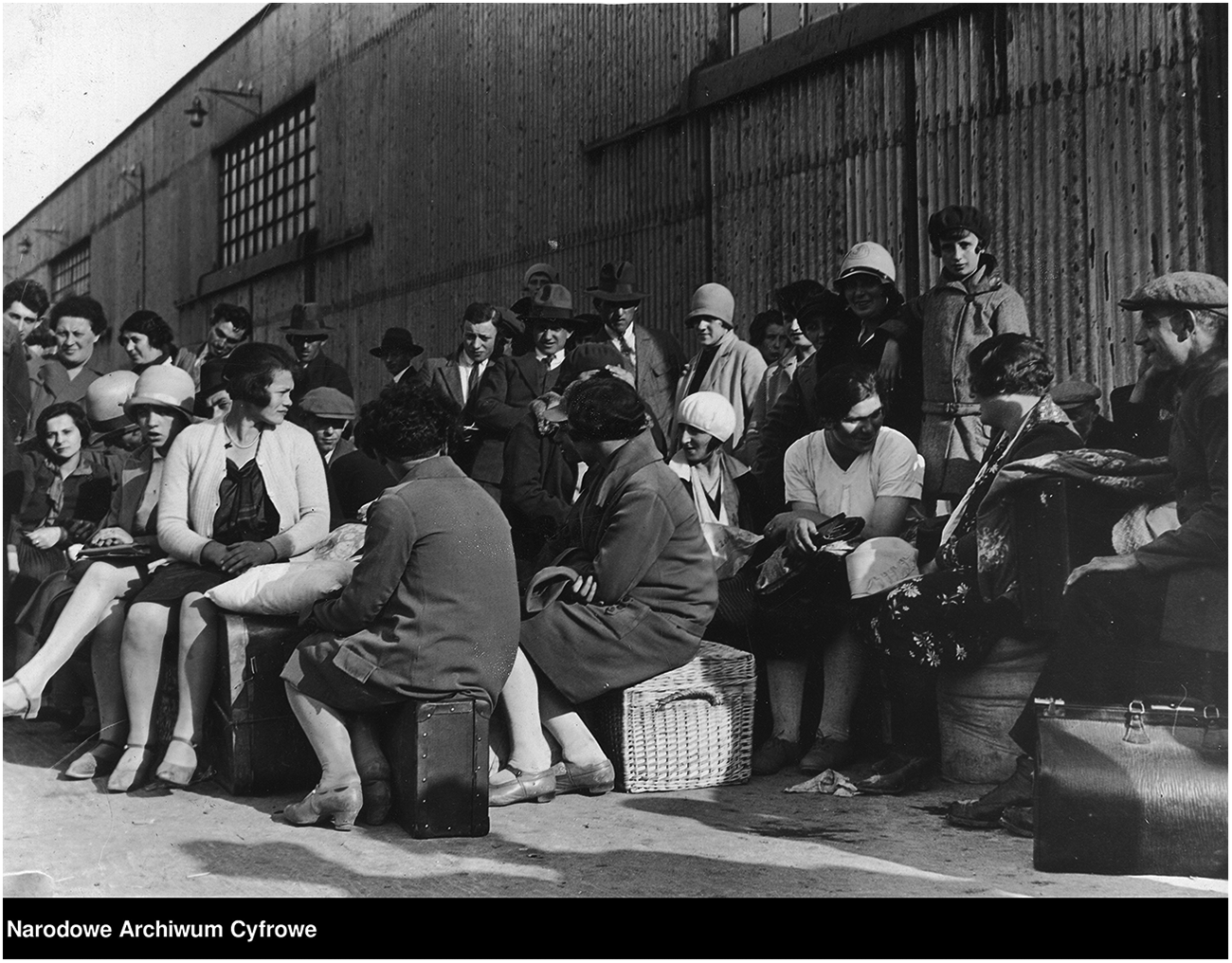
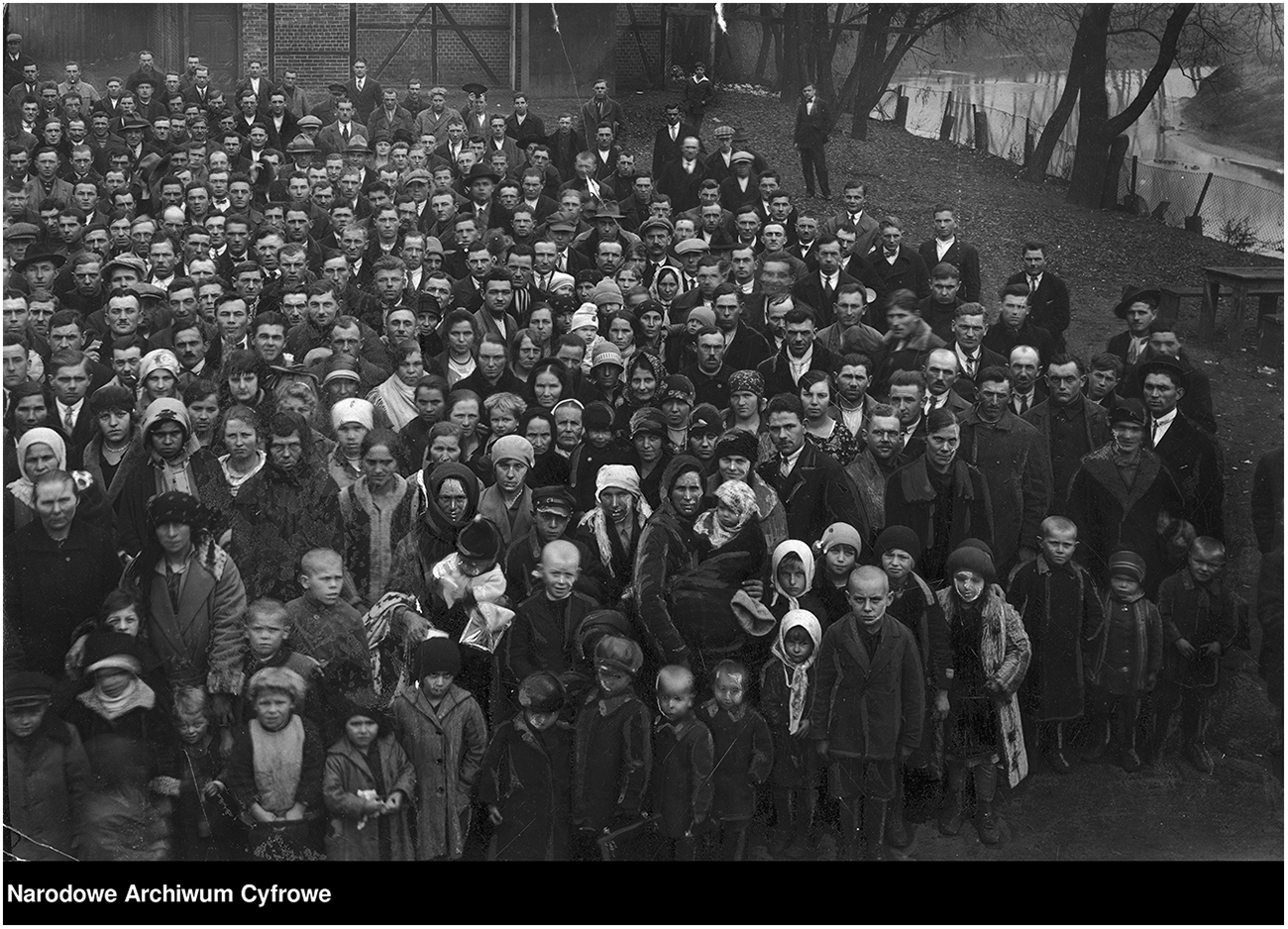
Conductresses accompanied female migrants to France along the two main routes: by steamboat from Gdynia to Le Havre and by train from Mysłowice to Toul. Both routes had emerged from the great territorial reconfiguration of Central and Eastern Europe. Gdynia was constructed as a major port only in the 1920s once it became clear that Danzig would not become part of the new Polish State. The French shipping line Compagnie Générale Transatlantique (CGT), which had established a line from Danzig in 1921 to ship Polish workers to France, shifted its whole operation to Gdynia in February 1925. 73 Danzig had established itself as a hub for emigration only after the war, becoming Poland's most important emigration port in the early 1920s. The first blow for Danzig came in 1923 when the Polish government established an etap on Polish territory in Wejherowo, leading to the closure of Danzig's newly established emigration camp (Wanderlager Troyl), which the Danzig Senate had heavily invested in. 74 As opposed to Danzig and Gdynia, Mysłowice had been a major emigration hub already before the war. As a consequence of the partitions of Poland, it was located directly at the border of the Habsburg Empire, the German Empire, and the Russian Empire (Dreikaisereck). As terminus point of the Galizienbahn, it was linked to railway networks leading to Vienna and Berlin. In the last third of the nineteenth century, more than 500 people crossed the border at Mysłowice every day, most of them Poles and Jews from Galicia and Congress Poland. Between 1901 and 1910 alone, almost half a million people left Galicia via Mysłowice to journey overseas. 75 Compared with these migration volumes, interwar migration was minute. Moreover, with Polish independence, the integration of the three partitions, and the cession of parts of Upper Silesia, Mysłowice was no longer a border town. It was now located 40 km away from Gleiwitz (Gliwice) in Germany and 80 km from Těšín (Cieszyn) in Czechoslovakia. Yet as French immigration and recruitment societies opened offices in the town, Mysłowice remained a significant hub of emigration (by interwar standards), now specializing in labour migration. Instead of travelling to Bremen or Hamburg to take a steamer to the United States, emigrants now travelled via Česká Třebová and Eger to Toul. The proportion of women among the migrants differed with each journey, but was substantial on both routes, ranging roughly from 25 to 30 per cent. 76
The most striking aspect of female migration that is mentioned across all reports is the anxiety caused by the uncertainties of the new regimes, institutions, and routes of emigration. Although the conductresses lauded the facilities at both the new Wejherowo etap and the old etap in Mysłowice, they noted that several features of the departure process aggravated the trepidation among female travellers. The Mysłowice etap was, due to its past as a hub for mass migration, expansive, yet there was no place for emigrants to spend the day, except for a small refectory. 77 At Wejherowo, emigrants were usually woken up at 5am and then walked on foot to a transfer site, from where they were taken by train to Gdynia. Conductress Maria Łabędzka recounted one such march through February snow and darkness: ‘You can imagine mothers with several children, with bundles, a real Golgotha’. 78 At the port of Gdynia, mothers struggled to cope with small children and luggage at the same time. 79 The conductresses also attempted to mitigate the lack of sensitivity that the immigration officials had for the specific challenges that women travelling alone faced, and especially women travelling with children. In Wejherowo, Margarita Korff noted that the female emigrants were particularly afraid of the voyage. This fear was aggravated by the way they were treated by the port officials, ‘so that women in particular lost their heads completely’. 80 To the frustration of the conductresses, women with children were often handled last at passport and luggage controls and had to wait in the cold the longest. 81
Conditions of travel differed substantially depending on the ship used. Those ships originally built for transatlantic voyages offered more convenience, whereas the conductresses described others as ‘stuffy, dirty, and dark’, with women having to ‘constantly climb narrow and slippery ladders’ while carrying their children. 82 In one ship, women slept in large halls, with several hammocks arranged on top of each other, leading to injuries among those who were ‘mostly elderly and burdened with children’. 83 Łabędzka, who spent hours helping women into the hammocks, also reported that the food was inedible and the heating system broken. 84 All conductresses travelling to Gdynia reported that emigrants were defrauded of their money at several points on the voyage, as the etap at Wejherowo lacked the possibility to exchange Złoty for Francs. 85 Most instances of fraud revolved around the ship canteen. Łabędzka noticed that passengers paying in Złoty constantly received too little change. Once she raised the issue with the staff, the canteen employees would always close the canteen when she passed by, claiming their personnel had gone to resupply stocks: ‘This happened several times a day, as the emigrants said, and only during my presence’. 86 After raising this issue in her report, conductresses on subsequent voyages warned passengers beforehand not to use the canteen because of the ‘now well-known scams with exchange rates’. 87
The conductresses identified additional inconveniences and risks on railway journeys as compared to ships. Maria Noakowska reported she had to look after fever-ridden children. 88 Due to train schedules and the need to change trains at the border, food was usually served at night. 89 At longer stopovers, male travellers waited on the platforms to guard the luggage while women and children had to find places to rest. 90 Occasionally, people without passports would sneak onto the trains among the emigrants to cross the border. 91 Some passengers got lost along the way, as in the case of a female passenger who left at a railway station to buy water and did not return on time. A French representative shrugged his shoulders and merely remarked that ‘the emigrants were going at their own risk’. 92 In addition, the train travelled through Germany at considerable speed, making it dangerous to disembark at stations. 93
Given that the gravest threat was not sexual exploitation on the trip, but rather in France at the workplace, it is not surprising that much of the conductresses’ work focused on ‘moral edification’. On the voyage to Le Havre, Margarita Korff gathered the female emigrants in one room to instruct them about their behaviour in France, to tell them about the ‘insecurities’ they should expect to face, and about the impact the emigration experience would have especially on the younger women. She noted that the younger emigrants’ behaviour was ‘generally decent’. 94 Maria Noakowska offered similar lessons on moral behaviour on the train to Toul. 95 The conductresses did their best to ensure that women and men were strictly separated at night. When Noakowska found that some men had occupied seats in the women's carriage, forcing female passengers to sleep on the floor, she reported this to the emigration delegates, who ‘threw the peasants out’. 96 For Irena Skarbek-Tłuchowska, this aspect of the job was complicated by the fact that there was no possibility to pass from one carriage to the next. When she changed the carriage at a stopover, she found two men in a women's carriage, whom she ordered removed. 97
Although this never became a primary concern, the reports provide us with multiple insights concerning ethnic conflicts and minority issues in interwar Poland. Several conductresses noted that arguments and fights frequently broke out between Poles and other ethnicities. One mentioned a brawl between Lithuanians and Poles travelling on the ship that had departed from Danzig (Lithuanians would not have been able to travel from Gdynia given that Poland and Lithuania were officially in a state of war) and suggested these nationalities should be separated on the ship. 98 Another noted fights that erupted ‘because of the presence of several exiles of a different religion on the transport’ and reported that the ship's Maitre d’Hôtel had asked the Polish emigration official accompanying the voyage to inform him ahead of the journey about different nationalities so he could place them at different tables and cabins. 99 Yet a third, apparently fascinated with the difference of the ethnic groups stemming from Poland's eastern regions (she noted their dislike of soups and white bread because the ‘borderland workers’ were not used to them), also noted moments of cordial harmony: ‘As the ship moved, all the workers, without anyone's prompting, sang Rota and then quietly went to sleep. It was all the stranger as these workers mostly came from the Borderlands, spoke Polish badly and were a mixture of all nationalities’. 100
The conductresses unanimously expressed their dismay at the conditions upon arrival at both Le Havre and Toul and emphasized the disorientating effect this had on female migrants. Although they consistently sent reminders from the etaps in Poland to the Polish consulate, migrants were rarely welcomed by representatives of the consulate, which made them feel at the mercy of the French guards who, after long waits, would lead them towards camps to spend the night. 101 One conductress noted a ‘reluctance or wariness’ of migrants towards the French guards and ‘it may be that there is sometimes a justified reason for this’. Having spent hours with the migrants on the docks of Le Havre, conductress Jadwiga Łoskiewiczówna recalled that Poles who returned to the ship seeking food and shelter were sent back by the crew, who claimed the ship was already being cleaned for the journey back: ‘The crew got nervous, and the emigrants did not know what to do with themselves’. 102 The conductresses’ verdicts on arrival conditions in Toul were even worse. In some cases, arrival times were not announced on the train and female passengers were roughly woken up and rushed out of the train after it had already reached Toul. 103 No help was available to unload the women's luggage. Noakowska recruited several Polish agricultural workers for help, but once they got drunk on substantial amounts of vodka, they lost interest and left. 104
Given their lack of authority on French territory, managing the disorganized route from the railway station to the camp in Toul represented the most substantial logistical challenge of the role as conductress. Their reports indicate that, in breach of the Franco-Polish agreement, transport was never made available for this route. Often, the authority and function of those coming to pick up the migrants was entirely unclear. Maria Noakowska noted that a ‘concentration camp janitor’ randomly picked up groups of emigrants without notifying her at all, which led the women to anxiously turn to Noakowska for help. 105 In another case, a male Pole told the women to deposit their belongings in an abandoned warehouse and walk to the camp on foot, which the conductress cautioned the women not to do. In the meantime ‘some Polish guard or something of the sort’ came by and excitedly ordered the women to take their children and walk to the camp. Zaleska again refused and finally managed to rent a bus to bring the women and children safely to the camp. 106 Although they were strictly banned from entering the immigration camp, several conductresses secretly gained entry (usually by sneaking in among the migrants) and were shocked by the conditions. They found the camp's brick buildings ‘from the outside impressive’, but the facilities dilapidated. Beds had no sheets, and mattresses were dirty. No janitors were present to take care of the emigrants, who ‘just placed themselves wherever they wanted, women and men together’. One conductress chased the men out of the women's quarters and spoke with a guard who assured her that the separation would be strictly upheld at night. 107 Breakfast was only served to those who managed to squeeze ahead in the queue. Currency was exchanged at exorbitant rates. Camp officials sent out emigrants on personal errands, handing them money ‘for wine’. ‘The treatment of the workers is downright awful’, Zofia Zaleska concluded. 108
As mentioned earlier, the reports of the conductresses reveal that one core function of their work was to alleviate the anxiety of female migrants that resulted from the uncertainty about their future workplaces. Particularly agricultural workers were not made aware of the location of their work until they were already aboard the ship or train. This was a substantial number, especially among female migrants, as these were rarely deployed in the industrial sector. As Łabędzka reported, a radio dispatch from Toul, indicating workplaces for these so-called globales, arrived only after the ship had completed almost the entire journey to Le Havre already. 109 This practice led to huge disappointments among migrants, who often learnt that they would be split up from siblings or even from spouses. Rutkowska reported a case of a woman who was placed into an entirely different département as her husband. Rutkowska would ask representatives of the French Mining Committee to change these allocations and, if this was unsuccessful, advised migrants to pay off their contracts, thus terminating them, and then look for work closer to their partners. 110 Margarita Korff gave women working in the same département each other's addresses so they would have somebody to talk to. 111 To prevent exploitation of these insecurities, Irina Stokowska warned all emigrants upon departure in Gdynia not to trust strangers for information. 112 At sea, conductresses would advise emigrants on institutions that they could safely turn to when in France, such as the Opieka Polska and the Polish consulates. 113 In her report, Stokowska recommended that an official brochure should be printed, either to help conductresses answer questions or to distribute among emigrants. 114
Contracts were usually handed to emigrants only upon their arrival. 115 This process appears almost spontaneous in the reports of the conductresses and differs widely in each of them. Łoskiewiczówna emphasized the tiredness and anxiety of emigrants waiting for their contracts as they had to spend all day ‘in the dust, stuffiness, noise, and scorching heat of the premises of the Transatlantic Shipping Line’. Ultimately, the contracts were distributed ‘in the open air’ at a railway station just outside Le Havre. Łoskiewiczówna, plagued by a severe migraine, desperately scribbled down workplace addresses for all migrants in the dark railway carriage (she later had to spend two days deciphering and re-writing them). To her outrage, she had to stop her work as an official explained that some addresses could only be conveyed until after the workers were already dispatched. 116
This process was similar for migrants departing from Mysłowice. The director of the etap explained the format of the contracts to migrants as well as the behaviour expected from them on the journey (many migrants were unable to hear this information because they were standing at the back). 117 On later trips, he would provide migrants with a ‘special booklet containing advice and guidance for emigrants’. 118 Zaleska recounted several underage girls who were barred from boarding the trains ‘despite tears and lamentations’. At the etap, migrants received passports and contracts, the latter of which usually lacked the employers’ names and addresses. Migrants travelling by train would usually learn about their workplaces at the camp in Toul, where blank contracts were exchanged for new contracts with addresses. 119 One conductress reported that migrants received their contracts with work addresses only shortly before their onward journey to Paris, where they would be picked up by agents who brought them to their workplaces. This meant that the conductresses had too little time to note all addresses down. 120 When Zaleska's illicit visit to the Toul camp was found out, she used the opportunity to ask the representative of the French Ministry of Labour to terminate the contracts of several Polish women who had gotten married in France and to send siblings together to one place. She later found out that these requests had indeed been granted. 121 Skarbek-Tłuchowska, who also snuck into the camp, spent the whole day there explaining legal provisions of the work contracts to the emigrants. 122
From the perspective of female travellers, the conductresses’ single most crucial function was that of a translator. Most of the female Polish workers were illiterate and hardly any spoke French. Łabędzka spent a whole day of the voyage to Le Havre helping passengers fill in the entry form, which was in French only. After finding that translating the forms took too long, she simply filled all of them out by herself.
123
Illiteracy also made it difficult to establish a meaningful connection between the migrants and France-based societies established to help them, such as the Opieka Polska. Most migrants, as Irena Skarbek-Tłuchowska recounted, had little trust in these associations, which they regarded as ‘something distant and elusive’, and they were keen to have the conductress's contact address instead. To make communication between the women and the Opieka easier, Skarbek-Tłuchowska recommended the introduction of pre-addressed envelopes to be handed to migrants on the voyage.
124
Irena Rutkowska told the Polish Committee for the Fight against Traffic in Women and Children that French societies that helped exploited women were of no use to Polish women as long as they did not employ female delegates from Poland who could translate and instil confidence in French institutions: I had hundreds of proofs of this when I worked for a Polish magazine in Paris, and recently I had the opportunity to convince myself of this for the umpteenth time, when I was handing out yellow-and-white cards on a ship with the addresses of the French protection societies, which I had received in the Women's Protection Society in Warsaw – they all asked about my address, about the Polish address, because ‘all these addresses on the card are French, and we don’t know how to speak French’.
125
Jadwiga Łoskiewiczówna was ultimately so despondent about the inability of illiterate Polish women to deal with the adverse conditions in their new work surroundings that she advised that the Emigration Office should ban emigration for illiterate women altogether. She noted that half of all illiterate women on the journey were ‘afraid of a very dark future and wanted to come back’.
130
She was not alone: the Opieka Polska lobbied for emigration to be much more strictly regulated or even banned. Its director, Zofia Mazurkiewiczówna, told one conductress she received 80 Polish migrant workers each day whose contracts had run out and who were looking for new jobs. She stated that 80 per cent of unmarried female migrants had children after one year and were forced to give these into French day-care, meaning they were ‘lost to Poland’. Many women had sold their land in Poland to ‘go to France in search of the golden fleece’.
131
Not least, this could compromise the gains made by the sweeping agrarian reform designed to transfer land from minorities to ethnic Poles and thus safeguard the new state's national sovereignty.
132
Mazurkiewiczówna thus asked the conductresses to advise the Committee for the Fight against Traffic in Women and Children to send only literate, ‘older girls’ who did not own land.
133
Even married female migrants were experiencing insecurity as an increasing number of husbands working in France abandoned their wives, leading Irena Rutkowska to propose the creation of a Polish home for abandoned wives and possibly of an orphanage: Among the abandoned, there are those who came from Poland to find their husbands, and those who were thrown to the mercy of fate in France. ‘He said he was going to look for work, and it's been a month since he's been gone’ … And what is such an unhappy woman to do, alone, without any knowledge of the language, but burdened with small children? No one wants to work with children, and what kind of work is it when you have to think about your children first? – They come to Paris thinking that in this beautiful, large city it will be easy to get good advice and assistance, and they do not know that it is difficult to find accommodation and bread for free there. It is still easy to get food – but where to find a roof over your head?
134
Yet towards the late 1920s, further stories about the mistreatment of female Polish workers in France surfaced, revolving around the ‘moral conditions’ of women working both on farms and in factories. Polish migrant protection associations staged a conference and demanded that the government should ban the individual migration of women altogether, irrespective of age, that a permanent section of the Opieka Polska should be installed in the immigration camp in Toul, that Polish guards should be hired and attached to any hotels in which female migrants sojourned and to any ships carrying female migrants, and that the authority of conductresses should be radically extended. 138 It became increasingly clear that while the conductresses could prevent the exploitation of female migrants en route, mitigate their anxiety, and prepare them for what might await them in France, their complete lack of authority on French territory meant they were helpless in the face of the much larger problem – the exploitation of women at the workplace and the fear of losing one's employment and thus right of residence. In 1930, the Polish Emigration Office suspended the possibility of any individual emigration to the mining districts of northern France. 139 The Polish government made the lifting of any of these restrictions contingent on assurances of the French government that it would do more to institutionalize the protection of the female migrant workers’ ‘moral foothold’, which led to a severe labour shortage in the French countryside. 140
As the Great Depression struck France, surging xenophobic attitudes and tightened immigration laws led to insecurity among migrants that was at a scale that could no longer be mitigated. French unemployed workers increasingly viewed migrants as undesirable competition. Polish families were victims of xenophobia, but equally could not return to a Poland wrecked by economic crisis. 141 To offset losses as France restricted immigration, labour emigration agencies shifted their business to identifying and removing ‘unproductive’ workers in order to replace them with new migrants, thus further feeding xenophobic discourse. Not least, the German-Polish non-aggression pact of 1934 did irreparable damage to Polish migrants in France, as their political loyalty was now regarded as questionable. 142 The French government issued a series of laws aimed at making it easier to lay off migrant workers. Between 1930 and 1934, 62,000 Polish miners were made redundant. This culminated in a strike organized by Polish miners in Leforest 1934, which resulted in mass deportations. 143 As one female immigrant attempted to extend her family's identity cards at the Polish embassy, she was given to understand that she should rather start to save money for train tickets to Poland to pay for her inevitable deportation. Unable to make savings during the depression, she desperately spent her family's remaining time in France checking Polish-language émigré newspapers for announcements that deportations would be carried out at the expense of the government. 144
Conclusion
Given that the Polish conductresses did not report a single case of attempted trafficking, there is reason to appraise their historical role beyond the confined context of the international fight against the traffic in women and children. Although international associations, the dispatching states, and some of the conductresses themselves regarded their role in normative terms as moral guardians, their most substantial contribution was to mitigate the anxiety and insecurity women faced during the process of migration. As the First World War had disrupted traditional routes of migration and both dispatching and receiving countries sought to restrict and control migration, migrants could not resort to existing networks with a diaspora who could share their experience with travel and bureaucracies. This resulted in a high degree of insecurity, especially among female migrants, which was aggravated by language and literacy barriers, but also by a low degree of trust in bureaucracies, as Polish state institutions were fragile and their French counterparts inaccessible behind language and literacy barriers. The stages of departure, travel, and arrival were deeply interwoven with bureaucratic activities and administrative patterns that for many migrants were impossible to understand and thus eroded their sense of security and their certainty about what shape their future in France would take. The conductresses attempted to mitigate these insecure migration experiences by taking on a wide range of roles beyond their function as moral authority. They acted as translators, thus making a bureaucratic engagement possible in the first place. They were knowledge imparters, who could provide migrants with a reasonably clear picture of what awaited them in France. They were mediators between the migrants and various state and private institutions, thus mitigating the migrants’ mistrust and fear. Not least, they were network forgers, connecting migrants with their compatriots in France and with Polish associations dedicated to assisting migrants in times of need.
The conductresses’ reports reveal a high degree of frustration both with the obstacles female migrants faced and with how their positions were viewed by other officials on the journey and at the arrival destinations in France. Yet their work was largely considered a success both by Polish state authorities and international organizations, which lauded the Polish project as an example for other countries to follow. This success has to be viewed in the context of the paradoxes of the 1920s migration regime, which was designed to strike an impossible balance between huge demands for foreign labour on the one hand and the rising ideal of economic protectionism on the other. In this sense, the work of the conductresses is an example of an innovative, ambitious programme that attempted to provide women with a ‘secure’ migration experience within the confines of a highly restrictive migration system. After the introduction of conductresses, individual female migration was further restricted, leading, in the light of new reports of the mistreatment of Polish women in France, to a complete ban for any female migration outside of collective transports. Ultimately, the conductresses’ authority did extend beyond the Polish territory to encompass the route of migration, but it still ended where this mistreatment actually took place: at the workplaces in France.
As the French government was reluctant to hand any authority over to non-French officials on French territory, the problems linked to female migration persisted, leading to further measures of control and mobility restriction through the Polish government. However, it is safe to assume that, had the Great Depression not effectively put a halt on European migration, the French government would have felt compelled to act, given its reliance on foreign labour. Post-1945, temporary labour agreements show striking parallels. For instance, in post-war West Germany's well-known Gastarbeiter programme, the German authorities, eager to recruit Turkish women for work in West Germany, had to tackle exactly this problem. Communities in rural Turkey resisted recruitment, fearing the cultural and moral alienation of female migrants in West Germany, which would make it impossible for them to reintegrate after their return. This could only be solved once the German government signalled its commitment to the care and control of foreign female workers by allowing only collective recruitment, by inspecting workplaces for their ‘moral agreeability’, by facilitating the employment of spouses at the same location, and by ensuring the support of international societies such as Caritas for female foreign workers. 145
However, historical cases such as these ultimately show that any programmes to facilitate migration are patchy if the migration regime itself is highly restrictive. Despite the best efforts of the Polish conductresses, it is impossible to imagine any interwar migration experience that was as ‘secure’ as that of many Polish migrants whom Louise Ryan had interviewed and who had come to work in the United Kingdom in the 12 years of largely unrestricted labour mobility between Poland's accession to the European Union and the UK's departure from the EU.
Departure of Polish migrants from Gdynia (1928). Public Domain: Narodowe Archiwum Cyfrowe.
Departure of Polish migrants from Mysłowice to Toul. Public Domain: Narodowe Archiwum Cyfrowe.
Footnotes
Acknowledgements
We are grateful to the Fritz-Thyssen Foundation, which has generously supported the research for this article as part of the project ‘The Fight Against the Traffic in Women and Children in Interwar Poland’.
