



Abstract
Globally, a range of specialized talent development music programs offer training for young musically gifted children to develop their musical abilities to an advanced, professional level of performance. In recent years, various constituencies have reported on significant shortcomings in some of these programs, sparking intense debates concerning the necessity of continuing what they view as overly specialized talent development programs. Presently, there has been no comprehensive and systematic overview of the current situation for gifted children in specialist music education. This qualitative, collective case study examines the current challenges identified by 81 leaders overseeing 68 specialized music programs in 25 countries. Findings reveal a wide array of critical issues and approaches to specialized music education for gifted children that range from a focus on serving the children to a focus on children serving the system. The study emphasizes how diverse stakeholders can recognize gifted children as individuals, and not just as potential musicians who benefit others.
Keywords
Diversity of Specialized Music Education Provision for Gifted Children Globally
Across the globe, various specialized music education programs, departments, institutions, associations, and communities provide advanced tuition for children exceptionally gifted in music (a detailed description of these programs can be found in López-Íñiguez, 2023b, 2024). Typically, these enrichment environments are designed for gifted children to fully develop their musical abilities, beyond what they may experience if they were enrolled in a normal school program. In formal education, they are often referred to as pre-college, talent department, high school division, or similar terminology. In addition, we can find various extracurricular activities in non-formal education, such as highly selective youth orchestras or communities catering for young, gifted music learners. Overall, these educational and/or community-based settings are conceived of as places where gifted children can be allowed to accelerate their musical development beyond what might be possible for them to achieve in other programs elsewhere.
Within talent development programs, early specialization is seen as critical (see Talent Development of Achievement framework, as proposed by Preckel et al., 2020), with the environment in which these young learners are exposed typically oriented towards future professional career development in music. This implicitly suggests the child will pursue music after completing the program, as their learning heavily emphasizes musical training to a professional level with little or no focus on other potential careers in/outside of music (see, e.g., López-Íñiguez & Westerlund, 2023).
In Europe, for instance, pre-college music education is defined as the formal path to prepare young musicians for professional training (e.g., AEC, 2007; MusiQue, 2017). A similar emphasis on professionalism is also found outside of Europe in the descriptions of multiple Western and Eastern gifted youth departments that belong to or cooperate with higher education. Orchestras and bands that provide enriched education and performing opportunities for gifted children are also found in many countries, and to some degree, gifted children selected to participate in these ensembles gain access to privileged performing opportunities (i.e., to perform as concert soloists or ensemble principal) and often advance with their music education to become professional musicians.
Views on Specialized Music Programs
During the past decades, there have been various media reports on the deep failures—such as sexual, physical, or mental abuse and exploitation—of some specialist music programs (e.g., BBC, 2021; Ben-Ozer, 2018; Fetters et al., 2020). These have spurned discussions concerning the educational need for maintaining, developing, and creating such talent development settings and the resources needed to sustain them (López-Íñiguez & Westerlund, 2023; Romer, 2018; in the learning sciences, see Brown et al., 2005; Moltzen, 2009). These discussions have often been contradictory (see López-Íñiguez, 2023a). For instance, people supporting their existence frequently advocate for the provision of specialized education for gifted children who, as special needs learners, would benefit from advanced instruction in ways that would not be possible elsewhere. Often the discussions centers on the program’s offerings for exceptionally gifted students: either an emphasis on skill and talent development in music (with a view toward a professional career) or a more comprehensive strategy for to develop the child holistically (where music education is for enrichment and not necessarily the only career path).
Supporters of specialized talent development also argue that their programs provide students with a pathway to higher education and then to the music profession and that this is more efficient than what is available to these learners elsewhere. In other situations, there are individuals and professional associations that disregard the need to cater for the gifted in educational settings, explaining that specialized music programs represent an elitist system for a select few that is unsustainable. (See in-depth discussions in e.g., López-Íñiguez & McPherson, 2023; López-Íñiguez & Westerlund, 2023).
These performance-centric and outcomes-driven environments for young, gifted learners are most often linked to the 19th-century-rooted, ‘traditional’ Conservatory system, which has been referred to as a ‘black box’ or a ‘secret garden’, because it is seen to be difficult to access, observe, and regulate (e.g., Burwell et al., 2017; Miksza et al., 2021; Rostvall & West, 2003). Moreover, the system is criticized for being in a state of ‘deep sleep’, wherein the evolving requirements of society are neither acknowledged nor addressed because the success and sustainability of the system is based on its performance outcomes (e.g., Pozo et al., 2022). In this way, gifted children have often been understood as the learners with the best potential to serve the system—the selected ‘servants’ of the system (Westerlund et al., 2025). An unfortunate consequence is that Conservatories can be directly connected to the ‘talent-hype’, ‘star syndrome’, and fame-oriented ambition typical of musical training.
As discussed in the learning sciences, ways of acquiring knowledge have frequently been based on the limitations of traditional, as opposed to the affordances of constructivist approaches to musical learning (Pozo et al., 2022). The former has focused on the teacher and the content to be learnt, and how to put into action quick-fix extrinsic control measures to gain student compliance (i.e., teacher-centered archetype). The latter, on the other hand, places an emphasis on the learner and their learning processes and agency (i.e., student-centered archetype; see López-Íñiguez & Pozo, 2014a, 2014b; Sætre et al., 2025). This nurturing approach could be linked to the field of care ethics, which positions moral virtue and benevolence at the forefront of interpersonal relationships (e.g., Noddings, 2003). It is especially pertinent to the seminal work by Pfeiffer (2013) who asserts that learners in academic domains receive sufficient schooling for the ‘head’, but perhaps not as much for their ‘heart’ and ‘soul’.
With this in mind, and because learning that engages the entire individual and overall wellbeing significantly impacts a student’s receptiveness to learning, fostering student ‘success’ requires focusing on students as complete individuals who oversee their learning, as well as on their personal and communal welfare, as part of a fundamental care-oriented value system (Keeling, 2014). Similarly, a pedagogy and a leadership approach to education that takes relationality and care to their core, would support students so that they feel safe to take the risks that meaningful learning requires (Charney, 2002; Thayer-Bacon et al., 1998; Watson, 2003). Indeed, studies on ‘transformational/authentic’ leadership highlight the value of care-centered viewpoints and relationality of ethical leaders towards themselves and others (e.g., Avolio & Gardner, 2005; Johansson & Edwards, 2021). Thus, in this study, we explore these aspects within the leadership of specialized music programs for highly gifted learners.
In addition to general discussions about the system and various media reports, to date, there has been virtually no global and systematic mapping of the current availability and emphasis of specialist music programs that cater specifically for young, gifted music students. Consequently, the broader comprehension of how to navigate and overcome the hurdles encountered by these specific programs remains limited. This research therefore endeavors to explore the prevailing issues in specialized talent development music programs globally. It will investigate the roles and practices employed by educational leaders in the instruction of gifted students. By doing so, our analysis aims to provide institutions and communities with the means to evaluate the current strengths and shortcomings of their established frameworks, alongside fostering an understanding of international strategies for educating a gifted child, recognizing their unique identity as a complete individual, beyond just their musical talents.
Thus, this study surveys the challenges identified currently by leaders responsible for such programs, the extent to which these leaders are prepared to navigate the challenges facing them, as well as the goal of placing the wellbeing and round development of the gifted child—an act of enacting care ethics—at the center of any discussions.
Purpose and Research Questions
The purpose of this study was to better understand, from the perspective of care ethics (1) the characteristics, access criteria, type of educational provisions, and mission of some of the most prestigious talent development music programs for highly gifted children, in both formal and non-formal educational or community-based contexts, within or outside of higher education, globally; (2) the leaders’ profiles, visions, and motivations for undertaking a leadership role for the specialized programs; as well as (3) the overall support (or lack of it) towards the programs, and the challenges and tensions that the leaders identify in their programs in relation to gifted children’s education. Because of ethical considerations and data privacy concerns, no comparisons between the programs or data that revealed geographical or institutional specifics are included in this discussion.
Five questions guided the study: (1) Which forms of access, attitudes towards the program, type of educational offering, and mission for the young, gifted music learner program are offered within each institution? (2) What approaches to the education of young, gifted music learners did the leaders identify as most important within their institutions/associations? (3) What motivated each leader to accept a leadership role within the specialized gifted music program at their institution? (4) Can the leaders identify any instances of community support or opposition for their specialist music program? (5) Have there been any past or present ethical and problematic issues, or disagreements, relating to the programs they coordinate for talented young musicians? If so, were these issues internal or external to the institution or the program itself?
Methods
Study Design
This study adopted a qualitative, collective case study design (e.g., Mills et al., 2010). It sought to investigate the perspectives of leaders regarding their curricula, teaching practices, and strategies for nurturing musically gifted students within their specialist gifted music program. The collective case study approach was chosen to allow for an in-depth examination of how these leaders voice their perspectives on gifted education, along with the challenges they encounter. The goal was to achieve thematic saturation across the participating programs and institutions, understanding the subject both within each specific case and through cross-case analysis (Merriam, 1998).
Data Collection Procedures
Formal invitations to participate in the study were sent to 227 institutions located in 51 different countries worldwide 1 . The pool of institutions was gathered by identifying institutions through Internet searches and available public lists of specialist music education institutions internationally. We also gathered information from societies, associations, identified institutions, as well as musician and researcher colleagues with insider knowledge on the existence of specialized programs for the gifted in diverse contexts globally. The 227 institutions invited to participate in this study represent those with an available website from which we could obtain contact information (email, phone) or submit a contact form. Approximately two-thirds of the institutions had their website information available in their official language and English. The rest were in either Chinese or Spanish. The first author used the back translation method (via DeepL) to ensure the accuracy of the Chinese to English translations.
Each institution received a first contact email to inform them about the study, a follow-up email with a link to participate in the survey (available in English, Spanish, and Chinese), and up to four reminders to complete the survey. Data collection ran from December 2023 through April 2024, and answers to the study were collected via Surveypal. 68 institutions (29.5% of participating institutions) from 25 countries (49% of participating countries) participated in the study (see countries in Figure 1). The distribution and characteristics of the sample obtained were similar to those of the invited population with respect to geographical location, the existing types of educational institutions, and the characteristics of the specialist programs available within them (see discussion in Schouten et al., 2009). All generated data in Excel was pseudonymized before analysis, and in the case of the Chinese and Spanish language data, translated into English prior to analysis. An experienced translator who signed a confidentiality agreement, was hired to assist in the translation of the Chinese information due to her familiarity with concepts related to specialized programs in music education and formal training in music performance. The first author translated all information that was gathered in English into Spanish. Geographical Distribution and Participating Countries (Visualization Created by the Authors)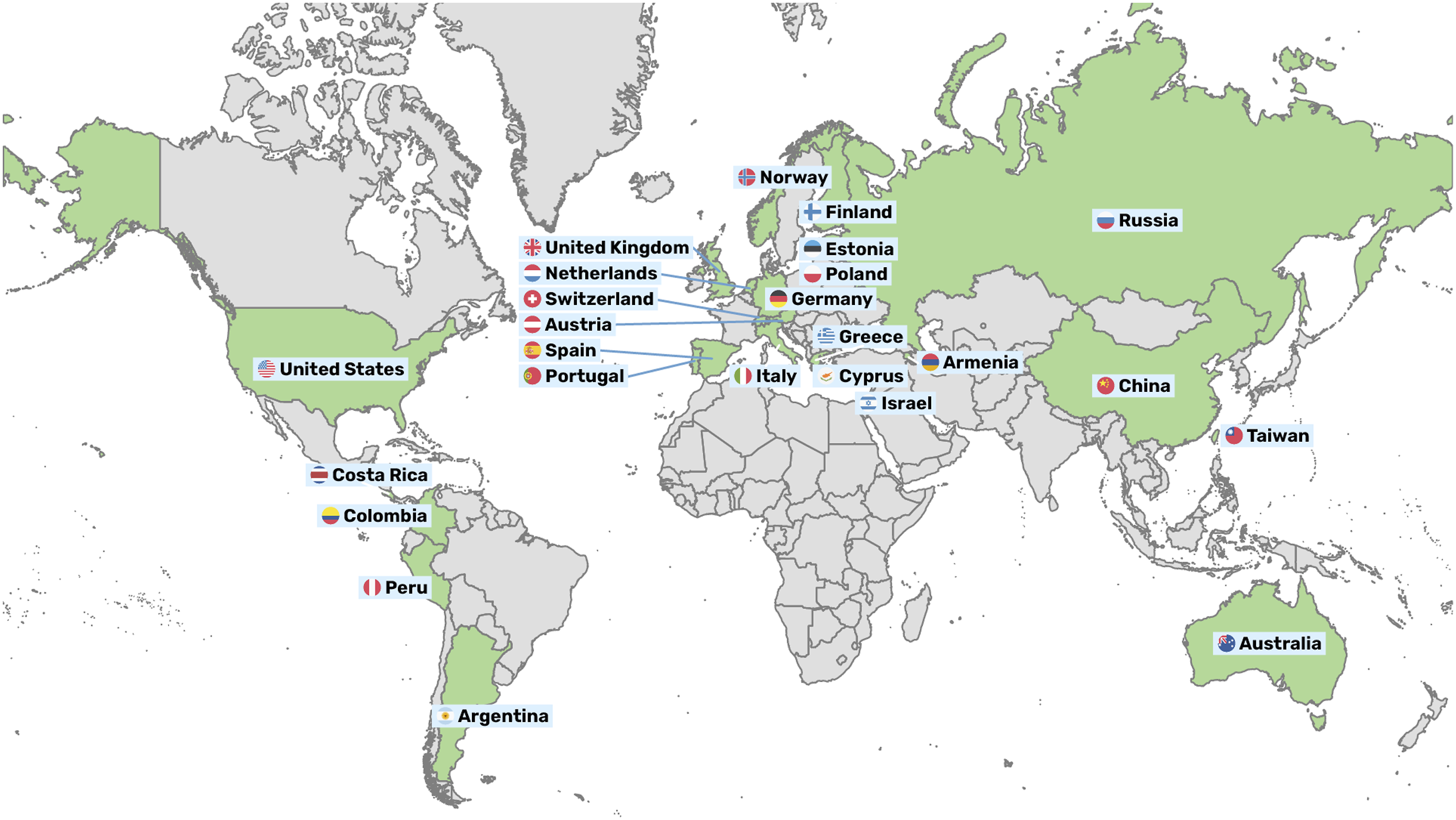
Materials for Data Collection
The research employed an open-ended survey developed by both authors in a critical process across several weeks. A survey technique was chosen because it allowed for collecting diverse, detailed, nuanced, and often juxtaposed responses. The questions included background information on the participants and their institutions, as well as information related to the educational approach of their gifted children’s musical education program (see Appendix to access the specific survey questions). Topics included in the survey questions covered: • Criteria to identify, select, and accept students into the program. • The goals of the program and perceived educational benefits for the young, gifted students. • Duties of the program leader and personal and/or professional reasons for undertaking the role. • Arguments among staff in favor or against for offering the program at their institution. • Any past and/or ongoing ethical, controversial, or challenging socio-critical and system-critical aspects regarding the gifted/talented music program and, if so, how they have (or have not) been resolved.
Participants
Institutions
Participants for this study were selected through purposive, multistage, and non-probability sampling that included judgmental (highly specialized population), snowball (referrals from existing participants), and convenience techniques (online accessibility and referral from colleagues). For this study, we sought to sample institutional leaders responsible for overseeing or coordinating specialist music education departments within or outside higher education plus any other formal and non-formal education programs that included gifted and talented students. We chose the program leaders based on a view that they would be the people who set the tone for a program, because of their role in managing the curriculum, hiring staff, liaising and supporting staff, dealing with problems, managing finances, and maintaining contact with the children’s parents.
Our threshold for data collection pertained to programs offered to gifted music learners aged 17 and younger. Figure 2 includes the characteristics of the programs considered for this study (except for non-formal private tuition that was not considered for this study). Formal and Non-formal Music Education Systems for Underage, Gifted Learners’ Talent Development (Adapted From López-Íñiguez, 2024)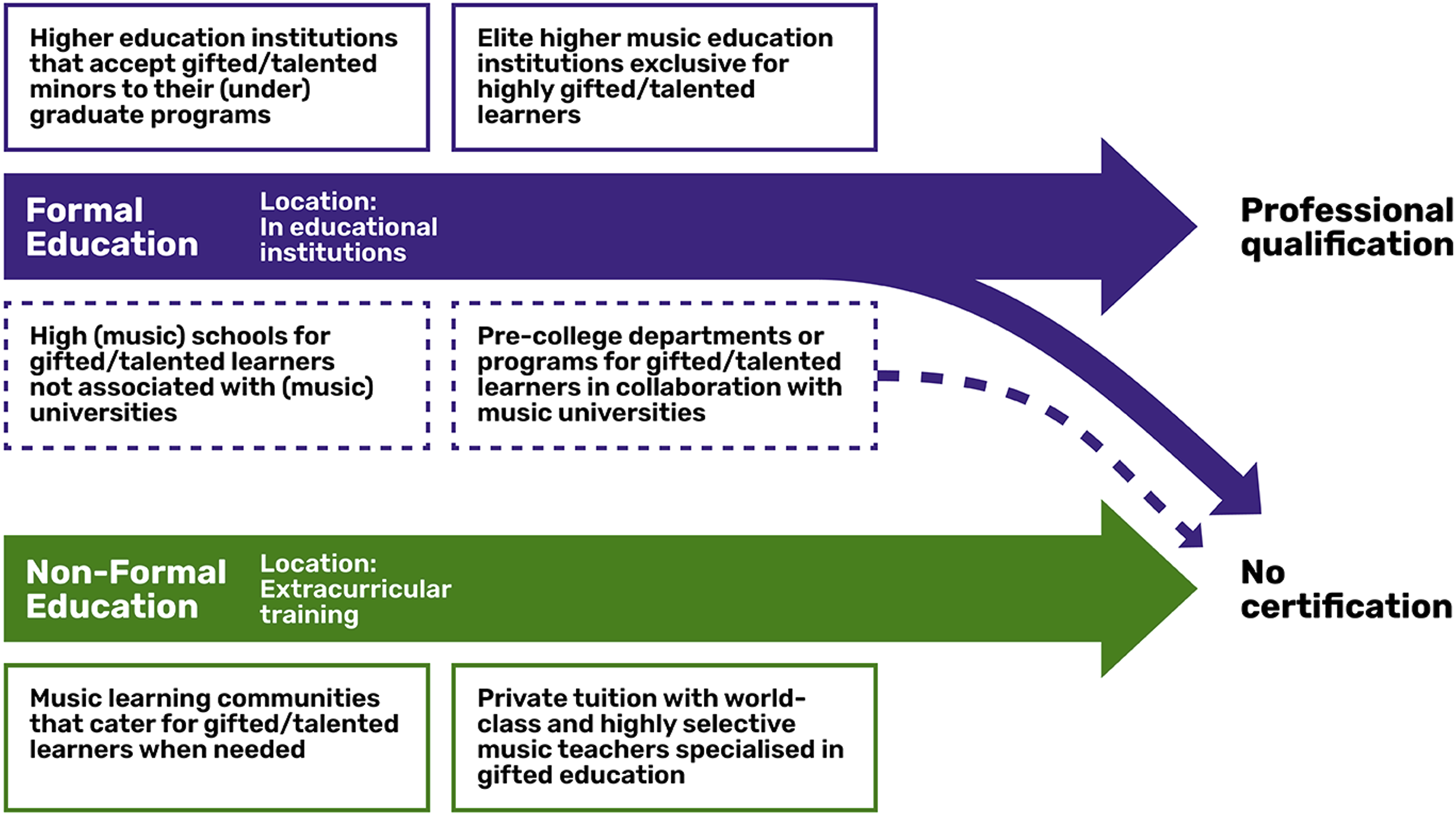
Leaders
Eighty-one institutional leaders (41 women and 40 men) who were responsible for 68 specialist music education programs in 25 countries where gifted and talented minors (i.e., aged 17 or younger) were taught, responded to our survey. Of the 68 institutions where the participants worked, 46 comprised higher education institutions as listed in the top row of Figure 2, and 22 comprised other types of organizations as shown in the middle row, and first lower left box (i.e., non-formal education) of Figure 2. We received one answer from a single leader in 57 of the participating institutions, two answers from leaders in nine of the institutions, and three answers from leaders in two institutions who held different leadership positions.
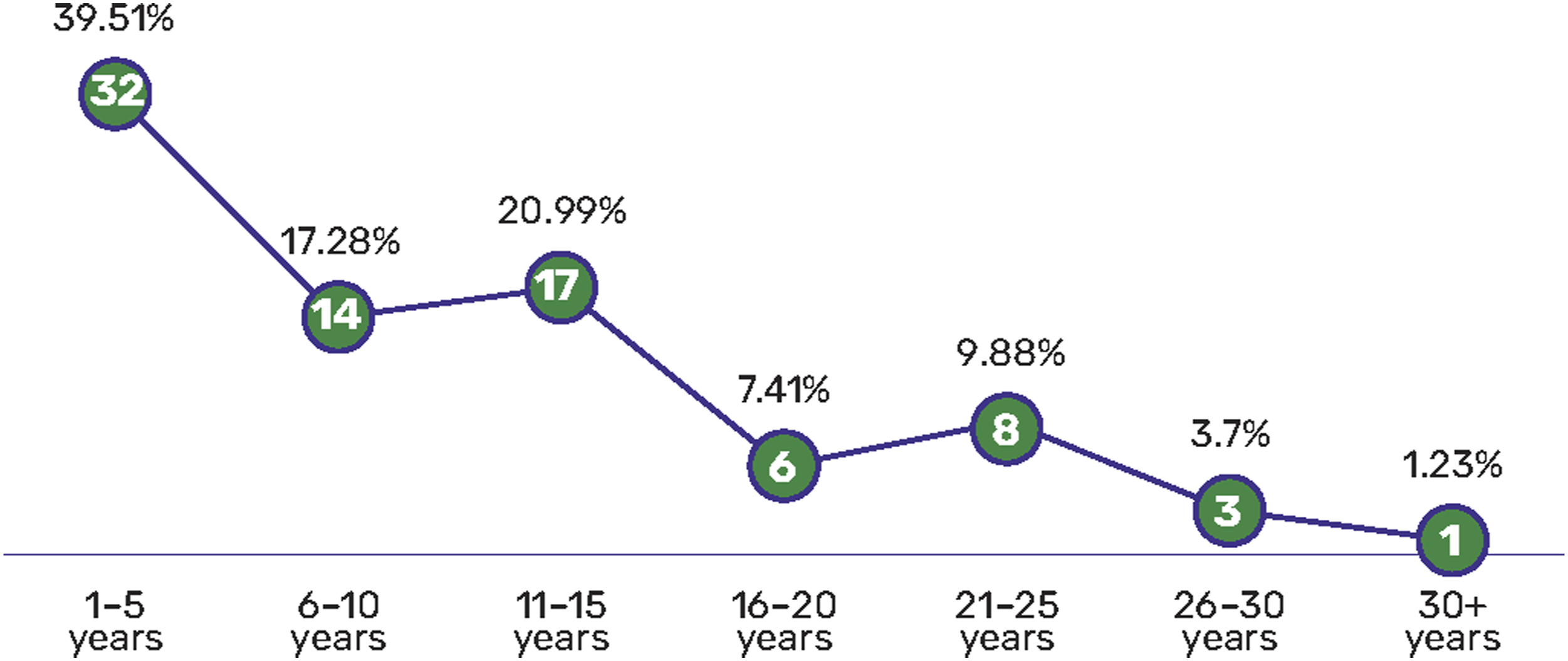
The participants were distributed across five age categories (see Figure 3), with the most represented being 41-50 years old leaders and the least represented being the youngest group of 20–30-year-old leaders. As shown in Figure 4, around 58% of the participants had less than ten years of experience in their coordinating position. Age Distribution of Participants Years of Experience as Leaders of Specialist Music Education Programs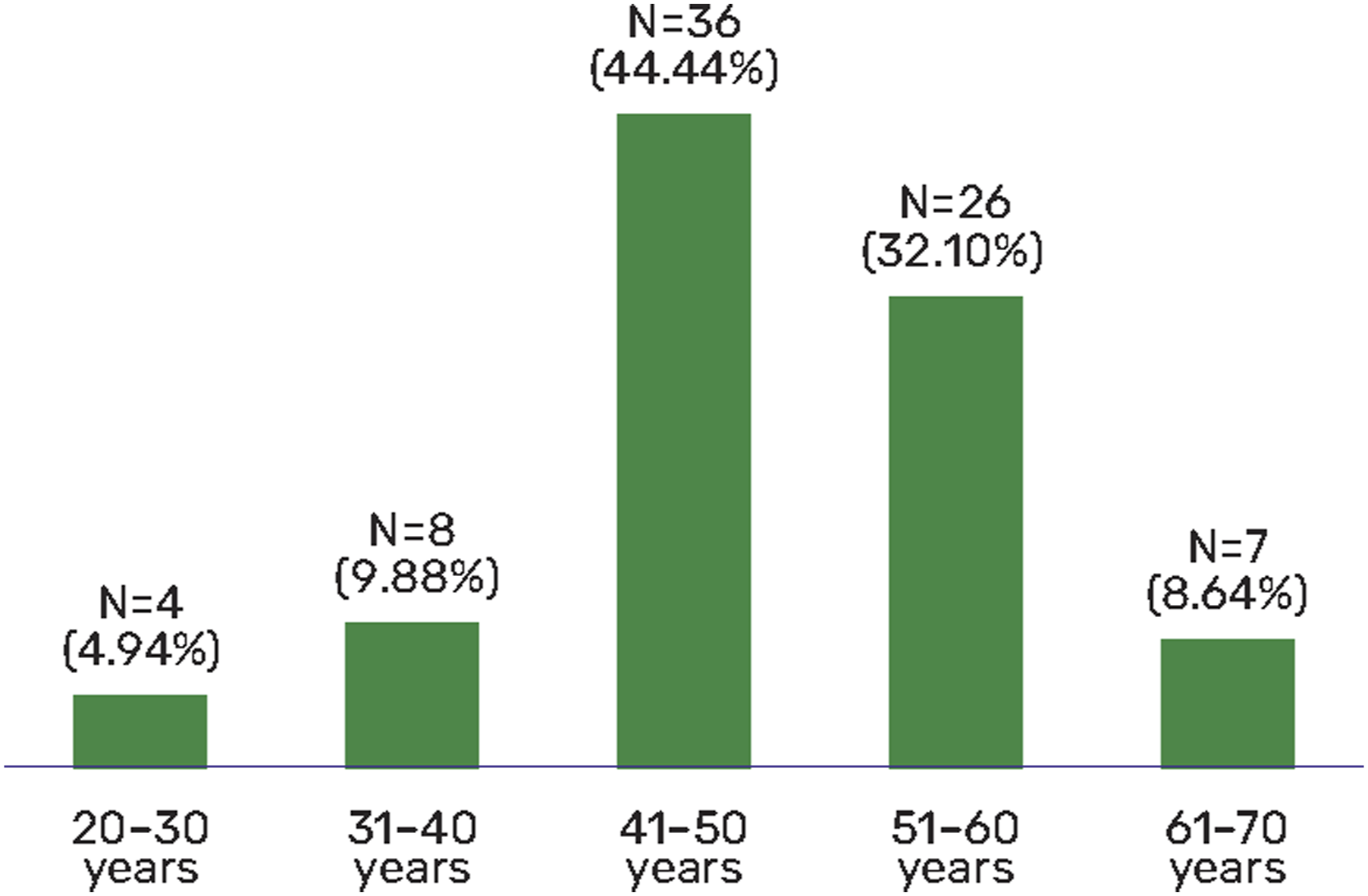
Most of the leaders held coordinating roles for their gifted music program, and held a variety of titles (i.e., Adviser, Artistic/Musical Director, Assistant Dean, Assistant Director, Chairperson, Chief, Convenor, Coordinator, Dean, Delegate Head, Delegate Head, Deputy Director, Directing/Leading Team Member, Director, Educational Administrator, Executive Officer, Head, Interim Co-Director, Leader, Liaison, Manager, Principal, Provost, Responsible Person, Supervisor, Vice Dean, and Vice President). The tasks mentioned by these leaders included overseeing budget and funding, being involved in curricular development and teaching of gifted students, participating in faculty recruitment, planning artistic activities and schedules, and/or being responsible for offering psychological and career-oriented advice to gifted students.
Ethical Approval and Informed Consent Statements
Ethics clearance was obtained through the University of the Arts Helsinki Ethical Review Committee on 28.4.2023. The study follows the ethical principles of research in the humanities and social and behavioral sciences issued by the Finnish Advisory Board on Research Integrity. The translation and transcription of data followed pseudonymization techniques (masking and/or removing geospatial, institutional, and personal data identifiers) and complied with the General Data Protection Regulation. The study attends to the nature of voluntary participation and informed consent.
Data Analysis
This study involved an iterative, deductive-inductive qualitative data analysis to examine recurring regularities in the data through the following steps: (1) open coding; (2) grouping open codes (analytical coding); (3) establishing categories based on interpreting multiple datasets that capture recurring patterns of meaning across the data; and (4) revisiting and refining the categories as new insights emerged in multiple re-readings of the datasets by the first author. Categories were responsive to the purpose of the research, exhaustive, mutually exclusive, sensitizing in capturing the phenomenon, and conceptually congruent in their level of abstraction (see Merriam & Tisdell, 2016). At the end of this process, both authors discussed the form of the data according to each question on the survey, and the way information on the final data set would be coded and categorized.
The objective of the analysis was to formulate a universal explanation, applicable to all individual cases under consideration, even if the particulars of each case demonstrated logical diversity (refer to Yin, 2014). To uphold participant confidentiality, the research deliberately refrained from investigating individual reactions or specific traits inherent to institutions/associations. Instead, the focus was on identifying the broader spectrum of themes that emerged across the entire set of cases. Rigor in data analysis, encompassing credibility, internal validity, and consistency, was ensured through an independent review by the second author of a 20% subset of the data, conducted from an interpretivist-constructivist standpoint. Consensus between the two reviewers meant that no modifications to the data coding were identified as part of this process. The findings section provides rich descriptive information, supporting the transferability of the analysis.
Findings
Overview of Specialized Music Education for Highly Gifted Children Globally
Criteria of Access
Approximately 2/3 of the institutions or associations required a proficiency exam on their principal instrument/voice for entry into the program. For more than half of the participants, this was the only method employed to select participants. For the other third, a variety of additional criteria were used to select students for their programs, such as a motivation letter, personal interview, previous teachers’ recommendations, a referral by a ministry/health specialist/councilor attesting to the candidate’s special needs and/or abilities, an interview with the candidate’s parents, an assessment of the candidate’s willingness to practice and cooperate during enrolment, additional tests on singing, aural skills and/or theory, psychometric assessment of IQ, assessment of suitability/personality, interest, readiness, eagerness to learn, physical coordination, concentration ability, verbal communication skills, physics for a particular instrument and potential, academic record, and/or questions about the family background and available support and resources.
Specialized programs were generally seen as places for the early identification of talent and as places that work as catchers for other potential gifted students. Many leaders referred to the programs’ relevance in developing talent and ensuring excellence and success in the students’ performances. 64.3% accept students from 12-years old onwards with the rest (35.7%) allowing entry at any age up until the age of 18. The graduation age for most programs was 18 years old.
Content of Program
All participants were offered one-to-one and/or group lessons to develop their performance abilities on their main instrument/voice. Most programs also offered chamber music and ensembles, orchestras, bands, or choirs of a diverse nature. All organized regular concerts for their students. Most offered solfège, harmony, theory, and history lessons. About half provided the students with occasional enrichment activities such as masterclasses, concert cycles, and talks by guests. Some of the programs also offered tuition in improvisation, composition, analysis, ear/rhythmical training, intonation, sight reading, repertoire classes, history of world culture, historically informed performance practice, a second instrument, instrumentation, polyphony, musicology, Yoga, Pilates, Feldenkrais, and/or Alexander technique. Very few of the institutions provided students with internationalization/exchange opportunities, or classes related to career planning, health and wellbeing, or other related arts activities.
Mission of the Program
Themes Related to Seeing Children as Future Professional Musicians Who Feed the Needs of Diverse Stakeholders and Systems (i.e., Emphasis on Others)
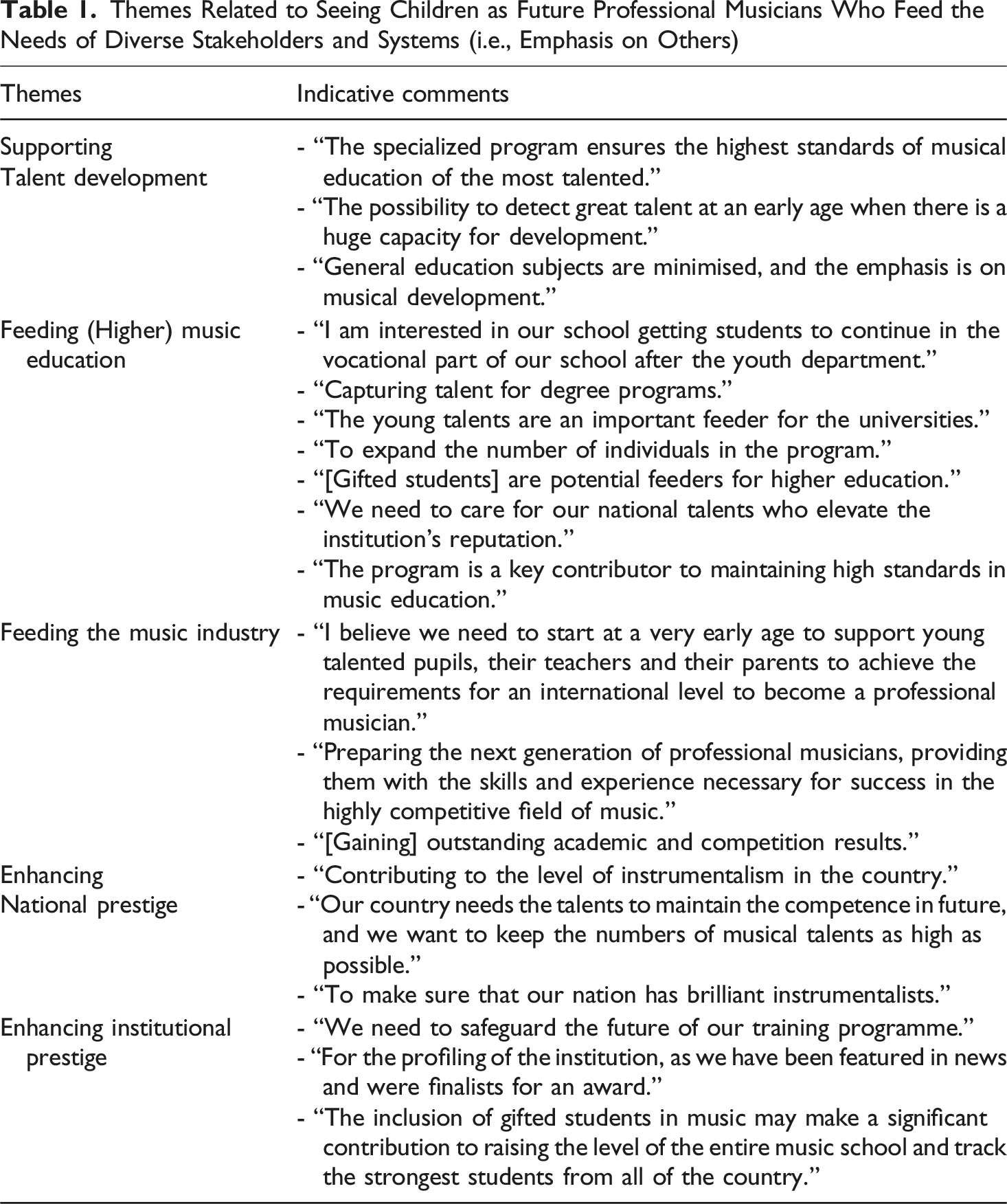
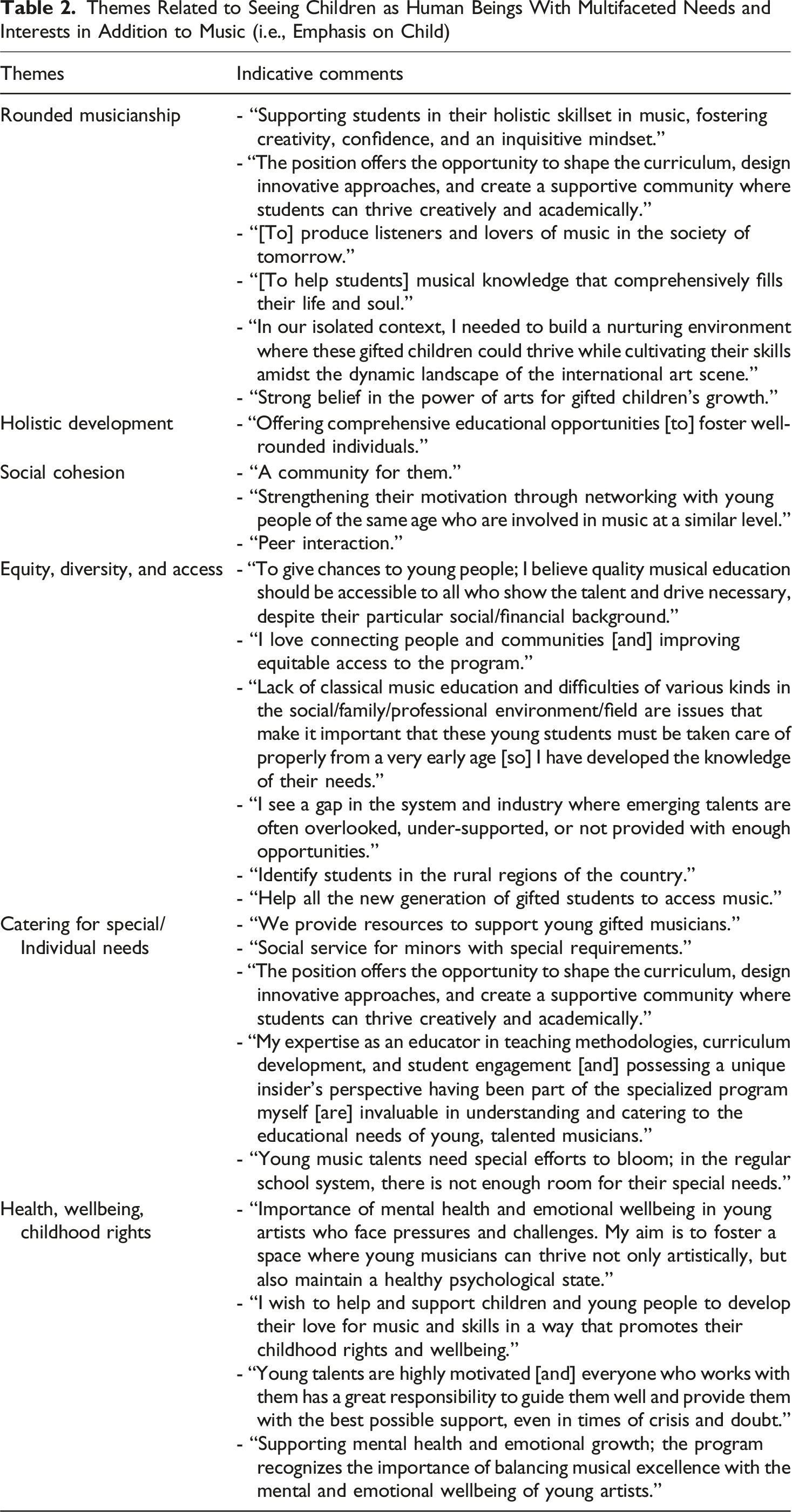
An alternative view was expressed by about a quarter of the respondents who stated that they do not undertake their programs to exclusively produce future professional musicians and feed the requirements of different stakeholders and institutions, but to cater for the diverse needs of their gifted music students.
Themes Related to Seeing Children as Human Beings With Multifaceted Needs and Interests in Addition to Music (i.e., Emphasis on Child)
Motivation for Accepting a Leadership Role
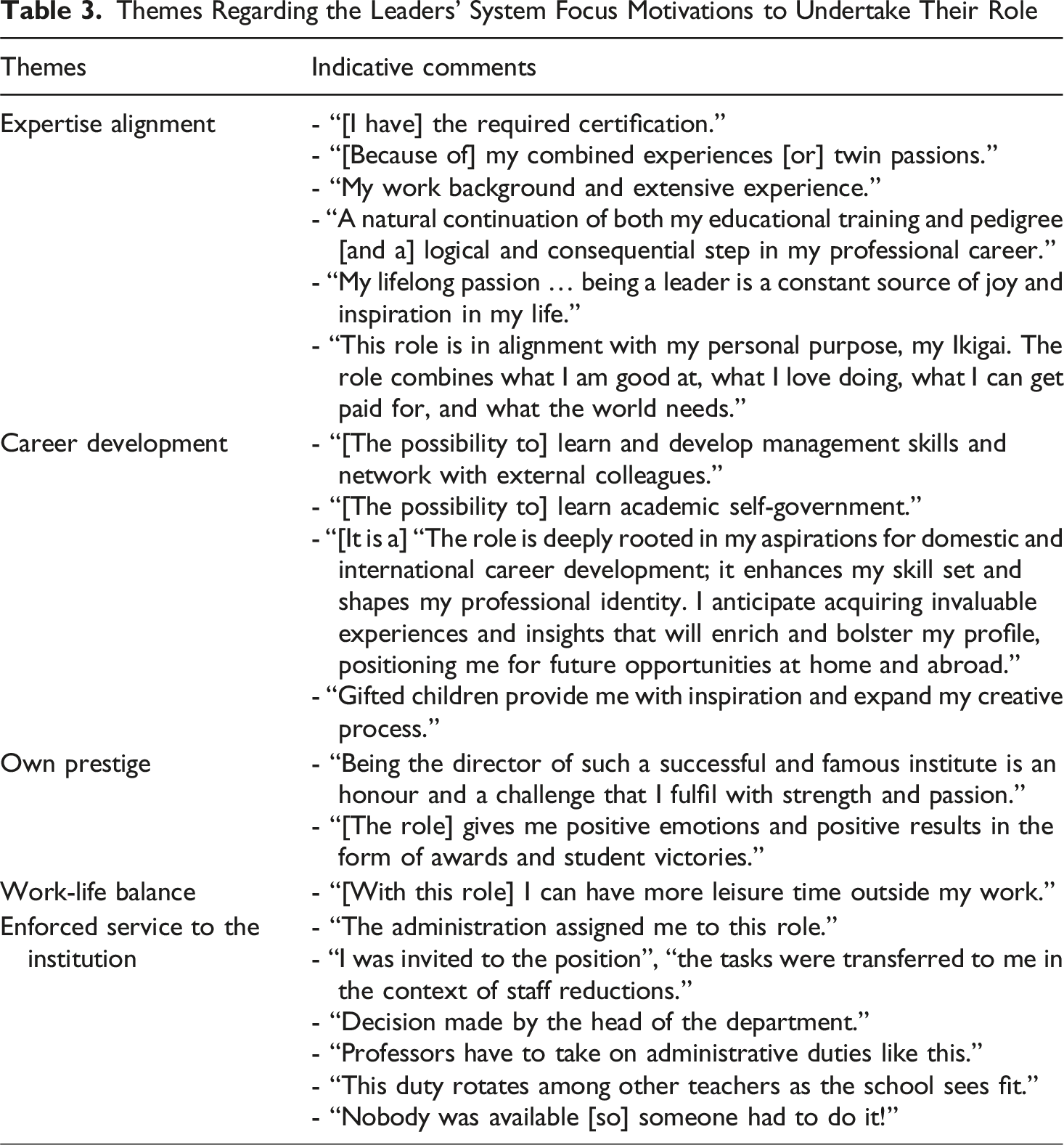
System Focus
Themes Regarding the Leaders’ System Focus Motivations to Undertake Their Role
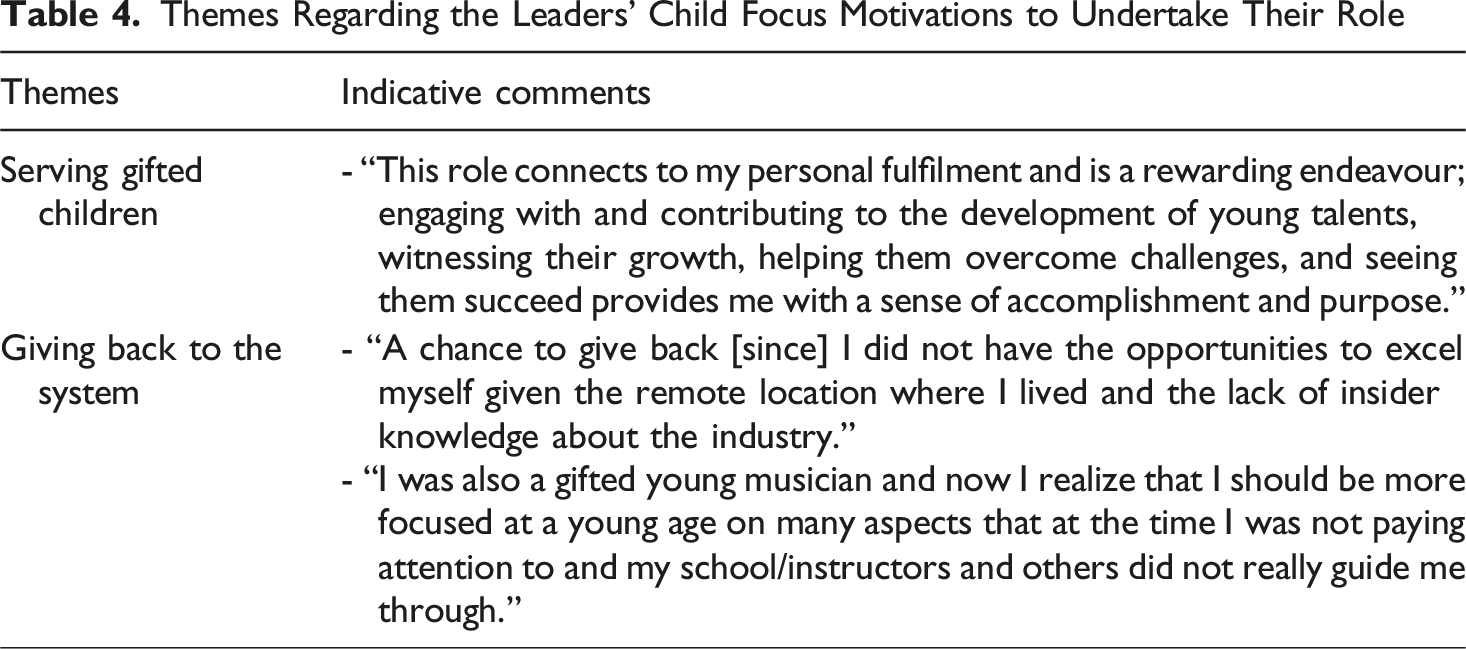
Child Focus
Themes Regarding the Leaders’ Child Focus Motivations to Undertake Their Role
Support, Challenges and Tensions
Community Manifestations of Support and Opposition
The primary drivers underpinning the programs’ backing from institutions and the local community stemmed from the institution’s established reputation for producing skilled musicians: “It’s the top school in the nation, with widespread approval” or “We’ve a track record of contest winners.” Positive financial factors were also noted: “[The program] generates extra income for the institution” and “We’re grant-funded and supporting the program aids in application renewals.”
While outright approval across the board was rare, a majority of those interviewed expressed reservations about the programs’ future. The primary issues revolved around deficiencies in financial support, available materials, income generation, and governmental assistance. Further concerns included the disproportionate work requirements placed on gifted students, balancing their regular studies with music activities; potential social development hindrances arising from solitary performances and individualized instruction; the likelihood of children not reaching professional success or completing their studies at a later age; the pressure to excel at a young age; and academic expectations tied to age.
Challenges and Tensions within the Programs
Survey respondents indicated a large variety of topics regarding challenges and tensions within the programs that could be organized into three main themes: (1) the life-study balance of gifted students, (2) the tensions arising in their relationships with others, and (3) societal and institutional challenges. (1) Issues related to leaders’ perceptions on gifted children’s workload, and mental and physical health
Table 5 presents the themes related to workload and the mental and physical health of the gifted students as perceived by the leaders, including aspects such as workload balance, social development, health and wellbeing issues, and age requirements. (2) Issues related to leaders’ perceptions on gifted children’s relationships with parents, teachers, and peers Themes Related to the Workload, and Mental and Physical Health of Gifted Students
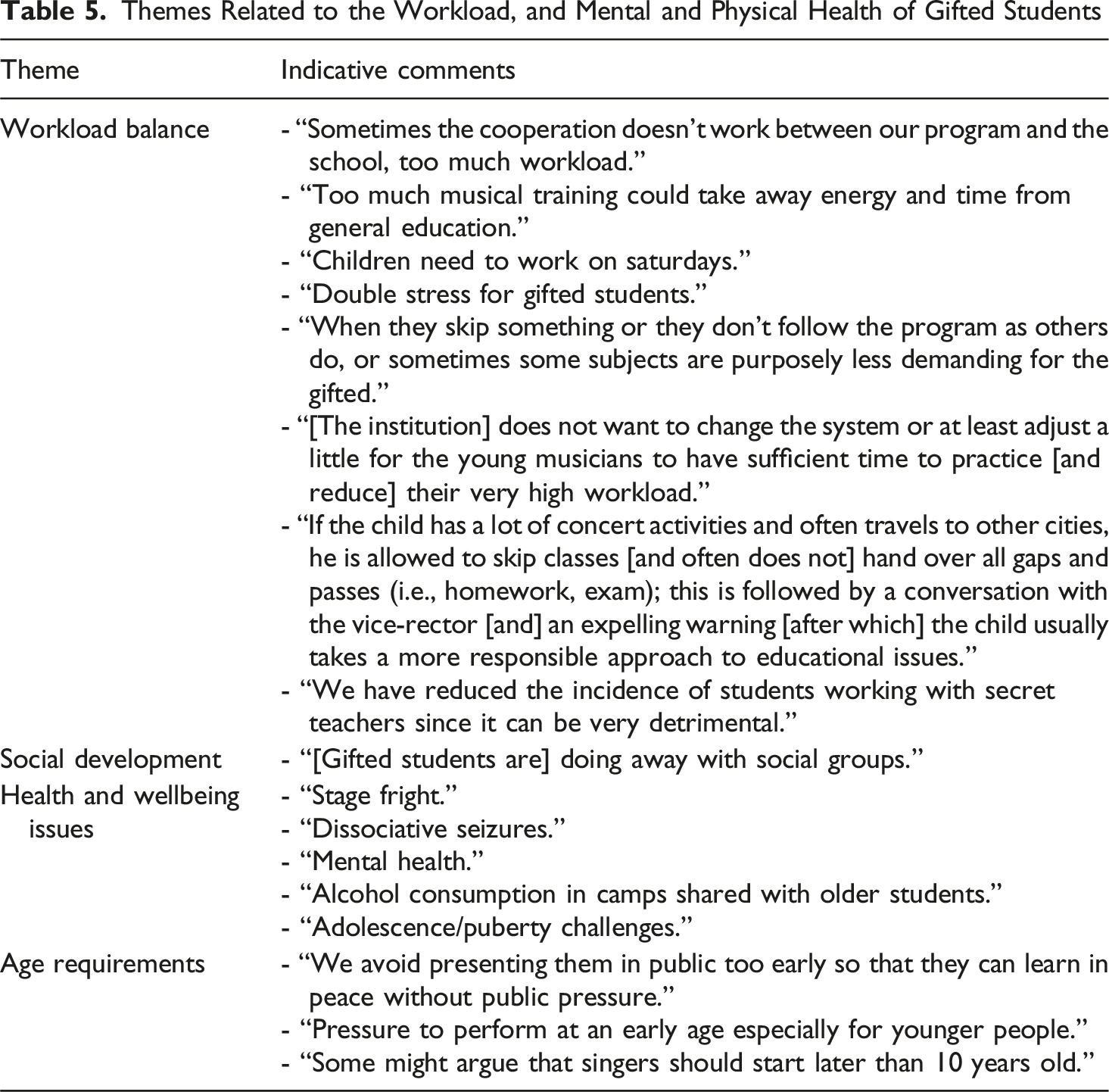
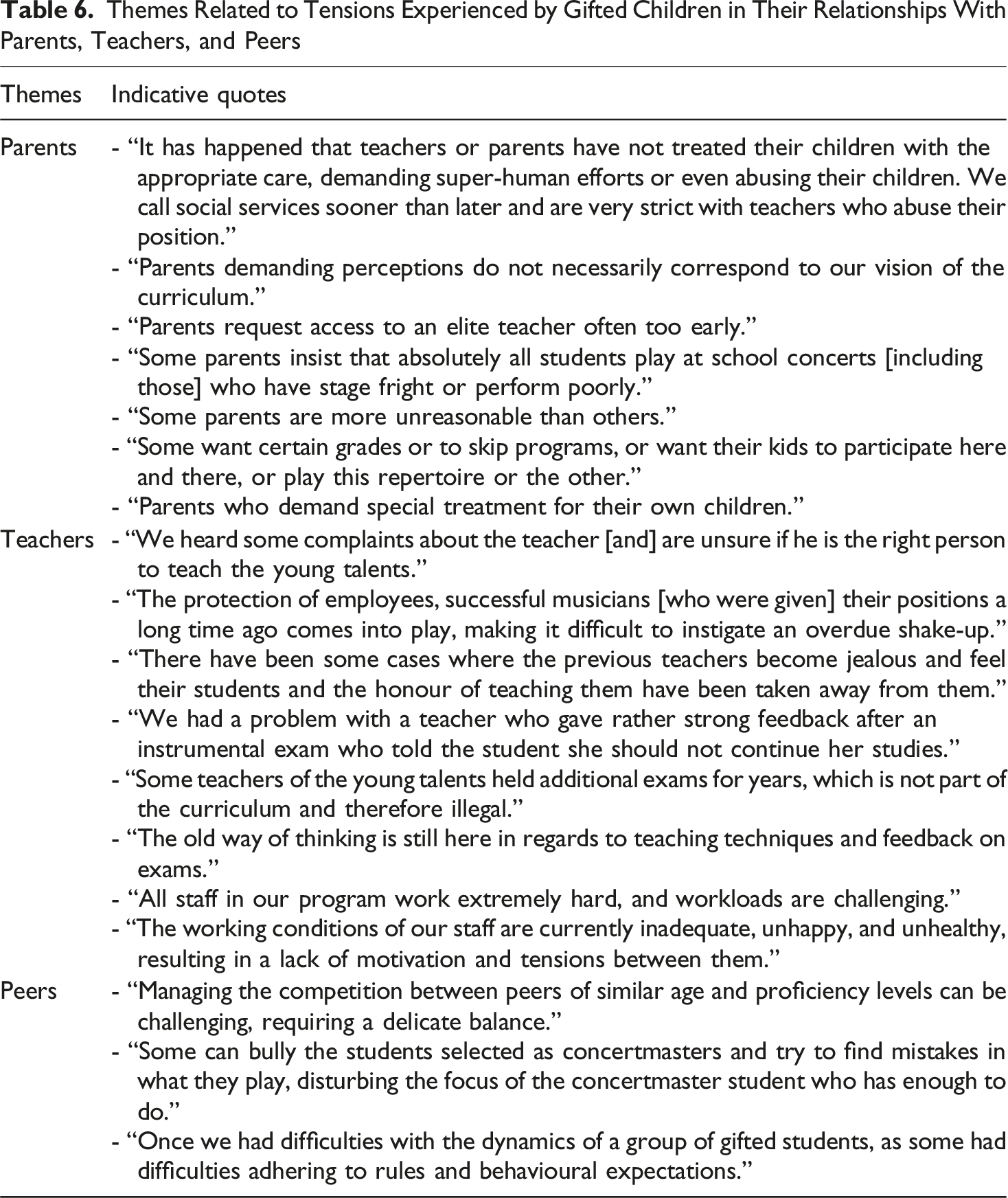
Table 6 presents the many tensions related to parents, teachers and peers, and that revolve around pressure and coercion, different forms of abuse and harassment, and/or favoring behaviors experienced by gifted children, as perceived by the leaders. (3) Issues Related to Gifted Children’s Experiences with Systems and Society at Large Themes Related to Tensions Experienced by Gifted Children in Their Relationships With Parents, Teachers, and Peers
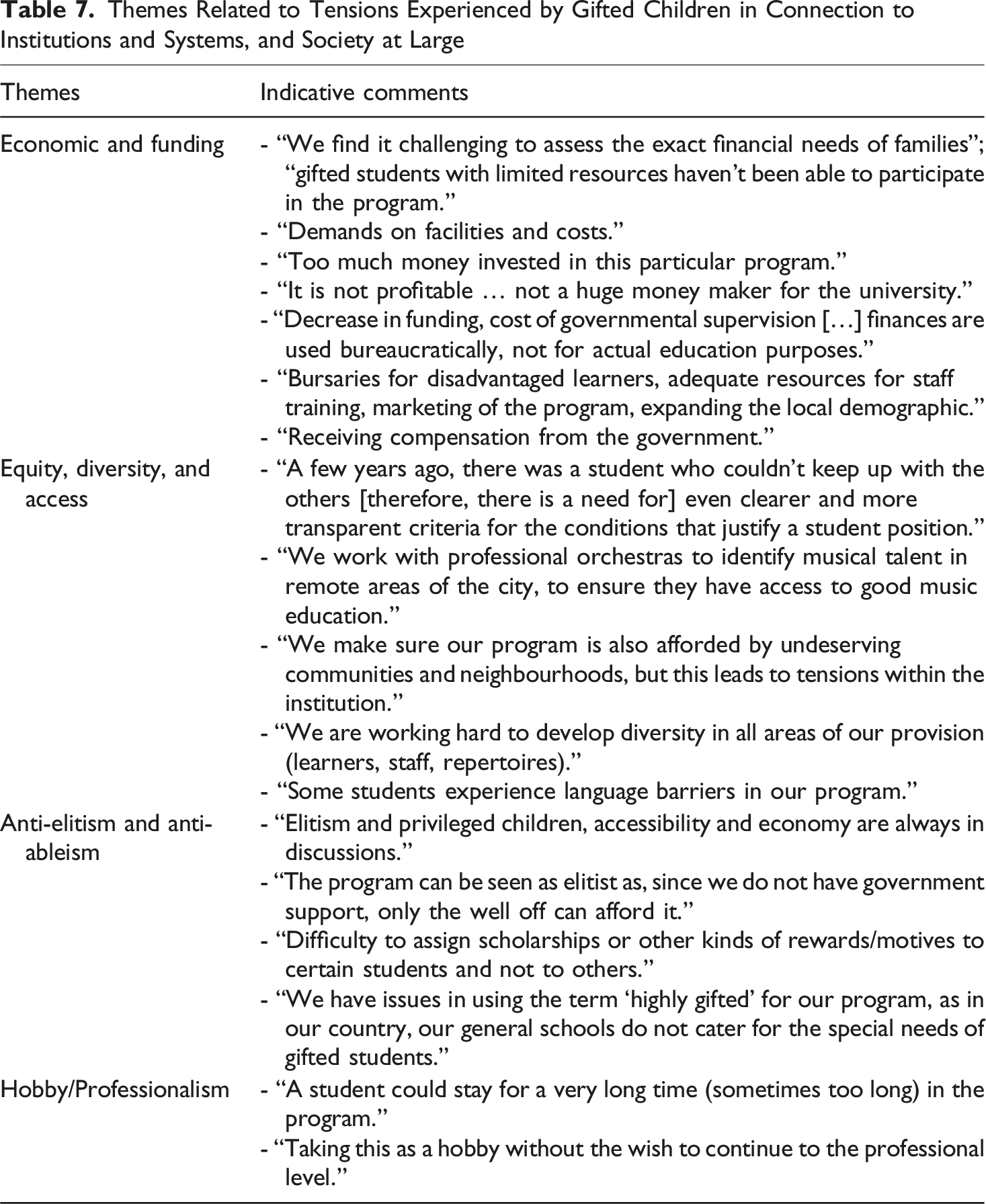
Themes Related to Tensions Experienced by Gifted Children in Connection to Institutions and Systems, and Society at Large
Discussion
This study sought to map and then interpret the characteristics of existing specialized music programs for gifted children worldwide. Our goal was to identify issues that might inform future policies and practices within these settings, given that these specialized music institutions typically operate independently, and often without external oversight.
Our initial aim was to identify the features, admission requirements, types of educational offerings, and goals of specialized music programs for highly gifted children worldwide. After a multi-faceted and comprehensive search, we collected data from 81 institutional leaders who oversaw such programs, representing a large segment of the geographical and institutional contexts identified and considered for this study (about 30% and 50%, respectively). This process revealed that these institutions vary widely in scope, educational offerings, and emphasis placed on the specific needs of gifted children. In addition to the variety of institutions and leadership roles identified, we observed several differences between these specialist institutions compared to other forms of formal education.
As shown in Figure 3, two competing orientations were evident in the leaders’ explanations of their program. The first (shown on the right-hand side of Figure 3) depicts the emphasis placed on the prestige of the program and a philosophical orientation that implies that participating children are privileged to attend the program. The underlying tone is that the child is in service to the program and will be judged on their ability to conform to the program’s requirements, and adhere to the strict regime required to fully develop their talent to a level at which they can move to further advanced training and an eventual career as a musician (see further Westerlund et al., 2025). A philosophical underpinning of this type of emphasis was on predetermined outcomes with less emphasis on the individual needs of each child.
The left-hand side of Figure 3 depicts an alternative viewpoint, as expressed by the program leaders. The emphasis here was on the child as a unique individual. The underlying tone was that the program is in service to the child. Leaders, teachers, as well as those acting in both roles, were seen as coaches and allies who are there to support the child’s needs, and to encourage them to develop personally, socially, academically and musically. The philosophical underpinnings of this type of emphasis were on flexible outcomes and a holistic education that allowed the child to determine their own future career.
Importantly, for both views expressed above, the program leaders provided information indicating that they were genuinely concerned to provide a high-quality musical education for the learners in their gifted program. As shown in Figure 5, however, the emphasis on how to achieve this goal varied quite markedly across the two philosophical orientations. Program Orientations and Outcomes (Visualization Created by the Authors)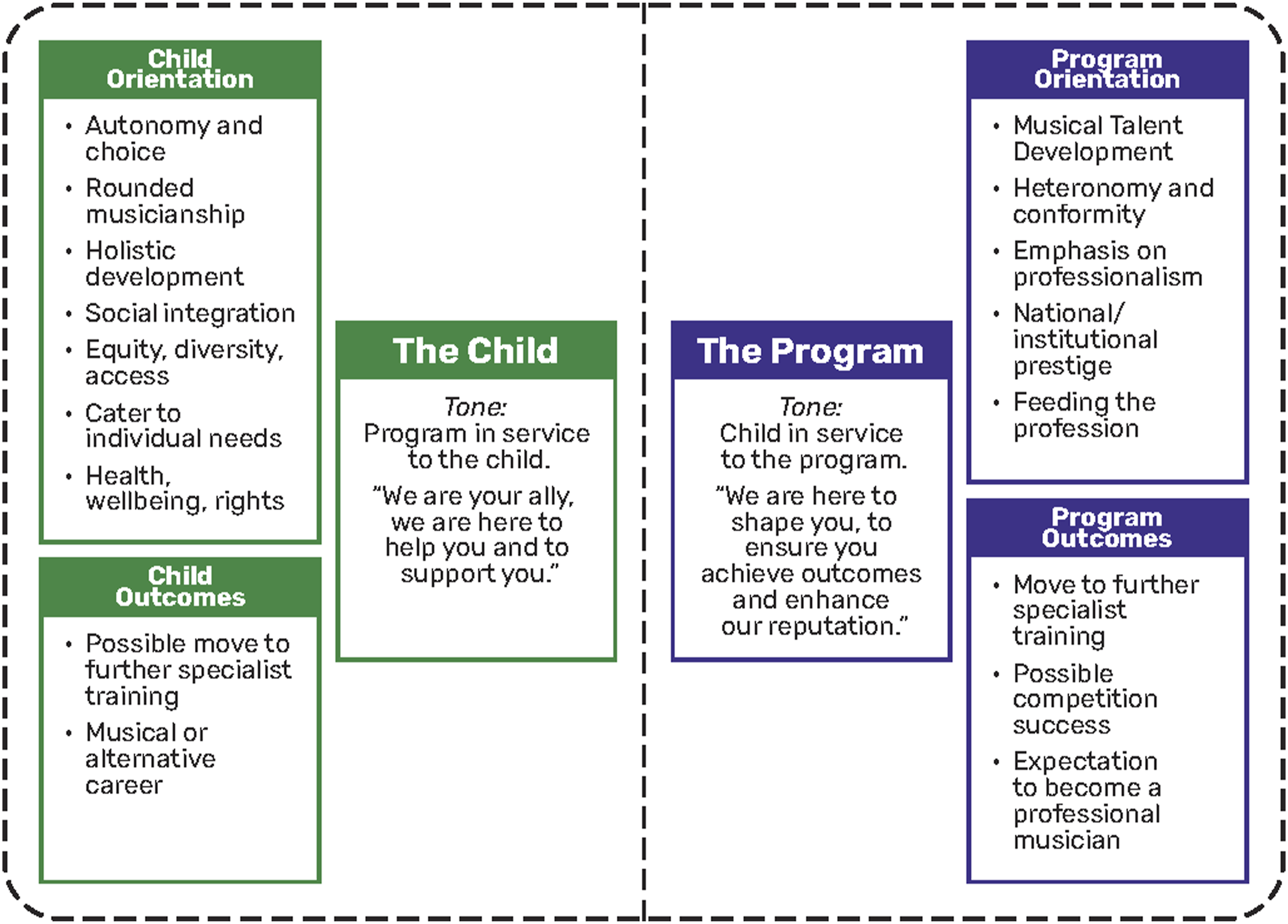
Our second aim focused on understanding the leaders’ backgrounds and motivations for taking on leadership roles in these specialized programs. Generally, the participants cited various reasons for accepting their leadership position. These could be broadly categorized into two main approaches: system-focused (regarding the profession, the institution, or the leader) or child-focused (regarding their health, wellbeing, and rounded development). Some leaders prioritized their own career goals and educational alignment. Conversely, fewer leaders prioritized the wellbeing of the child as the central focus of their professional endeavors and job choice (see Figure 6). The most prominent responses among this group came from leaders who had been gifted themselves during their childhood and who felt a social obligation toward gifted children, alongside a desire to care for, support and protect them (in line with Held, 2006; Noddings, 2003; Tronto, 1993). Leaders’ Motivations for Undertaking a Leadership Role (Visualization Created by the Authors)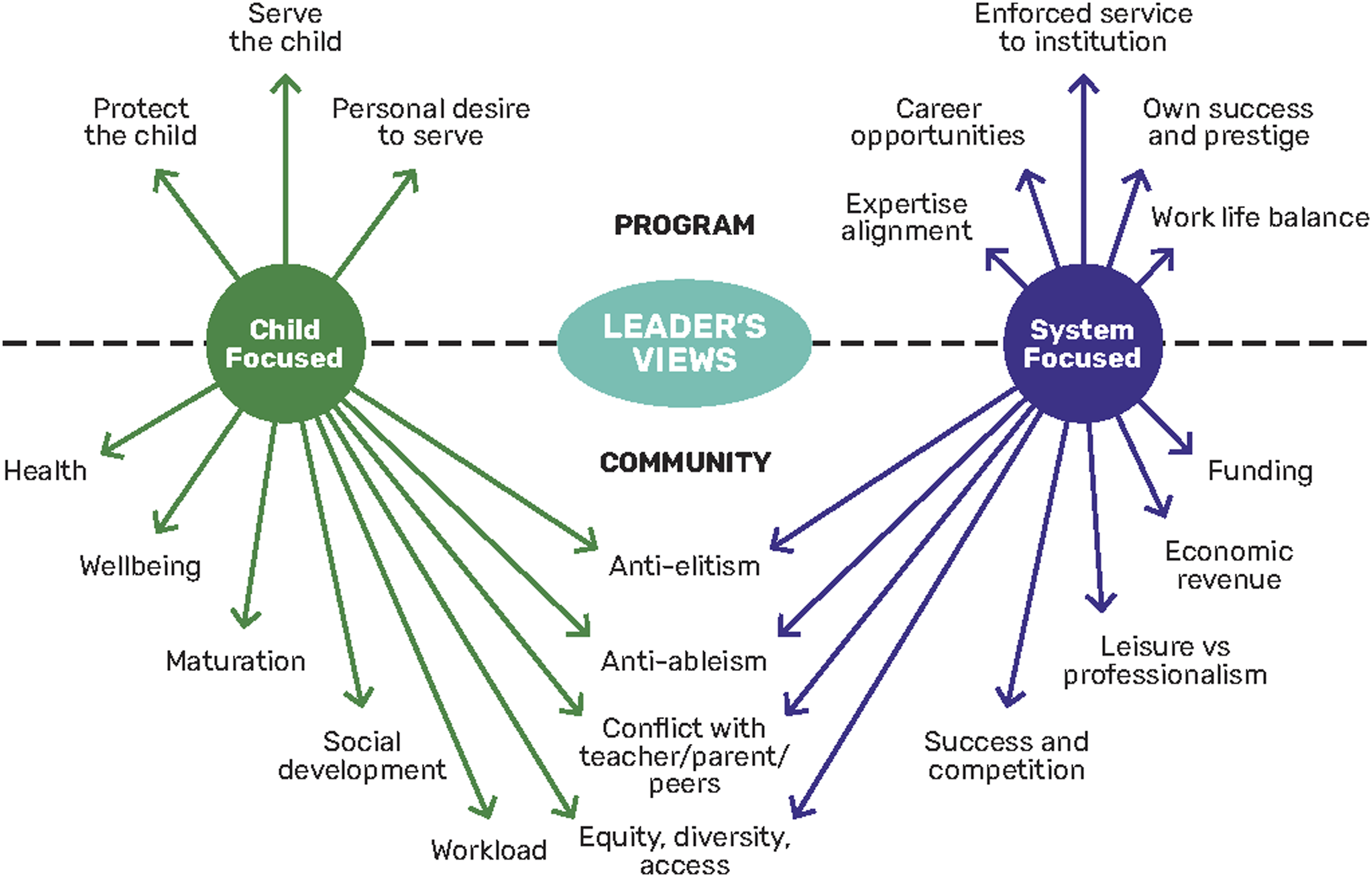
Our third aim analyzed the overall community and societal support (or lack thereof) for the programs, and the difficulties and conflicts that the leaders identified within their programs concerning the education of gifted children. Our analysis showed that the programs lack consistent support from various stakeholders. The few who did clearly support them did so because of the financial benefits or prestige the program offered to the institution or nation, rather than a focus on catering to gifted children with supportive pedagogies and specialized instruction.
Concerning challenges and conflicts, as most leaders pointed out, other stakeholders who interact with gifted children approach their roles and the importance of the specialized programs in rather different ways: from prioritizing the children’s health, wellbeing, and holistic development, to viewing gifted children as future professionals who enhance the prestige of others and the system (see main themes in Figure 4).
Our study had several delimitations. As a non-comparative design with data privacy constraints, we have purposefully omitted describing similarities or differences of responses across nations. In any case, while analyzing the results, we did not perceive any major differences according to the regions, number of students, international recognition of the institution, or other variables (e.g., political or economic systems). Our approach also focused on a description of existing approaches rather than emphasizing the frequency of responses. In this regard, future studies are needed to expand knowledge, on a global scale, on these programs. There is, for instance, insufficient information on the types of support policies and practices of caring for gifted children, the criteria used to select qualified teachers with caring mindsets and certification related to special needs and gifted education (in music), or the provision of professional training opportunities for these teachers, the means of cooperation and specific support policies for parents of gifted children in these music settings, or counselling services and safeguarding protocols.
Conclusions
Analyzing the results of this research uncovers both agreement and divergence in the various viewpoints expressed. All leaders expressed pride in their institution and a desire to provide a high-quality music education for the gifted learners who were privileged to participate in their programs. However, as discussed above, the leaders could be categorized into two distinct groups. The first expressed a view that revolved around their institution, its prestige and traditions, and the emphasis it placed on serving the cultural community and wider societal context within which it operated (i.e., gifted children serving the system). The second mindset expressed a more open viewpoint whereby the holistic development of each child, beyond talent development in music, was paramount (i.e., the system serving each child). We expected leaders in traditional Conservatories to be more inclined to represent the first view, with leaders in non-Conservatory settings (such as specialist high schools) to be more representative of the second view. Despite some alignment, this was not always the case.
Four decades ago, philosopher Marx W. Wartofsky (1983) argued in his seminal work that the construction of childhood belongs to historical periods, and for new qualities to arise in their ecosystem, a fundamental shift in the pre-existing structure of societal traditions must take place. However, despite what research has stated, the Conservatory system continues to be in a state of hibernation (Pozo et al., 2022) and has faced scrutiny for many years. This is because it has not yet entirely managed to: fit comfortably into this organic model of change [thus] remain[ing] embedded in a legacy of tradition, characterised by hierarchical structures that reflect the paternalistic style of management and artistic leadership still prevalent in many symphony orchestras and opera companies … arts training institutions necessarily have to reappraise the culture within which they work. (Renshaw, 1998, p. 2).
The results of this survey suggest that the Conservatory-based traditions of the programs surveyed here, which often have roots stretching back decades or even centuries, would benefit by incorporating insights from other fields, particularly practices that are now common within gifted and talented education, and which have evolved substantially over the past forty years. Most important among these developments is an emphasis on care ethics (e.g., Held, 2006; Noddings, 2003; Tronto, 1993; in music, López-Íñiguez & Westerlund, 2023), to ensure all students receive equitable treatment, a well-rounded high-quality education, and a learning environment that stimulates their basic psychological needs. In our view, it is imperative that programs for gifted music learners enact policies that monitor, evaluate and respond to the learning needs, progress and achievement of learners enrolled in their programs. The ideal goal should be to create a better future through the delivery of an egalitarian and high-quality music education that supports every gifted child to realize their full potential within a more caring ecosystem.
Footnotes
Acknowledgments
We would like to thank every program leader and institution participating in this study. We also thank the associations and individual colleagues who helped us build the map of educational ecosystems that provide music education for gifted and talented students globally. Findings reported here are part of a systematic, multi-year research project that will gather data from diverse cohorts of participants in multiple contexts globally. The focus of the research is on care ethics as this relates to gifted music education worldwide.

Funding
The authors disclosed receipt of the following financial support for the research, authorship, and/or publication of this article: The funding for this study was provided by a research grant obtained by the first author, known as The Politics of Care in the Professional Education of Children Gifted for Music, which was sponsored by the Scientific Council for Culture and Society of the Research Council of Finland (348591).
Declaration of Conflicting Interest
The authors declared no potential conflicts of interest with respect to the research, authorship, and/or publication of this article.
Note
Gifted Education International
Survey Questions used for this study • Gender • Title of your position (e.g., Head, Principal, Director, Coordinator) • Name of your institution/program • Department / Unit • Country of institution/program • Number of years you have been involved in administering the gifted music education program • Describe your duties for this program • Describe your personal/professional reasons for undertaking this role • How many gifted students are enrolled in your study program overall? • Can students access the program at any age? What is the approximate starting age? What is the approximate completion/graduation age? • What criteria does your institution use to identify and select students into the program? • How are your students grouped in your specialized program? • Can your students accelerate, skip grades, simultaneously study with other teachers, select subjects or undertake extension activities beyond the core curriculum? If yes, which ones? • Describe the extent to which staff across your institution agree that such a program should be supported/offered (arguments in favor/against) • Describe the extent to which staff across your institution agree that such a program should be supported/offered - What are their arguments in favor of/against offering the program? • Describe the extent to which the leadership of your institution agree that such a program should be supported/offered. • Describe the extent to which the leadership of your institution agrees that such a program should be supported/offered - What are their arguments in favor of/against offering the program? • Is a goal of your program to produce professional musicians? • Describe the content of your curriculum: ○ In music performance (e.g., individual and/or group lessons, ensembles, masterclasses) ○ In other music-related subjects (e.g., theory, aural training, history) ○ Other enriching activities (e.g., Suzuki, Dalcroze, Kodaly, Orff, Yoga, Pilates, Feldenkrais, Alexander technique) • Does your institution have a strategic plan (mission/vision) for your gifted program? (if yes, please describe, and if available, add the website URL) • Describe any past and/or ongoing ethical, controversial, or challenging issues regarding your gifted/talented music program, and how they have been resolved. [Can you give any anonymous examples that have been particularly tricky to negotiate?] • Past and/or ongoing tensions within your institution. For example, justification for the program, systems of rewards/punishments, grading… • Past and/or ongoing tensions within the wider community. For example, perceptions of elitism and privilege, access and opportunity to attend the program, economic considerations…