




Abstract
Introduction
Elite sportspersons who are involved in high-intensity physical sports indulge in severe training and competition schedules, which exposes them to high levels of inflammatory and oxidative stress, hence it may hamper their health sometimes. Disturbance in the health of sportspersons also induces compromised performances.
The premise for functional nutrition
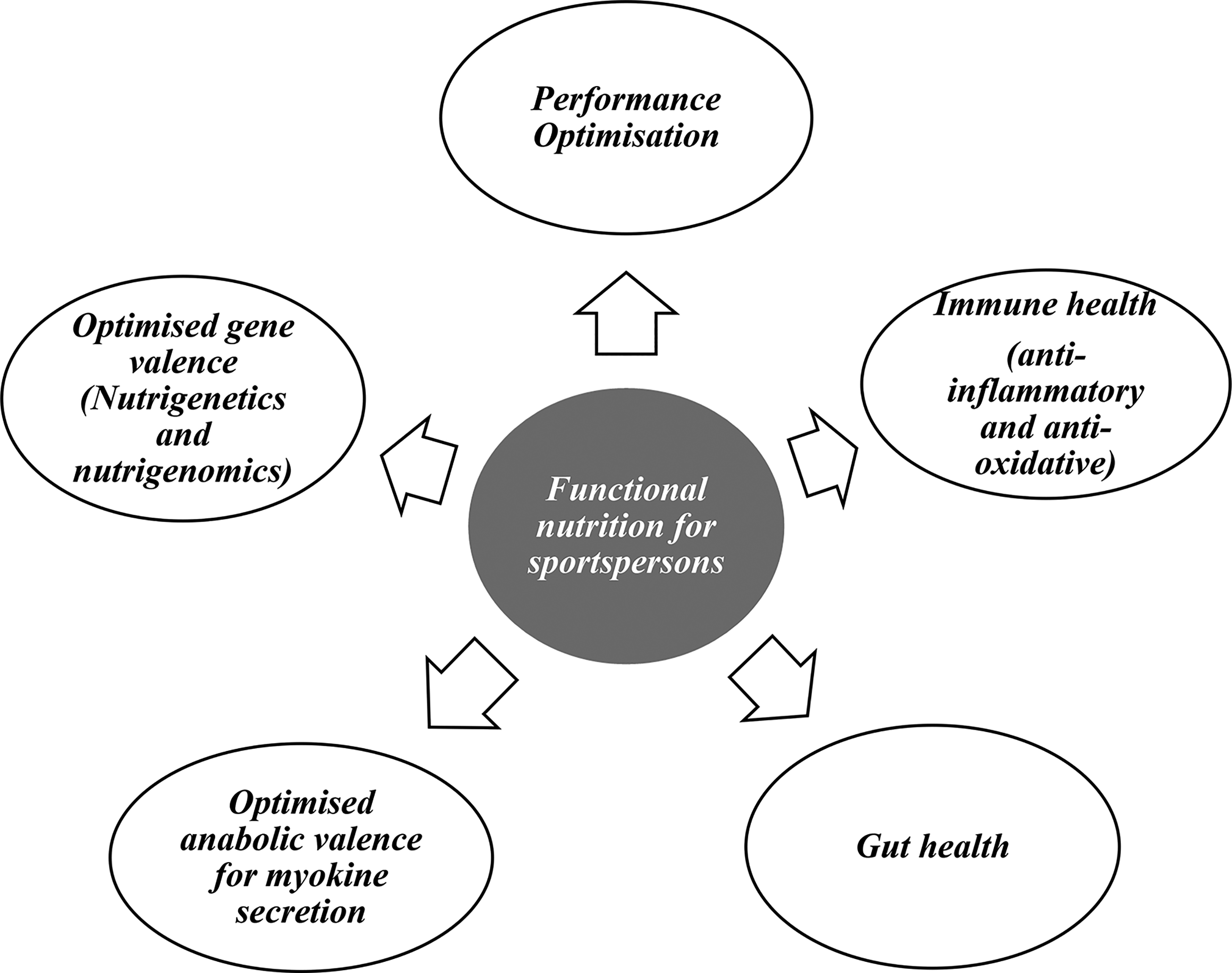
Functional nutrition is essential for elite sportspersons training for securing both rest and recovery to have proper health and anticipated performance. Apart from serving the energy needs of the sportspersons, the nutrition strategies should provide them with certain metabolic advantages, which provide greater health and immunity, to ensure proper training and competition. The diet of the sportspersons needs to contain appropriate anti-inflammatory and antioxidative nutrients, to ensure to reduction and control of the physiological stress of tissues during high-intensity physical sports, especially during marathon running. Preserving anabolic valence among sportspersons for muscle myokine optimization is an essential aspect of sports nutrition, which secures health and provides excellent performance potential. Preservation and optimization of gut microbiome among sportspersons enhance immune health and performance, through proper gut integrity and enhanced metabolic cascades. As the genes are to be properly expressed for excellent manifestation in protein synthesis and other metabolic signaling, achieving genetic valance through proper nutrition ensures the health of the sportspersons.
Conclusion
Functional nutrition seems a very necessary and potent factor in the training and competition aspects of elite sportspersons since nutrition not only provides recovery but also ensures proper health for elite sportspersons.
Introduction and premise for the concept
Elite sportsperson's training is highly intense and severe in terms of physical effort. Endurance cyclists and long-distance runners including marathon runners take serious risks during their preparation for sports events, which might affect their health status significantly. Success in high-level sports takes a longer time of training and adaptation. Peak sports performances can only be achieved when training is undisturbed due to health and injury issues. It is also important for elite sportspersons to achieve the best performances during the competition without any negative issues including the slightest bodily discomfort due to health problems that may arise due to the severe prolonged training. Irritating gastrointestinal (GI) symptoms (de Oliveira et al., 2014), respiratory discomfort due to aerobic inflammation (Bussotti et al., 2014), and reduced oxidative strength may affect the sports performances of elite sportspersons. The training protocols of elite sportspersons should necessarily take into account, all those health factors and should include all those means and methods that would prevent these disruptions. Training teams of elite sportspersons need to adapt techniques of rest, and recovery very appropriately to suit the training intensities and the competition schedules of the sportspersons. Elite sportspersons are guided and monitored by exercise endocrinologists, exercise metabolism specialists, exercise nutrition specialists, sports medicine specialists, exercise immunology specialists, psychologists, and several such relevant professional experts. Though these professionals are highly specialized in their domains of science, they need to maintain receptiveness and permeable understanding of all the inter-disciplinary issues for advanced sports training, so that they may offer appropriate guidance to the physical trainers or coaches of the elite sportspersons.
Protecting the health of the sportsperson and ensuring performance development are the two important requisite domains for the science of sports training. Elite sportspersons’ rigorous and high-intensity sustained training could expose them to high levels of oxidative and inflammatory stress (Sohail et al., 2020) that may pose a threat to the metabolic integrity and health status, if not properly identified and controlled. Rest and recovery procedures are to be incorporated into the training of the sportspersons very appropriately, based on the training intensities and competition levels. Though it is highly necessary to enhance the intensity of training for higher adaptations, health markers are always to be monitored during the training and should be controlled with proper recovery methods. Sportsperson's diet needs to contain all those nutrients that would protect their health, both during the sustained high-intensity training protocols and also during the competition, apart from securing the desired level of performance during the competitions. Functional dietetics should help sportspersons to have them protected their anti-oxidative, anti-inflammatory, and immune functions, through the right selection of protein, minerals, and vitamins and with sufficient energy substrates for excellent physical performances (Aoi et al., 2006). The nutrition program of sportspersons should also ensure excellent cell signaling and other metabolic cascades (Pandey et al., 2017) at prime to derive the utmost health in the intra-cellular environment, for excellent functioning of the whole body, which would tolerate sustained high-intensity aerobic stress loads of sportspersons, especially the elite sportspersons.
Importance of nutrition in elite sportspersons
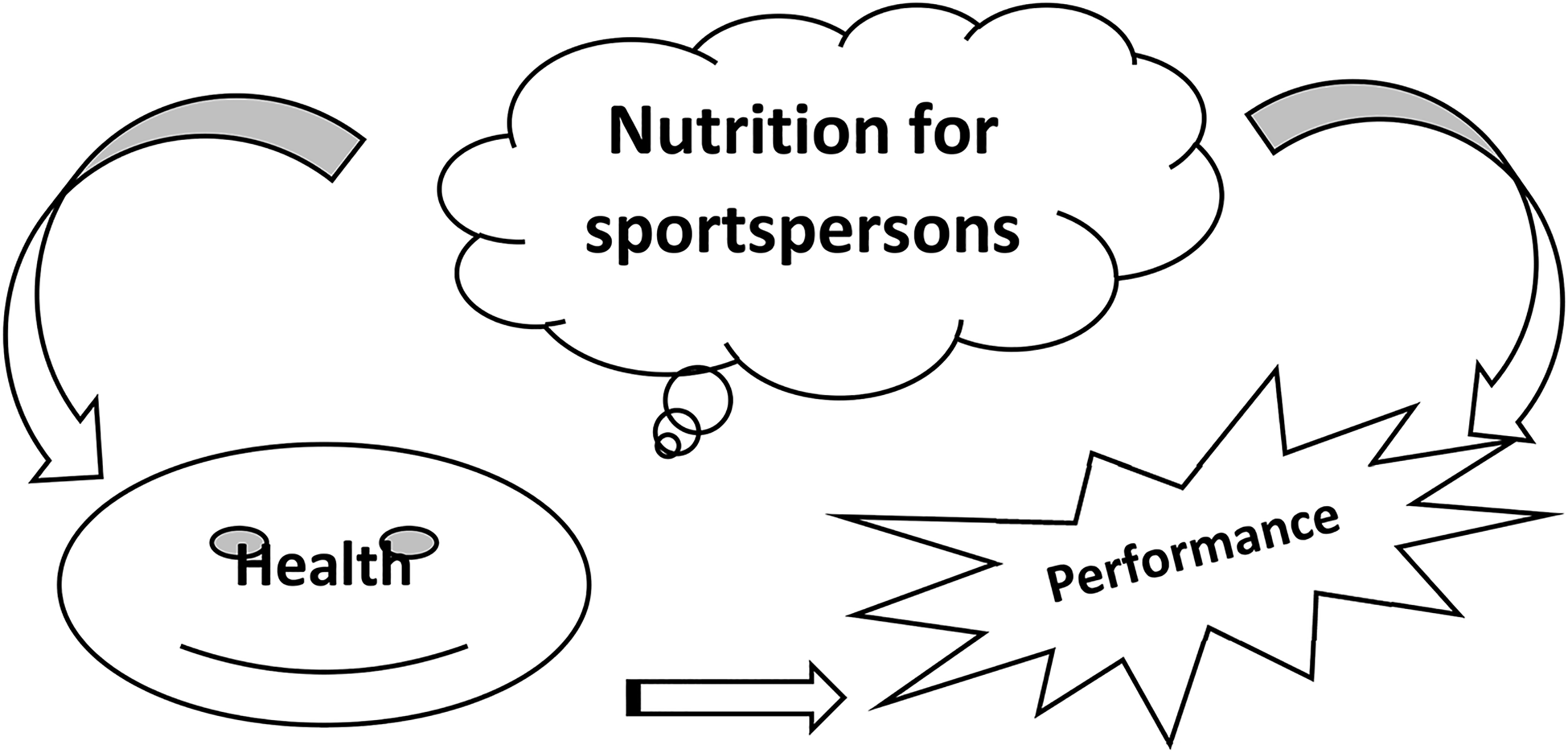
Nutrition plays a vital role in securing both health and desired performances, to the sportspersons during training and as well during sports competitions. Epigenetic effects of exercise are well studied and several pieces of research in this area confirm that exercise brings significant changes in genes in terms of their expression (Soci et al., 2017). It is also true that the nutrients show significant nutrigenomic effects on the genetic expressions independently and another way the genes also respond to various nutrients in different ways, hence nutraceuticals are developed based on this science of nutrigenetics (Guest et al., 2019). These two complex phenomena are to be correctly interpreted in terms of exercise epigenetics. The complex triad (nutrition, health, and performance) makes the physical training for elite sportspersons complicated and needs an extensive understanding of the issues. The combined effects of exercise and nutrients on health issues and also on the performance issues of sportspersons are less explored scientifically. Even minor ill health issues may also topple the performance levels of the elite sportspersons drastically during the competitions and it is highly expensive as it may deprive them of their victories, which are mostly decided on very narrow margins at the top-level sports. Even slight infections of the respiratory tract, especially of the upper respiratory tract, could bring down marathon running performances drastically (Derman et al., 2022). The effects of high-intensity inflammatory and oxidative stress effects of high-intensity sustained elite sports training need to be tackled with proper nutrition, rest, and recovery methods (Figure 1).
Nutritional requirements for sportspersons are different when compared to the non-sportspersons, because of their regular involvement in rigorous physical training protocols and competitions (Purcell and Canadian Paediatric Society, Paediatric Sports and Exercise Medicine Section, 2013). Sports nutrition issues are highly complex and depend on the type of exercise, intensity, and duration since the metabolic cascades are different in these different aspects of physical activity (Beck et al., 2015). Especially during the foundation stages of the sportsperson, nutrition plays a much bigger role in terms of the protection of health, than the performance (Dieticians of Canada et al., 2000). Studies in exercise endocrinology and exercise immunology indicate that sufficient exposure to graded high-intensity physical training over a long period is highly essential to bring positive adaptive changes concerning the tackling effects of high-intensity inflammation and oxidative stress of physical exercise, during high-intensity training and high-intensity sustained physical activities. During this adaptation period, beginners and unadopted young sportspersons need scientific guidance concerning the nutrition program both during their training and competition times. Highly adapted elite sportspersons may draw more benefits in terms of performance enhancements through the proper practice of nutrition.
Important facets of nutrition for elite sportspersons
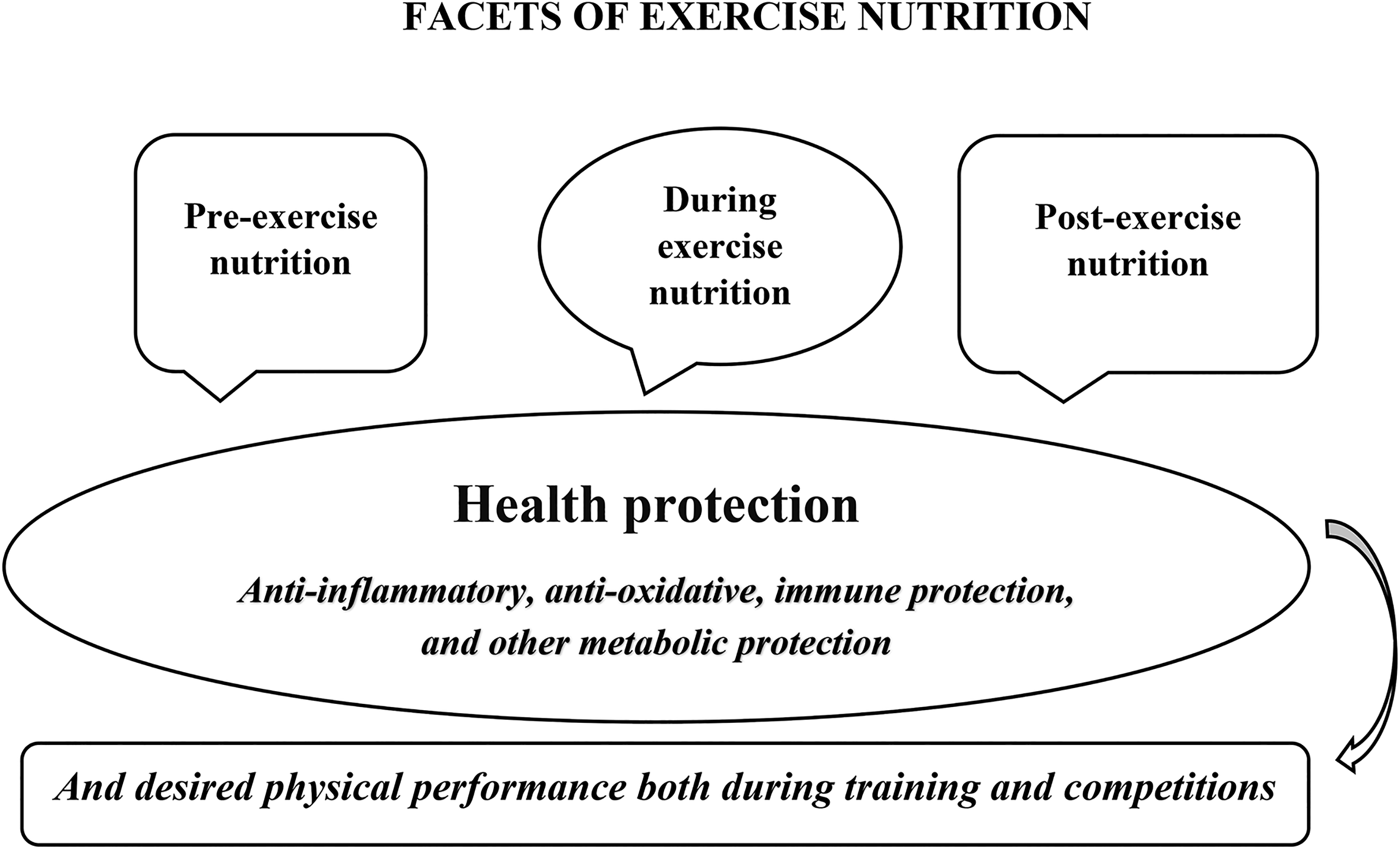
Sports nutrition strategies for elite sportspersons need to be recognized in three major perspectives, depending on the requirements of the nutrients, based on the physical activity trends and competitions, including the high-intensity chronic training programs. These three may be identified as “pre-exercise nutrition, during-exercise nutrition, and post-exercise nutrition.” Though these three divisions are identified for the sake of clarity, in understanding the perspectives of the nutrition requirements, based on the several metabolic cascades that are involved. But, these divisions are osmotic, and the nutrition requirements of the sportspersons need to be taken care of in an inclusive manner, keeping in view of the training and performances together and also specifically keeping in view of the long-term requirements of the sports nutrition of sportspersons (Burke et al., 2019).
Pre-exercise nutrition does not necessarily the nutrition, that is provided to the sportsperson just before the physical activity session, but it is more of making the elite sportspersons to be ready, in terms of having the ability to face the high intensity prone inflammatory and oxidative stress conditions, and to make the elite sportspersons to be able to neutralize the cytokine rush of these two stressful conditions, and also to make the sportsperson to be able to tackle the physical activity energy demands comfortably for exhibiting the better performance, both during training and competitions. During the high intensity sustained physical activities, like marathon running and ultra-marathon physical activities, the inflammatory cytokine rush may be abnormal (Scheer et al., 2022), which may create higher-order inflammatory conditions among the exercising tissues and other related organs, which need to be countered effectively. Pre-exercise nutrition requirements differ significantly among elite sportspersons depending on the type of sports activity and training (Jonvik et al., 2022). Apart from health, how to load metabolic substrates for excellent energy derivation during sports performances based on the type of sports activity is also an important area of specialization in sports dietetics. For example, improving or maintaining the muscle creatine phosphate may be highly important for sprint run performances (Crisafulli et al., 2018), whereas maintaining liver glycogen and muscle glycogen reserves could be important for requisite performances in long sprints and middle-distance running and for sports like football, hockey, handball, basketball, etc (Noakes, 2022). Also maintaining or improving muscle glycogen and having high amounts of free fatty acids (FFAs) are essential for higher-order ultra-endurance performances, as in the case of marathon running and ultra-endurance cycling (Rapoport, 2010). One more significant area of sports nutrition is monitoring the nutritional requirements of the inter-related metabolite substances like micronutrients, which include important minerals like calcium, zinc, magnesium, etc., and also the nutrients like the essential vitamins, which may be significantly important in the metabolic cascades of energy metabolism, during the physical activities. As already indicated, it is important to have such nutritional strategies, to have sufficient energy substrates, based on the prospective training or competition of the sportspersons, along with sufficient protein support and other nutrients including the broad spectrum vitamins, minerals, and other micronutrients like anti-oxidants, etc., to tackle the physiological stress load of the organism during the high intensity sustained training sessions and competitions of sportspersons. Muscle or ligament injuries during sustained physical activities could be due to improper or inadequate nutrition (Turnagöl et al., 2021), which may be either due to insufficient energy support and/or due to insufficient electrolyte support or due to improper protein ongoing synthesis support, due to short supply of either protein or energy for protein metabolism (Gonzalez et al., 2022). All these need to be planned very scientifically based on the prospective training session intensity, duration, and density and also keeping in view the sportsperson's metabolic adaptations concerning the several nutrients in general (Figure 2).
Exercise nutrition strategies during physical activity training and competitions for elite sportspersons are very much related to taking care of all those inclusive issues that foster the guaranteed expected performance, and also not to get injured or distressed disproportionately, which might arise due to physical stress of high-intensity training and high-intensity competitions, that may induce risks of health and recovery. The activities like marathon running including super ultra-marathon running, ultra-cycling, triathlon, etc. need both supportive and protective nutrition strategies during such sustained aerobic physical activities. Preference of energy substrates by the body depends on several issues like, metabolic adaptation to higher order training, presence or absence of other metabolites like liver glycogen, and muscle glycogen before switching to the other substrates including FFAs by the muscle tissue, intensity of the physical exercise and duration of the physical exercise, genetic predisposition of the sportspersons concerning the energy substrates utilization and several such other conditions (Burke, 2021). Maintaining and replenishing energy substrates during such ultra-endurance physical activities should be to ensure quick absorption, especially electrolyte absorption, through the consumption of proper quantities of electrolyte solution in hypotonic densities through the cold-water medium is also an essential strategy (Fan et al., 2020), as the imbalance in sodium-potassium pump could completely distress the water metabolism, including the sweat and thermostat mechanism. Sodium-potassium pump malfunction could severely affect the performances since the malfunction in the sodium-potassium pump could hamper the cell signaling mechanism of the tissues. Severe hyponatremia conditions during sustained high-intensity physical activity may also lead to the condition of coma, though the same may happen very rarely among elite athletes. The sports nutrition studies are supporting, that co-ingestion of carbohydrates and protein may be more beneficial than mere consumption of carbohydrates, in terms of protection of sarcolemma integrity, during high-intensity sustained aerobic physical activities. (Millward, 2021). More studies are needed to understand the effect of co-ingestion of carbohydrates and protein, in terms of hormonal and enzymatic metabolic cascades which may provide performance protection through the stimulation and/or proper synthesis of the hormonal and enzymatic proteins during such sustained high-intensity physical activities, which may also contribute for protection from high inflammatory and oxidative stress but also assured of the hormonal and enzymatic metabolic cascades that would make the sportspersons to secure better performances. The protein consumed during the high intensity sustained activities like marathon running, ultra-endurance cycling, etc. may also cause to induce better recovery after the termination of such physical activities, though the actual mechanism is not properly understood, the studies elicited that such co-ingestion of carbohydrates and protein during the high intensity sustained physical activities may cause to induce better and quicker recovery after the termination of such high intensity prolonged physical activities (Rustad et al., 2016; Figure 3).
Functional physiology-based nutritional strategies for sportspersons
Functional nutrition for controlling the effects of inflammatory and oxidative exercise stress
Inflammation is an innate phenomenon that is essential to bring in several changes in metabolic cascades including cell signaling, which may lead to better adaptation in terms of enhancements in the immune system, better regeneration capabilities for higher order physiological homeostasis that makes individuals better in terms of functional physiology, especially the functional physiology required to tackle the infections and for prevention of disease conditions (Gusev and Zhuravleva, 2022). Though inflammation is a biological process due to some internal or external stressors that make for the dilatation of blood vessels, enhancements in tissue temperature, facilitate the significant release of cytokines or chemical substances that may bring several inflammatory and anti-inflammatory cascades. Physical exercise has been identified as a potential inflammatory stressor, but the intensity of inflammation through exercise depends on the type of exercise, intensity of exercise conducted, duration of the exercise, the age of the exercising individual, and also depends on the level of functional physiological fitness a person achieved through regular physical training (El Assar et al., 2022). Moderate intensity of physical exercise including moderate intensity sustained aerobic activities that include long-distance running of optimal distance, would cause for enhanced protective inflammatory environment, through optimal flow of inflammatory and anti-inflammatory cytokines. Though high and very high intensity sustained aerobic endurance activities like ultra-cycling would not affect negatively some individuals, the same may foster for negative inflammatory environment among some sportspersons, due to excessive or uncontrolled flow of inflammatory cytokines like TNF-α (tumor necrosis factor-alpha), IL-6 (interleukin 6), IL-1β (interleukin 1beta), CRP (C reactive protein), and such other inflammatory cytokines (Suzuki et al., 2020). This may be due to the abnormal circulation of glucocorticoids which are released in excessive quantities due to the imbalance between the inflammatory and anti-inflammatory mechanisms, causing neuroendocrine disturbances (Cain and Cidlowski, 2017). As these glucocorticoids are sometimes immunosuppressive, may cause changes in lymphocyte proliferation and reduced effectiveness in terms of immune surveillance.
The resultant cytokines that appear post-inflammatory stress may comprise both inflammatory cytokines and anti-inflammatory cytokines, depending on the intensity and severity of the inflammatory stress on the organism. The resultant effect of these inflammatory and anti-inflammatory cytokines may bring positive or negative effects in terms of immune function, protein regeneration, oxidative strength, and other metabolic functions. Controlled or optimal inflammatory stress is, in fact, essential for the up-regulation of several metabolic cascades that may bring enhanced capacities in terms of immunity. Exercise immunology studies are favoring more for moderate and optimal intensity or even high-intensity physical exercise with optimal rest and recovery strategies for positive inflammatory effects (Thirupathi et al., 2021). Both acute and chronic effects of physical exercise and physical training have been shown to produce differential effects in terms of bringing health benefits.
Skeletal muscle, which is the primary exercising organ of the body, also can produce cytokine-like chemical substances, which are called myokines, in ample quantity, which may act in autocrine, paracrine, and endocrine ways to produce different cascading effects, which may influence the whole inflammatory process differently, that enhances the organ cross talk and strengthening of signaling mechanisms, which may also bring more positive changes to help an individual to improve healthful functional physiology (Bay and Pedersen, 2020). Exercise factors which were obscure earlier, have become clear with the results of the studies in exercise endocrinology and exercise immunology. Myokines which have been identified as the result of muscle contraction during physical exercise been significantly identified as factors of influence enhanced anti-inflammatory and immune strength of exercising individuals.
As a natural consequence to counter the pro-inflammatory cytokine rush during the inflammatory stress of high-intensity sustained physical activities, several anti-inflammatory cascades are initiated by the tissues, causing the neutralizing effect, thereby providing the organism, an opportunity to sustain and adapt to the inflammatory stress, which may ultimately make the organism to equip higher anti-inflammatory capacity and higher immune strength in the process. The possibility may be, that regularly trained sportspersons including elite sportspersons may have sufficient anti-inflammatory metabolic strength, due to their possible higher level of adaptations to such physiological stress conditions (Daniela et al., 2022). However, it may be difficult to understand and measure the effects of such higher-order inflammatory stress effects quantitatively and hence, it is important to initiate the possible countermeasures, like withdrawal of exercise stress, reduction in physical stress, and other neutralizing efforts that include resting and appropriate anti-inflammatory nutritional strategies, keeping given the manifestations that may appear among sportspersons both during their high-intensity training and competitions. Though it may be required to go easier during the training sessions if necessary, to keep in control the high levels of inflammatory and oxidative stress, which may also pose problems in performances and hence the nutritional strategies that would mitigate the effects of the high-intensity inflammatory stress may be highly essential in the training diaries of the elite sportspersons and including the exercising individuals. The possible lower levels of adaptation to the inflammatory and oxidative stress among recreational high-intensity endurance sportspersons would require them to adopt apt nutritional strategies and recovery strategies in their training protocols (Tanous et al., 2022). The inclusion of anti-inflammatory and anti-oxidative nutrients-containing foods in the diets of recreational sportspersons regularly may help to tackle the excessive or higher amounts of these physiological stress issues. During the high intensity sustained physical activities like acute high-intensity training and competitions of the sportspersons, the oxidative stress may also be very high and sometimes it may be very excessive, which may be difficult for the organism to neutralize the superoxides that are produced due to the high level of beta-oxidation, due to insufficient anti-oxidative endogenous capacities of the sportspersons (Maughan et al., 2018). It is recommended to adopt an apt nutrition program that would contain enough pro-anti-oxidant chemical substances like ∞-tocopherol, vitamin A, and flavonoids containing foods in the daily diet of sportspersons, who regularly involve in such high-intensity sustained physical activity training and competitions (Nocella et al., 2019).
The ongoing high-intensity inflammatory and oxidative stress due to high-intensity sporting efforts of elite sportspersons, if gone uncontrolled, either due to excessive levels or due to insufficient endogenous protection from within, could disturb the metabolic cascades of substrate metabolism, due to considerable disturbances in cell signaling and other negative metabolic events, which may cause significant disturbances to the ongoing physical performances during the competition and may affect the chances of winning considerably (Fernández-Lázaro et al., 2020). Among the several reasons for variations in the performances during the competitions by the athletes, the reason of the stress due to inflammation may be considered an important one. Trainers and athletes are cautioned to take proper care of this stressful atmosphere within the organism and are expected to take due care through proper nutrition and other strategies.
Effects of the gut microbiome, high-intensity physical exercise, and nutritional strategies
The gut microbiome consists of trillions of those microorganisms that include bacteria, fungi, and archaea, which are present in the digestive tract of human beings and other living animals, is an essential element for the health of metabolic cascades. The gut microbiome has been identified as a potential influencing agent of the gut bio environment and the overall metabolic cascades of the living organism, by influencing the digestion and absorption of nutrients, protection from invading pathogens, considerable effects on immune physiology, and many more. The studies are evident that the gut microbiome is so dynamic and varies its composition and effectiveness, influenced by several factors like nutrition, environment, exercise, and other lifestyle factors (Redondo-Useros et al., 2020). Healthy individuals are seen to have extensive diversity in the gut microbiome, containing different phyla of the microbiome that may serve various functions for the benefit of the host. For example, Xyloglucans a type of plant polymer present in certain types of vegetables may be absorbed through the presence of certain types of gut microbiota bacterial species and these plant polymers are important in the protection of the epithelial barrier function that protects mucosal integrity and thereby protecting the mucosal bio environment of the digestive tract and also the respiratory tract (Barbara et al., 2021). Some of the species of the microbiota are known to liberate certain types of short-chain fatty acids (SCFAs) which are highly important for the epithelial integrity and epithelial immune function and which may affect due to the changes in the type and quality of the gut microbiome (Liu et al., 2022). This conversion of the difficult-to-digest dietary fibers to SCFAs provides the required energy for certain tissues of the digestive tract and other tissues, which spares a higher energy balance to the organism, and hence the available energy to other metabolic functions including the energy metabolism during the physical activities. (Schönfeld and Wojtczak, 2016). This may create a positive energy balance for the sportspersons if the gut microbiome is comprehensively taken care of through diet, rest, and proper physical exercise routines.
The presence of certain types of gut microbiota is highly essential that may cause to trigger the pattern recognition receptors-microbes-associated molecular patterns pathway (PRR-MAMP) for inducing the intestinal mucosal cells to secrete certain very important anti-microbial proteins (AMPs), which may include certain immunoglobulins (IgA subclasses) that act as primary immune factors, which protect the gut epithelium from the pathogens and thereby protects the integrity of the gut physiology and health (Hou et al., 2022). This shows the significant effect of the gut microbiota on the gut-associated lymphatic tissue and how it affects the health patterns of the gut of the individuals. Gut immune integrity, including the epithelial integrity of the digestive tract, is highly essential for optimal digestion and absorption of several nutrients and higher energy metabolic cascades during high-intensity physical training as well as during competition. This indicates the mutual interdependence of the gut integrity and the gut microbiota for enhanced metabolic sustenance and higher-order metabolic homeostasis of energy metabolism.
Different types of physical exercises conducted at different intensities and for different durations may show differential impacts on the spectrum of the gut microbiome of the individuals. Elite sportspersons who are regularly involved in high-intensity physical training and competition protocols may experience significant effects on the spectrum of the gut microbiome (Mohr et al., 2020) and hence they are supposed to be more scientific in preserving or rather enhancing the effectiveness of the gut microbiome for their health protection. The paradigm of diet–exercise–gut microbiota has been well supported by several studies of exercise science. Scientifically supported and monitored studies on ultra-endurance physical training and competitions on the diversity of the gut microbiota in response to the exercise and diet, clearly indicate that even the high-intensity sustained aerobic activities which include ultra-marathon running, ultra-endurance cycling activities also brought significantly positive spectrum to the gut microbiota, leading to enhanced health and performances, when supported by proper nutritional strategies (Hughes and Holscher, 2021). Elite sportspersons need to have perfect nutritional practices to preserve this diverse spectrum of the gut microbiota, as malnutrition in any manner may negatively affect the diversity of the gut microbiota that may affect the gastrointestinal tract metabolic pathways, which may result in compromises in immune health and also the physical performances both during the training and competitions.
Sportspersons are supposed to be more cautious in terms of nourishing their bodies with the apt and optimal amount of bioactive nutrients since the bioactive nutrients consumed are absorbed differently based on the intensity of exercise, duration of exercise, and the spectrum of the gut microbiota. Consumption of dietary fiber is an essential nutritional strategy to protect and enhance the diversity of the gut microbiota, which may be highly different from individual to individual due to their genetic profiles or other reasons. Another important consideration in terms of protection of the gut microbiota is the quantity and quality of the protein consumed by sportspersons and exercising individuals. Though it is a natural practice among sportspersons, to consume high amounts of quality protein supplements, the same practice needs to be given scientific attention, as the excessive amounts of protein load in the gastrointestinal tract may negatively influence the diversity of the gut microbiota (Mills et al., 2019), especially in reducing the positive gram bacteria which might cause for the gastro-intestinal discomfort and may cause for reduced production of the SCFAs leading to disturbances in the energy metabolism, especially among the ultra-endurance sportspersons.
Probiotics, prebiotics, and symbiotic nutrition are also used as strategies of diet and nutrition to preserve and improve the gut microbiome diversity and quality, to secure the gut health and physical performances of the sportspersons, as this may be essential and highly useful for the elite sportsperson who normally involve in high to very high intensity sustained physical activity training and competitions (Heimer et al., 2022). Preservation of gut health through preservation of the gut microbiome diversity and improving the spectrum of the microbiota diversity, to achieve health and metabolic benefits, should be an essential aspect for all sportspersons. Probiotics are foods that may contain live microorganisms, mostly gut-healthy bacteria which in fact may contribute to the enhanced and diversified gut microbial spectrum. These are mostly fermented foods like Indian curd, French Yoghurt, etc., which provide a proactive environment, which makes the gut microbiota grow in healthy proportions or maintains the gut microbiota spectrum for healthful gut conditions. Prebiotics are foods or supplements that may contain nondigestible energy substances which are natural fibers that may be available to the gut microbiota as energy substrates for their optimal growth and maintenance. They may also be fermented foods that enhance the available quality of the natural fibers to the gut microbiota, and help the microbiota to get their energy through the metabolism of these natural fibers. The scientific concept of symbiotics is the mixture of both prebiotics and probiotics, wherein the foods are mostly prepared with a mixture of live microorganisms that enhance the spectrum and diversity of the gut microbiota. Prebiotic fibers, which are highly available in fruits also help with the energy metabolism of the gut microbiota.
As there is evidence that the high intensity sustained physical activities like ultra-marathon running, ultra-endurance cycling, etc. may induce certain negative changes in the gut microbiota diversity, leading to changes in gut motility, inducing disturbances in the gut health and gut integrity, including the overall immunity of the sportsperson (Mach and Fuster-Botella, 2017). Exercise-induced gastrointestinal syndrome (EIGS) may bring a negative metabolic environment for elite sports performances, especially affecting gut physiology. Proper diet and nutrition practices that would promote gastrointestinal integrity and physiology are highly pertinent for elite sportspersons, especially for those elite sportspersons, who involve regularly in high to very high-intensity physical training sessions. Improper nutritional strategies during high-intensity training may lead to serious disturbances in gut physiology due to major shifts in the gut microbiome diversity and quality. Hence, the sports nutrition strategies for elite sportspersons should consider the best preservation and up-regulation of the gut microbial diversity and quality to enhance gut physiology, for better energy metabolism and immune functions (Hughes, 2020).
Genetic predisposition of the sportspersons and the nutritional strategies
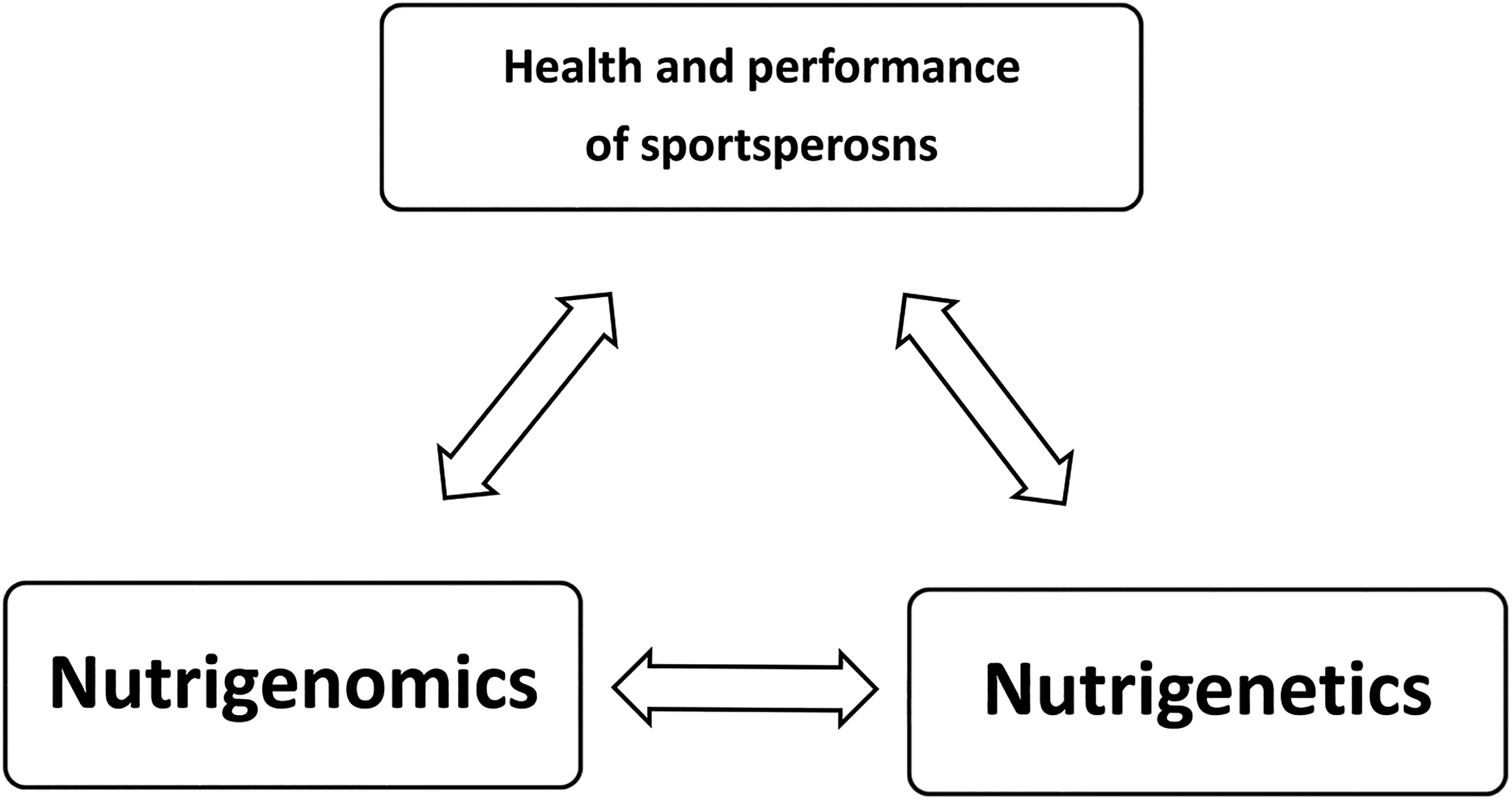
Epigenetic effects of exercise, the effect of nutrients on the genetics of the sportspersons in terms of genetic expression, etc., and consequent effects on the sportsperson's physiology affected are to be examined, to understand and make excellent use of the nutritional strategies, for protection from health issues and also for achieving the projected physical performances. Nutrigenetics explains the effects of various gene variants on the nutrients or dietary components, which probably can provide ample understanding of the malnutrition issues of sportspersons based on their genetics. The different single nucleotide polymorphisms (SNPs) of genes may produce different metabolic effects on the dietary components and might lead to the differences in absorption and utilization of several important nutrients, especially the micronutrients (Wang et al., 2020). Whereas nutrigenomics would explain how the different dietary components or nutrients may cause differences in the genetic expression and further metabolic actions due to differences in genetic expressions. Overexpression or underexpression of genes may be possible through the bioactive foot components. Hence, these bioactive nutrients may induce to cause consequent metabolic actions like activation of enzymes, and hormones including the synthesis of these protein bodies, which may bring changes in the health status of elite sportspersons drastically (Mullins et al., 2020). Individualized nutrition programs may be essential for safeguarding the health and the performances of the sportspersons based on their genetic profiles, both in terms of nutrigenomics and nutrigenetics. Some of the nutraceuticals or bioactive nutrients could be potent effectors of gene expression and consequent transcription competency, leading to impacting changes in the metabolic cascades of the organism (Vitale and Getzin, 2019). Along with the studies on the effects of genetic predisposition on sports performances and health, the study on the epigenetic consequences in terms of genetic changes, which include quality of gene expression may be more significantly essential for sports scientists, since the epigenetic consequences of genetic expressions and the consequent transcription competencies may induce significant effects in the metabolic bio environment relating to the health and performance factors (Figure 4).
Functional nutrition to optimize muscle myokine secretion
Among the latest discoveries of exercise endocrinology, the muscle myokines concept seems getting a lot of appreciation and attention. The muscle is the biggest endocrine organ, which can secret several hormone-like substances called myokines, which are recognized as effective chemical molecules that initiate and optimize several metabolic cascades including cell signaling. They work as autocrine, paracrine, and endocrine ways to produce the targeted effects on the various tissues (Severinsen and Pedersen, 2020). Myotome produces several dozens of chemical substances during the powerful muscular contractions and exercise seems to be the best way of producing these chemical substances for various benefits, which is essential for heightened functional physiology for sportspersons, both for their health and for optimized performances. Highly time-tested positive effects of exercise on functional physiology for health and fitness seem derived through the effects of these myokines (Isaac et al., 2020) and now several studies have identified these positive effects of these several myokines. These chemical substances are the reason for enhanced functional homeostasis of the organism and enhanced fitness, both functional and physical. Though not fully explored and understood, the chemical messenger system of myokines exerts a very powerful and necessary signaling system that enhances the tissue capabilities of various organs and systems of the body. Through the muscular stress of exercise, the muscles synthesize various protein substances and release them in appropriate quantity and quality which would conduct various physiological functions at various tissues, enhancing the anti-inflammatory and anti-oxidative capacities of individuals which also enhances the physical capacities of various systems of the body. Exercise-induced myokines bring higher immune status to the individual. IL-6 (interleukin-6), produced by myotubules may act as a muscle cell proliferation factor in a paracrine way, though IL-6 is a pro-inflammatory cytokine. It also involves the overall body glucose uptake and fatty acid oxidation via the AMPK signaling pathway (Chow et al., 2022). Exercise-induced insulin-like growth factor-1 (IGF1), fibroblast growth factor 2, and IL-15 may be responsible for the bone health of individuals (Kirk et al., 2020). Anabolic effects of the myokines are very well established and myokines like IL-4, IL-15, decorin, and irisin may promote muscle hypertrophy through the nitric oxide (NO) signaling and up-regulation of the muscle stem cells or satellite cells and enhance the mitochondrial biogenesis for enhanced energy metabolism (Dyakova et al., 2015). Brain-derived neurotrophic factor (BDNF) is also released in the muscle while exercising. BDNF that is released in the brain during the exercise seems significantly affected by the muscle myokine called Cathepsin-B, which causes enhanced neuroplasticity in the hippocampus and other areas of the brain, which improves the cognition of the individual (Isaac et al., 2021). Myokines are also linked to gut health, skin health, digestive tract integrity, etc.
Muscle myokines are important chemical substances that would help sportspersons in terms of their health and enhanced physiological functioning for higher-order sports performances. Hence, it is important that sportspersons have to be very cautious in securing their nutrition that would not only provide ample energy for the exercise and also should secure sufficient and relevant macronutrients for the synthesis and release of muscle myokines during exercise. Exercise-induced myokine health in terms of quantity and effectiveness may depend on the availability of the nutrients that are essential during the synthesis of these molecular substances, which are mainly protein in nature (Romagnoli et al., 2019). Appropriate protein intake is an important factor for elite sportspersons, especially those who are involved in high-intensity and prolonged sports. The type of protein and quantity of protein are also important considerations. Studies are indicating that essential proteins like leucine, isoleucine, and valine may enhance muscle protein synthesis, hence to be provided in the diet of the sportsperson in sufficiently high quantities, distributed properly in several small meals, which may enhance the opportunity of absorption of these essential proteins (Zhang et al., 2017). The muscle secretion capability of myokines may become enhanced significantly if muscle health is optimal. Exercise nutrition and exercise endocrinology researches indicate that animal-source protein absorption would be better when compared to the vegetarian source protein, and also the animal source may provide other essential accompanying nutrients, which are biologically active in protein metabolism, like creatine, carnitine, cobalamin, iron, vitamin D, long-chain polyunsaturated fatty acids, nitrate-rich substances, etc. (Morgan and Breen, 2021). Hence, elite sportspersons are required to enhance their anabolic potency through proper nutritional strategies to enhance their muscle myokine potency, which may help them in different dimensions. In this regard, the function of polyphenols as anti-inflammatory and anti-oxidative elements is to be noted, as the polyphenols may significantly restrict the inflammatory response through nuclear factor kappa B (NF-kB) signaling, leading to better protein synthesis of the muscle (Nikawa et al., 2021). Increments in the anabolic potency of the skeletal muscles of sportspersons may enhance the overall functional environment for favorable myokine synthesis and secretion during exercise.
Conclusion
Sportspersons who constantly involve in high-intensity sustained physical activities have to be very cautious about their nutrition strategies. Nutrition for them should be not just for optimizing their performance both during the training and competitions, but should very well be providing them with excellent recovery, enhanced anti-inflammatory and anti-oxidative capacity thereby enhancing their immunity, optimized protein anabolic valence to provide excellent muscle health, excellent gut health that could provide with broad spectrum positive gut microbiota, genetic optimization for excellent metabolic cascades and should provide with superior endocrine signaling. These functional areas of nutrition for the sportspersons would not only provide the sportspersons injury-free health, optimized super-compensation for excellent higher-level performances, which would not disturb their training protocols and also ensure consistency in performances during the competitions.
Footnotes
Authors’ contributions
Corresponding author and the main author conceived the idea for the article, collected several journal articles for different domains of the article discussion, and prepared inter-disciplinary approach manuscript material for the article in consultation with the co-author. Prepared the article mainly relating to nutrigenetics, muscle nutrition issues, and nutrition for inflammatory and oxidative stress and general introduction for the article.
The Co-author is responsible for the contribution of the manuscript material for nutrition for the gut microbiome, and general inter-disciplinary manuscript material for exercise nutrition. Contributed to the area of discussion with respect to almost all the domains of exercise nutrition.
Both authors are responsible for writing the manuscript and finalizing the manuscript.
Availability of data and materials
This is purely an intellectual review process in which the authors read innumerable number of journal articles and applied inter-disciplinary thought process and hence there was no data collected for this article writing purpose. All the important research journal articles are incorporated in the references and most of them are available with their digital object identifier (DOI) to verify.
Declaration of conflicting interests
The authors declared no potential conflicts of interest with respect to the research, authorship, and/or publication of this article.
Ethical statement
The present study is just an intellectual review of the intended concept and hence there was no involvement of any humans or animals in the present study. Hence, the present study may not require any ethical statement or approval from the ethical committee.
Funding
The authors received no financial support for the research, authorship, and/or publication of this article.
