




Abstract
This article addresses the cumulative effect of graduate migration and opportunities for career development. Using data from an online survey of 756 master’s-level graduates educated in China and the UK, it examines their geographical mobility patterns and reveals significant differences between Chinese students who graduated from domestic universities and those who were educated abroad. Spatial autocorrelation analysis shows that international returnees, who usually had more privileged family backgrounds, clustered in China’s highly developed core cities of the Bohai Economic Rim and Yangtze River Delta regions, such as Beijing and Shanghai, while domestic graduates tended to work and live in less affluent medium-sized cities around these regions. Women international graduates were more mobile than their men counterparts. Our results provide new evidence that draws attention to migration’s role in graduate career development opportunities and highlights inherent economic discrimination within China, which is perpetuated by the national residency permit system — Hukou. The case of Chinese graduates shows that the mobility patterns of international and domestic graduates are influenced by and contribute to growing regional inequalities for career development in China.
Introduction
University graduates comprise a highly skilled and mobile segment of many contemporary societies (Marinelli 2013), and their spatial mobility has received much scholarly focus, especially in the context of developed countries (Faggian and McCann 2006; Venhorst, Van Dijk, and Van Wissen 2011; Giuseppe and Genovese 2012; Faggian and Franklin 2014; A. Z. R. Tang et al. 2014; Tano 2014). However, only recently has the mobility of highly educated people received scholarly attention in developing and transitional countries, such as China (Fu and Gabriel 2012; Liu and Shen 2014; Cui, Geertman, and Hooimeijer 2015; Mok and Hu 2016; H. Du 2017; Liu et al., 2017). With the notable exception of Liu, Shen, Xu, and Wang (2017), little research has examined the spatial mobility of different types of graduates or the ways that critical life-cycle events, such as university entry and labor market transitions, affect their mobility patterns.
Educational mobility patterns reflect the intensifying global flows of people and knowledge and intertwine with globalization, increasing neoliberalism, and geo-social transformations (Brooks and Waters 2011; Xu and Montgomery 2019). Higher education’s growing internationalization has encouraged students to pursue international mobility to develop their skills (Trembley 2005). Globally, Chinese students comprise the largest and fastest-growing body of international students (UNESCO 2014), and the attractiveness of western education, including in the UK, is partly associated with China’s transition to a capitalist economy and its growing need for international competencies (Thomas and Inkpen 2017). As a result, since China first allowed individuals to engage in self-funded overseas study in 1981 (Mok et al. 2017), international student migration has become a prominent aspect of social change in the country (Xiang and Shen 2009: 514), and the twenty-first century has witnessed a sharp increase in the number of Chinese students graduating abroad. For example, China’s Ministry of Education (MoE) data show that there were 703,500 Chinese students studying abroad in 2019, which represents an increase of 6.25 percent compared with 2018. Meanwhile, the majority of graduates return to China after obtaining their overseas degrees. The MoE 2020 data, for example, show that 580,300 graduates came back to China after graduation in 2019.
Meanwhile, a significant proportion of students within China have moved from rural to urban areas and from economically less developed western regions to economic centers in the east (H. Li 2013; Y. Li and Heath 2017). In many cases, higher education attainment enables new job entrants in China to make a rural-urban transition (Choy and Li 2017), since, with the advent of China’s economic reforms in 1978, rural-to-urban migration has become an unavoidable feature of the country’s economic development (Ma 2002). According to data from the Chinese National Bureau of Statistics (2017), between 1978 and 2016, the proportion of China’s urban population increased from 18 percent to over 57 percent, as China itself faced increasing economic, social, and environmental pressures (Choy and Li 2017). With China’s deepening economic transformation and growing number of highly educated graduates, internal education mobilities have been linked to the country’s recent policies aimed at improving higher-education infrastructure and countering the increasing trend of Chinese student migration to other countries (Thomas and Inkpen 2017). These policies have helped increase domestic student enrollment in China (Gribble 2008), but they appear to have had less significant impacts on Chinese student mobility abroad (Tsang 2013).
Drawing on a survey of 756 Chinese master’s-level graduates from UK and Chinese universities, this article examines spatial im(mobility) patterns among international and domestic graduates in China. Specifically, we ask whether these graduates’ likelihood of working in the largest and most prosperous Chinese cities after graduation is associated with their places of origin and where they studied. Using survey data from 409 domestic master’s graduates who pursued their education in China and 347 international graduates who obtained their master’s degrees in the UK, we track how they moved between their places of origin, the locations of their master’s universities, and their current job locations and residences. Our focus on mobility within China, combined with a focus on Chinese international student mobility, is particularly important, as it analytically connects international and internal migration trajectories, including international graduates’ return migration and the lack of mobility among some graduates, and furthers understandings of the relationship between graduate migration and career development opportunities.
The remainder of this article proceeds as follows. First, we set out the context for our joint analysis of domestic and international Chinese graduates and examine how graduate mobility is both influenced by and constitutive of the growing regional inequality of career opportunities in China. We, then, describe our data collection and analyses applied to address our research question. The next section presents our results, which show that graduates’ spatial mobility relates to the locations in which they were born, where they studied, and where they worked and lived, post-study. The advantage of family background, we demonstrate, facilitated international mobility and bolstered sequential return to the largest cities after international graduates came back to China. The final section summarizes the results and discusses our article’s implications for the wider study of international migration.
Regional Development and Career Opportunities for Graduates in China
China’s impressive economic growth, coupled with large-scale internal migration, motivated several studies of internal migration’s impact on regional economies in the country (Cai 2004; Fan 2005; Shen 2012; Yang et al. 2017). As this research has shown, a large region with high economic output and a large population is likely to have more inter-regional migration (Cai 2004; Fan 2005; Shen 2012). According to Yang and co-authors (2017, 14), the complex interrelationship between people’s movement and regional economic performance is shaped by large differences in regional wealth (e.g., concentration of higher-income jobs and government positions, income levels, and life quality) and opportunities for realizing personal aspirations. With dramatic changes in the patterns of regional development in China, particularly significant growth in coastal regions, the “pull” factors in these coastal regions play an important role in expanding internal migration in China (Shen 2012, 398). For example, Shen’s study (2012) found that coastal regions such as Guangdong, Zhejiang, Tianjin, and Fujian joined Shanghai and Beijing as the top destinations of migration over time.
The Chinese population’s increasing internal mobility and shifting lifestyles, family structures, and expectations have transformed China’s cities, especially in the eastern coastal regions (Gaubatz 1999; Ma 2002; Liu and Shen 2014), which have benefited from an influx of skilled labor, while other regions suffer from a severe “brain drain” (Mok and Han 2016). Unequal employment opportunities and wage levels between the coastal and other regions result in skilled labor spatial mobility, and mobile laborers have been shown to prioritize their economic prospects in the migration decision-making process (Liu and Shen 2014). With the increasing number of higher education graduates, skilled migrants constitute an increasing and significant part of the internal migrant population and of urban China itself (Cui, Geertman, and Hooimeijer 2015, 639).
Upon graduation, graduates typically enter the labor market, and one of the first questions they face is whether to stay in a region where they studied (the university region) or migrate to work to another region (Rehák & Eriksson 2020, 1942). Some regions are not able to retain their local university graduates (Florida 2002), as population flows not only from rural to urban areas but also from small towns/cities to larger cities (Cui, Geertman, and Hooimeijer 2015). In China, a university’s location was the most important factor affecting the geographic distribution of highly skilled graduates (so-called talent; Qian 2010). Using nationwide survey data, Liu and their co-authors (2017) demonstrate that highly educated youth in China had a strong inclination to stay in the same province in which they obtained their degrees. Attainment of university education was positively correlated with graduates’ spatial mobility, including inter-city and inter-provincial migration, and recent university graduates were highly concentrated in Beijing, Shanghai, and Guangdong (H. Du 2017). Wage levels, service amenities, and openness to creativity and diversity are shown to contribute to talent attraction, although to different extents in western countries (Florida 2002). Liu et al. (2017) claimed that high-skilled graduates’ migration to China’s coastal regions was mainly motivated by available wages. However, emerging research from China shows that not only higher payment, but also quality-of-life factors, such as housing and green spaces, might increasingly attract high-skilled migrants and stimulate economic growth (Yang et al. 2017, 13). As high cost of living, particularly of housing, encourages graduates’ out-migration from China’s largest cities (Venhorst, Van Dijk, and Van Wissen 2011), such graduates’ spatial mobility could gradually depend more on regional amenities, such as access to housing and other quality-of-life factors (Cui, Geertman, and Hooimeijer 2015; Yang et al. 2020).
Opportunities for International Returnees in China
The growing wealth and size of China’s middle class are important drivers of Chinese student mobility abroad (Xiang and Shen 2009), particularly to the UK, the United States, Australia, and other developed, mainly English-speaking, countries (OECD 2020). In the context of educational migration, a western education is often promoted as enabling students to succeed in highly competitive markets for university places or for jobs when they return home (Robertson 2013, 22). Cebolla-Boado, Hu, and Soysal (2018) analyzed the factors affecting Chinese international students’ choice of the UK as their overseas education destination, finding that university prestige was the most important factor, together with the social and cultural experiences that attracted Chinese students to British universities.
Chinese international students widely recognize that studying abroad can provide them with enhanced soft skills and social networks (Hu and Cairns 2017). Although international student mobility is widely perceived to improve international graduates’ employability in globalized labor markets, employers in both origin and host countries often make pragmatic decision based on skills needed and do not always value international experiences (Van Mol 2017), which makes investment in international degree relatively risky. In many host countries, international graduates are disadvantaged and often fail to enter the employment market or are placed in lower categories job in a differentiated labor market (Liu-Farrer and Shire 2021). While experiencing low advancement in employment in the host countries, return is usually the main trajectory for Chinese international graduates (Robertson 2013; Moskal 2017), and attracting international university graduates becomes a strategy for Chinese cities which aspire to be “talent hubs” for highly skilled workers (Moskal 2017, 133). In general, China’s eastern regions, with their supportive policies and facilities, attract the majority of international returnees who engage in entrepreneurship (H. Du 2017).
Local Policies and Hukou System
Chinese local governments offer special incentives to encourage overseas students to return, such as tax breaks, subsidized rent, and residency permits in the Hukou (household registration) system (Zhu 2007), which categorizes people’s identity based on their birthplace and entitles citizens to different types of social security payments (e.g., pension and medical services) and differing possibilities for education and professional career (Yang et al. 2017). Although hukou offers local benefits and can facilitate social mobility (Xiang 2016), in the largest cities, such as Beijing, Shanghai, or Guangzhou, it creates a social exclusion system for migrants and serves as a political mechanism of class reproduction at the macro level (Goodburn 2009). As Y. L. Song (2016) indicated, only a small number of rural Chinese residents can obtain an urban hukou. The majority of rural Chinese individuals inherit, from their parents, the peasant class that remains their social class unless they can find a job and secure a permanent foothold in a city (Zhu 2007). Even after migration, new urban entrants are relatively vulnerable because the lack of local hukou restricts their access to social welfare and security (Goodburn 2009; Y. L. Song 2016). Conversely, international graduates enjoy priority access to the hukou of China’s largest and most affluent cities, due to these cities’ policies to attract returnee talents (Moskal 2017), as so-called high-end talent has become a basic determinant of a city’s development (Mok et al. 2017).
Family Responsibilities and Gendered Differences
The spatial mobility of China’s graduates is shaped not only by west-to-east flows but also by gender (Jin and Whitson 2014; Goodburn 2015; Hu 2016), and both are connected to education and changing family structure in China (Zimmer and Kwong 2003; Davin 2005; Choy and Li 2017). For instance, Kong (2010) argues that the reduction in the average family size in China raises concerns about whether such changes might challenge intergenerational support mechanisms for older adults. Caring for parents in a one-child family is a key issue for many young adults and impacts their decision on individual spatial (im)mobility (Zimmer and Kwong 2003).
Urbanization and westernization have eroded traditional gender and patrilineal values to a greater extent in urban than in rural areas in China (Evans and Strauss 2011; Choi and Peng 2016; Hu 2016). For example, Gaetano (2015) drew on in-depth ethnographic and longitudinal research with migrant women in Beijing to examine whether migration empowered women and improved gender equality, demonstrating how social networks of kin and co-villagers put two competing pressures on women. On the one hand, social networks facilitated migration, employment, and integration, increased women’s social capital, and eased their entry into the urban public sphere. On the other hand, social networks allowed the extension of rural patriarchal power structures and ideology into the city, restricting women’s autonomy in both employment choice and personal life. Despite structural barriers to rural women’s urban integration, Gaetano showed how migration increased women’s opportunities to exercise agency and their social and economic standing. In similar fashion, Goodburn (2015) examined the impact of rural–urban migration on primary school-age migrant girls in China, finding that migration may allow them to achieve a better, more independent life than that available to them in rural China. Finally, mass rural-to-urban migration also has an effect on men and masculinities, as demonstrated by Choi and Peng’s study (2016). Relying on the life stories of 266 migrants in South China, Choi and Peng examined the effect of mass internal migration on family and gender relationships to show that migration forced migrant men to renegotiate their roles within the family by making “masculine compromises” on marital power and the domestic division of labor and redefining “filial piety” and fatherhood.
In contrast to the nuanced research that has been conducted on China’s internal labor migrants (Yan 2008; Gaetano 2015; Choi and Peng 2016), research into the gendered experiences of graduates in China is very limited. A few qualitative studies conducted among graduates provide evidence that women graduates meet greater challenges in developing their professional careers, regardless of continuous changes in the positions of women in Chinese society. In a study of the relationship between labor-market segmentation and graduate migration in Xinjiang, Howell (2011) found that women migrants were located within the lower segment of the local labor market, while Moskal’s research (2020) on international graduate returnees showed that women were often discouraged from displaying occupational interests and taking part in labor-market competition in China. Howell’s and Moskal’s findings are in line with recent studies on Chinese students’ motivations for overseas education that show that young Chinese women planned to study abroad because they saw their educational mobility as a way to manage risks of significant gender bias in China’s urban labor market, especially in the expanding private sector (F. Du and Dong 2009; Goodman 2014, 50–51; Martin 2014; 2017). Martin (2017, 709) showed that study abroad in Australia was intended to maximize educational and economic opportunities for young, middle-class Chinese women while also hedging their bets as the best possible option against a variety of risks they perceived as likely to affect their future lives in China. Thus, international educational mobility appears to be a potential tool for mitigating gendered risks, breaking gendered codes, and empowering greater women’s mobility in China (Martin 2017).
Data and Method
This article draws on an online survey of 756 master’s-level graduates educated in China and the UK. Survey data were collected in 2017 and 2018 as part of a larger mixed-methods research that employed a questionnaire survey and interviews to explore graduates’ social mobility in China. In the mixed-method design, subsequent interviews with 20 survey participants (international graduates = 10; domestic graduates = 10; men = 10; women = 10) provided in-depth data on Chinese international and domestic graduates’ motivations for and perceptions of their career development and social mobility through higher education. Interview results (published in Zhai, Moska, and Read 2021) are occasionally referenced in this article to provide a more comprehensive understanding of the phenomena shown in the survey data.
Mapping analysis, multiple regression models, and thematic analysis were employed to examine the data collected. Mapping analysis, which can support large-scale surveys (Griffiths, Smith, and Paron 2011), was used to present and compare the data and to provide a wide range of geo-referenced disaggregated spatial behavior data to demonstrate the process of sequential mobility in a clear way (Petrenko et al. 2014). Mapping analysis shows graduates’ spatial mobility between their place of origin (birthplace), study place, and workplace and provides scope for predicting future movements.
Sampling Strategy
A survey was conducted between November 2017 and February 2018 on master’s-level Chinese university graduates and international returnees graduates of UK universities. A non-probability sampling technique was used because no sampling frame was available and because members of the population were hard to reach (H. Du 2017). Respondents were recruited in a variety of ways. Academic and administration staff, as well as alumni centers, in 62 Chinese universities helped distribute online questionnaires among domestic graduates. International graduates who had returned to China were approached through a WeChat app group, due to the platform popularity among students. The WeChat app launched in 2011 and already had 938 million users in 2017, with 1.17 billion users in 2020 and peak usage in the 26–35 age group (WeChat Revenue and Usage Statistics 2020). The human resources departments of public administration/private/foreign companies in 27 Chinese cities were also contacted to help with recruitment. A snowball technique was used to recruit further participants, which contributed to a higher response rate than would have been possible through random recruitment (Jager, Putnick, and Bornstein 2017). Despite the disadvantaged generalizability, convenience sample was a cost-effective way to examine our research questions. As Jager, Putnick, and Bornstein (2017) suggest, the homogenization of convenience sampling helps reduce the chances of bias. Thus, our sampling frame intentionally constrained the sociodemographic heterogeneity of the target population of Chinese graduates (see demographic information in the next section).
A pilot study was conducted to ensure the survey’s validity and reliability. In total, 915 questionnaires were collected. After verification of eligibility and completeness, 756 valid questionnaires were obtained, and 159 invalid questionnaires were removed, as they were either incomplete or filled out by participants deemed unsuitable. Valid questionnaires included 347 completed by international graduates and 409 by domestic graduates.
Survey Participants
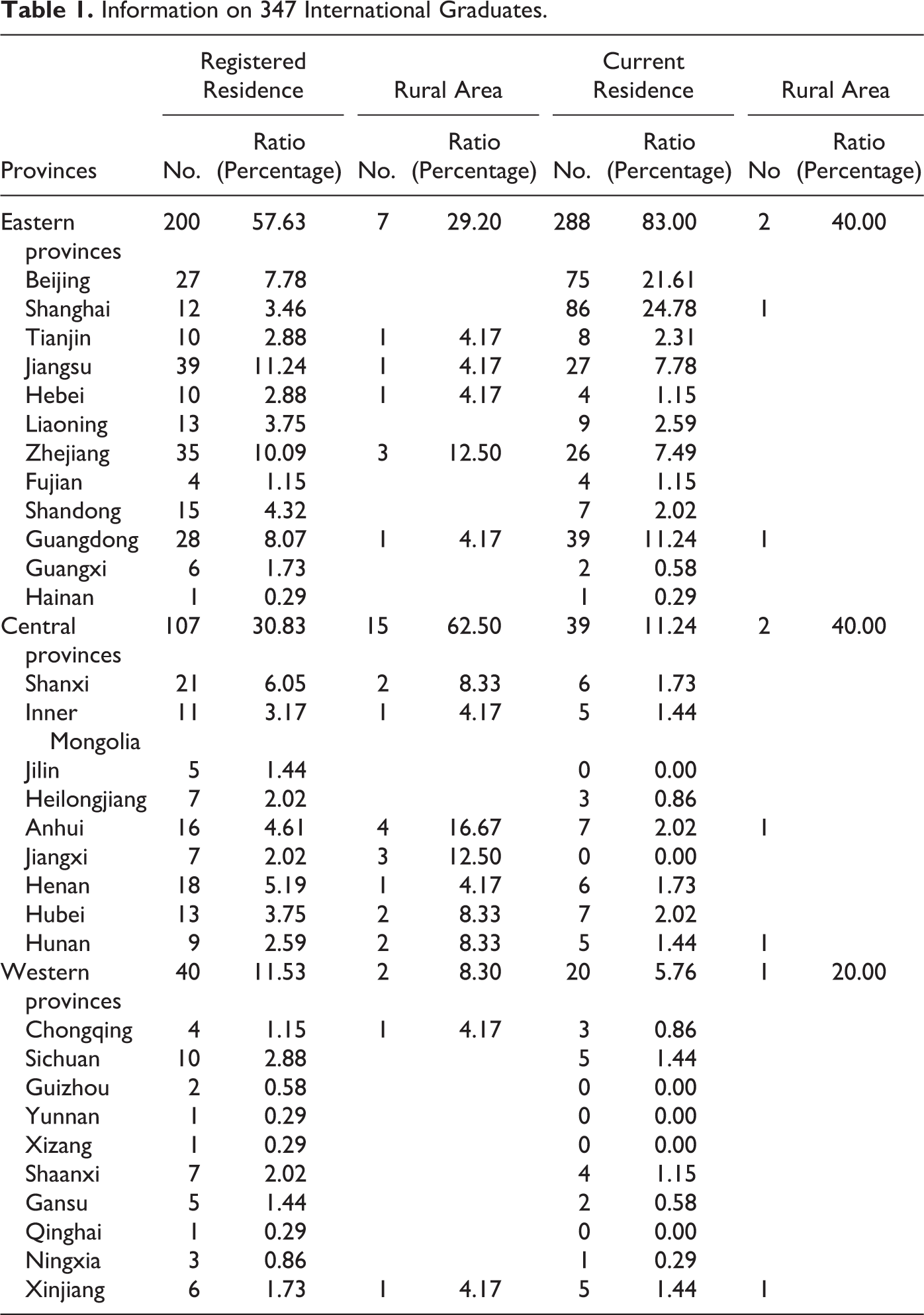
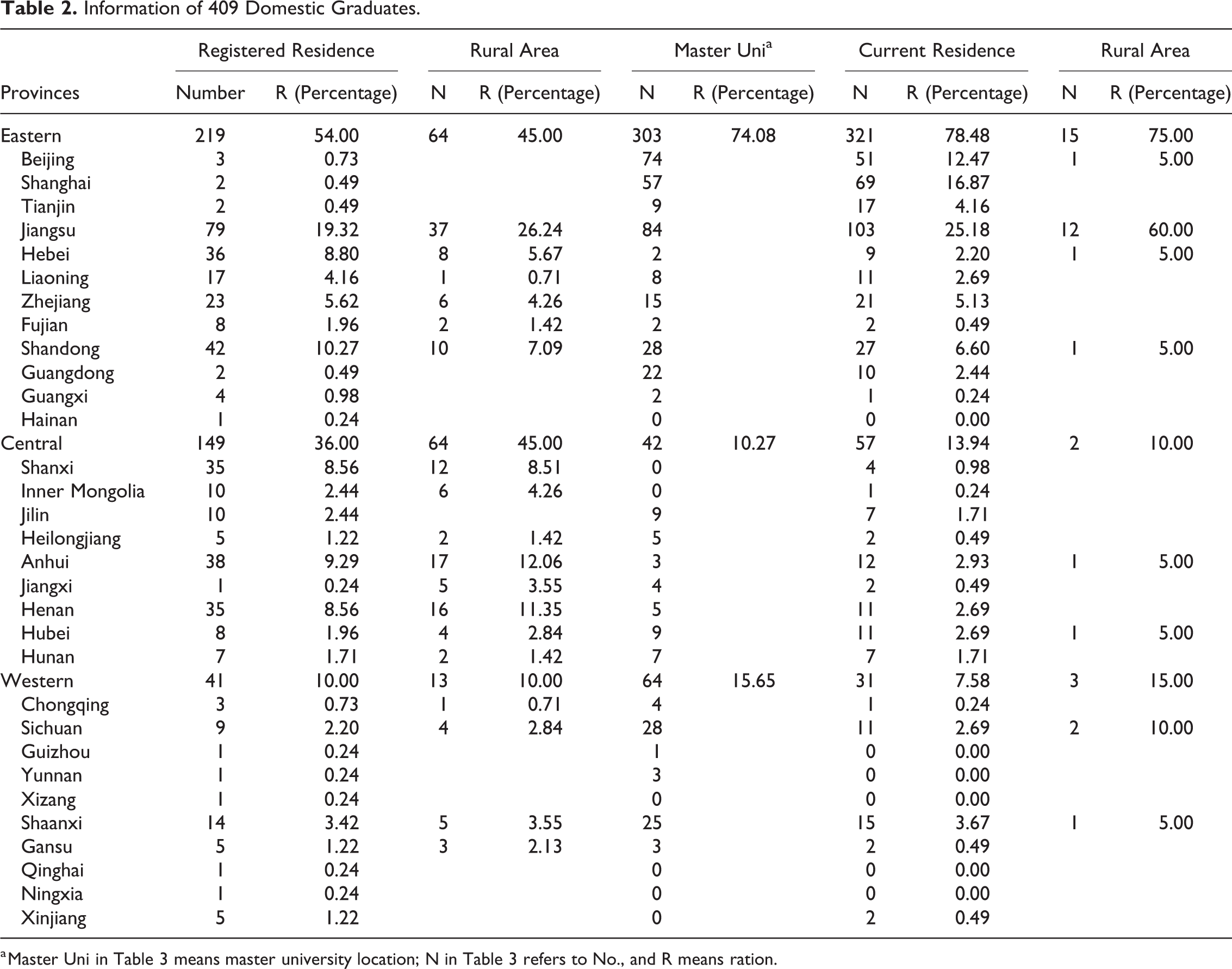
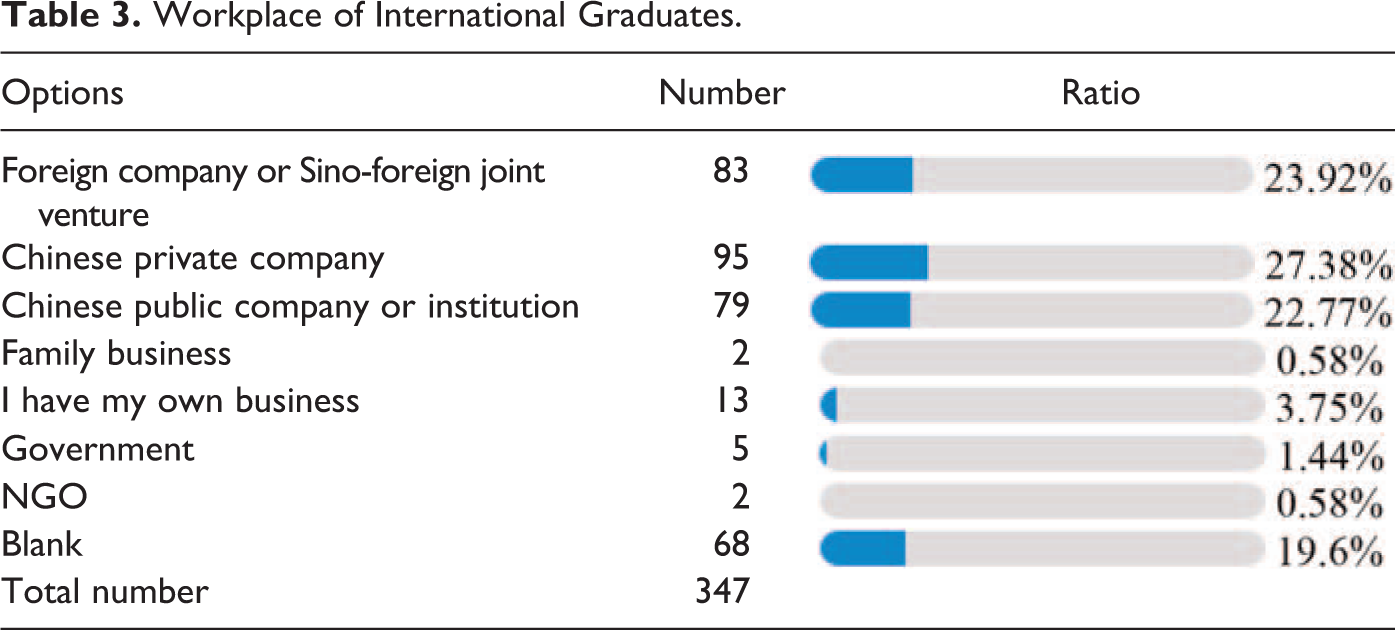
Participants’ places of origin and current residences spread over 32 provinces and 183 cities in China (Tables 1 and 2). Participants graduated from over 200 universities and majored in a range of subjects, including engineering, the natural sciences, the social sciences, and the arts and humanities. Their current employment also varied, with positions including civil servants, common clerks, teachers, engineers, doctors, and governmental roles. Moreover, we attempted to make the sample representative by keeping gender and age balanced. According to demographic information on survey participants, their ages ranged from 22 to 31 years old. On average, they had two to three years of working experience. The surveyed population was relatively young and did not reach occupational maturity, which was an important factor, since our analysis examined intergenerational mobility and the role of family in education and social mobility. If the sample had been older and had reached occupational maturity, it would have been difficult to tell whether ascribed or achieved factors were important for social mobility. Background data on parents’ occupations indicated that international graduates had more advantaged social origins than did their domestic peers. Almost all international graduates came from cities, while 35 percent of domestic graduates came from rural areas (see Tables 1 and 2). International graduates were also more attracted to work in foreign companies (Table 3).
Information on 347 International Graduates.
Information of 409 Domestic Graduates.
Workplace of International Graduates.
Mapping Analysis
In the online survey, 756 participants provided information on their place of origin, university location, and place of residence at the time of the survey. To clearly identify rural and urban areas, the online questionnaire required participants to submit detailed information on their registered residence and current living place (e.g., Zhongshan Village, Shu County, Liu’an City, Anhui Province). Answers were specified down to the village level to illuminate specific patterns of participants’ spatial mobility. Using GIS software, all data were converted to a series of maps. Participants in our sample came from mainland China only, which is represented on the maps (see Figures 1 –10). Maps for domestic graduates consisted of their places of origin, the location of their master’s universities, and their places of residence at the time of the survey, while maps for international graduates included their places of origin and residence at the time of the survey. Because returnees had obtained their master’s degrees in the UK and then come back to China, their master’s university locations were not in China. Figures 1, 5, and 7 were produced using GIS software and enabled us to compare graduates’ spatial mobility in China.
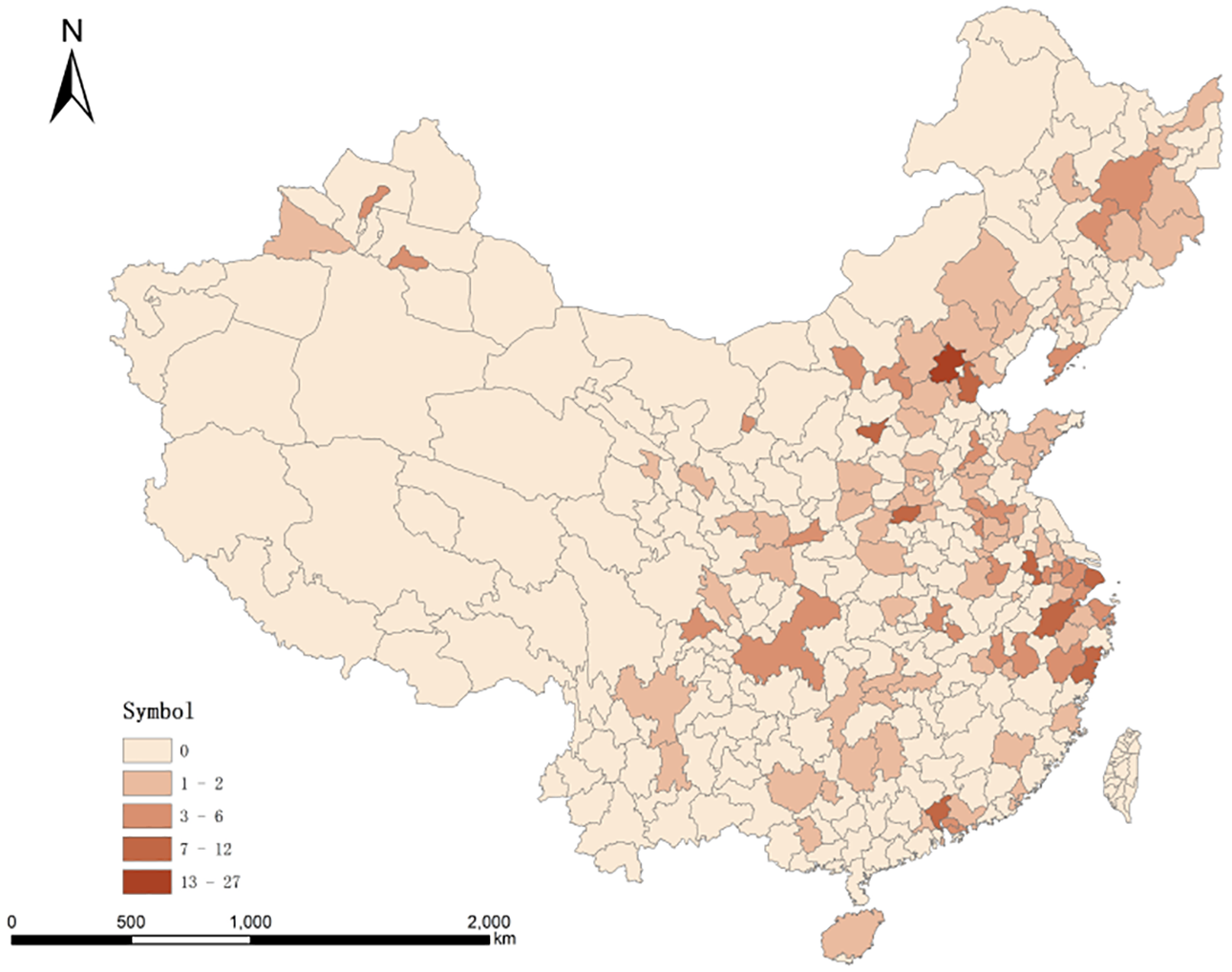
Registered residence information of international graduates.
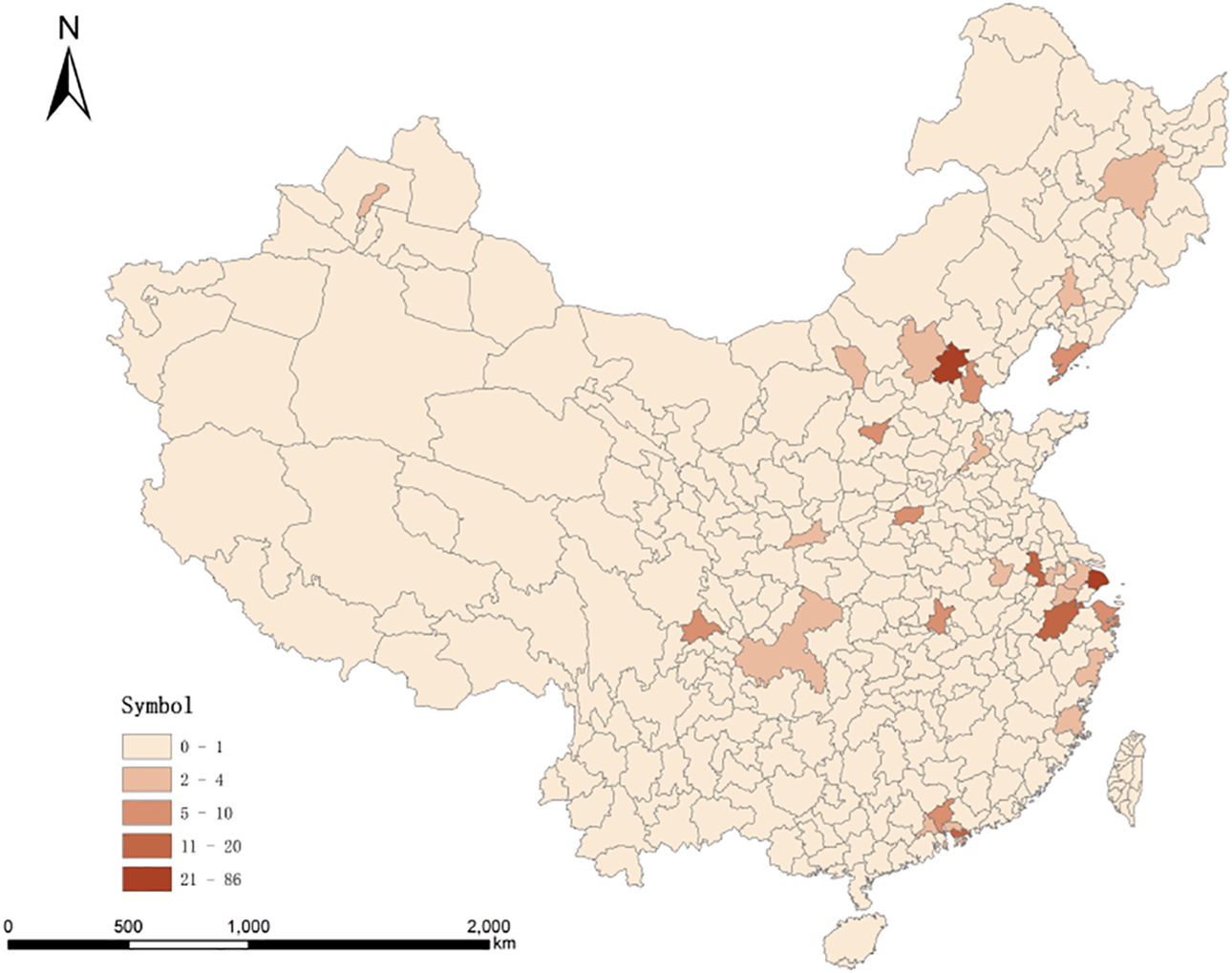
Current residence information of international graduates.
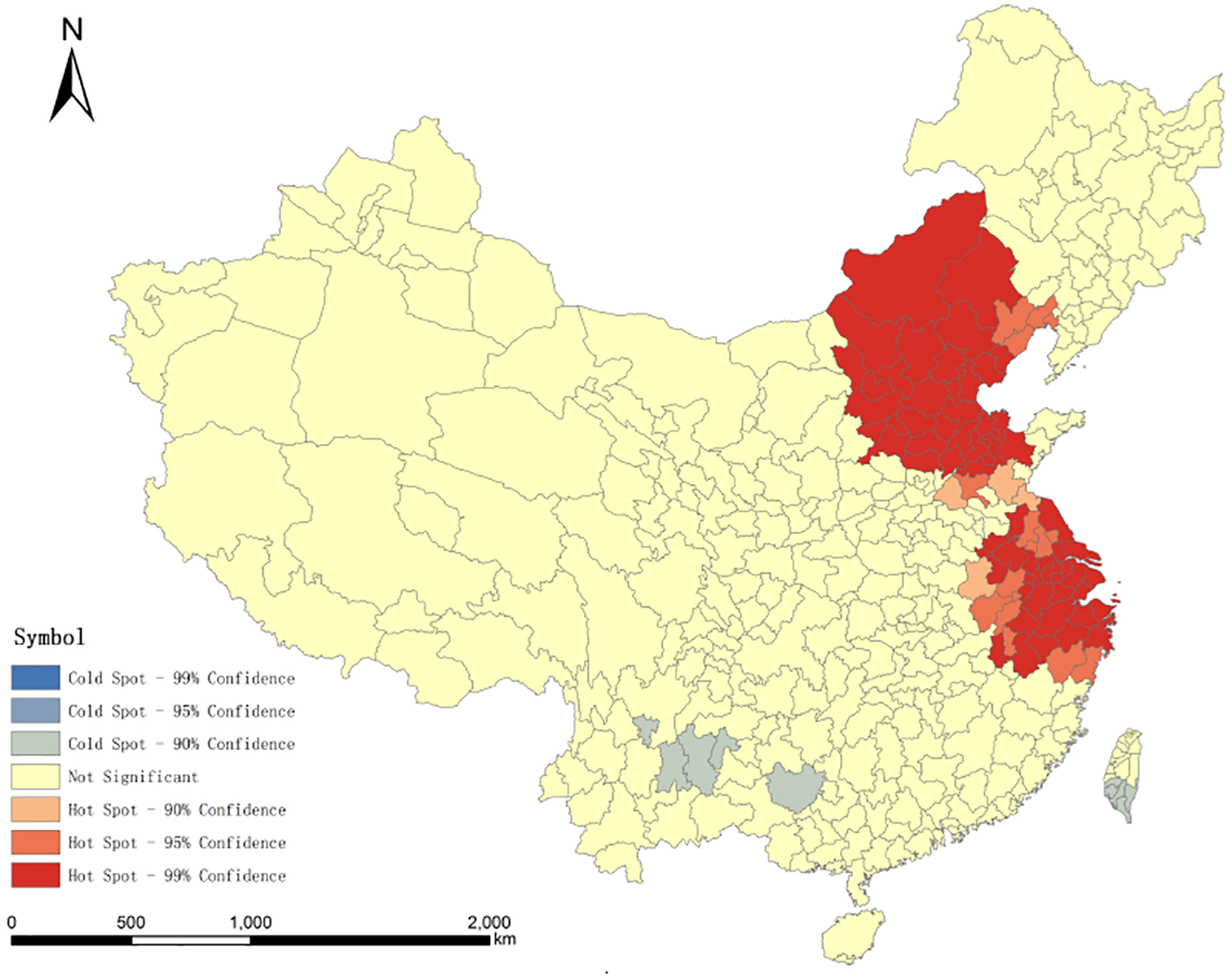
Hotspot map of registered residence of international graduates.
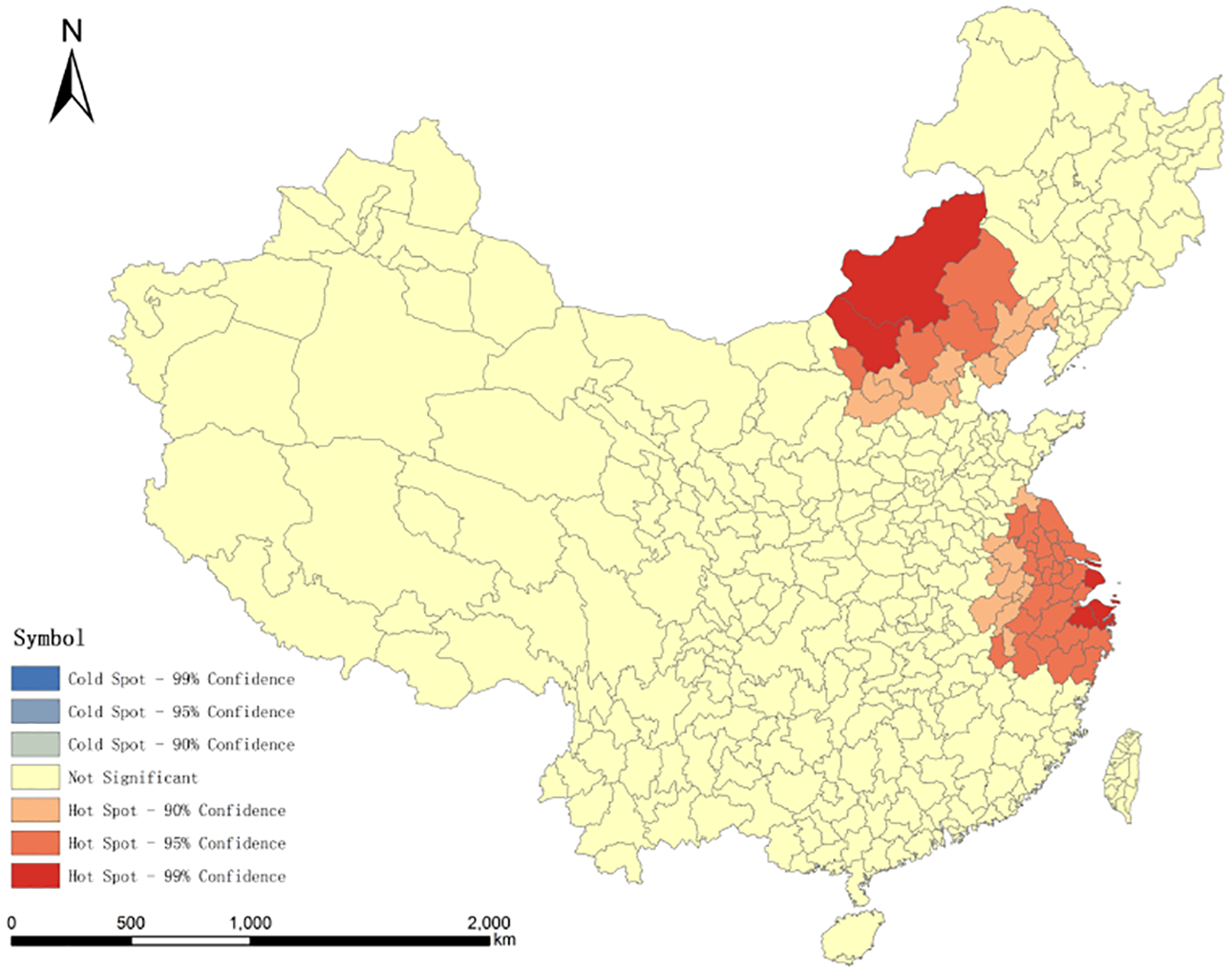
Hotspot map of current residence of international graduates.
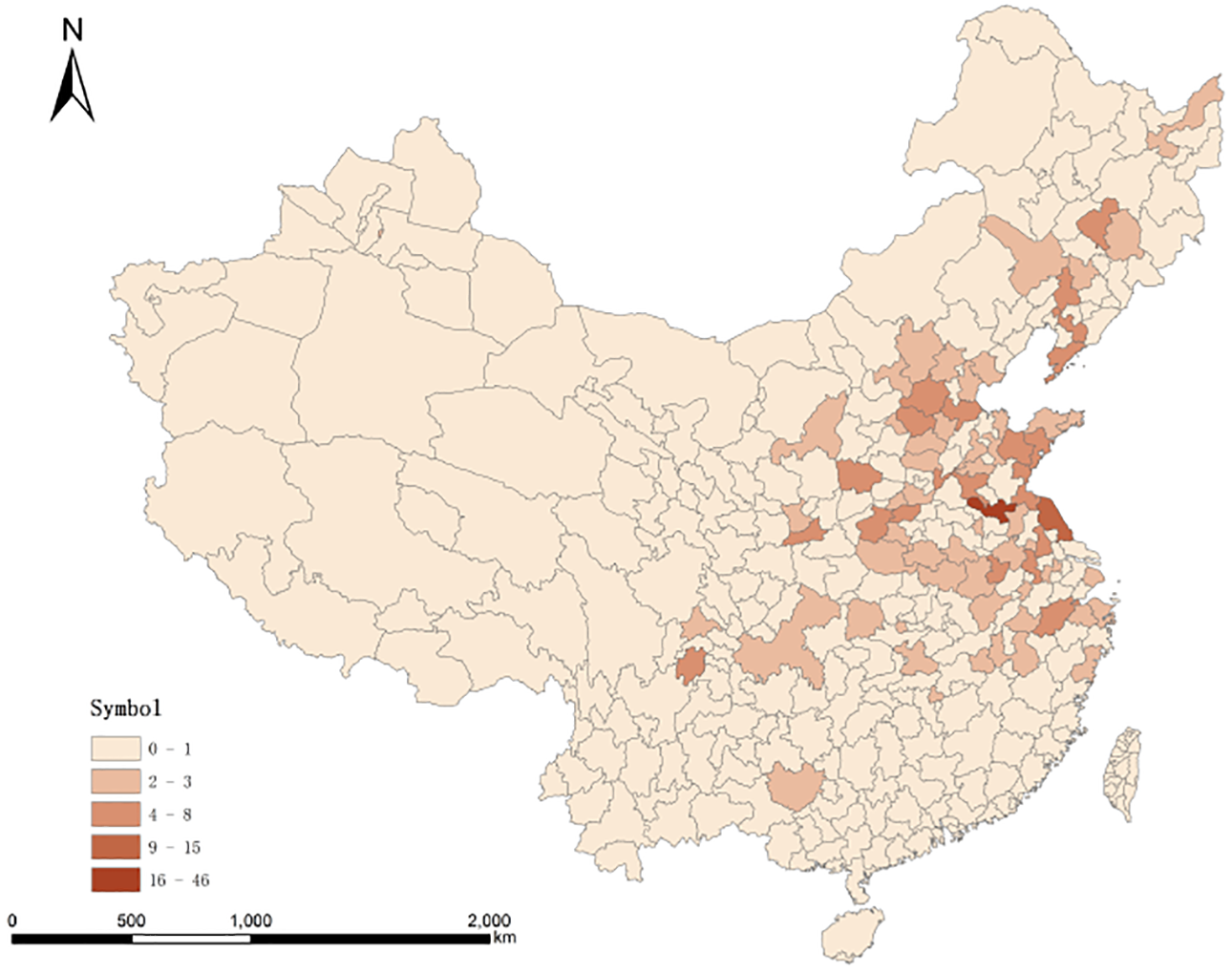
Registered residence of domestic graduates.
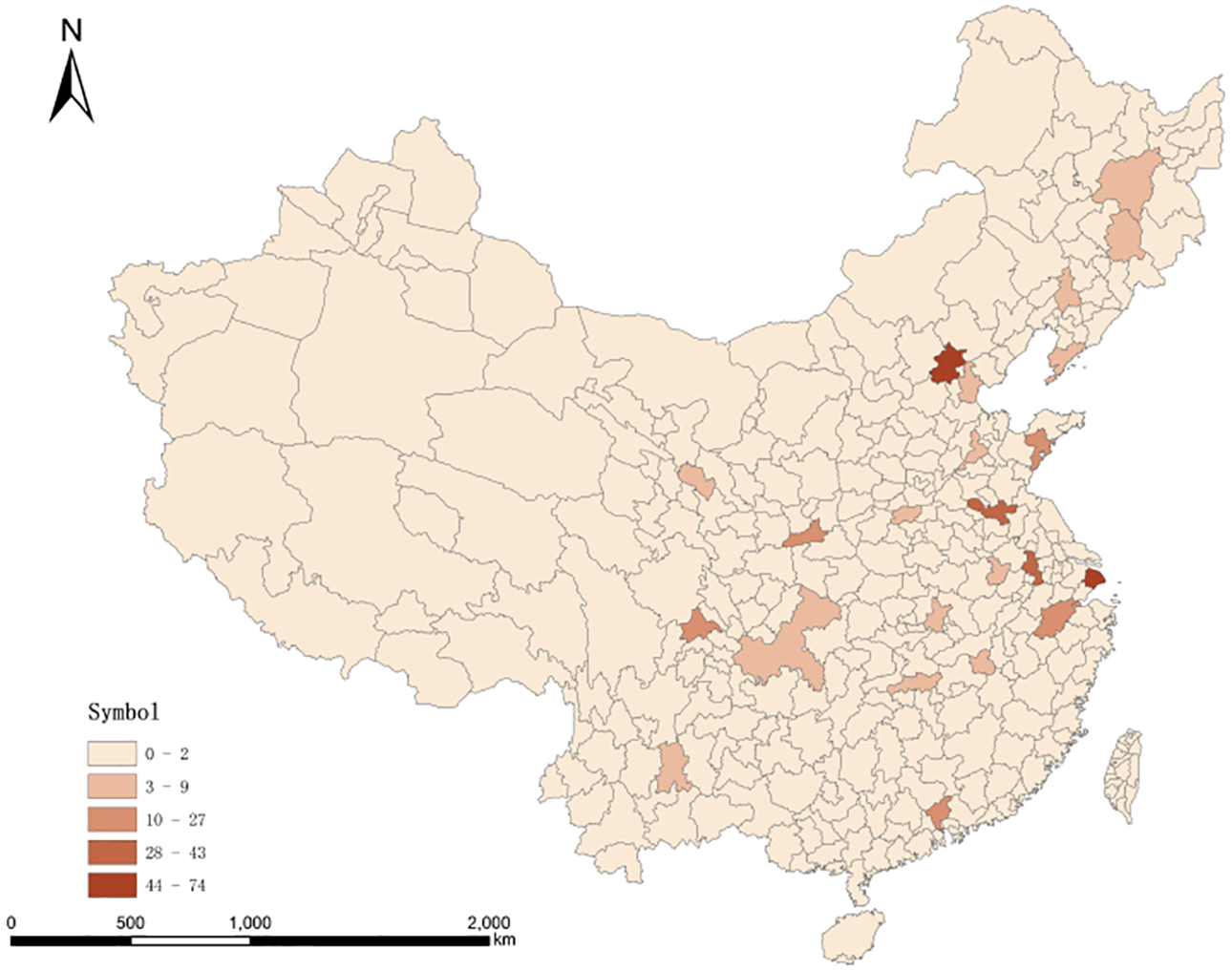
Master’s university location of domestic graduates.
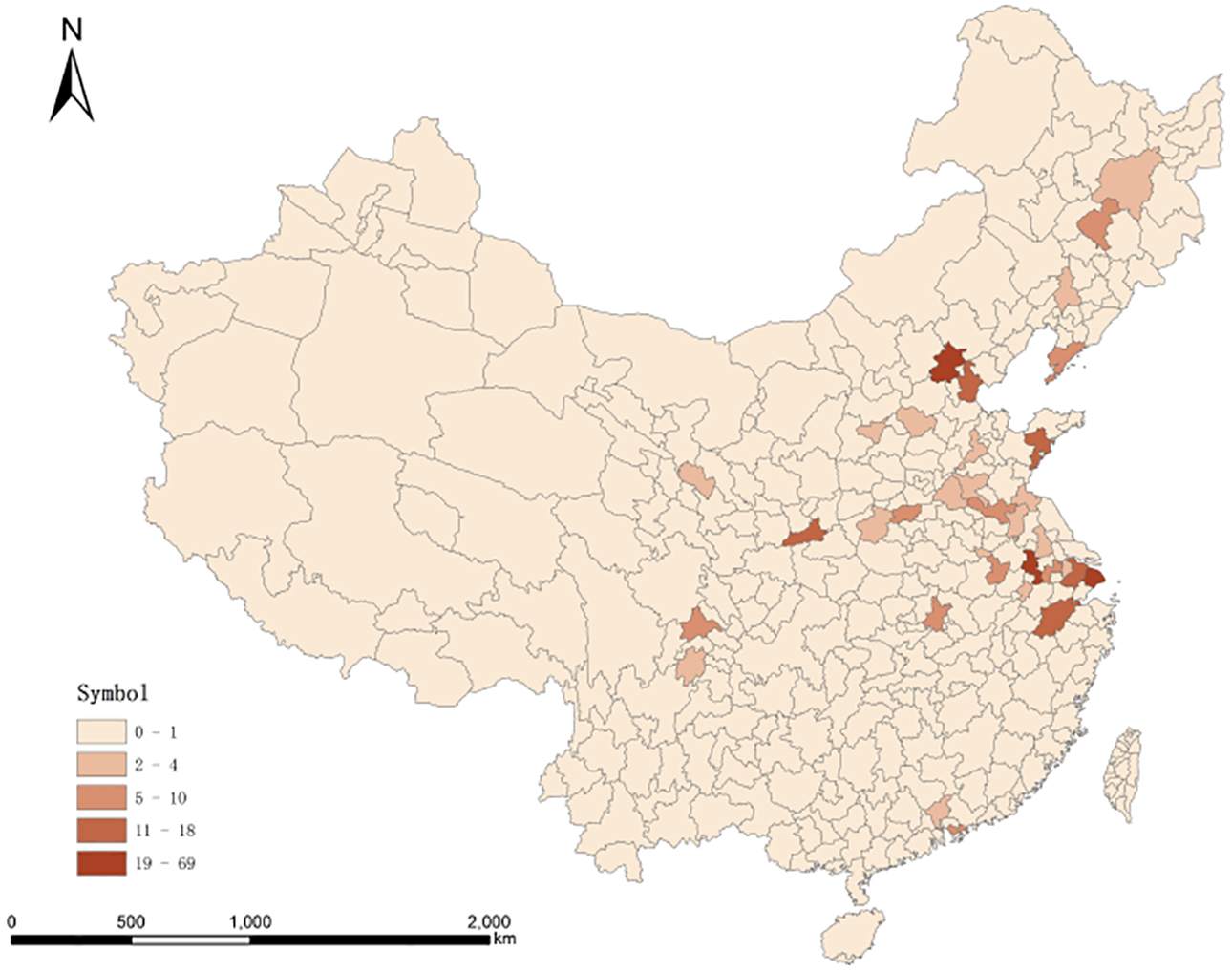
Current living residence of domestic graduates.
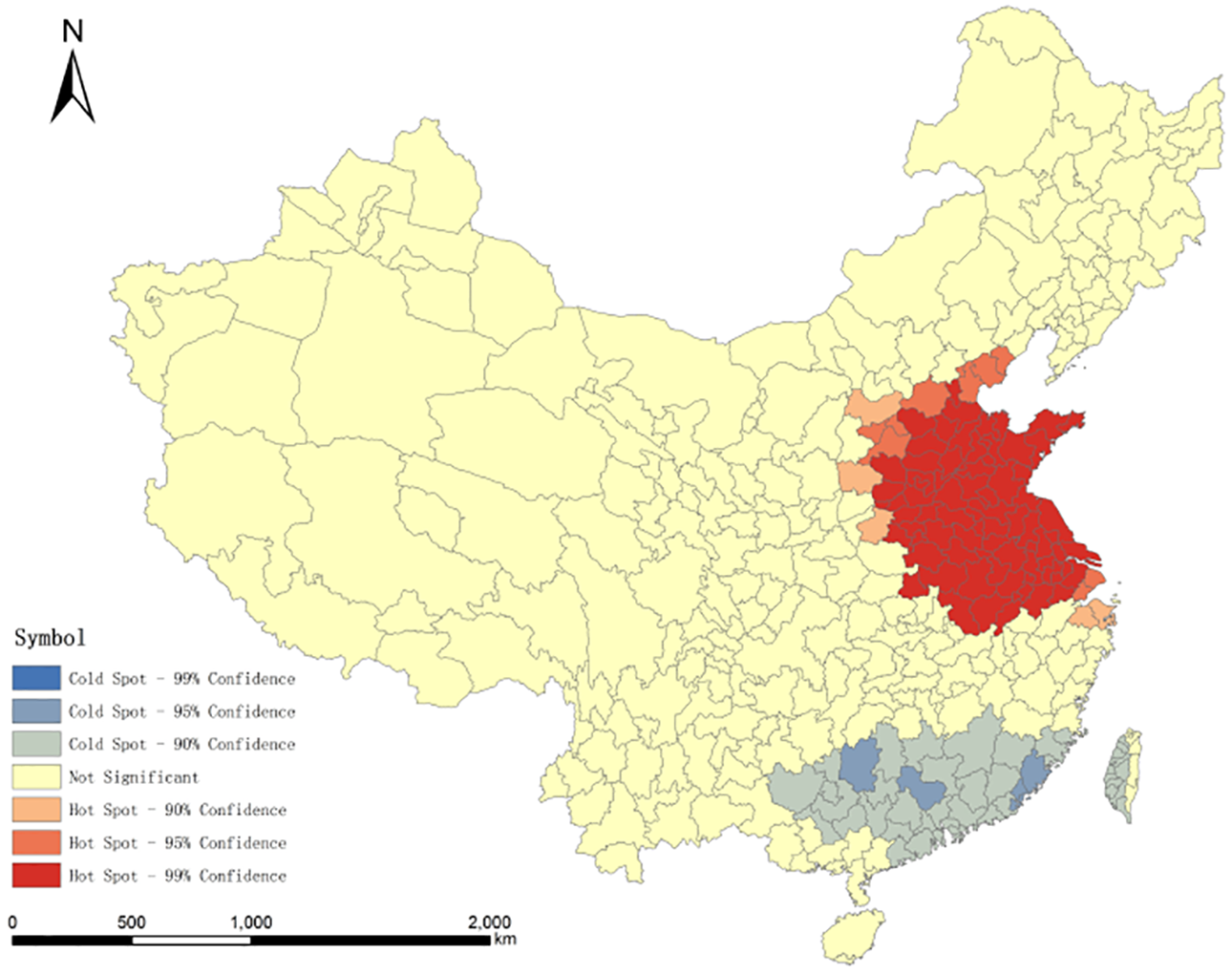
Hotspot map of registered residence of domestic graduates.
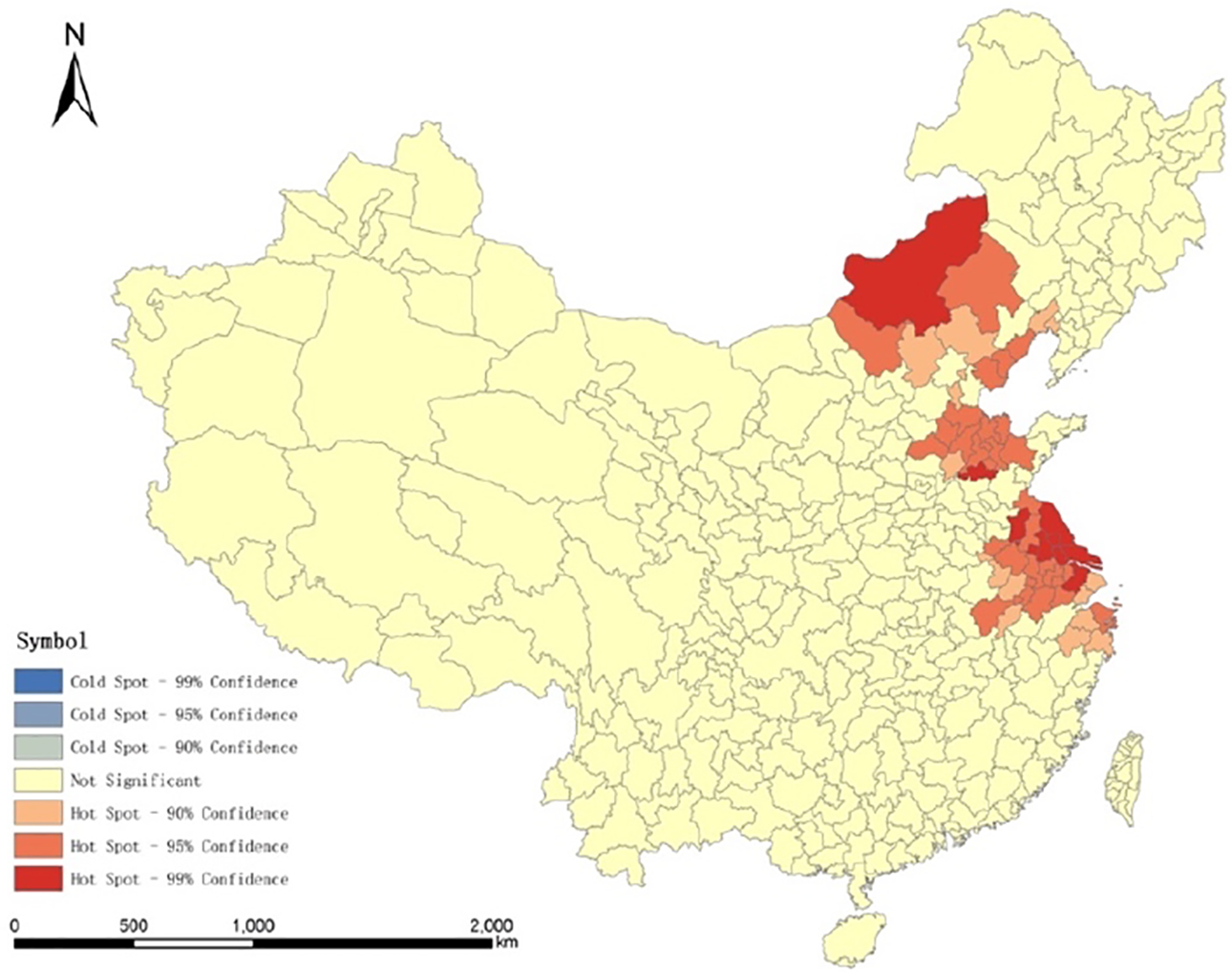
Hotspot map of master university location of domestic graduates.
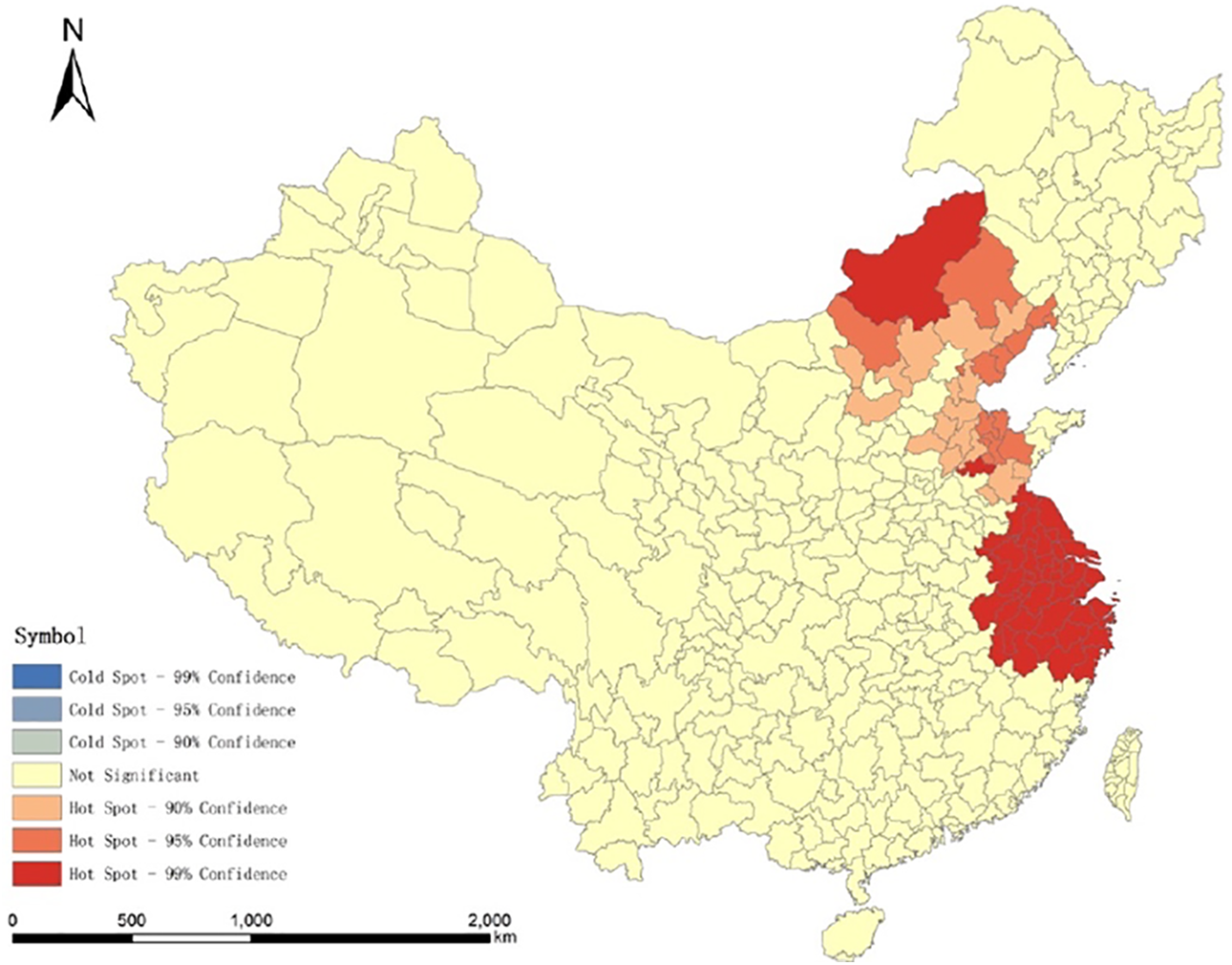
Hotspot map of current residence of domestic graduates.
Our descriptive analysis of the spatial mobility of returnees and domestic graduates identified a clustering pattern. Thus, we conducted a hotspot analysis, which is used to visualize geographical data to show areas of higher density (Z. Huang, He, and Zhu 2017) and to identify not only a cluster of activity but also a pattern related to spatial mobility. In this analysis, we utilize local spatial autocorrelation the G-statistic — Getis-Ord (Ord and Getis 1995) to describe and map spatial clusters (Wei, Yuan, and Liao 2013). The G-statistic (Gi) is used to test the statistical significance of local clusters and to determine these clusters’ spatial extent (Tsai et al. 2009) and can be expressed in the following equation:
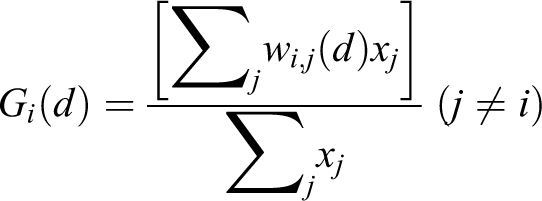
In this equation, the subscripts refer to the number of sub-regions of an area;
A specific city with high spatial mobility is a part of a hotspot if the spatial mobilities of its neighboring cities are high as well. A city’s spatial mobility and the spatial mobilities of its neighboring cities are compared proportionally to the total sum of all cities in China. To measure whether there is a significant difference between the local sum and expected spatial mobility, a Z score (Zi) is introduced. The Z score can be calculated using the following equation:
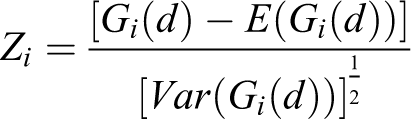
In the Zi
equation,
Empirical Findings
Spatial Mobility of International Graduates in China
The 347 international graduates who completed the survey came from 146 cities and were living in 71 different cities (Table 1) at the time of the survey. Among international graduates surveyed, 58 percent came from eastern provinces and 31 percent from central provinces, with the few remaining participants coming from western China. The distribution of international graduates’ registered places of residence across the three parts of China (eastern, central, and western provinces) conforms to the general distribution of the country’s population (14 to 9 to 1 in the eastern, central, and western provinces, respectively; Guan et al. 2018). Among international graduates surveyed, 24 (7 percent) had registered residences in rural areas, but only five participants were living in rural areas after finishing their UK master’s courses and returning to China. Moving into urban areas is important for rural migrants in terms of their future development and social mobility (Chen and Qin 2014). Thus, the rural-urban migration trend (S. Song and Zhang 2002) to some extent applies to international graduate returnees’ spatial mobility as well.
Most international graduate participants chose to live in eastern coastal cities such as Beijing, Tianjin, Shanghai, and Nanjing, which are attractive because they provide good opportunities for returnees to pursue career aspirations (Shen 2012). China’s eastern areas, especially the Bohai Economic Rim (Beijing, Tianjin), the Yangtze River Delta (Shanghai, Nanjing), and the Pearl River Delta (Guangzhou, Shenzhen), have attracted more foreign investment and international trade, leading to faster economic development (Liu and Shen 2014; Y. Huang, Chen, and Chen 2015). In addition, almost half the international graduates surveyed did not have any spatial mobility within China, choosing to return to their registered residence locations after they obtained UK master’s degrees. Among these 152 participants, 82 percent were born and raised in big cities like Beijing, Tianjin, Shanghai, and provincial capitals.
Figures 1 and 2 depict the data on returnees’ places of origin and places of residence at the time of the survey but can only show the distribution of registered residence and residence at the time of the survey. To identify the internal clustered pattern of returnees’ spatial mobility, hotspot analysis was used to visualize geographical data. As Figure 3 indicates, returnees’ registered places of residence were concentrated in the eastern regions, including the Bohai Economic Rim, the Beijing-Tianjin-Hebei region, and the Yangtze River Delta.
The three regions where international graduates were concentrated correspond to China’s most developed eastern areas and have the greatest population density and fastest urbanization (Yang et al. 2020). The Bohai Economic Rim’s gross ocean production (GOP) reached 2.2152 trillion RMB in 2014, accounting for 37 percent of the national GOP and representing China’s largest marine economic development region (Ren, Wang, and Ji 2018). The Beijing-Tianjin-Hebei region’s collaborative development has been promoted by China’s national development strategy, resulting in urbanization, traffic networks, environmental quality, and living standards all being significantly higher there than in other regions (Fang et al. 2018). The Yangtze River Delta is China’s largest globalizing city region and has experienced dramatic urbanization (Wu et al. 2017). As the hotspot analysis shows, participants clustered in these three core areas, showing that place of origin is linked to the likelihood of returning to place of origin after study abroad. Figure 4 shows the clustered pattern of living place at the time of the survey and a very clear pattern of moving to the Beijing-Tianjin-Hebei region and Yangtze River Delta; at the time of the study, over 65 percent of participants were working and living in these two areas, which also contain China’s two largest cities: Beijing (central to the Bohai Economic Rim) and Shanghai (core city in the Yangtze River Delta). These two cities boast the largest amount of foreign investment, the greatest variety of ventures and international talents, and the best social welfare and public services in China (Y. L. Song 2016). The data show that 22 percent of all surveyed international returnees lived and worked in Beijing, while 25 percent of them chose Shanghai. These two core cities and their neighboring areas, including the provinces of Jiangsu and Zhejiang, attracted a large concentration of international graduates.
Developed Chinese cities act as “talent hubs” for highly skilled workers, providing opportunities for higher education and career development (Moskal 2017), as attracting highly skilled graduates has become a strategy for Chinese urban development, particularly in its major cities. However, staying in one’s place of origin is also convenient for people who have caring responsibilities for older adults, as China’s average family size is shrinking (Zimmer and Kwong 2003), and caring for older generations places a large burden on young adults. Gender differences also significantly affect spatial mobility. Among surveyed participants, 152 were not spatially mobile, meaning that their place of origin and post-study destination were the same. Of immobile graduates, 63 percent were men. In China’s traditional culture, young adult men are expected to assume responsibility for older family members’ care (W. Li, Kou, and Li 2014). Our data indicate that many men graduates returned to their registered residences after they finished their master’s degrees, while most women returnees migrated to other cities to work. With respect to the rest of the 195 international graduates, most followed employment opportunities and moved to China’s largest cities: Beijing, Shanghai, Guangzhou, Shenzhen, and provincial capitals, where economic and education development, social welfare, and public infrastructure are more advanced than in other cities (Y. L. Song 2016).
Spatial Mobility of Domestic Universities’ Graduates in China
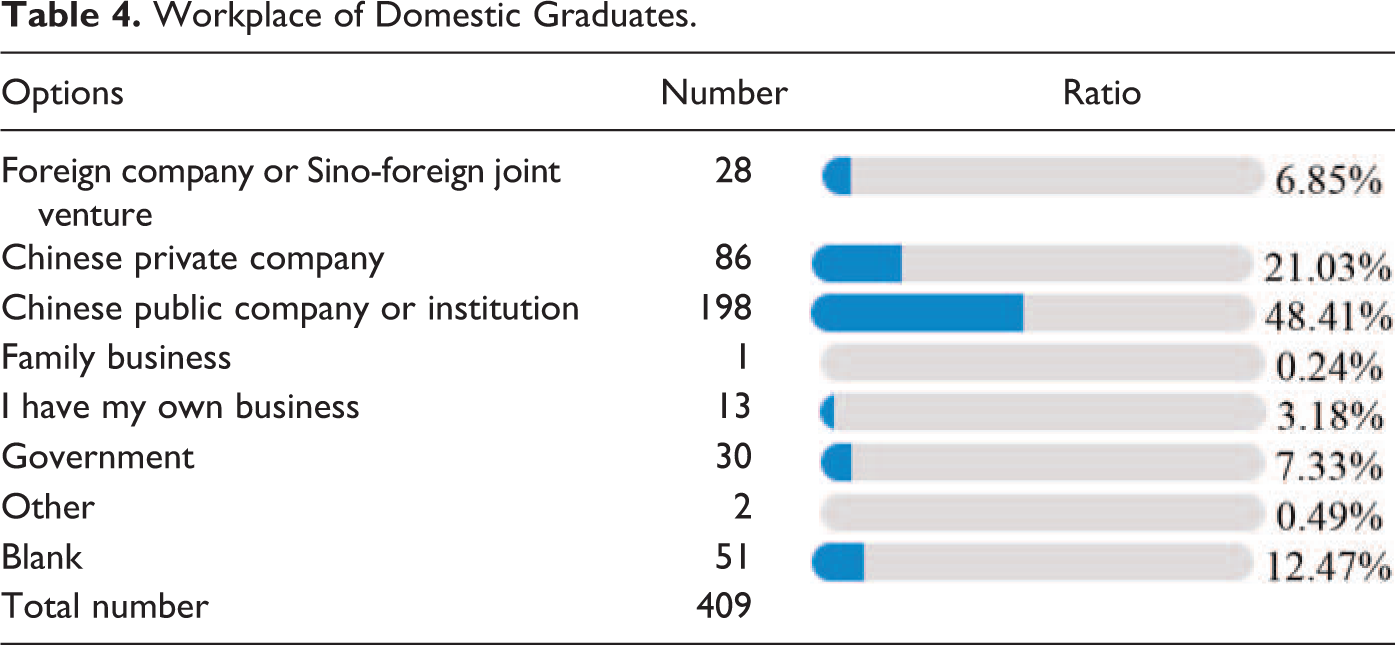
The online questionnaire was completed by 409 graduates of Chinese universities, none of whom experienced international degree mobility. Tables 2 and 4 include these participants’ information and labor market results, and Figures 5 –10 visualize their spatial mobility.
Workplace of Domestic Graduates.
The 409 domestic graduates came from 182 cities, and their master’s universities were in 43 cities. When surveyed, these domestic graduates were living in 81 different cities. As Table 2 shows, 54 percent of domestic university graduates came from eastern provinces, 36 percent from central provinces, and 10 percent had registered residence in western provinces. Among the 409 domestic graduates, a large number (141) were born in rural areas, accounting for 34.5 percent. However, regarding their place of residence at the time of the survey, only 20 participants (less than 5 percent) were living in rural areas. Domestic graduates’ tendency to move into cities accords with China’s rapid urbanization (S. Song and Zhang 2002; Goodburn 2015) and graduates’ desires to succeed in their careers. Most of the 409 domestic graduates surveyed were from towns and small Chinese cities. Only a small number had their registered residence in China’s largest and most developed cities, such as Beijing, Shanghai, and Guangzhou. Of the domestic graduates, 74 percent had completed their master’s programs in eastern provinces, 10 percent in central provinces, and 16 percent in western provinces. At the time of the survey, over 78 percent were living in eastern provinces, while only 14 percent were in central provinces and 8 percent in western provinces. Some participants (84) whose registered residence was not in an eastern province had moved to eastern provinces by entering master’s universities located in that part of China. As abundant education resources and policy priority are given to China’s eastern provinces (Cui, Geertman, and Hooimeijer 2015), many students moved to the east to undertake their master’s programs. After graduating from their master’s programs, 321 chose to continue living in eastern provinces and to stay in the same city where they obtained their highest academic qualification (Liu et al. 2017).
Domestic graduates in our sample were highly mobile. Among the 409 domestic graduates, only 49 were immobile, meaning their place of origin, master’s university location, and destination were in the same city. The demographic data show that these 49 participants were born in Beijing or in provincial capitals, where education resources and social welfare are much better than in other cities (Y. L. Song 2016). Social origin also had a significant impact on likelihood of residing in the most developed cities, as all 49 immobile participants came from upper-middle-class families.
In the process of analyzing domestic graduates’ spatial mobility, a clustered pattern was found in terms of their registered residence, master’s university location, and location at the time of the survey (Figures 5, 6, and 7). Places like Beijing, Shanghai, Tianjin, and the province of Jiangsu had the most evident clustered patterns. A significant proportion of domestic graduates (31 percent) left their registered residence for university and then stayed in the city where they attended their master’s program, which was likely Beijing, Shanghai, a provincial capital, or another first-tier city, where most universities offering master’s programs are located (Liu et al. 2017). A slightly larger proportion (37 percent) of domestic graduates were onward migrants, meaning that their living place at the time of the survey was neither their registered residence nor their master’s university location. The remaining 32 percent returned to their registered residences after they finished their master’s programs. According to our qualitative data (Zhai, Moskal, and Read 2021), the factors affecting these returning migrants included responsibility to care for older family members (Gaubatz 1999), the search for suitable employment through local social networking, and the pressure of high housing costs in larger Chinese cities (Y. Huang 2010; Venhorst, Van Dijk, and Van Wissen 2011; Liu and Shen 2014).
Figure 8 shows a strong clustered pattern in China’s eastern regions, including Tianjin, Shanghai, and the provinces of Shandong, Jiangsu, Zhejiang, Henan, and Anhui. The hotspot analysis results also reflect the fact that these areas belong to China’s most densely populated and economically developed regions (Yang et al. 2020). Domestic graduates in our survey mainly came from towns and small cities in the eastern provinces, a pattern which diverges from that identified among returnees. Figure 9 shows that master’s university distribution was concentrated in three relatively independent and small areas, but with a high density. Clustered patterns can be noticed in Beijing, Tianjin, Shanghai, and the provinces of Henan, Anhui, and Jiangsu. In the aforementioned areas, there are 20 universities associated with the national Project 985 and 59 universities associated with the Project 211, two schemes introduced by China’s Ministry of Education to raise higher-level universities’ research standards and cultivate strategies for socio-economic development. Many domestic students moved into these areas to pursue higher education, which explains how university graduates’ aggregation patterns were generated.
Figure 10 shows that the Beijing-Tianjin-Hebei region, the Bohai Economic Rim, and the Yangtze River Delta have clustered patterns regarding domestic graduates’ residence at the time of the survey, indicating that China’s three most developed regions can attract plenty of graduates. In addition, it shows that some mid-sized cities surrounding the Beijing-Tianjin-Hebei region, the Bohai Economic Rim, and the Yangtze River Delta have strong clustered patterns and that many domestic graduates increasingly choose to work and live in second- and third-tier cities. In these medium-sized cities, living costs are relatively low, but living conditions are improving and can be better than in first-tier cities, while employment competition is moderate (Y. Tang and Yu 2018). The hotspot analytical results suggest that these emerging cities have growing potential to attract more graduates in the future.
Career Development of International and Domestic Graduates in China
Many similarities can be observed between the spatial mobility of international returnees and their domestically educated peers. Both groups of graduates tended to flow into urban areas, with over 95 percent of participants registered in a rural area choosing to move into cities. In addition, all participants preferred eastern areas for life and work. Specifically, both the Beijing-Tianjin-Hebei region and the Yangtze River Delta showed clustered patterns for all graduates’ residence at the time of the survey. While only 58 percent of 347 international graduates had a registered residence in eastern provinces, the proportion whose residence at the time of the survey was in eastern provinces reached 83 percent. Similarly, 78 percent of domestic graduates were living in eastern provinces, but just 54 percent of domestic graduates had a registered residence there.
Domestic and international graduates, however, did not have the same opportunities to enter a major city. Unlike domestic graduates’ spatial mobility, international graduates’ spatial mobility was supported by cities’ talent policies (Y. Huang, Chen, and Chen 2015; Nie and Liu 2018). Core cities like Shanghai and Beijing grant hukou permits to international graduates to make allowances for talents with desired cultural capital (S. Li and Mao 2017). Yang et al. (2017) also suggest that opportunities related to income and lifestyle provide important motivation for people to move as they can improve their standards of living, Thus, the Chinese government’s strict hukou system complicates migration flows in China, and hukou remains a barrier to domestic graduates’ spatial mobility, as they are at a disadvantage in accessing social welfare and security after migrating to core cities in the eastern regions (Y. L. Song 2016; Yang et al. 2017).
The analysis also showed differences in rural-urban mobility between the two kinds of graduates. First, more domestic graduates than international graduates came from rural areas (34 percent vs. 7 percent). Most international graduates, by contrast, came from first-tier cities, while most domestic graduates came from second- and third-tier cities, revealing that place of origin was linked to the likelihood of studying abroad. Among international graduates, 49 participants had a registered residence in Beijing, Shanghai, or Tianjin, while among domestic graduates, only seven had registered residence in these most developed cities.
The residence at the time of the survey also differed between the two kinds of graduates. Returnees’ residence at the time of the survey was mainly concentrated in Beijing and Shanghai, the core cities of the Bohai Economic Rim and Yangtze River Delta. The clustered pattern of domestic graduates’ residence was particularly significant in cities around the Bohai Economic Rim and the Yangtze River Delta. Many domestic graduates chose these areas because they offered less working pressure and social competition (Zhai, Moskal, and Read 2021). In comparison to most students who graduated from international universities, domestic graduates had less advantaged family backgrounds (Mok et al. 2017). Thus, international mobility may result in the reproduction of social inequality in China, as graduates from advantaged family backgrounds can afford the higher living costs in Chinese metropolises. With respect to returnees’ labor market results, a UK study experience is helpful in meeting the employment requirements of international companies that concentrate in China’s largest cities, which are becoming preferred choice of employment for many international returnees (Moskal 2017).
Finally, our results indicate a gendered difference in returnees’ spatial mobility. Men participants accounted for a large share of returnees without spatial mobility in terms of their registered residence and residence at the time of the survey. Women graduates tended to move away from their place of origin to new cities where they could take full advantages of their abilities, independence, and ambition (Goodburn 2015). However, for domestic graduates, no gendered difference in spatial mobility was evident. In the absence of additional information, it appears that the best explanation for our results follows the insight of similar studies from other contexts. For example, Faggian, McCann, and Sheppard (2007) show that graduate women in the UK “use migration as a means of partially compensating for gender differences in the ease of accessing labor markets”
Conclusions
Graduates’ spatial mobility has become an increasingly important issue in China, for both individual graduates’ career development and cities’ development strategies. The findings presented in this article show how graduates’ spatial mobility perpetuates the concentration of wealth and opportunities in China’s core cities and reinforces the uneven development of its regional economies. By mapping data relating to 756 graduates, this article found that the likelihood of studying abroad was linked to place of origin and had a positive association with parental socio-economic status. The results imply that the likelihood of Chinese graduates working in a larger city is contingent on their place of origin and international mobility. The advantage of family background that facilitates international mobility extends to sequential spatial mobility after returnees come back to China. In addition to social origin, one’s place of origin was closely related to one’s residence at the time of the survey. While career development opportunities available in China’s large cities attracted all graduates, significantly more international than domestic graduates moved to these cities.
The largest and most prosperous cities used hukou as a way to attract international graduates, resulting in the exclusion of domestic graduates (Nie and Liu 2018). Our results indicate that hukou had a positive effect on international graduates and a negative effect on domestic graduates, specifically in the early stages of their career development. Despite the termination of hukou conversion control (rural hukou can be converted into urban hukou) in China after the 1978 reform (Liang and Ma 2004), it remains very difficult to obtain hukou of China’s largest cities. Without it, however, some graduates are reluctant to live and work in these cities, due to their low chances of developing successful careers (Zhai, Moskal, and Read 2021). Although both domestic and international graduates represented so-called high-end talents (Mok et al. 2017), China’s current labor market has established two separate pathways for the different types of graduates. International graduates had more choices in terms of spatial mobility that translated into more advantages in career development and lifestyle. By contrast, the hukou system did not bring evident advantages for domestic graduates, for whom it was a negative factor for their spatial and social mobility, particularly when they aspired to move to Beijing or Shanghai.
International graduates usually had more privileged family backgrounds (Mok et al. 2017) and tended to reside in core cities, such as Beijing and Shanghai, while domestic graduates tended to work and live in medium-sized cities surrounding the Bohai Economic Rim and Yangtze River Delta regions. Core cities in China can act as “talent hubs,” due to their efficiency of capital conversion and opportunities for professional success (Moskal 2017). Although sub-core cities are now experiencing greater opportunities, they still struggle to attract talent (Qian 2010). The unbalanced spatial distribution of talent intensifies the imbalance of spatial mobility in China. The high costs of living in core cities and family support become new exclusionary mechanisms in graduate spatial mobility to core cities. Significant structural change, particularly reform of the hukou, will be necessary to address graduates’ spatial exclusion.
Our results contribute new evidence to understandings of international student mobility and return, especially Chinese graduates and their labor market outcomes tied to China’s opportunity and wealth clustering phenomena. In particular, the focus on mobility within China, combined with a focus on Chinese international student mobility, is important, as it analytically connects international and internal migration trajectories (Xiang and Lindquist 2014, 23; Xiang 2016), including international graduates’ return migration and the lack of mobility among some graduates. Our results also provide new evidence and further understandings of migration’s role in graduate career development opportunities.
Future research could adopt a longitudinal approach to understand the impact of gender roles and international graduates’ socio-economic status on their labor market outcomes. Additionally, further investigation is needed to better understand the population distribution effects of international graduates. As regions increasingly try to improve their chances to attract and retain graduates (Rehák & Eriksson 2020), more research is needed to investigate changes in the factors that encourage inter-regional migration. Doing so will inform the development of potential future policy directions and better target the key characteristics that underpin the attraction and retention of highly educated graduates (A. Z. R. Tang et al. 2014).
Footnotes
Author Contributions
Keyu Zhai collected the data and performed the analysis. Marta Moskal conceptualized and supervised the research, and wrote the paper. Both Keyu Zhai and Marta Moskal discussed the results and contributed to the manuscript.
Declaration of Conflicting Interests
The author(s) declared no potential conflicts of interest with respect to the research, authorship, and/or publication of this article.
Funding
The author(s) disclosed receipt of the following financial support for the research, authorship, and/or publication of this article: The work presented in the article was supported jointly by China Scholarship Council and University of Glasgow.
