




Abstract
Data collected from approximately 1800 male and 1800 female Sprague-Dawley (SD) rats used in 104-week carcinogenicity studies were archived in a historical control database at Labcorp Early Development, Inc, and the neoplastic microscopic observation data from these rats were retrospectively evaluated. Historical control data can provide useful information on the range and incidence of spontaneously occurring background neoplasms in the species and strain of the test animal used in different types of toxicity studies, including studies of differing lengths, delivery of test article, and test animal. Some of the most common malignant findings noted included fibrosarcoma of skin/subcutis and thyroid C-cell carcinoma in males (2.1% each) while mammary gland carcinoma and pituitary carcinoma (25% and 2.6%) were most common in females. Pituitary adenoma of pars distalis was found to be the most prevalent benign neoplasm in both males and females (56.4% and 77.1%). Fibroadenoma of mammary gland (35.6%) and thyroid C-cell adenoma (8.5%) were the second and third most common benign tumors in female SD rats. In males, the thyroid C-cell adenoma (10.9%) and benign pheochromocytoma (8.9%) were the second and third most common tumors.
Introduction
Availability of historical control database in any pharmaceutical or Contract Research Organization–based setting for any species used in the nonclinical toxicity studies is of paramount importance to evaluate and differentiate various background histological lesions from the actual test article effect. This database must be kept current by evaluating the incidence of background lesions from time to time to remain aware of any changes that may occur due to inherent origin, environmental, and genetic variability. Sprague-Dawley (SD) rats are commonly used in toxicologic pathology studies and frequently the rodent choice for two-year (104-week) carcinogenicity studies. Hence, it is important to accurately identify rare and common spontaneous neoplasms for proper assessment of the carcinogenic potential of the test article in such studies. A previous study published on SD rat background neoplastic findings was last completed in the year 2017, 12 and hence an update on the current trend on incidence and range of spontaneous benign neoplastic lesions in SD rats will be valuable for toxicologic pathologists.
The neoplastic historical control data of SD rats from 104-week studies over a 5-year period (2015-2021) from studies run at Labcorp Inc, Madison, WI, site was collected and is being presented here. This information provides a reference for the types, incidence, and range of background neoplastic findings that occur in SD rats, providing an important reference to toxicologic pathologists evaluating two-year carcinogenicity studies.
Methods
A retrospective evaluation of historical control data was performed on the recorded benign and malignant neoplastic findings in control SD rats in 104-week studies completed between 2015 and 2021 at Labcorp Drug Development site, Madison, WI, comprising approximately 1800 male and 1800 female rats across North America and was tabulated for the neoplastic findings.
The Crl:CD (SD) rats were obtained from Charles River (Portage, MI or Raleigh, NC). Any neoplasm with an incidence rate greater than 1% in either sex was considered common.
The most frequently used vehicle control article was a varying percentage of methylcellulose in reverse osmosis (RO) water. Other, not as commonly used vehicle control articles included hydroxypropyl methylcellulose in RO water, sterile saline, carboxymethyl cellulose, and Tween 80 in RO water. Animal care and use was performed in conformance with The Guide for the Care and Use of Laboratory Animals in an AAALAC accredited animal program. All studies were approved by the Local Institutional Animal Care and Use Committee.
Results and Discussion
Mortality
The cause of death was attributed to various tumors that were responsible for the cause of death in the studies evaluated; however, the most common tumor leading to death were pituitary neoplasms (44.7% in males and 58.1% in females) which is similar in many rat oncogenicity studies of different rat strains.2,12 The other common neoplasms (>1%) were mammary neoplasm in females (24.6%), skin neoplasms (5.7% in males and 1.1% in females), hematolymphoid neoplasms (2.5% in males, 0.7% in females), and neoplasms in brain (1.5% in males and 0.5% in females). Mammary gland neoplasm, considered a major cause of unscheduled euthanasia and death, 13 was the second most common neoplasm recorded in females. Various other neoplasms as listed in Table 1, occurred at low incidence.
Incidence of selected neoplastic causes of death.
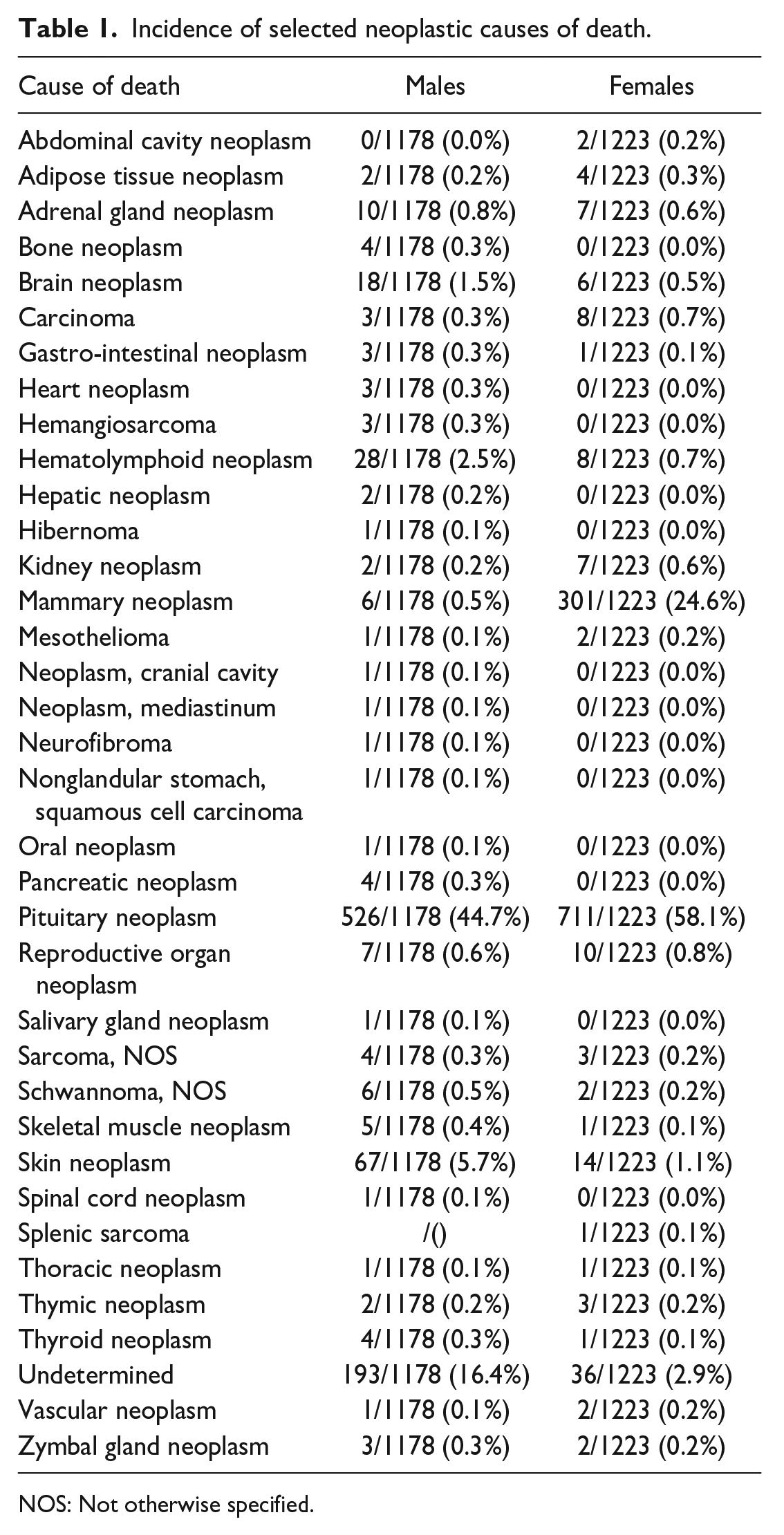
NOS: Not otherwise specified.
Cardiovascular System
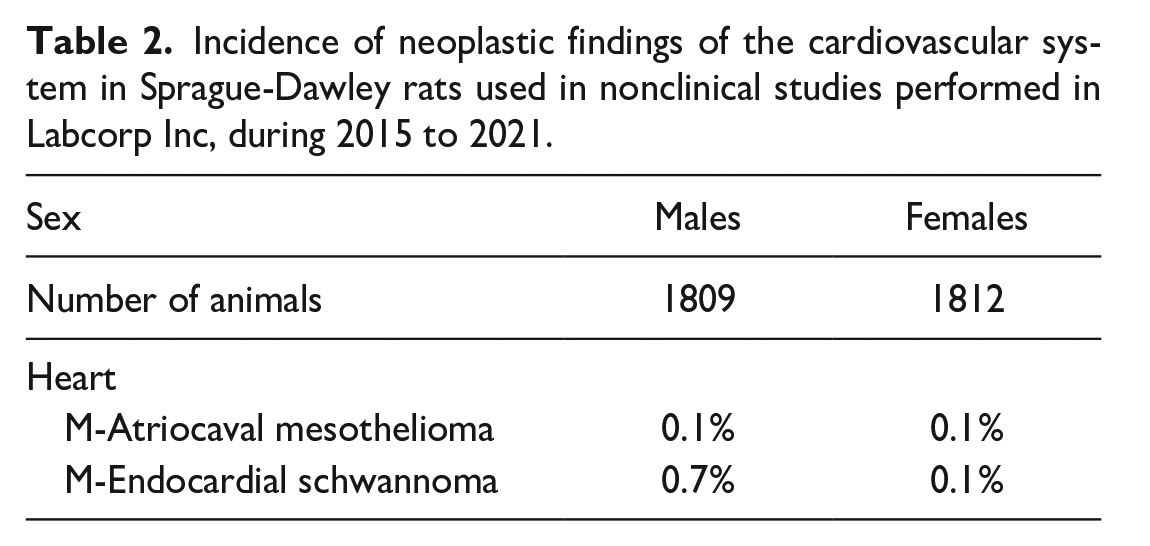
No common benign or malignant neoplasms were noted in the cardiovascular system in SD rats used in 104-week carcinogenicity studies. The only noteworthy neoplasms were a malignant atriocaval mesothelioma and a malignant endocardial schwannoma, both of which occurred at an incidence of less than 1% in males and females (Table 2). Atriocaval mesothelioma is a rare neoplasm in rats which has been more frequently reported in NZR/Gd and with comparatively lower incidence in Fisher rats. 10
Incidence of neoplastic findings of the cardiovascular system in Sprague-Dawley rats used in nonclinical studies performed in Labcorp Inc, during 2015 to 2021.
Urogenital System
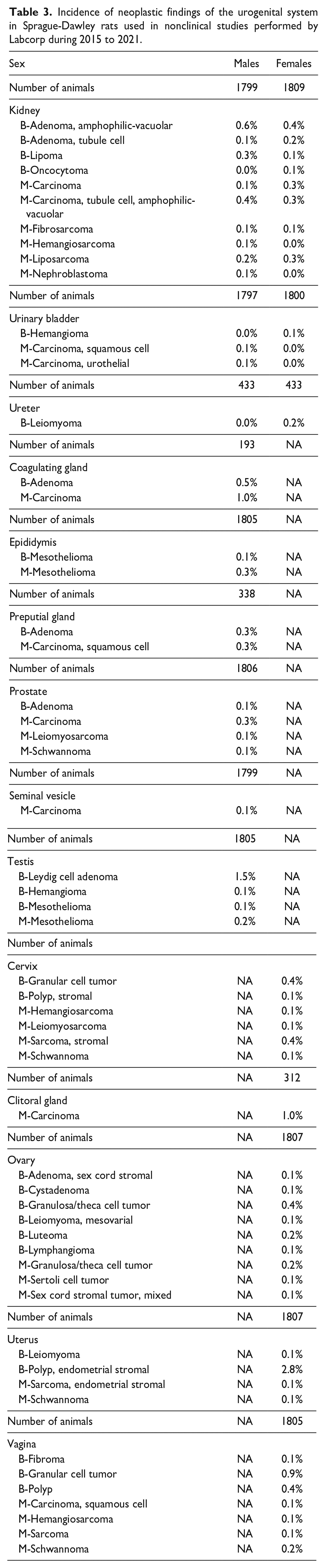
Neoplasms in the urinary system included amphophilic-vacuolar adenoma and carcinoma of the kidney which occurred at an incidence of 0.6% in males and 0.4% in females and 0.4% in males and 0.3% in females, respectively (Table 3; Figure 1). Amphophilic-vacuolar tumor in rats is a separate entity than the renal tubular tumors consisting of lobular mass composed of round to polyhedral cells containing finely granular to vacuolated amphophilic to eosinophilic cytoplasm. 8 The other benign (tubule cell adenoma, oncocytoma, lipoma) or malignant (carcinoma of tubule cells origin, fibrosarcoma, hemangiosarcoma, liposarcoma, and nephroblastoma) tumors were observed with lower frequency. In one study, nephroblastoma was identified as the most common neoplasm in the kidney of Harlan SD rats with an incidence of 0.5%. 6 However, amphophilic-vacuolar adenoma and tubule cell carcinoma were most common in this study. Benign leiomyoma was the only tumor observed in the ureter. Urinary bladder tumors included benign hemangioma and malignant squamous cell or urothelial cell carcinoma.
Incidence of neoplastic findings of the urogenital system in Sprague-Dawley rats used in nonclinical studies performed by Labcorp during 2015 to 2021.
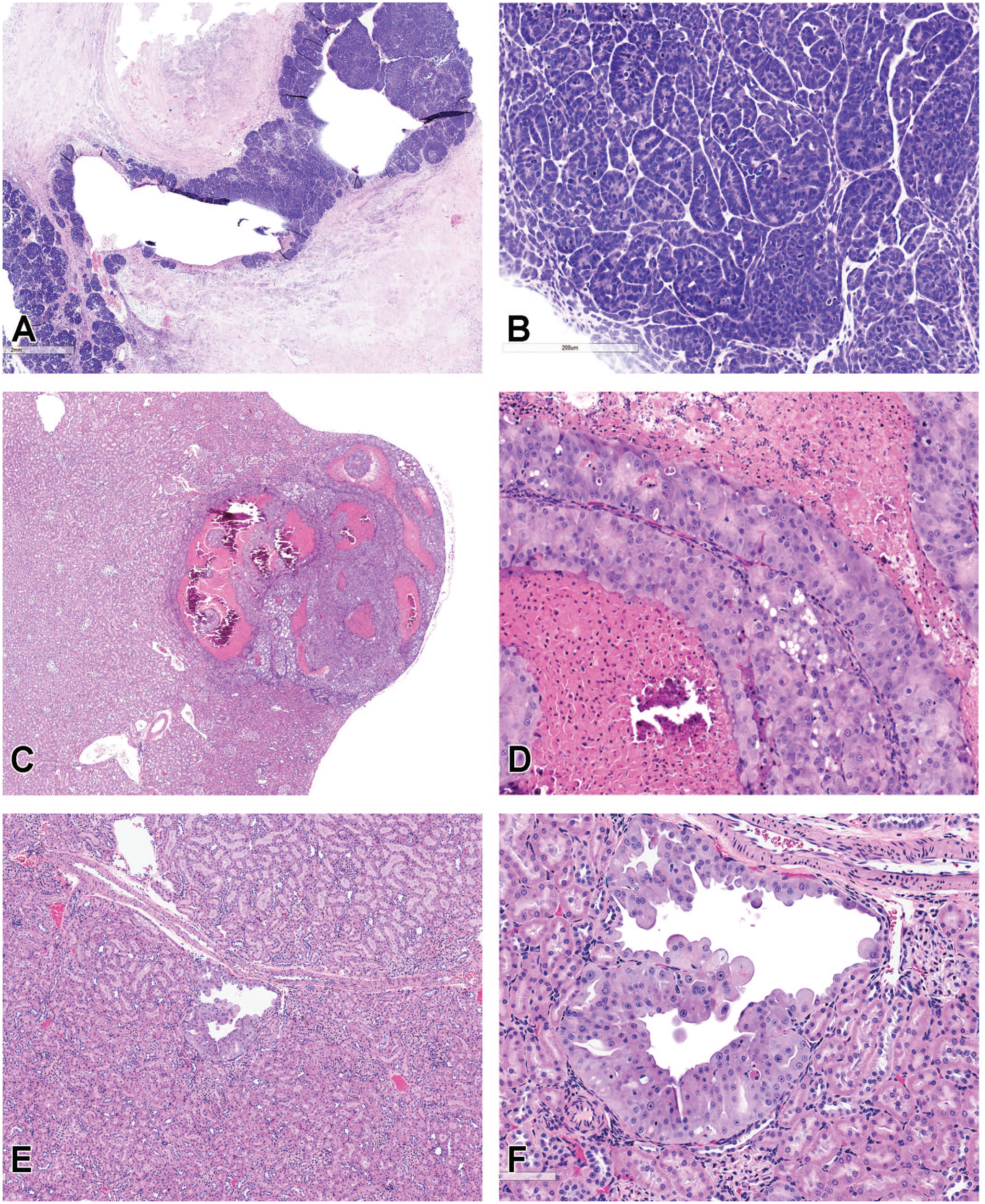
(A) Kidney, renal carcinoma (2×). (B) Higher magnification of Figure 1A (10×). (C) Kidney, renal tubular adenoma (2×). (D) Higher magnification of Figure 1C (10×). (E) Kidney, amphophilic-vacuolar adenoma (2×). (F) Higher magnification of Figure 1E (10×).
The only common neoplasms of the urogenital system were in the testis and uterus. The common neoplastic finding in the testis was the benign interstitial cell tumor (Leydig cell adenoma), which occurred at 1.5%. These tumors are composed of polygonal cells containing abundant eosinophilic cytoplasm, round nucleus with a prominent nucleolus. The other neoplasms in the male reproductive system included adenoma/carcinoma of coagulating gland, prostate, seminal vesicle, and preputial gland, mesothelioma of epididymis and testis, hemangioma of testes, and leiomyosarcoma and schwannoma of prostate. The most common neoplastic finding in the uterus was the endometrial stromal polyp at 2.8% incidence. Endometrial polyps are composed of polypoid proliferation of the epithelial cells supported through a fibrovascular stalk arising from the mucosa. The other tumors noted in the uterus included leiomyoma, endometrial sarcoma, and schwannoma. The most common tumor in vagina was granular cell tumor (0.9%) while tumors of lesser incidence included mucosal polyp, fibroma, squamous cell carcinoma, hemangiosarcoma, and malignant schwannoma. Benign granular cell tumor and malignant stromal sarcoma were common in cervix while other tumors such as stromal polyps, hemangiosarcoma, leiomyosarcoma, and malignant schwannoma were of low incidence. In ovaries, various benign tumors such as adenoma of sex cord origin, cystadenoma, granulosa/theca cell tumor, leiomyoma, luteoma, and lymphangioma were noted while malignant tumors included tumor of Sertoli cell origin, mixed sex cord stromal tumor, and malignant granulosa/theca cell tumors (Table 3; Figures 2–5).
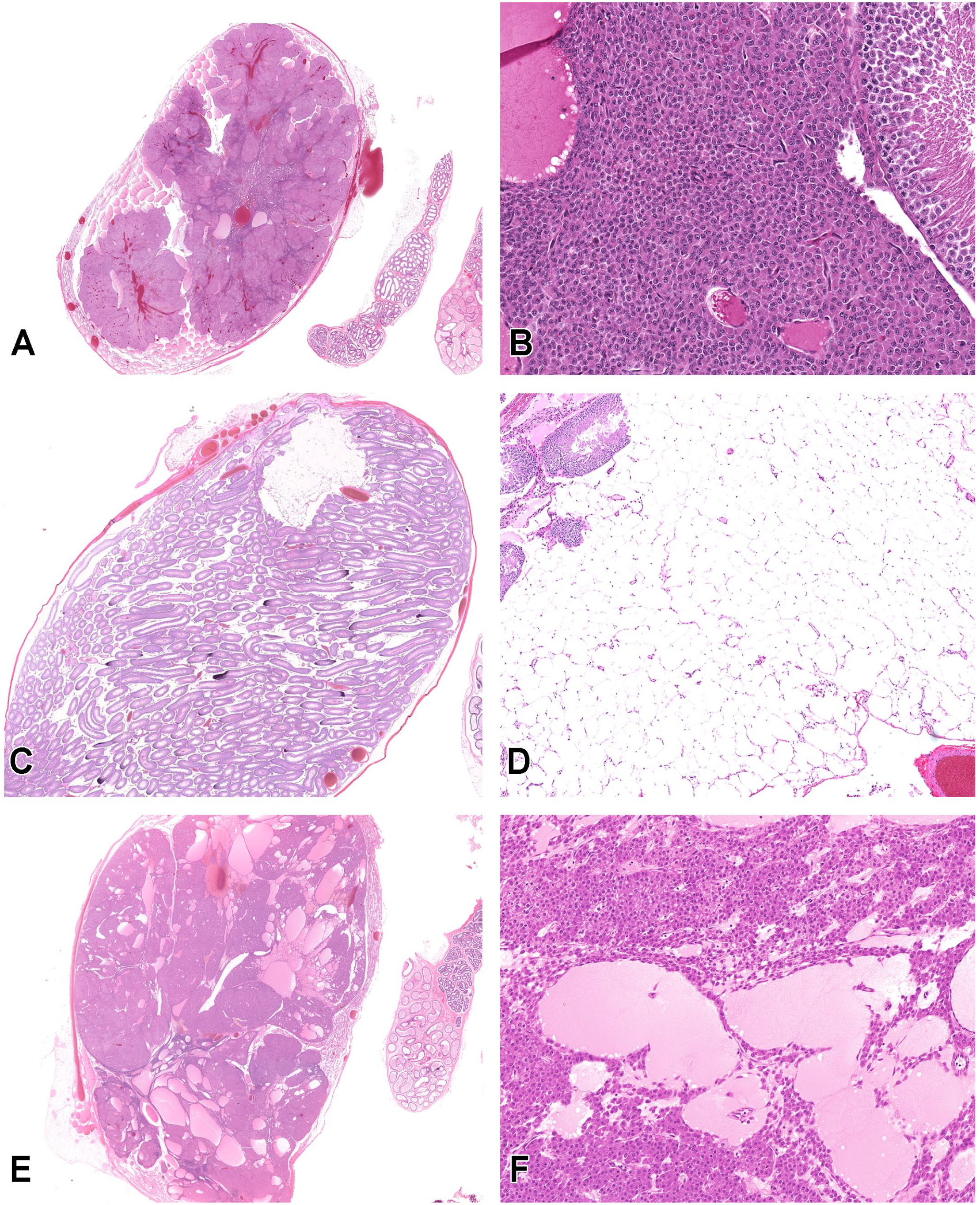
(A) Testis, Leydig cell adenoma (2×). (B) Higher magnification of Figure 2A (10×). (C) Testis, testicular hamartoma (2×). (D) Higher magnification of Figure 2C (4×). (E) Testis, Leydig cell carcinoma (2×). (F) Higher magnification of Figure 2E (10×).
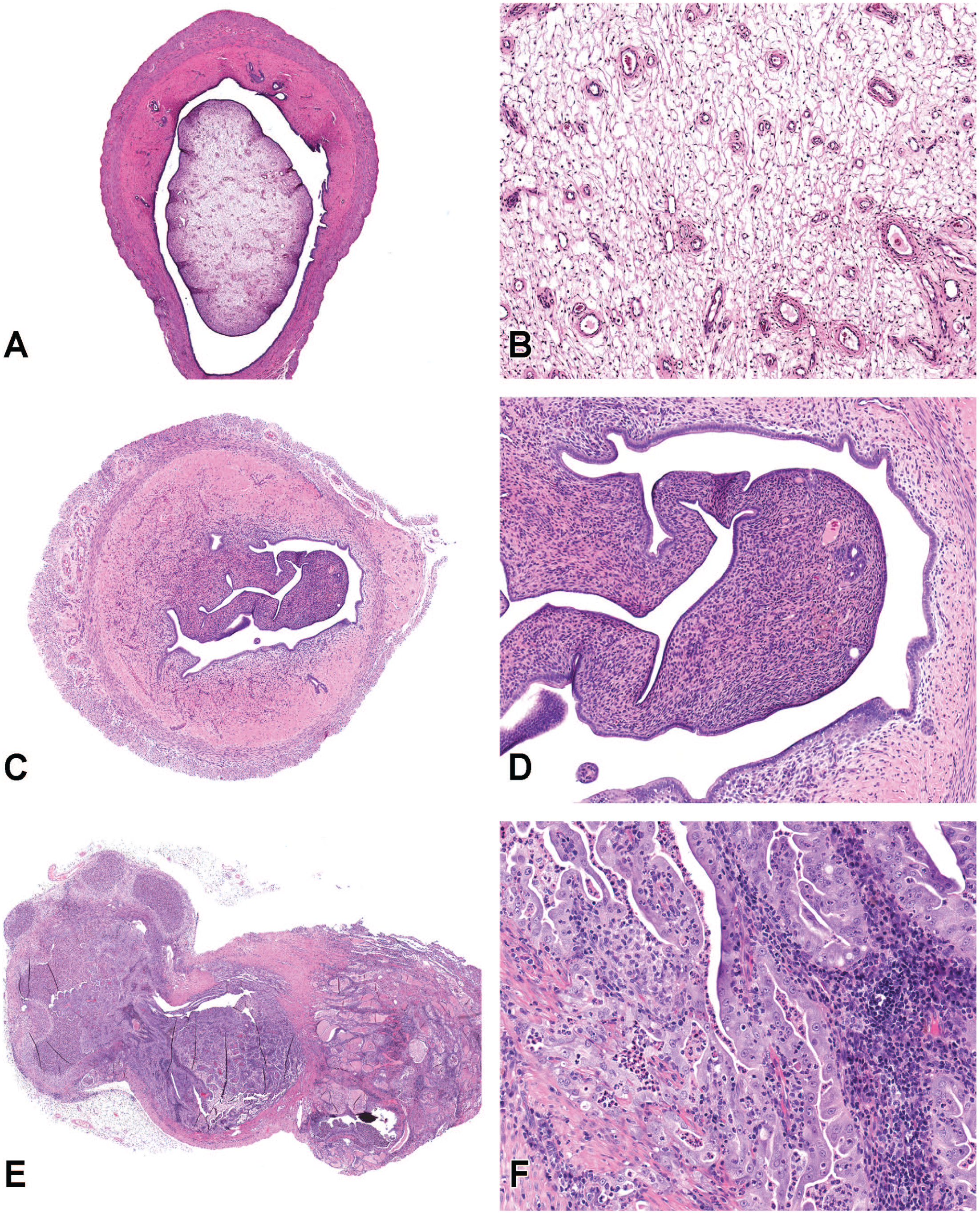
(A) Uterus, endometrial stromal polyp (2×). (B) Higher magnification of Figure 3A. (C) Uterus, endometrial glandular polyp (2×). (D) Higher magnification of Figure 3C (10×). (E) Uterus, adenocarcinoma (2×). (F) Higher magnification of Figure 3E (10×).
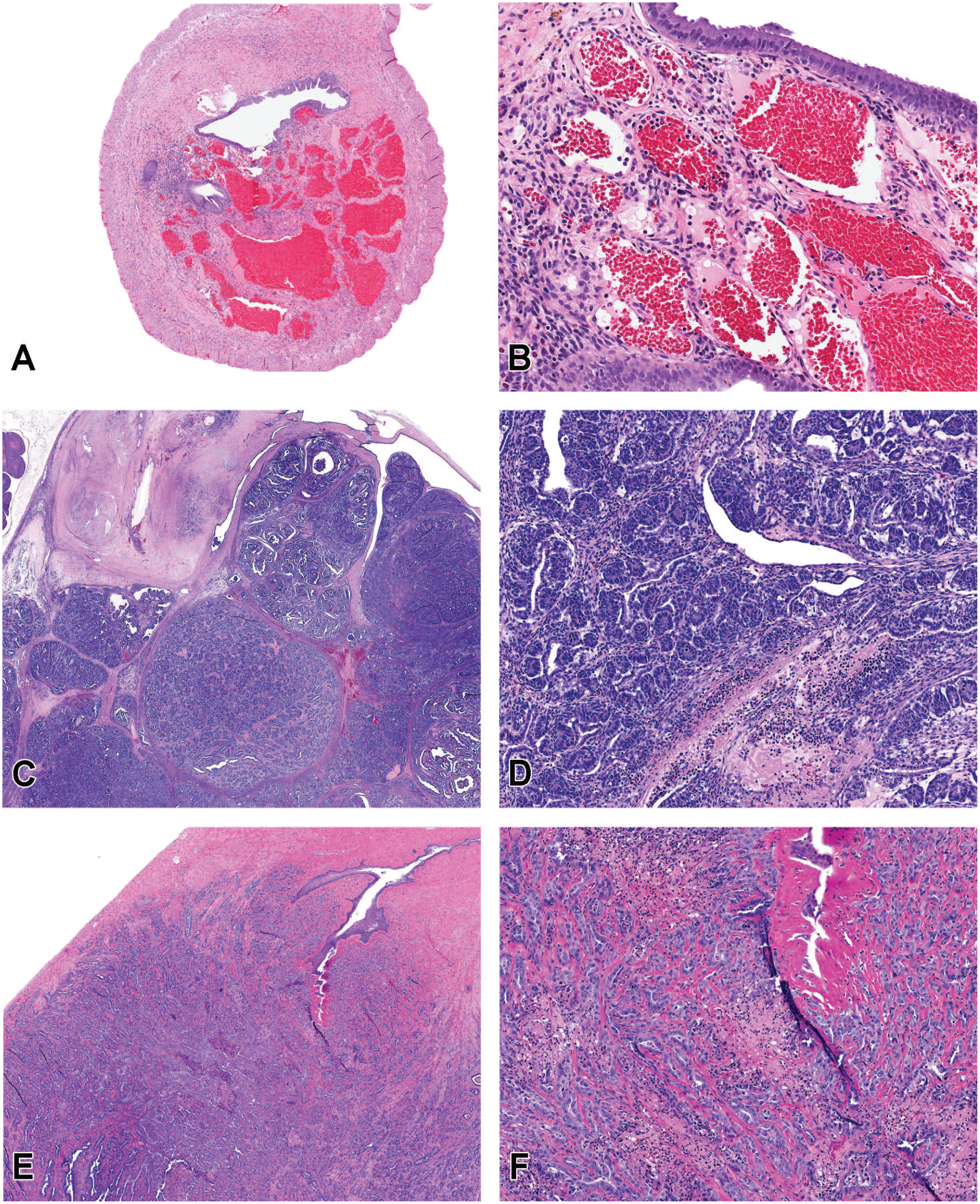
(A) Uterus, hemangioma (2×). (B) Higher magnification of Figure 4A (10×). (C) Ovary, tubulostromal carcinoma (2×). (D) Higher magnification of Figure 4C (10×). (E) Cervix, adenocarcinoma (2×). (F) Higher magnification of Figure 4E (10×).
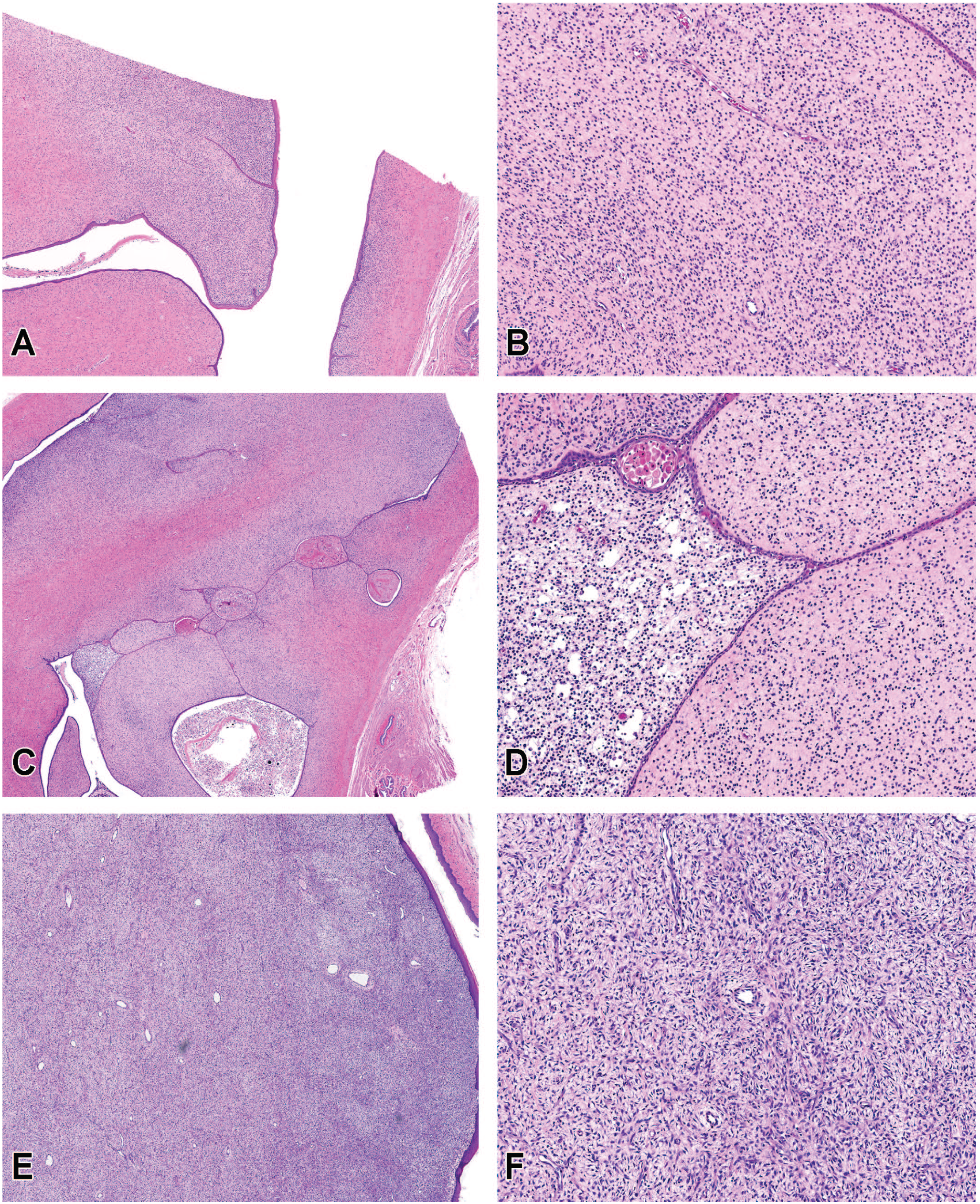
(A) Cervix, granular cell tumor, benign (2×). (B) Higher magnification of Figure 5A (10×). (C) Cervix, granular cell tumor, malignant (2×). (D) Higher magnification of Figure 5C (10×). (E) Vagina, schwannoma, benign (2×). (F) Higher magnification of Figure 5E (10×).
Respiratory System
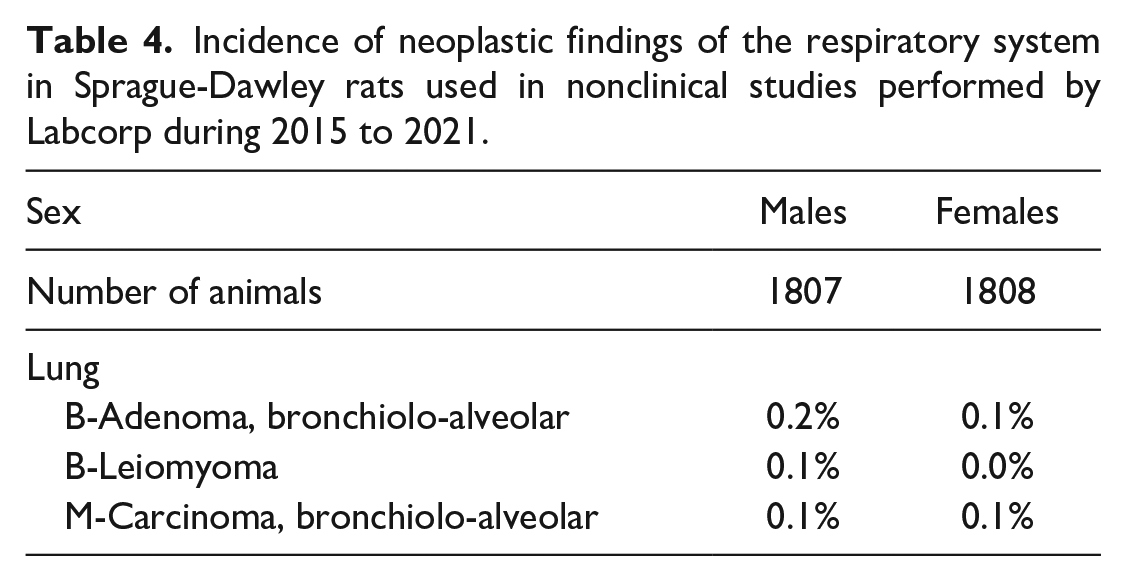
Bronchiolo-alveolar adenoma and carcinoma were the most frequently observed neoplasms of the respiratory system while leiomyoma was observed less commonly only in males (Table 4; Figure 6).
Incidence of neoplastic findings of the respiratory system in Sprague-Dawley rats used in nonclinical studies performed by Labcorp during 2015 to 2021.
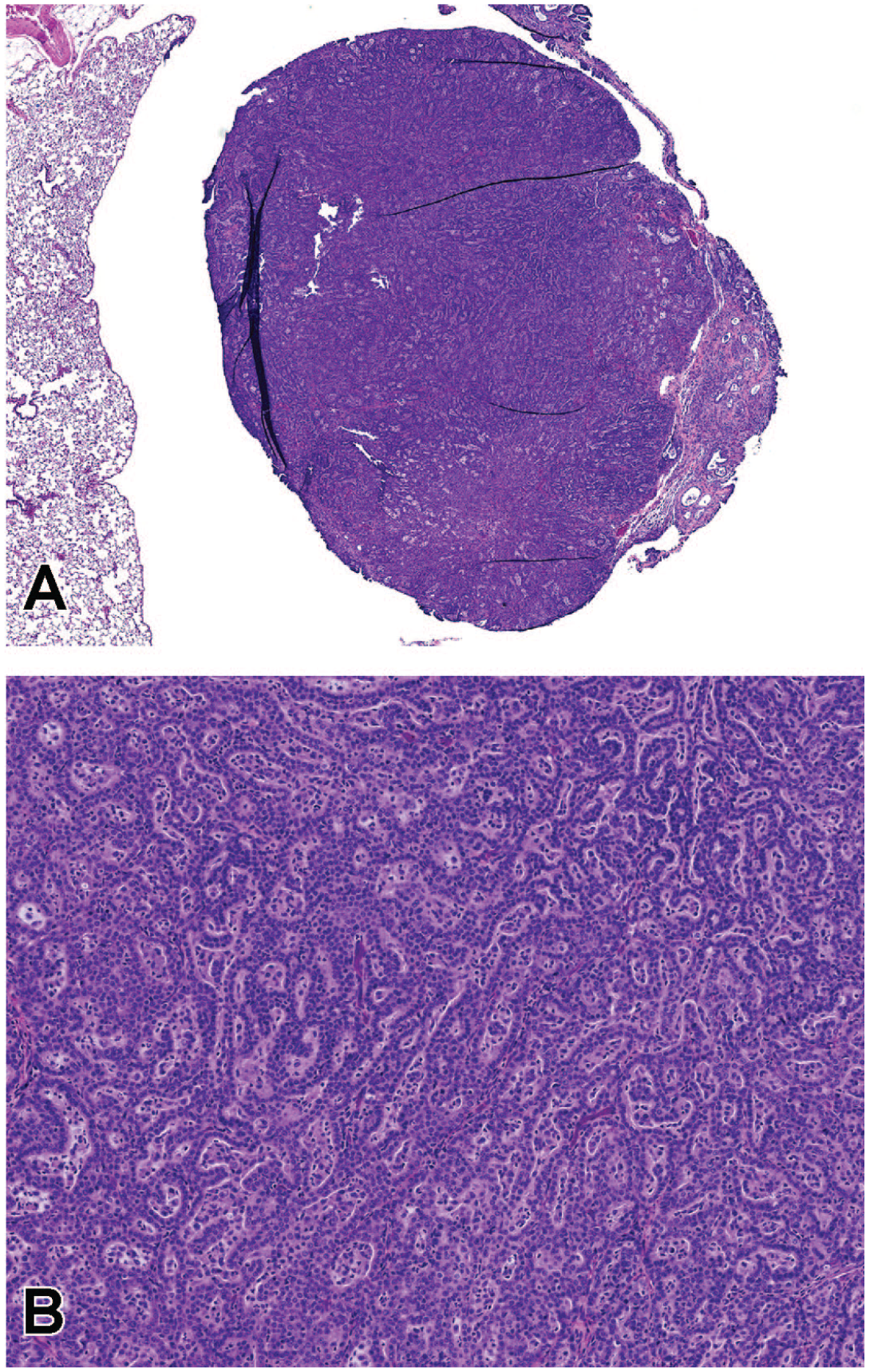
(A) Lung, bronchoalveolar carcinoma (2×). (B) Higher magnification of Figure 6A (10×).
Digestive System
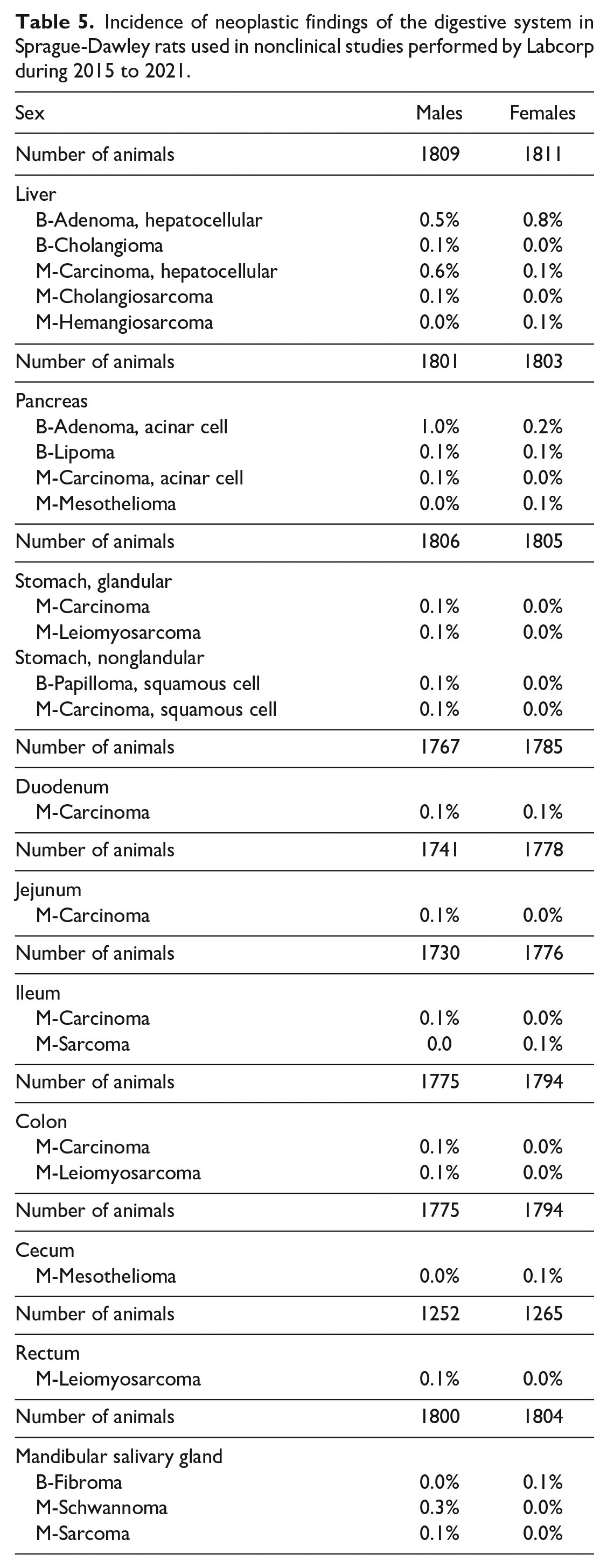
In the digestive system, pancreatic acinar cell adenoma was the most common tumor noted in males at an incidence of 1%. The other tumors of pancreas were lipoma, pancreatic acinar cell carcinoma, and mesothelioma. The other tumors of the digestive system included hepatocellular adenoma and carcinoma, cholangioma, cholangiosarcoma, and hemangiosarcoma. Carcinoma of glandular stomach, duodenum, jejunum, ileum, and colon occurred at low incidence and appeared to affect males more than females. Leiomyosarcoma was another tumor noted in the glandular stomach, rectum, and colon. Mesothelioma and sarcoma were noted in the ileum and cecum of females, respectively. In the nonglandular stomach, squamous cell carcinoma and benign papilloma occurred at low incidence. In mandibular salivary gland, malignant schwannoma was noted at higher incidence in males (0.3%) compared with sarcoma (0.1%) while fibroma was only noted in females (0.1%) (Table 5; Figures 7A-D, 8A and B, and Figure 9A, B, E and F).
Incidence of neoplastic findings of the digestive system in Sprague-Dawley rats used in nonclinical studies performed by Labcorp during 2015 to 2021.
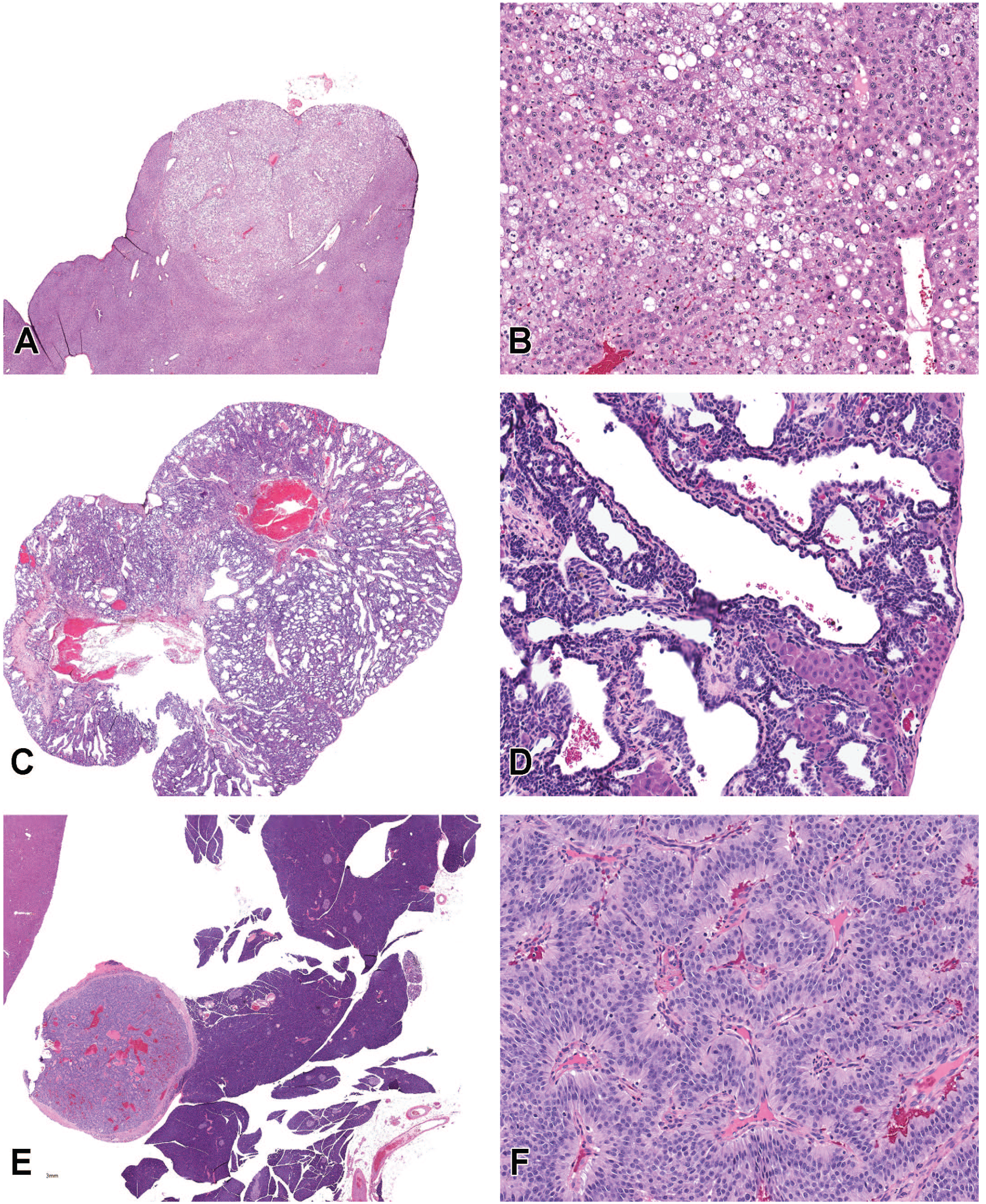
(A) Liver, hepatocellular adenoma (2×). (B) Higher magnification of Figure 7A (10×). (C) Liver, cholangiocarcinoma (2×). (D) Higher magnification of Figure 7C (10×). (E) Pancreas, islet cell adenoma (2×). (F) Higher magnification of Figure 7E (10×).
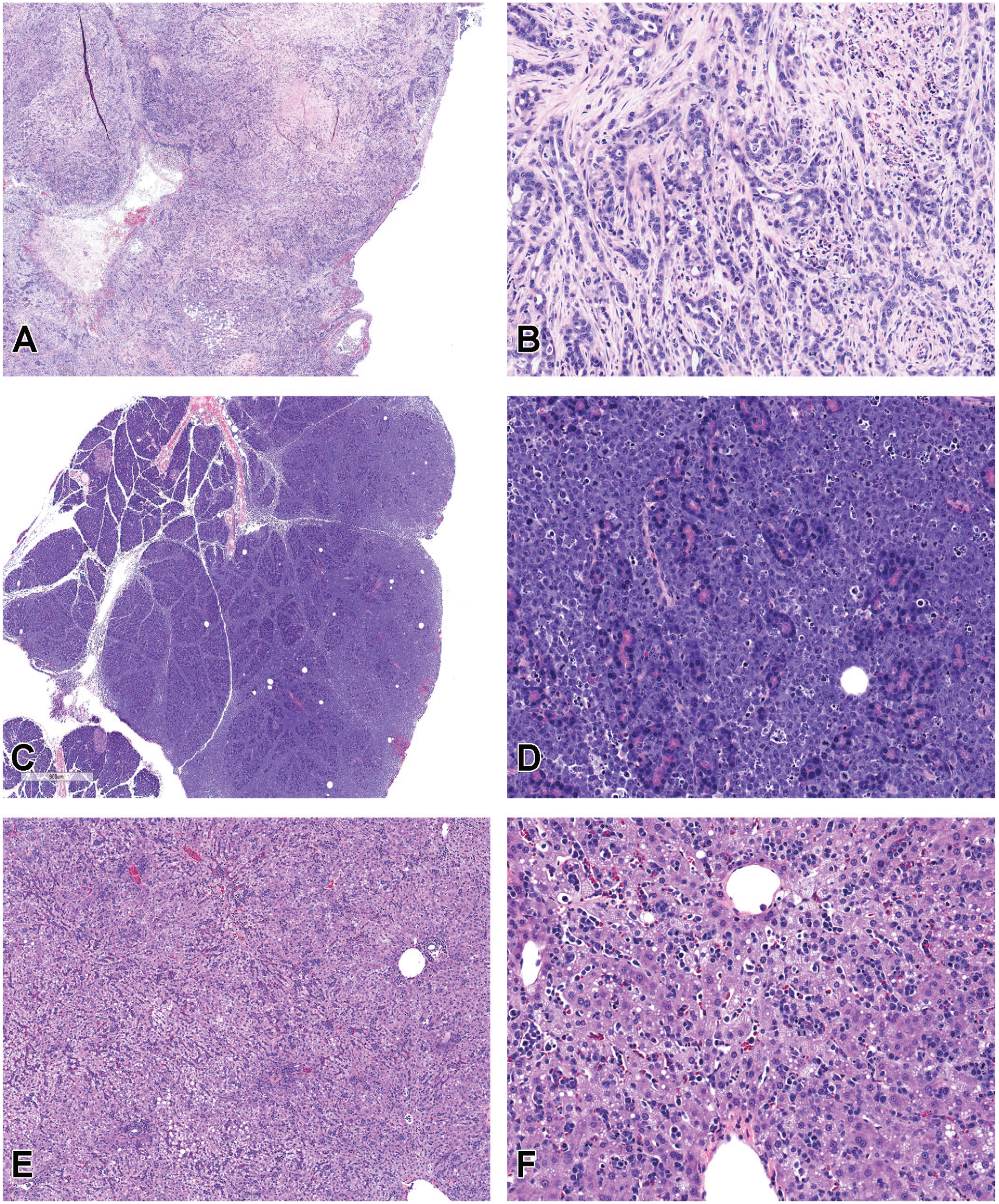
(A) Pancreas, ductal cell carcinoma (2×). (B) Higher magnification of Figure 8A (10×). (C) Pancreas, hematolymphoid neoplasm, consistent with metastasized malignant lymphoma (2×). (D) Higher magnification of Figure 8C (10×). (E) Liver, hematolymphoid neoplasm consistent metastasized with malignant lymphoma (4×), (F) Higher magnification of Figure 8E (10×).
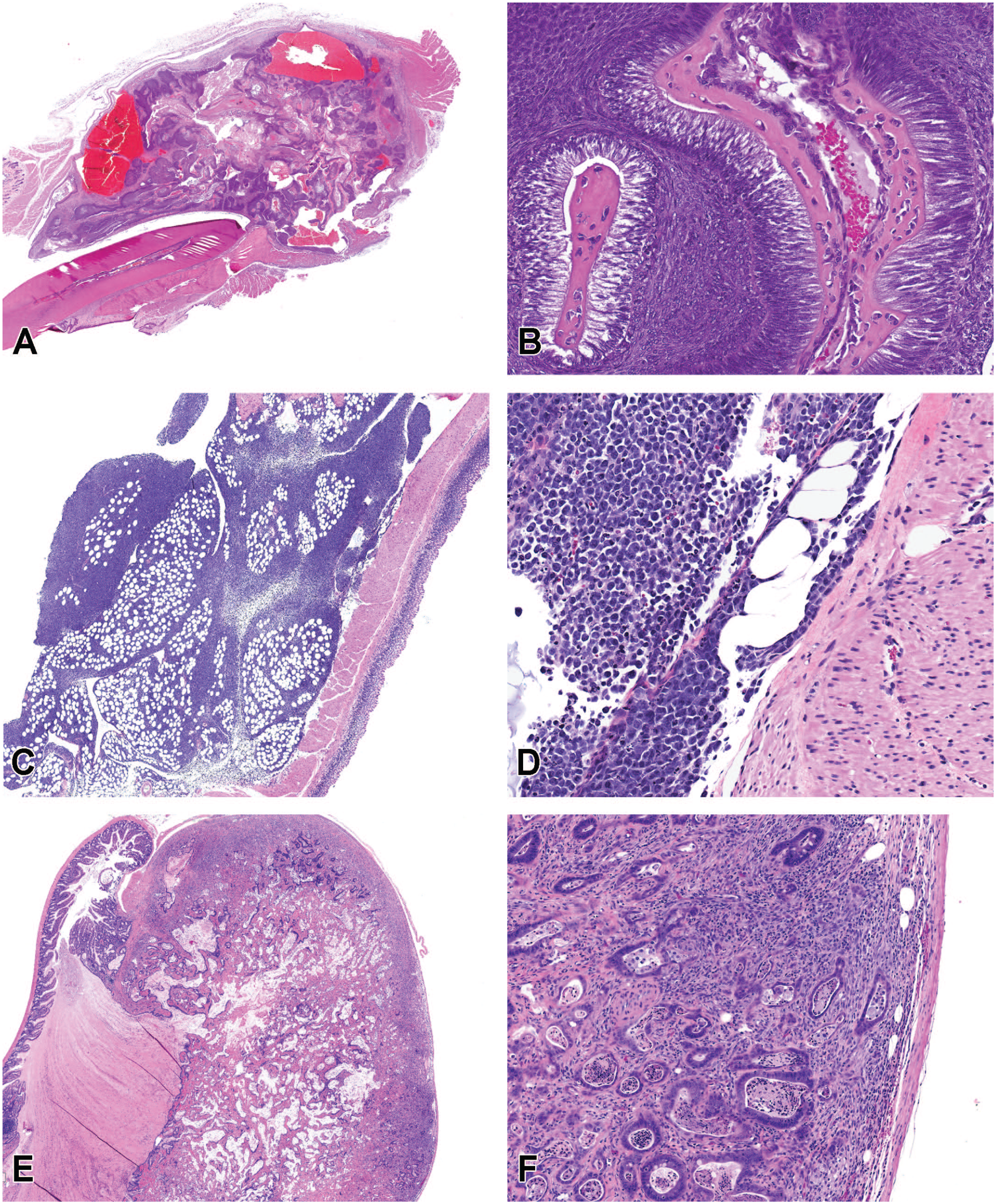
(A) Tooth, tooth neoplasm (<2×). (B) Higher magnification of Figure 9A (10×). (C) Stomach, Hematolymphoid neoplasm, consistent with metastasized malignant lymphoma (2×). (D) Higher magnification of Figure 9C (10×). (E) Jejunum, adenocarcinoma (2×). (F) Higher magnification of Figure 9E (10×).
Hematopoietic/Lymphoid System
No common (>1%) benign or malignant neoplasms were noted in the hematopoietic/lymphoid systems in SD rats used in 104-week carcinogenicity studies evaluated. However, malignant lymphoma occurred at higher incidence (0.7% in males and 0.8% in females) compared with other tumors (large granular cell leukemia, granulocytic leukemia, and leukemia, NOS). In the spleen, hemangiosarcoma and leiomyosarcoma occurred at higher incidence compared with sarcoma and mesothelioma. Benign thymoma and malignant thymoma or schwannoma were noted in the thymus while lymph node tumors included hemangiosarcoma, hemangioma, lymphangioma, and lymphangiosarcoma (Table 6; Figures 8C-F; Figures 9C and D; Figure 10).
Incidence of neoplastic findings of the hematopoietic/lymphoid system in Sprague-Dawley rats used in nonclinical studies performed by Labcorp during 2015 to 2021.
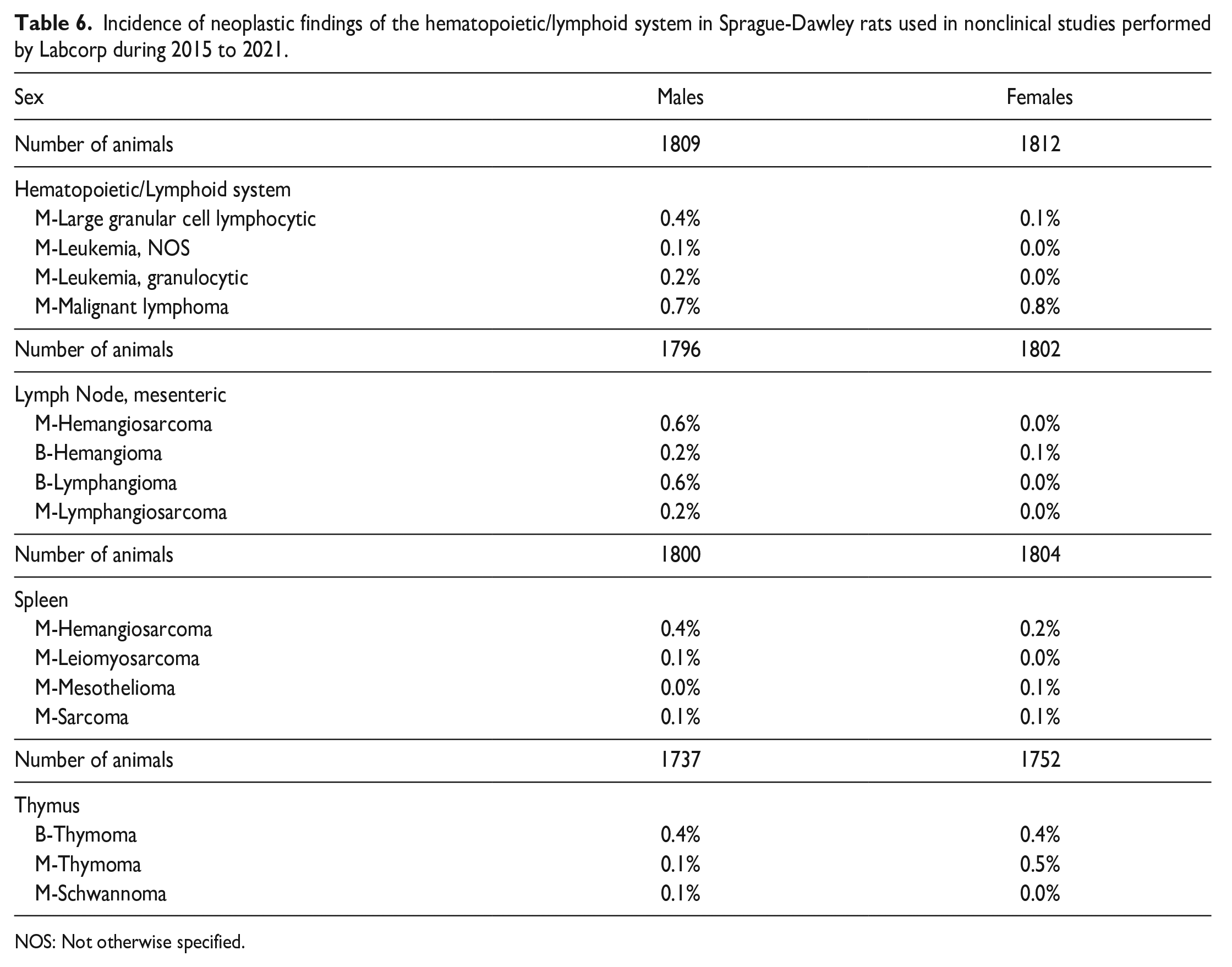
NOS: Not otherwise specified.
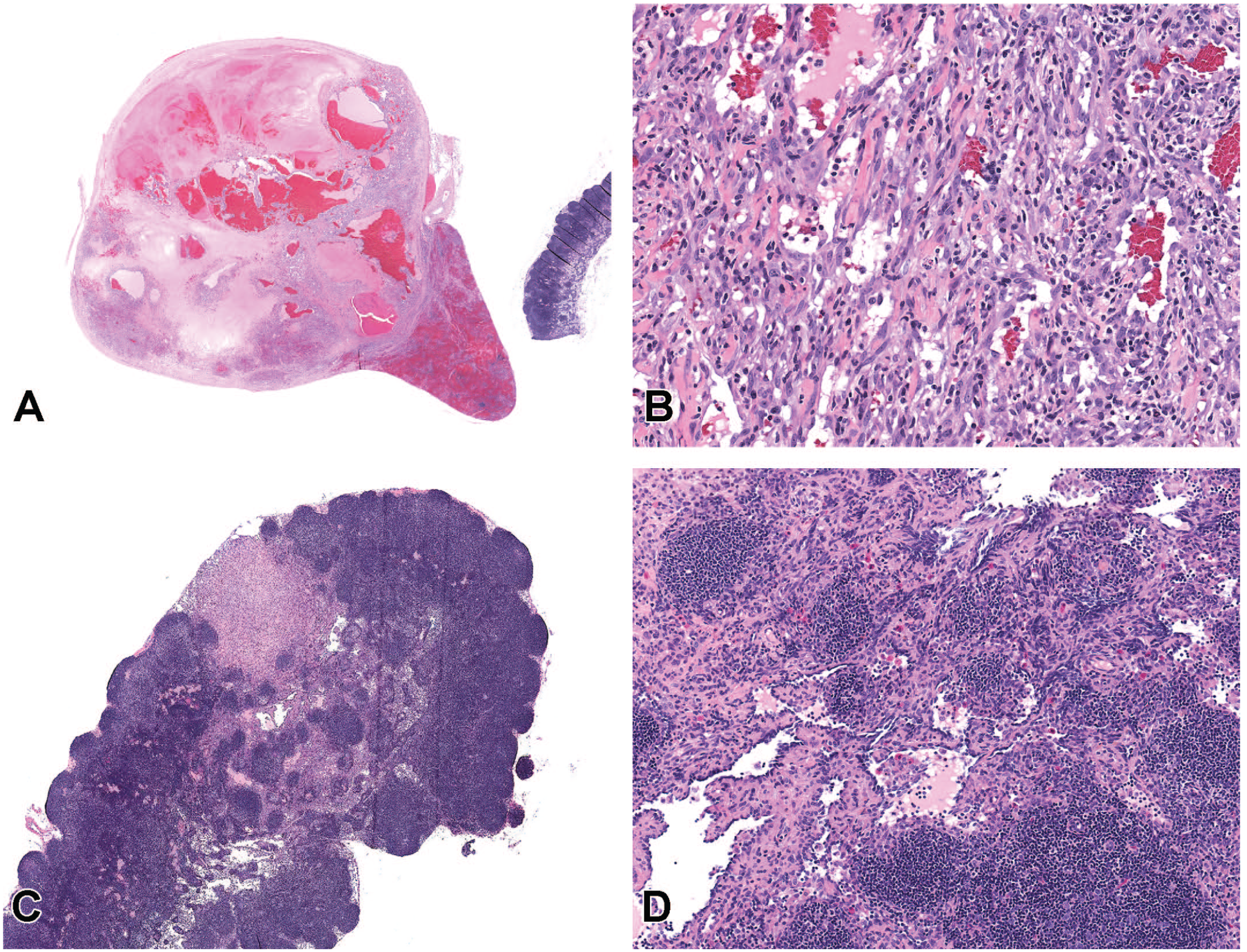
(A) Spleen, hemangiosarcoma (2×). (B) Higher magnification of Figure 10A (10×). (C) Mesenteric lymph node, hemangioma (2×). (D) Higher magnification of Figure 10C (10×).
Nervous System
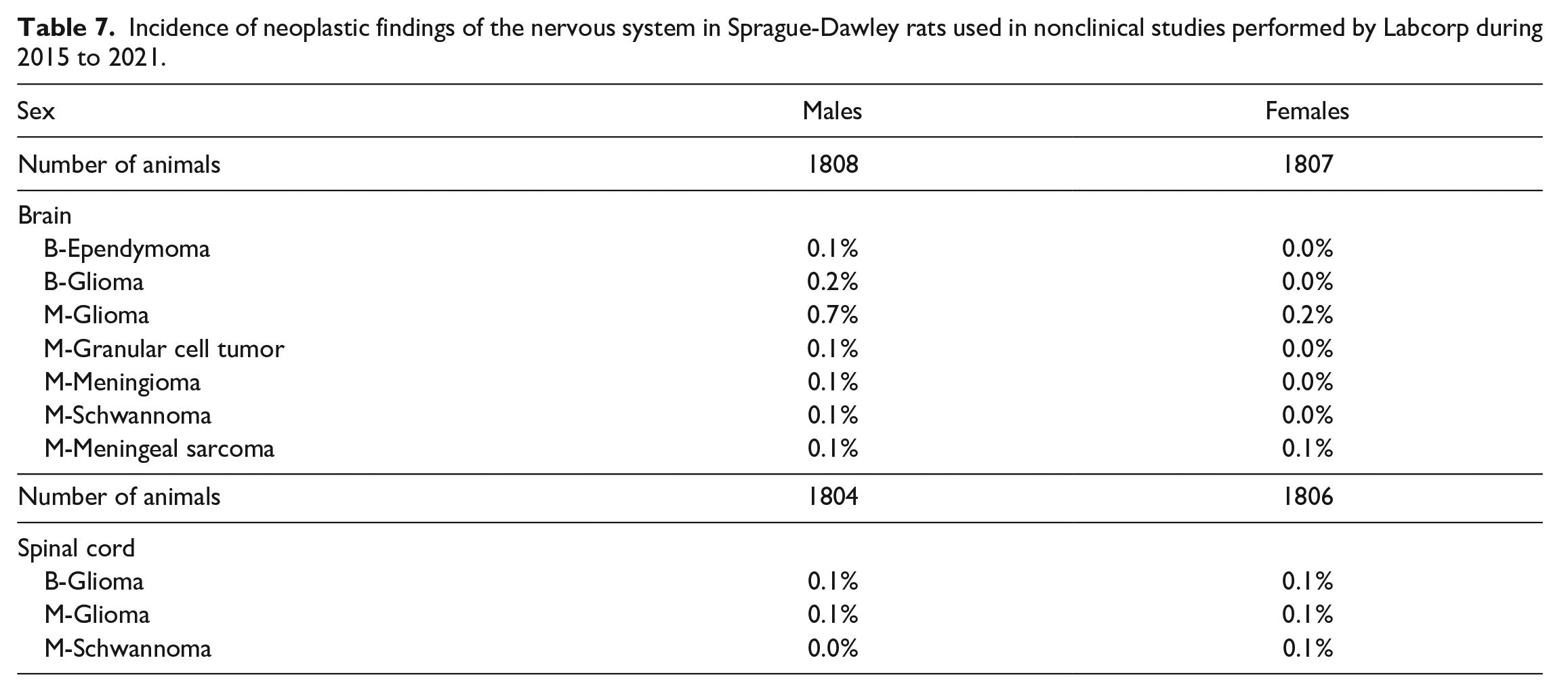
The neoplasm of highest incidence that was noted in the nervous systems in SD rats used in 104-week carcinogenicity studies was malignant glioma of the brain. However, the incidence was <1%. The other malignant tumors of low incidence noted were granular cell tumor, meningioma, mixed glioma, schwannoma, and meningeal sarcoma while benign tumors were ependymoma and glioma. The tumor of the spinal cord included benign and malignant glioma and malignant schwannoma. Previous classification of astrocytoma, oligodendroglioma, and so on is not a current preferred term to be used. 5 In this article, we have combined the neural tumors as either malignant or benign glioma given the lack of immunohistochemistry data (Table 7; Figure 11). Medulloblastoma was not noted in this study but has been observed in previous studies. 1
Incidence of neoplastic findings of the nervous system in Sprague-Dawley rats used in nonclinical studies performed by Labcorp during 2015 to 2021.
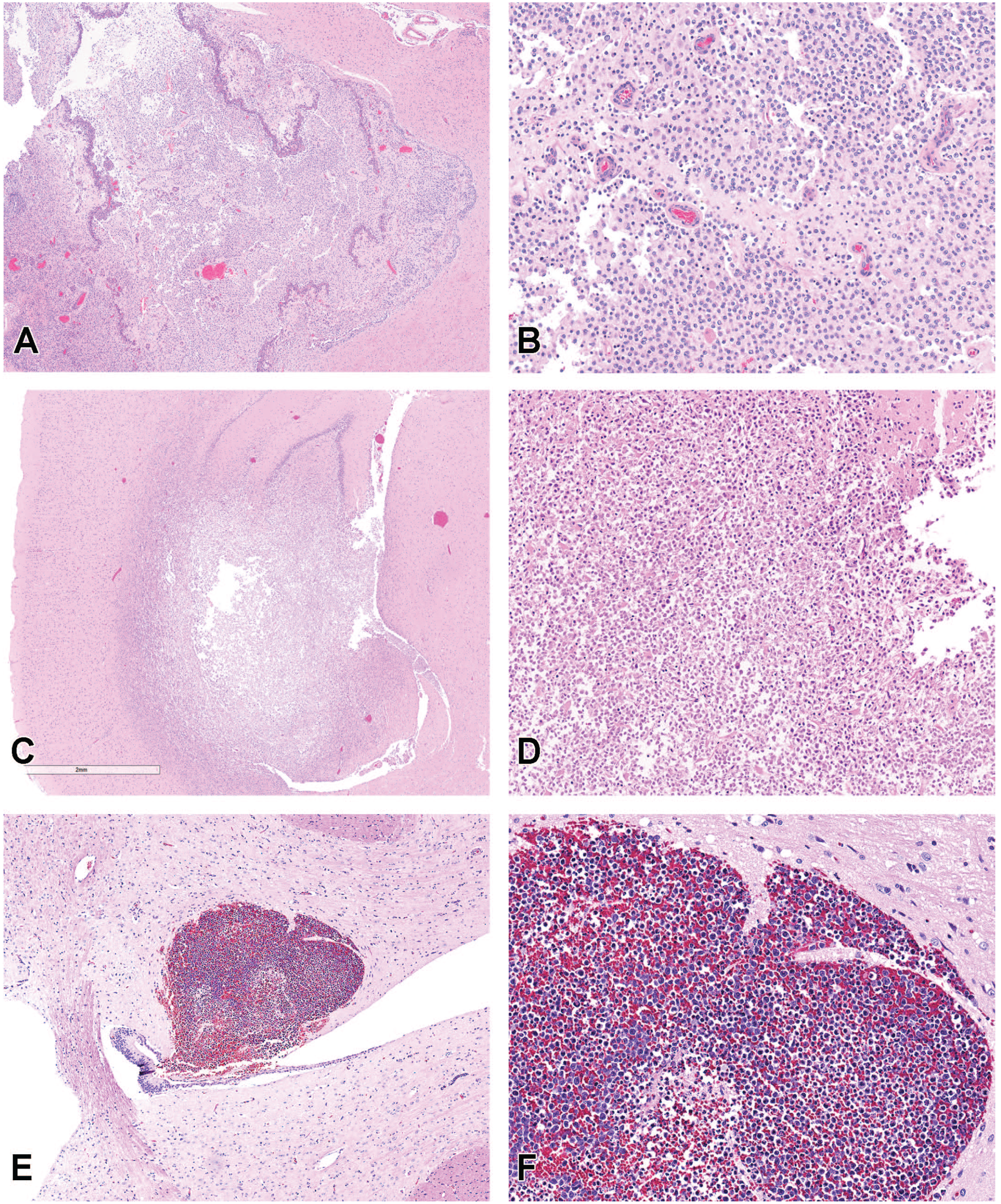
(A) Brain, glioma, malignant (2×), most consistent with oligodendroglioma. (B) Higher magnification of Figure 11A (10×). (C) Brain, glioma, malignant (2×), most consistent with astrocytoma. (D) Higher magnification of Figure 11C (10×). (E) Brain, hematolymphoid neoplasm, metastatic (2×). (F) Higher magnification of Figure 11E (10×).
Endocrine System
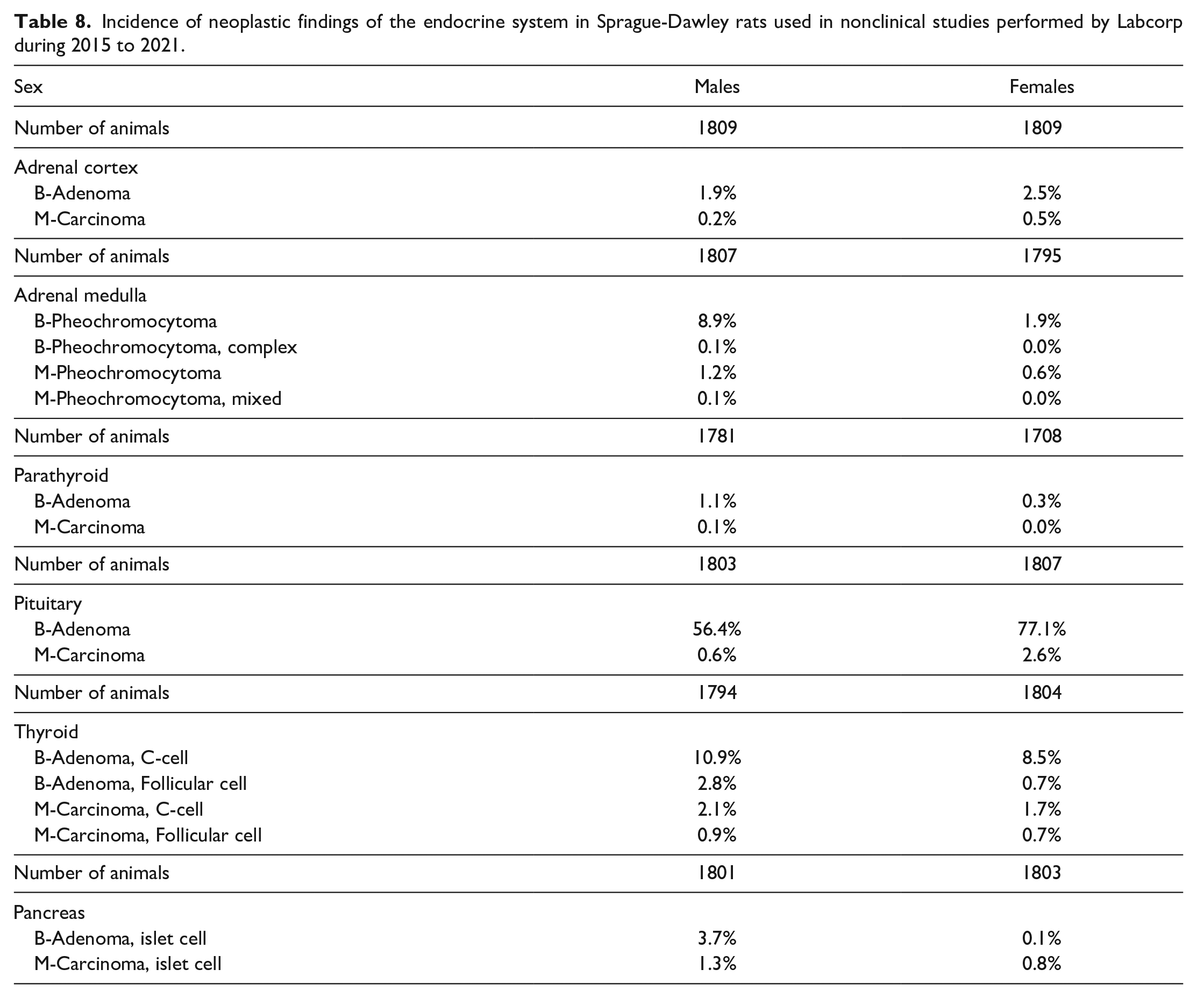
The common neoplasms that were noted in the endocrine systems in SD rats used in 104-week carcinogenicity studies were noted in the adrenal cortex, adrenal medulla, parathyroid, pituitary, and thyroid with pituitary neoplasm being of highest incidence. The most common neoplasm in the adrenal cortex was benign adenoma, which occurred at an incidence of 1.9% in males and 2.5% in females. The most common neoplasm in the adrenal medulla was benign pheochromocytoma, which occurred at an incidence of 8.9% in males and 1.9% in females and malignant pheochromocytoma, which occurred at an incidence of 1.2% in males and 0.6% in females. The most common neoplasm in the parathyroid was benign adenoma, which occurred at an incidence of 1.1% in males and 0.3% in females. The most common neoplasm in the pituitary was benign adenoma, which occurred at an incidence of 56.4% in males and 77.1% in females. The most common neoplasm in the thyroid was benign C-cell adenoma, which occurred at an incidence of 10.9% in males and 8.5% in females. In pancreas, the tumors of endocrine origin (islet cell adenoma or carcinoma) were most common compared with the tumors of other origin and are a common trend in oncogenicity studies.3,4,9,12 In this study, islet cell adenoma was noted in 3.7% of males and 0.1% of females while islet cell carcinoma was noted in 1.3% of males and 0.8% of females (Table 8; Figures 7E and F; Figures 12–14).
Incidence of neoplastic findings of the endocrine system in Sprague-Dawley rats used in nonclinical studies performed by Labcorp during 2015 to 2021.
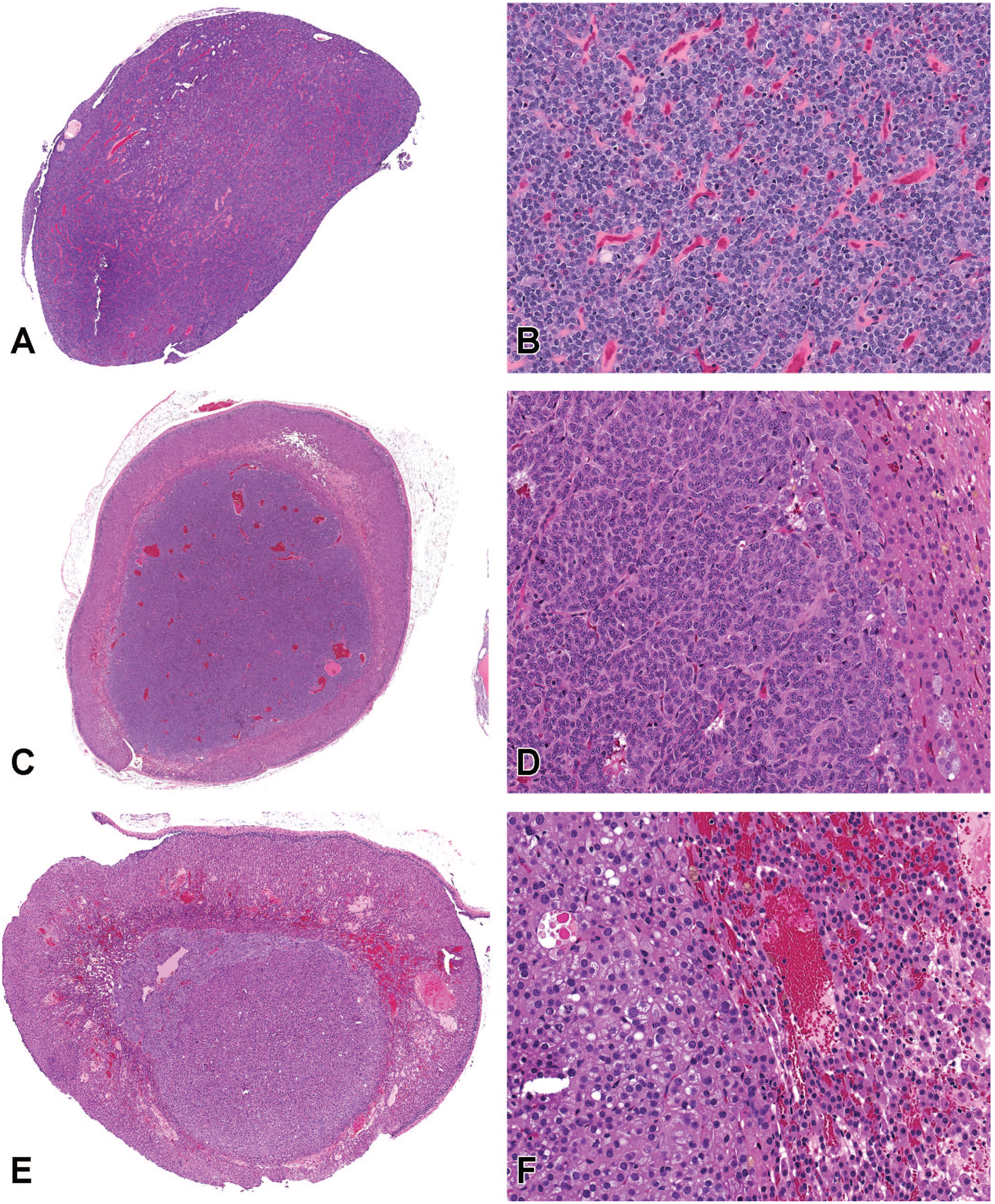
(A) Pituitary, pituitary adenoma of pars distalis (2×). (B) Higher magnification of Figure 12A (10×). (C) Adrenal gland, benign pheochromocytoma (2×). (D) Higher magnification of Figure 12C (10×). (E) Adrenal gland, benign adrenal cortical adenoma (2×). (F) Higher magnification of Figure 12E (10×).
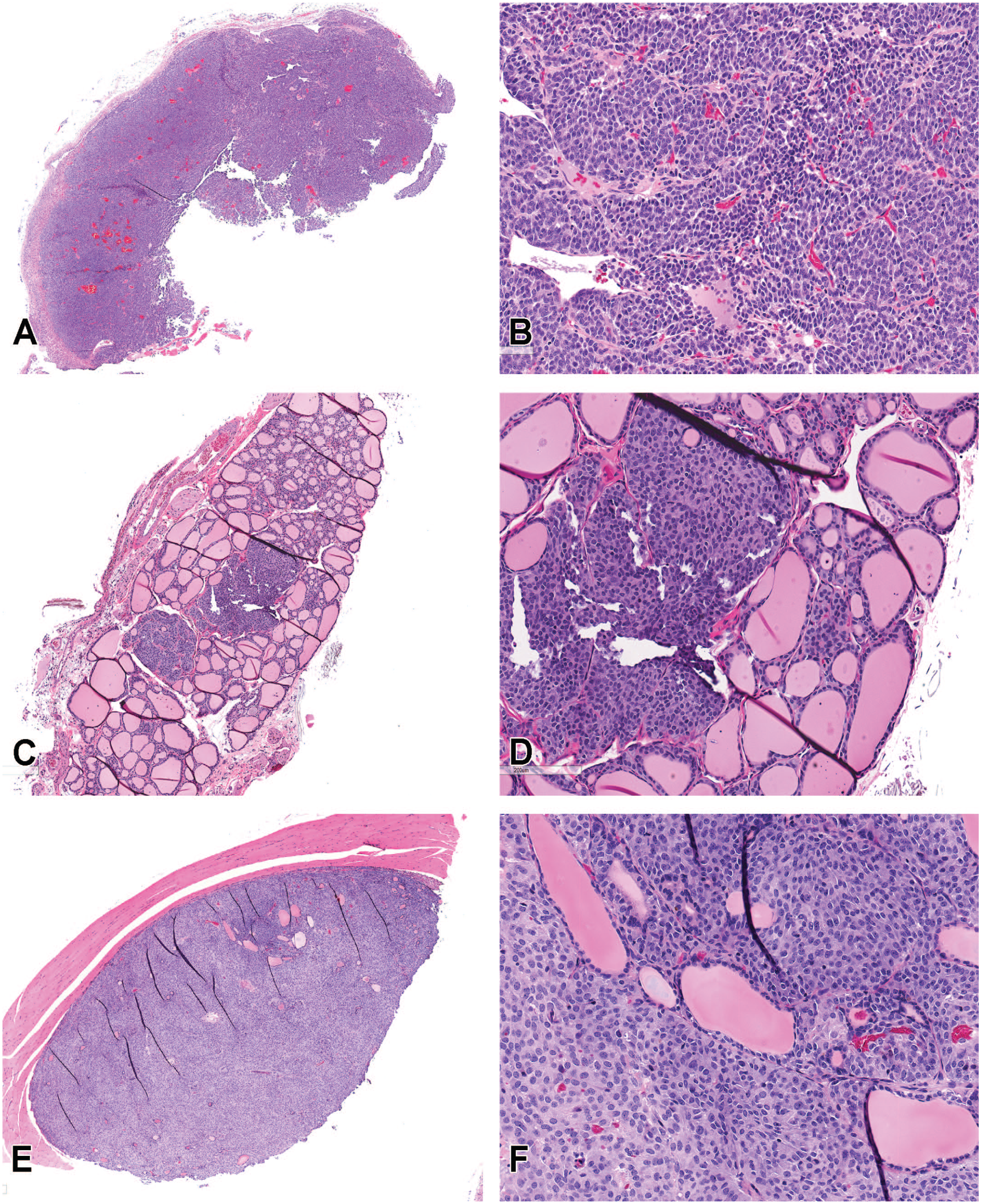
(A) Adrenal gland, malignant pheochromocytoma (2×). (B) Higher magnification of Figure 13A (10×). (C) Thyroid, C-cell adenoma (2×). (D) Higher magnification of Figure 13C (10×). (E) Thyroid, C-cell carcinoma (2×). (F) Higher magnification of Figure 13E (10×).
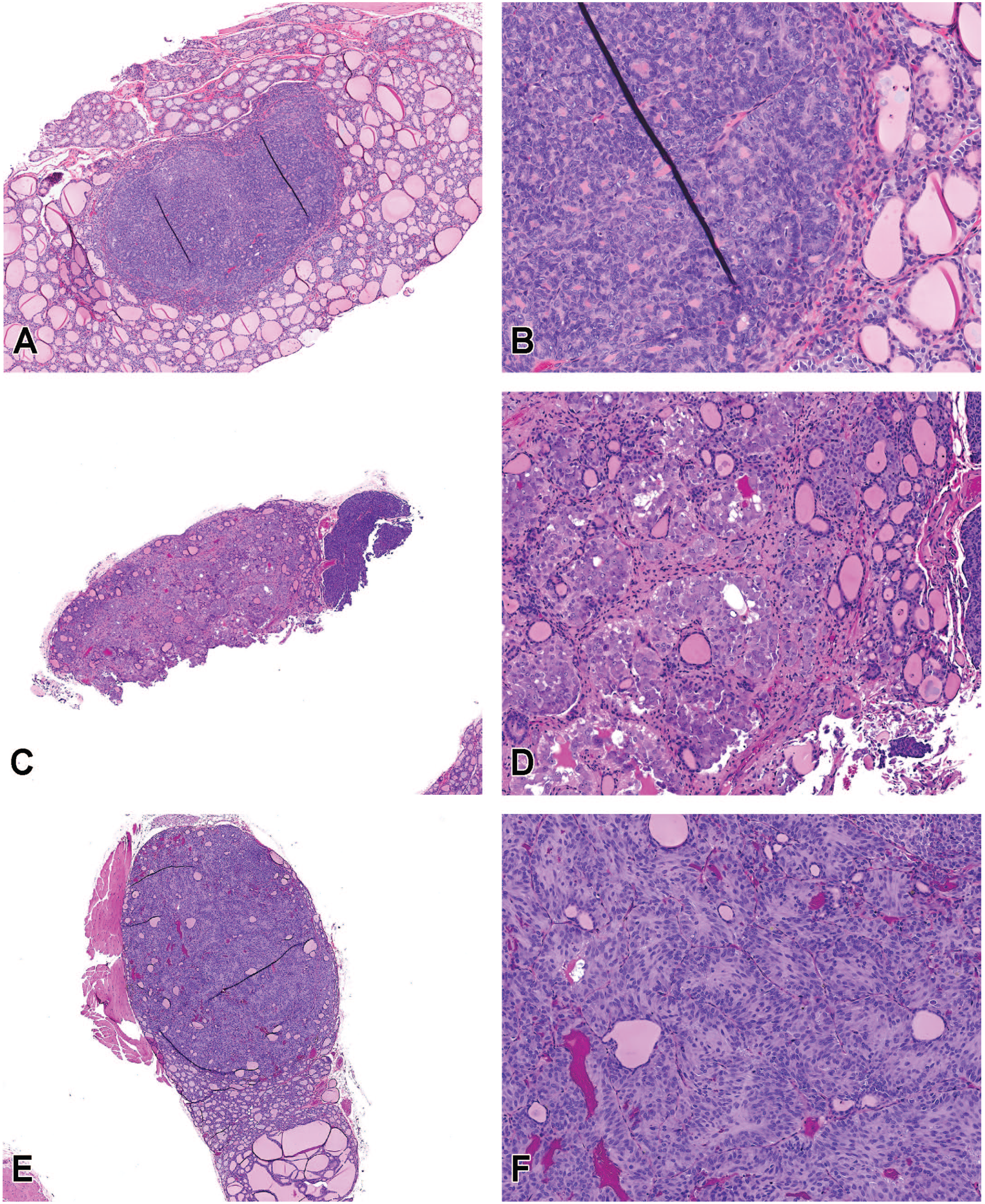
(A) Thyroid, follicular cell adenoma (2×). (B) Higher magnification of Figure 14A (10×). (C) Thyroid, follicular cell carcinoma (2×). (D) Higher magnification of Figure 14C (10×). (E) Parathyroid, parathyroid adenoma (2×). (F) Higher magnification of Figure 14E (10×).
Integumentary System
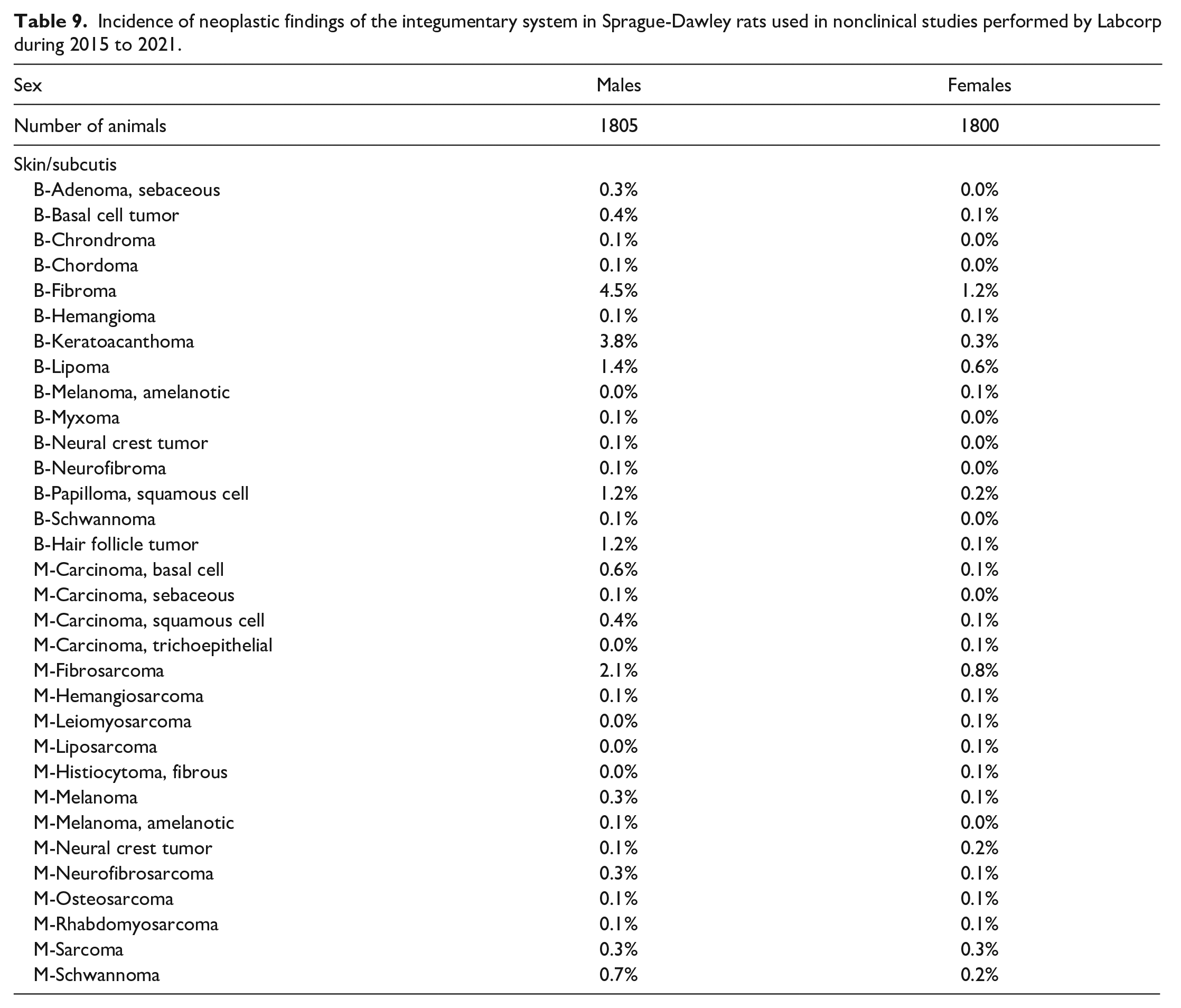
Fibroma was the most common in both males and females with males being more commonly affected than females (4.5% and 1.2% respectively). This result was similar to the previous study conducted on Hsd: SD rats. 12 Keratoacanthoma, lipoma, and squamous cell papilloma were the other most common benign tumors noted in the skin while fibrosarcoma was the most common malignant tumor noted. Many other benign or malignant tumors were also noted with lower incidence. Various tumors of neural origin such as neural crest tumor, neurofibroma/neurofibrosarcoma, and schwannoma also occurred with lower incidence. Sebaceous tumors, basal cell tumors, hair follicle tumors, or squamous cell tumors were some of the epithelial origin tumors noted in the skin of SD rats (Table 9; Figures 15–17).
Incidence of neoplastic findings of the integumentary system in Sprague-Dawley rats used in nonclinical studies performed by Labcorp during 2015 to 2021.
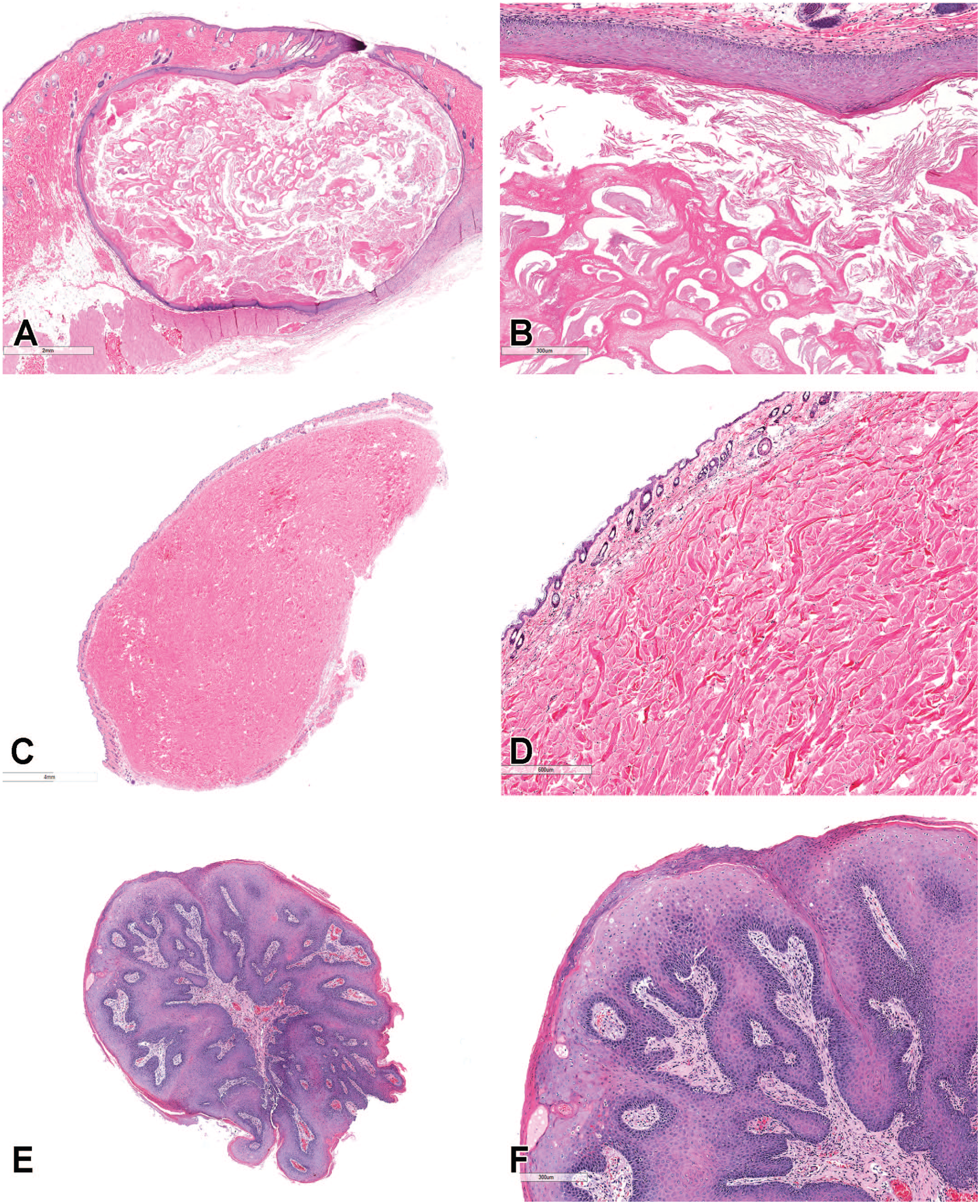
(A) Skin, keratoacanthoma (2×). (B) Higher magnification of Figure 15A (10×). (C) skin, fibroma (2×). (D) Higher magnification of Figure 15C (10×). (E) Skin, squamous cell papilloma (2×). (F) Higher magnification of Figure 15E (10×).
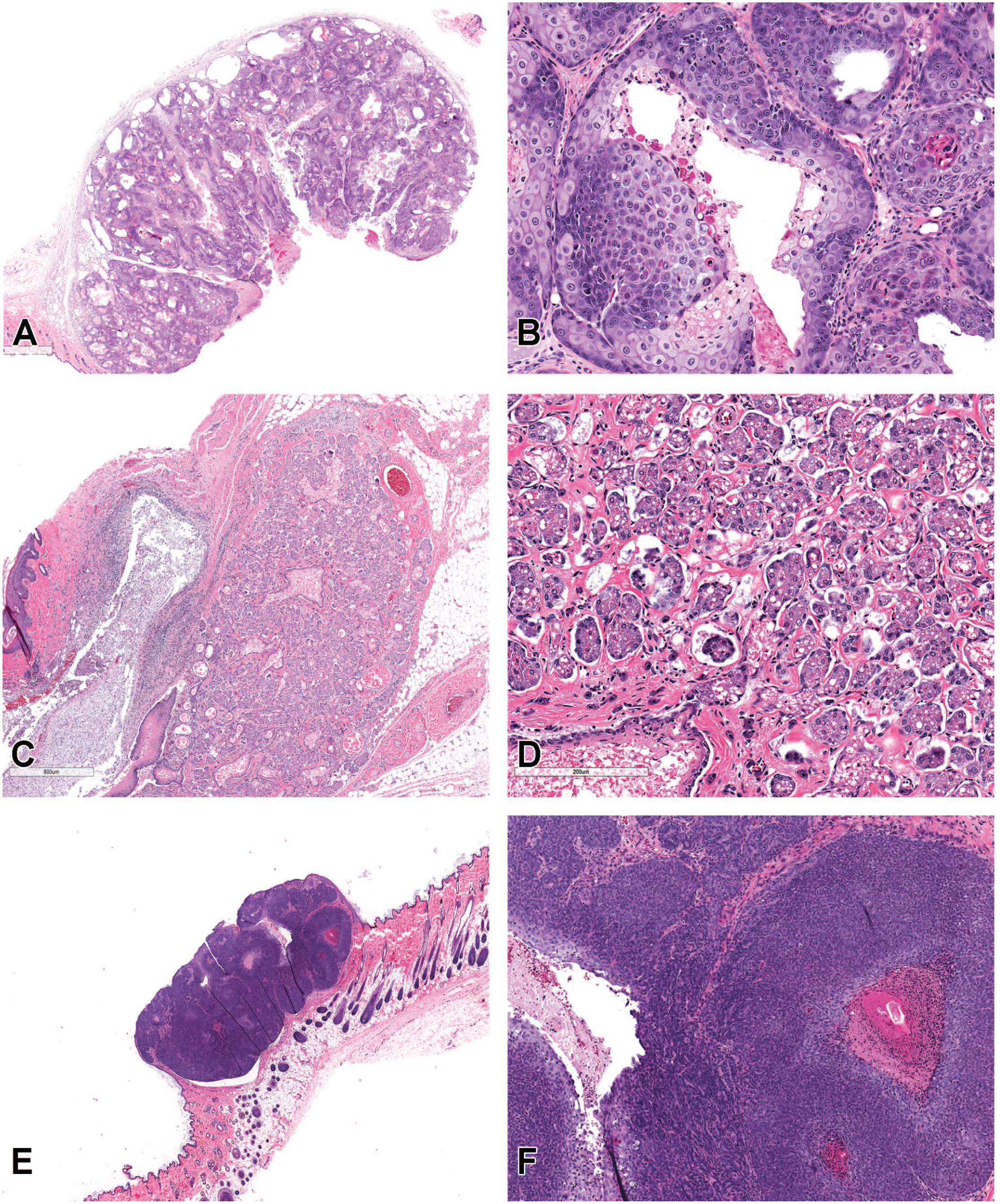
(A) Skin, tumor of hair follicle origin most consistent with pilomatricoma (2×). (B) Higher magnification of Figure 16A (10×). (C) Skin, tumor of hair follicle origin most consistent with trichofolliculoma (2×). (D) Higher magnification of Figure 16C (10×). (E) Skin, benign basal cell tumor (2×). (F) Higher magnification of Figure 16E (10×).
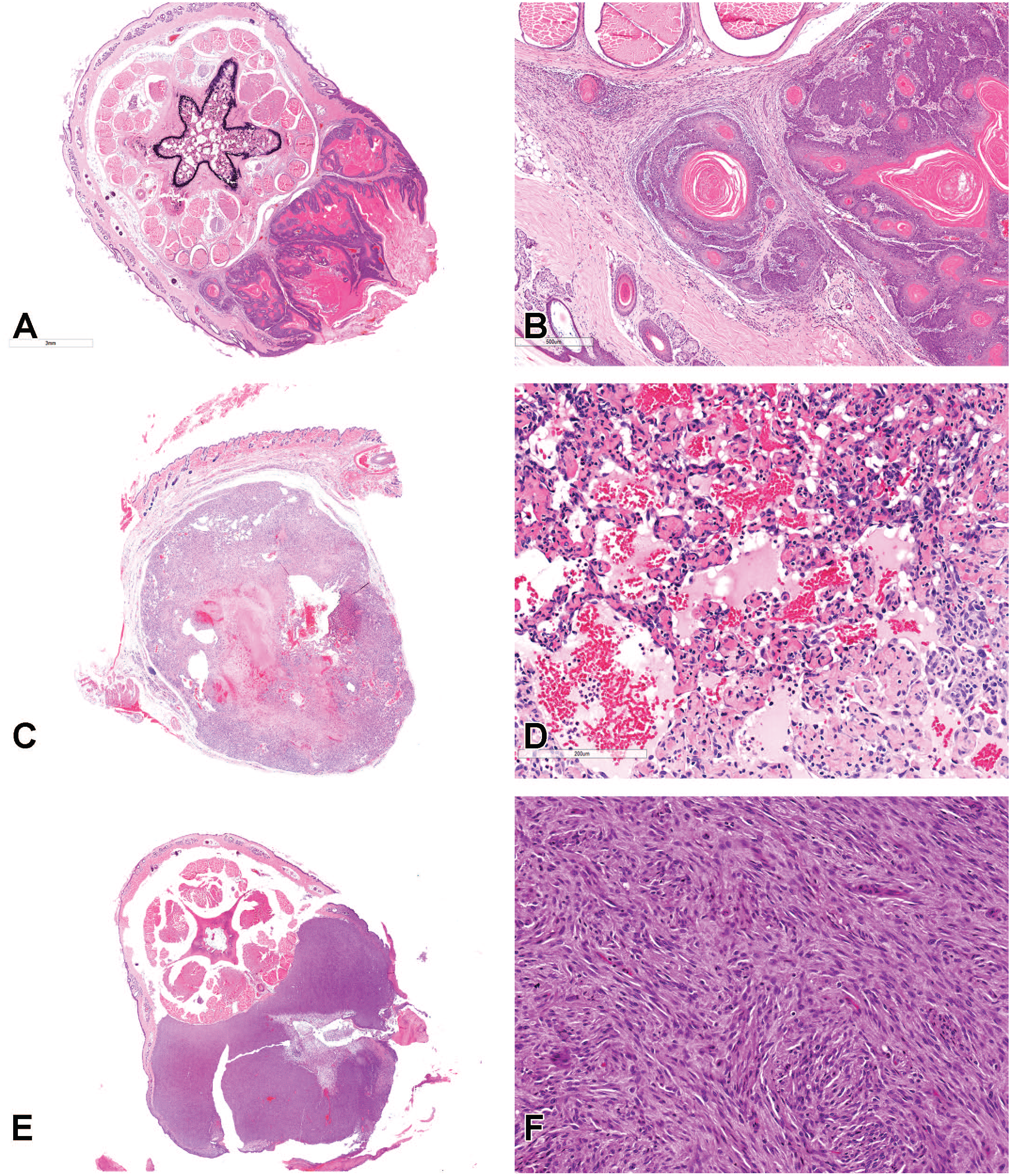
(A) Skin, squamous cell carcinoma (2×). (B) Higher magnification of Figure 17A (10×). (C) Skin, hemangiosarcoma (2×). (D) Higher magnification of Figure 17C (10×). (E) Skin, fibrosarcoma (2×). (F) Higher magnification of Figure 17E (10×).
Mammary Gland
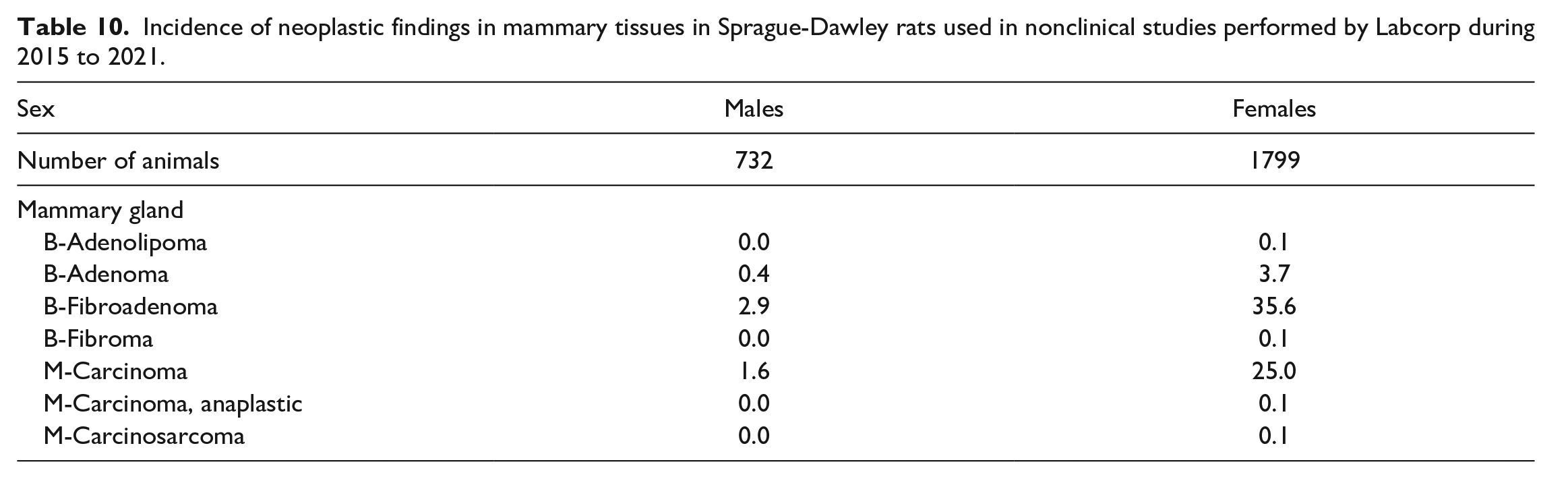
In the mammary gland, fibroadenoma (2.9% in males and 35.6% in females), mammary carcinoma (1.6% in males and 25% in females), and mammary adenoma (0.4% in males and 3.7% in females) were most common in females, but also occurred in males. Fibroadenoma and mammary carcinoma are the most common mammary neoplasms noted in other studies in rats of different strains.6,2,12 Other mammary tumors of low incidence included adenolipoma, anaplastic carcinoma, carcinosarcoma, and fibroma (Table 10; Figures 18 and 19). Carcinosarcoma contains both epithelial and mesenchymal cell components which are malignant. 11
Incidence of neoplastic findings in mammary tissues in Sprague-Dawley rats used in nonclinical studies performed by Labcorp during 2015 to 2021.
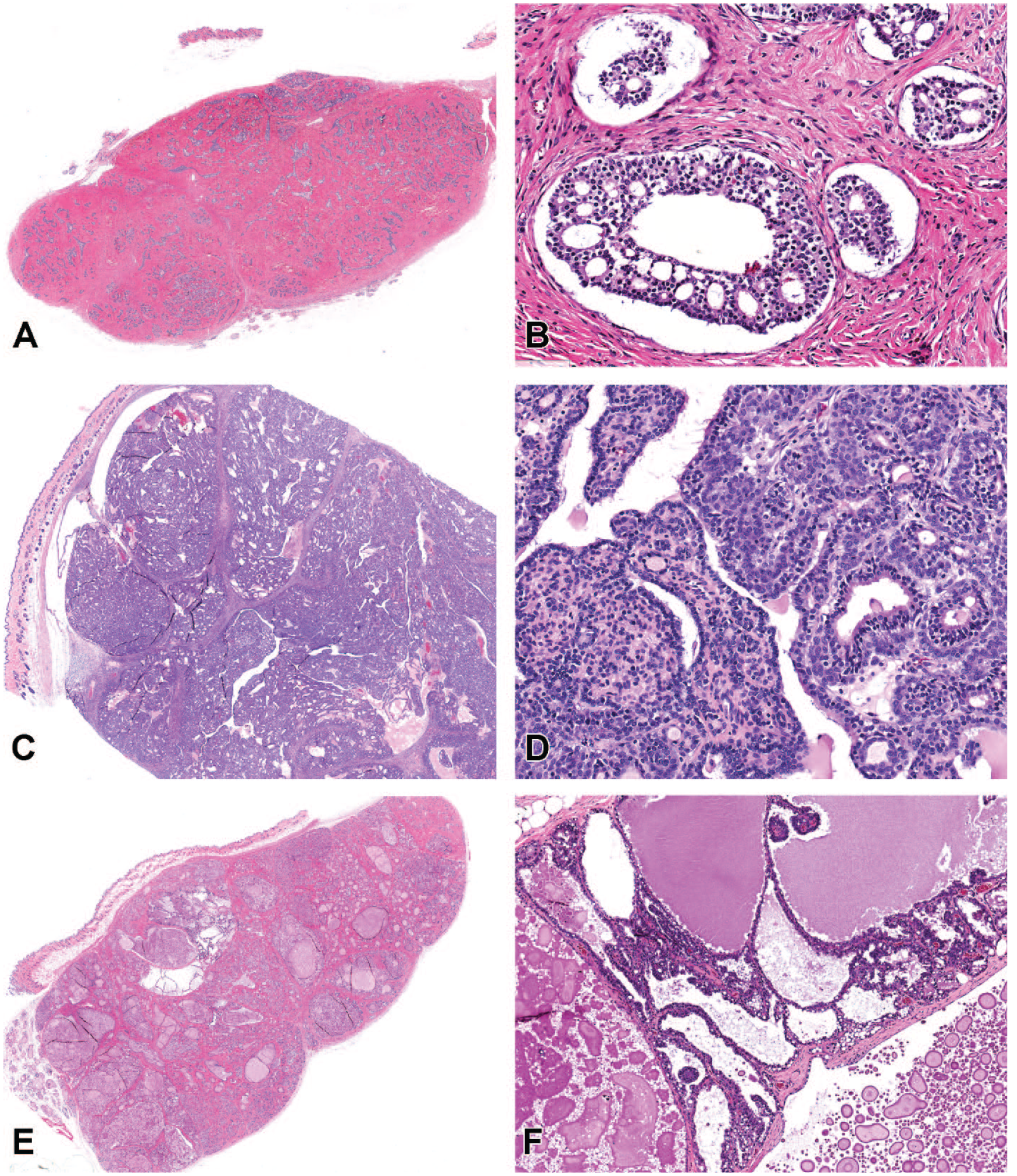
(A) Mammary gland, mammary fibroadenoma (2×). (B) Higher magnification of Figure 18A (10×). (C) Mammary gland, mammary adenocarcinoma (2×). (D) Higher magnification of Figure 18C (10×). (E) Mammary gland, mammary gland adenoma, cystic subtype (2×). (F) Higher magnification of Figure 18E (10×).
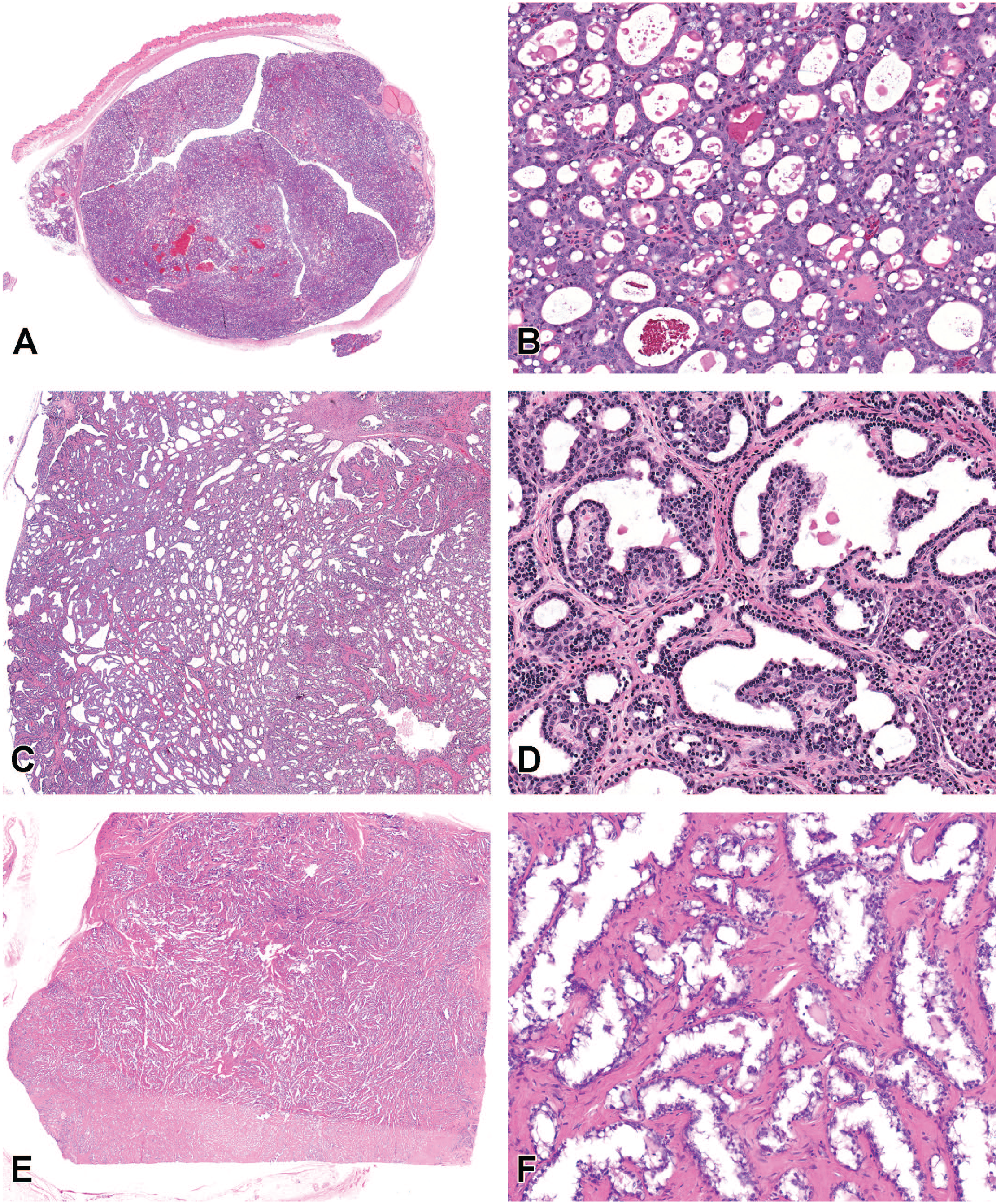
(A) Mammary gland, mammary gland adenoma (2×). (B) Higher magnification of Figure 19A (10×). (C) Mammary gland, mammary gland adenoma (2×). (D) Higher magnification of Figure 19C (10×). (E) Mammary gland, adenocarcinoma arising in fibroadenoma (2×). (F) Higher magnification of Figure 19E (10×).
Ocular Tissues
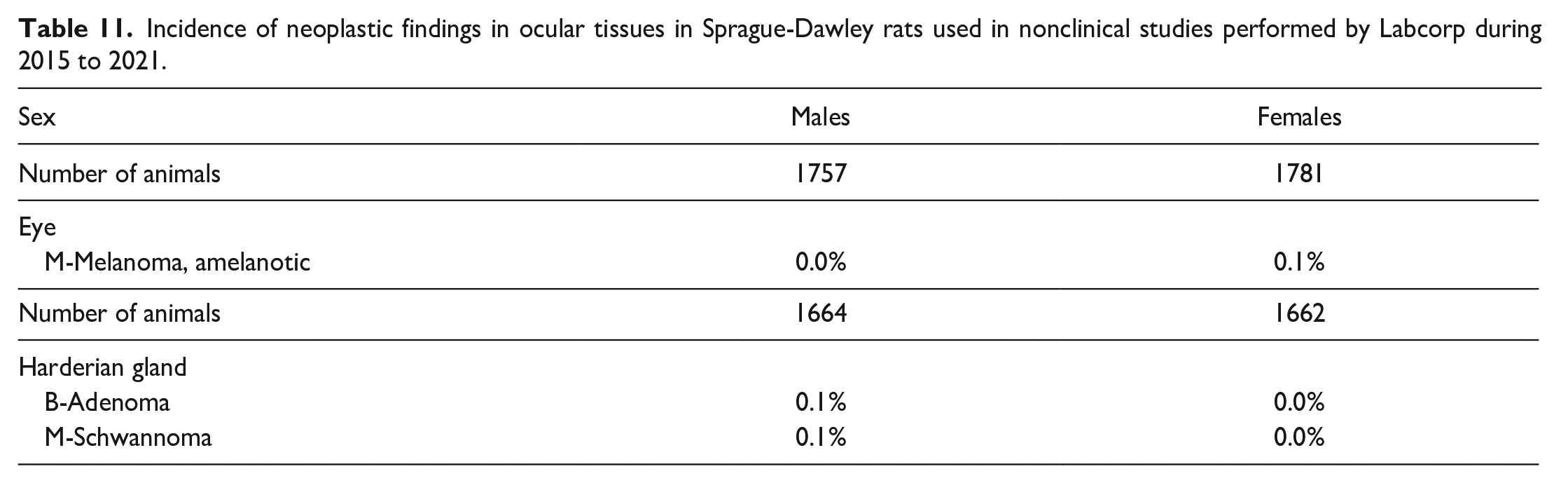
Some of the ocular tumors noted in the current data evaluated included malignant amelanotic melanoma, Harderian gland adenoma, and malignant schwannoma, the incidence of which was very low and is similar to the results observed in a previous study. 7
In these current data, amelanotic melanoma was noted in the eye in females, while Harderian gland adenoma and schwannoma were noted in males at 0.1% incidence (Table 11; Figure 20).
Incidence of neoplastic findings in ocular tissues in Sprague-Dawley rats used in nonclinical studies performed by Labcorp during 2015 to 2021.
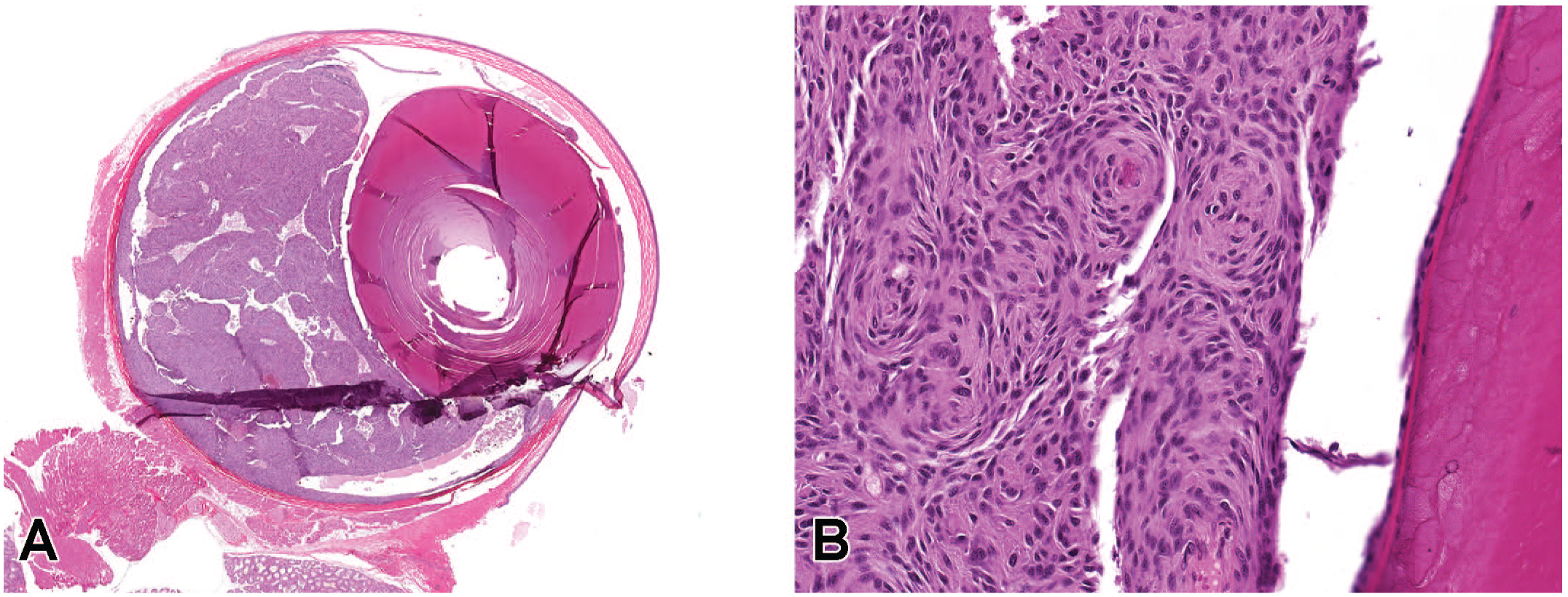
(A) Eye, malignant melanoma (2×). (B) Higher magnification of Figure 20A (10×).
Conclusions
The aim of the current study was to identify the common spontaneous benign and malignant neoplastic lesions in SD rats. Among the benign neoplasms, pituitary adenoma of pars distalis was found to be the most prevalent benign neoplasm in both males and females (56.4% and 77.1%, respectively). This finding is similar to that reported by Weber, 12 where male and female pituitary adenomas occurred at 46.87% and 70.93%, respectively. Pituitary adenoma of pars distalis is well-demarcated proliferation of single cell type causing compression of the surrounding tissues, is usually larger than 50% width of the pars distalis, can be trabecular or solid, and may contain cyst-like spaces filled with proteinaceous material or blood. Fibroadenomas of mammary gland (35.6%) and thyroid C-cell adenoma (8.5%) were the second and third most common tumors in female SD rats. The prevalence of mammary gland fibroadenoma in females in the current study was approximately half of what was reported by Weber, 12 at 72% while thyroid C-cell adenoma occurred at similar prevalence (7.21%). Fibroadenomas are well demarcated, lobular neoplasms, composed of proliferated glandular epithelium with rare or no mitosis surrounded by marked proliferation of fibrous connective tissues.
In males, the thyroid C-cell adenoma (10.9%) and benign pheochromocytoma (8.9%) were the second and third most common tumors. These tumors were similar in prevalence to that reported by Weber, 12 where thyroid C-cell adenoma occurred at 7.85% and benign pheochromocytoma occurred at 10.81% prevalence.
Among malignant neoplastic findings, fibrosarcoma of skin/subcutis and thyroid C-cell carcinoma were the most common tumor types in males (2.1% for both) while mammary gland carcinoma and pituitary carcinoma (25% and 2.6%) were most common in females. The incidence of both fibrosarcoma and thyroid C-cell carcinoma was similar in the current study, but slightly higher than what was reported in males in a previous study by Weber 12 (1.4%). Occurrence of mammary gland carcinoma in females in the current study was slightly higher than previous study by Weber 12 (22.2%), while occurrence of pituitary gland carcinoma was nearly half from the previous study (5.46%).
The other malignant tumors of >1% incidence rate in males included pancreatic islet cell carcinoma, mammary carcinoma, and pheochromocytoma. The malignant tumors of >1% incidence rate in females included thyroid C-cell carcinoma and clitoral gland carcinoma. In previous studies, malignant astrocytoma has been reported to be the most common tumor of the nervous system in SD rats. 1 In our study, malignant astrocytoma, malignant oligodendroglioma, and malignant glioma were all combined as malignant glioma. Astrocytoma was still the most common among all malignant gliomas in the current study supporting the previous study (data not shown). In urinary system, nephroblastoma of the kidney was the most reported neoplasm in Harlan SD rats (0.5%) in one study. 6 However, in the current study with Crl:CD(SD) rats, nephroblastoma was less common (0.1% in males only) than tubular carcinoma of the kidney (0.4% in males and 0.3% in females).
Overall, this is the most recent report on spontaneous (background) microscopic neoplastic findings in SD rats. These findings may confound interpretation of test article–related findings. The presented information provides a reference for the types of background lesions that occur in SD rats in 104-week studies that may be beneficial to pathologists to discern spontaneous versus test article–related effects.
Footnotes
Acknowledgements
We would like to thank Julie Turner for her assistance with the historical control background data and Steve Van Adestine for scanning and preparing the images per the journal specifications. We would also like to acknowledge Dr Duane Belote, Dr Marcia Perreria Bacaras, and Dr Sasmita Mishra for providing the carcinogenicity study data for the images.
Declaration of Conflicting Interests
The author(s) declared no potential conflicts of interest with respect to the research, authorship, and/or publication of this article.
Funding
The author(s) received no financial support for the research, authorship, and/or publication of this article.
