




Abstract
We explore the role of affect in fuelling and sustaining political organizing in the case of an online type-1 diabetes community. Analysing this community’s interactions, we show that the drive towards political transformation is triggered by affective dissonance, but that this dissonance needs to be recurrently enacted through the balanced circulation of objects of pain and hope. We propose the notion of affective resonance to illuminate the dynamic interplay that collectively moderates and fosters this circulation and that keeps bodies invested and reverberating together around shared political goals. Affective resonance points researchers toward the fragile and complex accomplishment that affective politics represents. Focusing particularly on the community’s interactions on Twitter, we also reflect on the role of (digital) resonance spaces in how affects circulate. By adopting and transposing concepts from affect theories into the context of patient communities, we further add important insights into the unique embodied challenges that patients with chronic illness face. Highlighting the hope induced by techno-bodily emancipation that intertwine into a particular form of political organizing in such healthcare movements, we give emphasis to patient communities’ deeply embodied affects as important engines for political, social and economic change.
Keywords
Introduction
Affect matters for processes of political organizing (Ashcraft, 2017; Kenny, 2012). Research on affect holds significant implications for settings beyond traditional organizations, including social movements and solidaristic communities (Daskalaki & Kokkinidis, 2017; Farias, 2017; Stewart & Schultze, 2019). The ‘political’ in many of these instances of organizing not only points toward building structures and strategies that might challenge the status quo but also toward envisioning alternative ways of individual and communal becoming (McCarthy & Glozer, 2022; Pouthier & Sondak, 2021; Vachhani & Pullen, 2019). Research has explained the link between affects and political organizing through ‘affective dissonance’, or ‘feeling an ill fit with social descriptions. . .and feeling that same sense in others’ (Hemmings, 2012, p. 150). Affective dissonance gives rise to ‘affective intensity’, which pulls people toward collective action, cohering and animating the collective (Endrissat & Islam, 2022; Just, 2019).
Yet, while perhaps easy to ignite, we still lack a good understanding of how affective dissonance and intensity are reproduced over time to sustain political organizing. Ahmed (2004a) points out that instead of sticking us together, affect based on pain and suffering might lead to situations where we literally get ‘stuck’. Berlant (2011) highlights that certain forms of politicization might be nurtured by optimistic attachments that cannot be realized and thus either evaporate over time or lead to what she calls ‘cruel optimism’, which places individuals in a state of suspended animation. Baxter (2021, p. 899) in turn wonders whether by virtue of its very intensity, affective politics may always be ‘precarious and ephemeral’. Zooming in on this question of precariousness, we ask: How do community members collectively sustain the intensity and durability of affect to maintain the process of political organizing?
In seeking to understand how affect sustains communities that promote transformative change, we propose the concept of affective resonance. In leaning on Hartmut Rosa’s (2019) writings, we define affective resonance as a dynamic process that allows for an assemblage of bodies and objects where certain affects make individuals ‘vibrate’ together and where these bodies reproduce the vibration by carrying it forward, thus making it durable. Affective resonance foregrounds the multi-directional movements of affect in a dynamic interplay between the community and individual bodies who keep affects reverberating over time. We show that the balanced circulation of affects that grab, pull and attach people to each other – in our case the dialectic forces of objects of pain and objects of hope – can sustain political organizing. However, this continuous enactment requires recurring investment to sustain these organizing endeavours, and it requires attentiveness to the spatio-temporal ‘spheres’ that act as a vibrant and vibrational substrate for affects to circulate.
A focus on affect brings the body into sight in processes of political organizing, particularly in collectives where members quite literally ‘put their bodies on the line’ (Fotaki & Daskalaki, 2021, p. 1266). While organizational scholars have examined a variety of collectives constituted through embodied affective relations, researchers have all but ignored a space where bodies – and particularly bodies in pain – are central to political organizing: healthcare movements (Geiger, 2021). We situate our inquiry in this important area of patient activism to cross-fertilize our insights with those of other ‘embodied’ collectives (Fotaki & Daskalaki, 2021; Keevers, & Sykes, 2016; McCarthy & Glozer, 2022; Wright, 2019). Our insights stem from a longitudinal study of a collective of people living with type-1 diabetes (T1D). Similar to other patient communities, this collective brings together patients and family members who share the hardships of their or their loved ones’ illness. In our case, however, this shared suffering is oriented toward political transformation in the form of radical patient entrepreneurship: the ‘hacking’ – opening up and repurposing – of commercial T1D medical devices. Remarkably, despite the external resistances these actions attracted, few formal organizational features, and the coming and going of community leaders and members, the collective has displayed both force and durability, being in existence and thriving since 2013. Our analysis shows a distinctive enactment of affective resonance, maintained particularly through collective investments into the balanced circulation of pain and hope in the online sphere of Twitter. More specifically, we show how this circulation continuously pulls individuals together and pushes them forward, keeping the possibilities for change always within reach.
Our insights into how affective resonance made this patient community durable add noteworthy insight to the political potentiality of affects. First and foremost, our notion of affective resonance as investments into the balanced circulation of (objects of) pain and hope brings nuance to processes of collective politicization (Stewart & Schultze, 2019; Vachhani & Pullen, 2019). Emphasizing the co-constitution of affect, affective resonance captures how agency is distributed between community and individuals in continually investing in new possibilities of living. We also highlight the importance of what Rosa (2019) has called ‘resonance spheres’ and the affordances that different spheres provide to affective circulation, thus contributing to reflections on the relationships between materiality and affect (Baxter, 2021). Our findings offer important insights into the specific sources and potential effects of sustaining affective intensity and dissonance, particularly when affects are both communal and individually embodied. Indeed, our findings respond to Marsh and Śliwa’s (2022) call for more attention to the situatedness of affective organizing. In this spirit, we highlight patient communities’ deeply embodied pains and hopes as important engines for political, social and economic change. Finally, where writers such as Ahmed (2004a) emphasize historicity as an important motor for affective circulation, we highlight (near-term) horizons of possibility as a vital point of reference in maintaining affective intensity and dissonance. We show how this enables a community to always keep working toward a tangible ‘not yet’ – in our case a ‘not yet’ in the shape of patient-friendly technology and regulation.
Theoretical Background
Affect studies and political organizing
Recent affect studies seek to understand what ‘affect does’ in specific contexts, to specific bodies and within specific social settings (Ashcraft, 2017; Beyes & De Cock, 2017; Fotaki, Kenny, & Vachhani, 2017; Fotaki & Pullen, 2019). Organizational scholars have foregrounded an understanding of affect as both political and corporeal, where the body becomes a point of contact for communal affects to develop, circulate and bring about change (Fotaki & Daskalaki, 2021; McCarthy & Glozer, 2022). Authors have developed the notion of affective politics to analyse how injustice and oppression may lead to resistance and mobilization (Pullen, Rhodes, & Thanem, 2017; Wright, 2019). By positioning political action at the level of embodied social interactions, research has demonstrated the transformative and emancipatory capacities of bodies to organize, build and support social movements (Ahmed, 2004a; Berlant, 2011; Butler, 2016; Hemmings, 2012). Smolović Jones, Winchester and Clarke (2021) for instance deploy Judith Butler’s (e.g. Butler, 2016) notion of shared vulnerability in recounting the affective partaking in a local mothers’ protest. While affective politics often expresses itself in such ‘high-visibility’ political organizing, it can also lead to more subtle acts of creative subversion or repurposing, taking the form of infrapolitics or ‘quiet’ emancipation (Alkhaled, 2021; Lakämper, 2017; Vachhani & Pullen, 2019).
Research that has considered the transformative potential of affect has grappled with one significant issue: the fact that affective politics, particularly when it takes shape as high-intensity political organizing, often runs out of steam (McCarthy & Glozer, 2022). Baxter (2021, p. 899) has recently conjectured whether affective politics may inevitably be ‘precarious and ephemeral’, precisely because of the intensity it creates. Indeed, many accounts of affective politics consider relatively short-lived protest movements (Gerbaudo, 2012; Näre & Jokela, 2022). We propose that whether or not this precarity is inevitable may depend on two issues: how affective intensity enjoins individual bodies into collectives, and how this intensity is sustained to maintain political organizing. In the remainder of this section we argue that the first question – of creating affective intensity – can be addressed by considering the links between affective dissonance and circulation. To answer the second, much less explored question – of how affective intensity may sustain political organizing – we turn to and develop the notion of affective resonance.
Affective dissonance, circulation and intensity
From a relational perspective, affects become ‘real’ as an effect of sharing: affects do not reside in objects, signs, or bodies but result from their circulation (Ahmed, 2004a, 2004b). More specifically, for Ahmed the main quality of affect is to ‘stick’ objects, texts and people together through circulation, with ‘objects’ including ‘. . .anything that we imagine might lead us to happiness, including objects in the senses of values, practice, styles, as well as aspirations’ (Ahmed, 2010, p. 29). To examine how affect fosters communality means examining how affect sticks as well as moves – or how it circulates between and through bodies and objects. Vachhani and Pullen (2019) for example show how feminist resistance emerges among women who recognize their own pain and abuse in others’ stories. Similarly, Keevers and Sykes (2016) attend to the practices around sharing food and music that affectively bind participants in a community centre and that become embodied as practices of social justice.
While for Ahmed it seems that the more ‘sticky’ an (any) object is, the more affective intensity its circulation creates, Hemmings gives more texture to the political potentialities of affect through her notion of affective dissonance, which also points toward the question of what objects likely gain affective intensity. She defines affective dissonance as the judgement arising from the ‘distinction between experience and the world’ (Hemmings, 2012, p. 157). Affective dissonance points to the anger, frustration and desire for change, which draws people together who want to ‘narrate the world differently’ (Hemmings, 2012, p. 157). Referring to Probyn (1993), for Hemmings the sense of injustice and the desire to rectify it is a matter of how one perceives the conditions of possibility for a ‘liveable life’ (see also Butler, 2016). Affective dissonance, or the experience of an ‘onto-epistemological gap’, then, is the politics ‘which moves us, rather than that which confirms us in what we already know’ (Hemmings, 2012, p. 151). This shuttling back and forth across lived experiences and social conditions of possibility fuels the emergence of collectives through sticking together bodies in search of justice. Affective politics for Hemmings thus begins with one’s own pain that is actualized through the movement.
Pain-centric affective politics is premised on the circulation of often quite specific objects of pain, while hope is often more diffusely embedded in the horizons of possibility. In feminist activism, for instance, hope is often not articulated in the circulation of affect, but is present and recognizable in the broader discourses advocating for the empowerment of women (McCarthy & Glozer, 2022; Vachhani & Pullen, 2019). Moving beyond such pain-centric politics, some authors have focused on how people come together in ‘hopeful movements’ (Wright, 2019), for instance through the circulation of fantasies and imaginaries as sources of transformation (Komporozos-Athanasiou & Fotaki, 2015; Marsh & Śliwa, 2022; Pouthier & Sondak, 2021). Hope does not equate to simple optimism, and neither is it the opposite of pain. Through the example of a landless worker movement in the Philippines facing retribution and violence, Wright (2019, p. 3) points out that ‘the hope of these movements is complex and deeply bound up with anger and loss’. The work of Ben Anderson (2006, 2014) helps to further unpack the dialectic between pain and hope as a political motor. Anderson understands hope as a moment of realizing the dissonance that enables bodies to move with a renewed openness towards the ‘not yet’, a notion he borrows from the Marxist philosopher Ernst Bloch (1959). Becoming hopeful means being political, because it brings this not-yet into ‘everyday life’: it is a ‘dynamic imperative to action’ (Anderson, 2006, p. 744). But because the ‘not yet’ is always unknown, hope exceeds an intentional stance toward the future; it is a ‘fleeting presence’, a ‘point of hazard in between the vectors of joy and sadness’ (Anderson, 2006, p. 742) – hazardous because its presence is always tinged by a foreboding of loss.
In short, affective dissonance and intensity stem from the circulation and stickiness of (objects of) pain and hope, where common experiences of pain and common horizons of hope create spaces where shared affects can circulate. It should be noted, though, that while affective dissonance has shown to be a powerful political motor, it can serve to sustain a variety of political projects including reactionary ones (Anderson, 2017), and its transformative potential may not always materialize. Lakämper (2017) for instance shows how dissonance can lead to internalization and affective isolation, while Berlant (2011) points out that certain forms of politicization might be thwarted by optimistic attachments that cannot be realized. By naturalizing hope, such ‘technologies of patience’ can keep people in place even if their contexts are painful.
Affective resonance
While Ahmed’s notion of stickiness and Hemmings’ affective dissonance highlight the important role of objects of pain and hope in moving from shared affects to political organizing, we know less about how such organizing may be sustained over time. Ahmed emphasizes repetition or how much affective objects may keep us in their ‘grip’, which she premises on the understanding that ‘the more signs circulate, the more affective they become’ (Ahmed, 2004a, p. 45). Papacharissi (2015) shows how the repetitive circulation of texts generates intensity that provides the pulse for a growing social movement during the Arab Spring. Yet, these authors are aware that such affective repetition can ebb and flow and that bodies may easily become exhausted and ‘unstuck’.
In order to better understand how affective dissonance can produce durable forms of political organizing, we turn to the notion of resonance, which has only recently been discussed in the context of affect studies (Fleig & von Scheve, 2020; Moghaddari, 2020). We draw particularly on the work of Hartmut Rosa (2019) to think through resonance’s role in sustaining political organizing. Despite its rather normative orientation, Rosa’s notion of resonance can be helpful for understanding how affect triggers multidirectional connections that sustain affective circulation. For Rosa (2019), resonance is a particular type of relationship to the world in which subject and world are mutually affected and transformed. Resonance is constituted by a relationship between two or more vibratory bodies, whereby a vibration of one body prompts the other/s to vibrate in turn. Importantly, in a resonant relationship each speaks ‘with their own voice’; rather than consisting of ‘echoes’, resonance constitutes a reciprocal modulation of ‘af←fect and e→motion’ (see also Mühlhoff, 2015). Resonance signals the multiplicity of forces that create an irreducible relation between different bodies; being-in-resonance is experienced as being gripped in a joint dynamic (Anderson in Kemmer, Peters, Weber, Anderson, & Mühlhoff, 2019).
We highlight two important qualities of Rosa’s notion of resonance for theorizing affective politics. For one, Rosa draws our attention to the ‘spheres’ of resonance (Resonanzräume), which helps to grasp how affective circulation is organized in a spatio-temporal sense and how resonance may be experienced in different spheres. For Rosa, a resonant space enables a resonant relationship through a ‘vibratory medium’, which also allows for the continuation and recurrence of the relational encounter: ‘Place . . .two metronomes on an elastic surface such as a thin wooden board, . . .and the board atop two empty soda cans laid parallel to each other, and a “resonant space” is created’ (Rosa, 2019, p. 286). Focusing on such vibrational mediums, Döveling, Harju, and Sommer (2018) study the role of online communities in the alignment and politicization of personal grief after the Manchester terror attack. Similarly, Flowers (2019) considers Twitter as a space where hashtags allow users to orient to each other and affective objects to circulate and ‘impress’ on users. In a very different ‘sphere’, Baxter’s (2021) ‘Tits Out Collective’ draws attention to the medium of coloured yarn that keeps affect circulating and intensifying. Importantly, in all these accounts, the materiality of the resonance sphere does not simply amplify affect but rather provides a particular substrate or milieu through which affect gains certain qualities, akin to the role of ‘vibrant matter’ in Bennett’s (2010) theorizing.
A second important quality of Rosa’s notion of resonance is its attention to its ‘unavailability’ (Unverfügbarkeit). In Rosa’s view, resonance can never be forced, and it can never be all-encompassing. Unavailability also draws our attention to things that may ‘block’ a resonant relationship (Resonanzblocker). Moghaddari (2020) for instance recounts a meeting of German anti-deportation protestors that failed to create affective resonance because of external distractions and attendants’ incapacity to resonate, while a similar meeting weeks later sparked plenty of resonance. A refusal or inability to resonate may also constitute a way to avoid affective capture (Endrissat & Islam, 2022) or overinvestment (Berlant, 2015; Bissell, 2022).
We argue that resonance may help contour the political potentialities of affective dissonance by drawing attention to the resonant relations and spheres in which different bodies and objects keep resonating together. In turn, resonance, as theorized by Rosa and others, can be greatly enriched by attention to the embodied effervescence that affective dissonance points toward. Bringing these notions together, thus, might provide important openings into how affective intensity is sustained for political organizing.
Situating our inquiry: Bodies in pain
We situate this study in an area of political organizing that has been all but blindspotted by organizational scholars: patient communities or ‘embodied’ health social movements, defined by Brown et al. (2004) as communities that challenge medical science and policy based on collective illness experiences. A body in pain, as Scarry (1988) so eloquently argued, is always a political body: the very existence and unspeakability of pain propel a recursive relationship between the bodily inside (the only place where pain is felt), the outside (the only place where it can be expressed), and the objects mediating inside and outside. Geiger (2021) highlights that a body in pain is also always ‘made’ by various overlapping economic and political forces, which often provide the target for ‘bodily’ politics (Epstein, 2016). In addition to being political bodies, patients are also often entangled bodies; not just relationally entangled with medical providers and fellow sufferers, but also with medical technologies (Visser & Davies, 2021). Siting our inquiry in an area where entangled bodies-in-pain lead to transformative politics thus offers important comparisons with other embodied collectives that find political voice in shared vulnerability (Butler, 2016).
Our case revolves around a type-1 diabetes (T1D) community called #WeAreNotWaiting. #WeAreNotWaiting emerged in 2013 and represents patients and parents of children with T1D. T1D is an autoimmune chronic condition characterized by deficient insulin production, which requires daily administration of insulin and management of blood glucose levels (diabetes.org.uk). In the lived reality of people with T1D, this anodyne description hides a host of bodily and emotional pains, including disrupted sleep, incessant fear of blood sugar highs or lows, innumerable smaller and larger lifestyle restrictions, the always-looming spectre of further physical complications, and a lifelong entanglement with medical practice and devices.
The #WeAreNotWaiting community formed around a shared frustration with the lack of interoperability, connectivity and openness of existing commercial diabetes devices, which inhibited patients to access and act upon their own blood glucose data. After years of waiting for industry to innovate these medical devices, in the early 2010s a few T1D patients and parents started ‘hacking’ them. Focused on developing open-source solutions and platforms, these communal endeavours eventually resulted in significant technological advances known as ‘closed-loop’ technologies, as depicted in Images 1 to 4. This system reproduces the functions of the pancreas by connecting an insulin pump and a continuous glucose monitor (CGM) and controller that uses an algorithm to calculate the appropriate insulin dosage automatically infused into the body. For this community, then, the political, technological and bodily dimensions of their activism literally merged into one.
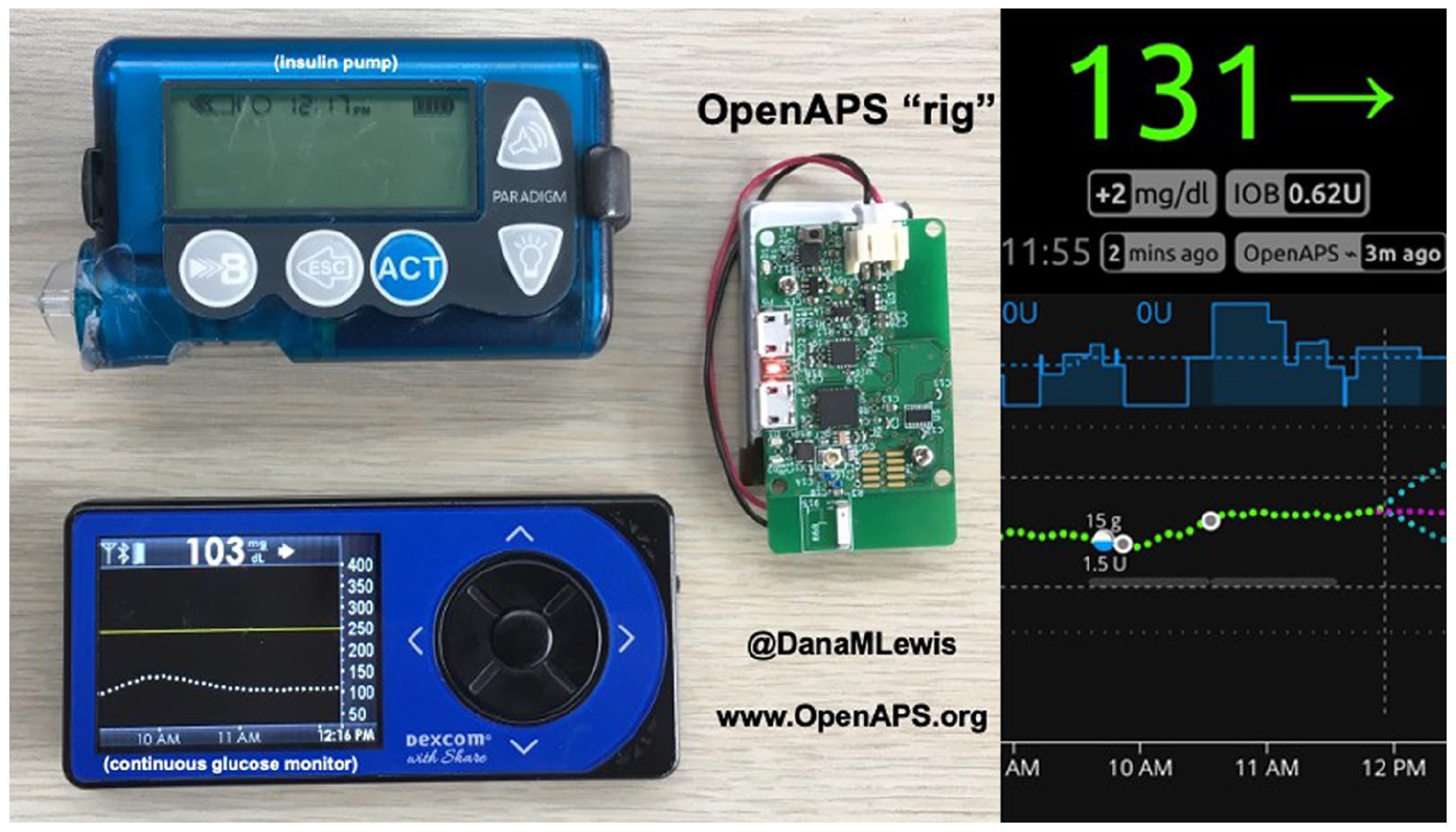
Open source hardware alongside existing commercial insulin pump and CGM.
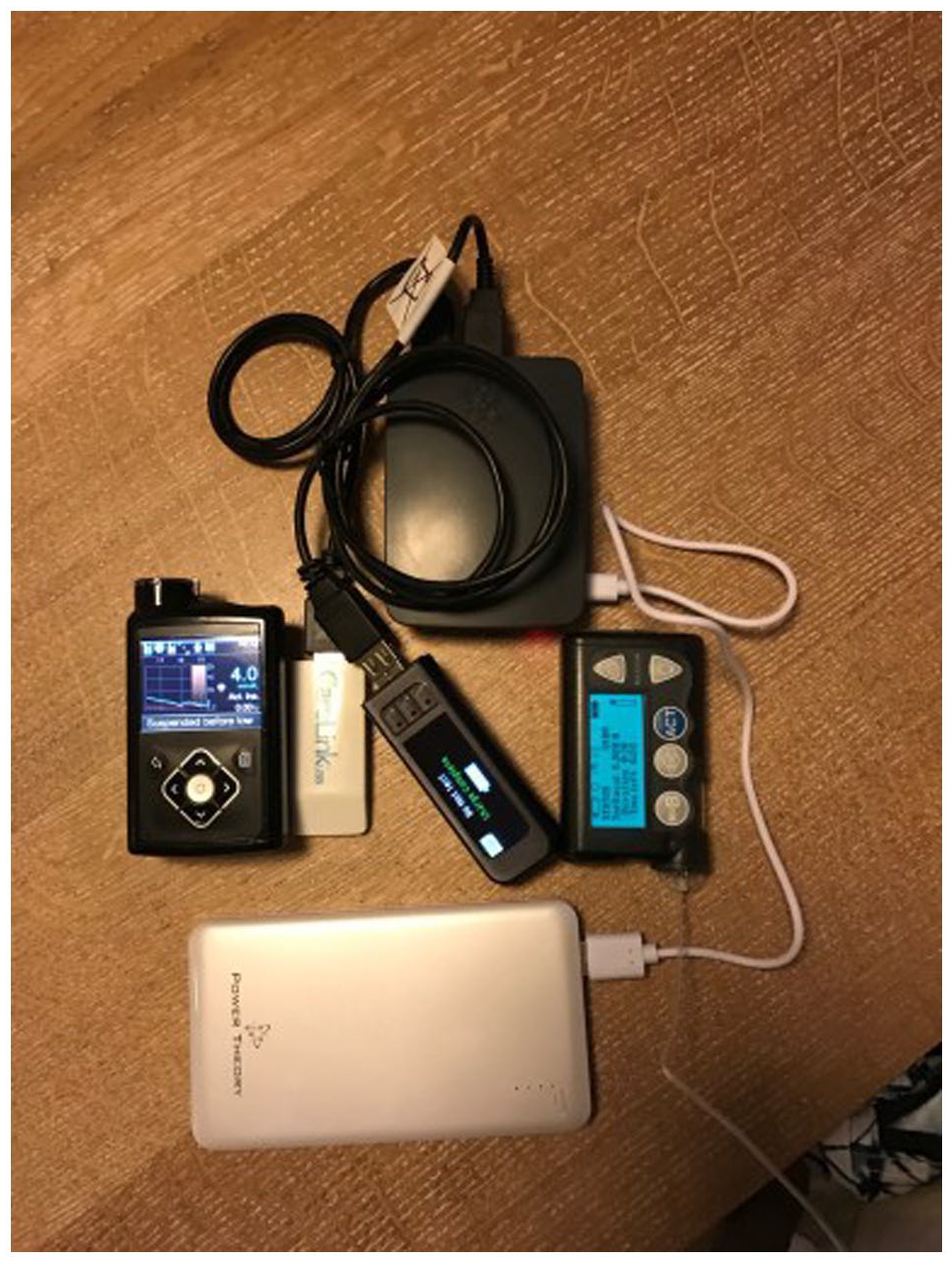
Hybrid closed loop consisting of Raspberry Pi, Carelink stick and MiniMed 640 g.
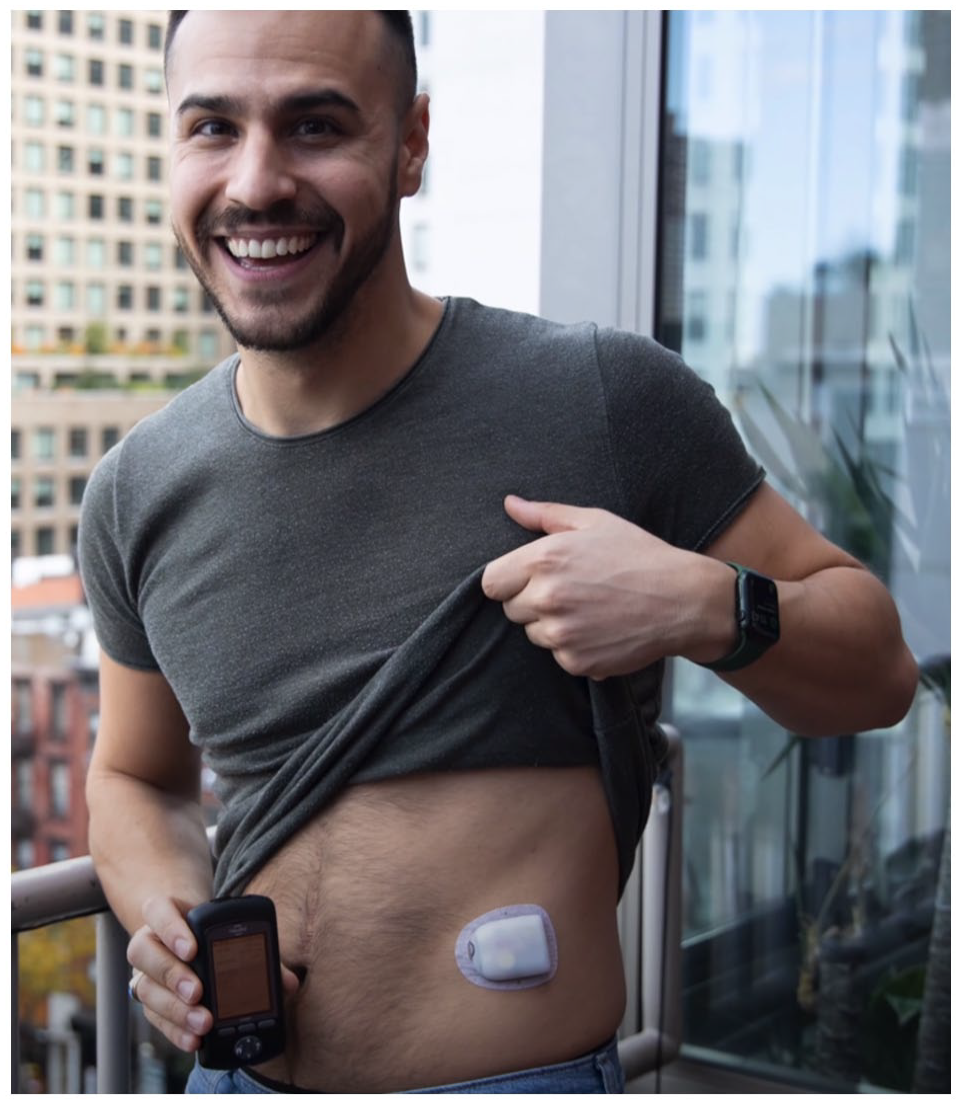
Closed loop technology and its embodiment.
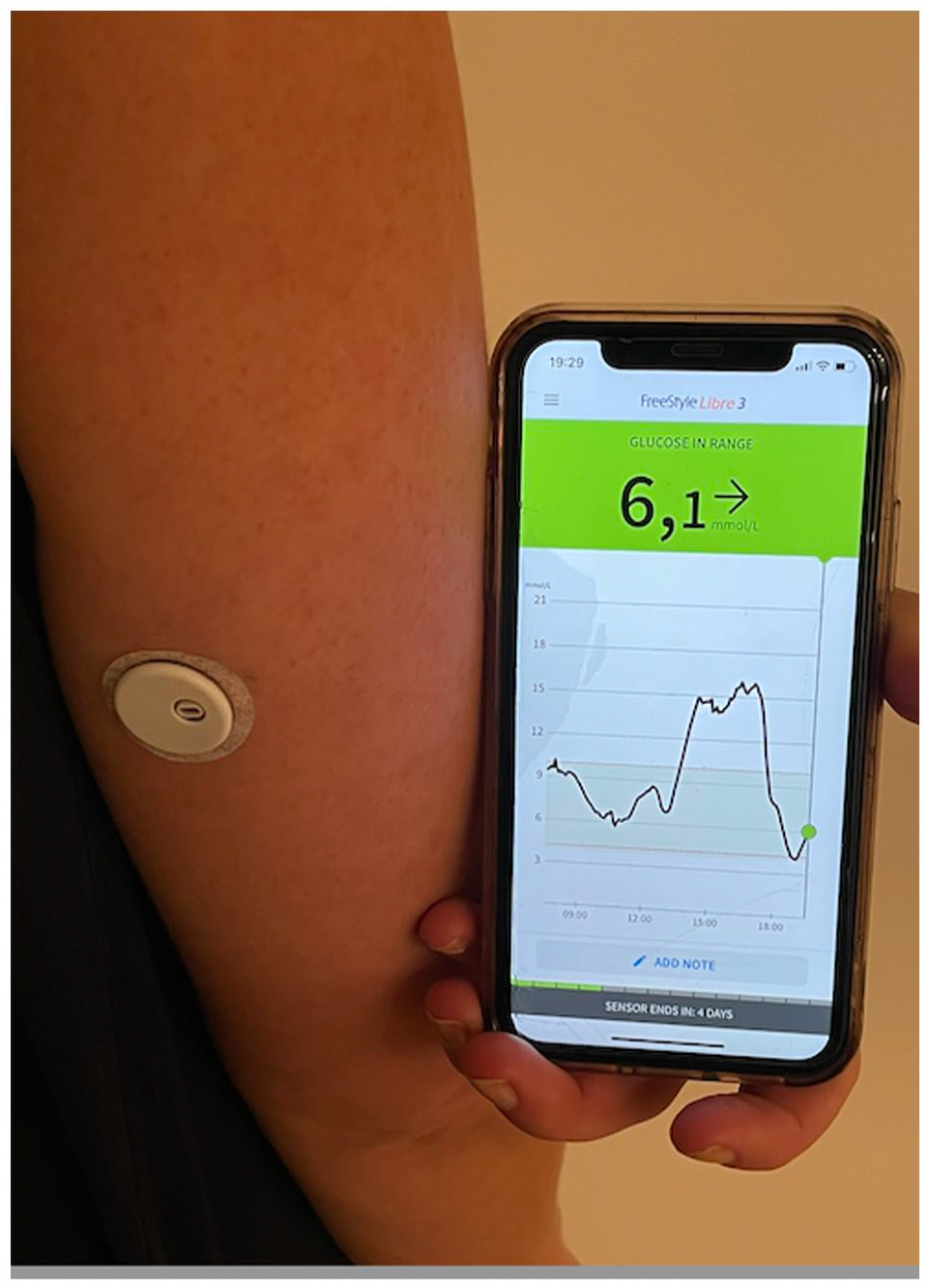
Researcher’s (Emma) CGM and mobile phone app to monitor blood glucose levels.
The eventual success of this DIY technology was a matter of collective accomplishment of patient entrepreneurs across the United States, Australia and Europe who were enabled by the emergence and durability of an online community since 2013. While this community periodically got together at diabetes conferences or dedicated meetings, it relied very heavily on the Twitter hashtag #WeAreNotWaiting as a community platform. The hashtag soon attracted T1D patients and parents well beyond the smaller circle of patient hackers, eventually extending globally, though remaining without formal organizational features.
Method
Studying affective processes poses methodological challenges as affect is bodily, fleeting and immaterial, but it also opens up room for experimenting with different ‘affective methodologies’ (Fotaki et al., 2017; Knudsen & Stage, 2015). In this paper, we follow Ahmed (2004a) and Hemmings (2012) who avoid rigid dichotomies between the affective and the discursive. We thus consider discursive and extra-discursive aspects of organizational life as offering important insights for tracing bodily affects, in line with other affect studies relying on textual evidence (e.g. Marsh & Śliwa, 2022; Otto & Strauß, 2019). This perspective is particularly important for our study on how affective intensity is sustained in the #WeAreNotWaiting community, which is predominantly constituted by online Twitter conversations. Our longitudinal engagement with #WeAreNotWaiting helped us gain additional sensory data and insights into the community’s offline affective practices (Gherardi, 2018). Additionally, one of us (Emma) is a person living with T1D herself and thus has embodied experiences with the condition and the community. A second co-author (Susi) has been campaigning for access to medicines and patient-centricity in healthcare for some years. These experiential positions entail a particular affective disposition and ethical responsibility – to ourselves, our research participants and their community – which we tried to honour throughout this research project. While we mostly followed a relatively conventional social scientific inquiry mode, we were thus also aware of our own bodies and affective subjectivities as ‘seismographic instruments’ (Mühlhoff in Kemmer et al., 2019).
Emma created a Twitter profile in October 2018 to follow #WeAreNotWaiting community discussions and updates. On her Twitter profile, she disclosed that she was a person living with T1D, provided information about our research interests, and included links to the research project website. She began to follow a set of users who actively contributed to the #WeAreNotWaiting hashtag feed. This opened us to the community’s practices of sharing, responding to and retweeting messages. Additionally, in early 2019, we collected all tweets containing the hashtag #WeAreNotWaiting published by Twitter users between January 2014 and December 2018, which amounted to over 18,000 tweets. The data included handles and user locations, which we removed with other potentially identifying information before analysing this data set.
Semi-structured interviews
In 2019 and 2020, we conducted 31 interviews with research participants who were or had been active in the #WeAreNotWaiting community. The interviews typically lasted 45–60 minutes, were recorded with permission of research participants, and fully transcribed; all participants were given pseudonyms as a means of protecting their identities. Interviews helped us understand how the community emerged, what motivated members to participate, and what it meant for them as persons living with T1D. We supplemented these interviews with media reports on the community.
Observations at public events
During 2019 and 2020, we attended seven diabetes conferences, innovation workshops and meetups in Europe and the United States. These events were important outlets for #WeAreNotWaiting members to popularize their activities and represented valuable physical spaces for getting together. Observations at these events thus allowed us to experience this community and its members as relational bodies sharing tears and laughs, frustrations and dreams.
Data Analysis
In our data analysis we sought to uncover the movement of affect discernible from patterns emerging in our data (Kenny & Fotaki, 2014). We started with immersive reading and inductive coding of our interviews, Twitter data and fieldnotes. As a T1D patient herself, Emma employed her ‘researcher-body’ to sense the affective resonances of our empirical data (Knudsen & Stage, 2015). She also helped sensitize the other two authors to the experiences of living with the condition and to how community can become an essential way of coping with these experiences. As pointed out by Vachhani and Pullen (2019), being bodily affected by one’s research can be emotional and painful, and we employed memoing, journaling and debriefing techniques to assist with this reflective process. Over time, our research participants’ stories of suffering and hope started resonating deeply with all of us. In addition, through tweeting, community members often circulated images that offered even more direct attunement to affective dispositions by sharing representations of their vulnerable bodies such as volatile blood glucose curves. Drawing on the productive sense of unease these images created helped us attune to the Twitter conversations as embodied data manifesting different states and expressions of affect (Walkerdine, 2010).
Beyond affective attunement, Twitter exchanges were particularly revealing when we explored their affective rhythms and repetitions. Using content analysis, we examined word frequencies and relational patterns across the whole Twitter dataset of over 18,000 tweets, which enabled us to identify affective-discursive patterns in the community flow. We then manually analysed all tweets sent during one month each year (February 2014 to 2018) to gain a deeper sense of the community’s affective dynamics. We used a number of intertwined analytical strategies for tracing the presence and role of affective forces including stylistic characteristics of affect; non-verbal language and gestures; different modalities of expression including images, links, texts and memes; and rhythmic intensification and temporal orientation (Knudsen & Stage, 2015). Our focus was on the affects that are significant to the politicisation of experiences, which crystallized around pain and hope. While affects conveying joy, pride and mutuality were also present in the data, they seemed to play a supportive role in the community’s affective register. Thus, by moving back and forth between empirical data and conceptual insights, we started to understand hashtags, topics and images as circulating objects to which pain and hope became attached. We focused on the ‘doings’ of these objects and their roles in fuelling and sustaining the community, as we will show in the following section.
Findings
Our analysis offers rich insights into how the circulation of affect fuels the #WeAreNotWaiting community and materializes it into a durable political formation through what we interpret as affective resonance. We structure the findings by initially focusing on the affective context in which T1D bodies are situated. We then explain how objects of hope and pain create affective intensity and dissonance. Building on this, we see the durability of this process in the balanced circulation of pain and hope, which creates an ongoing vibration that can be joined by a growing number of bodies and which is enabled through the affordances of the particular space in which these bodies resonate together – in our case, Twitter. This continuous reverberating is irreducible to individual intentions and discretions, but it is dependent on individual and communal investments. In the final count, then, affective resonance manifests through the collective balancing, moderation and fostering of circulating pains and hopes, which keeps bodies invested and reverberating together around shared political goals.
Bodies in pain and a quest for change
Living with T1D involves daily medical interventions to ensure blood glucose levels are in range, which often leads to emotional and physical challenges. In our interviews, the condition was described as ‘a crushing chronic disease’, ‘scarier than many chronic conditions’ and ‘an all-consuming thing’. Research participants conveyed the worry and fear they felt when they or their children became diagnosed with T1D:
I mean there were so many things that really, and I can feel myself heating up right now, it really brought on tremendous anxiety. (interview P4, 2019)
Once diagnosed, many patients and parents soon realize that they are not the only ones living with these feelings of anxiety and helplessness. Just as in other chronic and acute conditions, there is an often invisible community of fellow sufferers:
‘Club’ is the people who all of the sudden live in a family with diabetes and this club is a closed club. It’s a club you never want to be in. . . . . there is a whole bunch going on in a family who lives with diabetes. It’s a crushing chronic disease, it’s an hour of attention a day, it’s just an all-consuming thing. Emotional, physical, financial burdens, it’s just not a good thing. The ‘we’ I am referring to is the club. The people that live with diabetes and their family members. (interview P1, 2019)
The case of #WeAreNotWaiting is notable as this sense of a ‘club’ did not just lead to an embodied patient community. Rather, the specific patient sociality that became #WeAreNotWaiting pursued from the outset an overtly transformational and political goal. In the early 2010s, a handful of parents of children with T1D had noticed that significant advances in sensor technology had the potential to improve patients’ lives, yet commercial T1D device manufacturers did not seem interested in pursuing this innovation:
I have done remote monitoring of refineries and power plants for 20 years so I was very aware of what could be done in terms of the value that remote monitoring creates. [I] realized that there is no way really to remote monitor my son right now and how is it that I can on my smartphone see the performance of a gas turbine in Saudi Arabia but I can’t see if my son is having a hypoglycaemic incident 10 meters away in his bedroom. (interview P1, 2019)
Such frustrations served as a catalyst for individuals starting to repurpose commercial T1D devices to achieve remote glucose level monitoring in a do-it-yourself (DIY) fashion. These patients and parents decided to ‘push forward and not wait for authorities to say it is OK’ (fieldnotes, 2019) in order to address the needs of patients that medical device manufacturers had ignored for years. As the choice of the hashtag #WeAreNotWaiting suggests, sharing these frustrations and ambitions brought the community together:
I think it is simply the fact that managing diabetes is incredibly difficult and the people are extremely aware of how much better the solutions could be that the industry is giving to people . . . and simultaneously the industry keeps doing the thing that angered people originally like claiming that huge improvement coming out really soon and then five years down the line we still don’t have it. (interview P18, 2020)
Engaging in DIY innovation brought these patients on a potential collision course not only with medical device manufacturers but also with regulators and medical practitioners. Fearing liability issues, medical practitioners were extremely wary of engaging with non-commercial technology, and some also saw patients’ technological self-empowerment as a criticism of standard medical practice (Geiger & Kjellberg, 2021). Yet, despite potential legal and regulatory repercussions, ‘loopers’ started sharing code and coding manuals that were freely distributed on various open-source forums. As more and more individuals learned to repurpose commercial T1D devices, supporting each other was not only essential due to the technological challenges involved. The community also became central for the affective scaffolding of this undertaking, which one research participant compared to ‘crawling through broken glass to get it to work’. As in many other patient communities, community members also supported each other in lifestyle questions, and they were simply there for each other in their common understanding of living with T1D bodies. As one community member aptly articulated: ‘#WeAreNotWaiting gives me so many feels’ (tweet, 2014). However, the political goal expressed in the hashtag’s name always acted as the community’s beacon, signalling how patients and parents channelled their common history of suffering into a collective quest for technological, medical and political change.
Materializing affective dissonance
The #WeAreNotWaiting hashtag itself invokes the community’s sense of injustice but also conveys urgency and a desire for transformation. Accordingly, our data show that what we interpret as objects of pain and hope became quickly and clearly articulated within the community. In line with Hemmings (2012), our data suggest that it was the dissonance between the everyday pain of patients and their families and the technological hope that was untapped and yet within reach that drove the community, encouraging politicization to rectify these injustices:
. . .the gap between what was possible and what was happening kept widening and widening and so that void was filled by the WeAreNotWaiting community. (interview P3, 2019)
Objects of pain
With Ahmed (2004a), we refer to objects of pain as the stories, texts, and images related to the common history of suffering, which in our case included the emotional and physical burden of T1D. For example, on Twitter parents shared their fears and anxieties about sudden drops in glucose levels resulting in their child becoming unconscious. They shared stories of how they would sleep in the kitchen near the child’s room or on the floor next to the child just to be able to hear if the glucose alarm went off:
Parents with kids with T1D want nothing more in the world than their kids being safe and there were no easy ways to do that, like my wife and I were doing the same thing too, like waking up 2–3 times at night to do blood sugar checks and you know it’s awful for the kids and it’s awful for the parents. You end up in this state of being constantly sleep-deprived and in a constant state of being worried about your child. (interview P3, 2019)
Community members posted stories and diagrams of rapid and unpredictable glucose level changes, which caused vision changes, dizziness, stomach ache and sleep issues. These personal stories and bodily images vividly conveyed a sense of the pain and uncertainty of living with the condition:
Too many variables. . . there isn’t a science to managing diabetes. My blood sugar just does whatever it wants. (tweet, 2015)
Members frequently shared stories of bodily perils associated with T1D, of poor kidney function, diabetic foot ulcers, or damage to their eyes. These images and stories of pain created ‘stickiness’ among community members because they accentuated bodily impressions that were familiar and felt by many who shared similar ‘histories of contact’ (Ahmed, 2004a). Circulating such objects established a sense of embodied collective presence and urgency, driving the collective to search for ways to relieve the pain. They also became a means to express the community’s raison d’être to stakeholders outside the community, as this magazine interview indicates:
Everybody seems to think that it’s OK to wait another two or three years for this process to play itself out. In terms of the business or policy cycles that’s the current trajectory, but for those of us who live with this data dysfunction, two or three years can make the difference between going blind or dying in our sleep. (community member interviewed in Forbes, 2014)
Objects of hope
We refer to objects of hope as the stories, texts and images related to a more ‘liveable’ future with closed-loop technology. The circulation of these texts and images conveyed hope as a positive vibration and opened up new horizons of possibilities for T1D patients. This was not just about the benefits of the DIY technology, but rather a process of collectively attuning to a potential reality with less suffering:
The whole point of #WeAreNotWaiting is less about the technology and more about quality of life. I mean that is the ultimate goal. That’s why everybody – it’s not ‘cos they want a flashier, fancier piece of technology it is because they want reassurances that their loved one will lead a longer, healthier, stress-free life. (interview P22, 2020)
Sharing and praising different community accomplishments was an important modality of circulating objects of hope:
The @WSJ article made me think: What happens when #WeAreNotWaiting grows rapidly to 10x, 100x, 1000x? Any thoughts? (tweet, 2014) The day our diabetes community crashed the #FDA #diabetes #wearenotwaiting #dtm2014 [link](tweet, 2016)
Importantly, the circulating objects of hope were never too abstract or pointing too far into the future. Rather, the circulation of texts emphasizing loopers’ intermediate successes with regulators, the growth of the community, or other small wins nurtured collective hope by showing that the ‘not-yet’ can be brought within reach. For instance, one such intermediate horizon was reached when one prominent looper was included in an experimental FDA pre-certification programme, giving the community credibility and visibility. This enticed other community members to grab onto these hopes:
Want to know what the future looks like for type 1 diabetes? The artificial pancreas [link] #wearenotwaiting #openaps (tweet, 2016) For anyone willing to build it for themselves – the Future is here. #WeAreNotWaiting @OpenAPS #DCDE (tweet, 2015)
Such posts fostered a sense of collective mission and responsibility among community members on the way from a painful ‘here’ to a not-so-distant ‘there’. However, personal stories remained vital for the community’s affective momentum, as individuals’ bodies were the sites where political and technological hopes had to be ‘felt’. We noted how the circulation of these stories of hope often blurred the boundaries between collective and individual bodies:
Oooo! I had Chinese dinner tonight and only spiked to 9, unheard of I am so thankful for a safe night’s sleep. . .every night. #openAPS #wearenotwaiting Last month with #simPancreas 24/7. . . still some bad days, but almost all of the time between 80 and 160 #WeAreNotWaiting (tweet, 2015) Normal week. Not once specifically bolused just provided carb counts and left the AndroidAPS to do its thing. Almost a normal person. This is why #wearenotwaiting and what can be achieved with #OpenAPS #AndroidAPS. (tweet, 2019) - yay for looping #WeAreNotWaiting (tweet, 2018)
Tweets were often accompanied by images or graphs visualizing actual bodily changes, infusing communal interactions with further hope and enthusiasm (Image 5). Such images added an embodied dimension to the Twitter conversations and represented a potent means for deepening affective intensity:
Wow, Wow, Wow! The future is now! #OpenAPS doing amazing work these days for ppl w/#T1D ! #WeAreNotWaiting (tweet, 2015) Everything is awesome! Living life like a normal human being! #WeAreNotWaiting (tweet, 2019)
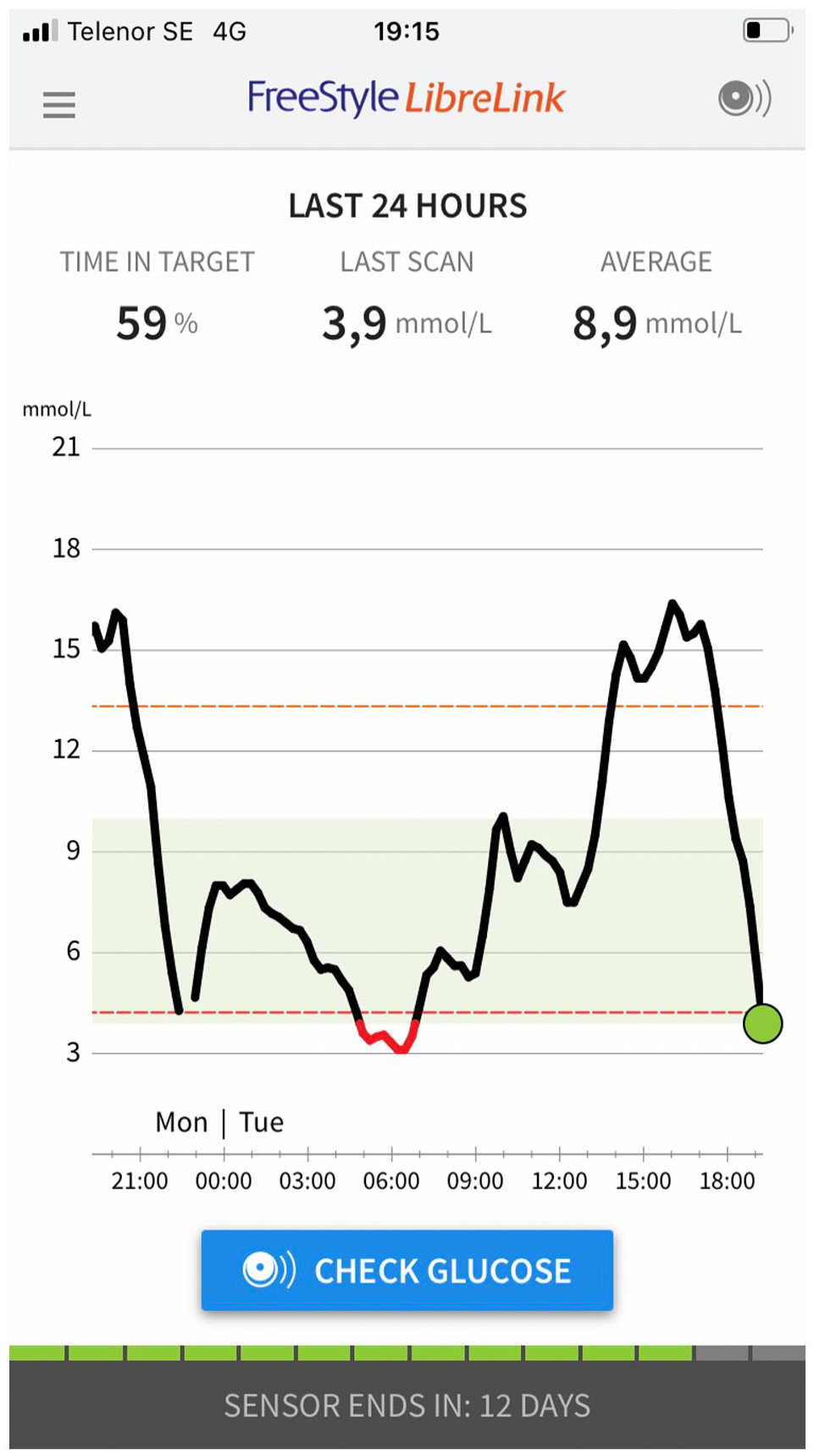
Insulin level graph.
Like the objects of pain, objects of hope also started to circulate outside the community. Many ‘loopers’ had initially experienced significant pushback from their physicians, who were sceptical of unregulated technology. Similarly, impactful diabetes institutions were reluctant to allow community representatives to attend panel discussions or make presentations at their annual conferences, mostly for fear that such appearances were interpreted as endorsements. However, this wariness gradually waned when members circulated evidence on Twitter that their closed-loop systems provided better glucose control, improved sleep quality and reduced the emotional burden of living with T1D. These results were not simply technological successes; they were accomplishments deeply anchored in individuals’ bodies. Widely shared and celebrated by the community, the circulation of physical results finally also ‘moved’ professionals:
I saw my endocrinologist yesterday, he asked how the #WeAreNotWaiting materials were going and was impressed, he is a doc who admits that the days of a paternalistic medical profession and big pharma deciding parameters is thankfully coming to an end and their approach must change (tweet, 2018)
Thus, together with the circulation of objects of pain, which politicized embodied experiences, the circulation of hopeful stories, texts, images and bodily changes appeared as a powerful way to communally enjoin bodies into pursuing the possibilities of a ‘not (quite there) yet’.
Balancing pain and hope
The circulation of objects of pain and hope that kept fuelling #WeAreNotWaiting gradually impressed affective intensity on a growing number of individuals:
So the number of people who are aware of like what they could have but we don’t is increasing all the time. . . . and that is the underlying motivation of people just being pissed off. . . (interview P18, 2020)
Our findings suggest that the affective dissonance created by the gap between pain and hope in this community was made durable through its continuous re-enactment. Balancing the circulation of objects of pain and hope was important to keep channelling pain and frustration toward transformation. One way of sustaining balanced circulation was through ‘refraining’ or creating repetitions that shaped the rhythm and pulse of the circulation of affectively charged objects, thus quite literally keeping them resonating. Refrains had a contagious nature and illustrated how particular stories were coalescing, gaining momentum and floating to prominence in the community conversation. Among these, the hashtag itself was the most prominent refrain, acting as the community’s political rallying cry:
And #wearenotwaiting (tweet, 2014) Another life changed. SO AWESOME. This is a reminder for me to keep spreading the word. #wearenotwaiting (tweet, 2016) Let’s do this. . . . #WeAreNotWaiting #LoopingInOz (tweet, 2017)
Some refrains had their own storyline that added originality and specificity to its content, which intensified their circulation:
Reason 243 #WeAreNotWaiting ‘Priceless’ is knowing my kiddo’s blood glucose level and trend while I’m at my office. Such gratitude (tweet, 2014) Reason 221 #WeAreNotWaiting I’m not. . .disrupting her first day with trips to the office to check blood sugar (tweet, 2014)
In addition, refrains were often accompanied by emotional labels and emojis, which kept feeding the affective intensity of the community:
I love #Nightscout messages  #143 #WeAreNotWaiting #Pebble (tweet, 2015)
 #OpenAPS #WeAreNotWaiting (tweet, 2018)
Dissonance was further reconstituted through the emergence of new objects of pain and hope. New objects of hope stemmed from technological progress or the recognition of the community by an important stakeholder such as the FDA. New objects of pain revolved around the fact that T1D is a highly unpredictable and fluid condition, which continuously created new realities for T1D patients and families:
Unfortunately diabetes isn’t going anywhere . . . you are always going to be looking for some kind of better solution. . . . I mean my son is 15 and that means that there are so many changes since he was diagnosed to now, so how we interact with technology changes depends on what is going on with your life. (interview P22, 2020)
Over time, as some community goals were reached, others came into focus, re-enforcing the continuous need for political organizing:
The economic reality is that medical service providers and commercial producers will never be able to offer everything patients need. Innovative patients can fill many of the gaps if they are properly supported. (tweet, 2018)
Constantly re-enacting affective dissonance through the balanced circulation of (new) objects of pain and hope was thus central to the longevity of the community and to keeping its transformational goal at the forefront. The objects of pain with their embodied sentiment of anger and frustration anchored the community and provided its glue or, with Ahmed (2004a), stickiness, while the objects of hope were forever expanding its horizon of possibilities and bringing it into reach. The rhythmicality and timing of circulating these objects through Twitter and the ‘vibrations’ these created kept moving the community forward.
Perpetuating the momentum
Although the intensity and frequency of circulation of objects of pain and hope were ultimately determined by the communal energy, some community members seemed to have a keen sense of the affordances offered by Twitter as a ‘vibrational’ medium, to speak with Rosa (2019):
So it is a mix of activating the community, but giving the community the information that they need to take anger and turn it into action. (interview P9, 2019)
These individuals tended to be community founders or other active members whose investments in the community was engendering reciprocity in turn. They invested, for instance, in the ‘refraining’ mentioned above, which shaped the pulse of the circulation. However, which objects ended up circulating was irreducible to individual intentions and discretion. Instead, it was a process of collective moderation and filtering produced through the multiple contributions that either propelled or stalled the circulation of certain tweets, which was heavily influenced by the specific medium in which these objects circulated – Twitter.
Flowers (2019) interpreted Twitter hashtags as ‘affective orientation devices’. Indeed, Twitter was constitutive of the way collective modulation played out in our case. Its elasticity as a vibratory medium afforded diverse modes of contributing. These included posting original content as well as more passive forms of participating such as liking, mentioning and retweeting. This diversity provided community members with different ways of reverberating with the communal body and transmitting the vibration to others:
I would normally re-tweet the call to action, like the causes of the movement. . .I would re-tweet successful stories that include pictures. I need people in my country to see what it is, like basically see just to explain all the emotional causes behind the movement and not just the coding,. . . I definitely re-tweet things that contain that emotional health component like perhaps those who mention that they sleep better, that they eat. (interview P23, 2020).
The affordances of Twitter helped the community select, channel and disseminate affective objects to reach geographically dispersed T1D patients and parents, providing them with different ways of engaging and investing in communal vibrations. While circulating objects of pain and hope kept galvanizing existing community members, having relatively easy ways of contributing to this communal movement – for instance, through liking or retweeting –lowered the threshold for individuals to join in. The community thus unfolded in a movement that was sustained by conscripting new bodies and letting others go. Central to the sustaining of resonance, as argued by Rosa (2019, p. 158), is the ‘active engagement’ that in the case of #WeAreNotWaiting was maintained by the generosity and energy co-created in the community. Thus, to resonate is not an individual capacity but a disposition co-produced through the dynamic patterns of being affected and affecting; resonance exists in the relationship between communal and individual bodies who reverberate together in a specific space or sphere. Newly enjoined bodies provided an ever-larger space where the community’s message could reverberate. Moving from body to body, this reinforced the community’s perpetual momentum into the ‘not yet’:
You are really grateful because now you’re finally there where you have always wanted to be. Your diabetes doesn’t disappear, you still have your problems once in a while, but most of the time you can just go and live your life and this is so fantastic and therefore you want to share it with everybody, spread your happiness around the world. And I think this makes us stick together. This feeling and the feeling I got help, I will give you help and so the chain goes on. (interview P32, 2020)
Thus, the community sustained its political organizing because it managed to keep re-igniting and harnessing individual anger and desire for change into a communal body, and it remained resonant because of its deeply anchored reciprocity, of affecting and being affected. Twitter’s technological affordances provided a fertile substrate for this multi-body and multi-directional reverberating movement by orienting individual bodies towards each other, facilitating collective modulation.
Non-resonance
The affective objects that made bodies move were not always in complete synchronicity; some objects and bodies were neither transmitting the vibrations nor sustaining the same frequency as others. Such ‘resonance blockers’, as suggested by Rosa, did not reverberate and instead threatened to dampen affective intensity. In some cases, they transpired as sarcastic comments questioning community members’ embodied pains or experiences:
@Name @WeAreNotWaiting and I don’t mean to come across the wrong way here, but really, what part of T1D is difficult? (tweet, 2015)
In other cases, sceptical comments weakened the reverberation of hopefulness throughout the community:
@WeAreNotWaiting The same line fed to my parents and me growing up lol. I would love a cure. But the realistic side of me (tweet, 2016) Haunting #wearenotwaiting: I worry the incentive is to keep me on life support forever instead of giving me a cure (tweet, 2016)
The community tended to be quick to weed out sources that were trying to churn non-resonant objects:
@Name, please don’t feed the paranoia. The “hacker” community is the biggest driving force in T1 right now. #WeAreNotWaiting (tweet, 2016)
More frequently, objects that were not in tune with communal affective dispositions were treated with silence that stalled their circulation. We understand such instances as forms of collective ‘unfeeling’ (Berlant, 2015) that filtered non-resonant objects from the communal reverberation, allowing for resonant objects to vibrate longer and further. It should be noted that it is an artefact of our method that we most readily ‘found’ those objects that resonated strongly with the community; those that were silenced or non-resonant remained less visible to us.
We also note that not everyone was able or chose to reverberate with the community, be it by virtue of their personal capacity to resonate (Mühlhoff, 2015) or because the community’s vibrations did not match their own, so to speak. These individuals appeared occasionally on the community’s horizon, but just as non-resonating objects, non-resonating bodies quickly fell out of sight again:
I am really glad the #WeAreNotWaiting project is happening, but I can’t be bothered with it myself. I feel like a bad diabetic. (tweet, 2015)
Thus, resonance, while contagious, is also selective – one needs to be conducive to the vibrations to become part of the collective, which also means being ready to in turn transmit these vibrations to others.
Discussion
Building on our findings above, which illustrate the circulation of objects of pain and hope and the maintenance of affective relations in the #WeAreNotWaiting community, we theorize the organizing role of affect in sustaining the collective body over an extended period of time through the notion of affective resonance. We argue that the circulation of objects of pain and hope triggers politicization through affective dissonance, and that affective resonance – or the continuous reverberation of these objects in a particular resonance sphere – keeps re-enacting this dissonance to fuel ongoing collective transformation and momentum. Without dissonance, affects may resonate but lack politics; they may, for instance, ontologize a sociality of pain without an emancipatory or transformative goal or allow a slippage into ‘cruel optimism’, as per Berlant (2011). In turn, without resonance, affective dissonance is prone to dissipate over time, either through exhaustion of the communal body or by simply fading away through lack of investment. In drawing the notions of affective dissonance and resonance together, we thus argue that affect has to be produced, reproduced and continually circulated to sustain political organizing: affective dissonance leads to intensity and transformative momentum, while affective resonance can serve to make this political momentum durable. This is particularly important for highly embodied forms of political organizing, but it also requires a certain awareness of the vibrational substrates in which affective resonance flourishes on the one hand, and on the horizons of possibilities that best nurture affective investments on the other, as we will elaborate below.
Balanced dosing as affective engine toward the ‘not yet’
One of the issues we raised at the beginning of this paper is to reflect on what affective objects may be particularly prone to ‘stick’ and move a community together. Paraphrasing Stengers (2010), our findings suggest that affective politics is a matter of how hope and pain are ‘dosed’ as each of them can be poison or remedy: a higher dose of pain might pull back and naturalize the suffering, and a higher dose of hope might pull it forward, creating a false or precocious sense of optimism. Both of these states likely lead to inaction or disappointment, while a balanced dosing of pain and hope continuously animates and fuels movement and desire for change. Our longitudinal data allowed us to observe how affective resonance was perpetuated through such dosing, but also through the renewal of objects of pain and, particularly, objects of hope. In fact, while the tension between pain and hope was maintained throughout, both objects of hope and pain changed over time to align with new horizons of possibility.
Hope, in many projects of political organizing, is ‘a way of being, relationally, in the world’ (Wright, 2019, p. 1); with Bloch (1959), it is a ‘principle’ of keeping a horizon of possibility in view at all times, thus providing both the goal and the path toward the ‘not yet’. On the one hand, hope can never be fully achieved if the political impetus ought to continue. Yet, if left latent or too far-flung, hope might lead to passivity or ‘cruel optimism’, which would render suffering and pain as natural (Berlant, 2011). We analysed objects of hope that have the capacity to ‘de-naturalize’ the embodied pain experienced by T1D patients and sensitize them to specific embodiments of a future within reach – in our case, for instance, a life with a closed-loop system. Anderson (2006) asked how to move people out of the structure of waiting. Our findings indicate that hope sticks more easily to concrete objects rather than more general horizons of possibility; its ‘affectability’ appeared to be contingent on how well the potential for transformation between the present and the future was articulated. Thus, we suggest that hope is best transformed into a political engine through objects that represent relatively tangible or near-term futures or those that, as in our case, can be broken down into discrete stages of the possible – there seems to be a certain dialectic between the path and the goal that keeps hope generative of political potentiality. Hopeful objects always act in a dialogical relation with the painful present, sustaining dissonance but also presenting the gap toward the ‘not yet’ as bridgeable. This is not to say that less tangible or ‘unreachable’ objects of hope were not also circulating, but they were less likely to create the same level of affective resonance.
This insight also implies that the agency behind the balanced dosing of pain and hope can never be just an individual one: while we indicated that there was individual agency in our case community, it is the communal body that ultimately decides which objects of pains and hopes reverberate. At the same time, we recognize that the reverberation of objects of pain and hope may also be harnessed for exploitative or manipulative purposes. Manipulation of the collective affective body can be observed in organizational settings where affects are gamed to ‘capture’ bodies to reverberate in unison, for instance as value production strategy in precarious work conditions (Endrissat & Islam, 2022). In analysing Donald Trump’s affective styles in mixing anger and ‘love’, Anderson (2017) for instance is clear that Trump himself is merely a ‘catalyzing agent’ (n.p.) for an affective atmosphere that he feeds but that also exceeds him and that he never fully controls. Where Trump’s narratives of ‘pain’ – of immigration and unemployment – may mobilize supporters rallying for ‘building a wall’ as a hopeful resolution for better lives, by and large this future is left undefined. This may help explain how this particular affective harnessing is left without a constructive direction. By contrast, our findings show how affective resonance, fuelled through specific objects of hope, empowers members of the #WeAreNotWaiting community to make a transformative difference for self and others.
Affective resonance: dissonance made durable
Affective resonance is apt to capture not only the ‘grabbing’ and ‘pulling’ force of affect but also the ‘pushing’ that indicates how individuals affectively invest in new worldly possibilities. This reciprocal movement aligns with a Butlerian sensibility where individuals can live together across differences (e.g. Butler, 2015), in our case oriented towards the same objects through the grabbing and pushing force of affects. Thus, the notion of resonance avoids generalizing or homogenizing affective experiences and instead foregrounds the concrete investments in orienting oneself in similar ways to affective objects. Such a sensibility also suggests that the outcome of political organizing is not necessarily an ‘affectively aligned’ group of people but a dynamic assemblage reverberating together in constituting a collective body.
In line with Mühlhoff’s claim (in Kemmer et al., 2019) that resonance can show what is going on within an (atmo)sphere, our findings hold potential to shed light on the ‘vibrational’ contexts of political organizing. For instance, resonance can help analyse the workings of aesthetic labour to produce and sustain what has been described as ‘pulsation’ (Marsh & Śliwa, 2022) in different contexts. We understand Rosa’s (2019) resonance spheres not as mere mediums but rather as generative of certain modes of affectivity: it is the substrate through which resonance continues reverberating but which also impresses on it certain qualities. In our case, the community was heavily invested in Twitter as an exemplary reverberating medium (Flowers, 2019), but also occasionally brought bodies together physically. As Just (2019) points out, while the digital and the analogue may represent different modalities of circulation, they are interwoven in their effects on individual and communal bodies. In our investigation, these two spheres of resonance afforded two different ways of being together in pain and hope. In particular, Twitter opened up and broadened out new socio-technical possibilities for developing resonant intra-connections between bodies echoing an understanding of atmospheric technologies (Beyes, Chun, Clarke, Flyverbom, & Holt, 2022). Its embodied affordances offered nuanced ways of sensual engaging, which gave rise to body-technology-other relations (Vidolov, 2022) constitutive of a communal body that was not merely premised on familiarity and proximity.
Finally, affective resonance underscores its own ‘unavailability’ (Rosa, 2019) – the fact that it can never be forced. Affects are fleeting relational accomplishments, prone to disappear or not arise in the first place, and as much as they can bring bodies together, they can also drive them apart (Hemmings, 2012). We highlighted in our findings instances where resonance was blocked or thwarted, and we also mentioned that certain affects and spaces of resonance may ‘select’ those who are touched, either by virtue of finding oneself inside a resonant space or by virtue of one’s capacity to resonate-with (Mühlhoff, 2015). We thus ought to consider those who may be excluded from the communal resonance. In our context, it would be dishonest not to point to the relatively narrow social, educational and economic positionalities (predominantly white, highly educated and living in the world’s richest countries) that allowed community members to become political and that may have prevented many others from resonating with this particular community.
Beyond embodiment: patient movements and political organizing
Our final contribution is to spotlight a form of political organizing that has attracted much attention in the sociology of health and illness but has been given sparse space in organization studies: patient activism. Our insights start to answer the question of what particular socialities these highly embodied movements represent and what we can learn from their vulnerabilities for other instances of political organizing. Similar to many feminist groups, patient movements are primarily constituted by a bodily communion through pain and suffering, which can seem all but inescapable. Our study contributes to the question of what makes these embodied movements transcend the pervasive experience of pain and move toward transformation without falling into the trap of cruel optimism or ‘survivorship positivity’ (Broom & Kenny, 2021).
Fotaki and Daskalaki (2021) have recently theorized feminist resistance as embodied affectivity, where the body itself becomes a site of resistance. Though our study context is very different, we find parallels. For one, DIY innovation as an act of resistance in our case became an act of emancipation from a powerful medical-industrial nexus through a self-defined rather than dictated-upon techno-bodily entanglement, as loopers pierced their bodies with home-made and unregulated medical devices in the quest for transformation. Bodies-in-pain were also politicized through their circulation, or rather their representations in the shape of graphs and curves on Twitter, in an act of defiance against medical conventions that see these data as proprietary and/or inappropriate for public consumption (Visser & Davies, 2021). Further, our case of medical device DIY innovation and sharing represents a particular embodied ethics of commoning, to speak with Mandalaki and Fotaki (2020), where vulnerability is transformed into communal trajectories of innovation and non-economic exchange. We thus understand the transformative potential of the #WeAreNotWaiting community as an interplay of the unique embodied challenges that patients with chronic illness face and the hope induced by techno-bodily emancipation, which intertwine into a potent form of political organizing. Our findings also further some of these insights in theorizing the expansion of embodied affectivity beyond co-presence and physicality, shedding light on the resonantly entangled bodies and technologies constitutive of the politically fuelled communal body.
We acknowledge that a different context might render radically different ways of political organizing, materialized through different forms of expression and togetherness and yielding very different affective intensities. Given the increased prominence of patient movements in political, technological and economic spheres (Geiger, 2021), we urgently call for more research that examines the specific material, immaterial and affective assemblies such communities embody.
Concluding Reflections
This paper has explored the workings of affect in animating and energizing T1D patients in their search for transformation toward a better life. It shows how affective objects move bodies, both instantiating them in their pain but also transposing them to the ‘not yet’, creating a lively vitality of striving and moving bodies. The ephemeral intensities materialize into intercorporeal movements that turn into a form of political organizing. The emerging communal body, collectively moderated through actual and virtual movements towards others, grows a resonant flesh, which has its own rhythm and reverberation – a reverberation that is both contagious and selective, dynamic and durable. It resonates through and with the hacked devices, ‘looped’ bodies, Twitter images, fearful and hopeful stories that together constitute and manifest the affective politics of this patient community. We hope that this sited story of affective politics will inspire other scholars to explore how different affects fuel different forms of affective politics in different resonance spheres. Further research is needed to flesh out the concept of affective resonance and how it may explain the material beginnings, movements and end points of affective politics. Future studies may also fruitfully examine how the concepts of affective resonance, affective atmospheres and attunement can complement each other and, together, add further nuances to our insights into the durability of affective politics – including in those cases where such politics is deployed to more nefarious ends than in our case. Clearly, the entanglements between affect, collectivities and politics are complex and worthy of careful situated inquiry.
Footnotes
Acknowledgements
We would like to thank Senior Editor Timon Beyes for the expert guidance through the revision process as well as the three anonymous reviewers for their highly supportive and thought-provoking comments, which proved instrumental in developing the paper. We are grateful to Kate Kenny and Donncha Kavanagh for their feedback on a previous version of this paper and in particular to all research participants for their time and energy.
Funding
The author(s) disclosed receipt of the following financial support for the research, authorship, and/or publication of this article. We gratefully acknowledge funding for this project from the European Research Council (ERC) under the European Union’s Horizon 2020 research and innovation programme (grant agreement No 771217).
