



Abstract
The main objective of this study is to discuss the impact of COVID-19 pandemic on vulnerable groups in Malaysia. The study used qualitative research method based on primary and secondary data. Primary data was collected through government documents already published and previous interviews conducted in 2018 by the author on poverty and social protection programs. This article concludes that relief measures now should be linked with the long-term recovery measures to assure greater resilience in the face of potential future shocks.
Keywords
Introduction
This article discusses the question of poverty eradication efforts in Malaysia, especially in the context of the COVID-19 pandemic. Despite Malaysia having achieved some commendable results in eradicating poverty over the decades, today the country is witnessing increased poverty and inequality in both rural and urban areas. This development has revealed the urgency to rethink and introduce a set of new, and more sustainable and inclusive policies that go beyond entrenched paradigms.
After briefly reviewing the poverty line income (PLI) debate, including the Multidimensional Poverty Index (MPI), and the introduction of the new PLI in 2019 by Economic Planning Unit under the Prime Minister Department, this article discusses the impacts of the pandemic-induced economic crisis that caused the closures of many small and medium enterprises and microenterprises, massive lay-offs, and loss of income, in both the formal and informal sectors. This article suggests that while a slew of relief measures introduced by the government during the pandemic are most welcome, they must be linked with a long-term recovery and growth initiatives that are more sustainable and resilient to deal with future shocks.
Beginning with a brief discussion on poverty in Malaysia, this article will show how analysis of poverty in Malaysia has changed over the years to reflect the changing dynamics at the national and global levels. The outbreak of COVID-19 pandemic throughout the year 2020 and into 2021 has necessitated further rethinking on the question of poverty and inequality as new evidence has emerged. Government social protection policies will need continuous revisions and adjustments to bring Malaysia forward into a more equitable future.
Objectives and Methodology
The main objective of this study is to shed light on the impact on COVID-19 pandemic on the vulnerable groups in Malaysia.
Specific objectives are to
present a brief revisit of poverty studies in Malaysia; discuss the impacts of the pandemic-induced economic crisis on vulnerable groups; to argue for a human rights-based approach that would include not only Malaysians but also migrant workers into the computation of poverty and vulnerable groups; and to suggest that while relief measures introduced by the government during the pandemic are most welcome, they must be linked with the long-term recovery and growth initiatives that are more sustainable and would be more resilient in the face of future shocks.
The study used qualitative research method based on primary and secondary data. For primary data, it collected through government documents already published and interviews conducted in 2018 by the author on poverty and social protection programs. Secondary data are from articles, books, and online sources including those written by the author.
A Review of Comprehensive Studies on Poverty in Malaysia
Over the few decades since Malaysia’s independence in 1957, there has been a lot of scholarly discussions and policy debates on poverty, the changing nature of poverty and its evidence, the definition and measurement of poverty for policy purposes, and the various adopted policies and programs to address it. This article will briefly touch on the debates in the literature to provide the necessary intellectual backdrop, examine new evidence and trends in poverty in recent years in Malaysia, and then will investigate what kind of social protection programs can be considered as necessary given the unprecedented changing situation of the global COVID-19 pandemic which has impacted Malaysia severely.
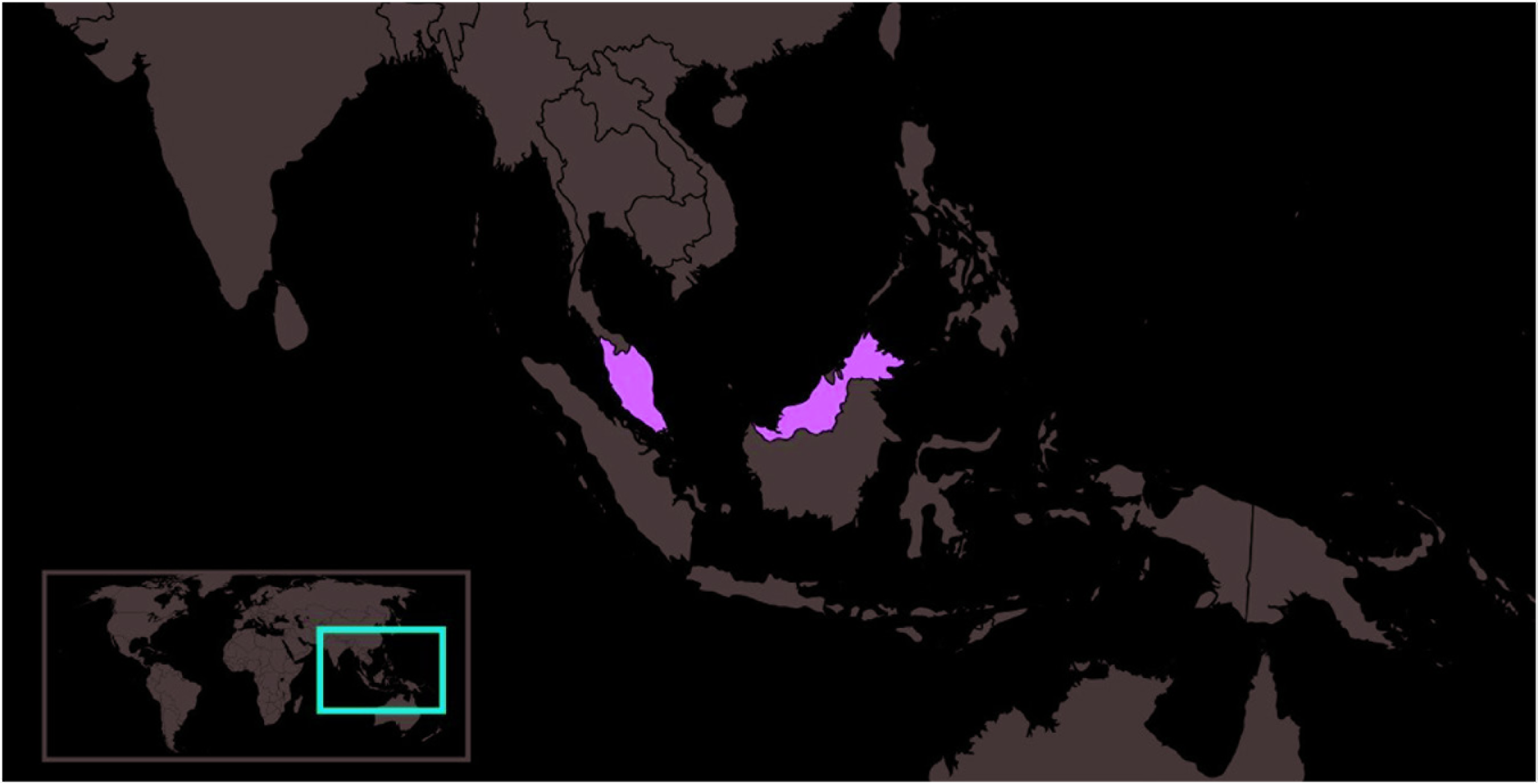
Malaysia, with some 33 million population, is a leading economy in Southeast Asia and one of the founders of the Association of Southeast Asian Nations which was established in 1967. The country shares land borders with Thailand, Brunei, and Indonesia and shares maritime borders with the rest in the region as indicated in Figure 1.
Malaysia is a multiethnic society with different ethnicities, cultures, languages, religious beliefs, and socioeconomic status as a result of British-initiated policy of importing labor from China, India, and the Dutch East Indies (now Indonesia) to exploit the richly endowed Malaya (later known as Malaysia) in the early days. The Malays who are the majority ethnic groups and other indigenous ethnic groups such as the Orang Asli in Peninsular Malaysia and the indigenous people in Sabah and Sarawak are generally considered as Bumiputeras.
A remarkable progress in reducing the incidence of poverty in Malaysia started during the 1970–1990 period. The overall incidence of poverty in Peninsular Malaysia fell from 49.3% in 1970 to 15.0% in 1990. In absolute terms, the number of poor households in Peninsular Malaysia has been reduced from 791,800 in 1970 to 619,400 in 1990. The incidence of poverty in rural Peninsular Malaysia has also been reduced from 58.7% in 1970 to 19.3% in 1990. In absolute terms, the number of poor households in rural areas fell from 705,900 in 1970 to 530,300 in 1990. During the same period, reduction in the incidence of poverty was also recorded in the urban areas. In Peninsular Malaysia, it declined from 21.3% in 1970 to 7.3% in 1990. This achievements can be attributed to the focus on poverty eradication in the New Economic Policy (1971–1990) (Daud, 2020 see chapter 4).
Absolute and Relative Poverty
Scholars such as Nair and Sagaran (2015) have acknowledged the definition of poverty as dynamic, reflecting its ever-changing nature. The concept of absolute poverty was introduced by Rowntree and Lavers (1951a, 1951b) and Rowntree (1995) and used until the early 1970s, followed by the introduction of the term “relative poverty” expounded in the 1970s by Townsend (1979). Both of these concepts, which were income-based, have provoked critical comments (see Franco, 2003; Silver, 1994) among scholars in developed and developing countries. The income-based approach to define poverty was later expanded to include other factors concerning living conditions (Bergman, 2002; Ringen, 1985; Sen, 1992, 1999) and social exclusion or marginalization of certain groups (Hills et al., 2002; Silver, 1994). Recently, many countries have taken a step further by adopting the position that poverty is a multidimensional phenomenon (Levitas et al., 2007).
However, in measuring poverty the monetary approach based on the utility theory in economics is still popular among many economists (Asselin & Dauphin, 2001) and governments including Malaysia. The central issue is the amount of income one needs to maintain economic well-being (Asselin & Dauphin, 2001; Ravallion, 2019). The current definition of absolute poverty is based on a fixed income ascertained by policymakers as minimum standard of living, while for relative poverty it is the median national income, and those falling below these values are classified as poor.
Malaysia has historically viewed poverty through the absolute poverty lens beginning with Ungku Aziz’s studies in the late 1950s and early 1960s. Ungku Aziz looked at poverty and nation-building, highlighting “exploitation” and “neglect” by the British colonial administration as the primary causes of poverty at both micro and macro levels. Ungku Aziz identified other equally important variables like exploitation by middlemen and moneylenders that affected the incomes and economic life of the rural poor, especially the Malays 1 (Aziz, 1964). His works on the low productivity of farmers, exploitation through monopoly and monopsony, and neglect of development formed the basis of government policies on poverty alleviation, and resulted in the establishment of many government support agencies to deal with poverty, especially in rural areas from the 1960s and throughout the 1970s.
Other critical debates on poverty in Malaysia have also been based on earlier foundational works by Ungku Aziz (2009). Some latter works include those by Anand (1977a, 1977b), Shari (1999, 2000), Mat Zin (2002), Shireen (1998), Ariffin (1997), and others. Shari, a keen researcher on poverty and inequality, wrote a lot on the subject; one of the latest before his passing was published in 1999. It is a critical study of development and inequality in Malaysia evaluating the neoliberal debates on the role of the state and market under globalization. He pointed out the important role of the state in protecting the welfare of the people, especially the poor, and to overcoming the challenges of the global economic system. Mat Zin (2002), Shireen (1998), and Ariffin (1997) also conducted studies on social exclusion as a result of economic crisis, and social factors such as gender inequalities and socioeconomic backgrounds and their relationship to poverty.
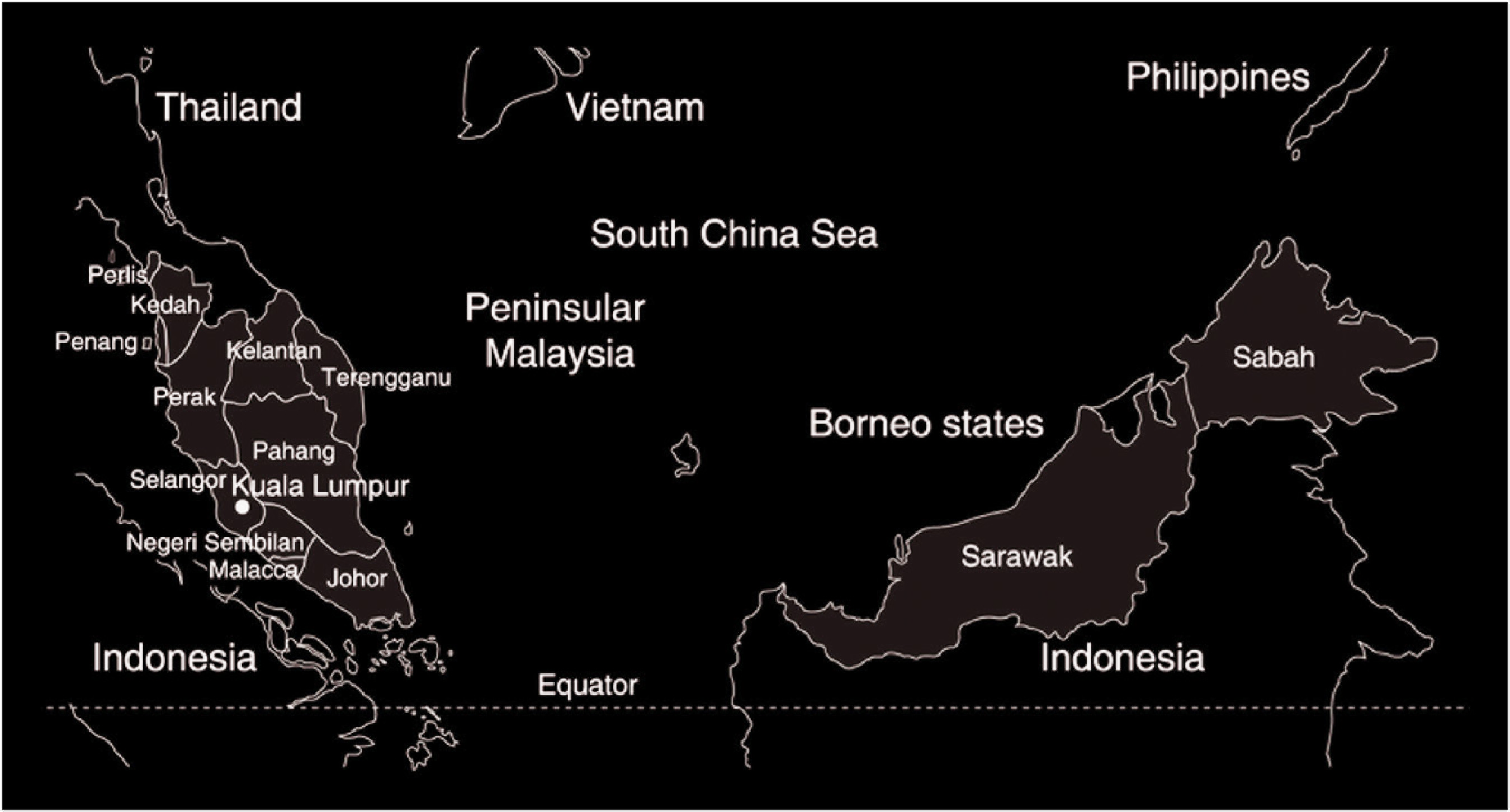
The PLI in Malaysia as a measure of the incidence of poverty is defined as the percentage of households that has a gross monthly household income lower than the predetermined PLI. The PLI takes note of regional differences between Peninsular Malaysia, Sabah and Sarawak with the latter two having a higher PLI than the Peninsula; and also differences between urban and rural areas with the latter having a lower PLI than urban areas (See map of Malaysia in Figure 2).
The PLI officially used for policy planning and implementation up until the first half of 2019 was based on the previous measurement of PLI in 2016 (see Table 1). As shown in Table 1, for Peninsular Malaysia, households in poverty in 2016 was measured as those earning RM960 (USD231) and below per month, while for Sabah (including Labuan) the cutoff point was RM1180 (USD 284), and Sarawak RM1020 (USD269). Based on 2016 PLI, the incidence of poverty in Malaysia in 2016 was 0.4% (See Table 1).
Poverty Line Income, Malaysia, 2016

The Multidimensional Poverty Index
The MPI
2
was introduced in the 11th Malaysia Plan (2016–2020) to take into account both monetary and nonmonetary aspects of deprivation such as substandard education, health, and living conditions. The MPI uses micro data from household surveys, and—unlike the Inequality-adjusted Human Development Index—all the indicators needed to construct the measure must come from the same survey. Each person in a given household is classified as poor or non-poor depending on the weighted number of deprivations they experience. These data are then aggregated into the national measure of poverty. The MPI shows both the incidence of multidimensional deprivation (a headcount of those in multidimensional poverty) and its intensity (the average deprivation score experienced by poor people). As explained in the Human Development Report, the MPI can provide a comprehensive picture of people living in poverty, and permits comparisons not only within countries by ethnic group, urban or rural strata, and other key household and community characteristics but also comparisons across countries, regions, and the world. Hence, the MPI offers a valuable complement to income-based poverty measures (
The MPI in principle assesses poverty at the individual level. If a person is deprived in a third or more of 10 (weighted) human development indicators, namely health, education, and living standards, the global MPI identifies them as “MPI poor.” The extent—or intensity—of their poverty is also measured through the percentage of deprivations they are experiencing. The global MPI shows who is poor and how they are poor and can be used to create a comprehensive picture of people living in poverty. It allows for some comparisons both across countries and world regions, and within countries by ethnic group, urban/rural area, subnational region, and age group, as well as other key household and community characteristics. For each group and for countries as a whole, the composition of MPI by each of the 10 indicators shows how people are poor. This makes the MPI and its linked information platform invaluable as an analytical tool to identify the most vulnerable people—the poorest among the poor, revealing poverty patterns within countries and over time, enabling policymakers to target resources and design policies more effectively (
One deprivation alone may not represent poverty. The MPI measurement requires a person to be deprived in multiple indicators at the same time. A household, and so all its members, is multidimensionally poor if it is deprived in one-third or more of the weighted indicators. MPI also counts persons who are vulnerable to multidimensional poverty as those who are deprived in one-fifth or more but less than one-third of the weighted indicators. Those who are deprived in one-half or more are considered living in severe multidimensional poverty (as explained in various sections on inclusive development in Section II of the Mid-term Review of the 11th Malaysian Plan) (
The Mid-term Review of the 11th Malaysian Plan emphasizes new priorities and a way forward, stressing that measures to enhance social protection system will be undertaken to ensure that the quality of life of these households is not affected when faced with socioeconomic uncertainties. Meanwhile, adoption of MPI will help complement and strengthen delivery and monitoring system of these initiatives. (See Section II, p. 297). However, the MPI too is regarded too low for Malaysia by Malaysian poverty experts.
Critical Appraisal of the Old PLI and the Introduction of the New Poverty Line
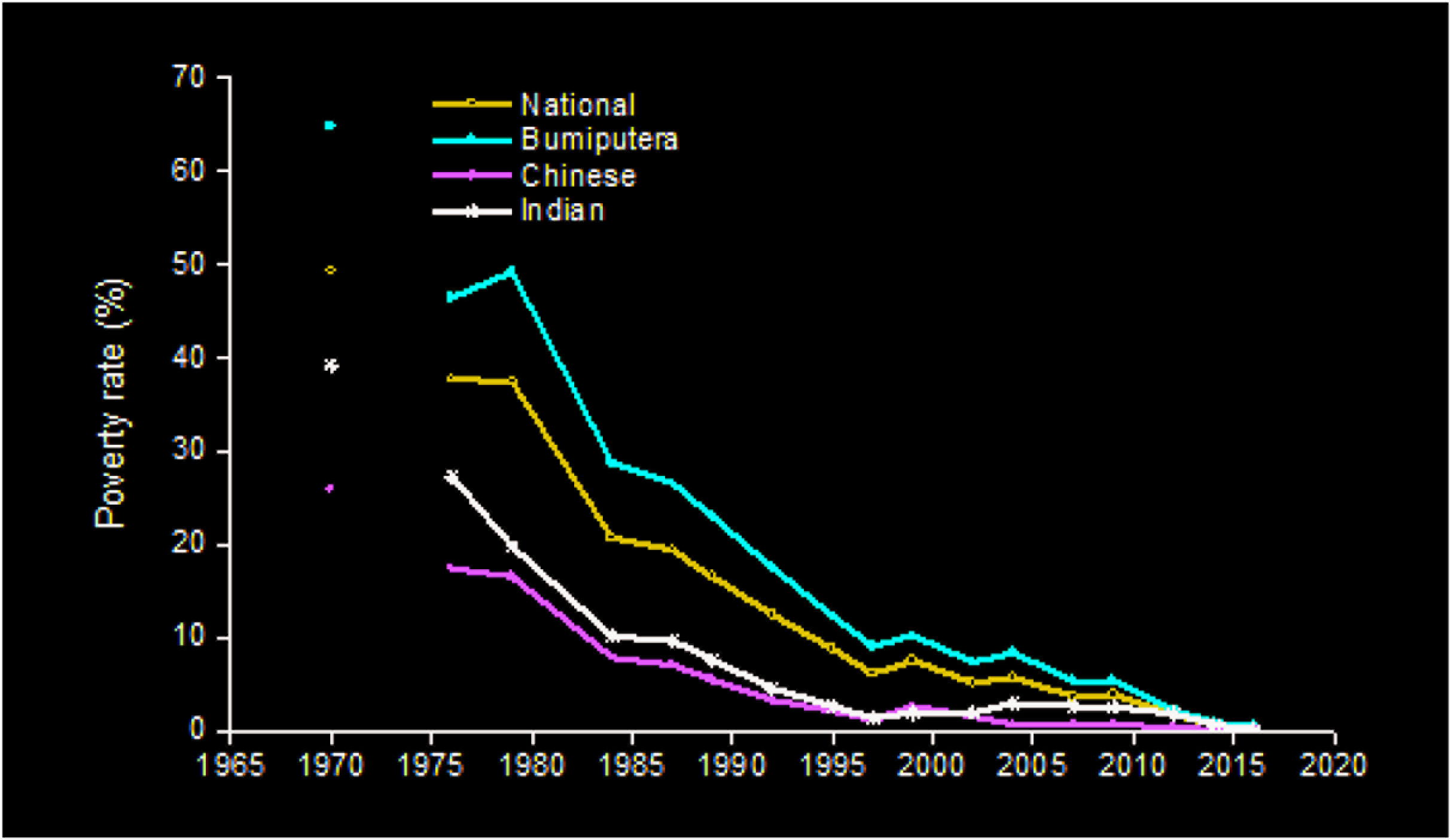
Despite remarkable progress in reducing poverty over the years, the rising cost of living and the changing lifestyle of Malaysians call for a review of the concept and measurement of poverty. More importantly, the official PLI used by Malaysia up until 2018 failed to reflect the rising cost of living and people’s expectations. Two critical expert views are worthy of mention here: those of Professor Martin Ravallion, the Australian economist, and visiting Ungku Aziz Chair of Development Studies at the University of Malaya; and Professor Philip Alston, the United Nations Special Rapporteur (UNSR) on Extreme Poverty and Human Rights who made a special study visit to Malaysia in August 2019. Martin Ravallion, in his public lecture at the University of Malaya (January 29, 2019), acknowledged that poverty in Malaysia based on official figures has been dramatically reduced over the decades since the 1970s. This is evident in all ethnic groups, most pronounced amongst the Bumiputeras as shown in Figure 3 produced by Ravallion.
However, he is of the view that the official poverty rate represents a serious underreporting, because countries with average incomes similar to Malaysia have absolute poverty lines equivalent to RM2550 (USD1460 adjusted for purchasing power parity) per month for a family of four, almost three times Malaysia’s current poverty line. He added that measuring the poverty rate based on household income, which is a common practice in Malaysia, is “unusual,” and that internationally, income is usually divided by the number of people or equivalent single adults. According to his views, Malaysia’s poverty line of RM6 (USD1.4) to RM7 (USD1.7) per person per day had not been officially raised to meet the current international standards, which is approximately USD12 or RM49.30 per week, thus resulting in a low level of poverty in official calculations. As a result, the government has been focusing their target on the bottom 40% (B40) of the population, but in his opinion, using this approach, the B40-targetted programs might not always reach the poor (besides the lecture, see also media reports of Ravallion’s interview by Samantha Ho, 2019 and Ainaa Aiman, 2019).
Concurring with Ravallion, Philip Aston, the UNSR on Poverty and Human Rights in his report in August 2019, states that while Malaysia has achieved undeniably impressive growth in reducing poverty in the last 50 years, “the official claim that poverty has been eradicated, or exists merely in small pockets in rural areas, is incorrect and has crippled policymaking.” Malaysia’s official poverty rate dropped from 49% in 1970 to just 0.4% in 2016. However, he believes that the national poverty line of RM980 (USD235) per household per month would see an urban family of four surviving on RM8 or less than USD2, per person per day, which is “tragically low for a country on the cusp of attaining high income status” (Alston, 2019). He rightly draws attention to those who are disproportionately affected by poverty, that poverty is deeper among some communities in Malaysia, yet are “statistically invisible” because the Household Income and Basic Amenities Survey that is used as the basis for poverty measurement excludes Orang Asli settlements in rural areas, foreign workers, and refugees at various locations. The survey does not record the status of persons with disabilities (PWDs) and its sample design prevents reliable poverty estimates for indigenous people in Sabah and Sarawak (non-Malay Bumiputera) in East Malaysia, whose poverty rates appear to be much higher than those of Malays (see Figure 2). He is of the view that a more realistic poverty rate would be 16% to 20% in keeping with a range of rigorous independent analyses, given that about 9% of households survive on less than RM2,000 (USD479) per month.” (For details, see Alston, 2019).
Undoubtedly, these critical views, directly or indirectly, created the impetus that led to the change by the Malaysian government of the official PLI. The Pakatan Harapan government 3 that replaced the Barisan Nasional in May 2018, decided to revise the poverty line and adopt a new methodology on the measurement of poverty (as shown in the Household Income and Basic Amenities Survey Report, 2019 published by the Malaysian Department of Statistics). This revision actually coincided with the beginning of COVID-19 spread in Malaysia in January 2020 and the subsequent Movement Control Order (MCO) beginning in March 2020 which led to layoffs and lowered wages.
Poverty lines must go beyond basic subsistence for survival, and include having the resources to lead a healthy, active, and dignified life and being able to participate meaningfully in society. In accordance with the 2019 methodology, the national mean PLI value is RM2208 (USD531) per month per household, with the mean food PLI value at RM1038 (USD250) for an average household size of 3.9 persons. This mean PLI value is obtained by dividing overall PLI value in each household with the total number of households in Malaysia. Based on the new PLI, the incidence of overall absolute poverty improved from 7.61% in 2016 to 5.6% in 2019. Similarly, the incidence of absolute poverty in urban and rural areas also recorded a decrease to 3.8% and 12.4%, respectively. Meanwhile, extreme poverty was reduced to 0.4% in 2019 as compared to 0.62% in 2016.
According to the Department of Statistics Malaysia (DOSM) sources, the previous 2005 methodology, which determined the national PLI of RM980 (USD236), was based on the minimum food requirements of each household member and 106 non-food items based on the spending patterns of the country’s bottom 20% group (B20) in the 2004/2005 household expenditure survey. In contrast, the new 2019 methodology which determined the current national PLI of RM2208 (USD531) was based on optimum food requirements and healthy eating, as well as 146 non-food items from the B20 households’ spending pattern in the 2019 household expenditure survey. From the aspect of food items, they are based on the 2017 Recommended Nutrient Intake and the Malaysian Dietary Guidelines. Under the new methodology, calculations for the food component of the PLI are now based on servings according to food categories that are converted to price, instead of the previous methodology that was based on the individual’s calories requirements. As for non-food items, those covered are clothing and shoes; housing, fuel, and utilities; furniture; transport and communications; education and health (
More importantly, based on the new 2019 methodology, the national mean PLI for households in Malaysia in 2019 is RM2208 (USD531) per month (with RM1169 or USD281 for food and RM1038 or USD250 for non-food items). (According to DOSM, the RM2208 (USD531) figure was obtained by dividing the overall PLI value in each household with the total number of households in Malaysia). Also based on the new 2019 methodology, the national mean PLI in 2016 was RM2141 (USD515) or 7.61% in 2016 compared to 5.6% in 2019. This would translate into a decrease in households considered poor, namely a drop from 525,743 households falling below the poverty line in 2016 to 405,441 households in 2019. As shown by the DOSM data, size matters when it comes to poverty, with 70.4% of the 405,441 poor households having more than four household members, while 13.3% of these households had four household members. As for extreme poverty, it would also improve from 0.62% in 2016 to 0.4% in 2019, based on the new methodology. This would translate into a decrease in the number of extreme poor households from 45,004 households in 2016 to 27,158 households in 2019 (
The same data indicates that income threshold for the B40 group in 2019 comprising of 2.91 million households was RM4849 (USD1167). The middle 40 (M40) group’s income threshold involving 2.91 million households was between RM4850 (USD1167) and RM10959 (USD2637). In addition, there were 1.46 million households in Top 20 (T20) group with income more than RM10960 (USD2638). In terms of income distribution, the T20 constituted 46.8% of total household income in 2019, an increase from 46.2% in 2016. Moreover, the M40 group had 37.2%, while the B40 only had 16.0% of total income; a decrease from 16.4% in 2016 shows a widening inequality between the T20% and the B40% of the population (
The widening inequality can be measured using the Gini coefficient. The 2019 findings show that Gini coefficient (measured by gross income) increased by 0.008 percentage points from 0.399 in 2016 to 0.407 in 2019; this shows a rising trend in inequality with the urban areas being higher than rural areas. As shown by the data, over the period, Gini coefficient in urban areas increased from 0.389 to 0.398 whereas Gini coefficient in rural rose from 0.364 to 0.367. The Gini coefficient for the Bumiputera (the majority ethnic group) has risen from 0.385 to 0.389 while for the Chinese ethnic group it has increased from 0.411 to 0.417. The Gini coefficient for the Indian ethnic group also increased from 0.382 to 0.411. In short, based on the data before the onslaught of the COVID-19 pandemic, there is evidence of rising inequality throughout the country and among the various ethnic groups.
4
What happened during the pandemic has exacerbated not only poverty but also inequality as will be shown in the following discussion (
New Poverty and Inequality, and Social Protection Program
Having discussed the poverty and inequality up until 2019, we now turn to poverty trends resulting from the COVID-19 pandemic in Malaysia, and the MCO that was imposed beginning on March 18, 2020. As of March 7, 2021, there was a total of 313,460 COVID-19 cases with 1,169 deaths in Malaysia, and the country was for the first time under MCO of varying degrees, severely affecting lives and livelihood.
New Evidence Regarding Poverty and Inequality
While there is no complete data at present to show the poverty rate and inequality, there are several surveys which can give some insights on poverty as a result of the COVID-19 pandemic. It should be recalled from the aforementioned discussion that the number of poor households in 2019 measured by the new PLI was 405,441, or approximately 1.6 million individuals, while the extreme poor households numbered 27,158 or approximately 108,000 individuals in 2019.
The impact of the pandemic and MCO imposed beginning on March 18, 2020 was swiftly felt. During the first half of March, the unemployment rate increased to 3.9% as compared to 3.3.% the previous month, with 610,500 unemployed individuals from the Malaysian workforce in March alone, as compared to 521,300 in the same month in 2019. According to the survey carried out between March 18 and 31, 2020 covering 168,182 respondents aged 15 years or older, the Malaysian Department of Statistics found that 46.6% of self-employed workers lost their livelihood while 23.8% of entrepreneurs reported the same. Among the sectors, agriculture was most affected with 21.9% of respondents saying that they have lost their jobs, followed by the services industry with 15%. About 66% of self-employed workers and entrepreneurs said their income has dropped by half or more, followed by 32.6% of private sector workers, 20% of state-linked company employees, and 18% of those working for international firms. Most of the respondents were not prepared for the extension of the lockdown except for those in government-linked companies and multinational firms. About 66% of self-employed workers and entrepreneurs stated that their income dropped by half or more, followed by 32.6% of private sector workers, 20% of state-linked company employees, and 18% of those working for international firms. In short, the self-employed were the worse hit (
The number of the self-employed can be gleaned from these figures. In 2018, there were 2.86 million own-account workers out of a total of 14.8 million workforce. Based on official statistics, during the MCO 1.0 in 2020, nearly 50% of the self-employed (approximately 1.43 million) have lost their jobs and 90% of the remaining employees received lower wages. The self-employed workers have to use their savings to cover for monthly expenses, pay debts, and other expenses. Obviously, a substantial number of the self-employed fell into poverty. Among the unemployed were graduates looking for jobs. The Ministry of Higher Education projected that up to 75,000 fresh graduates from 2020 could not secure employment due to the COVID-19 pandemic, joining more than 40,000 other new graduates who remained unemployed since 2019 (Shariffadeen, 2020). The impact on the indigenous communities was also severe. Between 130,000 to 200,000 of the indigenous people throughout Peninsular Malaysia, Sabah and Sarawak became poorer. They are obviously in need of help (
The drastic impact of the pandemic-induced poverty can be better understood at the micro level by examining the findings of the joint study “Families on the Edge” by the United Nations Children’s Fund (UNICEF) Malaysia and United Nations Population Fund (UNFPA) 2020. Using a sample of 500 households in the capital city of Kuala Lumpur, the longitudinal study conducted in different phases in 2020 revealed severe cracks in the distribution system, whereby an average household income was only RM1560 (USD375) for a household of 5–6 members. These households were particularly severely affected by the COVID-19 crisis. One in four of household heads were unemployed during the MCO; this is higher than the previous year and five times higher than the national average. More than half of the employed heads of household do not have labor market protections, 5 and the figure is even higher among female household heads (57%). The total monthly median earnings of the head of household dropped by one-third to RM1000. Among those who were able to save, only one in six had enough savings to last more than three months while among female household heads, only 5% said they had enough savings to last more than three months. However, as shown in the study, their situation grew worse throughout the last quarter of 2020. Joblessness among heads of households doubled to 15% in December 2020 compared to just three months earlier while one in three adults in participating households were still without work. The overall poverty rate among the participants stood at 42% in December 2020 with the rates higher among household headed by PWDs, and female-headed households, at 55% and 61%, respectively. While some families started to recover in early 2021, others regressed and were still close to the “breaking point” (see media report by Zahid, 2021).
Study of the impact of the pandemic and the MCO is not complete without taking into account migrant workers, both documented and undocumented, with the total number ranging from 2 to 4 million. A human rights approach to poverty would recognize their contribution to the Malaysian economy as much as their sacrifices to be away from their families and home country. Related to the issue of migrant workers are stateless persons and refugees who are among the most vulnerable in society, numbering in the hundreds of thousands. They have become much more vulnerable and poorer due to the pandemic.
As argued by the Khazanah Research Institute (KRI) (Tan et al., 2020), taking care of foreign workers in Malaysia is not only humane but also sensible because foreign workers are important to Malaysia’s economy, and neglecting foreign workers’ welfare in a time of pandemic incurs significant public health and economic costs to the country. Such neglect would not only strain the public healthcare system but also heightens the risk of a prolonged lockdown and prevents the economy’s access to a large number of the workforce. The KRI argued that such efforts as testing, treatment, and isolation of migrant workers would not only enhance job protection but also strengthen regional cooperation and coordination with neighboring countries (Khazanah Research Institute, 2020).
Various media reports indicate that several foreign institutions together with local organizations have stepped in to provide labor protection for foreign workers in Malaysia. Foreign embassies, civil society organizations, Malaysian Trades Union Congress, and relevant international organizations stepped forward to provide some labor protection, especially for unpaid wages and unfair terminations, and other salary issues wherever the government seemed to shirk responsibility. For example, the Bangladesh High Commission in Malaysia has been working with employers on salaries issues, while the International Labor Organization has been documenting labor and contractual violations committed by employers. However, help available to foreign workers in Malaysia has been fragmented, uncoordinated, and not systematic, and remains far from sufficient and accessible. As a result, a large number of foreign workers, including those in hiding for fear of arrest and those in remote areas such as the plantation (especially in Sabah and Sarawak), manufacturing, and domestic work, are bound to be left out. This pushed them deeper into poverty.
While the authorities claim that they know the number of people who have lost their jobs and hence their sources of income, in reality this cannot truly be fully known. At the same time, the impact on the foreign workers and the indigenous community is not fully known, or recognized (indeed even). In a Malay Mail report on March 12, 2021, Mustapha Mohamad, the Minister in charge of economic affairs in the Prime Minister’s Department stated that the poverty rate could have increased by 3% following the COVID-19 outbreak, but said that the actual extent would be verified through a full survey by the government in the middle of the year (Bernama, 2021). With the poverty rate at 5.6% in 2019, we can now surmise that it has increased at least to 8.4% of all households in 2020 due to the pandemic (
Social Protection Program
It must be recognized that policy-wise, what gets measured or counted through actual study gets addressed. From the policy point of view, the actual number of the poor, as well as the low-income groups among locals and migrant workers must statistically be established so that “no one is left out,” and protection measures can reach the proper targets. Evidence-based social protection policies must reflect the problems and needs of the worse-hit sectors, and offer sustainable programs for vulnerable groups affected by the pandemic.
The World Bank defines a social protection system as an institution to help the poor and vulnerable to cope with crises and shocks, find jobs, invest in the health and education of their children, as well as protecting the aging population. Social protection programs have traditionally been the responsibility of the state and employers but challenges of poverty and inequalities have forced interventions by civil society and the community at large to complement the government’s efforts. While immediate government assistance has helped to mitigate their financial needs, households benefit more from sustainable assistance rather than just one-off cash handouts as has been done through the various relief and stimulus packages offered by the government (namely the Prihatin, Penjana, Bantuan Prihatin Rakyat, and Bantuan Prihatin Nasional). This need is supported by the “Families on the Edge” study by UNFPA and UNICEF which noted that the current transfers or government assistance constitute 16% of total income for the urban poor households, double the rate compared to pre-crisis level of 8%. The average amount of assistance received had increased mainly from Bantuan Prihatin Nasional 2.0 and Zakat money or the Muslim community fund. Zakat is an annual payment made by Muslims which amount to 2.5% to 20% from their annual income and/or business profits as their contribution to help the extreme poor. Since May 2020, the average amount of Zakat assistance received has increased by 27% to RM144 (USD35) per month. The two United Nations agencies emphasized the need to reimagine social protection for the most vulnerable in Malaysia through an expansion of coverage of income support for low-income families, and provision of targeted livelihoods support, particularly for the self-employed.
Accordingly, what would be more sustainable and comprehensive social protection programs to manage the impacts of the pandemic and the economic crisis look like? We offer here in closing four proposals for the social protection programs—the first has been suggested by the World Bank (Schmillen, 2020, pp. 23–24), and the last two are based on the study by the author.
First, unemployment insurance system: for this program, the government must institute an unemployment insurance system available to those in sectors that take a bit longer to recover from economic crises such as tourism and retail businesses. This initiative can be complemented by a redundancy fund that can be paid by employers regularly as in the Employers Provident Fund but for a longer time. The government can also initiate special funds for similar financial support to assist in cases of widespread dismissal of workers in the informal sectors. The social assistance program which is noncontributory interventions can be coordinated with this financial support system for an improved management of unprecedented risks such as the economic impact of COVID-19 pandemic.
Second, services, programs, and incentives for re-employment: This approach which is more sustainable and long term would include services, programs, and incentives for re-employment. This includes training, education, and services that can be provided by state agencies and civil societies but must be supported by temporary financial support. An immediate response is to create self-employment assistance through credit and financial assistance and relocation incentives. It should also be emphasized that the government should move from short-term relief measures to a more sustainable and long-term recovery package (Schmillen, 2020).
Third, zakat and other community-based funds: although this is for Muslims only, zakat and other community-based funds such as those instituted by mosques and surau are complementary sources to help those in need. While there are formal channels of zakat whereby zakat contributions from companies and individual annual income are collected by state religious councils and departments including the mosques, some Muslims and their institutions prefer to pay zakat informally and directly. Collection and management of zakat funds are Islamic and state matters by virtue of the Malaysian Federal Constitution. Bureaucratic hassles in the distribution of zakat fund must be overcome to make zakat effective as a social safety net (Daud, 2005). It is encouraging that some positive changes along this line have already taken place with initiatives to share the zakat fund with a larger range of recipients. This has been done through various mechanisms that are more friendly either through online or a third-party approach for the benefit of the needy (
Fourth, nongovernmental organizations (NGOs) as part of the social protection mechanism must be applicable to all irrespective of religion, but with more coordination and systematization as a complement to government measures. Social protection programs provided by the NGOs are available in various forms such as basic daily needs, services, education, transportation, and medical treatment. Soup kitchens by churches or community groups, such as Pertiwi Soup Kitchen and Kechara Soup Kitchen Society, provide free meals for the homeless and B40 families all year round. There are also women activist groups who never fail to help single mothers especially through difficult times. There are some 114 women’s organizations under the umbrella of the National Council of Women’s Organizations whose advocacy is strongly rooted in the principles of equality and human rights and guided by international frameworks. Some of these organizations represent the Malaysian government at regional and international forums to present data and evidences on women’s issues and how to provide social protection for them (
Conclusion and Recommendations
It has been emphasized in the article that government’s social policies must take into consideration the new evidence on poverty and inequality. Some tentative conclusions can be drawn. The really rich, including the T20%, has not been substantially affected by the pandemic except for those big corporate players involved in badly affected sectors such as aviation, tourism, and hospitality, while those in the health and medical sector have been making huge profits. However, the B40, especially the poor and extreme poor among them, have suffered tremendously, giving rise to more poverty and widening inequality.
Malaysia’s social protection policies as a living document should also include migrant workers to reflect the principles of inclusive development and human rights. The approach should be comprehensive throughout the country with special attention to the worst-hit groups.
However, further study on poverty in the country is urgently needed. The COVID-19 pandemic has exposed that Malaysian society is incapable of moving beyond the recovery period if the government continues to do business as usual, by treating poverty as ethnic-based and favoring one group over the other. The official response to economic crisis must be evidence-based to reflect the current situation. This is in keeping with the global aspirations for “building back better” to address the challenges of economic crisis for the entire globe. People can adjust and change, but there must be political will to institute a sustainable and resilient social protection program. In support of the World Bank proposal for change, the Malaysian social protection programs should be planned as a comprehensive program, and should cut across ethnic and regional lines as a social cohesion and nation-building project. The social protection programs must be long term and sustainable, and resilient enough to withstand future shocks. To achieve this, state-sponsored social protections programs have to be complemented by employers and community-driven initiatives. These are some of the lessons which we should have learnt from the pandemic-induced economic crisis.
Footnotes
Acknowledgements
The author would like to express her utmost appreciation to the valuable comments and input by her mentor, Emeritus Professor Dato Dr. Abdul Rahman Embong, a principal fellow at the Academy of Professors Malaysia.
Declaration of Conflicting Interests
The author declared no potential conflicts of interest with respect to the research, authorship and/or publication of this article.
Funding
The author received no financial support for the research, authorship and/or publication of this article.