



Abstract
The rise of “scientific security” discourse has spurred the use of optical technologies and data analytics in crime prevention. It has coincided with a shift in smart city narratives, positing these developments as enhancing women's freedom and safety in urban spaces. However, these narratives often overlook the nuanced and embodied experience of safety and women's ambivalent relationship with technology, while framing its use as a binary choice between privacy or safety. While enhanced legibility of the city may help visualize and predict crimes through algorithms, this focus on visual and data-driven methods tends to ignore critical aspects of safety, especially those conditions not directly observable like domestic and gender violence. This paper critically examines the complex relationship between gender and “smart safe cities,” using Seoul, South Korea as a case study. Drawing upon literature on technology and cities, and the history of women in Korea, this paper challenges the assumptions underlying these initiatives that supposedly empower yet over-victimize women. By integrating historical perspective with analysis of new spatial safety techniques, the paper highlights the disjuncture between the prevailing techno-optical regime and the tangible experience of safety, emphasizing a need for more holistic and relational approach to safety.
In May 2022, an advertisement for Samsung's smartwatch aired on British television. The ad, titled “Night Owls: Your Galaxy, Your Way,” featured a woman taking a night run in the empty streets of London past 2 AM, with headphones on, and passing under a bridge and some random strangers. To the advertisers’ surprise, the content soon received a flurry of criticism from the British public, particularly from the representatives of women's groups who complained that it depicted not only “unsafe” but “unrealistic” behavior (Farah 2022). Following mounting criticism, spokespersons at Samsung promised not to air the advert in the United Kingdom (UK) again. They apologized for how some may have received the content while continuing to defend their intention to relay a message of “empowerment” and “freedom” for women.
The news surrounding Samsung's PR debacle immediately spread to South Korea (hereafter Korea), where the advert was originally produced. Korea's major media channels and social media networks delivered the news, followed by a mix of reflection, embarrassment, and bitter resentment. MBC News (2022), one of Korea's largest public broadcast networks, concluded their coverage stating that “safety precedes freedom” and that not all women are equally safe to run at night. The news clip posted on YouTube was viewed more than 1.2 million times. In over 8,000 comments that followed, users debated whether the ad was an appropriate depiction of reality and whether the British reaction to the ad could be justified. Many Korean users defended Samsung's advert, characterizing it as a simple oversight to adjust the content from the standpoint of the local context. As far as the ad was concerned, the incident reflected cultural differences between Korea and the UK regarding public perception of safety. For instance, one YouTube user (ID: bluewater3216) commented: “I don’t know about foreign countries. But here in Korea, it's normal for women to walk alone at night. It's safe. I think Samsung thought of it in Korean standards. You know what? The fact that this ad became controversy in foreign countries is surprising news in Korea now. Koreans are confused because they don’t understand why running at night is dangerous.” Many others echoed a similar sentiment and contended that any women in Korea would consider it safe to go for a run at night, including another user (ID: sizk-bi3hp) who said, “it is absolutely safe and not crazy to jog in midnight South Korea. Some women wear Pajama to go to a store at 3 AM. Probably marketer guys at Samsung thought this applies to UK too.” The user comments appeared in the comment section of the MBC News YouTube channel (2022).
What advocates of cultural relativism neglected to consider was that while safety could be a relational and contingent concept variable across different local contexts, its meaning and perception multiplies at a local scale, depending on one's gender-based and other intersectional positionalities. Korean users’ support for Samsung's ad, as I explain later, was partly driven by a collective nationalist imperative to protect both the nation's largest conglomerate and technology manufacturer, and Korea's international reputation as a safe country. Their dismissal of British women's grievances suggested that women's safety was a non-issue in Korea, which trivialized the experience of many Korean women in the interest of saving the face of the nation and its techno-corporate power. 1
Besides bringing attention to cultural and gendered differences, the incident also revealed a common misconception about the role of technology in enhancing women's safety. While the pervasive presence of surveillance technologies like CCTV and smartwatches is casually associated with a sense of safety and even empowerment, the amount of discontent and frustration expressed by women in response to the ad revealed that technology did very little to assuage their fear. This raises an important question: how is the technological promise of safety contested, while simultaneously reinforcing static assumptions about what it means to ensure women's safety in cities? This paper addresses this issue by mapping several techniques and technologies of safety management, encompassing elements such as apps, cameras, and streetlights, alongside a range of practices and infrastructures that shape and govern urban safety in Korea. These techniques and technologies of safety management adopt diverse spatial and embodied forms, guided by instructions, principles, protocols, and other spatial strategies. I place special emphasis on “smart” technologies progressively incorporated into urban safety design and policies that explicitly target female audiences, such as CCTV, patrol robots, and safety apps, as well as the proliferation of local initiatives centered on enhancing women's safety in Seoul since 2016.
Given internal and contextual differences among women, analysis like this requires an approach that considers a complexly gendered aspect of this formation. Therefore, this paper adopts a feminist and postcolonial STS perspective to chart how the contested conception of gender and safety has shaped the sociotechnical landscape of the “smart safe city” (Datta 2020) in Korea. To be clear, this study does not evaluate whether any individual solution successfully protected women's safety. Rather, it aims to highlight the gaps and ambivalence in linking women's safety with technologies in Korea, where women's safety is increasingly recognized as a problem, but is often framed in a way that serves the goals of a persistently developmentalist and androcentric system of rule. To be blunter, the male-centric urban security policies added women as objects of concern, without centering their standpoint as subjects. Consequently, increasing awareness about women's safety as a social problem positioned women as virtuous objectives of government-driven or corporate-driven innovations, and leveraged women's safety as a condition for expanding and normalizing the smart surveillance regime.
Through an analysis of “smart safe city” and its discursive and material articulation in Seoul, this paper addresses the specific historical conditions shaping women's experience of urban safety in Korea. In a recent edited volume, Song and Hae (2019) expand Baik Young-seo's concept of “core location” (haeksim hyeongjang) as a critical framework to identify instances of double marginality in East Asia. The term “double marginality” introduced in their work underscores the “convoluted layers of power stemming from colonialism, imperialism, militarism, and Cold War and post-Cold War dynamics that characterize the particular geohistory of East Asia” (Song and Hae 2019, 4). These layers encompass the enduring legacy of Japanese colonialism, the complexities of Cold War tension between North and South Korea, Chinese empire old and new, the impact of the US military-industrial complex, and the expansion of capitalist regimes and neoliberalism. They examine these layers as a backdrop to intersecting forms of ontological and epistemic marginality, pertaining not only to the individuals who are relegated to the peripheries within, across, and beyond Asia.
Building upon this framework of double marginality, the paper elucidates how, on the one hand, traditional patriarchal power structures combined with Korea's postcolonial context have positioned women as needing to be in a constant state of vigilance and surveillance vulnerability. Imaginaries of women as potential rape victims reinforced patriarchal control by legitimizing punitive measures aimed at chastising and restricting their mobilities to private domestic spaces (Choi 1998, 13). This paper focuses on another form of marginality which pertains to the politics of techno-scientific authority, namely the state's claims about scientific security, which reflects a commitment to believing in technological fixes that can solve the problem of women's safety, and which portrays surveillance as a benevolent tool for ensuring women's safety and empowerment. While acknowledging the significance of women's safety, the prevalent discourse of scientific security [gwahak chian] promoted by the Korean government agencies and private vendors, often overlooks how technology itself can pose harm and prevents the exploration of alternative and relational conceptions of safety. The discourse of scientific security remains oblivious to what Ayona Datta (2020, 1331) describes as “a form of slow violence” in the smart safe city, which turns women into data points while “simultaneously excluding them from a wider sense of belonging and right to the city.” The paper argues that merging these marginalizations exposes the limits and inadequacies of what can be called the techno-optics of safety in smart cities, which depoliticize and de-historicize the issues of safety.
This study is part of a larger research project that investigates differing social impacts and reception of smart city technologies and infrastructures. It places emphasizes how the exigency of the pandemic crisis played a role in expanding the smart surveillance regime, driven by ostensibly benign social objectives such as public health, crime prevention, and women's safety. The data used for this study is a combination of primary and secondary sources. The primary data was gathered through field observations in Seoul's Gwanak District—one of Seoul's designated smart safe city testbeds since 2020—between August and November 2022. Gwanak District, situated on the southwestern periphery of Seoul Metropolitan City, is a highly dense residential area with a population of nearly 500,000 (485,172 as of 2023) and has the largest proportion of single-person households, predominantly aged 20 to 39 years (40.3 percent of Gwanak's population, surpassing Mapo's 35.5 percent). This demographic is drawn to the area by cheaper housing options and convenient access to job opportunities and urban infrastructures (Cho 2022).
The district's recent initiatives, such as “Women's Safe Return Street” [Yeoseong ansim gwigatgil], “Safety Home Kit for Women Living Alone” [Yeoseong iringagu ansim homseteu], and “Safe Patrol Robot” [Ansim sunchal lobot] were closely examined. 2 These observations were partly guided by an approach to urban infrastructure known as the “women's safety audit” (WSA), as explained by Carrie Rentschler (2020, paragraph 2). This method involves gathering data by witnessing “people's experiences while moving through city streets, sidewalks, and community spaces, assessing the ways people develop habits in their use of physical spaces around issues of safety.” In principle, the WSA approach suggests that infrastructures such as built environment, hold open and contested meanings, necessitating a nuanced and non-reductive understanding. To supplement the observations, interviews were conducted with multiple stakeholders involved in these initiatives, including city officials, smart safety technology developers, and representatives of community organizations focused on women's safety, all of whom remain anonymous as requested. Additionally, secondary data included research reports published by Seoul Metropolitan Government (SMG), Seoul Foundation of Women & Family, the Ministry of Science and ICT, and the Ministry of the Interior and Safety, as well as newspaper articles and online user reviews and commentaries on Seoul's safety policies. This wide range of sources allowed for the technological promises of safety and actual safety concerns of women to be juxtaposed and contrasted.
Gender and the Smart City in Korea
In examining how the issues of gender and safety are addressed in smart cities, a question arises: What would a smart city designed for women look like? It certainly is more than putting more women into the design and governance of smart city initiatives. Inspired by Rose (2016), we begin a critical examination of pervasive stereotypes and assumptions about women, because when women do appear as the target of new smart city technologies, the emphasis is often on safety, portraying them almost exclusively as potential victims of violence (Datta 2020; Listerborn and Neergaard 2021, 296). The problematization aligns with the viewpoint of Kwon Kim (2020), a Korean feminist scholar-activist, who maintains that the frequent invocation of all women as “potential victims” has not only disempowered them but also restricted their capacity to reimagine alternative roles beyond victimization. This generalized framing of all women as potential victims, according to Kwon Kim, serves to other and render invisible vulnerabilities experienced by specifically marginalized groups of women, such as those exposed to more dangerous conditions such as domestic violence or abusive workplaces.
While the gendered aspect of safety remains an underexplored topic in the smart city literature, scholarship arising from critical and feminist geography and STS has consistently underscored an anti-essentialist and constructivist perspective. They have raised necessary questions concerning the supposed openness of the totalizing scopic regime underlying new spatial information technologies, and revealed how a gender-neutral notion of safety excludes and works against the experience of women and other social minorities (Datta 2020; Datta and Ahmed 2020; Dubrofsky and Magnet 2015; Leszczynski and Elwood 2015; Maalsen, Wolifson and Dowling 2022). Any mechanism of urban security, no matter how universal, objective, and ethical it claims to be, still embodies power and normalizes a particular way of viewing the world. Such framework contributes to this paper's understanding of how gendered identities, norms, subjectivities, and exclusions are being reproduced in new spatial information technologies (Leszczynski and Elwood 2015, 13). For instance, Shelby's (2023) analysis of anti-rape technologies shows their indifference to differing social contexts, including race, class, and other social hierarchies. Not only do they perpetuate “tired gender tropes,” these products, including apps, bracelets, and rings, further tend to individualize rape prevention by putting protective responsibilities on women (Shelby 2023, 556). In a similar vein, Wilson-Barnao, Bevan and Lincoln (2021, 33) argue that anti-rape devices “discursively construct femininity as a universalized, reductive and body-centric view of gender” and consequently, individualizes defensive responsibility. While this paper primarily focuses on spatial and optical techniques of safety management rather than embodied ones like anti-rape technologies, it acknowledges the shared context in which feminine bodies have been managed and surveilled, and attends to the ways that these technologies are used to re-inscribe the boundaries between the private and the public, the violated and the assailants, without “fully engaging with embedded realities of gendered violence” (Wilson-Barnao, Bevan and Lincoln 2021, 36).
What becomes clear is that a careful approach is necessary to interpret the seemingly well-intentioned technological claims about women's safety. The same is true of how one describes and critiques technology, as Gates (2011) suggests, for it is vital to understand precisely what surveillance is and does, rather than assuming the effects of convergence or totalizing surveillance imagery. It would be overly simplistic to view technologies as purely transformative or oppressive for women, because in reality they are often ambivalent, perceived as simultaneously reassuring and terrifying. Therefore, it is crucial to expose the contingency and contestability of the system in question, and to insist on its limitations and failures against the rhetoric of inevitability. As Gates (2011, 6) argues, although it is clearly necessary to speculate about the convergence effect of surveillance mechanisms, it is also necessary to understand exactly “how surveillance technologies are developed, how convergence happens, and whose interests are served in the process.”
To articulate the specific mechanisms through which the issue of women's safety is addressed in Seoul, it is important to provide some context, albeit briefly, regarding the status of women in South Korea. Research in Korean Studies has shown that the contingent position of Korean women has been conditioned by colonial, militarized, and neoliberal modes of modernization throughout the twentieth century (Choi 1998; Moon 2005; Song 2014). For instance, safety technologies often conjure fearful imaginaries of women as potential rape victims, which draws on a historical “ideology of chastity” (Choi 1998). Building upon bell hooks’ Black feminist thought, Choi (1998) asserts that women in postcolonial South Korea have experienced double marginalization, oppressed both by the colonizers and by other colonized men. In seeking to overcome the trauma of the colonial past and reclaim their diminished masculinity, colonized Korean males developed a militant and masculine identity for the nation. This occluded women's struggles while also justifying their subordinated position in the interest of securing the economic development of the nation. Moon Seungsook's (2005) study of militarized modernization and gendered citizenship in Korea offers a detailed account of the process of constructing the identity of “dutiful nationals,” which entailed a biopolitical expectation that both men and women should embrace specific behavioral and spiritual change for the good of the nation. Moon highlights that the attributes of dutiful nationals were fundamentally gendered, establishing women's roles primarily as mothers and wives. These roles constructed an ideal where women were responsible for reproductive labor and the rational management of households, presenting such roles as a way for women to demonstrate and embody their patriotism.
Consider for instance the example of online comments praising Korea's exemplary safety in defense of Samsung's advertisement. These comments can be interpreted as one such expression of masculine and defensive nationalism that minimizes and obscures the genuine fears and anxieties experienced by Korean women, all in order to uphold the reputation of the country's top tech corporation. By portraying Korea as a safe country where women's safety at night is presented as a “realistic” condition, Korean users were proud to remind the world that they had attained not only economic growth but a better quality of life than the UK, so much so that the activities considered realistic in Korea are unrealistic in the UK.
Unpacking this historical complexity falls outside of the scope of the paper. However, it is crucial to acknowledge that the ethical demands of masculine nationalism as identified by Choi and Moon's studies serve as cultural backdrop to contemporary Korea's safety governance. This masculine nationalist framework propagates a binary perspective on safety, which relies on a dichotomous classification: ally/enemy, perpetrator/victim, etc. Consequently, safety is simplistically understood as a competition between two opposing forces, where the self and the other are pitted against each other, and the resolution is determined by demonstrating one's superior strength and speed, thereby dominating the other. It is also important to note that invoking this history does not suggest a simple continuity or rupture between the past and the present. While I argue that prevalent concepts of security and safety in Korea have been shaped by a history of militarized modernization, I also recognize the changing forms and rhetoric surrounding this legacy. This paper examines the evolving mechanisms for governing security and safety, which are morphing into different forms, permeating into various aspects of urban life in Seoul. Notably, many initiatives have responded to the challenges specific to women, while continuing to uphold the patriarchal notions of security and safety, essentially compelling women to choose between sacrificing their safety or their privacy. In the following section I describe the specific mechanisms through which safety rearranges urban spaces in Seoul, exploring the techno-optics of safety, the configuration of private and public spaces, and the use of collective approaches.
Smart Safe City and Women's Safety in Seoul
Our vision is your freedom: Creating the condition for techno-optics of safety
Although smart technologies are only one part of Seoul's safety policies, it is important to focus on their operation because their role has been quickly growing among contemporary practices for visualizing and managing risks, including as part of crime and disaster prevention, health, and environmental governance. To put this into perspective, I note that the comprehensive datafication of risk occurred in parallel to changes in the governmental agenda, as the Korean government began to include the language of women's safety and well-being in its general policies, and even increased the number of female officers in the police force from 4 percent in 2004 to 11 percent in 2018 (Choo 2019). Considering that until the mid-2000s, policies specifically tailored to women's safety were practically absent in Korea, the inclusion of “women's safety” in the government's rhetoric, albeit separatist, could be seen as a positive development.
In the name of gender-responsive policing, initiatives focusing on the techno-optics of safety emerged to integrate data-driven techniques into programs to tackle sexually motived crimes. 3 I speak of the “techno-optics of safety” to denote both the state's symbolic work of managing the high-tech image of the police, thereby influencing public perception of safety, and its over-reliance on optical techniques like CCTV and streetlights as a proxy for public safety. As Gates (2010) noted, managing public perception of safety is a distinct symbolic function of CCTV, which may or may not be directly related to reducing actual crime rates. The movement to increase the state's legibility of the city was facilitated by an implicit assumption that it is possible to clearly distinguish benevolent forms of surveillance from real-time harassment that occurs through surveillance technologies such as stalking and spycams, and the belief that potential criminals would be deterred by awareness of cameras nearby.
In the Korean public sector, the Ministry of Interior and Safety and the Ministry of Science and ICT were the first to advance projects integrating cutting-edge digital technologies into law enforcement operations. Their purposes are two-fold: to encourage the development and application of information and communication technology, and to enhance public perceptions of the police through the evocation of scientific methods. These endeavors involved deploying drones, robots, launch-and-attach location tracking tags, and self-driving patrol cars. All these measures aim to improve the legibility of the city, with a view to improving crime detection. For example, within the observed Gwanak district's smart city “testbed,” a patrol robot named Goalie has been deployed since 2022 (see Figure 1). The testbed was established within a residential area with that has reported both a high concentration of single-women households and crime rates—an aspect frequently invoked by the developers of the patrol robot to justify its implementation. The robot is equipped with a self-driving program, front, rear, and side cameras, a microphone, a speaker, and a 5G connection, enabling the transmission of real-time video footage to the district's CCTV control center. The developers state the patrol robot improves safety by complementing the blind spots in the existing CCTV infrastructure, which is necessary for optimizing the use of the police force. Throughout the process, location tracking and visualization technologies are promoted as a necessary lifesaving feature for the citizens, making it even more difficult to critique the system.
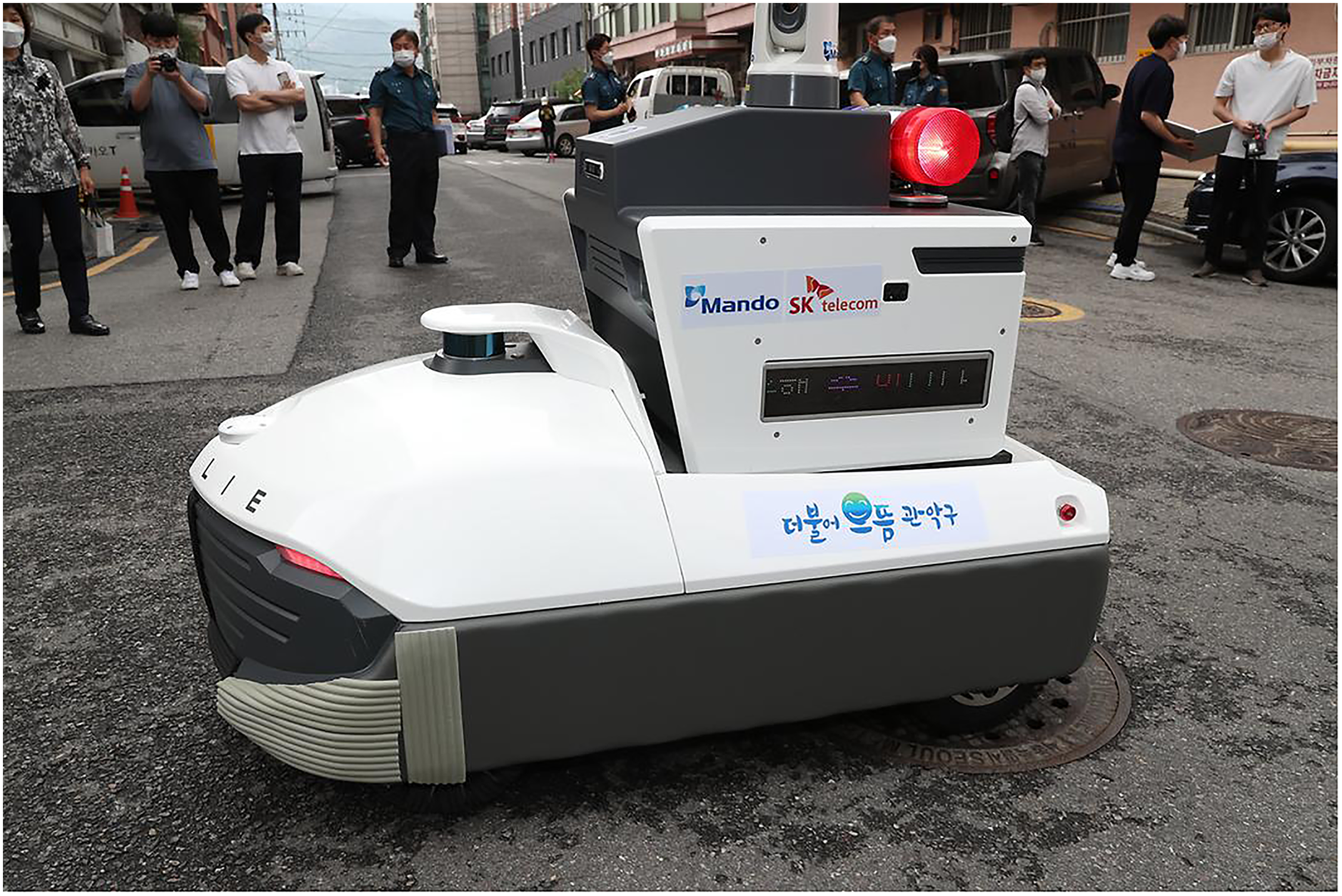
Patrol robot Goalie deployed for a trial run in Gwanak-gu, Seoul in 2022.06.16. Source: Gwanak-district office website (www.gwanak.go.kr). Accessed on November 28 2022.
The website of the robot manufacturer, Mando, greets visitors with the catchphrase “Our vision is your freedom” (see Figure 2). It exemplifies the belief driving their innovation: to expand users’ freedom by maximizing the state and vendors’ visual field. However, the promise of techno-optical safety invites critical questions about the contentious nature of this objective: Who truly benefits from the expanded surveillance system and whose freedom is increased? How does the city's heightened visibility contribute to the freedom and security of its diverse populations? The implicit belief that associates urban safety with more surveillance can be traced to urban theorist Jane Jacobs (1961, 35), who proposed that safety is enhanced when there are more “eyes upon the street.” Since then, many urban safety designs have relied on the notion that crowded spaces are safer and, therefore, the presence of more eyes on the street and more surveillance is a crucial condition for safety.

Patrol robot Goalie’s vendor HL Mando's website presents its catchphrase: “Our vision is your freedom.” Screenshot taken by the author. https://www.hlmando.com/en/main.do (accessed on Dec 11, 2022).
However, scholars have challenged these normative ideas for being deeply problematic, as they neglect the possibility that the same security mechanism could cause distress to women, especially when the crowded public space is dominated by male presence (Datta and Ahmed 2020, 73). Even with surveillance systems like CCTV and lights, the prevalence of men in crowded spaces like buses and subways can render the space unsafe for women. Datta (2020, 1332) has characterized this misalignment as a “disjuncture between clock time and social time, between incident response time and spatiotemporalities of violence,” underscoring that there is no logical or predictable pattern to violence against women that could be managed through the mere presence of surveillance technologies. It also highlights that the lived experience of gendered violence can diverge significantly from the techno-optical presence of law enforcement.
Assessing and ensuring safety involves navigating multiple perspectives and competing interests, and examining which conception of safety takes precedence in practice. It also necessitates considering how a safe environment is defined and understood by diverse individuals in the city. While the enhanced legibility of the city may help to visualize past, present, and potential future crimes through algorithms, the emphasis on visual and data-driven approaches may overlook and neglect certain aspects of safety. This is especially true for conditions that are not easily observable or quantifiable, such as domestic and gender violence, which nevertheless have a significant impact on one's experience of safety.
Another example of techno-optics of safety is the Ansimi app, a government-run, app-based location tracking service, which emerged as part of the SMG Safe City for Women 2.0 policy in 2016. 4 Following a beta-testing phase in 2017, the service was fully launched in Seoul in 2018. Notably, the word ansimi comes from the Korean word anshim, which means feeling safe, relieved, and carefree. The app works by sharing the user's location data with the local district's CCTV control center, enabling their movements to be tracked and monitored by the cameras (see Figure 3). Currently, the service utilizes approximately 70,000 public surveillance cameras that operate 24/7 across the Seoul metropolitan area. As of May 2022, the app had been downloaded over 110,000 times (Lim 2022). A similar government-run app-based service that relies on public CCTV cameras has been observed in India's “smart safe city,” as Ayona Datta (2020, 1320) has observed, which functions through “counting, measuring, and connecting the spatiotemporalities of instantaneous violence pinned on a map.”
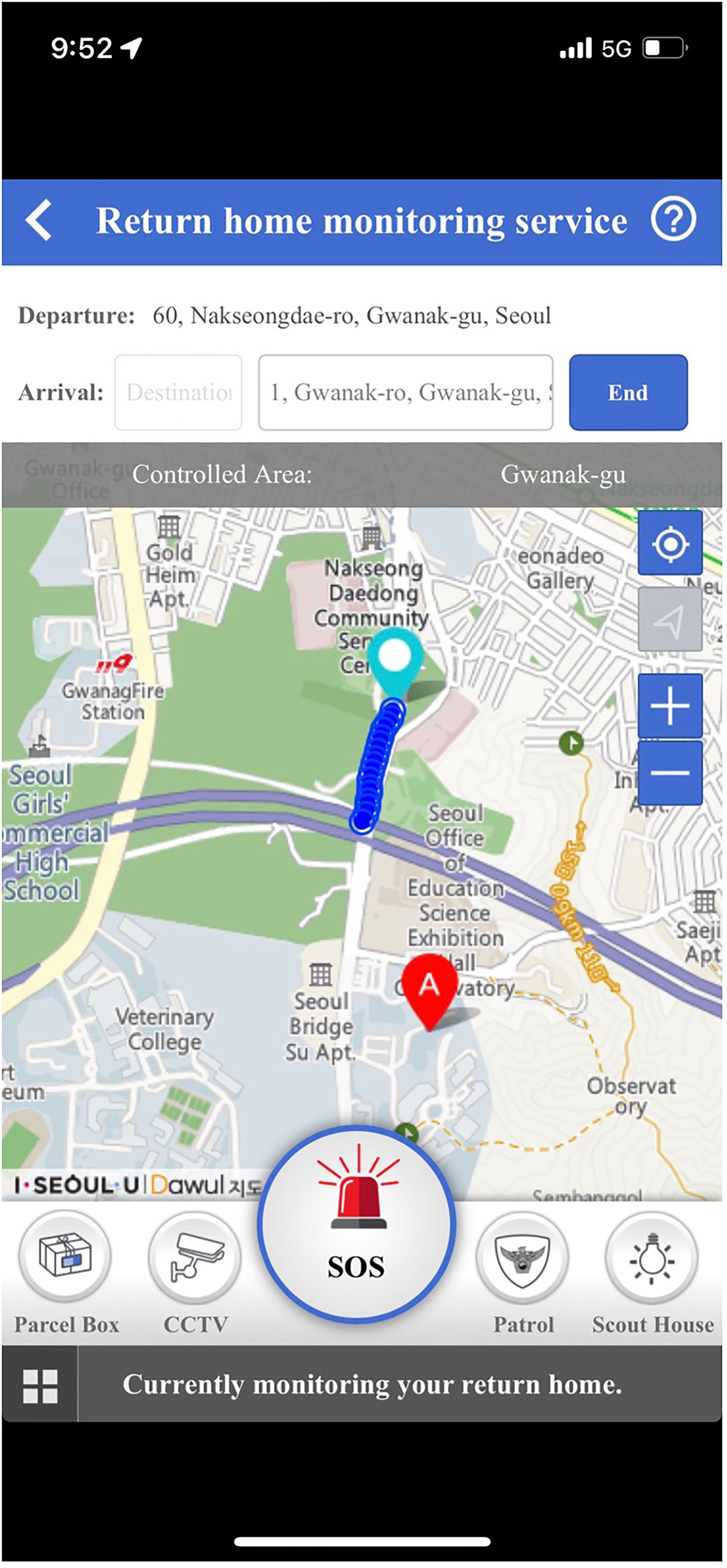
Ansimi (safety) app, developed by the Seoul Metropolitan Government (SMG) tracks the real-time location of the user. Screenshot taken from the author's phone, October 25, 2022. The service description page on Google Play for Android states that the app's purpose is to “protect all precious citizens of the city from crimes and accidents through location tracking.”
It is important to recognize that for many Koreans, there is a generalized perception of surveillance technologies, particularly CCTV, as symbols of safety. A survey conducted by the Korean Institute of Criminology and Justice (Han 2019) found that 88.9 percent of Korean adults believed CCTV to be effective in preventing and reducing the number of crimes (the distinction between men and women was not made in the source). Moreover, 65 percent of them responded positively to increasing the number of CCTV in public spaces, residential areas, schools, and childcare facilities. Despite inconclusive evidence suggesting any direct link between CCTV and crime reduction, Korean public opinion has generally held a favorable view of this technology. Consequently, the proliferation of smartphones, cameras, and micro-sensors has contributed to the sociotechnical landscape of Korean society, leading to an exponential increase in the number of street CCTV throughout the 2010s. While the specific context for the debate varies, across different domains ranging from daycare centers (Lee 2015) to surgery rooms (Park 2020), discussions in Korea have tended to revolve around the public's “right to know” and the need to address the information asymmetry between the public and the authorities. In many cases, the pursuit of greater public benefit, such as health and safety, has overshadowed individuals’ right to privacy, as shown by significant public participation in the Korean government's collection of health and vaccine records in the COVID-19 contact tracing program (Yang 2022).
A report from the Seoul Foundation of Women & Family (Kang and Moon 2017) entitled A Study on the Establishment of a Mid- to Long-term Direction for the Women's Safety Policies of Seoul Metropolitan Government [in Korean] documents that fear and anxiety are a significant part of the sensory experience of living in Seoul. The female respondents in the study said they had been exposed to various crimes and micro-aggressions throughout their lives, such as spycams, or secret photo-taking (12.2 percent), sexual harassment (49.9 percent), and unwanted touch in public transport (59 percent) (Kang and Moon 2017, 97). Notably, they also demanded more technical interventions from the city, such as installing more CCTV (52.7 percent), expanding the police force (20.3 percent), and reinforcing the community network (12.3 percent) (Kang and Moon 2017, 139–40). These findings point to a preference among Korean women for technical and legal solutions. Authors of the study acknowledge a potential reasoning behind this preference, which is that CCTV advocates often do not report the cases when the technology was not useful in catching criminals, thereby overstating its efficacy. Besides, it remains unknown how many CCTV cameras women are exposed to in their daily lives (Kang and Moon 2017, 140).
However, the prevailing portrayal of surveillance technologies as synonymous with safety has generated mixed responses and uncertainty among women. As far as the Ansimi app is concerned, women's reaction to the service have been largely ambivalent (Yoo and Dourish 2021). Some users responded positively to the techno-optics of safety associated with the app, noting that it improved their feelings of safety when walking home alone at night, as opposed to not having any assistance. However, numerous users reported on the Apple Store's review board that they struggled with significant flaws in the app, including inaccurate location tracking and frequent errors during the emergency reporting process. These technical errors could be particularly problematic when users are confronted with immediate danger and are temporarily overpowered by the criminal. Besides, the app requires a stable connection to WiFI or cellular network, which may not be reliable in public areas or narrow alleyways. These responses are consistent with other scholarly findings that question the efficacy of the safety app, which stress that these measures are not only inadequate but also perpetuate the patriarchal tendency to over-identify women as victims (Yoo and Dourish 2021) and reinforce the myth of stranger danger, without effectively preventing sexual violence (Shelby 2023; Wilson-Barnao, Bevan and Lincoln 2021).
Beyond its ineffectiveness in ensuring safety, the techno-optics of safety also presents a more significant concern by obscuring the inherent dangers associated with surveillance technologies. One pressing issue in Korea is the alarming rise of digital sexual violence facilitated by the expansion of micro-scale networked cameras in both private and public spaces. Since around 2015, there has been a rise in crimes against women involving surveillance technologies such as “spycams” used to illegally film women in public spaces, including subways, public toilets, and even in their own homes. Footage was often uploaded to the internet without the victims’ knowledge or consent, so much so that many even referred to the emerging criminal trend as an “epidemic of spycams” (called molka in Korean) (McCurry and Kim 2018). Scholars pointed out that the widespread adoption of surveillance technologies and video sharing platforms has further exacerbated the issue, becoming tools for coercing women into illegal filming, unconsented distribution, and the sale of explicit content (Jun 2022).
The evolving forms of digital sex crimes draw our attention to the fact that women's experience of techno-optics of safety is profoundly ambivalent, especially when considering the historical context of surveillance technologies used to control and display feminine bodies (Dubrofsky and Magnet 2015). Women are presented with a choice between two undesirable alternatives—either you choose to have no privacy or no safety—to embrace these technologies as a means to reclaim their agency and freedom, but at the cost of being subjected to more surveillance that datafies their body (Wilson-Barnao, Bevan and Lincoln 2021).
Again, what disappears from the discussion is the harms that technology could pose to women's safety, particularly in relation to location-based technologies that reveal where a woman is at all times (Shelby 2023, 557–58). If the primary purpose of such systems is to serve a symbolic function of creating “feelings” of safety, then we must not conflate the matter of epistemology with ontology. That is, there is a crucial difference between making certain crimes visible and mobilizing actual resources to address the root causes of crime. Without a substantial plan to negotiate the difference between them, these monitors will end up serving as a false promise of security. The unfortunate reality is that the city is collecting a huge amount of data on gender-based crimes, including locations of single-women households and frequency and locations of gender-based violent crimes, without the necessary plan to take serious actions after an incident is reported, to ensure the safety of victims, and to prevent abuses of data collected.
Managing safety at home and in public spaces
Another significant way in which techno-optics of safety intersected with daily life in Seoul is through the discourse and program of defensible spaces, which involved reconfigurations of both domestic and public spaces. For example, in November 2022, upon registering my address with Gwanak-gu office, I received a flyer outlining the district's public service program aimed at enhancing the safety of women living alone (see Figures 4 and 5). The initiative involved providing portable CCTV, door sensors, and extra locks free of charge to women-only households. This effort was part of the SMG city-wide agenda to promote women's safety, particularly to women living or conducting businesses by themselves.
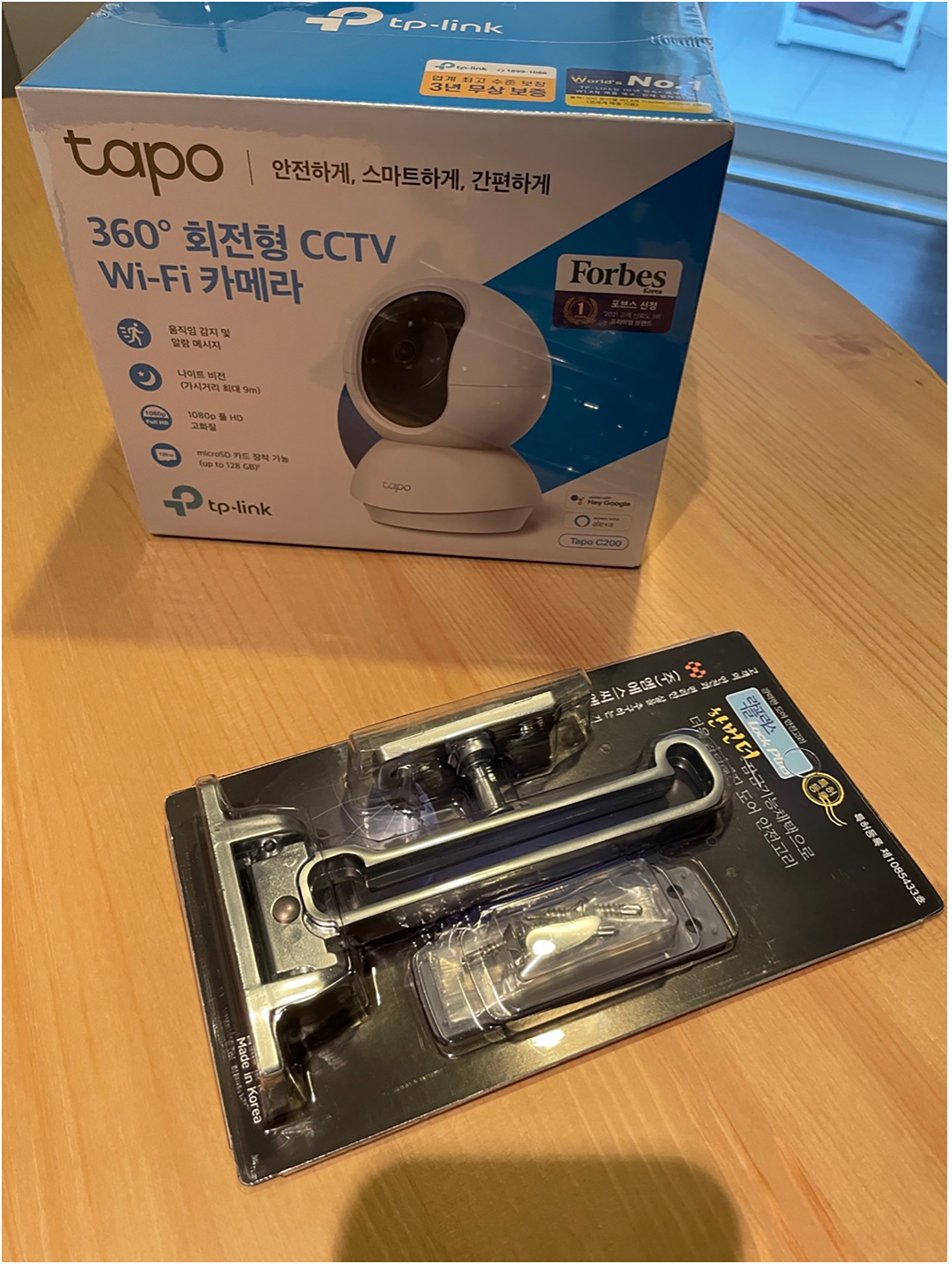
The “smart safety home kit,” including a portable CCTV and a door latch provided by Gwanak-district office. The operation of CCTV required downloading an app developed by a private vendor. Photo by the author. November 27, 2022.
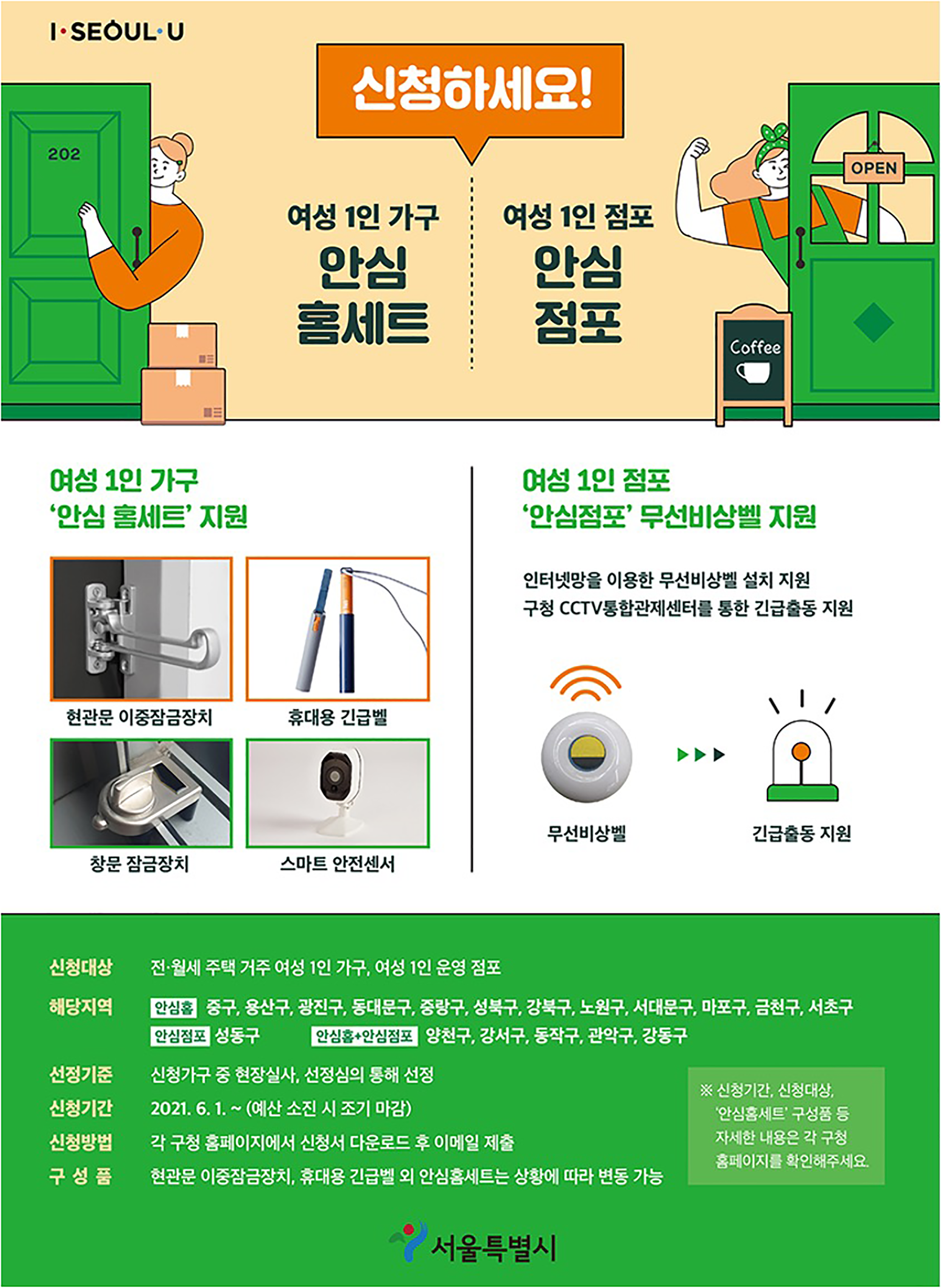
Promotional poster for enhanced safety initiatives in Seoul, featuring “smart home technologies” for single women households and businesses. Source: Seoul Metropolitan City (2021). Text in the orange speech bubble in the first panel says, “Apply!” Two green headings in the second panel: (left) Single women household, support for “safety home set.” (right) Single women business, support for “safe store wireless emergency bell.”
Summary of the text in the bottom panel: Eligible single women residing in rented accommodation and female-owned businesses can apply for a “safety home set” and a “safe store wireless emergency bell.” Candidates will be selected after a site inspection and an internal review process. To apply, download the application form from the district's official website and submit it via email. Please note: support is subject to availability and the allocated budget; and the actual component provided may vary.
Although there were slight variations across different districts in Seoul, each initiative adopted standardized strategies and deployed an array of analog artifacts including door locks, window locks, portable emergency bells and whistles, as well as smart sensors, cameras, panic buttons connected to the local CCTV control center. Through the integration of smart safety technologies in domestic spaces, home was expected to be rearranged and reimagined as the forefront of women's safety defense. This reconfiguration of the domestic sphere into a sphere of safety governance was presented as a public service by virtue of providing women with a means to empower themselves, as these programs were to be implemented at will by those in need of safety.
Hay's (2006) examination of the moral economy of homes in the context of homeland and national security imperatives in the US underscores that the application of scientific rationality to govern homes has been a longstanding objective of the government. Home, as a space of routine and lived arrangements of embodied practices, has been a site where a moral economy is mundanely enacted through daily conduct, emphasizing the need for economic efficiency, maintenance, and security (Hay 2006, 350). This tendency finds an earlier parallel in Korea, as revealed in a study by Moon Seungsook (2005), where the modernizing postwar Korean state promoted the rationalization of household management as a crucial component of national economic development and security. Both Hay and Moon's studies discuss the deeply gendered nature of these nationalist campaigns, as the responsibilities for tailoring daily practices such as cooking, shopping, and consuming various goods to meet the needs of the nation's industrializing economy, primarily fell to women. Moon explores how the Korean cultural ideal of “wise mother and good wife” [hyeonmo yangcheo] was used to facilitate economic growth, adopting scientific improvements in areas of cooking, record-keeping, recycling, and maintaining overall frugality of the household. In the process in which they were “mobilized to be domestic,” women's ability to maintain a clean and orderly home was perceived as a measure of their virtue as dutiful nationals (Moon 2005, 89–93).
The rise in the number of single-person households in Seoul has markedly amplified the demand for home security since the 2010s. Gwanak District, in particular, has the highest proportion, with people living alone in nearly 60 percent of total households (Cho 2022). Although this trend is partly attributed to the rising cost of living and highly mobile conditions of city life, for single women this living arrangement has distinct implications. As Song (2014) has shown, for single women, having a room of their own represents a form of spatial independence from the patriarchal family structure, despite the numerous challenges it presents. Within the structure of double marginality that manifests in their struggle to resist traditional hierarchy and to embody the neoliberal idea of self-sufficient selfhood, single women are finding themselves shouldering a greater personal responsibility to manage their own fiscal and physical autonomy and ensuring their personal safety, both within domestic and public spaces. In response to alarming reports of violence against women, an increasing trend among women has been to purchase self-defense and monitoring technologies, such as CCTV, door locks, and alarm systems. However, the proliferation of smart technologies across these spaces introduced new risks especially for women, as they became increasingly aware that these networked cameras are vulnerable to hacking and illegal filming of their intimate lives (Lawson 2018). The perceived risk placed even more responsibilities on women, as many resorted to covering camera lenses with towels or band-aids when they are at home (Kim 2018), and remaining vigilant about checking for hidden cameras in public restrooms (Lawson 2018).
In parallel with the imperatives focusing on personalizing the safety responsibility in domestic spaces, there have been notable changes observed in building and landscape design to embed safety in public spaces. An approach that has gained global popularity among city officials is known as Crime Prevention Through Environmental Design (CPTED). The underlying principle of CPTED is based on an “architectural-behavioral model of security,” which construes crime as taking place in the environment, rather than through the actions of individuals (Rentschler 2003). This theory, widely adopted by environmental criminology, promotes designing buildings that facilitate surveillance, cleanliness, order, and similar strategies. CPTED has given rise to a design-centered approach to addressing crime, suggesting that it is possible to create environments that can deter illegal behaviors and encourage lawful behaviors instead.
Since its introduction in Korea in the mid-2000s, the CPTED approach has been implemented in various ways, through landscaping, construction guidelines, and environmental standards. In Seoul, the government has actively deployed CPTED principles through efforts to integrate gender perspective into the urban policy and design, from the 2007 “Making Seoul a Safer City for Women” project to “Safe City for Women 2.0” in 2016 and “Safe City for Women 3.0” in 2017 (Shwayri 2019). Over the years, these initiatives have led to changes in the built environment of Seoul, including sidewalk renovations, repairs of public restrooms, and the creation of women-only apartment complexes. Additionally, new policy programs such as women-only nighttime taxis, women-only parking zones, safe parcel delivery services, and the provision of daycare centers and facilities for senior citizens have been introduced (Shwayri 2019).
Still, some researchers have pointed out that the implementation of the CPTED has largely relied on gender-neutral data. A study conducted by a research team in the city of Sejong revealed a significant gap between smart city management and gender experts, indicating that the gender perspective was not adequately reviewed or considered in the planning phase of the city's “women's safety zone” (Chang et al. 2022, 5). Certain women-friendly design principles that were initially included in the planning stage, such as after-school care for children and women's community centers, were disregarded during the actual constructing phase (Chang et al. 2022, 6). The evaluation of the effectiveness of these zones also lacked detailed analyses of women's experiences, because the focus was typically on a macro-level and hardware execution of the CPTED.
Moreover, designating a special zone for women's safety is contrary to the goal of solving the safety problem for all women. The zone serves less to prevent crime for all women than to physically displace it elsewhere, making it someone else's problem (Rentschler 2003). Instead of incorporating a gender perspective to create inclusive and safe spaces for everyone, as Carrie Rentschler (2003, 251) argues, the CPTED primarily functions as an instrument fostering a defensive “fortress mentality” within the space, premised on a generalized conception of risk that conflates the threats to the physical property with the everyday fear of violence faced by women. From this perspective, CPTED functions as a technology of separation and division, whose negative consequences affect more women and sexual minorities than men, because it fosters heightened vigilantism and division between “legitimate” and “illegitimate” users of space. 5
“Scientific security” and disparities in notions of women’s safety
It seems that the prevailing discourse of “scientific security” in Korea has reified the concept of safety in techno-optical, gender-neutral, and datafied terms. The emergence of the so-called “scientific security” [Gwahak Chian] discourse in the 1980s can be traced to the governmental and social demands for employing more datafied and thus more “civilized” forms of policing and investigation, through techniques such as fingerprinting, DNA analysis, and CCTV surveillance. These evolving techniques in policing reflected the popular tendency to perceive data as more trustworthy and objective evidence in criminal cases, compared to human accounts of incidents.
In 2022, the Chief of the Korean National Police Agency announced a blueprint for “Scientific Security 2050,” proposing to enhance its scientific security by incorporating big data and artificial intelligence (AI) in emergency call centers, CCTV control centers, and crime analysis platforms, while introducing robots, drones, and wearable equipment to field investigations (Park 2022). The National Police Agency's R&D budget has continued to grow since the 2000s, from KRW2.2 billion (USD2 million) in 2015 to KRW59.2 billion (USD59 million) in 2022 (Lee 2022).
Combined with calculative rationality and data positivism, the popular framework of scientific security views the problem of risk as the problem of managing data. Take for example the Crime Information Management System (CIMS) deployed by the Korean police since 2004, which was largely based on the NYPD's CompStat model. CIMS was later integrated into the Korean Information System of Criminal-Justice Service (KICS) in 2018, which allowed the police to collect and store enormous volumes and varieties of data. Under this system, each criminal incident comprised data including location, spatial characteristics, weather condition, specific method and tools used, amount of property damaged, victim's level of injury, nature of available evidence, victim(s) and suspect demographics, victim's relationship to the suspect, and so forth. The government's growing inclination to invest in fixing safety problems, coupled with the widespread belief that technology holds the solution to problems—regardless of how well or poorly defined they may be—has further led to an increasing demand for CCTV, to feed more data to the system. There is also a vast corporate interest in the new policing techniques, with the business of smart safety technologies projected to expand in market size to about USD8.74 billion globally by 2030, with women identified as the primary target audience (Shelby 2023).
To be clear, I am not suggesting SMG's safety policy for women has only been about physical changes and adding smart technologies. There indeed have been ongoing public campaigns such as gender-sensitivity training, and a “safe return home” service involving citizen volunteers chaperoning women returning home late at night (Shwayri 2019). I do not intend to diminish the work of actors working within and beyond Seoul's Women's Safe City 3.0 policy since 2017, who have emphasized addressing structural conditions around female oppression and a long-term view of safety as an issue of gender equality (Kang and Moon 2017). SMG's Safety City for Women policy likewise has incorporated participatory approaches and implemented several “living lab” sessions, for which participants were recruited ad-hoc to evaluate upcoming smart city designs.
It is a good start, but again, more work should be done to revisit the true objective of sessions that are largely centered on a technology-driven problem-solving approach. If the premise of holding the sessions is already set to using technology as a solution, is there room for revisiting how the problems are defined in the first place? In any case, it is important to be mindful that the mere existence of participation channels does not automatically engage citizens, and to give careful attention to where and when participation may not even be feasible, for instance for those who are most vulnerable.
According to gender policy experts interviewed for this study, there are several challenges to establishing alternative paths to making a safer city, which contrast with top-down scientific security measures. Often, community-driven strategies like community capacity building, victim's trauma support, and self-defense training receive less attention and support than initiatives like installing more CCTV and developing a safety app. These sentiments echo Rentschler's (2020) description of feminist safety protocols, which consist of subtle and habitual practices that are not easily dramatized, and thus hard to see. This is not just because technological solutions are easier and faster to adopt, but because it is difficult to envision long-term solutions, such as fostering community empowerment and capacity building, especially when there is a pressing need to engage immediately. City officials also note the difficulty of evaluating elusive social factors such as a sense of community. As a result, individuals often turn to temporary, micro-level defense tactics such as door locks, home CCTV or emergency bells, which in turn exacerbates their sense of isolation, fear, and anxiety. It seems that the scientific security discourse needs to consider a more holistic approach to safety that alleviates this conundrum. Beyond such organizational constraints, a significant degree of institutional sexism continues to reproduce patriarchal notions of security, which restrict the role of women and their mobility in space. Women are still recognized as passive recipients of government-provided safety measures instead of active agents in shaping safety policies. Part of this is due to the “all women as victims” framework, which many women have also internalized (Kwon Kim 2020). Many scholars and activists claim that despite the state and the city's recent efforts to integrate gender perspectives into security and safety, including by increasing smart safety technologies at the surface-level of the city, violence against women remains inadequately addressed. This is partly because of persistent institutional inertia that has left the occupational gender segregation intact, thereby hindering the systemic integration of gender perspectives (Choo 2019). In the meantime, the emphasis on speed, efficiency, and rationality represented by the smart safe city continues to disregard and undermine the slow temporality of infrastructural violence that affect those who are already marginalized in cities’ peripheries (Datta 2020).
Conclusion
To summarize, this paper responded to calls from critical, postcolonial, and feminist geography and STS to foreground the intersection of gender and technology in the smart safe city, with a special focus on Seoul Metropolitan City (SMG). Smart safe city and SMG's initiatives to address the safety needs of women through technological fixes epitomize a merging of various forms of marginalization experienced by Korean women. Such marginalization encompasses the enduring influence of masculine nationalism and patriarchy, which restrict women's role and spatial mobility, as well as the moral imperative to uphold the image and authority of the nation as safe and scientifically advanced.
This dynamic manifested in several ways in Seoul, including a proliferating techno-optics of safety that equates more surveillance with more safety, while overlooking the harms facilitated by these technologies. It places the onus on women to manage their safety in domestic and public spaces by adopting defensive technologies, which in turn amplified feelings of isolation and anxiety. Lastly, the prevalent discourse of “scientific security” promoted by the Korean government agencies and private vendors has effectively co-opted the significance of women's safety, largely to reinforce the moral justification for the prevalent surveillance system.
Overall, the analysis has shed light on ambivalences and disjunctures between the promise of smart safe technologies and the embedded and lived experiences of gender violence faced by women. This exploration of concurrent divergence reveals an enduring desire for optical and techno-scientific authority that manifests in ostensibly benign ways to achieve its moral legitimacy. We stress that safety is not something that can be accomplished once and for all, and that there is no evidence directly linking the increased installation of CCTV and effective crime prevention. By the same token, setting up urban living labs does not automatically engage citizens. It requires constant reflexivity and care throughout the whole process of placemaking and community building, which should go beyond simply making physical changes on buildings and streets. Making the smart city safe for women should prioritize altering people's awareness and perception of gendered violence, and institutional sexism, and strive to form networks that increase the sense of inclusivity and belonging in the community. This would enable mobilizing various resources in the process of assisting those who are more vulnerable to safety threats in our cities.
Footnotes
Acknowledgements
I would like to thank the anonymous reviewers for their comments on earlier versions of this paper. The article has been improved thanks to the attentive reading and suggestions of the editors at Science, Technology, & Human Values.
Declaration of Conflicting Interests
The authors declared no potential conflicts of interest with respect to the research, authorship, and/or publication of this article.
Funding
The author disclosed receipt of the following financial support for the research, authorship, and/or publication of this article: This work was supported by the New Faculty Startup Fund from Seoul National University.
