




Abstract
It has been 10 years since the accident at Fukushima Daiichi nuclear power plant in 2011. Large quantities of 131I, 134Cs, and 137Cs were released into the environment, and 80% of 137Cs still remains. In addition to the decrease by attenuation, the transfer of 137Cs to plants, animals, and humans is decreasing due to movement and changing fractions with elapsed time. The activity concentration of 137Cs in the atmosphere has decreased drastically, and the internal radiation dose due to inhalation is negligible. The activity concentration of 137Cs in agricultural plants is decreasing due to decontamination of soil, application of potassium, and lower levels in irrigation water. The activity concentration of 137Cs in wild animals is decreasing, and shows seasonal variation in wild boars. The activity concentration of 137Cs in offshore seawater has decreased to 0.01 Bq l−1. Therefore, the radiation dose is <1 mSv of the additional radiation dose.
1. INTRODUCTION
The most powerful earthquake in Japanese recorded history, with an epicentre offshore from Tohoku region, occurred on 11 March 2011. An associated tsunami on the northern Pacific coast of Japan brought catastrophic damage. Fukushima Daiichi nuclear power plant (NPP), a subsidiary of Tokyo Electric Power Company Holdings (TEPCO), lost all power due to damage caused by the tsunami, and the cooling systems shut down completely. Large quantities of radionuclides were released into the environment and deposited to the north-west and around of Fukushima Daiichi NPP in March 2011 (Chino et al., 2011). Caesium-137 was the main radionuclide released and has been present for a long-term. It is an important radionuclide for the assessment of radiation exposure of the public. Ambient dose rates have been decreasing with the passsge of time (Nuclear Regulation Authority, 2020) due to attenuation of radiocaesium activity concentration and movement of radiocaesium in the environment. This study describes changes in the 137Cs activity concentration in the environment and in fractions, and calculates internal radiation doses from the ingestion of food.
2. METHODS
Environmental samples including airborne particles, soil, agricultural crops, irrigation water, wild animals, marine water, and marine biota were collected as mentioned in each publication. After pre-treatment and pulverising, samples were compressed into plastic vessels and measured with a Ge detector connected to a multi-channel analyser system. A more detailed methodology is given in each reference with data.
3. RESULTS AND DISCUSSION
The activity concentration of 137Cs in the atmosphere decreased drastically within a few months of the accident (Fig. 1; Kitayama et al., 2014, 2016; Namie Town, 2020). The activity concentration of 137Cs was >10 mBq m−3 in Fukushima-shi in April 2011, and then decreased rapidly to approximately 0.1 mBq m−3. The activity concentration of 137Cs near Fukushima Daiichi NPP is higher depending on the distance from the NPP. The level remains similar at each site.
Trend in the activity concentration of 137Cs in the atmosphere, 2011–2020. Values are mean (range) activity concentration.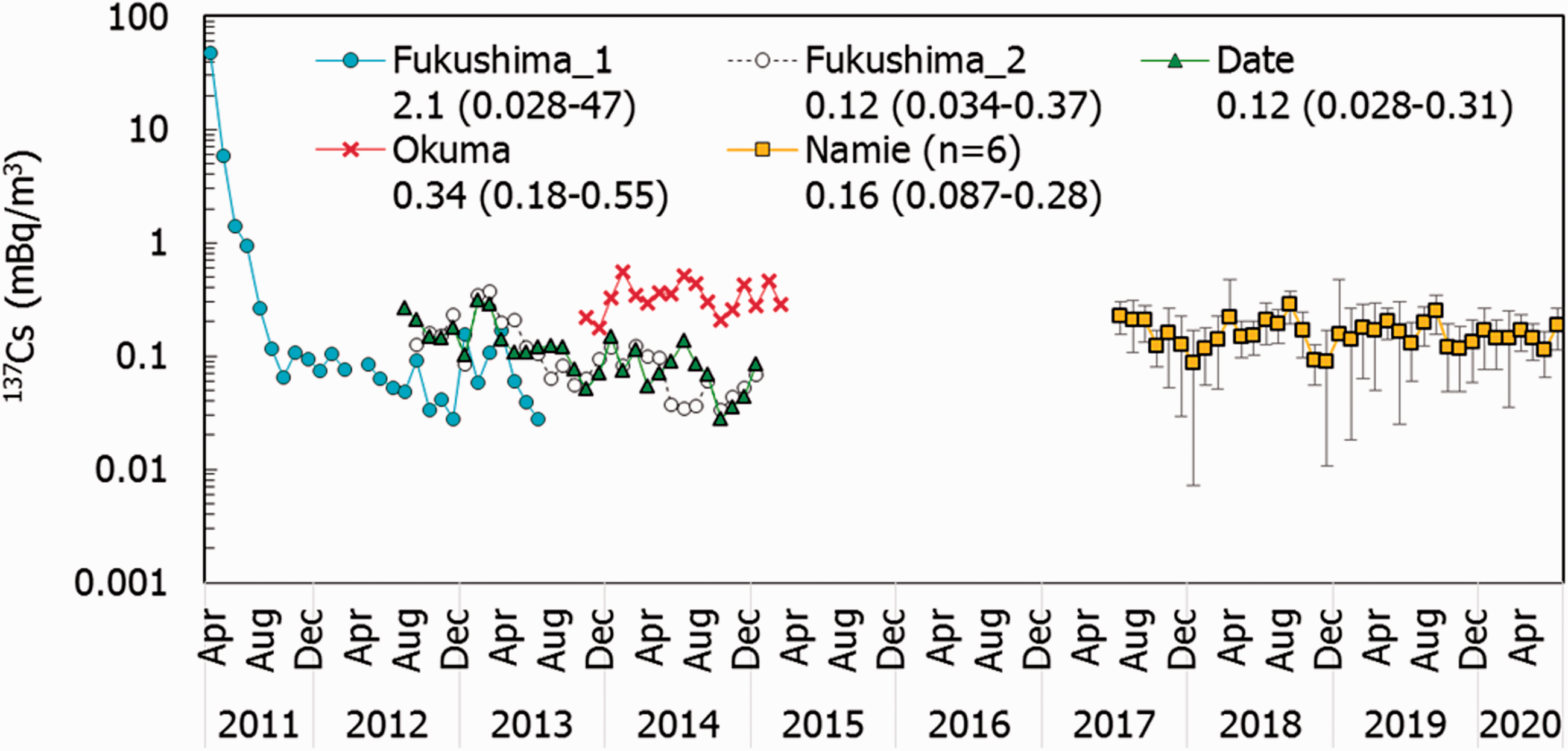
Most 137Cs deposited in forest soil still remained on the surface 5 years after the 2011 accident (Fig. 2). The 137Cs in paddy fields is evenly distributed in the cultivated layer (depth of 0–15 cm) due to ploughing. Radiocaesium in paddy field soil is strongly bound-to-clay in the frayed edge sites (Tsukada et al., 2008, 2011; Yamaguchi et al., 2017). Distribution of 137Cs in the exchangeable fraction decreased with time since the accident (Takeda et al., 2013; Tsukada, 2014).
Vertical distribution of the activity concentration of 137Cs in paddy field and forest soil in 2016.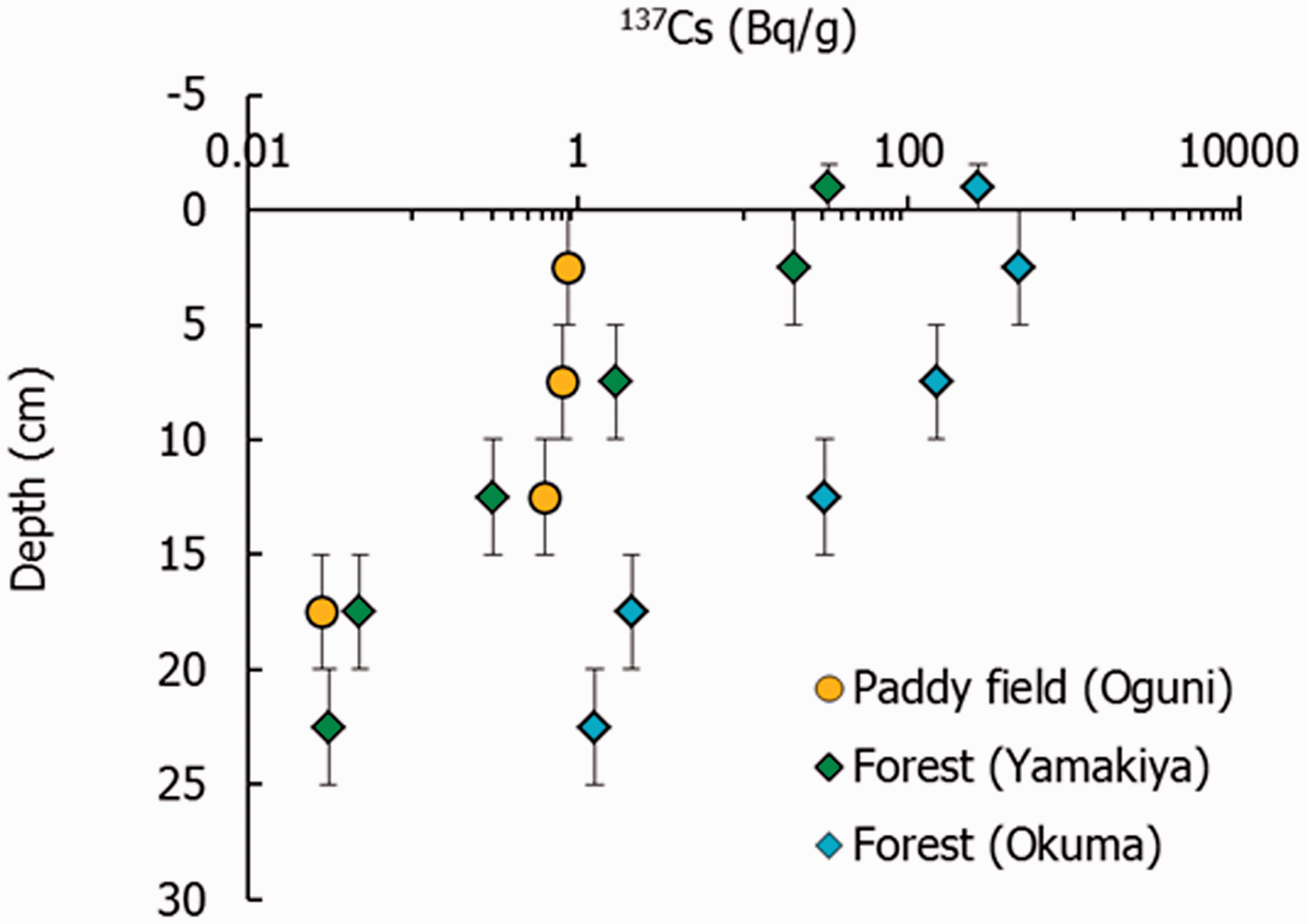
The activity concentration of 137Cs derived from global fallout of atmospheric nuclear weapons tests in paddy field soil decreased gradually with the passage of time before the accident in 2011 (Fig. 3). The mean activity concentration of 137Cs in paddy fields collected throughout Japan increased to 43 Bq kg−1 in 1963 and then decreased to 8.4 Bq kg−1 in 2000 (Komamura et al., 2005). The mean activity concentration of 137Cs in 2011 increased to 43 Bq kg−1 (MEXT, 2013). The reported activity concentration of 137Cs in a few paddy fields from Fukushima in 2011 and 2013 before decontamination was several hundreds to thousands of Bq kg−1 (Saito et al., 2014; Tsukada and Ohse, 2016).
Trend in the activity concentration of 137Cs in paddy field soil before decontamination lack of Fig. 3.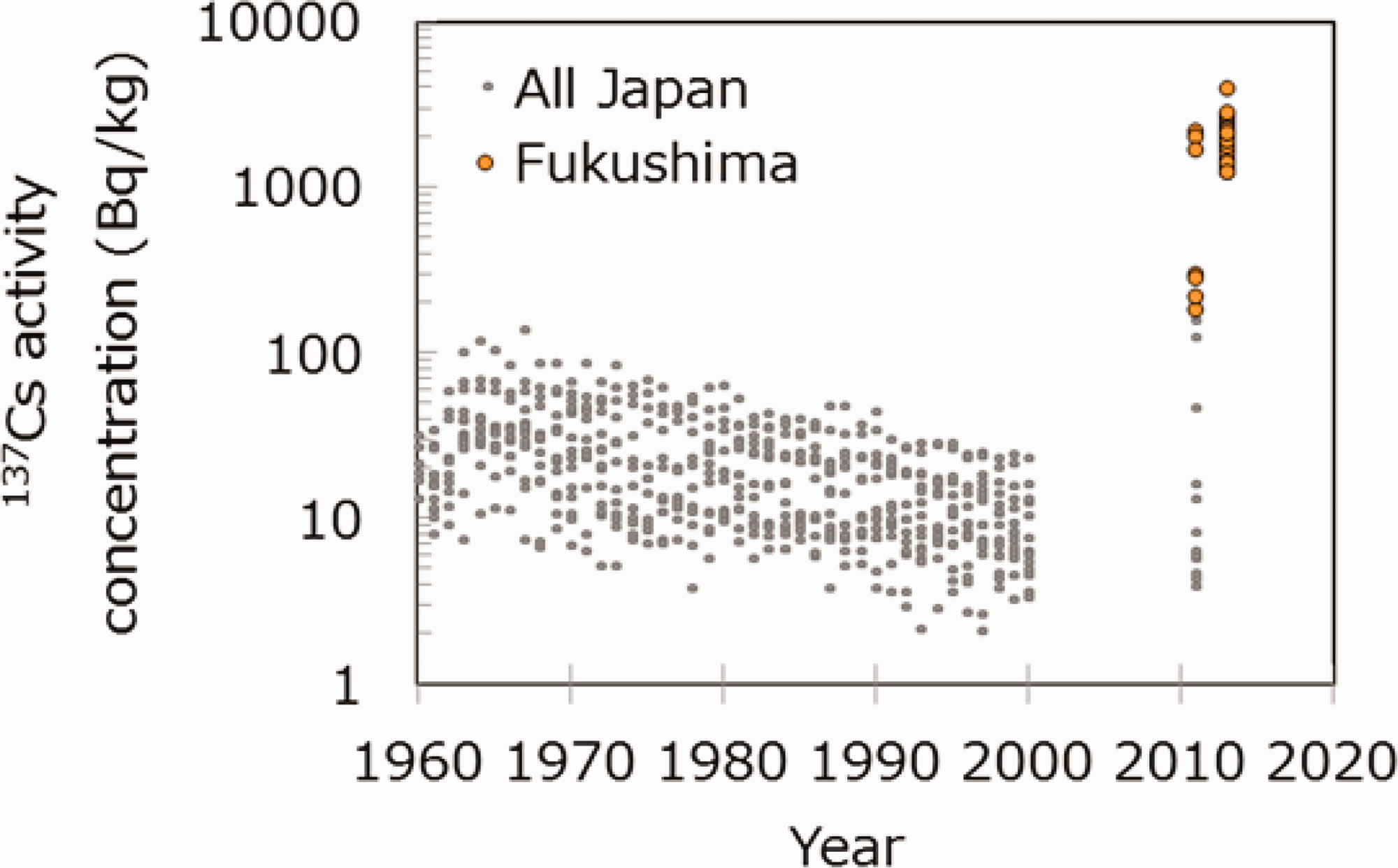
Activity concentration of 137Cs in dissolved and suspended fractions collected from 80-km zone around Fukushima Daiichi nuclear power plant.
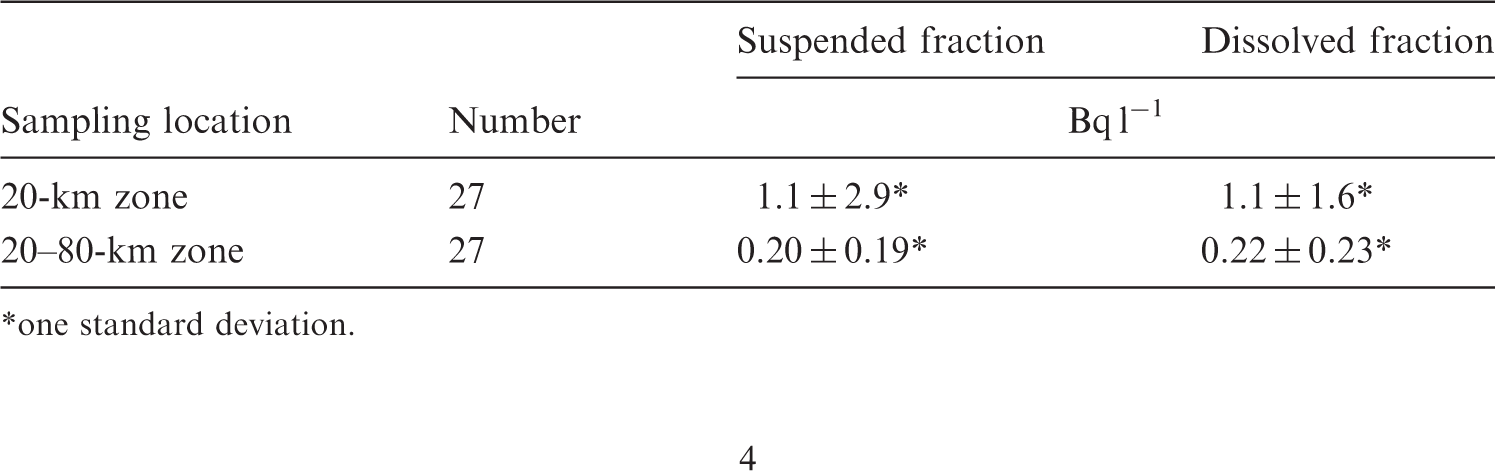
one standard deviation.
Inspection of radionuclides has been undertaken in Japan. Approximately 10 million 30-kg bags of unpolished rice in Fukushima were measured every year, and no rice samples have been over the standard limit (100 Bq kg−1) since 2015. Rice harvested in general paddy fields has been collected throughout Japan and monitored for levels of 137Cs and 90Sr since 1965 (Fig. 4). The mean activity concentration of 137Cs in unpolished rice decreased from 1.5 Bq kg−1 fresh weight in 1965 to 0.10 Bq kg−1 fresh weight in 2010, and the level of 137Cs collected from Fukushima was within the range in Japan. The mean concentration of 137Cs in unpolished rice in Fukushima was up to 10 Bq kg−1 fresh weight in 2011. However, it has been <1 Bq kg−1 fresh weight since 2013, which is similar to values from the 1960s and 1970s. The activity concentration of 90Sr in crops collected from Fukushima was similar to that in crops collected throughout Japan, which suggested that 90Sr was not derived from the 2011 accident but the global fallout in the 1950s and 1960s (Tsukada et al., 2016).
Trend in the activity concentration of 137Cs in unpolished rice in Japan (Tagami et al., 2018).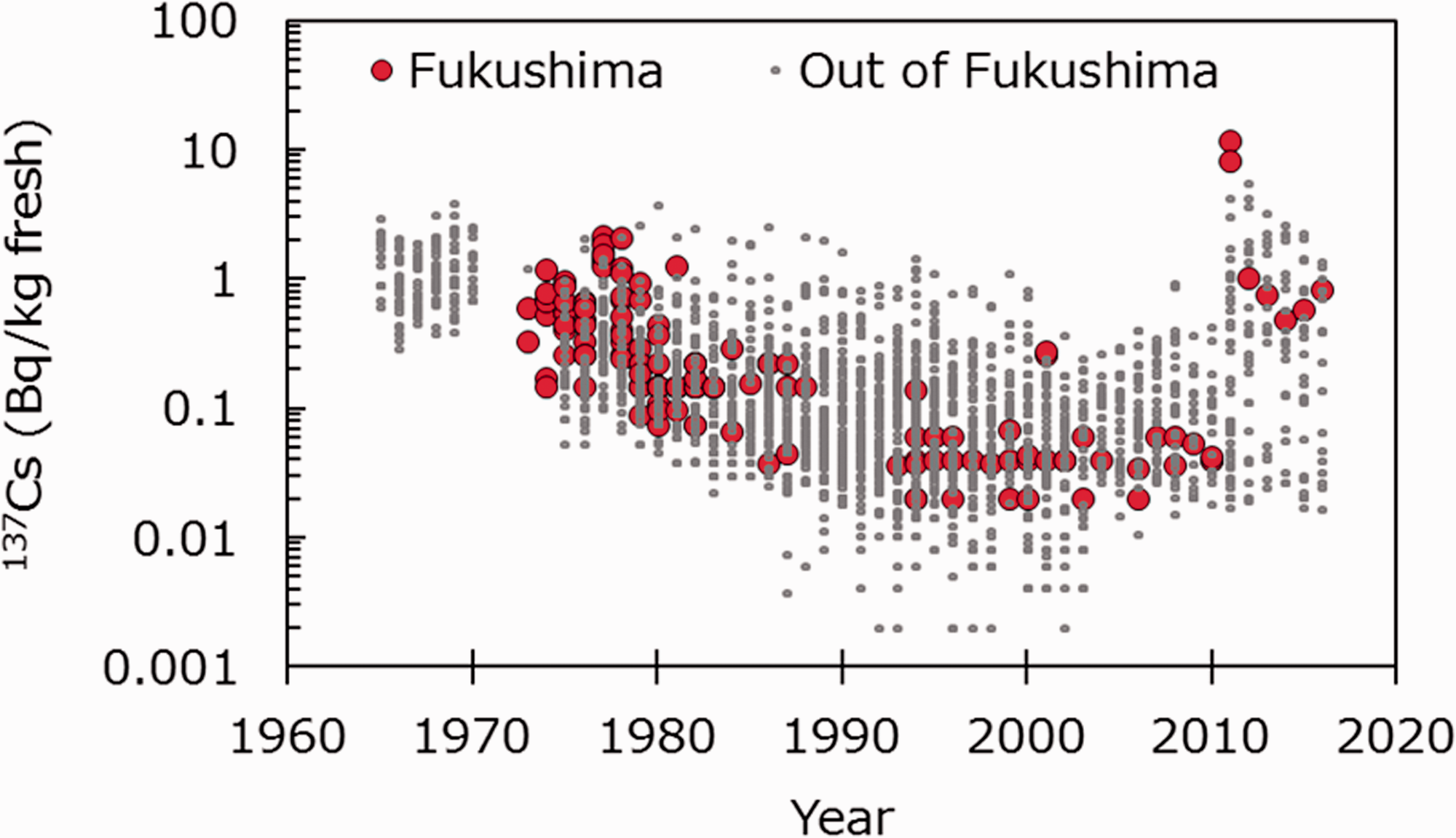
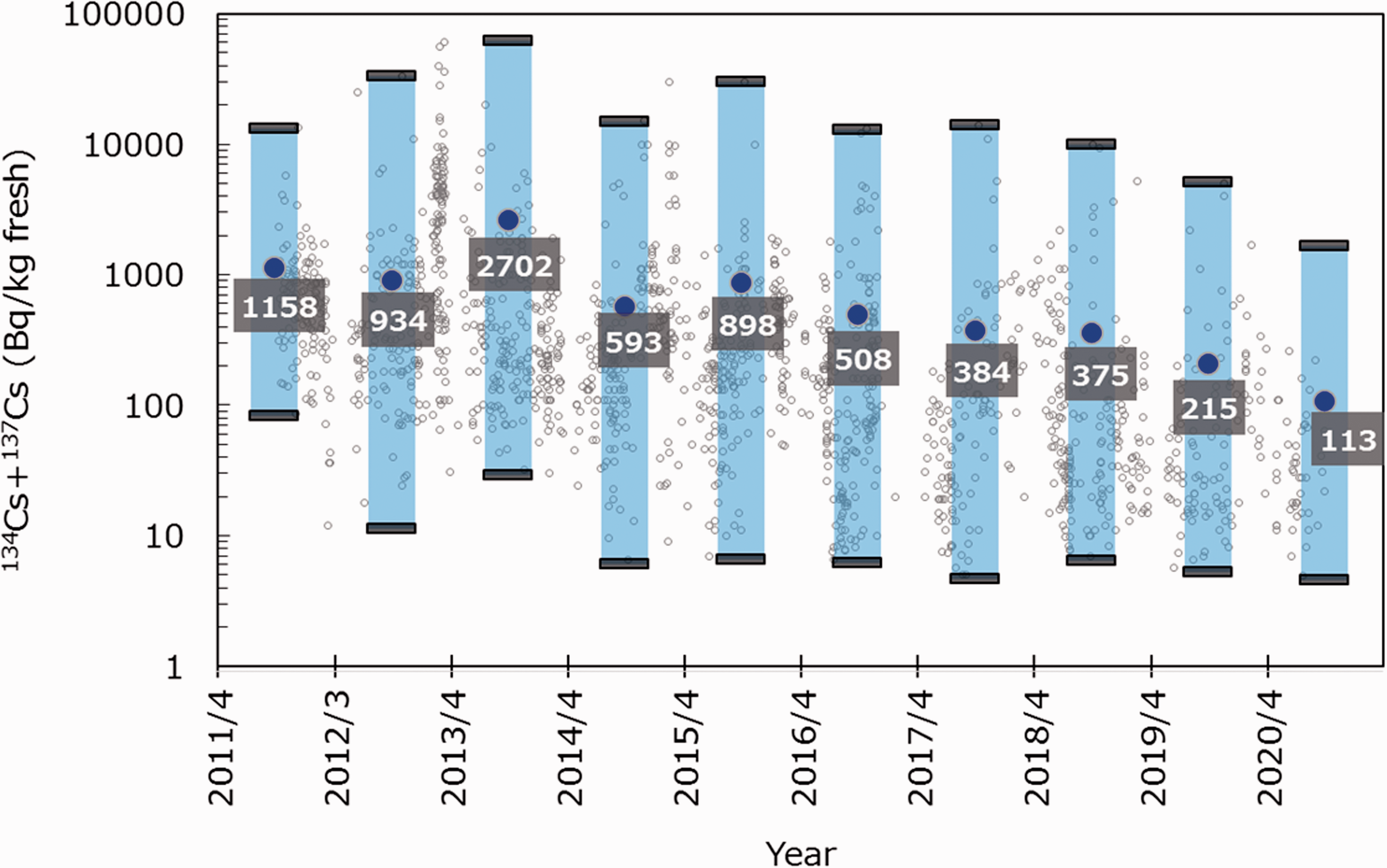
Wild animal populations have been increasing in the evacuation zone of Fukushima (Lyons et al., 2020). The activity concentration of radiocaesium in wild animals increased after the 2011 accident (Fig. 5), and it is forbidden to hunt wild animals for food. The activity concentration of radiocaesium in wild boar is higher and has a wider range compared with other wild animals. However, the activity concentration of radiocaesium in wild boar decreased from 1160 Bq kg−1 fresh weight in 2011 to 113 Bq kg−1 fresh weight in 2020 (Fig. 6).
Activity concentration of 134Cs and 137Cs in wild animals collected in Fukushima from 2011 to 2015. Values in parentheses indicate the number of samples (Fukushima Prefecture, 2000). Trend in the activity concentration of 134Cs and 137Cs in wild boar collected from Fukushima (Fukushima Prefecture, 2000).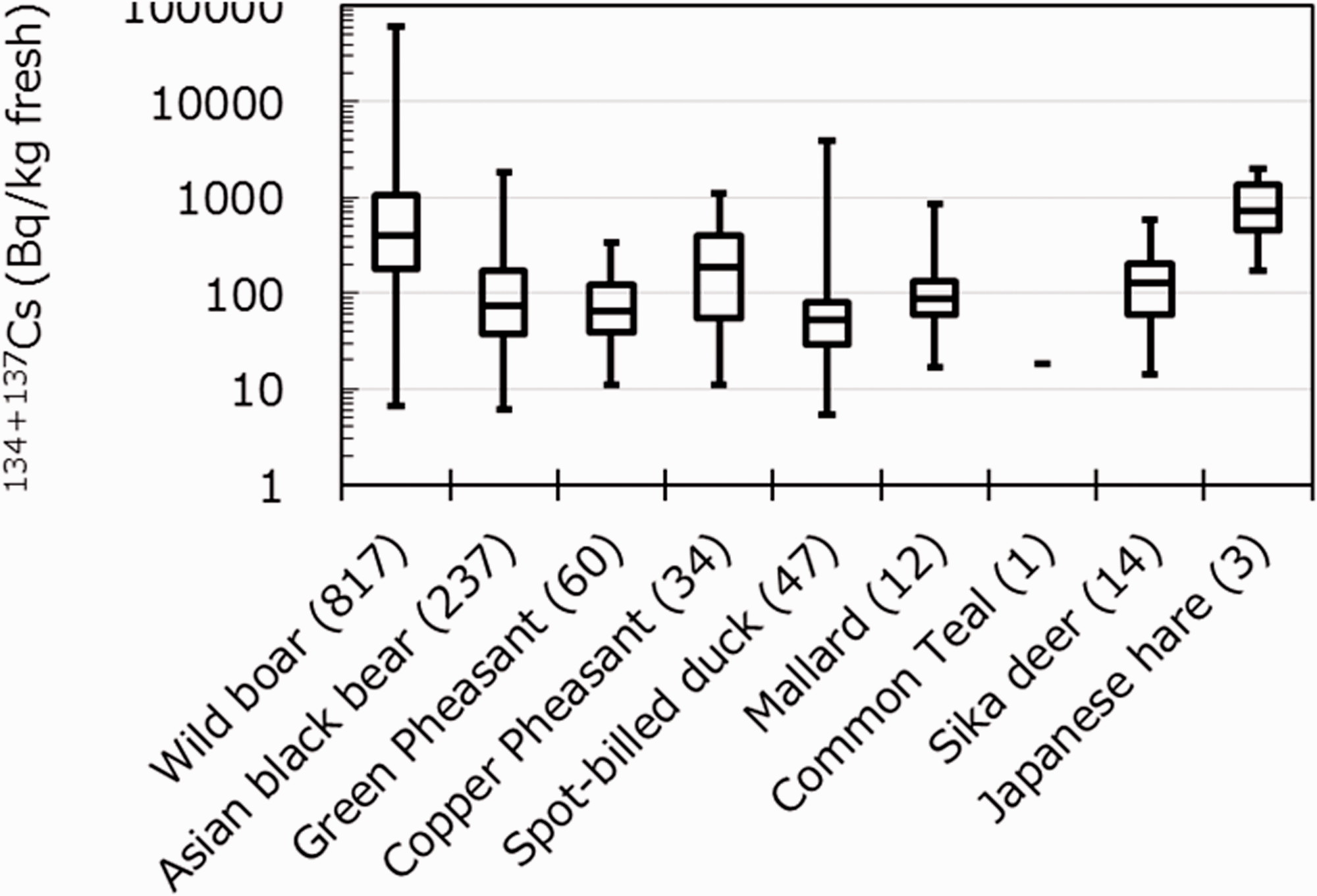
Nemoto et al. (2018) indicated that the activity concentration of 137Cs in wild boar and Asian black bear collected from Fukushima shows seasonal variation. This seasonal variation differed between species, and the variation was assumed to reflect species-specific factors, such as eating habits and behaviour. The activity concentration of radiocaesium in wild boar was lower from April to August, and higher from September to November, and this remained higher until March (Fig. 7).
Seasonal variation in the activity concentration of 134Cs and 137Cs in wild boar (Fukushima Prefecture, 2000).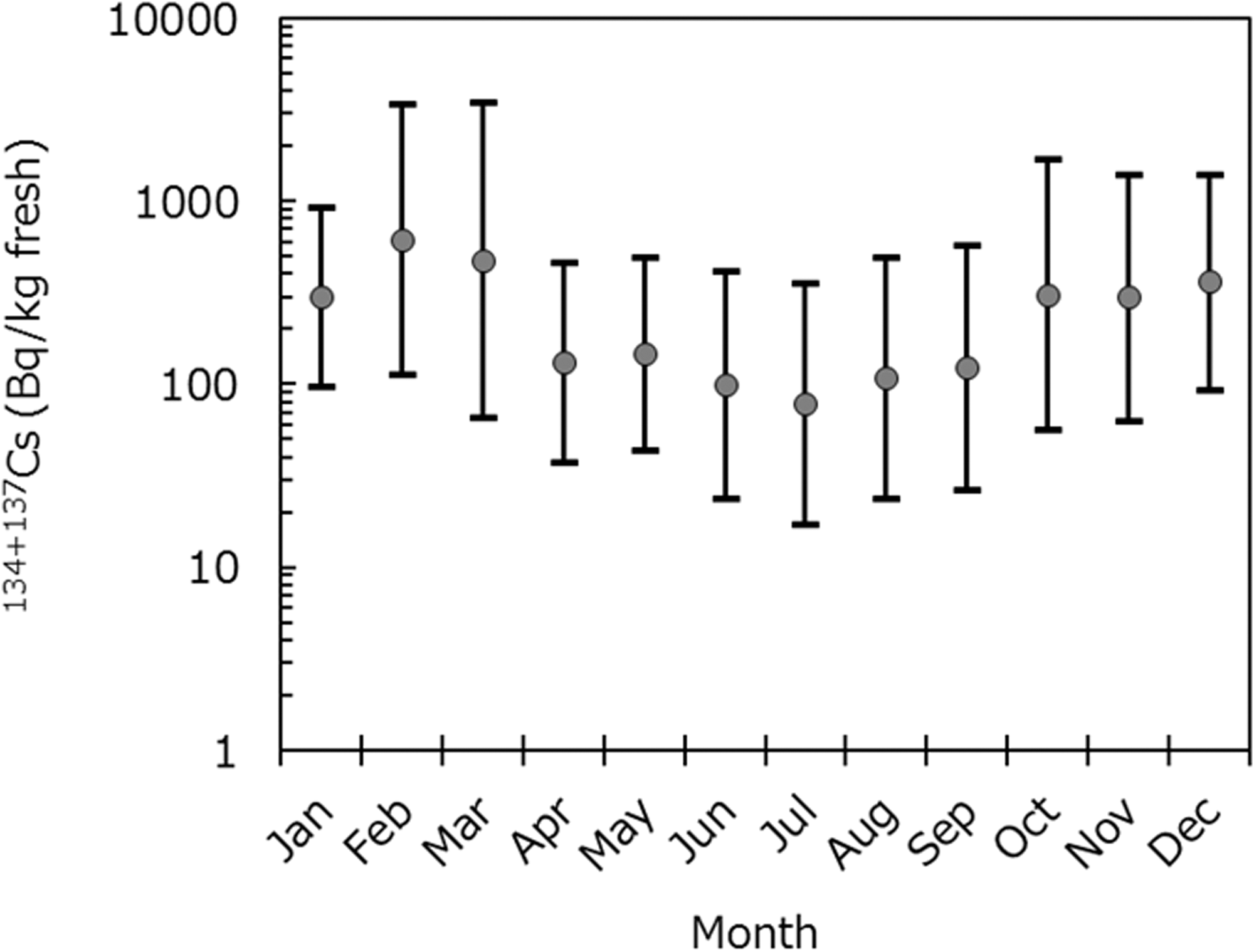
Long-term trends in the activity concentration of 137Cs in surface seawater (Takata et al., 2018) and marine biota (Takata et al., 2019) have been reported previously. Before the accident at Fukushima Daiichi NPP in 2011, the activity concentration of 137Cs, mainly from the global fallout derived from atmospheric nuclear weapons tests, was decreasing exponentially. Following the accident, the activity concentration of 137Cs in seawater off the coast of Fukushima and neighbouring prefectures increased immediately. Since May–June 2011, the activity concentrations of 137Cs have been declining there, and they are now approaching pre-accident levels (Fig. 8).
Long-term trend in the activity concentration of 137Cs in surface seawater off the coast of Fukushima and neighbouring prefectures (Takata et al., 2018).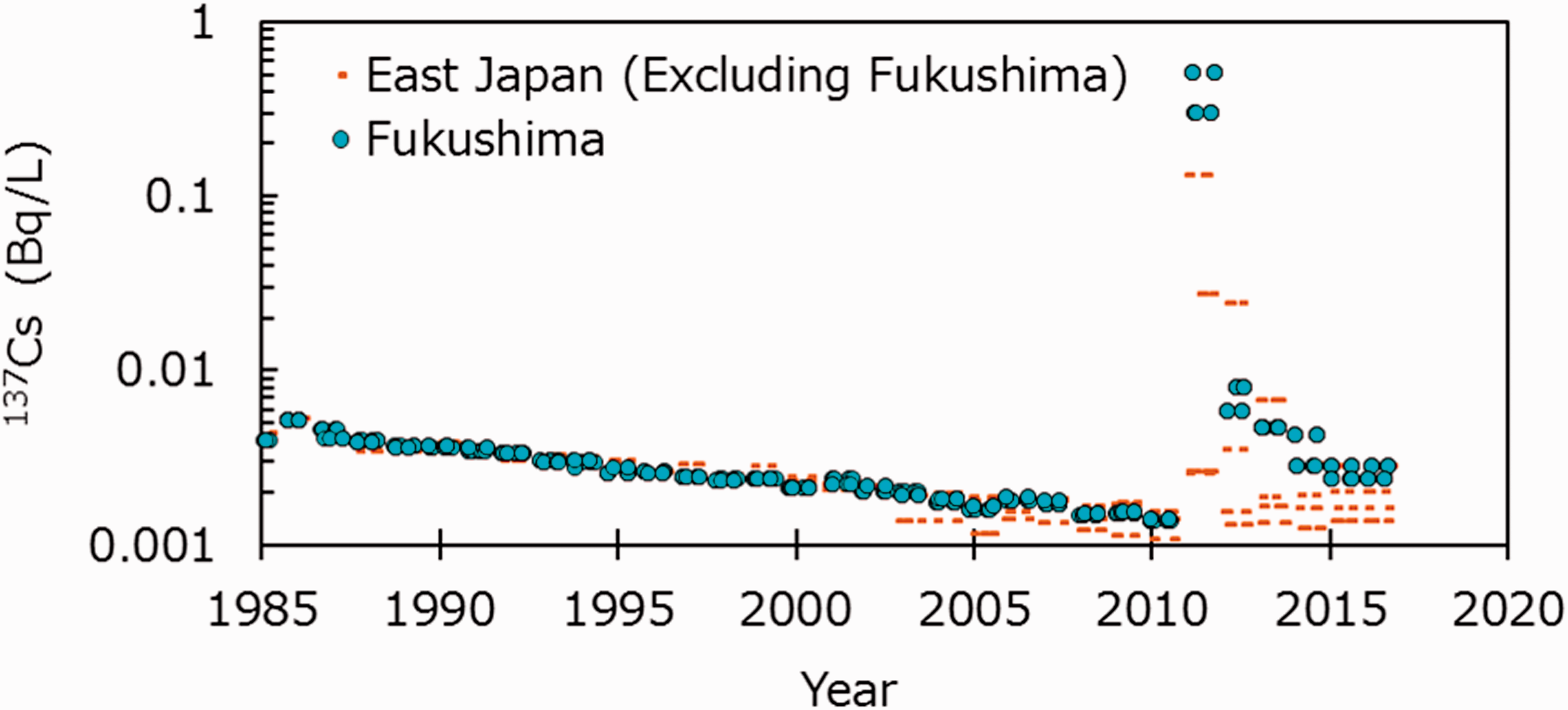
The activity concentration of 137Cs in marine biota increased temporarily to 0.74 Bq kg−1 fresh weight after the Chernobyl NPP accident in 1986. The following year, the activity concentration of 137Cs returned to the pre-accident level. After the 2011 accident at Fukushima Daiichi NPP, the activity concentration of 137Cs in marine biota increased all around Japan. Almost all fish examined in eastern Japan had remarkably elevated levels of 137Cs after the accident. The influence of the 2011 accident on marine biota varied greatly depending on the distance from the initial deposition area and subsequent transport of contaminated water by ocean currents. The initial activity concentrations in the samples collected from the East Pacific were relatively high, ranging from 0.2 to 110 Bq kg−1 fresh weight just after the accident and decreasing to 0.04–3.04 Bq kg−1 fresh weight in 2016 (Fig. 9).
Long-term trend in the activity concentration of 137Cs in marine biota (mainly fish) collected from off the coast of Fukushima and neighbouring prefectures (Takata et al., 2019).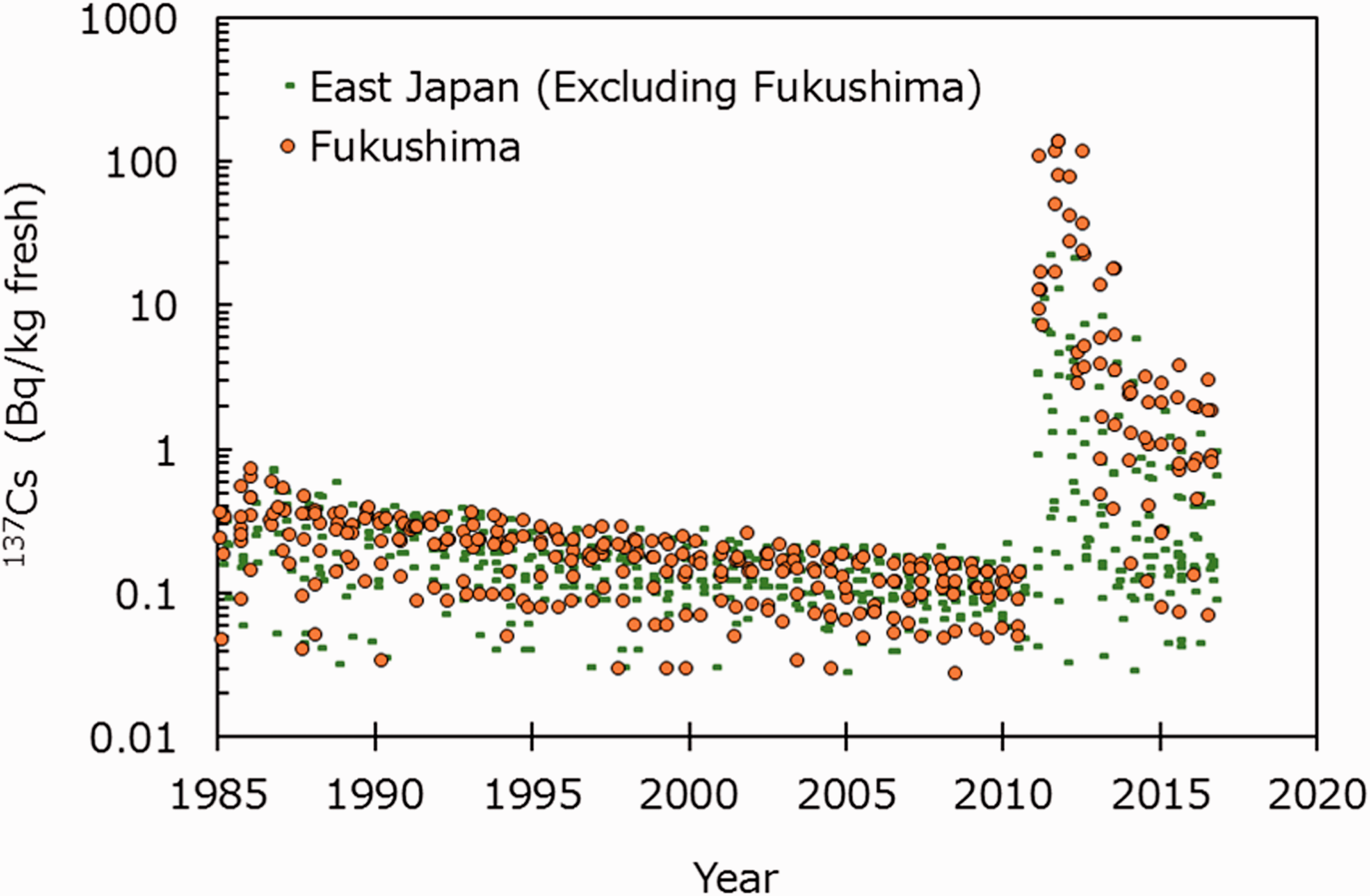
Activity concentration of radiocaesium in crops collected from Nakadori and Hamadori in Fukushima Prefecture, and internal radiation doses from the ingestion of crops.
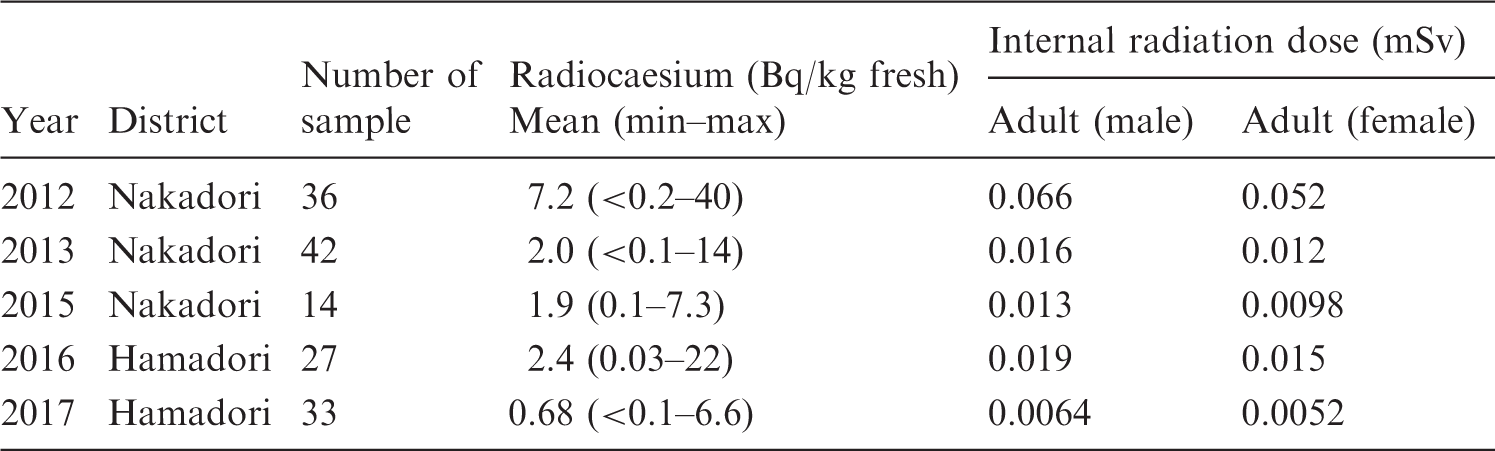
Internal radiation doses (committed effective dose) for adult males and females (>19 years of age) were 0.066 and 0.052 mSv year−1, respectively, in 2012, and decreased rapidly to 0.016 and 0.012 mSv year−1, respectively, in 2013. The internal radiation dose from radiocaesium in Fukushima Prefecture in 2012 was 0.0039–0.0066 mSv year−1 according to the market basket method (MHLW, 2020), which was one order of magnitude lower than that in this study. This is attributed to the fact that foods collected using the market basket method usually included products from Fukushima Prefecture and elsewhere, and the activity concentration of radiocaesium in the foods decreased by market dilution. The agricultural samples collected in this study were limited to those produced in Fukushima Prefecture and were not influenced by the market dilution effect. Internal radiation doses from radiocaesium by the duplicate diet method in Fukushima Prefecture were reported to be 0.0022 mSv year−1 in 2012 (MHLW, 2020), which was still lower than that using the market basket method due to the reduction by food and culinary processing. Internal radiation doses for adult males and females using the activity concentration of radiocaesium in agricultural and livestock products collected from local markets in Fukushima alone were 0.019 mSv (male) and 0.015 mSv (female) in 2016. These values are sufficiently low compared with 1 mSv and are still decreasing dependent on the activity concentration of radiocaesium.
Internal radiation doses due to inhalation using the data described previously had negligible values since 2012. The external radiation dose in Fukushima-shi in 2014 was 0.44 mSv, which represents >95% of the total radiation dose, with the internal radiation dose from ingestion of foods accounting for <5% (Tsukada, 2019).
Footnotes
Acknowledgements
This work was supported, in part, by a grant from MHLW KAKENHI. The author wishes to thank Dr P. Lattimore for his useful suggestions and comments; and Drs K. Tagami, R. Saito, and H. Takata for their support in the collection of environmental monitoring data.
This paper does not necessarily reflect the views of the International Commission on Radiological Protection.