




Abstract
In 2005, the International Commission on Radiological Protection (ICRP) decided to create a new committee, Committee 5, to take charge of the Commission’s work on environmental radiological protection. Committee 5 was tasked with ensuring that the system for environmental radiological protection would be reconcilable with that for radiological protection of humans, and with the approaches used for protection of the environment from other potential hazards. The task was completed over three consecutive terms, resulting in inclusion of protection of the environment in the 2007 Recommendations; in ICRP Publications 108 and 114 where the concept of Reference Animals and Plants (RAPs) and their corresponding data were described; in ICRP Publication 124 on how to apply the system in planned, existing, and emergency exposure situations; and in publications on improved dosimetry (ICRP Publication 136) and ecologically relevant ‘weighting factors’ for different types of radiation (being finalised for public consultation). With the beginning of this new term, ICRP has moved to integrate its approach to protection of humans and the environment within the system of radiological protection by tasking aspects of an integrated system to each of the committees. Acknowledging that Committee 5 had fulfilled its mission, in 2016, ICRP revised the mandates for the committees effective of 1 July 2017 (the mandate for Committee 3 was also widened to include exposures incurred in veterinary practice). ICRP is moving towards the future, building on the previous successes, and will under these revised mandates approach radiological protection in a holistic manner (an integrated system) where appropriate consideration is given to the understanding of exposures and effects in the environment under different exposure situations and scenarios, and what protective actions might be warranted under such circumstances.
1. THE SYSTEM FOR ENVIRONMENTAL RADIOLOGICAL PROTECTION
In 2005, the International Commission on Radiological Protection (ICRP) decided to create a new committee, Committee 5, tasked with ensuring that the system for environmental radiological protection would be reconcilable with that for radiological protection of humans, and with the approaches used for protection of the environment from other potential hazards. In its 2007 Recommendations (ICRP, 2007), ICRP included the protection of the environment, as distinct from human radiological protection, for the first time.
1.1. Foundations of the framework for protection of the environment
Foundations of the system were established in Publications 91 (ICRP, 2003), 108 (ICRP, 2008b), and 114 (ICRP, 2009) where the framework for protection was examined, and the concept of Reference Animals and Plants (RAPs) and their corresponding data were described. Also included were derived consideration reference levels (DCRLs), which are bands of environmental dose rates where potential detrimental effects may deserve attention. Publication 124 (ICRP, 2014) described how to apply the system in planned, existing, and emergency exposure situations considered by ICRP.
The framework for protection of the environment drew upon the philosophy and approach which had been taken to protect humans, while still allowing beneficial actions involving radiation and radiation exposure (Pentreath, 2009). The long-established system for protection of humans incorporated an approach that relates radionuclide exposure to dose, and dose to effects. Human exposure, dose, and effects are interpreted through idealised constructs of reference individuals (Reference Male, Reference Female, or Reference Person), which enables the derivation of dose limits, constraints, or reference levels (Fig. 1).
An illustration of the approach to deriving numerical advice used to protect humans from radiation exposure, after Pentreath (2009).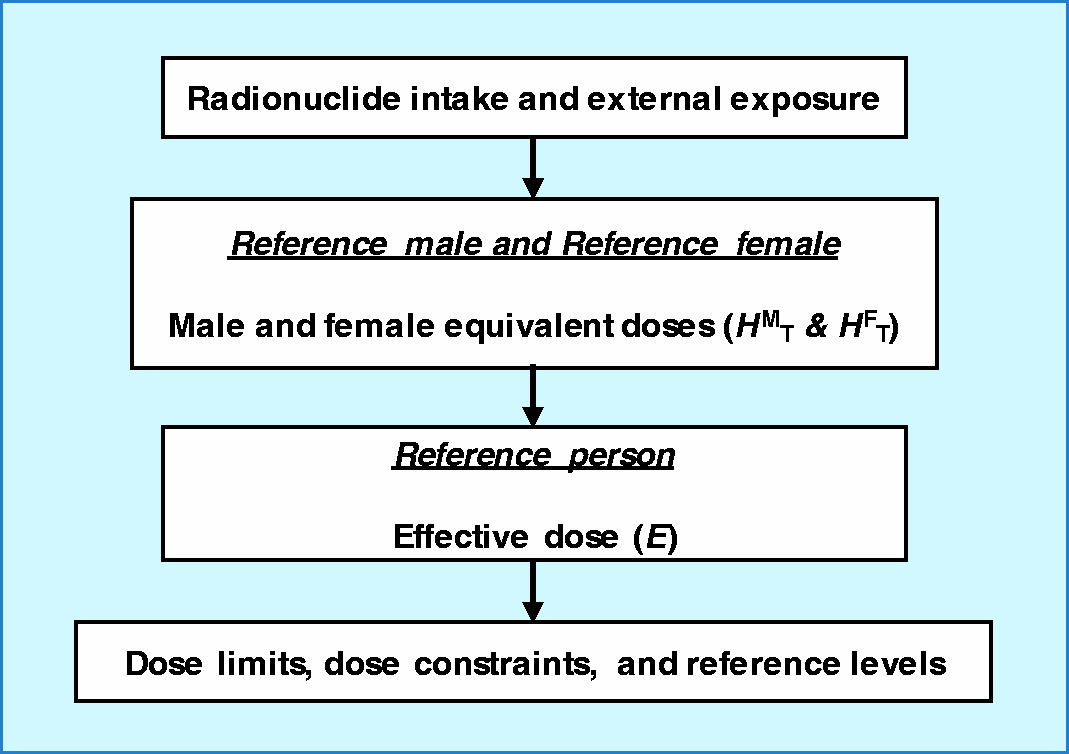
The idealised constructs of Reference Male, Reference Female, and Reference Person have been used to develop the architecture for estimating exposure and dose. The protection of the public is achieved with the Representative Person, which can be a real individual or a hypothetical construct (ICRP, 2006; Pentreath, 2009). This person embodies the characteristics, such as location and food consumption, which are typical of highly exposed groups. It is this group which is then used to evaluate exposure and assess compliance with the exposure situation under consideration (Fig. 2).
The points of reference for protection of the public, after Pentreath (2009).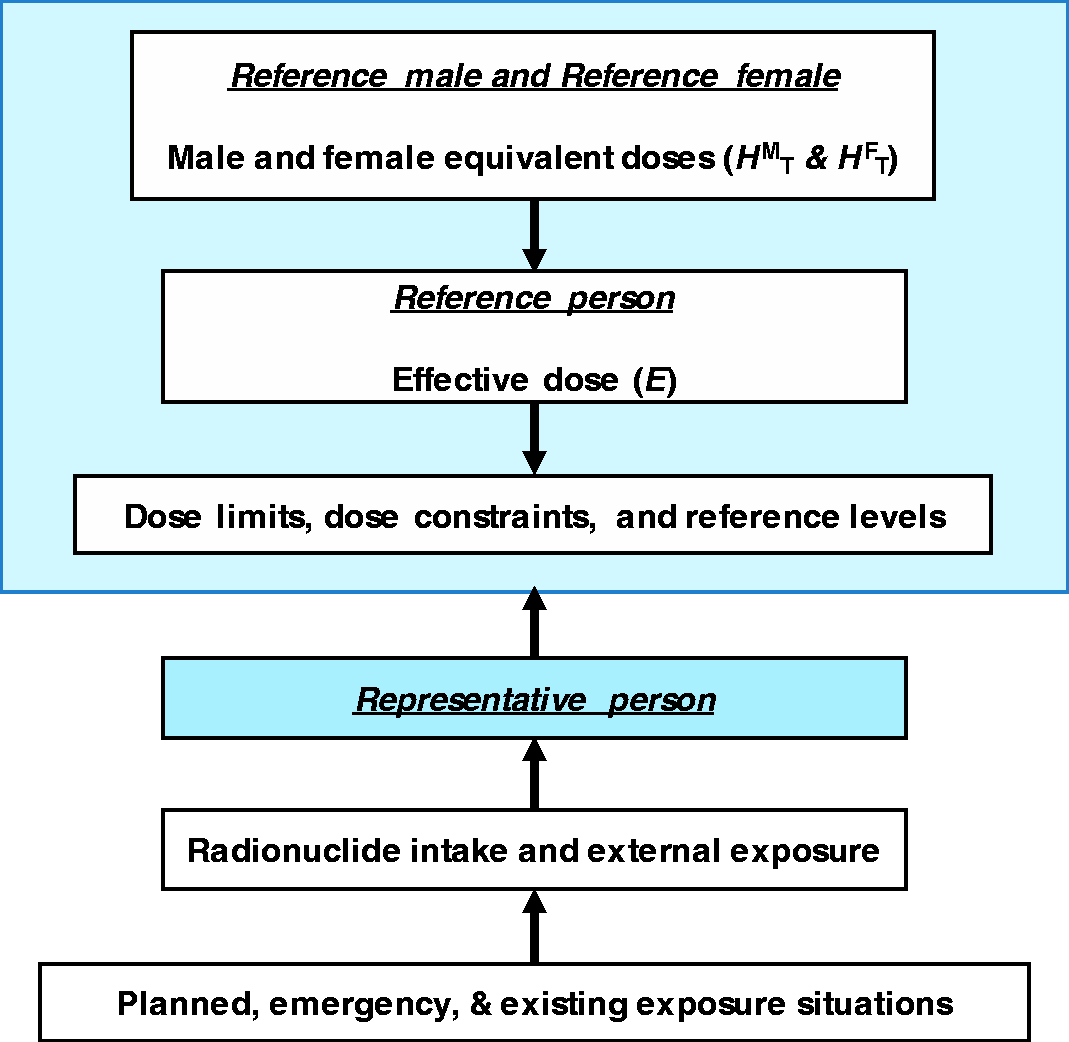
In a manner analogous to the derivation of protection guidance for humans, ICRP relied on the use of RAPs. This concept was presented and explored in detail by ICRP in Publication 108 (ICRP, 2008b). The RAPs were analogous to Reference Male, Reference Female, and Reference Person, as described in Publication 89 (ICRP, 2002). The protection of the environment under actual exposure conditions could then be evaluated through the Representative Organism, in a manner similar to that used for human protection (Fig. 3). A key difference was that, at the time this system was proposed by ICRP, no radiation or tissue weighting factors were included in the dose assessment (ICRP, 2008b). Another distinction is that rather than using dose limits, dose constraints, or reference levels, ICRP developed the concept of DCRLs (ICRP, 2008b).
An illustration of the approach to deriving numerical advice used to protect the environment from radiation exposure, after Pentreath (2009).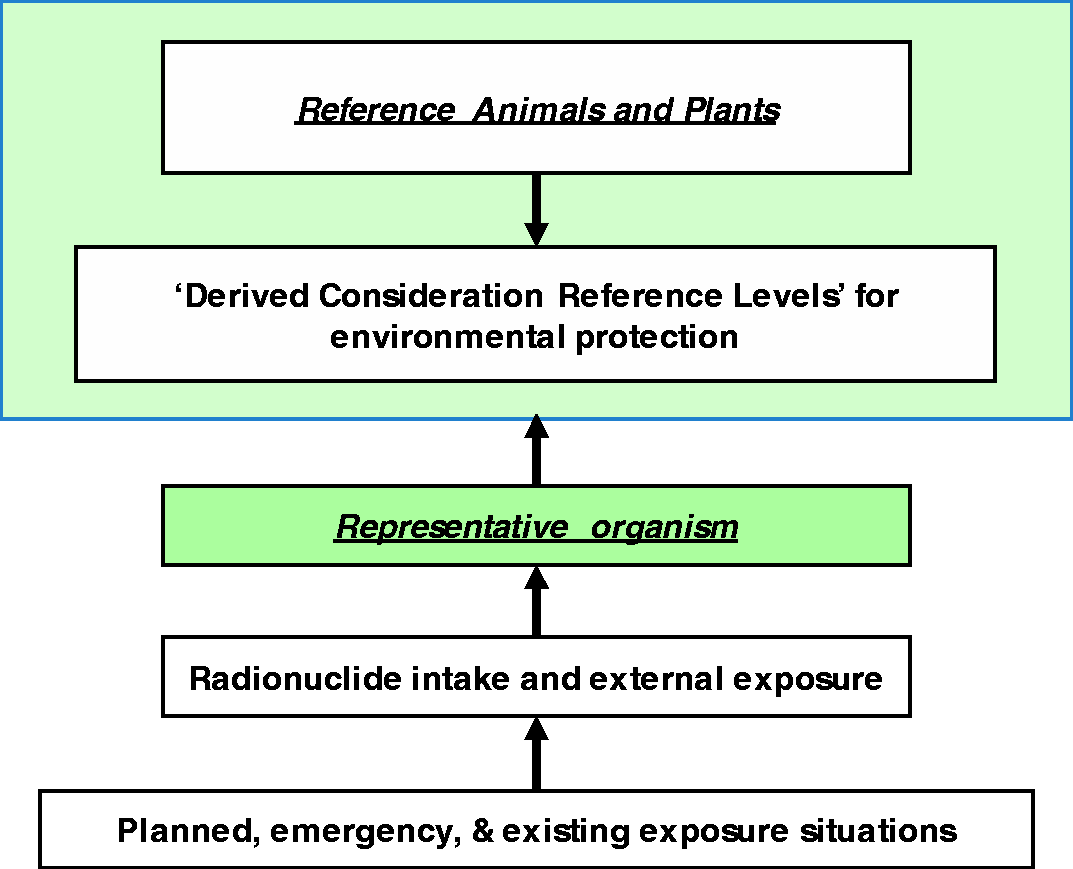
The DCRLs (discussed in more detail in later sections) were arrived at based on a survey of the admittedly scant radiobiological literature. This literature review resulted in the recommendation of bands of dose, which could be related to expected biological effects in a range of organisms. Unlike human protection, the biological effects that were selected for the RAPs included factors such as mortality, morbidity, reduced reproductive success, and chromosomal damage. These factors were selected based on their potential to impact the maintenance of a population of individuals (ICRP, 2008b).
Specific RAPs could be used to serve as typical members of an ecosystem with attendant biological endpoints of relevance. Taken together, the RAPs and DCRLs, in conjunction with an understanding of the exposed community, provide a starting point for ecological management (Fig. 4).
An illustration of the relationship between Reference Animals and Plants and protection of ecosystems, after Pentreath (2009).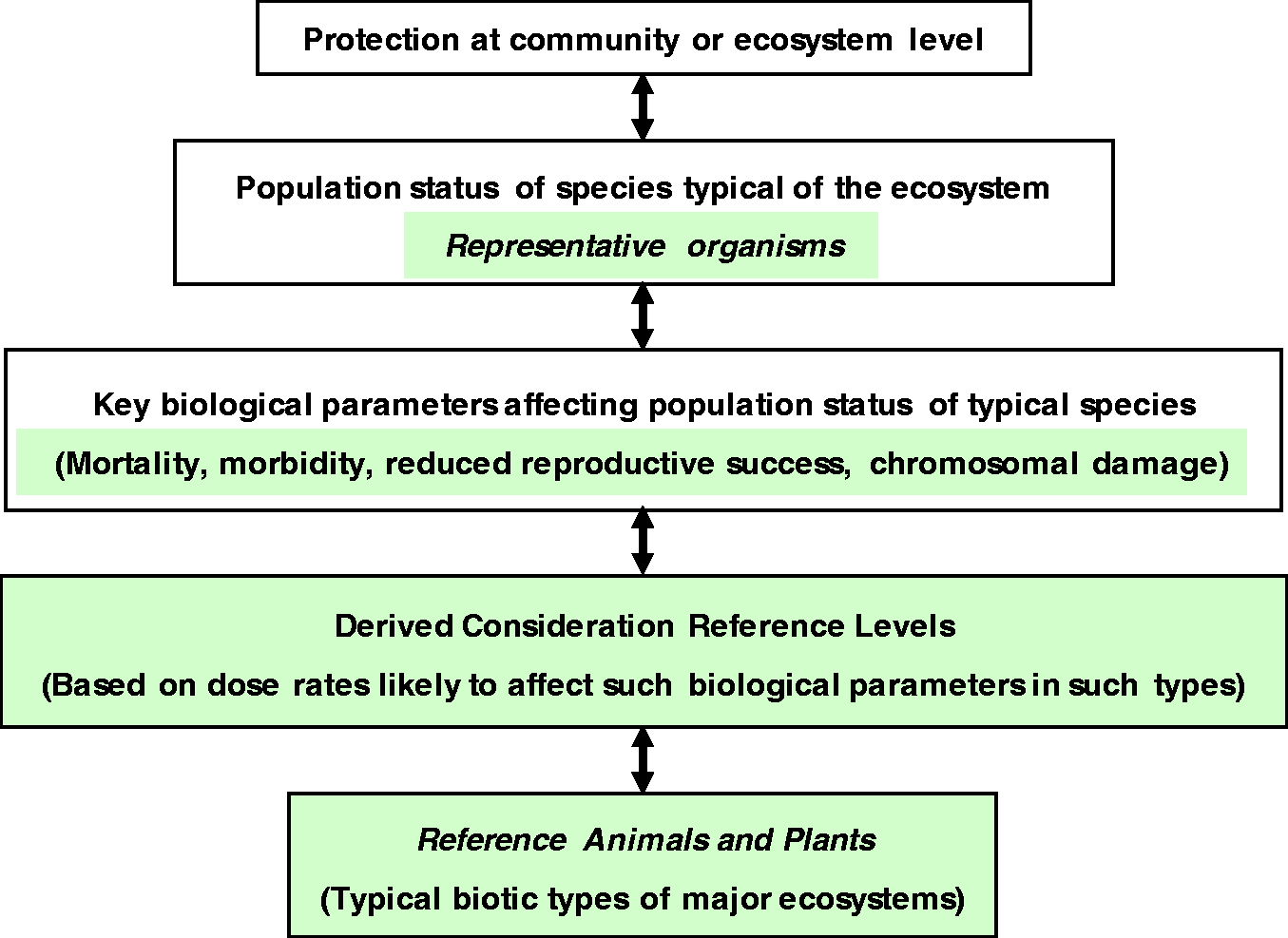
ICRP created Committee 5 (Protection of the Environment) to provide focus to the development of tools and assembly of data to support the framework for environmental protection. This framework was intentionally created to align with human radiation protection principles. In building this framework, they set the stage for the integration of radiological protection of the environment into the overall system of protection (Fig. 5).
An example of the alignment between protection of the public and protection of the environment for the same exposure situation, after Pentreath (2009).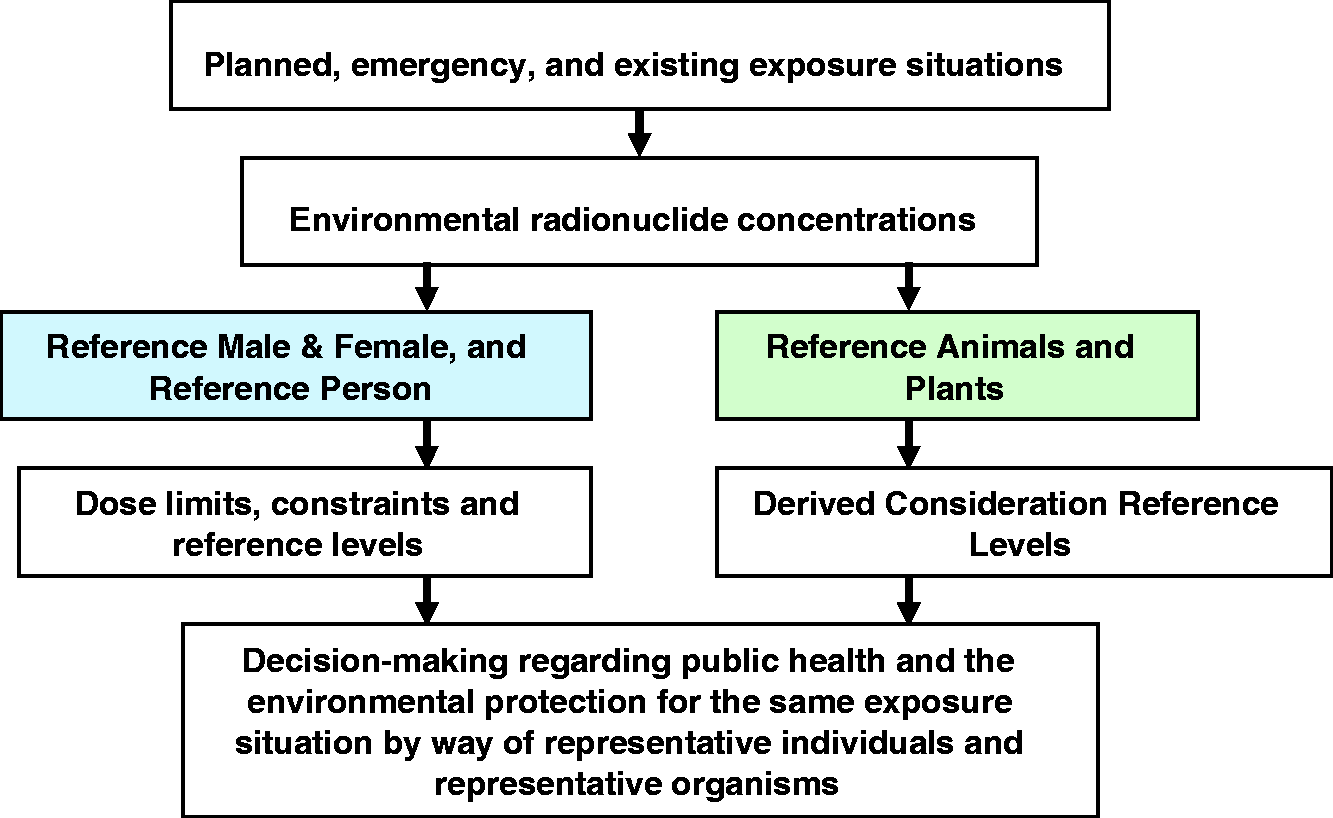
1.2. Reference Animals and Plants
Reference Animals and Plants.
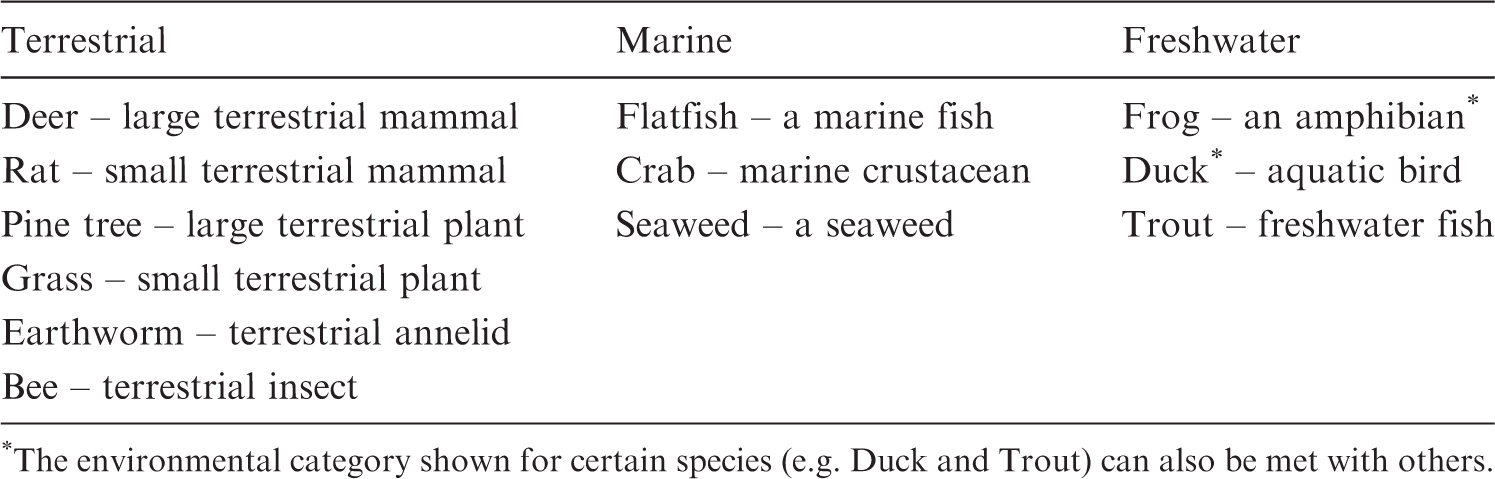
The environmental category shown for certain species (e.g. Duck and Trout) can also be met with others.
In addition to specifying the basic biological characteristics of the RAPs, Publication 108 (ICRP, 2008b) also discussed their population characteristics and masses (for dosimetric calculations).
1.3. Derived consideration reference levels
For many years, radiation exposure of test organisms has been used to provide insight into effects on humans. In developing the framework for radiation protection of the environment, this data was examined in Publication 108 (ICRP, 2008b) to develop benchmarks for assessing impacts on non-human biota. There were numerous challenges faced by the reviewers. These included issues of uncertain dosimetry, field vs laboratory exposures, chronic vs acute conditions, internal and external sources, and individual organisms or large colonies. This limited the precision of the assessments.
With those caveats expressly stated, Publication 108 (ICRP, 2008b) summarised and synthesised the effects data to produce the DCRLs. The DCRLs are intended to provide a practical and succinct means to convey information on potential effects. They are intended as multiples of background, and a band of dose rate within which there is a chance of deleterious effects to the specified RAPs (Fig. 6), although it is noted that the bands represent an oversimplification of complex and occasionally contradictory data.
The dose rate ranges for the three derived consideration reference levels in conjunction with the 12 Reference Animals and Plants (ICRP, 2017).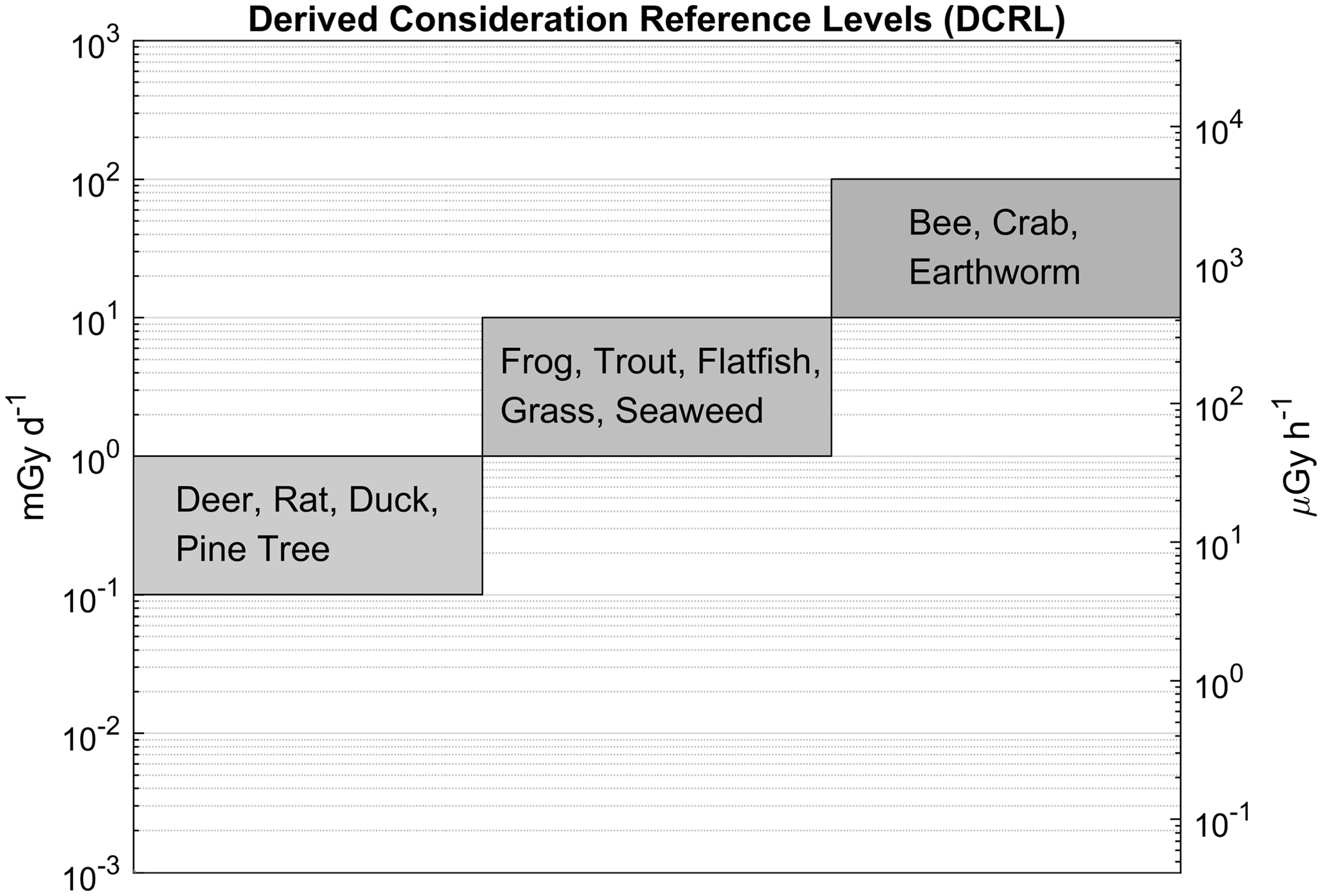
1.4. Dosimetry and dose conversion factors
The gray (Gy) is used as the basic quantity for the RAPs in determining absorbed dose for all radiations and exposure situations. Dose calculations took into consideration the size of the organism relative to the range of the radiation in the medium, and whether the source was internal or external to it (ICRP, 2008b). The dose conversion factors reflected simplistic exposure scenarios alone, such as if the organism was on or in soil. Dose conversion factors were developed for uniformly contaminated media, and media with a thin layer of contamination. The most significant simplifying approach, however, was the reduction of the organism to a uniform density geometric shape (Fig. 7). This represented a substantial departure from the approach used in current human dosimetric models, where individual organ doses can be evaluated (ICRP, 2001). The result was the ability to relate Bq unit weight−1 to an absorbed dose rate (μGy unit time−1).
Example of a geometric model used in calculation and comparison of organ and whole-body dose (ICRP, 2008b).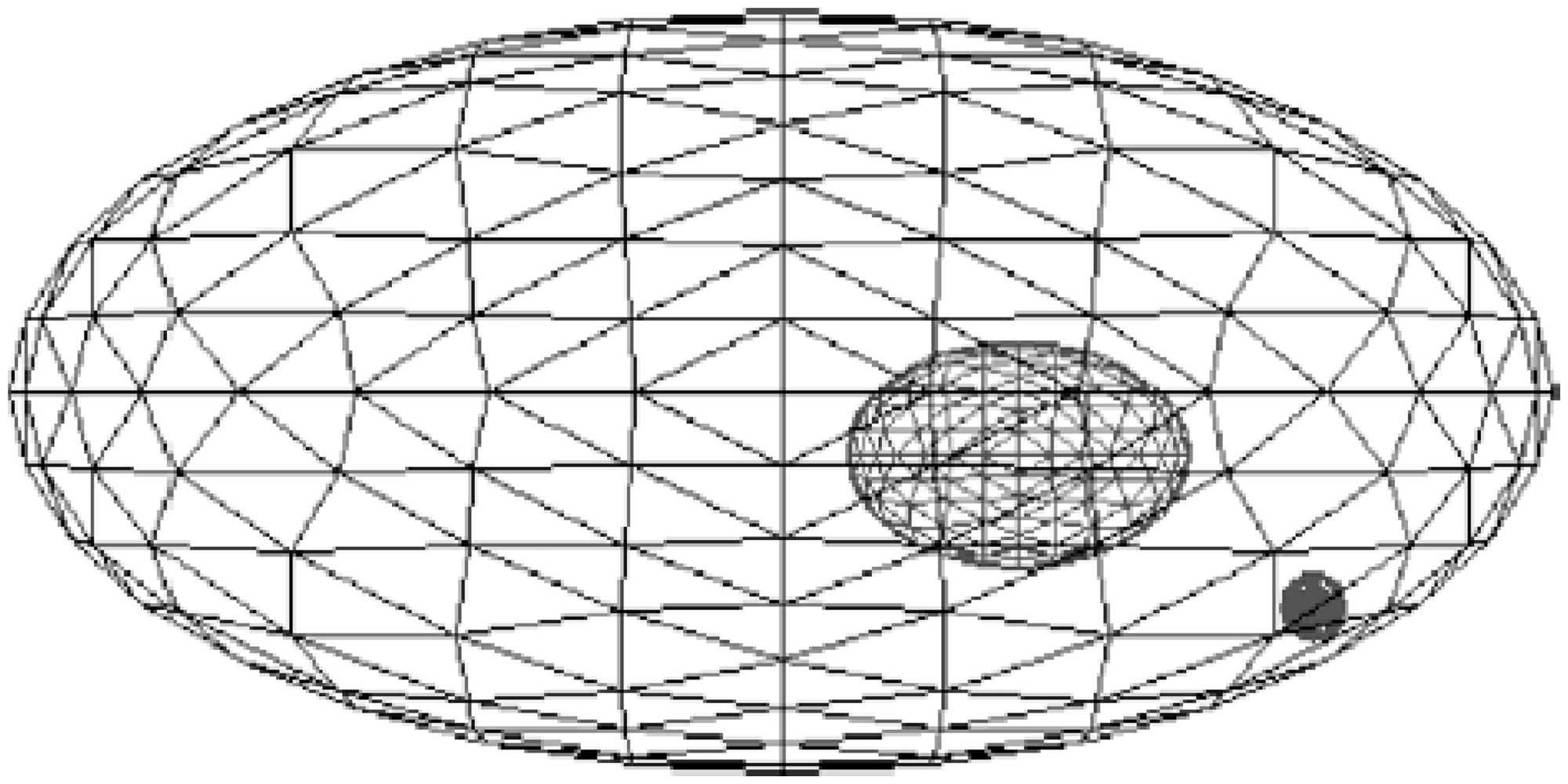
1.5. Environmental protection: transfer parameters for Reference Animals and Plants
The estimation of uptake and transfer of radionuclides into foodstuffs meant for human consumption is a key factor in estimating exposure of human populations from radioactive releases to the environment (IAEA, 2010). The use of such information to determine dose rates to animals and plants differs due to its intended application. Considerable effort has been expended over the years to collect and document the transfer of radionuclides to, and the resultant concentrations in, foodstuffs such as meat, milk, vegetables, and fruit. However, very little data were acquired regarding the transfer to RAPs or other wildlife (IAEA, 2013). In Publication 114 (ICRP, 2009), the available data on transfer factors for RAPs were presented. More importantly, this publication highlighted the absence of radionuclide data for many of the RAPs. Methods used to estimate parameters were clearly articulated and provided a means to estimate values for species and radionuclides. However, large gaps in the data (Fig. 8) highlighted the need to obtain data through alternative means.
1.6. Application of the system in planned, existing, and emergency exposure situations
With Publication 114 (ICRP, 2009), the fundamental tools were available to support the framework for the Commission’s system of protection of the environment, through dose calculations to the RAPs. The next step in the process was to provide guidance on how the Commission’s recommendations might be implemented under different protection objectives as explained through the concepts of planned, existing, and emergency exposure situations. This guidance was provided through Publication 124 (ICRP, 2014).
In Publication 124 (ICRP, 2014), the Commission reiterated the fundamental principles of radiation protection: justification, optimisation, and limitation. These principles, applied previously to human radiological protection, were examined and qualified in the context of protection of the environment. The Commission intentionally did not recommend dose limits for biota. However, the concept of justification and the process used to consider benefit (or harm) from exposure situations was deemed applicable to non-human biota. The concept of optimisation – incurred when an exposure has been determined to be justified – was also considered appropriate for biota.
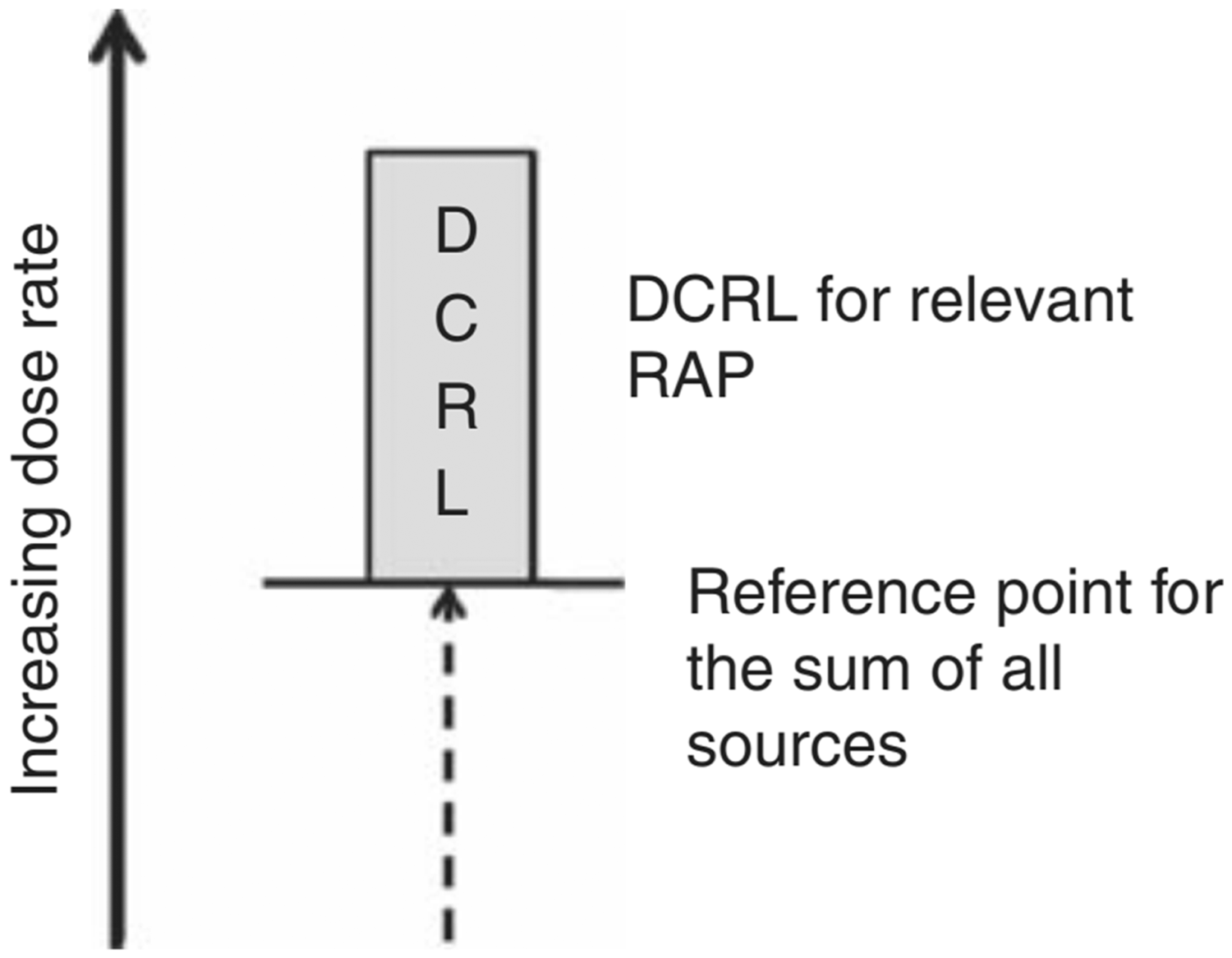
While the Commission did not recommend dose limits for biota, it did recommend that reference values, based on the relevant DCRLs, should be used as points of reference, and to guide efforts in environmental protection (ICRP, 2014). The Commission provided an example (Fig. 9) where the lower boundary of a DCRL for a relevant RAP becomes the reference level where controls are being devised for source(s) under a proposed scenario.
An example from Publication 114 (ICRP, 2009) highlighting the extent of data derived from surrogate values. Shaded areas indicate the use of surrogates, letters indicate the method used to derive the CR. See Publication 114 for details. Relationship between derived consideration reference levels (DCRLs) and sources under planned exposure conditions (ICRP, 2014). RAPs, Reference Animals and Plants.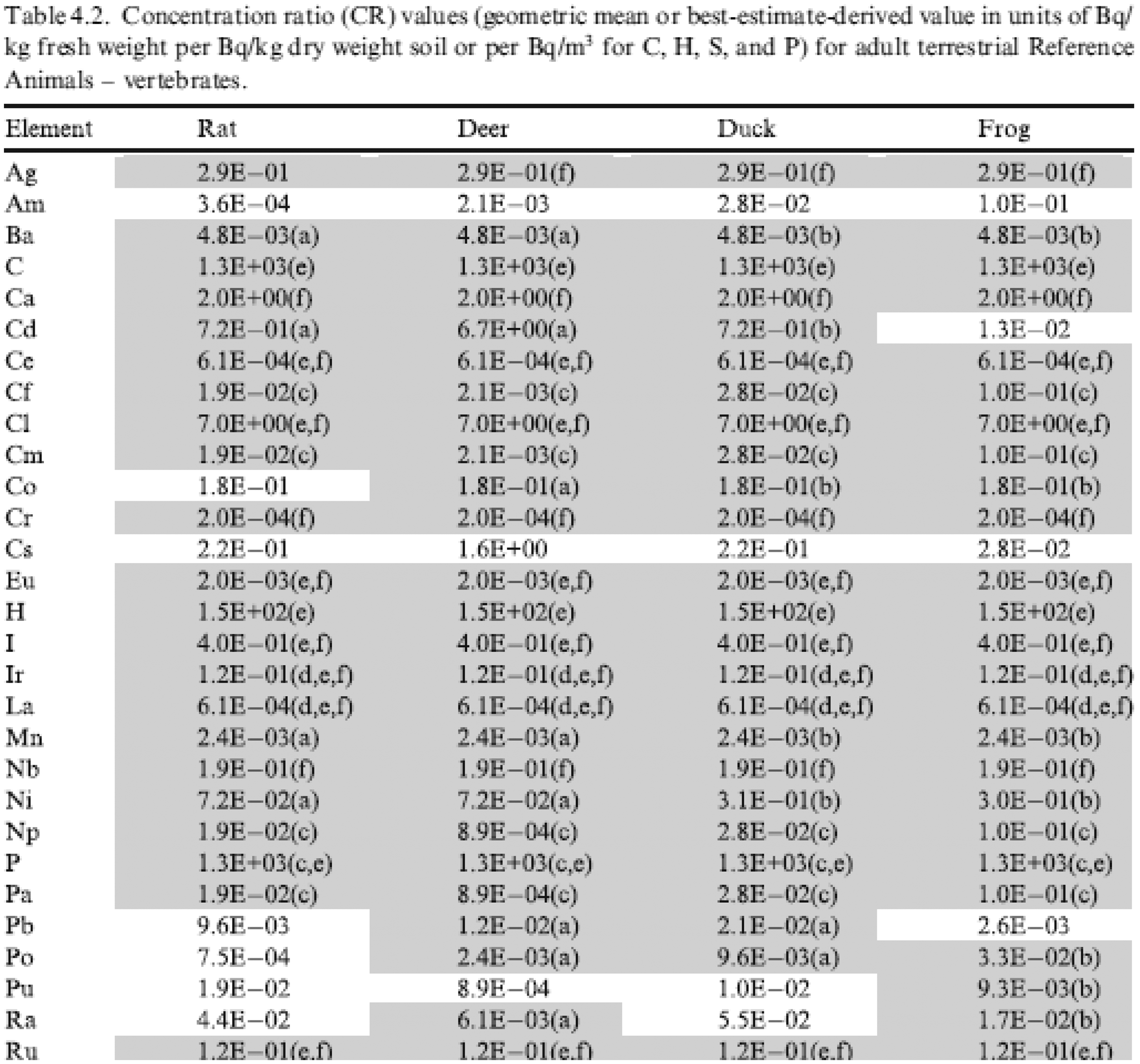
In circumstances where releases of radioactive material or other exposures are ongoing, the Commission recommended using the DCRL band as a target to drive doses down (Fig. 10).
Relationship between derived consideration reference levels (DCRLs) and ambition to reduce exposures in existing exposure situations (ICRP, 2014). RAPs, Reference Animals and Plants.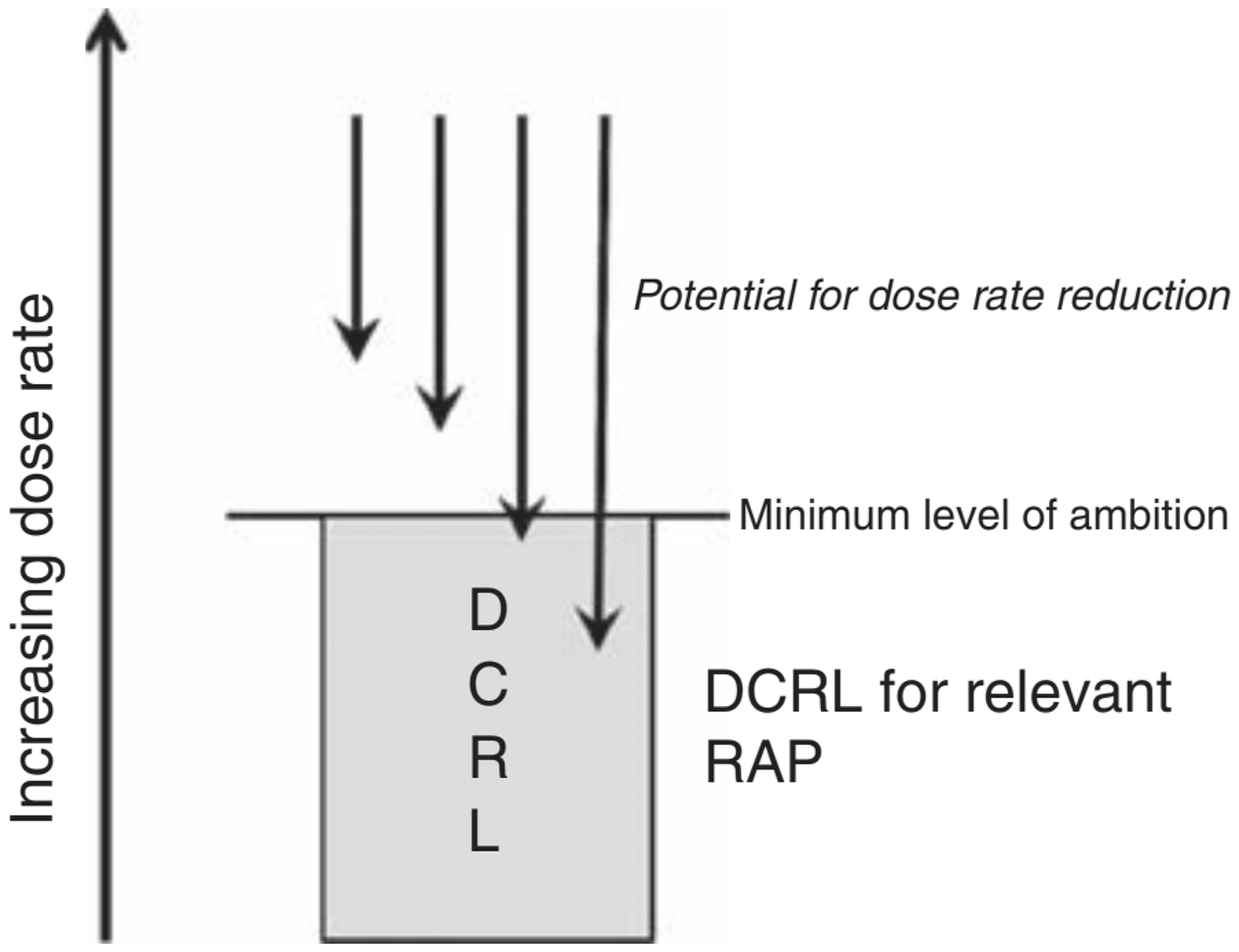
For emergency exposure circumstances, the DCRL bands could be used to provide insight into the possible effects resulting from the exposure (Fig. 11).
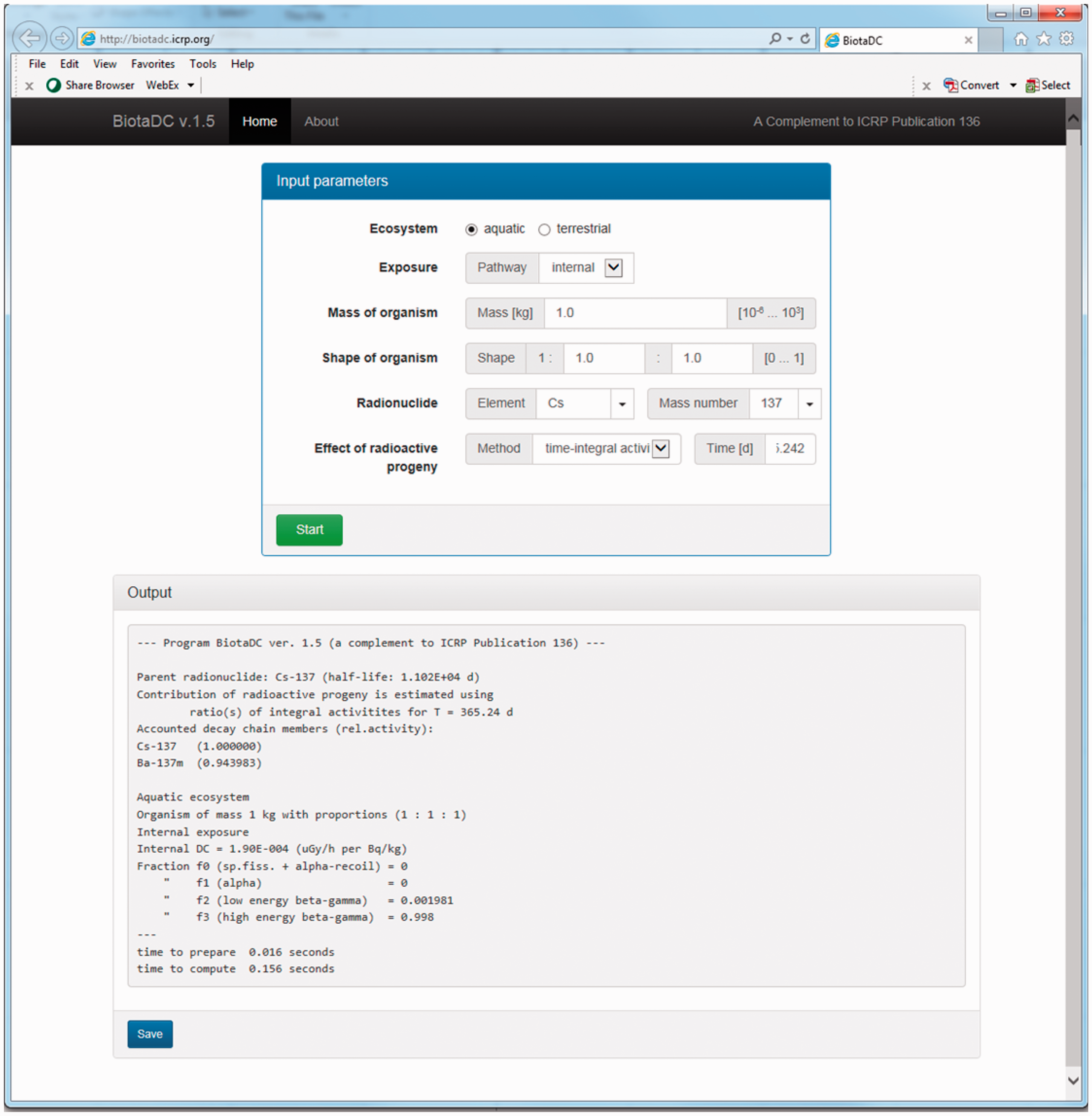
Potential use of severe effects bands, relative to derived consideration reference levels, to relate exposure of relevant biota following an accidental or emergency release of radionuclides into the environment (ICRP, 2014). The program BiotaDC which is described in Publication 136 (ICRP, 2017) can be found at the web address: http://biotadc.icrp.org.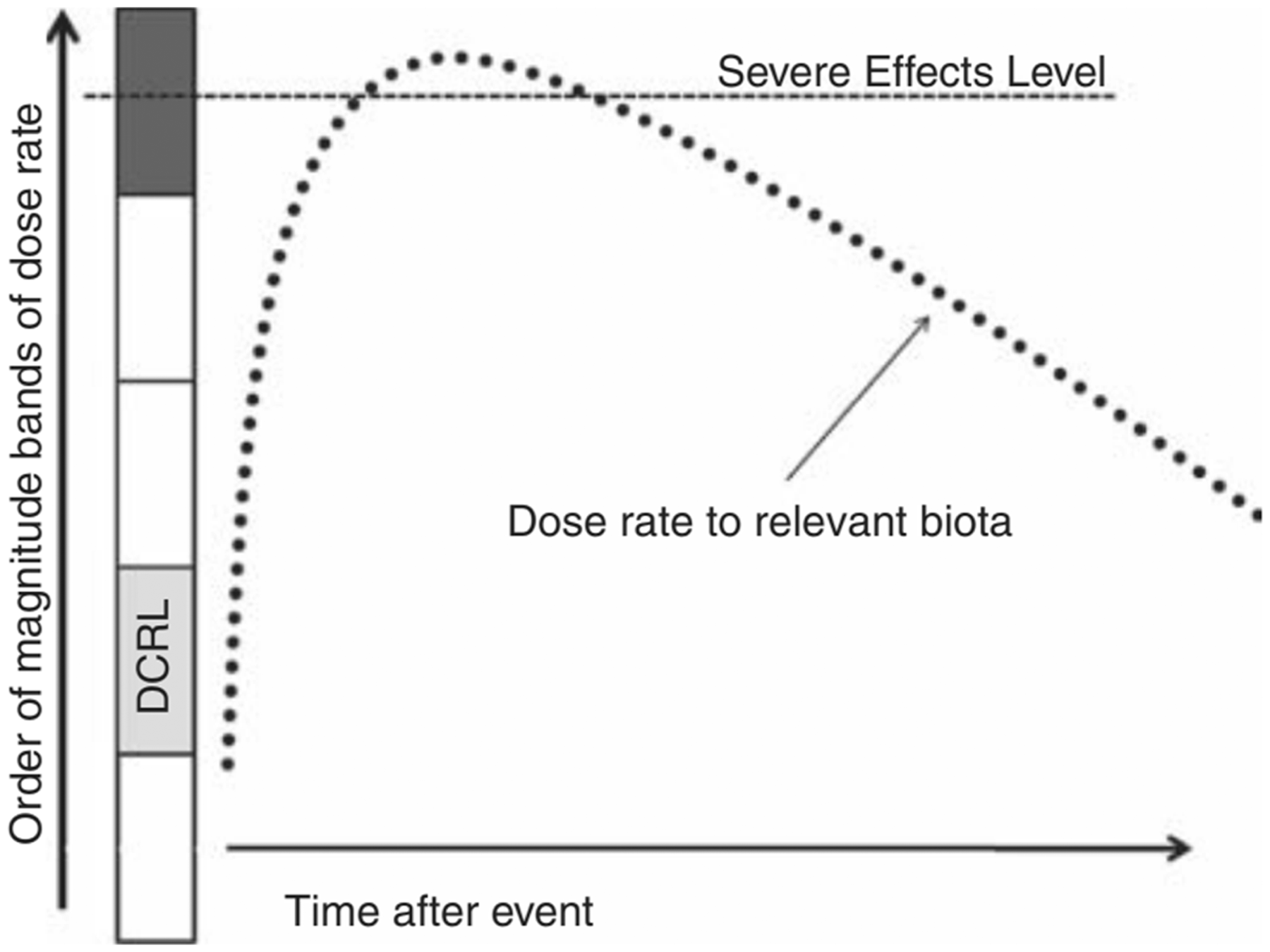
2. REFINEMENTS AND UPDATES TO THE SYSTEM
The original framework for radiation protection of the environment was created with the intention that revisions and refinements would continue to be made to the guidance as new data were collected. This is consistent with, and similar to, the evolution of tools used for human radiological protection. Additionally, as the system for environmental protection is used more broadly, it is expected that supplementary guidance may be required to address unforeseen circumstances or to provide greater clarity or accuracy. Some recent publications, as well as ongoing task group activities, highlight the intention of ICRP to update and refine guidance. These include an updated dosimetry publication, development of site-specific examples of application, and monographs with detailed life histories.
2.1. Expanding the breadth and depth of dosimetry for biota in an environmental context
The RAPs concept was used as a means to pull together consistent information on the relationship between exposure and dose, and dose and effect (ICRP, 2008b, 2017). While the RAPs were intended to support a default analysis, they could also be used as points of reference for evaluating doses to other organisms. As stated repeatedly, for real-world conditions, it is important to use Representative Organisms to best assess the potential impact of an environmental exposure situation. Publication 136 (ICRP, 2017) was created to provide the means to extend dosimetric calculations to Representative Organisms.
Another change that has been incorporated, and in acknowledgement of the integration of human and environmental radiation protection, is the use of the term ‘dose coefficient’. It replaces the previous term ‘dose conversion factor’. The dose conversion factors published in Publication 108 (ICRP, 2008b) were revised in this new publication to reflect newer nuclear decay data contained in Publication 107 (ICRP, 2008a). This publication contains other significant improvements, such as compatibility in the treatment of internal and external exposure, and the addition of two new exposure conditions: deep uniform soil source and uniformly contaminated air. These refinements were intended to ensure more accurate dose modelling while remaining easy to use.
An important addition to the tool kit for dose assessors is the creation of BiotaDC. This web-based calculator can be used to customise the mass and shape of organisms for consideration in aquatic or terrestrial environments. The program can be found at http://biotadc.icrp.org/. While the program is described in Publication 136 (ICRP, 2017), the web-based presence means that future upgrades and additions can be added easily. This tool is available free of charge (Fig. 12).
An ongoing effort to evaluate the differing biological effects related to radiation weighting factors is nearing conclusion under an ICRP task group. Weighting factors used in human radiation protection are derived from a variety of endpoints taken from in-vitro experiments that include human and animal cell lines, as well as in-vivo experiments with animals. However, establishing radiation weighting factors for use in assessing impact to non-human biota, with the focus predominantly on deterministic impacts in assigning such values, continues to be challenging.
2.2. Monographs and more
ICRP’s targets of environmental protection are three fold and focus on individual species (‘conservation of species’), multiple species (‘maintenance of biological diversity’), and their assemblage (‘health and status of natural habitats, communities, and ecosystems’) (ICRP, 2008b). In determining protection, the biological endpoints of most relevance are those that could lead to changes in population size or structure. Ongoing work within ICRP Task Group 99 seeks to infer transfer, dosimetry, and effect information from what is known about RAPs to what is not known about any representative species in a robust and credible way. The intent is to craft guidance, usable in any environmental risk assessment, to link RAPs to Representative Organisms. This task group effort will provide a detailed compilation of methods and guidance for the best use and practices of the concept of RAPs in support of application of the system of radiological protection in planned, emergency, and existing exposure situations
Building on Publication 124 (ICRP, 2014), ICRP Task Group 105 will consider how radiological protection of the environment is implanted in the system of protection. The task group will use case studies to illustrate how protection principles should apply in the context of both humans and biota within complex contaminated situations. Several case studies are being considered for existing and emergency exposure situations (e.g. Andreeva Bay, Mayak, and Little Forest), along with the potential to learn lessons from the likes of Chernobyl and Fukushima.
3. INTEGRATION OF ENVIRONMENTAL PROTECTION
As detailed previously, the system of protection for the environment as originally conceived by ICRP aligned strongly with that used for protection of humans. On 23 November 2016, the Commission determined that it was time for formal integration of environmental protection into the overall system of protection. Consequently, the mandates of the standing committees were revised to reflect this change (ICRP, 2016).
The intent of the change was to continue ICRP’s effort to elevate recognition of environmental protection with the ICRP system. The change reflected ICRP’s move to have a holistic and integrated approach to protection in planned exposure situations, as well as emergency and existing exposure situations. While ICRP acknowledged that work remained to be done, the new committee structure provided a means to advance both human and environmental protection coherently and consistently.
3.1. Committee 1: radiation effects
Committee 1 considers the effects of radiation action from the subcellular to population and ecosystem levels–including the induction of cancer, heritable, and other diseases; impairment of tissue/organ function; and developmental defects – and assesses implications for protection. The scope of its mandate has been expanded from humans to include the environment.
3.2. Committee 2: doses from radiation exposure
Committee 2 develops dose coefficients for the assessment of internal and external radiation exposure; develops reference biokinetic and dosimetric models; and provides reference data. Previously, Committee 2 focused on workers and members of the public. Its mandate has been expanded to include protection of the environment, and address modelling efforts related to the RAPs.
3.3. Committee 3: radiological protection in medicine
Committee 3 is concerned with protection when ionising radiation is used for medical diagnosis, therapy, or biomedical research. Its previous mandate focused on humans including unborn children. The activities of Committee 3 have been broadened to include protection in veterinary medicine.
3.4. Committee 4: application of the Commission’s recommendations
Committee 4 provides advice on application of the recommended system of protection in all its facets for occupational and public exposure. Its mandate has been modified to address protection of humans and the environment in an integrated manner for all exposure situations.
4. CONCLUSIONS
From the earliest efforts where ICRP considered environmental protection explicitly, alignment of protection of humans and the environment in the system of radiological protection was paramount. The key elements needed to implement the method have been published in Publication 91 (ICRP, 2003) examining the ethics of protection, Publication 108 (ICRP, 2008b) on the concept and use of RAPs, Publication 114 (ICRP, 2009) on the model and parameter values quantifying RAP exposure, Publication 124 (ICRP, 2014) on application of the system under different exposure situations, and Publication 136 (ICRP, 2017) on improved and enhanced dosimetry.
ICRP is moving towards the future, building on the previous successes, and will – under these revised mandates – approach radiological protection in a holistic manner (an integrated system) where appropriate consideration is given to the understanding of exposures and effects in the environment under different exposure situations and scenarios, and what protective actions might be warranted under such circumstances.