



Abstract
Introduction
Acute pharyngitis is inflammation of the pharynx and surrounding lymph tissue. It is one of the most common illnesses encountered in outpatient clinics, accounting for more than 10% of all primary visits. 1 Most acute pharyngitis cases in adults and children are caused by respiratory viruses.2,3 These patients often present with a sore throat, fever, fatigue, and/or malaise and often recover without any medical treatment. Adenovirus, coronavirus, and rhinovirus are the leading viral agents causing acute pharyngitis, while Group A Streptococcus (GAS) is the most common bacterial cause.4-6 It is recommended that patients with GAS pharyngitis take an appropriate antibiotic for a duration. 7
Biological aerosols, in short bioaerosols, are a subset of atmospheric particles, including airborne bacteria and viruses. Particles of various sizes can deposit in the nose, pharynx, larynx, and lung and increase the risk for human infections. 8 Bioaerosols have been proven to spread various infectious diseases, such as influenza and foot-and-mouth disease.9,10 Bioaerosol emission and transport are subject to environmental variations such as climate change. High temperatures and moisture contents greater than 70% can reduce the bioaerosol emission.11,12 Increased concentrations of air pollutants increase the abundance of airborne pathogens. 13 Therefore, these meteorological factors may affect human health by changing bioaerosol emission and transport.
Numerous studies have found that meteorological changes contribute to respiratory infections such as the recent prevailing COVID-19.14,15 In this study, we aimed to explore the association between meteorological parameters and acute pharyngitis.
Methods
Study Setting
The study was performed at the Eye, Ear, Nose, and Throat Hospital of Fudan University in China. The hospital is the largest specialized ENT hospital in Shanghai and has ranked first in otorhinolaryngology for 11 consecutive years in China. It provides ENT medical care for nearly 3000 outpatient visits and 200 emergency cases, far more than that of any other hospital in Shanghai. The hospital visit records of acute pharyngitis from January 1, 2015, to December 31, 2017, were collected. Each medical record included patient’s gender, age, arrival time, and diagnosis. Only the first onset time during one episode for these patients was involved in the result analysis. This study was approved by the institutional ethics committee of our hospital (approved number: 2021098).
Meteorological Data
The data on monthly average temperature and relative humidity from January 2015 to December 2017 were obtained from the China Meteorological Data Service Centre. The relative humidity was defined as the relative proportion of water in the air compared to the maximum water vapor. The air quality index was determined by the concentrations of air pollutants, such as fine particulate matter and sulfur dioxide. The higher the AQI, the worse the air quality. The daily AQI was obtained from Shanghai Municipal Bureau of Ecology and Environment and was calculated as the monthly average.
Statistics
The continuous variables were analyzed by ANOVA and the categorical variables by the χ2 test. Pearson correlation analysis and multivariable linear regression were used to determine the effect of these meteorological parameters on the corresponding number of acute pharyngitis cases.
Results
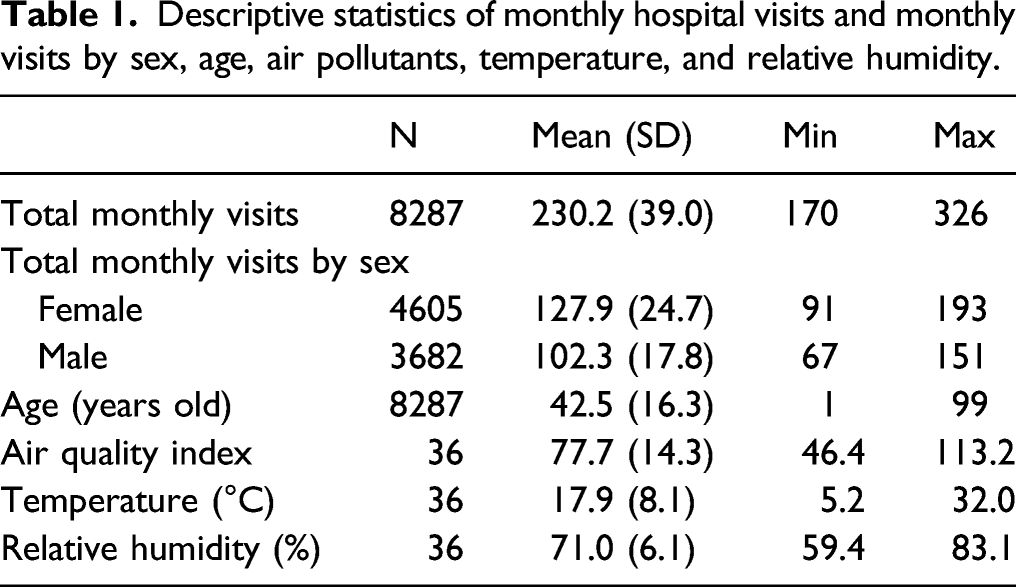
Descriptive statistics of monthly hospital visits and monthly visits by sex, age, air pollutants, temperature, and relative humidity.
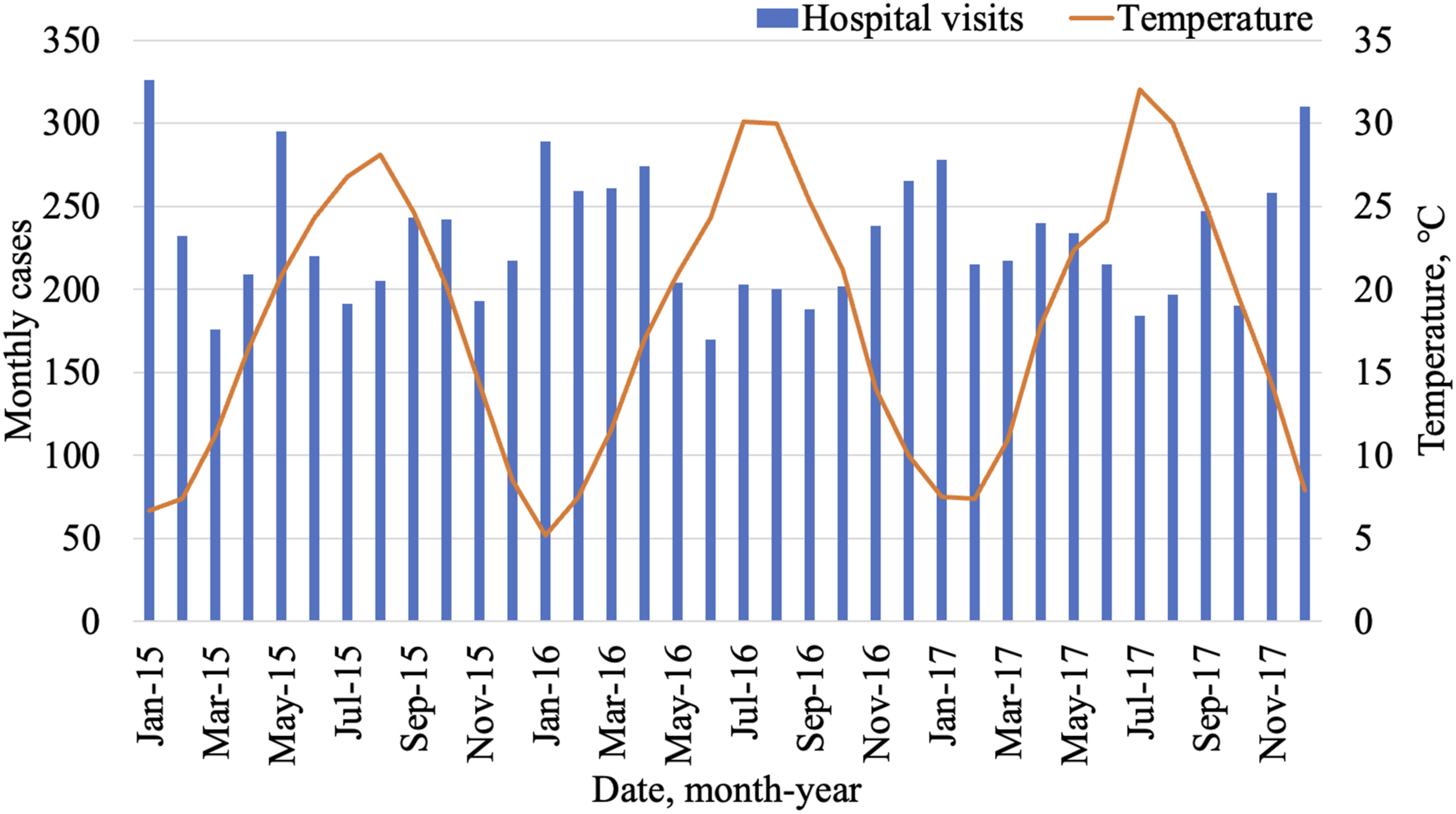
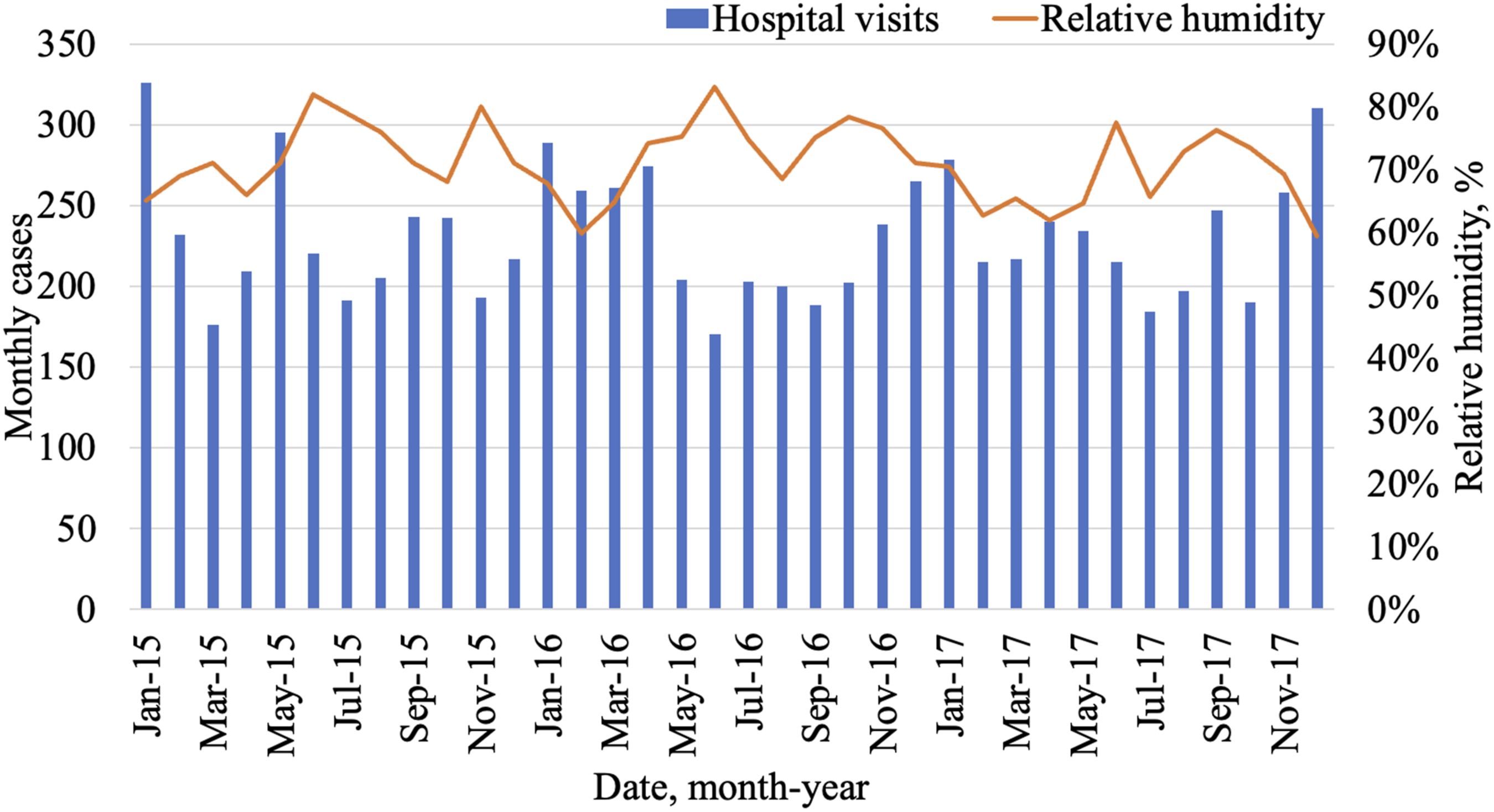
The monthly average of AQI, temperature, and relative humidity were 77.7 The monthly number of hospital visits for acute pharyngitis and air quality index by month in Shanghai. AQI, air quality index. The monthly number of hospital visits for acute pharyngitis and temperature by month in Shanghai. The monthly number of hospital visits for acute pharyngitis and relative humidity by month in Shanghai.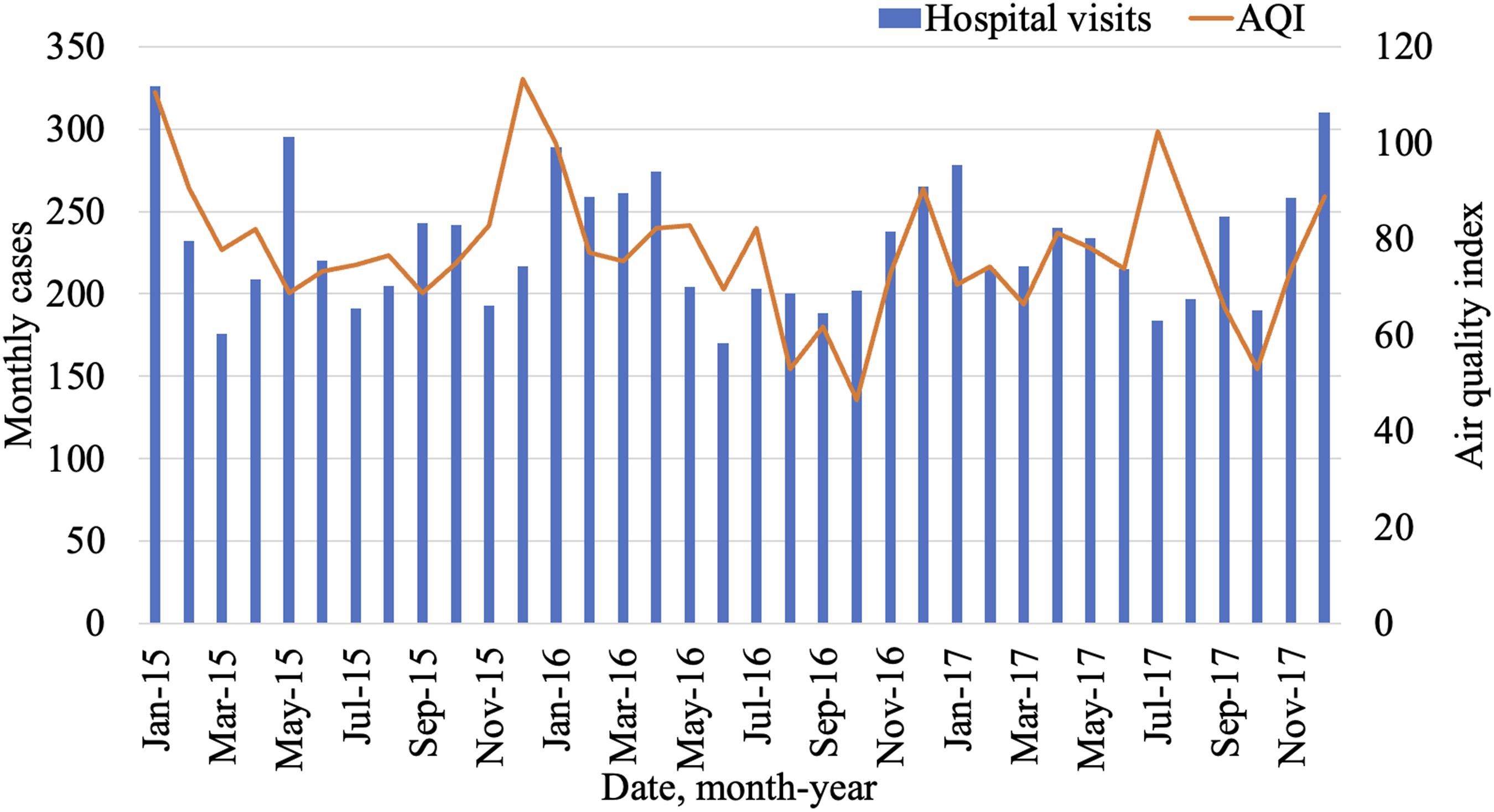
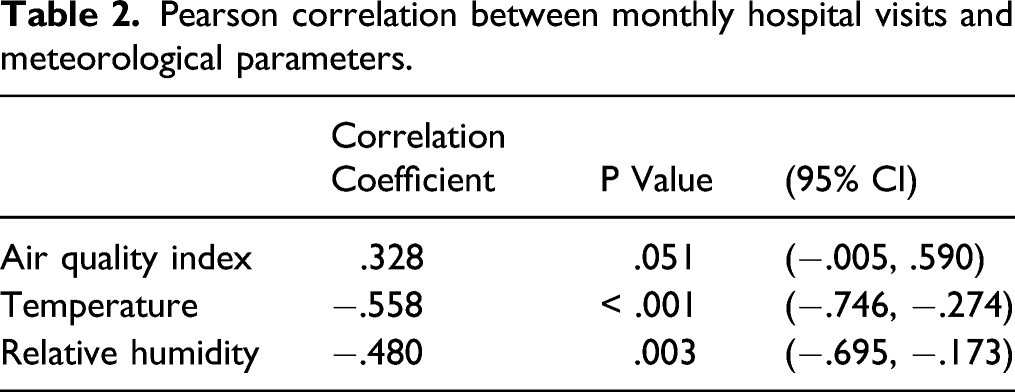
Pearson correlation between monthly hospital visits and meteorological parameters.
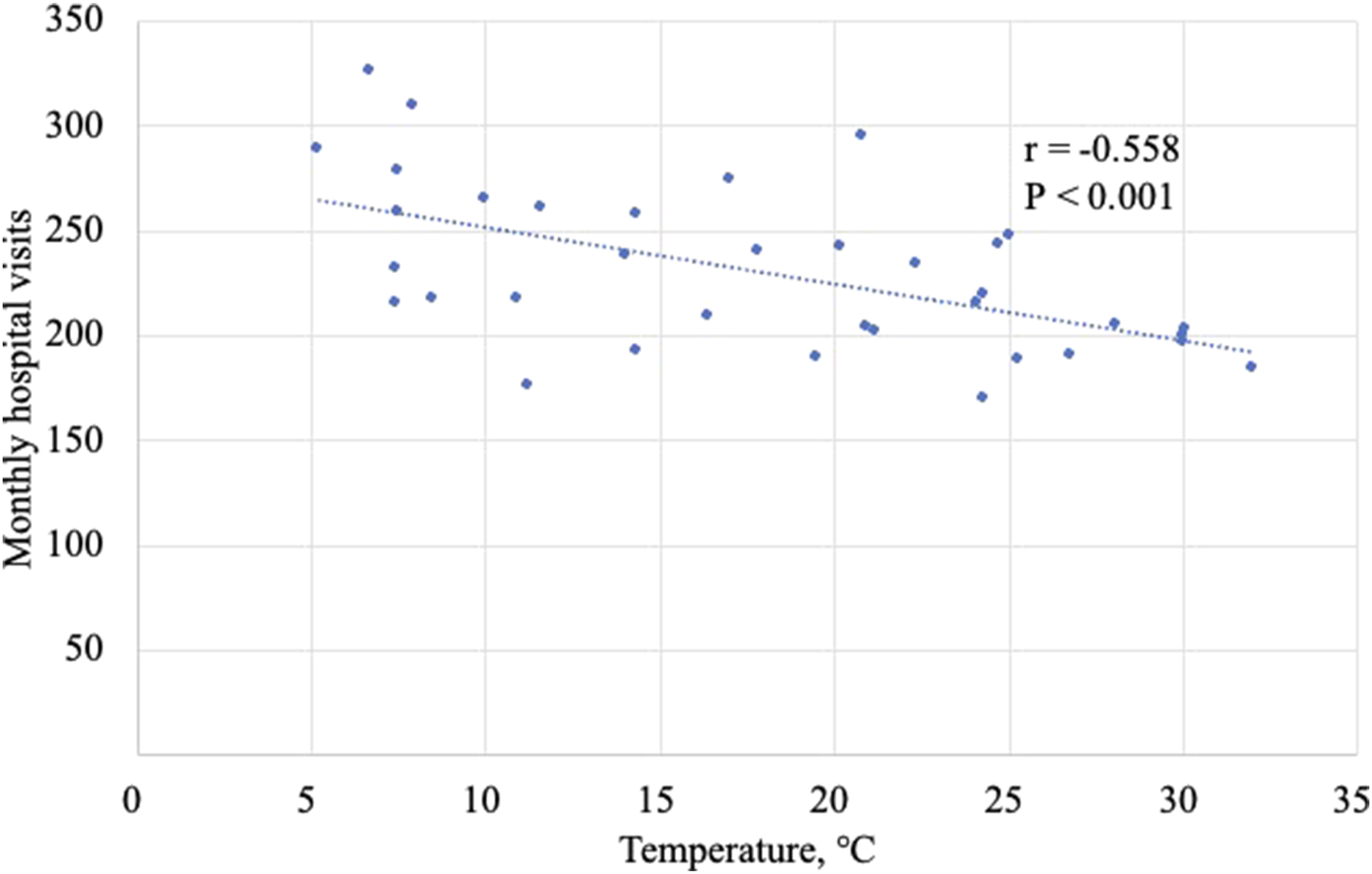
The correlation between the monthly acute pharyngitis cases and temperature.
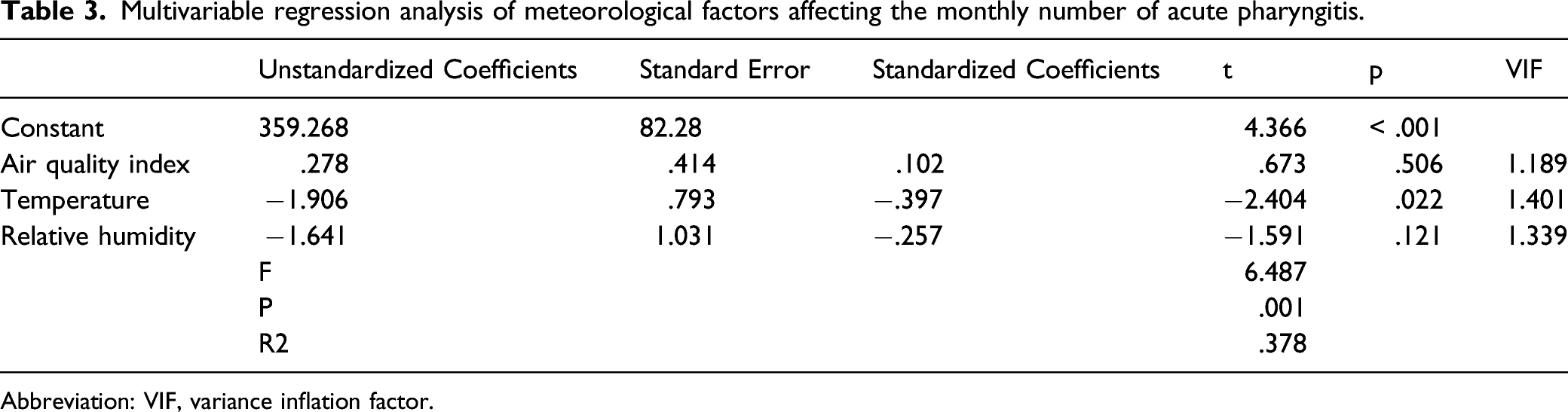
Multivariable regression analysis of meteorological factors affecting the monthly number of acute pharyngitis.
Abbreviation: VIF, variance inflation factor.
Discussion
Acute pharyngitis is common and increases health-care costs and the financial burden on families and societies. More than 15 million patients visited the hospital for acute pharyngitis in 2007 in the USA. 16 Adults and children average at least two episodes of acute pharyngitis per year. 17 Pharyngitis is caused mainly by respiratory viruses and occasionally by bacterial pathogens. These pathogens can transmit among people easily through the air in the form of bioaerosols, which may be affected by meteorological factors. Therefore, we aimed to explore the associations between acute pharyngitis incidence and meteorological parameters.
A body of evidence suggests that climate change and air pollution have a great impact on the atmospheric microbiome and human respiratory health. Climatic factors such as temperature and humidity are the main factors affecting the emission, vitality, and viability of airborne pathogens. 18 For every 1°C rise, the risk of premature death among respiratory infection patients increases up to 6 times more than that in the rest of the population. 19 Air pollution is the greatest environmental impact factor on respiratory health in Europe. 20 Inhalable pollutants such as PM2.5 and PM10 can penetrate into the respiratory tract system and then cause cellular injury. 21 A recent study revealed significant decreases in air pollutant levels in 2018 compared to those in 2014 in China. 22
We included 8287 patients with an average of 230 visits per month in our hospital from January 2015 to December 2017. Previous studies have shown that acute pharyngitis was more common in children than in adults.17,23,24 In this study, the average age of acute pharyngitis patients was 42.5 years old, and females were more likely to develop pharyngitis, with a sex ratio of 1.25:1. Studies have reported higher acute pharyngitis incidence in cold winters.25,26 We found that temperature and relative humidity were negatively correlated with acute pharyngitis incidence and a decrease of 1°C could cause an increase in hospital visits by 1.9. We assumed that airborne viral and bacterial pathogens might survive longer at lower temperatures. Studies on viral cultivation have confirmed that respiratory viruses replicated better at cooler temperatures.27-29 Humidity can also modulate the viability of viruses. Several studies have found that low-humidity conditions slowed viral inactivation.30,31 Air pollutants, including ozone, nitrogen oxides, and inhalable particles, are considered as the common causes of sore throat. Exposure to vehicle emissions has been linked with chronic pharyngitis in Shanghai. 32 However, no correlation was found between the AQI and acute pharyngitis incidence in this study. The effect of individual air pollutants on acute pharyngitis needs further study.
The limitation of this study derives from the incomplete sampling because all clinical data came from only one hospital in Shanghai. However, the large sample size can reduce bias.
Conclusion
Monthly hospital visits of acute pharyngitis were significantly and negatively correlated with temperature and relative humidity. Low temperature seemed to be the independent risk factor for acute pharyngitis.
Footnotes
Author Contributions
P-.C.Y. and A-.R.S. contributed to collecting and analyzing the data. P-.C.Y. contributed to drafting the article and polishing the language. C.X and R.F contributed to the conception and design of the study and revising the article.
Declaration of Conflicting Interests
The author(s) declared no potential conflicts of interest with respect to the research, authorship, and/or publication of this article.
Funding
The author(s) received no financial support for the research, authorship, and/or publication of this article.
