




Abstract
Precise assessment of photovoltaic (PV) parameters is crucial for enhancing solar system performance, ensuring reliable energy predictions, and improving efficiency. Estimating the PV model parameters remains fraught with theoretical and practical issues, as evidenced by the continuous emergence of various optimization techniques to address the shortcomings of traditional approaches. This paper propels this domain forward by representing an analytical-derived solution that concurrently eradicates iteration-dependent convergence problems associated with optimization techniques with enhanced estimation accuracy. The presented analytical technique depends on data derived from the I–V characteristics, circumventing the need for approximations. The approach methodically divided the I–V curve into three separate operating zones: the high-current zone, the maximum power zone, and the high-voltage zone. Each zone yields distinct equations using derivative-based analysis, clumping in a fully specified system of five equations. This technique facilitates the accurate extraction of the five essential single-diode model (SDM) PV parameters by generating five equations for these unknowns. The suggested analytical approach was validated using experimental data for three different PV panels/cells: R.T.C France solar cell, PWP201, and ET-M53690W PV module. The efficacy of this methodology was rigorously assessed, exhibiting substantial concordance with empirical I–V characteristics and being compared to seven modern optimization strategies. The findings demonstrate the enhanced precision of the proposed analytical method compared to optimization-based techniques.
Introduction
The increasing reliance on renewable energy sources to satisfy global energy demands is driven by their cost-effectiveness, widespread availability, and minimal adverse environmental effects (Osman et al., 2023). Within this framework, solar photovoltaic (PV) energy has emerged as a pivotal research area focused on enhancing efficiency (Al-Shahri et al., 2021; El Hammoumi et al., 2022). The performance of PV systems is highly sensitive to environmental factors, including solar irradiance and temperature. This dependence underscores the need to develop precise modeling frameworks that maximize energy yield and system reliability (Bupi et al., 2021).
Accurate modeling of PV model parameters is essential for guaranteeing the reliability and efficiency of PV system design, operation, and performance evaluation. Precise modeling of essential electrical characteristics, namely, photocurrent
Due to the nonlinear nature of the equations, determining the unidentified parameters of photovoltaic models presents significant challenges. This complexity has garnered considerable interest from researchers (Abdel-Basset et al., 2021; Ebrahimi et al., 2019). Various solutions have been suggested in the literature to determine these unknown parameters (Zhang et al., 2023). These methodologies can be categorized into four main types: analytical, numerical, optimization, and hybrid methods.
Analytical methods for PV modeling typically derive I–V characteristics using key parameters, including short-circuit current, open-circuit voltage, maximum power point current, and voltage. These approaches are computationally efficient, relying on the solution of explicit mathematical equations. For instance Sevillano-Bendezú et al. (2024) assess the effectiveness of analytical techniques for extracting unknown parameters in the SDM. However, these methods often rely on simplifying assumptions, such as uniform operating conditions and idealized parasitic resistance losses, which can compromise accuracy under variable environmental conditions. To mitigate these constraints, Syed et al. (2024) introduce an enhanced analytical technique for the DDM model, necessitating seven parameters obtained from three separate I–V curve regions: the linear segment and two exponential segments. Although analytical approaches provide simplicity, their dependence on approximations or predetermined I–V data may limit the precision of parameter extraction. Consequently, numerical approaches are sometimes used as a more reliable option for resolving PV model equations.
In Elhammoudy et al. (2023b), an efficient numerical approach based on dichotomy is employed to determine unknown parameters for the SDM model. This method achieves optimal parameters through an iterative process. Similarly, Newton-Raphson techniques are utilized to ascertain unknown parameters for the SDM (Adak et al., 2022). In Gao et al. (2016), a Lambert W-function-based exact representation for a physics-based DDM model of solar cells employs a restart-based bound-constrained Nelder-Mead (rbcNM) algorithm, alongside the reported Rcr-IJADE algorithm to get optimal parameter values for DDM. While these techniques are computationally intensive, they often yield higher precision by progressively minimizing error with each iteration.
Alternative approaches utilize optimization techniques that reformulate the parameter identification problem as an optimization problem, employing metaheuristic algorithms. These algorithms are user-friendly due to their applicability in numerous complex optimization problems. In most studies, the root mean square error (RMSE) is used as the fitness function to resolve the issue. Various meta-heuristics have been successfully applied to identify unknown parameters of three types of PV cells and PV modules. For accurately determining the parameters of different PV cells and modules, an advanced spherical evolution method based on a novel dynamic sine-cosine mechanism (DSCSE) was proposed in Zhou et al. (2021). Other notable algorithms include the enhanced multistrategy sine–cosine algorithm (ESCA) in Zhou and Shang( 2024), a Whippy Harris Hawks Optimization (WHHO) (Naeijian et al., 2021), meta-heuristic heap-based optimizer (HBO) (AbdElminaam et al., 2022), Drunken Adaptive Walking Chaotic Wolf Swarm (DCWPA) (Wu et al., 2022), particle swarm optimization (PSO) (Ahmed et al., 2022), Ranking Teaching-Learning-Based Optimization (RTLBO) (Yu et al., 2023), Comprehensive Learning Rao-1 Optimization (CLRao-1) (Farah et al., 2022), Improved Arithmetic Optimization (IAOA) algorithm in (Abbassi et al., 2022), a Bio-Dynamics Grasshopper Optimization Algorithm (BDGOA) (Jabari et al., 2024), Whale Optimization Algorithm (WOA)-based meta-heuristic (Yang et al., 2024), Enhanced Prairie Dog Optimizer (En-PDO) (Izci et al., 2024), Drone Squadron Optimization (DSO) (Kumari et al., 2024), and Improved Incorporating the Subtraction-Average Snake Optimization (ISASO) algorithm in Mai et al. (2024).
These meta-heuristic algorithms enhance accuracy in solving the PV parameter estimation optimization issue, even in the face of changes in meteorological conditions. For instance, in Zhang et al. (2024), a novel algorithm was suggested to improve accuracy under changing weather conditions. For instance, in Smaili et al. (2024), a novel, innovative version of the enhanced artificial rabbit optimization (EARO) algorithm was designed to investigate the issue of identifying PV module characteristics for the TDM model, while considering three distinct real-world PV modules. However, these meta-heuristic algorithms necessitate significant computational effort. That is why in Aoufi et al. (2023), the authors develop the nested loop biogeography-based optimization—differential evolution optimizer (NLBBODE) to identify PV parameters with reasonable computational effort and minimum execution time, despite the nonlinearity of PV system dynamics and the insufficiency of data. These algorithms are based on random searching of model parameters. The primary issue is the arbitrary parameter initialization. An incorrect choice of parameter initialization can degrade model performance or prevent convergence.
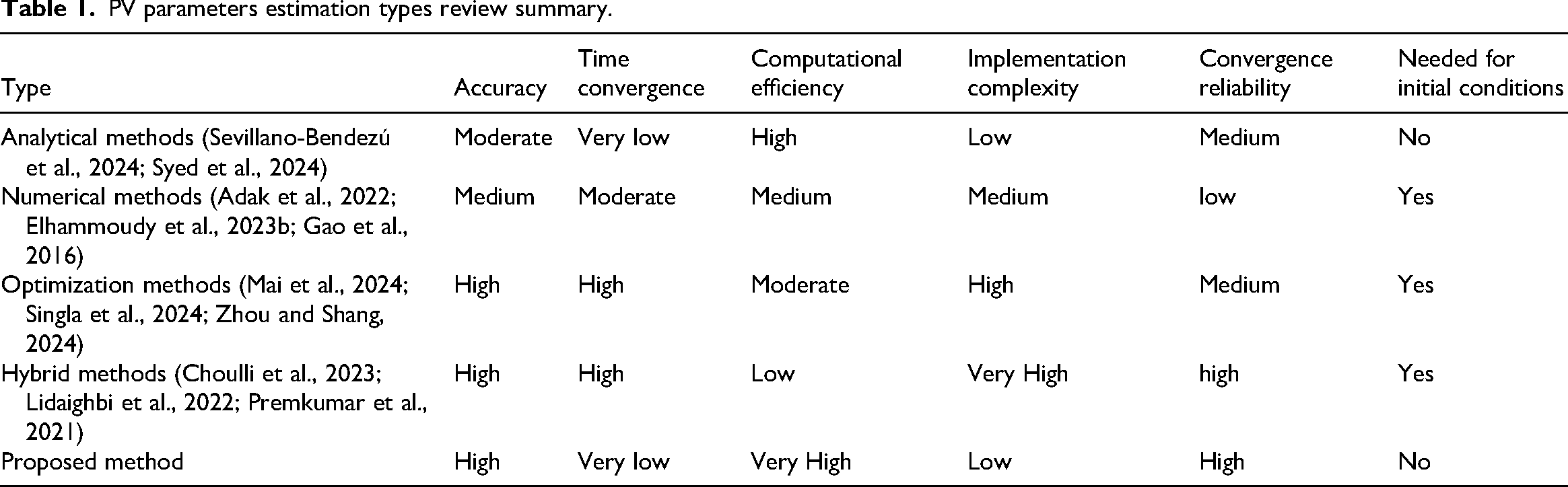
In addition to these methods, hybrid approaches have also been explored for PV parameter identification of different PV cells and modules. Authors in Choulli et al. (2023), Li et al. (2023), and Qais et al. (2019) use hybrid methods through a combination of analytical techniques and optimization algorithms, such as sunflower optimization (SFO), PSO, and artificial hummingbird metaheuristic algorithms, respectively. These methods extract certain parameters of each model using analytical methods, while the remaining parameters are determined using optimization methods. In Elhammoudy et al. (2023a), other hybrid methods are presented, combining a Dandelion Optimizer (DO) metaheuristic algorithm with a numerical method, Newton-Raphson (NR). In Tifidat et al. (2023), a combination of numerical and analytical methods is applied to reduce the number of unknown parameters from five to only two. In Taleshian et al. (2023), hybrid methods between Flexible Improved PSO (FIPSO) and Sequential Quadratic Programming (SQP). Despite their effectiveness, many existing methods exhibit limitations in accuracy due to inherent assumptions or reliance on optimization algorithms. Table 1 presents a comparative analysis of the advantages and limitations of the four PV parameter estimation techniques, highlighting the enhanced efficacy of the proposed method over existing approaches.
PV parameters estimation types review summary.
This paper proposes a novel analytical approach designed explicitly to determine the parameters in a SDM of a PV system. Unlike conventional analytical methods, which rely on various approximations, this approach relies solely on empirical data measurements while achieving high accuracy in determining the five key parameters. The proposed method categorizes the I–V curve characteristics into three distinct operational intervals: (a) the current-saturation region, characterized by a nearly constant current; (b) the nonlinear region surrounding the maximum power point (MPP); and (c) the high-voltage linear region nearing open-circuit conditions, as shown in Figure 1.
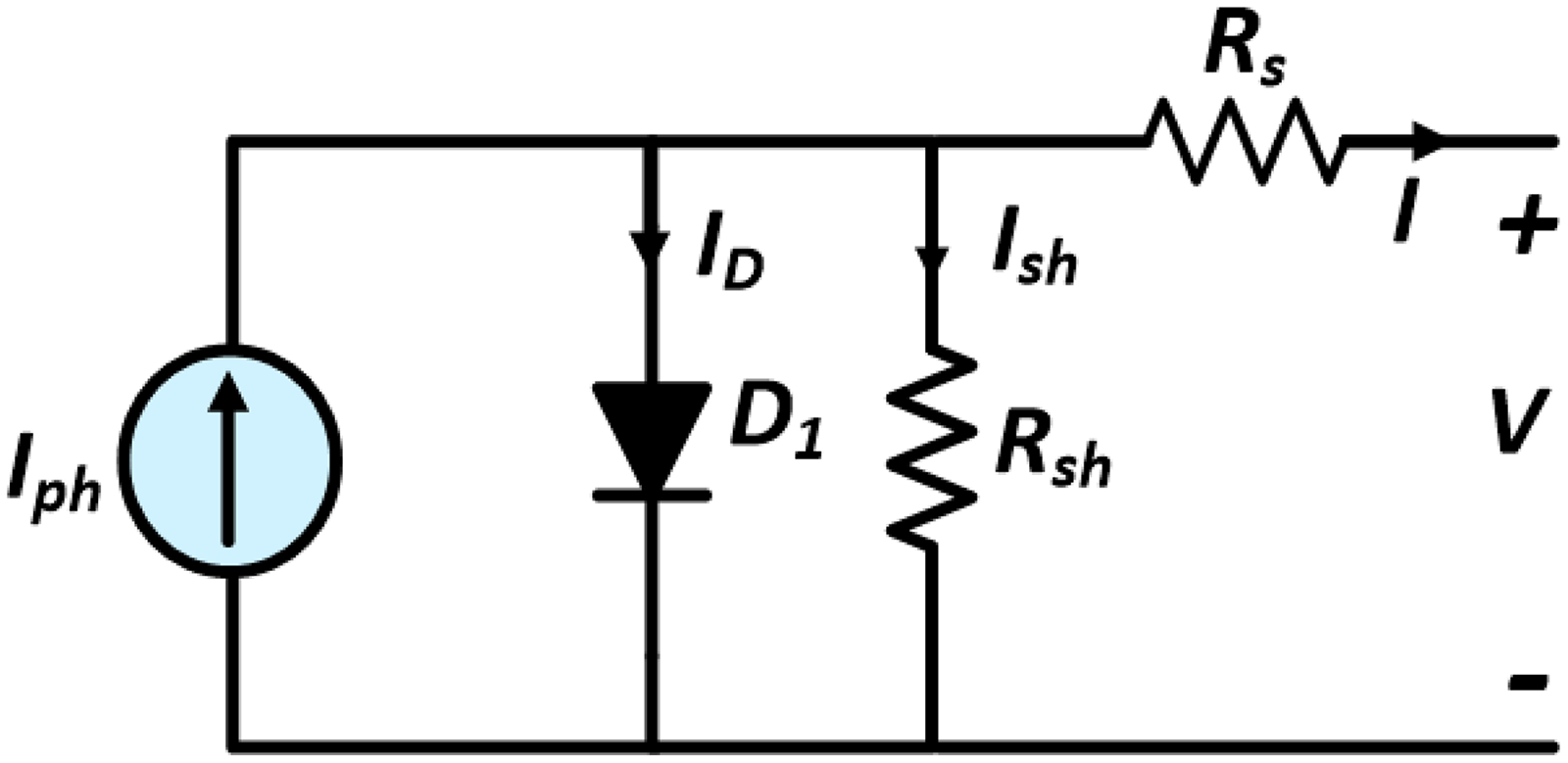
Equivalent circuit of SDM PV cell.
This methodology ensures:
High accuracy in parameter estimation through direct utilization of characteristic points along the I–V curve. Simplicity of the computational technique. Intrinsic robustness, independent of initial conditions or convergence challenges commonly faced by existing algorithms.
Modeling of a photovoltaic module
SDM model
This section aims to address the PV modeling problem. Then, an electrical model will be used to describe the photovoltaic module. In this respect, the SDM is considered.
The SDM is often exploited to describe PV behavior because of its balance of simplicity and precision. The equivalent circuit of the SDM model is given in Figure 2. This model consists of a current source, a diode,
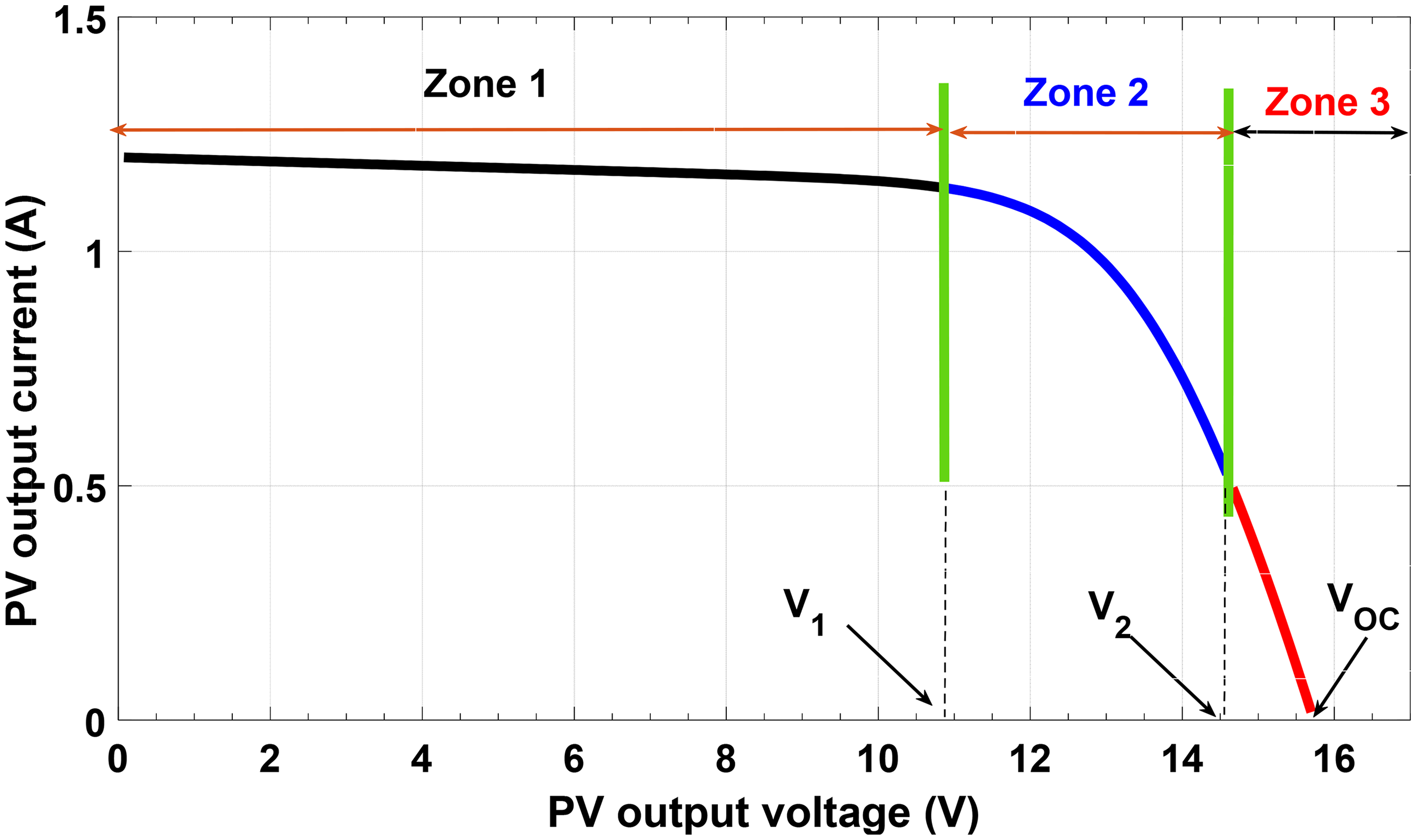
Typical
Unknown parameter description
According to KCL, the equation of the SDM model is defined as:

Where K is the Boltzmann constant (1.3806503 × 10⁻²³ J/K), q represents the electric charge of the electron (1.60217646 × 10⁻¹⁹C), and T represents the temperature of the solar cell.
Generally, the SDM model includes five undefined parameters (Lidaighbi et al., 2022; Premkumar et al., 2021), namely
Method description
The PV model is known for its complex nonlinear behavior. Then, several previous works have been established based on problematic assumptions and approximations. Presently, a multimodel approach is proposed to address the parameter identification issue of a PV system. Specifically, the I–V nonlinear curve can be divided into several intervals. A model can be involved in each interval. In this respect, it is seen that the I–V characteristic can be divided into three intervals (Figure 1):
First interval
In this interval, it is seen that the Second interval 
The value of the upper bound of this second interval corresponds to the open-circuit voltage 
It is readily seen that equation (4) can be rewritten as:
Using equations (4) and (5), one immediately has Third interval
Assumptions
For any given temperature, the curve of the current I versus the voltage V is assumed to be continuous. During the experiment time, the irradiance and temperature are considered constant. These assumptions are generally satisfied. The shape of the curve in this interval is nonlinear. Therefore, according to the Weierstrass theorem, the A majorant of Taylor expansion truncation m, given in equation (6), is supposed to be known. The number of measurement points in the interval 
At this stage, the Taylor expansion truncation m is considered known. Practically, the setting issue of the truncation order m will be discussed later.
The objective of the proposed approach is to establish some equations describing the PV behavior within any interval using the analytical expression between the current I and voltage V as in equation (1). Then, based on the set of obtained equations and using data acquisition (set of measurement points
PV model (Figure 2), or equation (1), there are five unknown parameters: The value of 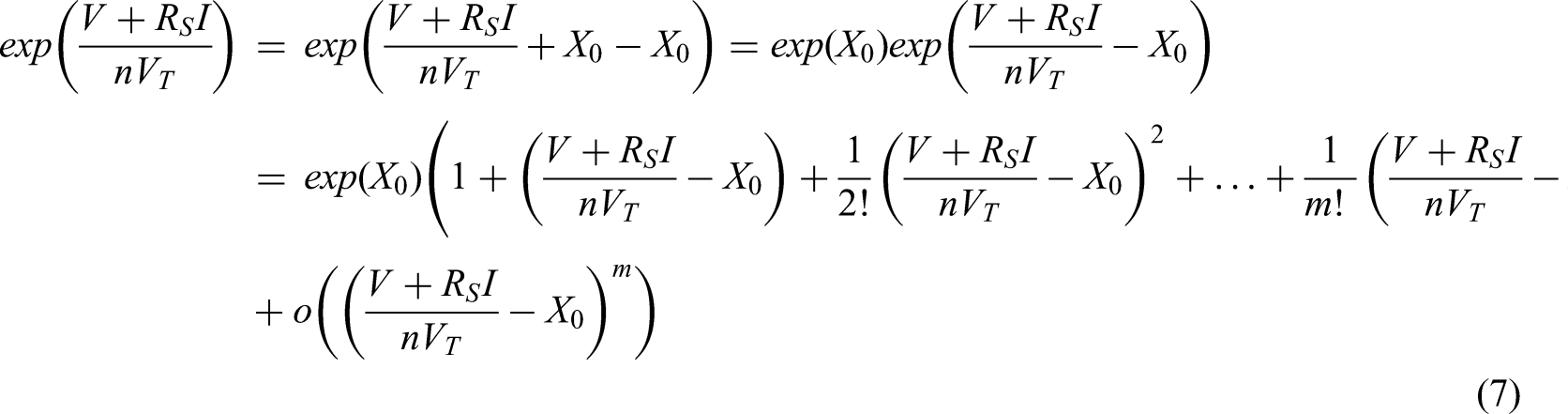
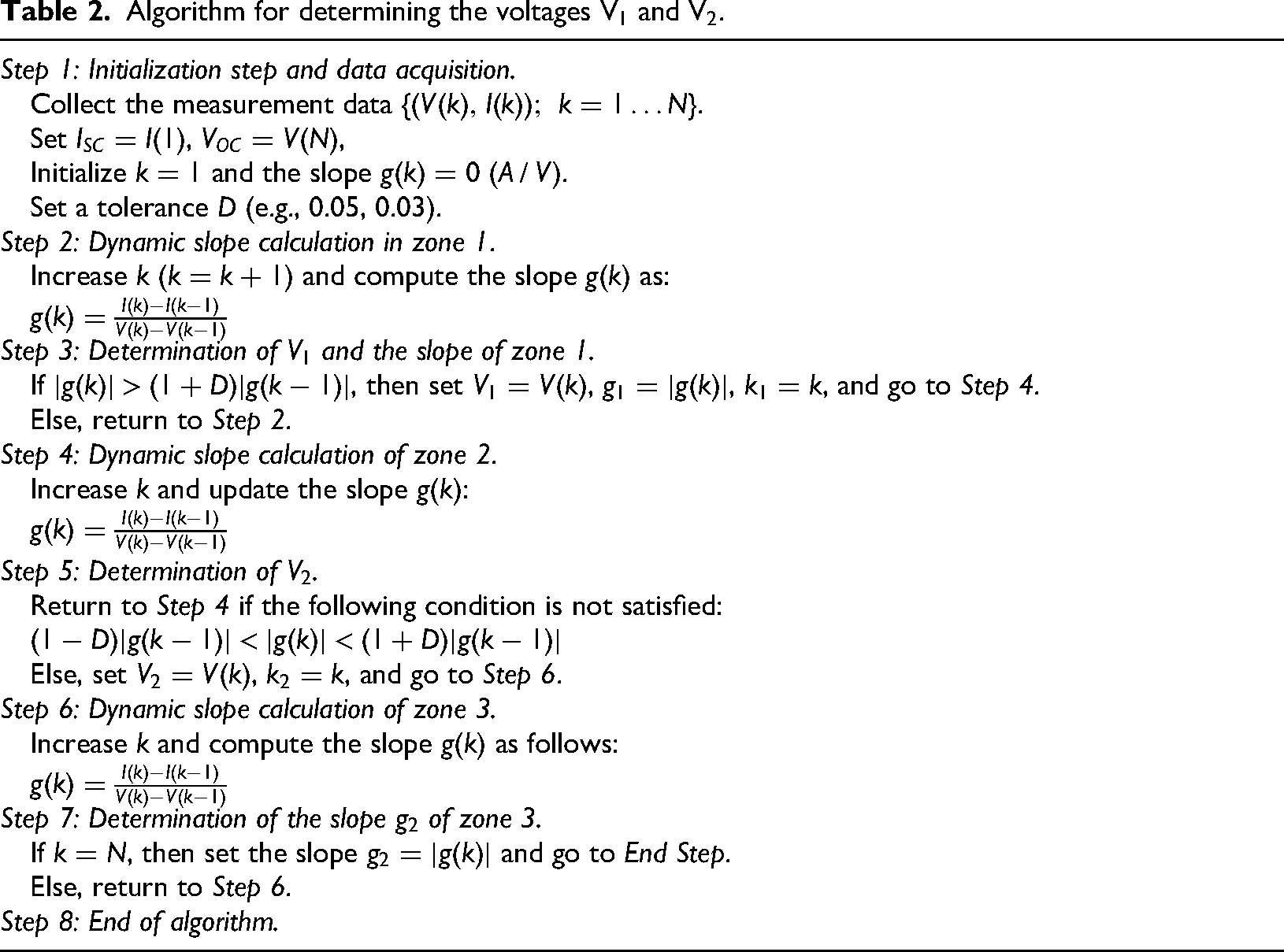
Let N denote the number of measurements and
Algorithm for determining the voltages
Identification method of the PV model
Description of the PV behavior in the first interval
Initially, voltage V is regarded as belonging to the interval [0, 
By replacing the term 
It follows from equation (9) that the expression of the current I with respect 
The I–V characteristic (Figure 1) indicates that the current 

Let us consider 

It is important to observe that the two equations in equation (14) encompass three unknown parameters,
Description in the second interval
In this part, the voltage V is considered to belong to the interval
If the expansion order m is taken more than 1, the curve of current I concerning the voltage V will take a nonlinear form. However, it is well known that the
Following Remark 1, the Taylor expansion in equation (7) around 

Generally, 
If follows from equation (17) that the current I is correlated with the voltage V as:
Since the value of 
The result given by equation (19) shows that the current I versus the voltage V is a linear curve of slope 

Using the 
The value of V is equal to 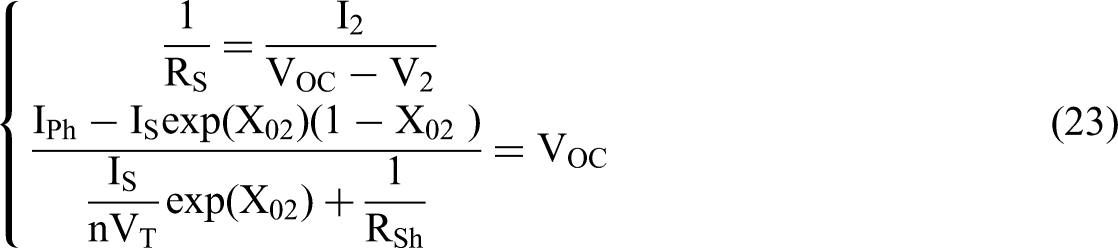
By combining the first equation of (23) with the two equations obtained in the first interval, given in equation (14), a system of three equations having three unknown parameters (namely,
Presently, the PV parameters will be identified for any given temperature (i.e., T is constant). Then, the thermal voltage,
Description in the third interval
Let us consider that 

Generally, the value of 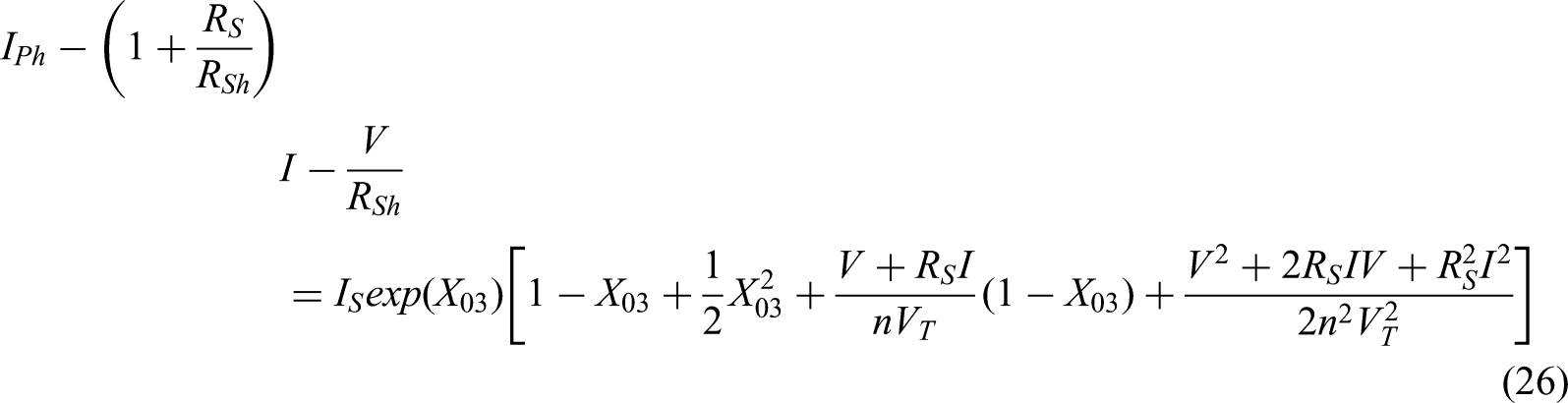
Let us introduce the new variables y, 
At this stage, the only unknown parameters are n and 
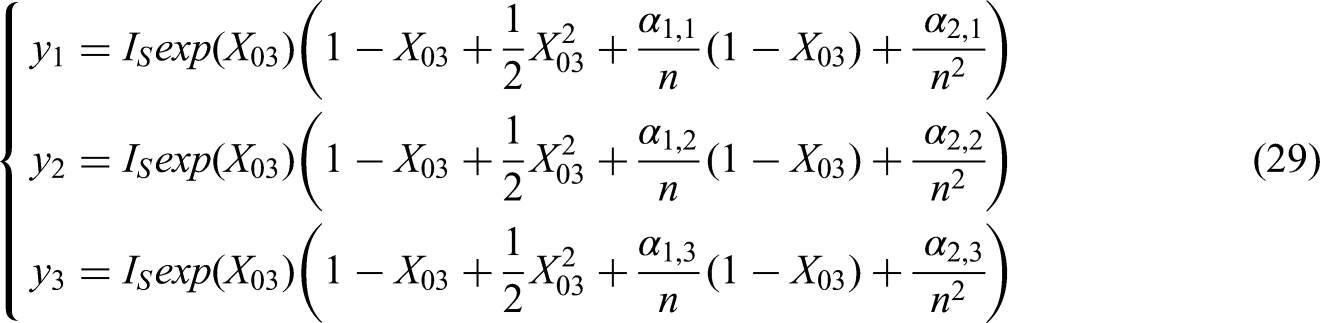
At this stage, the parameters of the PV model that remain unknown are n and
To determine the parameters of the PV model, some equations have been derived in each interval. Two equations have been derived for the first and second intervals, given by equations (14) and (23), respectively. To explain how equations can be deduced in the third interval, the expansion order m in equation (3) is chosen to be equal to 2. Roughly, the expansion order
Let 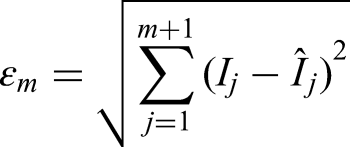
The following algorithm for setting the order m is given below:
To address accuracy issues related to segmenting the characteristic into sub-intervals, a validation mechanism is implemented and is given in Figure 3. Using the true data and the estimated data, the
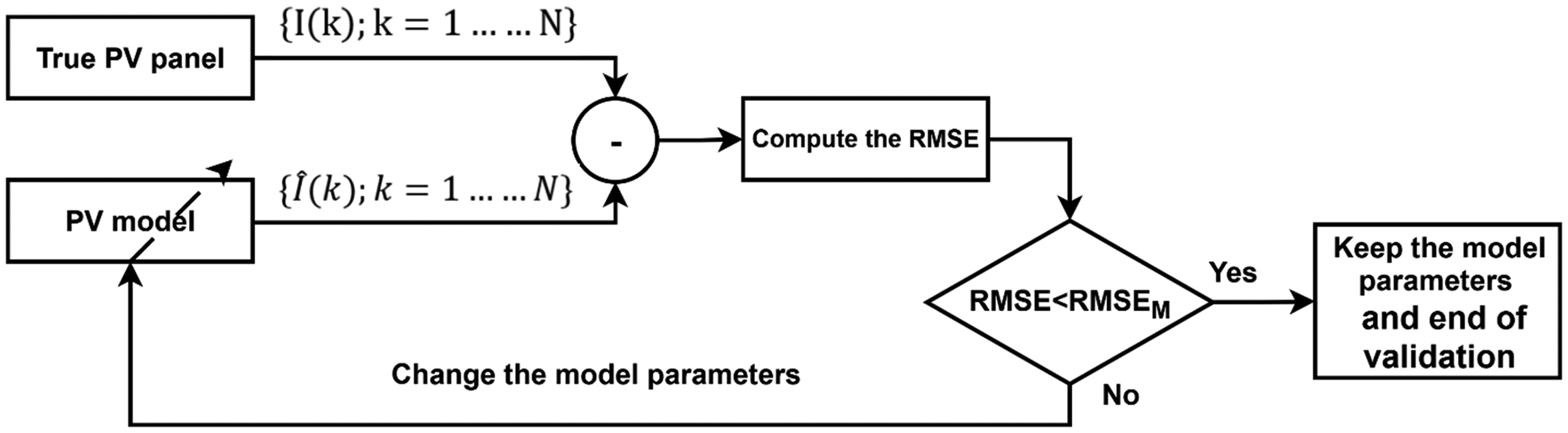
Adaptive validation of the
For a given threshold
Results and discussion
To validate the effectiveness of the proposed analytical approach for identifying photovoltaic panel parameters using a SDM, the proposed method is applied to three different PV modules/cells based on experimental data. Initially, to facilitate comparison with other methodologies, the well-recognized RTC France solar cell and PWP 201 PV panel are evaluated using the experimental data from (Gao et al., 2018). Furthermore, the experimental results for the ET-M53690, obtained directly from the laboratory, were conducted under varying temperature conditions. To assess the effectiveness of the presented methodology, two performance metrics are employed to analyze the discrepancy between the estimated and actual PV parameters: the RMSE and Absolute Error (AE).

Validation through benchmark data
In this section, the experimental data of the R.T.C solar cell and PWP201 are used to evaluate the proposed approach. The electrical characteristics of these PV modules at the tested temperature are given in Table A1 (see the Appendix).
Implementation of analytical approach on benchmark solar cell: R.T.C. France solar cell
In this case, the R.T.C solar cell is utilized to validate the accuracy of the proposed SDM five parameter estimation. The experimental data were collected at
Choice of the expansion order.
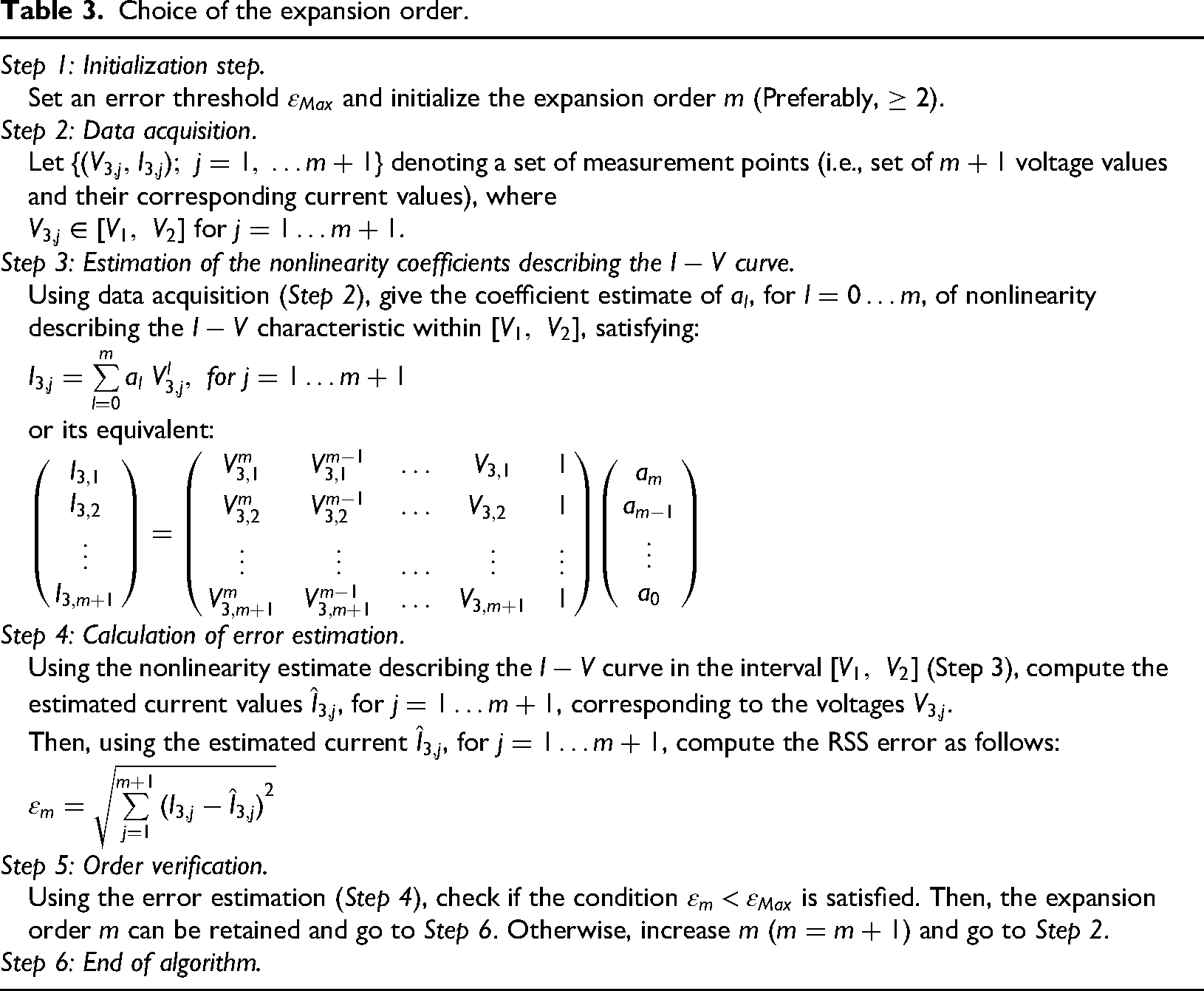
Using the set of experimentally acquired data points within the interval
Check if the RSS error
Using the obtained experimental data, it was observed that the RSS error satisfies the condition
The same selection procedure is applied to the other dataset in the latter.
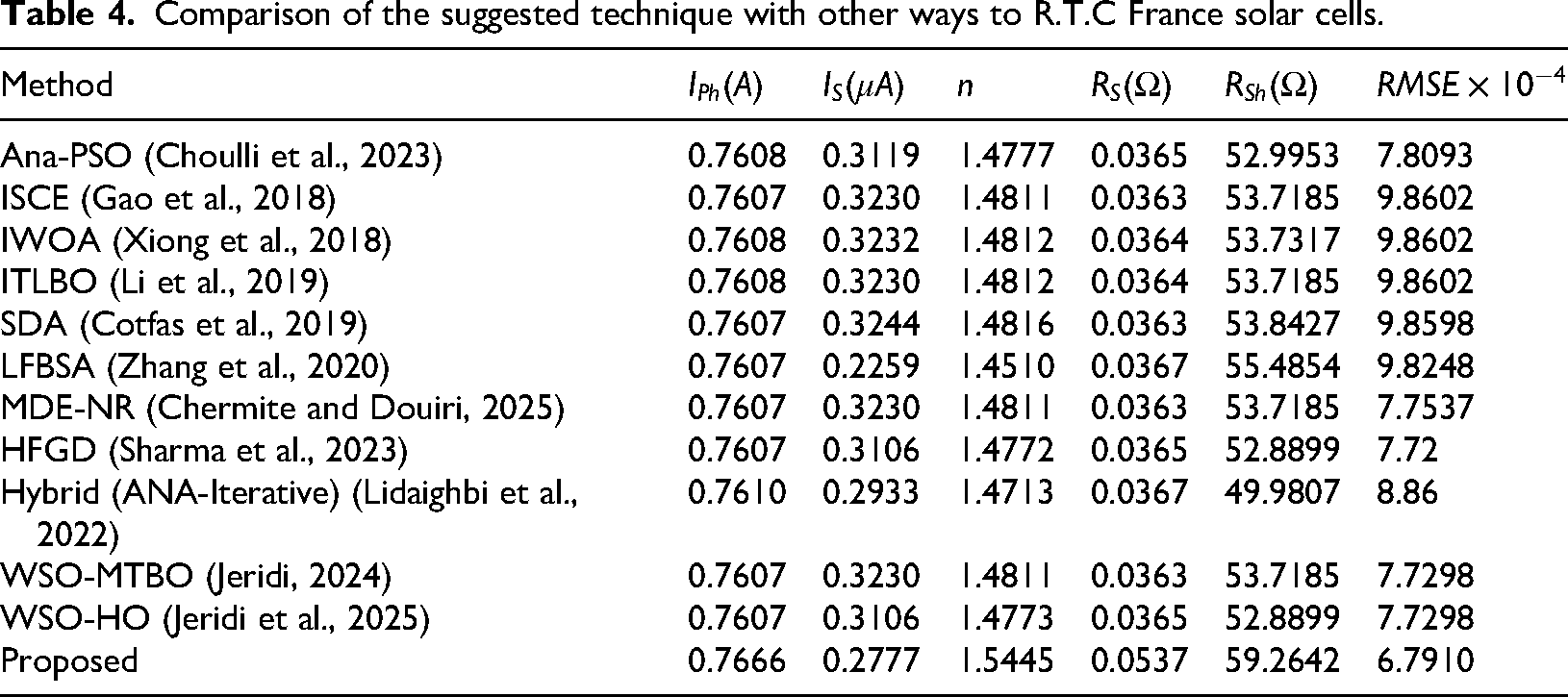
The optimal five parameters of the model, along with their corresponding RMSE, are compared with other approaches at the same temperature, demonstrating that the proposed method achieves higher accuracy than previous studies, as shown in Table 4. From this table, it is clear that the small values of RMSE are achieved by the proposed approach, which is
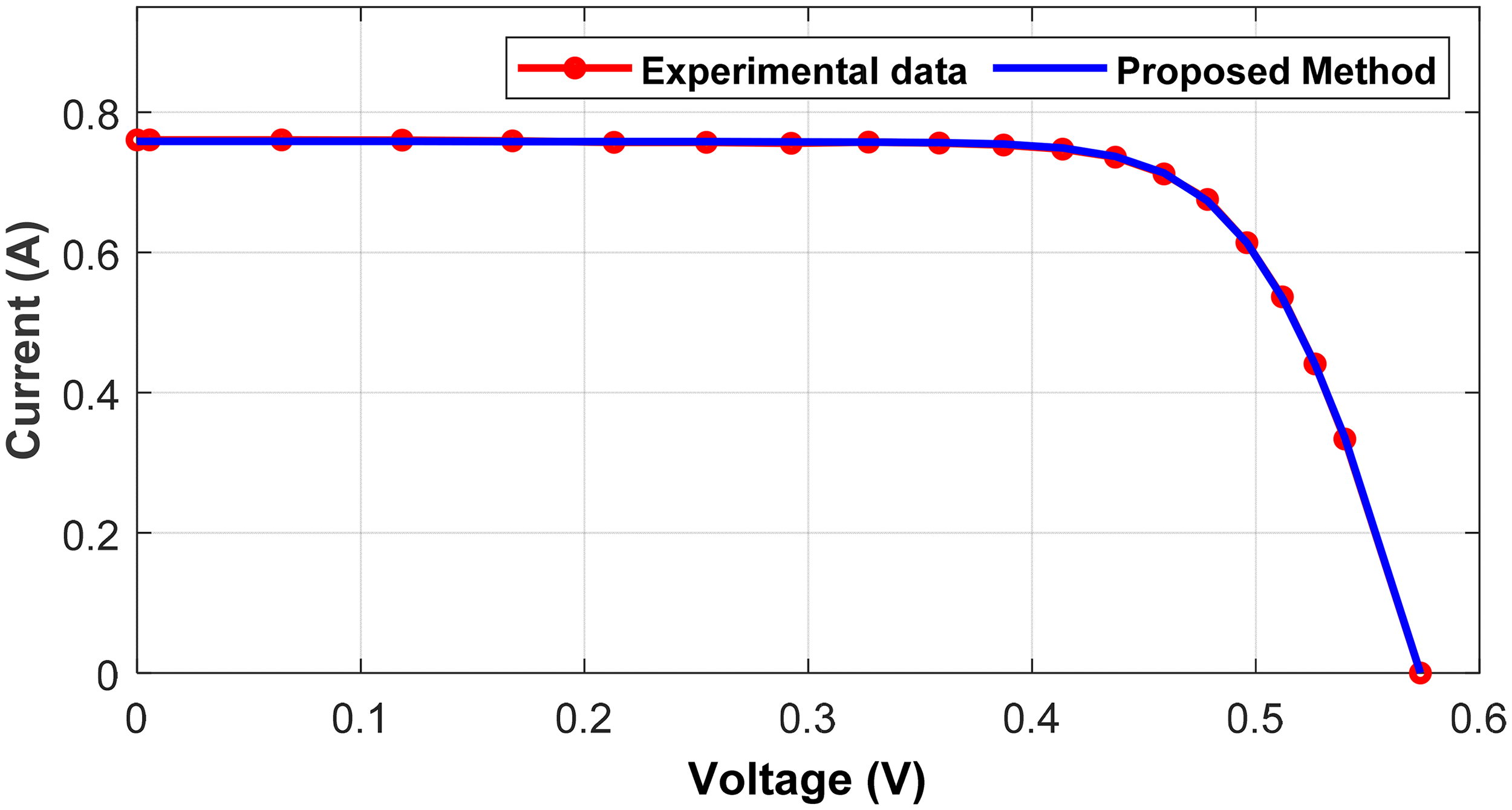
Comparison of the suggested technique with other ways to R.T.C France solar cells.
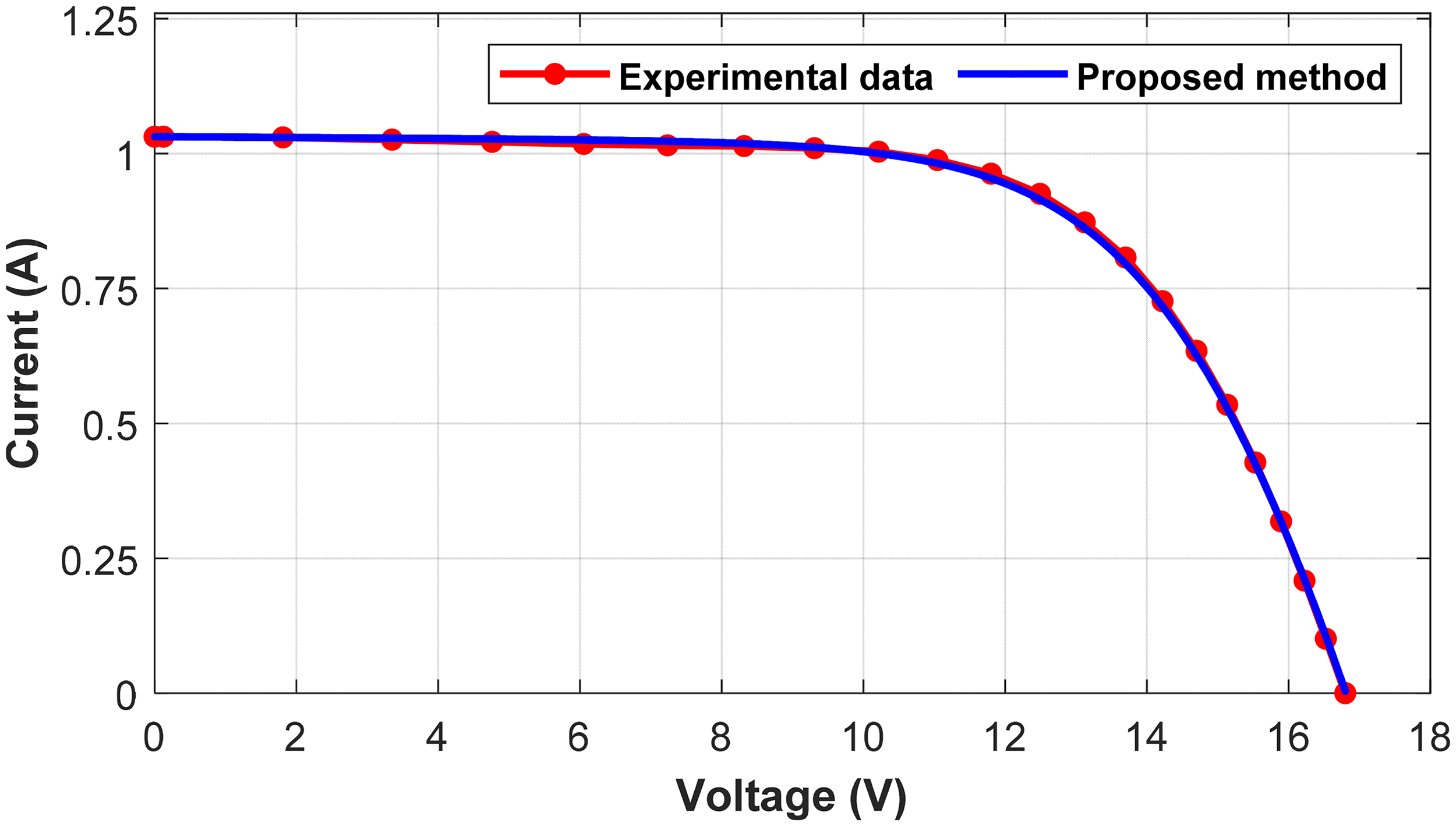
Furthermore, this figure reveals excellent agreement between the simulated I–V characteristics and experimental measurements, with near-perfect overlap of the curves. This close match confirms the high performance of the proposed method in extracting the five SDM parameters.
As shown in Table 4, some parameters obtained using the proposed method differ from those reported in other studies. This is mainly due to the nonuniqueness of PV model parameters, where different parameter combinations may yield the same
Figure 5 illustrates the absolute error for each voltage value. This figure shows that the absolute error remains consistently low (<0.0005) across the entire voltage range. These results confirm that the parameters extracted through the proposed analytical method accurately reproduce the
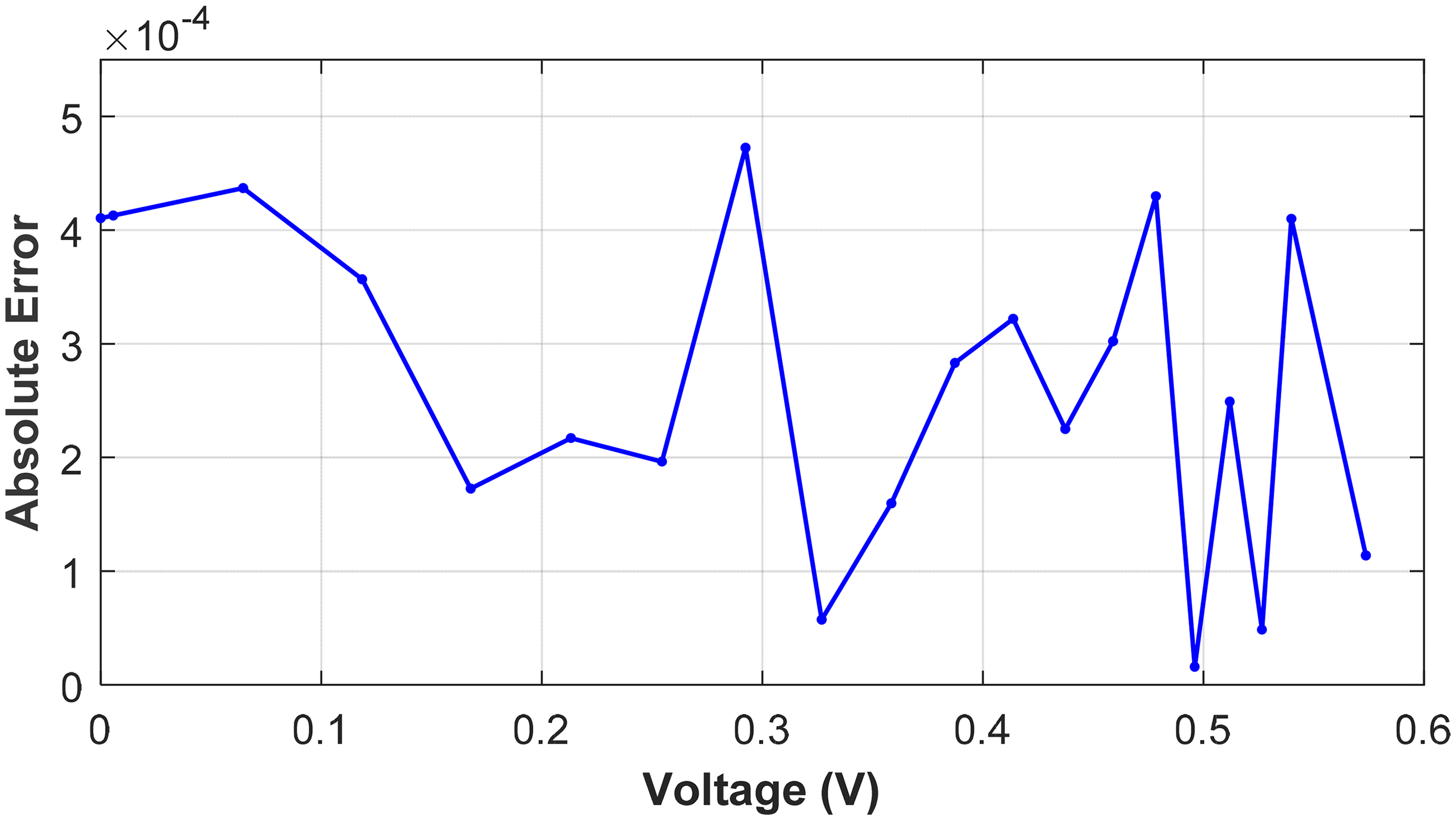
Absolute error of the R.T.C solar cell using the suggested method.
Implementation of analytical approach on benchmark PV module: Photowatt PWP201
In this case, the experimental data of the PWP201 PV panel, which is composed of 36 polycrystalline cells connected in series at irradiation of
Comparison between the proposed method and the other approaches of PWP201 PV panel.
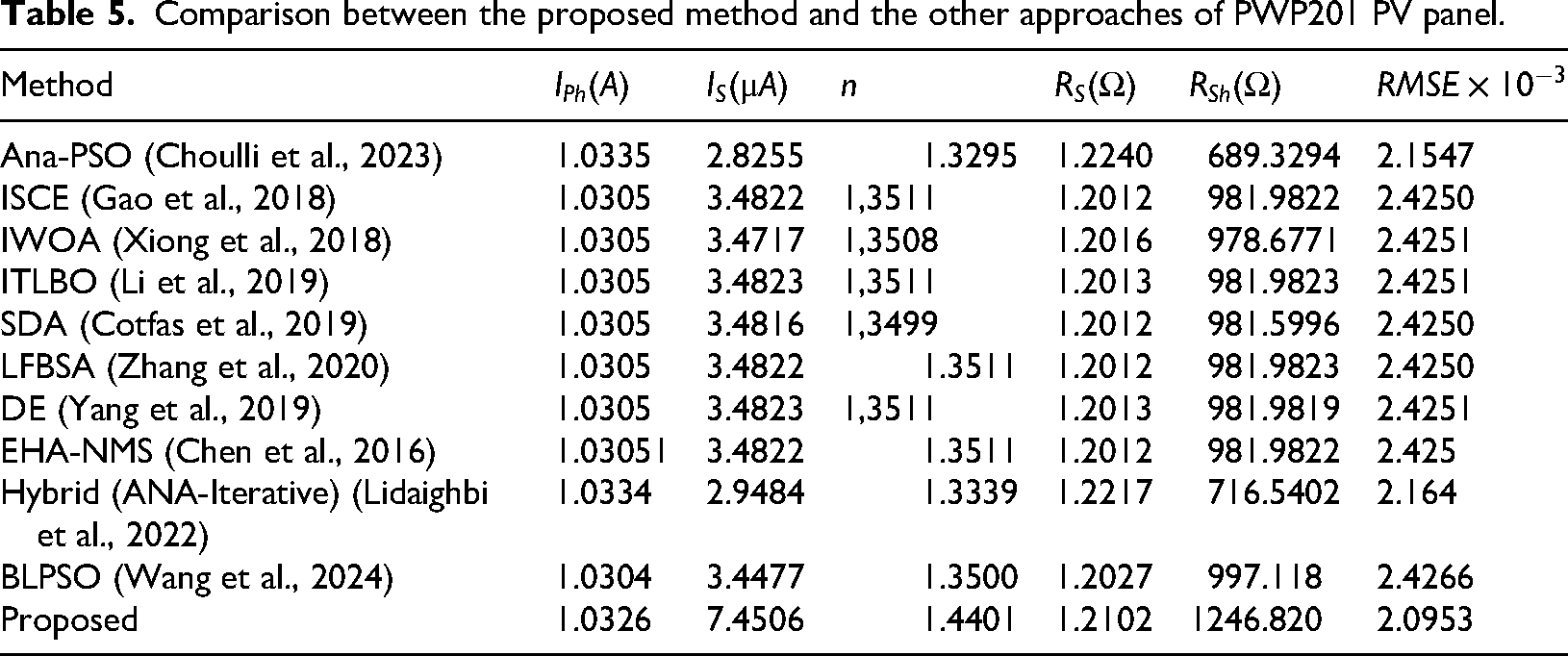
It can be seen from this table that some parameters identified by the proposed method differ from those obtained in the literature. This behavior can be explained by the fact that the parameters of PV models are not unique. Several sets of parameters might lead to an equivalent adjustment of the I–V curves. However, the parameters extracted using the suggested method remain physically feasible and fall into categories that are consistent with the physical characteristics of PV modules. Therefore, the comparison is considered fair when the evaluation is based primarily on the accuracy of adjustment and the physical plausibility of the parameters.
Figure 7 illustrates the absolute error in each point measurement between the estimated and experimental current.
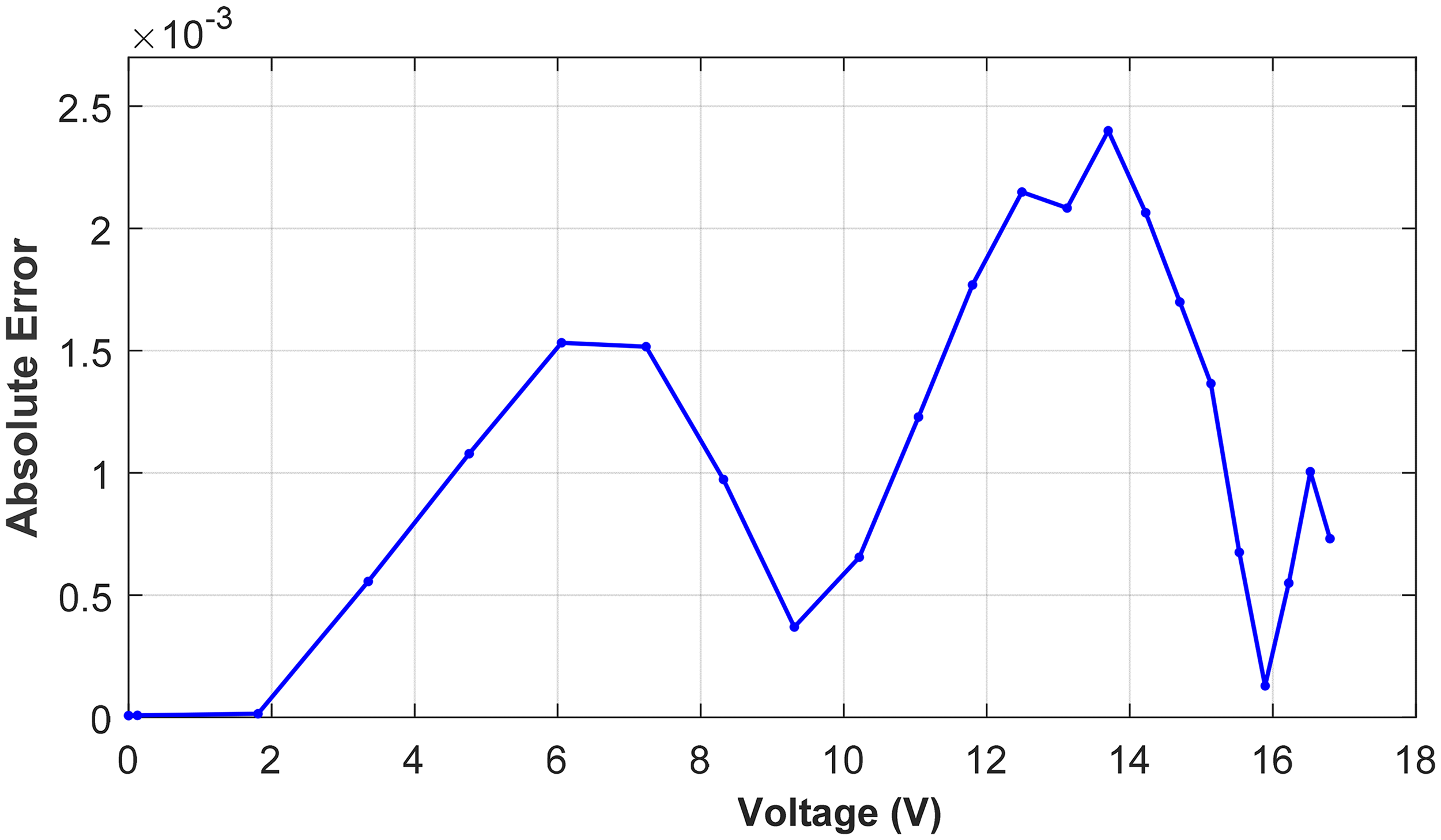
Absolute error of the PWP201 PV panel using the proposed method.
From Figure 7 we can remark that the AE value stays below 0.001 for the majority of the points of the
Experimental validation: Implementation of analytical approach ET-M53690W at different temperatures:
,
and
The experimental setup used to acquire the I–V characteristics of the PV modules is presented in Figure 8. It consists of a PV module connected to a load (variable resistive). To acquire the current and voltage measurements, the load variation is performed within a very short time interval, enabling rapid sweeping of the operating points over the entire I–V curve. The current and voltage are measured using a digital acquisition system, while temperature and irradiance are measured using the temperature and irradiance sensors. This configuration enables accurate data collection under various environmental conditions, which is crucial for the reliable identification of the SDM parameters. The

Experimental setup for PV panel characterization.
To ensure a uniform temperature across the entire surface of the panel, the zone where the experiment is carried out is judiciously chosen so that the temperature across the whole surface is almost the same.
In this case, the proposed analytical approach is implemented to extract the five parameters of the SDM based on experimental data from the ET-M53690W PV module, which consists of 36 monocrystalline cells. Three different temperatures were considered to demonstrate that the proposed approach maintains its effectiveness despite temperature changes. The electrical characteristics of this PV panel at each tested temperature are presented in Table A2 (see the Appendix).
The experimental data are obtained from the laboratory at different temperatures such as
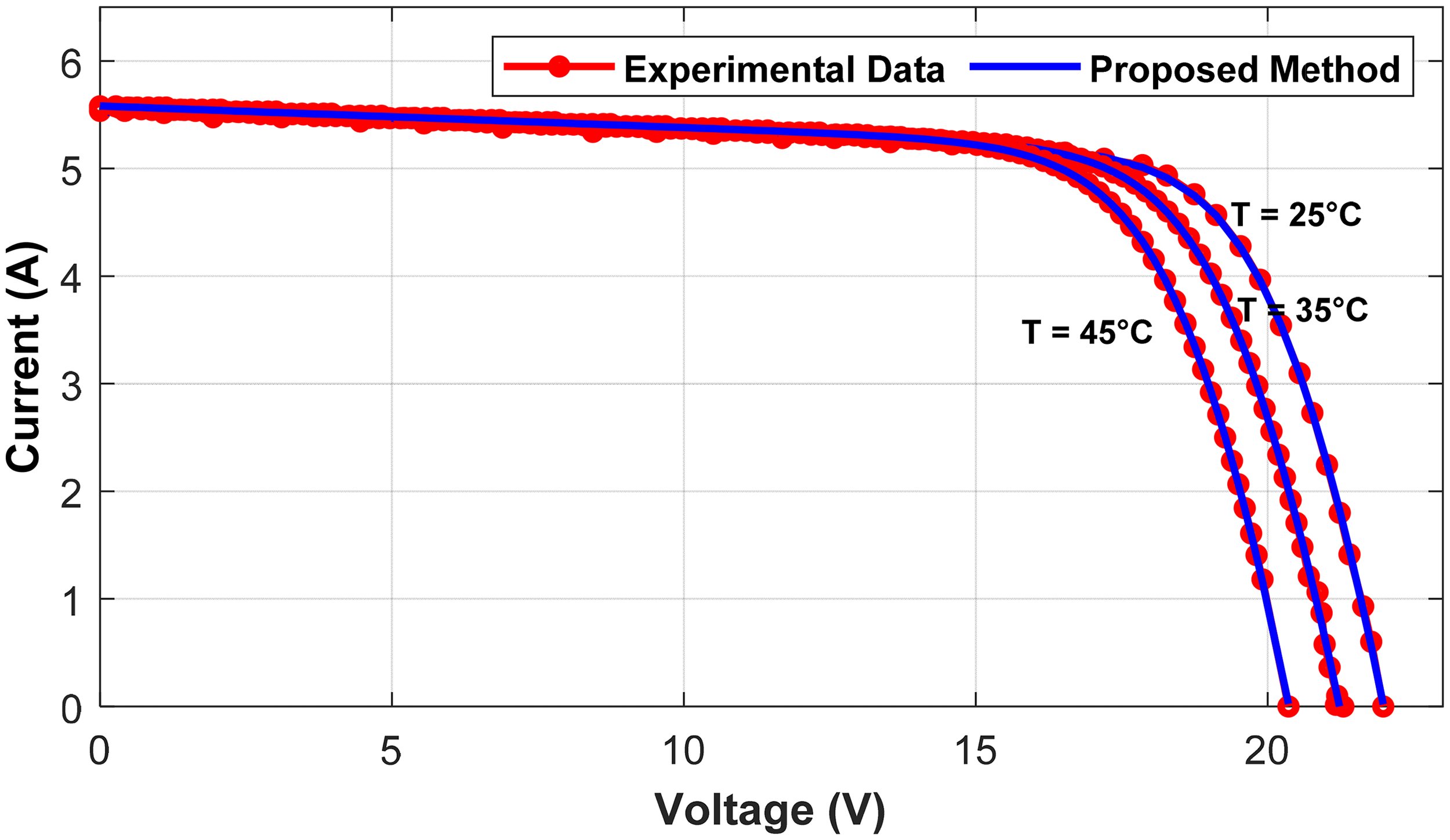
Optimal parameters of the proposed analytical method of ET-M53690W PV panel at three different temperatures.
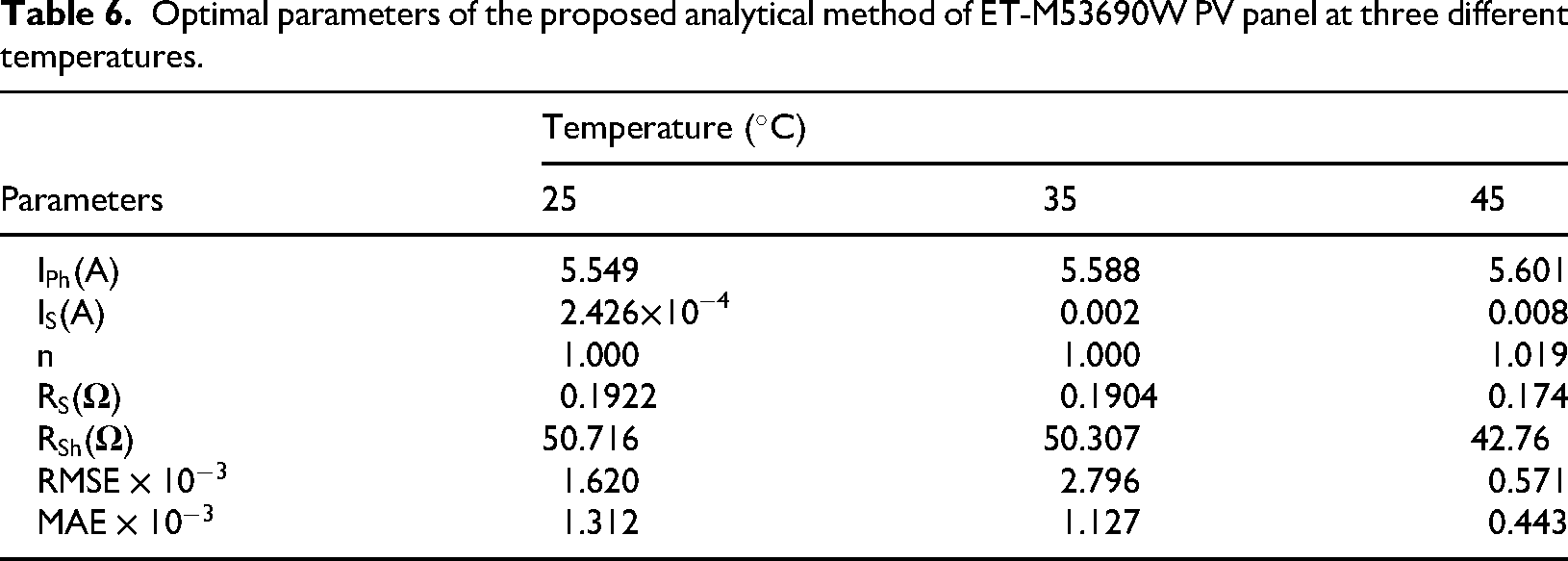
Figure 10 presents the absolute error in different temperatures (
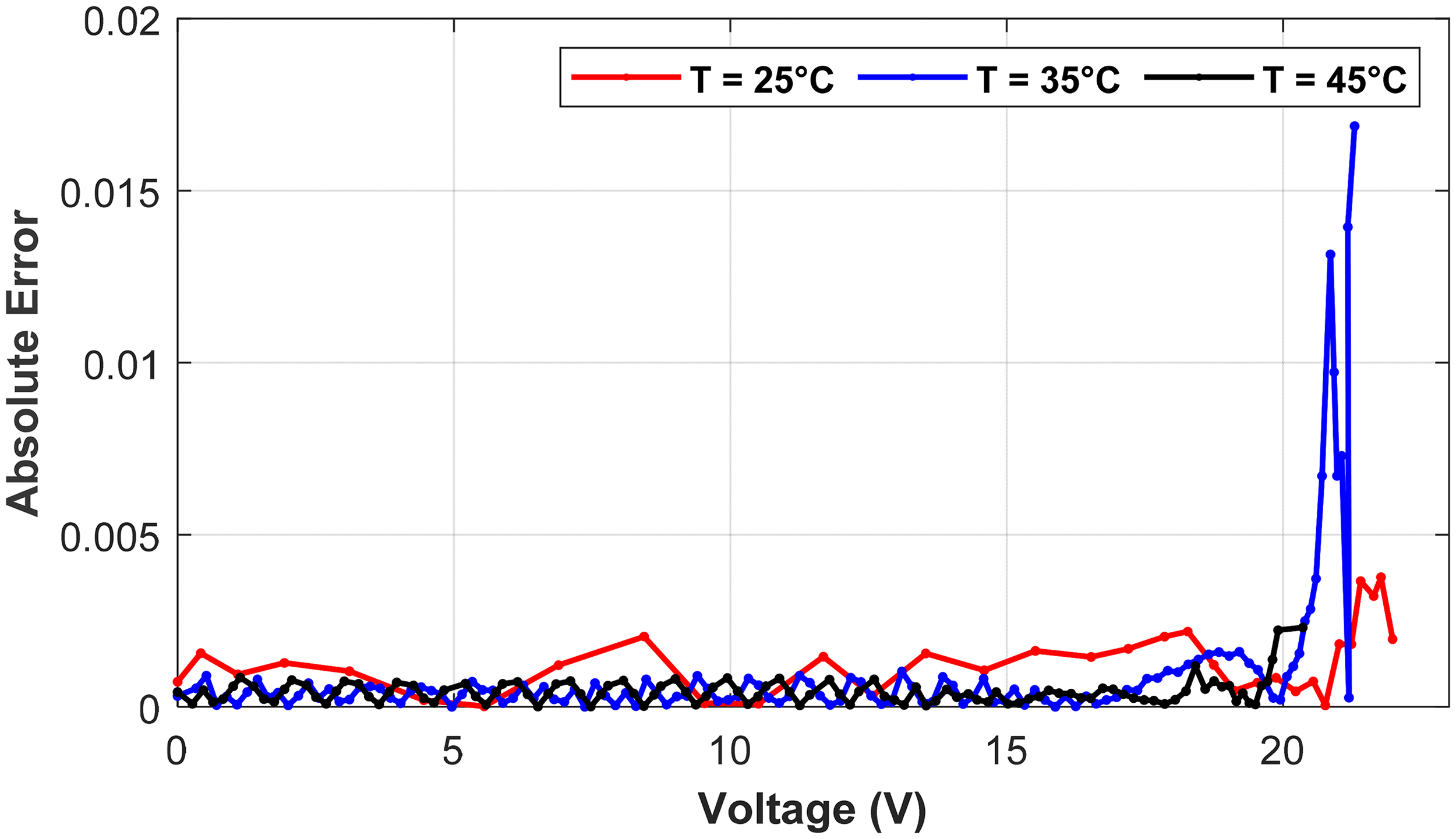
Absolute error of the ET-M53690W PV panel using the proposed method at different temperature conditions.
To evaluate the proposed model, a set of statistical indicators, namely the mean absolute error (MAE), minimum (Min), maximum (Max), mean (ME), and standard deviation (SD) has been calculated and summarized in Table 7. These metrics provide a more detailed and reliable assessment of the model's accuracy as well as its consistency under the different temperature conditions considered.
Performance metrics of the ET-M53690W PV using the proposed method at three different temperatures.
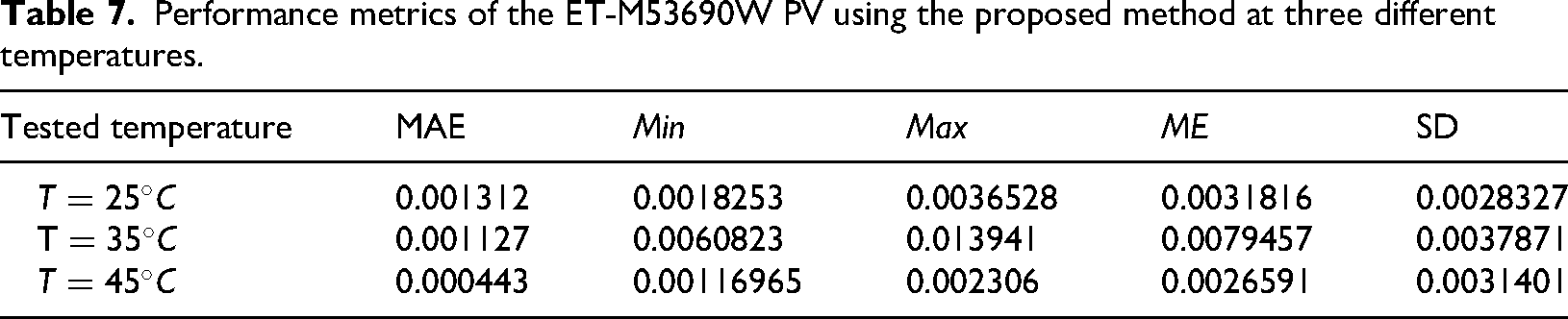
The results demonstrate that the proposed approach maintains a low estimation error across all tested temperature conditions. A slight increase in the error metrics is observed as the temperature increases. Nevertheless, the overall stability of the MAE and SD values confirms the robustness and reliability of the method under varying meteorological conditions.
In addition, since the proposed method relies exclusively on analytical expressions and based on experimental data, avoiding iterative numerical solvers. As a result, the computational burden is very low, making the method suitable for fast simulations.
To identify the PV parameters for other temperatures, the same approach can be carried out. When atmospheric conditions change, some PV parameters vary, while others remain constant. For instance, in the case when the temperature varies and the irradiance is constant, it is seen that the short circuit current
Furthermore, it is shown that the open circuit voltage
Generalization and robustness analysis
Validation using a number of PV cells/modules
To address the generalizability of the proposed analytical parameter estimation method, an extensive validation was carried out using multiple photovoltaic (PV) modules including monocrystalline, polycrystalline, and thin-film technologies, as summarized in Table 8. Specifically, the validation dataset includes six different PV modules, namely STM6-40/36, Ultra85-P, LSM 20, STP6-120/36, STE 4/100, and PVM-752GaAs, which differ in terms of cell technology, number of series-connected cells. This selection enables the evaluation of the proposed method across diverse PV architectures, rather than being limited to a single panel configuration.
Validation results of the proposed method for different PV technologies.
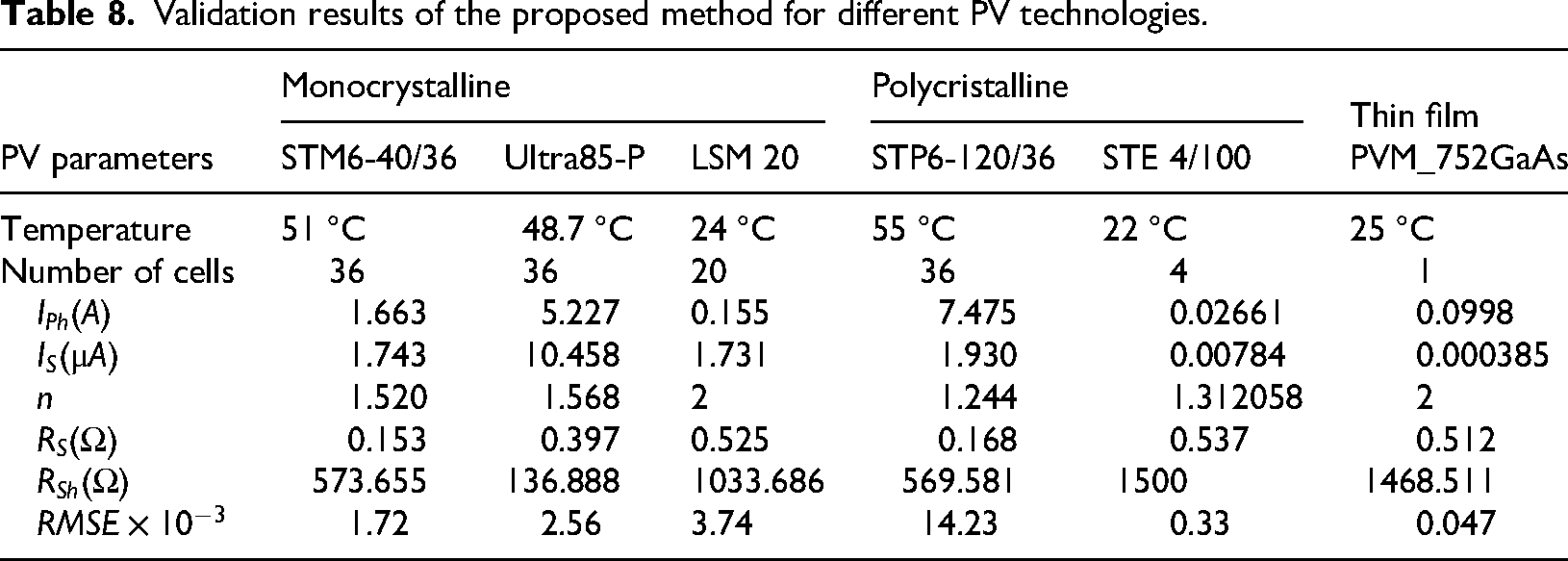
The obtained results demonstrate that the proposed method consistently achieves low RMSE values across all tested PV technologies, confirming its high accuracy and numerical stability regardless of material type, or number of cells. This indicates that the method does not rely on technology-specific assumptions and can be effectively applied to both crystalline silicon and thin-film PV modules.
Sensitivity analysis
To evaluate the robustness of the PV model under parameter uncertainty, a sensitivity analysis was conducted for the five key parameters of the single-diode model: photocurrent Sensitivity analysis with respect to
This sensibility will noted 
This expression can be simplified to:
The sensitivity
The results show that the model remains stable under perturbations of (b) Sensitivity analysis with respect to
Impact of

The sensitivity of I with respect to the saturation current 
Which simplifies to:
This sensitivity is negative, indicating an inverse relationship with the output current, and its absolute value increases as the operating point approaches open-circuit conditions.
The sensitivity is relatively low. The RMSE and MAE remain below 0.014, indicating that the model is not highly sensitive to uncertainties in (c) Sensitivity analysis with respect to
Impact of

The expression of sensitivity 
By simplifying the equation (36), the expression of 
This positive sensitivity reflects the exponential dependence on n in the diode term.
The model exhibits moderate sensitivity to n. The error metrics are higher compared to (d) Sensitivity analysis with respect to
Impact of

This sensitivity is noted 
The expression of 
The negative sign indicates that increasing
The model is robust to variations in (e) Sensitivity analysis with respect to
Impact of

Impact of

This sensibility will noted 
Then 
This positive sensitivity demonstrates the beneficial effect of high shunt resistance on current output.
The model exhibits very low sensitivity to
Conclusion
In this study, a novel analytical approach has been developed for accurately estimating the unknown parameters of the SDM for PV modules and cells using experimental data. The validity and effectiveness of the proposed method were first demonstrated through its application to benchmark PV solar cells and modules. The results showed strong agreement with reference parameters found in the literature, while achieving significantly lower AE and RMSE values, thereby confirming the accuracy and superiority of the method.
Moreover, the robustness of the proposed technique was further validated by successfully extracting the five SDM parameters under varying temperature conditions. The method maintained high accuracy across all tested temperatures, demonstrating its reliability and adaptability to environmental changes. A key advantage of the proposed approach lies in its simplicity and computational efficiency, as it is based on explicit analytical expressions and does not require iterative numerical procedures. This makes it highly suitable for integration into real-world PV monitoring, diagnostic, and optimization systems. Furthermore, the proposed method offers direct benefits for photovoltaic applications, such as MPPT improvement, performance prediction, and panel diagnostics. Its analytical nature enables the quick and reliable extraction of PV model parameters, which makes it suitable for real-time implementation in embedded and smart inverter systems.
Overall, the proposed method offers a reliable, efficient, and practical solution for SDM parameter estimation, contributing to the advancement of accurate PV modeling and performance analysis. Compared with iterative and metaheuristic techniques, the approach avoids convergence issues and high computational cost, which enhances its practicality for large-scale PV monitoring and onsite characterization.
To verify the proposed algorithm under realistic operating conditions, future work will focus on analyzing the impact of irradiance variations on the same problem.
Footnotes

Funding
The authors received no financial support for the research, authorship, and/or publication of this article.
Declaration of conflicting interests
The authors declared no potential conflicts of interest with respect to the research, authorship, and/or publication of this article.