




Abstract
A smart grid is an advanced energy distribution system that utilizes digital communication, analytics, and automation to enhance the efficiency and sustainability of the electricity grid. Its implementation is vital for improving energy efficiency, reducing carbon emissions, and managing increasing power demands. In Oman, over 90% of power generation relies on gas turbines and fossil fuels. The rapid development in the region has put pressure on the current grid, making the adoption of smart grid technology essential for sustainable progress. In this research, we conducted a qualitative and structural study using Delphi and interpretive structural modeling (ISM) methods instead of relying on statistical analysis. Our objective was to identify the barriers to implementing smart grids. We started with a literature review to pinpoint these obstacles. Based on our analysis, we provide recommendations to address the identified challenges. Finally, we analyzed the results from the Delphi rounds using ISM, a well-established approach for determining the relationships between specific elements that define a problem or issue.
Keywords
Introduction
The smart grid is the “modernization’’ of the traditional electric power system. It’s a transformative technology that is crucial to meet the growing global demand for reliable, efficient, and sustainable energy. In Oman, the adoption of smart grid systems is significant due to the growing electricity demand driven by a growing population and expanding industries. These advanced systems enhance energy management by seamlessly integrating renewable sources such as solar and wind, which are abundant in the region. In addition to improving operational efficiency, smart grids have the potential to modernize Oman’s energy infrastructure and support the country’s Vision 2040 objectives of sustainability and economic diversification (Amin, 2011; Arnold, 2011; Attaran et al., 2022; Ghadami et al., 2021; Kiasari et al., 2024; Munawar et al., 2024; Raza et al., 2022).
Oman’s electricity infrastructure consists of four distinct networks: the Main Interconnected System (MIS) in the north, serving over 1.1 million customers; the Dhofar Power System (DPS) in the south; the Musandam Power System located in the northern exclave; and the AD Duqm Power System as illustrated in Figure 1, which supports the rapidly growing industrial hub (Al Omairi et al., 2021) With an estimated population of 6.0 million projected for 2030 and an annual peak electricity demand growth of around 4%, there is an urgent need for innovative solutions, such as smart grids.
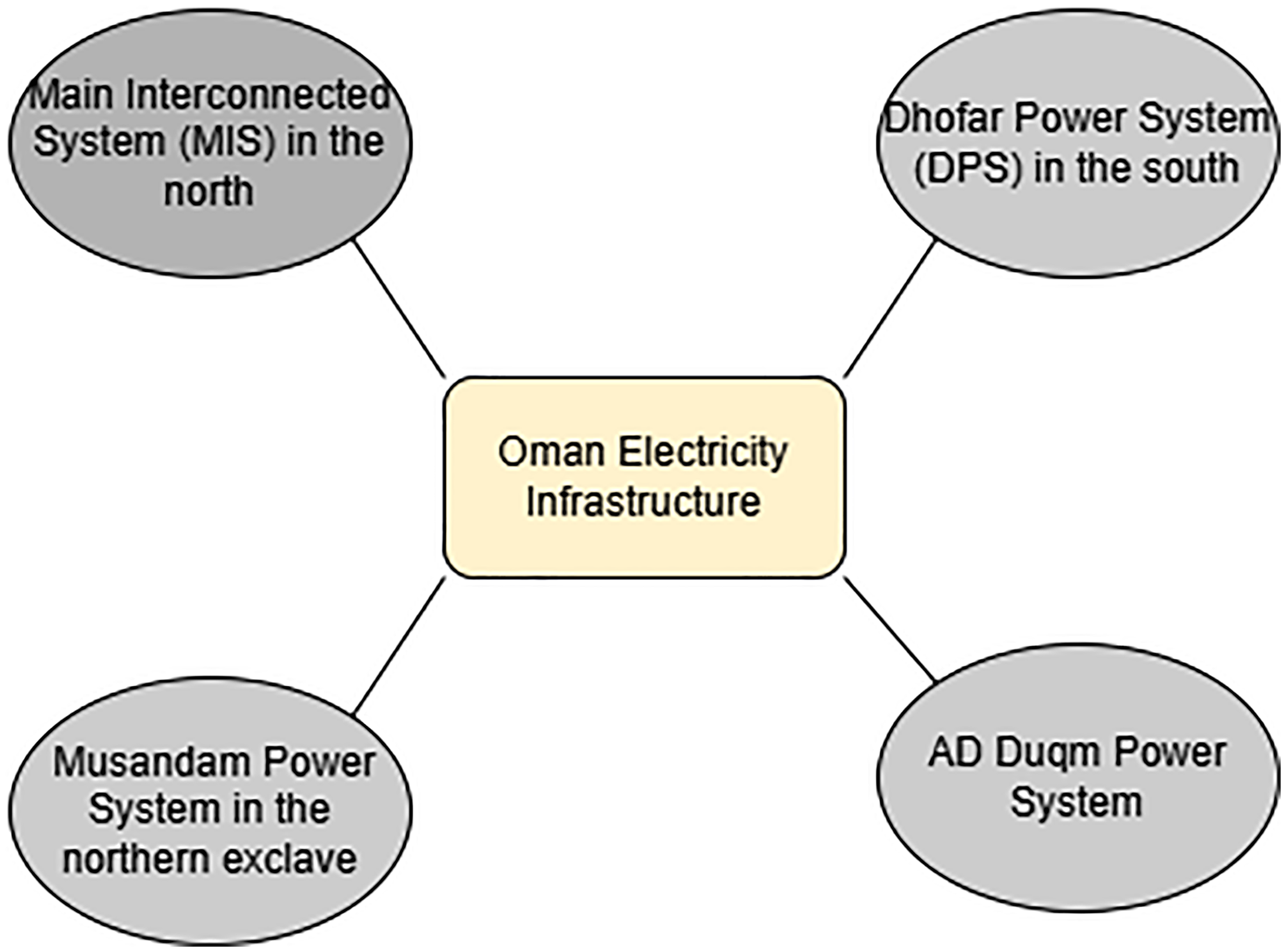
Overview of Oman’s electricity infrastructure, showing generation, transmission, and distribution networks, including the key stakeholders and interconnection pathways within the national power system.
Renewable energy projects, such as the Dhofar Wind Farm (50 MW) and solar initiatives such as Ibri II (500 MW), are crucial to diversifying energy sources, reducing the dependence on natural gas, and promoting sustainability (Das et al., 2024; Ghasempour, 2019; Ghasemzadeh and Sharifi, 2020; Kumari and Tanwar, 2020; Mangi et al., 2023; Zainab et al., 2021). However, integrating these intermittent renewable sources into the power grid requires advanced systems capable of managing fluctuations and optimizing distribution—functions that smart grids are uniquely positioned to perform (Ghadami et al., 2021).
Despite their potential, smart grids pose several challenges for Oman. Expanding the country’s generation, transmission, and distribution networks to support smart grid implementation demands significant financial investment, which can be a burden for an economy heavily reliant on fluctuating fossil fuel revenues (Ayik et al., 2023; Faheem et al., 2018; Hassan et al., 2015; Lamnatou et al., 2022; Sharifi, 2023; Sindhu et al., 2016). In addition, integrating renewable energy sources such as solar and wind into the grid involves overcoming technical challenges, such as ensuring grid stability and managing variability, as well as addressing regulatory and institutional constraints. For example, while renewable projects like Manah Solar I and II are expected to contribute 11% of total electricity production by 2025, ensuring their efficient operation alongside traditional systems requires sophisticated control mechanisms that can only be achieved with a smart grid.
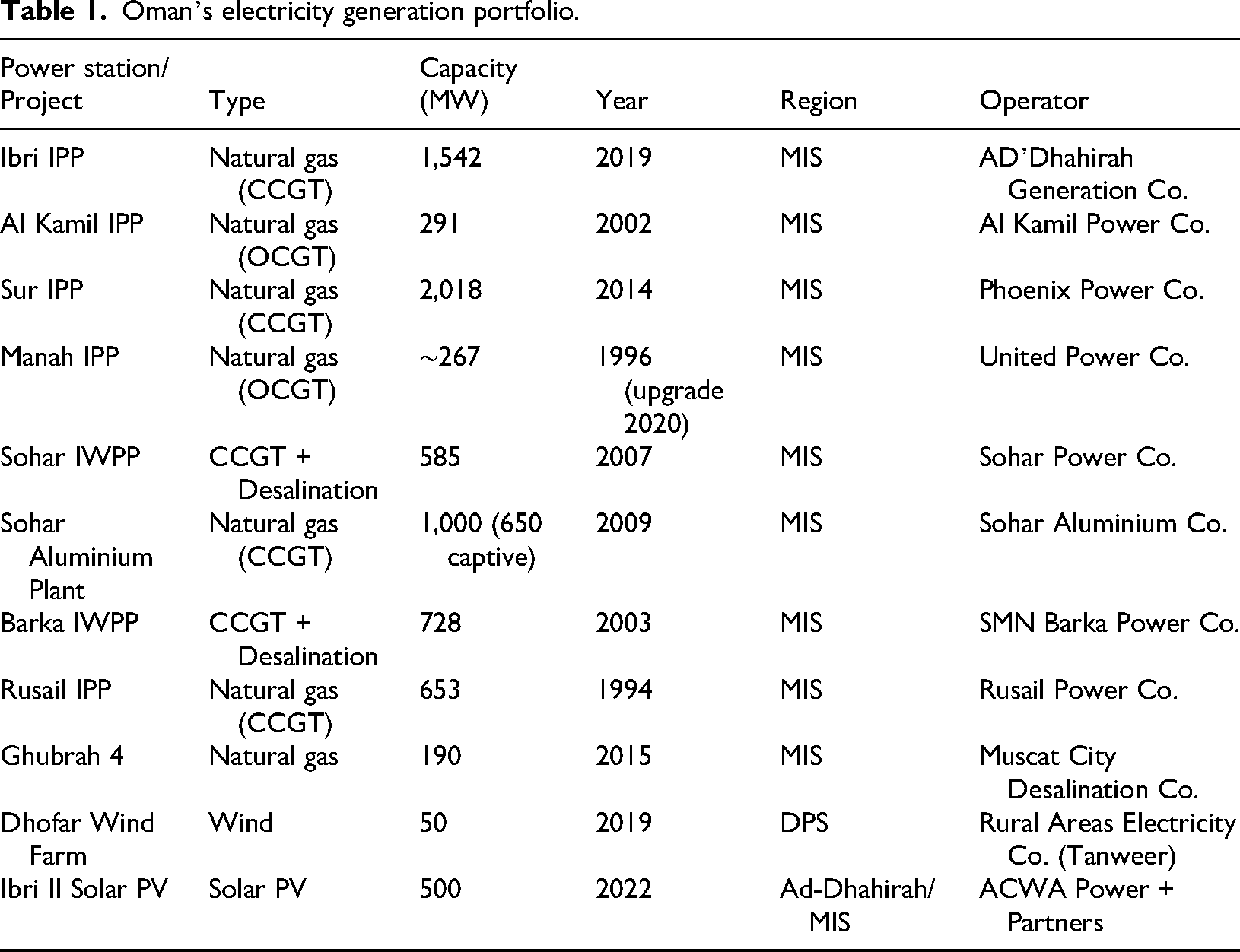
To comprehend Oman’s current electricity generation mix and its relation to smart grid adoption, as well as to explore the practical aspects of Oman’s energy system, refer to Table 1 detailing Oman’s electricity generation portfolio (Oman Power and Water Procurement Company (OPWP), 2021).
Oman’s electricity generation portfolio.
The successful implementation of smart grid technology in Oman has the potential to address significant challenges while providing both economic and environmental benefits. By optimizing energy distribution, reducing operational costs, and minimizing greenhouse gas emissions, smart grids align with Oman’s commitment to reducing carbon emissions by 2% by 2030 as part of the United Nations Climate Change program(Fior Markets, 2021; Jha et al., 2021; Khan et al., 2020; Steele et al., 2019).
Practical examples from other regions demonstrate the feasibility of such systems. For instance, the operational Dhofar Wind Farm highlights the potential for renewable energy integration, while advanced grid solutions in neighboring countries like the UAE offer a roadmap for overcoming similar challenges.
With the right regulatory framework, institutional support, and investment, smart grids can transform Oman’s energy sector, ensuring long-term sustainability and resilience. This overview emphasizes the critical role of smart grids in Oman’s energy transition (Fan et al., 2012; Tchao et al., 2021). It sets the stage for a more in-depth exploration of the technical, economic, and regulatory pathways necessary for their successful adoption.
We selected Oman for our study because of its heavy reliance on gas turbines and fossil fuels, which account for more than 90% of its power generation. This dependence, along with rapid economic growth, has put a strain on the national grid. Despite these challenges, the adoption of smart grid technologies remains limited. Our study aims to evaluate the feasibility and benefits of implementing smart grids in this context. The findings will help inform national energy strategies by identifying areas for grid modernization, improving energy efficiency, and supporting policies to diversify energy sources and enhance grid resilience.
In this study, we performed a review of the literature to identify significant challenges in the implementation of the smart grid system in Oman. We identified multiple research gaps, including insufficient data on the specific challenges faced by stakeholders and a lack of a thorough analysis regarding regulatory readiness and consumer awareness. To address these issues, we employ the Delphi method to achieve expert consensus and use the interpretive structural modeling (ISM) approach to rank barriers. Based on these findings, we formulate recommendations to facilitate the adoption of smart grids in Oman.
The rest of the paper is organized as follows. Section “Literature review” discusses the in-depth literature review. The material and methods & results are elaborated in Sections “Material and methods” & “Results” respectively, followed by a discussion of the results in Section “Discussion”. Finally, the article is concluded in Section “Conclusion”.
Literature review
The literature highlights numerous studies that examine the technical and economic challenges of developing smart grids(Al-Abri et al., 2022). This includes strategic plans, potential scenarios, and their impact on energy efficiency in Oman. A comprehensive analysis of the power situation in Oman has been conducted from 2017 to 2024, identifying key barriers to the implementation of smart grids. This review also proposes solutions, describes limitations, and identifies key stakeholders necessary to address these challenges. The findings are summarized in Table 2.
A summary of the related work.
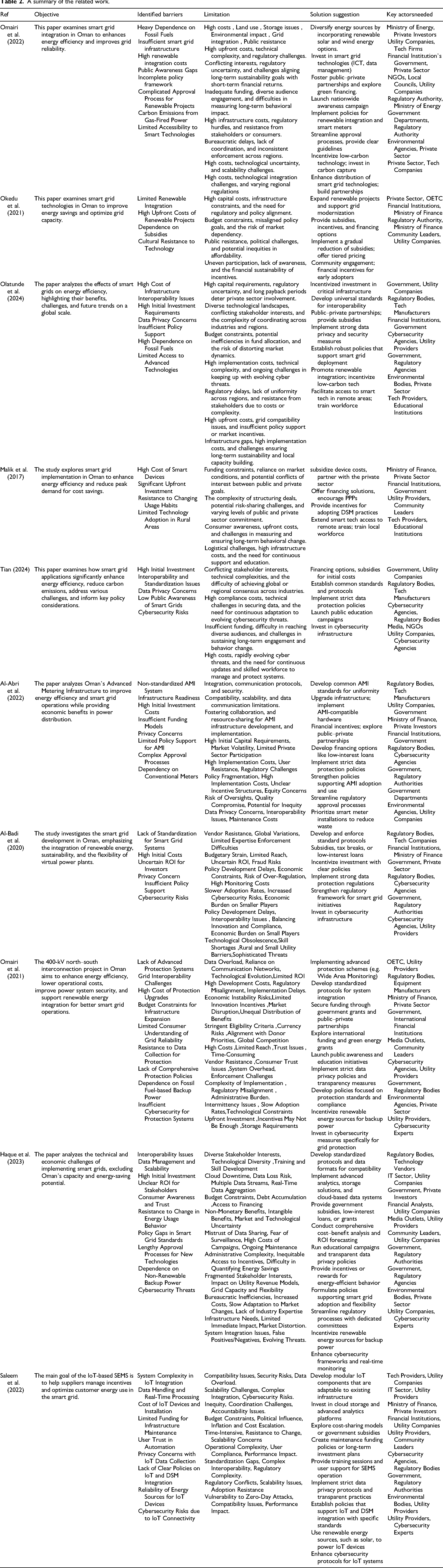
In our research, we initially identified 67 barriers from each of the articles.
While global literature has identified numerous technical, economic, regulatory, and social challenges in smart grid deployment, important research gaps remain. This study focuses specifically on barriers within Oman’s electricity sector, while drawing insights from broader international best practices. For instance, Brown and Zhou (2019) analyze smart grid policy interventions such as regulatory targets, data security standards, and incentive structures across leading economies including the U.S., EU, and Asia. Luthra et al. (2014) further highlight technical, institutional, and financial impediments that hinder smart grid deployment in developing countries (Luthra et al., 2014). More recent efforts, such as Ohanu et al. (2024), discuss renewable-energy integration challenges that may inform Oman’s future modernization strategies.
While international experiences offer valuable insights, they may not fully capture the unique operational structure and cultural dynamics of Oman’s energy sector. Previous studies often lack an examination of how barriers interact, leading to a gap in structured prioritization.
This study addresses this by using the Delphi method to refine barriers and ISM to establish their hierarchical interdependencies. This approach will support evidence-based policy planning tailored to Oman’s transition to a smart grid.
Material and methods
To address the research question, we conducted a literature review and categorized the identified barriers into six subcategories. We then utilized the Delphi method to gather consensus from stakeholders in a context with limited empirical data. Following that, we applied ISM to structure the interrelationships among barriers, offering insights into their dependencies.
The Delphi method enables expert validation of barriers when reliable data is scarce, while ISM highlights their influence and priority. This combined approach is particularly effective for strategic planning in emerging smart grid ecosystems like Oman, addressing the complexities of smart grid adoption.
Data was collected using a structured questionnaire that was distributed to the selected panel of experts. In the first round, experts rated and commented on the identified barriers using a five-point Likert scale, with space provided for additional suggestions. Subsequent rounds were also conducted through refined questionnaires, enabling experts to reconsider their responses in light of group feedback.
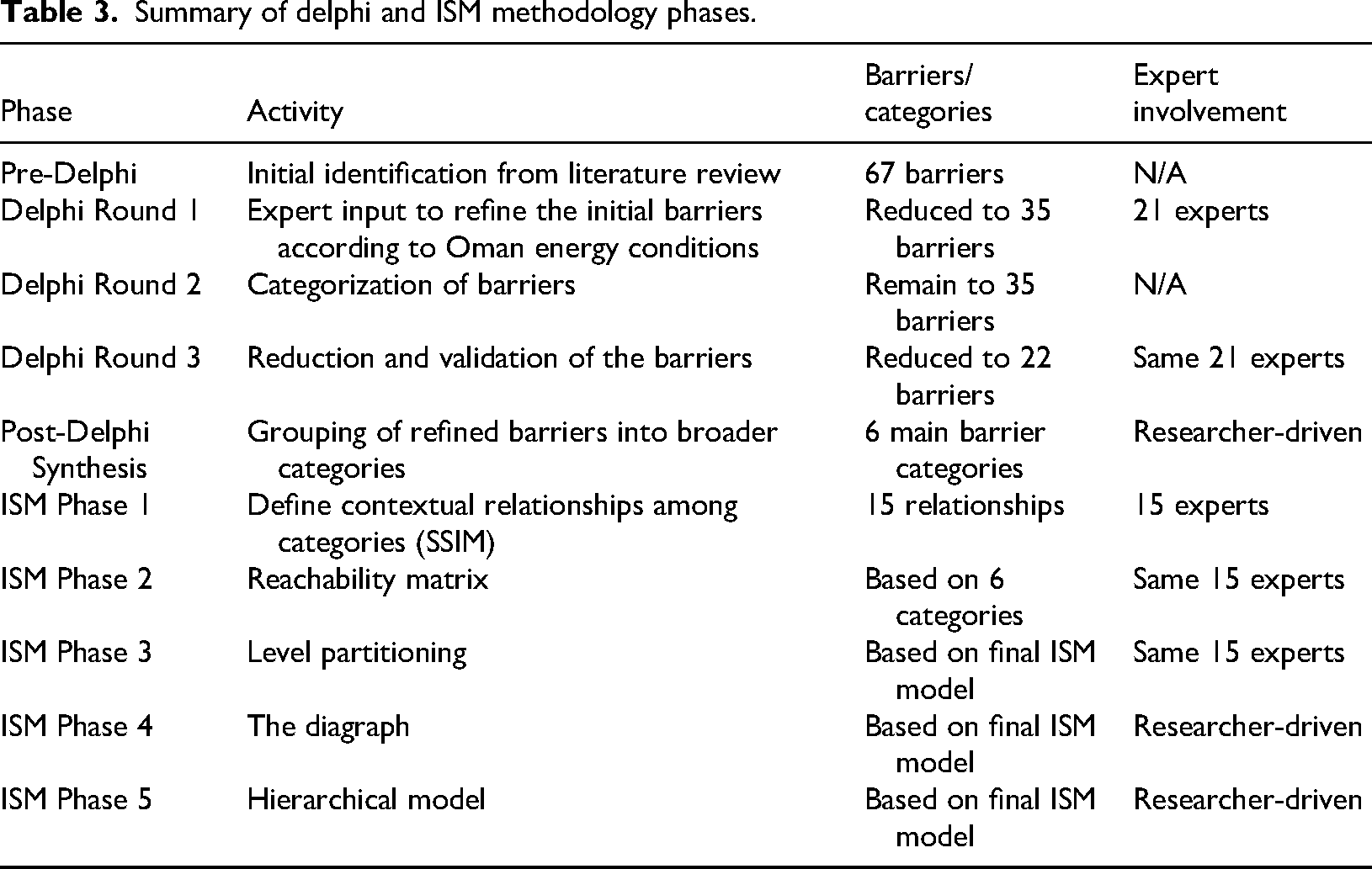
For the ISM stage, a dedicated workshop was organized with the same panel of experts. During the workshop, experts engaged in interactive discussions and pairwise comparisons of the barriers to establish contextual relationships among them. Their collective inputs were then structured into the ISM model to derive a hierarchical framework. The selected panel reached consensus after three iterative Delphi rounds and the ISM workshop. The details of these methodologies are discussed in the following sections, and a flowchart outlining the methodology is presented in Figure 2. Additionally, a summary of the Delphi and ISM methodology phases is included in Table 3.
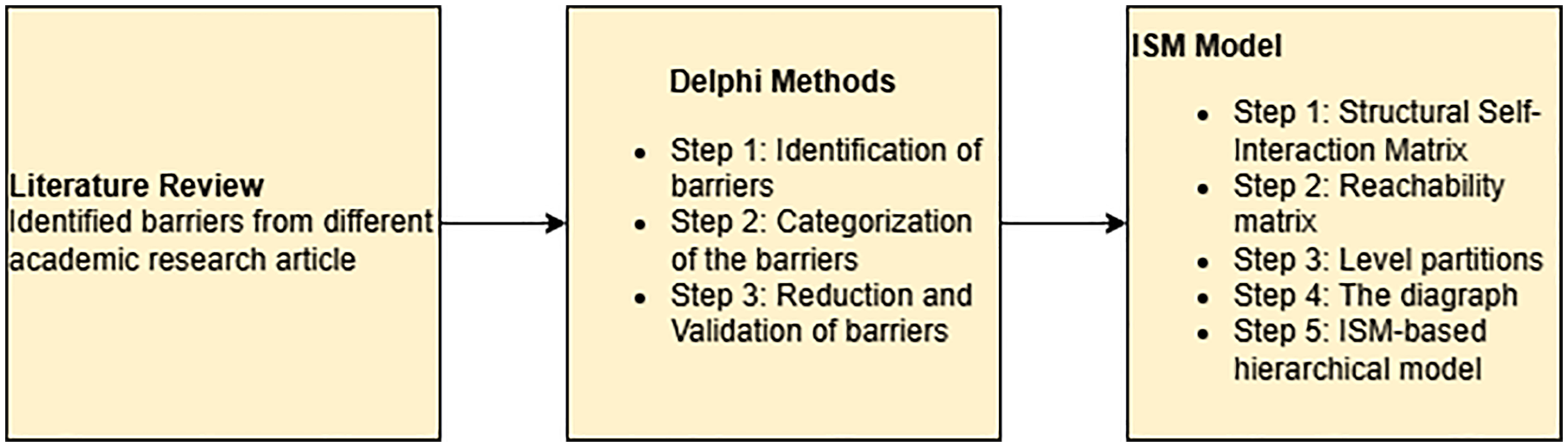
Overview of the adopted research methodology combining literature review, Delphi-based barrier validation, and ISM hierarchical modeling.
Summary of delphi and ISM methodology phases.
Delphi methods
The Delphi method is a structured process for gathering expert opinions and achieving consensus on a specific topic. It involves multiple rounds in which experts anonymously respond to surveys. After each round, a facilitator summarizes the responses, allowing experts to revise their views based on the group’s insights. This continues until a consensus or a range of perspectives is reached. The method is commonly used in forecasting, decision-making, and problem-solving in fields such as business, healthcare, and policy planning (Dias et al., 2018).
The expert panel (identification of barriers)
We convened an expert panel consisting of 21 members, comprising 25% policymakers, 13% engineers, 50% academics, 2% energy consultants, and 13% private sector professionals. The selection of these individuals was based on their relevance, experience, and expertise in the field. A meeting was organized with the panel to discuss the challenges associated with implementing smart grids in the Omani energy sector, during which a questionnaire was distributed for their completion. A visual representation of the responses from the panel is depicted in Figure 3.
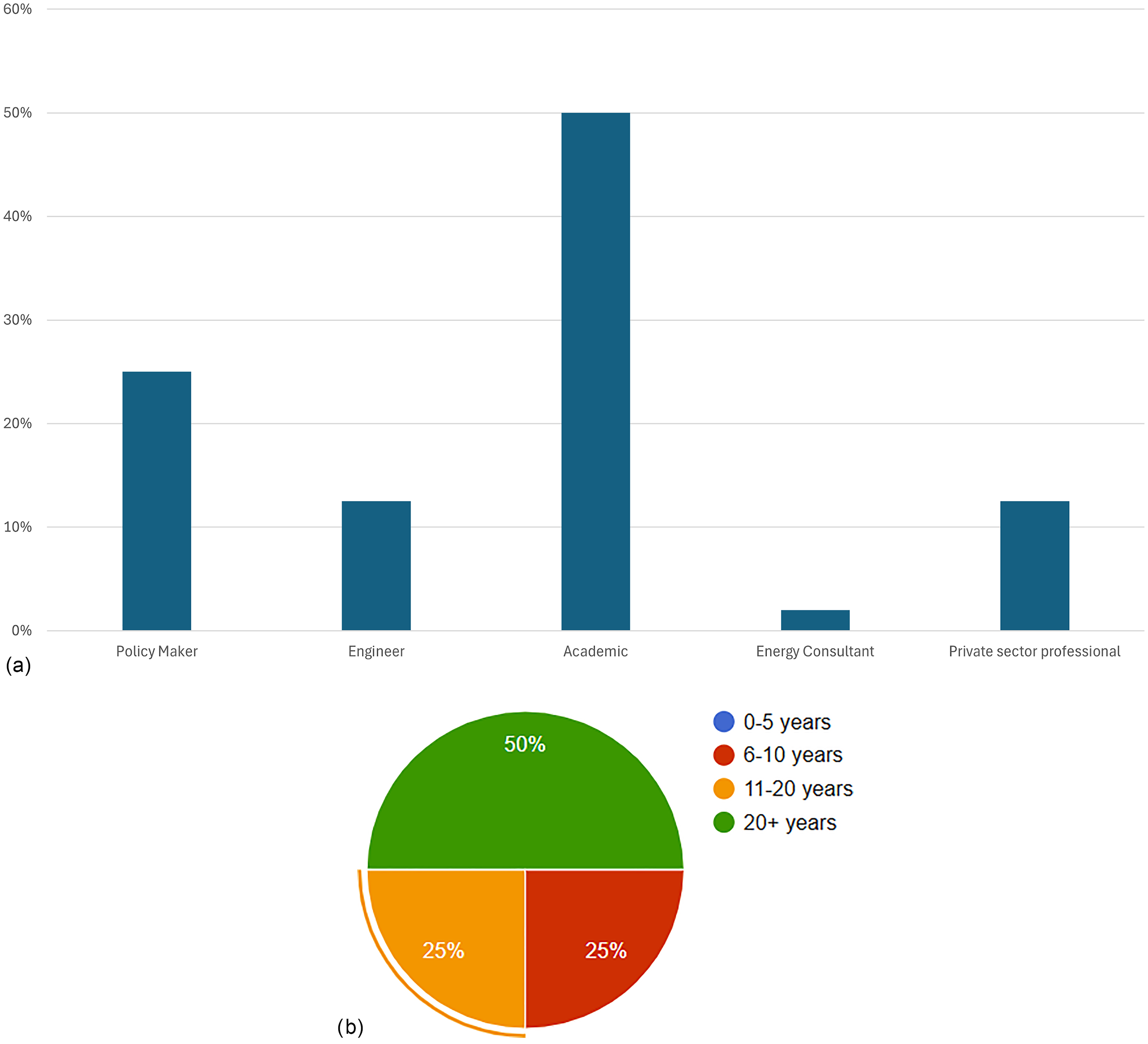
Overview of expert panel characteristics. (a) Participant distribution across key sectors involved in smart grid development and (b) Professional experience contributing to domain expertise
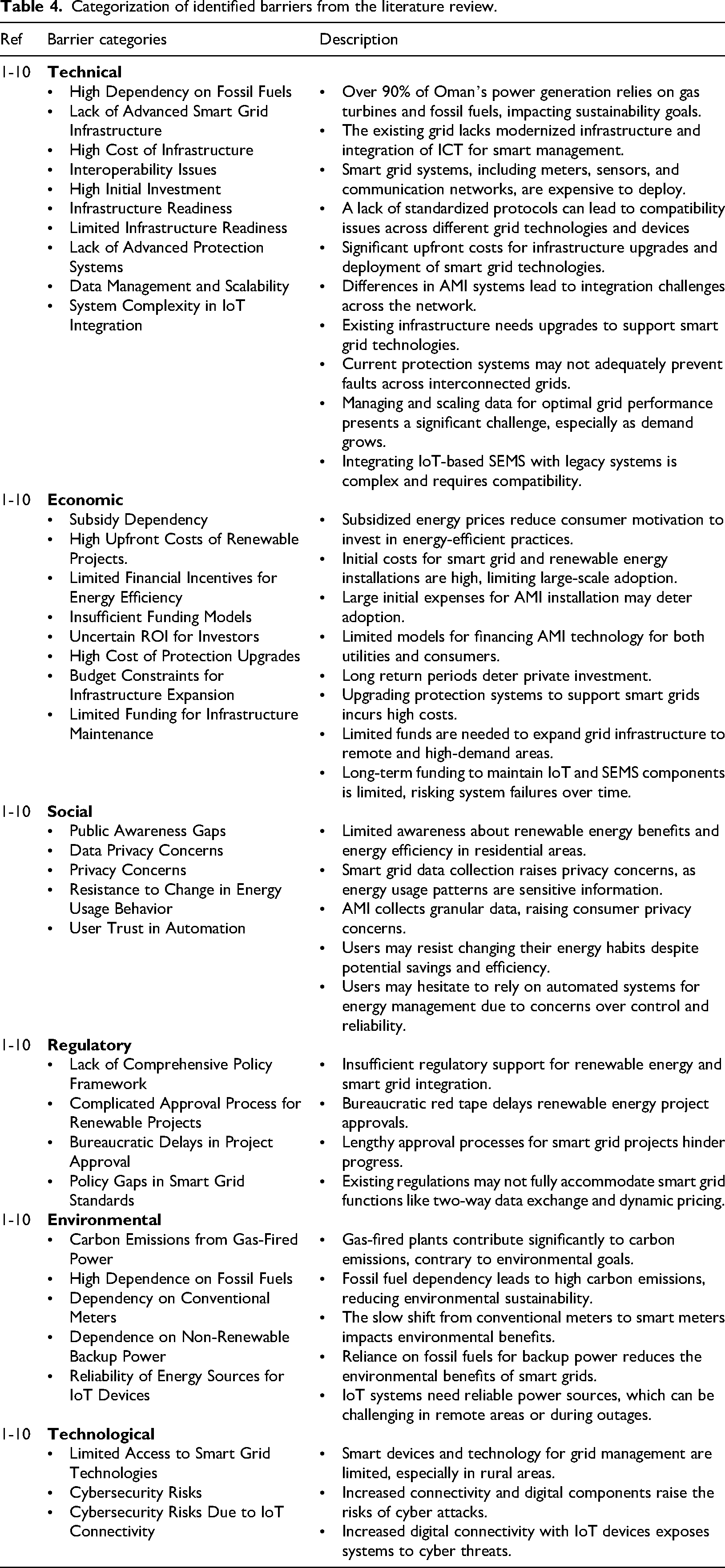
Initially, 67 barriers were identified from the literature. However, experts noted that many were (i) not applicable to Oman’s energy landscape, (ii) too broad or overlapping, or (iii) not relevant to decision-making for Oman Vision 2040. Using expert screening criteria for contextual relevance, practical impact, and measurability, the list was refined to 35 barriers, categorized into Economic, Social, Regulatory, Environmental, and Technological.
We identified a total of 67 barriers from the literature, and after consulting with the experts, we filtered these to focus on those relevant to Oman’s energy conditions. We categorized the relevant barriers into six main categories: Economic, Social, Regulatory, Environmental, and Technological. In total, we identified 35 barriers within these categories, which are summarized in Table 4.
Categorization of identified barriers from the literature review.
Categorization of the barriers
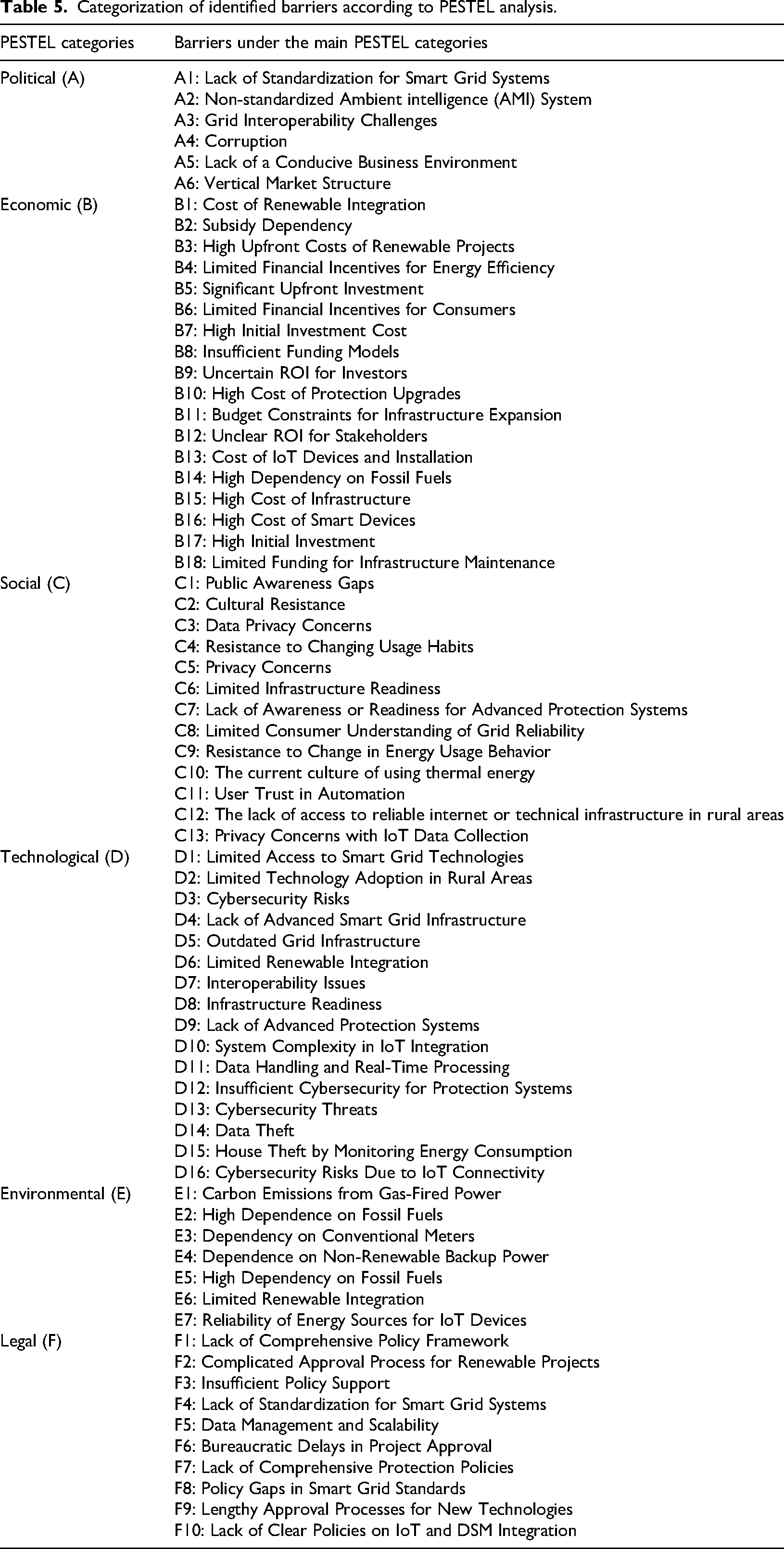
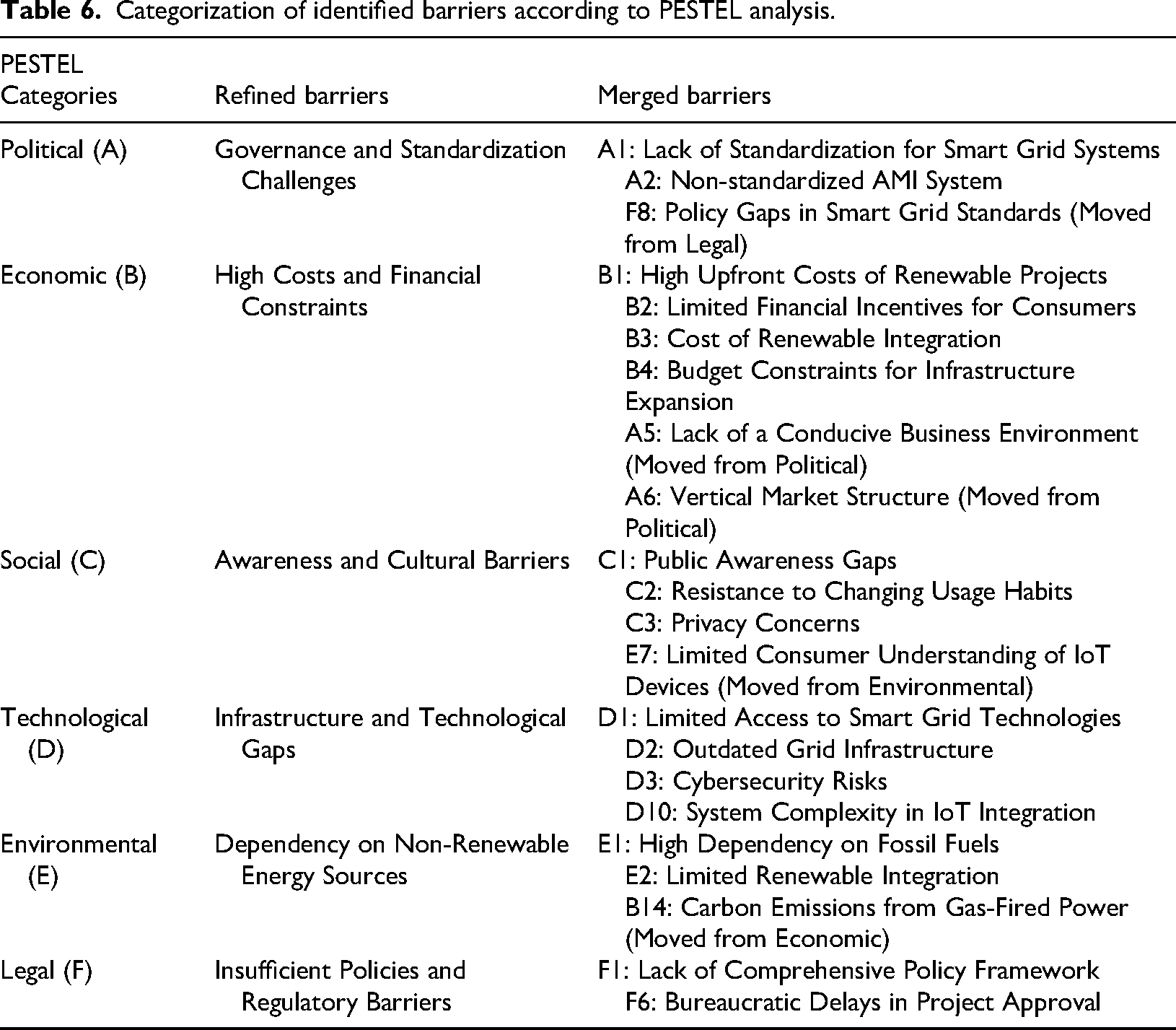
In this Delphi step, the barriers identified through the literature review and expert interviews were further categorized using a PESTEL analysis, which examines the external factors that influence organizational decision-making.PESTEL stands for Political, Economic, Social, Technological, Environmental, and Legal factors. This categorization is shown in Table 5. Reclassification was conducted to create a systematic and comprehensive grouping of barriers that goes beyond the initial technical or thematic labels. For example, barriers such as dependency on subsidies and the high upfront costs of renewable projects were categorized under the economic dimension. In contrast, issues like data privacy concerns and gaps in public awareness were reclassified under the social dimension. Additionally, the lack of standardization for smart grids and instances of corruption were attributed to the political dimension. This mapping aligns each barrier with the most relevant external factors that influence its occurrence and impact, facilitating clearer interpretation and easier prioritization for decision-makers.
Categorization of identified barriers according to PESTEL analysis.
Reduction and validation of the barriers
Again, a questionnaire form was distributed to experts in this Delphi stage. This time, the survey questioned the categorization of barriers under the PESTEL framework. Each category within PESTEL was explained in detail and experts were asked to validate the barriers listed for each category(Galo et al., 2014). They concentrated on removing unnecessary barriers and filtering out those that were irrelevant or of low priority. Additionally, they categorized similar barriers into broader groups with clearer and more meaningful labels. As a result, the original 35 identified barriers were reduced to 22 after this Delphi round.
Following the experts’ responses to the questionnaire, a table was created by merging the identified barriers into six broader barriers, shown in Table 6. Some barriers were reassigned to more appropriate categories within the table based on their underlying causes, such as F8, A5, A6, E7, and B14, which were aligned accordingly. For example, A3 was merged with A1, as they conveyed the same meaning, while A4 was consolidated under the category of broader governance and standardization challenges.
Categorization of identified barriers according to PESTEL analysis.
Interpretive structure modeling (ISM) for analysis of barriers
ISM is a recognized method for identifying the relationships among specific items that define a problem or issue (Attri et al., 2013),(Sushil, 2012). This technique has gained popularity among researchers for illustrating the interconnections among different elements associated with the problem. The ISM approach begins with identifying the variables that are pertinent to the problem at hand. Following this, a relevant contextual subordinate relationship is selected. Once the contextual relationship is established, a structural self-interaction matrix (SSIM) is created based on the pairwise comparison of the variables. Subsequently, the SSIM is transformed into a reachability matrix (RM) which is a binary matrix derived from the SSIM that indicates which barriers can influence others directly or indirectly. It is used to identify hierarchical levels within the system, and the transitivity is examined, it refers to the rule that if Barrier A influences Barrier B, and Barrier B influences Barrier C, then Barrier A is considered to indirectly influence Barrier C. This helps reveal hidden relationships within the system. After the transitivity embedding process is completed, a matrix model is produced. Finally, this leads to the partitioning of the elements and the creation of a structural model known as ISM. A workshop has been organized to conduct this process, where 15 members from selected panels were present. During the workshop, the agenda was outlined, and the final six identified barriers were discussed in detail. We examined the interrelation of these barriers, and with input from experts, we developed a structured self-interpretive matrix.
To ensure methodological rigor, expert judgments were gathered individually prior to the group workshop to prevent influence bias. The SSIM values were finalized using a structured consensus protocol:
If at least 70% of experts concurred on the direction of a relationship (V, A, X, O), that value was accepted without modification. If there was still disagreement (e.g. a 50–60% split), a brief facilitated discussion took place, followed by a second voting round to reach consensus.
After achieving consensus, the SSIM was transformed into the initial reachability matrix (IRM) in accordance with established ISM transformation protocols. To maintain consistency and reliability, the subsequent validation checks were implemented:
The transitivity principle (if A affects B and B affects C, then A affects C) was applied repeatedly until there were no more changes in the matrix, confirming the model’s stability.
These validation processes guaranteed that all contextual connections represented a dependable and mutually accepted understanding among the specialists.
Further stages of the ISM techniques are elaborated on in the results section.
Results
Step 1: Structural self-interaction matrix (SSIM)
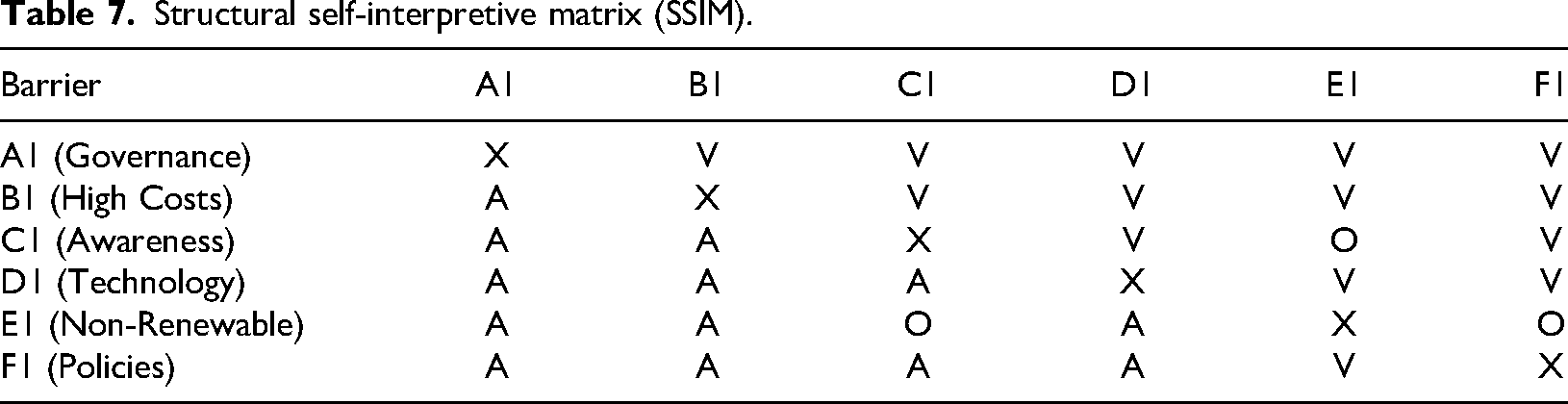
The SSIM is an essential step in ISM that establishes contextual relationships between identified barriers. It determines how one barrier influences another using predefined symbols:
The study considers six key barriers, denoted as follows:
The total number of pairwise comparisons is calculated using the formula:

Thus, the SSIM matrix consists of
The developed SSIM matrix is shown in Table 7
Structural self-interpretive matrix (SSIM).
Step 2: Reachability matrix
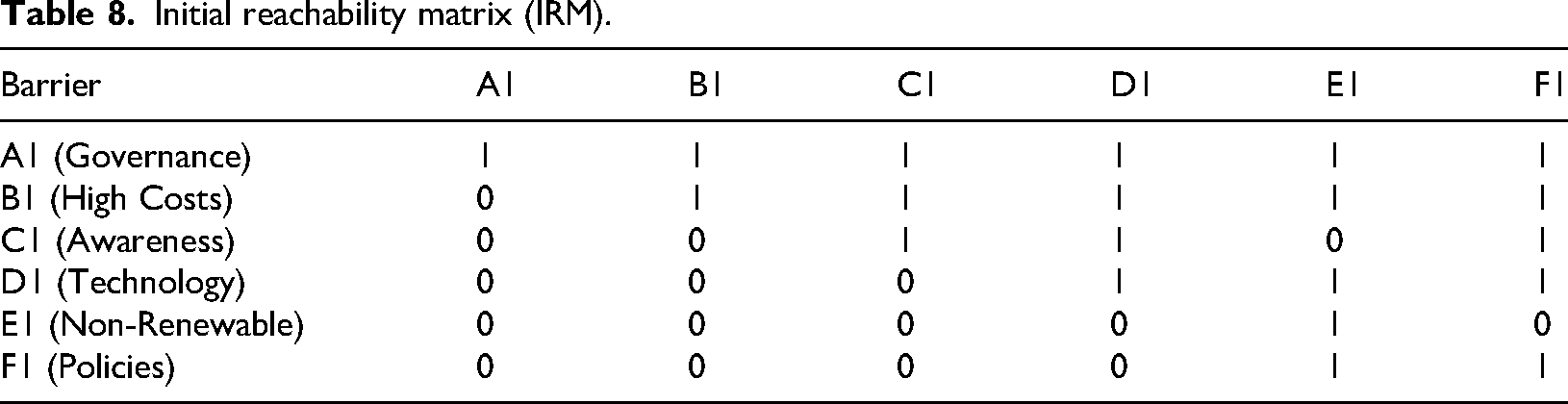
The IRM is derived from the SSIM by replacing the **V, A, X, O** relationships with binary values ,results summarize in Table 8:
Initial reachability matrix (IRM).
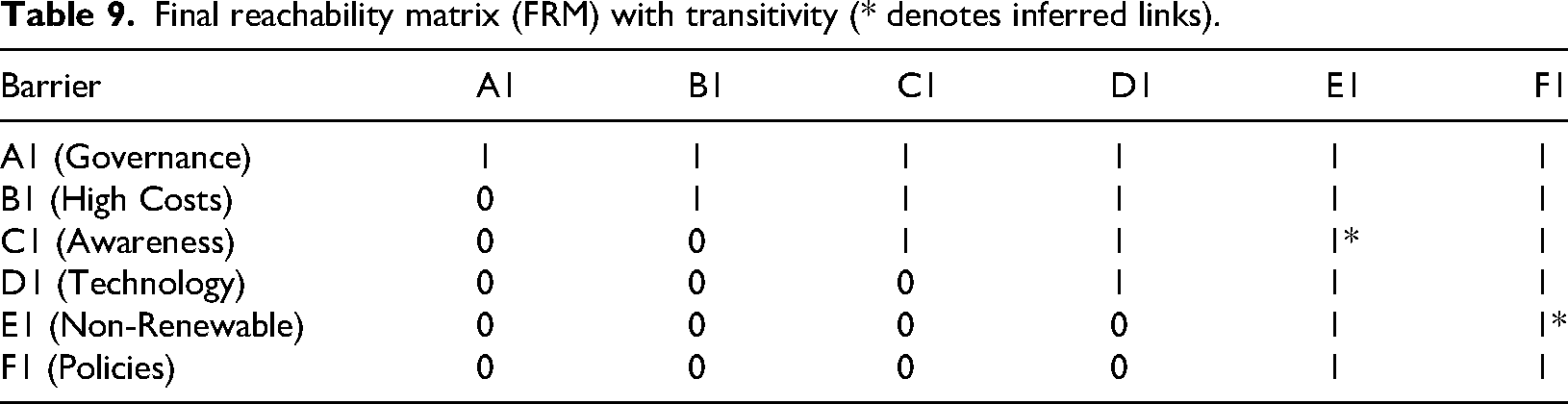
The final reachability matrix (FRM) is obtained by checking for transitivity. If ** Barrier A influences B and B influences C**, then **A also influences C** shows in Table 9.
Final reachability matrix (FRM) with transitivity (* denotes inferred links).
Step 3: Level partitions
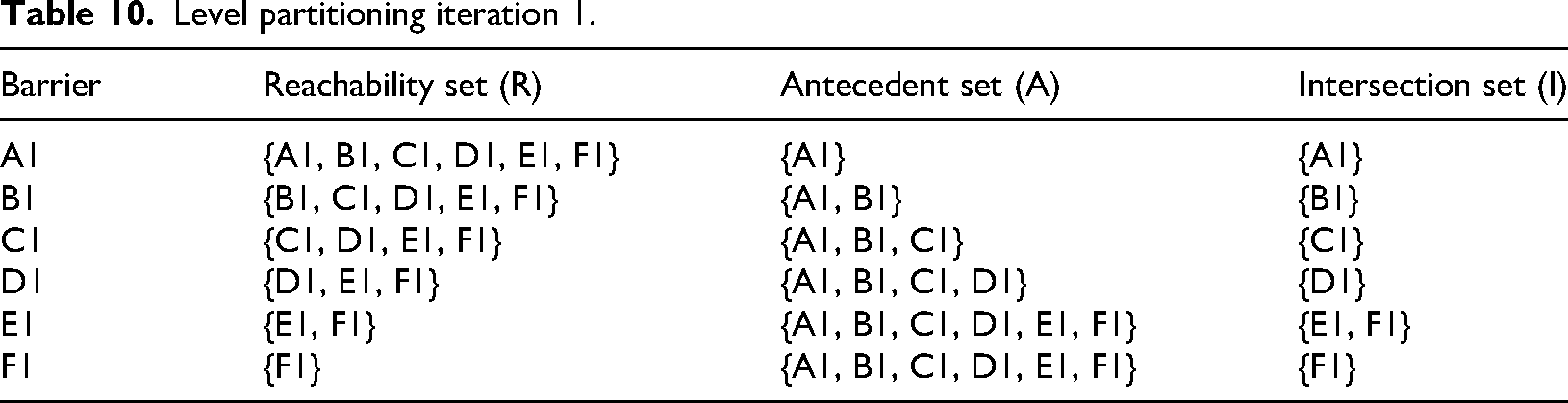
The level partitioning process establishes the hierarchical structure of barriers in ISM. It organizes barriers into levels using the Reachability Set, Antecedent Set, and Intersection Set.
The Reachability Set (
Level partitioning iteration 1.
Level partitioning iteration 2.
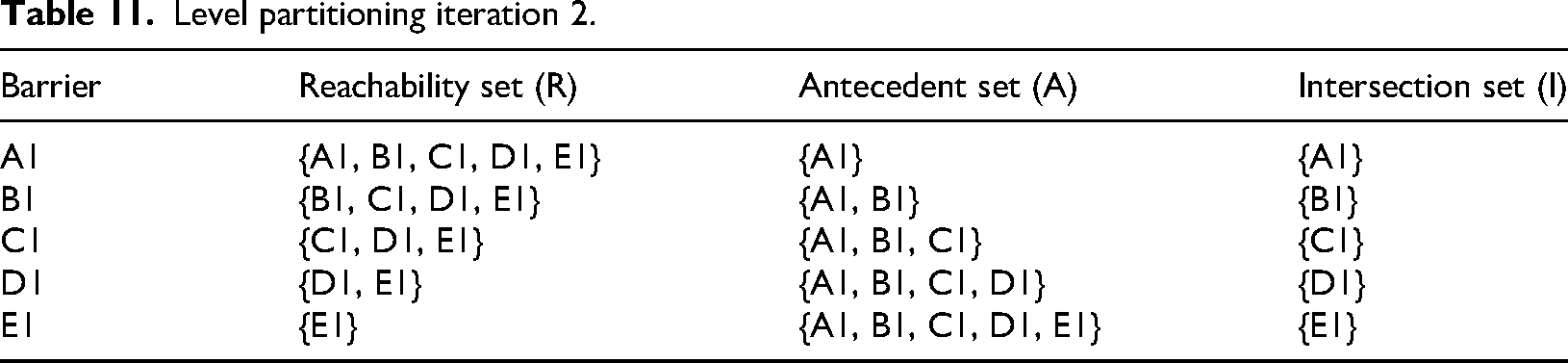
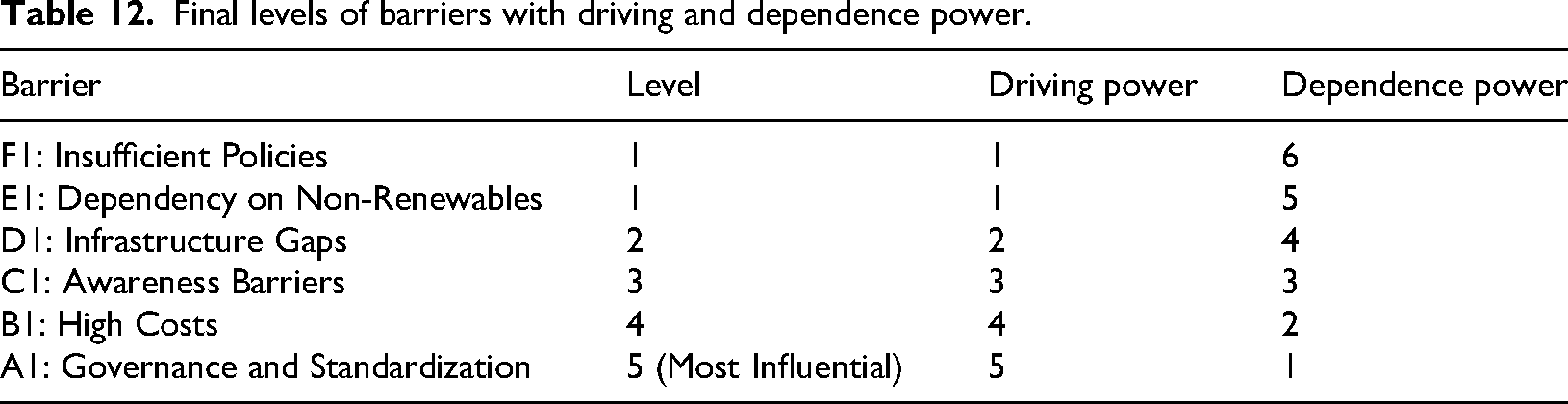
We determine the levels in two iterations. In the first iteration, barriers with the same reachability, antecedent, and intersections are assigned Level 1. This is the lowest level, characterized by low driving power and high dependence power. To find the next level, we remove the common elements in Level 1 from all three sets: reachability, antecedent, and intersections. These common elements are classified as Level 2. This process continues until we identify the final levels of barriers. The results of the final levels are summarized in Table 12.
Final levels of barriers with driving and dependence power.
Step 4: Key transitive relationships in the ISM model
In the ISM methodology, transitivity is a key principle that asserts that if Barrier A affects Barrier B, and Barrier B affects Barrier C, then Barrier A also has an indirect effect on Barrier C. While the SSIM only reflects the direct connections between barriers, the reachability matrix incorporates these transitive relationships to offer a more thorough structural perspective. This aids in recognizing the more profound interdependencies that might not be immediately apparent.
For the six barriers considered in this study, several important transitive relationships were observed:
These transitive relationships demonstrate the complex structure of barriers. They validate the hierarchical levels outlined in the ISM model by illustrating how underlying causes (such as governance and regulatory challenges) spread through intermediate barriers (like policies and awareness) before affecting more dependent results, including technological deficiencies and energy dependence.
Step 5: The diagraph
The digraph is formed from the final reachability matrix and the final barrier levels, which include nodes and vertices. It represents the cause-and-effect relationship among the identified barriers, as shown in Figure 4.
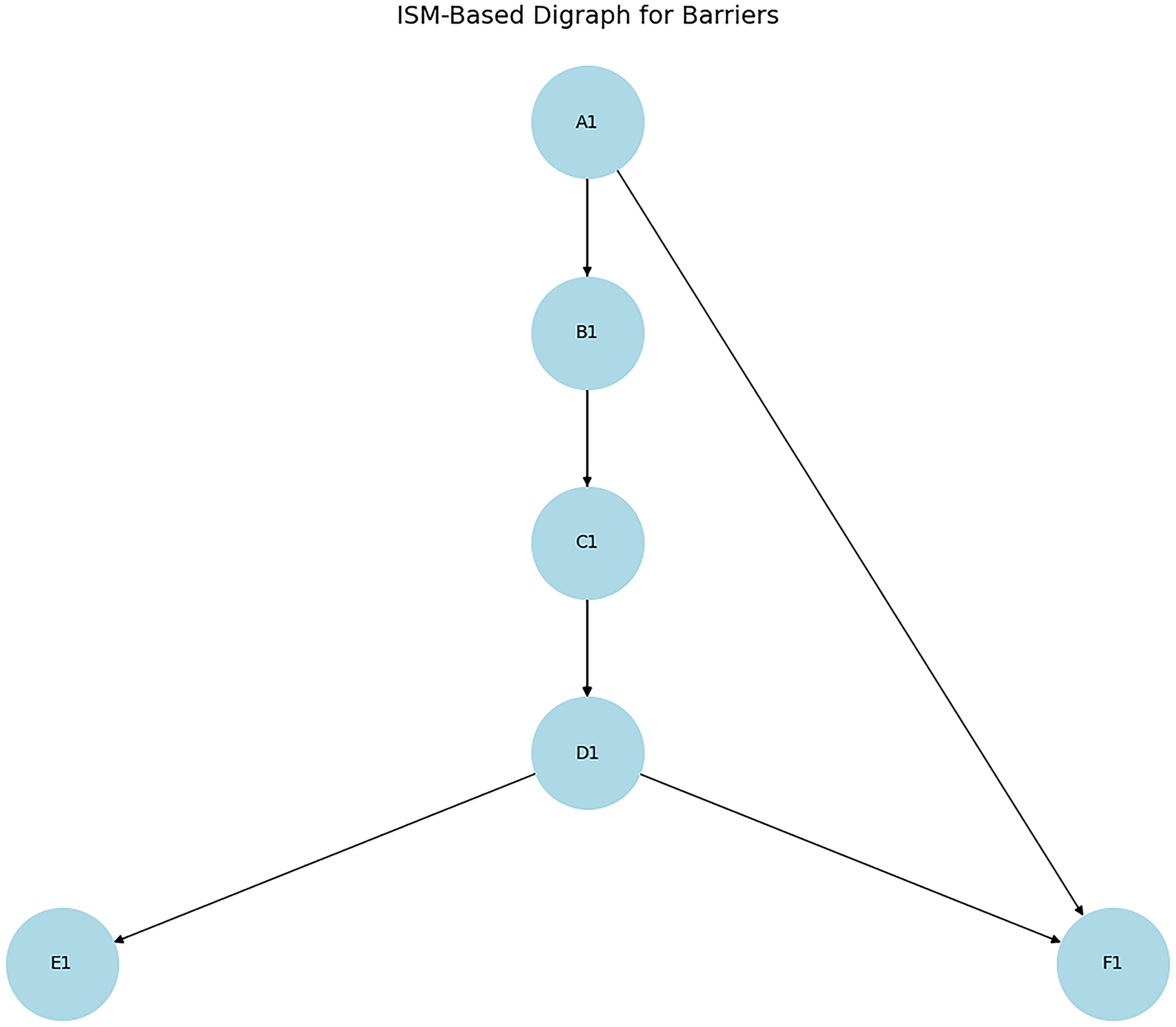
ISM-based digraph illustrating the initial causal relationships among identified barriers to smart grid adoption in Oman.
ISM-based hierarchical model
The hierarchical model based on ISM is developed from the directed graph, organizing barriers in a tiered structure according to their **driving power** and **dependence**. Barriers at higher levels affect those at lower levels, creating an organized depiction.The model is shown in Figure 5
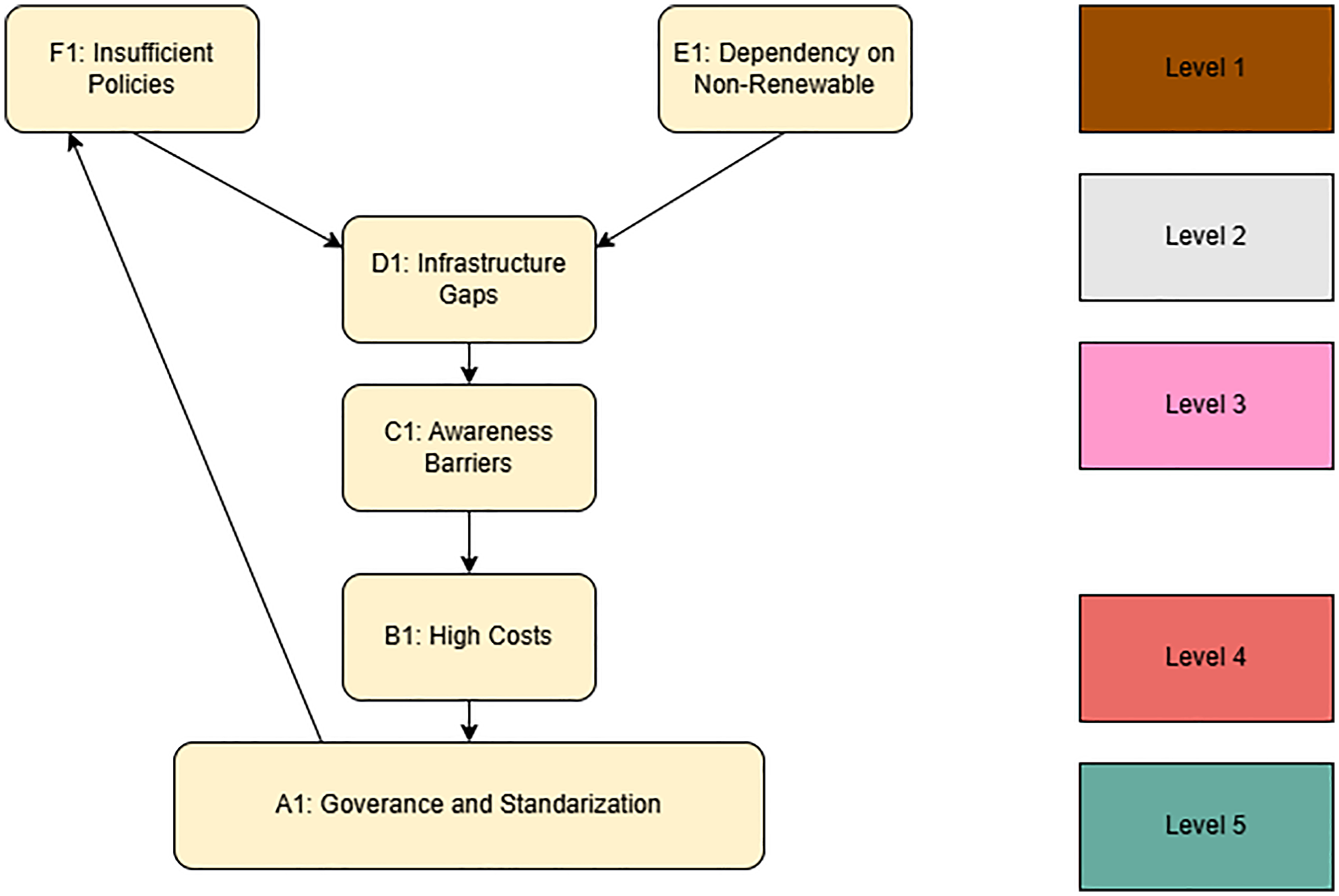
Final ISM-based hierarchical structure of barriers to smart grid adoption in Oman, showing the directional influence across different barrier levels.
The hierarchical model depicts how obstacles systematically interact with one another:
This hierarchical ISM model functions as the final organized depiction of barriers.
The ISM model highlights not only direct links but also important indirect influences among barriers. Foundational issues like insufficient regulatory frameworks (F1) and reliance on fossil fuels (E1) raise operational costs and obstruct public acceptance via multiple channels. Addressing lower-level barriers can yield broad benefits, reducing the impact of several related challenges. This highlights the need for prioritizing policy reforms and long-term diversification strategies to accelerate smart grid adoption in Oman.
Discussion
The ISM hierarchical model provides a structured understanding of the cause-and-effect relationships among the identified barriers to smart grid implementation. This discussion highlights key takeaways, implications, and recommendations regarding six identified barriers to implementing smart grid technology in Oman. We will explore each barrier individually and suggest potential solutions to overcome them.
Based on the hierarchical model, the following policy and strategic recommendations can help overcome these barriers:
The Final Reachability Matrix reveals the direct and indirect influences among barriers, with governance and standardization challenges (A1) being the most significant drivers. Transitive relationships are included to account for hidden dependencies in the model. The SSIM matrix demonstrates that these challenges impact financial constraints, awareness, infrastructure, energy dependency, and policy issues, forming the foundation for the Reachability Matrix and Level Partitioning necessary for the ISM hierarchical structure.
ISM faces several drawbacks, such as reliance on expert judgments, bias in decision-making, and difficulties in handling intricate interdependencies. Additionally, ISM does not include quantitative validation, which limits its applicability for extensive projects like the implementation of smart grids.
Total interpretive structural modeling (TISM) overcomes these shortcomings by offering a systematic method that deepens understanding and evaluates the connections among barriers. In Oman, TISM can assist in prioritizing and addressing issues like policy restrictions, financial constraints, and opposition from stakeholders. By integrating TISM with data analysis and artificial intelligence, a more robust framework can be established to facilitate smart grid deployment, encouraging effective energy management and sustainable growth.
Conclusion
The ISM hierarchical model shows that governance (A1) is the primary barrier to smart grid implementation. Financial constraints, lack of awareness, and insufficient infrastructure act as bottlenecks. The most affected barriers relate to reliance on non-renewable energy (E1) and inadequate policies (F1). Addressing standards, financial support, awareness, and infrastructure is crucial for improving smart grid adoption and efficiency.
The ISM hierarchical model shows that governance and standardization issues are the main barriers to smart grid implementation in Oman, affecting financial constraints, infrastructure gaps, public awareness, and policy alignment. The reliance on non-renewable energy and inadequate regulatory support are the most impacted factors, underscoring the need for integrated planning over isolated actions.
During the expert evaluation, stakeholders prioritized challenges based on their goals: the government focused on compliance, the industry on investment readiness and infrastructure reliability, and academia on technological advancement. The Delphi process helped reach a balanced consensus, reinforcing the credibility of the final prioritization.
This study offers a validated framework to help national leaders prioritize governance, financing strategies, and public engagement for enhanced smart grid readiness. Future implementation roadmaps will detail agencies, timelines, resources, and indicators to support Oman’s sustainable energy progress.
The study of indirect ISM connections underscores the need to address root challenges for major progress in related areas.
Future directions
This research focused on identifying obstacles to smart grid adoption using the Delphi method and Interpretive Structural Modeling (ISM). Future studies could connect these challenges and ISM relationships to Oman’s energy policies and Vision 2040 for greater policy relevance. Additionally, exploring the trade-offs between financial costs and long-term sustainability is essential. While validating the ISM-based model through case studies is outside the current study’s scope, it remains a promising area for future research.
Footnotes
Acknowledgements
The authors would like to express their sincere gratitude to Sultan Qaboos University (SQU) for providing the resources and support necessary to conduct this research. The institutional facilities and academic environment at SQU played a vital role in shaping this study. They also extend their appreciation to the faculty and administrative staff whose assistance and encouragement contributed to the successful completion of this research.

Funding
The authors received no financial support for the research, authorship, and/or publication of this article.
Declaration of conflicting interests
The authors declared no potential conflicts of interest with respect to the research, authorship, and/or publication of this article.