




Abstract
Residential microgrids (MGs) increasingly rely on decentralized energy sources and peer-to-peer energy trading mechanisms to maintain uninterrupted power distribution. However, ensuring concurrency between dynamic energy demands and supply responses remains a critical challenge, especially under fluctuating load and availability conditions. This study proposes a novel Demand Response Optimizer Model (DROM), leveraging Concurrent Extreme Learning (CEL), and blockchain (BC)-based verification to enhance fairness, responsiveness, and efficiency in energy allocation within residential MGs. The proposed DROM incorporates a feed-forward neural network architecture, wherein demand biasing and trading weights are adaptively computed to optimize energy dispatch. A BC framework is employed for decentralized storage and validation of transactional records, preserving system transparency, data integrity, and facilitating real-time energy trading decisions. The model operates across two user categories—Type 1 (building/peer-level) and Type 2 (residential individual)—and dynamically balances demand and response by minimizing bias while maximizing weight assignments across energy requests. The system is evaluated using real-world MG simulation data. Empirical results demonstrate that the proposed model achieves a 14.62% increase in optimal energy trading efficiency and a 14.77% improvement in demand coverage for Type 2 users. Furthermore, the framework delivers a 16.11% enhancement in power distribution and a 14.01% gain in trading reliability compared to benchmark methods. These findings underscore the effectiveness of the CEL-based BC-integrated framework in addressing concurrency, demand suppression, and equitable energy sharing in decentralized smart energy networks.
Keywords
Introduction
Energy trading in residential microgrids (MGs) allows residents to buy and sell excess electricity inside localized networks (Clift et al., 2024). Decentralized energy management improves grid resilience by incorporating renewable energy sources such as solar and wind. Real-time pricing methods alter electricity prices based on supply and demand fluctuations (Liu et al., 2023). Smart meters and automation technology enable frictionless interactions between prosumers and customers (Hussain et al., 2024b). Grid stability improves as localized trading decreases reliance on centralized power systems (Afzali et al., 2024). Efficient market arrangements ensure that all participants receive fair pricing and make the best use of resources (Alfaverh et al., 2023).
Demand response (DR) methods improve energy trading efficiency by changing electricity use in response to real-time grid conditions (Yang et al., 2022). Price-based DR encourages users to shift their energy usage to off-peak hours to save money (Hussain et al., 2024a). Incentive-based schemes provide financial benefits for lowering consumption during peak demand periods (Xiong et al., 2024). Advanced metering infrastructure facilitates dynamic communication between users and grid operators, resulting in better load control (Zhang et al., 2023). Adaptive control systems balance electricity supply and demand, which leads to grid stability and lower operating costs (Du et al., 2024).
Blockchain (BC) technology improves peer-to-peer (P2P) energy trading by making transactions secure and transparent (Boumaiza and Sanfilippo, 2024). Decentralized ledgers eliminate the need for intermediaries, which reduces transaction costs and increases efficiency (Sindi et al., 2024). Smart contracts automate energy exchange agreements, which assure compliance and confidence among all participants (Choobineh et al., 2023). Cryptographic security avoids data tampering and improves the integrity of transaction records (Su et al., 2024). Consensus systems validate transactions in real-time, which increases system reliability (Jing et al., 2023).
Optimization algorithms improve decision-making in home MGs, enhancing DR energy trading (Zou et al., 2024). Game-theoretic models balance consumer and producer incentives to promote fair trading practices (Luo et al., 2023). Genetic algorithms optimize energy distribution by finding the best trade solutions from a variety of options (Yang et al., 2024). Reinforcement learning algorithms react to real-time market situations, resulting in better pricing and scheduling (Chen et al., 2024). Multi-objective optimization methods for MG operations strike a balance between cost reduction and energy efficiency (Li et al., 2024). Achieving concurrency between energy demand and response is essential for enabling efficient and reliable P2P energy trading within residential MGs.
This research is essential as it combines two new technologies, concurrent learning methods and decentralized ledger technologies, to address an important issue in P2P energy trading: maintaining dynamic demand and responsive supply by home MGs. The proposed Demand Response Optimizer Model (DROM) differs from current methods that merely react to DR imbalances. It uses a feed-forward architecture led by Concurrent Extreme Learning (CEL) to proactively share energy based on learned patterns of usage and availability. BC provides deals with readily apparent storage that is secure from interference, and decentralized verification, all of which are important for trust in energy exchanges. This two-framework method not only makes energy distribution fairer and more responsive; however, it also reduces demand suppression and makes trading more reliable. As a result, this study presents a technically advanced and easily scalable approach for future innovative MG ecosystems that require operating in a manner that is robust, equitable, and energy-efficient.
The remainder of this paper is structured as follows. Literature review and problem description Section gives a full overview of the relevant literature and lists the main research gaps that led to the present study. Proposed methodology Section describes the dataset used, along with its structure and relevance to the residential MG environment. It provides detailed information on the proposed DROM, including its construction, BC integration, and simultaneous learning capabilities. It goes into great detail about the algorithmic procedure, model evaluation, and theoretical foundations. In Results and discussion Section, the results of the experiments, a comparison of the outcomes, and graphs showing the performance indicators will be presented. It discusses the most important results, the model's errors, and how it could be improved in the future. Finally, Conclusion Section concludes the article with important information and suggestions for decentralized energy trading in smart residential MGs.
Literature review and problem description
(Cui et al., 2024a) developed a competition padding auction (CPA) mechanism for P2P energy trading. The CPA is used to identify the deficit problem that causes issues to the networks. The mechanism uses a consortium BC technology to create effective services for energy trading. It reduces operational costs, which in turn elevates the efficiency of the systems. The developed mechanism increases the effectiveness level of the trading systems. Zhou et al. (2023) proposed a fully decentralized transactive energy management for P2P energy trading in distribution networks. The proposed method is used to generate optimal paths for power flow that minimize the latency rate. The method is used as an alternative direction method that analyzes the power flow of the constraints. The proposed method enlarges the feasibility and privacy range of the networks. (Saatloo et al., 2022) designed a new decentralized P2P energy trading for MGs. The developed method is used to evaluate the DR programs that are performed in MGs. It is used to prevent prosumers’ private data from leaking during communication services. The designed method improves the efficiency level of the systems. It also optimizes the problems that occur during energy trading services.
Yu et al. (2022) introduced a multi-leader multi-follower Stackelberg game approach for DR in smart grids. The approach analyzes the decision-making behaviors of the customer to get feasible data for DR. The introduced approach also calculates the potential functions via the resource trading process. The introduced approach maximizes the profit and net utility rate of the systems. Abdella et al. (2022) named a hierarchical concurrent optimistic BC consensus protocol. The local and global consensus is analyzed to produce interdependent transaction services for the clients. The proposed protocol eliminates burdens during energy trading. Experimental results show that the proposed protocol elevates the throughput range of the trading systems. Wang et al. (2022) developed a new P2P energy trading model for residential prosumers. The developed model utilizes a structured approach and decision-making strategy to optimize objectives from the networks. The model provides a solution to match the power supply imbalance that occurs during trading services. The developed model reduces the computational cost ratio of the systems.
Wei et al. (2024) introduced an online accelerated distributed approach for P2P energy trading in carbon-aware prosumers. The introduced approach uses differential privacy strategies that produce privacy solutions for the prosumers. The approach analyzes the intensity of carbon to reduce the computational complexity of the systems. The introduced approach enhances the efficiency and robustness range of the systems. Mohammad-Shafie et al. (2024) designed a load-reliant cost-driven framework for P2P energy trading systems. The developed framework is used in battery-enabled industrial towns that require proper trading services. The framework provides flexible solutions to enhance the energy trading processes for prosumers. When compared with others, the designed framework increases the accuracy and security level of the systems. In Table 1, the rest of the references are summarized with their features and results.
References summary with features and results.
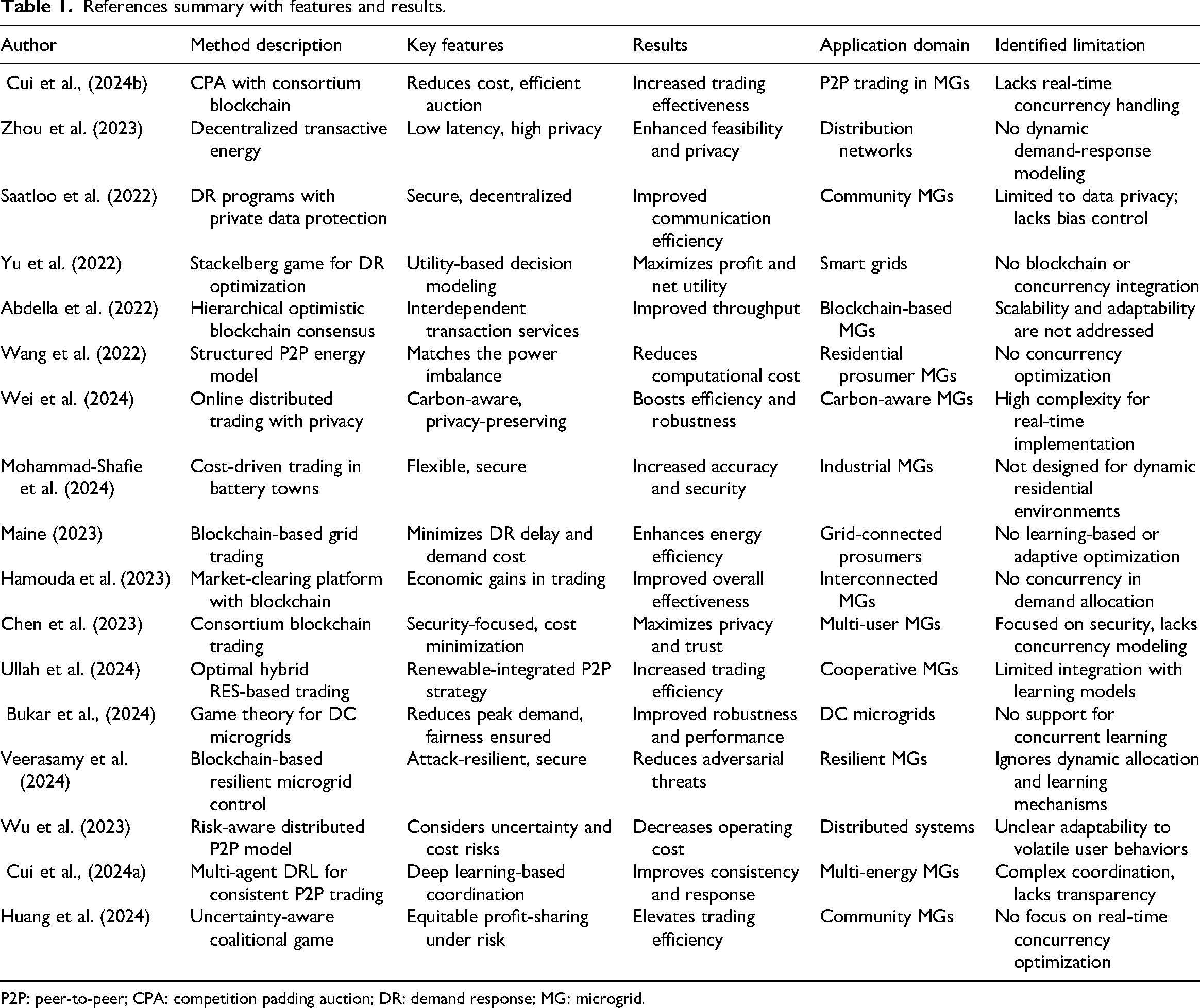
P2P: peer-to-peer; CPA: competition padding auction; DR: demand response; MG: microgrid.
Recent literature showcases rapid advances in MG optimization, demand-side management, and electric vehicle (EV) integration through emerging technologies and algorithms. Singh et al., (2025a) proposed a novel hybrid approach using price-elastic DR and greedy rat swarm optimization to achieve both economic and environmental gains in MGs. Complementarily, Panda et al. (2025) introduced a smart residential demand-side management framework integrating EVs and optimization techniques for enhanced grid interaction. Singh et al., (2025b) further presented a BC consortium-based system to support secure, standardized, and interoperable DR operations. In another related work, Singh et al., (2025c) developed a hybrid policy-based strategy for MGs that balances economic performance and emissions. Additionally, Singh et al., 2024b employed an AI-integrated BC framework to optimize DR and load balancing in smart EV charging networks. Paul et al. (2025) contributed by utilizing quantum particle swarm optimization to reduce both cost and emissions in grid-connected MGs. Addressing uncertainties in large-scale systems, Suresh et al. (2025) optimized resilient virtual power plant operations in distribution systems during extreme events. Real-time power scheduling and performance enhancement were tackled by Selvaraj et al. (2024) using a crow search algorithm, while Rajagopalan et al. (2024) designed a multi-objective energy management framework using an iterative map-based, self-adaptive crystal structure algorithm. Singh et al., (2024a) also highlighted machine learning's role in energy forecasting and management for MGs with distributed energy resources. Güven's recent works offer an extensive exploration of MG and EV integration optimization. In Güven (2025a), a hybrid Salp Swarm–Kepler optimization algorithm was introduced to improve MG sizing and energy management with EV integration. Güven and Yücel (2025b) developed energy-efficient EV charging models for sustainable MG operations. Güven et al. (2025c) proposed a beluga whale algorithm enhanced with quadratic interpolation to optimize energy use in hybrid MGs serving small hotels. In a stochastic framework, Güven (2024a) focused on the future-ready integration of EVs into hybrid MGs under renewable uncertainty. Finally, Güven (2024b) provided a comprehensive survey of heuristic and evolutionary techniques applied to MG optimization, laying the groundwork for future intelligent control strategies. These contributions collectively underscore the diverse algorithmic innovations shaping next-generation energy management systems.
The most significant value observed in prior methodologies lies in their ability to support uninterrupted power distribution within MG systems. These approaches typically focus on enhancing P2P energy trading to maximize the integration and utilization of available power sources in response to user demands. However, a critical challenge persists: maintaining equilibrium between power availability and distribution, especially during periods of fluctuating generation or unpredictable consumption. This balance is not merely a technical constraint but a fundamental compensatory mechanism required to ensure the operational stability of smart city-based MGs.
In real-world applications, the presence of incomplete or misleading information—particularly under volatile conditions—necessitates the use of augmented energy sourcing and demand-side biasing strategies. This introduces a need for more nuanced categorization of demand levels, beyond traditional binary distinctions such as “optimal” or “surplus.” Instead, granular demand classification is essential to map power availability to dynamically changing consumption profiles intelligently.
To address this gap, we propose a DROM that explicitly separates the phases of energy availability and distribution as pre- and post-trading feasibility states. The model incorporates concurrent learning-based biasing mechanisms to maintain synchronization (concurrency) between demand and response cycles. By embedding this concurrency into its decision logic, the optimizer ensures adaptive, fair, and efficient energy allocation, thereby maximizing the effectiveness of power distribution across residential MGs.
In essence, while previous research has made significant progress in BC-based energy trade, auction mechanisms, game-theoretic techniques, and decentralized control, most individuals focus on economic optimization, privacy preservation, or structural decentralization. There is a lack of approaches that directly address the synchronization (concurrency) between real-time demand and response. This is important for making sure that residential MGs are fair and reliable when the power is eliminated. Also, most current systems don't have real-time learning frameworks that can change how energy is allocated based on how users behave in real time. The DROM fills these gaps by combining extreme learning with trading decisions that are verified by BC. It makes sure that energy is used effectively and efficiently.
Proposed methodology
Dataset description
The data sources used in this article are referenced from “Peer-to-peer energy trading” simulation outcomes presented in [38]. The energy source integration for residential MGs is modeled as presented in Figure 1. This model relies on different flexibility based on demand storage, and power generation. Based on this feature, the MG model is depicted below.
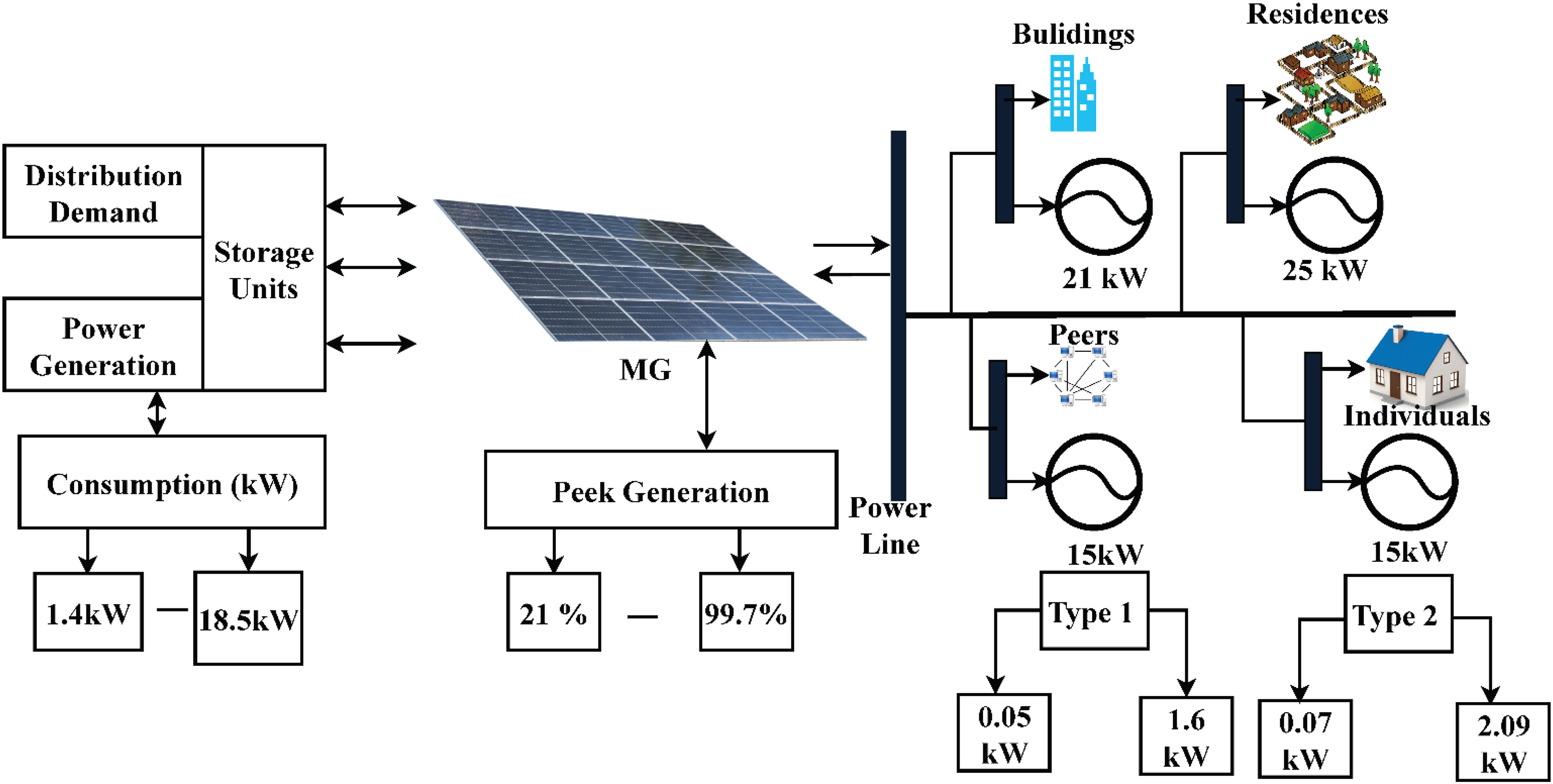
MG model with data representation. MG: microgrid.
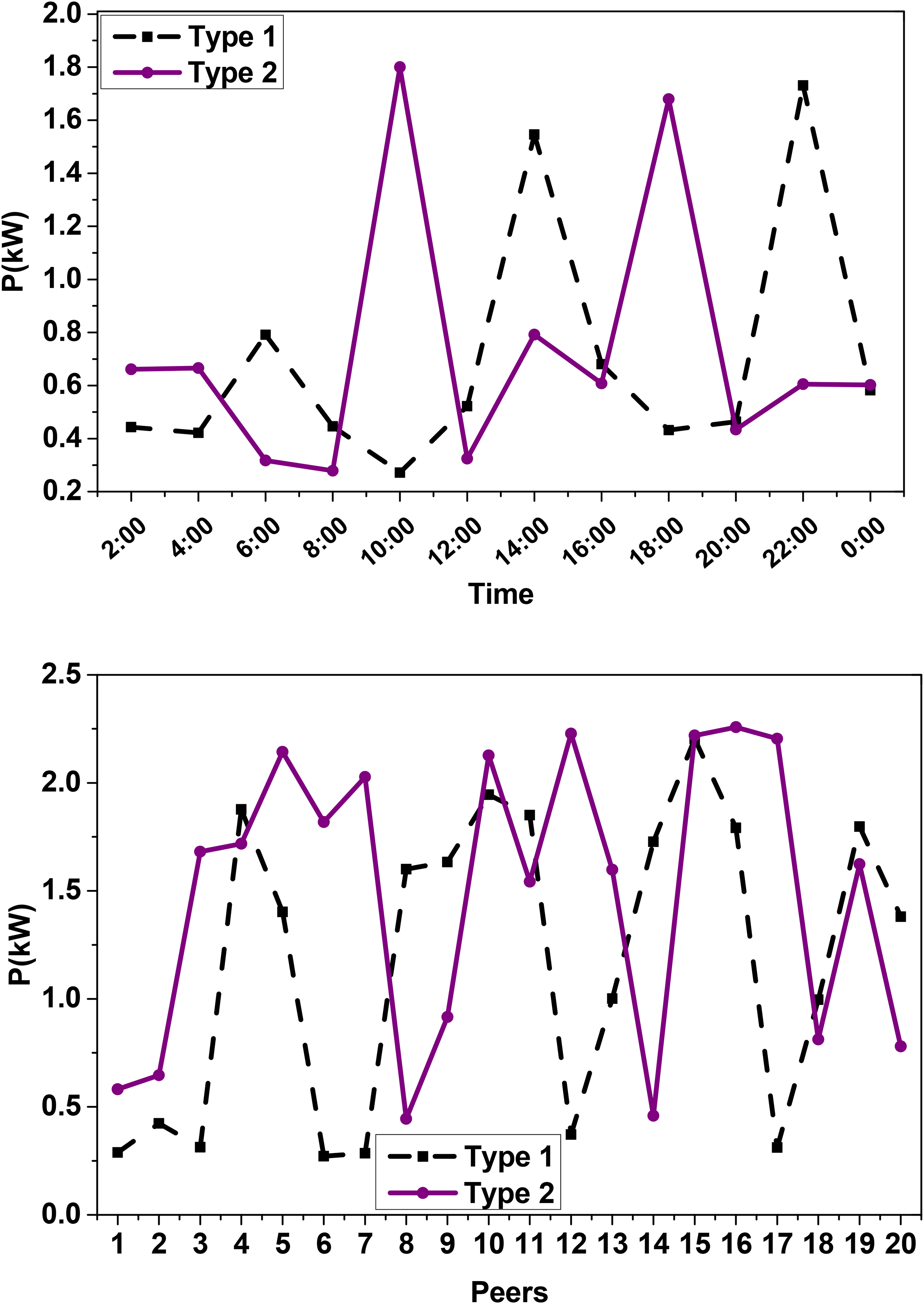
The data represented above is of two categories: Type 1 (buildings and peers) and Type 2 (individuals and residences). The distribution demand, power generation, and consumption using the MGs are also described in the above illustration. Based on the distribution, the peak generation and consumption are to be balanced across type 1 and type 2 consumers. The average consumption ranges between 1.4 kW and 18.5 kW, whereas the maximum demand is 25 kW, based on user demands. The response between generation and availability is used to satisfy demand and ensure maximum power generation (Figure 1). The distribution demand and generation throughout the article are described using the type 1 and type 2 users for energy trading. The initial demand analysis for a day under 2 types and a maximum of peers is represented in Figure 2.
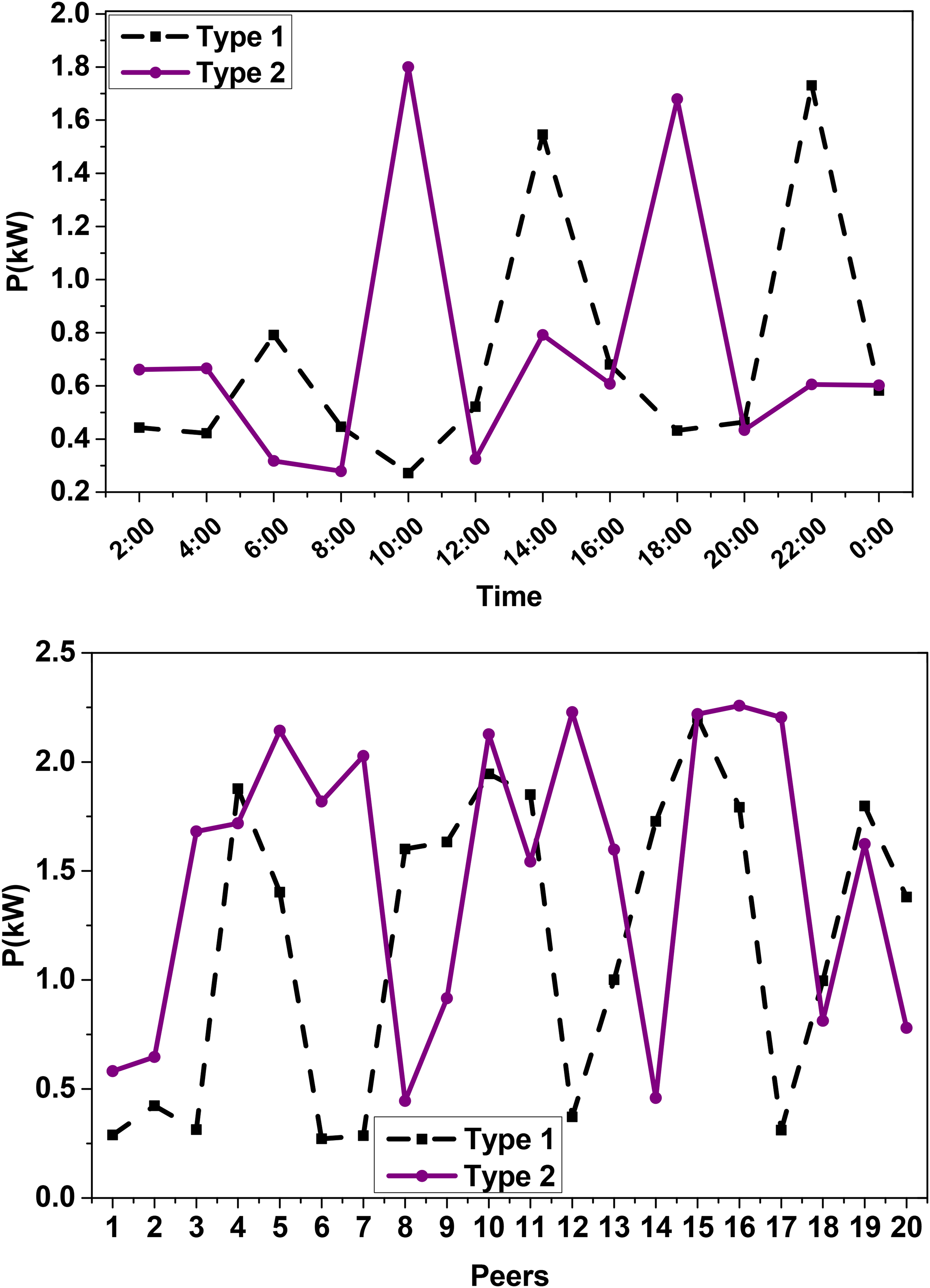
Demand analysis before trading.
The demand analysis is performed to improve energy efficiency through better energy trading. For this analysis, the power availability check is processed and transmits the energy to the receiver/ consumer. Here, the study is based on energy transmission without any demand; computation utilizes the BC. The energy source is used to acquire power, and trading is performed based on the allocation. The time slot is used to detect the demand on the MG, where the power availability is processed on the BC (Figure 2). This demand analysis is required to verify and compute the maximum energy trading requirement to meet the response (maximum). Regardless of the Type 1/ Type 2 users, this requirement is mandatory to ensure maximum power availability.
Proposed demand response optimizer model
In real-world MG structures, energy trading is limited by factors such as transmission line capacity, voltage change limits, and real-time network congestion. The present model attempts to improve DR concurrency and trading efficiency by using CEL and BC integration. However, it assumes that the distribution network is perfect and lacks any voltage fluctuations or congestion constraints. This makes it simpler to observe how our learning-based strategy affects performance. However, in the actual world, these assumptions need to be changed to take into consideration reactive power control, line impedance, and voltage regulation regulations to make sure that trading decisions comply with grid reliability standards. Using optimal power flow-based validation, future versions of this model can take these technical limits into account.
Both BC and energy management are jointly used in the MG ecosystem to emphasize the decentralized energy system. A MG is an energy trading system in a residential area with several homes, some of which are prosumers (consumers and producers of energy simultaneously). Here, the energy trading takes place between the sender and the consumer on the MG. Real-time energy production and consumption forecasting are processed by sharing the information with other network nodes. From the residential MG, the energy is transferred in the form of energy sources that include water, wind, or sun. This evaluation is conducted based on the source of energy transmission. The proposed DRO model processes are depicted in Figure 3.
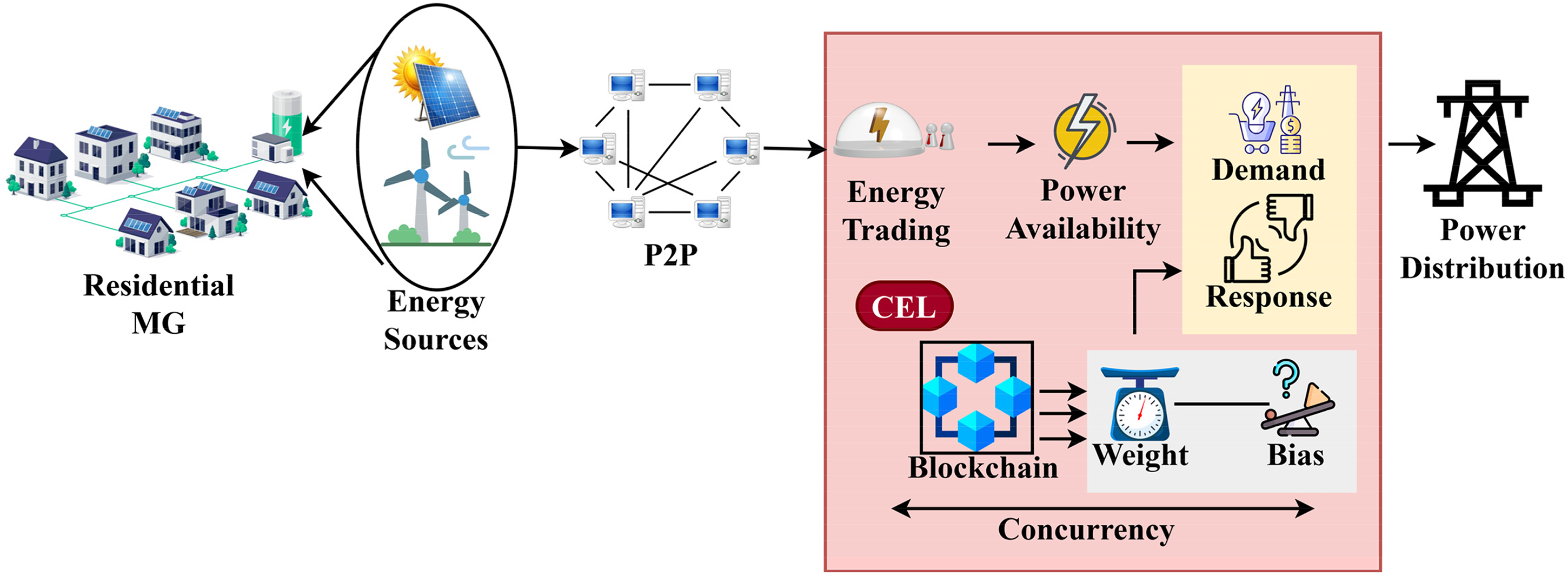
Proposed DRO model processes.
Here, energy trading is used to share any form of energy with the grid. If necessary, energy is then acquired from another form. The power availability is used to analyze the demand and response based on the energy, which is associated with weight and bias. This computation of energy distribution is advanced by introducing the BC, which acts concurrently on demand and in response. Here, the power distribution is computed by introducing CEL and improving energy efficiency. The initial step involves discussing the objective of how power distribution is processed based on energy trading, as derived below.
The analysis is computed above for the objective discussion, where the power distribution is processed from the residential MG, and it is represented as
Symbols and definitions
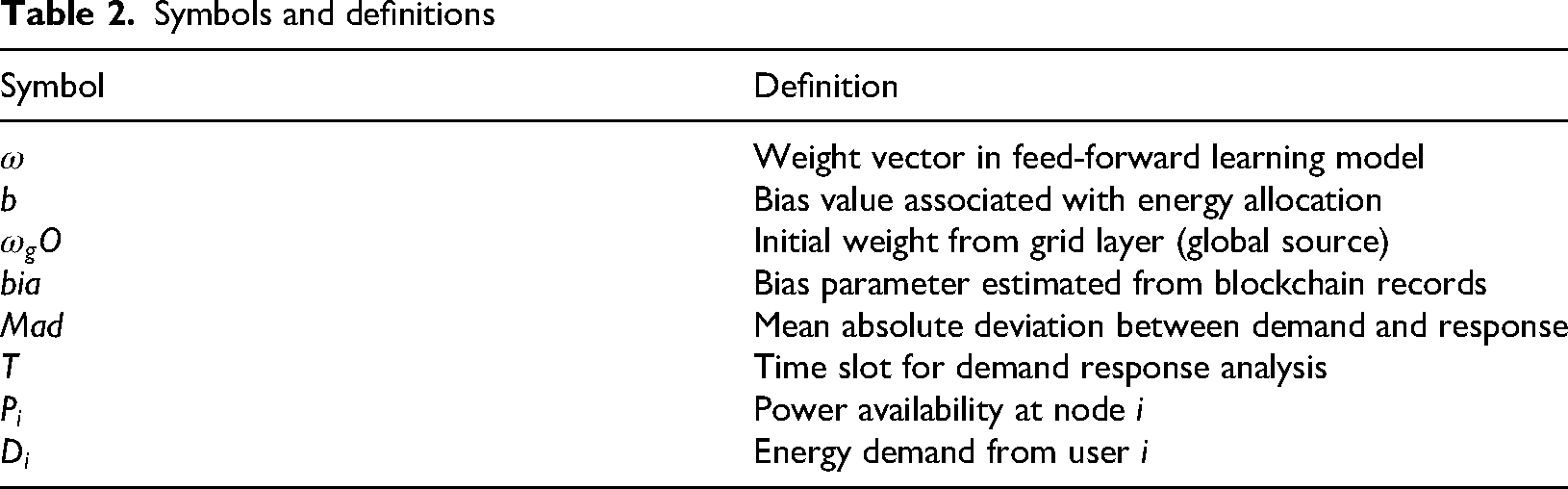
The energy is 
The evaluation is processed on the above equation, where the concurrency is identified for the demand and response, and they are symbolized as
Thus, the concurrency is used to identify the demand from the MG, and based on this, a response is given. In this evaluation, the energy source is used to transmit the energy concurrently where it satisfies the demand and response, and it is formulated as 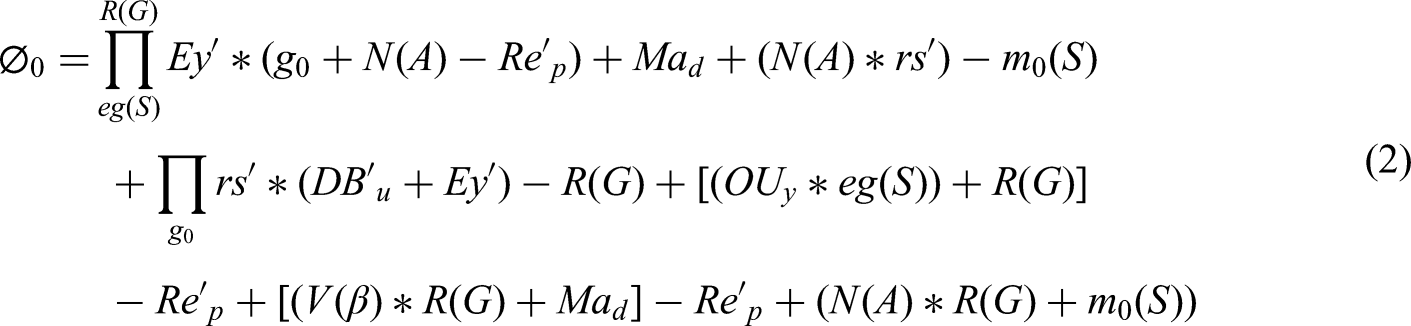
The computing is formulated to analyze P2P energy trading, which is reliable for maximizing power availability to meet various residential demands. Energy trading is used to examine the demand and response from the producer, and energy is given as the response to the consumer. The computation is represented as
Response analysis for different parameters.
The response is given based on the energy requested from the consumer to the residential MG. Here, the P2P transmission 
The P2P is computed to define how the energy source transmits the power with availability. Based on power availability, the residential MG transmits energy as needed. This is processed to reduce the deficiency and improve the efficiency of the power generated from the MG. This evaluation is considered to identify the source and transmit the power. By processing it, the system addresses challenges that degrade the power, which are often due to the producer's issues, such as energy tokenization and transparency.
The P2P acquires energy and shares it in any format on the grid, as required. Here, the demand and response are considered in this P2P process to ensure efficiency, and it is represented as
The goal of the proposed model is to find the most effective method to distribute energy by reducing demand bias and increasing energy dispatch weights among different types of consumers. The primary objective of the optimization is to adjust the weights and biases of the CEL model, ensuring that supply and demand occur simultaneously.
Concurrent extreme learning
The energy sharing is processed concurrently for the weights and biases that are computed on the BC. The BC is used to store information regarding energy sharing with the nearby grid. This learning is processed P2P, indicating energy trading that predicts whether the energy meets demand and response requirements. This process is based on a condition and results in concurrency, as derived in the equation below.
The analysis for the energy source is evaluated in the above equation, where the maximization of energy is considered and then transmitted in the P2P format. The computation utilizes the power distribution to ensure accurate operation without energy degradation. The maximization is described as 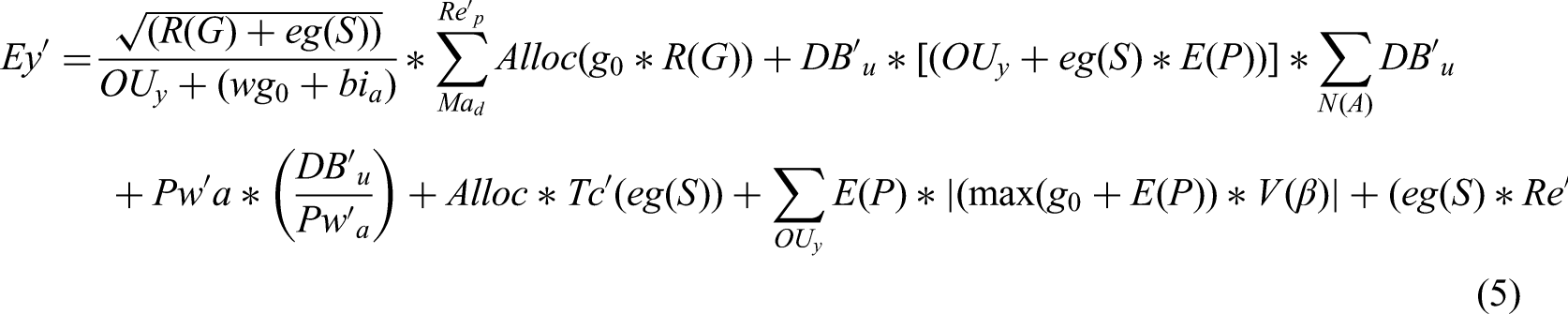
The energy trading is expressed in the above equation, where the power distribution is estimated based on the energy allocation, and it is represented as
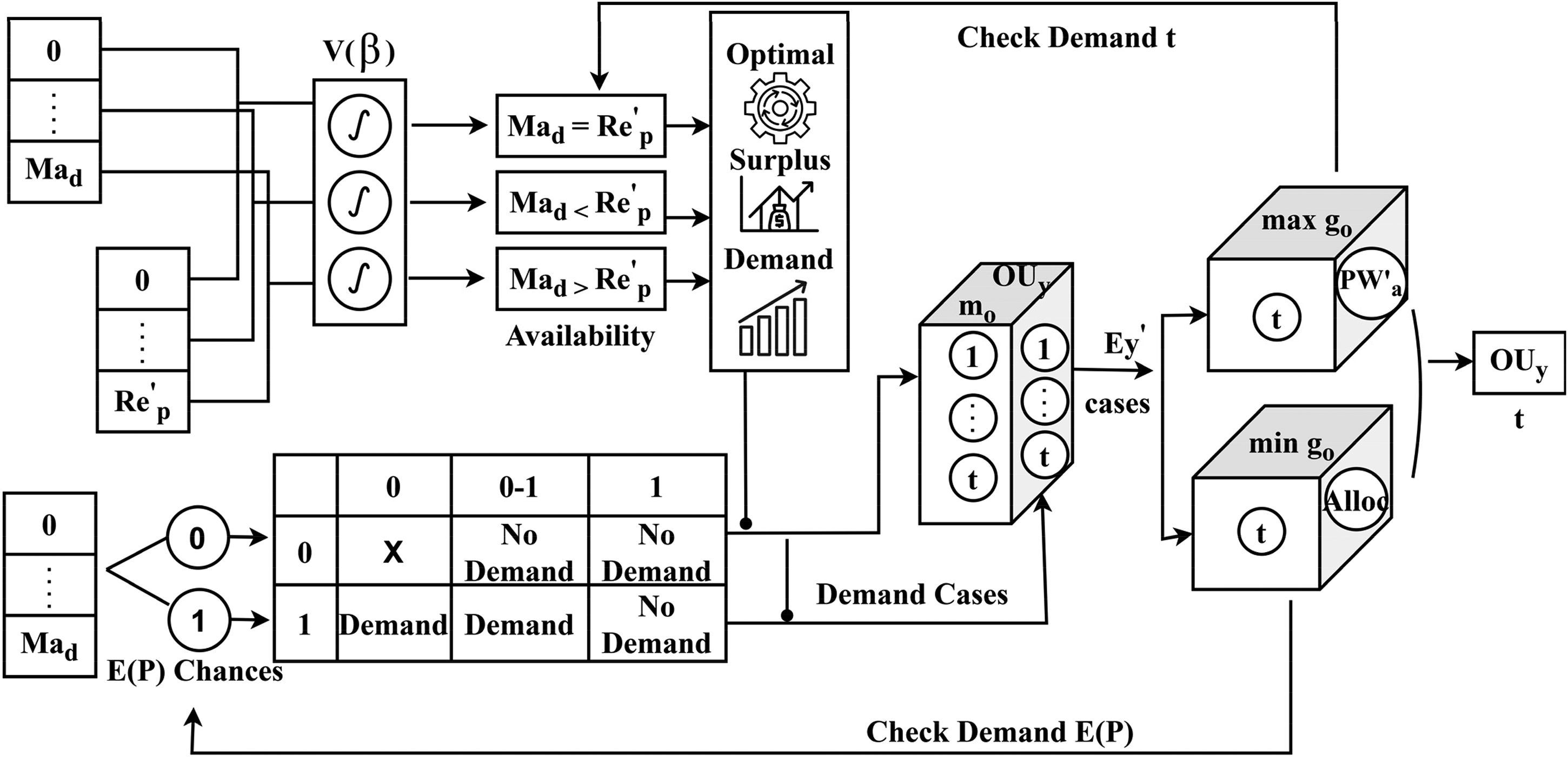
Learning model for demand and response concurrency analysis.
The illustration of extreme learning for concurrency validation is given in Figure 5. The concurrency in demand/ response through
The initial computation for weights and biases is evaluated to decrease the demand factor, where the P2P transmission

The concurrency is processed for the weight and biases 




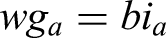

The proof is computed in the above equation, where the LHS equals the RHS, with the weight and bias equal to each other on the concurrency. Here, it estimates the p 
The energy source is used to forward energy to the consumer, indicating demand and response. This process balances the weight and biases to achieve the response. The bias balances the response, whereas the demand is used for the weight allocation.
In the energy trading, the power availability is computed below.
Power availability
The power availability is used to estimate the demand and response, where the P2P is computed for the energy trading. Here, it estimates the power distribution from the MG and analyzes the energy trading. From the demand and response, the weights and biases are concurrently estimated. The evaluation is processed to improve power availability on the residential MG. The following equation is used to calculate power availability.
The power availability for the energy is detected from the MG, where the timeslot is used to analyze the energy demand and provide the necessary action to improve the energy sources. The concurrency is processed for the demand and response, where the energy trading is estimated from the different energy sources. Here, the power distribution is evaluated for energy trading, and the producer transmits energy to the consumer. The response rate is higher due to the analysis of power availability. The availability check is estimated to reduce the demand by periodically analyzing the power availability. This is how the power availability is computed in the above equation, and from this classification of power availability, the following equation is derived.
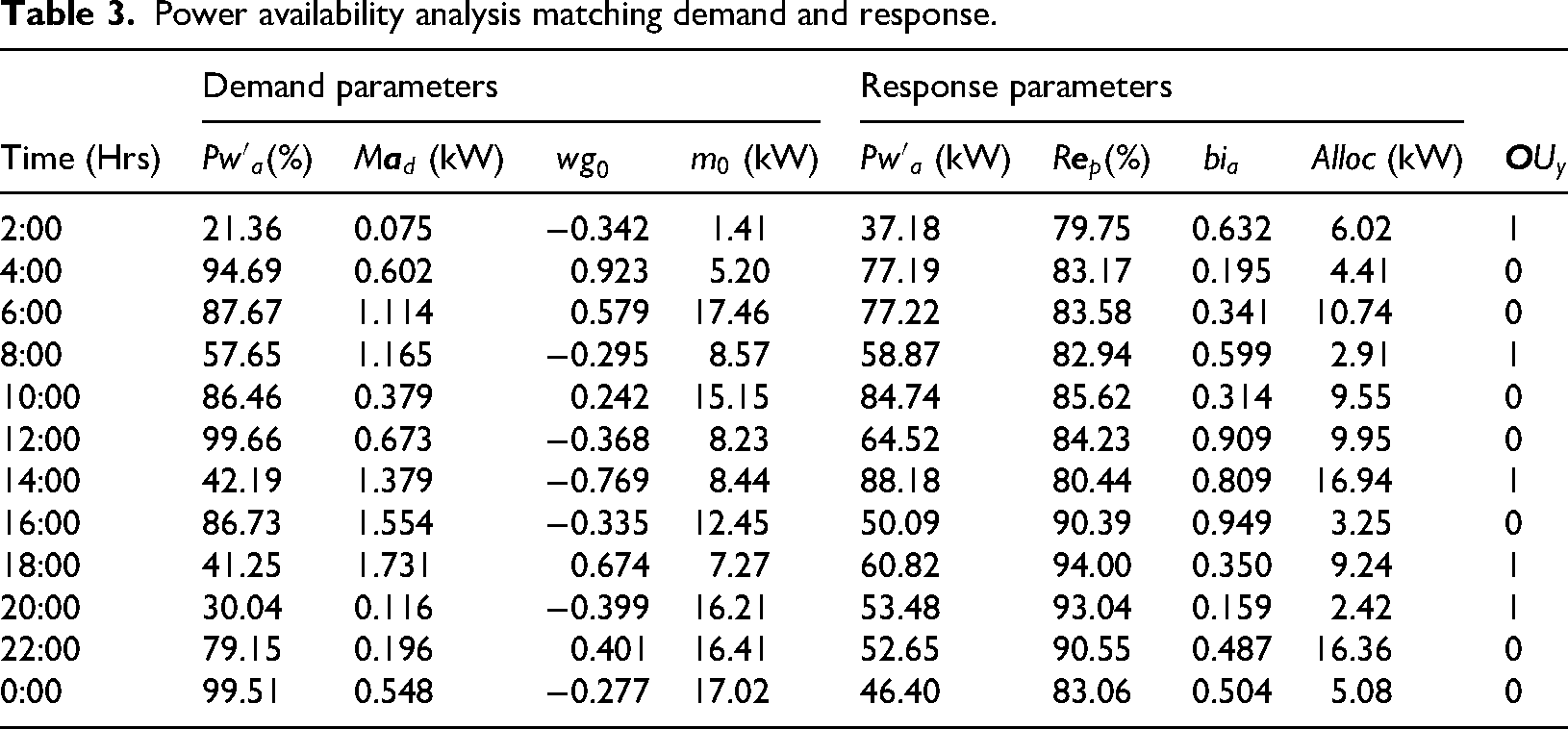
The classification is processed for demand and response, where the first condition represents demand based on power availability in the residential MG, thereby improving energy transmission. The second condition defines the response where the distribution is estimated from the energy source in the required time slot. The energy source is evaluated in terms of demand and response by computing the BC, which stores information about the previous energy from the MG. The power availability matching the demand and response is analyzed in Table 3.
Power availability analysis matching demand and response.
The power availability is classified as demand and response
The demand and response are concurrent to each other by estimating the CEL where the training





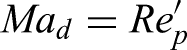


This energy allocation is used to reduce the demand estimated through the demand and response model, where the timeslot is utilized to enhance efficiency. Here, the analysis is processed on the BC, where information about previous energy is stored and matched with the requested energy. A response is given as the feed-forwarding process.
Usage of blockchain
BC is a decentralized, shared digital ledger that registers assets and keeps track of transactions another name for this technology is Distributed Ledger Technology. BC technology is a system that keeps public transactional records, or blocks, in several databases, or the “chain,” in a network that is connected by P2P nodes. This type of storage is commonly known as a “digital ledger.” The BC is used to store information that is used to predict energy. The equation below is used to compute the concurrency of weights and biases, which are equal to each other.
The concurrency is evaluated for the weight and bias energy trading takes place on the BC, and ensures energy efficiency. Here, it estimates the weight of the demand where the energy is allocated and determines the amount of energy allocated. The bias is used to balance the response and evaluate the concurrency with the feed-forwarding method. The feed-forwarding in the network flows in a single direction, whereas input is given from the BC that holds the weights and biases stored on the record. The output is provided as concurrent power distribution. The feed-forwarding is processed with the input and then forwarded to the neural layer with the mentioned weights and biases for the demand and bias. From the different energy sources, the energy is allocated with weight and bias. From this evaluation, the demand and response are processed on the feed-forward method, and they are formulated below.

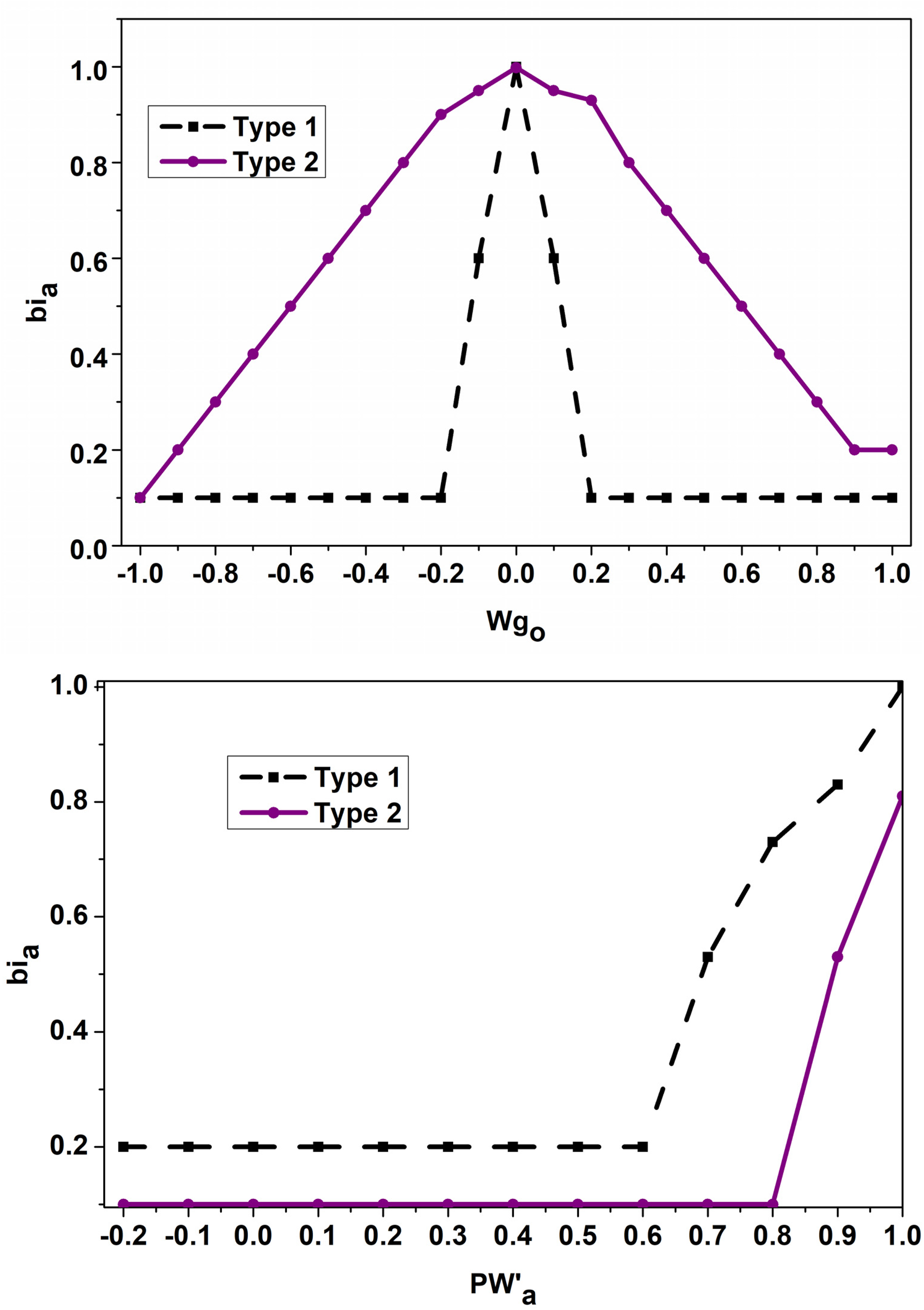
The evaluation for demand is computed in equation (9a), where the weight is used for the allocation of energy on the MG. Here, the power distribution is evaluated based on demand, utilizing BC technology to analyze energy from the previous grid and provide it to the current grid, thereby ensuring efficiency. Equation (9b) represents the evaluation for response, used to check whether it balances the response. The bias factor for concurrency retention through different influencing parameters is analyzed in Figure 6.
Bias factor analysis for concurrency retention.
The bias factor is computed on the feed-forwarding process, where bias is used to balance the response. The concurrency 
The BC entries are computed using feed-forward, where the power distribution is processed based on demand and response. Here, the previous record is used to transmit energy from the MG, utilizing the prediction. Based on the computation, the BC retrieves the information from the stored data, and it is described as 
The training focuses on the degradation of energy from sources where trading occurs, utilizing previous MG data. This is represented as (p), where energy allocation is estimated during the training process, and is symbolized as 
The integration is described as
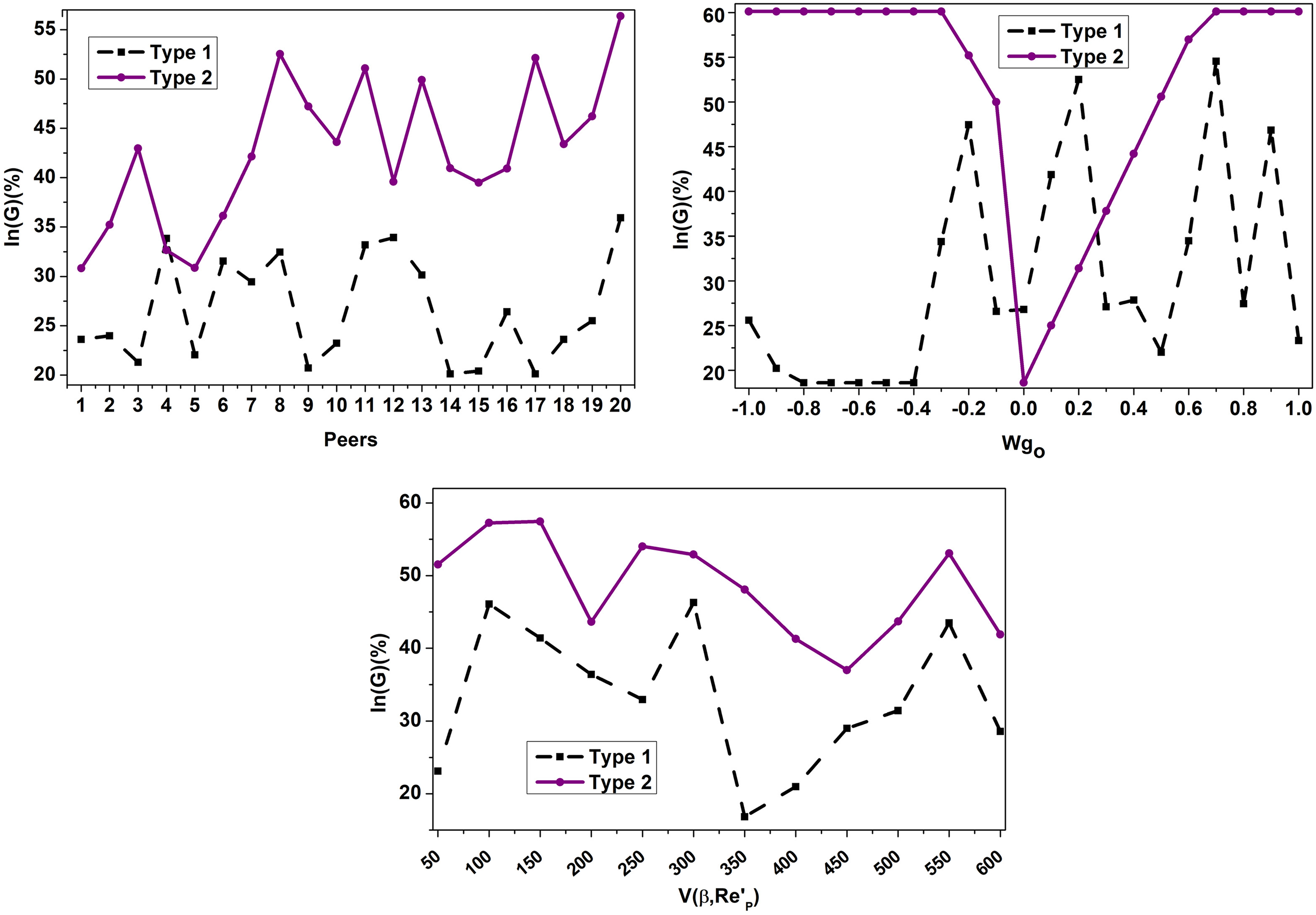
Integration ratio for energy trading to balance demand and response.
The integration ratio is processed by considering the power requirements and energy sources. Here, the weight and biases
The integration is improved by computing the demand and response





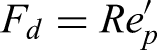


Energy trading is evaluated by analyzing the concurrency between demand and response. In this process, the MG is utilized to provide information regarding the BC and produces the resultant output. The integration is computed for the energy 
Both the weight and biases are considered for this integration and analysis of whether they are equal. Based on the study, the prediction
Results and discussion
It is known that the results of this study are based on simulation data taken from publicly available MG datasets, not from a real-life deployment. These simulations use conventional profiles for energy demand and generation. This design enables evaluations that can be maintained and scaled. Still, it doesn't fully represent the diverse operational scenarios of a real-world MG, including variations in device configurations, physical power losses, and the potential for random failures.
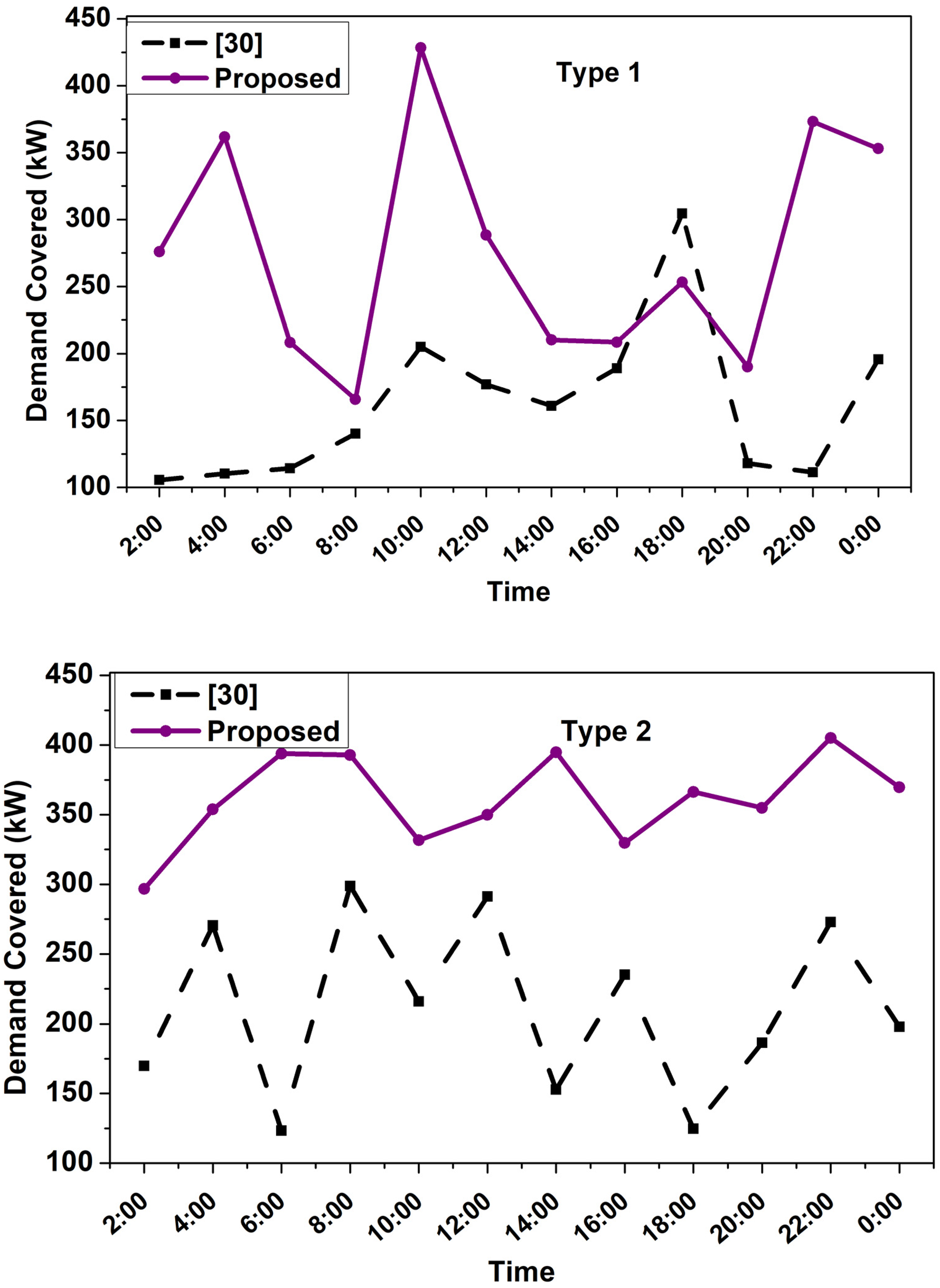
The results, illustration, and discussion section presents graphical representations of metrics that are correlated with the existing works. Correlating the existing works, the metrics demand covered (power), concurrent
Demand covered results.
The demand covered increases on the proposed work compared to the existing method, where the power availability
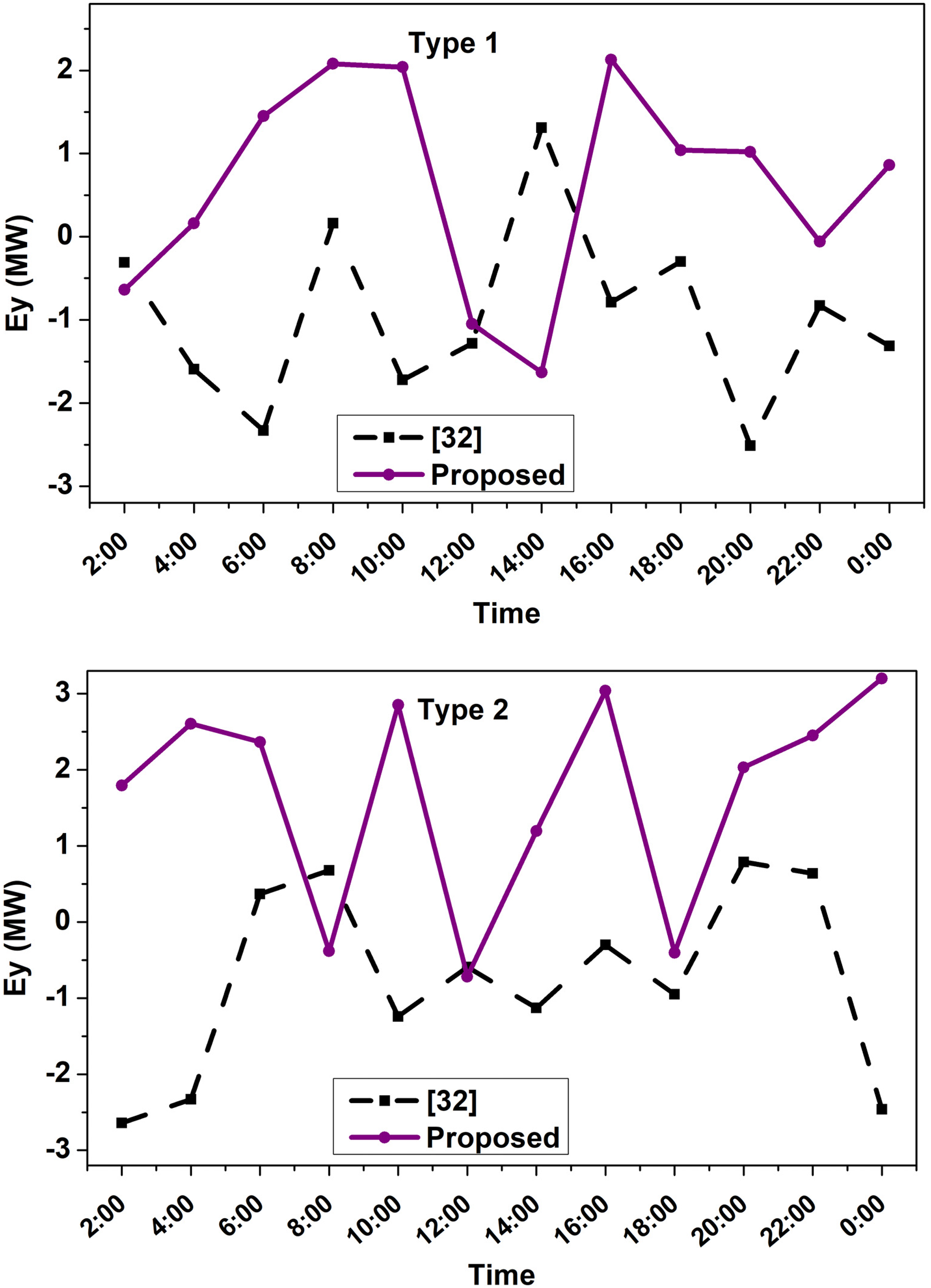
Concurrent energy trading results.
The energy trading is processed from the sender, which is a MG
Power distribution results.
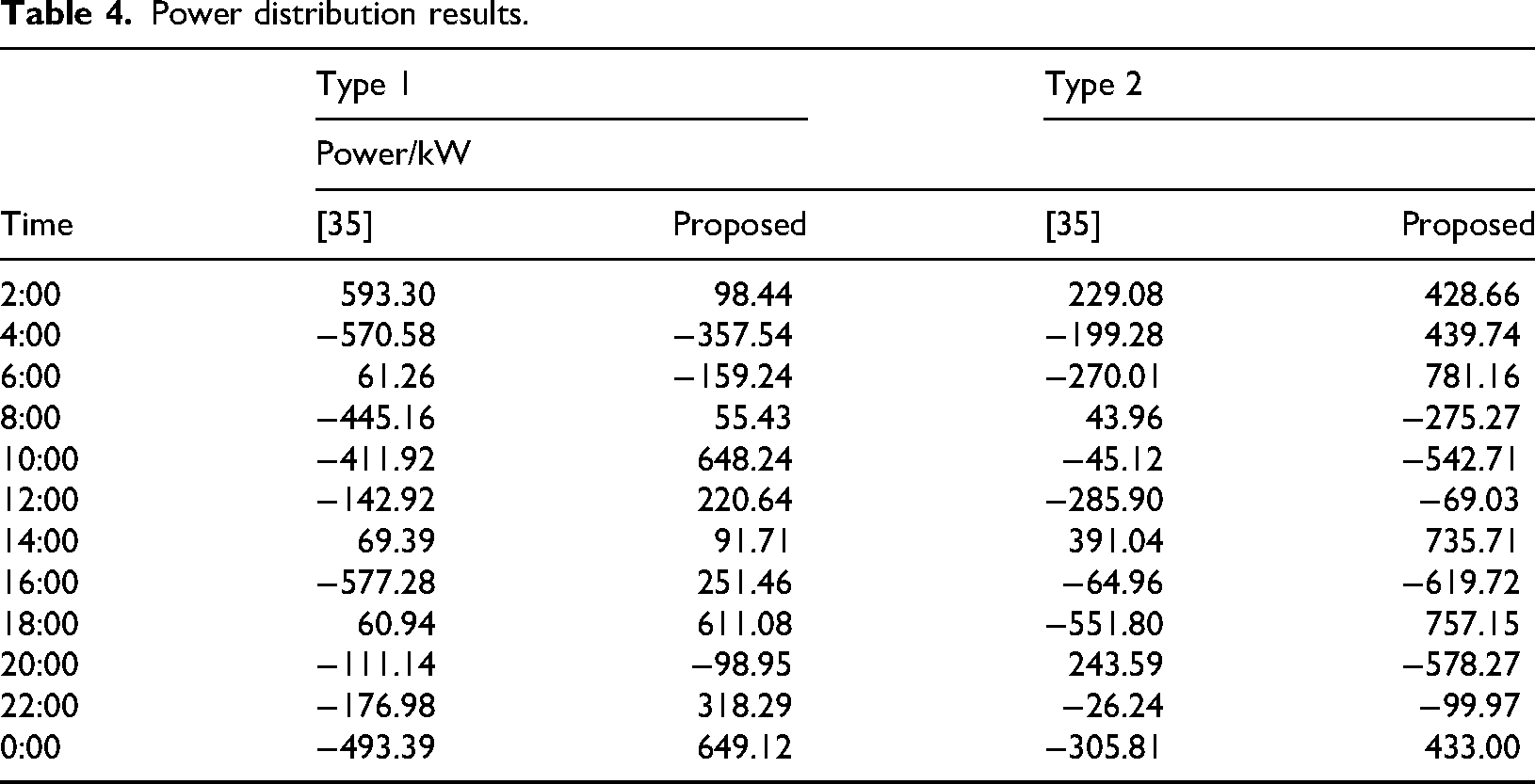
The power generated from the MG increases from the varying
The results demonstrate the proposed model's efficiency in balancing demand and response through energy trading, covering 14.19% of high energy demands, 16.11% of high power distribution, and 14.01% of energy trading for Type 1 users. The problem of concurrent DR through the classification of power availability and distribution is addressed and is proven based on the results obtained.
Conclusion
This study introduced a novel DROM to address the issue of concurrency in power demand satisfaction within smart MGs, particularly those deployed in smart cities and small-scale residential communities. The model facilitated P2P energy trading by ensuring a balanced relationship between energy demand and response. To achieve this, it employed CEL, which dynamically assigned weights and biases to optimize DR concurrency.
Unlike existing methods, the proposed model explicitly segregates power availability and distribution phases, thereby reducing bias and improving trading precision. Furthermore, BC technology was integrated to store historical DR mappings and validate energy transactions securely and transparently. This integration enabled the system to retain and utilize prior trading states to support future learning and ensure accountability across energy exchanges.
Experimental results validated the model's effectiveness, demonstrating a 14.19% improvement in power demand coverage and a 16.11% increase in distribution efficiency. These outcomes underscored the model's capability to enhance energy utilization through equitable, decentralized, and intelligent trading strategies.
However, the model had certain limitations. It did not incorporate economic control mechanisms, such as dynamic pricing or consumer-centric utilization modeling. As a result, it lacked adaptability in aligning energy trading strategies with cost optimization or personalized user preferences. The suggested model shows that demand response concurrency and energy trading performance can be improved, but it overlooks real-time technical limitations such as line congestion and voltage quality issues. These factors are crucial for the successful implementation of physical MG systems. The addition of voltage and power flow feasibility limitations to the learning and allocation logic will be the subject of future study to ensure that distribution networks can operate effectively and meet standards.
To overcome this limitation, future work will focus on developing a pricing-aware transient optimization model, enabling dynamic pricing strategies and user-level energy swapping mechanisms. Such a model would forecast utilization patterns and provide consumers with actionable insights for cost-effective energy decisions, further aligning distribution and pricing with user-specific demand profiles. This extension would promote a more comprehensive and adaptive energy trading framework, strengthening both technical and economic sustainability within residential MG ecosystems.
Footnotes
ORCID iDs

Author contributions
ARS, RSK, and TRRB contributed to conceptualization, methodology, software, visualization, investigation, and writing–original draft preparation; CBK contributed to data curation, validation, supervision, resources, and writing—review & editing. MB and OR project administration, supervision, resources, and writing—review & editing.
Funding
The author(s) received no financial support for the research, authorship, and/or publication of this article.
Declaration of conflicting interests
The author(s) declared the following potential conflicts of interest with respect to the research, authorship, and/or publication of this article: On behalf of all authors, the corresponding author states that there is no conflict of interest.
Availability of data and materials
The datasets used and/or analyzed during the current study available from the corresponding author on reasonable request.