




Abstract
The growing demand for reliable and sustainable energy sources, coupled with concerns over greenhouse gas emissions and fossil fuel depletion, necessitates the development of hybrid renewable energy systems that can ensure energy security, improve efficiency, and reduce environmental impact. This study addresses the need for integrated renewable solutions by investigating the energy performance and economic feasibility of a hybrid system that combines photovoltaic (PV) panels, parabolic trough collectors (PTC), and a lab-scale biomass-fired steam power plant. The primary objective is to optimize system performance while minimizing fuel consumption and operational costs. The proposed system includes a PTC unit, a 4.6 kW PV array, a 6.4 kW biomass-powered DC generator, three 3 kWh batteries, and a 3 kW converter. Energy assessment was conducted through experimental measurements supported by simulation and optimization using HOMER and PVsyst software. Results show that the integration of PV panels reduced biomass fuel consumption by approximately 70%, leading to a 50% reduction in operational costs over a 10-year period. The system achieved a favorable payback period of just 2.2 years. These findings highlight the viability of hybrid PV–PTC–biomass systems as a sustainable and cost-effective solution for clean energy generation in decentralized or off-grid applications.
Introduction
Solar energy stands out as a primary renewable energy source globally, and its significance is particularly pronounced in Jordan. Jordan boasts abundant solar radiation, with an annual daily average ranging between 4 and 7 kWh/m². This translates to a total annual solar irradiation reaching approximately 2.2 GWh/m², facilitated by Jordan's roughly 300 sunny days per year (Abu-Rumman et al., 2020). The integration of biomass and solar energy into hybrid systems emerges as a promising approach for optimized energy solutions. This integration offers enhanced reliability, higher efficiency, and a sustainable energy future. Hybrid biomass-PV systems represent a pivotal step towards reducing carbon emissions and combating climate change effectively (Alvi et al., 2024). Biomass encompasses a diverse range of organic materials, including agriculture and forest products, energy crops, algae, as well as unconventional sources like olive cake (Tezer et al., 2023). Biopower systems, with direct combustion, leverage rapid energy release from various biomass sources, including unconventional ones like olive cake and alternative fuel such as oil shale, to generate electricity using steam turbines, which produce more efficient electricity-generating systems compared to energy recovery plants (Verma et al., 2023). Olive cake stands out as a potent energy source, boasting a remarkable calorific value of 17,000 kJ/kg that surpasses that of other wood or agricultural biomass, which offers a highly concentrated and dense fuel option with optimal humidity conditions of around 10% (J. Al Asfar et al., 2018). Historically utilized in the Mediterranean for cooking and heating, olive cake has found renewed interest in modern energy applications and sustainable energy generation. Its utilization not only offers significant energy savings and cost-effectiveness but also contributes to environmental preservation and reduced reliance on fossil fuels (Al-Rousan et al., 2013). Chen et al. (2021) focused on analyzing a system that combined solar thermal energy and biomass to generate heat and power. They conducted thermodynamic and economic analyses to evaluate the system's efficiency and cost-effectiveness. Their work shows that the solar-aided biomass-fired combined heat and power system was more efficient and had a lower cost of electricity than a standalone biomass-fired system. However, the high initial cost of the solar thermal system could result in a longer payback period.
Kumar et al. (2022) aimed to design and optimize a hybrid off-grid power generation system for rural remote electrification in Eastern India using a combination of solar photovoltaic (PV), biomass, diesel, and battery technologies. They conducted a techno-economic analysis to determine the optimal combination of these technologies and found that the hybrid system could provide reliable and affordable electricity to remote communities. Their study concluded that the hybrid system can provide a sustainable and cost-effective solution for rural electrification in regions where grid connectivity is limited. Yahya et al. (2022) examined the performance of a solar-biomass hybrid heat pump batch-type horizontal fluidized bed dryer with a multi-stage heat exchanger for drying paddy. The results show that the dryer achieved a high thermal efficiency and moisture removal rate, with the heat pump and solar collector working together to provide the necessary heat energy. Sakhrieh et al. (2022) proposed an optimized off-grid hybrid system tailored for rural areas with limited access to reliable electricity. Their study likely involved a combination of theoretical analysis, technical design, and possibly field testing in real rural environments. Integration of multiple renewable energy sources such as solar photovoltaics, wind turbines, and possibly small-scale hydro or biomass systems might have been considered. J. Al Asfar et al. (2023) studied a hybrid system consisting of a parabolic trough collector and a steam power plant. The effect of utilizing the parabolic trough collector on improving the performance of the plant and reducing fuel consumption has been achieved experimentally. They found that the performance of the hybrid system has shown better efficiency than the standalone biomass-fired power plant with the same fuel mixture ratio and steam flow rate (J. J. Al Asfar et al., 2018). J. Al Asfar et al. (2020) focused on simulating the combustion of olive cake in a fluidized bed burner, a biomass combustion technology, likely involving computational modeling using software packages such as ANSYS Fluent and COMSOL Multiphysics (Ivanov & Zverev, 2022). Key findings likely include insights into the combustion behavior of olive cake, including combustion efficiency, emissions characteristics, and ash management, thus contributing to the field of biomass energy by providing valuable data and simulation tools for optimizing the design and operation of fluidized bed combustion systems using olive cake or similar agricultural residues (J. Al Asfar et al., 2020). Integrating PTC as a preheating system for biomass combustion enhances energy efficiency and environmental performance in biomass-fired power generation. PTC systems concentrate solar radiation onto a receiver tube, heating a fluid such as oil or molten salt to high temperatures. This hot fluid can be directed to a heat exchanger within the biomass combustion chamber, where it preheats water or steam used in the boiler, which reduces the energy required for biomass combustion, improves overall efficiency, and lowers emissions.
Therefore, the objectives of the present work were the following:
Perform a thermodynamics analysis of a promising hybrid renewable energy system (PV + PTC + biomass) of a lab-scale steam power plant. This promising system is an integration of three main subsystems: PTC unit, a steam power plant that utilizes a mixture of biomass (olive cake) and oil shale as burning fuel, and a virtual PV array. This work addresses technical and economic aspects for a proposed combination of PV, PTC, and steam power plants to attain optimum performance.
Physical system
The physical system in this work consisted of an open cycle of a hybrid PTC unit and a biomass-fired small-scale steam power plant integrated with a virtual PV array. The main components of this hybrid system are shown completely hereunder and in Figures 1 to 5.
Parabolic trough collector (PTC)
A PTC unit with a total length of 3.6 m has been designed and constructed for experimental testing. The PTC employs high-reflective stainless-steel sheets as mirrors, chosen for their durability and high solar reflectivity to enhance the system's thermal efficiency. The parabolic trough is supported by a robust steel structure with a height of 1 m, ensuring stability and optimal alignment with the solar trajectory. To maximize solar energy capture, the system incorporates a single-axis sun-tracking mechanism, allowing the PTC to rotate around its longitudinal axis. This tracking system adjusts the PTC's orientation throughout the day to maintain perpendicular incidence of sunlight, improving overall system performance.
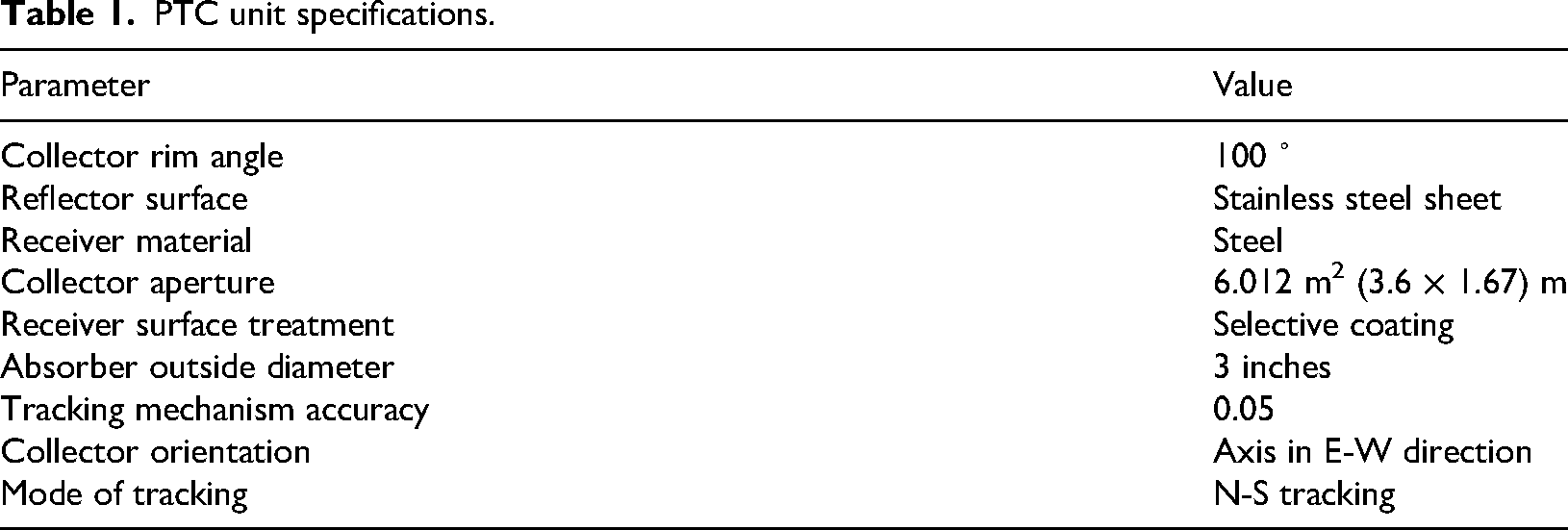
A water storage tank with a capacity of 1 cubic meter (1 m³) is integrated into the system, serving as the primary reservoir for the working fluid. Water is circulated through the PTC using a centrifugal water pump rated at 0.75 horsepower (HP), capable of maintaining a steady flow rate. Downstream of the pump, a throttle valve is installed to regulate the flow of water entering the boiler, ensuring precise control of pressure and temperature conditions during operation. Figure 1 provides a visual representation of the constructed PTC system, while Table 1 outlines its detailed specifications, including material properties, geometric dimensions, and operational parameters. For more details about this PTC unit including material, cost, and coating, see AlAsfar et al. (2014).
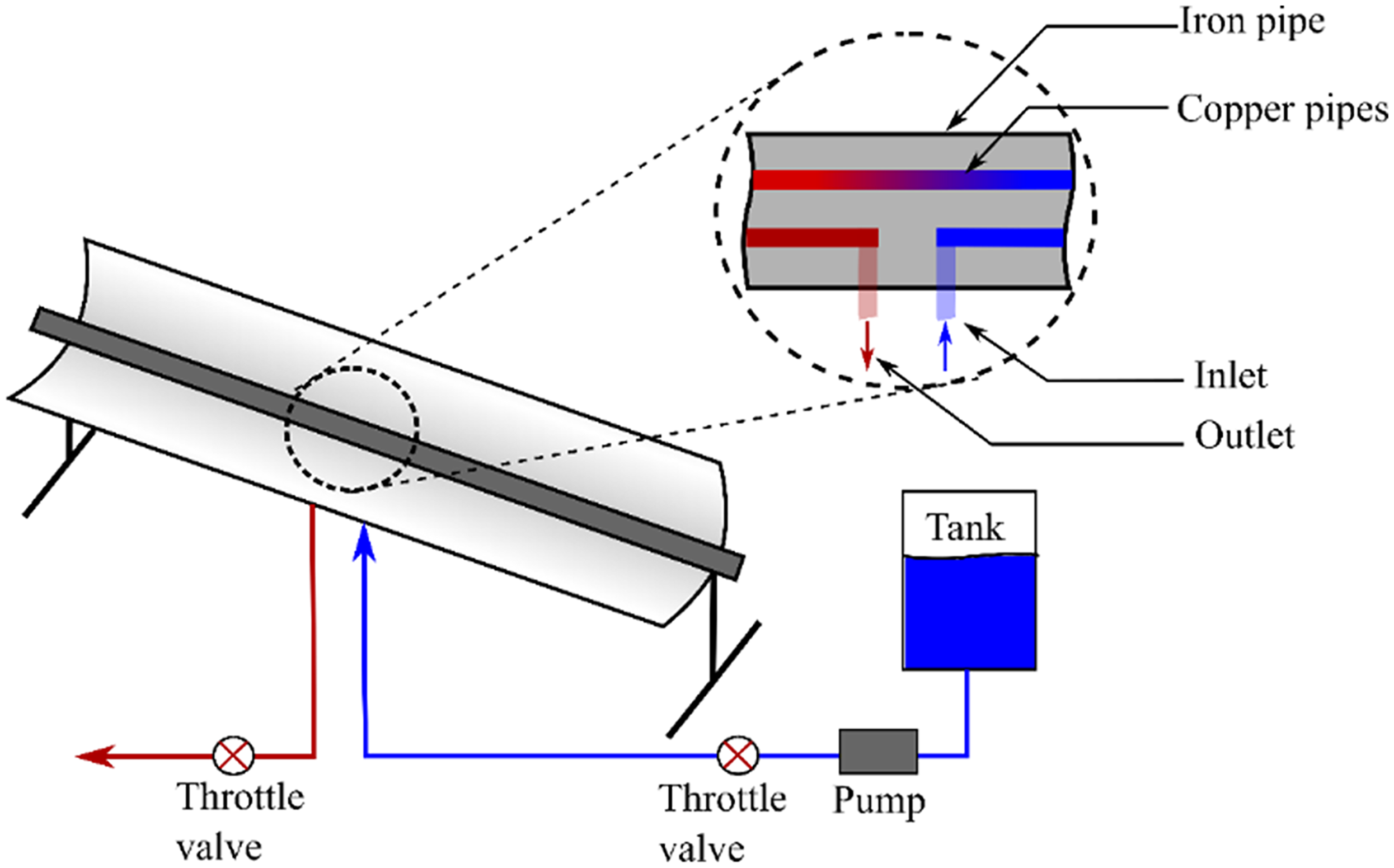
The PTC unit diagram.
PTC unit specifications.
Steam power plant subsystem
This part of the system consists of four parts: boiler, fluidized bed burner, piping network, and steam turbine coupled with a generator. Figure 2 shows the main parts of the biomass power plant.
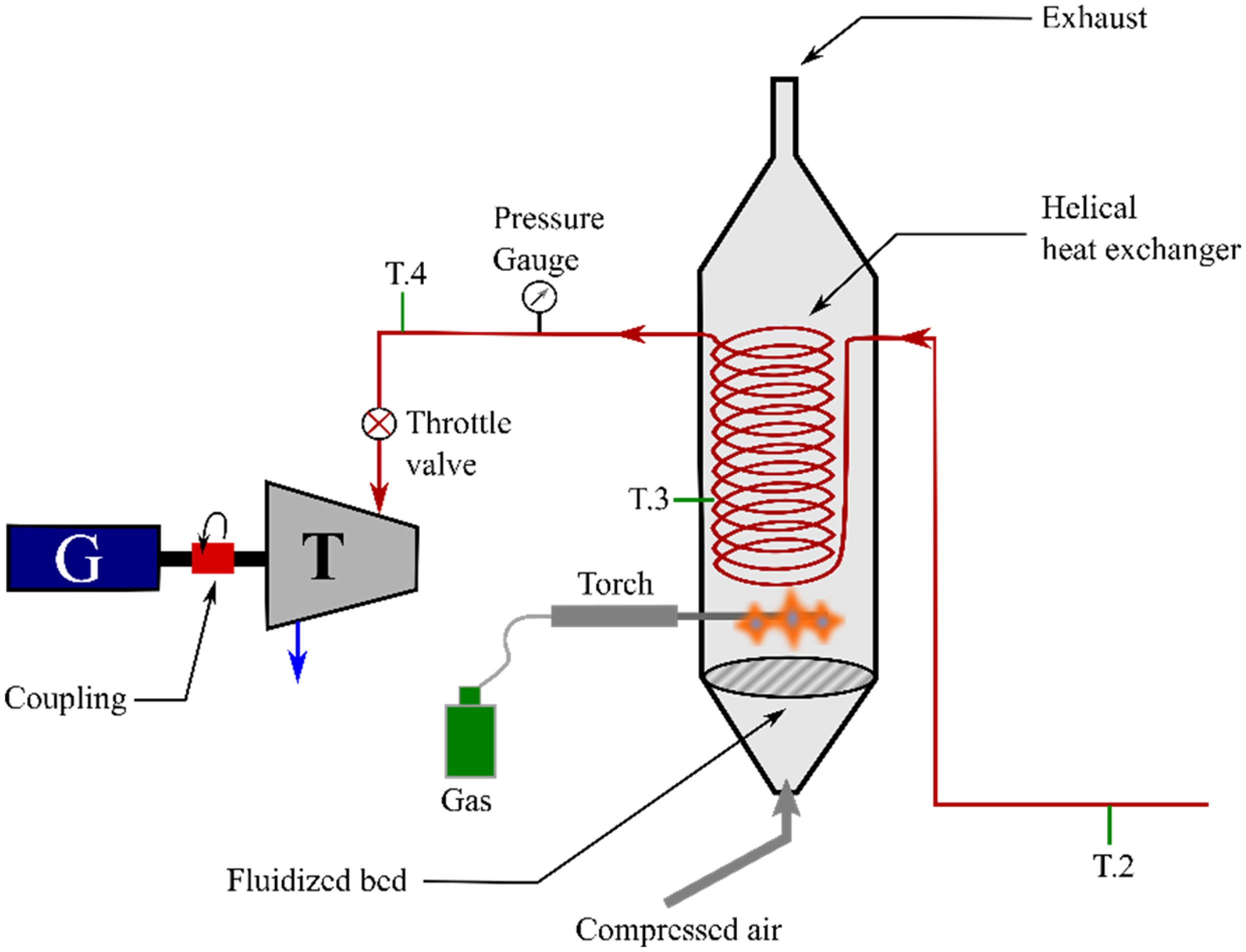
Lab scale steam power plant.
Steam turbine and electric generator
The steam turbine used was manufactured by COPPUS with a maximum number of revolutions of 3000 RPM, counterclockwise rotation, and maximum power of 7.5 kW, with 80% efficiency, coupled with an electric DC generator, manufactured by CORSO MARTINETTI, as shown in Figure 3.
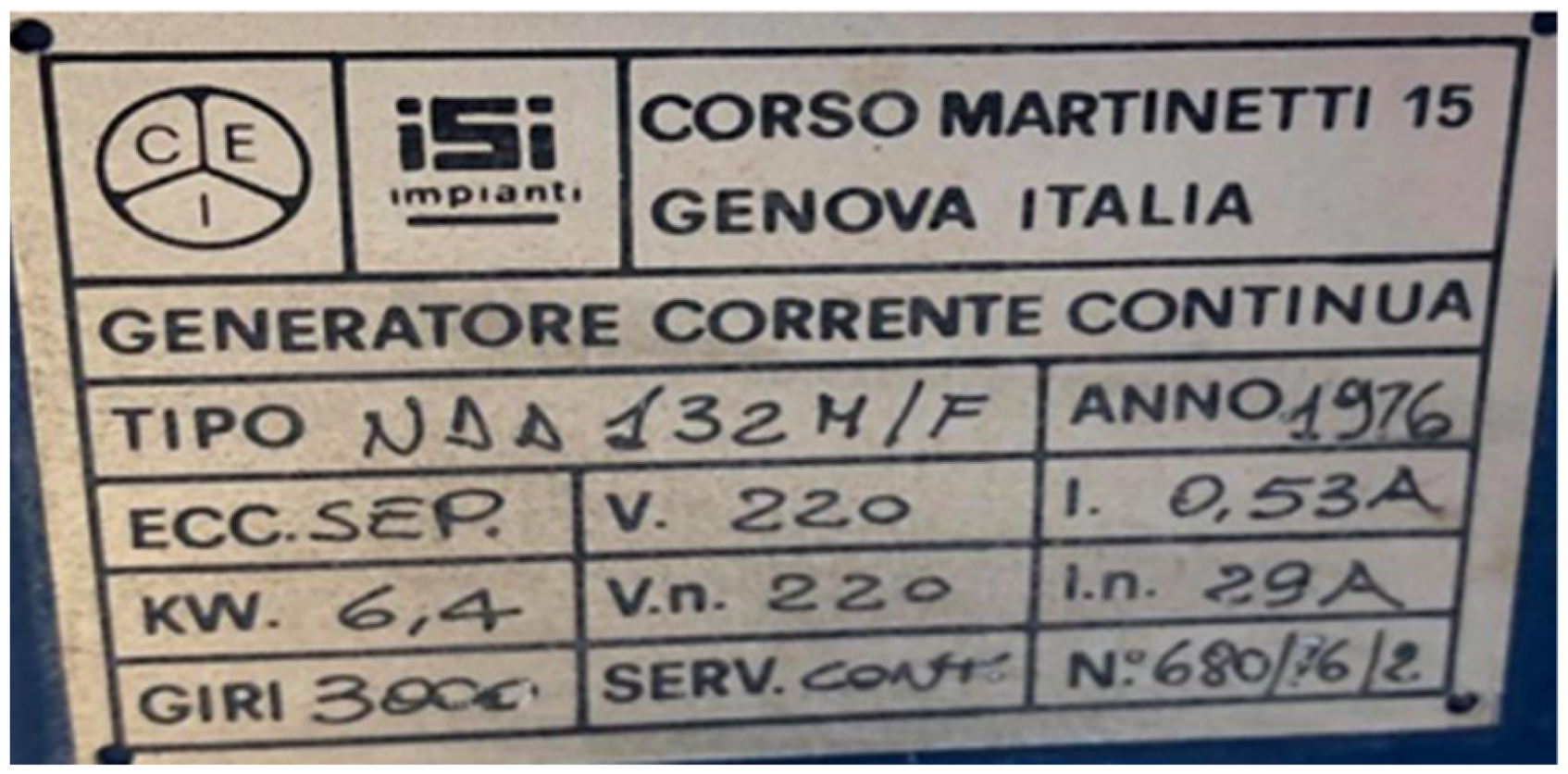
Electric generator properties nameplate.
Data logger
These measured temperatures were collected and stored by an HIOKI LR8431-20 data logger, which is depicted in Figure 4.
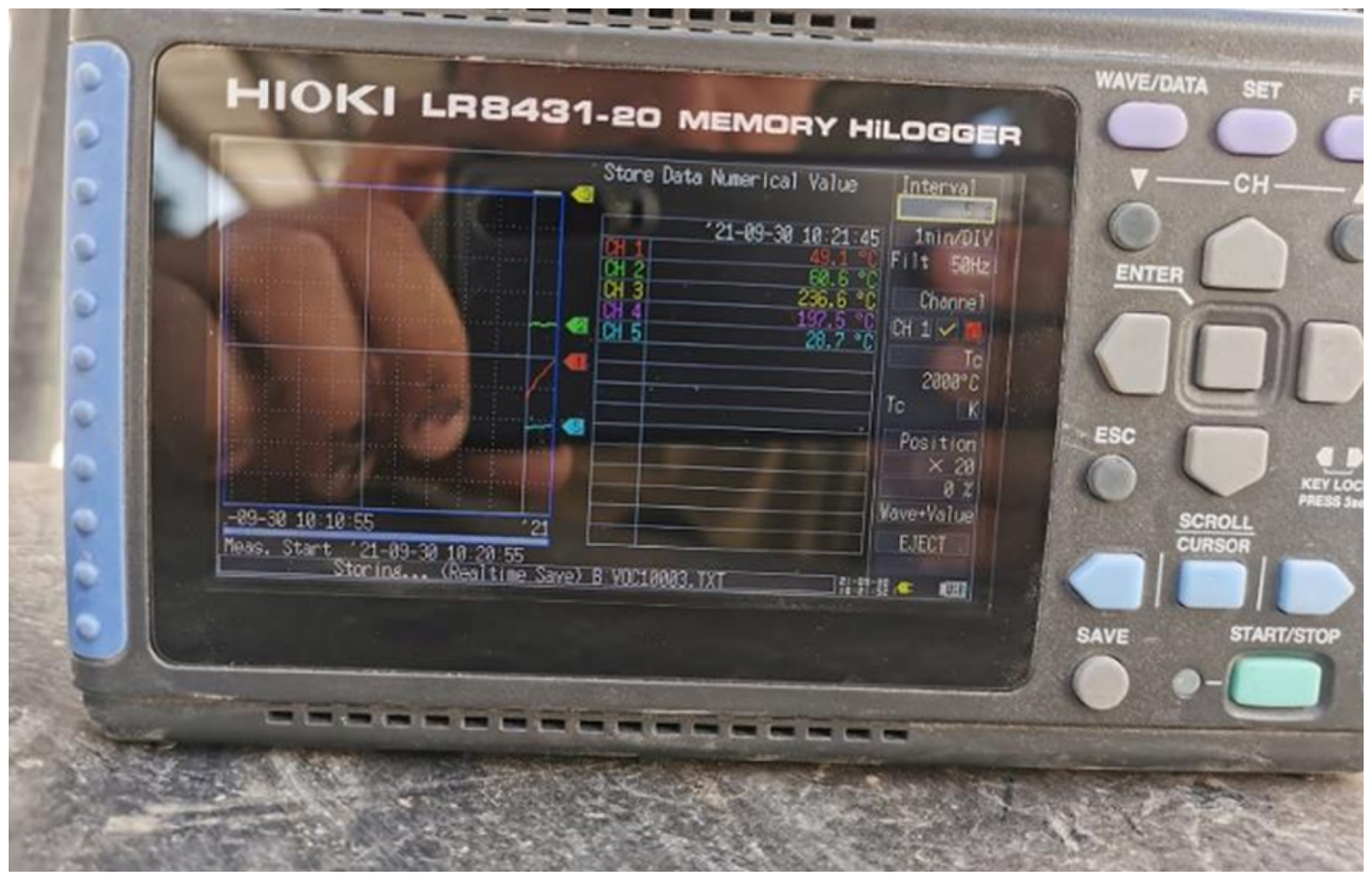
Data logger unit.
Hybrid system with PV
Figure 5 shows the complete hybrid PV-PTC with the power plant. The pressure of steam is controlled by a pressure control valve that will allow steam to pass if its pressure reaches a certain level. To generate electricity, the turbine is coupled with a separately excited DC generator. It is worth mentioning that the system is an open cycle.
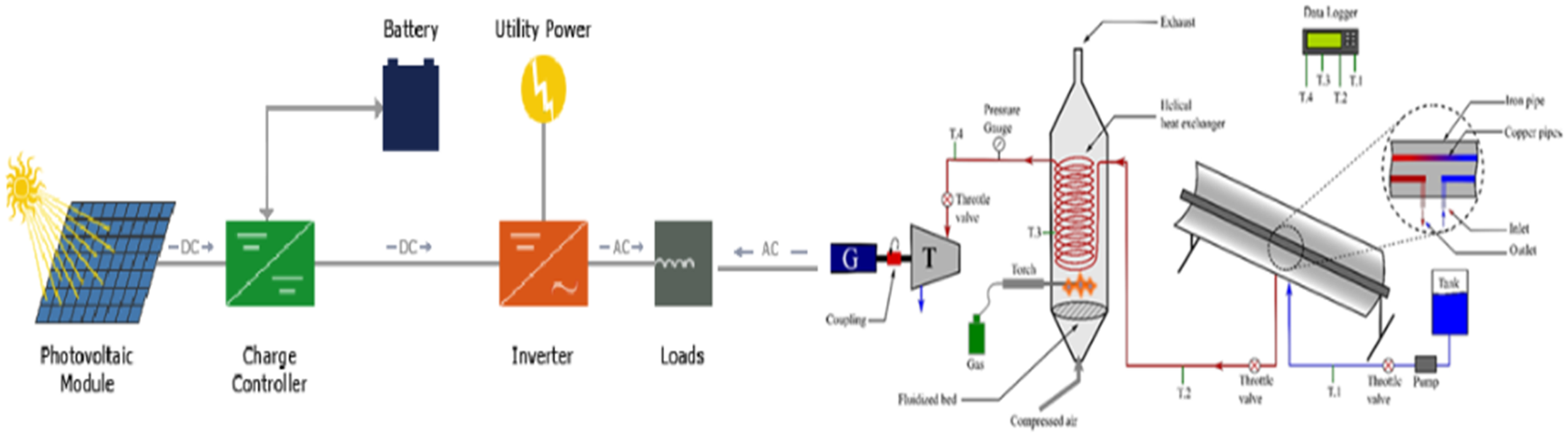
The proposed hybrid PV-PTC-biomass steam power plant.
Photovoltaic virtual subsystem
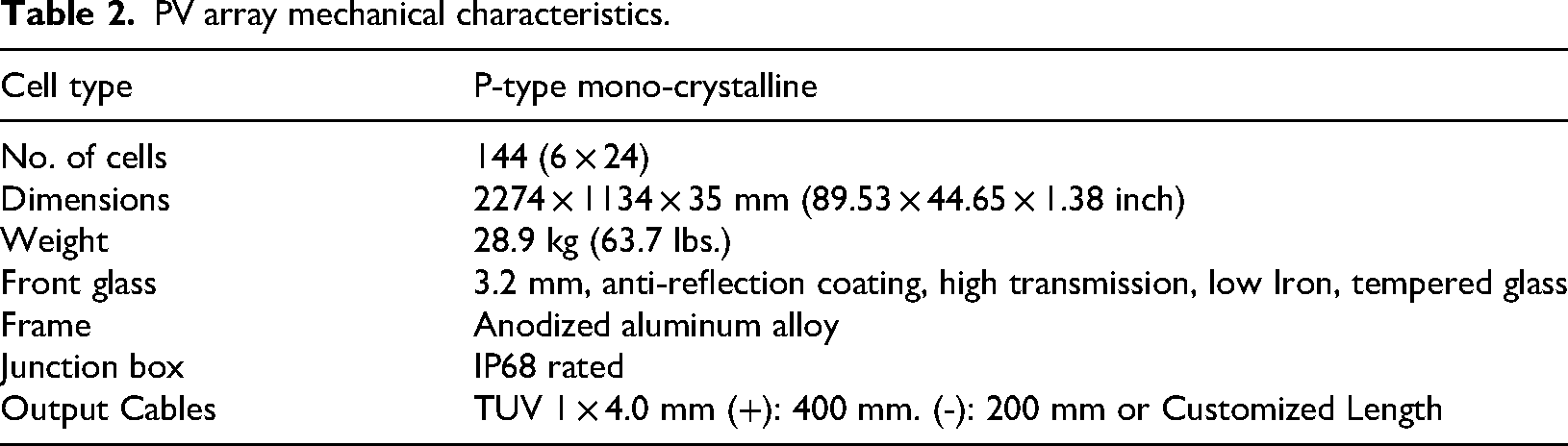
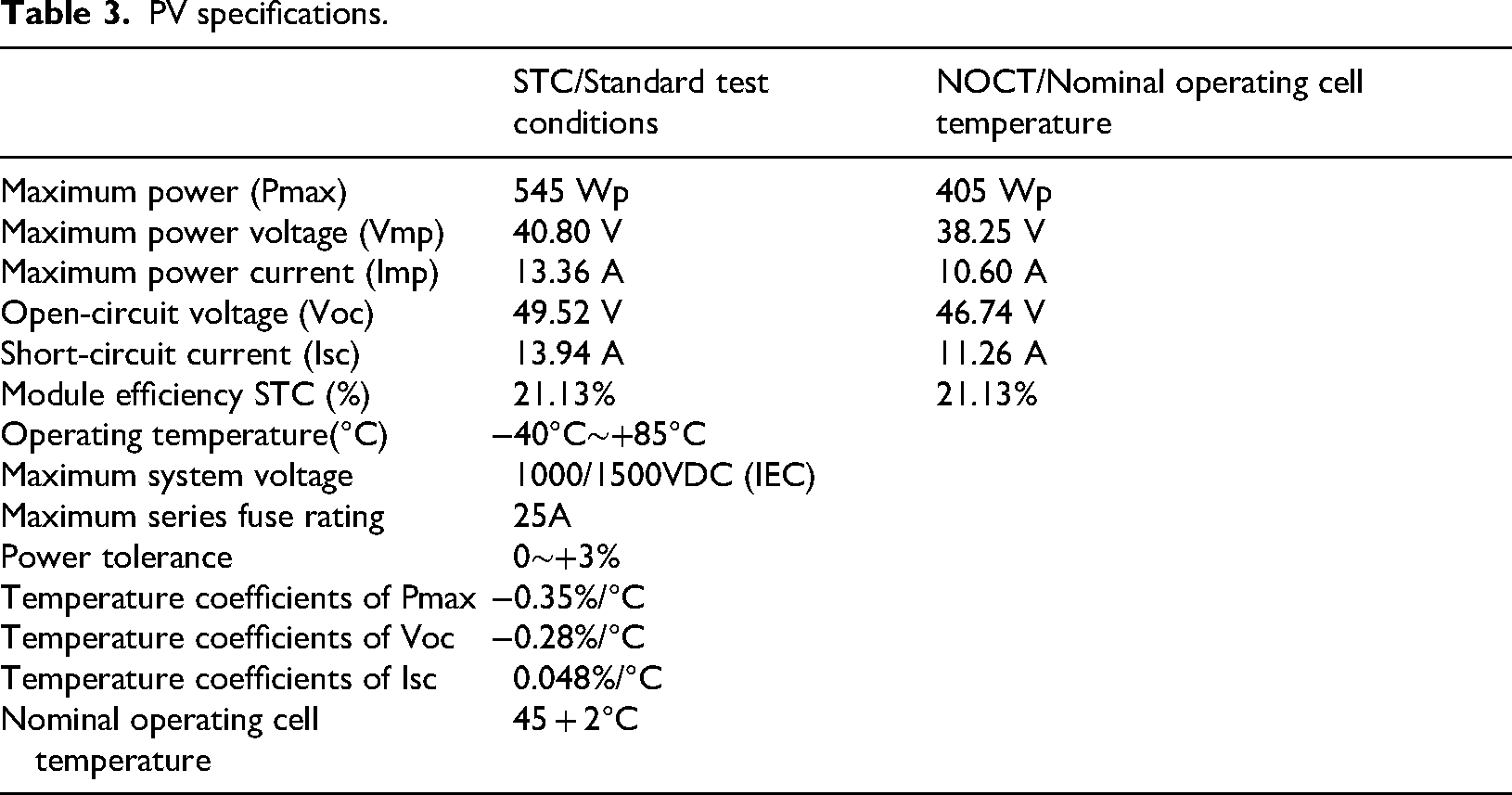
The simulation of the PV system was carried out using PVsyst software, which is a comprehensive tool renowned for its advanced modeling capabilities. PVsyst facilitates accurate predictions of solar radiation, enabling detailed analysis of various factors that influence PV system performance. These factors include shading effects, module orientation, and tilt angle, which are critical for optimizing energy output. Key simulation parameters include the orientation of the PV modules, their mechanical and electrical properties, specifications of the inverter, and the configuration of the storage batteries. These parameters were carefully defined to ensure realistic performance projections and system optimization. The PV modules used in the simulation are JINKO SOLAR-Tiger Pro 72HC 545-Watt Mono-Facial Modules (Kahar et al., 2023), known for their high efficiency and reliability. Detailed specifications of the solar panels are presented in Figures 6 and 7, as well as in Tables 2 and 3, which outline their electrical characteristics, mechanical dimensions, and material composition. The integration of these components within the simulation allowed for an in-depth evaluation of the PV system's expected performance under varying operational conditions, providing valuable insights into the energy yield, efficiency, and overall feasibility of the design.
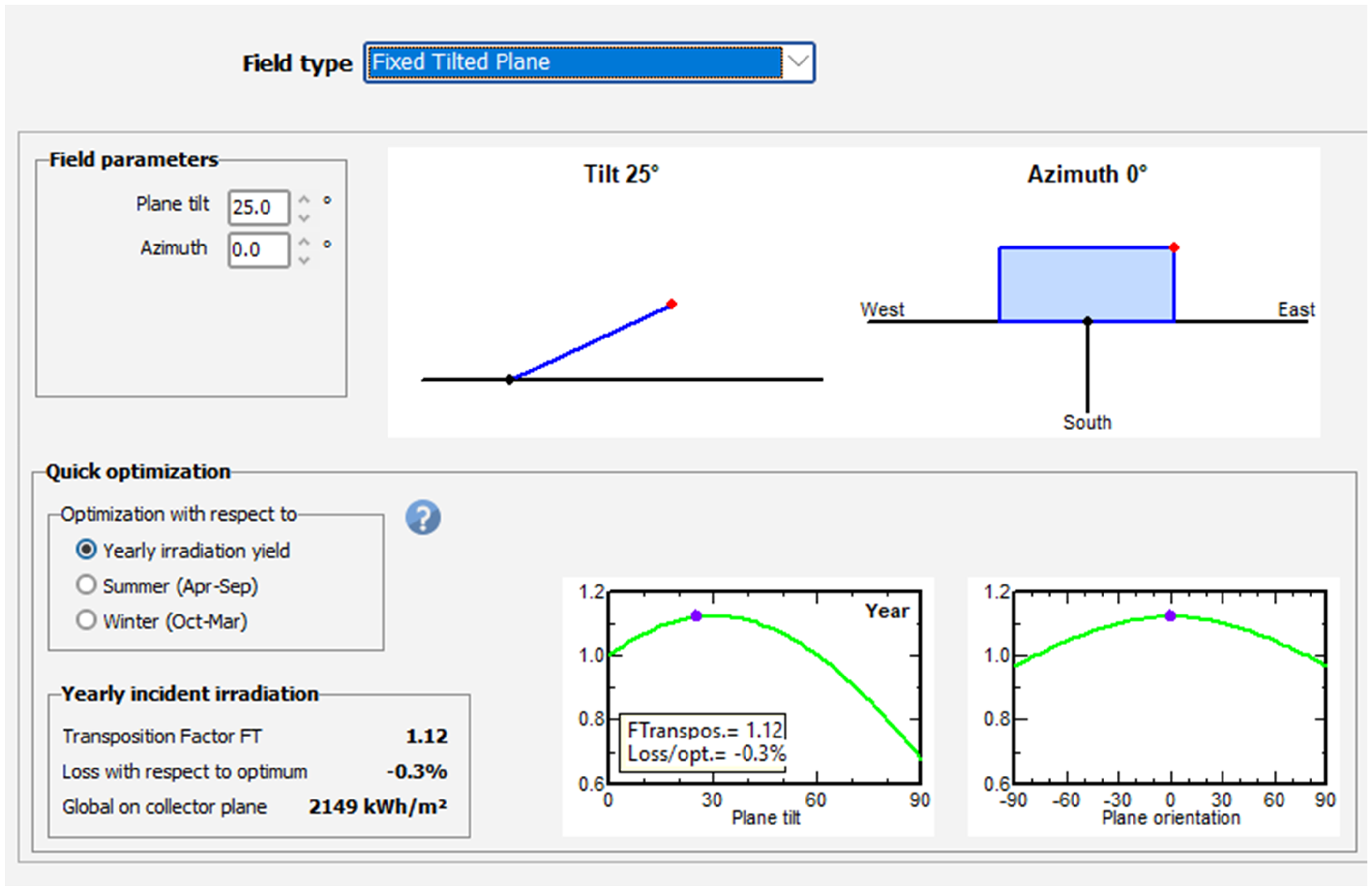
Orientation (PVsyst).
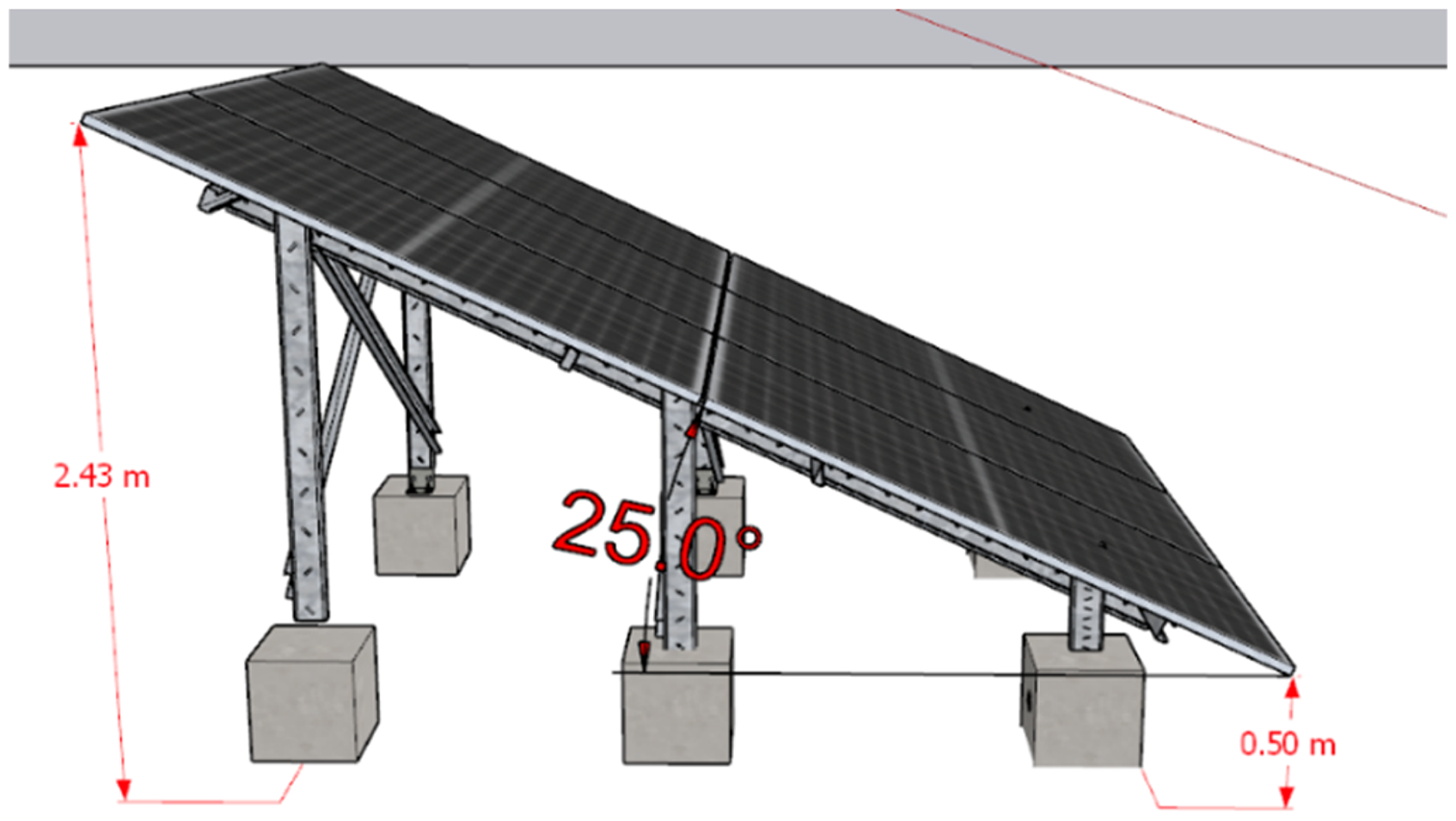
PV array orientation (25 ˚ tilt angle, not to scale).
PV array mechanical characteristics.
PV specifications.
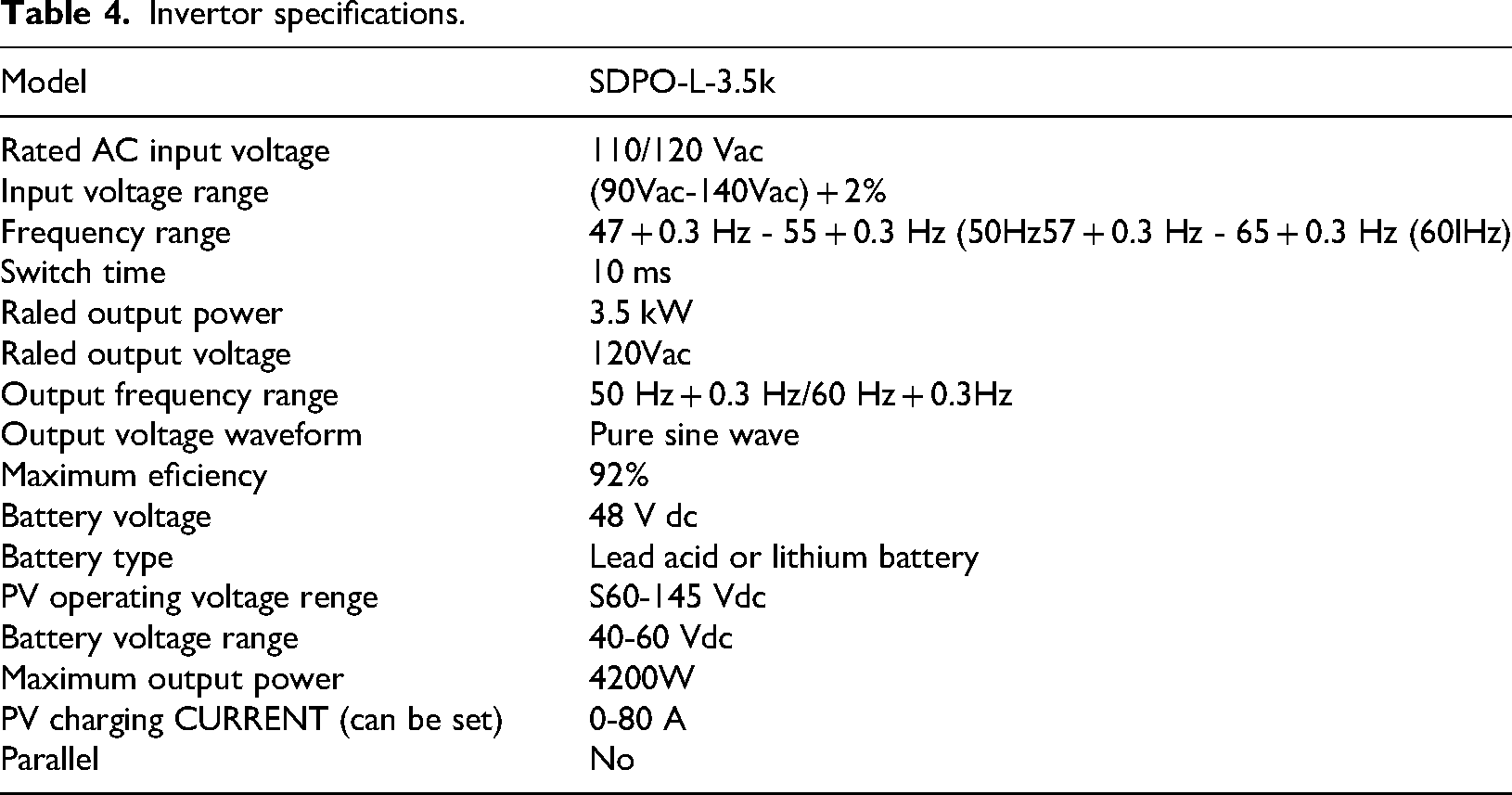
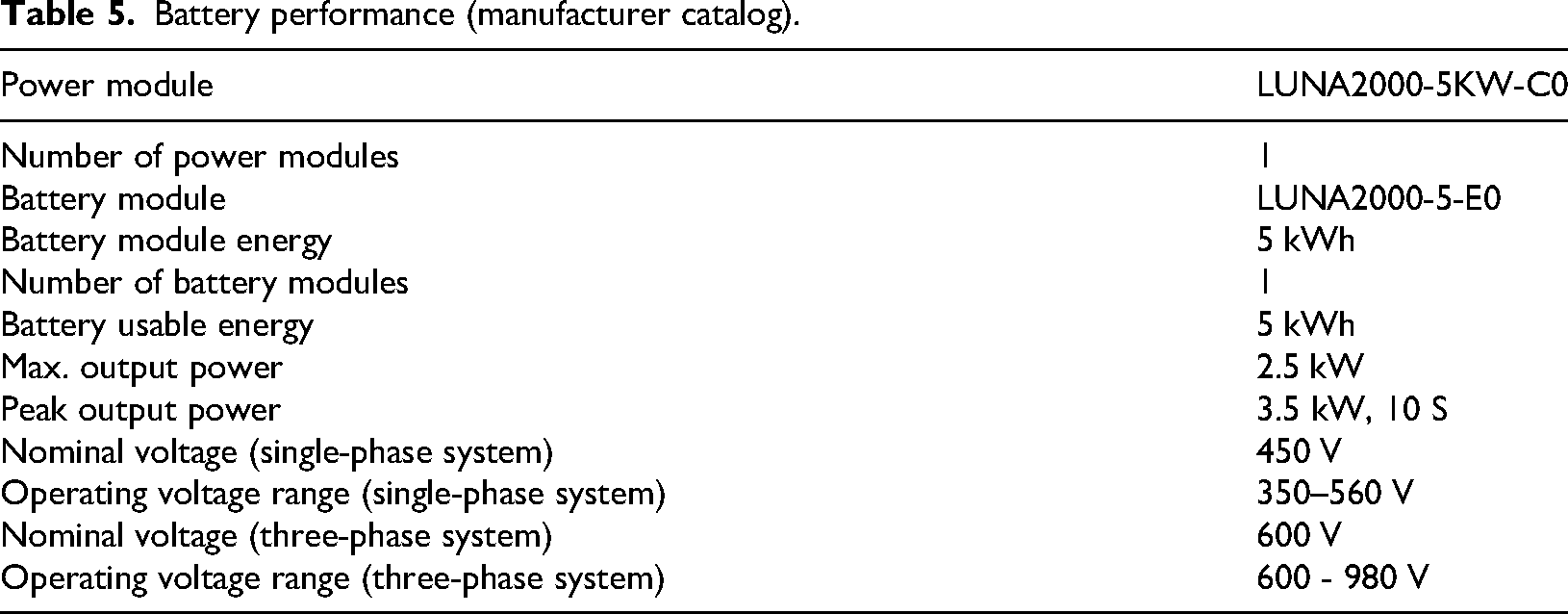
Whereas the inverter is of Model: SDPO-L off-grid hybrid inverter US 3.5 kW as shown in Figure 8 with specifications stated in Table 4. The storage batteries are of model: Huawei LUNA2000-5-S0 with specifications shown in Figure 9 and Table 5.
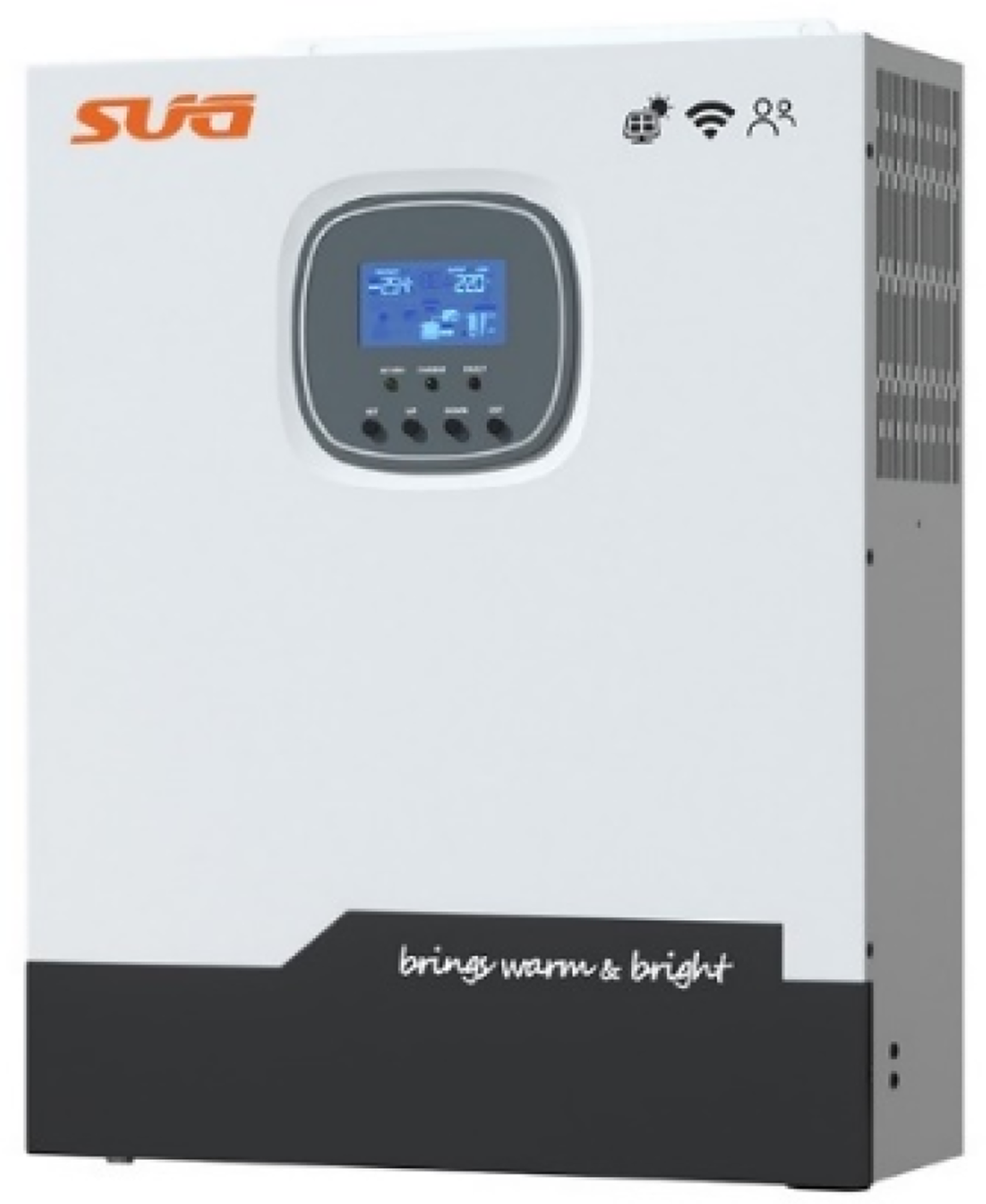
SDPO-L off-grid hybrid inverter US 3.5 kW.
Huawei LUNA2000-5-S0 battery.
Invertor specifications.
Battery performance (manufacturer catalog).
System performance
Power consumption
The daily and monthly power consumption profiles are presented in Figures 10 and 11. Figure 10 illustrates the daily profiles of normalized power data (in kilowatts, kW) for each month of the year 2023, where “kW” refers to the instantaneous electrical load demand met by the hybrid system. To improve visualization across varying magnitudes and seasons, the data have been scaled using min–max normalization, in which each daily power value is divided by the maximum observed value in the dataset. This method allows for comparative analysis while preserving the temporal behavior and relative fluctuations of the load. The system consistently peaks between 12:00 PM and 2:00 PM, with the highest outputs observed during July and August, reaching normalized values corresponding to actual peaks of approximately 2.8 kW, followed by April and May (around 2.5 kW). In contrast, winter months such as December and January show lower midday peaks of around 1.0–1.2 kW, reflecting decreased solar availability. Nighttime values remain consistently low across the year, averaging 0.05–0.1 kW, as expected. Summer months exhibit sharp daily peaks aligned with longer daylight hours, while autumn and winter display flatter profiles with reduced peak generation, underscoring the seasonal dependency of system performance and the potential need for supplementary storage or backup energy sources during low-yield periods.
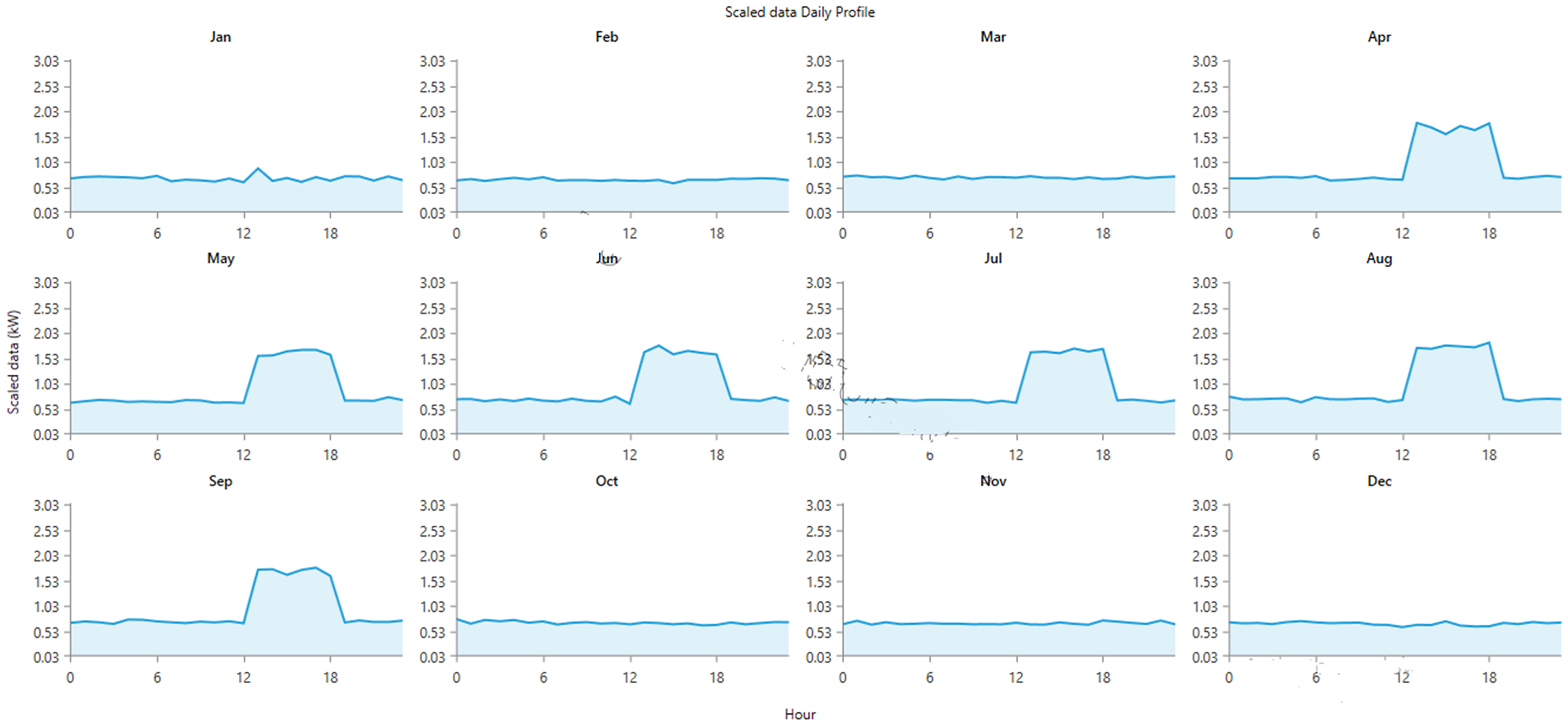
Daily consumption for the year 2023.
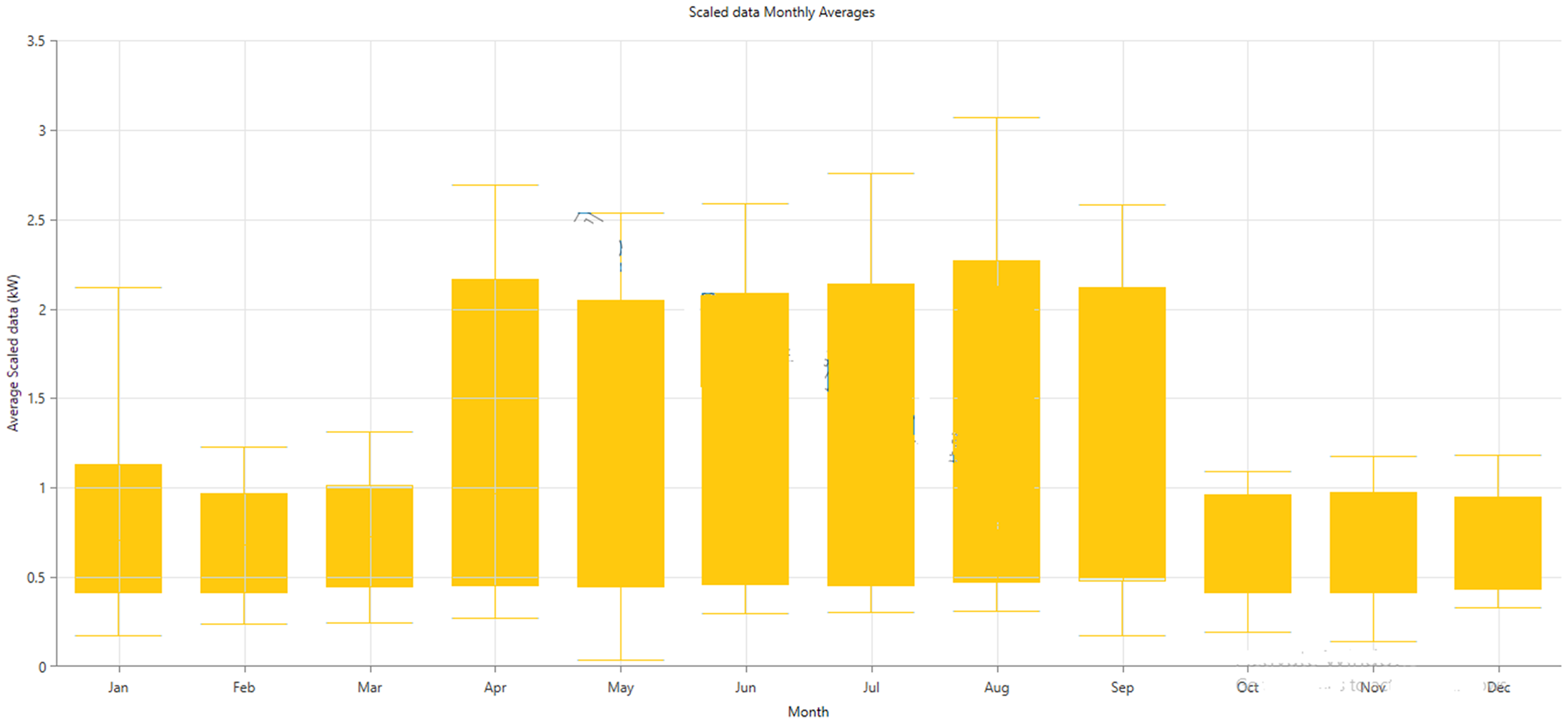
Monthly consumption for the year 2023.
Figure 11 presents the monthly averages of the same scaled load data for 2023, further highlighting the seasonal performance trend. August records the highest average output, reaching approximately 2.8 kW, followed by July and April at around 2.6 kW. Conversely, the lowest monthly averages are found in December and January, each around 1.0 kW. The error bars in Figure 11 reflect intra-month variability: April and August show higher deviations with upper limits exceeding 3.0 kW, indicating intermittent high peaks, while months like October and November show narrower variability with stable averages near 1.2 kW. A steady increase from February to April and a subsequent decline from September to December mirrors the annual solar radiation pattern, validating the hybrid system's seasonal sensitivity.
PV-PTC-biomass hybrid system
The integration of the subsystems is shown in Figure 12, which represents the model analyzed using Homer software tool. Complete data for the subsystems and Jordan climate was introduced to get the optimum configuration as output of the software.
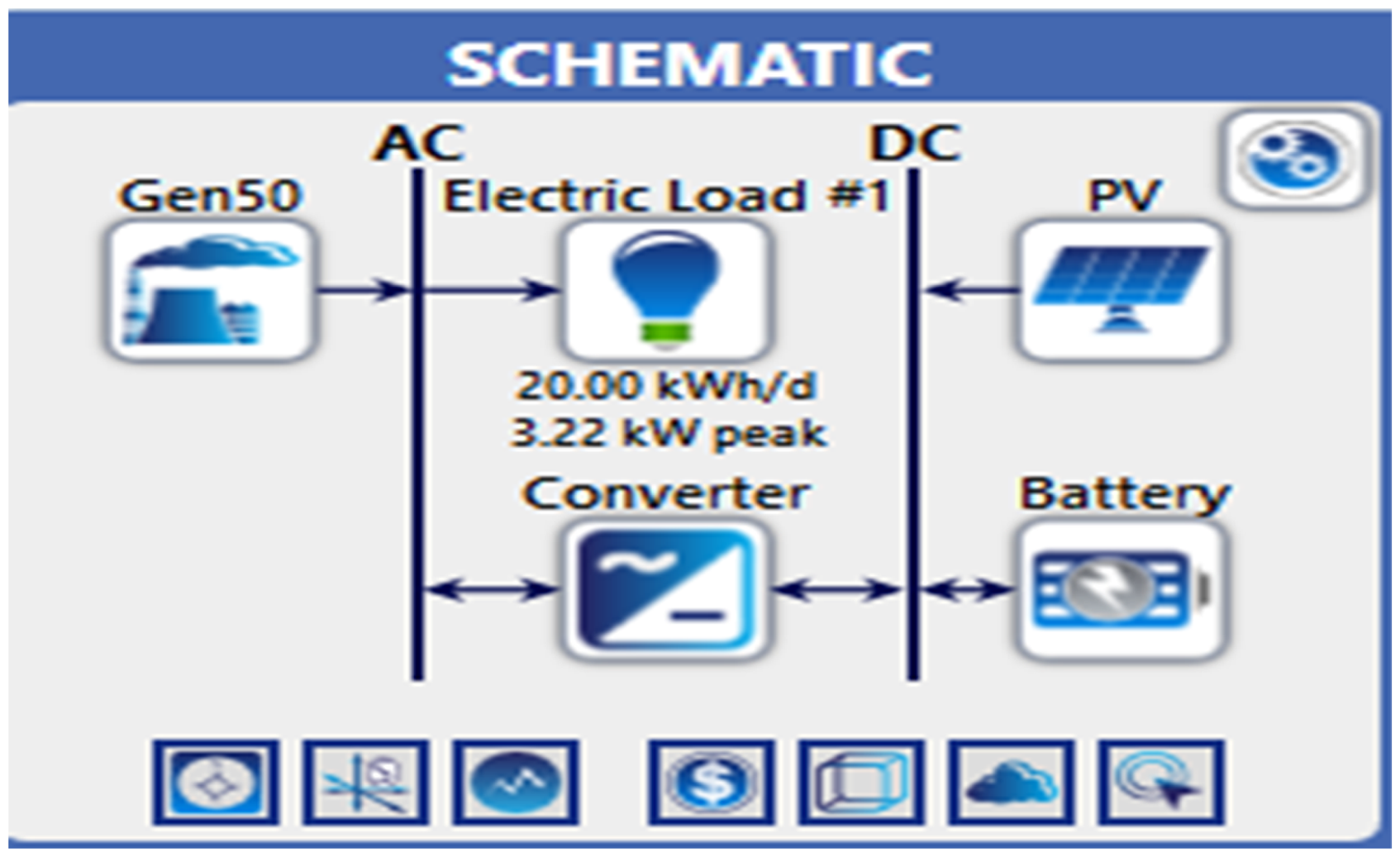
Hybrid system schematic (Homer software).
Geographical Information System
The Geographical Information System (GIS) was implemented in Amman, Jordan. Figures 13-14 show the monthly average global horizontal irradiance and average temperature. Figure 13 illustrates the monthly variation of global horizontal irradiance and the clearness index, which are key indicators of solar energy potential. The daily average solar radiation ranges from approximately 3 kilowatt-hours per square meter per day in December to nearly 8 kilowatt-hours per square meter per day in June and July, indicating a peak during the summer months. The clearness index, which reflects atmospheric transparency, follows a similar pattern. It is highest in June and July, at around 0.75, signifying minimal atmospheric obstruction, and lowest in January and December, approximately 0.45, coinciding with reduced solar radiation levels. Figure 14 presents the monthly average daily temperatures, which significantly influence photovoltaic performance. The temperature varies seasonally, reaching its lowest in January at approximately 10°C and peaking in July and August at around 35°C. During transitional months such as November and December, temperatures moderate between 15°C and 20°C. These variations highlight the thermal conditions throughout the year that impact both energy efficiency and cooling requirements for solar systems.
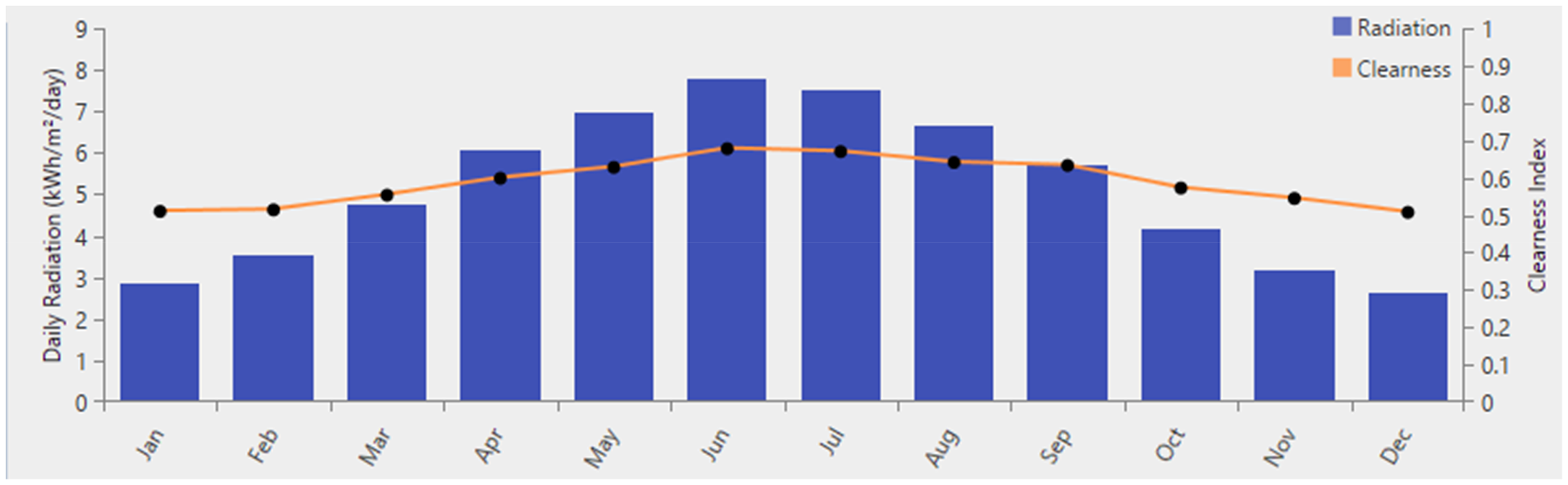
Monthly average global horizontal irradiance for the year 2023.
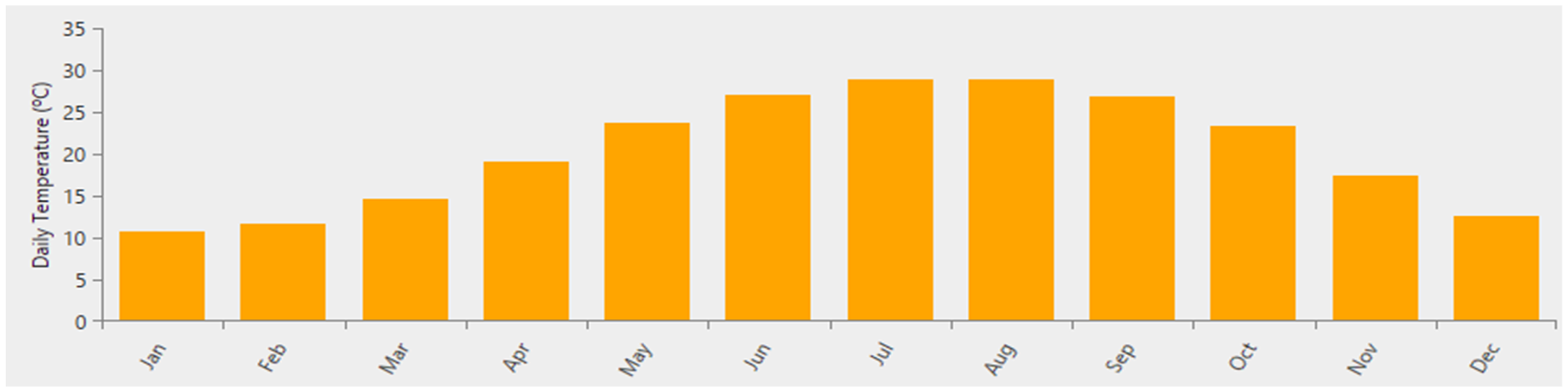
Monthly average temperature for the year 2023.
The data suggest that summer months, with high irradiance and clearness indices, are optimal for solar energy generation. However, elevated temperatures during this period may reduce photovoltaic efficiency, necessitating cooling strategies. Conversely, winter months have lower irradiance and clearness indices, limiting energy production, despite cooler temperatures that enhance photovoltaic performance. These seasonal variations underscore the need for well-designed solar systems that account for changing radiation, temperature, and atmospheric conditions to optimize performance year-round.
Controlling method
The automatic switch (ATS) control panel can connect a PV system to a PTC-biomass system. When the PV system output decreases and reaches 20% production, the ATS activates biomass burning to run the generator, enhancing energy production and reliability. The used automatic switch was of model: Asco series 200 power transfer switches.
Results
Hybrid PTC-biomass system without PV cells
Water was pre-heated to 45°C at a flow rate of 0.35 L/min using the PTC unit. The biomass-fired boiler heated steam to 355°C at 5 Bar. To initiate a comparison between the hybrid system and the stand-alone biomass plant, the burning rate should be assumed to be the same in both cases at 0.23 kg/min. However, in the hybrid system, it took steam less time to reach the same temperature of the stand-alone system for starting up conditions. Therefore, 46.4% biomass saving was reached. Consequently, the properties of steam through the Rankine cycle power plant are presented in the following
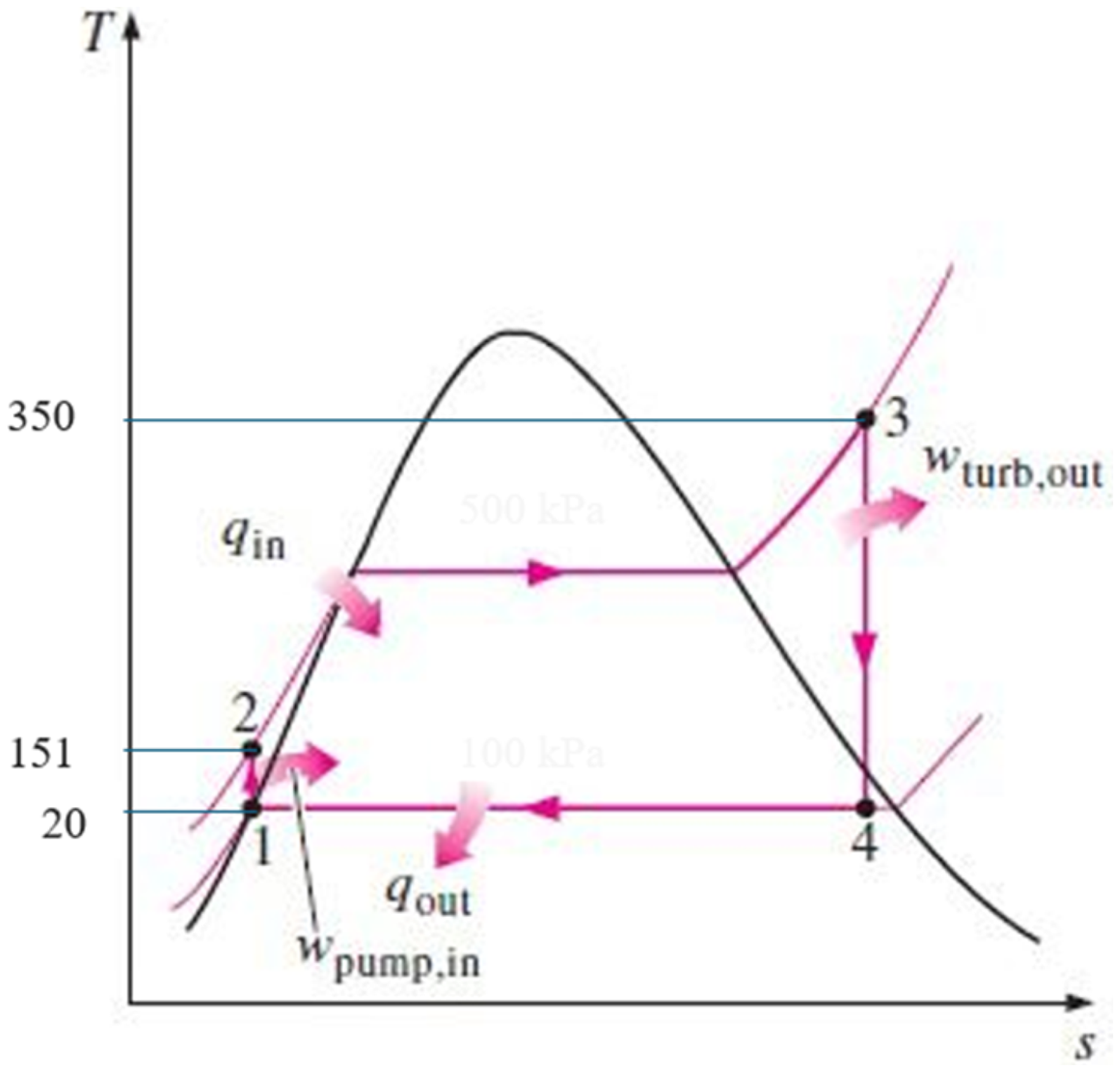
T-s diagram of the power plant Rankine cycle (AlAsfar et al. 2023).
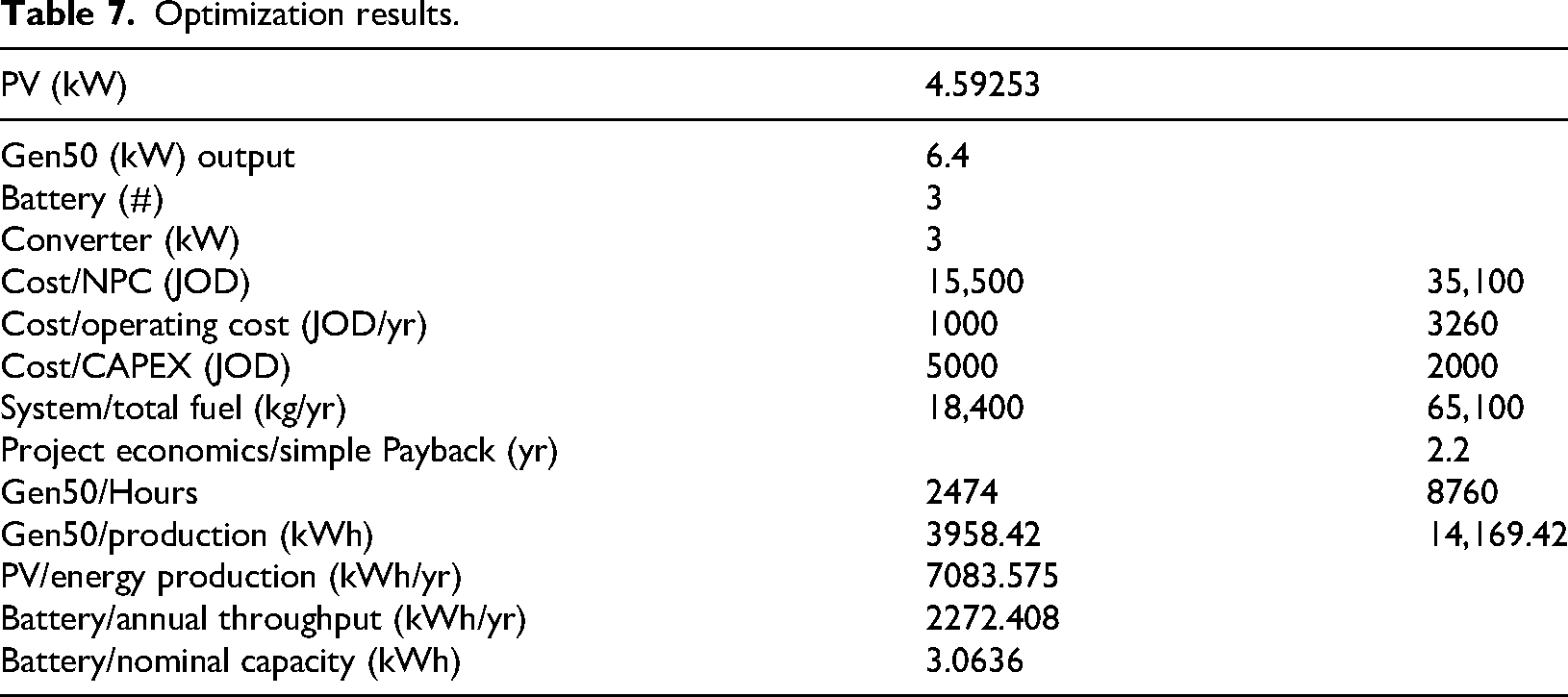
The analysis conducted using HOMER PRO software highlights an optimized hybrid microgrid system designed for efficiency and cost-effectiveness. The system integrates a PV array, generator, battery storage, and a converter, offering a comprehensive solution to reduce reliance on fossil fuels while maintaining energy reliability. The PV array, with a capacity of 4.59253 kW, harnesses solar energy, contributing significantly to the overall energy production. As depicted in Figure 16, the monthly electric production demonstrates that PV generation (orange bars) is highest during the summer months, aligning with increased solar irradiance. This reduces the operational hours and fuel dependency of the generator. However, in months with lower solar energy potential, the generator (green bars) supplements the energy supply to meet demand. To address the intermittency of solar energy, the system incorporates three batteries, each with a nominal capacity of 3.0636 kWh. These batteries store excess solar energy for later use, ensuring a steady and reliable energy supply. The annual battery throughput, as shown in the results, is approximately 2272.4 kWh, reflecting efficient utilization of stored energy. Additionally, the 3 kW converter ensures seamless energy conversion for various applications, improving the system's functionality. The generator, with a power output of 6.4 kW, operates for 2474 h annually, compared to 8760 h for a generator-only system. This reduction in runtime significantly decreases fuel consumption to 18,400 kg per year, which is only 28% of the 65,100 kg consumed in the generator-only scenario. Figure 17 demonstrates the generator's contributions during periods of high load or insufficient solar production, shown as brown areas, with PV production and battery discharge complementing the load requirements effectively. The black color represents load, while yellow color represents PV production output, brown color for generator production, whereas green color for the battery.

Monthly electric production for the year 2023.
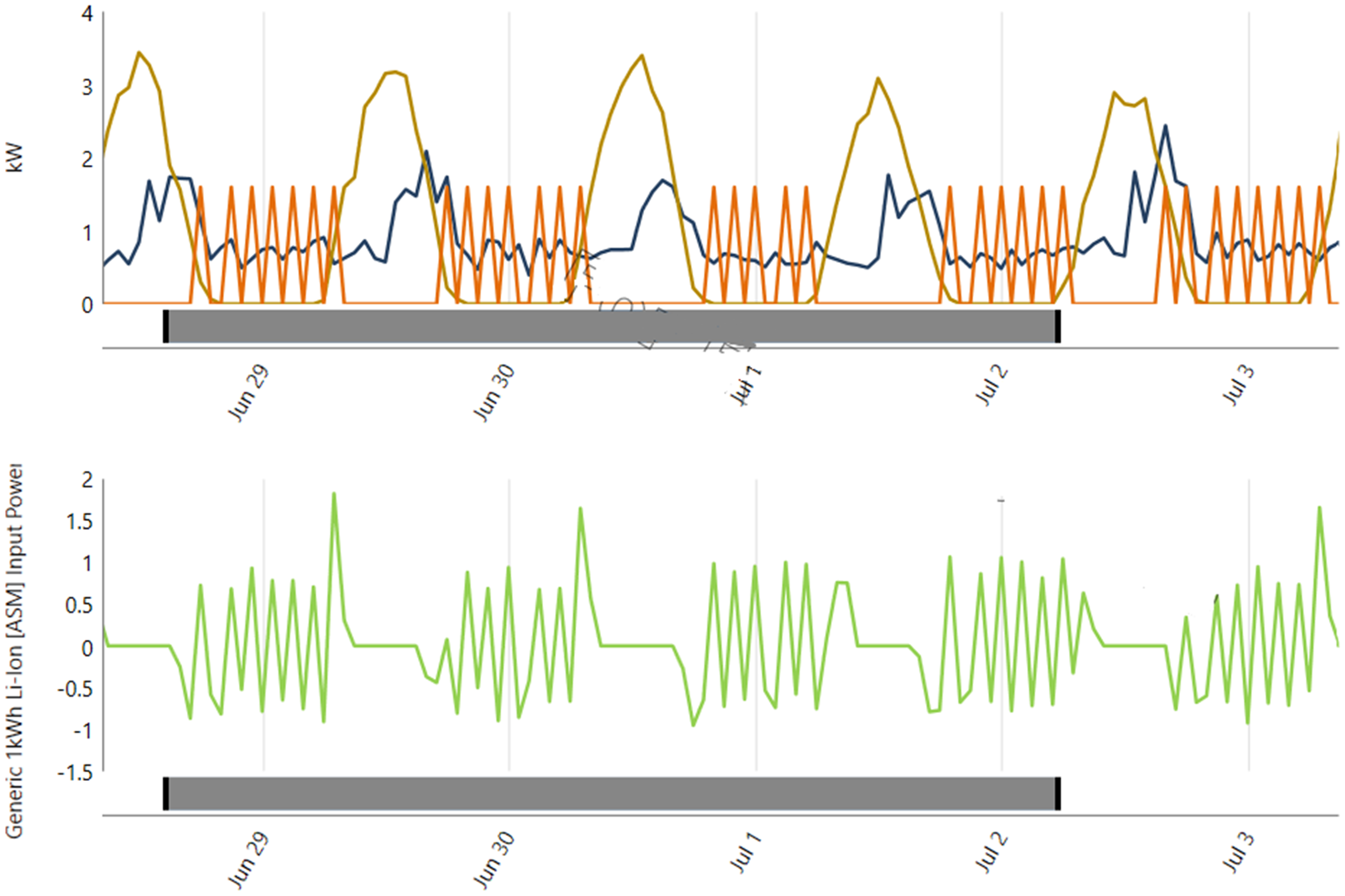
Daily electric production for the year 2023 (black: load, yellow: PV production, brown: generator production, green: battery).
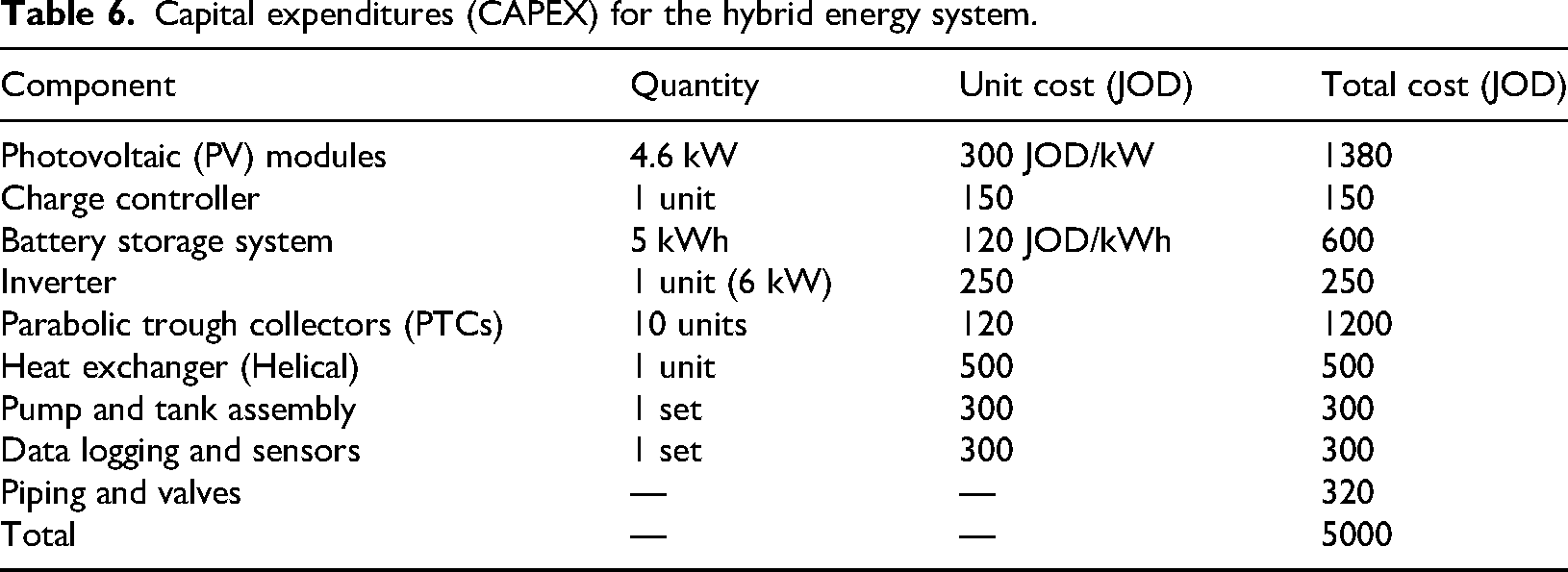
Economically, the hybrid system proves highly advantageous. The net present cost (NPC) is reduced from 65,100 JOD in the generator-only system to 15,500 JOD. Operating costs also decrease significantly, from 3260 JOD per year to 1000 JOD. The total capital expenditure (CAPEX) for the proposed hybrid energy system is estimated at 5000 JOD. This cost includes the major components required for the lab-scale setup, as summarized in Table 6. The cost distribution was derived from local market prices and vendor quotations specific to Jordan. The CAPEX is quickly offset by the system's savings, resulting in a simple payback period of just 2.2 years. The calculated payback period of 2.2 years is based on current market prices for energy and system components. While this value indicates strong short-term economic performance, it must be considered in the context of the system's operational lifespan and maintenance requirements. Even when factoring in periodic battery replacement and minor degradation in PV output, the total net savings over a 15–20 year project lifespan remain substantially positive, confirming the economic feasibility and robustness of the proposed hybrid system. The achieved savings are achieved while maintaining reliable energy production, as demonstrated in the optimized energy outputs shown in Table 7 and related Figures 16 to 17, which were obtained for a hybrid system using Homer software. The second column of Table 6 represents the values of power, working hours, and cost for a standalone component, while the first column gives the optimized hybrid system values. Based on the above analysis, the hybrid microgrid system provides a sustainable and economically viable energy solution, with PV production and battery storage playing pivotal roles in minimizing generator dependency and reducing overall costs. The integration of components is optimized to balance energy demand, efficiency, and cost-effectiveness, making the system suitable for real-world applications.
Capital expenditures (CAPEX) for the hybrid energy system.
Optimization results.
Analysis of hybrid PV-PTC-biomass system
The hybrid system is optimized to combine the strengths of PV, PTC, and biomass technologies. The system includes a 4.59253 kW PV array, a 6.4 kW generator, three batteries with a nominal capacity of 3.0636 kWh, and a 3 kW converter. This configuration significantly reduces fuel consumption to just 28% of what is required by the generator-only system, using 18,400 kg of fuel annually compared to 65,100 kg. This substantial reduction in fuel usage leads to lower operational costs and a total cost reduction over a 10-year period from 35,100 to 15,500 JOD. Moreover, pre-heating water using the PTC system before it enters the biomass boiler reduces the time needed to reach the operational temperature by 60 min, saving fuel and improving efficiency. The overall system efficiency improves to 23.4% when integrating PTC pre-heating with the biomass boiler, compared to the 12.54% efficiency of the stand-alone biomass system.
Conclusion
The proposed hybrid system in this study provides a highly efficient and cost-effective method of energy generation.
This hybrid system reduces fuel consumption to just 28% of what a standalone biomass power plant requires and lowers the total cost over a 10-year period from 35,100 to 15,500 JOD.
This promising system achieves a payback period of approximately 2.2 years, demonstrating strong financial viability.
The system's ability to harness renewable resources like solar energy and biomass reduces greenhouse gas emissions, contributing positively to environmental conservation efforts.
Moreover, the system's efficiency and reliability ensure a steady power supply, which is crucial for economic development, social well-being, and improved quality of life in communities, particularly in remote and rural areas.
Footnotes
Symbols and abbreviations
Declaration of conflicting interests
The authors declared no potential conflicts of interest with respect to the research, authorship, and/or publication of this article.
Funding
The authors received no financial support for the research, authorship, and/or publication of this article.
