




Abstract
Nuclear power plays a pivotal role in sustainable electricity generation and global net zero emissions, contributing significantly to this secure pathway. Nuclear power capacity is expected to double, escalating from 413 gigawatts (GW) in early 2022 to 812 GW by 2050 within the net zero emissions (NZE) paradigm. The global energy landscape is undergoing significant transformation as nations strive to transition to more sustainable energy systems. Amidst this shift, nuclear power has emerged as a crucial component in the pursuit of a sustainable energy transition. This study examines nuclear power's multifaceted role in shaping sustainable energy transition. It delves into nuclear energy's contributions toward decarbonization efforts, highlighting its capacity to provide low-carbon electricity and its potential role in mitigating climate change. Furthermore, the study explores the challenges and opportunities associated with integrating nuclear power into energy transition strategies, addressing issues such as safety, waste management, and public perception. In conclusion, the global nuclear power capacity is anticipated to reach approximately 530 GW by 2050, representing a substantial shortfall of 35% compared with the trajectory outlined in the NZE pathway. Under the NZE scenario, nuclear power demonstrates exceptional expansion, nearly doubling from 413 GW in early 2022 to 812 GW by 2050. Concurrently, the trajectory highlights a transformative shift in renewable energy investments, with annual expenditures surging from an average of US$325 billion during 2016–2020 to an impressive US$1.3 trillion between 2031 and 2035. These projections underscore the critical role of nuclear and renewable energy investments in achieving global sustainability and emission reduction goals.
Introduction
Global warming and greenhouse gas emissions pose some of the most pressing challenges of the 21st century. The combustion of fossil fuels for electricity generation is a major contributor to these issues, releasing billions of tons of carbon dioxide (CO2) into the atmosphere annually (Abbasi et al., 2020; Nassar et al., 2024; Rekik and El Alimi, 2024a). In this context, nuclear energy emerges as a critical component of the solution. Unlike fossil fuels, nuclear power generates electricity with minimal greenhouse gas emissions, offering a reliable and scalable alternative to bridge the gap between energy demand and decarbonization goals. It operates independently of weather conditions, providing consistent energy output and complementing the intermittency of renewable sources like wind and solar (Rekik and El Alimi, 2024b, 2024c). Furthermore, advancements in nuclear technologies, including small modular reactors (SMRs) and generation IV reactors, have addressed historical concerns related to safety, waste management, and cost-effectiveness (Lau and Tsai, 2023).
In 2022, global investment in low-emission fuels will maintain a robust growth trajectory, reaching a sum of US$13 billion. A significant portion of this investment was allocated toward liquid biofuels, totaling US$9.4 billion, and biogas, amounting to US$2.7 billion. It is important to emphasize that liquid biofuels constituted approximately 80% of the overall investment surge observed in 2022, with investments in biogas contributing 4% of the total. The residual portion of the investment was directed toward low-emission hydrogen production, which attained a sum of US$1.2 billion in 2022, representing an almost fourfold increase compared to the figures recorded in 2021 (Khaleel et al., 2024).
Nuclear power is a pivotal component of low-carbon energy, which significantly contributes to the realization of a low-carbon economy and establishment of a green energy grid (Arvanitidis et al., 2023; El Hafdaoui et al., 2024; Fragkos et al., 2021). According to current data, 442 nuclear power reactors are operational worldwide, collectively generating 393 gigawatts (GW) of electricity, thereby furnishing a consistent and dependable source of low-carbon power (Mathew, 2022). Nuclear electricity constitutes approximately 11% of the total global electricity generation, representing a substantial portion of the global low-carbon electricity production (Alam et al., 2019). Recent advancements have enhanced the affordability and appeal of nuclear power as an alternative source of energy. These advancements encompass progress in large reactor technologies, the emergence of novel approaches such as advanced fuel utilization and SMRs, engineering breakthroughs facilitating the extension of operational lifespans for existing reactors, and innovations in materials science and improved waste management practices (Kröger et al., 2020; Zhan et al., 2021). Fast breeder reactor technology has transitioned into a commercial realm, offering benefits beyond electricity generation by enabling the production of surplus fuel and enhancing the efficiency of nuclear waste incineration, surpassing the capabilities of existing commercial reactor technologies (Lau and Tsai, 2023).
Nuclear power plays a substantial role within a secure global trajectory toward achieving net zero emissions (NZE) (Addo et al., 2023; Dafnomilis et al., 2023). Nuclear power capacity experiences a twofold increase, progressing from 413 GW at the outset of 2022 to 812 GW by 2050 within the NZE paradigm. It is apparent that the annual additions to nuclear capacity peaked at 27 GW per year during the 2030s, surpassing the levels observed in the preceding decade. Despite these advancements, the global proportion of nuclear power within the overall electricity generation portfolio has experienced a marginal decline, settling at 8% (Murphy et al., 2023; Ruhnau et al., 2023). Emerging and developing economies (EMDEs) substantially dominate global growth, constituting over 90% of the aggregate, with China poised to ascend as a preeminent nuclear power producer prior to 2030. Concurrently, advanced economies collectively witness a 10% augmentation in nuclear power capacity as retirements are counterbalanced by the commissioning of new facilities, predominantly observed in nations such as the United States, France, the United Kingdom, and Canada (Bórawski et al., 2024). Furthermore, annual global investment in nuclear power has experienced a notable escalation, soaring from US$30 billion throughout the 2010s to surpass US$100 billion by 2030, maintaining a robust trajectory above US$80 billion by 2050 (IEA, 2022).
In 2022, global nuclear power capacity experienced a modest increase of approximately 1.5 GW, reflecting a marginal year-on-year growth of 0.3%. This expansion was primarily driven by new capacity additions that surpassed the retirement of an over 6 GW of existing capacity (Fernández-Arias et al., 2023; Mendelevitch et al., 2018). EMDEs accounted for approximately 60% of the new capacity additions, underscoring their increasing significance in the global nuclear energy landscape. Conversely, more than half of the retirements were observed in advanced economies, including Belgium, the United Kingdom, and the United States. Table 1 shows the nuclear power capacity by region in the NZE from 2018 to 2030.
Nuclear power capacity (GW) by region in the NZE through 2018 to 2030.
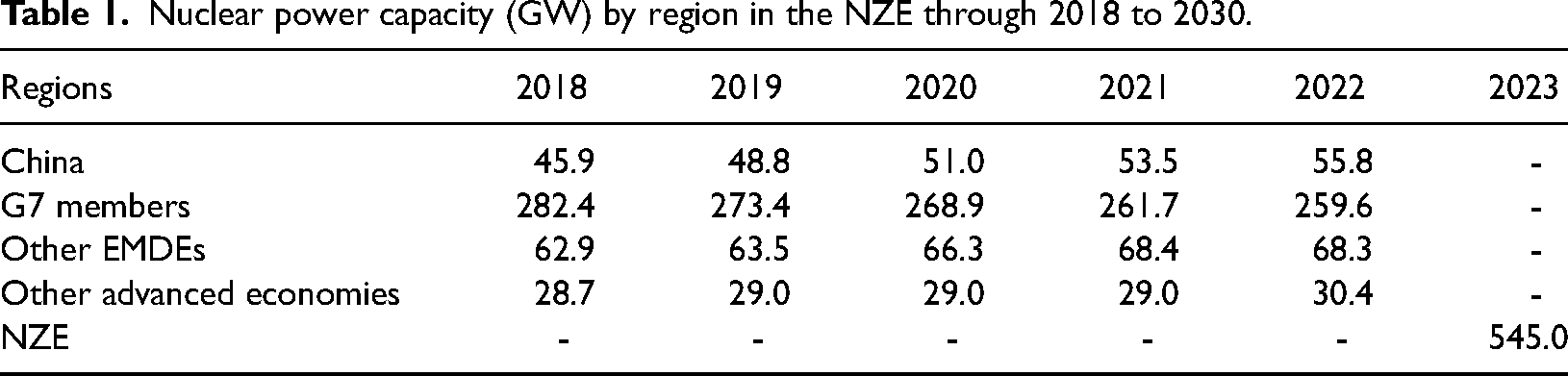
In alignment with the Net Zero Scenario, it is imperative for the global nuclear capacity to undergo an expansion averaging approximately 15 GW per annum, constituting a growth rate slightly exceeding 3% annually, until 2030. This strategic augmentation is crucial for sustaining the contribution of the nuclear sector to electricity generation, maintaining its share at approximately 10% (Liu et al., 2023). Such an expansion necessitates concerted efforts in both advanced economies and EMDEs. Furthermore, prioritizing the extension of operational lifetimes of existing nuclear facilities within G7 member states would not only fortify the existing low-emission infrastructure, but also facilitate the integration of new nuclear capacity, thereby augmenting the overall nuclear energy portfolio.
Numerous studies have been conducted to investigate nuclear power. For instance, Liu et al. (2023) examined the pivotal role of nuclear energy in the pursuit of carbon neutrality alongside an exploration of concomitant technological advancements. The contribution of nuclear energy to electricity generation is successfully encapsulated, and its non-electric applications, particularly in heat generation, hydrogen production, and desalination, are comprehensively reviewed. In addition, this paper delves into the progression of advanced nuclear reactor designs, encompassing the fourth generation nuclear reactors and SMRs, which are distinguished by their notable advantages in terms of safety, economics, sustainability, and provision of non-electric services. From an economic perspective, Price et al. (2023) concluded that new nuclear capacity was deemed cost-effective only under the assumption of ambitious cost and construction times, in scenarios where competing technologies were unavailable and where interconnector expansion was not permitted. The findings indicated that bioenergy with carbon capture and storage and long-term storage have the potential to reduce electricity system costs by 5%–21%. Additionally, it was determined that synchronous condensers could offer cost-effective inertia in highly renewable systems characterized by low levels of synchronous generation. The study also demonstrated that a nearly 100% variable renewable system, accompanied by minimal reliance on fossil fuels, no new nuclear construction, and long-term storage, represented the most cost-effective system design.
In contrast, Zhan et al. (2021) encapsulated the developmental trajectories of advanced nuclear energy technologies across international organizations and key nuclear power nations. It provides an overview of the advancements in advanced nuclear energy technology within China, along with an analysis of the anticipated future developmental trajectories, pivotal developmental orientations, and shared technological frameworks within the realm of advanced nuclear energy. This reiterates the imperative of striking a delicate equilibrium between the advantageous reinforcement of resilience and the adverse generation of hazards and threats inherent in nuclear power. Kosai and Unesaki (2024) marked a pioneering attempt to delineate the merits and demerits of nuclear power within the framework of its interaction with the energy system pertaining to energy security. This methodology differs from conventional approaches, wherein nuclear-specific concerns are typically examined in isolation within the discourse on nuclear safety. Consequently, researchers have successfully addressed numerous challenges, amassed substantial experiential knowledge, and proposed many criteria. For example, Cai et al. (2020) conducted a comprehensive review of the research status pertaining to the fretting damage observed in critical equipment and structures within nuclear power plants.
The significant contribution of nuclear power to sustainable energy transitions is underscored by its multifaceted role in addressing the pressing challenges of climate change and energy security (Asif et al., 2024). As nations worldwide endeavor to shift toward greener energy systems, nuclear power has emerged as a critical pillar of the decarbonization journey. Its ability to provide low-carbon electricity, mitigate climate change impacts by 2050, and enhance energy security highlights its pivotal importance in the broader context of sustainable energy transitions (Bhattacharyya et al., 2023; NEA, 2015). Thus, to fully realize its potential, challenges such as safety, waste management, and public perception must be addressed effectively. By leveraging robust policy frameworks, technological advancements, and international collaboration, nuclear power is poised to play a vital role in shaping the future of sustainable energy transitions on a global scale. Furthermore, the dynamic landscape of nuclear power development is evident in the significant influence exerted by EMDEs, particularly China, which is expected to emerge as a leading nuclear power producer by 2030 (Fälth et al., 2021; Nkosi and Dikgang, 2021). Concurrently, advanced economies are witnessing notable expansions in nuclear power capacity driven by the commissioning of new facilities to offset retirements (Budnitz et al., 2018). This trend is further reinforced by a notable surge in annual global investment in nuclear power, underscoring the sustained commitment to nuclear energy's pivotal role in sustainable energy transitions in the foreseeable future (IEA, 2019).
The primary objective of this article is to explore the strategic role of nuclear power in advancing global sustainability goals and achieving zero emissions. The objective is structured around the following key agendas:
Nuclear power: prominence and green electricity source
To highlight the critical importance of nuclear energy as a reliable and low-carbon source of electricity, emphasizing its role in reducing dependence on fossil fuels and mitigating climate change.
Nuclear's role in achieving net zero by 2050
To analyze the contribution of nuclear energy in meeting the NZE targets by 2050, focusing on its capacity to support decarbonization alongside renewable energy technologies.
Nuclear power's significance in power system adequacy
To examine how nuclear energy ensures power system stability and adequacy, particularly in the context of increasing electricity demand and the intermittent nature of renewable energy sources.
Specific technologies for sustainability in nuclear energy production
The pursuit of sustainability in nuclear energy production has been supported by advancements in innovative technologies that enhance efficiency, safety, and environmental compatibility.
Investment in nuclear power
To discuss the economic aspects of nuclear power, including the scale of required investments, financing models, and their potential to stimulate economic growth while supporting sustainable energy transitions.
Addressing policy implications
To evaluate the policy frameworks and regulatory measures necessary to facilitate the expansion of nuclear energy, ensuring its safe, efficient, and socially acceptable integration into future energy systems.
This comprehensive analysis aims to provide actionable insights into harnessing nuclear power for sustainable electricity generation and its pivotal role in achieving global zero-emission targets.
Data and methodology
This article conducts an in-depth analysis of the role of nuclear power in achieving sustainable electricity generation and supporting NZE targets. The article also addresses the potential of nuclear energy as a prominent and environmentally favorable electricity source, examining nuclear power's contribution toward the net zero by 2050 goal, its critical importance in ensuring power system adequacy, investment imperatives, and the broader policy implications. To build a comprehensive understanding, the data and methodology utilized in this article draw from an extensive synthesis of authoritative reports. The primary sources referenced include:
Nuclear Power in a Clean Energy System (2019). Nuclear Energy for a Net Zero World (2021). Nuclear Power and Secure Energy Transitions (2022). Nuclear Power Capacity Additions and Retirements in Selected Countries and Regions by Decade in the Net Zero Scenario (2022). Nuclear Energy for Net Zero: Accelerating Investment in Clean Energy Transitions (2024).
Nuclear power: prominence and green electricity source
In 2020, nuclear power will constitute approximately 10% of the global electricity generation portfolio. This proportion, which had previously stood at 18% during the late 1990s, has experienced a decline; nonetheless, nuclear energy retains its status as the second-largest provider of low-emission electricity, trailing only hydroelectricity, and serves as the primary source within advanced economies. Despite the substantial proliferation of wind and solar PV technologies, nuclear electricity production in 2020 surpassed the aggregate output of these renewable sources. As of 2021, the global cumulative installed nuclear capacity has reached 413 GW, with 270 GW of this total being installed in advanced economies (Guidi et al., 2023; Halkos and Zisiadou, 2023; Pan et al., 2023; Zhang et al., 2022). Nuclear power generation during this period amounted to 2653 TWh, positioning it as the second largest source of electricity generation after hydropower, which generated 4275 TWh, as depicted in Figure 1.
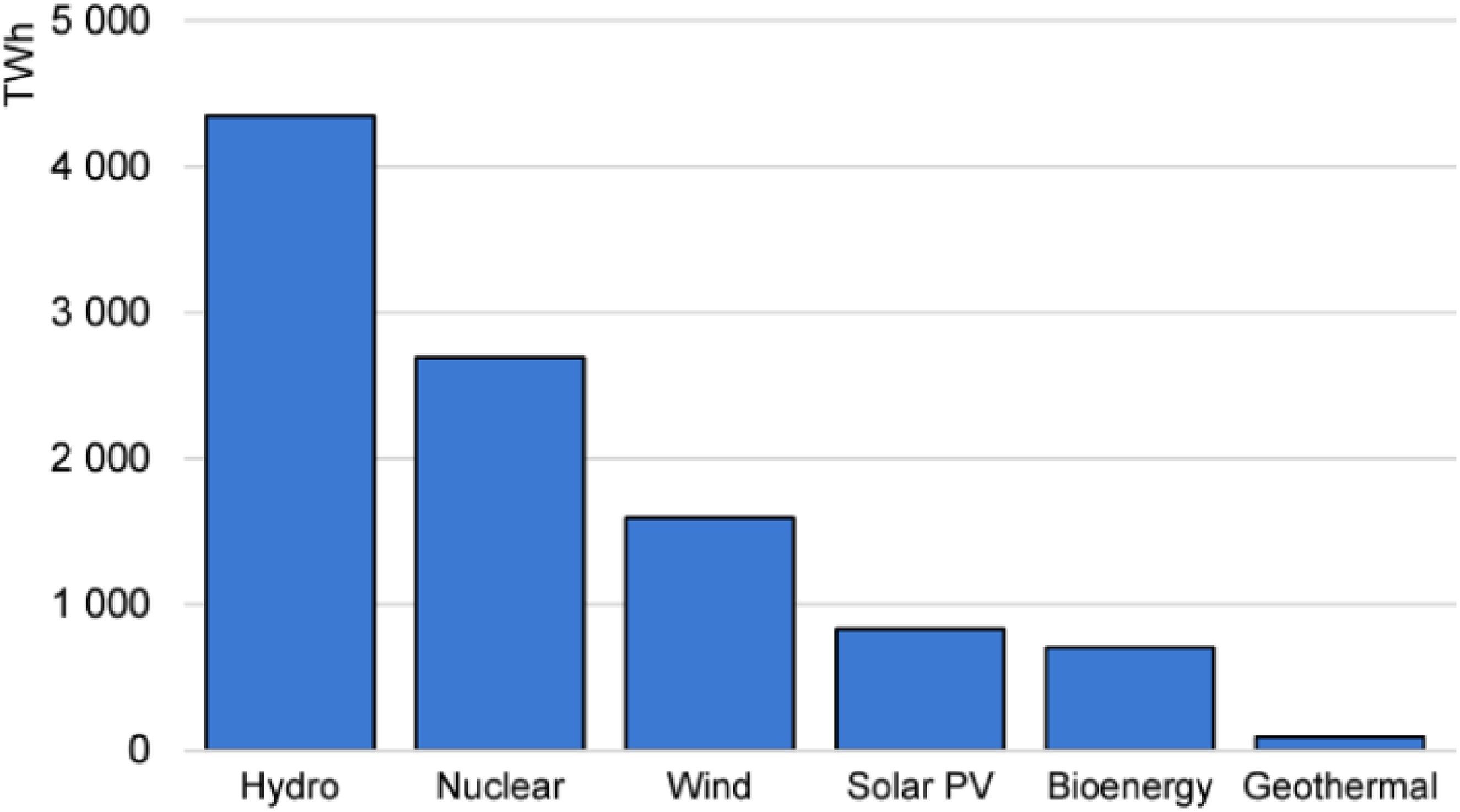
Nuclear power generation compared with renewables in 2021.
In addition to its significant role in power generation, nuclear energy plays a crucial role in mitigating carbon dioxide (CO2) emissions. Since the 1970s, nuclear power has helped avoid the global release of approximately 66 gigatons (Gt) of CO2 globally, as shown in Figure 2.
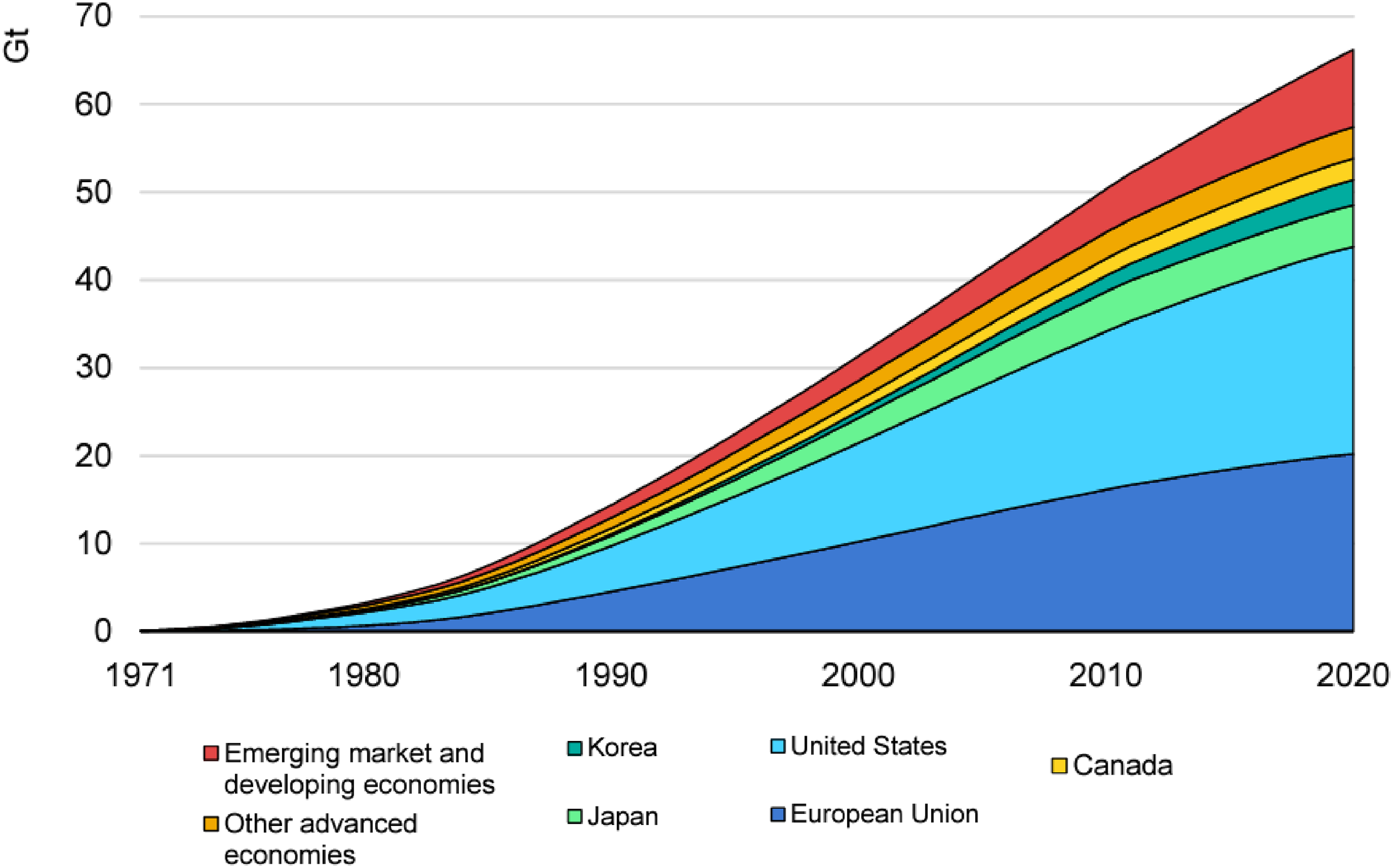
Nuclear power CO2 avoided emissions (1971–2020) categorized by country or region.
Without the contribution of nuclear power, cumulative emissions from electricity generation would have increased by approximately 20%, whereas total energy-related emissions would have increased by 6% over this period (Wagner, 2021). Advanced economies accounted for more than 85% of these avoided emissions, with the European Union accounting for 20 Gt and the United States for 24 Gt, representing over 40% and 25% of total electricity generation emissions, respectively. In the absence of nuclear power, Japan would have experienced an estimated 25% increase in emissions from electricity generation, whereas Korea and Canada would have seen an increase of approximately 50%.
Nuclear's role in achieving net zero by 2050
Nuclear energy has emerged as a pivotal low-emission technology within the trajectory toward achieving NZE (Pioro et al., 2019). In addition, it serves as a complementary force, bolstering the accelerated expansion of renewables, thereby facilitating the reduction of emissions from the global electricity sector to net zero by 2040 (Krūmiņš and Kļaviņš, 2023; Islam et al., 2024). Beyond its intrinsic contribution to fostering a low-emission electricity supply, nuclear power is significant as a dispatchable generating asset, fortifying supply security through its provision of system adequacy and flexibility. Furthermore, it is instrumental in furnishing heat for district heating networks and in selecting industrial facilities. Despite this, the prospective role of nuclear energy hinges significantly on the deliberations and determinations of policymakers and industry stakeholders concerning the pace of new reactor construction initiatives and the continued operational lifespan of existing nuclear facilities (Li et al., 2016; Li et al., 2015).
In terms of the NZE trajectory, the global nuclear power capacity exhibits a remarkable surge, nearly doubling from 413 GW at the onset of 2022 to 812 GW by 2050 (Price et al., 2023; Utami et al., 2022). This augmentation primarily stems from the vigorous initiation of new construction endeavors, which effectively counterbalance the gradual decommissioning of numerous extant plants. Such an escalation constitutes a pronounced acceleration in comparison to the preceding three decades, characterized by a mere 15% increment in capacity, equivalent to approximately 60 GW (Haneklaus et al., 2023; Obekpa and Alola, 2023; Sadiq et al., 2023). Figure 3 demonstrates the nuclear power capacity within each country/region under the NZE by 2050 scenario.
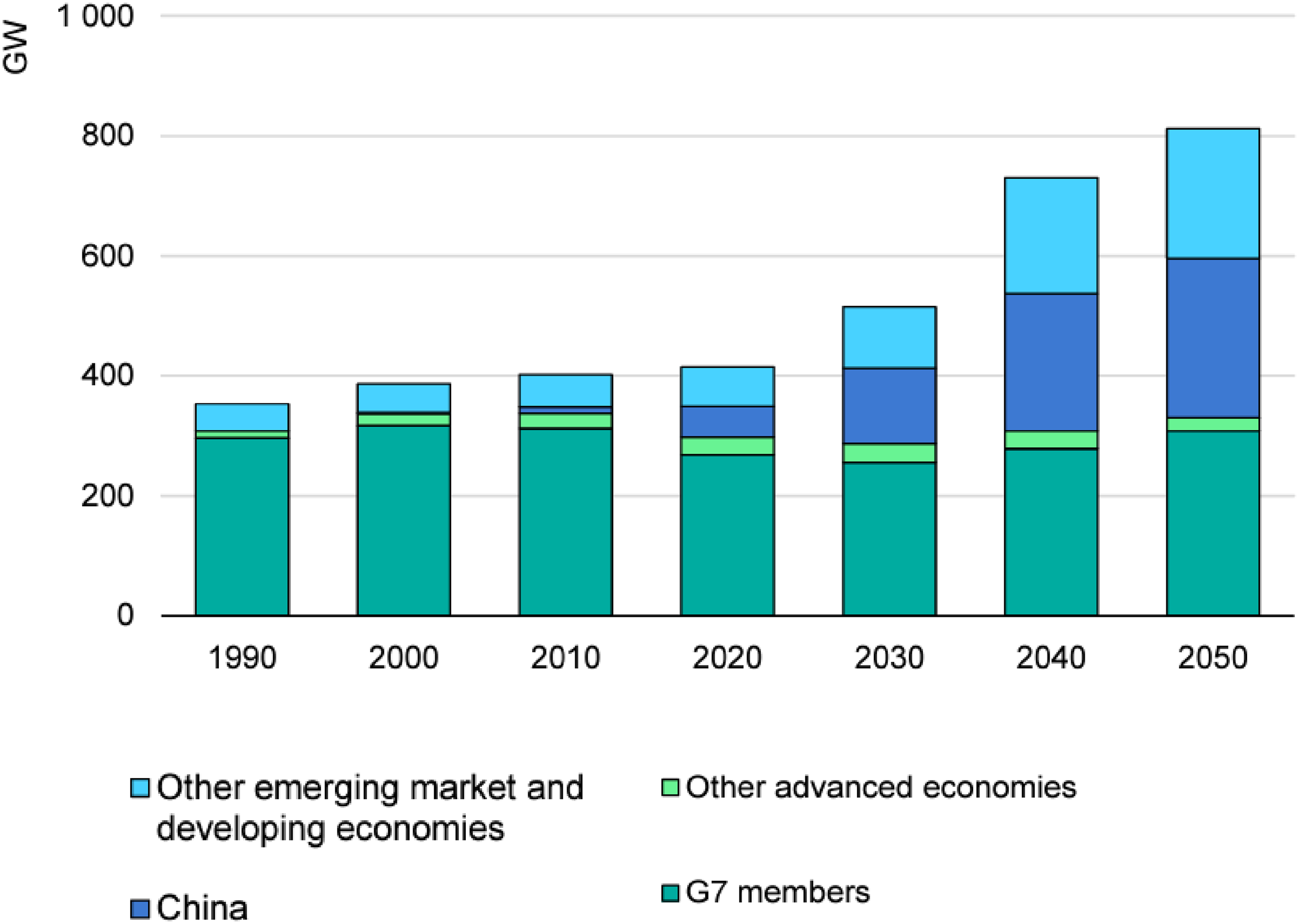
The nuclear power capacity within each country/region under the NZE by 2050 scenario.
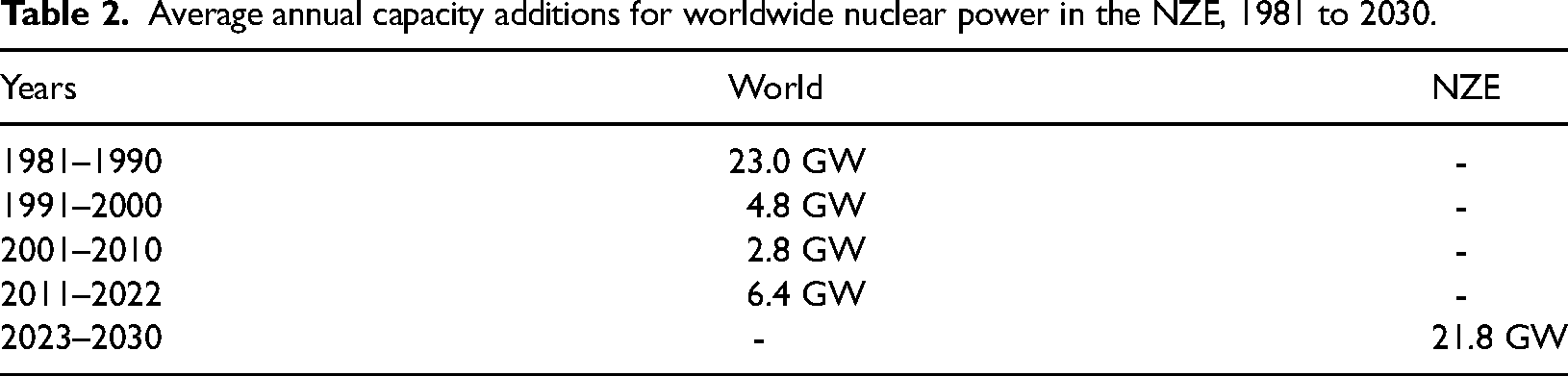
The expected growth in nuclear power capacity far exceeds the path outlined by the current policies and legal frameworks. According to the Stated Policies Scenario (STEPS), the nuclear capacity is projected to reach approximately 530 GW by 2050, which is 35% lower than that of the NZE pathway (Espín et al., 2023; Nicolau et al., 2023; Nnabuife et al., 2023; Wang et al., 2023). Without a significant shift from recent nuclear power development trends, achieving NZE would require a limited reliance on a smaller range of low-emission technologies. This could compromise energy security and lead to higher total investment costs, resulting in increased electricity prices for consumers. Table 2 shows the average annual capacity addition for global nuclear power in NZE from 1981 to 2030.
Average annual capacity additions for worldwide nuclear power in the NZE, 1981 to 2030.
In 2022, the global deployment of new nuclear power capacity witnessed a notable upsurge, with 7.9 GW added, representing a substantial 40% increase compared to the preceding year (Ho et al., 2019). It is worth bearing in mind that China spearheaded this expansion by completing the construction of two reactors, maintaining its streak for consecutive years as the leading contributor to global nuclear power capacity augmentation. It is noteworthy that the projects were successfully completed in various other nations, including Finland, Korea, Pakistan, and the United Arab Emirates. Additionally, significant strides were made in the initiation of new construction endeavors, with the commencement of construction activities on five reactors in China, two reactors in Egypt, and one reactor in Turkey (Hickey et al., 2021).
Nuclear power's significance in power system adequacy
Nuclear power facilities have persistently underpinned the dependability of power systems, thereby bolstering the adequacy of the system. Across diverse national contexts, nuclear power plants have historically maintained operational readiness, manifesting availability rates consistently exceeding 90%, thereby demonstrating their reliability in power generation. Given that a substantial proportion of nuclear power capacity directly contributes to system adequacy metrics, its significance in fortifying system reliability and adequacy significantly outweighs its proportional contribution to the total power capacity (Orikpete and Ewim, 2024; Frilingou et al., 2023; Raj, 2023; Ragosa et al., 2024).
The contribution of nuclear power to system adequacy is demonstrated by the consistent trajectory of its share within the aggregate dispatchable power capacity, hovering at around 8% between 2021 and 2050 within the NZE framework (IEA, 2022; OIES, 2024). Dispatchable electricity sources have historically constituted the primary mechanism for ensuring system adequacy, a trend that endures within the NZE paradigm, especially as electricity systems undergo evolution marked by an escalating reliance on variable solar photovoltaic (PV) and wind energy sources (Marzouk, 2024; Moon et al., 2024; Wisnubroto et al., 2023). It is indisputable that unabated fossil fuel resources predominantly dominate dispatchable capacity; however, their prominence clearly diminishes, declining by a quarter by 2030 within the NZE framework and experiencing a precipitous decline thereafter. Unabated coal-fired power, currently the most substantial dispatchable source, anticipates a decline exceeding 40% in operational capacity by 2030 and approaches a state of negligible contribution by the early 2040s.
Conversely, the unabated natural gas-fired power capacity exhibits a sustained level of stability until 2030, primarily driven by the necessity to offset the diminishing role of coal; nonetheless, it subsequently undergoes a rapid descent throughout the 2030s. Oil, constituting a comparatively minor contributor, experiences rapid phasing out across most regions, except for remote locales, within the delineated scenario (Makarov et al., 2023; Ren et al., 2024). Figure 4 highlights the global capacity of dispatchable power categorized by category in the scenario of achieving NZE by 2050.
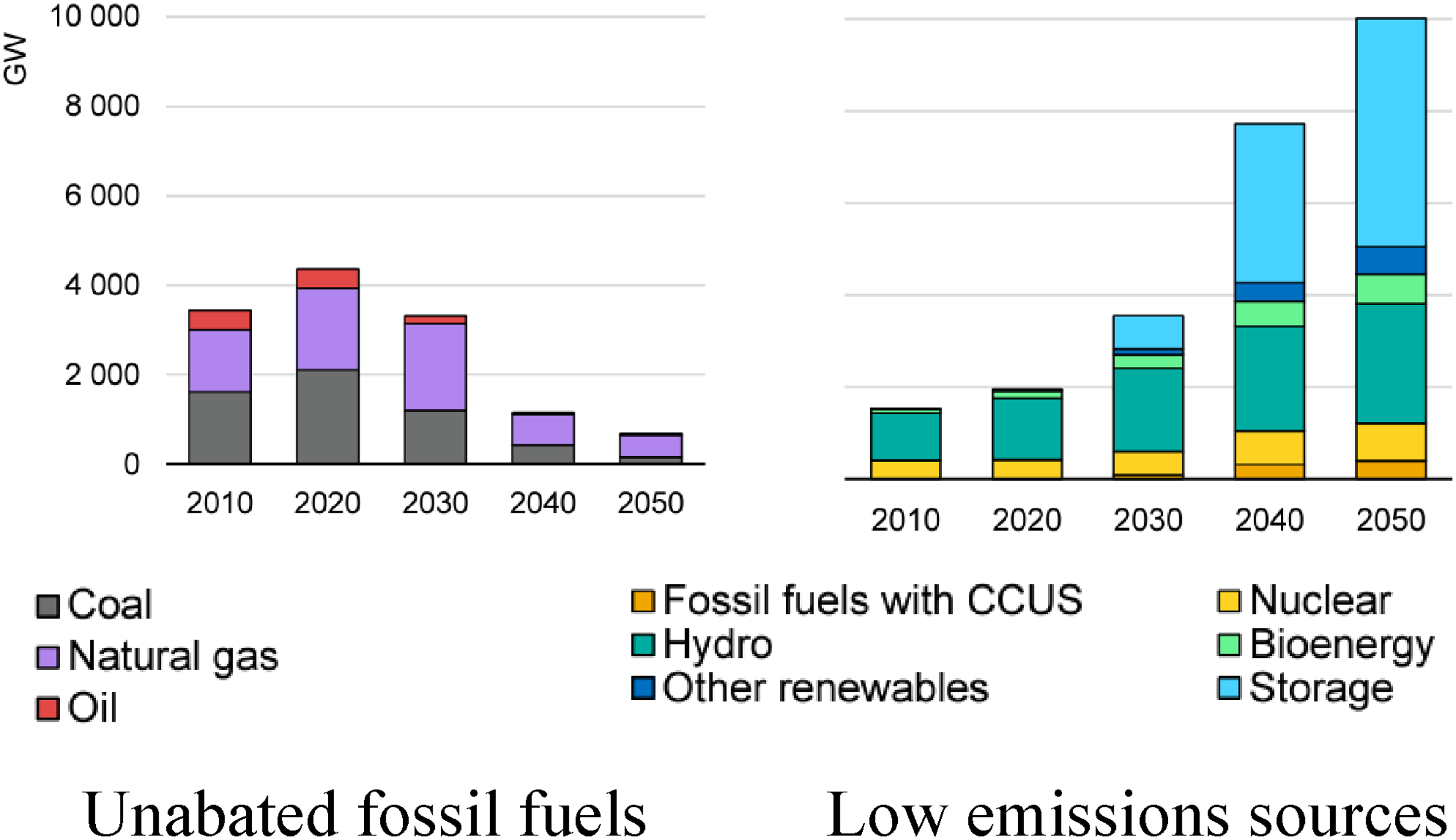
The global capacity of dispatchable power categorized by category in the scenario of achieving net zero emissions by 2050.
In this context, fossil fuels equipped with Carbon Capture, Utilization, and Storage (CCUS) technology have emerged as notable contributors to bolstering system adequacy. Yet, nuclear power remains a steady contributor to the power system flexibility. In advanced economies, the proportion of hour-to-hour flexibility is projected to increase from approximately 2% to 5% by 2050. Similarly, in EMDEs, this ratio is anticipated to increase from 1% to 3% over the same temporal span (Jenkins et al., 2018). It is worth highlighting that in France, where nuclear power fulfills the lion's share of electricity generation requisites, flexibility has been ingrained within reactor designs (Ho et al., 2019). This feature enables certain plants to swiftly modulate their output to align with the fluctuating electricity supply and demand, operating in a load-following mode (Chen, 2024; Jin and Bae, 2023; Kanugrahan and Hakam, 2023). Although many nations have not habitually engaged nuclear power in such operational dynamics, a considerable number of reactors are capable of performing load-following operations with minimal or no requisite technical adaptations (Caciuffo et al., 2020). Figure 5 demonstrates the hour-to-hour power system flexibility based on the source and regional grouping in the NZE by the 2050 scenario.
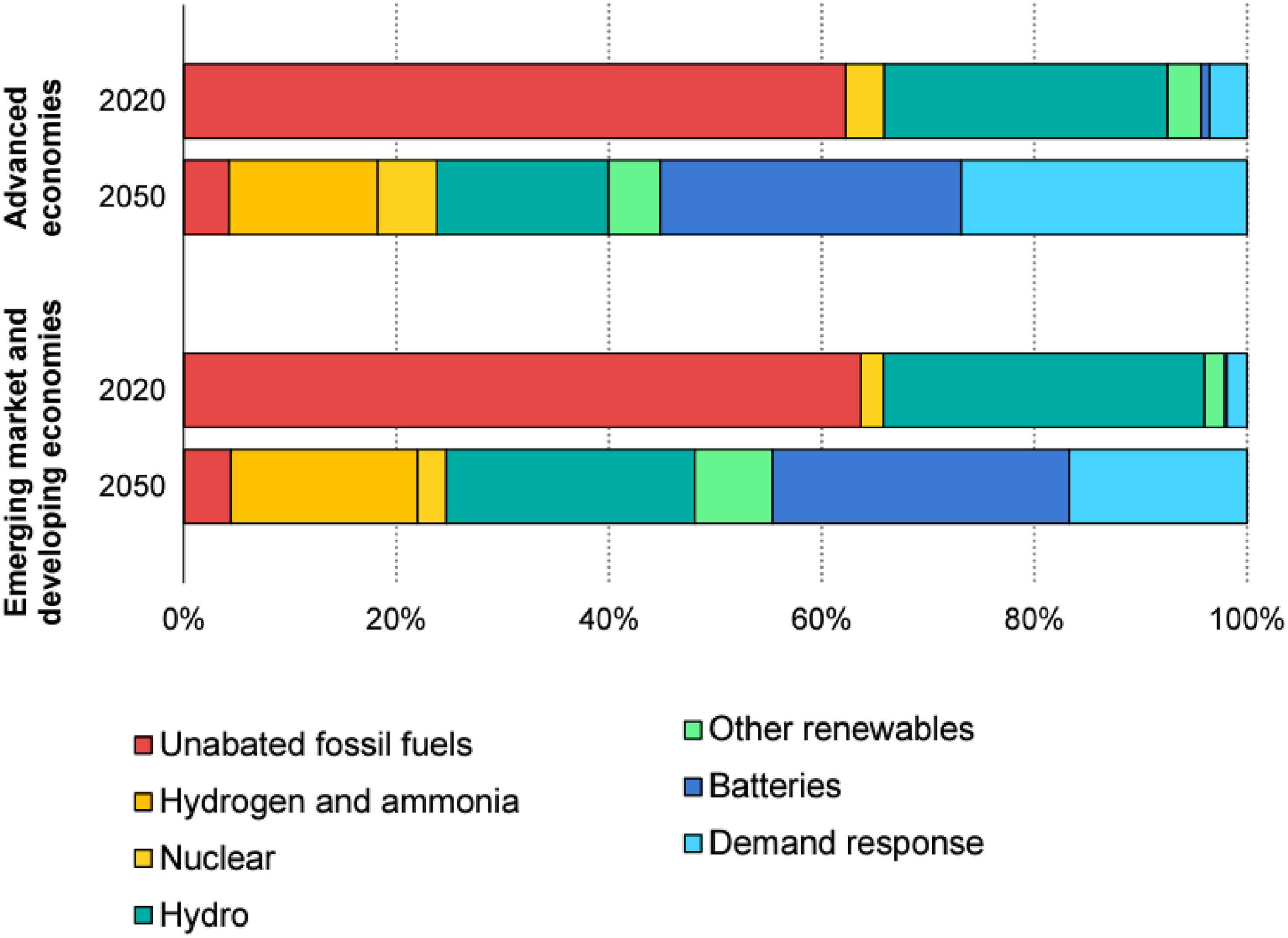
The hour-to-hour power system flexibility based on the source and regional grouping in the NZE by 2050 scenario.
Innovation holds promise in enhancing the flexibility of nuclear power. Advanced technological advancements, such as SMRs, can facilitate nuclear reactors to adjust their electricity output with greater ease, as illustrated in Figure 6 (Ho et al., 2019; Lee, 2024; Wisnubroto et al., 2023). Moreover, these technologies offer the prospect of enabling reactors to transition toward generating heat or producing hydrogen either independently or concurrently with electricity generation. Initiatives are underway to disseminate information to policymakers and planners regarding the potential cost advantages associated with enhancing nuclear power flexibility.
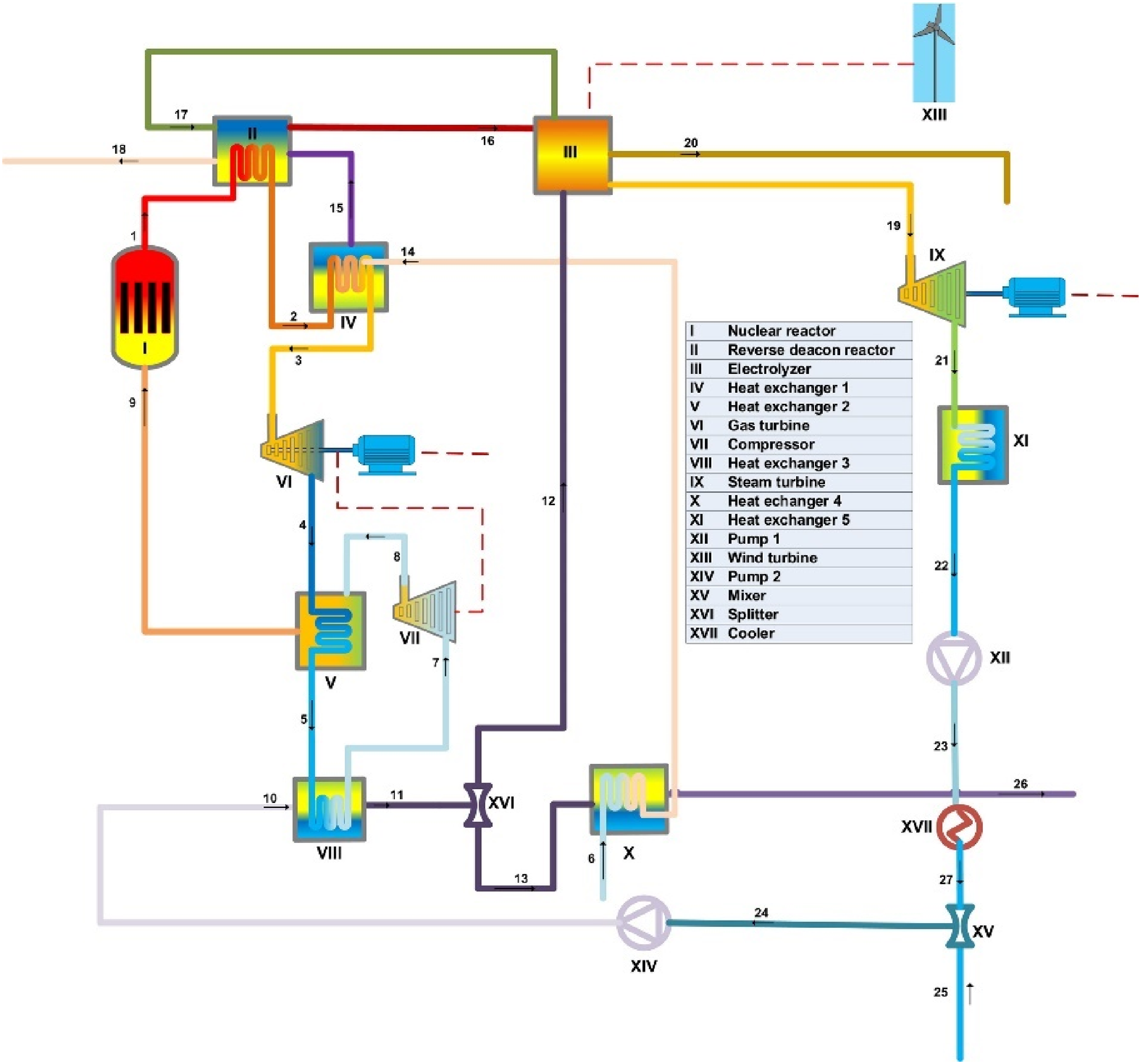
Schematic representation of the nuclear system augmented by wind turbines for trigeneration (Khalid and Bicer, 2019).
Investment in nuclear power
The renaissance of nuclear power within the NZE trajectory necessitates a substantial surge in investment in the coming decades. This surge is envisaged to encompass the construction of new nuclear reactors and extension of operational lifespans for existing facilities. Within this scenario, annual global investment in nuclear power is poised to escalate to exceed US$100 billion during the initial half of the 2030s within the NZE framework, surpassing the threefold average investment level of US$30 billion recorded during the 2010s (IEA, 2022). Figure 6 demonstrates the nuclear system augmented by wind turbines for trigeneration. Subsequently, investment levels are expected to gradually decline as the imperative for dispatchable low emissions generating capacity diminishes, tapering to approximately US$70 billion by the latter half of the 2040s (Kharitonov and Semenova, 2023; Zimmermann and Keles, 2023).
Over the period spanning from 2021 to 2050, the allocation of investment toward nuclear power constitutes a fraction representing less than 10% of the aggregate investment dedicated to low-emission sources of electricity (IEA, 2022). By comparison, within this framework, the annual investment in renewable energy experiences a notable escalation, escalating from an average of US$325 billion during the interval from 2016 to 2020 to US$1.3 trillion during the period 2031–2035 (EEDP, 2023; Rekik and El Alimi, 2024d). It is worth noting that the latter consideration elucidates the rationale behind the disproportionate allocation of investment toward advanced economies in later decades. China, for instance, requires an annual expenditure averaging close to US$20 billion on nuclear infrastructure by 2050, representing a nearly twofold increase compared to the average observed during the 2010s (Aghahosseini et al., 2023; Vujić et al., 2012). Conversely, other EMDEs witness a tripling of investment, reaching approximately US$25 billion per year, on average. In contrast to advanced economies, the imperative for investment in these nations is more pronounced in the period leading up to 2035 (Bhattacharyya et al., 2023; Khaleel et al., 2024). Thus, nuclear energy, despite its advantages as a low-carbon energy source, faces notable challenges. High capital costs and long deployment timelines, driven by complex construction and regulatory requirements, often hinder its adoption. The management of radioactive waste remains a costly and contentious issue, while safety concerns, shaped by historical incidents, continue to influence public perception. Additionally, reliance on uranium, with its geographically concentrated supply, raises geopolitical and environmental concerns. Nuclear power also competes with the rapidly advancing and cost-effective renewable energy sector, while decommissioning aging plants poses long-term financial and logistical burdens. Addressing these limitations through advanced technologies, public engagement, and international collaboration is crucial for enhancing nuclear energy's role in sustainable energy transitions.
Technologies for sustainability in nuclear energy production
The pursuit of sustainability in nuclear energy production has been supported by advancements in innovative technologies that enhance efficiency, safety, and environmental compatibility (Aktekin et al., 2024; Ali et al., 2024; Zheng et al., 2024; Khan et al., 2017). These technologies are crucial for positioning nuclear power as a key contributor to clean and sustainable energy transitions. Below are some of the most impactful technologies in this domain:
Advanced nuclear reactors
Small modular reactors (SMRs): SMRs are compact, scalable, and safer than traditional large-scale reactors. Their modular design allows for deployment in remote locations, making them suitable for decentralized energy systems. Generation IV reactors: These reactors incorporate advanced cooling systems and fuel cycles to improve efficiency, safety, and waste reduction. Examples include sodium-cooled fast reactors and gas-cooled fast reactors. Thorium-based reactors
Thorium fuel cycle reactors use thorium-232 as an alternative to uranium, offering a more abundant and sustainable fuel source. Thorium reactors produce less nuclear waste and have a lower risk of proliferation.
Fusion energy
Although still in the experimental stage, nuclear fusion promises to be a game-changing technology. Fusion produces minimal radioactive waste and harnesses abundant fuel sources like deuterium and tritium, making it a virtually limitless and clean energy solution.
Molten salt reactors (MSRs)
MSRs use liquid fuels or coolants, such as molten salts, which operate at lower pressures and higher temperatures. These reactors are inherently safer and have the capability to utilize a variety of fuel types, including spent nuclear fuel and thorium.
Reactor safety enhancements
Passive safety systems: These systems enhance reactor safety by using natural forces like gravity, natural convection, or condensation to cool the reactor core without human intervention. Digital twin technologies: Digital simulations and monitoring of reactor systems allow for predictive maintenance and real-time safety management. Nuclear waste management technologies
Fast reactors: These reactors can recycle spent fuel, reducing the volume and radioactivity of nuclear waste. Deep geological repositories: Advances in geotechnical engineering have improved the safety of long-term waste storage in deep geological formations. Hybrid nuclear-renewable systems
Combining nuclear power with renewable energy sources like wind and solar can optimize energy production and grid stability. Hybrid systems leverage the reliability of nuclear energy with the intermittency of renewables for a balanced, low-carbon energy mix.
Artificial intelligence (AI) and machine learning
AI and machine learning technologies are being deployed to enhance reactor performance, optimize fuel usage, and improve operational safety. Predictive analytics also play a critical role in maintenance and risk assessment.
Fuel advancements
High-assay low-enriched uranium (HALEU): HALEU fuels enable reactors to operate more efficiently and reduce waste. Accident-tolerant fuels (ATFs): These are designed to withstand extreme conditions, reducing the likelihood of core damage during accidents. Integrated energy systems
Nuclear reactors are increasingly being used for purposes beyond electricity generation, such as hydrogen production, district heating, and desalination.
The integration of digital technologies, including AI and machine learning, coupled with fuel advancements like HALEU and accident-tolerant fuels, highlights the continuous evolution of the nuclear sector. These innovations not only enhance efficiency and safety but also expand the applications of nuclear energy beyond electricity generation to include hydrogen production, desalination, and district heating. Despite these technological advancements, the sustainable deployment of nuclear energy requires robust policy frameworks, increased investments, and public acceptance. Addressing these challenges is critical to unlocking the full potential of nuclear power in achieving global energy security and NZE by 2050.
It is important to highlight that, emerging technologies, such as nuclear fusion, represent a transformative potential for the energy sector. Fusion, with its promise of virtually limitless energy and minimal radioactive waste, could complement existing fission-based systems and further reduce reliance on fossil fuels. SMRs and advanced fuel cycles, including thorium reactors, are other promising areas that warrant exploration to enhance safety, scalability, and efficiency. Future research should focus on integrating nuclear power with renewable energy systems to optimize grid reliability and sustainability. Additionally, investigating advanced waste management techniques, including partitioning and transmutation, can provide long-term solutions for radioactive waste. Policy studies that explore public acceptance, regulatory innovations, and international collaboration are equally critical to overcoming barriers to nuclear energy adoption. By addressing these areas, nuclear energy can continue to evolve as a cornerstone of the global energy transition, ensuring a balanced, sustainable, and secure energy future.
Discussion and policy implications
Nuclear power presents a compelling case as a sustainable energy source owing to its several key advantages. Its high-energy density allows for substantial electricity generation from minimal fuel, enabling continuous operation, unlike intermittent renewables, such as solar and wind (Rekik and El Alimi, 2023a, 2023b), thus contributing significantly to grid stability (Cramer et al., 2023). Furthermore, nuclear power is a crucial tool for emissions reduction, boasting virtually no greenhouse gas emissions during operation. Although lifecycle emissions associated with fuel processing and plant construction exist, they remain comparable to or lower than those of renewables.
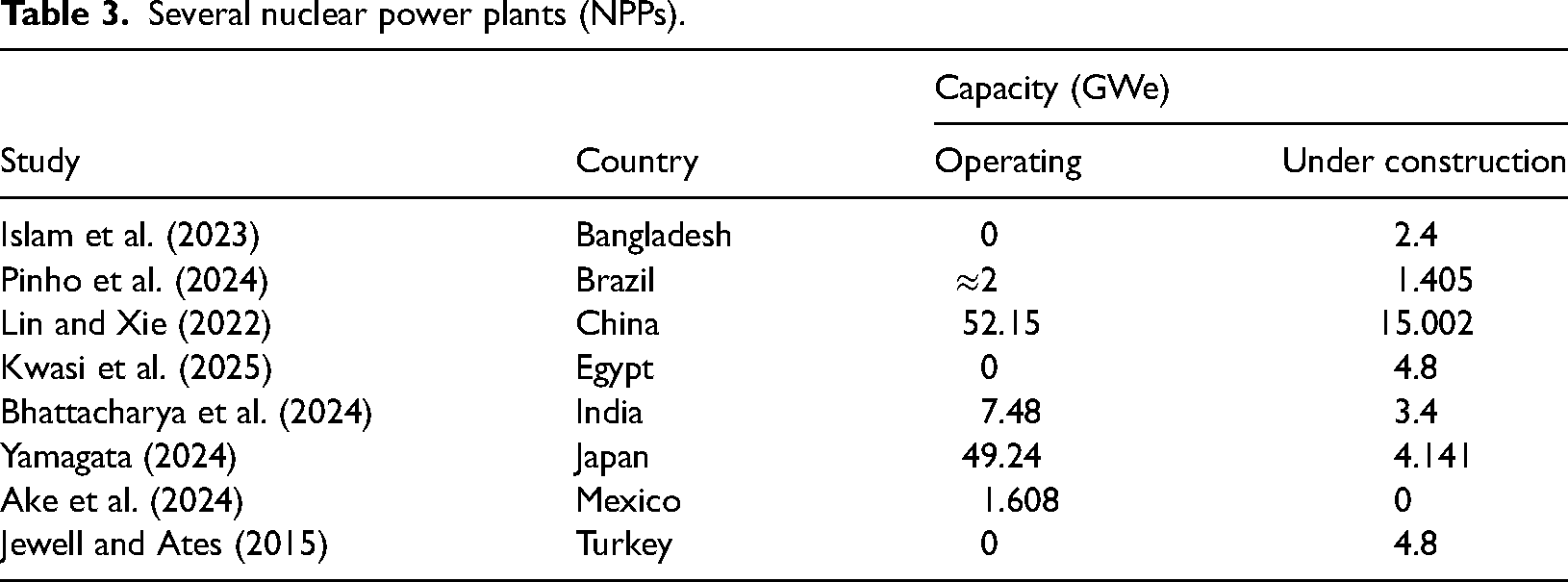
Several studies have reported on the energy production capabilities of nuclear power and its contribution to reducing greenhouse gas emissions compared to other energy sources. A key aspect of these analyses is quantifying the potential contribution of nuclear power to reducing greenhouse gas emissions and achieving net zero targets. However, direct comparison of reported data can be challenging due to variations in model assumptions, geographic scope, and time horizons, as shown in Tables 3, S.1, and S.2 (in supplementary file). For example, Markard et al. (2020) examines nuclear energy from a technological innovation systems perspective, discussing its relevance for climate change mitigation. On the other hand, Temiz and Dinçer (2021) investigate the integration of nuclear power plants with renewable energy systems for enhanced sustainability. Hunter et al. (2021) analyze long-duration energy storage and flexible power generation technologies, including nuclear, to support high-variable renewable energy grids. Caciuffo et al. (2020) provide data on the current nuclear reactor fleet and its share in the energy mix, stating a capacity of 400 GW and approximately 14% of global electricity production.
Several nuclear power plants (NPPs).
From another perspective, radioactive waste generation poses a significant challenge to nuclear power because of its long-term hazardous nature. This necessitates meticulous management and disposal strategies to mitigate potential social impacts. These impacts arise from perceived or actual risks to human health and the environment, fueling public anxiety and opposition to nuclear power, which is often expressed through protests and legal action (Kyne and Bolin, 2016; Nilsuwankosit, 2017; Ram Mohan and Namboodhiry, 2020).
Additionally, communities near waste sites can experience stigmatization, resulting in decreased property values and social isolation. The persistent nature of radioactive waste also raises intergenerational equity issues, burdening future generations with its management (Deng et al., 2020; Mason-Renton and Luginaah, 2019). Thus, transparent communication and stakeholder engagement are crucial for building public trust and ensuring responsible radioactive waste management (Dungan et al., 2021; Sančanin and Penjišević, 2023).
There are various radioactive waste disposal pathways, each with unique social and technical considerations. Deep geological disposal, an internationally favored method for high-level waste disposal, involves burying waste deep underground for long-term isolation. Interim storage provides a secure temporary holding until a permanent solution is obtained (Chapman, 1992; Grambow, 2022). Reprocessing spent nuclear fuel recovers reusable materials, reducing high-level waste but creating lower-level waste. Advanced reactor technologies aim to minimize waste and improve safety, potentially converting long-lived isotopes into shorter-lived isotopes (Dixon et al., 2020; Englert and Pistner, 2023). Choosing a disposal pathway requires careful evaluation of factors, such as waste type and volume, geology, feasibility, cost, and public acceptance, often leading to a combined approach. Ongoing community engagement and addressing concerns are essential to safe and responsible waste management.
Effective management and disposal of this waste require advanced technological solutions, robust regulatory frameworks, and long-term planning to ensure safety and sustainability (Abdelsalam et al., 2024; Rekik and El Alimi, 2024a), Moreover, its relatively small land footprint compared to other energy sources, especially solar and wind farms, minimizes the ecosystem impact and makes it a sustainable option in densely populated areas (Poinssot et al., 2016; Sadiq et al., 2022). Nuclear power also enhances energy security by reducing reliance on fossil fuels, which is particularly valuable in countries with limited domestic resources (Cramer et al., 2023; Ichord Jr., 2022). Additionally, nuclear power exhibits synergy with other clean technologies, providing a stable baseload complementing variable renewables and facilitating hydrogen production for diverse energy applications (Abdelsalam et al., 2024; El-Emam and Subki, 2021; Salam and Khan, 2018; Rekik, 2024; Rekik and El Alimi, 2024e). Finally, ongoing advancements in reactor design, such as SMRs, promise enhanced safety, reduced costs, and greater deployment flexibility, further solidifying the role of nuclear power in decarbonizing the electricity sector (Aunedi et al., 2023). Supportive policies and international cooperation are essential for fully realizing the potential of nuclear energy. Streamlined licensing and regulatory frameworks are crucial for reducing deployment time and costs and ensuring that safety standards are met efficiently (Gungor and Sari, 2022; Jewell et al., 2019). Furthermore, incentivizing investments through financial tools such as tax credits and loan guarantees can attract private capital and create a level-playing field for nuclear power (Decker and Rauhut, 2021; Nian and Hari, 2017; Zimmermann and Keles, 2023). Addressing public perception through education and engagement is equally important for building trust and acceptance. Moreover, international cooperation is vital in several respects. The disposal of radioactive waste remains a complex issue, requiring careful long-term management and securing geological repositories to prevent environmental contamination owing to the long half-life of some isotopes. Furthermore, while modern reactors incorporate advanced safety features, the potential for accidents such as Chernobyl and Fukushima remains a concern because of the potential for widespread radiation release and long-term health consequences (Denning and Mubayi, 2016; Högberg, 2013; Wheatley et al., 2016).
Moreover, the high initial costs associated with design, construction, and licensing present significant barriers to new nuclear projects, particularly in developing countries. In addition, the risk of nuclear proliferation, in which technology intended for peaceful energy production is diverted for weapons development, necessitates stringent international safeguards, as highlighted by following reference. Public perception also plays a crucial role because negative opinions and concerns about safety and waste disposal can create opposition to new projects. Finally, the decommissioning of nuclear plants at the end of their operational life is a complex and costly process that requires substantial resources and expertise to dismantle reactors and manage radioactive materials.
Recommendations
The subsequent recommendations are aimed at policymakers within nations that envisage the prospective role of nuclear energy. It is pertinent to note that the International Energy Agency (IEA) refrains from issuing recommendations to countries that have consciously opted against the utilization of nuclear power and fully acknowledges and respects their decisions (Aunedi et al., 2023; Kim et al., 2024; Therme, 2023; Yang et al., 2024).
Design electricity markets in a manner that recognizes the inherent value of dispatchable low-emissions capacity. Ensure equitable compensation for nuclear power plants within competitive frameworks, devoid of discrimination, acknowledge their role in emission mitigation, and provide essential services vital for upholding electricity security, encompassing capacity availability and frequency regulation. Establishing comprehensive financing frameworks aimed at strengthening the development of new nuclear reactors. The implementation of robust risk management strategies and financing mechanisms to facilitate the mobilization of capital for the construction of new facilities ensures that the associated costs remain acceptable and are equally distributed between investors and consumers. Advances the promotion of proficient and efficacious safety regulations within the nuclear sector. Guarantee that safety regulatory bodies are endowed with adequate resources and expertise to conduct prompt evaluations of new projects and designs. Foster the establishment of harmonized safety standards for novel designs and actively engage with prospective developers and the public to ensure transparent communication of licensing prerequisites. Strategies for the management of nuclear waste disposal. Engage citizens in the process of prioritizing approval and construction activities related to high-level waste disposal facilities, particularly in nations where such infrastructure is yet to be established. Facilitate expeditious advancement and implementation of SMRs. Identify strategic avenues where SMRs could serve as cost-efficient and environmentally sustainable sources of electricity, heat, and hydrogen. Foster investment in pilot projects and cultivation of robust supply chains to bolster the development and deployment of SMRs.
To bring it all together, addressing these challenges, nuclear power can play a crucial role in achieving deep decarbonization of the electricity sector and mitigating the impacts of climate change. Furthermore, by fostering a supportive policy environment and strengthening international cooperation, countries can unlock the full potential of nuclear power as a key component in a sustainable energy future. It is important to note that the relative importance of the advantages and drawbacks of nuclear power can vary depending on specific contexts such as national energy policies, economic conditions, and public attitudes. A balanced assessment of these factors is essential for making informed decisions regarding the role of nuclear power in a sustainable energy future.
Conclusion
The role of nuclear power in sustainable energy transition is multifaceted and significant. As nations worldwide strive to transition toward more environmentally friendly energy systems, nuclear power has emerged as a crucial component of the decarbonization journey. Its capacity to provide low-carbon electricity, mitigate climate change, and contribute to energy security underscores its importance in the broader context of sustainable energy transitions. Despite this, challenges such as safety, waste management, and public perception must be addressed to fully harness the potential of nuclear power to achieve sustainability goals. By leveraging policy frameworks, technological innovations, and international cooperation, nuclear power can play a vital role in shaping the future of sustainable energy transition on a global scale. In this context, EMDEs exert a substantial influence on global growth, collectively accounting for over 90% of the aggregate, with China positioned to emerge as the foremost nuclear power producer before 2030. Concurrently, advanced economies have witnessed a notable 10% increase in their nuclear power capacity. This augmentation is attributed to the commissioning of new facilities, which offset retirements, manifestly observed in nations such as the United States, France, the United Kingdom, and Canada. Furthermore, there is a marked escalation in annual global investment in nuclear power, surging from US$30 billion throughout the 2010s to surpass US$100 billion by 2030. This upward trajectory is robustly sustained, remaining above US$80 billion by 2050.
In conclusion, the remarkable decline in the levelized cost of electricity (LCOE) for solar PV and wind power over the past decade has positioned renewable energy as a cost-competitive and viable alternative to fossil fuels in many regions. The over 80% reduction in LCOE for utility-scale solar PV from 2010 to 2022 exemplifies the economic feasibility of renewables. Concurrently, the steady growth in renewable energy capacity, spearheaded by solar and wind energy, underscores their critical role in the global energy transition. With renewable electricity capacity surpassing 3300 GW in 2023 and accounting for over one-third of the global power mix, renewable energy is undeniably at the forefront of efforts to achieve a sustainable, low-carbon energy future.
Supplemental Material
sj-docx-1-eea-10.1177_01445987251314504 - Supplemental material for Harnessing nuclear power for sustainable electricity generation and achieving zero emissions
Supplemental material, sj-docx-1-eea-10.1177_01445987251314504 for Harnessing nuclear power for sustainable electricity generation and achieving zero emissions by Mohamed Khaleel, Ziyodulla Yusupov, Sassi Rekik, Heybet Kılıç, Yasser F. Nassar, Hala J. El-Khozondar and Abdussalam Ali Ahmed in Energy Exploration & Exploitation
Footnotes
Declaration of conflicting interests
The authors declared no potential conflicts of interest with respect to the research, authorship, and/or publication of this article.
Funding
The authors received no financial support for the research, authorship, and/or publication of this article.

Supplemental material
Supplemental material for this article is available online.
References
Supplementary Material
Please find the following supplemental material available below.
For Open Access articles published under a Creative Commons License, all supplemental material carries the same license as the article it is associated with.
For non-Open Access articles published, all supplemental material carries a non-exclusive license, and permission requests for re-use of supplemental material or any part of supplemental material shall be sent directly to the copyright owner as specified in the copyright notice associated with the article.
