




Abstract
The analytical approaches including thin-section petrography, X-ray diffraction, scanning electron microscopy energy dispersive spectrometer, and high-pressure mercury intrusion porosimetry were conducted on the sandstone reservoirs in the Lishu fault depression to investigate the diagenetic alteration and their impacts on pore structure and reservoir quality. The results show that correlations between diagenetic processes and reservoir properties are observed. Six diagenetic facies, namely the strong compaction with moderate cementation facies (SCMCF), weak dissolution with cementation facies (WDCF), moderate cementation with feldspar dissolution facies (MCFDF), moderate cementation with residual intergranular pore facies (MCRIPF), moderate cementation with fracture facies (MCFF), and moderate cementation with mixed dissolution facies (MCMDF), were classified through detailed examination of microscopic petrography. Variations in pore volumes, pore size distribution, and pore fractal dimensions, alongside their influencing factors, were analyzed to elucidate the impacts of diagenetic processes on the reservoir quality of tight sandstones. The diagenetic coefficient and mineral composition are considered critical determinants of pore structure. Specifically, SCMCF and WDCF are regarded as unfavorable diagenetic facies. MCFDF and MCRIPF are categorized as moderate diagenetic facies. Conversely, MCFF and MCMDF are considered favorable diagenetic facies. The SCMCF and WDCF suggest a relatively low heterogeneity, Conversely, the MCFDF, MCRIPF, MCFF, and MCMDF show obvious reservoir heterogeneity and low pore-throat connectivity. The fractal properties of the WDCF, MCFDF, MCRIPF, and MCMDF are obvious, indicating relatively complex pore structures. This article provides insights into the relationships among the diagenetic facies, pore structure, fractal dimension, and reservoir quality of tight sandstones in the Lishu fault depression, in addition, has significance for the reservoir evaluation and exploration of tight sandstone gas the rift Basins.
Introduction
With the development of unconventional oil and gas production technologies, tight sandstone reservoirs have gradually become a focus of oil and gas exploration and development, especially in mature oil and gas basins where conventional resources are gradually depleting (Shen et al., 2022; Zhang et al., 2019; Zou et al., 2008). Rich tight oil and gas resources have been discovered in China's Ordos, Songliao, and Bohai basins, achieving significant exploration results (Fang et al., 2024; Shi et al., 2024; Wang et al., 2023). Compared to conventional reservoirs, tight sandstone reservoirs typically have low porosity and extremely low permeability (Hu et al., 2018). The pore structure is complex, especially under the influence of diagenesis (such as cementation), which greatly increases the difficulty of reservoir quality and extraction (Civitelli et al., 2023; Critelli et al., 1999; Qiao et al., 2022). Although dissolution may improve reservoir performance by forming secondary porosity, the overall development of tight sandstone reservoirs still faces considerable challenges (Becker et al., 2017; Zhang et al., 2015).
Diagenesis plays a key role in the study of tight sandstones. It affects not only porosity and permeability but also reservoir heterogeneity. Diagenetic facies analysis helps identify different rock facies within the reservoir and predict production potential, especially by evaluating diagenetic types, diagenetic strength, and the distribution of diagenetic minerals to locate favorable sweet spots (Cui et al., 2017; Lai et al., 2016; Taylor et al., 2010). Currently, although various research methods exist, most rely on factors such as diagenetic minerals, diagenetic environments, and diagenetic strength for classification (Vafaie et al., 2021; Zou et al., 2012). To more accurately characterize diagenetic facies, researchers have proposed quantitative diagenetic coefficients by combining parameters such as apparent compaction rate and cementation rate, along with thin-section observation and rock physics analysis.
Different diagenetic environments and rock facies combinations lead to significant heterogeneity in the physical properties and pore structure of reservoirs, which are important factors influencing their development. With the advancement of technology, advanced instruments like environmental scanning electron microscopes (SEMs), nuclear magnetic resonance, and focused ion beam SEMs have enabled in-depth study of pore-throat structures at the microscale and nanoscale (Chalmers et al., 2012; Curtis et al., 2012). Methods such as high-pressure mercury injection (HPMI), low-temperature gas adsorption, and micro-computed tomography scanning are also becoming key tools for the fine characterization of tight reservoir pore structures. Fractal theory, initially used to describe geometric self-similarity, has now been widely applied to the quantitative analysis of reservoir pore structures and heterogeneity, providing a new perspective for studying reservoir heterogeneity (Loucks et al., 2012). Diagenesis is a key factor in unconventional oil and gas exploration. Understanding its impact on reservoir properties can provide strong support for the development of tight oil and gas.
The objectives of this article are to: (1) propose a quantitative classification to identify diagenetic facies of tight sandstones; (2) discuss the relationships among the diagenetic facies, pore structure, fractal dimension, and reservoir quality of tight sandstones; (3) establish pore evolution model of tight sandstone reservoirs respect to diagenetic processes. This work may have significance for prediction of high-quality tight sandstone reservoirs in rift Basins.
Geological setting
The Lishu fault depression (LFD) is located in the southern part of the Songliao Basin, and an area of 2346 km2 is covered by it. It is subdivided into six structural zones: the Sangshutai subdepression, the Shuanglong subdepression, the Sujiatun subdepression, the central uplift, the northern slope, and the southeastern slope (Figure 1(a)). Four distinct stages have been identified in the LFD: fault depression (J3-K1), fault-depression transformation (late K1), depression (K2), and subsequent uplift and erosion (An et al., 2020; Wang et al., 2011). The basement of the LFD is composed of metamorphic rocks and granites from the Carboniferous and Permian periods. Overlying the basement, the Huoshiling formation, Shahezi formation, Yingcheng formation, and Denglouku formation are developed sequentially from the base to the top (Figure 1(b)). The Yingcheng formation is predominantly composed of interbedded gray silt-fine sandstone and dark gray mudstone (Wang et al., 2011). The Shahezi formation is primarily composed of gray mudstone, gray siltstone, sandstone, and glutenite.
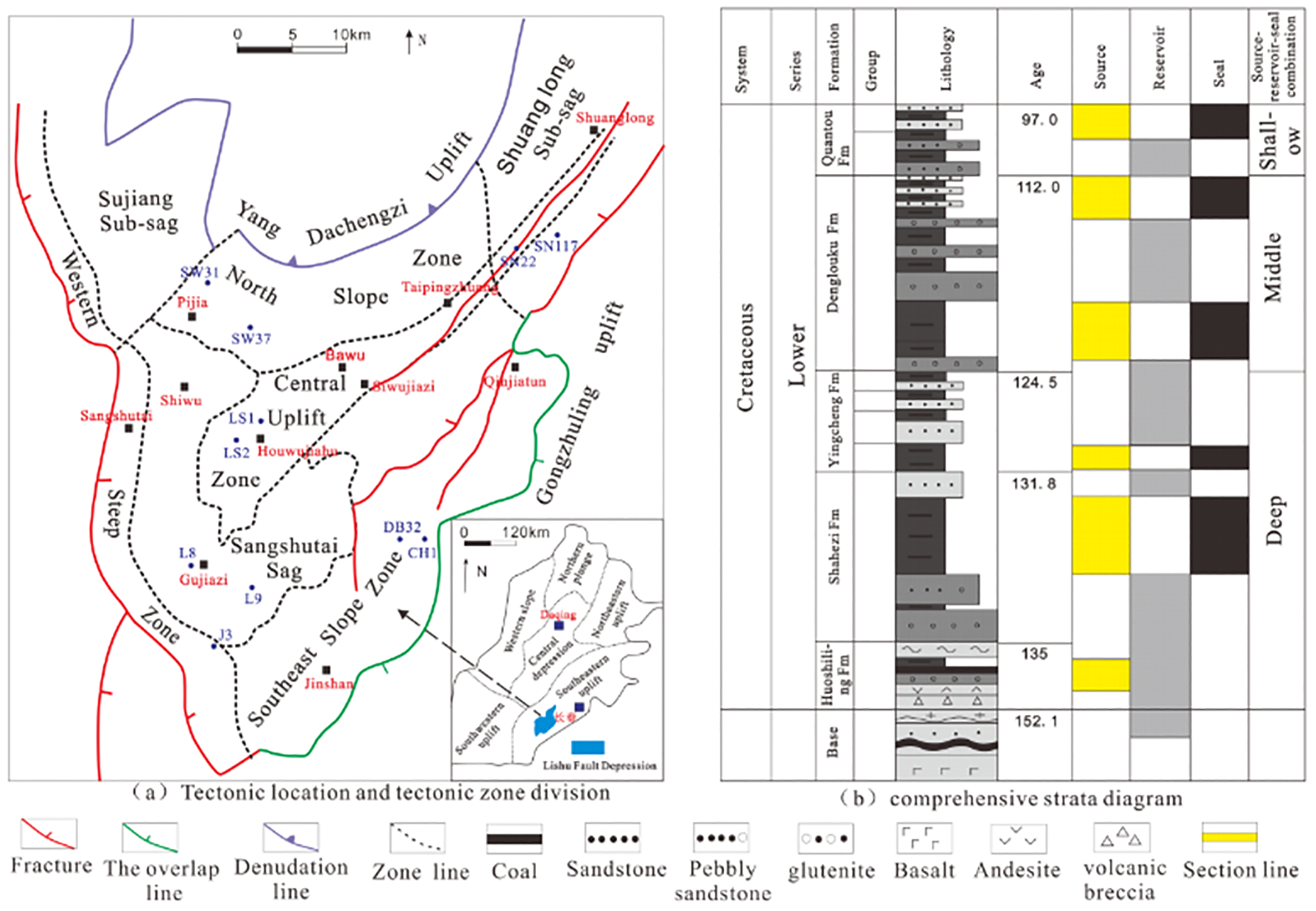
(a) Location map of the study area showing the sub-tectonic units and sampled wells in the Lishu fault depression; (b) Generalized stratigraphy of the Lishu fault depression, showing the major petroleum system elements including the source rocks, multiple reservoir intervals, and major sealing units.
Samples and methods
Samples and experiments
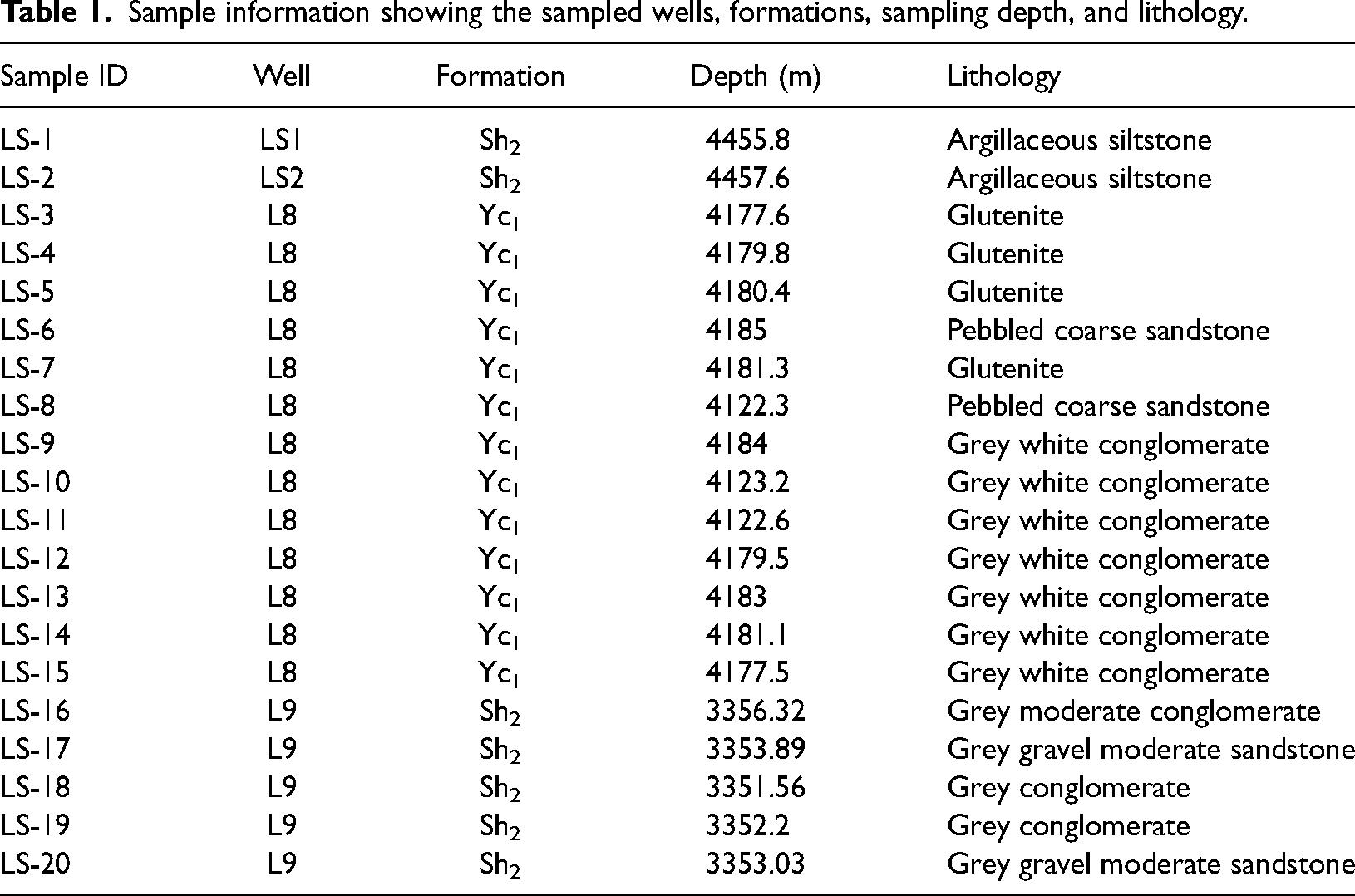
A total of 22 samples were collected from the lower Cretaceous Yingcheng formation and Shahezi formation in the LFD. The samples were subjected to experiments including thin-section petrography, X-ray diffraction (XRD), SEM energy dispersive spectrometer (SEM-EDS), and HPMI porosimetry, as well as porosity and permeability tests, in order to study the diagenetic alteration, pore structure, and reservoir quality of tight sandstone reservoirs, as depicted in Table 1.
Sample information showing the sampled wells, formations, sampling depth, and lithology.
XRD analyses were performed at the State Key Laboratory of Petroleum Resources and Engineering, China University of Petroleum (Beijing). The procedure was followed according to the national standards No. GB/T29172-2012 and No. SY-T5163-2010. Investigations into the microscopic attributes of samples were conducted using the Nova Nano 450 high-resolution field emission SEM at the Beijing Institute of Nuclear Industry, in accordance with the national standard No. SY/T5162-2014. HPMI measurements were undertaken at the laboratory of China University of Petroleum (East China), with the Micromeritics Autopore 9500 automatic mercury intrusion system, following the national standard No. SY/T5346-2005.
Methods
The diagenetic facies of tight sandstones were delineated quantitatively based on the diagenesis characteristics derived from abundant thin-section observations and statistical analyses. Parameters, including apparent compaction rate, apparent cementation rate, apparent dissolution rate, and visual microporosity (Gao et al., 2015; Lai et al., 2015), were used, and a comprehensive diagenetic coefficient was calculated for the quantitative delineation of diagenetic facies.
Apparent compaction rate
The apparent compaction rate, denoted as
The formula for calculating 

Apparent cementation rate
The apparent cementation rate, denoted as
The formula for calculating 
where
Apparent dissolution rate
The apparent dissolution rate is employed to study the extent of reservoir alteration due to dissolution. The apparent dissolution rate, denoted as
The formula for calculating 
Visual microporosity
The visual microporosity, denoted as
The formula for calculating 
Diagenetic coefficient
Using
The formula for calculating K is given by:
Results
Mineral compositions
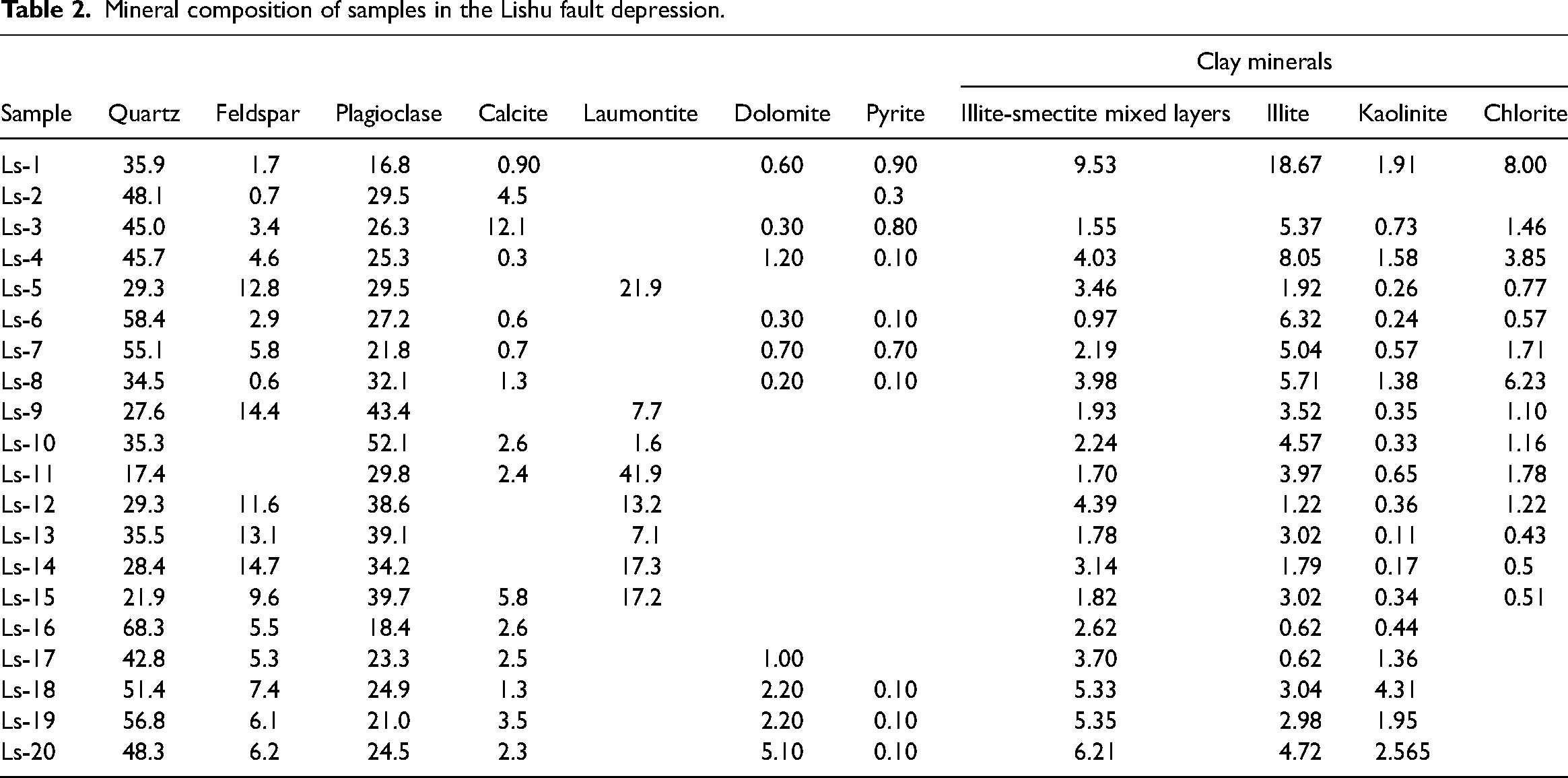
The mineral compositions of tight sandstones in the LFD are primarily composed of quartz, feldspar, and detritus, alongside the presence of clay minerals, calcite, dolomite, and siderite (Table 2). Furthermore, the presence of illite-smectite mixed layers (I-S) in significant proportions indicates that the tight sandstone has reached a mesogenetic B stage.
Mineral composition of samples in the Lishu fault depression.
Diagenesis
Diagenesis characteristics
The lower Cretaceous strata were subjected to mechanical compaction, cementation, dissolution, and metasomatism (Zhang et al., 2020). Mechanical compaction was predominantly observed during the initial stage, characterized by linear-concave contacts and the oriented arrangement of grains, accompanied by ductile deformation of particles (Figure 2(a)). Siliceous cement (Figure 2(b)), clay mineral cement (Figure 2(c) and (d)), carbonate cement (Figure 2(e)), and feldspar cement can be observed, leading to a reduction in porosity and pore connectivity. Dissolution of feldspar, calcite cement, and debris generated intergranular and intragranular pores, effectively improving the tight sandstone reservoir property. Moreover, secondary alteration of feldspar and calcite metasomatism of feldspar and debris can also be seen (Figure 2(h)).
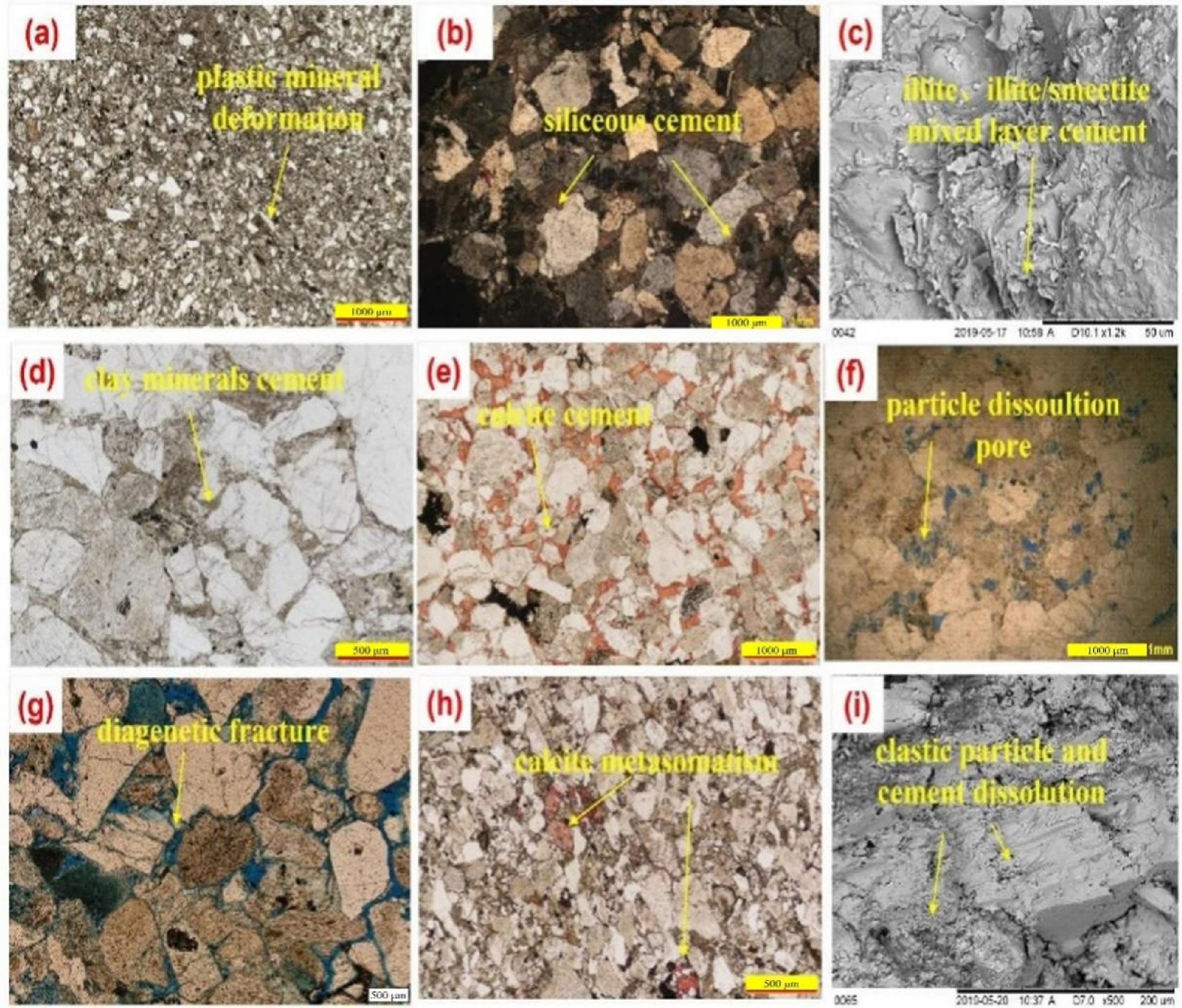
Photos showing diagenesis characteristics of tight sandstone samples in the Lishu (LS) fault depression. (a) Sample LS-1, compaction, plastic mineral deformed; (b) sample LS-15, siliceous cementation; (c) sample LS-5, illite and illite-smectite mixed layer cementation; (d) sample LS-4,clay minerals cementation; (e) sample LS-3, calcite cementation; (f) sample LS-10, dissolution pores and intergranular pores; (g) sample LS-20, dissolution, diagenetic fracture developed; (h) sample LS-8, calcite metasomatism; (i) sample LS-9, clastic particles and cements dissolved.
Diagenetic facies classification
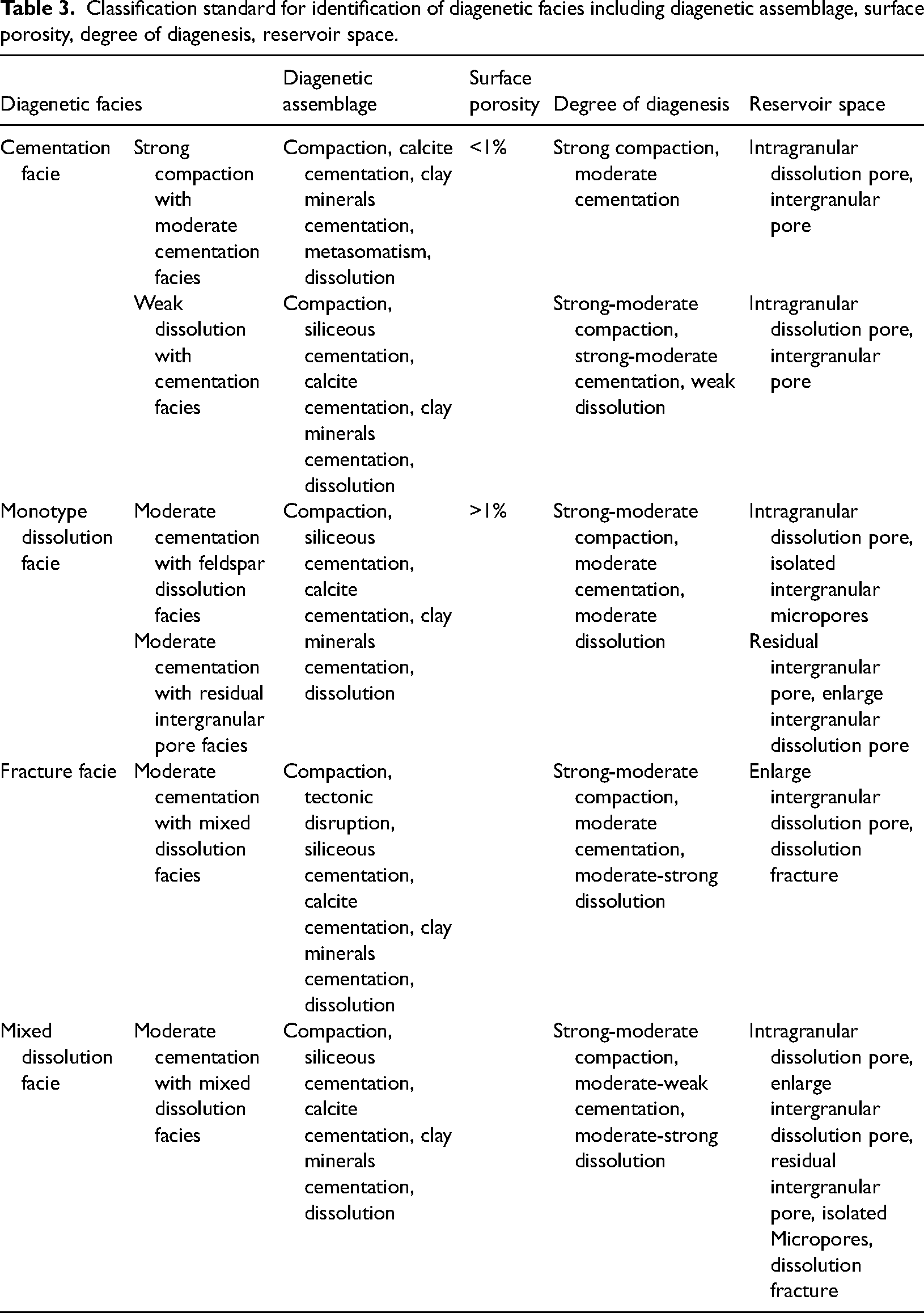
Diverse diagenetic processes lead to distinct diagenetic facies. Given the absence of a commonly accepted standard for diagenetic facies, a classification scheme was employed based on the combination of diagenetic strength, mineral compositions, diagenetic type, and facies. Six diagenetic facies can be identified: the strong compaction with moderate cementation facies (SCMCF), weak dissolution with cementation facies (WDCF), moderate cementation with feldspar dissolution facies (MCFDF), moderate cementation with residual intergranular pore facies (MCRIPF), moderate cementation with fracture facies (MCFF), and moderate cementation with mixed dissolution facies (MCMDF) (refer to Table 3), can be identified.
Classification standard for identification of diagenetic facies including diagenetic assemblage, surface porosity, degree of diagenesis, reservoir space.
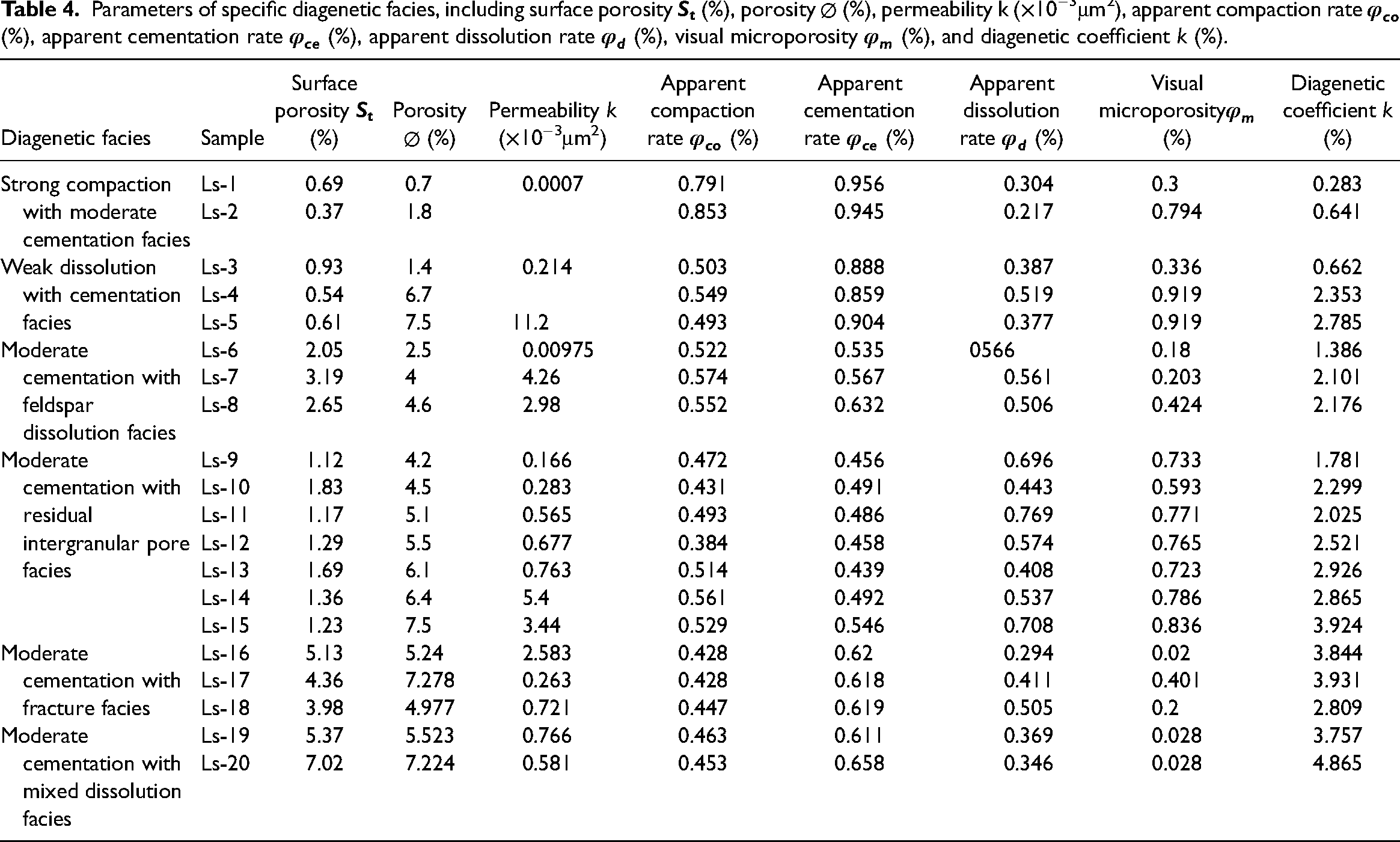
Detailed diagenetic parameters are delineated in Table 4. The values of
Parameters of specific diagenetic facies, including surface porosity
The strong compaction with moderate cementation facies
The SCMCF represents the comprehensive results of strong compaction, moderate cementation (calcite and clay minerals cements), metasomatism, and minimal dissolution effects. The parameters are as follows:
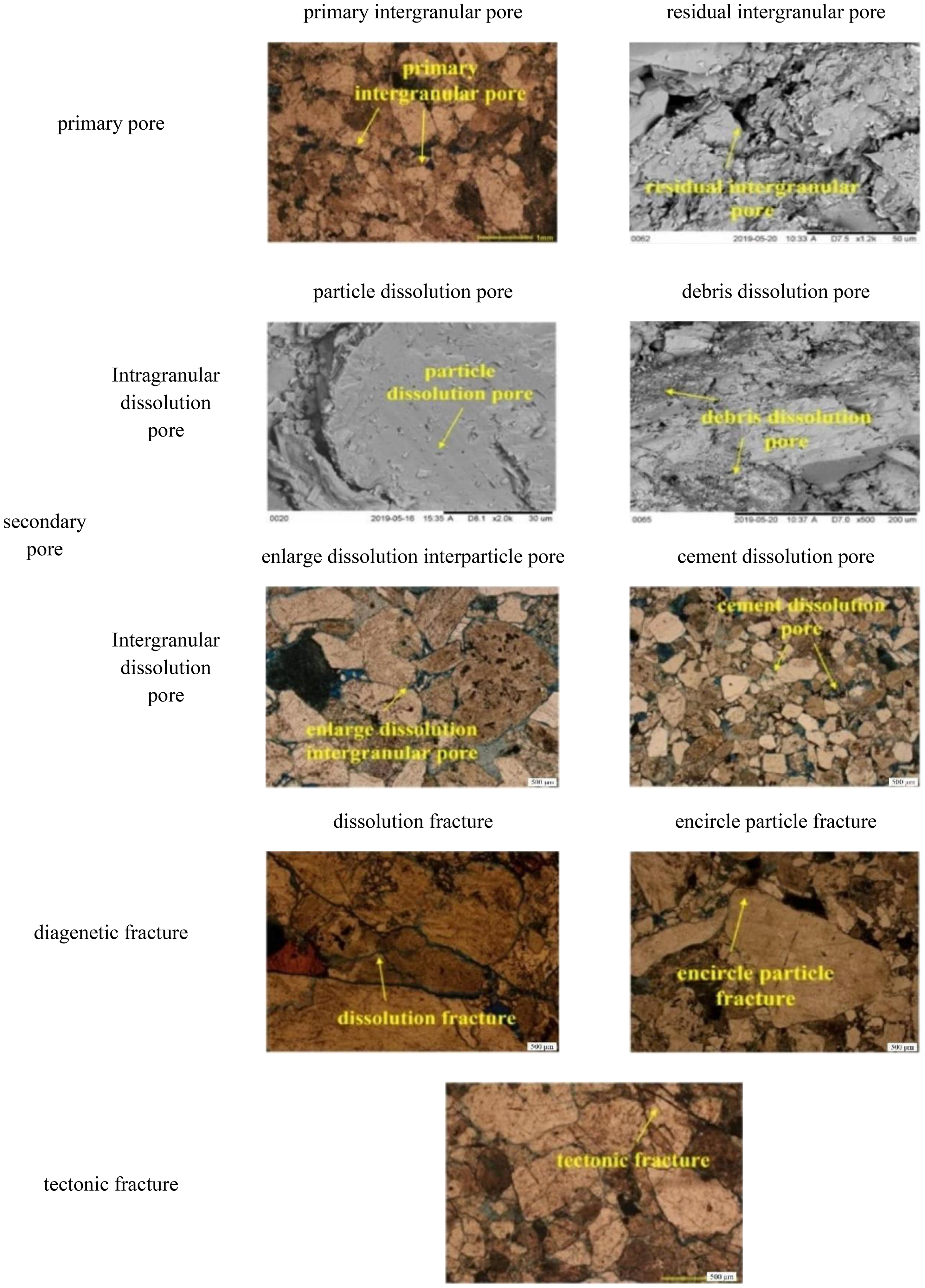
Photos show pore types of the tight sandstone reservoirs in the Lishu fault depression.
Weak dissolution with cementation facies
The WDCF represents the comprehensive results of moderate to strong compaction, moderate to strong cementation, and minimal dissolution processes. The parameters are as follows:
Moderate cementation with feldspar dissolution facies
The MCFDF represents the results of moderate to strong compaction, accompanied by moderate cementation and dissolution processes. The parameters are as follows:
Moderate cementation with residual intergranular pore facies
The MCRIPF represents a holistic result of moderate to strong compaction, coupled with moderate cementation and dissolution processes. The parameters are as follows:
Moderate cementation with fracture facies
The MCFF represents a comprehensive result of strong to moderate compaction, moderate cementation, tectonic disturbances, and moderate to strong dissolution processes. The parameters are as follows:
Moderate cementation with mixed dissolution facies
The MCMDF represents a complex interplay of significant to moderate compaction, moderate to weak cementation, and moderate to strong dissolution processes. The parameters are as follows:
Diagenetic strength evaluation
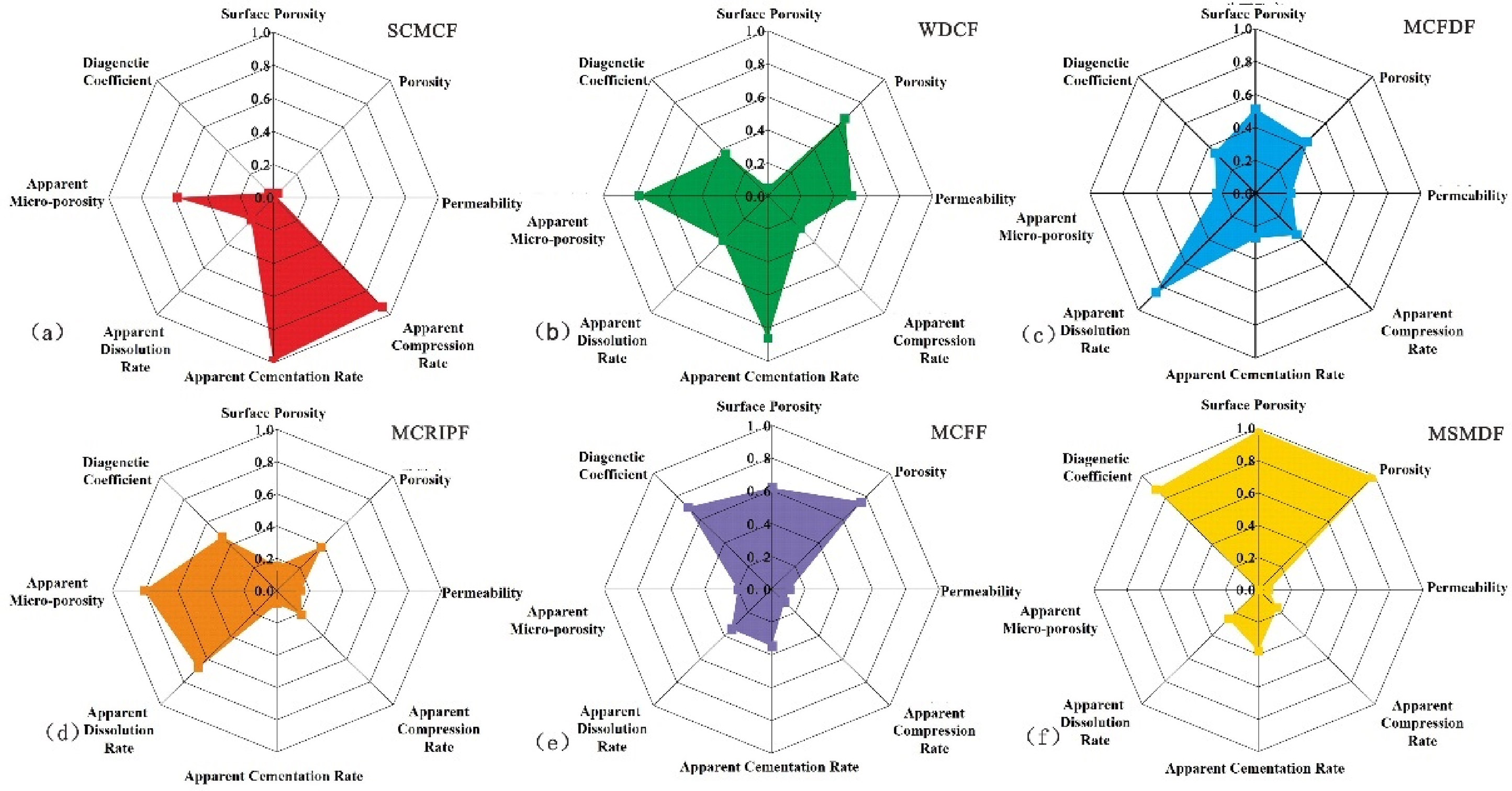
To quantitatively evaluate the diverse diagenetic facies, the parameters are normalized, with the maximum and minimum values derived from all samples being designated as the upper and lower limits of the normalization process, respectively. The corresponding formula is given as follows:
The cementation facies (SCMCF and WDCF) are characterized by a high degree of compaction and cementation, resulting in poorly developed pores and relatively tight reservoirs, which are considered unfavorable diagenetic facies. In contrast, the parameters of monotype dissolution facies (MCFDF and MCRIPF) are indicative of their classification as moderate diagenetic facies. The fracture facies (MCFF) and mixed dissolution facies (MSMDF) are found to exhibit favorable diagenetic characteristics, with well-developed porosity, favorable diagenesis, and minimal compaction and cementation (Figure 4).
Spider diagram showing diagenetic parameter for diagenesis facies.
Microscopic pore characteristics of diagenetic facies
Pore types
The reservoir space of the samples in this article is characterized by pores and microfractures. Pore types are classified into both primary and secondary pores (Hao et al., 2013). The primary pores are predominantly composed of intergranular pores and residual pores, while the secondary pores are represented by intragranular dissolution pores and intergranular dissolution pores. Specifically, the former is composed of particle dissolution pores and debris dissolution pores, while the latter is primarily characterized by enlarged dissolution intergranular pores and cement dissolution pores. Microfractures include tectonic and diagenetic fractures, which comprise dissolution fractures and fractures associated with encircling particles (Figure 3). These fractures are distributed heterogeneously through various formation mechanisms (Lionel et al., 2006). Overall, complex microscopic pore structure characteristics are presented by the samples.
Pore structure characteristic
The transformation of pore structures from micro-intragranular dissolution pores to micro–meso intergranular pores is achieved through the processes of cementation and subsequent dissolution. This phenomenon is corroborated by observations made from thin-section analyses and SEM. Concurrently, both the expulsion pressure and mercury extrusion efficiency are observed to exhibit a progressive increase, indicating a deterioration from dissolution facies to cementation facies. This trend underscores the increasing difficulty of mercury permeation into the pore spaces.
HPMI experiments were performed to analyze the pore structure of the samples (Table 5). The HPMI and extrusion curves derived for various diagenetic facies are used to characterize the microscopic pore structure across the different diagenetic conditions (Tang et al., 2006; Zhao et al., 2014). The results of the HPMI experiments exhibit variability among the samples from distinct diagenetic facies. Generally, the maximum mercury saturation (
HPMI results and parameters of the tight sandstone samples in the Lishu fault depression.
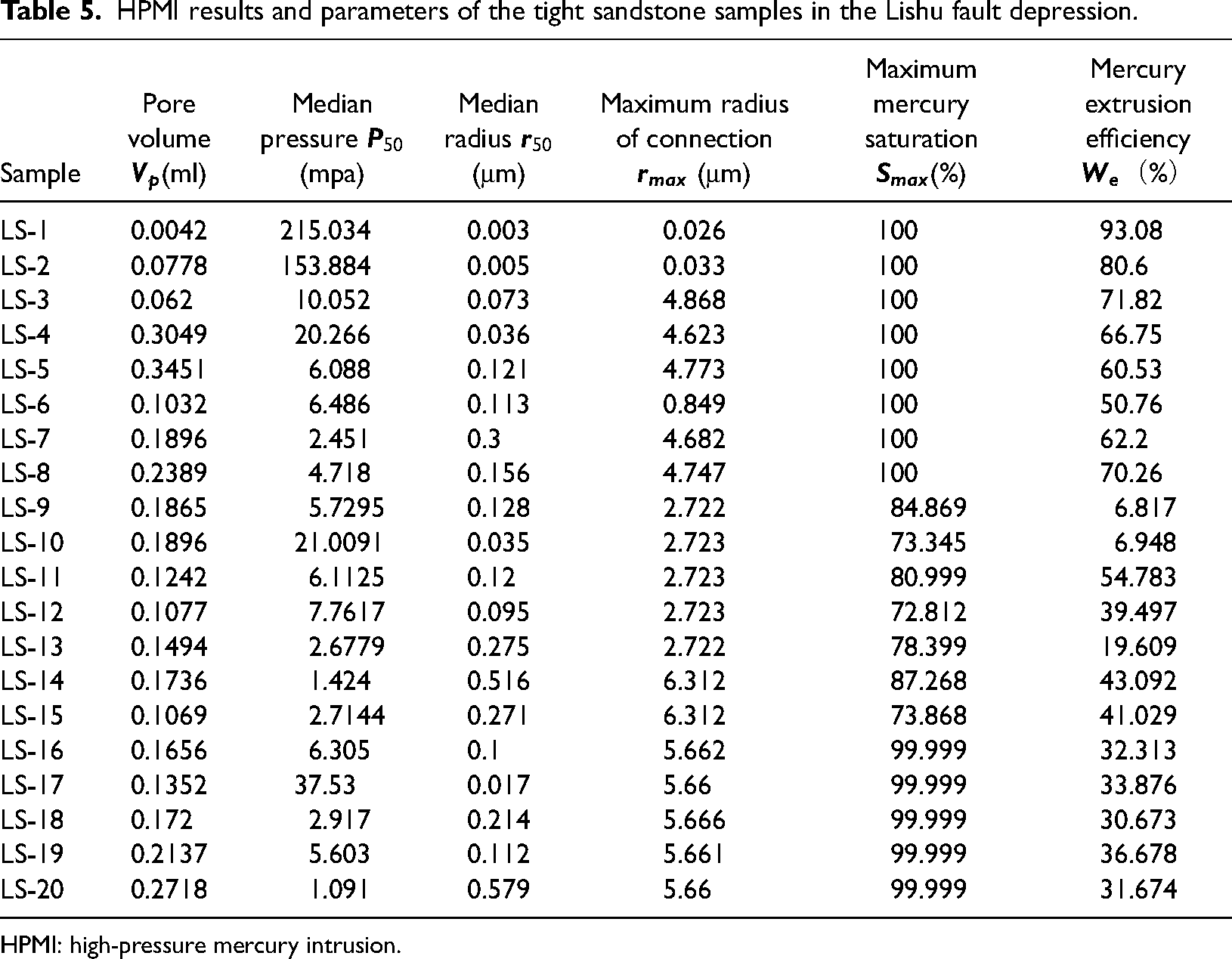
HPMI: high-pressure mercury intrusion.
The mercury intrusion and extrusion curves for the various diagenetic facies are found to exhibit discrepancies and can be subdivided into three types. Type Ⅰ (SCMCF, as seen in Figure 5(a)) curves are characterized by no horizontal stages, and the curves are very steep throughout most of the mercury intrusion process, with only a slight reduction observed when approaching maximum mercury saturation. A displacement pressure larger than 10 MPa is found in most of the samples of this type. The mercury extrusion curves are slightly separated from the intrusion curves, indicating high mercury extrusion efficiency. The pore sizes and connectivity are considered to be better than those of the other two types. Type Ⅱ (WDCF, MCFDF, and MCMDF, as seen in Figure 5(b), (c), and (f)) curves show no relatively horizontal stage. The displacement pressure of samples of this type is found to be very small (around 0.1 MPa). The mercury extrusion curves are separated from the intrusion curves, indicating relatively high mercury extrusion efficiency. Type Ⅲ (MCRIPF and MCFF, as seen in Figure 5(d) and (e)) curves exhibit a comparatively horizontal stage during the early period of mercury intrusion with a relatively large slope. The displacement pressure of samples of this type is generally found to be between 8 and 70 MPa. The mercury extrusion curves are obviously separated from the intrusion curves, indicating very low mercury extrusion efficiency.
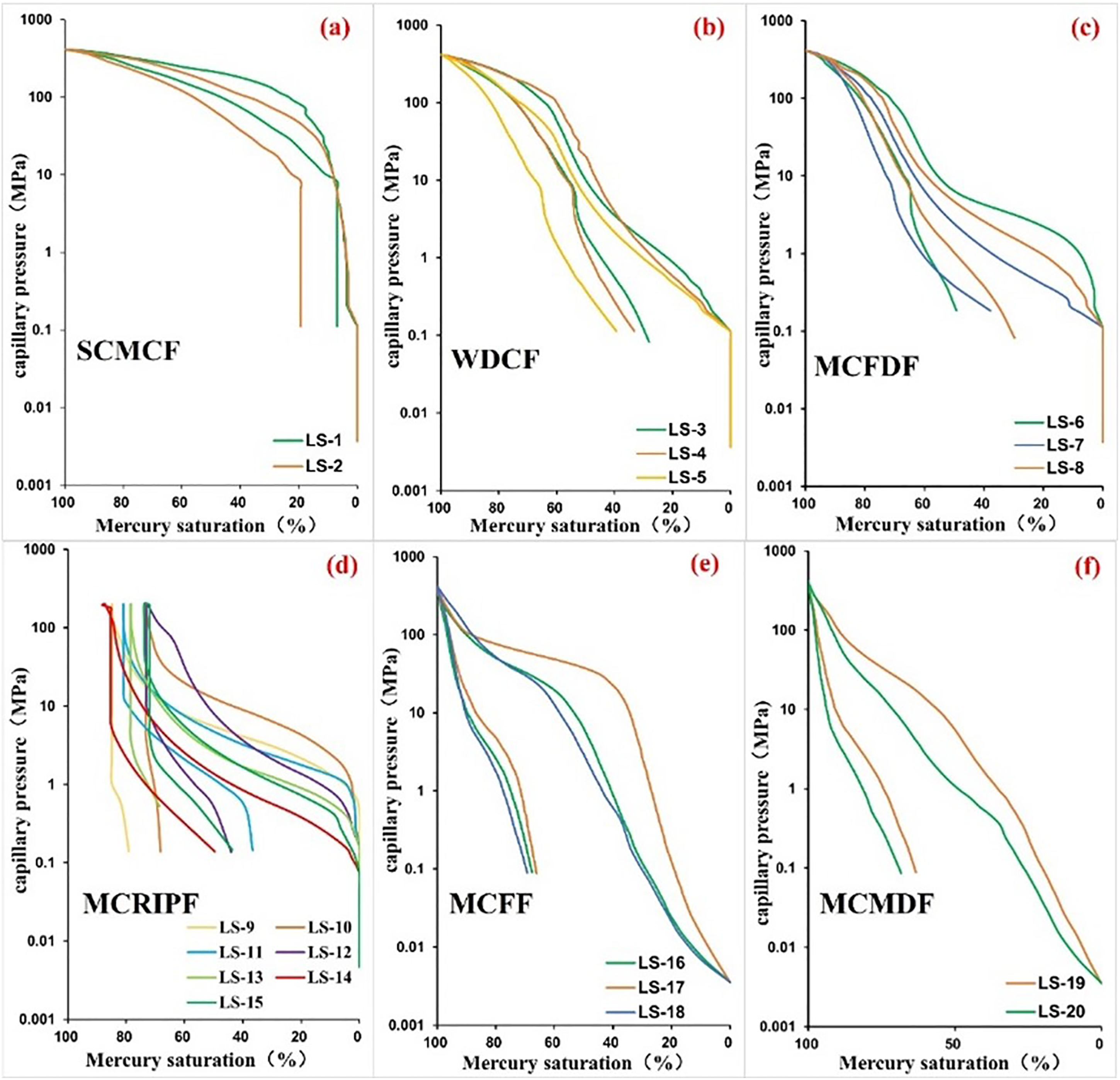
High-pressure mercury intrusion and extrusion of different diagenetic facies in the Lishu fault depression.
In summary, the transition from micro-intragranular dissolution pores to micro–meso intergranular pores and ultimately to mixed pores and fractures is observed to occur from cementation to dissolution facies. This observation is aligned with the results obtained from thin-section analyses and SEM. Additionally, the extrusion pressure and extrusion efficiency are progressively enhanced, correlating with a degradation in conditions from dissolution facies to cementation facies, thereby reflecting the increasing difficulty of mercury intrusion into the pore spaces.
Pore size distribution
The pore size distributions across various diagenetic facies samples are plotted in Figure 6, with distinct diagenetic facies being shown to exhibit various characteristics in pore size distributions. A decrease trend in the pore throat sizes of the SCMCF sample (Figure 6(a)) is demonstrated, with micropores predominantly consisting of elevated mercury saturation. Furthermore, the range of pore size distribution is extended from 0.001 to 80 μm.
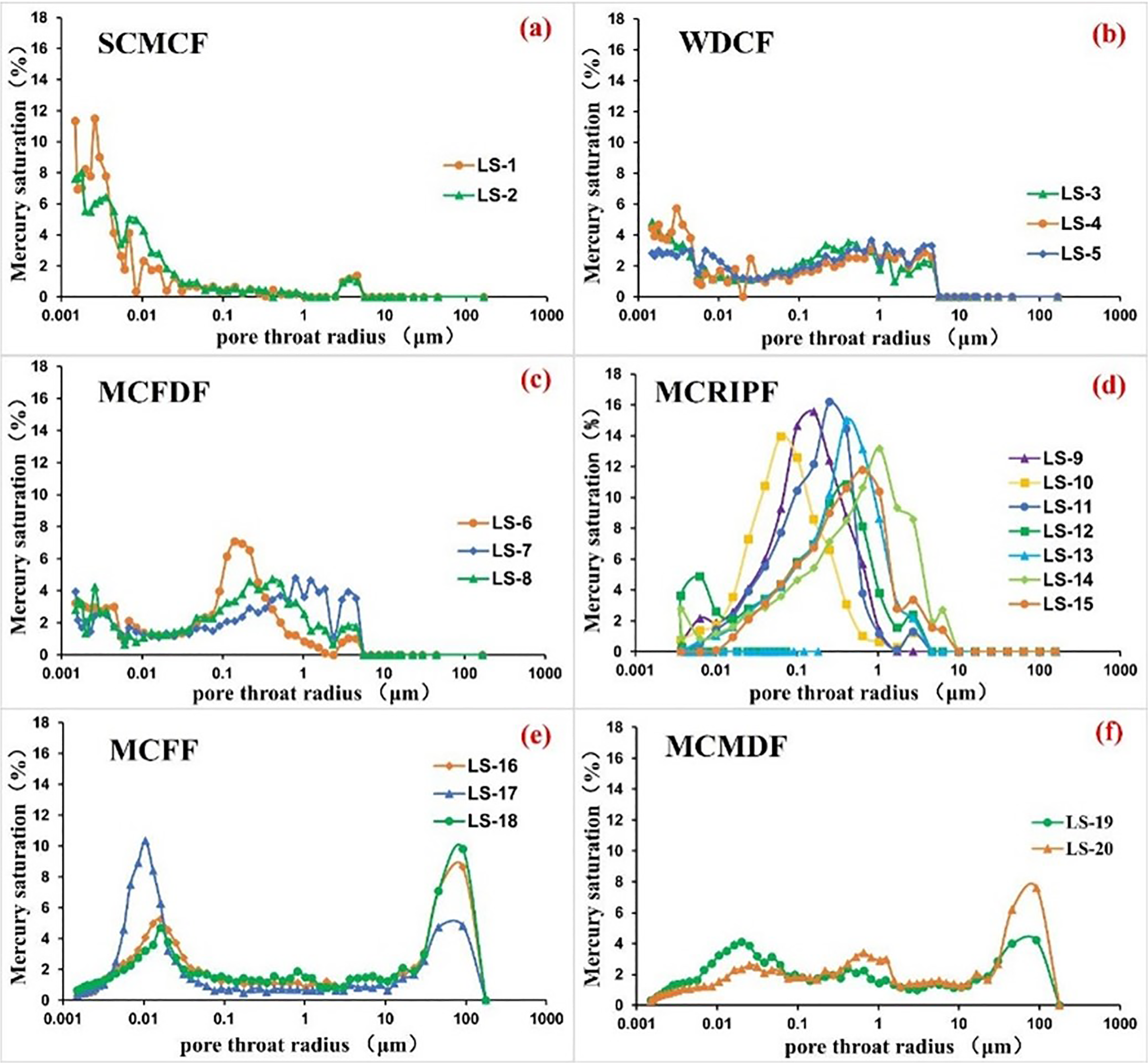
Plots of pore size distribution of different diagenetic facies in the Lishu fault depression.
The pore throat sizes of the WDCF sample (Figure 6(b)) are initially shown to exhibit a decreasing trend, followed by a subsequent peak; the pores are predominantly classified as micropores and mesopores, with a few macropores. In contrast, the MCFDF (Figure 6(c)) and MCRIPF (Figure 6(d)) samples are characterized by a monomodal pore size distribution. These samples are primarily constituted of micropores and mesopores, while the MCRIPF samples are predominantly mesoporous. The MCFF and MCMDF samples are observed to display a bimodal pore size distribution, with significant heterogeneity being noted in both diagenetic facies. Specifically, the MCFF samples (Figure 6(e)) are composed of micropores and fractures, whereas the MCMDF samples (Figure 6(f)) are found to contain a combination of micropores, mesopores, and fractures.
The mercury saturation within fractures is noted to be the highest, with a significant peak value being attained. Analytical results indicate that the pore size distribution of reservoir samples is crucially regulated by diagenetic facies. Specifically, pore development in cementation facies is comparatively limited, with micropores being predominantly comprised, and single-peak characteristics being exhibited with a relatively small proportion of peak value. Conversely, pores within single dissolution facies are comparatively well-developed and uniform, with micropores and mesopores being primarily consisted, and the peak value accounting for a substantial proportion. Furthermore, significant disparities are observed in the pore development of multitype dissolution facies, which are characterized by a mixture of various pore types, displaying bimodal characteristics, marked polarization, and a substantial proportion of fracture peaks.
Fractal dimensions
When the pore structure exhibits fractal characteristics, a function relationship exists between the wetting phase saturation and capillary pressure.
The logarithm of equation (8) is obtained:
The fractal dimension (D) can be calculated as follows:
For the SCMCF,
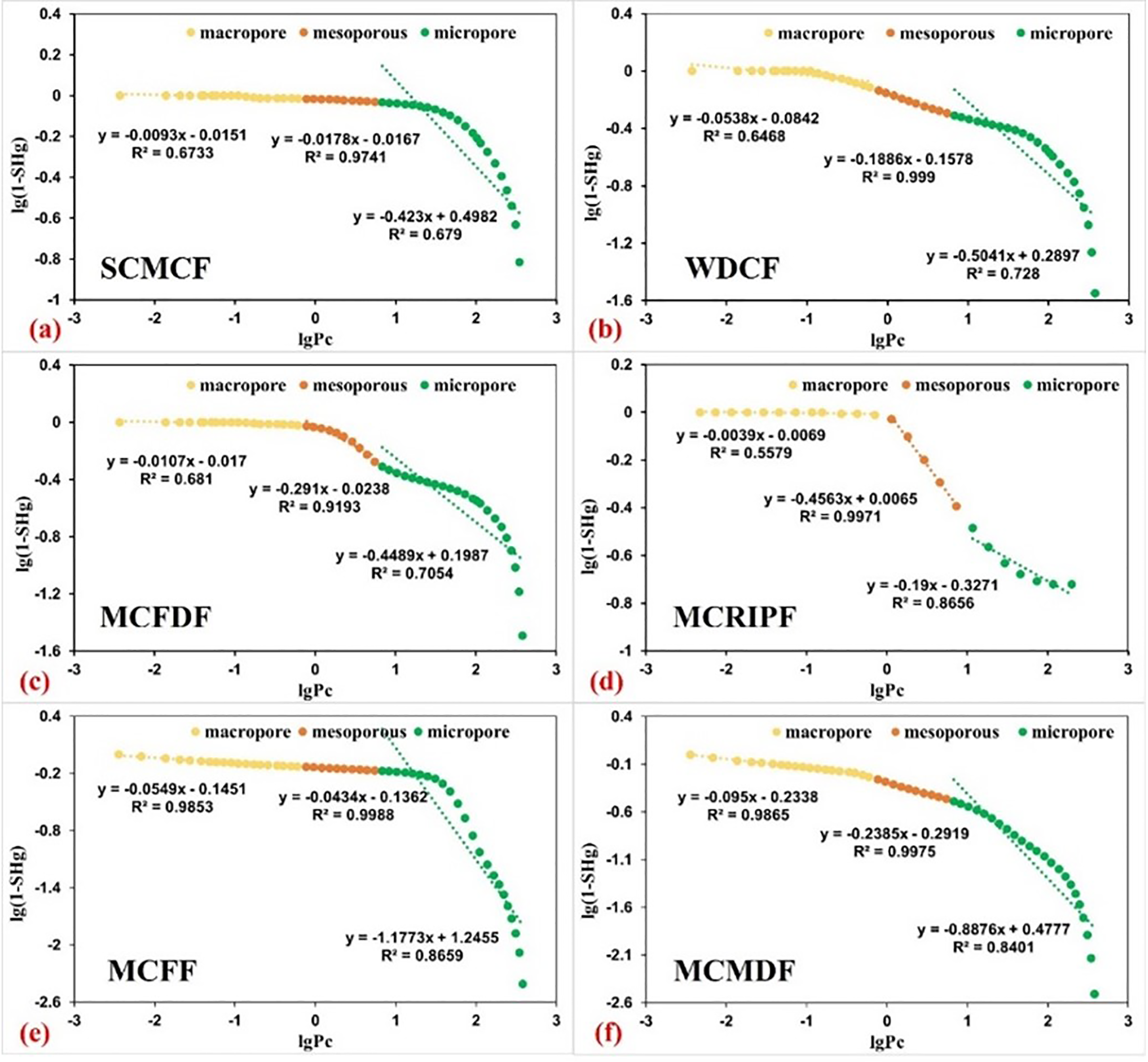
Fractal dimensions derived from high-pressure mercury intrusion (HPMI) data of tight sandstones in the Lishu fault depression.
For WDCF,
For the MCRIPF,
In the case of MCFF,
For MCMDF,
In general, it is observed that the fractal dimensions of fracture facies and mixed dissolution facies are lower than those of other diagenetic facies. This suggests that the pore structure within fracture facies and mixed dissolution facies is relatively heterogenetic. Conversely, greater heterogeneity is characterized in the pore structure of cemented and monotype dissolution facies. The fractal properties of samples from WDCF, MCFDF, MCRIPF, and MCMDF are evident, indicating that various pore types possess relatively complex pore structures. In contrast, the fractal characteristics of macropores and mesopores in SCMCF and MCFF are less pronounced, suggesting that pore-fracture assemblages are predominantly present in the MCFF.
Discussion
Influence of diagenesis on pore structure
Relationship between minerals and pore structure parameters
Figure 8 illustrates the relationship between the mineral compositions of samples with varying diagenetic facies and their pore structure parameters. The pore structure in SCMCF and MCMDF is primarily influenced by quartz and feldspar, while the pore volume and size in WDCF are also notably affected by these minerals. The pore volume of SCMCF and MCMDF is predominantly impacted by clay minerals and carbonates, which contribute to increased pore complexity. Conversely, the pore volume in MCFDF is primarily influenced by quartz and clay minerals, while the independence of pores is effectively reduced by carbonates, enhancing pore fractal dimensions. In WDCF, the pore radius is diminished by clay minerals and carbonate cements, thereby increasing pore heterogeneity and complexity. Additionally, localized metasomatic alterations within carbonate minerals of WDCF result in an enhancement of both pore volume and pore size, contributing to increased reservoir porosity. The development of pores and fractures in MCFF is significantly affected by the fracturing and dissolution of clay minerals and carbonate cements.
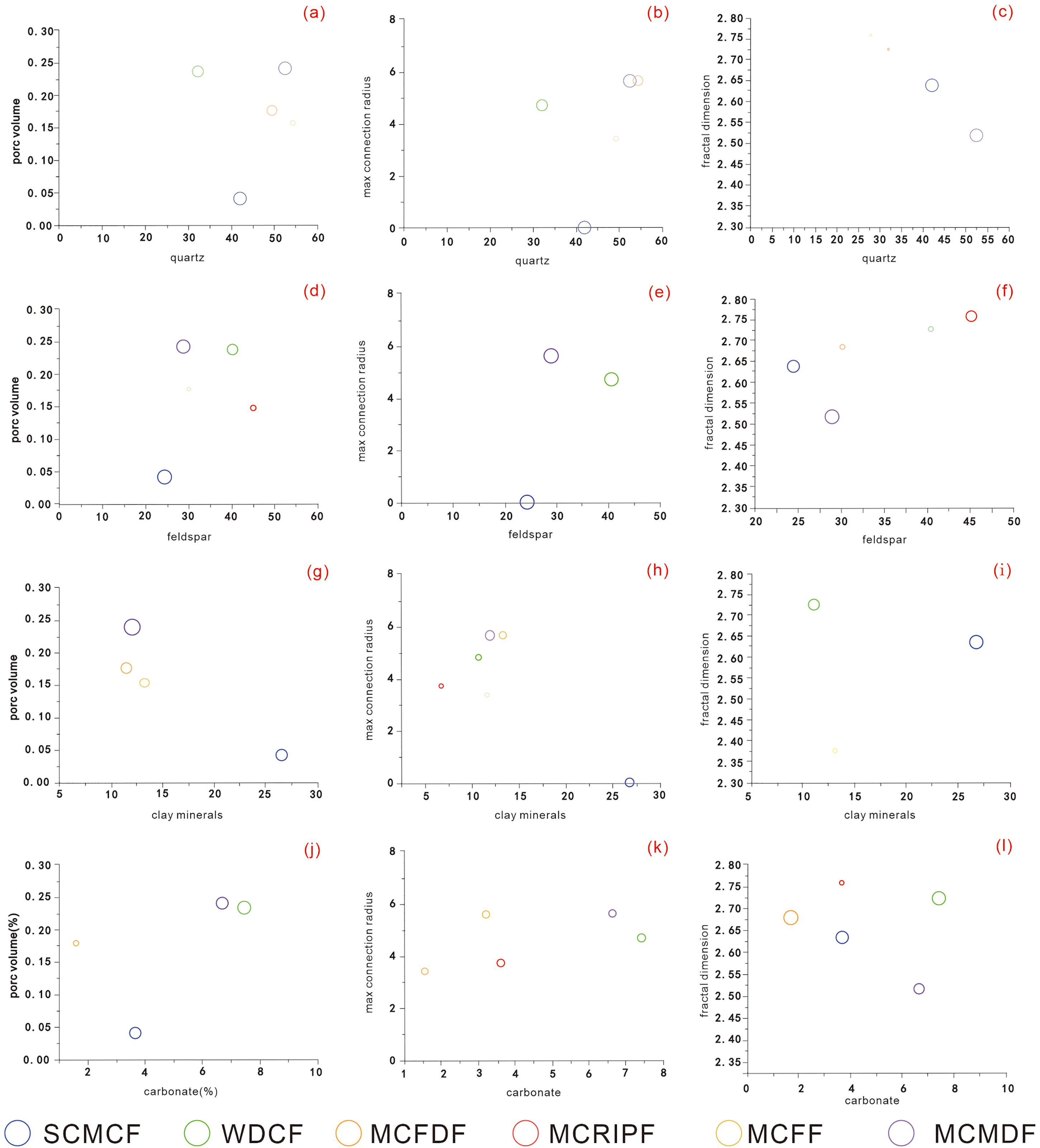
Correlations between pore structure parameters and mineral compositions.
Given the properties of rigid, plastic, and soluble minerals, distinct influences on pore structure are exerted by each mineral type. Quartz, being a rigid mineral, has a limited contribution to pore development, specific surface area, and pore volume. The fractal dimension of the pore structure is positively correlated with specific pore surface area and pore volume. Adsorption capabilities of clay minerals, which vary according to the diagenetic stage, are considered to significantly affect comparative surface areas (Sun et al., 2017). A higher specific surface area is found in the illite/smectite mixed layer compared to chlorite, resulting in an increase in mineral surface roughness, which in turn enhances pore complexity and reduces uniformity. The formation of nanoscale pores, such as interlayer pores, is thus facilitated (Zhang et al., 2017).
Relationship between diagenesis coefficient and pore structure parameters
The diagenesis coefficient (DC) can be defined as an indicator of diagenetic intensity, where a higher DC is associated with a more favorable diagenetic process and improved reservoir quality. It is understood that the pore structure is intrinsically linked to the DC, with variations in diagenetic intensity and facies potentially leading to different reservoir characteristics. The relationship between the diagenetic coefficient and pore structure parameters across different diagenetic facies is illustrated in Figure 9. Specifically, in the cementation facies (SCMCF and WDCF), a positive correlation is exhibited between the diagenetic coefficient and both porosity and permeability. This implies that a higher diagenetic coefficient is associated with more well-developed pores, enhanced reservoir storage and permeability, and lower pore heterogeneity. Conversely, diagenetic facies characterized by lower diagenetic coefficients often exhibit a higher volume fraction of illite and local occurrences of kaolinite and chlorite. The presence of significant amounts of alkaline ions during diagenesis results in illite predominantly being found as thin sheets, compared to the more needle-like or lamellar forms, with lower illite crystallinity similar to chlorite. These chlorite films, which are mainly adhered to quartz and feldspathic surfaces, can effectively inhibit secondary particle growth and prevent further compaction-induced damage to primary pore structures (Sun et al., 2017; Zhang et al., 2017).
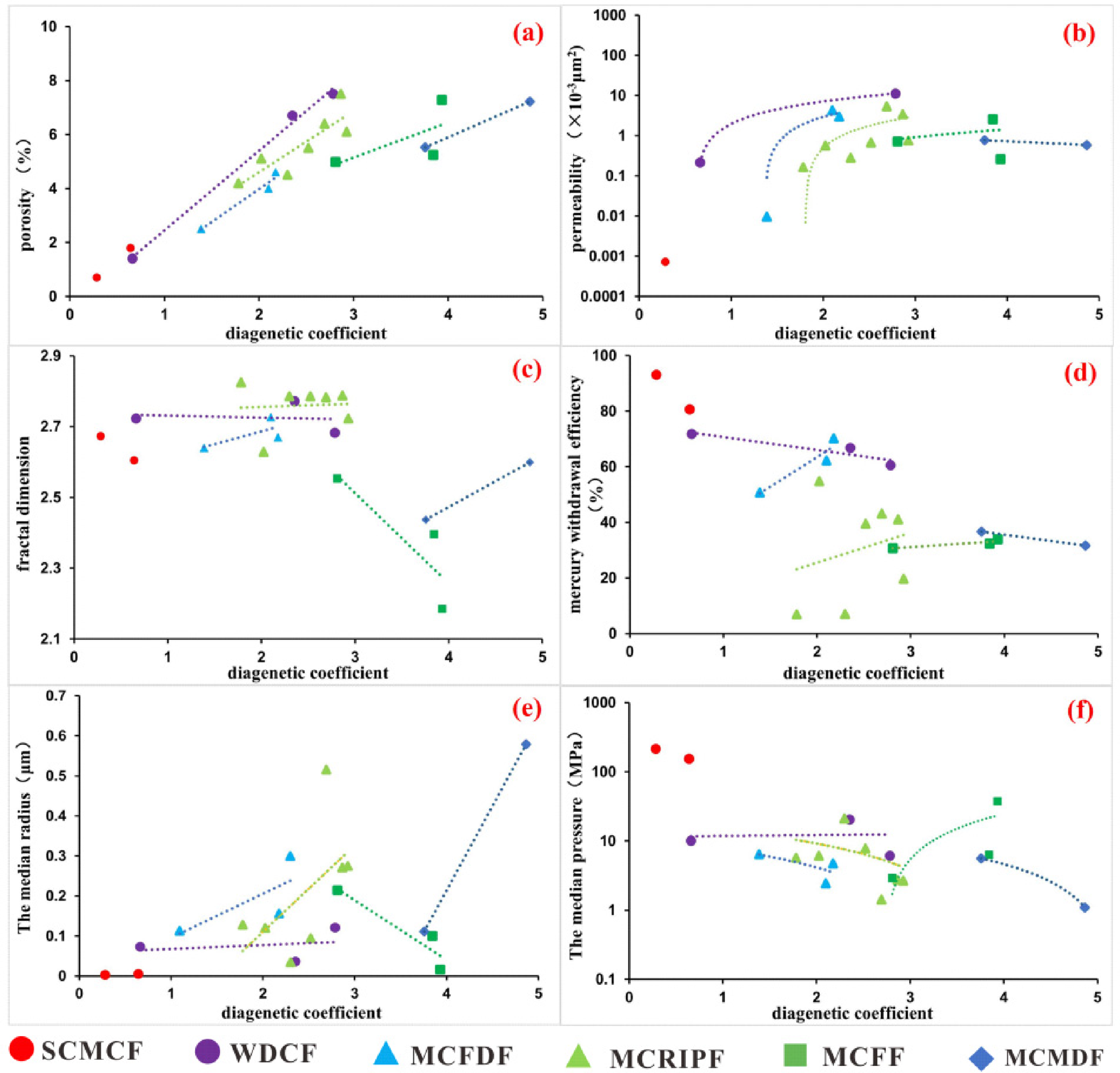
Correlations between diagenetic coefficient and pore structural parameters.
In the monotype dissolution facies (MCFDF, MCRIPF), the diagenetic coefficient is found to be positively correlated with porosity, permeability, fracture size, and median pore radius. This indicates that a higher diagenetic coefficient is associated with more developed and larger pores, a more complex pore structure, and intensified pore heterogeneity, resulting in a reservoir that is more capable in terms of storage and seepage. The comprehensive effects of kaolinite, carbonate, and siliceous cementation filling primary and secondary pores lead to a decrease in reservoir pore volume, thereby reducing fluid permeability. The late-stage dissolution of cement, feldspar particles, and other debris primarily results in monotype dissolution. In MCFF, the diagenetic coefficient is found to be positively correlated with porosity, but negatively correlated with fracture size and median radius. This suggests that a higher diagenetic coefficient is associated with more developed pores, enhanced pore independence, and increased pore heterogeneity. For MCMDF, the diagenetic coefficient is shown to exhibit positive correlations with porosity, fracture size, and negative correlations with permeability. This implies that a higher diagenetic coefficient is correlated with more developed and larger pores, a more complex pore structure, and reduced pore heterogeneity.
Differential diagenetic pore evolution model
The research demonstrates that tight sandstone reservoirs have undergone a sequence of diagenetic processes that significantly affect pore development, including compaction, cementation, and dissolution, through thin section observation, SEM + EDS, and XRD analyses. These processes are considered crucial in controlling reservoir characteristics. Pronounced variations in diagenetic processes within the study area are led by differences in burial depth and diagenetic conditions. Based on the diagenetic processes, diagenetic coefficients, pore structure parameters, and the evolution of different diagenetic facies, six distinct diagenetic facies are proposed in this study (Figure 10) to elucidate the impact of various diagenetic processes on porosity evolution and to clarify the role of differential diagenesis in controlling pore structure (Ren et al., 2020). The effects of acidic or alkaline waters have been emphasized in traditional diagenetic studies, where dissolution processes and the formation of secondary porosity are associated. Secondary porosity is often attributed to the dissolution of carbonate minerals induced by acid fluids. In the study area, alkaline formation water is identified as the primary fluid in the reservoirs, leading to the widespread dissolution of feldspar and carbonate cements, which can be observed in almost all samples. Minimal pore development is exhibited by the SCMCF, as a result of the combined effects of compaction and cementation. Only a few small dissolution pores are present in the WDCF, following significant compaction and cementation. In the MCFDF, relatively homogeneous pore distribution is observed, resulting from extensive compaction and cementation, with reduced pore volume and notable feldspar dissolution. Primary pores were filled by carbonate cements, clay minerals, and other cements in early diagenesis, leading to the formation of residual pores in the middle to late stages. As burial depth and temperature increase, organic acids and various acidic hydrocarbons are released into sandstone reservoirs along fractures and connected pore systems, altering the surrounding chemical diagenetic conditions. Vigorous dissolution of feldspar, debris, kaolinite, and calcareous cements along grain boundaries results in the creation of numerous dissolution pores. The MCRIPF, cemented by carbonate cements and clay minerals, exhibits complex residual intergranular pores with low connectivity and significant heterogeneity. Tectonic fractures in the MCFF were formed early due to compaction and tectonism, followed by dissolution, which created a microfracture network. The MCMDF, influenced by soluble minerals and cementation after compaction, displays a coexistence of various pore types and complex pore structures.
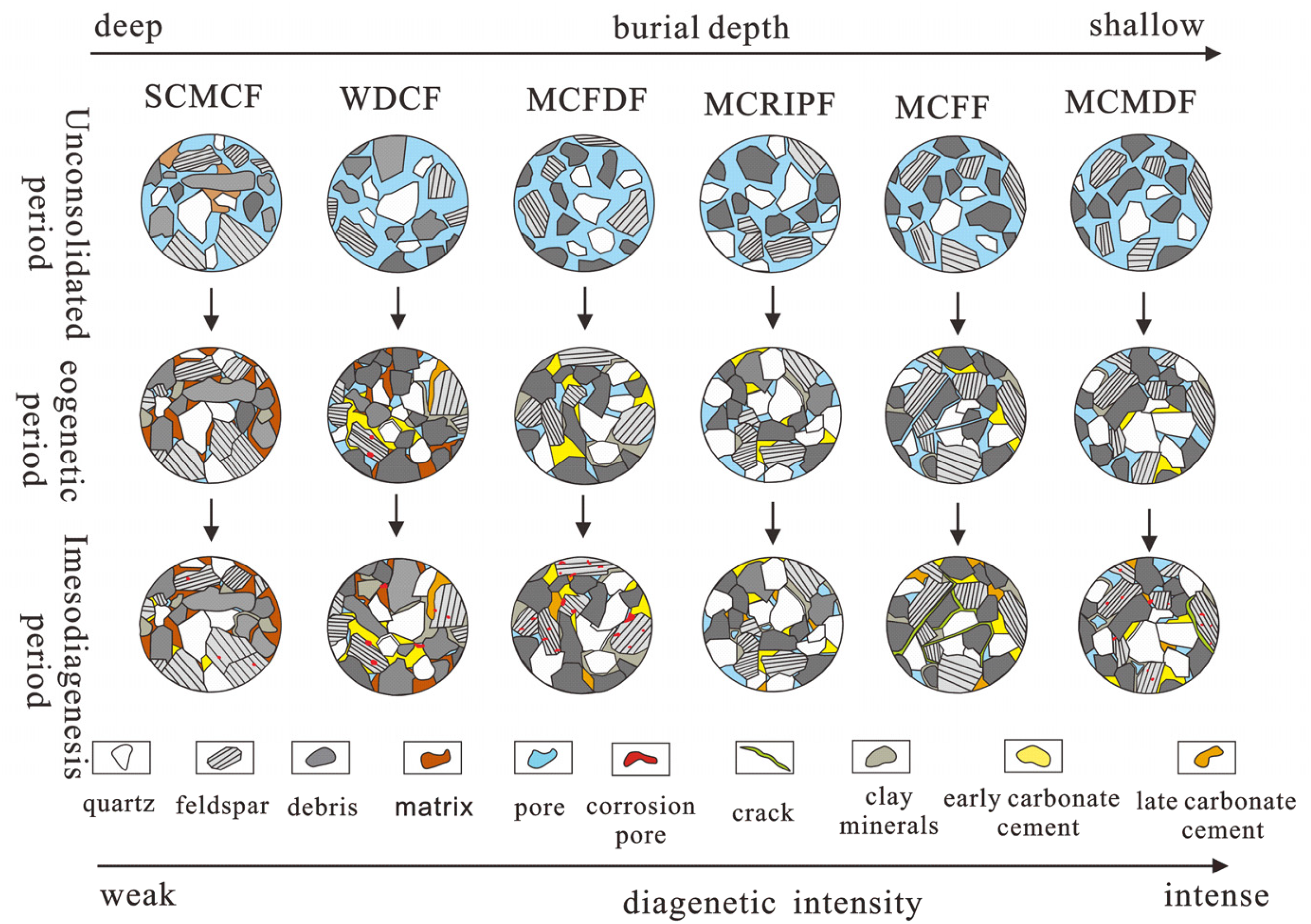
Pore structure evolution model of different diagenetic facies in the Lishu fault depression.
Conclusions
The lower Cretaceous tight sandstone reservoirs within the LFD experienced four primary diagenetic processes: compaction, cementation, dissolution, and metasomatism, indicating the intermediate diagenetic B to late diagenetic stages. The reservoirs are further classified into six distinct diagenetic facies: SCMCF, WDCF, MCFDF, MCRIPF, MCFF, and MCMDF. The diagenetic coefficient and mineral composition are critical determinants of pore structure. An analysis of diagenetic parameters reveals that the diagenetic coefficient and mineral composition are critical determinants of pore structure. Specifically, the SCMCF and WDCF represent unfavorable diagenetic facies. MCFDF and MCRIPF are categorized as moderate diagenetic facies. Conversely, MCFF and MSMDF are considered as favorable diagenetic facies. The pore size distributions across various diagenetic facies exhibit various characteristics. The HPMI results exhibit variability, the SCMCF and WDCF suggest a relatively low degree of reservoir heterogeneity, Conversely, MCFDF, MCRIPF, MCFF, and MCMDF indicative of obvious reservoir heterogeneity and low pore-throat connectivity. The fractal properties of the WDCF, MCFDF, MCRIPF, and MCMDF are obvious, indicating relatively complex pore structures. The pore evolution model with different diagenetic facies can be established. The SCMCF and WDCF show few pores due to the combined effects of extensive compaction, cementation, and minor dissolution. The MCFDF displays a homogeneous distribution of micropores, subjected to significant compaction and cementation processes. The MCRIPF reservoir is distinguished by cementation, resulting in heterogenetic pore structure. The MCMDF reservoir features a variety of pore types and complex pore structures.
Footnotes
Acknowledgements
The authors would like to express their sincere thanks to the editors and reviewers, whose suggestions significantly improved the quality of this article.
Declaration of conflicting interests
The authors declared no potential conflicts of interest with respect to the research, authorship, and/or publication of this article.
Funding
The authors disclosed receipt of the following financial support for the research, authorship, and/or publication of this article: This work was supported by the Sinopec Ministry of Science and Technology Basic Prospective Research Project (grant number No. P22084).