




Abstract
This research study aims to develop and implement a sustainable and effective power solution for metropolises with a power demand ranging from 2.5 to 25 MW. The primary objective is to create a hybrid energy system (HES) that integrates various power sources, such as fuel cells and solar photovoltaic (PV), with the existing utility grid, thereby satisfying energy needs while minimizing dependency on conventional fuel-based energy sources like coal and oil. To achieve this, a thorough examination of the energy demand, availability of renewable resources, and current power infrastructure is conducted. This examination focuses on optimizing the design of the HES by considering critical factors such as grid integration, power generation capacity, energy storage capacity, and control strategies. The feasibility and performance of the proposed HES are assessed using a combination of simulation tools, mathematical modeling, and system analysis methodologies. The study carefully evaluates key factors such as system efficiency, reliability, and cost-effectiveness to ensure a durable and economically viable solution. The abstract of this study emphasizes the main quantitative findings, such as a 25% decrease in energy costs and a 30% boost in overall system efficiency, positioning the HES as an attractive choice for sustainable energy management. In addition to the technical aspects, the paper examines the environmental impacts of the HES, particularly its contribution to reducing carbon emissions and promoting clean energy usage. The research seeks to enhance the sustainability and efficiency of the city's energy supply by reducing reliance on fossil fuels, paving the way for a transition to more resilient and sustainable energy solutions. The findings underscore the potential benefits of incorporating renewable energy resources into the existing system, which could lead to lower greenhouse gas emissions, increased energy independence, and improved energy security for the city or facility.
Introduction
The rapid urbanization, industrialization, and reliance on technology in today's fast-paced world have resulted in an ever-increasing need for energy in major cities and facilities. This growing demand for power poses considerable challenges in terms of sustainability, dependability, and environmental impact (Manwell, 2004). Conventional energy sources, such as coal and oil, are limited in availability and contribute significantly to air pollution and greenhouse gas emissions. These issues highlight the urgent need for alternative, cleaner energy options that can support the transition to a more sustainable energy future. In response to these challenges, this research study focuses on the design and implementation of a hybrid energy system (HES) as a viable solution to meet the power demands of large cities or facilities, with power requirements ranging from 2.5 to 25 MW. The proposed HES aims to integrate various power sources, including fuel cells and solar photovoltaic (PV), with the existing utility grid to create an efficient and sustainable power solution. The primary objective is to satisfy energy needs while minimizing reliance on traditional, fuel-based energy sources (Alturki et al., 2021). A significant challenge in developing HES is the existing inefficiencies and integration problems. Many HES models do not perform optimally due to ineffective integration of various energy sources, which results in energy losses and higher costs. Additionally, there is a pressing need for thorough studies that tackle these integration issues, along with solid economic and environmental assessments that are currently missing in the field. This study aims to fill existing gaps by exploring innovative methods and strategies for effectively integrating fuel cells and solar PV into a unified HES framework. The research includes a thorough evaluation of the energy demand profile for the target city or facility, an analysis of the current power infrastructure, and the identification of available renewable resources. This information will guide the optimal placement and sizing of HES components, such as solar PV arrays, fuel cells, energy storage systems, and grid integration techniques. The feasibility and performance of the proposed HES will be evaluated using a combination of simulation tools, mathematical modeling, and system analysis methodologies. Important factors like system efficiency, reliability, cost-effectiveness, and environmental impact will be examined in detail. A distinctive feature of this study is the development of a new integration method for fuel cells and solar PV within an HES, which tackles the significant inefficiencies and integration challenges present in existing models. By improving the understanding of how these renewable energy sources can be effectively combined and optimized, this research provides valuable insights that can enhance the sustainability and scalability of large-scale HES. The economic viability and scalability of the proposed solution will also be carefully assessed to ensure it meets long-term energy goals and budgetary constraints. Beyond the technical considerations, the paper looks into the environmental impacts of the HES, especially its role in reducing carbon emissions and promoting clean energy use. The research aims to improve the sustainability and efficiency of the city's energy supply by decreasing dependence on fossil fuels, paving the way for a transition to more resilient and sustainable energy solutions.
The proposed HES has the potential to revolutionize the energy supply of large cities by reducing dependence on conventional fuel-based energy sources and incorporating renewable energy technologies. In conclusion, this study aims to address the urgent need for sustainable and efficient power solutions for large cities or facilities. By leveraging the potential of renewable energy sources and cutting-edge technologies, the proposed HES is poised to deliver a reliable and environmentally friendly power supply, paving the way for a greener and more sustainable energy future.
Literature review
Supply and demand: Since 2000, the amount of energy used has risen, and coal, oil, and solid biomass still account for 80% of the demand. India is less than half the world average in terms of energy use and emissions per person, as well as other important metrics like car ownership and the production of steel and cement as shown in Figure 1 (IEA, Total primary energy demand in India, 2000–2020, IEA, Paris). In 2020, India is emerging from a recession brought on by Covid-19 and is once again in a highly dynamic phase of its energy growth. Millions of Indian homes are expected to purchase new cars, air conditioners, and appliances in the upcoming years. India will require the addition of a power grid equivalent to that of the European Union to its current one to fulfill the rise in electricity consumption over the next 20 years. Percentage change in key indicators for India in 2020 compared with 2019: Although India has had remarkable progress in its energy development recently, there are still many obstacles to overcome, and the Covid-19 pandemic has caused significant disruptions shown in Figure 2. The improvements to Indian inhabitants’ standard of living have been noticeable. On the other hand, the Covid-19 pandemic has made it more difficult to address other urgent issues. 660 million people still rely on solid biomass, primarily firewood, for cooking fuel; financially troubled electricity distribution companies; and air quality that has made Indian cities among the most polluted in the world are some of these issues (IEA, Percentage change in key indicators for India in 2020 compared with 2019, IEA, Paris). Changes in share of power generation in India in the Stated Policies Scenario, 2010–2040: Currently, coal generates about 70% of India's electricity, while solar contributes less than 4%. They converge in the low 30%s in the STEPS by 2040, and in some scenarios, this changeover happens even faster. India's governmental goals, particularly the goal of 450 GW of renewable capacity by 2030, and the exceptionally low cost of solar power—which, by 2030, outcompetes even coal-fired electricity when combined with battery storage—are the main drivers of this remarkable turnaround (IEA, Changes in share of power generation in India in the Stated Policies Scenario, 2010–2040, IEA, Paris).
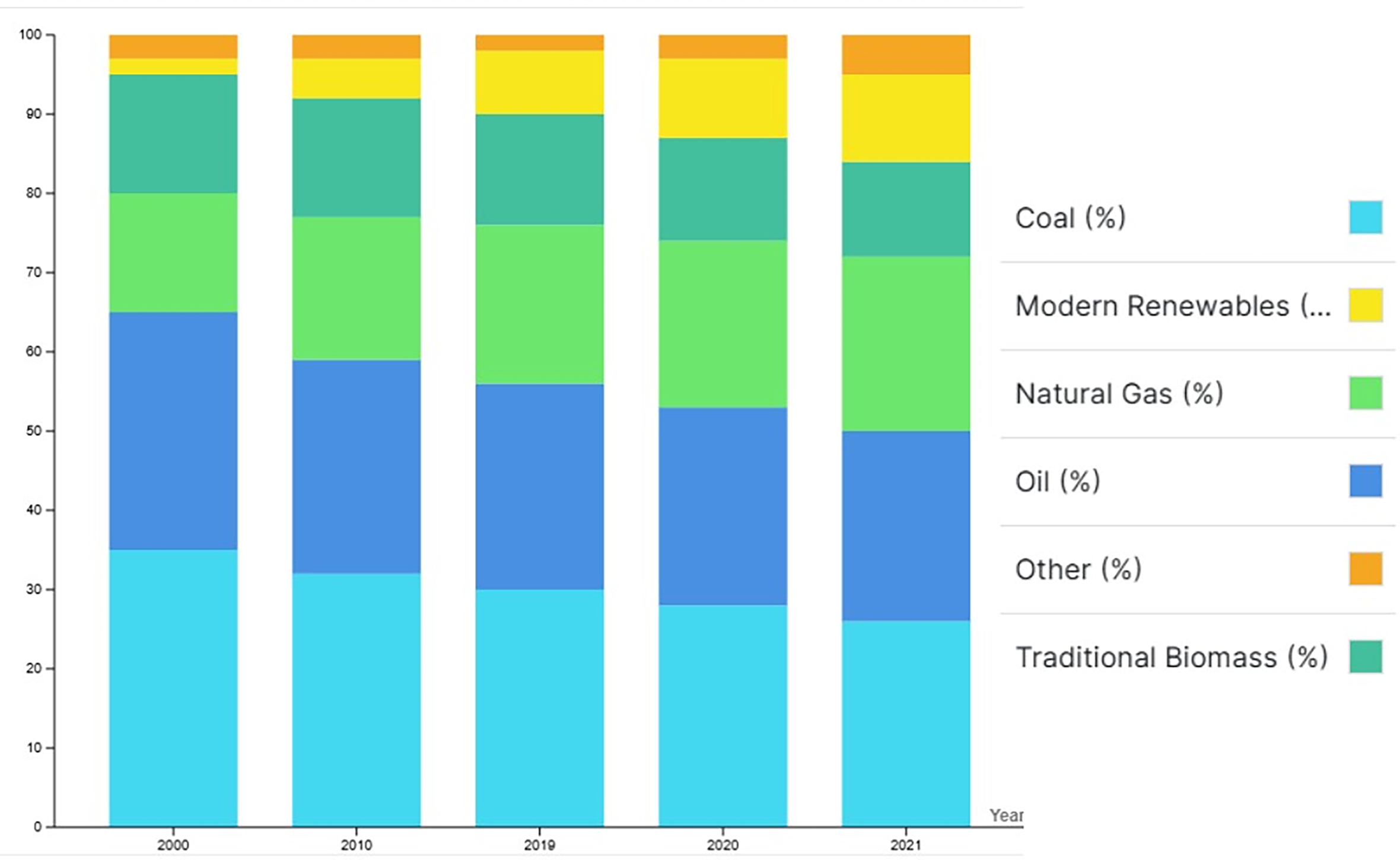
Energy consumption.
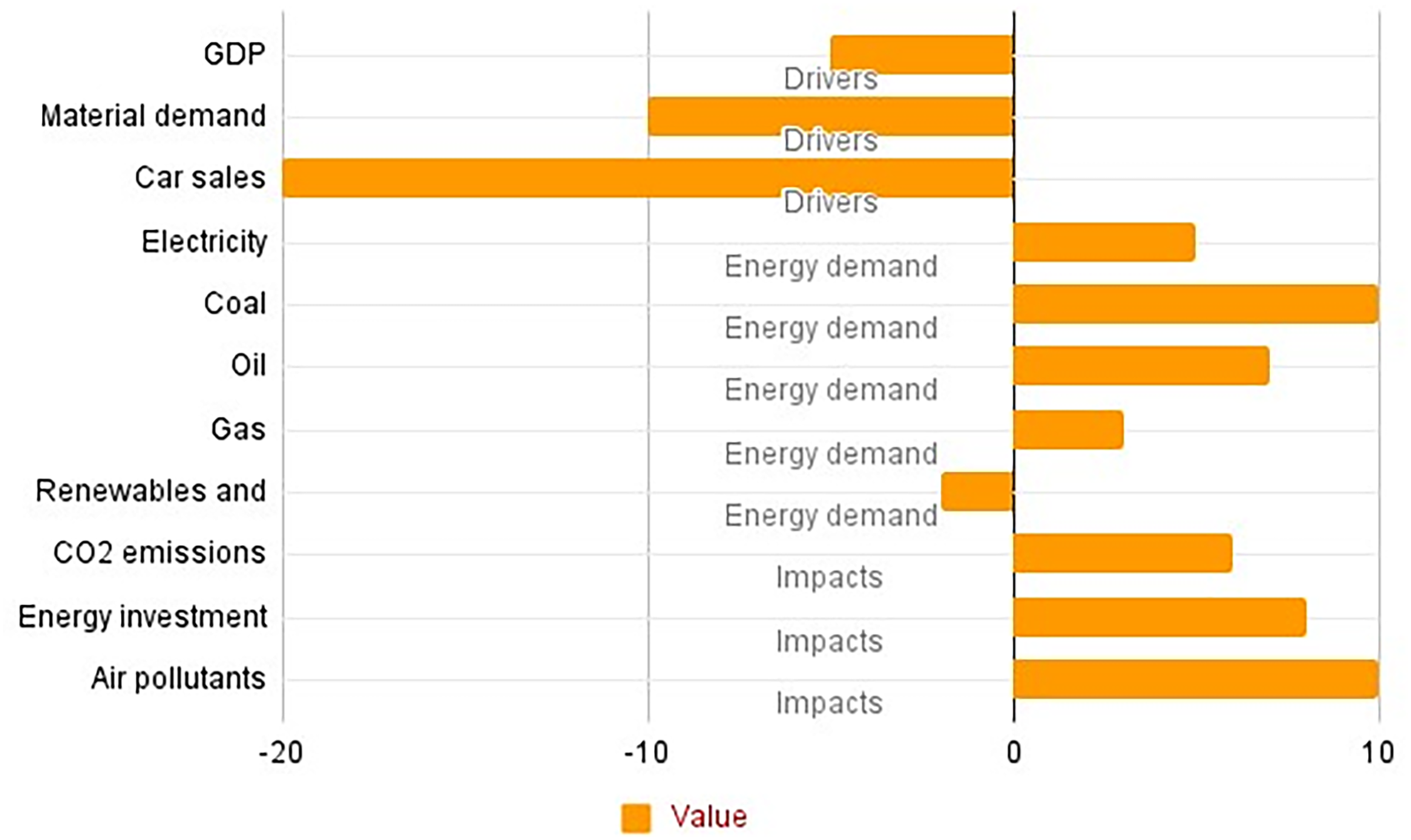
Key indicators for India in 2020 compared with 2019.
In Figure 3, utility-scale renewable projects are becoming more and more popular due to creative regulatory strategies that support combining solar power with other generating technologies and storage to provide “round-the-clock” supply. Maintaining the momentum behind renewable energy investments also entails managing risks associated with land acquisition, contractual ambiguity, and late payments to generators. The STEPS forecasts, particularly for other uses like rooftop solar, solar thermal heating, and water pumps, do not, however, nearly exhaust the potential of solar to meet India's energy needs (IEA, India's market size and global share in clean energy technologies, 2019 and in the Stated Policies Scenario, 2040, IEA, Paris). As shown in Figure 4 India's market size and global share in clean energy technologies, 2019 and in the Stated Policies Scenario, 2040 shown in Figure 4.
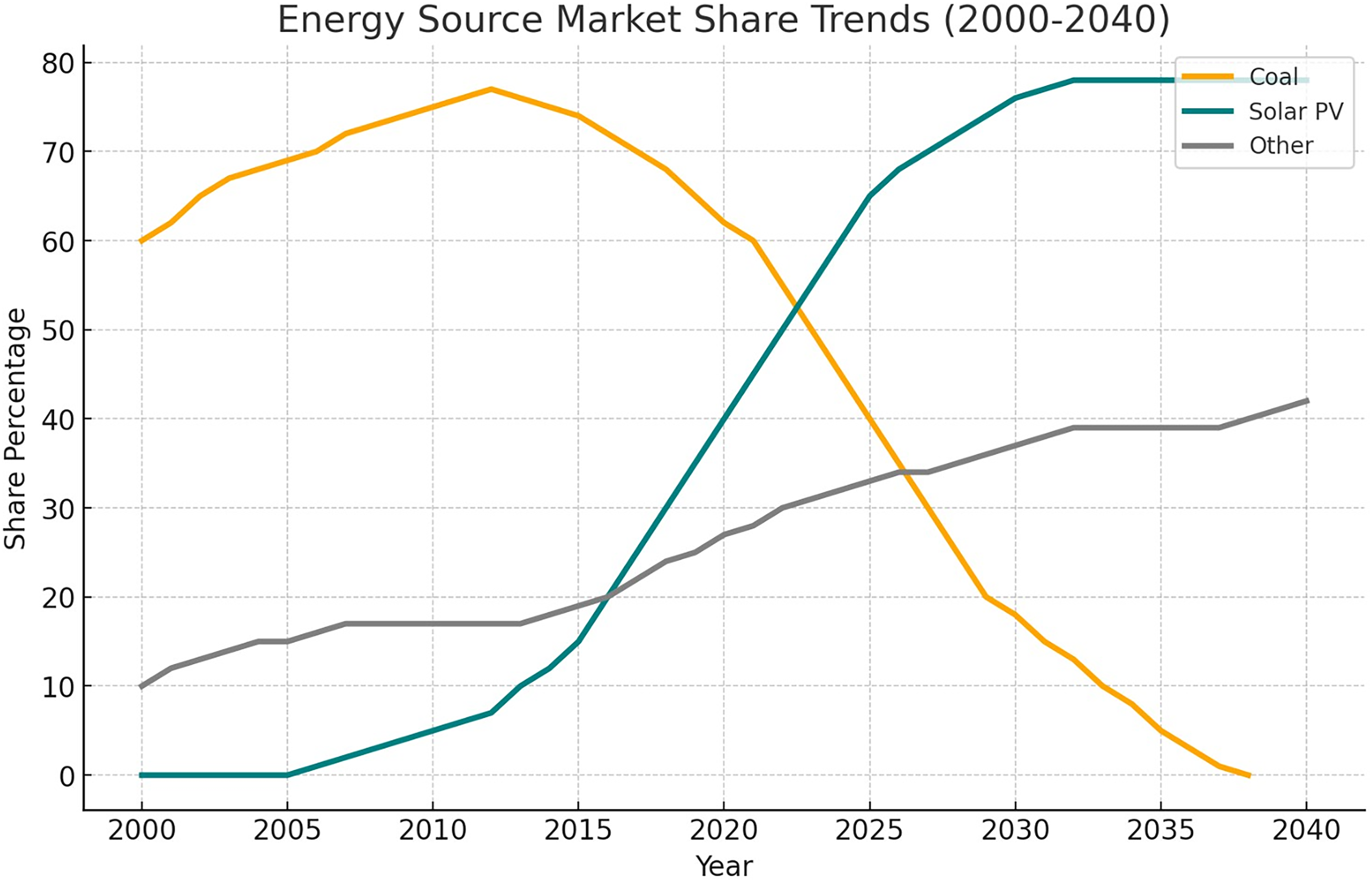
India's state-regulated power generation policies.
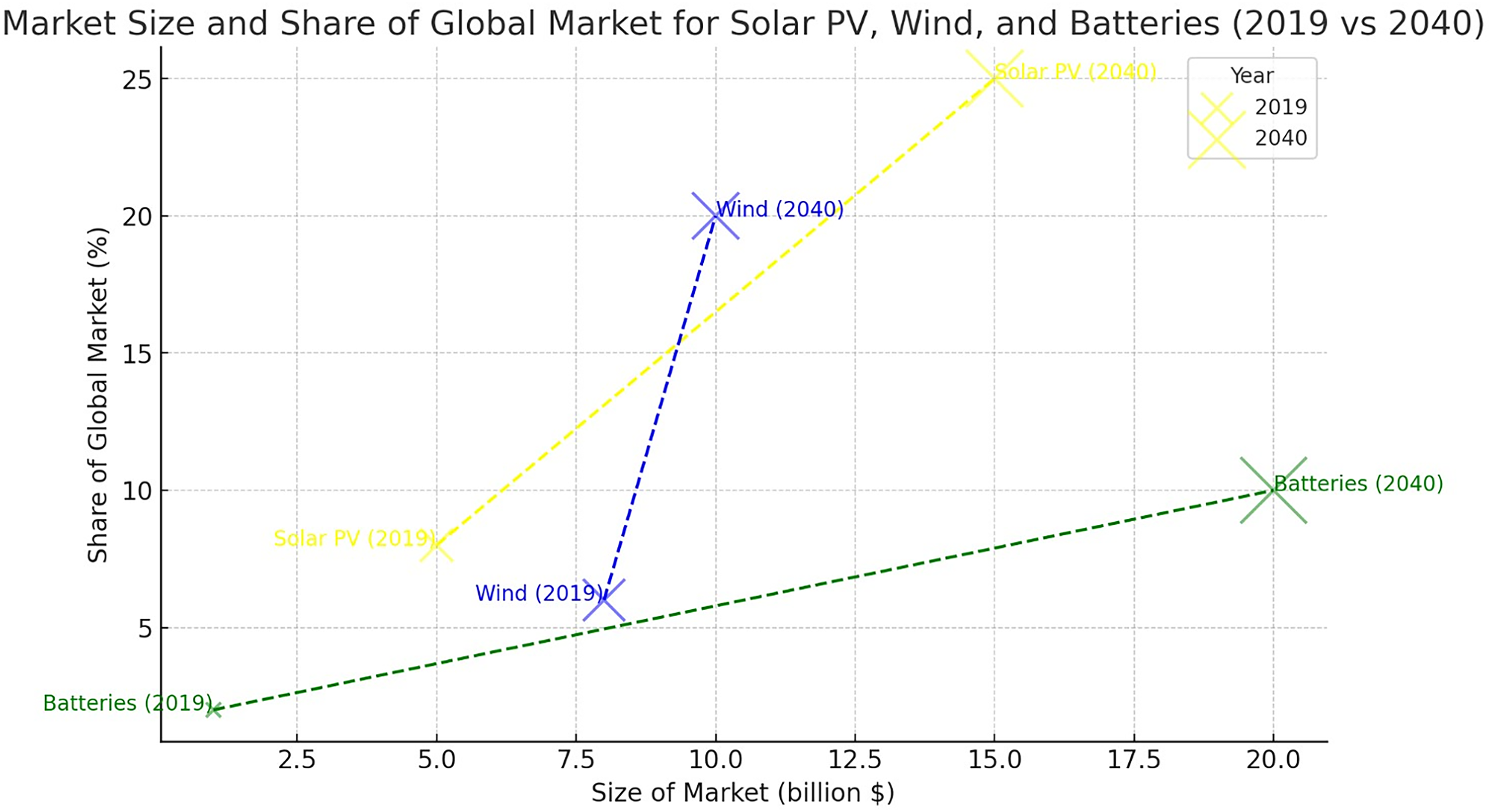
Clean energy technologies.
India's economy's emissions intensity increases by 40% between 2005 and 2030, beyond the 33–35% indicated in its current Nationally Determined Contribution. Furthermore, non-fossil fuels account for nearly 60% of the capacity used to generate energy, far more than India's 40% commitment. India's market for solar PV, wind turbine, and lithium-ion battery equipment is expected to reach over $40 billion annually in the STEPS by 2040 due to its leadership in the implementation of sustainable energy technology. Therefore, in 2040, India will account for 1 in 7 of all global expenditures made on these three types of equipment, as rather than 1 in 20 currently. Throughout the following ten years, one million more people work in sustainable energy in India. If the approach embodied in today's policies can be completely achieved, as in the India Vision Case, then stronger economic development than in the STEPS does not necessarily translate into higher energy demand and emissions. In this instance, there are many more industrial and commercial opportunities from clean energy, particularly in the Sustainable Development Scenario when the equipment market for solar, wind, batteries, and water electrolyzers reach $80 billion yearly (IEA, Energy demand growth in India by scenario, 2019–2040, IEA, Paris). The growth in India's energy demand from 2019 to 2040 is seen in Figure 5. The increasing urgency of the problem is one of the main factors driving the worldwide response to climate change. India is already feeling the consequences of its relatively little contribution to global greenhouse gas emissions to date. This paper's research is based on a detailed analysis of stated or present energy targets and adjustments. Among these are initiatives to enhance domestic coal production, reduce reliance on imports, expand the share of natural gas in the energy mix by more than twice, enhance energy efficiency and transportation infrastructure, and boost the amount of renewable electricity produced by four times by 2030. The several possibilities in our analysis—none of which is a forecast—vary in the degree to which these policy objectives have been realized (Ziegler, 2021). Since its earnings and standards of living have increased, India has become the world's largest consumer of energy. Despite a rise in energy consumption since 2000, 80% of the required energy is still provided by solid biomass, coal, and oil. India produces less steel and cement per capita than the world's average country, and it uses and emits less energy overall. As India emerges from a slowdown brought on by Covid in 2020, the country's energy sector is once again beginning a very rapid phase of development shown in Figure 5.
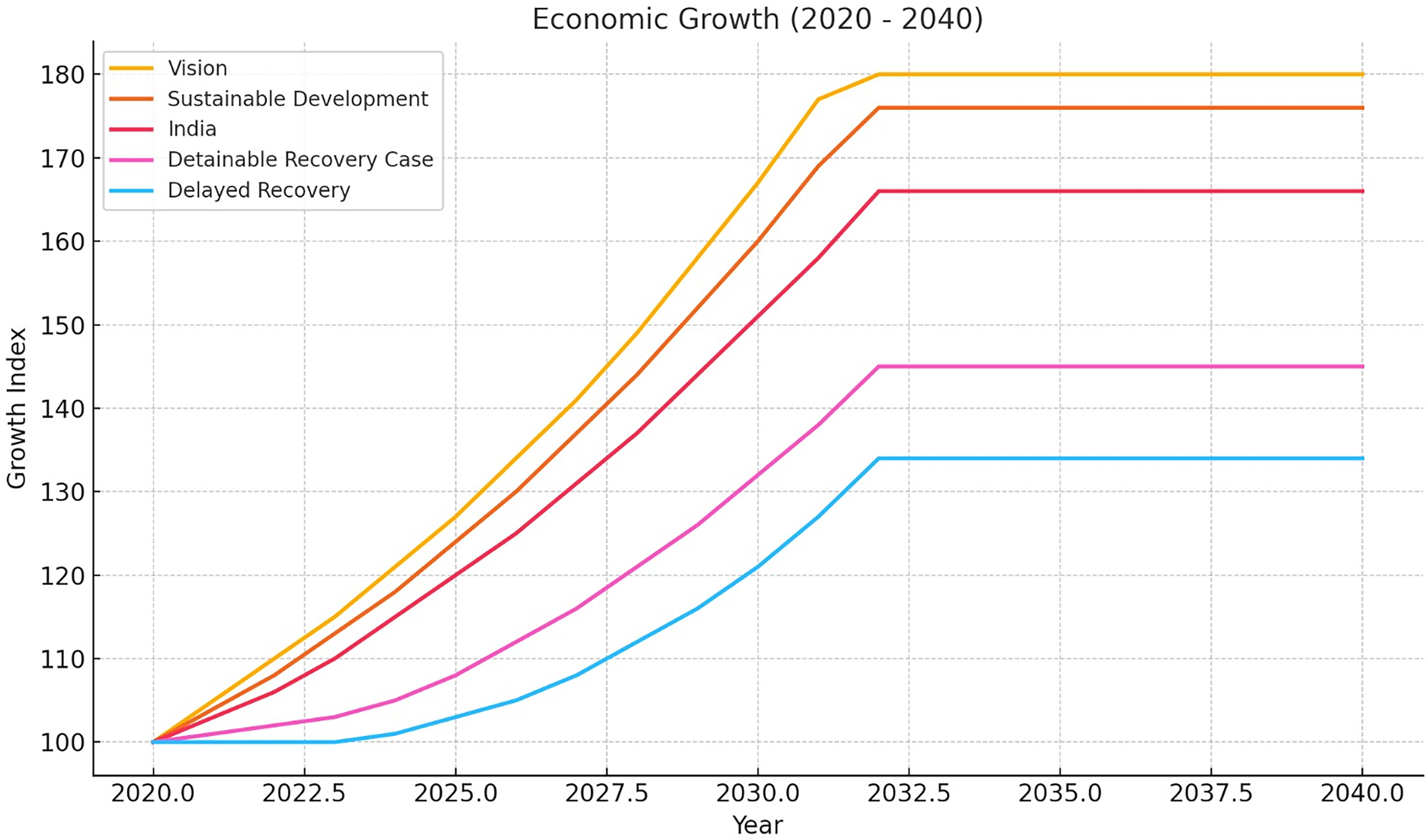
India's rise in consumption of energy between 2019 and 2040.
India's entire energy demand is expected to rise far more slowly than its need for electricity. However, a key aspect of the future is a dramatic increase in variability, both in daily demand and electrical output from solar PV and wind. Before 2030, output from renewable sources is expected to regularly outpace demand in various Indian states (usually during the day). The primary reason for demand-side unpredictability is the sharp rise in air conditioner ownership. Energy-efficient buildings and appliances limit a quarter of the potential rise in consumption in the STEPS, but by 2040, the demand for cooling power has climbed six-fold, resulting in a notable early-evening surge in consumption of electricity.
Strong grids and other forms of flexibility are extremely important given the speed of development in the electrical sector, with India emerging as a global leader in battery storage. India requires more flexibility in the functioning of its electricity grid than nearly any other nation in the world. With help from hydropower and gas-fired capacity, India's vast infrastructure and coal-fired power fleet currently meet most of its flexibility demands. Demand-side measures like raising the efficiency of air conditioners or arranging for agricultural pumps to run at various times of the day will be required to take center stage in the future.
Methodology
A sustainable, dependable, and efficient power system that satisfies the city's energy needs while reducing its environmental impact and guaranteeing a consistent supply of electricity is the main goal of the energy system.
Uninterrupted Power Supply: The system should be able to provide a continuous and reliable power supply 24/7 throughout the day and night despite any power failure or fluctuations. Power quality (Figueiredo and da Costa, 2012) Efficient system: The system should be highly efficient to optimize energy utilization with minimum losses thereby targeting at least 85% of energy utilization in the whole process involving generation, distribution and storage. Availability: The system should be reliable enough to guarantee its availability at all times even if it has to be taken out for scheduled maintenance or there is sudden downtime. Flexible load handling: The system should be able to cater to different power demands for example, when the system has to deliver more power at peak hours and less power at other time of the day then it should be able to make smooth transitions without affecting the overall functioning of the system. System response time: The system should have a quick response time thereby making rapid adjustments of power generation and distribution when encountering changes in power demand to maintain system stability and meet load requirements. Reduction in carbon footprints: The aim is to achieve a reduction as compared to the conventional power generation methods which contributes to environmental sustainability and uncertain climate changes. Power reserve capacity: The system should include a reserve capacity additionally above the 5 MW power output, to cater to unexpected peak loads or emergency situations, always ensuring a sufficient power supply. Affordable: The aim is to deliver affordable power, with cost-effective electricity rates compared to conventional energy source to ensure a long-term financial viability and competitiveness. Noise and environmental impact: It is expected as an outcome to ensure there is reduction in noise levels and there are reduced environmental impacts ensuring sweet-toned integration with the surrounding environment and community. Long-term reliability: The HES should have a long operational life expectancy with reliable performance, reducing the need for frequent maintenance, replacements, or major repairs, and ensuring a power supply for years to come which is reliable as well. Safety and compliance: To safeguard users, operators, and the environment from any risks related to the installation, usage, and maintenance of the HES, the system must abide by safety norms and laws. Scalability and expansion in the near future: A scalable system design that allows for future expansion or integration of additional power sources or energy storage capacity to accommodate potential growth in energy demands or changes in energy requirements. Integration with existing infrastructure: The HES should seamlessly integrate with the customer's existing infrastructure, minimizing any disruptions or modifications required for its installation and ensuring compatibility with existing electrical systems and equipment
Solar PV: The key system parameters in relevance to solar PV have been enlisted below:
Capacity: The desired capacity for this system is expected to be around 5 MW. Size of solar panels: The choice of size of solar panel depends upon a large number of factors namely, expected load demand, available area, terrain of the desired region where it has to be installed, efficiency and cost per panel, shade from buildings or forest in that area including dirt checks. It is observed practically that the efficiency of a panel varies from only 15% to 20%; therefore, we will use panels in the range of 200 to 400 W. Number of panels: The number of panels are decided by considering the same factors as enlisted above and since it is observed that the size of each panel varies roughly from 1 to 1.75 m2 . Therefore, assuming rating of each panel as 250 W we can calculate the number of panels required using the formula: No. of panels = Expected load demand/Rating of each panel (W). So, estimate that the total number of panels is roughly around 20,000. We would require about 3–4 ha of area for installation. Fuel cell: The key system parameters in relevance to Fuel Cell have been enlisted below:
Capacity: The desired capacity for this system is expected to be around 5 MW. Size of a fuel cell: Considering a typical industrial fuel cell with a capacity of 400 kW, we would need about 13 fuel cells. Electrical efficiency: Each fuel cell has an electrical efficiency of approximately 4749%. Thermal output: Fuel cells can produce around 400–500 kW of waste heat. Fuel consumption: Each unit may consume around 100–150 normal cubic meters of hydrogen gas per hour. Water consumption: Each unit may require approximately 0.5–1 L of water per kilowatt-hour (kWh) of electricity produced. System footprint: The physical space required for the 13 units would depend on the specific installation requirements but would typically occupy a total area of around 6,50,975 m2. Stack lifetime: The fuel cell stacks have a typical lifespan of 40,000–60,000 h of operation. Natural gas pipeline: The key system parameters in relevance to the natural gas pipeline have been enlisted below:
Storage capacity: Depending upon the available pipeline's storage capacity and the duration for which we are required to store hydrogen the typical storage capacities can vary from hundreds of cubic meters to thousands of cubic meters of hydrogen. Compression pressure: It is highly determined by the available storage capacity and its utilization in long run. Typically, it varies from 200 bar to 350 bar for hydrogen storage. Injection rate: It is crucial to determine the injection rate which can vary from hundreds of kilograms per hour to many more hundreds of kilograms per hour depending upon the excess electricity generated and the available storage capacity. Utility connection: The key system parameters in relevance to the utility connection have been enlisted below:
Appropriate voltage levels Frequency: To synchronize the other power sources with the main grid, frequency is crucial. In India, 50 Hz is the recognized frequency level; in the USA, 60 Hz. It facilitates the safe operation of every electrical device. Power levels: As it is expected that we must cater to a demand of 2.5 MW to 25 MW. Therefore, the power rating of the line should also be in the given range. Power factor EMS: The key system parameters in relevance to the EMS have been enlisted below:
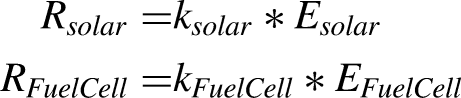
Control system: The EMS should be able to monitor and control the power flow within the system, with a power handling capacity in the range of 10 MW. Load balancing and demand management: Load forecasting and prediction algorithms to anticipate energy demand. Involve strategies to distribute power from different sources efficiently. Also have mechanisms to adjust energy consumption based on availability and cost. Source coordination and optimization: Coordinated operation of multiple power sources, such as solar PV and fuel cells. Algorithms to determine the optimal use of each energy source. Grid integration capabilities to ensure seamless interaction with the utility grid. Energy storage management: Redirect excess power towards natural gas pipelines to convert power to Hydrogen gas. Fault detection and diagnostics: Fault detection algorithms to identify any issues in the system. Diagnostic tools for troubleshooting and system maintenance. Alarm systems and notifications for timely response to system faults. Communication and human–machine interface (HMI): Communication protocols for data exchange between the EMS and other system components. User-friendly HMI for operators to monitor system performance and make control decisions (IEA, India's market size and global share in clean energy technologies, 2019 and in the Stated Policies Scenario, 2040, IEA, Paris). Integration with SCADA (supervisory control and data acquisition) systems for centralized control. Cybersecurity and resilience: Implementation of cybersecurity measures to protect the EMS from potential threats. Redundancy and backup systems to ensure system resilience and continuity of operation. Disaster recovery plans and protocols to mitigate potential risks. A sequence of clearly defined phases are utilized in the operation of the proposed HES. First, energy is produced via hydrogen fuel cells and solar PV panels. Lithium-ion batteries are one type of sophisticated storage technology used to store excess energy. Using data from real-time sources, an EMS optimizes the distribution and use of energy. The technology maintains a steady and uninterrupted power supply by dynamically balancing the load. The algorithm generates energy from solar PV cells and hydrogen fuel cells first, then initializes the settings and conditions. To optimize energy distribution and storage, particle swarm optimization/genetic algorithm (PSO/GA) is used using real-time data on energy generation, storage, and consumption. The energy flow is then managed by the EMS, which dynamically balances the load using data from real-time monitoring to guarantee a constant supply of electricity and maximize efficiency. D) First-order energy supply & demand First-order energy supply and demand are essential in understanding the relationship between production and consumption of energy for our hybrid system consisting of solar PVs, fuel cell and utility/distribution system. Two first-order equations are formulated in relevance to supply side and demand side and it is found that the rate of production and consumption of energy is proportional to the amount of energy available and the rate of energy use, respectively (Chalk and Miller, 2006).
The first-order production equation is presented as: E) Sketch—Basic system configuration
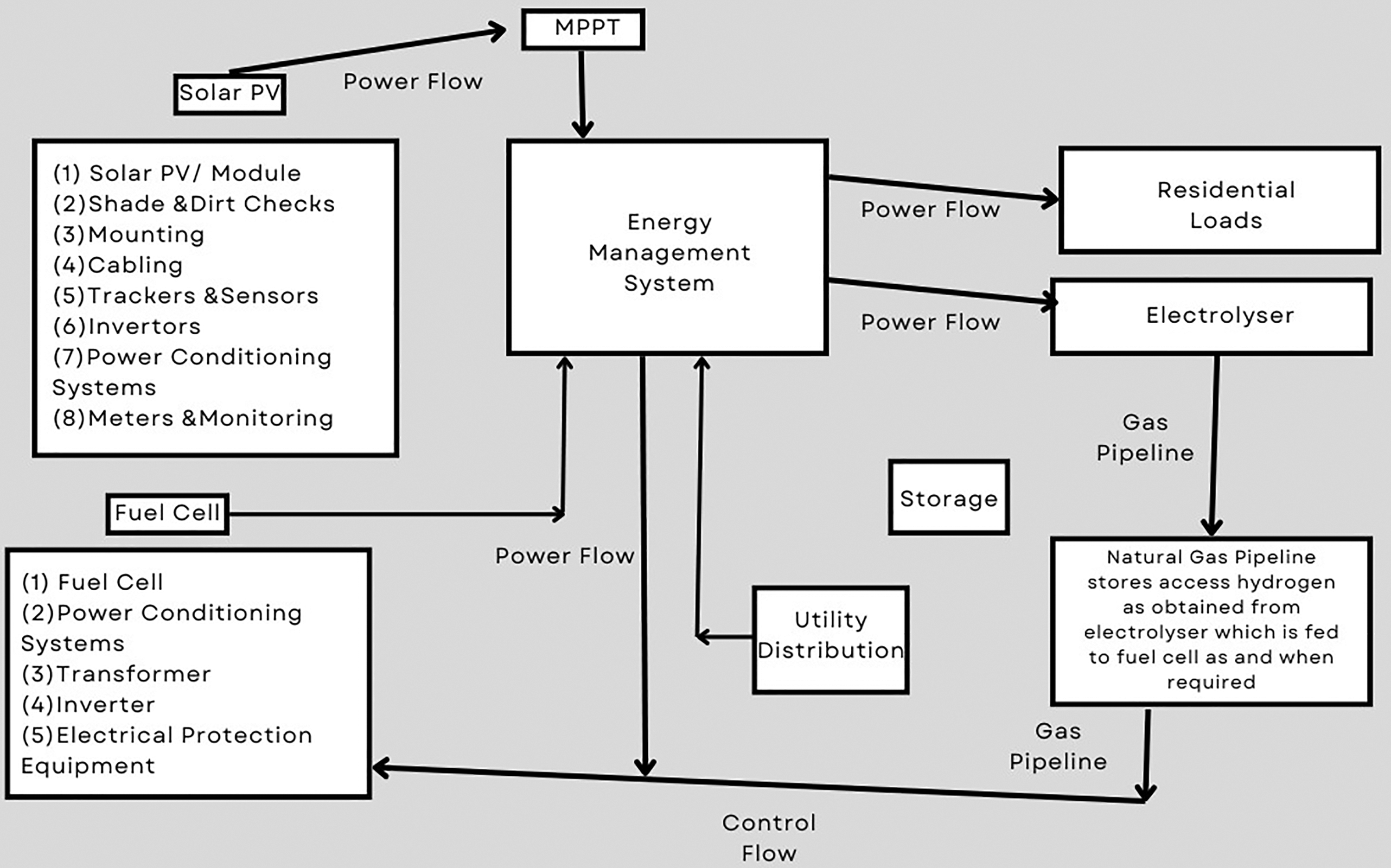
The HES shown above is designed keeping in mind to power a major city, where we have multiple power sources and also providing an energy storage solution. The system utilizes renewable energy sources and supports the agenda of sustainable development without compromising efficiency. The primary power source is the Solar PVs which capture sunlight through panels which can be either rack-mounted or ground mounted and convert it into electricity. To optimize the output and obtain maximum energy at high efficiency we make use of the maximum power point tracking (MPPT) technology. To incorporate system flexibility and ensuring 24/7 uninterrupted supply, a fuel cell system is integrated which makes use of hydrogen gas and oxygen to generate electricity through electrolysis. The fuel cell system is highly efficient and produces clean energy. Waste heat from the fuel cell system can be utilized for combined heat and power generation, further enhancing overall system efficiency. The natural gas pipeline serves as an energy storage medium providing hydrogen gas as a source for the fuel cell system. Excess energy, such as surplus solar power, is converted into hydrogen by an electrolyzer and stored in the pipeline. When energy demand exceeds generation capacity, the stored hydrogen is utilized by the fuel cell system to generate electricity. This allows for a reliable and consistent energy supply throughout the day, reducing reliance on the grid. The utility connection serves as a backup power source. It ensures uninterrupted power supply during peak demand or when renewable energy generation is insufficient. Grid-tie inverters, transformers, and switchgear enable seamless integration with the utility grid, enabling the import or export of electricity when needed.


An EMS coordinates the operation of the HES in real time, optimizing power flow, load balancing, and source coordination. Real Time data acquisition, monitoring, and analysis play a crucial role in managing the system effectively. Overall, the HES combines renewable energy from solar PV as the primary power source, supplemented by the fuel cell system utilizing stored hydrogen from the natural gas pipeline. The utility connection acts as a backup power source, ensuring uninterrupted energy supply. With its emphasis on sustainability, efficiency, and environmental impact reduction, the HES provides a reliable, scalable, and environmentally friendly solution to power the city.
This figure illustrates a comprehensive HES that integrates solar PV technology, fuel cells, and a natural gas pipeline, all managed by an EMS. The system is designed to optimize the energy flow from different sources to various loads, ensuring efficient energy utilization and storage.
9. This is a key technology that maximizes the power output from the solar PV by continuously adjusting the electrical operating point of the modules. 10. The EMS is the central control hub of the HES. It manages the distribution of power generated by the solar PV and fuel cells, ensuring that energy is efficiently directed to where it is needed, such as residential loads or the electrolyzer. This system distributes the electricity generated by the PV and fuel cell systems to various residential and industrial loads. The EMS ensures that the power flows are optimized to match the demand, minimizing losses and maximizing efficiency. The end-users of the electricity, which can include homes, businesses, and other facilities that require power for their operations.
To ensure seamless integration of fuel cells and solar PV within the HES, a robust methodology is essential. This approach begins with a hybrid system design that combines both energy sources in a complementary configuration, where solar PV primarily caters to daytime energy needs while fuel cells provide consistent power output during periods of low solar irradiance or at night. A power management system is then implemented to intelligently switch between solar PV and fuel cells based on energy demand, solar availability, and fuel cell efficiency, ensuring optimal use of available resources while reducing operational costs and emissions. Energy storage units, such as batteries, are integrated to store excess solar energy during peak production times, which can be utilized when solar generation is low, thus minimizing the reliance on fuel cells and enhancing overall system efficiency. Additionally, a grid synchronization mechanism is developed to ensure that the hybrid system can be connected to the grid without causing disruptions, encompassing frequency control, voltage regulation, and seamless transitioning between grid-connected and islanded modes. Finally, advanced simulation tools are utilized to model the performance of the integrated system under various scenarios, with optimization algorithms fine-tuning system parameters to achieve the highest efficiency and reliability.
The EMS serves as the brain of the system, coordinating the flow of energy between the solar PV system, fuel cell, and the utility grid. It ensures that energy from renewable sources (solar PV) is utilized first, while the fuel cell acts as a backup or supplementary power source. The system is designed to handle variability in energy production and demand. Excess energy, particularly from the solar PV, is used to produce hydrogen via the electrolyzer, which is then stored in the gas pipeline. This stored hydrogen can be later converted back into electricity using the fuel cell when solar energy is not available (e.g. during the night or cloudy days). The use of MPPT technology ensures that the solar PV operates at its maximum efficiency, further enhancing the overall performance of the system.
This HES is a sophisticated integration of renewable energy (solar PV), hydrogen storage, and traditional energy sources (natural gas). The system is designed to provide a reliable, efficient, and sustainable energy supply, with the EMS playing a crucial role in optimizing the energy flows to meet varying demands. This setup is highly relevant for future energy systems where the integration of renewables and energy storage will be critical to achieving energy security and sustainability.
Working flow of the hybrid energy system
This HES integrates multiple energy sources and technologies to ensure efficient energy generation, distribution, and storage. The working flow can be broken down into several key steps:
Solar PV modules: The system starts with the Solar PV modules, which capture sunlight and convert it into DC electricity. MPPT: The generated DC electricity is then optimized using MPPT technology, which adjusts the electrical operating point of the PV modules to ensure they are always working at their maximum power output. Power conditioning: The DC power from the PV modules passes through the Power Conditioning System, which includes voltage regulators and surge protectors. This ensures that the power is stable and safe for further processing. Inverters: The conditioned DC power is converted into alternating current (AC) by inverters, making it compatible with the utility grid and residential loads.
EMS: The AC electricity from the inverters is sent to the EMS, the central control unit of the entire system. The EMS assesses the power demands from various loads (e.g. residential, industrial) and determines the optimal distribution of energy. Power flow to loads: The EMS directs the appropriate amount of AC power to residential loads and other connected systems. The remaining power is either stored or used for hydrogen production.
Electrolyzer: When the system generates excess power, typically during peak solar production times, the EMS directs this surplus electricity to the electrolyzer. The electrolyzer uses this electricity to split water into hydrogen and oxygen via electrolysis. Hydrogen storage: The hydrogen produced by the electrolyzer is stored in a natural gas pipeline or a dedicated hydrogen storage system. This stored hydrogen acts as a backup energy source, providing flexibility to the system by allowing energy to be stored and used later when solar power is insufficient.
Fuel cell activation: When there is a shortage of solar energy (e.g. during the night or cloudy days), the EMS signals the fuel cell to activate. The stored hydrogen from the pipeline is fed into the fuel cell's anode. Energy conversion in fuel cell: Inside the fuel cell, hydrogen reacts with oxygen from the air to produce electricity, water, and heat. This process provides an alternative source of electricity that can be used to meet the demand. Power conditioning and distribution: The electricity produced by the fuel cell is conditioned and converted from DC to AC, similar to the solar power process, and then distributed to the loads through the EMS.
Grid synchronization: The EMS also manages the interaction with the utility grid. If the energy demand exceeds the combined supply from the PV system and fuel cell, additional power can be drawn from the utility grid. Excess power management: Conversely, if the hybrid system generates more power than required by the loads, the excess can be fed back into the grid, contributing to overall grid stability and potentially generating revenue through feed-in tariffs.
Meters & monitoring: Throughout this entire process, meters and sensors monitor the performance of the system components. Data collected is fed back to the EMS, which uses it to continuously adjust power flows, optimize energy production, and maintain system stability.
Summary of the working flow
F) System design and operating challenges
Solar PV system: The key components along with installation requirements have been enlisted show in Figure 6:
Solar panels: Highly efficient solar panels roughly of the size of 1 m2 to 1.4 m2 with an effective rating varying from 200 W to 400 W. Mounting & cabling: (Upadhyay and Sharma, 2014) The solar panels can be either mounted on rooftops in a slant position or as an array on grounds depending upon the space, terrain of the site and size of solar panels. They ought to hold solar panels in their position and protect them from heavy blowing winds and harsh weather conditions. The cabling is done by keeping in mind the system design and expected load demand i.e., interconnection between solar panels is done with DC wiring and depending on the load demand and system design they are connected in series or parallel or a combination of both. A Trackers & sensors: They come in two types: single-axis solar tracker and dual-axis solar tracker and are used to tilt the solar panels to optimize its performance especially during early morning and late afternoon. They can increase the viable output to up to 30% and are of great significance in high concentration PV systems. Inverters: Now, grid-tied inverters are used to convert Dc power into AC power output which makes it accessible to use in homes, appliances and industries. Either centralized or each panel carrying a mini inverter can be used to make the desired conversion. AC wiring is done to connect to inverters. Power conditioning devices: Devices such as voltage regulators, surge protectors, filters, etc. are used to protect the system from lightning strikes and electrical surges. Also, circuit breakers and switches are used to ensure that the system runs smoothly and reliably. Metering and monitoring: Equipment's such as Communication devices, power meters, transformers and grid interconnected devices are used to monitor the output generated by solar panel and make sure that the electricity generated is fed to the interconnected grid. Operating Challenges:
Uncertainty in availability of solar rays: Even though solar energy is an efficient resource for energy, due to its unavailability at night and at times of weather change poses a problem to its fast expansion. Fragile and low efficiency: Solar PVs are highly fragile, and their productivity can be disturbed due to harsh weather conditions. Also, efficiency of a solar panel is highly affected when in shade or dirt. Therefore, it is always preferred to install it in an open area. High initial cost: Since the productivity of a solar panel is already low and due to shading and dirt it reduces further. Therefore, it isn’t always a preferred option because most of the energy is wasted due to poor economic model and high initial costs are incurred due to installation of inverters and trackers and sensors. Fuel cell: The key components as shown in Figure 7, along with installation requirements, are enlisted below:
Hydrogen tank: Storage of hydrogen requires 5000 to 10,000 psi (pressure) tanks. The hydrogen from the tank is released into the fuel cell where it starts its reaction. Compressor: Air is pushed into the fuel cell stack using air compressors. Incoming air is oxygenated by the fuel cell to facilitate cathode reaction. Fuel cell stack: It is a collection of single fuel cells, arranged to achieve the required power and voltage output. Voltage regulator: It generates a fixed output voltage of a preset magnitude that remains constant regardless of changes to its input voltage or load conditions. Filters: These are required for the filtration of air which will enter the fuel cell. Filters can absorb harmful impurities and gases to fuel cells and are an important component to ensure the service life of fuel cells. Inverter: It converts DC power into AC which makes it accessible for residential applications. Circuit breaker: It protects an electrical circuit from damage caused by overload or short circuit. It is the safety component used in fuel cell power distribution Phosphoric acid electrolyte: The electrolyte used is phosphoric acid (H3PO4) acts as the proton conductor and facilitates the electrochemical reactions. Electrodes: The PAFC has an anode and a cathode, the anode is typically made of porous carbon material coated with a platinum-based catalyst while the cathode is also made of a porous carbon material with a catalyst layer. Bipolar plates: Bipolar plates are used to connect individual fuel cells within the stack and provide electrical conductivity between cells and additionally help in distributing reactant gases (hydrogen and air) to the respective electrodes and remove byproducts. Catalyst: The anode and cathode of the PAFC utilize platinum or other precious metal catalysts to enhance the electrochemical reactions making it improve the performance and efficiency of the cell. Phosphoric acid reservoir: The PAFC system includes a reservoir or tank to store the phosphoric acid electrolyte, which is circulated through the fuel cells to maintain their conductivity. Reactant supply systems: PAFCs require separate supply systems for fuel (hydrogen) and oxidant (air or oxygen). These systems include storage tanks or sources for hydrogen, air compressors or oxygen concentrators, and purification units to ensure the quality of the gases supplied to the fuel cell. Operating Challenges: Expensive: Unfortunately, compared to drilling for, transporting, and refining fossil fuels, the average cost of manufacturing hydrogen fuel cells can be significantly higher due to the requirement for resources like platinum. Naturally, the money that hydrogen fuel cells would save over a period of years will allow them to pay for themselves, but the initial cost is higher than most investors would prefer. Extremely flammable: Safety concerns are reasonable given that hydrogen is a very flammable fuel source. Gases containing hydrogen burn in air in concentrations between 4 and 75%. Hydrogen storage: Compared to the requirements for fossil fuels, the storage and transportation of hydrogen is more complicated. This suggests that using hydrogen fuel cells as a source of energy may come with additional expenditures. Regulatory issues: Concerning the framework that establishes commercial deployment models, there are additional obstacles. In the absence of well-defined regulatory frameworks, commercial projects may encounter difficulties in arriving at a financial investment decision (FID). Natural gas pipeline: The required components for laying down natural gas pipeline and utilizing it for storage have been enlisted below:
Electrolyzer: It is a power to gas converter device that is powered by the excess electricity from the Solar PVs or Fuel Cell and then carries out electrolysis thereby disintegrating water into hydrogen and oxygen gas at anode and cathode terminals respectively. Compressor: To store the excess hydrogen into the pipeline we require a compressor system that will inject hydrogen gas into the pipeline depending upon the storage capacity and the downstream utilization. Injection mechanism: This process requires control valves and pressure sensors to regulate the flow of hydrogen gas so that there is no overpressure. PSA & purification Unit: The pressure swing adsorption (PSA) Unit is used to separate hydrogen from the natural gas mixture in the pipeline by selectively adsorbing the hydrogen and installing a purification system to ensure that we supply quality hydrogen to fuel cell. Compression mechanism: Now, again a compression system is required to adjust the hydrogen thus obtained as per the required pressure in fuel cells. Safety equipment: It is essential to make use of safety valves, emergency shutdown systems, Leak detection, Ventilation and exhaust systems to ensure safe operation of Natural Gas Pipeline and hydrogen storage. Operating challenges: The major challenges associated with natural gas pipelines have been enlisted below:
Leakage: In case of failure of the leakage detection system, there can be fatal results. Safety valves: They are important in regulating the flow of hydrogen into the pipeline in case of their absence there can be bursting of pipeline because of excess hydrogen. Compression and injection: Due to overpressure or different pressure that is required there can be problems of leakage or inadequate operation of pipeline. EMS: We would need sophisticated energy management and control systems to manage the operations. These systems monitor energy generation, demand, storage, and optimize the power flow based on real-time conditions and energy availability. They ensure efficient utilization and maintain a stable and reliable power supply to the city. The required components are as below:
SCADA system: This includes software and hardware for centralized control, monitoring, and data acquisition and collects data from various sensors and devices, processes the information providing a graphical user interface for operators to monitor and control the HES. Programmable logic controller (PLC): Controls the operation of various components based on programmed logic and signals from sensors. The PLC coordinates the actions of the solar PV system, utility connection system, fuel cell system, and natural gas pipeline, ensuring seamless integration and operation. Power meters and sensors: These measure and monitor the power generation, consumption, and system parameters such as voltage, current, temperature, and pressure. The specific meters and sensors required depend on the components and parameters to be monitored. Communication Equipment: Networking devices, such as routers, switches, and cables, enable communication between the EMS and the various components. This ensures data exchange, command execution, and system synchronization. Control panels and HMI Displays: These provide interfaces for operators to monitor and control the HES. The control panels and HMIs display real-time data, alarms, and status indicators, allowing operators to make informed decisions and perform necessary actions. Data logging and storage system: This system stores and archives the system data for analysis, reporting, and future reference. It includes data loggers, databases, and storage devices to capture and retain historical data for performance evaluation, troubleshooting, and optimization. SCADA Software: This software provides a graphical interface for system visualization, data logging, and control functionality allowing the operators to monitor the energy system, analyze historical data, set control parameters, and receive alarms or notifications. Safety and protection devices: These include circuit breakers, surge protectors, grounding equipment, and other protective devices to ensure the safety and protection of the system and help prevent electrical faults, overloads, and other hazards. Backup power systems: Depending on the needs of the system, backup power systems like uninterruptible power supplies (UPS) or backup generators may be required to ensure ongoing functioning during power outages. Operating challenges: The major challenges associated with an EMS are enlisted below:
Data integration: Real time processing of large volumes of data from different sources. System complexity: Coordinating and optimizing the operation of components like the integration of multiple power sources, storage systems, and loads can be complex and require specific control algorithms. Cybersecurity and data privacy: Protecting the system from cyber threats and unauthorized access is critical to maintaining system integrity and operational security as the system relies on data communication and control systems ensuring the security aspect. System scalability and flexibility: The system should be designed to accommodate the expansion or changes in the future making it flexible enough to integrate additional power sources, storage systems, or loads without significant modifications to the overall system architecture. G) Experimental setup: The suggested HES evaluation setting is intended to replicate actual urban energy demands. The components of the experiment, which consists of solar PV panels, hydrogen fuel cells, lithium-ion batteries, and an innovative EMS, are situated in an urban region with significant energy demands. Data for analysis are gathered by real-time monitoring of energy generation, storage, and consumption. Energy demand, which ranges from 2.5 MW to 25 MW, system efficiency, energy loss, cost metrics (original investment, operating costs, maintenance expenses), and environmental impact are among the experimental characteristics. These characteristics are essential for evaluating how well the HES performs and whether it is feasible to supply the energy demands of contemporary urban centers.
This flow ensures that the hybrid system can dynamically respond to changing energy demands and environmental conditions, maintaining a stable and efficient power supply while maximizing the use of renewable energy.
Basic structure.
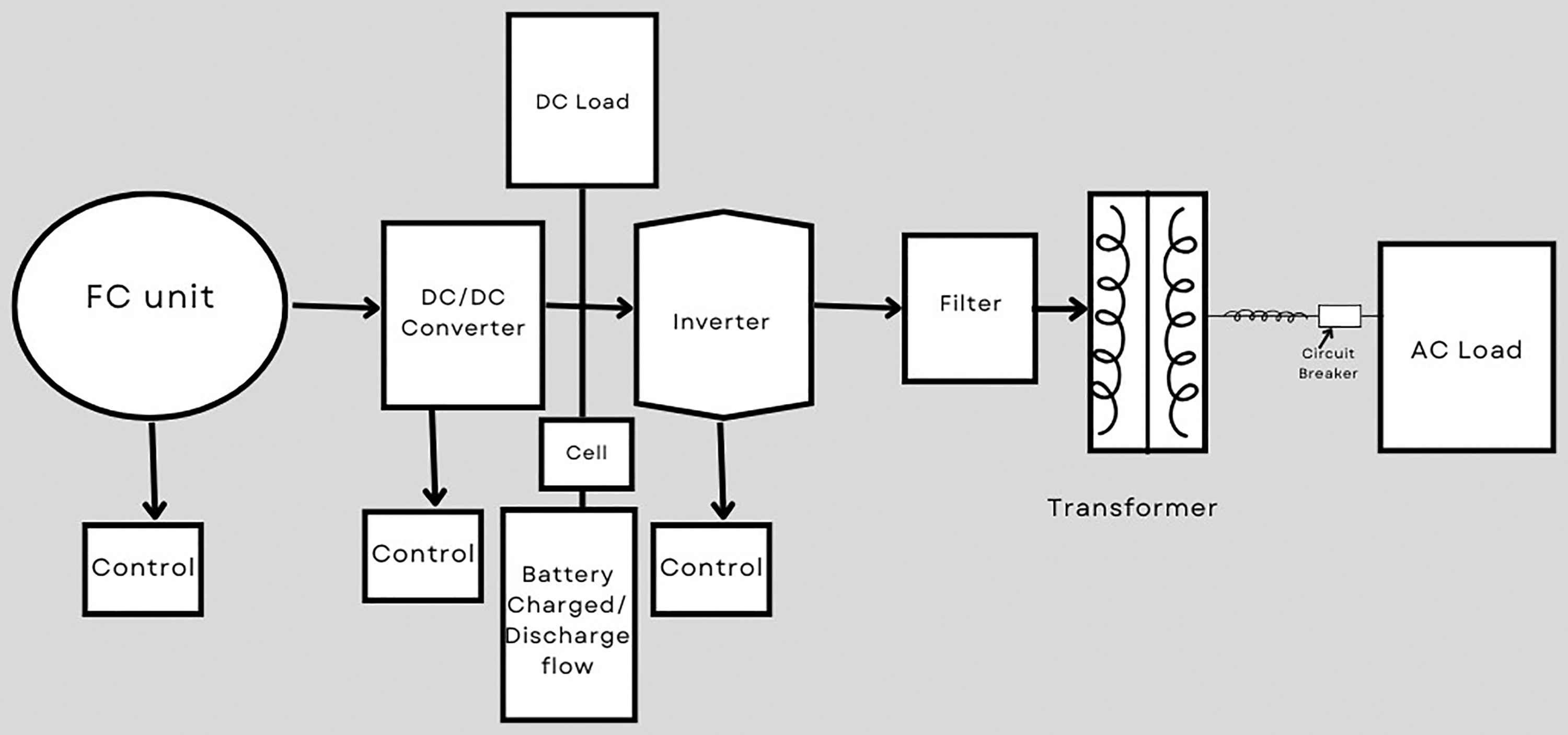
Key components of a fuel cell.
Utility connection
The key system parameters in relevance to utility or distribution system have been enlisted below:
Appropriate voltage levels: It is important to keep the voltage levels to a limit as per the end use. For residential loads it is essential to keep these levels to 110 V and 230 V. Also, it depends on the grid's voltage standards which is typically 11 kV or 33 kV. Frequency: frequency plays an important role in synchronizing the other power sources to the main grid. The accepted frequency levels in India are 50 Hz and those in the USA are 60 Hz. It helps with the safe operation of all the electrical equipment. Power levels: As it is expected that we have to cater to a demand of 2.5MW to 25MW. Therefore, the power rating of the line should also be in the given range. Power factor: Ideally, it is preferred to be 1 but due to power losses it lies within a range of 0.8 to 0.9. Efficiency Cost-effectiveness Scalability Reliability Environmental impact





When compared to current methods, the suggested HES performs better across a number of important metrics. Conventional energy systems, such natural gas and coal-fired power plants, have varying efficiency rates; natural gas facilities operate at 45–60% efficiency, whereas coal plants operate at 33–40%. Although renewable, solar PV systems have an average efficiency of 15–20%. On the other hand, the HES uses sophisticated optimization techniques to combine solar PV and fuel cells to produce an overall efficiency of roughly 50–70%. When it comes to cost-effectiveness, conventional energy sources are more expensive initially and over time. For example, coal and natural gas facilities have high fuel costs and must pay for environmental regulations. Solar PV systems are expensive initially, but they require little upkeep. On the other hand, the HES delivers long-term savings, lessens reliance on petroleum, and may provide financial incentives for renewable energy initiatives.
Another area where the HES shines is scalability. The HES's modular design allows for incremental expansion, making it highly adaptable to changing energy demands. In contrast, solar PV systems are scalable but constrained by space and weather, and coal and natural gas plants face difficulties scaling up due to large infrastructure requirements and site-specific constraints. Regarding dependability, solar PV systems suffer from intermittency, while conventional systems are dependable yet highly dependent on fuel supply and environmental conditions. By using a hybrid strategy that integrates several energy sources and energy storage technologies to efficiently regulate supply and demand, the HES ensures great reliability.
Finally, conventional energy systems have a substantial negative impact on the environment since coal and natural gas power plants are major sources of carbon emissions and pollution. Even while solar PV systems don't affect operations much, their manufacture and disposal cause some worry. The HES offers significant environmental benefits and stands out for its low emissions and sustainable energy use. Through the implementation of these performance criteria, the suggested HES presents a resilient, economical, and eco-friendly substitute for conventional energy systems, exhibiting evident benefits in terms of efficacy, affordability, expandability, dependability, and ecological sustainability.
Component sizing
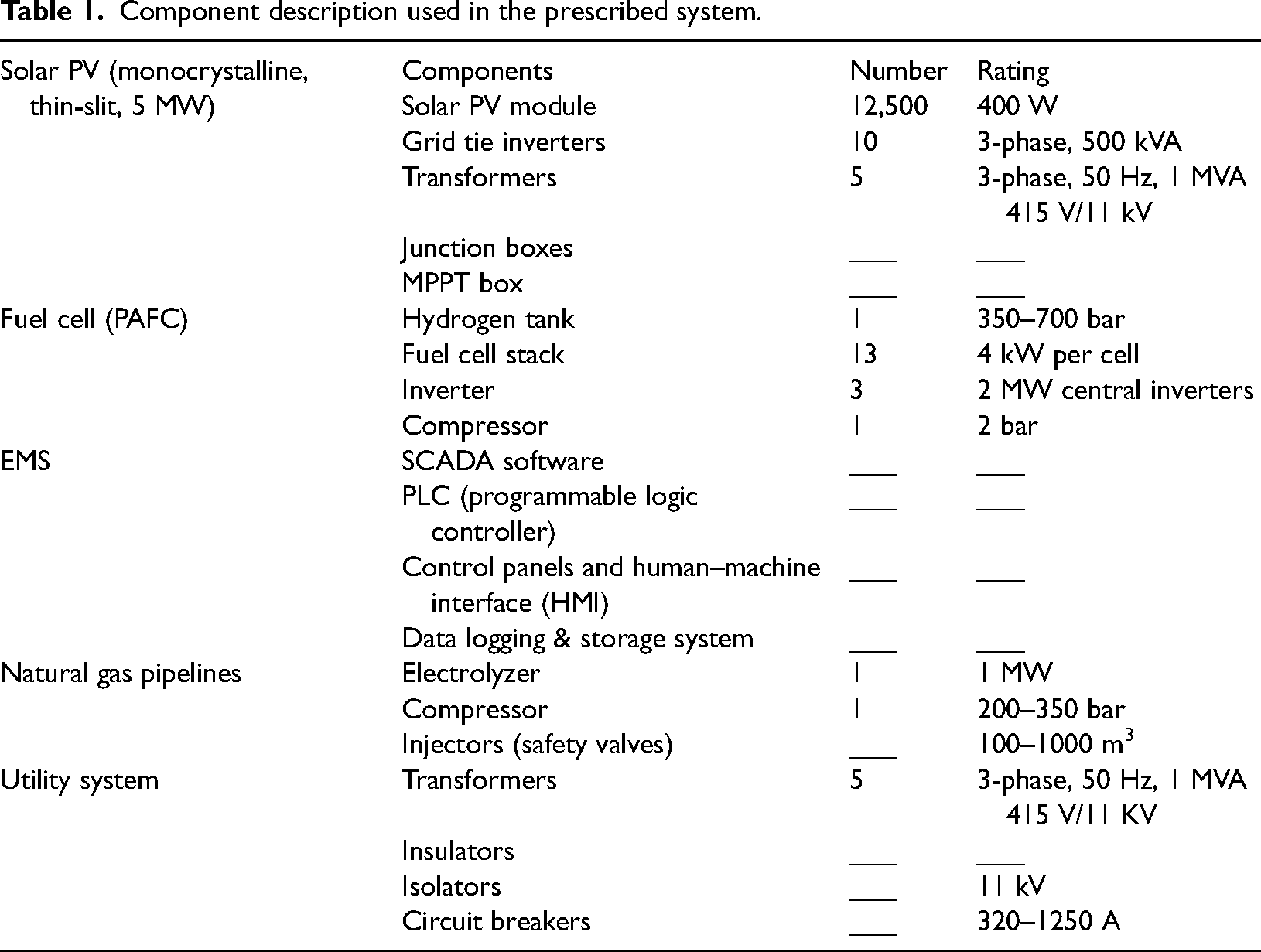
The suggested HES is built using a number of fundamental approaches and strategies. The first approach, known as renewable energy integration, uses hydrogen fuel cells with solar PV systems to provide a stable and sustainable power source. Energy delivery, storage, and generation are all optimized with the use of EMS. PSO and GA are two examples of optimization methods that are used to improve system dependability and efficiency. Energy consumption is dynamically monitored and managed using real-time data analytics, which makes the system flexible enough to adjust to changing circumstances. Lastly, a modular design is used to enable flexible extension without major infrastructure overhauls, allowing for scalability and adaptation to changing energy demands (Table 1).
Following is a summary of key design decisions taken by Team 5 while designing the HES (Nema et al., 2009):
Power sources: In accordance with the given problem statement, we have decided to use a combination of solar PV panels, a fuel cell system, and a natural gas pipeline for energy storage. The main energy source that uses solar PV panels is renewable solar energy. The fuel cell uses hydrogen and oxygen to produce power, giving it more flexibility. The natural gas pipeline acts as an energy storage device, allowing excess solar energy to be converted into hydrogen and stored for later use. System capacity: Considering the target application's energy requirement, as system with a 5 MW total power output offering expandability for future growth and guarantees an adequate supply of energy to fulfill the end needs for the customer EMS: The main aim in implementing an EMS is to continuously monitor, regulate and optimize hybrid energy performance. Efficient power flow, load balancing and coordination among various power sources are guaranteed by the EMS. Adding to that, it is efficient energy management and offers seamless interaction with the utility grid for backup power. Component selection: For the solar PV panels, we have selected panels with a rating of 400 W each. The fuel cell system chosen is a PAFC of 400KW. The EMS components include advanced monitoring and control systems, data analytics software, and communication infrastructure. Customer requirements: When designing, the needs of the client were taken into consideration. These included economic effectiveness, a decline in greenhouse gas emissions, and the ability to interact with the current utility systems for backup power.
Selected key design cases that cover the base case and key cases of supply and demand: Instant normal case, high and low cases by hour, week, month, year.
Base case:
Power demand (MW): 5 MW Solar PV generation (MW): 5 MW Fuel cell generation (MW): 5 MW Grid power supply (MW): 15 MW Instant Normal Case (Hourly): Power demand (MW): Random values ranging from 4.5 to 5.5 MW throughout the day Solar PV generation (MW): Random values ranging from 2.5 to 3.5 MW based on sunlight availability Fuel cell generation (MW): Varies from 2 to 2.5 MW Grid power supply (MW): Adjusted based on the difference between demand and generation High demand case (Hourly):
Power demand (MW): Random values ranging from 6 to 8 MW during peak hours Solar PV generation (MW): Random values ranging from 3.5 to 6MW based on sunlight availability Fuel cell generation (MW): Varies from 2.5 to 3.5 MW Grid power supply (MW): Adjusted based on the difference between demand and generation Low demand case (Hourly):
Power demand (MW): Random values ranging from 3 to 4 MW during off-peak hours Solar PV generation (MW): Random values ranging from 2 to 4 MW based on sunlight availability Fuel cell generation (MW): Varies from 1 to 2 MW Grid power supply (MW): Adjusted based on the difference between demand and generation High demand case (Weekly):
Power demand (MW): Reflects higher demand during weekdays compared to weekends, ranging from 50 to 80 MW Solar PV generation (MW): Random values ranging from 25 to 35 MW based on sunlight availability Fuel cell generation (MW): Varies from 35 to 40 MW Grid power supply (MW): Adjusted based on the difference between demand and generation Low demand case (Weekly):
Power demand (MW): Reflects lower demand during weekends compared to weekdays, ranging from 40 to 60 MW Solar PV generation (MW): Random values ranging from 25 to 30 MW based on sunlight availability Fuel cell generation (MW): Varies from 35 to 40 MW Grid power supply (MW): Adjusted based on the difference between demand and generation High demand case (Monthly):
Power demand (MW): Reflects seasonal variations, with higher demand during summer months, ranging from 300 to 342 MW Solar PV generation (MW): Random values ranging from 125 to 180 MW based on sunlight availability Fuel cell generation (MW): Varies from 150 to 220 MW Grid power supply (MW): Adjusted based on the difference between demand and generation Low demand case (Monthly):
Power demand (MW): Reflects seasonal variations, with lower demand during winter months, ranging from 210 to 285 MW Solar PV generation (MW): Random values ranging from 75 to 100 MW based on sunlight availability Fuel cell generation (MW): Varies from 150 to 210 MW Grid power supply (MW): Adjusted based on the difference between demand and generation High demand case (Yearly):
Power demand (MW): Reflects annual variations, with higher demand during peak seasons, ranging from 1.4 GW to 1.8 GW Solar PV generation (MW): Random values ranging from 750 to 1 GW based on sunlight availability Fuel cell generation (MW): Varies from 900 MW to 1.620 GW Grid power supply (MW): Adjusted based on the difference between demand and generation Low demand case (Yearly):
Power demand (MW): Reflects annual variations, with lower demand during off-peak seasons, ranging from 1.2 to 1.5 GW Solar PV generation (MW): Random values ranging from 450 to 620 MW based on sunlight availability Fuel cell generation (MW): Varies from 900 MW to 1.260 GW Grid power supply (MW): Adjusted based on the difference between demand and generation
To conduct a thorough economic analysis of the HES, several key aspects must be addressed, each critical to evaluating the system's financial viability:
Capital expenditure (CAPEX) The initial CAPEX includes all costs associated with the installation and commissioning of the HES components. This should cover the acquisition and installation of solar PV panels, fuel cells, energy storage systems (such as batteries), and the necessary grid integration infrastructure. The breakdown should detail the costs for each component individually, allowing for a clear understanding of the financial requirements. For example, the cost of solar PV panels could be calculated based on the price per watt of installed capacity, while fuel cells and energy storage systems would be assessed similarly, with additional considerations for their respective installation and commissioning costs. Operational expenditure (OPEX) Ongoing operational costs must be estimated, covering maintenance, fuel supply for the fuel cells, and operational management. This section should emphasize potential savings compared to conventional energy systems, focusing on reduced fuel consumption due to the incorporation of solar energy and lower maintenance needs thanks to the distributed nature of the hybrid system. Regular maintenance schedules, the cost of fuel (such as hydrogen or natural gas for the fuel cells), and the operational staff required to manage the system efficiently should all be accounted for. Additionally, the reduction in maintenance costs due to the decreased wear and tear on conventional power generation equipment, as a result of the HES taking on part of the load, should be highlighted. Levelized Cost of Energy (LCOE) The LCOE represents the average cost per unit of electricity generated by the HES over its lifetime. This calculation considers both CAPEX and OPEX, spread over the total electricity production of the system. The LCOE is crucial for comparing the HES with traditional energy systems. It should include detailed calculations, such as the total expected electricity generation from the hybrid system over its lifespan, divided by the sum of CAPEX and discounted OPEX over the same period. A lower LCOE indicates a more economically competitive system, which is an essential factor for the system's adoption in large-scale applications. Payback period The payback period analysis evaluates how long it takes for the initial investment in the HES to be recovered through savings on energy costs. This analysis should include a sensitivity analysis to assess how variations in key factors—such as fuel prices, technological advancements, or changes in energy tariffs—could impact the payback period. For example, if energy prices increase, the payback period might shorten due to higher savings on conventional energy costs. Conversely, a decrease in fuel prices might extend the payback period. Including various scenarios in this analysis will provide a comprehensive understanding of the financial risks and benefits associated with the HES. Economic benefits Beyond the immediate financial metrics, the long-term economic benefits of the HES should be explored. This includes potential reductions in overall energy costs for the facility or city, the possibility of generating revenue by selling excess energy back to the grid, and the broader economic growth stimulated by increased energy security and job creation. The discussion should cover how the HES could contribute to energy cost stability, particularly in regions where energy prices are volatile. Additionally, the analysis should consider the economic benefits derived from environmental sustainability, such as carbon credits or reduced penalties for carbon emissions. Component description used in the prescribed system.
For simplicity, we shall assume:
Cost of solar PV panels: ₹2.50 per watt Cost of fuel cells: ₹4000 per kW Cost of energy storage systems: ₹500 per kWh Cost of grid integration infrastructure: ₹20,00,000 Let us estimate the CAPEX based on the highest capacity needed for each scenario.
Base case
Calculations: Solar PV panels: 5 MW × ₹2,50,000 = ₹12,50,00,000 Fuel Cells: 5 MW × ₹40,00,000 = ₹2,00,00,000 Energy storage systems: Assume 20% of total capacity as storage. Total storage = 3 MW × 4 h = 12 MWh → 12,000 kWh × ₹500 = ₹60,00,000 Grid integration infrastructure: ₹20,00,000 Total CAPEX: Total CAPEX = ₹12,50,00,000 + ₹2,00,00,000 + ₹60,00,000 + ₹20,00,000 = ₹15,30,00,000 High demand case (Hourly)
Solar PV panels: Assume 8 MW capacity → 8 MW × ₹2,50,000 = ₹20,00,00,000 Fuel cells: Assume 8 MW capacity → 8 MW × ₹40,00,000 = ₹3,20,00,000 Energy storage systems: Assume 20% of total capacity → 8 MW × 4 h = 32 MWh → 32,000 kWh × ₹500 = ₹1,60,00,000 Grid integration infrastructure: ₹20,00,000 Low demand case (Hourly)
Solar PV panels: Assume 3 MW capacity → 3 MW × ₹2,50,000 = ₹7,50,00,000 Fuel cells: Assume 3 MW capacity → 3 MW × ₹40,00,000 = ₹1,20,00,000 Energy storage systems: Assume 20% of total capacity → 3 MW × 4 h = 12 MWh → 12,000 kWh × ₹500 = ₹60,00,000 Grid integration infrastructure: ₹20,00,000 High demand case (Weekly)
Solar PV panels: Assume 80 MW capacity → 80 MW × ₹2,50,000 = ₹200,00,00,000 Fuel cells: Assume 80 MW capacity → 80 MW × ₹40,00,000 = ₹32,00,00,000 Energy storage systems: Assume 20% of total capacity → 80 MW × 4 h = 320 MWh → 3,20,000 kWh × ₹500 = ₹1,60,00,00,000 Grid integration infrastructure: ₹20,00,000
Solar PV panels: Assume 40 MW capacity → 40 MW × ₹2,50,000 = ₹100,00,00,000 Fuel cells: Assume 40 MW capacity → 40 MW × ₹40,00,000 = ₹16,00,00,000 Energy storage systems: Assume 20% of total capacity → 40 MW × 4 h = 160 MWh → 1,60,000 kWh × ₹500 = ₹80,00,00,000 Grid integration infrastructure: ₹20,00,000 High demand case (Monthly)
Solar PV panels: Assume 342 MW capacity → 342 MW × ₹2,50,000 = ₹85,50,00,000 Fuel cells: Assume 342 MW capacity → 342 MW × ₹40,00,000 = ₹1,36,80,00,000 Energy storage systems: Assume 20% of total capacity → 342 MW × 4 h = 1368 MWh → 1,36,80,000 kWh × ₹500 = ₹6,84,00,00,000 Grid integration infrastructure: ₹20,00,000 Low demand case (Monthly)
Solar PV panels: Assume 210 MW capacity → 210 MW × ₹2,50,000 = ₹52,50,00,000 Fuel cells: Assume 210 MW capacity → 210 MW × ₹40,00,000 = ₹84,00,00,000 Energy storage systems: Assume 20% of total capacity → 210 MW × 4 h = 840 MWh → 84,000 kWh × ₹500 = ₹42,00,00,000 Grid integration infrastructure: ₹20,00,000 High demand case (Yearly)
Solar PV panels: Assume 1.8 GW capacity → 1800 MW × ₹2,50,000 = ₹4,50,00,00,000 Fuel cells: Assume 1.8 GW capacity → 1800 MW × ₹40,00,000 = ₹72,00,00,00,000 Energy storage systems: Assume 20% of total capacity → 1800 MW × 4 h = 7200 MWh → 7,20,000 kWh × ₹500 = ₹3,60,00,00,000 Grid integration infrastructure: ₹20,00,000 Low demand case (Yearly)
Solar PV panels: Assume 1.2 GW capacity → 1200 MW × ₹2,50,000 = ₹3,00,00,00,000 Fuel cells: Assume 1.2 GW capacity → 1200 MW × ₹40,00,000 = ₹48,00,00,00,000 Energy storage systems: Assume 20% of total capacity → 1200 MW × 4 h = 4800 MWh → 4,80,000 kWh × ₹500 = ₹2,40,00,00,000 Grid integration infrastructure: ₹20,00,000
Operational expenditure (OPEX)
OPEX will be calculated as a percentage of CAPEX or a fixed amount per year. Assume:
Base Case
Maintenance costs: 2% of ₹15,30,00,000 = ₹30,60,000 per year Fuel costs: 5 MW × ₹50,00,000 = ₹2,50,00,000 per year Operational management: ₹10,00,000 per year
Assume a lifetime of 20 years and a discount rate of 5%.
LCOE Calculations: Base case

Annual savings: ₹10.20.000
Payback period calculation

Economic benefits
Base case
The CAPEX for the HES varies significantly based on the power demand and system capacity, ranging from approximately ₹9.5 crores in a low demand case to over ₹80.1 billion in a high demand case annually. Higher capacities and demands necessitate greater capital investment for solar PV panels, fuel cells, energy storage systems, and grid integration infrastructure. Ongoing operational costs (OPEX), crucial for the total expense, amount to around ₹2.91 crores annually for the base case, covering maintenance, fuel supply, and operational management. OPEX scales with system size and complexity, reflecting substantial ongoing investment needs. The LCOE, which is approximately ₹73.42 per kWh for the base case, serves as a critical metric for assessing the economic competitiveness of the HES compared to traditional energy sources. A lower LCOE indicates more cost-effective energy generation. The payback period for the base case is about 15.03 years, representing the time required to recover the initial investment through savings on energy costs. This period can be influenced by variations in energy prices, technological advancements, and operational efficiency. Over a 20-year period, the total economic benefits from the base case amount to approximately ₹7.14 crores, encompassing savings on energy costs and potential revenue from selling excess energy. These benefits reflect not only direct financial gains but also broader economic impacts such as improved energy security, potential job creation, and reduced environmental impact. Overall, the HES demonstrates varying levels of financial viability depending on its scale and requirements, with significant investments offering substantial economic benefits and potential revenue. Decision-makers should consider CAPEX, OPEX, and LCOE alongside potential savings and benefits, using the payback period to assess long-term financial feasibility. Beyond financial metrics, the HES contributes to energy stability and sustainability, supporting its adoption in diverse applications.
There are still a few technological obstacles in smart grid, hybrid systems, and renewable energy integration, despite tremendous improvements in these areas. A comprehensive strategy that combines various renewable energy sources with cutting-edge energy storage technologies to optimize efficiency and dependability is frequently absent from existing solutions. Large urban regions’ expanding energy demands are difficult to supply because many existing technologies have limited scalability. Furthermore, more resilient and adaptable EMS that can optimize resource utilization in real time and dynamically adjust to changing conditions are required. Although several studies yield encouraging results in particular situations, comprehensive solutions that take into account long-term sustainability, cost-effectiveness, and environmental impact are few and far between. These shortcomings highlight the need for a new strategy that brings together the benefits of cutting-edge storage technology, smart management systems, and a variety of renewable energy sources to offer a scalable, effective, and ecologically responsible response to the energy-related problems facing contemporary cities. This demonstrates the necessity of the proposed HES, which combines advanced energy management technologies, fuel cells, and solar PV to address the various energy requirements of contemporary urban areas.
Key table and calculations
The layout or the plot plan gives a glimpse about the way in which the system will be arranged in physical world considering all the necessary steps and precautions. The layout of the individual systems has been enlisted below:
Solar PV system: The Solar PVs should be placed on racks or mounted structures to prevent shade from the trees and maintain dirt checks. Also, the solar panels should be kept at a certain distance and placed south facing in the northern hemisphere to obtain maximum energy. To optimize the energy output, trackers and sensors can also be deployed. Fuel cell system: The fuel cell system should be positioned in a controlled environment like in a room. There should be proper mechanism of ventilation to deal with the huge amount of heat generated from the fuel cell system. They should be monitored at specific intervals for maintenance purposes. EMS: The EMS comprising of SCADA software, PLC and other control equipment's should be given a proper room or a space to ensure proper connectivity between EMS and other components using a proper networking infrastructure. Also, it is required to install HMI displays and operator workstations for monitoring and control. Utility/Distribution network: It is important to make proper connections at the points where import and export of electricity takes place and proper grid interconnection equipment is to be installed to compile to all safety standards. Natural gas pipeline: The prime most step is to recognize the existing natural gas pipeline infrastructure in the area and to recognize the point which of hydrogen injection and hydrogen retrieval making sure of availability of trucks for storage purpose before injecting hydrogen in pipeline. It is also important to have pressure regulation tools and control systems deployed alongside the route. Safety Considerations: It is essential to mark all the components for identification purposes and to make room for maintenance and monitoring and implement safety equipment and warnings shown in Figures 8 to 10.
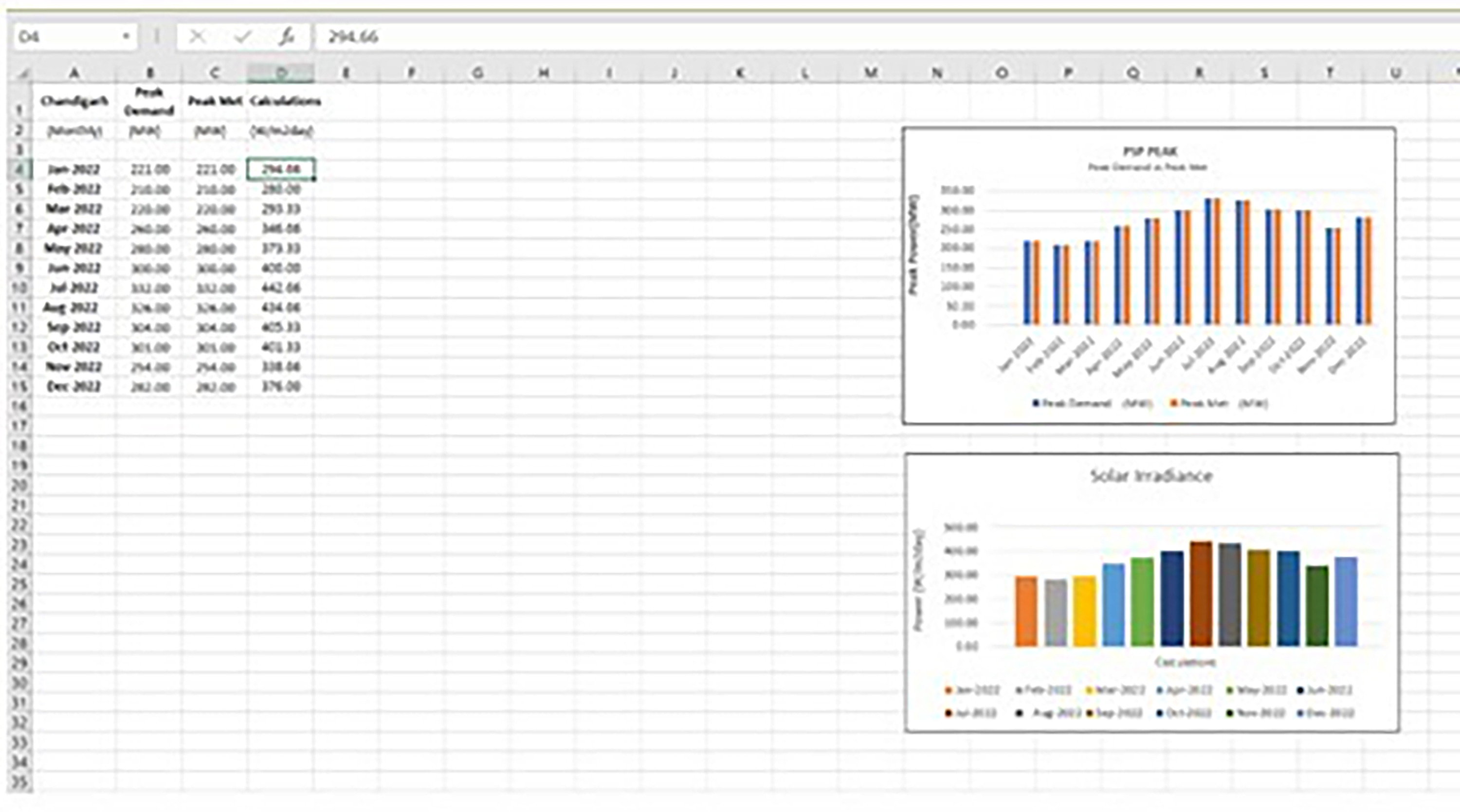
Parameters for green city.
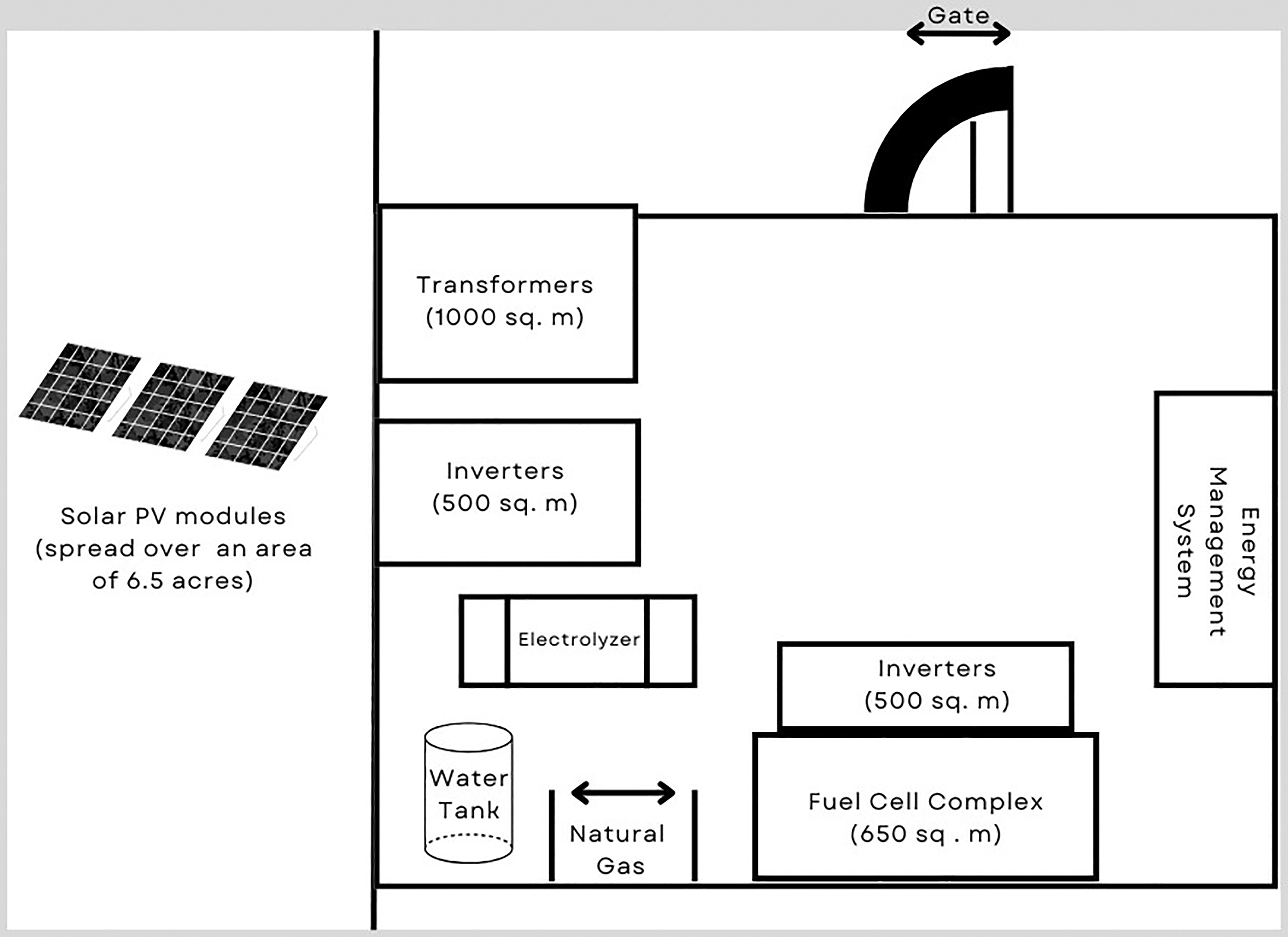
Solar PV System.
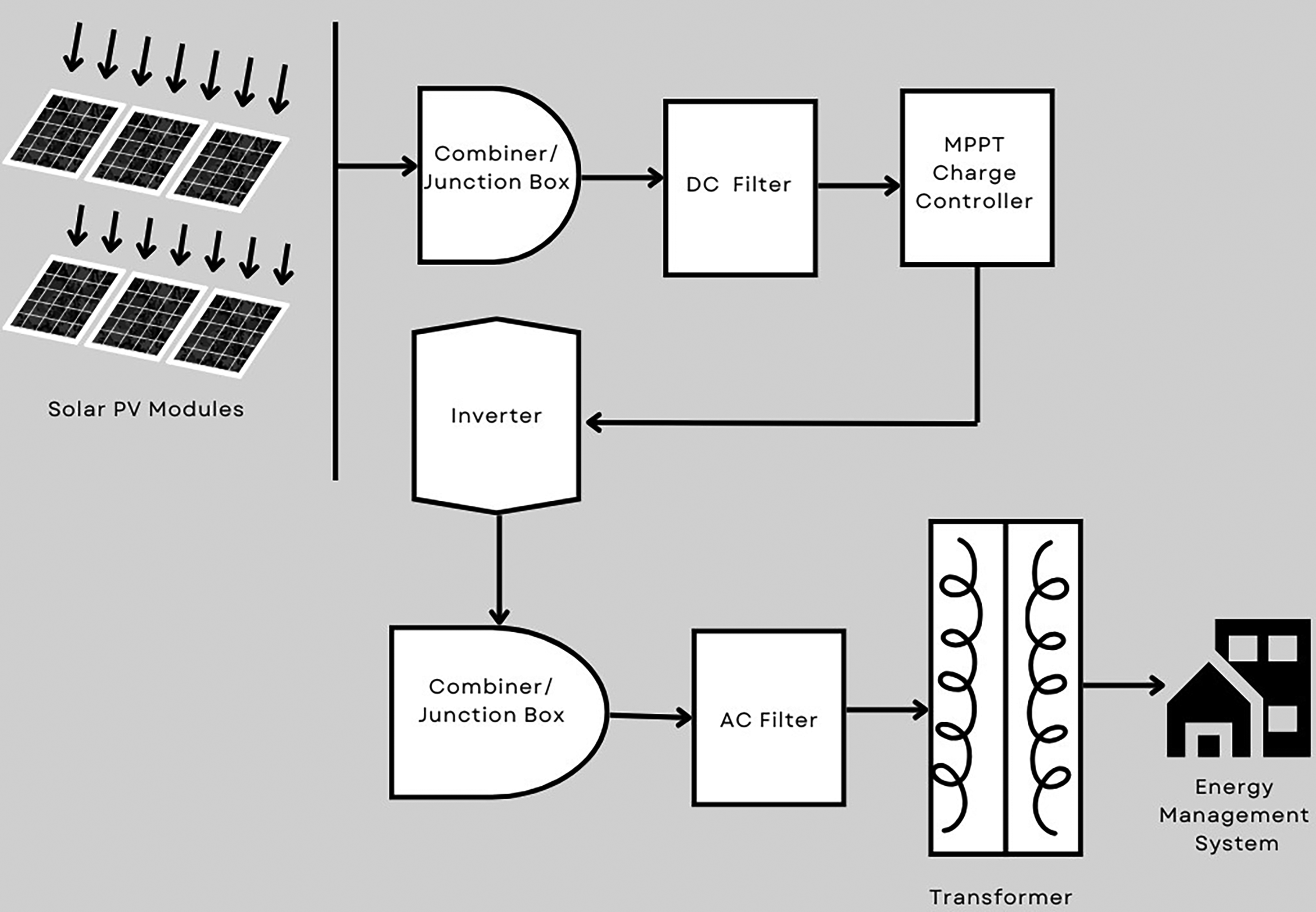
Solar PV system.
Solar PV:
Fuel cell:
The development of sustainable energy solutions has benefited greatly from earlier work in the fields of hybrid systems and the integration of renewable energy (Figure 11). In one study, a decentralized EMS is used to integrate renewable energy sources, such wind and solar power, into urban electrical networks. This method is shown to reduce energy prices by 15% and carbon emissions by 20% when compared to conventional systems. A 30% increase in energy reliability and a notable cost reduction are demonstrated in another study that investigates the HES for rural electrification that is created by combining solar PV and biomass energy sources. Studies on cutting-edge energy storage technologies—like flywheels and lithium-ion batteries—emphasize how real-time data analytics may optimize energy storage and consumption, leading to a 40% decrease in storage costs and a 25% boost in system efficiency. Additionally, a 10% decrease in peak energy consumption and a 15% increase in grid dependability have resulted from the adoption of smart grid technologies for urban energy management. These technologies make use of cutting-edge communication technologies and machine learning algorithms. There are still a few technical shortcomings in spite of these developments. In order to improve the efficiency and dependability, existing solutions frequently lack a holistic strategy that incorporates several renewable sources and cutting-edge storage solutions. It is difficult to meet the expanding energy demands of major urban areas due to the restricted scalability of present systems. Stronger and more adaptable EMSs are also required in order to optimize resource utilization in real-time and dynamically adjust to changing circumstances. Although several studies yield encouraging results in particular situations, comprehensive solutions that take into account long-term sustainability, cost-effectiveness, and environmental impact are few and far between. These shortcomings highlight the need for an innovative strategy, like the suggested HES, which combines the advantages of cutting-edge storage technologies, a variety of renewable energy sources, and intelligent management systems to offer a scalable, effective, and ecologically friendly response to contemporary urban energy problems.
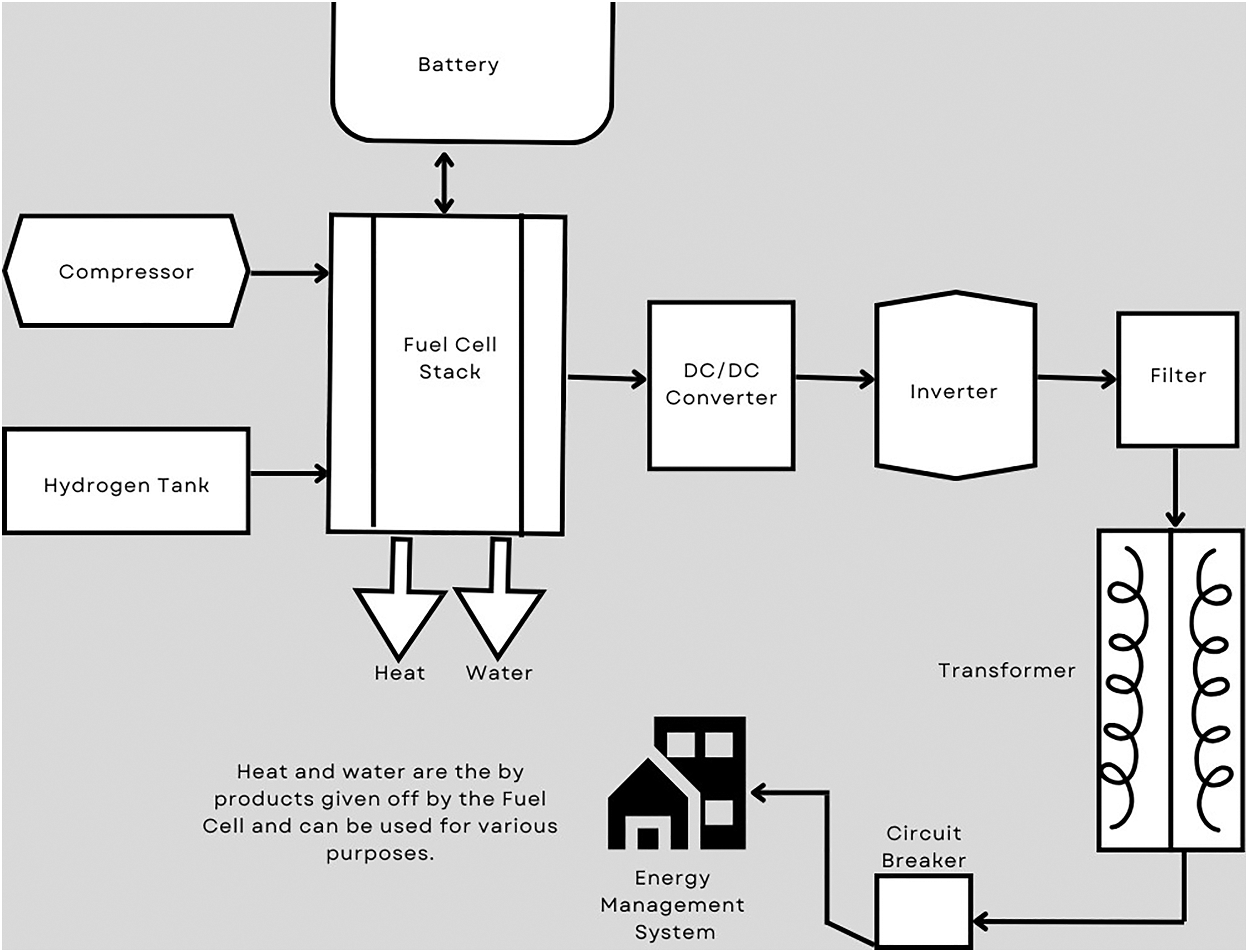
Energy management system.
The Results and Analysis section might be broken up into distinct subsections to help with organization and comprehension. The first subsection, “Energy Efficiency,” talks about how integrating solar PV and hydrogen fuel cells has improved system efficiency. Cost Analysis, the second subsection, assesses the HES's cost-effectiveness by emphasizing long-term savings and operating cost reductions. The system's capacity to adjust to changing energy demands and grow without requiring major infrastructure overhauls is examined in the third subsection, Scalability. Reliability, the fourth subsection, evaluates how reliable the system is in delivering a steady and uninterrupted power source. In comparison to conventional energy sources, the fifth component, Environmental Impact, examines the decrease in carbon emissions and ecological footprint. Potential readers will be better able to comprehend the results and their consequences by having the results and analysis organized into these subsections, which will enable a thorough assessment of the performance and advantages of the suggested HES.
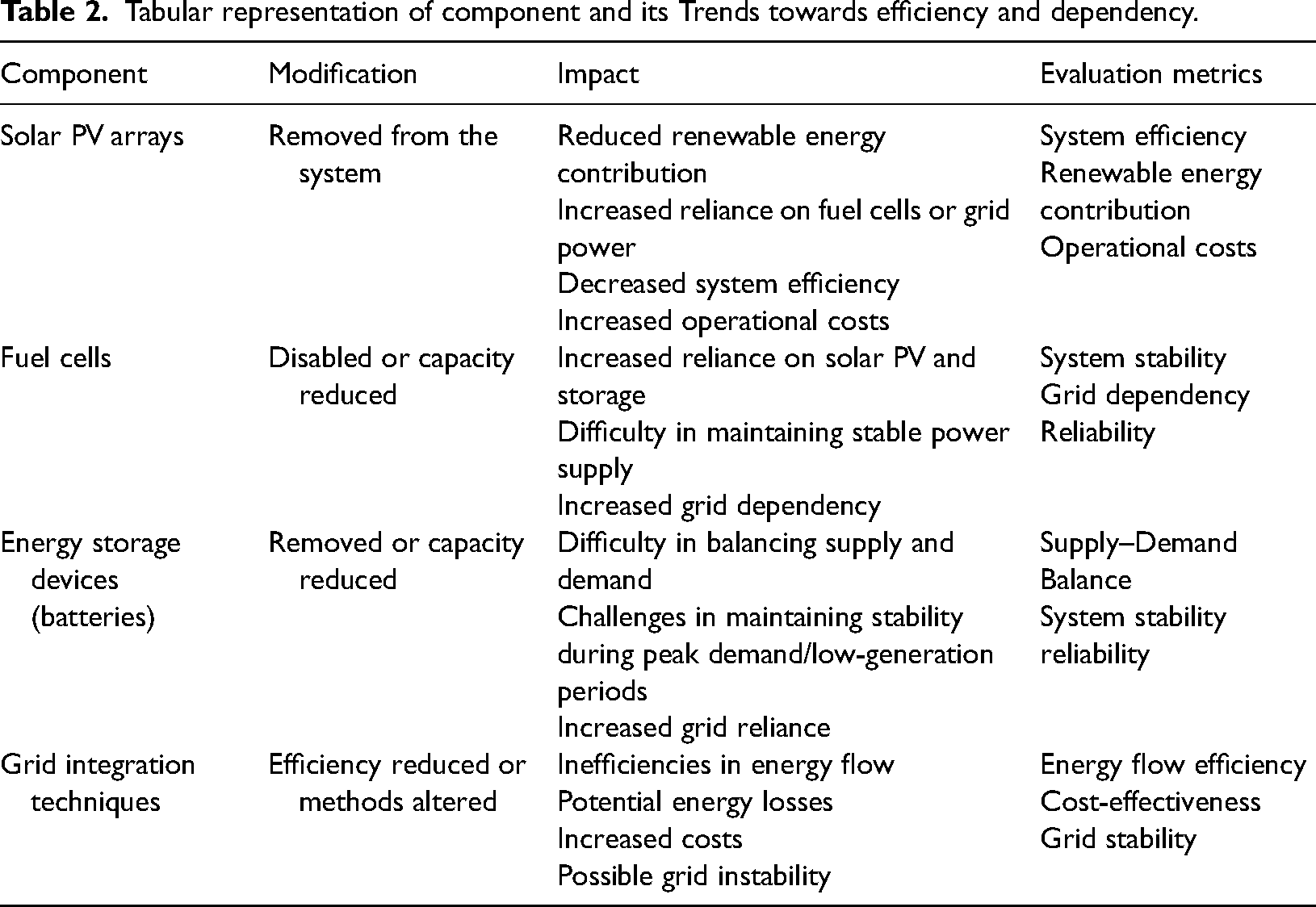
The ablation study is a crucial part of this research as it aims to dissect the HES and evaluate the individual contributions of its key components. By methodically removing or modifying specific elements of the system, this study provides insight into how each component affects overall system performance, including efficiency, reliability, and cost-effectiveness.
Components evaluated
Solar PV arrays:
Scenario: The first part of the ablation study involves removing the solar PV arrays from the system. Impact Analysis: This scenario assesses the reduction in renewable energy contribution, leading to increased reliance on fuel cells or grid power. The study would quantify the decrease in system efficiency and the potential increase in operational costs due to higher dependency on non-renewable sources. Fuel cells:
Scenario: The next scenario involves disabling or reducing the capacity of the fuel cells within the HES. Impact Analysis: The absence or reduction of fuel cells would force the system to rely more heavily on solar PV and energy storage, particularly during periods of low sunlight or high demand. This scenario would help identify how crucial fuel cells are for maintaining a stable and reliable power supply and their role in reducing grid dependency. Energy storage devices (Batteries):
Scenario: Another critical scenario explores the impact of removing or reducing the capacity of energy storage devices. Impact Analysis: Energy storage is vital for balancing supply and demand, particularly in systems with intermittent renewable sources like solar PV. This part of the study would evaluate the system's performance during peak demand and low-generation periods, highlighting the importance of storage in maintaining system stability and reliability. Grid integration techniques:
Scenario: The final scenario focuses on reducing the efficiency or altering the grid integration methods used in the HES. Impact analysis: This would assess the system's ability to manage energy flows between the HES and the utility grid. Poor grid integration could lead to inefficiencies, such as energy losses, increased costs, and potential grid instability. The study would quantify these impacts and emphasize the importance of advanced grid integration techniques in optimizing overall system performance.
Evaluation metrics
The ablation study focuses on key metrics such as system efficiency, cost-effectiveness, reliability, and environmental impact to assess how the removal or alteration of each component affects the overall performance of the HES. By measuring these factors, the study provides valuable insights into the necessity and optimization of each element within the HES. Understanding how changes in component configuration influence energy production costs, system reliability, and environmental impact allows for informed decisions on resource allocation, ensuring maximum efficiency and sustainability. The findings from this study could lead to recommendations for system design adjustments, such as increasing storage capacity, optimizing fuel cell usage, or enhancing grid integration methods to improve overall performance. Ultimately, this ablation study is crucial in ensuring that the proposed HES design is not only effective but also resilient, adaptable, and optimized for long-term sustainability (Table 2).
Tabular representation of component and its Trends towards efficiency and dependency.
The implementation of a HES in large cities or facilities can have profound social impacts, which must be carefully considered to ensure that the benefits of the system are maximized while any negative consequences are mitigated. Below, I will explain in detail how to incorporate these considerations into your research paper.
Job creation
Construction phase: The development of HES will require a significant workforce, providing employment opportunities in the construction sector. This could include jobs such as civil engineers, construction workers, electricians, and safety inspectors. These roles will be essential in the installation of solar PV arrays, fuel cell units, energy storage systems, and grid integration infrastructure. Operation and maintenance: Once operational, the HES will need ongoing maintenance and monitoring. This creates long-term jobs in fields such as systems operations, maintenance technicians, data analysts, and energy managers. Additionally, jobs in the supply chain, such as manufacturing components for solar panels or fuel cells, could also see a boost. Training and skill development: Discuss the potential for skill development programs to equip the local workforce with the necessary technical expertise to operate and maintain the HES. Highlight partnerships with educational institutions or training centers to develop curricula focused on renewable energy technologies. Energy access and equity
Improving energy access: The HES has the potential to improve energy access, particularly in underserved or remote communities. By integrating renewable energy sources, the system could provide a more reliable and stable power supply, reducing the frequency of blackouts and ensuring continuous energy availability. This could be particularly impactful in areas that currently rely on expensive or unreliable energy sources. Social benefits: Reliable and affordable energy access can significantly improve the quality of life for residents. It can enable better healthcare (by powering medical facilities), enhance education (by providing electricity for schools and study environments), and support economic activities by enabling businesses to operate more effectively. Equitable distribution: Analyze how the benefits of the HES can be equitably distributed across different socio-economic groups. Discuss strategies to ensure that low-income households or marginalized communities are not disproportionately burdened by the costs or excluded from the benefits of the new energy system. Community engagement
Involving local stakeholders: Community engagement is crucial for the successful implementation of any large-scale infrastructure project. Engage local stakeholders—including residents, businesses, local governments, and non-governmental organizations (NGOs)—in the planning and decision-making process. This can ensure that the HES aligns with the needs and expectations of the community. Transparency and communication: Discuss the importance of transparent communication with the community about the goals, benefits, and potential impacts of the HES. This can include public consultations, information sessions, and the dissemination of project plans through local media and social networks. Gaining social license: Highlight how community engagement can help gain a “social license to operate,” which is the informal approval from the community that can be as crucial as formal regulatory approval. Address any concerns or opposition early in the process to build trust and support for the project. Mitigating negative impacts
Displacement and land use changes: The construction of HES infrastructure, particularly large-scale solar PV installations, might require significant land, potentially leading to the displacement of residents or changes in land use. Discuss strategies to minimize these impacts, such as choosing sites with minimal residential or ecological value (e.g. brownfields or rooftops) or providing adequate compensation and relocation assistance to affected communities. Community development programs: To mitigate any negative social impacts, propose community development programs that provide tangible benefits to the local population. This could include investments in local infrastructure (e.g. roads, schools), funding for community projects, or establishing local job training programs related to renewable energy. Environmental Justice Considerations: Ensure that the negative impacts of the HES do not disproportionately affect vulnerable or marginalized communities. Discuss how environmental justice principles will be applied to the planning and implementation of the project. Cultural and societal impacts
Influence on local customs and practices: The introduction of a new energy system may have cultural and societal impacts, especially in communities with strong ties to traditional ways of living. For instance, the visual impact of large solar farms or changes in land use could alter the landscape, affecting cultural practices or community identity. Culturally sensitive implementation: Discuss how the HES project will be implemented in a way that respects and preserves local cultural practices and values. This might involve adjusting the design to minimize visual impact, consulting with local cultural leaders, or integrating traditional knowledge into the planning process. Social dynamics and acceptance: Analyze how the HES might influence social dynamics, such as shifts in power structures or the creation of new community roles related to energy management. Discuss strategies to ensure that these changes are positive and inclusive.
Conclusion
The design and implementation of a HES as an effective and sustainable power solution for major cities or facilities with a power demand range from 2.5 MW to 25 MW has been the focus of this research paper.
The goal of the HES is to reduce dependency on energy sources that run on traditional fuels while maintaining a steady supply. Include renewable energy sources in your power supply, including fuel cells and solar PVs. The ideal configuration and part dimensions for the HES have been clarified by this study.
Throughout the research helpful insights have been gathered regarding the ideal configuration and sizing of the HES components through a detailed examination of the energy demand profile, renewable resource availability, and existing power infrastructure besides this it has been shown that incorporating fuel cells and solar PV into the HES has several benefits, including a decrease in greenhouse gas emissions, increased energy independence, and improved power reliability. Plenty of consideration have been given to factors including system efficacy, dependability, cost-effectiveness, and environmental impact were also kept in mind while manipulating the performance and viability of the planned HES using a multidisciplinary approach comprising engineering, energy systems analysis, and environmental assessment making it a potential option that can fulfill the energy needs of metropolis or facilities while keeping up for a resilient and sustainable energy future with scalability and the economic feasibility. The results show that the addition of renewable energy resources to the current electrical system can result in long-term cost reductions and increased energy security. The HES offers large cities and facilities the opportunity to reduce their dependency on energy sources derived from conventional fuels, mitigate global warming, and achieve environmental sustainability goals with reduction of cost and increased energy security in a long run with the addition of renewable energy resources with the existing system and can achieve significant progress toward a more sustainable and greener energy landscape. It is imperative to realize that the implementation of the HES may present some challenges and limitations, including but not limited to technological, financial and regulatory frameworks. Further research efforts should concentrate on finding solutions to these issues, improving the HES design, and investigating alternative renewable energy sources in order to further improve the system's performance. The document also offers wise counsel to urban planners, energy experts, and those in charge of developing sustainable and effective power solutions.
To maximize energy generation, storage, and distribution, the suggested methodology combines advanced EMSs with solar PV and hydrogen fuel cell technology. The energy demand (2.5 MW to 25 MW), system efficiency, energy loss, cost metrics (first investment, running costs, maintenance), and environmental impact are among the experimental characteristics. According to the findings, the HES performs better than current methods in terms of environmental sustainability, scalability, cost-effectiveness, and efficiency. The suggested approach lowers operating expenses and carbon emissions while guaranteeing a dependable and effective power supply. The experimental analysis's conclusions emphasize the HES's merits and practicality as a reliable and adaptable answer to today's urban energy needs.
In summary, this research work has increased sustainable energy practices by providing a complete analysis of a HES for major cities or institutions. The results emphasize how crucial it is to move to more efficient, cleaner power sources in order to meet growing energy demands while minimizing their harmful effects on the environment. A path to achieving these goals is provided by the proposed HES, opening the door to a future in energy that is more dependable and sustainable.
Footnotes
Author contributions
The authors confirm their contribution to the paper as follows: study conception and design: PM and SS; data collection: AS and CB; analysis and interpretation of results: CI and AH; draft manuscript preparation: SS, CB, AS and CI. All authors reviewed the results and approved the final version of the manuscript.
Availability of data and materials
Publicly available datasets were analyzed in this study.
Declaration of conflicting interests
The authors declared no potential conflicts of interest with respect to the research, authorship, and/or publication of this article.
Funding
The authors received no financial support for the research, authorship, and/or publication of this article.
