




Abstract
Software systems such as Proteus, Matlab, and an Arduino Uno programming software system, comprising an Infra-red flame sensor, a 5v Motor and other components like Buzzer, relay, light emitting diode, transistor, resistor and capacitors, were used in order to detect smoke, flame or fire and suppress it in a laboratory. The methodology of the system's design, as well as the operation of the system, were schematically highlighted. The control measures and maintenance strategies to be deployed for the smooth functioning of the system design were also discussed, wherever they are used. Solutions to checkmate fire disasters were proffered. The workings of the system are that when the sensor registers or turns zero (0), it means that there is no fire, flame or smoke to suppress, while when it turns to one (1), it indicates that there is smoke or fire to suppress. The process recorded 95% success.
Introduction
Inferno is an incidence that occurs whenever a combustible material comes in contact with oxygen, giving out light, heat and smoke. It is a chemical reaction that occurs when heat stored in a flammable item is released together with light and smoke (Oloke et al., 2022).
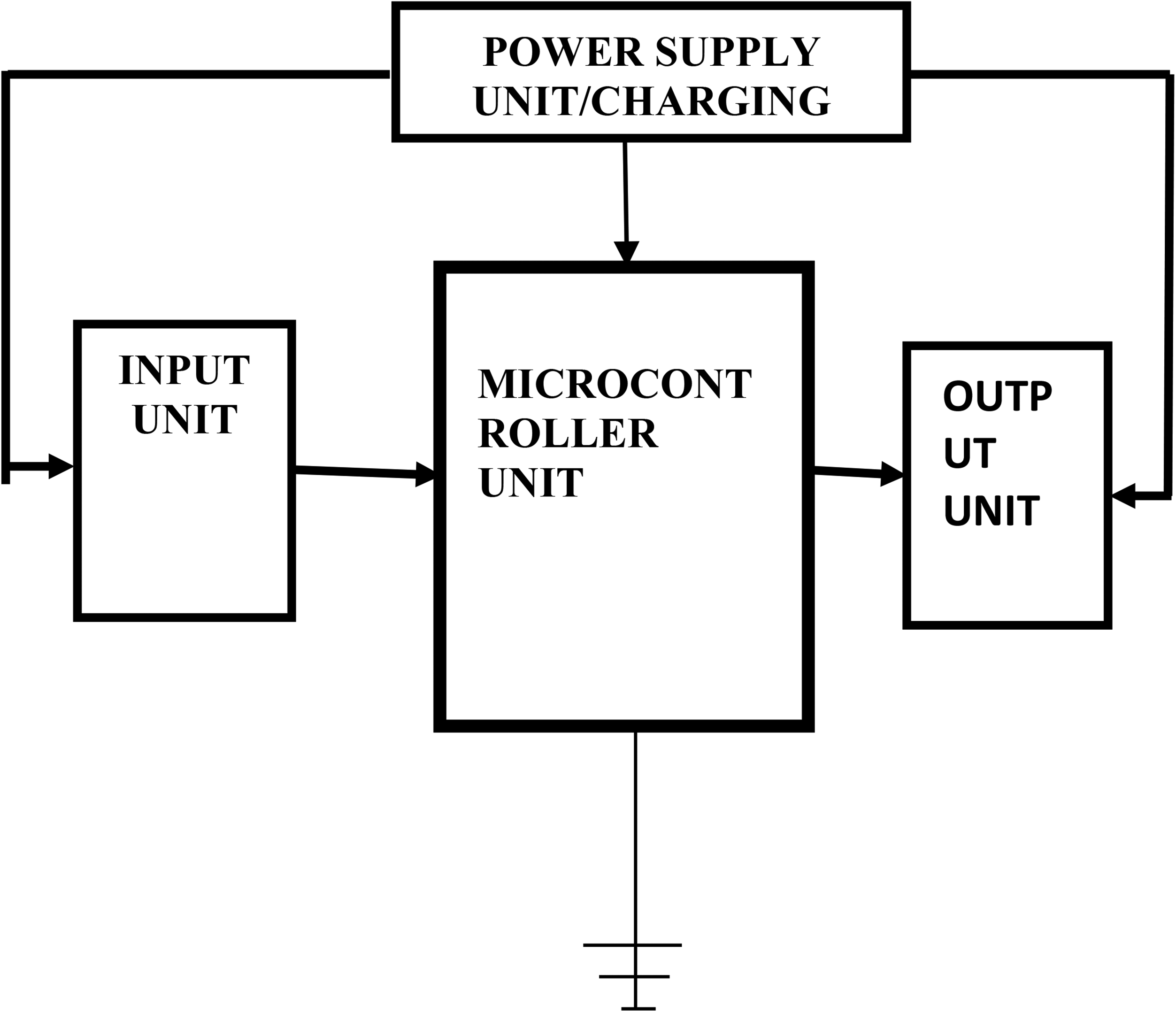
System block diagram and simulation.
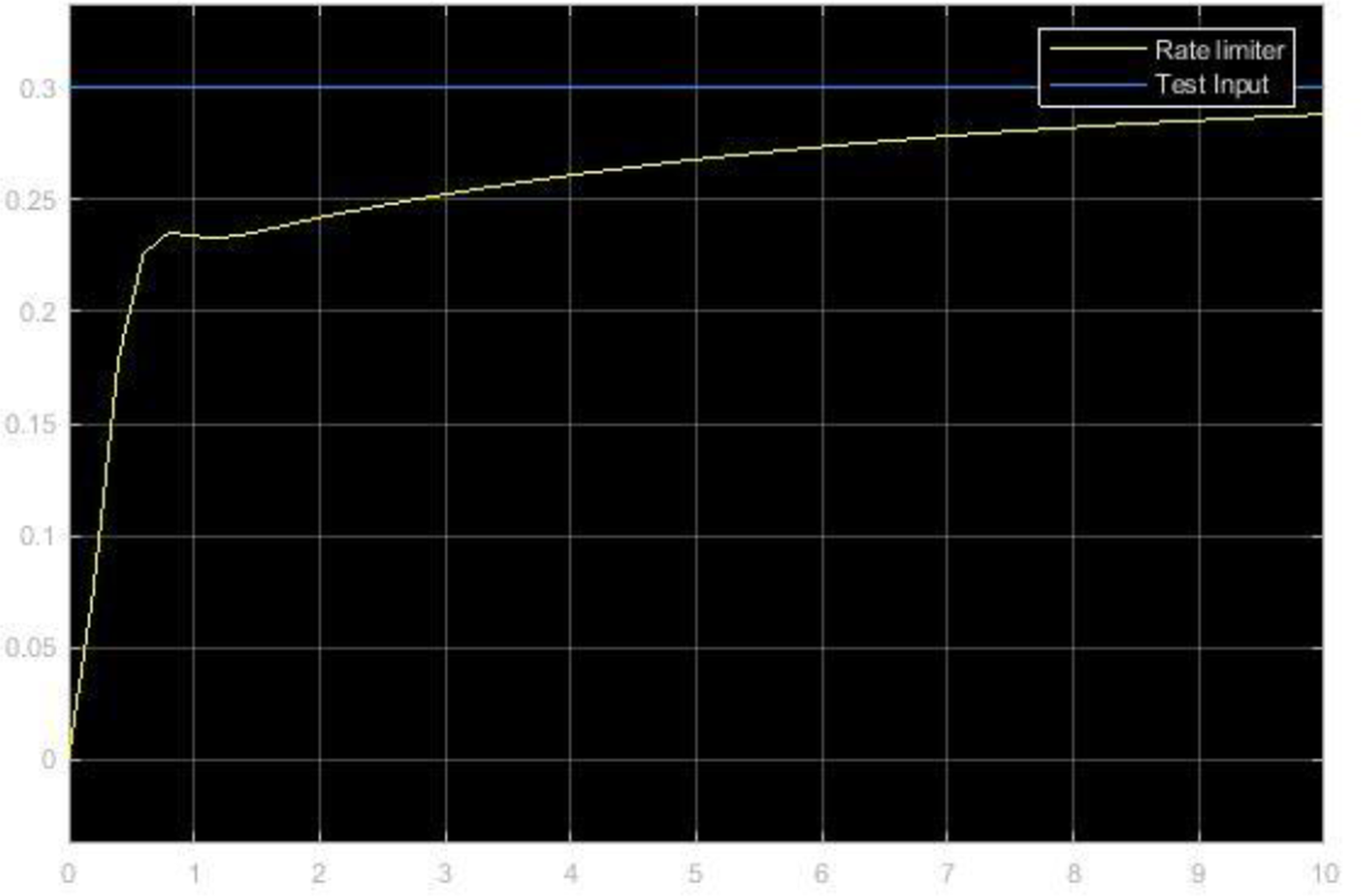
First value.
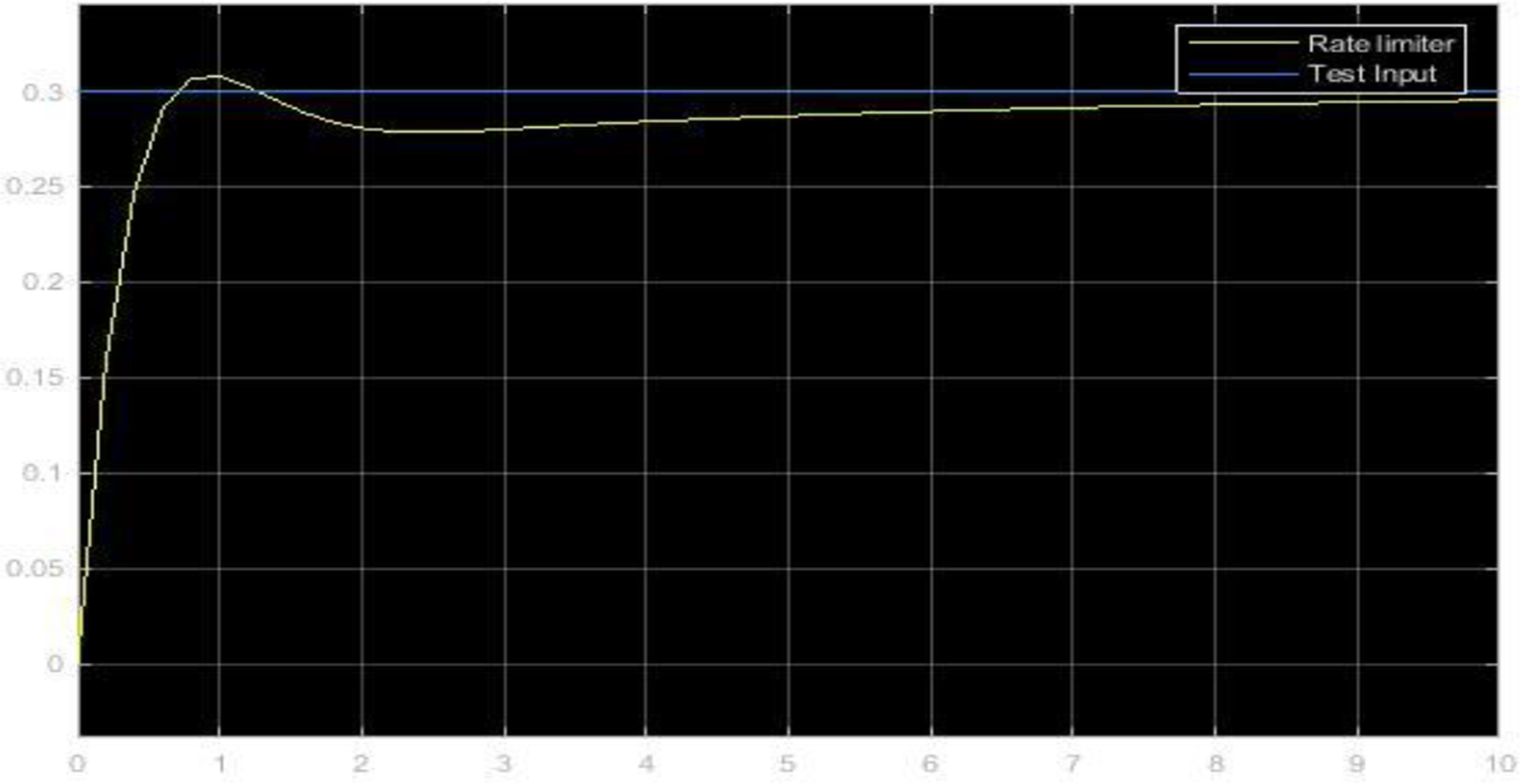
Second value.
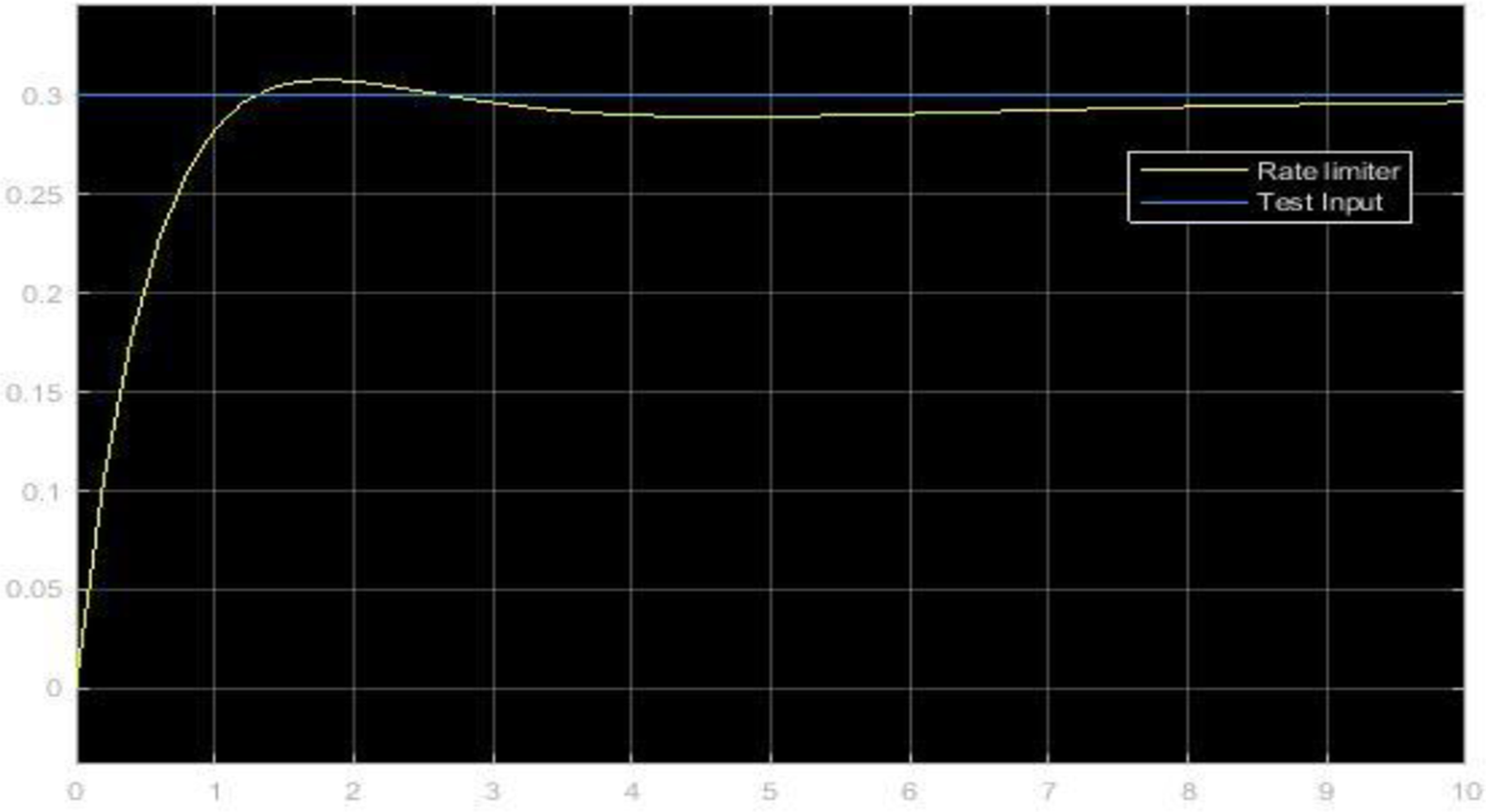
Third value.
Final value.
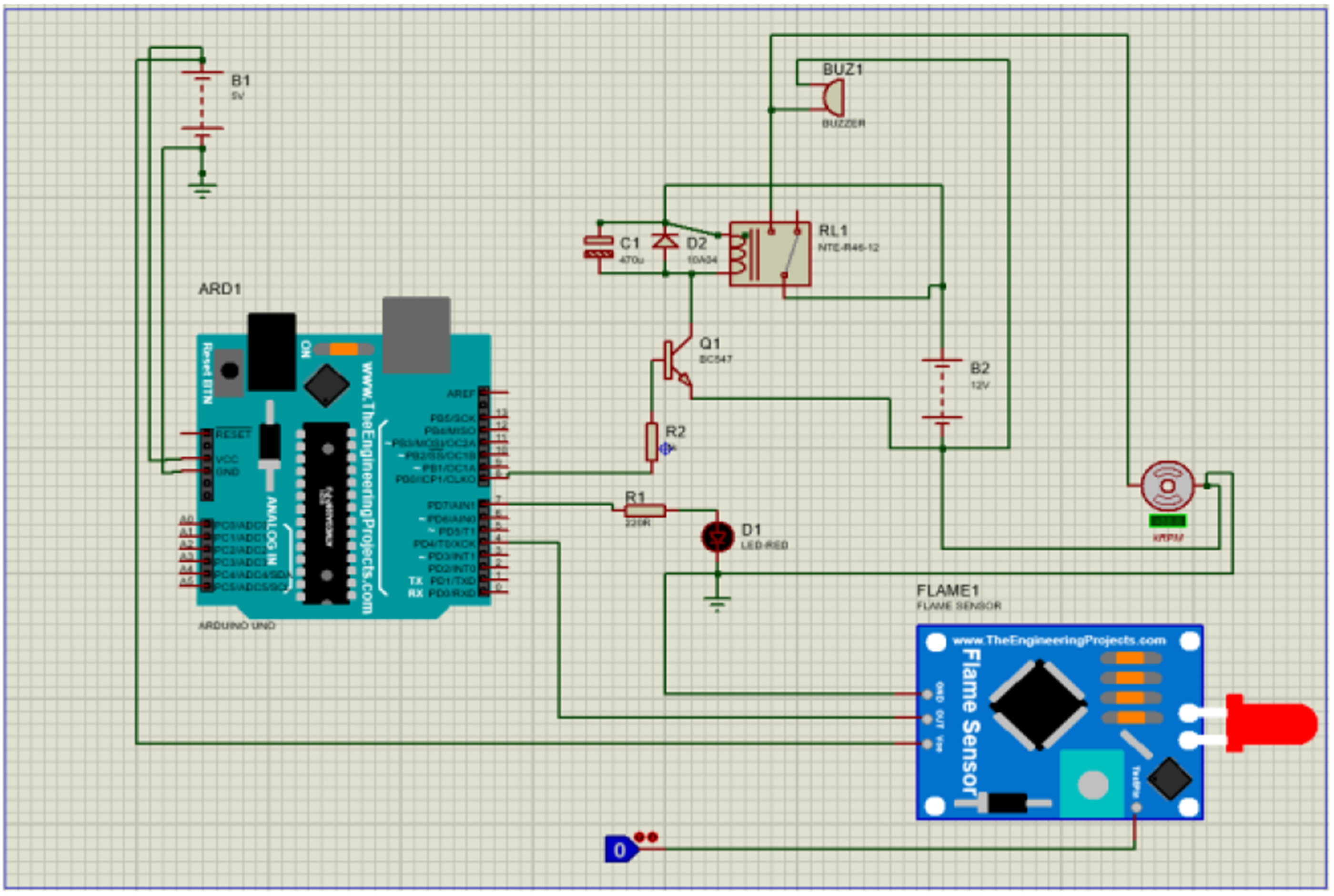
When the signal is at point zero (0) the system is functioning but cannot be triggered on because there is no fire, flame or smoke.
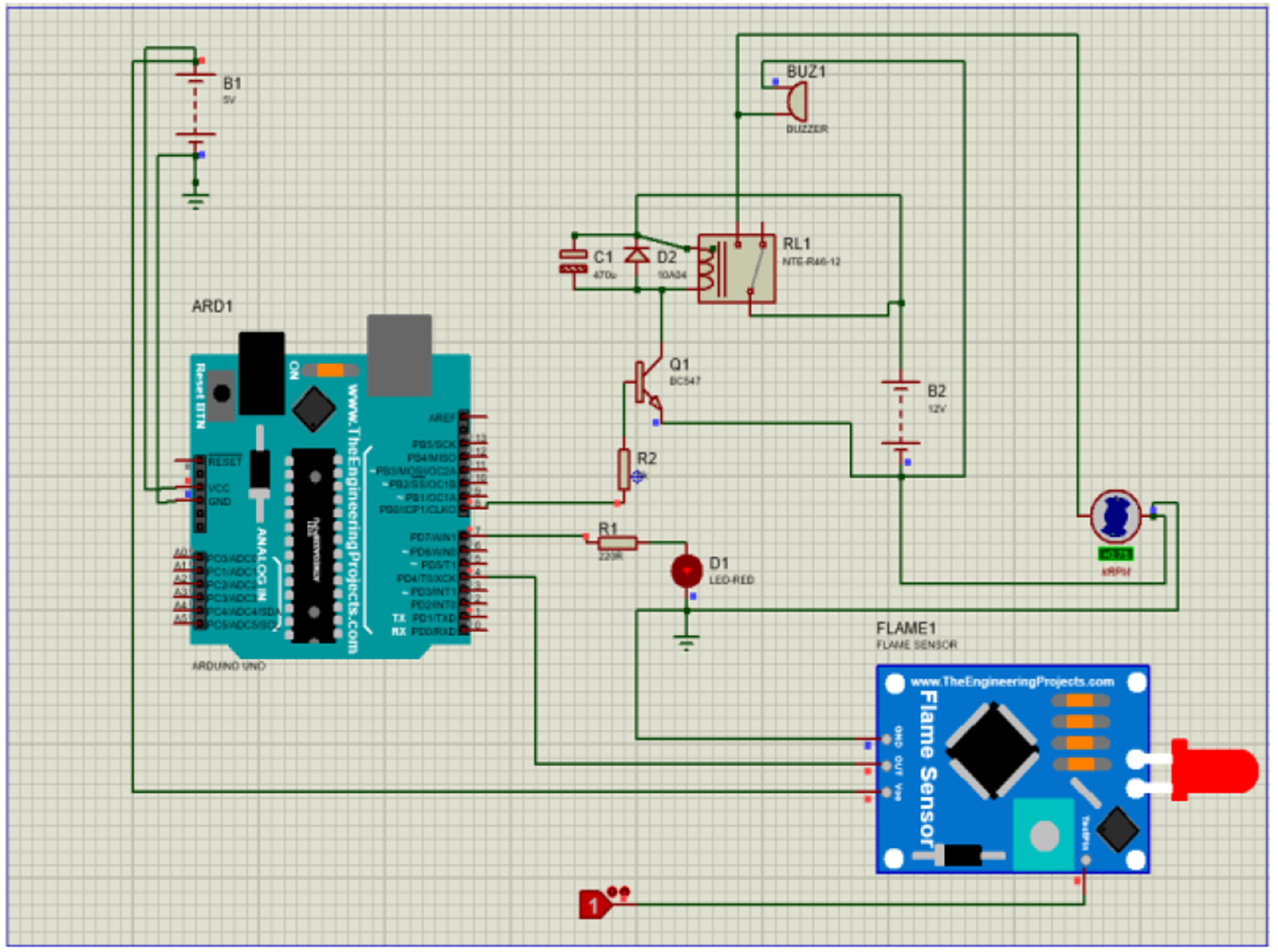
When the signal is at point one (1), the sensor signals the Arduino Uno, which will in turn, place a command to the actuator of the existence of fire, flame or smoke (fault) to be suppressed and this invariably informs the control panel for necessary actions to be taken. When fire suppression is finished, the indicator returns to the normal position of zero pending when another emergency will arise.
According to (Sunday, 2017) many things do cause fire outbreaks in Nigerian markets and other places. These include the storage of inflammable and flammable things in unauthorized places, like keeping of petrol in markets, schools and homes, storing adulterated fuel, wrong and illegal connections of electricity, power surges, sparks, littering of lighted matches and cigarette sticks inappropriately, stoves, gas cylinders uncarefully handled.
It is one of the discoveries of man, that turns out to be a source of hazard. Its benefits to humanity, surpasses the destructive tendencies it carries with, which can threaten any economy. Fire outbreaks have proven to be the most global recurrent and devastating disasters recorded in human history. They have been with serious and damaging decimals especially in the developing economies. The impacts of fire infernos to the environment, humanity and the economy are of serious concern to researchers, to finding strategies of preventing, controlling or eliminating them whenever they occur.
Fire interfaces between the atmosphere and the land surface and its impacts are wide-ranging. It influences man's liveliness, forest succession, is a tool for deforestation and an important natural carbon source while it also provides a major natural hazard to man's existence, through property and infrastructure destruction and air quality degradation (Mangeon et al., 2016). Building houses, industries, factories, infrastructure like schools, gulp a lot of money and at such cannot be allowed to be raised down by domestic or wildfire. As a result, concerted efforts must be made by the stakeholders of various organizations and establishments, in order to curb and cushion the ugly effects of fire outbreaks in our public and private institutions. This calls for fire engineering and re-engineering, in the metrologies of fire detection, suppression methods and their monitoring in field scales, industrial sites and residential homes, private and public establishments. These are arduous tasks and are complex as far as small and large structures are concerned, more so, when the structures are in clusters and high-rising types.
According to (Onoyan-usina et al., 2017), fire is always known as the best servant and equally the worst master; in the sense that when it turns into inferno, it devastates, consuming, burning and scorching everything on its path. It is a respecter of no man, whether rich or poor. It takes the presence of the combination of oxygen and fuel to ignite fire. The fuel in question here, are all combustible or flammables and inflammables, that are kept in the rooms, buildings or in open spaces, including furniture, curtains, clothing, bedding and bedding materials, paper. The more combustible these things are, and the more of them you have in the rooms, offices or in open spaces, the more severe the devastating effects.
The incidences of fire disasters and their concomitant effects are not new in Ghanaian history. Gakpe and Mahama (2014), reported several cases, how fire gutted many Ghanaian cities, destroying their valuables, plunging the people into severe hunger and devastation in 1983.
There were several incidences of fire outbreaks in Onitsha, Nnewi and Nkpor in Anambra State that claimed lives and razed down over 500 lock-up shops on Iweka Street Market, and residential houses respectively (Barbero et al., 2019; Sunday, 2017). Obioji and Eze (2019) stated that in Lagos, Kano and Aba, Umuahia urban market places, schools, infrastructure, human and material resources have become sorry sights due to devastating conflagrations.
Again, it has been reported in the recent past, in many other parts of the world, of Fire outbreaks in many homes, establishments, companies, industries and schools, gutting many valuables belonging to individuals and corporate organizations. Faremi (2021) submitted that fire detection and suppression, engineering and re-engineering are the way to go, to safeguard both private and public facilities. There were serious fire infernos that ravaged the Ministry of Foreign Affairs in Ghana, Kumasi Central Market, the Ministry of Information, the loading gantry of Tema Oil Refinery, Offices of the Electoral Commission, the Ridge residence of former President Jerry Rawlings, among others (Gakpe and Mahama, 2014). Notably too, fire disasters occurred in Bristol, the underground park incident, one facility in the residential unit, the UK incident and so on, in 2006 (Emilia and Via, 2016). It equally happened at Edinburgh, Scotland and the one at the Open Car Park at the airport, where 18 cars were destroyed in 2014. Emilia and Via (2016) and Saeed and Paul (2020), reported that various methods of technology of fire detection and suppression have been advanced in the course of fighting fire outbreaks. When infernos occur, they cause desperation and desperation causes higher casualties and even deaths. Undoubtedly infernos have constituted the most dangerous threats of all disasters in the rural and urban areas of human history (Chen et al., 2017; Xin and Huang, 2013).
Naser (2019) stated that the use of digital designs, enhanced the estimation of the initial moisture contents, bearing in mind, the availability of precipitations and meteorological indices in wireless stations’ monitoring. In recent times, multiple wireless sensor networks (WSNs) have been simulated with other sensors of different nodes and used within the same locality that yielded better results in fighting fire disasters(Warning, 2018). Through such nodes, they can navigate different routes in the course of fighting fire disasters by reducing the rate of their energy consumption, thereby safeguarding and prolonging the lifespan of the systems in that locality. Emilia and Via (2016), submitted that when sensors from two authorities are coupled together with the aim of sending packets through a shorter route, energy consumption is lowered, making the networks thereto, to save their energy, thereby lengthening their lifetime.
In securing our gas-plant infrastructure, facilities, educational institutions, human life, movable and immovable assets, hardware and software (Zeb et al., 2023) data, from the harrowing and agonizing fire carnage effects, involve both digital and analog measures, hence the detection and suppression of fire infernos with automatic sensors (AS) and Artificial Intelligence (AI) algorithms.
The cost of building houses, industries, factories, structures or infrastructure like gas-plants are capital intensive and cannot be allowed to be gutted arbitrarily by domestic and wildfire, due to nonchalance. Therefore, concerted efforts must be made to forestall the incidences of fire outbreaks ravaging man's life and his investments.
The use of automatic sensors to detect and suppress fire in gas-plants is important and in line with technological advancement where tasks are automated thereby, reducing risks of injuries as a result of physical contact.
Literature review
In the olden days, people always rely on the conventional methods of fire detection and suppression in order to save human lives, belongings and the environment (Giannakidou et al., 2024; Kobes et al., 2010). The use of traditional risk assessment methods cannot be appropriate in fighting fire outbreaks, due to their immobility dispositions (Di Nardo et al., 2017; Min and Larkin, 2014). Therefore, more comprehensive and inclusive digitally designed methods, like the system dynamic simulation models (SDSMs), that are well automated and streamlined with risk assessment and management architectures (RAMA), should be adopted. Yassein et al. (2017), stated that to maintain and sustain all infrastructural facilities are very expensive, but with the advent of WSNs, the structuring and restructuring of infrastructural challenges in many applications, are made easy.
Automatic sensors and networks (ASNs) can be used in many fields in the course of fire detection and suppression. Researchers observed that up till now, they are widely used in commercial and military fields, as seen in traffic and in portable applications (An et al., 2022; Chen et al., 2004; Yuan, 2010). They do not only detect fires from afar but also provide information about the fires within, for immediate suppression as well as possible, the evacuation of the occupants and valuables of the establishments, being gutted by fire (Xin and Huang, 2013; Yuan, 2010). The most current fire detection systems are the smoke detectors (SD) that have never failed to dictate actual fires where they are installed. Sensor nodes can collect microclimate data and send same to their respective cluster nodes through wireless sensor networks (WSNs) (Chen et al., 2004, 2017; Warning, 2018). Chen et al. (2007) and Sarvari and Mazinani (2019) affirmed that some of the chemical species of fire algorithms are Oxygen (O2), Carbon monoxide (CO), Carbon dioxide (CO2), Water vapour (H2O), Hydrogen cyanide (HCN), Acetylene (C2H2) and Nitric acid (NO). The need for fire detection and automatic suppression in and at our homes, schools, factories and other establishments cannot be overemphasized, sequel to these effects.
These call for automatic firefighting and simulation devices in the presence of high levels of the causative agents of fire, especially when the main structures and systems burning, are of critical importance to researchers and stakeholders (Naser, 2019). Multiprocessor computing systems would serve the purposes of predicting fire dangers and curbing them in all establishments. There are the need to use ecological fire-prevention control measures based on the interface computation of cloud infrastructure and some ecological data, in order to detect and suppress fire infernos (Baranovskiy, 2019). Sequel to these developments, there are the need to incorporate some artificial networks (ANs) like the artificial intelligence system (AIS) in order to capture and recapture the implicit relations that vary with complexities, and between various input parameters associated with fire outbreaks at our school infrastructures. These measures are extensively applied in various fields of human endeavour, as are found in the cases of structural engineering, material sciences, extraterrestrial exploration and so on (Naser, 2019).
Singsanga et al. (2010) and Singsanga and Usaha (2017) observed that game algorithms (GA) are WSNs for packet forwarding (PF) that are needed at stations, in order to curb and cushion the deficiencies, infernos do cause, by non-cooperative devices, in the events of danger and firefighting, since resource sharing between different sensor networks are required in checkmating and prolonging the networking of systems. Again, the spate of carnages and losses to human lives and properties, have been minimized due to the use of WSNs, that have proven to outperform the conventional methods of firefighting. Modern firefighting deploys ANs, made of automatic sensors (ASs) that can encode, decode, detect and suppress fires within far and immediate proximities.
New techniques in the development of sensor networks (SNs) have been discovered, but to select the appropriate ones, need specific protocol adherence (Burton et al., 2022). This is to inhibit the medium access control (MAC) and improve firefighting measures. It maximizes the level of energy consumption and the processes of the throughput, thereby increasing the latency of system performance, determining the accesses to information. Upon the occurrence of fire, the most appropriate thing to do is limiting the consequences of fire, by adopting the best suited detecting strategies in alerting people within the environment, as well as triggering firefighting procedures (An et al., 2022; Chen et al., 2004; Sarvari and Mazinani, 2019). In doing these, there may be some bottlenecks in the course of fire detection and suppression. For instance, in the conventional way, the height of the ceilings in large spaces with sprinklers, will greatly be hindered, affecting the application of sprinkling water in the face of fighting fire outbreaks (Sarvari and Mazinani, 2019). Therefore, these measures cannot serve and provide effective protection for structures, making the adoption of time division multiple access (TDMA) interfacing with other multiple access protocols like small and medium access control (SMAC), zonal medium access control(ZMAC) needful with which to remove MAC (Singsanga et al., 2010; Yassein et al., 2017).
Mangeon et al. (2016) and Gollner (2016) stated that many FD already in use by the existing systems are based on the principle of particle sampling (PS), temperature sampling (TS), relative humidity sampling (RHS) and smoke analysis (SA). As results of the above, the detectors must be installed in close proximities of fires, if not fire outbreaks cannot be detected cum the possible suppression in real time. Again, it was stated that in most of the large spaces where combustible materials were distributed dispersedly, it was not possible to install many water sprinklers, to cover all the materials effectively and efficiently in order to checkmate fire outbreaks (Rawat, 2018; Shulyak et al., 2014). Therefore, large interests in knowing and understanding the best approaches with appropriate system designs for fighting fire infernos, become imperative.
Consequent upon these, (De Stefano and Wouters, 2022), observed that institutions and stakeholders should invest considerable resources in the artificial intelligence (AI) and digital agenda single market. This is necessary because disaster management (DM) is not only driven by a single technology, but by the interplay of several digitally reinforcing technologies, achieving support evacuation planning, managing data, and for prioritizing. Though automatic fire detection and suppression (AFDS) is capital intensive, it cannot be compromised for whatever reasons. Metrology systems are equally expensive due to the fact that the devices must be resistant to real fires, and usually long wires are used, which must be insulated or buried with the sensors and the data acquisition systems (Mi et al., 2020; Müller et al., 2006; Naser, 2019; Wang et al., 2010). The use of software defined networks (SDNs) represents simplified solutions for complex tasks such as fire detection and suppression (FDS) (Klose, 1991; Pier and Preiser, 1996; Wakamatsu, 1989). Therefore, they call for network optimization and orchestration. Again, in the course of tackling modern network applications, decorum must be put in place in getting scalable architectures that should provide reliable and sufficient services when the need arises (Schunck and Regnier, 2022; Siu et al., 2017).
Preisler et al. (2011) and Hu et al. (2011) stated that building fire interventions especially residential fire outbreaks, remain the most critical concern to researchers. About 39.7% of all fire infernos occurred in the home buildings, resulting to direct property damages and loss of lives. As results, the society has responded positively to these ugly developments in the building subsector in diverse and tailored ways, such as coming up with fire regulations, building regulations, the adoption of fire control devices in buildings, in order to resist the effects of fire.
It was recorded that early fire outbreak, detection and suppression using ASs, have made tremendous impacts in reducing injuries, deaths and other associated damages occasioned by fire (Coleman, 2016; Service and Guidance, 2020). The above feat was achieved, using a home detector, that got the award DiNenno by the national fire protection association (NFPA) (King, 2014; Wang et al., 2010). The data provided by the above, indicated that home fires, death and other losses have dropped by over 50% since the 70's.This indicated that automatic fire detection and suppression techniques have come to stay. The incidences of home deaths were reduced by about 30% when smoke alarms were deployed, while AFDS with sprinkler systems reduced the carnages of death by about 80%.
Oloke et al. (2022) and Sarvari and Mazinani (2019) observed that efficient smart emergency response system for fire hazards using Internet of Things (IoT), provided a quality public safety and security services, by adopting data driven emergency response systems, leveraged on urban IoT design standards. An intelligent fire detection and suppression system (FDSS), safe from fire is developed and specified with proper safety systems. In order to contend with fire and its hazardous influences ravaging man and his assets, needs adequate fire management. According to Yassein et al. (2017) fire management includes mix of activities that can be planned for, such as hazardous fuel reduction threats and wildfire prevention as well as fire detection activities that are more subject to the whims of Mother nature such as wildfire suppression (Addai et al., 2016; Johnson et al., 2016). The absence or delay of fire control measures (FCM) or systems to act, are as results of the assemblages of actions aimed at detecting, serving and eliminating combustion sources that are seen as the causes of the transition of minor fires into large-scale fires that are lacking (Rawat, 2018). The need for a robust ASN for combating fire outbreaks, shows that the conventional and others methods, were seen as being able to secure the industries but not within real time, as the systems were designed to use various sensors but not as a single unit, in order to address the problems in times of fire or any other emergencies (Min and Larkin, 2014; Warning, 2018).
The simulation of sensor networks for fire detection and suppression
Looking at the characteristics of fire outbreaks, it becomes expedient to select the appropriate sensors that could be simulated as to effectively combat the various forms of fire. Coen (2018) observed that wild land fire behaviour models have been formulated and applied in order to understand different observed incidences of fire, anticipate their growth as well as for testing their effects on different cases, at different environmental conditions. Again, according to Associates et al. (2005) a new fire model has been developed for simulating fire growth and smoke spread. This model can be used to simulate any multiple compartments, buildings, structures or enclosures against fire.
Mangeon et al. (2016) advocated for linear programming (LP) in the course of finding energy efficient routing paths (EERPs) in order to prolong and secure the lifespan of systems and networks. Mangeon et al. (2016), observed that sensor node routes (SNRs) with low energy consumptions do not guarantee for prolonged networks’ lifespan as such sensor nodes are prone to higher traffic load, thereby consuming more energy. To abate these anomalies, there are the needs for fair cooperative routing frameworks (FCRFs). Alternatively, there should be a non-cooperative game algorithm scheme (N-CGAS), with which to PF game problems.
From Klose (1991) and Singsanga et al. (2010) it was stated that effective FDSS ought to be operated in three fundamental ways either through oxygen reduction (OR) or heat absorption (HA) or via synthetic agent system (SAS), such as using IG55 or IG541 or alternatively through FM 200 or Novec 1230.
Again, newer models that interactively couple the atmosphere with all fire behaviours, have shown increased potential in understanding and predicting complex fire cases, rapidly changing fire behaviours (Coen, 2018). This is achievable, if they are able to capture an intricate and time-varying micro-scale airflows on mountainous terrain and respond automatically to the atmospheric feedbacks (Coen, 2018).
In order to choose the appropriate sensors to be simulated, the characteristics of fire parameters like smoke density, the temperature coefficient together with the control parameters (measures) like the relative humidity and the absolute air pressure must be determined, and all of them must be converted to electrical signals (ES)(Klose, 1991). Automatic fire detection and suppression alarm systems (AFDSASs) are key features of building a fire protection strategy, especially in cases of performance-based building fire protection designs.
These designs are formulated for the detection of fire, initiate building evacuation of persons, materials and finally activate auxiliary fire suppression activities (Kong, 2011). Many protection models or designs have been proposed by many researchers for the protection of infrastructures, human and material resources, in the event of fires outbreaks. (Gutmacher et al., 2012), observed that most of the FDs are based on the detection of smoke (DS), which implies that nonsmoking fires, especially pure ethanol fires cannot be detected. In the light of the above scenarios, additional sensors have to be integrated into the system if other cases other than smoke fires are to be detected and suppressed.
In the bid to fighting fire outbreaks at different sites headlong, it is obvious that sensors or detectors (Malik et al., 2023) like the photoelectric and ionization types must be combined and incorporated for the effective detection and suppression of fires infernos.
System design and methodology
System block diagram
The diagram below describes the connections between the different units of a fire detection and suppression system. The system is powered by a power supply unit to provide power for all the individual units to operate. When the input unit senses a smoke in the environment and the smoke goes beyond the predefined threshold, it triggers on the output unit through the controller unit, whose function is to determine when and how long it will set the trigger running by accepting input signal in the form of 0 s and 1 s, corresponding to 0Volts and 5Volts (Figure 1).
In order to simulate the fire detection and suppression design, the authors used an Arduino Uno programming software, Relay, Infra-red (IR) flame sensor as inputs, Buzzer, Light emitting diodes (LED) as outputs in order to raise alarms, Capacitor to charge and retain charge and a 5v motor to power the system and with these the authors conducted the simulation and test ran the system. The sensor was able to send the sensed information to the Arduino Uno programming software that acted as a computer itself to act upon any information required. The presence of the relay is to incorporate a bigger voltage when the need arises, in order to power any system which a 5v motor or battery cannot do. Through the diode, transistor and the resistors that were inbuilt, the purpose of the process was achieved.
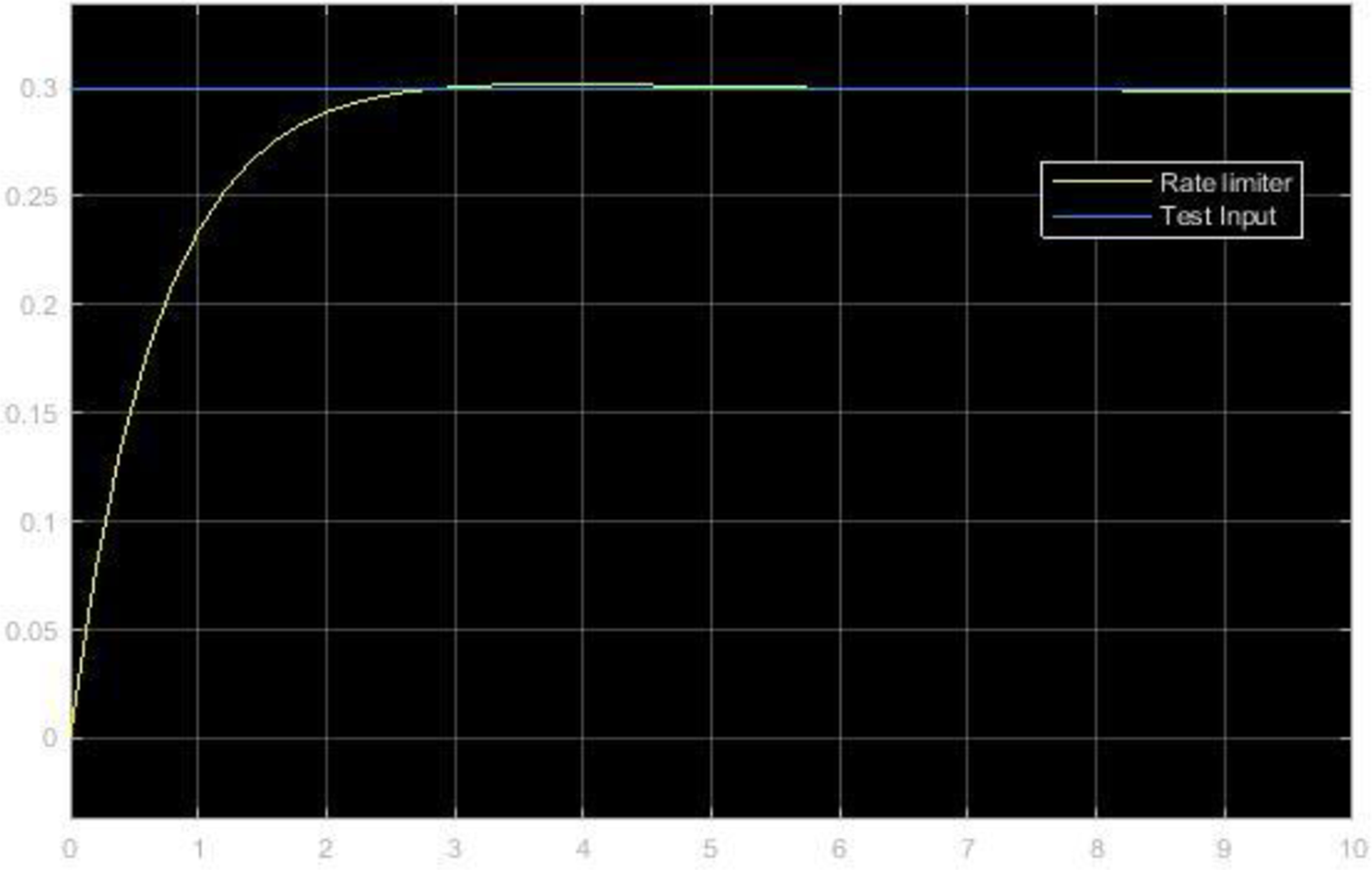
When the sensor, senses zero (0), the actuator will not trigger on, irrespective of the fact that the system is on, while when it senses one (1), the actuator triggers on, indicating that there is danger (smoke, flame or fire) to be suppressed. Bear in mind the following from the figures below: the proportional integrator derivative (PID) values: Note that kp = proportional gain, ki = integrator gain while kd = derivative gain (Figures 2–7).
Discussion of result
When the sensor is tuned/programmed at or below one (1) second to respond with the values Kp = 14.3, Ki = 2.52, Kd = 1.6, the signal will fall below the standardized bench mark, which is the Blue Line. This means that any small fire, smoke or flame, the actuator will send information to the control panel to act immediately and raise alarm. It might interest you to know that this fire, smoke or flame is not real.
When the sensor is tuned/programmed at about 1.35 s to respond with the values kp = 12.7, ki = 2.85, kd = 2.3, the signal will still fluctuate and fall below the Blue Line. Equally of note, is that the possibility of false alarm and automatic suppression is not ruled out.
When the sensor is tuned/programmed at about 2.5 s to respond with the values kp = 10.95, ki = 3.05, kd = 2.95, the signal will still fluctuate, rising above the Blue Line and then fall below the Blue Line, the standardized or normal line.
When the sensor is tuned/programmed at about 3 s to respond with the values kp = 9.94, ki = 3.05 and kd = 3.23, the signal falls within the standardized Blue Line. This impliedly means that there is real smoke or flame that needs urgent attention. When this happens, the actuator will send signal or information to the control panel for prompt action and subsequent suppression. So, it depends on the intention of what purpose the design is meant for, that will determine the exact value of seconds that the sensor would be programmed at, for any desired result.
The Transfer function equation =
System maintenance
According to New South Wales Fire Brigades, for the efficiency of the smoke detector system (SDS), the system alarm (SA) batteries must be tested every month by pressing and holding the test button for at least five seconds until you hear the beeps. Similarly, every half a year, the vacuum in the smoke detector (SD) should be dusted in order to keep the smoke alarm free from particles, in order to help reduce the incidences of false alarms and to ensure that smoke can easily reach the internal sensor locations, thereby making the designed system to perform optimally and rationally well. https://www.fire.nsw.gov.au/page.php?id = 444.
Again all the internal structures or channels that have holes that can be blocked by cakes, that might result from humidity and atmospheric conditions, must be cleansed with appropriate cleansing agents and procedures. The agents and measures like the reactive measures (RM), that is, the day-to-day routine checks, preventive measures (PM), including the cyclic and condition-based maintenance measures (CC-bMM), the upgrading of the proactive maintenance measures (PMMs), and reactive maintenance measures (RMMs) such as the planned and unplanned maintenances (PUM) respectively must as matters of necessity be taken very seriously cum PPM (Ajadi et al., 2012).
Solutions to infernos
In order to see that our infrastructure, facilities and establishments function optimally well according to (Cecala et al., 2012), there are some plethora of issues to be embarked upon, such as adopting elimination control measures. This involves eliminating unnecessary sources of radiant heat (RH) and all water vapours (WV) in the workplaces that leak from steam valves (SV). These are done by modifying the air temperature (AT), the relative humidity (RH) and the air movement (AM), using the general and the local ventilation methods thereby removing the clogging of the airspaces and channels. Again, these can be done using spot coolers (SCs), fans and air-conditioners.
Yassein et al. (2017) stated that in the management of systems, there are two types of monitoring systems that are involved, such as the static and dynamic managements (SDMs), depending on the sensors in use. (Yassein et al., 2017), admonished that the data deliveries from the sensors to the sink can range from query-driven (Q-D) to continuous-driven (C-D), to event-driven (E-D) or even hybrid-driven (H-D). (Yassein et al., 2017), stated that wireless mesh network (WMN) contains a host node (HN) as well as a router node (RN). The HN operates not only as a host but as a router, forwarding data packets (DPs) to other nodes, if the node cannot reach their destinations directly and in time. Control measures equally involve the elimination of blockages, the isolation and classification of unwanted issues. These are achieved by using hoods that maintain Airflow targets of about 1800 fpm at all the infrastructural sites.
Again horizontal ductwork approaches (HDA) must be avoided, adhering to the use of the main duct trunk lines (DTLs); minimizing field fits and welds (MFFWs). Equally put, is that the use of flexible hoses (FH) at the industrial sites must be minimized, sizing and locating orifice plates (OPs) must be in place, avoiding mitered elbows (AMEs) that are greater than 90 degrees must be the order, modified low-velocity systems (ML-VSs) using centrifugal collectors (CCs) or cyclones must be included, adopting the use of gravity separator measures (GSMs), otherwise known as the Drop-out Boxes (DoBs), is advisable, involving the bag-house collectors (BhCs), mechanical shaker collectors (MSCs), the reverse air collectors (RACs) as well as reverse jet (RJ) or pulse jet collectors (PJCs) are ideal. Again, adopting condition based maintenance mechanism (CBMM) which involves reactive control maintenance measure (RCMM) and the computerized maintenance management systems measures (CMMSMs) are equally germane. Adopting data gotten from these areas would improve the usefulness and longevity of the overall systems’ performance overtime and reduce the systems’ downtime. These will equally improve the historical work sequences of the systems involved.
Again, employing condition based maintenance approaches, which focus strongly on how to avert the consequences of failure, would be of immense help and fruitage in detecting and suppressing fire outbreaks
According to Burton et al. (2022) Halogenated agents detect and suppress fire disasters fast, by interrupting the chemical chain reactions in the combustion processes. These they do, by detecting and suppressing fire infernos chemically instead of physically. It is generally agreed that bromine is released from the agents of combustion, as it decomposes in the fire, carrying away the free radicals in the fire that actually instigate the combustion. This is done by releasing more bromine into the fire in order to continue the chain breaking processes of fire suppression.
Many of these halogenated agents like Halon 1301 and Halon 1211 are identified as ozone-depleting agents and they are subject to control, under the Montreal Protocol and other Federal requirements. In order to reduce the effects of their side effects on the purposes for which they are deployed, it is advisable that using the right agent(s) that will be most effective on the fire inferno and that can cause the least amount of property damage be adopted.
A prominent industrial approach to preventing caking and blockages is the use of anti-caking agents at all establishment sites, such as the jost chemicals https://www.jostchemical.com > wp-content > uploads > 2017/02>what-C…
Singsanga et al. (2010), stated that Non-cooperative game as a branch of Game theory of WSN, is a powerful tool that is deployed in analyzing the behaviour of agents used in fire detection and suppression, as well as for power control and network routing (NR). On the other hand Nash equilibrium (NE) that is part of the Non-cooperative Game strategy (N-CGS) is absolute in determining the different behaviours of all the agents and components that are used in the disaster management strategies (DMSs). NE coordinates and makes all the components and agents to align, and cooperate, nipping all the deficiencies that may occur between and within the operating system.
With NE and Nash Q (Singsanga et al., 2010; Singsanga and Usaha, 2017), the issues of cooperative and non-cooperative nodes of WSN are taken care of, thereby securing the infrastructures, files and the human elements. Another method is by cloning residential houses, industries, systems with red-alert and smart chips (SCs) that will act promptly, against all the chemical agents that ignite fire outbreaks, by limiting the frequencies of their occurrences and reoccurrences, through known digital technologies.
Cloning involves two major techniques that are based on either lightweight or heavyweight identity schemes. These techniques are said to be better in terms of their efficiencies and some security performances, when compared to other existing fire disaster methods (Gollner, 2016).
According to Ajadi et al. (2012), clones do provide greater varieties in capabilities and in the pricing of things, mostly in the digital world of ours. With regards to energy systems and their operations, clones as detachments of technology, are found to be handy and resourceful in the linking of the supply chains of production activities, refining, the transformation of things, providing security and in the consumption of goods and services. Again, it has been stated that atoms can be split by cloning. The work of splitting or breaking down of the atoms is further buttressed by some known scientists. Cecala et al. (2012) stated that with the exception of Uranium, that can produce from its Nucleus (Neutron) chemical chain-reactions that are self-sustaining. When split or broken down with Atomic Masses 234, 235 and 238, others do not. It is the decayed Uranium atom to Plutonium that can be dangerous due to fission reaction, other atoms of many other elements, do not, when broken down.
FIDASUAS is a smart system that is security based, meant for the industries, facilities, residential homes and for other purposes. The system design is fully automated and it does not require any manual operations. This it does by detecting the presence of fire scenes or dangers, consequently, go ahead to suppressing them.
Limitations of using automatic sensors in fire detection and suppression in gas plants
Automatic sensors built inside thermostatic form of detectors may not be good for a hot weather or working environments/areas. This is because any slight increase in temperature may trigger the sensor thereby, giving a false signal. Again, automatic sensors for detecting flames may only be activated at the appearance of flames. This means that serious burn may have taken place before such fire is detected and suppressed.
Conclusion
An infra-red (IR) fire sensor was used in compliance with an Arduino Uno programming software and other components based on the agenda of automatic detection and suppression of fire outbreaks as was demonstrated in this project. Through this system design, it was observed that when fire, flame or smoke signals amount to the threshold one (1), the actuator signals the control panel to initiate the automatic suppression agenda. When it does not amount to the threshold one (1), there would be no suppression because there are no sensed fire, flame or smoke signals, meaning that the reading of the indicator will remain at zero (0).With the aforementioned processes, the authors were reliably informed by the system design of the presence or otherwise of smoke or flame. The process recorded 95% success. On this note, the authors recommend that this measure be tried in other areas of human endeavour, where fires carnages have been threatening man's life, his documents and infrastructures like buildings, cavities used for electrical purposes and in all the compartments of ships, space and so on, since fire outbreaks are not only restricted to gas-plants.
Footnotes
Declaration of conflicting interests
The authors declared no potential conflicts of interest with respect to the research, authorship, and/or publication of this article.
Funding
The authors received no financial support for the research, authorship, and/or publication of this article.
