




Abstract
The sediment type in the “Shenhu” sea area of the South China Sea is mud sediment, with poor reservoir physical conditions, and the seabed is loose with a small pressure window. These conditions pose heightened safety challenges for the extraction of hydrates in this region. This study develops a multiphase flow model that accounts for the endothermic decomposition of hydrates and employs the finite difference method for its solution. Utilizing this model, the multiphase flow characteristics during depressurization extraction at a specific well in the “Shenhu” area are investigated. Building on this, the study analyses the impact of varying pump rates and geothermal gradients on multiphase flow properties, hydrate yield, and engineering safety. Based on the analytical findings, recommendations are proposed to balance hydrate production with engineering safety, effectively mitigating potential engineering accidents during depressurization extraction. The outcomes of this research offer technical guidance for the commercial exploitation of hydrates in the “Shenhu” area of the South China Sea, laying a foundation for future related studies.
Introduction
Natural gas hydrates (NGHs), comprising methane, ethane, and propane, are ice-like crystalline substances that form under high-pressure and low-temperature conditions in marine or terrestrial permafrost and represent rich reservoirs of clean energy (Collett, 2000; Kvenvolden and Lorenson, 2001; Malagar et al., 2019; Moridis et al., 2013). The energy potential stored in NGHs is substantial, with the decomposition of 1 m3 of hydrate releasing approximately 164 m3 of natural gas and 0.87 m3 of water (Chen et al., 2019). It is estimated that the carbon content in global hydrates exceeds twice the total carbon content found in all known fossil fuel reserves (Makogon, 2010), positioning NGHs as a promising clean and unpolluted energy resource. The exploration and utilization of hydrates play crucial roles in optimizing energy structures and ameliorating the climate (Cui et al., 2019).
Currently, there are four primary methods for NGH gas production, depressurization, thermal stimulation, chemical injection, and carbon dioxide replacement, all aimed at disrupting the NGH equilibrium to facilitate natural gas production (Konno et al., 2016). At present, it is considered that the most effective and simplest method is depressurization (Wang et al., 2013; Zhao et al., 2015). The principle of the descending method is drilling wells into hydrate reservoirs and reducing the reservoir pressure below the range in which the NGH is stable (Sloan, 2003). Hydrates become unstable as wellbore pressure decreases and dissociate due to sensible and geothermal heat flow from the reservoir (Konno et al., 2016). A test project at Mallik in 2008 by Canadian and Japanese researchers confirmed the ease of extracting NGH by the buckling method (Yamamoto and Dallimore, 2008). In the same year, Japan demonstrated continuous natural gas production through wellbore sand screen installation, highlighting depressurization as a promising method for permeable MHCZ gas production (Konno et al., 2017). However, the NGH reservoirs in the “Shenhu” area of the South China Sea, characterized by unconsolidated clayey silt deposits with poor cementation, high clay mineral content, and low median particle size, may compromise reservoir stability and induce submarine landslides during gas production, exacerbating global warming through methane release (Gong et al., 2017; Hyodo et al., 2013; Kimoto et al., 2007; Yan et al., 2018). Addressing the complex conditions of hydrate reservoirs in the “Shenhu” area and potential environmental concerns is imperative for safe and efficient depressurization extraction.
During production, the decomposition of hydrates results in the coexistence of solid, liquid, and gas phases within the wellbore annulus, significantly impacting the wellbore pressure. More critically, uncontrolled hydrate decomposition may pose a threat to engineering safety, including drilling fluid loss, formation collapse, fluid invasion, and fracturing. Santos (1982) proposed a mathematical model for deepwater well kick circulation in 1982 that incorporates frictional losses between gas and drilling fluid and considers the flow regime in the two-phase region and wellbore geometry. Nickens (1987) developed a multiphase flow model based on mass and momentum conservation equations, also accounting for wellbore geometry and drilling tool effects. Bangtang et al. (2014) established a slug flow and annular hydraulic model for wellbore annulus multiphase flow, deriving flow regime transition criteria. Wang and Sun (2009) developed a dynamic model for annular fluids with hydrate phase transitions during gas kicking, demonstrating that increased annular fluid velocity can distance hydrate formation from the seabed. Wei et al. (2016) formulated a hydrate decomposition kinetics model and a complex multiphase flow model considering annulus coupling, analyzing the sensitivity of multiphase flow in hydrate drilling and providing measures to ensure good control safety. Cheng et al. (2013) introduced a fluid‒solid coupling mathematical model that simulates the complex stability performance of HBS drilling and suggested that low-temperature drilling fluids and appropriate drilling fluid pressures are beneficial for HBS wellbore stability. Wei et al. (2019) developed a coupled wellbore-formation model that simulates heat and mass transfer and hydrate decomposition during drilling, conducted sensitivity analyses on the drilling fluid injection temperature and flow rate, and proposed optimization strategies.
The abovementioned studies provide a mature understanding of annular multiphase flow and its influencing factors. However, the impact of exothermic hydrate decomposition on wellbore temperature fields remains unclear, with both pressure and temperature fields being critical for reservoir stability. Systematic research on the depressurization extraction of NGHs in the South China Sea is lacking, especially regarding the impact of multiphase flow behavior on safe extraction. Ensuring engineering safety is paramount for the commercial exploitation of NGHs.
Therefore, this study innovatively establishes a multiphase flow thermo-pressure coupling model that incorporates hydrate endothermic decomposition, investigating the heat and mass transfer characteristics of multiphase flow during depressurization extraction of NGHs in the South China Sea. Based on these findings, this paper analyses the impact of different pump rates and geothermal gradients on multiphase flow dynamics, hydrate yield, and engineering safety. Finally, optimization recommendations for design parameters are proposed to ensure hydrate production and engineering safety in the “Shenhu” area, providing significant assurance for future commercial hydrate exploitation.
Numerical model
Depressurization process for NGH extraction
Figure 1 shows the physical model for marine NGH extraction via depressurization. Initially, the well is drilled down to the layer beneath the hydrates. Subsequently, high-pressure submersible pumps are employed to extract the well bottom fluid to the exterior, thereby reducing the bottom-hole pressure of the production well. Given that hydrates exist under high-pressure conditions, a decrease in pressure disrupts the phase equilibrium of hydrates, resulting in the gradual release of methane gas from hydrates. Following hydrate dissociation, reservoir stability is compromised, and some solid-phase NGHs are transported into the wellbore by gas. After hydrate dissociation in the near-well reservoir region, gas returns to the surface through the wellbore. As hydrates continue to dissociate, their saturation decreases, and their permeability increases, leading to continuous dissociation of the hydrate front, thereby sustaining output from the wellbore and further enhancing permeability. This positive feedback loop facilitates the ongoing dissociation of hydrates in the reservoir region. During the upward return of hydrate particles from the annulus, solid particles continue to dissociate due to pressure reduction and temperature increase (Mao et al., 2016; Wang et al., 2018). The depressurization method is suitable for regions with high hydrate saturation, high reservoir permeability, and underlying hydrate deposits (Ji et al., 2001). A higher permeability provides pathways for hydrates at the dissociation front, thereby facilitating rapid gas production.
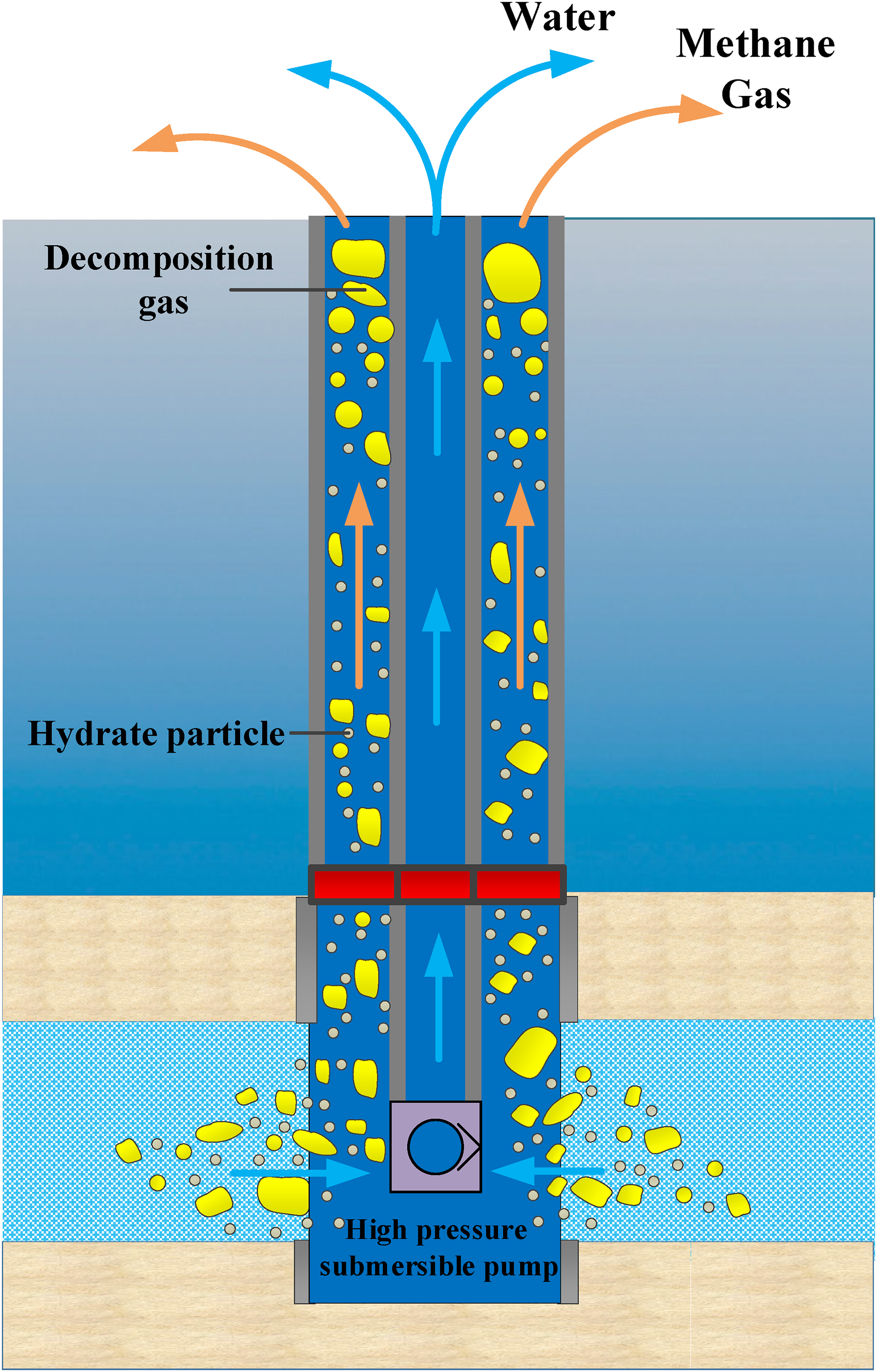
Physical model for marine natural gas hydrate extraction via depressurization.
Development and discretization of the multiphase flow model
Establishment of the multiphase flow mathematical model
During the depressurization extraction of NGHs, the solid-phase natural gas within the reservoir begins to dissociate with decreasing pressure from the outset, and the dissociated methane gas carries solid hydrate particles upward with the drilling fluid. In the seawater segment, as the water temperature increases and the annular pressure decreases, these solid particles begin to dissociate, resulting in gas‒liquid–solid multiphase flow. Assuming that the water produced by hydrate dissociation is negligible, a multiphase flow model is proposed. Figure 2 demonstrates the physical model for gas-phase conservation.
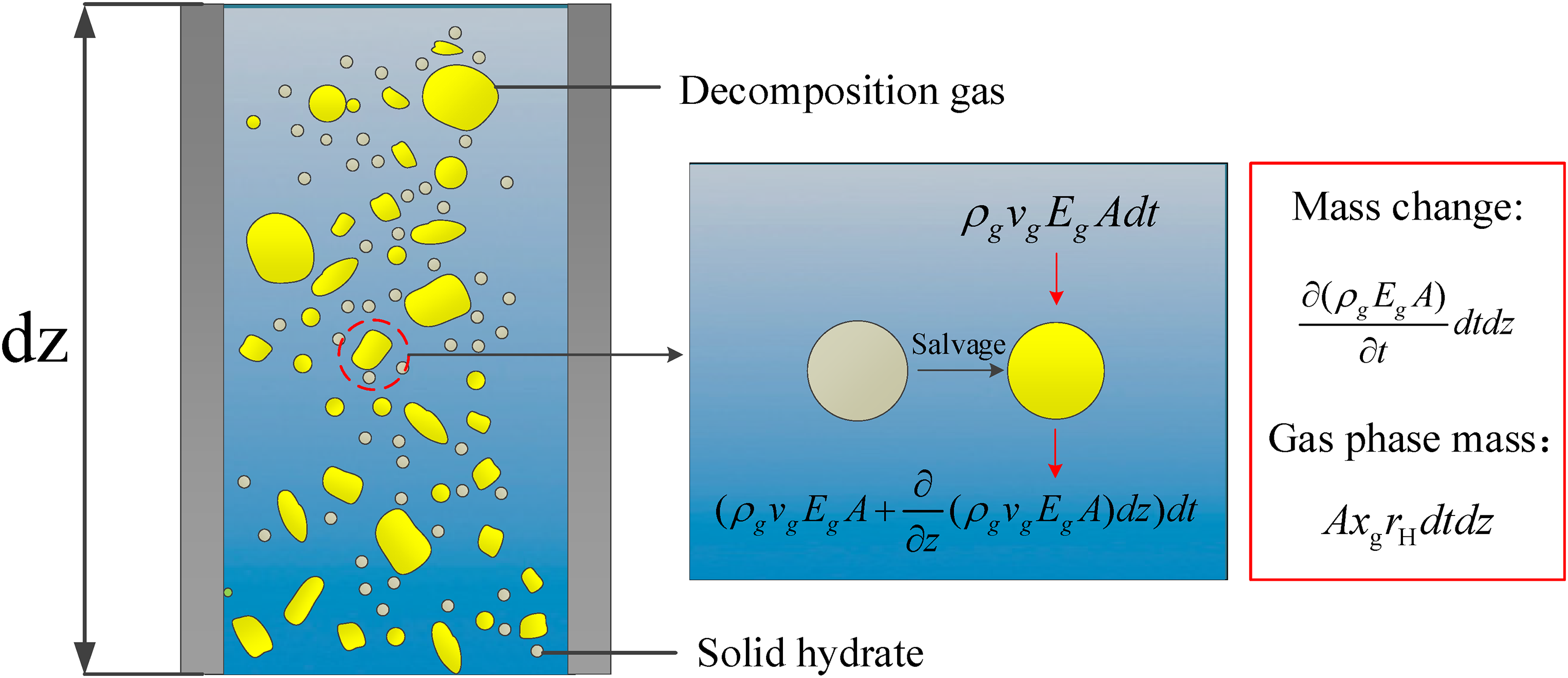
Diagram of gas-phase mass conservation principle.
For the gas phase, the mass increases and decreases are given by the following:







The annular temperature prediction model is as follows:


Model discretization
The finite difference method is used to solve the mathematical model. Figure 3 shows the wellbore grid diagram and the unit grid integration area diagram.

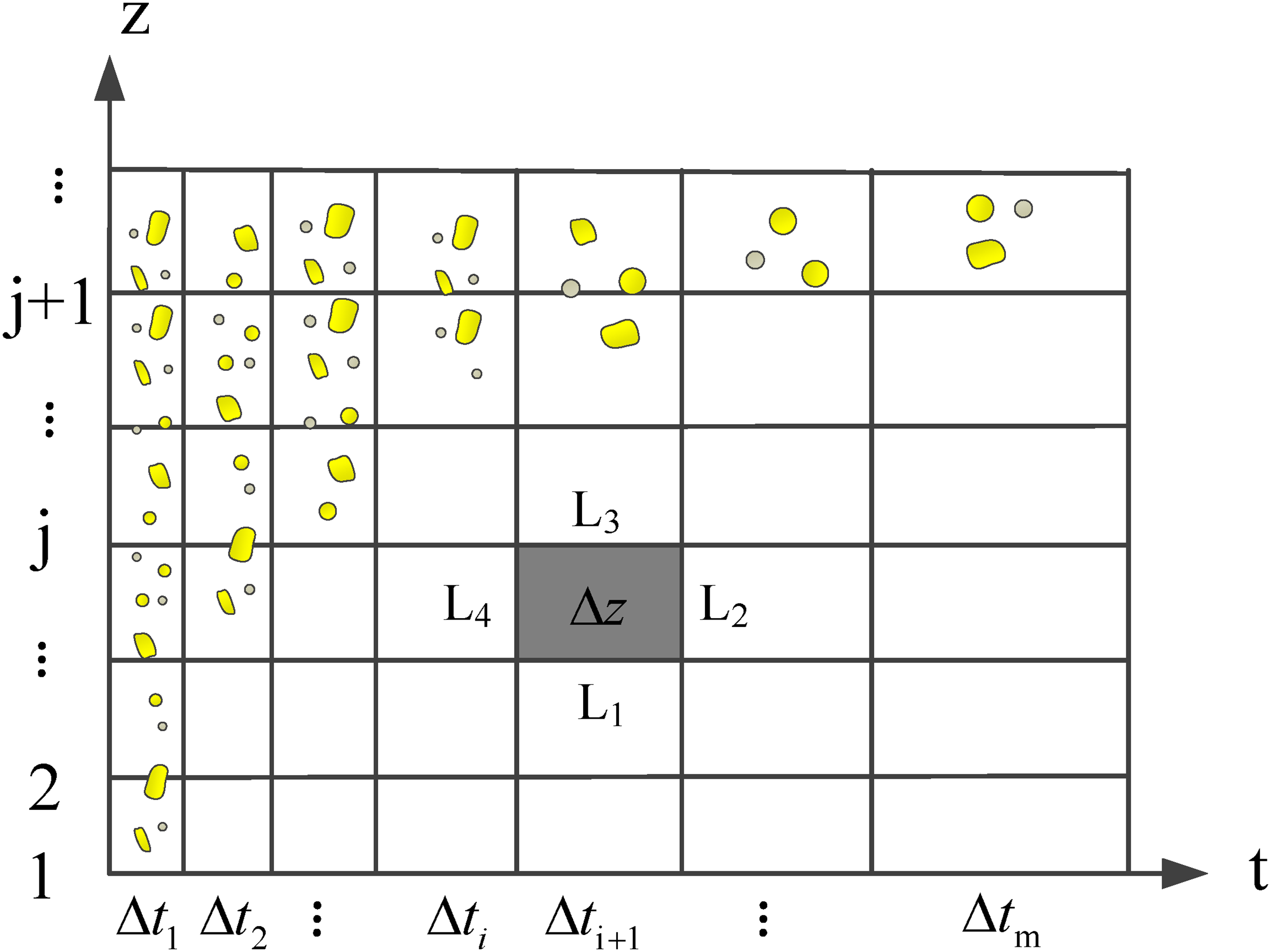
Diagram of the grid diagram and cell grid integration area of the wellbore.
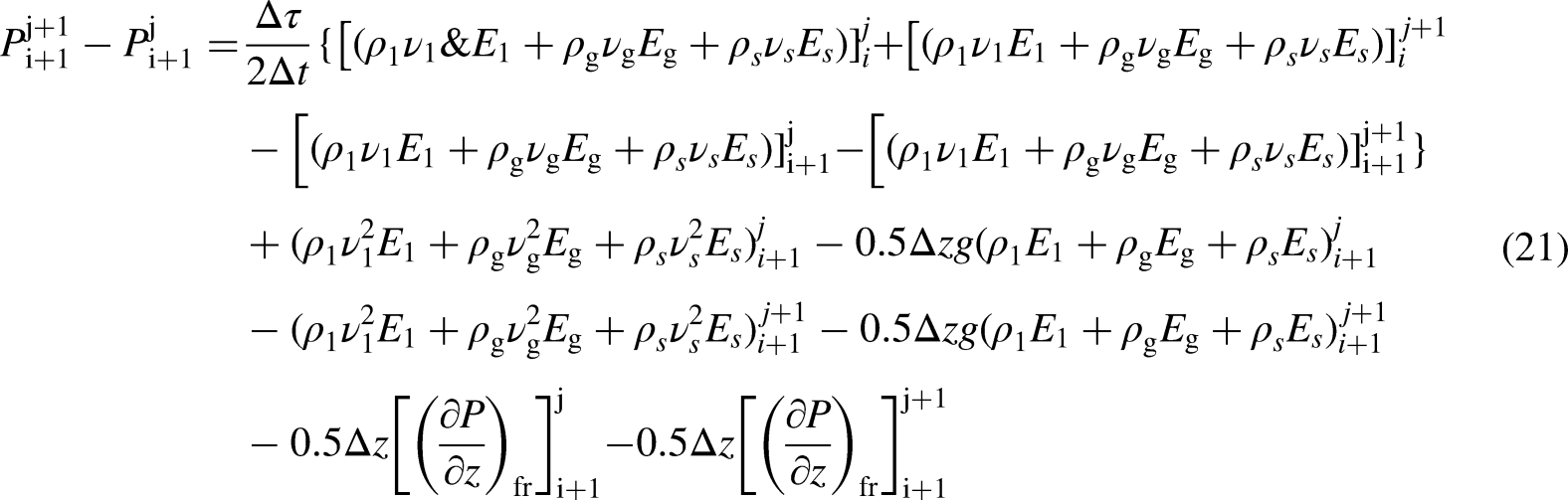
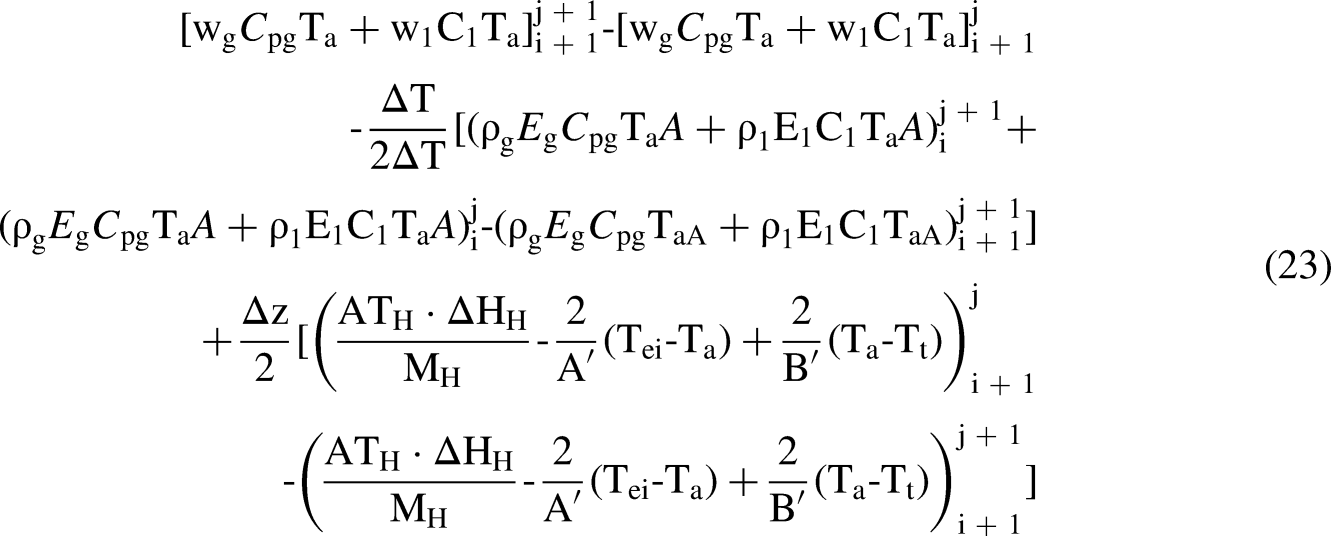
Figure 3 illustrates the cellular grid integration regions. Consequently, the partial differential equations in the mathematical model can be expressed as follows (Yin et al., 2017):

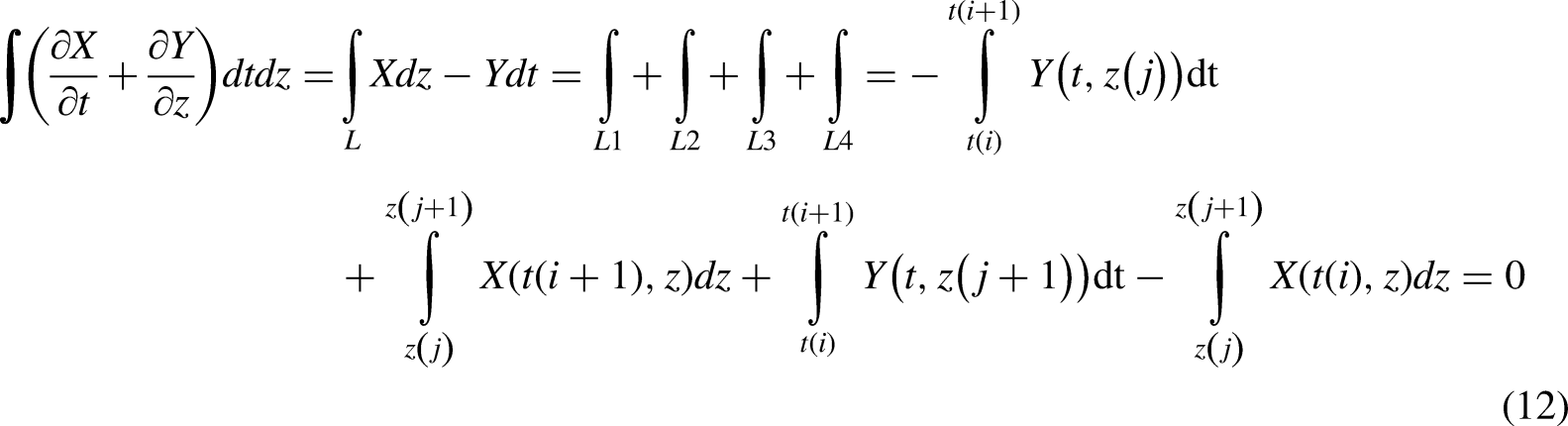
Simplifying the above equation yields:











Auxiliary equations
Hydrate decomposition rate equation
We assume that solid hydrates are spherical and that the decomposition rate of hydrates can be represented as follows (Kim et al., 1987):


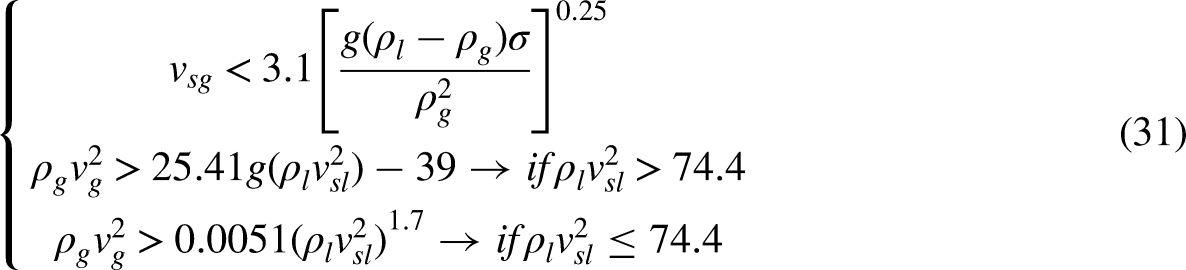
Flow regime determination formula
In this study, the flow transition criteria widely used in the petroleum industry proposed by Hasan were applied to differentiate flow regimes (Hasan et al., 1988).
Bubble flow:




Drift flux model
The velocities of gas and solids are defined as follows:


The expression for the gas slip velocity under different flow regimes is (Hasan et al., 1988):





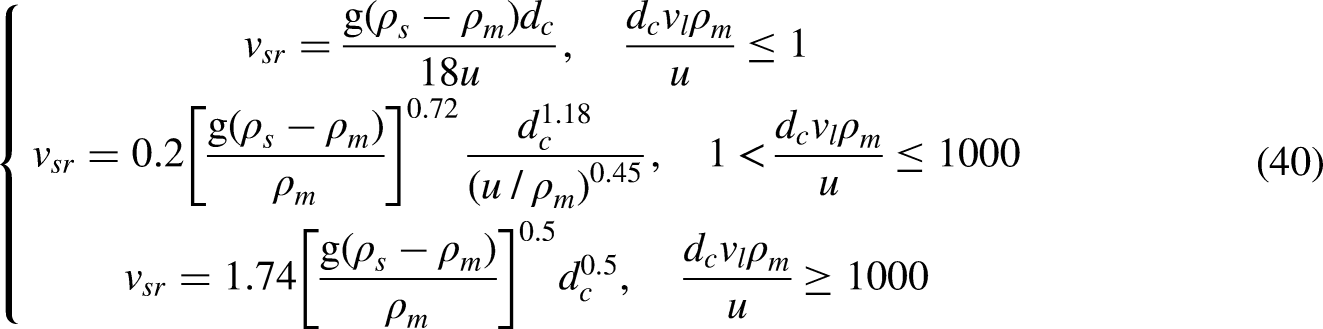
The settling velocity of the solid phase can be expressed as follows:
Frictional pressure drop
The frictional pressure drop for different flow regimes can be calculated using the following empirical formula for single-phase flow (Hasan et al., 1988):
Single-phase fluid:








Boundary conditions
The initial pressure is the original reservoir pressure, and the initial temperature is the original reservoir temperature, with the temperature inside the drill string at the well bottom equal to the annular temperature.

Model solution
During the numerical computation process, the calculation sequence proceeds from the well bottom to the wellhead. A schematic diagram of the solution process is shown in Figure 4, where i and j represent the nodes in time and space, respectively,
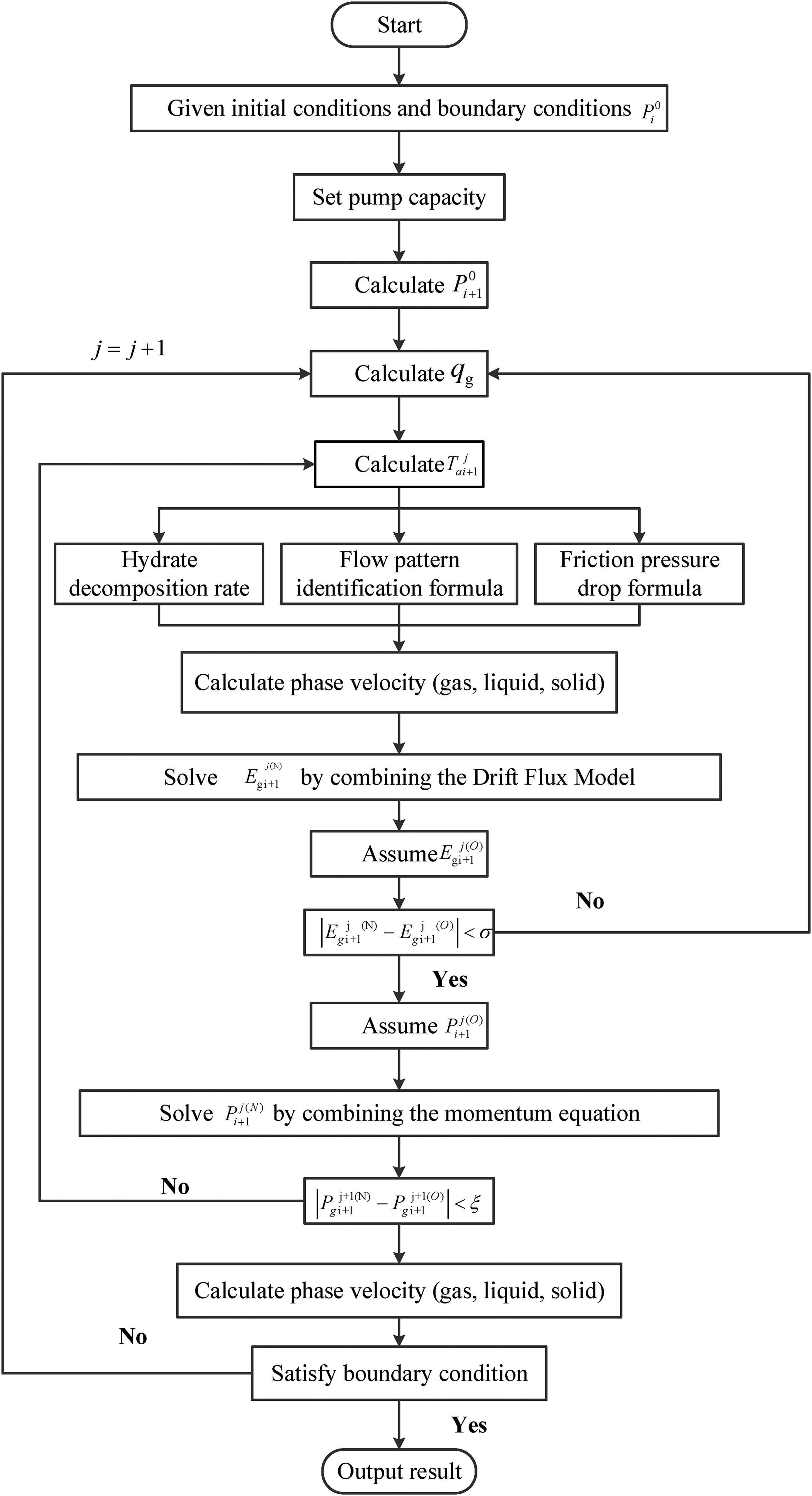
Computational flowchart.
Analysis of the engineering application
In the “Shenhu” area of the South China Sea, the water depth is approximately 1300 meters, with burial depths ranging from 200 to 300 meters. The sediment type is predominantly muddy sedimentation, characterized by relatively poor reservoir properties (Liu et al., 2012). During the exploitation of marine NGHs, hydrates decompose to generate gas, which concurrently transports solid particles into the wellbore. This leads to the occurrence of multiphase flow within the wellbore. The characteristics of multiphase flow can significantly impact the pressure and temperature distribution inside a wellbore, potentially leading to wellbore incidents (Liu and Flemings, 2007).
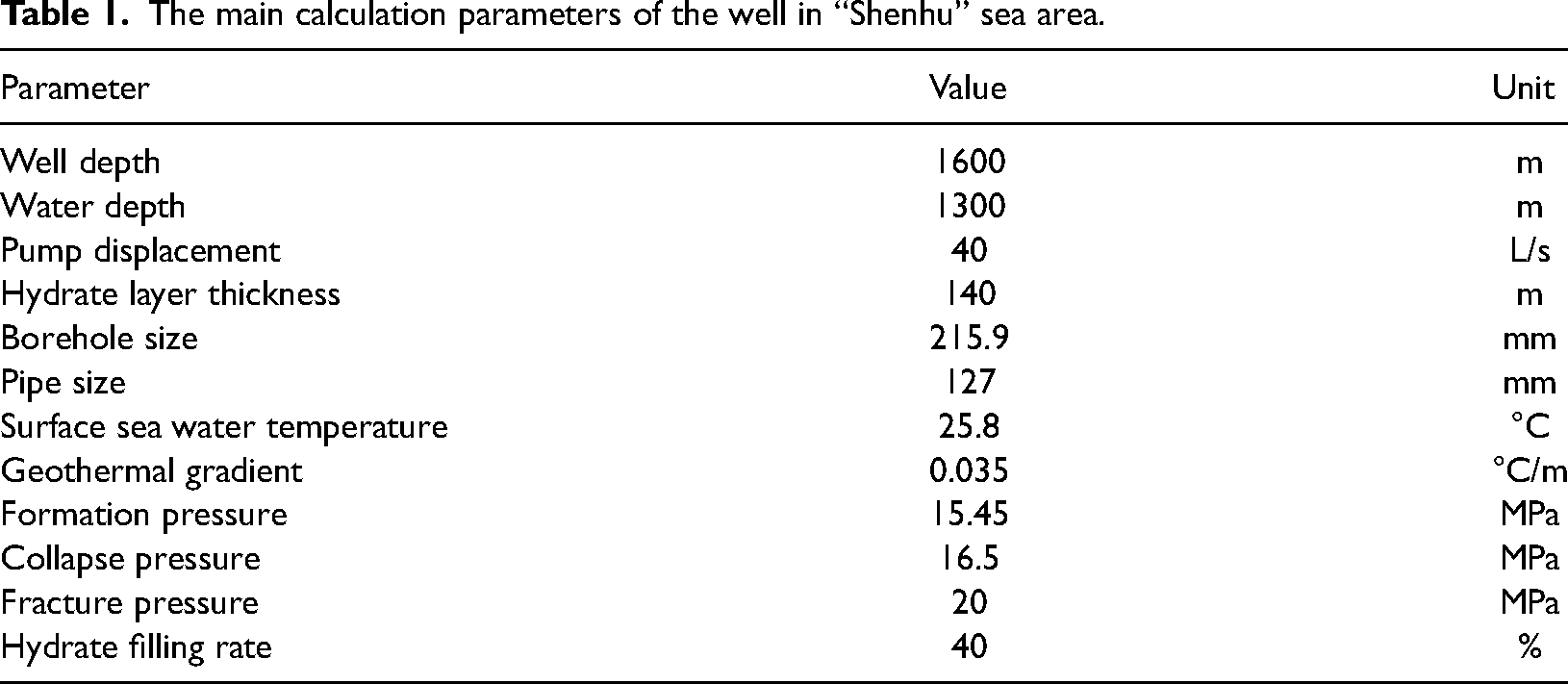
Through numerical simulation methods, the multiphase flow characteristics during the depressurization extraction process of a certain well in the “Shenhu” area of the South China Sea were studied. Building on this, the impact of multiphase flow dynamics on engineering safety was analyzed. The main computational parameters for this well are listed in Table 1.
The main calculation parameters of the well in “Shenhu” sea area.
Impact of different pump displacements
Influence of pump displacement on NGH production
High-pressure submersible pumps can extract reservoir fluids into the wellbore to reduce reservoir pressure. A larger pump displacement means that more fluid can be extracted per unit of time, creating a larger instantaneous vacuum area in the reservoir. Thus, a larger pump displacement results in a greater pressure reduction and a faster depressurization rate.
Figure 5 shows the relationship between the gas- and solid-phase contents with depth under different pump displacements. Figure 5(a) shows that the gas-phase content increases with decreasing depth, sequentially presenting three flow regimes: bubble flow, slug flow, and stirred flow. The larger the pump displacement is, the earlier the flow regime transition occurs. According to the characteristics of the depressurization method, fluids are extracted at the well bottom, i.e. at the hydrate reservoir, reducing the pressure below the phase equilibrium pressure corresponding to the current temperature of the hydrate. Therefore, hydrates start decomposing at the well bottom, and a larger pump displacement accelerates the increase in gas-phase content. As hydrates decompose, the solid-phase content decreases accordingly, exhibiting an inverse pattern to that of the gas phase (as shown in Figure 5(b)). The phenomenon observed can be explained by the close relationship between pump displacement and the rate and extent of pressure reduction; a larger pump displacement leads to a faster and greater reduction in reservoir pressure, which, in turn, increases the hydrate decomposition rate.
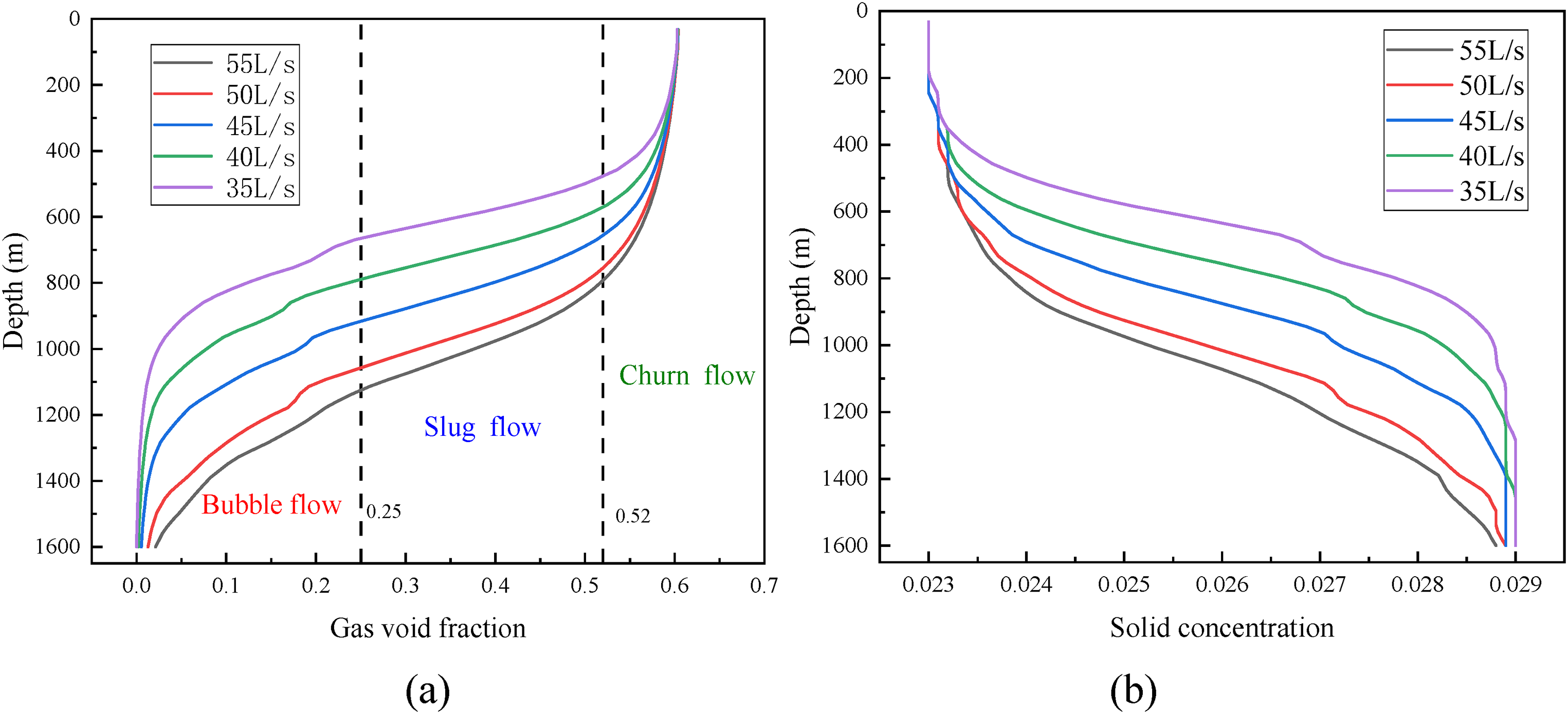
Gas-phase content and solid-phase concentration under different pump displacements.
As illustrated in Figure 6, at the start of production, a larger pump displacement results in a faster displacement speed of the gas phase. This is because a larger pump displacement causes a greater reduction in pressure, leading to a larger pressure differential between the reservoir and the wellbore, thus providing a greater driving force for gas movement. Simultaneously, a faster pressure drop accelerates the rate of hydrate decomposition. However, as time progresses and production enters its later stages, the reservoir energy is significantly depleted, and hydrate decomposition relies mainly on the transfer of heat from the reservoir. Additionally, as reserves approach exhaustion, the displacement speed of the gas phase slows.
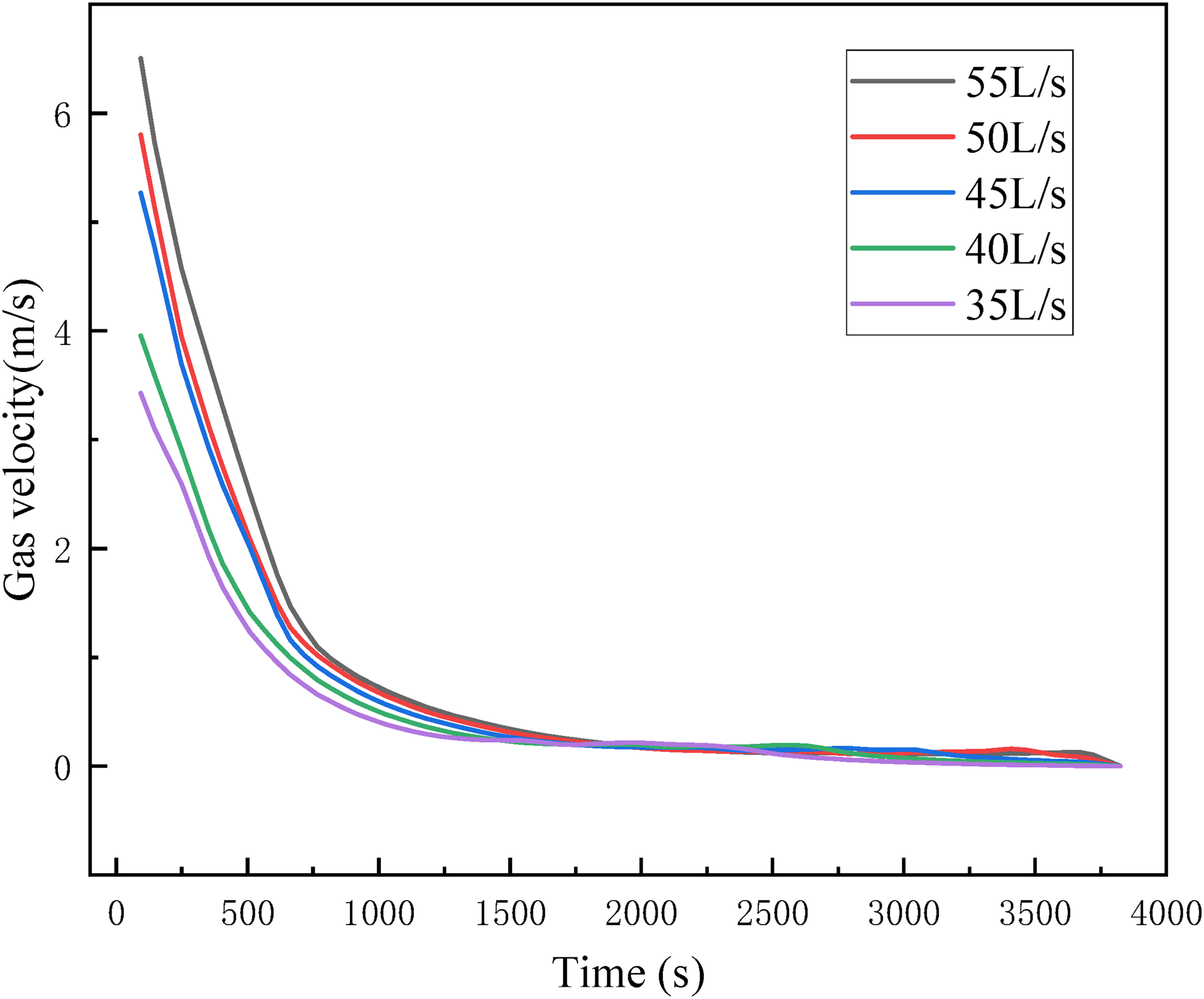
Variation of gas velocity with time under different pump displacements.
It was previously mentioned that hydrate decomposition is an endothermic process. Figure 7 displays the annulus temperature distribution for different pump displacements. A larger pump displacement results in a lower annulus temperature, which decreases further with depth. When the pump displacement is large, more hydrates decompose, absorbing more heat; as the multiphase flow ascends toward the wellhead, the pressure in the annulus decreases, leading to further decomposition of solid-phase particles within the multiphase flow. A larger pump displacement at the same depth results in the decomposition of more solid-phase particles (as shown in Figure 5(b)); thus, a larger pump displacement at greater well depths leads to lower exit temperatures. This precisely explains the phenomenon observed in Figure 5(a), where the section showing stirred flow has less variation in gas-phase content. After stirred flow occurs in the wellbore, a larger pump displacement results in less variation in the gas-phase content. This is because a larger pump displacement lowers the annulus temperature, and the cooling effect of the multiphase flow could lead to freezing, affecting subsequent hydrate decomposition.
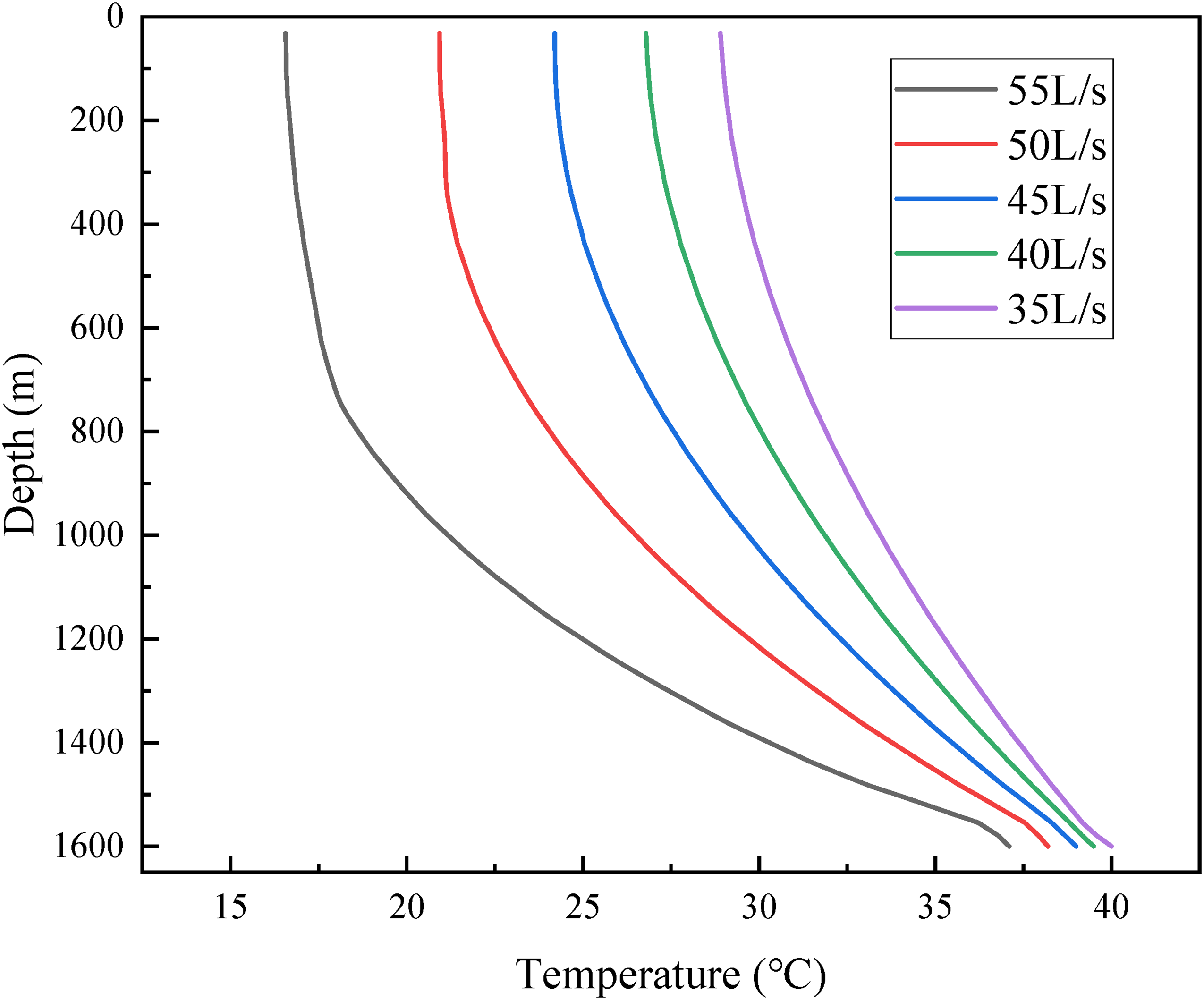
Annulus temperature distribution for different displacements.
Impact of pump displacement on engineering safety
The safety issues of wellbores induced by the depressurization method in hydrate extraction are analyzed from the following two aspects.
Figure 8(a) shows the relationship between annular pressure and well depth, indicating that the shallower the well depth is, the lower the annular pressure. As the multiphase flow progresses, the continuous decomposition of solid hydrates increases the gas-phase content in the annulus, leading to a reduction in annular pressure. Moreover, a larger pump displacement results in a lower annular pressure, which is attributable to the greater decomposition of hydrates and consequently greater gas-phase content in the annulus when the pump displacement is large. In the hydrate reservoir section, when the annular pressure falls below the formation pressure, fluids from the formation can invade the wellbore, triggering overflow incidents. A larger pump displacement results in an even lower annular pressure, significantly increasing the likelihood of overflow incidents. Additionally, when formation fluids carrying heat enter reservoirs, they can stimulate further decomposition of hydrates, leading to a continuous decrease in annular pressure. This vicious cycle greatly increases the risk of blowouts.
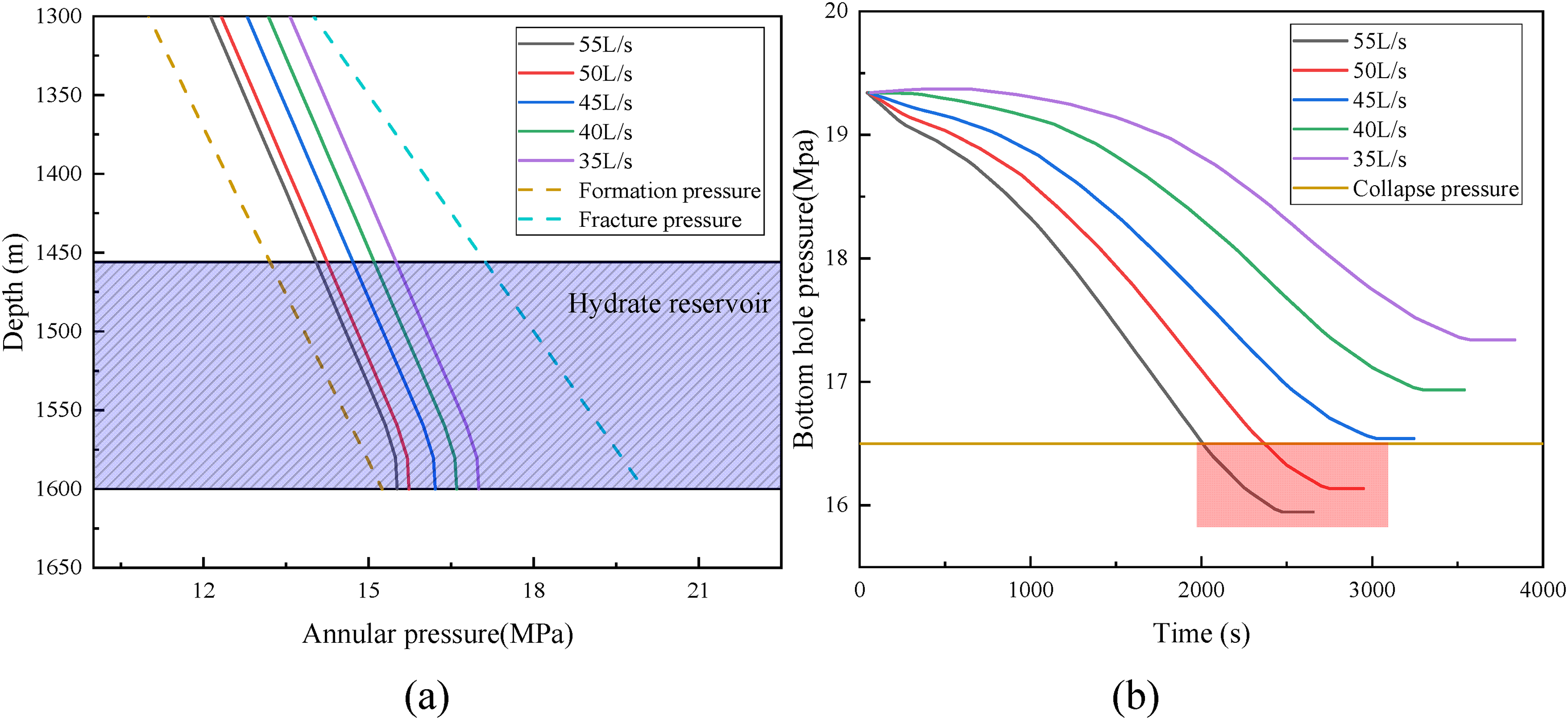
Pressure distribution under different pump displacements.
Figure 8(b) shows the variation in the bottom-hole pressure over time, revealing a continuous decrease with increasing extraction time. A higher pump displacement leads to a faster and greater reduction in the bottom-hole pressure due to the faster decomposition of hydrates and, consequently, lower pressure with higher gas-phase content when the pump displacement is greater. When the bottom-hole pressure falls below the formation collapse pressure, wellbore collapse occurs, severely impacting hydrate production. In the diagram, with pump displacements of 55 L/s and 50 L/s, the bottom-hole pressure decreases below the formation collapse pressure as production progresses, potentially causing formation collapse and blockage.
Based on the above analysis, although increasing pump displacement can accelerate hydrate production, it also introduces a series of safety issues. Therefore, to balance efficiency and safety, a pump displacement of 45 L/s is recommended for extraction.
Impact of different geothermal gradients
Effect of geothermal gradient on NGH production
Figure 9 shows the relationships between gas and solid-phase contents with depth at the different geothermal gradients. The gas-phase content increases with decreasing depth, and the higher the geothermal gradient is, the faster the rate of hydrate decomposition and the earlier the transition of flow regimes. The variation in the solid-phase content is inversely related to the gas phase (as shown in Figure 9(b)), with the solid concentration decreasing as hydrates decompose. The higher the geothermal gradient is, the less residual solid hydrate there is. A higher geothermal gradient corresponds to higher formation temperatures, resulting in higher temperatures in the wellbore at the same depth. Since hydrate decomposition is an endothermic process, a higher geothermal gradient provides more heat for hydrate decomposition. As production progresses and reservoir energy diminishes in the later stages, higher formation temperatures can still supply energy for hydrate decomposition. Therefore, higher hydrate yields are achieved at higher geothermal gradients.
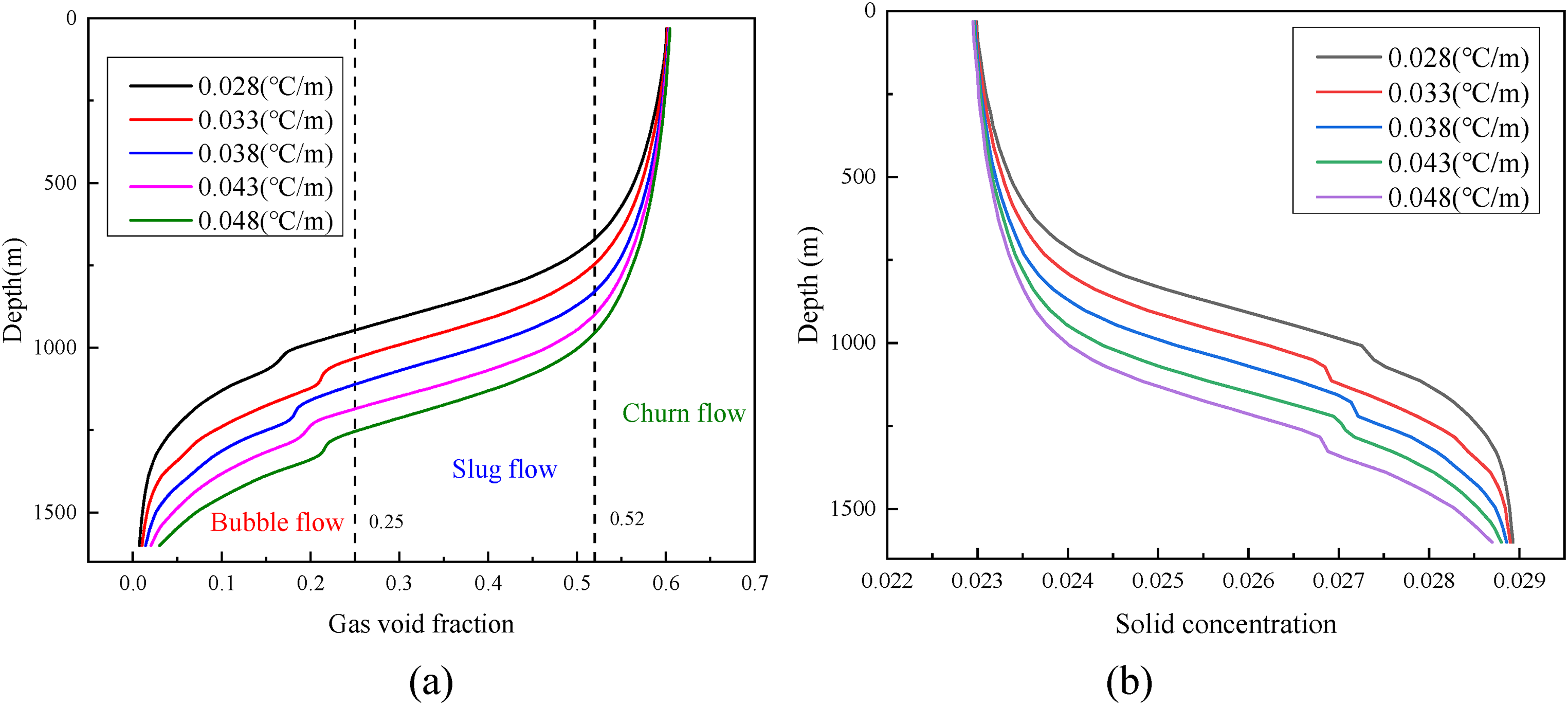
Gas void fraction and solid concentration at different geothermal gradient.
As shown in Figure 10, at the start of production, the higher the geothermal gradient is, the faster the displacement speed of the gas phase. In the endothermic process of hydrate decomposition, formations with higher geothermal gradients can provide more heat, leading to a faster rate of hydrate decomposition, and the pressure difference at the well bottom also causes decomposed gas to move into the wellbore. As time progresses and as the hydrate reserves in the reservoir decrease, the hydrate decomposition front moves more slowly, thus slowing the gas-phase displacement speed.
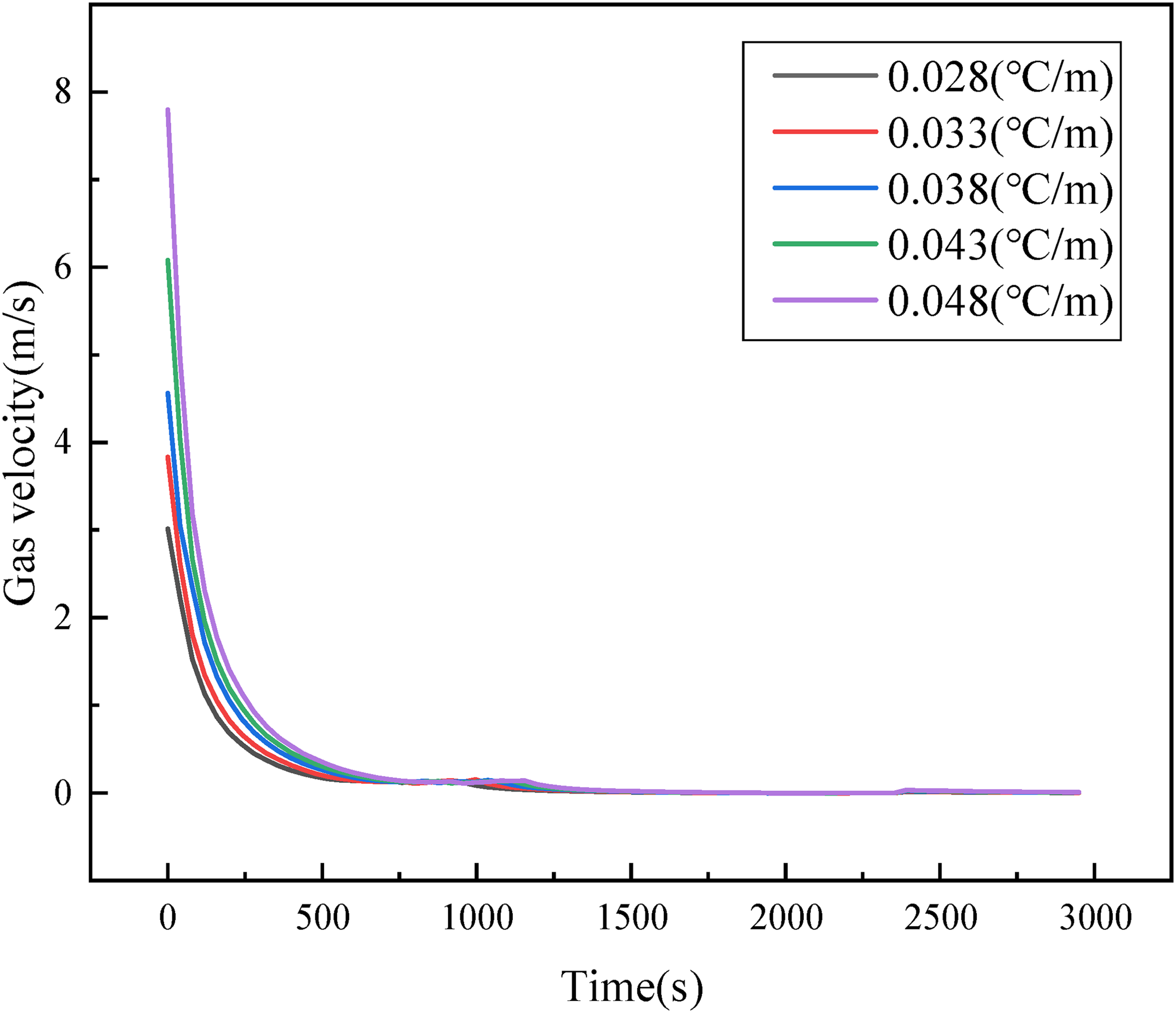
The gas velocity varies with time at different geothermal gradient.
As depicted in Figure 11, at lower geothermal gradients, the annulus temperature is also lower, inhibiting the decomposition of hydrate solid particles in the annulus. At higher geothermal gradients, more energy is available for hydrate decomposition, which can slow the reformation of hydrates at the wellhead. From the analysis above, it is evident that the higher the geothermal gradient is, the greater the methane gas production.
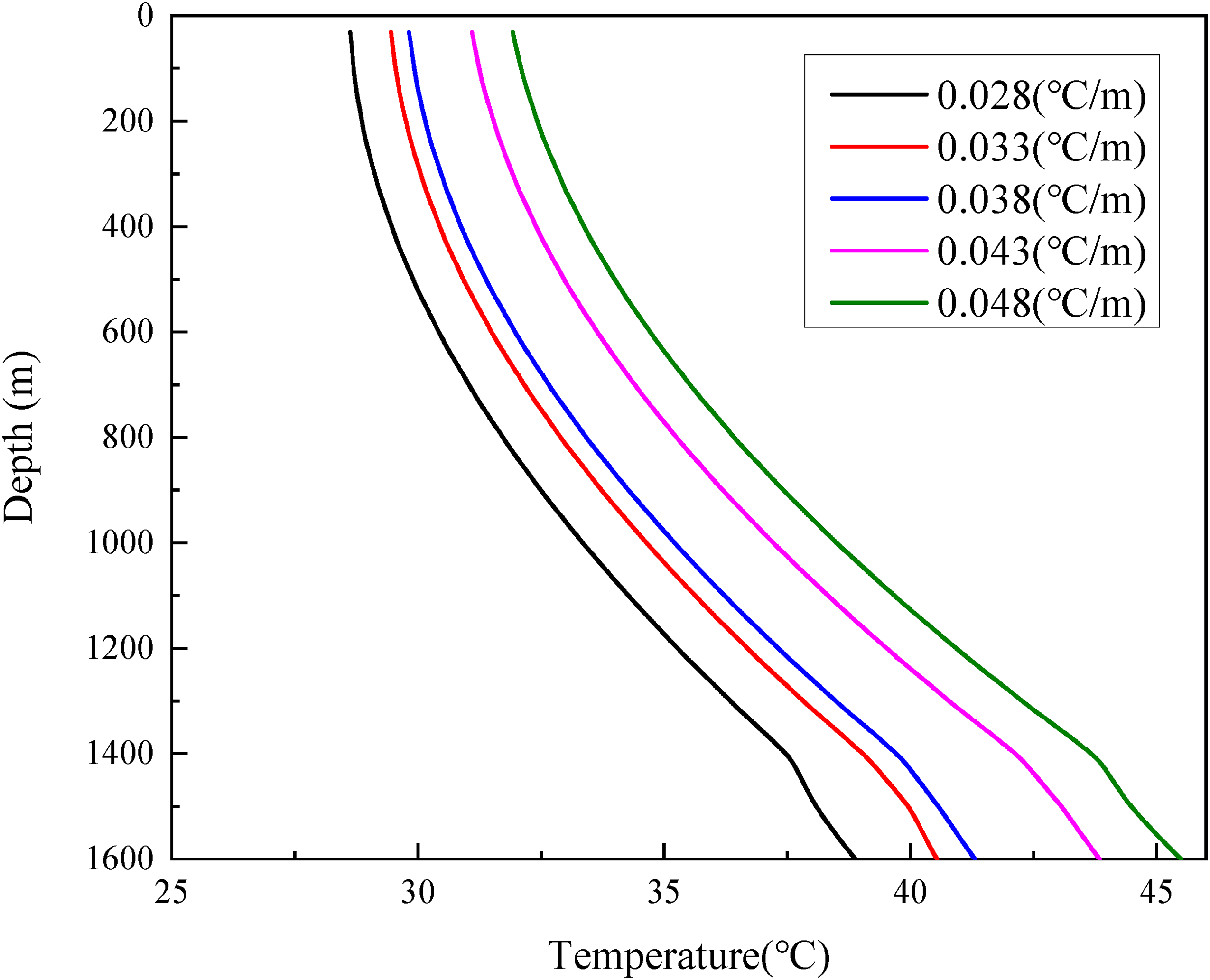
Distribution of annular temperature at different geothermal gradient.
Impact of geothermal gradient on engineering safety
The impact of multiphase flow behavior under different geothermal gradients on engineering safety is evident:
In Figure 12, the annular pressure increases with depth, and the higher the geothermal gradient is, the lower the annular pressure. This is because faster hydrate decomposition at higher geothermal gradients results in a higher gas-phase content in the wellbore at the same level. In the hydrate reservoir section, annular pressure lower than the formation pressure can lead to overflow or blowout incidents. Higher geothermal gradients can cause lower annular pressures, potentially even below the formation pressure, leading to fluid invasion and consequently overflow incidents. While lower annular pressures are more conducive to hydrate decomposition, they also increase the likelihood of incidents.
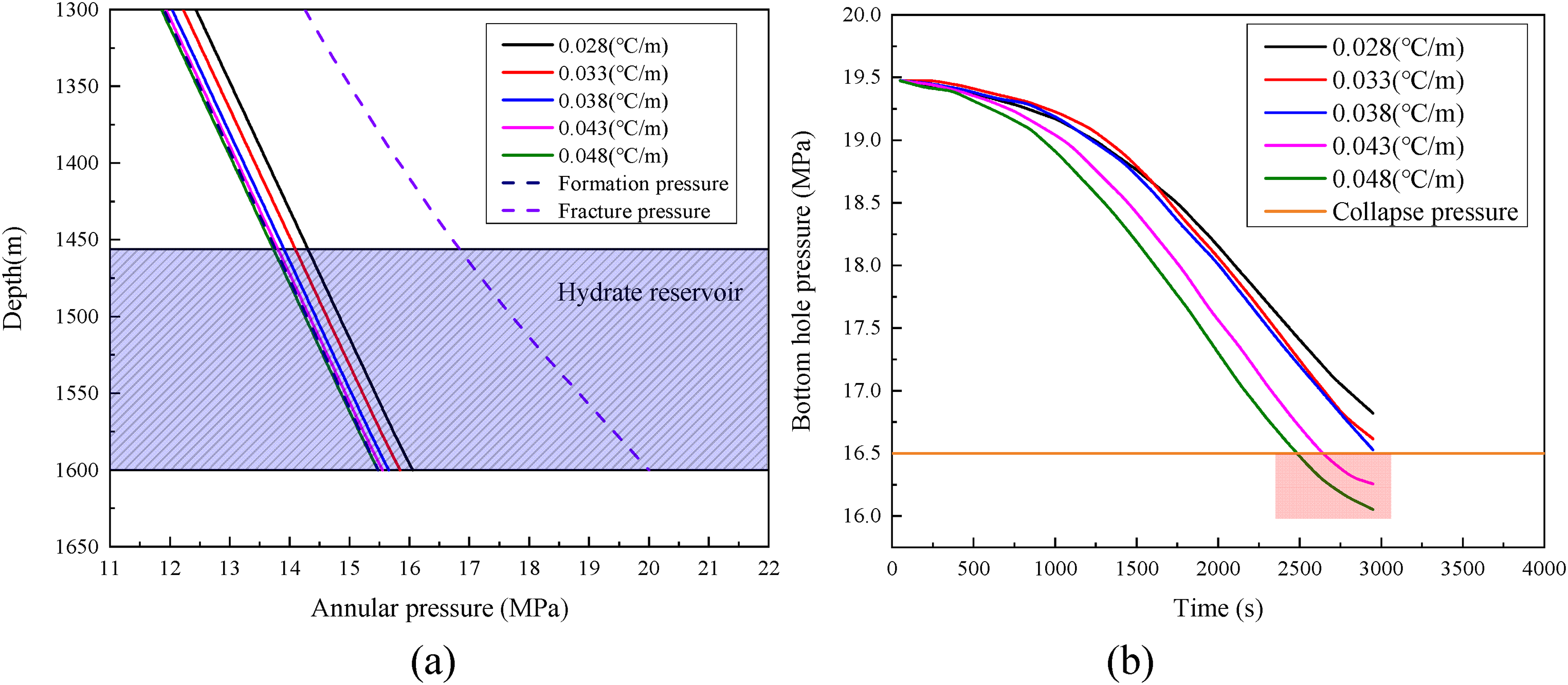
Pressure distribution under different geothermal gradients.
In Figure 12, the bottom-hole pressure decreases with time, and the higher the geothermal gradient is, the faster the rate of pressure reduction. This phenomenon is attributed to the faster rate of hydrate decomposition caused by higher temperatures. When the bottom-hole pressure falls below the formation collapse pressure, the formation can collapse, severely impacting engineering safety.
Based on the above analysis, higher geothermal gradients increase methane gas production but also pose risks of incidents. Therefore, when producing in formations with high geothermal gradients, constant monitoring of the wellbore temperature distribution is advised.
Conclusions
This paper established a multiphase flow model considering the endothermic decomposition of hydrates and used this model to simulate the multiphase flow characteristics during depressurization production in a well in the “Shenhu” area of the South China Sea. Based on these findings, the impacts of different pump displacements and geothermal gradients on hydrate production and engineering safety were analyzed. Following the analysis, recommendations were made to balance production and engineering safety. The main findings of this study are as follows:
1) Depressurization at the well bottom can generate multiphase flow, which experiences three flow regimes in the annulus: bubble flow, slug flow, and stirred flow. As production progresses, the gas-phase content gradually increases, the solid-phase content decreases. At the same time, the gas migration velocity increases continuously. The solids are carried upward by the gas phase, and their velocity changes with the gas phase.
2) When extracting reservoir fluids using submersible high-pressure pumps, the greater the pump displacement is, the greater the pressure reduction and the faster the rate of depressurization. This accelerates the rate of hydrate decomposition and increases production. However, this causes the annulus temperature to decrease, which leads to the secondary formation of hydrates. The reduction of bottom-hole pressure may lead to formation collapse. Considering these factors, an appropriate pump displacement should be selected.
3) A higher geothermal gradient provides more energy for the endothermic decomposition of hydrates due to higher formation temperatures, accelerating hydrate decomposition. After NGH decomposition, during the ascent in the annulus, lower geothermal gradients result in lower annulus temperatures, inhibiting further decomposition of NGH.
4) To avoid engineering safety issues and prevent formation collapse and fluid invasion, a pump displacement of 45 L/s is recommended for depressurization extraction of NGH in the “Shenhu” area of the South China Sea, and constant attention should be given to the wellbore temperature distribution when producing in areas with high geothermal gradients.
5) There are still some influencing factors that are not taken into account in the current research, such as different pump models and different reservoir thickness. These factors have certain research value, and it is necessary to study them in the future.
Footnotes
Acknowledgments
The authors gratefully acknowledge the financial support from the National Key R&D Program of China (No.: 2023YFC2811005), the Geological Survey Projects of China Geological Survey (No.: DD20230063 and No.: DD20221700). The authors wish to thank the editor for their time and effort to provide feedback on our manuscript, and the reviewers for their careful, unbiased, and constructive comments.
Authors’ contributions
Li Bin: conceptualization, investigation, methodology, software, formal analysis, validation, writing-original draft, writing—review & editing, supervision, visualization, data curation. Lu Jingan: conceptualization, methodology, software, formal analysis, investigation, writing—original draft, validation, writing—review & editing, visualization. Shen Kaixiang: conceptualization, methodology, software, formal analysis, investigation, validation, writing—review & editing, visualization. Yu Yanjiang: methodology, software, formal analysis, validation, writing—review & editing, visualization. Li Bo: conceptualization, investigation, writing—original draft, writing—review & editing, visualization.
Declaration of conflicting interests
The authors declared no potential conflicts of interest with respect to the research, authorship, and/or publication of this article.
Funding
The authors disclosed receipt of the following financial support for the research, authorship, and/or publication of this article: This work was supported by the Geological Survey Projects of China Geological Survey, National Key Research and Development Program of China, (grant number DD20230063, 2023YFC2811005).