




Abstract
The excessive use of single-use plastic products in modern life has caused severe environmental, social, economic, and health consequences globally. Mostly all plastics manufactured are one-time-use materials that end up in landfills or as unmanageable garbage. This situation has led to the production of around 400 million tonnes of plastic waste per year, and if this trend continues, global production will reach up to 1100 million tonnes by 2050. India alone produced over 34.7 lakh tonnes per annum (TPA) of plastic waste, with only half of it being recycled or co-processed. As such, there is an urgent need to develop ways to reduce plastic waste. One possible solution is the use of waste plastic biofuel in engines, which has been shown to have promising results. The study aimed to analyse waste plastic oil using (Gas Chromatography Mass Spectrometry) GC-MS and (Fourier Transform Infrared Spectroscopy) FTIR analysis to identify its chemical composition. The findings of the study revealed the presence of various chemical compounds, such as alcohol, hydroperoxide, carbonyl acid groups, ester, carboxylic acid, ketones, aldehyde groups, and others. FTIR analysis confirmed the presence of alcohol, hydroperoxide, carbonyl acid groups, methyl and methylene groups, ester, carboxylic acid, ketones, aldehyde group, symmetric and asymmetric C-H bending, C-O stretch for ethers, carboxylic acids, and esters, and=C-H bending out for alkenes. The study further explains that primary plastic consumption and packaging lifetime have a significant impact on plastic waste generation. The research indicates the need to explore alternative ways to recycle and dispose of single-use plastics to mitigate its negative impact on the environment. Furthermore, this study analyses the statistical optimisation method to develop a model fit for engine behaviour using waste plastic biofuel on a single-cylinder (common rail direct injection engine) CRDi diesel engine using the (weighted aggregated sum product assessment) WASPAS approach. Additionally, the objective is to develop a model that can optimise the engine's performance while using waste plastic biofuel. The uncertainty analysis demonstrated that the experiment was carried out with a high degree of accuracy and the results were reliable. The study employed the WASPAS methodology to evaluate the performance of different (waste plastic oil) WPO samples, and the results showed that the optimal parametric setting to obtain the desired responses can be achieved with a fuel blend of 5%, load of 21 bar, and speed of 2000 RPM. However, the results demonstrate that the use of waste plastic biofuel can significantly improve engine performance, and the proposed optimisation model can accurately predict the engine's behaviour. The regression equation that was formulated showed a reasonable degree of agreement between the actual experimental results and the predicted values, thereby indicating the reliability of the experiment. Significant effects were observed from fuel blend, and speed, whereas load did not make a substantial contribution. The findings regarding the effect of parameters suggest that a reduction in fuel blend, and engine speed resulted in a decline in the performance index, while variations in load had little impact. The relationship between load and speed demonstrates that a rise in load and a reduction in speed contributed to enhanced combustion and a higher performance index. The interaction among fuel blend and speed, with a particular emphasis on the significance of reduced fuel blend and speed values in order to optimise the performance index. The findings of the analysis underlined the vitality of process parameters, specifically fuel blend and speed, wherein speed exhibited a significant impact on the outcomes. The study concludes that the use of waste plastic biofuel in engines can be an effective way to reduce plastic waste while improving engine performance. This study's findings can be applied to various engines to improve their performance while reducing plastic waste. All in all, the outcomes of the study make a substantial contribution to the advancement of scientific information regarding the properties of waste plastic oil as well as its combustion characteristics. This expands the potential for advanced breakthrough innovations in sustainable energy solutions and the conservation of the environment.
Keywords
Introduction
Plastics are one of the most usable commodities around us. It has gained a lot of popularity since it is simple to produce and has standout qualities including low cost, versatility, and a high strength-to-weight ratio. The addiction to the use of single-use plastic products has grown severely in today's world, which serves environmental, social, economic, and health consequences. Globally, 1 million bottles of plastic are bought every minute, and 5 trillion bags of plastic are used every year. Approximately half of all plastics manufactured are single-use, or “use it and chuck it,” materials. According to research by the UN Environment Program (Petroleum, 2020), because plastic output was minimal between 1950 and 1970, plastic trash was mostly under control. But between the 1970s and the 1990s, the amount of plastic waste produced doubled, which was consistent with an increase in plastic production. In the early 2000s, the globe produced more plastic garbage in a decade than it had in the previous 40. Figure 1 shows Global plastic production. Today, every year around 400 million tonnes of plastic waste is produced. If this historic growth trend continues, it is forecasted that the global production of plastic will reach up to 1100 million tonnes by the year 2050. An estimated 36% of all plastic produced is used for packaging, including single-use containers for food and drink that typically go to landfills or as unmanageable trash. Nearly 98% of plastic items with a single use are produced using fossil fuels. Single-use plastic is now widely used and has integrated itself into our daily lives. Figure 1 illustrates the worldwide plastic production, emphasising a substantial increase in recent years compared to earlier periods. This underscores the critical importance of our study in addressing the need for efficient plastic waste management to keep pace with this rapid production growth.
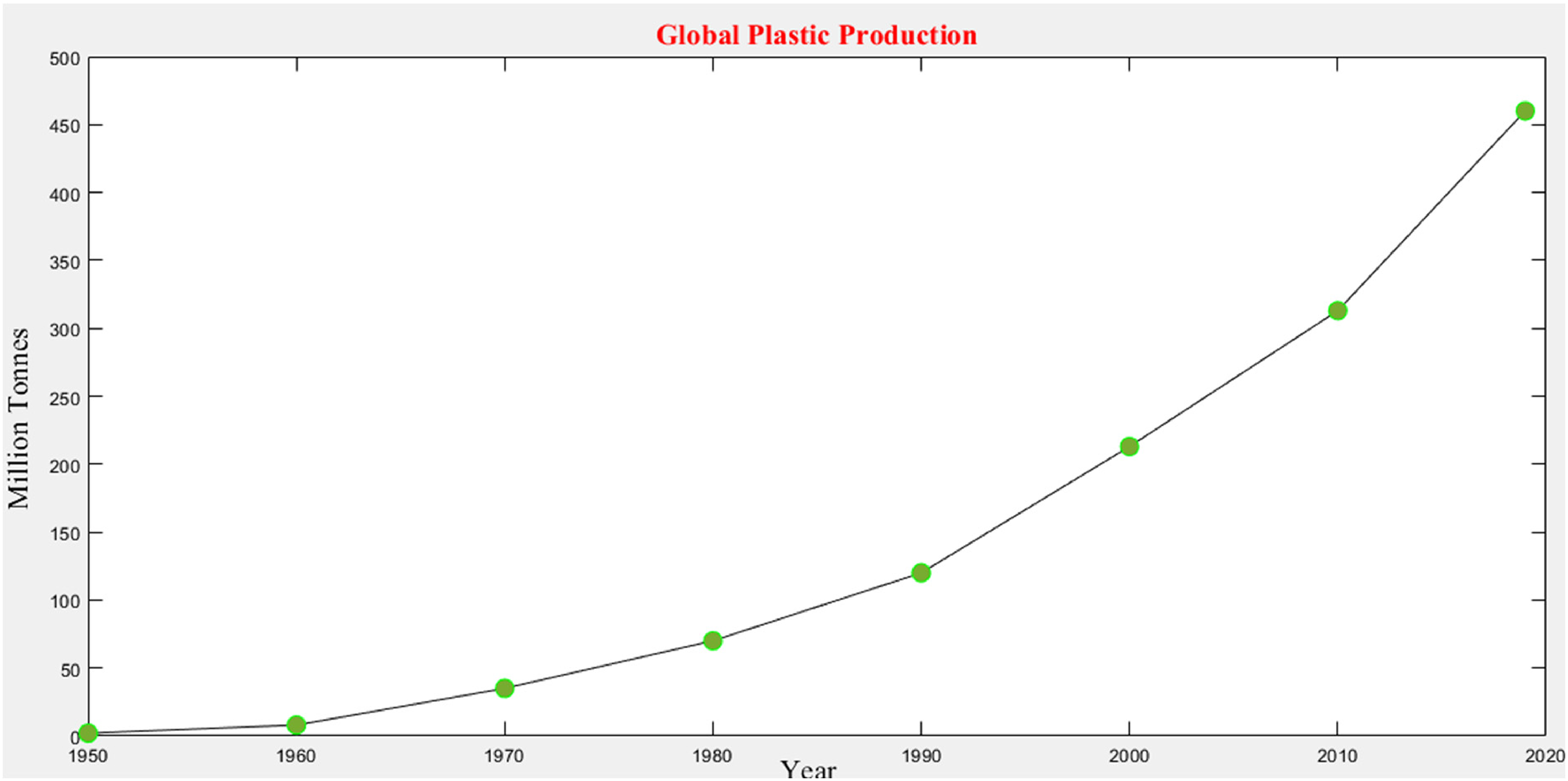
Global plastic production (Petroleum, 2020).
In 2019–20, India produced over 34.7 lakh tonnes per annum (TPA) of plastic garbage, according to a minister of state for the Ministry of the Environment, forests, and Climate Change who spoke in the Lok Sabha. The amount of plastic trash recycled was 15.8 lakh TPA, and co-processing was 1.67 lakh TPA. This indicates that half of all plastic waste has been recycled. The Central Pollution Control Board's annual report for 2019–20 was being discussed by the minister. According to different research by the National Center for Coastal Research, the percentage of plastic waste found on beaches ranges from 40% to 96%. The production, distribution, import, sale, stocking, and use of certain single-use plastic goods in India have just been made illegal nationally beginning on July 1, 2022. These items have limited uses and a high propensity to become trash.
Primary plastic consumption and product lifetime both have a significant impact on plastic trash generation. For instance, the lifetime of packaging in use is extremely brief. In contrast, plastic used in building and construction has a mean lifespan of 35 years (Geyer et al., 2017). Therefore, packaging is the governing factor of plastic waste, which accounts for over half of the entire global output. The generation of plastic waste by different sectors is shown in Figure 2.
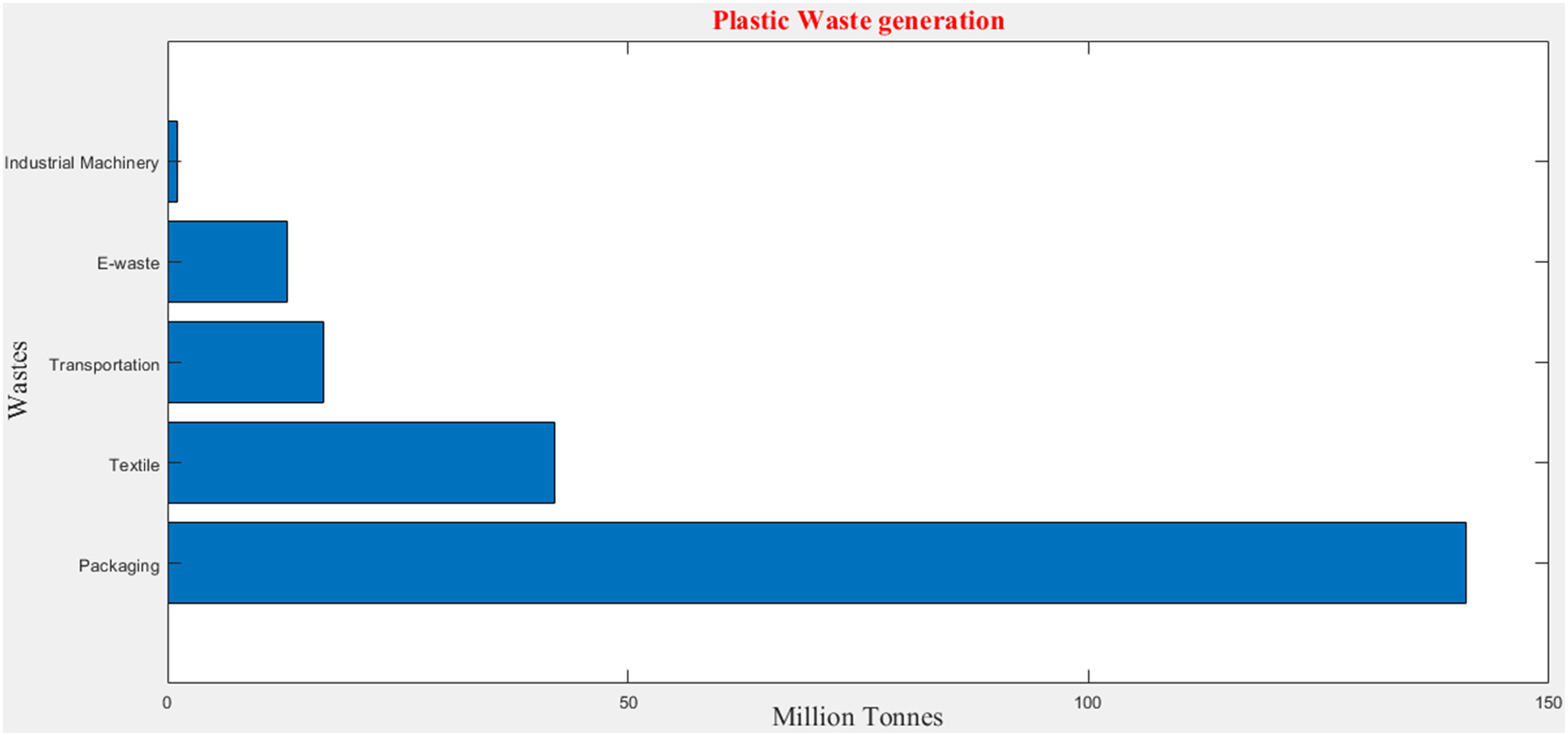
Global plastic waste generation by sector (Petroleum, 2020).
Figure 2 depicts the various sectors contributing to global plastic waste generation, while Figure 3 conveys the worldwide methods employed for plastic waste treatment. These visual aids have offered significant valuable insights into the origins of global plastic waste, and the approaches taken for its management. Such insights are crucial for assessing the feasibility of efficiently sourcing plastic waste for conversion into valuable resources like plastic-to-oil.
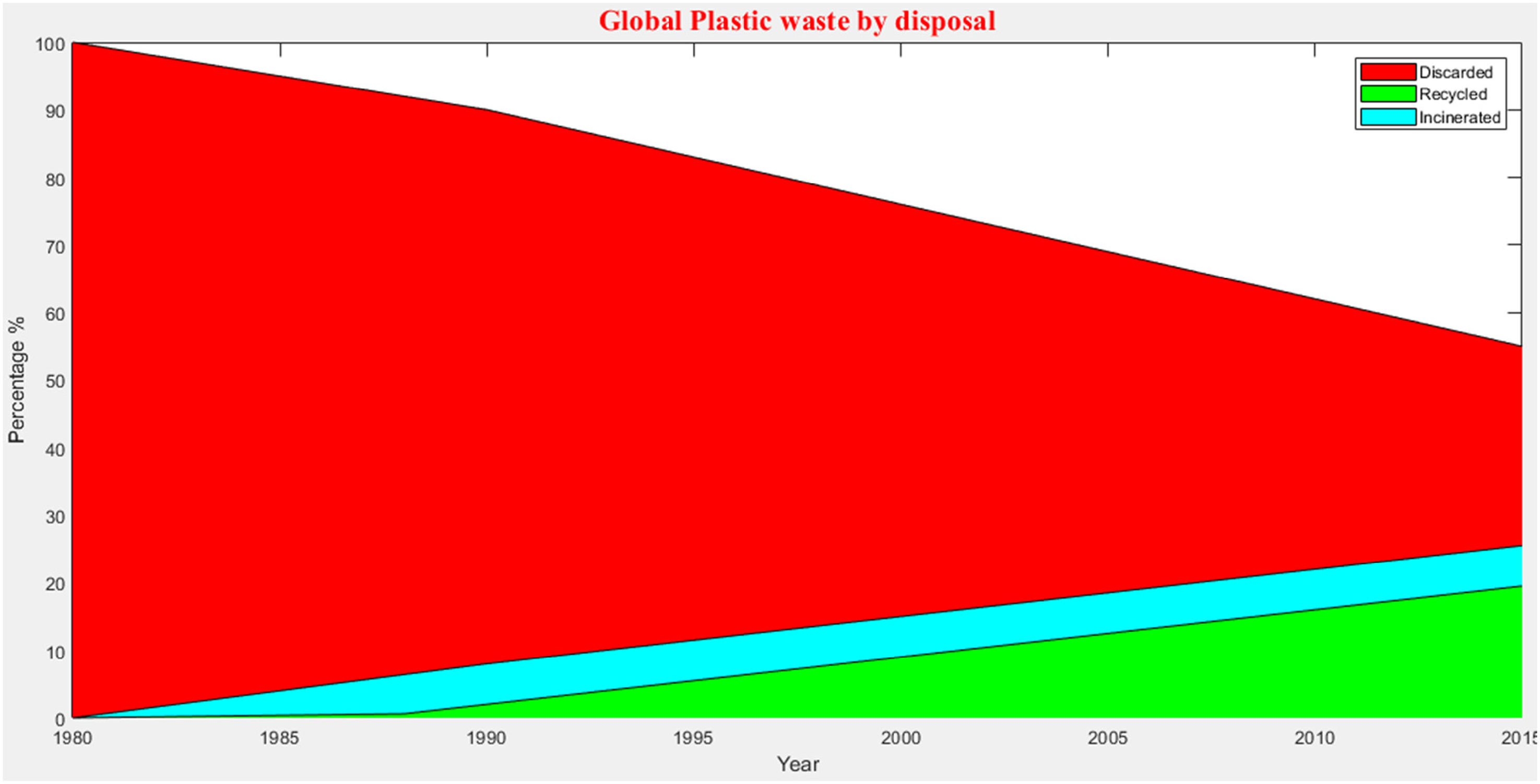
Global plastic waste by disposal (Petroleum, 2020).
Earlier in the 1980s, since there was little plastic garbage recycled or burned, it was all discarded. For recycling and incineration, the rate increased by an aggregate of 0.7% annually between 1980 and 1990. (Geyer et al., 2017). According to Figure 3, approximately 55% of worldwide plastic garbage was thrown in 2015, 25% was burned, and 20% was recycled. The rate of incineration would rise to 50%, the rate of recycling to 44%, and the percentage of wasted waste would decline to 6% if we extrapolate this historical trend through 2050.
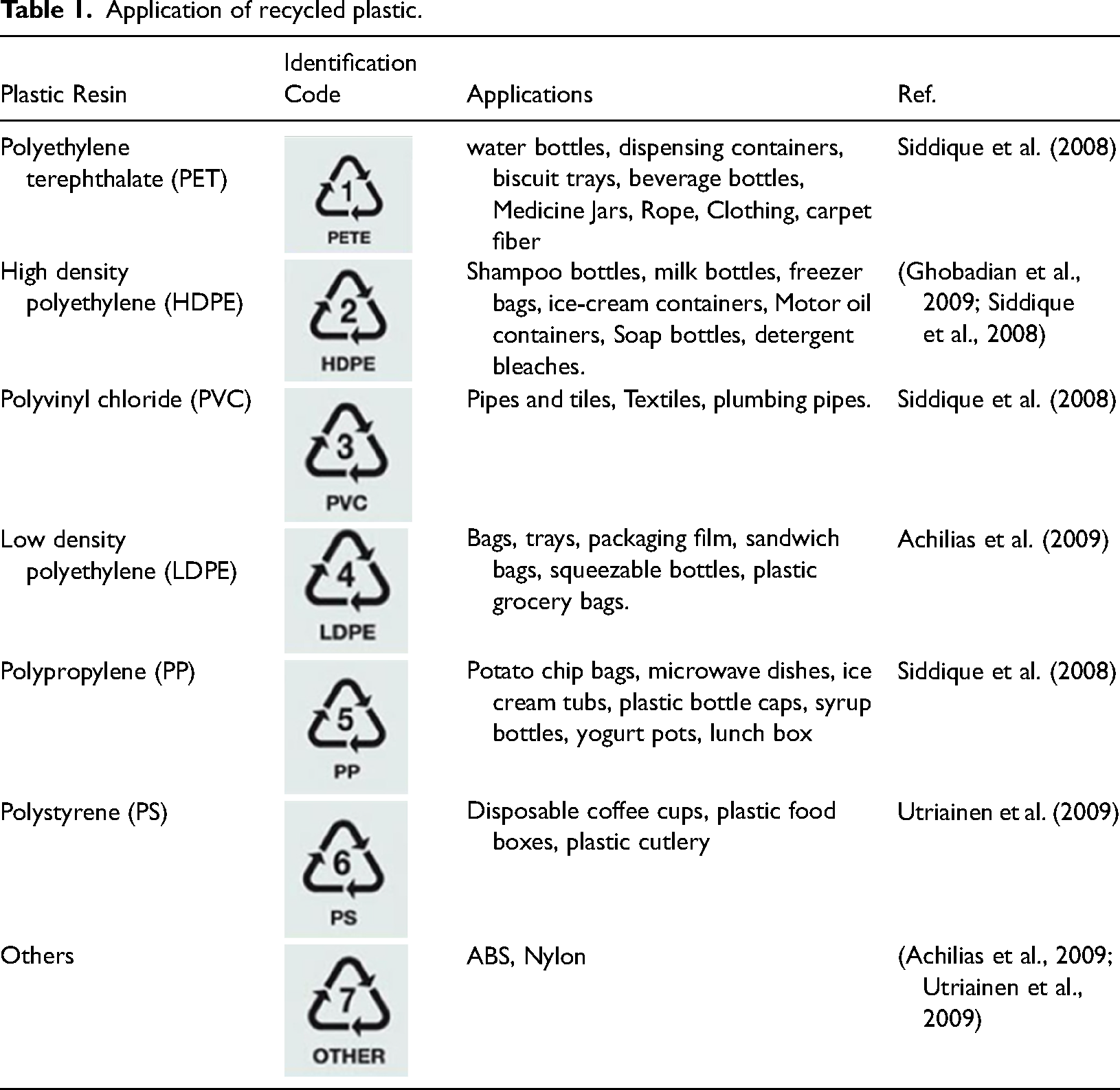
Due to the perfect characteristics of thermoplastic polymers, such as their high strength, low density, and corrosion resistance, as well as their user-friendly designs, the use of plastic has risen significantly relative to the use of aluminum or other metals. Since the aim is to create the lightest composite possible, the ideal alternatives for flax reinforcement, for example, are (polypropylene) PP and LDPE (low-density polyethylene). For thermoplastic polymers, the typical components of recovery techniques include recycling and incineration. The creation of harmful fumes and the ash residue, which accommodate lead and cadmium, are two issues caused by incineration. Recyclables offer benefits like reduced environmental issues and material and energy savings (Hawkins, 1987; U. 4b2, 1993). There are three basic methods by which thermoplastic polymers can be recycled (Mechanical Recycling, Chemical Recycling, and Energy Recovery). Thermoplastic polymers can only be utilised in Mechanical Recycling strategy since they can be remelted and processed into final goods. While processing the polymer is not changed in anyway. Waste plastic is chopped, cleaned, or shredded into the right grade of flakes, granulates, or pellets for manufacture to demonstrate this process in physical form. These are melted next, and extrusion is used to create the new by-product. It is also possible to combine the reprocessed material with pure material to get better results. Once the plastic has been cleaned, dried, and processed directly into finished items, there will be a huge decrease in the amount of waste plastic. It is advisable to completely dry the surface, use chemicals to lengthen the chain, or reprocess using vacuum degassing. Additionally, this technique is reasonably priced but requires a large upfront commitment (Hopewell et al., 2009). In addition to mechanical recycling, chemical recycling approach may be employed. Chemical recycling entails partially depolymerising polymers to produce monomers or completely depolymerising polymers to produce oligomers. To duplicate the actual or a related polymeric product, fresh polymerisations can be carried out using the produced monomers. Using monomers, oligomers, or combinations of different hydrocarbon compounds as the starting point, this process can break down into smaller molecules of plastic that can be used as feedstock material (Olah et al., 2009). Only a few businesses are working on chemical recycling since it is not yet completely developed and because it requires a significant financial commitment and specialised staff. The pyrolysis and gasification approach. Currently, several methods are being examined. With the Energy Recovery technique, the Plastic's energy content is recovered. However, because of the health risks posed by airborne harmful compounds like dioxins, this approach is not ecologically acceptable. It is a good option because it produces a lot of energy from polymers. Chemical recycling is the only recycling process among those mentioned above that complies with the theories of sustainable development because it produces the monomers needed to create polymers (Fisher et al., 2005; Ghobadian et al., 2009; Siddique et al., 2008). Every year, manufacturing operations or municipal solid wastes produce a large amount of garbage. Solid waste management is a major issue for the entire world, so using waste instead of throwing it away has gained popularity. Plastic is being utilised in many applications as shown in Table 1.
Application of recycled plastic.
The greatest way to improve studies for the various biofuels, which are carried out using a number of ways, is by modifying the engine operating parameters, which affect the characteristics of engine power and emissions. The timing, quantity, and pressure settings for the fuel injection system can be changed to reduce nitrogen oxide (NOx) emissions while reducing particulate matter (PM) and brake-specific fuel consumption (BSFC). (Damodharan et al., 2017; Gopal et al., 2018). The improvement of fuel injection time (IT) can give better combustion with a proper ignition delay. The pre-mixed combustion of the air-fuel combination causes the emissions of hydrocarbons (HC), carbon monoxide (CO), and smoke to decrease when the fuel injection time is advanced. (De Poures et al., 2017). Higher fuel injection pressure (IP) can improve fuel atomisation, and efficient and clean combustion reduces HC and BSFC. However, more NOx emission is achieved through efficient combustion, which results in higher cylinder temperatures. The diesel engine now uses split injection to cut down on NOx emissions and combustion noise. By splitting the timing and volume of the fuel injection, a high heat release rate during the combustion process can be prevented. This also gives time for the air and fuel to mingle, improving the homogeneity of the charge. The vast majority of research claims that there is a trade-off between fuel injection parameter tuning and engine power responsiveness. In order to improve output characteristics and effectively use biofuels in IC engine applications, a wide variety of interaction studies between fuel injection parameters is required.
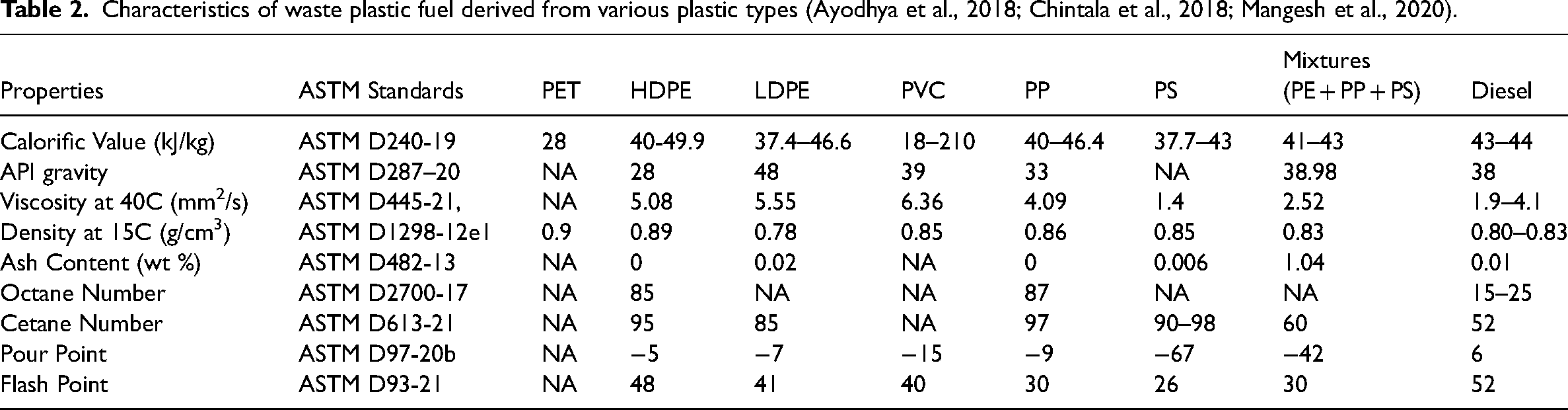
In various operating situations, like cold and hot start, Ali et al. (Zare et al., 2018) investigated the effects of running a multi-cylinder CRDI engine on a fuel blend of diesel and altered waste edible oil with an oxygenated agent. When compared to hot-start operation, they discovered that cold-start operation yielded greater results with respect to thermal efficiency, braking torque, fuel consumption, combustion temperature, and heat release rate. By using an oxygenated additive during cold-starting, the engine was able to increase BSFC while reducing friction power, cylinder temperature, and indicated power. Singh et al. (Singh, Rajak, et al., 2021) carried out experiments at various speeds to assess the ecological and performance aspects. D80PO20 is a blend of diesel fuel and plastic pyrolysed oil (PPO) that is used in engines to test the properties of the engine. Results have proven encouraging because the cylinder pressure during combustion is on par with that of a diesel-fuelled engine. The findings demonstrated that excessive cylinder pressure and BTE were produced by increasing engine speed. Additionally, low BSFC and excessive NOx emissions have been noted. Engine tailpipe emissions of smoke (BSN) and NOX are reduced with the D80PO20 blended mixture. In Table 2, the fuel properties of waste plastic fuel extracted from various plastic types as mentioned above are compared with those of diesel. These values are taken from the various literature published.
Characteristics of waste plastic fuel derived from various plastic types (Ayodhya et al., 2018; Chintala et al., 2018; Mangesh et al., 2020).
With variable loads in a CI engine, Kumar et al. (2013) investigate the emission and performance of WPO mixes with diesel. The experimental findings demonstrate that, in comparison to DF, BTE is poorer under all load circumstances. As engine load increases, the BSFC declines. With an increase in engine load, NOx emissions fall, and CO emissions rise. As the engine load increases, the UHC decreases. For practically all loads, the mixes’ carbon dioxide emissions are lower than those of diesel. Rao et al. (2018) offer experimental research on the injection parameters impact, including injection pressures, timing, and compression ratio on the output and emission characteristics of engine with variable CR running on plastic oil's blend. The experimental investigation shows that, in contrast with pure diesel and pure plastic oil, the P90D5E5 combination provides the maximum BTE. P90D5E5 is reported to have the lowest smoke emissions compared to diesel and P100. In this Literature with an increase in injection timing, compression ratio, and injection pressure, all blends have lower BSFC, CO, and smoke values. For P90D5E5 and P100, respectively, the combustion study of the mixes shows exclusive cylinder pressures and net HRR. There are many studies in the literature using blend of waste plastic oil and diesel used in a diesel engine as mentioned in Table 3. Further, the potential environmental benefits or life cycle impacts of using waste plastic oil versus conventional fuels could be as follows:
Reduction in plastic waste in landfills. Minimised environmental pollution from plastic disposal. Potential for lower greenhouse gas emissions when managed effectively. Contributing to a reduced carbon footprint. Sustainable utilisation of plastic waste for energy production.
Summary of Literature review using blend of waste plastic oil and diesel used in a diesel engine.
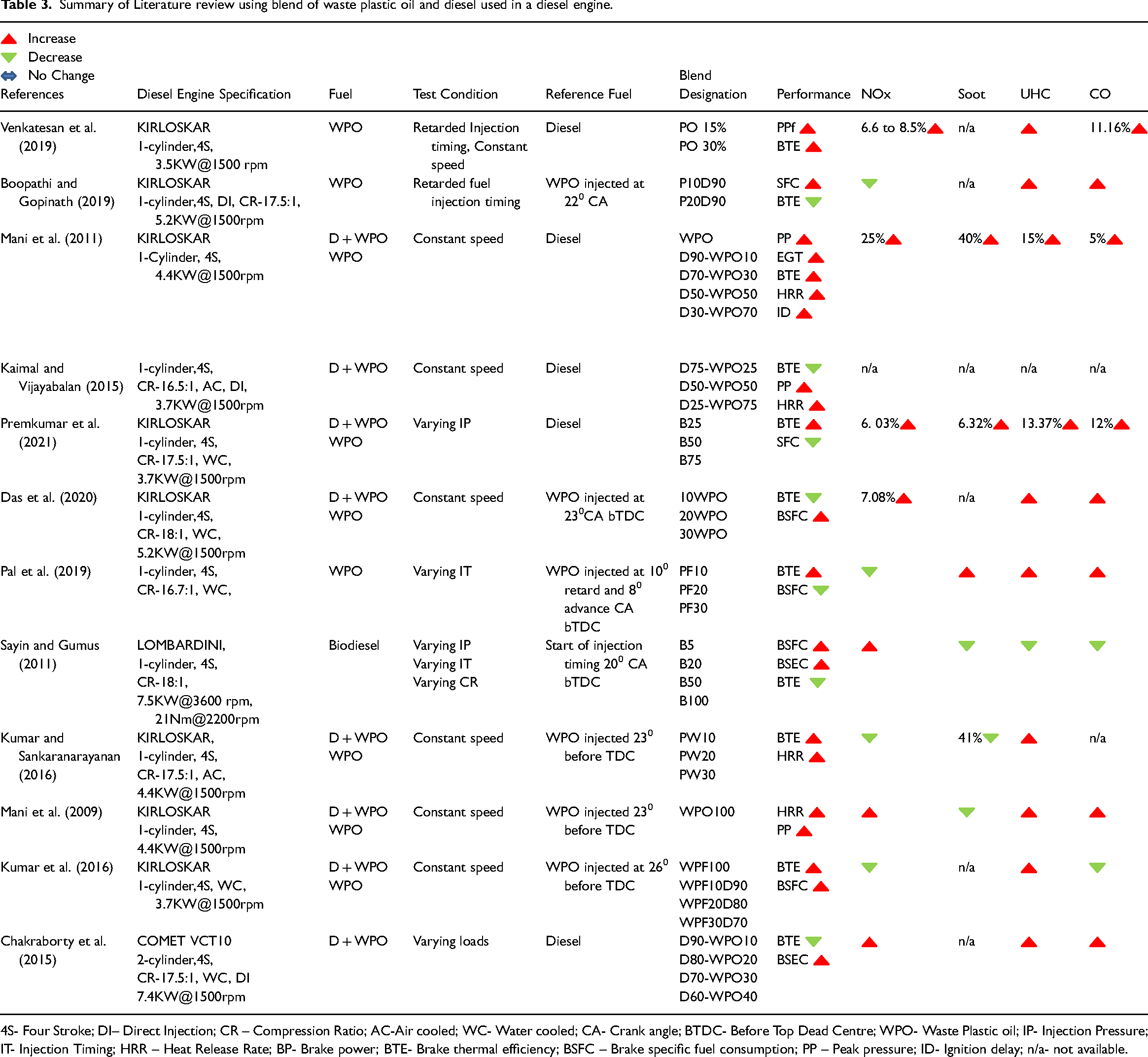


4S- Four Stroke; DI– Direct Injection; CR – Compression Ratio; AC-Air cooled; WC- Water cooled; CA- Crank angle; BTDC- Before Top Dead Centre; WPO- Waste Plastic oil; IP- Injection Pressure; IT- Injection Timing; HRR – Heat Release Rate; BP- Brake power; BTE- Brake thermal efficiency; BSFC – Brake specific fuel consumption; PP – Peak pressure; ID- Ignition delay; n/a- not available.
The current study has aimed to characterise the waste plastic oil extracted from plastic chairs and furthermore explore the studies including, BTE, BSFC, NOx, Smoke, and CO as well as operational parameters like engine load, engine speed, and fuel mixtures. It is necessary to determine the operational parameter's hence optimisation had to be done by using WASPAS approach. Moreover, the regression equation needs to be developed in order to further cut down on experiment time and expenses.
Research objectives of the current work
Based on the literature review and identifying the research gaps the present study focuses on achieving the following objectives:
Characterising waste plastic oil from plastic chairs as a potential alternative fuel for compression ignition (CI) engines using GC-MS and FTIR analysis. Discarded plastic chairs from the university campus were being utilised for deriving the waste plastic oil to perform the experimentation testing and characterisation studies. To study the effect of operational parameters such as engine load, engine speed and fuel blends to attain optimal engine behaviour through contours and 3D surface plots To find the optimal operational parameter for overall output responses of BTE, BSFC, NOx, Smoke, and CO in terms of total relative importance index ( To develop a regression model for the total relative importance index (
Experimentation
Fourier transform infrared (FTIR) analysis
Figure 4 shows the results of an FT-IR investigation of waste plastic oil. All of the waste plastic oil samples had peaks in the range of 3200 and 4000 cm−1, which indicates the presence of alcohol, hydroperoxide, and carbonyl acid groups in the O-H stretch. Additionally, peaks between 1800 and 3200 cm−1 can be used to confirm the presence of C-H stretches for the methyl and methylene groups. The existence of C=O starch for ester, carboxylic acid, ketones, and aldehyde group is indicated by the two peaks that were seen at 1650 and 1600 cm−1. The peak between 1200 and 1500 cm−1 depicts the presence of both symmetric and asymmetric C-H bending. The following peak range, from 1200 to 100 cm−1, shows that there is a C-O stretch for ethers, carboxylic acids, and esters. While C-H deformation for alkyl groups was detected from peaks occurring below 600 cm−1, =C-H bending out again for alkenes was found from peaks occurring with a range of 600–800 cm−1.
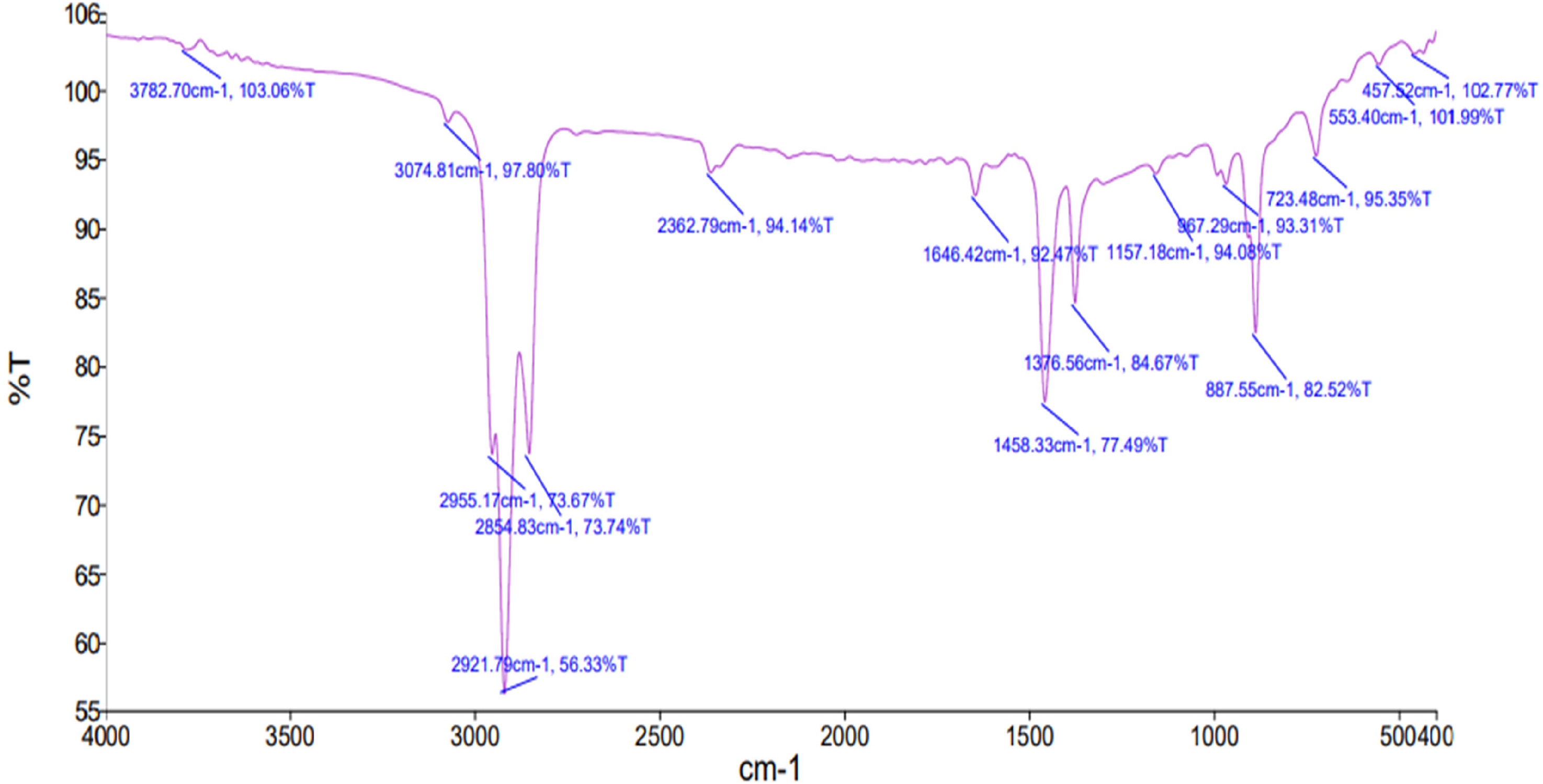
FT-IR analysis showing spectral distribution of waste plastic oil.
Gas chromatography-mass spectroscopy (GC-MS) analysis
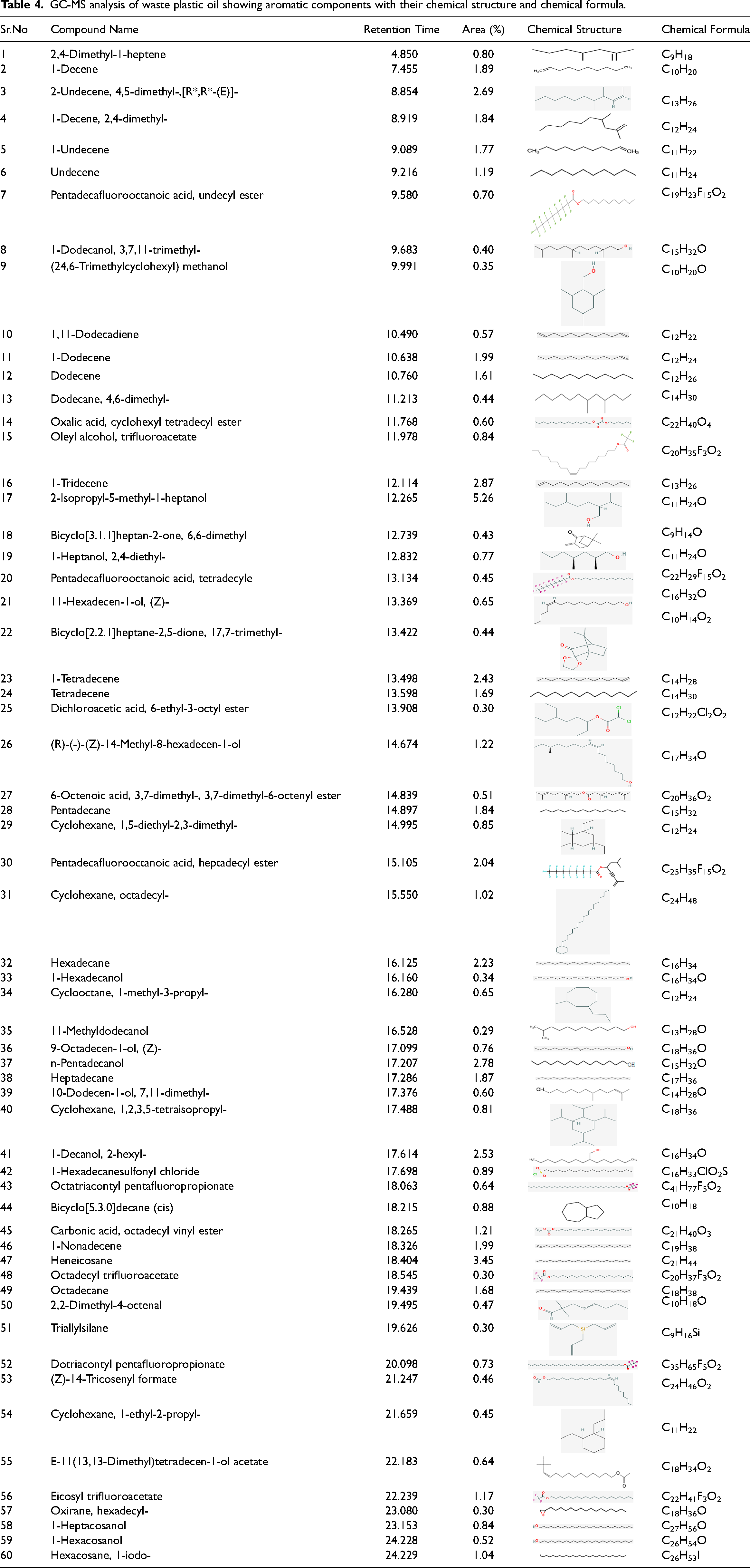
The characterisation of WPO was carried out at the Central Instrumental Facility (CIF) at Lovely Professional University, Punjab. Gas Chromatography-Mass Spectrometry (GCMS) facility (Mass Range: 10 m/z to 1090 m/z with a maximum scan rate of 20,000 amu/s having an Electron Impact (EI) Ionisation Technique, Unique direct inlet probe for solid and liquid with an FID detector and headspace injector) was used to analyse the chemical compounds present in the WPO extracted. With the help of a Micropipette 1 µL of the sample oil was diluted with 0.9 µl of methanol and then a nylon 0.45-micron filter was used to remove any possible impurity. Following the preparation and injection of the material, the spectra were correlated to those in the NIST mass spectral database. Table 4 lists the primary chemical components found in WPO along with their percentage distribution. Figure 5 has exhibited the findings acquired from the GC-MS analysis of Waste Plastic oil.
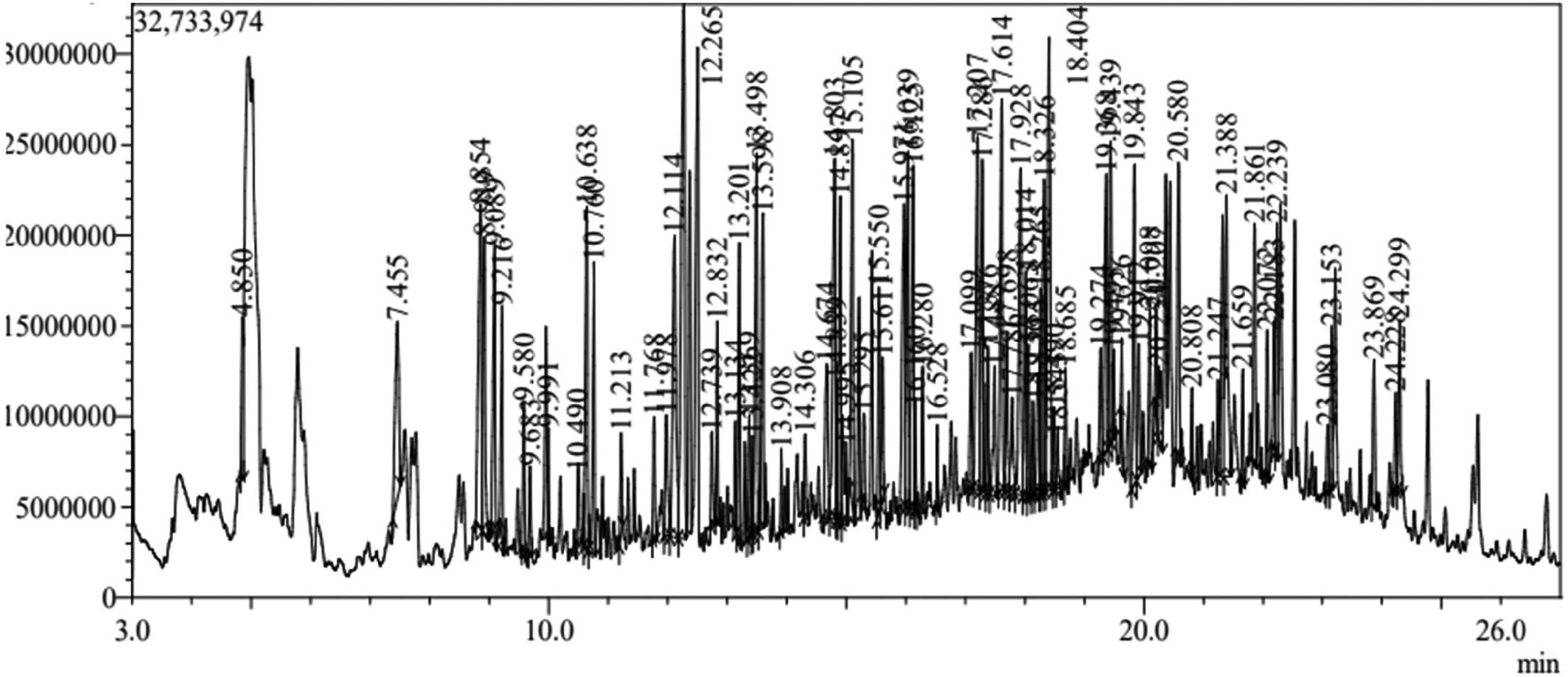
GC-MS analysis of waste plastic oil.
GC-MS analysis of waste plastic oil showing aromatic components with their chemical structure and chemical formula.
Experimental setup
Collection and extraction of waste plastics
The primary source of oil in this study was waste plastic, specifically derived from discarded plastic chairs collected on the university campus, which were nearly identical in composition. Plastic chairs are typically made from various materials, with HDPE being the most common. The waste plastic was subjected to pyrolysis in a batch pyrolysis unit, fueled by gaseous heat, with a handling capacity of 2 kg of waste to produce pyrolytic waste plastic oil (WPO). The pyrolysis process was conducted under isothermal conditions at 450°C for 30 min, with a heating rate of 20°C per minute starting from room temperature. The pyrolytic WPO production plant included a reactor assembly, condensing unit, separator, and a gas collection system.
Engine setup
A single-cylinder, 4-stroke, water-cooled, CRDI diesel engine was used. A water-cooled eddy current dynamometer was connected to the for precise loading, and a load cell was used to measure the load placed on the engine. The DAS and computer both recorded and stored the cylinder pressures. A combustion analyser setup was used to gauge the heat release rate (HRR). At every degree of crank angle, crank angle pulses are generated by the crank angle encoder, while a piezoelectric pressure transducer measures the cylinder pressure. To keep the engine speed at 1500 rpm, a non-contact optical sensor was attached to the flywheel. Using a high-accuracy flow meter, the fuel flow at specified time intervals was estimated. Table 5 provides the full description of the engine specification that was used.
Test Engine Specification.
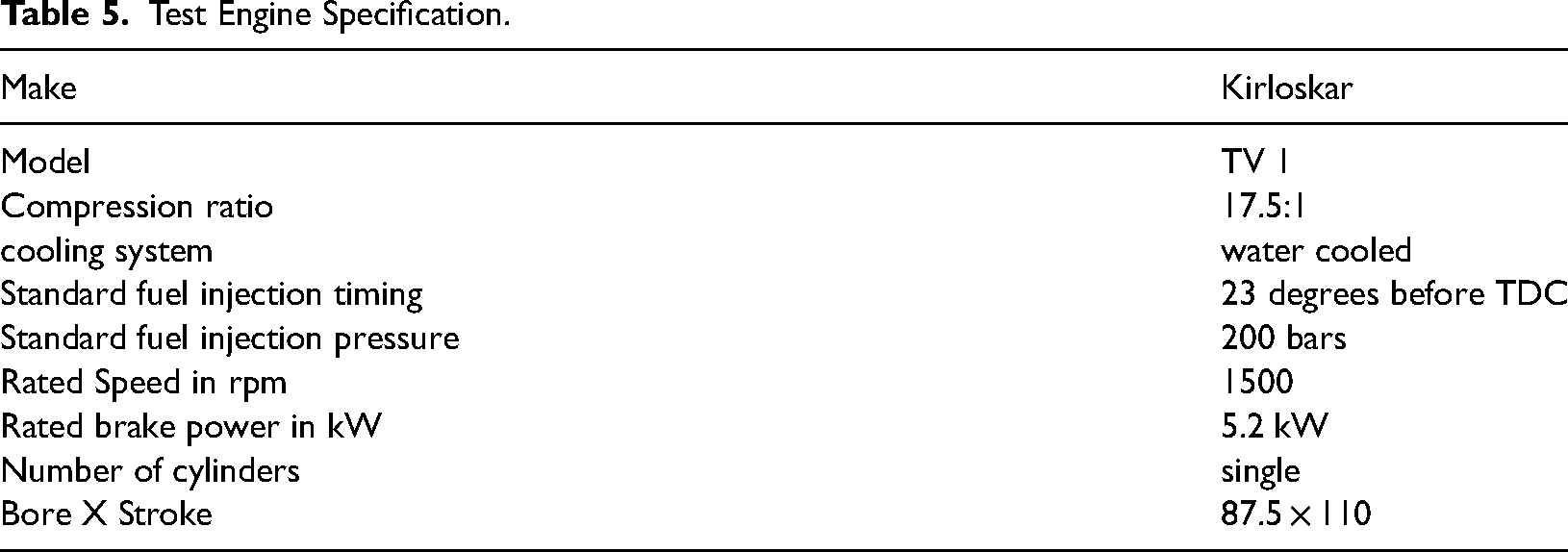
Figure 6 depicts the experimental setup in visual and schematic form. The engine was initially run on diesel fuel for over 30 min at a constant speed of 1500 rpm to achieve steady-state conditions with the least amount of load. The cooling water and lubricating oil temperatures were taken throughout the experiment to be constant in order to prevent their effects on the results. The steady state was reached for the constant-speed engine under no load conditions.
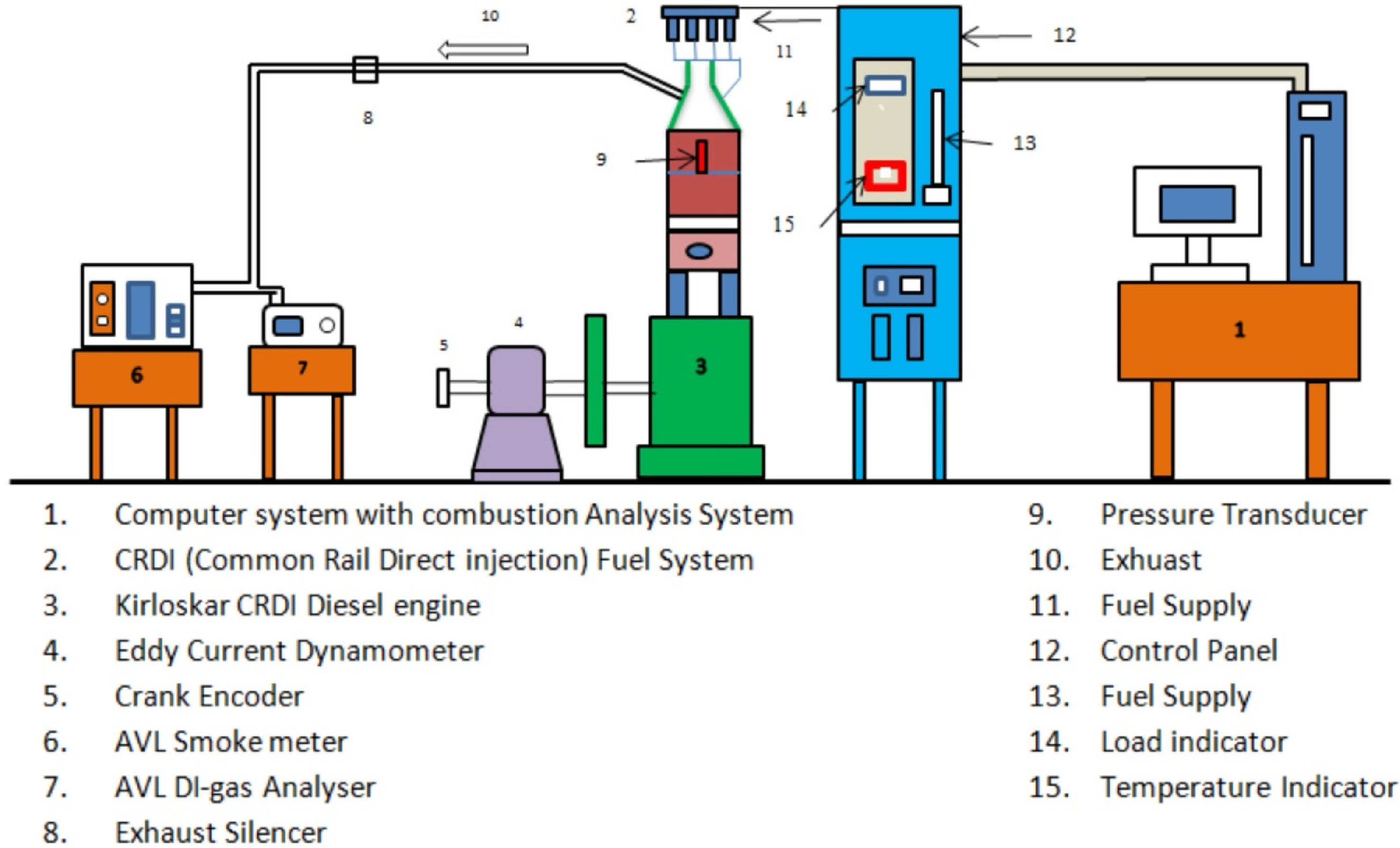
Experimental set-up.
Uncertainty analysis
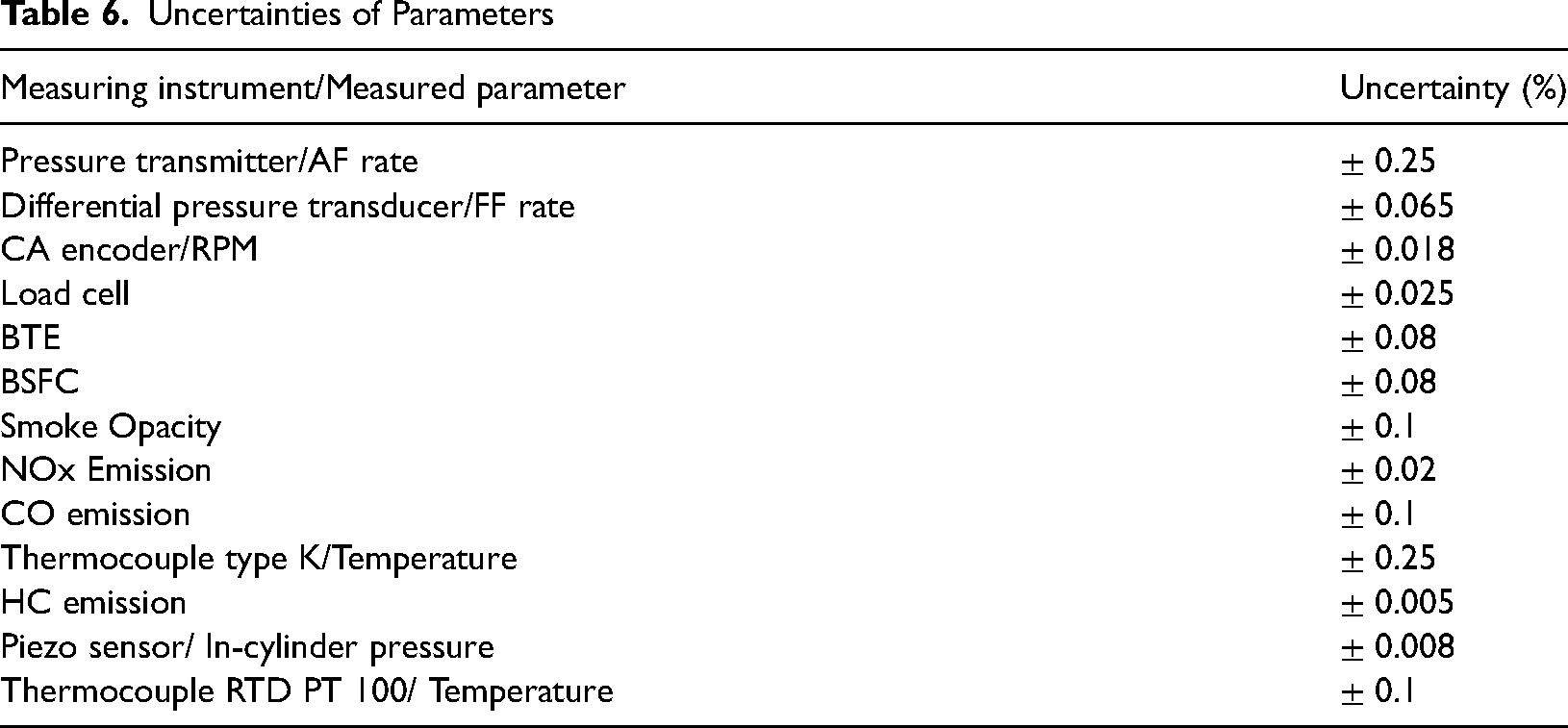
For experimental activities, uncertainty analysis ought to be performed to demonstrate the precision of measured and estimated readings. Instrument choice, observation, and contextual conditions all have a significant impact on how uncertain the experimental endeavour is. To combine dependent parameters of uncertainty, the partial differentiation approach is utilised. The repeated set of readings’ mean, standard error, and standard deviation calculations produced independent metrics of uncertainty. The degrees of uncertainty for different parameters are displayed in Table 6. The test's overall level of uncertainty ± 0.475%
Uncertainties of Parameters
Implementation of weighted aggregated sum product assessment (WAPAS) approach for statistical analysis
A novel fusion of the weighted sum model (WSM) and the weighted product model (WPM) is known as the weighted aggregated sum product assessment (WASPAS) technique. It is now widely acknowledged as an effective decision-making tool due to its mathematical simplicity and ability to produce more accurate findings when compared to WSM and WPM approaches. Chakraborty et al. (2015) had applied WASPAS method as a decision-making tool and illustrated five cases to demonstrate how the WASPAS approach assumed used to make decisions and to justify its applicability and usefulness. The weight and criteria were chosen through fuzzy weight provided with respect to the decision makers (Atmanlı et al., 2015; Maccrimmon, 1968; Triantaphyllou and Mann, 1989).
The multi-criteria decision-making (MCDM) is done with the help of a decision matrix,
Step 1: normalising the performance measure matrix
This step helps to remove any abnormalities that occurred during the experimentation by converting them to dimensionless quantities. There are three criteria for normalising the experimental data, i.e., higher-the-better, lower-the-better, and nominal-the-best. Out of these, the following two normalising criteria are considered for this experimentation:

Step 2: creating a total relative importance matrix
In the WASPAS method, the optimality criteria are taken from both WSM and WPM with a linear combination
Similar to the WSM method, the total relative importance of ith alternative is calculated below:

Step 3: calculating the variances for the importance matrix
The initial values of experiments are determined by considering the input variables of dispersed results Triantaphyllou and Mann (1989). The following two equations are considered for computing variance depending on WSM and WPM.

Step 4: calculating the coefficient

Step 5: generalising total relative importance index equation
The total relative importance index (
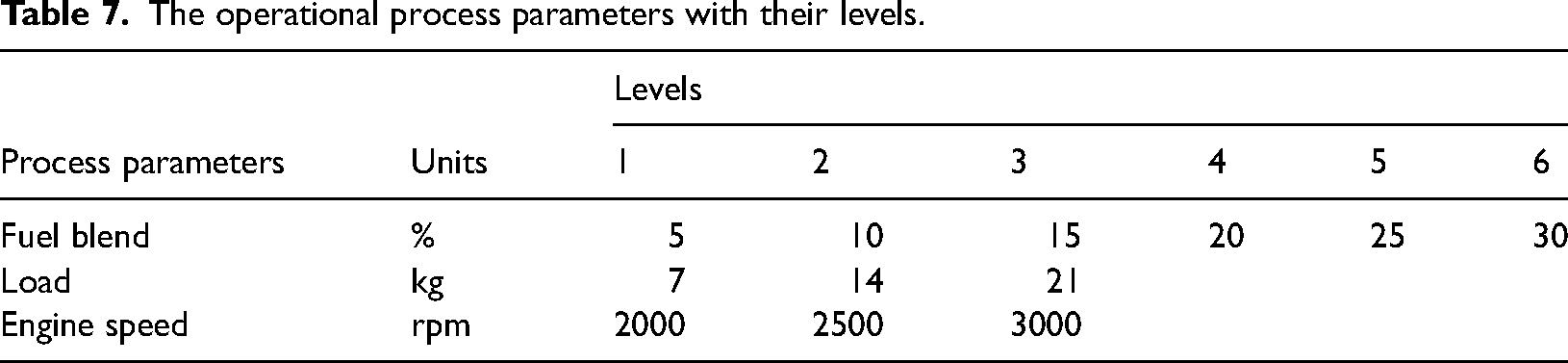
For this experiment, the input process parameters are taken as blend (6 levels), load (3 levels) and speed (3 levels), and the responses are BTE, BSFC, NOx, smoke, and CO. By using Taguchi methodology, the experimentation is limited to L18 orthogonal array with the levels of input parameters as given in Table 7.
The operational process parameters with their levels.
Results and discussion
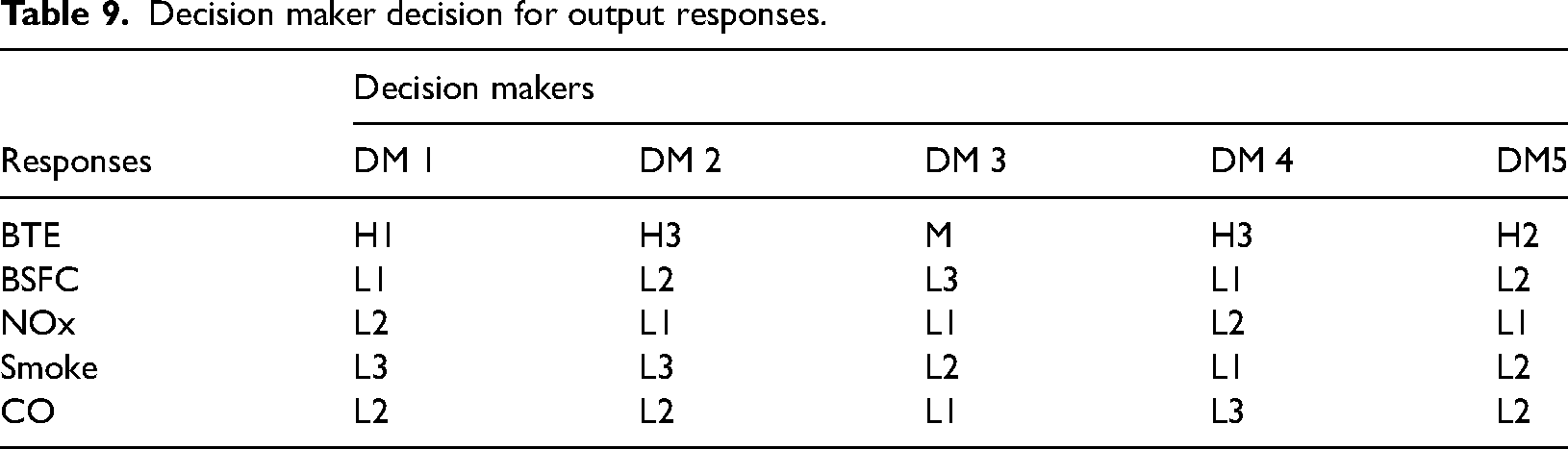
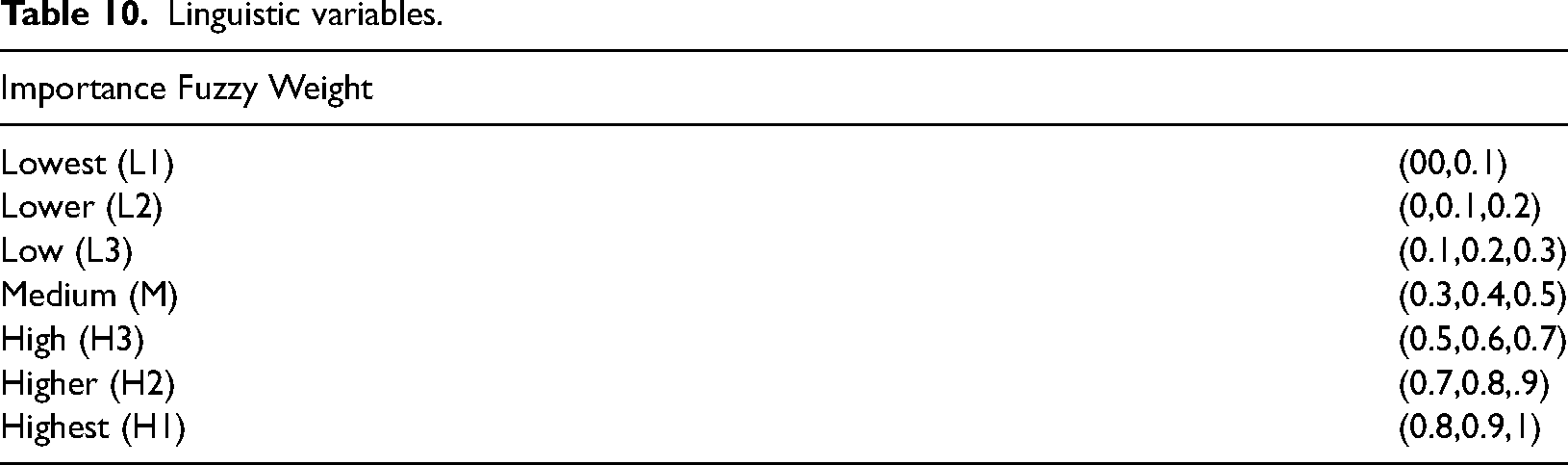
The fuzzy weighted average, a method that takes into account fuzzy consideration for the operations of rating, weighting, and aggregation, is frequently used to resolve multilevel assessment difficulties. The individual weights are calculated by considering the individual fuzzy weights out of the linguistic terms as shown in Table 8. The linguistic variable is divided into seven categories. The variable with least to most importance is categories under lowest, lower, low, medium, high, higher and highest. The fuzzy weight from 0 to 1 is also assigned to each of the linguistic variables. Three fuzzy weight value is assigned to each linguistic variable.
Taguchi orthogonal array with normalied experimental results.
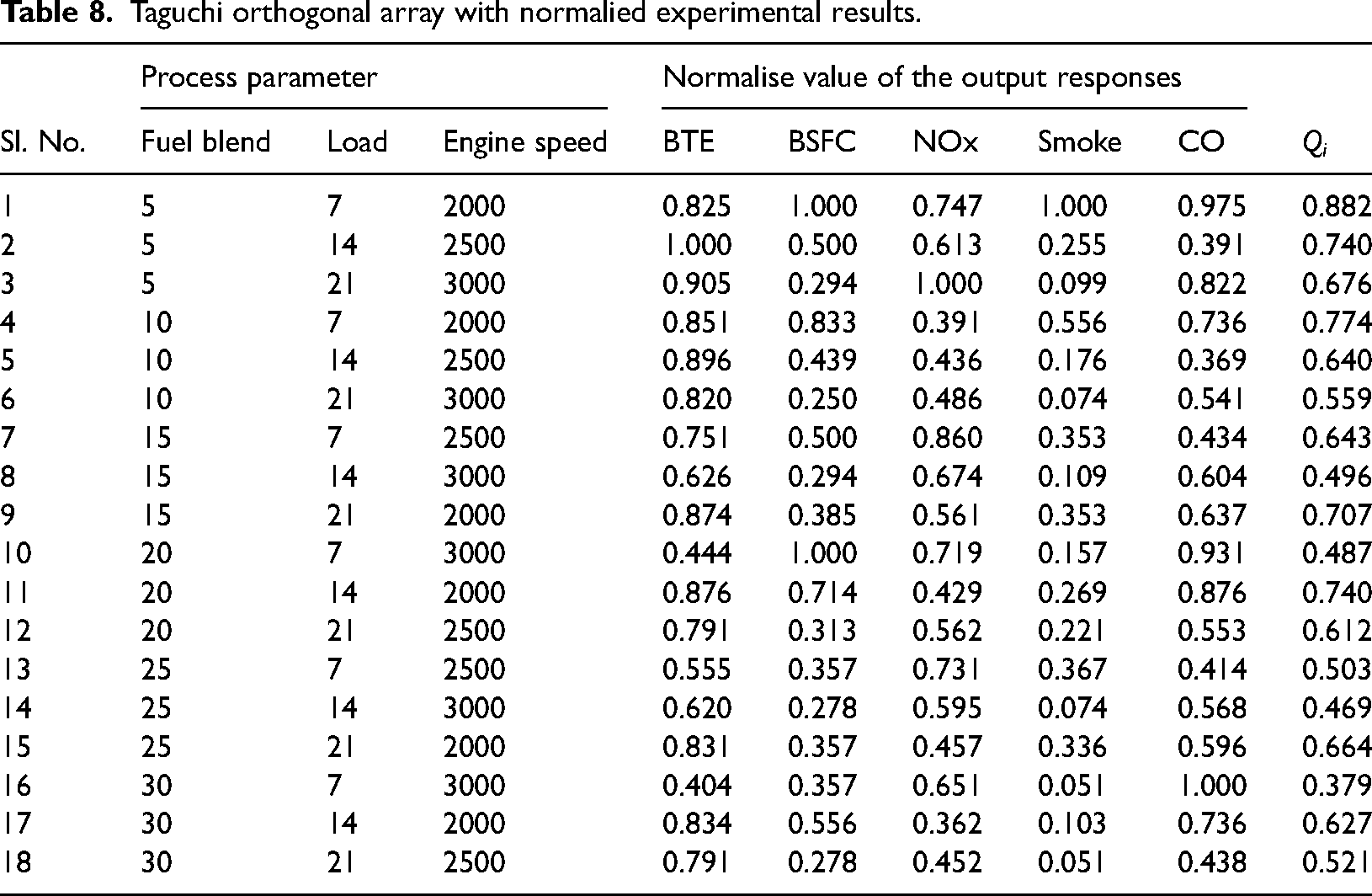
The decision-makers have given fuzzy weights as shown in as per their desired responses. Fuzzy weight values determine whether the outcomes of decision-making are correct. The aggregated fuzzy weights are tabulated in Table 9. The fuzzy weights are taken to find the performance matrix. The fuzzy weights assigned to BTE, BSFC, NOx, smoke, and CO are 0.666, 0.093, 0.066, 0.126, and 0.106, respectively, as given in Table 10. Normalised values of the responses are calculated and mentioned in Table 11.
Decision maker decision for output responses.
Linguistic variables.
Aggregated fuzzy weights.
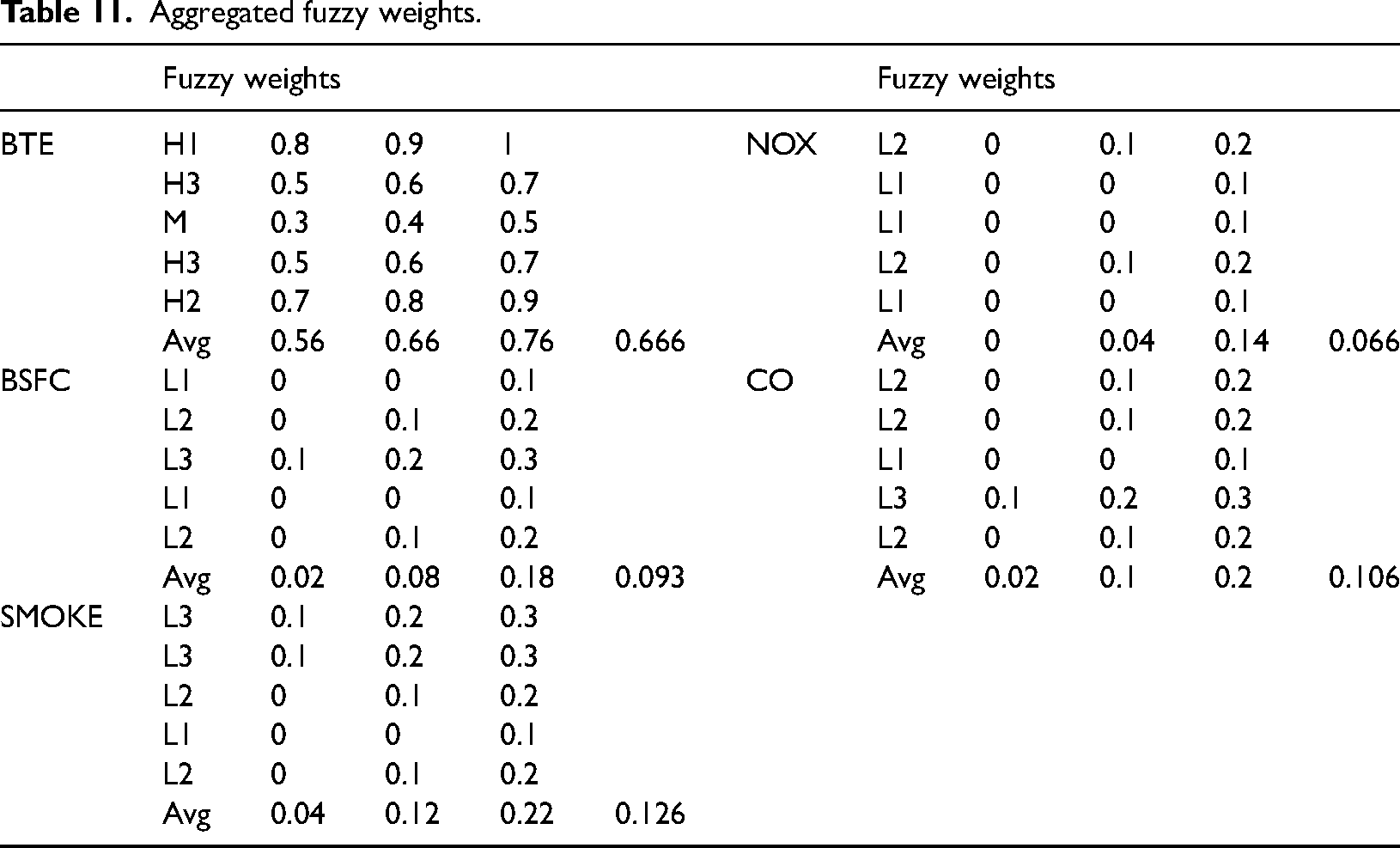
In this case, all the responses are affected by the process parameters. Normalisation of data mainly focuses on reducing errors in data revision, eliminating the majority of redundant data, and making queries easier. Finally, normalisation can enhance efficiency, improve assurance, and minimise expenses in addition to basically establishing data during experimentation. The normalisation of the BTE is done by higher-the-better, and BTE, BSFC, NOx, smoke, and CO are done by lower-the-better.
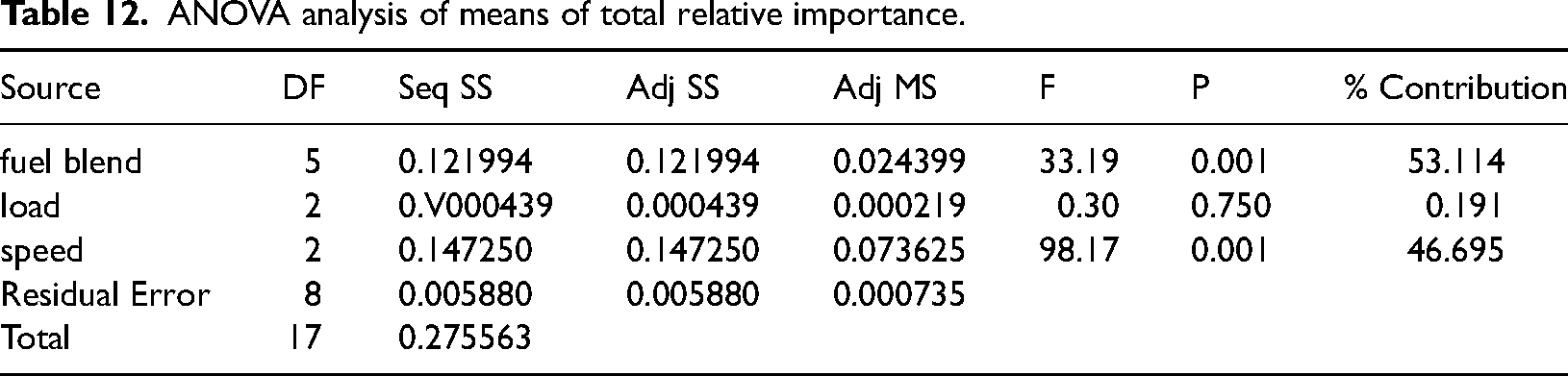
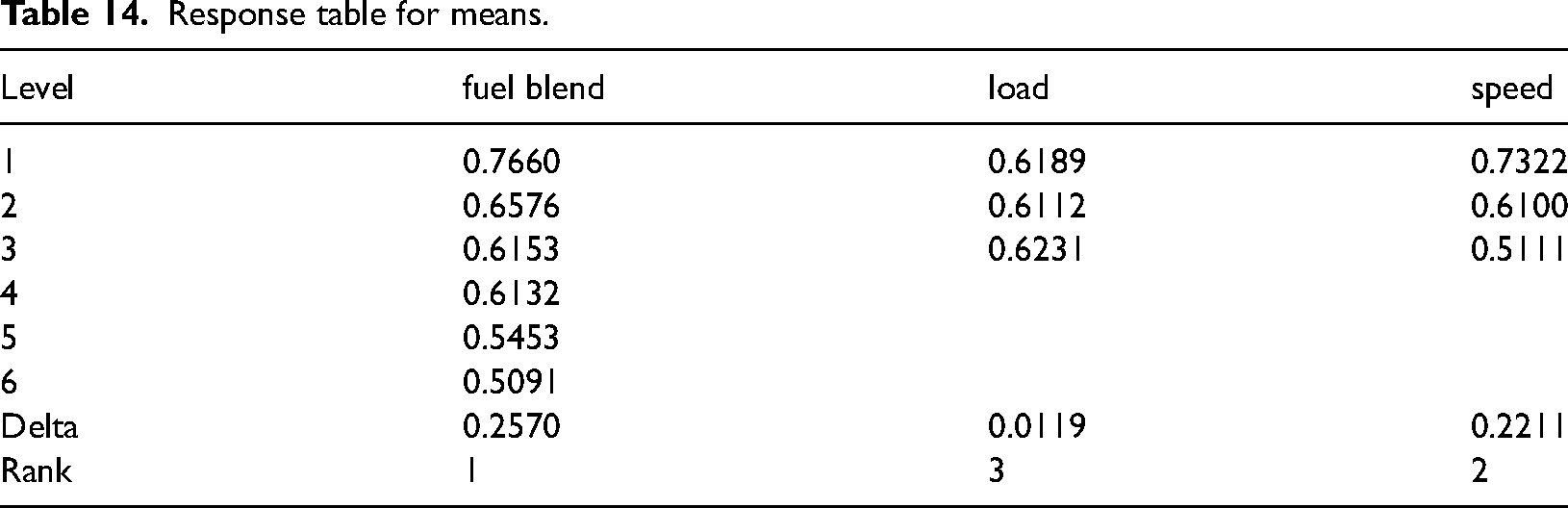
The ANOVA of
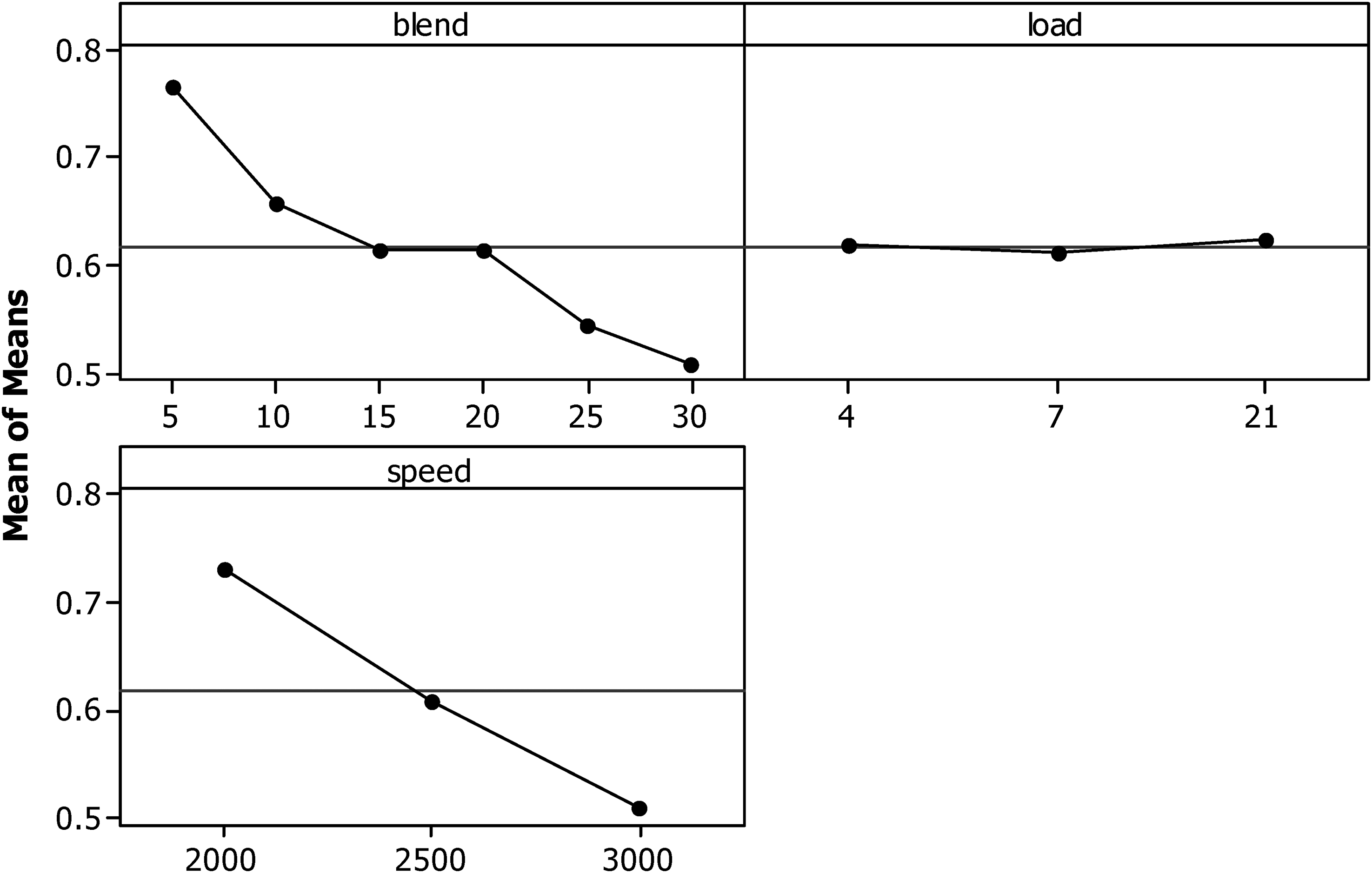
Main effects plot for means obtained from MINITAB
ANOVA analysis of means of total relative importance.
Model summary.

Response table for means.
The ability to investigate the connection among factors is provided by regression analysis. The variables are frequently referred to be either dependent or independent. An input, or factor that affects a dependent variable is known as an independent variable. The four main goals of the regression technique are description, estimation, prediction, and control. Regression may illustrate whether both independent and dependent variables interact with one another. Estimation is the process of determining the value of the dependent variable from the measured values of the independent variables. Based on the interactions between dependent and independent variables, regression analysis can be helpful for forecasting outcomes as well as relationships between dependent and independent variables.
The regression equation obtained from the MINITAB is given in equation 9, which is used to calculate the predicted values in Figure 7.
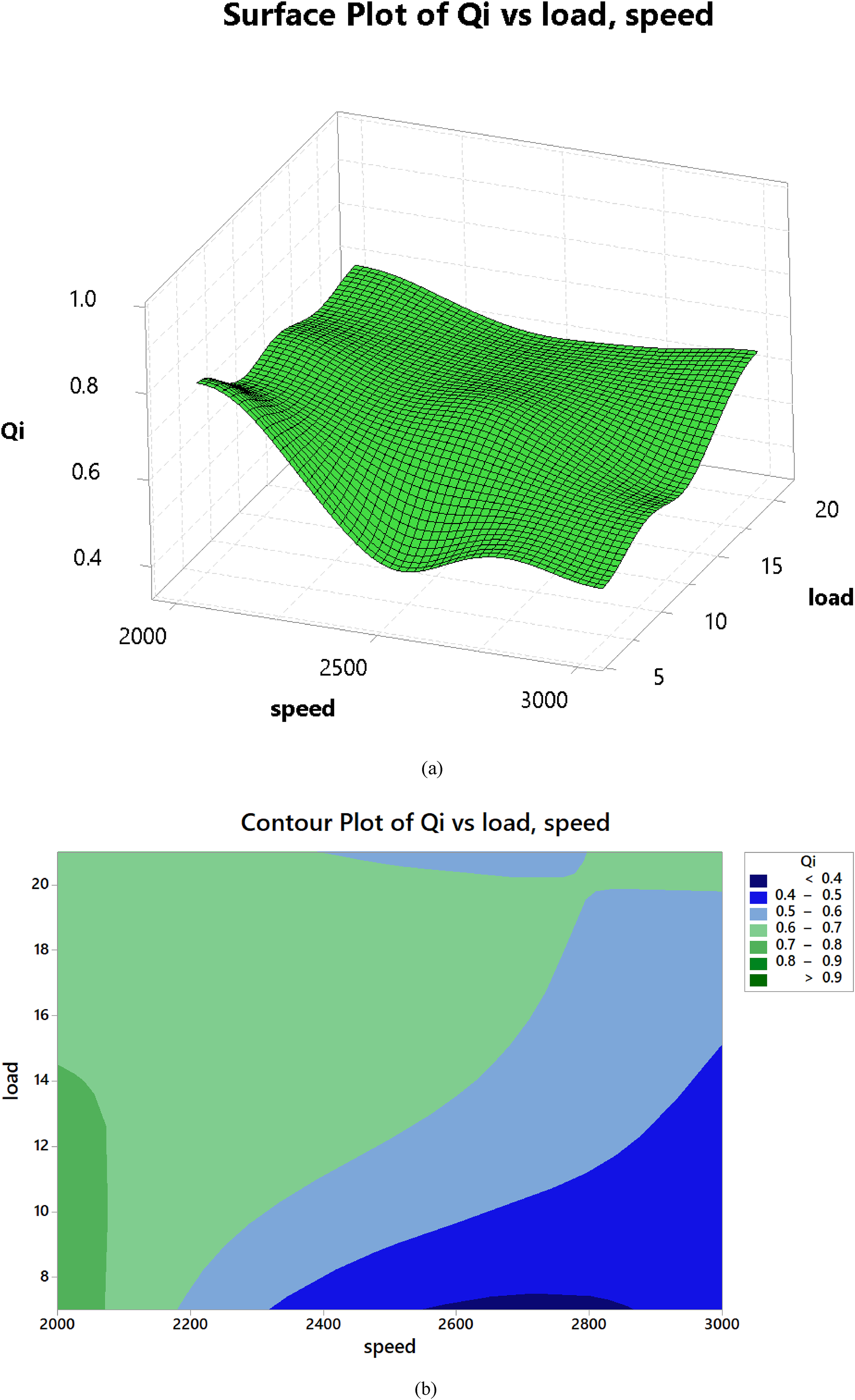
(a) Surface interaction plot, and (b) contour plot for
Figure 9(a) shows the surface interaction plot between fuel blend and load, where the least
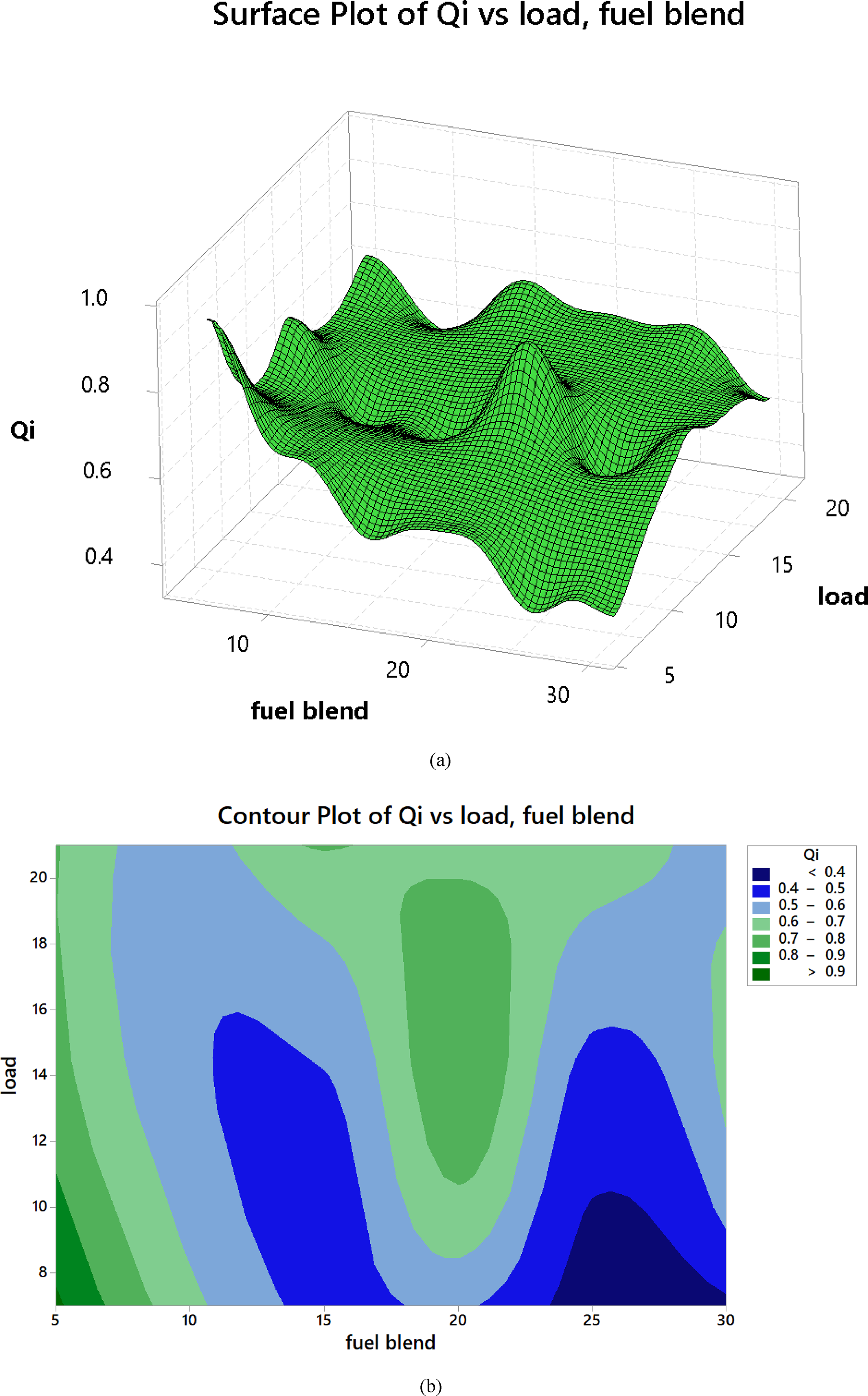
(a) Surface interaction plot, and (b) contour plot for
Figure 10(a) portrays the interaction plot between speed and fuel blend. This shows that with minimum speed and fuel blend, the
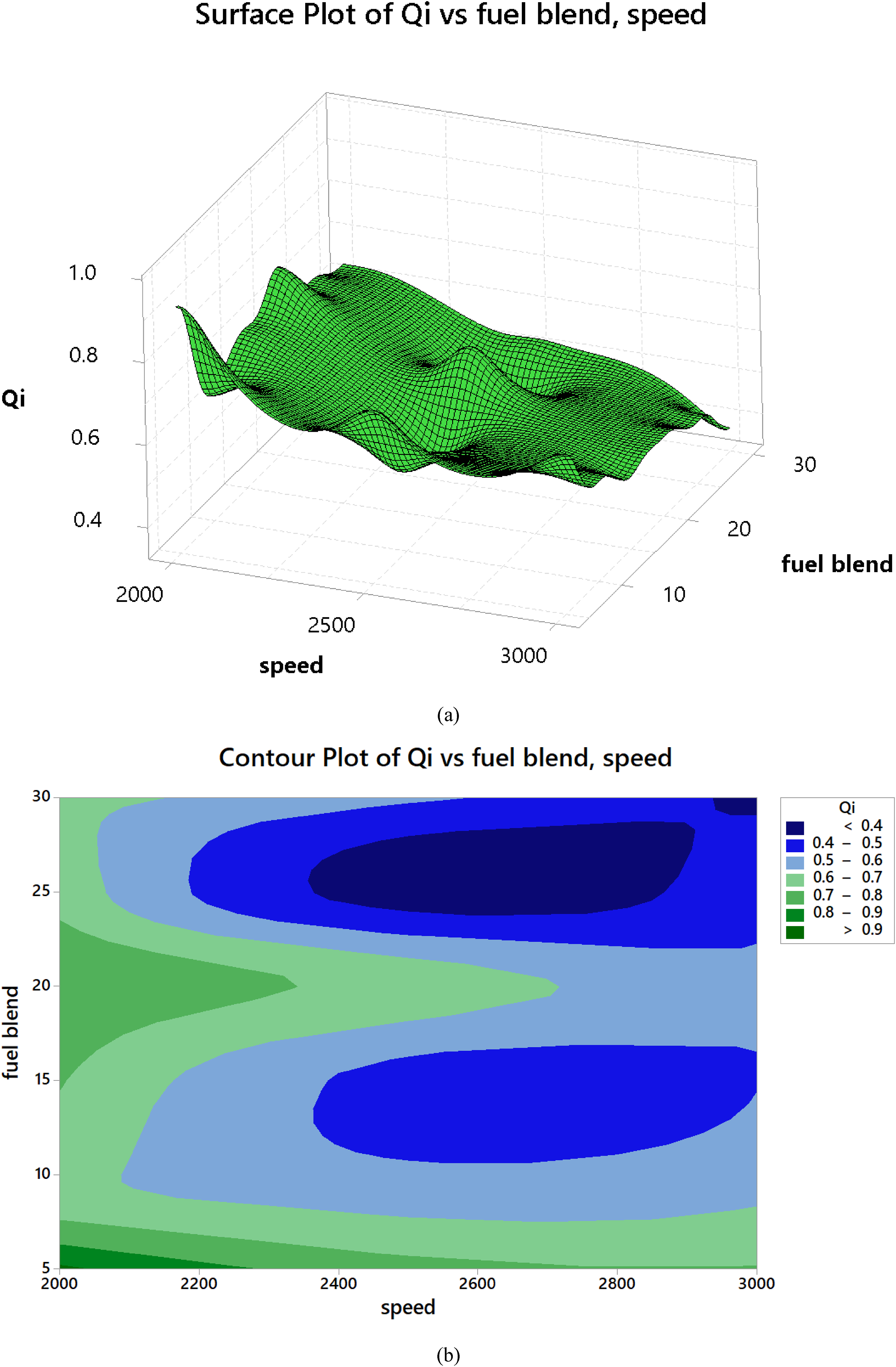
(a) Surface interaction plot, and (b) contour plot for
The normal probability plot shows that the residuals approximately follow a straight line, and the histogram's approximately symmetric form suggests that the residuals have a normal distribution. As they are randomly distributed about zero for residuals versus the fitted values, residuals possess constant variance. Figure 11 illustrates the residual plots for mean. The graph demonstrates that the total number of experiments falls within the normal range of percentage probability (Ahmad et al., 2023; Iftikhar et al., 2023; Shen et al., 2022). As a result, it is possible to create an appropriate regression equation that will offer a highly accurate and precise prediction of the
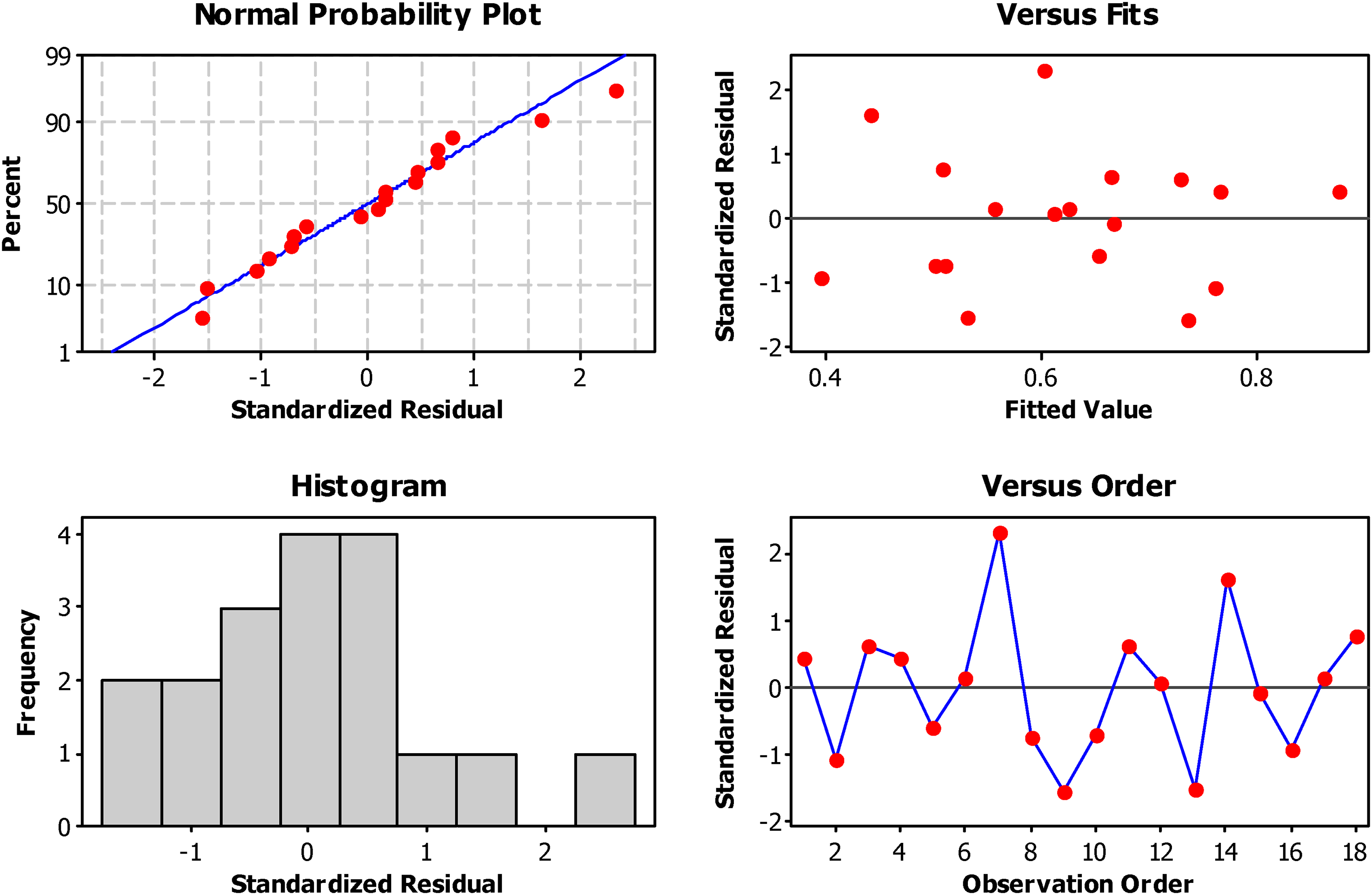
Residual plots for mean
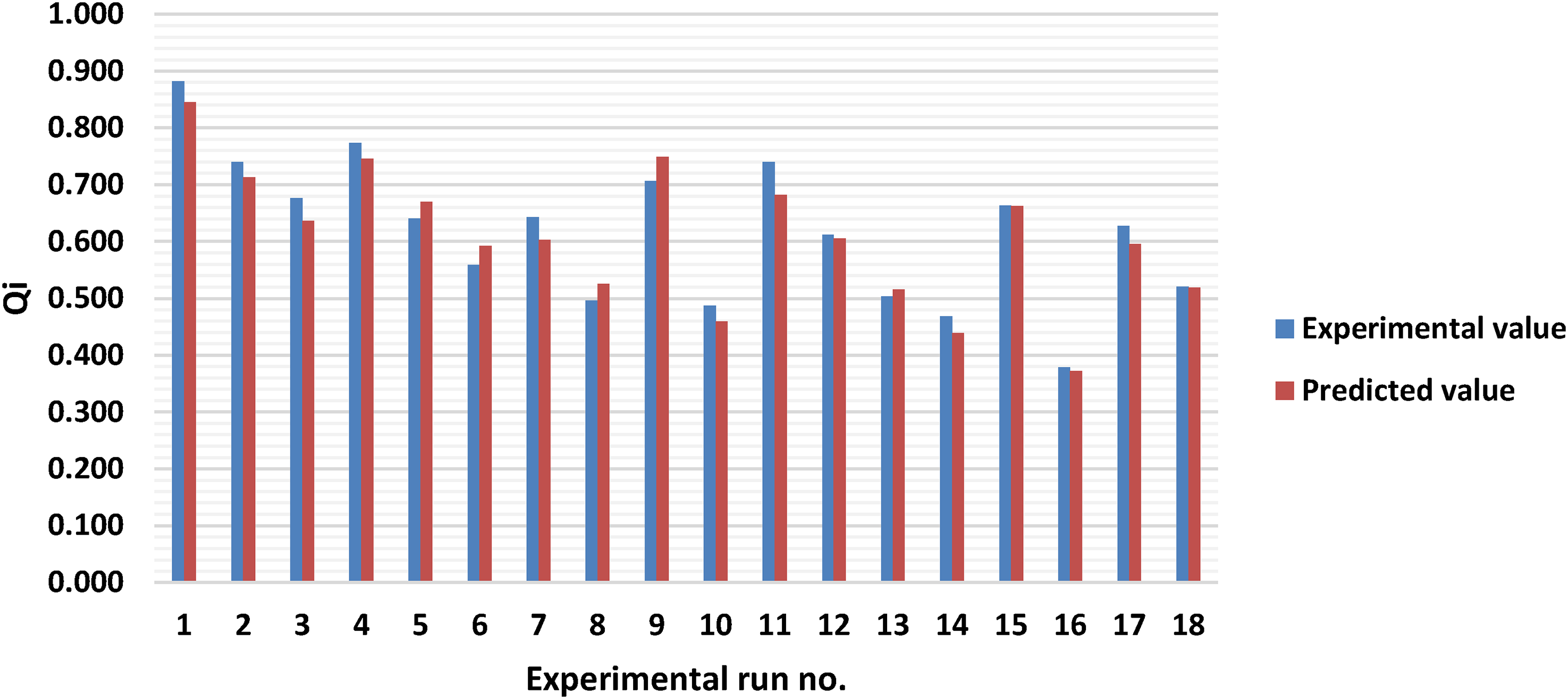
Error graph between the experimental and predicted results.
The research outlined in the present study that follows have offered a number of novel aspects. To commence, the investigation encompasses the application of FT-IR spectroscopy to examine waste plastic oil. FT-IR is a unique technique for identifying specific chemical groups in waste plastic oil samples, including alcohol, hydroperoxide, carbonyl acid, ester, carboxylic acid, ketones, aldehyde, along with various stretching and bending vibrations (Hasnain et al., 2023; Li et al., 2023; Singh et al., 2021). The thorough chemical analysis presented herein offers an exhaustive insight into the constituents of waste plastic oil. Additionally, the study utilises GC-MS as a method of analysis to determine the type, quantity, and composition of chemical compounds that are discovered in waste plastic oil (Channapattana et al., 2023; Srinidhi, Kshirsagar, et al., 2022; Srinidhi et al., 2021a). The application of GC-MS enables precise identification of specific chemical constituents as well as their respective percentage distributions. By revealing the precise molecules that are present in reuse plastic oil, this analytical method contributes to the scientific originality of the investigation (Campli et al., 2021; Srinidhi et al., 2020, 2022a). Thirdly, the study employs fuzzy weighted average methodology in order to address the difficulties associated with multilevel assessment. The implementation of fuzzy considerations for rating, weighting, and aggregation in this study presents an innovative methodology for decision-making processes. Fuzzy logic enables the management of uncertain, unreliable, imprecise, and unclear data, thereby enhancing the resilience and adaptability of the decision-making process in practical contexts (Atmanli, 2016; Srinidhi et al., 2019, 2022b). In summary, the research investigates the interaction relationships between a number of variables (including fuel mixture, engine speed, and load) and the performance index (Q_i) through the use of regression analysis. While regression analysis is a widely recognised statistical method, its utilisation in this particular context-namely, to optimise engine performance by considering waste plastic oil parameters-increases the research's scientific originality (Atmanli and Yilmaz, 2021; Yilmaz et al., 2016).
In addition, the research exhibits scientific rigour by employing advanced analytical methodologies, including FT-IR and GC-MS, to ensure the precise identification and characterisation of chemical constituents present in waste plastic oil. Furthermore, the research utilises fuzzy weighted average methodology, wherein decision-making variables are systematically categorised and assigned fuzzy weights. The methodology is explicitly and thoroughly delineated, assuring clarity and replicability throughout the assessment process. In addition, an ANOVA is performed to determine the contribution and significance of various process parameters. By implementing a backward elimination method that relies on P-values, the statistical rigour is enhanced and it ensures that the analysis incorporates exclusively the significant factors.
Furthermore, the research is distinguished by its comprehensive methodology employed in the analysis of waste plastic oil. The study achieves an in-depth understanding of the chemical composition of residual plastic oil through the integration of FT-IR and GC-MS analyses. The integration of fuzzy weighted average methodology incorporates an unprecedented aspect to the process of decision-making by permitting the evaluation of imprecise data. Moreover, employing regression analysis, the study has investigated the interactions between multiple variables (fuel mixture, engine speed, and load). The examination of these interactions within the framework of optimising engine performance using waste plastic oil constitutes a distinctive facet of the investigation. A comprehensive analysis of the ways in which these variables impact the performance index (Q_i) yields significant knowledge that can be applied to future research endeavours concerning alternative fuels and combustion efficiency.
In terms of practical applications, this research has substantial and wide-ranging practical implications. The comprehensive chemical analysis of waste plastic oil through the implementation of FT-IR and GC-MS methodologies yields critical data for areas engaged in the recycling and conversion of waste plastic. It is imperative to comprehend the chemical composition of waste plastic oil in order to devise effective processes for its conversion into fuels or other valuable products (Atmanli and Yilmaz, 2020; Yilmaz et al., 2018). Numerous industries and sectors in which uncertain or imprecise data are utilised in the decision-making process might discover utilisation of fuzzy weighted average methodology to be advantageous. By implementing this methodology, decision-making frameworks can be strengthened, enabling organisations to deal with intricate circumstances that require more understanding, versatility, adaptability, and flexibility. Moreover, the insight attained from the regression analysis possesses immediate repercussions for the energy and automotive industries, specifically regarding the interactions among fuel blend, engine speed, and load. By optimising engine performance with waste plastic oil blends, more sustainable and environmentally benign energy solutions could be developed. The prospective application of the findings obtained from this study has the capacity to reduce dependence on conventional fossil fuels, thus aiding in the mitigation of environmental issues and the advancement of sustainable energy methodologies.
Conclusions
The results of the GC-MS and FTIR investigations show that WPO contains a number of chemical components that point to its potential as a fuel source. WPO consists of a variety of chemical components, including esters, carboxylic acids, and aldehydes, among others, according to the GC-MS investigation.
As evidence of the oil's potential as a fuel source, the FTIR study revealed the existence of alcohol, hydroperoxide, and carbonyl acid groups in addition to C-H stretches for the methyl and methylene groups. Alcohol, hydroperoxide, carbonyl acid groups, C-H stretches for methyl and methylene groups, and C = O stretches for ester, carboxylic acid, ketones, and aldehyde groups have been identified by the FT-IR analysis. The primary chemical components in WPO have been additionally characterised by the GC-MS analysis, yielding significant insights into its composition. The study's offered an innovative methodology for assessing various parameters, including BTE, BSFC, NOx, smoke, and CO, by employing fuzzy weighted average analysis. By incorporating linguistic variables along with fuzzy logic into this methodology, a thorough evaluation of the performance matrix was attainable. The effect of significant process parameters, such as fuel ratio, speed, and load, on engine performance was identified through the analysis. In addition to regression analysis and three-dimensional surface graphs, the research investigated intricate interrelationships interaction among fuel blend, speed, and load, thereby contributing to a broader comprehensive understanding of combustion dynamics. Furthermore, the residual analysis was employed to validate the robustness of the regression model, thereby assuring the developed model's precision and reliability. The mean-square error analysis revealed that the regression equation accurately predicted the performance index with an average error of 1.807%, which is considered an acceptable level. The efficiency of multiple WPO samples was assessed using the WASPAS multi-criteria decision-making methodology. The explicit description of the weights assigned to criteria in the WSM method ensures transparency, enabling decision-makers to discern the relative significance for every criterion throughout the evaluation process. WSM possesses the capability to incorporate both qualitative and quantitative criteria, rendering it adaptable to a wide range of decision problems. By consolidating numerous criteria into a single score, WSM streamlines the decision-making process by offering an unambiguous, open, and easy-to-understand hierarchy of alternatives according to their overall performance effectiveness. Through incorporating non-linearity via the exponentiation process, WPM enables decision-makers to modify the exponents in order to emphasise or de-emphasise the significance of particular criteria. This characteristic offers a more intricate depiction of the significance of criteria. WPM requires an inherent compromise between its criteria. As extreme values (extremely high or low) on any criterion have the tendency to take precedence in the overall evaluation, it is prudent to consider every criterion in a balanced manner in order to prevent results that are skewed. The weighted aggregated sum product assessment method combines elements of both the weighted product model and the weighted sum model. It allows for a more balanced consideration of factors as well as more flexible approach for accommodating diverse type of data. The total relative importance index ( The developed regression equation revealed an acceptable difference between the experimental and projected values, demonstrating the validity of the experiment. Therefore, before WPO can be used on a broader scale, the study emphasises the need for additional research to optimise the processing of WPO and assess its environmental impact.
In conclusion, this study provides important empirical findings and insights that can inform future research and policy decisions regarding the use of waste plastic oil as an alternative fuel source. In future the more optimisation method can be used and data can be analyse using meta-heuristic approach. The optimisation studies using the waste plastic oil derived from mixture of PET, PP and PS only can be explored.
Future outlook
On the basis of the outcomes of this investigation, the following suggestions can be extended to future research and applications:
By exploring those areas, subsequent studies can facilitate the advancement of environmentally conscious and sustainable alternatives to fuels, thereby establishing a pathway towards a future characterised by reduced carbon emissions and enhanced energy efficiency.
Footnotes
Abbreviations
Acknowledgments
Researchers Supporting Project number (RSPD2023R1060), King Saud University, Riyadh, Saudi Arabia.
Author contributions
Conceptualisation, SK, SP, RK, SS, OB, MP; methodology, SK, SP, RK, SS, OB, MP; formal analysis, SK, SP, RK, SS, OB, MP, RD; investigation, SK, SP, RK, SS, OB, MP; writing—original draft preparation, SK, SP, RK, SS, OB, MP; writing—review and editing, SS, SPD, FAA, MIK, EAAI, RD; supervision, SS, SPD, FAA, MIK, EAAI, RD; project administration, SS, SPD, FAA, MIK, EAAI. All authors have read and agreed to the published version of the manuscript.
Consent to participate
Not applicable
Consent to publish
Not applicable.
Data availability
All the data that were used to support this study are available in this manuscript.
Declaration of conflicting interests
The authors declared no potential conflicts of interest with respect to the research, authorship, and/or publication of this article.
Ethical approval
Not applicable
Funding
The author(s) disclosed receipt of the following financial support for the research, authorship, and/or publication of this article: Researchers Supporting Project number (RSPD2023R1060), King Saud University, Riyadh, Saudi Arabia.
