




Abstract
Sucrosic dolomite, an important hydrocarbon reservoir, has long been the focus of carbonate sedimentological and reservoir geological studies. This study investigated a kind of heterogeneous sucrosic dolomite in the Lower Permian Qixia Formation of NW Sichuan Basin, which has recently been the location of giant natural gas discoveries. The heterogeneous sucrosic dolomite is characterized by coexistence of porous euhedral dolomite and tight anhedral dolomite, and it is mainly distributed in the platform-marginal shoal facies with a quasi-layered structure. Further geochemical analysis, including C, O, and Sr isotopes as well as rare earth elements, reveals that the euhedral dolomite and anhedral dolomite have similar geochemical properties to the matrix limestone representing coeval seawater, and they were mainly generated from dolomitization by the closed marine-related fluid (left-leaning REE and δPr < 1) in the shallow burial. The difference in crystal morphology, porosity, and permeability between the euhedral dolomite and anhedral dolomite is mainly related to the compositional and textural heterogeneities of the host rocks. Due to the dissolution of meteoric water (relatively flat REE and low Y/Ho) in the early diagenetic stage caused by high frequent exposures, quasi-layered vugs and caves were formed in the grainstones. In the process of shallow burial dolomitization, the loose-filled carbonate sands formed the porous euhedral dolomite due to sufficient space, while the matrix limestone formed the tight anhedral dolomite due to relatively poor porosity and permeability. Accordingly, the paleogeomorphic highland controlled platform-marginal shoal superimposed by meteoric water dissolution in the early diagenetic stage is the main factor for the formation of Qixia Formation reservoirs, while dolomitization is mainly manifested as the inheritance and adjustment of pre-existing pores in the host rock. Therefore, the exploration direction for dolomite reservoirs in the Qixia Formation in the Sichuan Basin should be shifted to the favorable sedimentary facies-controlled reservoir model, which can also be referential for other cases under similar geological setting.
Keywords
Introduction
Sucrosic dolomite refers to a kind of dolomite which is named according to the morphology of rock surface similar to that of white sugar (Archie, 1952; Murray, 1960). It is usually characterized by high porosity and permeability, and thus acts as an important reservoir rock that has long been the focus of carbonate sedimentological and reservoir geological studies. Sucrosic dolomite is widely developed in strata of all ages across the world (Choquette and Hiatt, 2008; Gaswirth et al., 2007; Maliva et al., 2011; Westphal et al., 2004).
The massive homogeneous dolomite is the most ubiquitous sucrosic dolomite ever reported, and it is characterized by relatively uniform texture and grain size, and accordingly homogeneous physical properties (e.g., porosity and permeability). By the contrast, the heterogeneous dolomite has long been highly controversial for its genetic mechanism and reservoir-forming mechanism due to the heterogeneity (Bai et al., 2016; Choquette and Hiatt, 2008; Gaswirth et al., 2007; Giorgioni et al., 2016). The genetic mechanism mainly includes the heterogeneous composition and texture of original limestone ( Giorgioni et al., 2016; Iannace et al., 2011, 2014), the heterogeneous dolomitization and cementation caused by complex diagenetic fluids (Choquette and Hiatt, 2008; Gaswirth et al., 2007), and the heterogeneous dissolution and precipitate filling (Bai et al., 2016; Jiang et al., 2016; Zhu et al., 2015). The reservoir-forming mechanism is also diverse, including hydrothermal fluid (Liu et al., 2017), meteoric water (Bai et al., 2016), hydrocarbon-bearing fluids in the burial stage (Zhu et al., 2015), and thermochemical sulfate reduction (TSR) (Jiang et al., 2016).
The exploration of the Lower Permian Qixia Formation in the NW Sichuan Basin, a large superimposed petroliferous basin in SW China, has revealed a kind of unique heterogeneous sucrosic dolomite. This kind of dolomite is characterized by coexistence of medium- and coarse-grained sucrosic dolomites with varied textures and physical properties, different from the characteristics of heterogeneous sucrosic dolomite reported in previous literatures (Bai et al., 2016; Choquette and Hiatt, 2008; Gaswirth et al., 2007; Giorgioni et al., 2016), and being worthy of basic scientific research. In addition, this kind of heterogeneous sucrosic dolomite is interpreted to be a good reservoir, and its buried depth can reach over 7000 m, with a maximum test production capacity of more than 1 million m3/d and a high-yield commercial gas flow of more than 100 × 104 m3 (Shen et al. 2015; Xiao et al., 2020a). Therefore, the research on the origin of the heterogeneous sucrosic dolomite and its reservoir will be significant for industry and scientific community.
It is mainly viewed that the sucrosic dolomite is of hydrothermal origin (Chen et al., 2013; Shu et al., 2012), which, however, has been increasingly controversy with more works done (Lu and Zhong, 2020; Wang et al., 2013; Xiao et al., 2018). Using petrological and geochemical data, this paper focuses on this kind of the heterogeneous sucrosic dolomite, with the aims of clarifying the origin of its reservoirs. The research results will help deepen the understanding of the heterogeneous sucrosic dolomite and provide a scientific basis for the regional oil and gas exploration.
Geological setting
Geographically, the NW Sichuan Basin, the study area, mainly includes Guangyuan, Jiange, Wangcang, and Cangxi. Structurally, it is located in the transition zone between the gentle fold belt of the northern basin, the Longmen Shan fold-thrust belt and the Micangshan Uplift (Figure 1). The Liangshan Formation and Qixia Formation are developed in the Lower Permian upwardly. The Liangshan Formation was a shoreland–swamp facies sandy mudstone intercalated with coal, and then evolved to a carbonate platform sedimentary system along the transgression during the deposition of the Qixia Formation (Guan et al., 2018; Figure 1). The widespread platform-marginal shoals are favorable sites for the development of dolomite and corresponding reservoirs (Meng et al., 2017) (Figure 2). The Qixia Formation is 70–130 m thick and can be divided into two members (Qi 1 and Qi 2) upwardly. The Qi 1 Member is mainly composed of marlstone and wackestone, and the Qi 2 Member, an important period of shoal formation, is dominated by grainstone. The Qixia Formation as a whole is a complete transgressive–regressive sedimentary system (Li et al., 2022). After the Qixia Formation was deposited, it was overlaid by marine carbonate rocks of the Middle Permian Maokou Formation.
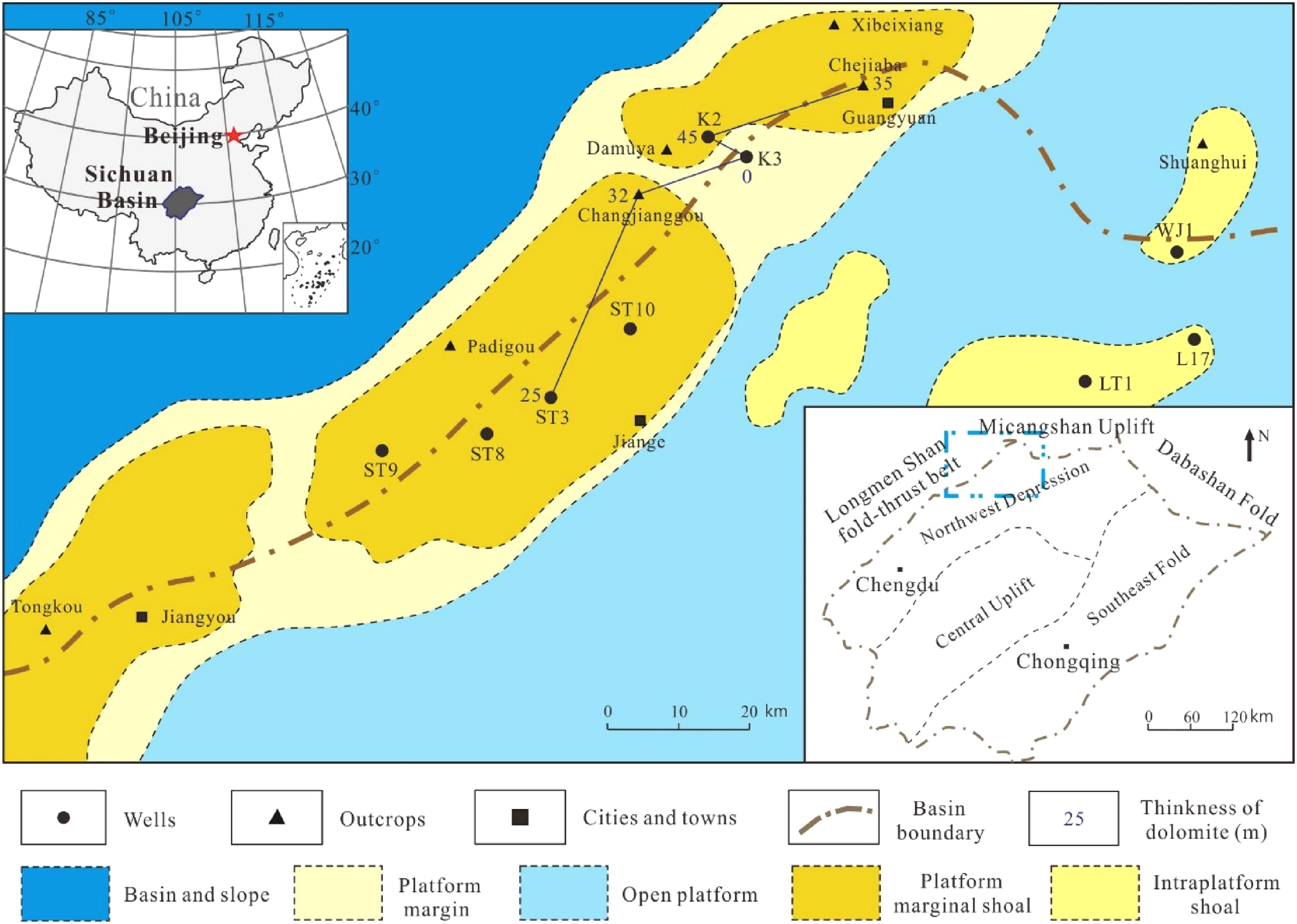
Location of the study area and sedimentary facies distribution (modified from Pan et al., 2022) of Qixia Formation.
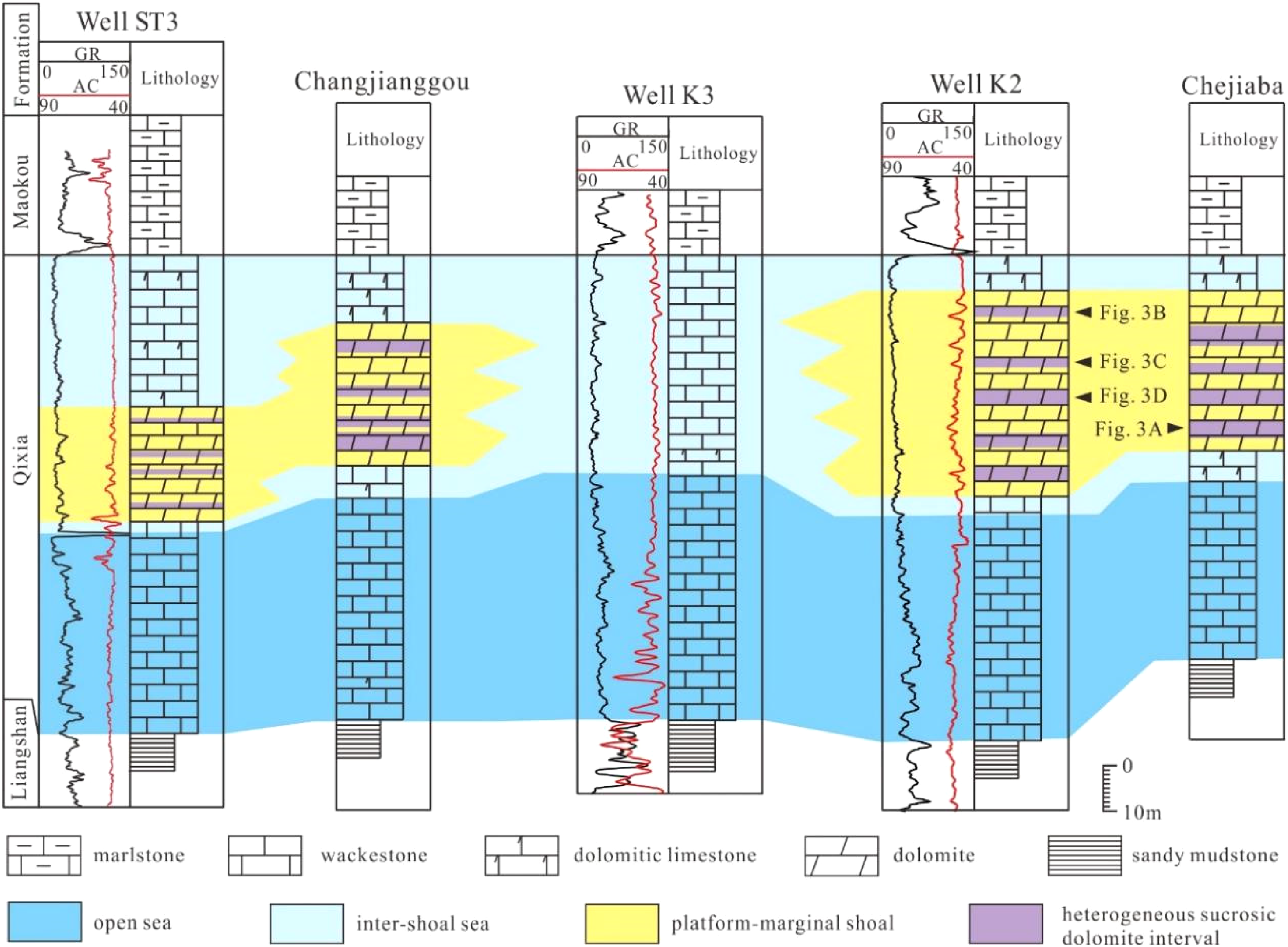
Lateral distribution of sedimentary facies and heterogeneous sucrosic dolomite of Qixia Formation in NW Sichuan Basin (section location shown in Figure 1).
The study area has experienced multiple phases of tectonic movements since the Permian (Luo, 2009; Wang et al., 2016). In the Middle–Late Permian, the Emei taphrogeny gradually culminated (Luo et al., 1988), which is considered to be a critical source of the Permian thermal fluids (Liu et al., 2016; Liu et al., 2017). Later, the Indonesian-Yanshan Movement created the foreland system in western Sichuan Basin, and the study area became its foredeep. Following the further influence of the Himalayan Movement, the Longmenshan thrust-nappe structure was continued to be active, allowing the Qixia Formation in the Longmenshan piedmont at the basin margin to crop out of the surface. The Qixia Formation in the interior of the basin is generally 3500–8000 m deep.
Samples and methods
Samples acquired from well K2 and the Chejiaba section in the study area were investigated through core and thin section observations and geochemical analysis to clarify the origin of the heterogeneous sucrosic dolomite and its reservoir.
A total of 47 samples were selected for detailed petrological studies, and 104 thin sections were prepared and impregnated with blue epoxy. Cathodoluminescence microscopy was carried out on a RELIOTRON III stage utilizing a gun current of 300–500 μm at 5–8 kV. Scanning electron microscopy (SEM; HITACHI S-4800) was used to observe crystal textures and pores. The samples were imaged using a working current of 10 kV and a working distance of 8 mm.
For physical property tests, a total of 105 representative samples with different lithologies were analyzed. Porosity measurements were undertaken using a JS100007 Helium Porosimeter, and permeability measurements using an A-10133 Gas Permeameter.
A total of 42 representative samples were powdered using an agate mortar and ground to <200 mesh. 30 mg of powdered sample were reacted with anhydrous phosphoric acid at 25°C for ∼16 h for calcite and 50°C for ∼48 h for dolomite. The analysis of the produced CO2 gases released from the samples was conducted using a Finnigan MAT-252 mass spectrometer. All stable isotope data were converted to per mil (‰) relative to the Vienna Pee Dee Belemnite (VPDB). The typical standard deviations of both the δ13C and δ18O isotope values are ±0.1‰. For strontium isotope analyses, 60 mg of powdered sample were dissolved in 2.5 N HCl. Then, strontium was separated using conventional cation exchange procedures and ion exchange resin. Finally, the strontium isotope analyses were performed using a MAT 262 multicollector mass spectrometer. The Standard NBS 987 was routinely analyzed and yielded a mean value of 0.710256 ± 0.000008 (2ơ standard deviation).
Rare earth element (REE) measurements were carried out by inductively coupled plasma–mass spectrometry (ICP–MS). The sample powders were first baked in an oven for more than 12 h at a temperature of 105°C. Subsequently, 50 mg was weighed into a Teflon bomb and moistened with a few drops of ultrapure water, followed by addition of first 1.5 mL of high-purity HNO3, and then 1.5 mL of HF. The sealed bomb was heated in an oven at ∼190°C for 48 h. After this, the solution was evaporated at 115°C until fully dried. This was followed by adding 1 mL of HNO3 and evaporating to dryness again. The resultant salt was dissolved in 3 mL of 30% HNO3 and heated at 190°C for 12 h. The final solution was diluted to 100 g with 2% HNO3 for ICP–MS analysis. The REE values were normalized to Post-Archean Australian Shale (PAAS; McLennan, 1989).
Results
Petrology
The heterogeneous sucrosic dolomite in the Qixia Formation in the study area is texturally a set of medium- and coarse-grained sucrosic dolomites, with a grain size of 400–600 μm. It can be divided into euhedral dolomite and anhedral dolomite according to crystal morphology, which alternate spatially (Figure 3, Figure 4a), are controlled by platform-marginal shoal facies horizontally and present quasi-layered development vertically (Figure 1, Figure 2).
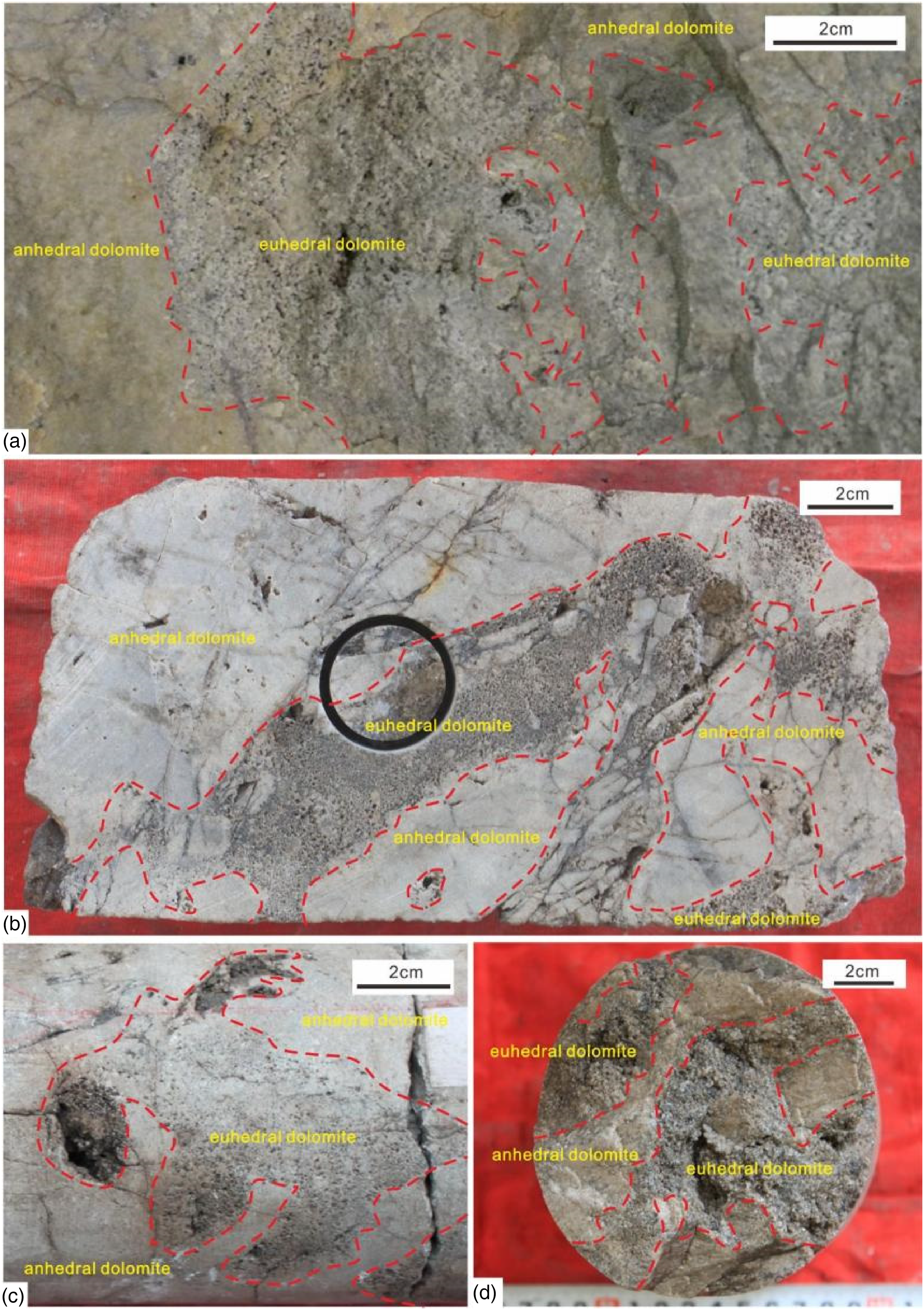
Core and outcrop characteristics of heterogeneous sucrosic dolomite. GR = natural gamma ray curve; AC = acoustic curve. (a) Chejiaba section; (b) 2414.07 m, Well K2; (c) 2426.97 m, Well K2; (d) 2431.00 m, Well K2.
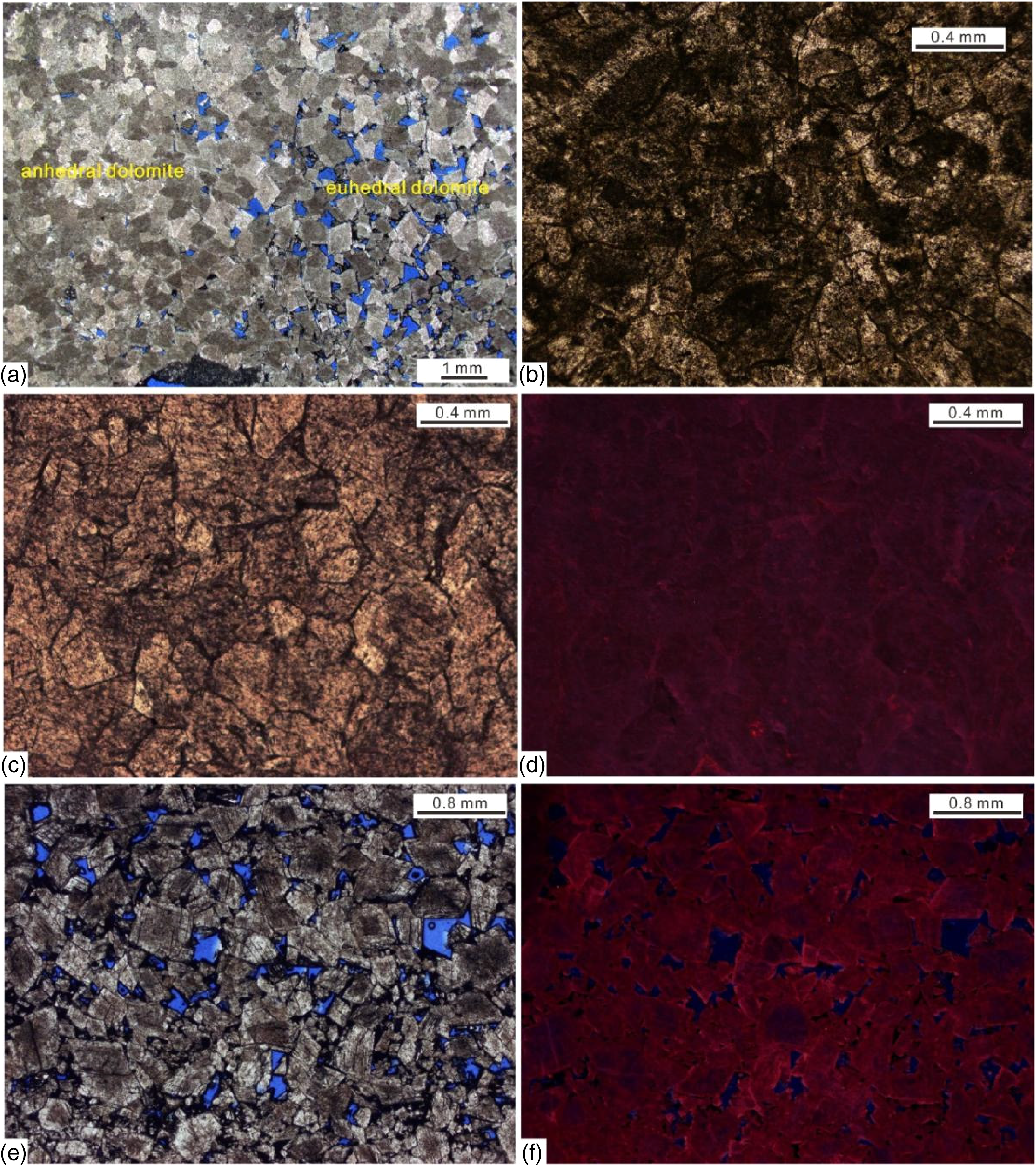
Microscopic characteristics of heterogeneous sucrosic dolomite. (a) Euhedral and anhedral dolomites alternated and coexisted, 2447 m, Well K2; (b) Grainstone as the original fabric of the anhedral dolomite, with sand and bioclastic particle phantoms, 2413.94 m, Well K2; (c) Mosaic grains of the anhedral dolomite, 2428.15 m, Well K2; (d) Cathodoluminescence image of C, dark generally; (e) Euhedral dolomite, with foggy center and bright edge, intercrystalline pores, Changjianggou section, dyed cast thin section; (f) Cathodoluminescence image of E, dark generally, or dark red locally.
The cores of anhedral dolomite are often light gray and generally tight, with small vugs and microfractures locally (Figure 3). It is found microscopically that the anhedral dolomite is featured by anhedral mosaic (Figure 4a, c), with a grain size of 400–600 μm. The restoration of original fabric suggests residual particle phantoms in the dolomite crystals, which are mainly bioclastic and intraclastic particles (Figure 4b) in compact generally, with intercrystalline pores observed occasionally. The dolomite displays the dull luminescence under cathodoluminescence (Figure 4d).
The cores of euhedral dolomite are relatively loose, with evident residual vugs or breccias locally, and usually occur in form of irregular sponges (Figure 3). It is found microscopically that the grains of the euhedral dolomite are mainly in point contact (Figure 4a), with a grain size of 400–600 μm. Generally, the euhedral dolomite displays evident cloudy centers and clear rims, and contain intercrystalline pores that provide high porosity and permeability (Figure 4a, e). The original fabric of the euhedral dolomite is generally destroyed and has not been effectively restored. The cathodoluminescence shows that the euhedral dolomite has similar luminescence to the anhedral dolomite, but may be slightly brighter locally (Figure 4f).
Physical properties
The physical properties of heterogeneous dolomite and matrix limestone in the Qixia Formation in the study area are shown in Figure 5. Generally, the porosity is positively correlated with the permeability, reflecting the characteristics of porous reservoirs. The physical properties of dolomite are evidently better than that of limestone. The euhedral dolomite exhibits the best physical properties, with an average porosity of 6.49% and an average permeability of 78 mD. The anhedral dolomite shows relatively poor physical properties, with an average porosity of 2.24% and an average permeability of 0.39 mD. The matrix limestone has the worst physical properties, with an average porosity and permeability of only 0.89% and 0.143 mD, respectively.
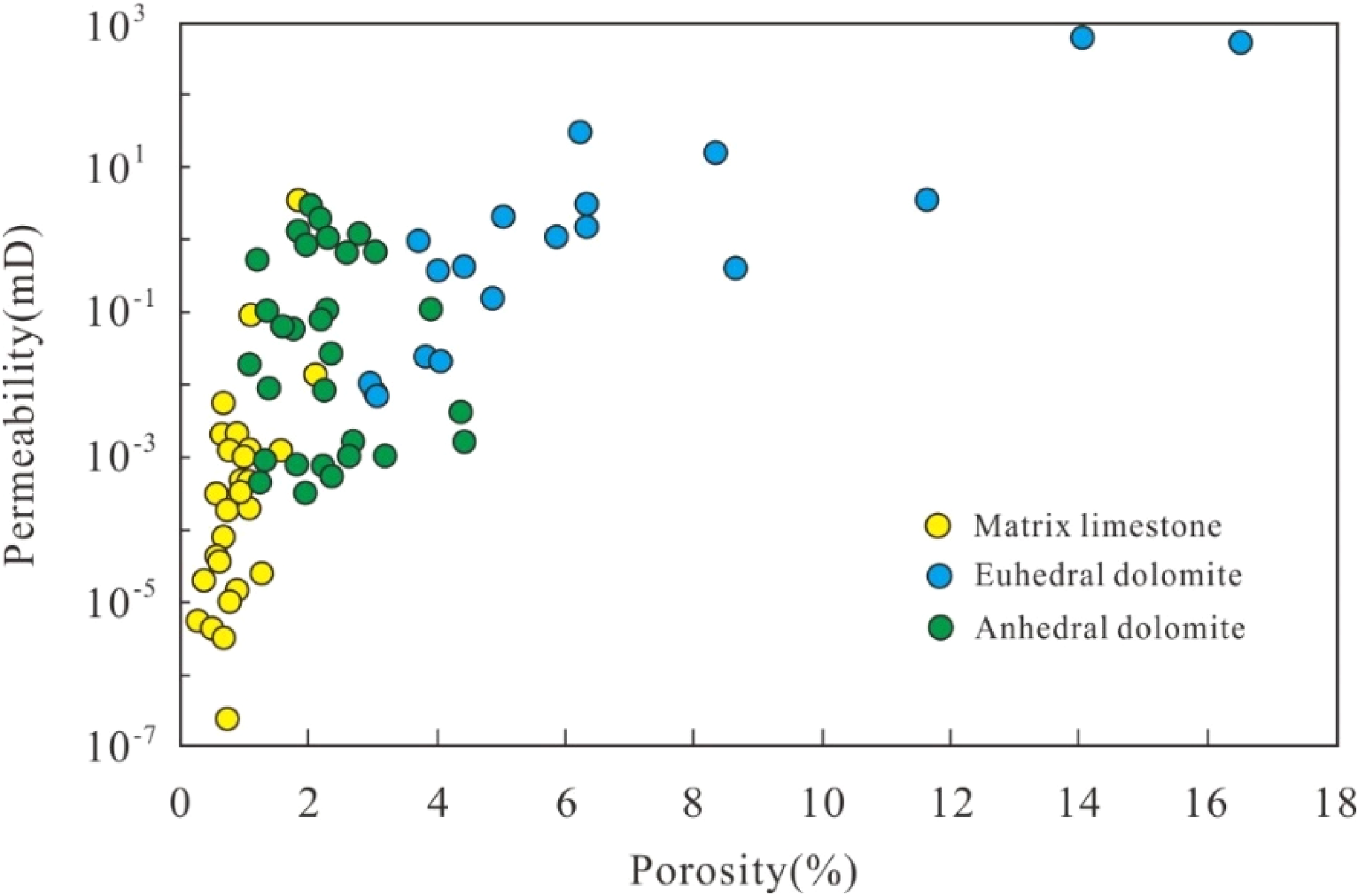
Porosity-permeability crossplot for heterogeneous sucrosic dolomite and matrix limestone.
Geochemistry
C and O isotopes
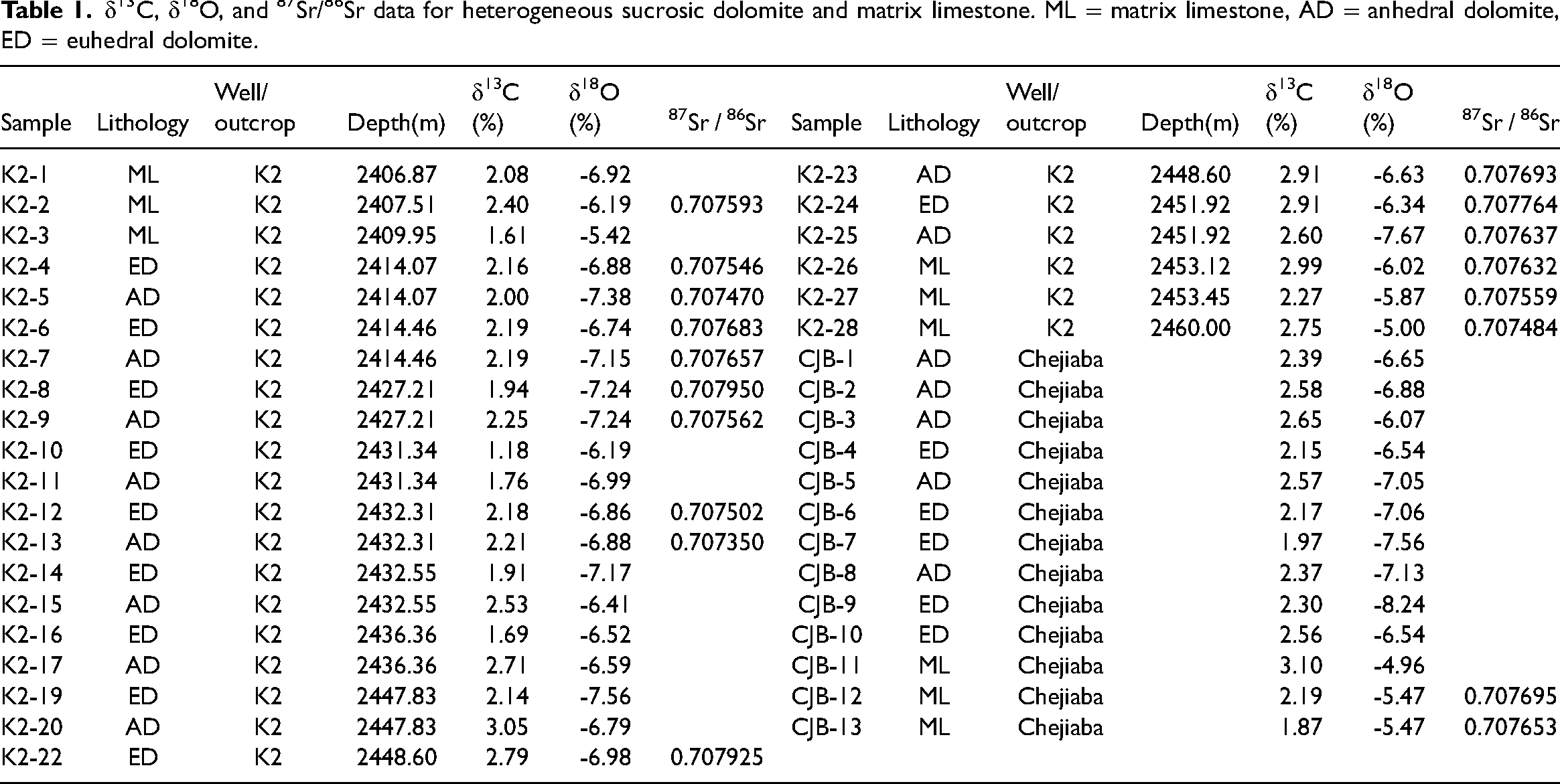
Table 1 and Figure 6 show the C and O isotopic compositions of the heterogeneous dolomite and matrix limestone in the Qixia Formation in the study area. The matrix limestone exhibits the average δ13C and δ18O values of 2.34‰ and −5.76‰, respectively, generally falling in the range of δ13C and δ18O values of the Permian seawater (1.50‰ to 5.00‰ and −7‰ to −2‰, respectively; Veizer et al., 1999). The euhedral dolomite and anhedral dolomite have similar δ13C and δ18O values; in contrast to the matrix limestone, the δ13C values of the euhedral dolomite and anhedral dolomite are almost equivalent, being 2.13‰ and 2.43‰, respectively, and the δ18O values are slightly negative, being −7.02‰ and −6.98‰, respectively.
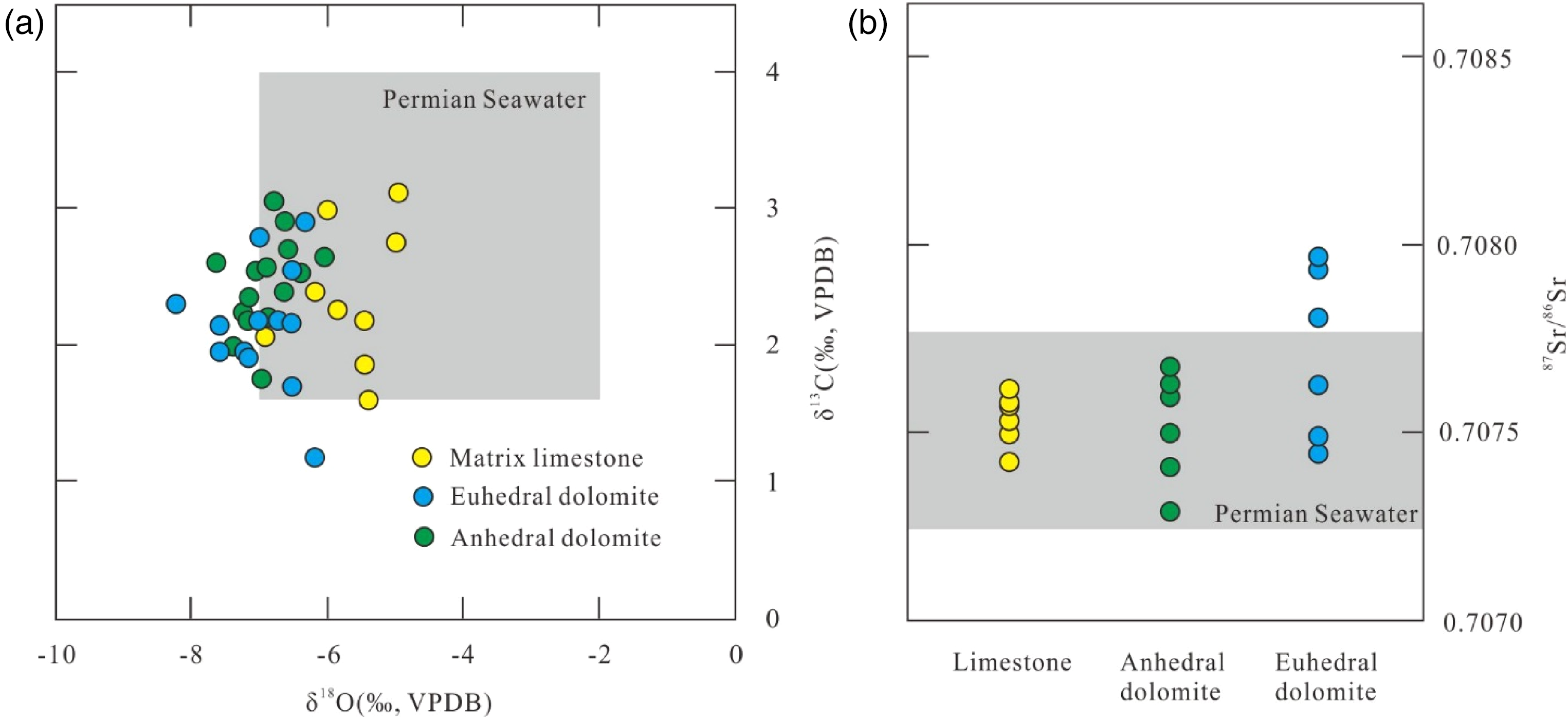
Distribution of (a) C and O isotopes and (b) sr isotope in heterogeneous sucrosic dolomite and matrix limestone.
δ13C, δ18O, and 87Sr/86Sr data for heterogeneous sucrosic dolomite and matrix limestone. ML = matrix limestone, AD = anhedral dolomite, ED = euhedral dolomite.
Sr isotope
Table 1 and Figure 6 show the Sr isotopic composition of heterogeneous dolomite and matrix limestone in the Qixia Formation in the study area. The range of 87Sr/86Sr values for matrix limestone and anhedral dolomite is 0.707350–0.707695, generally falling in the range of 87Sr/86Sr value of the Permian seawater (0.7071–0.7077; Korte et al., 2006). The range of 87Sr/86Sr values for euhedral dolomite are 0.707502–0.707950, falling in the range of 87Sr/86Sr value of the Permian seawater according to 3 of 6 samples, and slightly greater than the 87Sr/86Sr value of the Permian seawater according to the rest 3 of 6 samples.
Rare earth elements
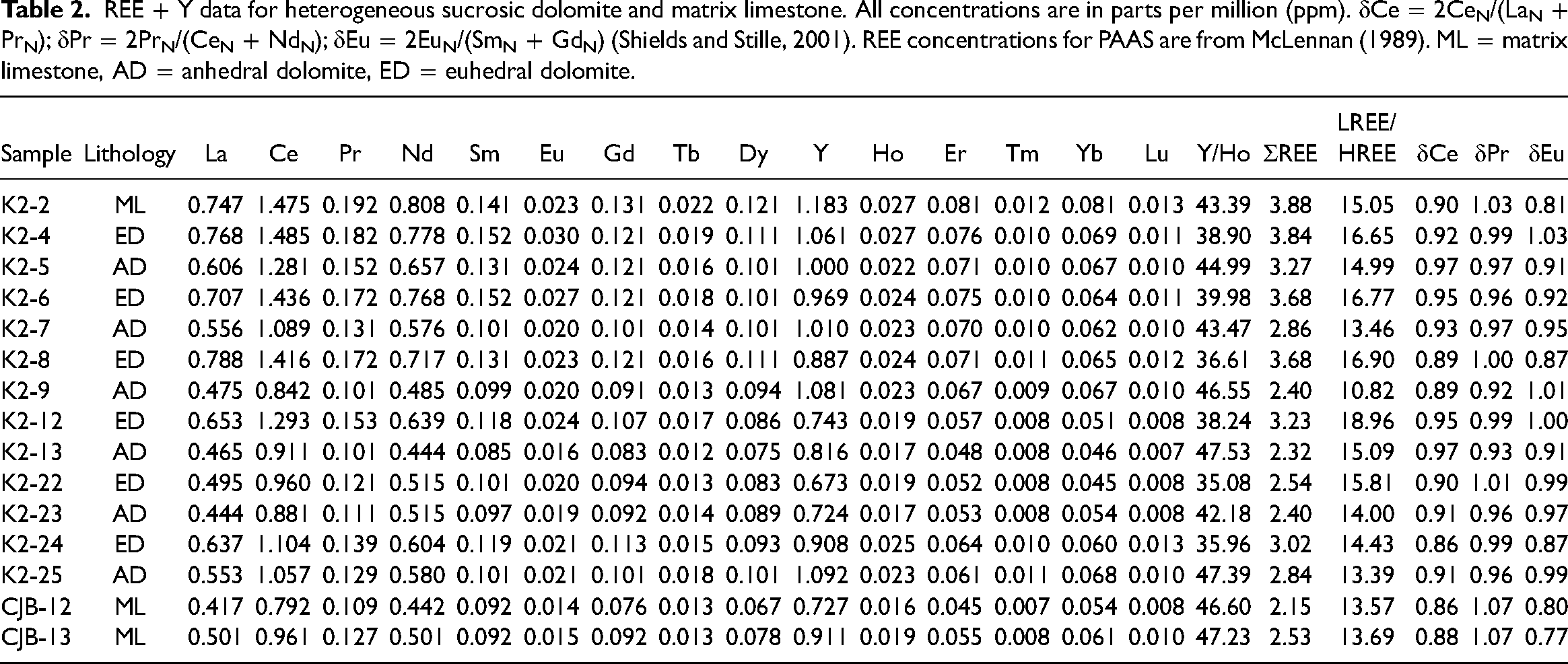
Table 2 and Figure 7 show the rare earth element (REE) composition of heterogeneous dolomite and matrix limestone of the Qixia Formation in the study area. The matrix limestone exhibits similar REE + Y pattern to the anhedral dolomite, generally with LREE (La, Ce, Pr, Nd) depletion and HREE (Ho, Er, Tm, Yb, Lu) slight enrichment, and with the average Y/Ho ratio of 45.74 and 45.35, respectively. The average LREE/HREE ratio of the euhedral dolomite is 16.58, slightly greater than the average LREE/HREE ratio (13.63) of its associated anhedral dolomite, indicating that the euhedral dolomite is less left-leaning than the anhedral dolomite, and nearly horizontal. The average ΣREE value of the euhedral dolomite is 3.33 ppm, greater than the average ΣREE value (2.68 ppm) of the anhedral dolomite. The average Y/Ho ratio of the euhedral dolomite is 37.46, much smaller than that of the anhedral dolomite.
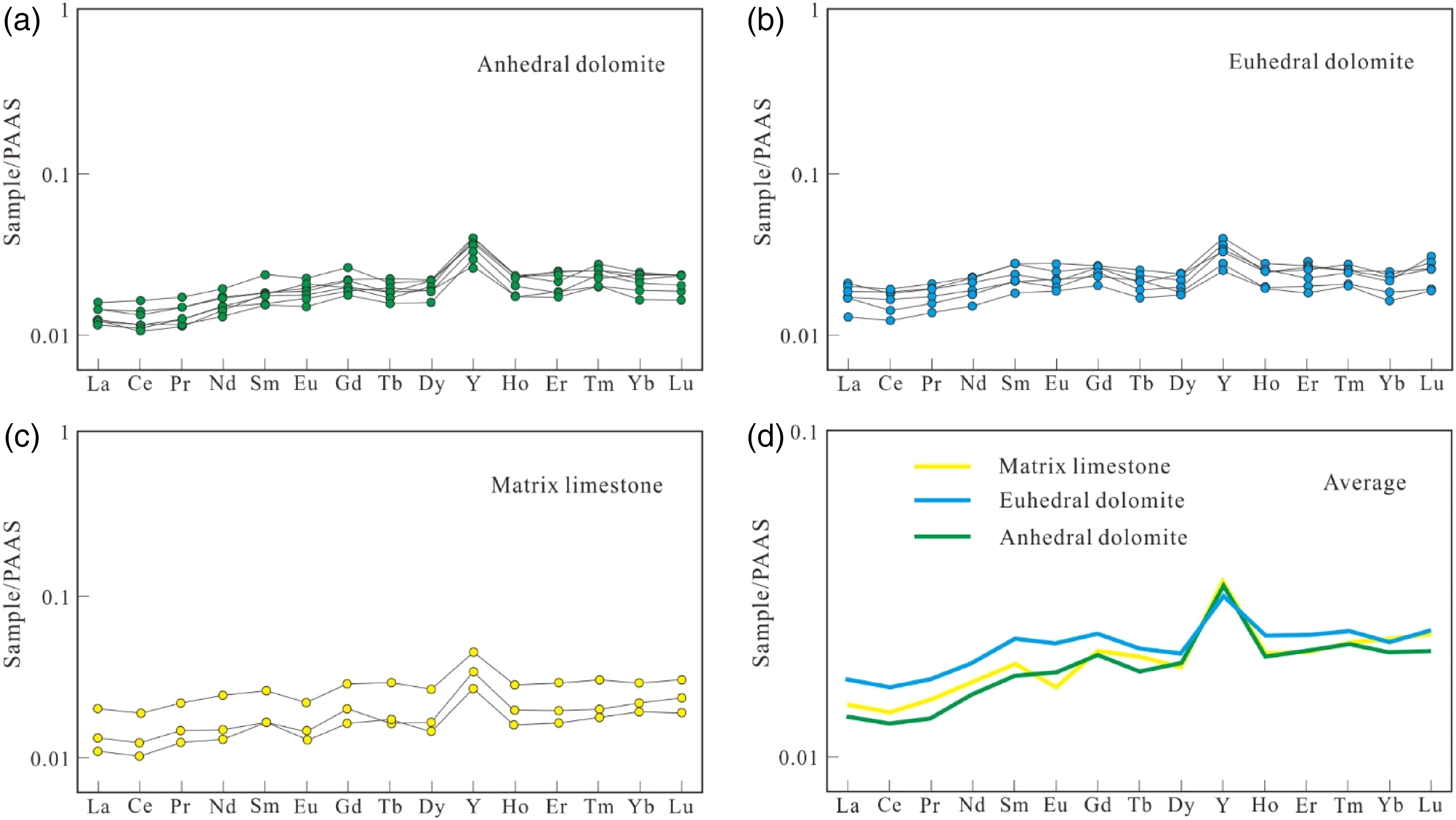
PAAS-normalized REE + Y pattern of heterogeneous sucrosic dolomite and matrix limestone. (a) Anhedral dolomite; (b) Euhedral dolomite; (c) Matrix limestone; (d) Comparison among the anhedral dolomite, euhedral dolomite and matrix limestone.
REE + Y data for heterogeneous sucrosic dolomite and matrix limestone. All concentrations are in parts per million (ppm). δCe = 2CeN/(LaN + PrN); δPr = 2PrN/(CeN + NdN); δEu = 2EuN/(SmN + GdN) (Shields and Stille, 2001). REE concentrations for PAAS are from McLennan (1989). ML = matrix limestone, AD = anhedral dolomite, ED = euhedral dolomite.
Discussion
Origin of heterogeneous sucrosic dolomite
Loose euhedral dolomite is intergrowth with tight anhedral dolomite in the heterogeneous sucrosic dolomite in the Qixia Formation. They are different in crystal morphology and intercrystalline pore development, which may be theoretically related to three aspects. First, the euhedral dolomite and the anhedral dolomite are formed at different temperatures. There is a critical roughening temperature (CRT) in the growth process of dolomite crystals, which is about 50°C (Gregg and Sibley, 1984). When the diagenetic temperature is below the CRT, the dolomite grows through the gradual addition of molecules onto the crystal surface, and finally forms a euhedral or semi-euhedral dolomite with smooth crystal faces. When the diagenetic temperature exceeds the CRT, the dolomite grows through random addition of molecules on to the crystal surface, and eventually forms an anhedral dolomite with rough crystal faces (Sibley and Gregg, 1987). Second, the euhedral dolomite and the anhedral dolomite are formed in different environments. The anhedral dolomite is formed in an open diagenetic environment, by an equivolume metasomatism, which does not generate new pores (Morrow, 1982). The euhedral dolomite is formed in a closed diagenetic environment, by an equimolar metasomatism, which, theoretically, can increase the porosity by about 13% (Weyl, 1960). Third, the original rocks of euhedral dolomite and anhedral dolomite are heterogeneous in composition and texture, which lead to the differentiated crystallization kinetics of dolomite. For example, clay minerals or organic matters in heterogeneous distribution in the original rock inhibit the growth of dolomite crystals during the dolomitization (Gregg and Sibley, 1984), resulting in the different regional conditions favoring the growth of anhedral or euhedral dolomite.
The anhedral dolomite and the euhedral dolomite have very similar averages of δ18O value, being −7.02‰ and −6.98‰, respectively. This implies that the anhedral dolomite and the euhedral dolomite are formed at the same temperature, so the first aspect above is ruled out. Moreover, the anhedral dolomite and the euhedral dolomite spatially alternate and coexist, which cannot be explained by open/closed environment and equi-volume/equi-molar metasomatism. Therefore, only the third condition above seems rational to the facts.
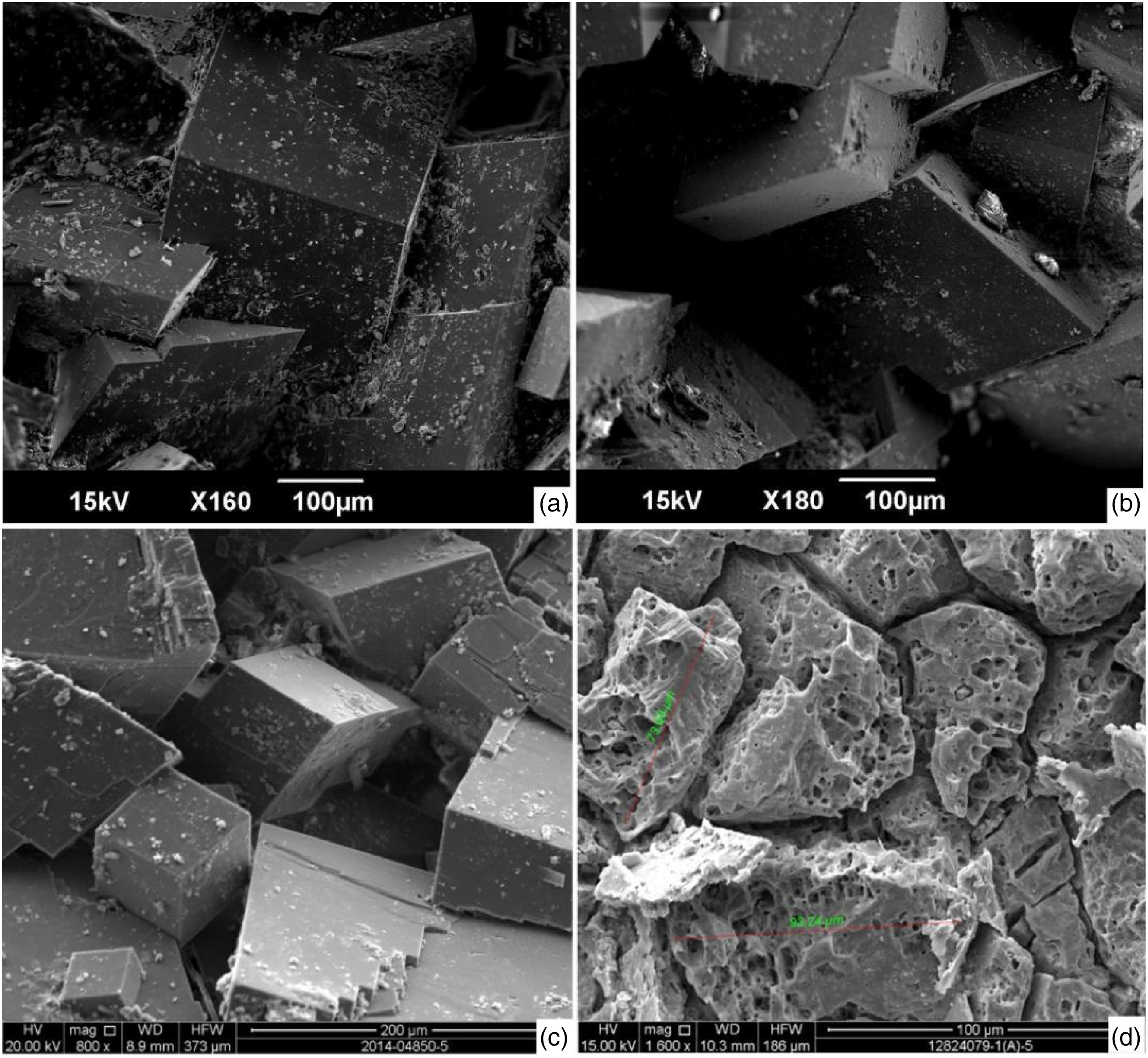
In terms of petrology, the anhedral dolomite crystals are irregular at contact parts, but flat at the local parts adjacent to pores, suggesting that the crystal morphology of dolomite is to some extent controlled by growth competition. The euhedral dolomite displays an evident structure with cloudy center and clear rim, with high porosity and permeability, suggesting that its original rock has better space for the free growth of crystals. According to the distribution characteristics, horizontally, the heterogeneous dolomite is controlled by high-energy platform-marginal shoal facies and it is underdeveloped in intra-platform shoal and inter-shoal sea; vertically, it presents a quasi-layered distribution (Figure 2). Considering that the sedimentary landform of the platform margin is higher than that of the inter-shoal sea and intra-platform shoal, there is a greater chance for its exposure in the early diagenetic stage. Frequent multi-phase sea level declines at the end of Cisuralian corresponding to the Lower Permian Qixia Formation created conditions for shoal exposure (Ross and Ross, 1985). It is thus inferred that the formation and porosity/permeability heterogeneity of the heterogeneous dolomite is likely to be related to the differential reworking of meteoric water in the early diagenetic stage under the control of frequent exposure. Furthermore, the crystal texture of porous euhedral dolomite is intact according to the SEM observation (Figure 8a, b), similar to the texture of undissolved dolomite (Figure 8c), but largely different from the texture of dissolved dolomite (Figure 8d). This indicates that dissolution occurred before dolomitization.
In terms of geochemistry, the REE patterns of the anhedral and euhedral dolomites are similar to that of the matrix limestone, suggesting that dolomite was formed by dolomitization of marine-related fluid. Moreover, the sample points of both anhedral and euhedral dolomites fall within the regions of δCe < 1 and 0.90 < δPr < 1 (Figure 9), indicating that the dolomite was generally formed in a weak reducing environment (Bau and Dulski, 1996). The δEu value of the euhedral or anhedral dolomite is 0.95 or 0.96, significantly greater than that (0.79) of the matrix limestone, and the average δ18O value of the euhedral or anhedral dolomite is lower than that of the matrix limestone, suggesting that dolomitization generated a certain temperature increase effect. It is comprehensively inferred that dolomitization occurred in the shallow burial stage, which is related to the thermal effect caused by the Emei taphrogeny at the end of the Middle Permian (Zhu et al., 2010). It is found that the REE pattern of the euhedral dolomite is flatter than that of the anhedral dolomite, that is, the LREE is enriched, and the ΣREE value of the euhedral dolomite is also greater than that of the anhedral dolomite. Moreover, the average Y/Ho ratio of the euhedral dolomite is 45.35, which is similar to that (45.74) of marine sediments, while the average Y/Ho ratio of the euhedral dolomite is only 37.46, suggesting a certain influence of meteoric water (Nothdurft et al., 2004; Webb et al., 2009; Zhao and Zheng, 2017). The anoxic bottom water in modern redox-stratified basins also exhibits a REE + Y pattern with flat shape and low Y/Ho ratio (as low as 36) (Bau et al., 1997), but it cannot be interpreted as a origin of the euhedral dolomite, because the REE + Y pattern of the anoxic bottom water also displays evidently positive Ce anomaly (Bau et al., 1997), which is not found in the the euhedral dolomite. In addition, the average δ13C value of the euhedral dolomite is 2.13‰, slightly lower than that (2.43‰) of the anhedral dolomite. Among the 6 data points of Sr isotope of the euhedral dolomite, 3 data exhibit slightly higher 87Sr/86Sr value than the Permian seawater and the rest 3 data have the 87Sr/86Sr value in the range of the Permian seawater. The results indicate that the euhedral dolomite might be affected by meteoric water in the early stage, resulting in a relatively negative δ13C value and a relatively high 87Sr/86Sr value (Winter et al., 1997).
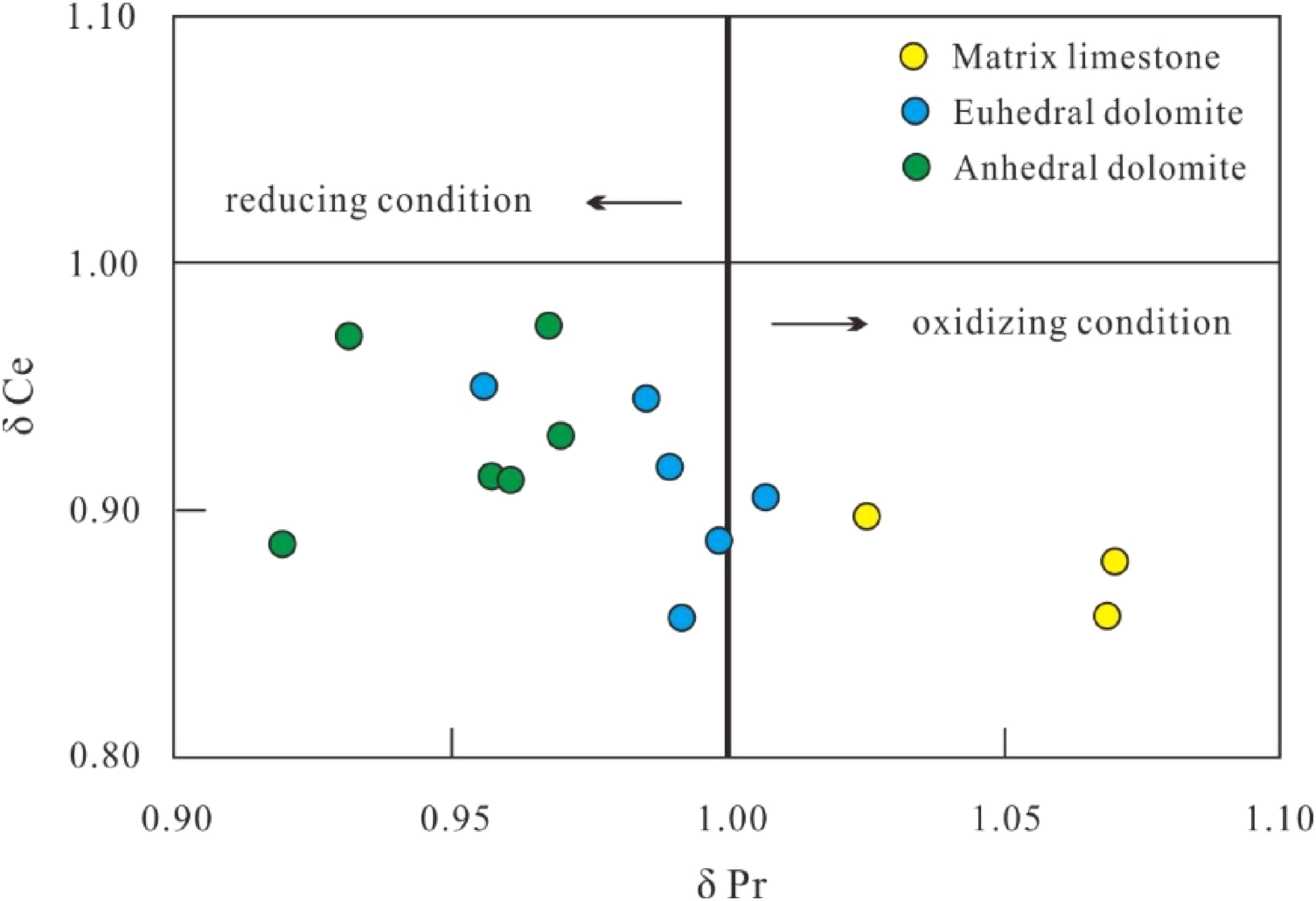
Δce vs. δPr of heterogeneous sucrosic dolomite and matrix limestone.
In summary, the high-energy platform-marginal shoal forms irregular cavities due to the dissolution of meteoric water in the early diagenetic stage. The loose fillings in the vugs and caves and relatively tight surrounding rocks were dolomitized by the closed reductive marine-related fluids in the burial stage. The difference in the growth space of dolomite crystals led to the formation of euhedral dolomite in the vugs and caves and the formation of anhedral dolomite in the surrounding matrix rocks, which were finally combined to form the heterogeneous sucrosic dolomite. The transient dissolution of meteoric water in the early diagenetic stage, coupled with the dolomitization of the marine-related fluids in the shallow burial period, induced the gradually consistent geochemical characteristics of anhedral and euhedral dolomites.
Model of the dolomite reservoir formation
The heterogeneous sucrosic dolomite in the Qixia Formation is the most frequently developed and the most important type of reservoir (Pan et al., 2022; Xiao et al., 2020b). Combined with the genetic mechanism discussed above, the reservoir space in the dolomite is considered to have been created by the dolomitization of loose fillings in the vugs and caves formed during karstifcation of grainstone in the early diagenetic stage by marine-related fluids in the shallow burial period (Figure 10). Specifically, the longitudinally superimposed grainstone developed quasi-layered vugs and caves at different depth intervals due to the dissolution of eogenetic meteoric water. The vugs and caves were filled or semi-filled with the products (mainly loose carbonate sand or precipitated calcite) of meteoric water dissolution (Figure 10a and b). During the dolomitization of shallow burial marine-related fluid, sufficient space in the vugs and caves resulted in the free growth of dolomite nuclei and the formation of loose dolomite dominated by euhedral crystals. Due to the relatively poor porosity and permeability and the fluid dolomitization represented by metasomatism and cementation, as well as the fact that the crystals contact with or even invade each other during the growth and re-crystallization of dolomite, the matrix limestone formed tight mosaic anhedral dolomite, with the grain phantom structure inherited from the original rock (Figure 10c). In the continuous burial process, the rocks around the vugs and caves shared the hydrostatic formation pressure to a large extent, resulting in further compaction of the surrounding rocks. However, the intercrystalline pores in the vugs and caves continued to be preserved and were semi-filled with calcite cement and bitumen locally. Therefore, the dolomitization of Qixia Formation in the study area did not form new pores. The area where euhedral dolomite is developed represents the pore development zone in the original rock. The storage space is mainly the product of inheritance and adjustment of pores in limestone after dolomitization and subsequent diagenesis.
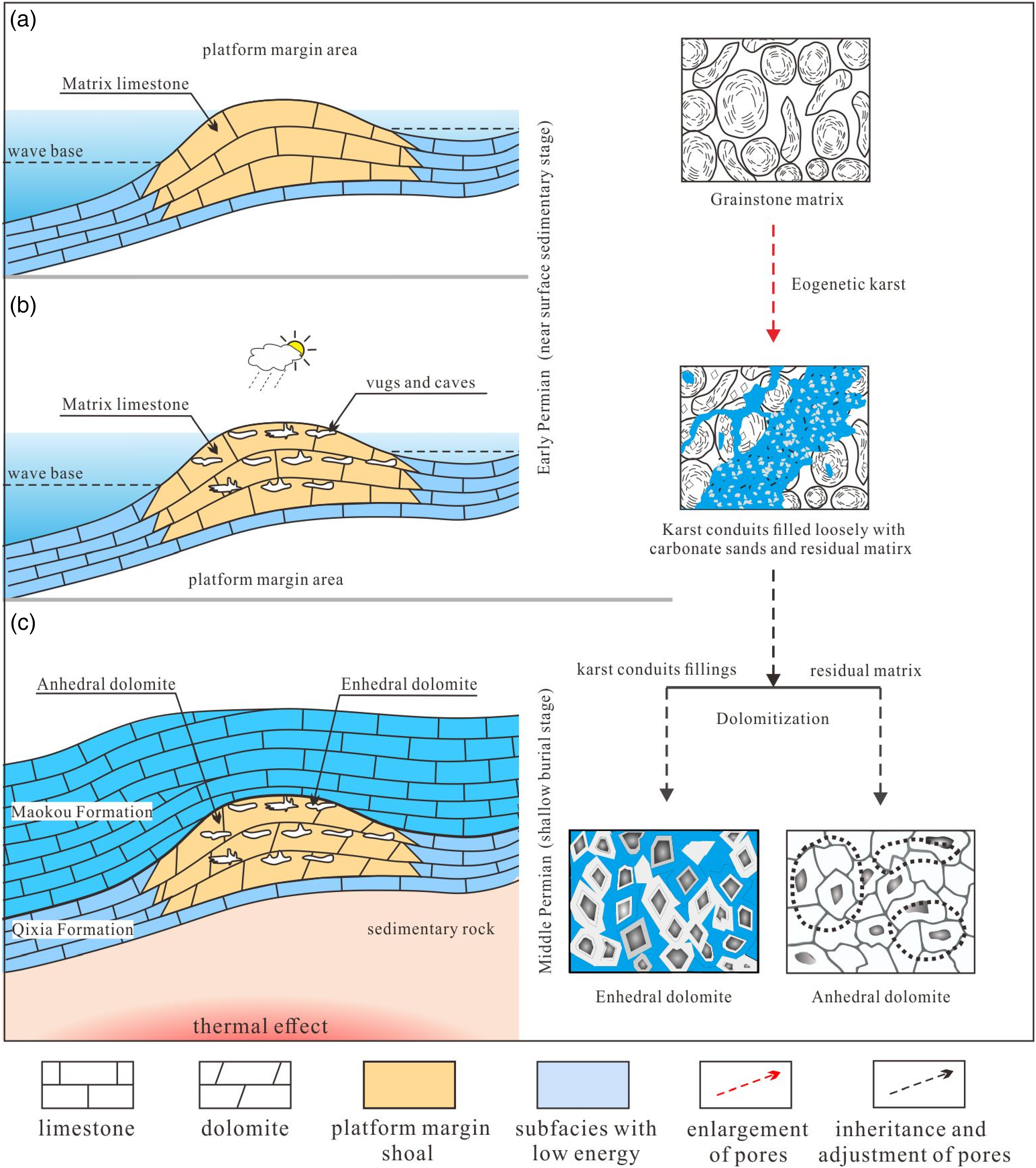
Genetic model of heterogeneous sucrosic dolomite and its reservoir.
Implications for exploration
The physical properties of both euhedral dolomite and anhedral dolomite are significantly better than those of matrix limestone, suggesting that although dolomitization does not have a porosity-enhancing effect, its crystal texture makes dolomite more resistant to compaction than matrix limestone (Lucia, 2004), which is conducive to the preservation of pores under burial conditions. In addition, the physical properties of euhedral dolomite are much better than that of anhedral dolomite, indicating that the paleogeomorphic highland controlled platform-marginal shoal superimposed with the dissolution of meteoric water in the early diagenetic stage is the main factor for the formation of the Qixia Formation reservoirs, while dolomitization is mainly manifested as the inheritance and adjustment of the existing pores in the original rock. Therefore, the exploration ideas for the dolomite reservoirs of the Qixia Formation in the Sichuan Basin should focus on the favorable sedimentary facies-controlled reservoir model, in addition to the structural hydrothermal controlled reservoir model. This is expected to greatly expand the large-scale exploration area of the Qixia Formation.
Considering that the producing intervals in the Qixia Formation platform margin reservoirs are deeper than 7000 m (Xiao et al., 2021), the above results can also provide a reference for the ultra-deep dolomite exploration in the world. In recent years, more and more oil and gas have been explored from deep to ultra-deep carbonate rocks, revealing the development of high-quality carbonate reservoirs at the deep to ultra-deep depths (e.g., Liu et al., 2021; Su et al., 2021; Xiao et al., 2020a). Although some researchers stressed the importance of a variety of burial dissolution, such as TSR, organic acid and hydrothermal fluid, to the origin of this type of reservoir (Biehl et al., 2016; Hu et al., 2023), there has been many studies published, which highlighted the control of sedimentary facies on distribution of large-scale deep to ultra-deep reservoirs (He et al., 2021; Shen et al., 2015; Zhao et al., 2012). In particular, reef-shoal developed on the microgeomorphic highland area were more readily dissolved by penecontemporaneous/eogenetic meteoric water, resulting in formation of substantial secondary pores, which was favorable for the further modification by the late-stage diagenetic fluids, forming the foundation for development of deep to ultra-deep high-quality reservoirs.
Just like the ultra-deep reservoir in the Qixia Formation studied in this paper. During the depositional and early diagenetic stage, under the control of favorable facies, meteoric water dissolution occurred, resulting in the formation of the initial texture of reservoir with pores and vugs. This implies that final quality and scale of reservoir are largely dependent upon the control of high-energy reef-shoal facies and the constructive early diagenetic modification. They are the favorable exploration targets, which need to be focused on in the future.
Conclusions
The Qixia Formation in the NW Sichuan Basin develops typical heterogeneous sucrosic dolomite and its reservoir. The heterogeneous sucrosic dolomite is controlled by the platform-marginal shoal and has the characteristics of quasi-layered development. It can be further divided into porous euhedral dolomite and tight anhedral dolomite.
The origin of the heterogeneous sucrosic dolomite is related to the difference in the original rock texture. The main factor for the reservoir development is the paleogeomorphic highland controlled platform-marginal shoal superimposed by the dissolution of meteoric water in the early diagenetic stage. The dolomitization of marine-related fluid does not form new pores. It occurs after the karstification in the early diagenetic stage and it is mainly manifested as the inheritance and adjustment of the existing pores in the host rock.
The exploration direction for dolomite reservoirs in the Qixia Formation in the Sichuan Basin should focus on the sedimentary facies-controlled reservoir model, in addition to the structural hydrothermal reservoir model. This is expected to expand the exploration of the Qixia Formation. Considering that the producing intervals in the Qixia Formation platform margin reservoirs are deeper than 7000 m, the study results can provide a reference for the study of ultra-deep dolomite reservoirs in the world.
Footnotes
Acknowledgements
We thank PetroChina Southwest Oil and Gas Field Company for providing data and for granting permission to publish this work.
Declaration of conflicting interests
The author(s) declared no potential conflicts of interest with respect to the research, authorship, and/or publication of this article.
Funding
The author(s) disclosed receipt of the following financial support for the research, authorship, and/or publication of this article: This study was supported by Science and Technology Cooperation Project of the CNPC-SWPU Innovation Alliance (Grant No. 2020CX010300) and CNPC upstream field basic forward-looking project (Grant No. 2021DJ0501).
