




Abstract
The South Yanchuan block is the deepest developed high-rank coalbed methane (CBM) field in China, the geological conditions in this block are complex and the main controlling factors of CBM content are various. Thus, a decision-making model of the potential of deep high-rank coalbed methane resource based on geographical information system (GIS) and weighted linear combination (WLC) is established, the influence of geological conditions on CBM content is analyzed, the favorable areas of CBM potential are divided. Results show that the buried depth, coal rank and hydrodynamic condition in the coal seam are dominant factors that control the gas content on a block scale, while the gas content has a weak correlation with maceral composition, coal thickness and the effective thickness of the overlying strata. The study area is divided into five units according to the natural breaks method, i.e., the extramely favourable area, the favourable area, the relatively favourable area, the normally favourable area and the unfavourable area, which account for 14.23%, 22.23%, 24.77%, 25.08% and 13.70% in area, respectively. The extramely favourable area is located in the northwestern of the South Yanchuan block, which is considered to be the key exploration and development area. The study will deepen the understanding of the control of CBM potential in south Yanchuan Block, and is of practical significance for CBM recovery in this area.
Keywords
Introduction
As a kind of clean and green energy, the CH4 occurs in coal seams in adsorbed and free states. Before the coal mining, the CH4 is extracted from the underground to realize industrial utilization and reduce the risk of gas outburst simultaneously (Magdalena and Jarosław, 2019). Generally, when the buried depth of coal seam is more than 1000 m, the CH4 that occurred in it is named as the deep CBM resource (Song et al., 2012). According to the latest assessment of CBM resources in China, the gas in place for CBM in the coal between 1000 m and 2000 m is approximately 22.5 × 10¹² m3, occupying 61.1% of the total CBM reserves (Shen et al., 2016). As the processive depletion of shallow CBM resources, the exploration and exploitation of CBM have gradually turned into deep coal seams (Liao et al., 2021; Liu et al., 2022; Xu et al., 2012), which thus will be the development trend of CBM will be the development trend of coalbed methane in the future in the future (Liu et al., 2021).
Since 2010, Sino Petro-Chemical Corporation (SINOPEC) has developed the first deep high-rank CBM field in the South Yanchuan block and the target coal seam is more than 1000 m (Cai et al., 2014). It is considered as the deepest CBM field in China (Dai et al., 2006). By the end of 2016, more than 900 CBM wells had been drilled in this block and the block's annual CBM production reached approximately 1.6 × 10⁸ m3 (Chen and Hu, 2018). However, for the complex geological structure area, the influencing factors of gas content are multitudinous and the mechanism of action is elusive. Especially for the South Yanchuan block, the discussions of the geological controls on the gas content are limited and the evaluation of CBM resources in this field is insufficient, which leads to the lack of theoretical basis of CBM development in this block (Li et al., 2015a, 2015b; Tang et al., 2018). To promote the CBM development in this area, the thorough understandings of the CBM accumulation rule and its geological control mechanism are needed, the reasonable evaluation of CBM resources in the south Yanchuan Block is necessary.
The CBM in deep coal has received commercial exploitation in the Piceance basin and White River area (Bustin et al., 2016). In addition, a large breakthrough in deep CBM has been made in the Cainan area of Junggar basin and Daning-Jixian block in the southeast part of Ordos basin (Yao et al., 2014). These successful development experiences show that the gas content of coal seam is one of the most important factors influencing CBM well productivity (Li et al., 2019). Under the same geological conditions, the more gas content of coal seams means the higher CBM exploitation potential (Niu et al., 2020; Zhang et al., 2016). However, the factors that affect the gas content of coal seams are multitudinous and complex.
The studies by previous researchers indicated that gas content is strongly dependent on geologic factors and reservoir conditions (Singh, 2011). Generally, the influencing factors include the geologic, hydrodynamic, petrophysical conditions and reservoir characteristics (the buried depth, the maximum vitrinite reflectance (Ro,max), the roof/floor lithology and the reservoir pressure, etc.), which influence the generation of hydrocarbon, adsorption and preservation conditions (Ayers, 2002; Liu et al., 2012). The generation of hydrocarbon is mainly controlled by the depositional history of the coal basin, the tectonic evolution, the coalification and the groundwater activity (Zhong, 2004). The stronger capacity hydrocarbon generation can be associated with a more sufficient gas supply (Hamilton et al., 2012). The coal lithotype and quality, the reservoir pressure and the temperature control the adsorption ability of the coal seam (Niu et al., 2017a, 2018, 2019). Some scholars believed that the adsorption abilities in different macerals of coal are various, for example, the coal with higher vitrinite content can adsorb more gas (Shan et al., 2018). Moreover, the adsorption ability of the coal seam is positively associated with reservoir pressure, while it has a negative correlation with the reservoir temperature (Feng et al., 2020). The preservation condition of CBM mainly includes the structural position, the lithology of the roof and floor, the buried depth, and the hydrodynamic condition, etc. (Ye et al., 2001). The structure position, physical properties and groundwater flow conditions of the coal seam vary greatly in different areas, which affects the gas content and gas distribution (Li et al., 2013). The hydrogeologic condition affects the storage and movement of CBM and can influence the CBM exploitation effect (Dong et al., 2015). Many scholars have qualitatively analyzed the influence mechanism and influence law of geological factors on CBM development. However, considering the complex influencing factors, it is difficult to judge the exploitation potential of a research area, especially for deep coal seams. Thus, introducing a comprehensive evaluation method suitable for the resource evaluation of deep coal seam is essential.
At present, the analytical hierarchy process method (AHP) (Bai, 2019), fuzzy mathematic method (Liu et al., 2018), Gray relational analysis method (Kang et al., 2018) and Monte Carlo method (Yang et al., 2008) have been applied into the evaluation of CBM resources. However, only adopting a single method cannot divide the potential and favorable areas of CBM resources precisely and appropriately. Because of this, Wei et al. (2019) evaluated the CBM resources in the Panji Deep Area (Huainan Coalfield, Southern North China) and considered that the most favorable areas for CBM development are around Zhutuan and south Gugou town in the Panji Deep Area by using the multi-level fuzzy model. Fu et al. (2016) analyzed the importance of influencing factors on CBM content and carved out the grade of the exploration potential of Xishanyao coal (the middle of the southern Junggar Basin, North China) by the analytical hierarchy fuzzy prediction method and optimal segmentation method. Li et al. (2015a, 2015b) compared the geological setting of five CBM blocks in western Guizhou and eastern Yunnan and proposed the optimized method using coal reservoir physical properties to evaluate the CBM potential by using the multi-objective and multi-level fuzzy optimization model, founding that the Zhina area is the most favorable zone for CBM production. Apparently, the multi-level fuzzy evaluation model integrates the advantages of AHP, geographic information system (GIS) and fuzzy mathematic model, which can be used to convert the different influencing factors into quantitative parameters for the CBM comprehensive evaluation.
In this paper, to investigate the geological controls and potential of coalbed methane in the South Yanchuan Block, laboratory experiments and in-situ measurements were used to evaluate the factors affecting coalbed methane. Based on geographical information system (GIS) and weighted linear combination (WLC), a spatial decision model was proposed to assess the potential of coalbed methane. The major geological factors influencing the gas content were elucidated and the weight of the factors is calculated by AHP. Finally, the evaluation result of the favorable area of CBM can be obtained by the spatial overlay analysis in ArcGIS. This study will provide some reference and guidance for the exploration and development of CBM in the South Yanchuan Block.
Geological setting
The Ordos Basin is situated in central China and has an area of 250,000 km2. It is one of the oldest cratons in China and consists of six structural units (Figure 1): Yimeng uplift, Weibei uplift, Western edge thrusting belt, Jinxi flexural fold belt, Tianhuan depression, and Yishan slope. The coal-bearing deposits of the basin are composed of Pennsylvanian, Permian, Triassic, and Jurassic strata (Dai et al., 2006).
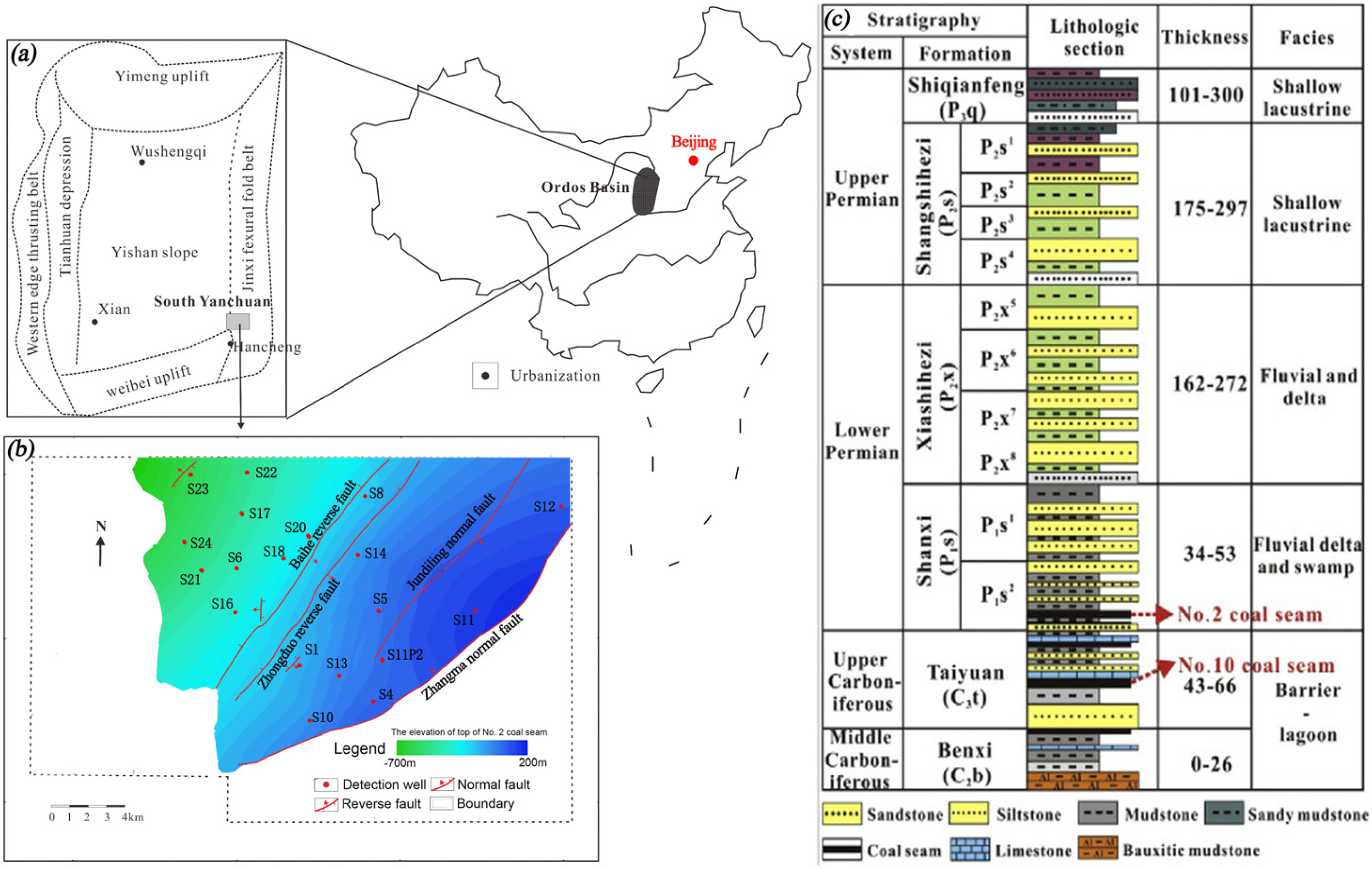
The location and geological setting of the South Yanchuan Block (revised from Tang et al., 2018), (a) and (b) are the geological structure map; (c) is the stratigraphic column.
The South Yanchuan Block is located in the southeastern area of Ordos Basin and the junction of Shanxi and Shaanxi Provinces. It is adjacent to the Jinxi flexural fold belt in the north, Weibei uplift in the southwest and Yishan slope in the West It presents an irregular rectangle with a length and width of approximately 33.2 km and 22.4 km, respectively (Li and Wu, 2016). The tectonic system of this block is a simple homocline, and the structure forms a southeast-to-northwest trending monoclinic dumping relief. The main structural direction of this block is NE or NNE and is controlled by this tectonic system. Four major faults are developed in the block from west to east: the Baihe reverse fault, the Zhongduo reverse fault, the Jundiling normal fault and the Zhangma normal fault. The study area is divided into two secondary tectonic blocks between the Baihe and Zhongduo revers faults: the western Wanbaoshan tectonic block and the eastern Tanping tectonic block.
From bottom to top, the major types of strata preserved in the South Yanchuan Block include the Majiagou formation of Ordovician, the Benxi and Taiyuan formations of Carboniferous, the Shanxi, Shihezi and Shiqianfeng formations of Permian, and the Liujiagou, Heshanggou and Ermaying formations of Triassic. There are two layers of coal seams in this block: No. 2 coal seam in the lower Shanxi formation of Permian (P1s) and No. 10 coal seam in the Taiyuan formation of the upper Carboniferous-lower Permian (C2-P1t). The No. 2 coal seam is the target stratum for the CBM development.
The thickness of the No. 2 coal seam ranges from 2.95 m to 6.34 m, with a mean value of 4.23 m. The buried depth of the No. 2 coal seam is shallow in the east (700 m to 800 m), and the deepest buried depth reaches 1300–1400 m in the west and northwest The buried depth of the No. 2 coal seam is gradually deepened from the southeast to the northwest, while the thickness shows a contradict changes trend.
Materials and methods
Materials
19 representative CBM wells were selected as the research objects of this paper, as marked in Figure 1. All the coal samples were collected from the cores of these CBM wells. The drilling information and sources of coal samples were shown in Table 1. Water samples from the 15 exploration wells were collected to measure the geochemistry composition of groundwater. To remove the disturbance of drilling and hydraulic fracturing fluid on the groundwater samples, all the sampled CBM wells were dewatered for more than 12 months.
The drilling information and sources of coal samples.
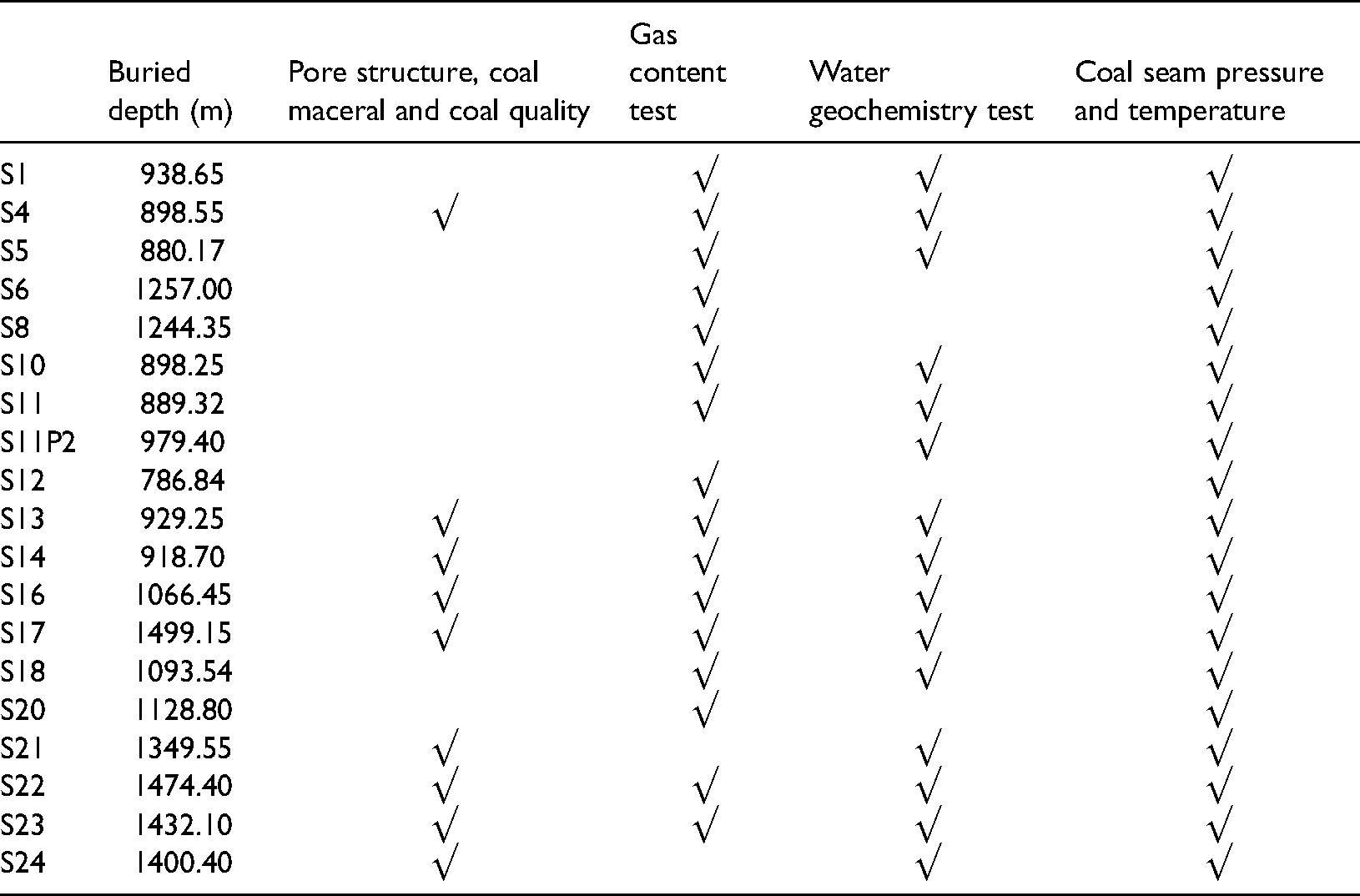
Coal samples from 16 CBM exploration wells in the South Yanchuan Block were collected to determine the gas content. The measurement was conducted according to the procedures described by the National Standard of China (GB/T 19559-2008). The natural desorption measurement was ceased when the average desorption capacity was less than 10 cm3 per day within 7 days. The escaped gas content was calculated according to the direct method proposed by the US Bureau of Mines (USBM) (Mclennan et al., 1995). After the measurement of the total gas content, coal maceral and proximate analysis were performed according to National Standards of China (GB/T 8899-1998 and GB/T 212-2008). According to the National Standard of China (GB/T 6948-2008), the vitrinite reflectance (Ro,max) measurements were performed using an MY9000 digital coal petrology analyzer. Finally, Coal samples from 9 CBM exploration wells were collected to measure the pore structure characteristics by using a Micromeritics ASAP 2020M system (Micromeritics, USA) according to the Petroleum Natural Gas Profession Standard of China (SY/T 6154-1995).
The reservoir pressure and temperature data were collected from the well test data, and other data (the coal buried depth, coal bed thickness, coal roof lithology, cap thickness and coal bed roof elevation, etc.) were obtained from the well-logging interpretation and analyzed by the East China Company of SINOPEC.
GIS and AHP methods
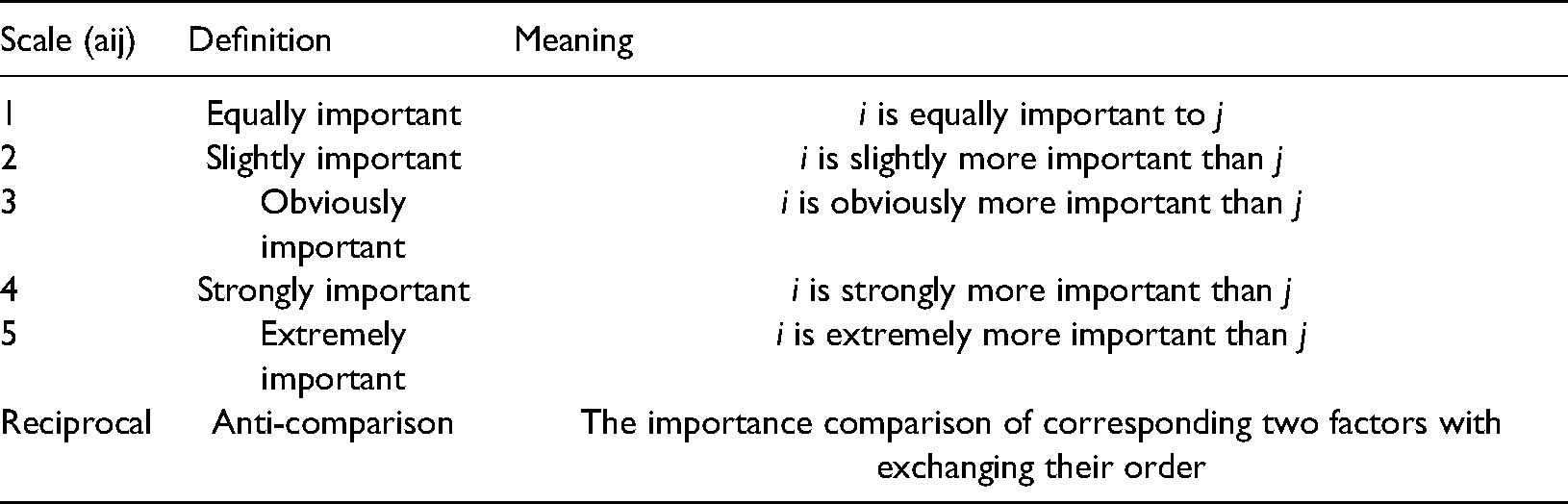
The analytic hierarchy process (AHP) model was first proposed by Saaty (1980) in the early 1970s, which can be used to quantitatively analyze qualitative issues. As a multi-criteria decision model, the AHP can be used to evaluate the favorable area of deep CBM in a GIS environment by using the spatial analysis function. A brief description of the process of the AHP model is as follows:
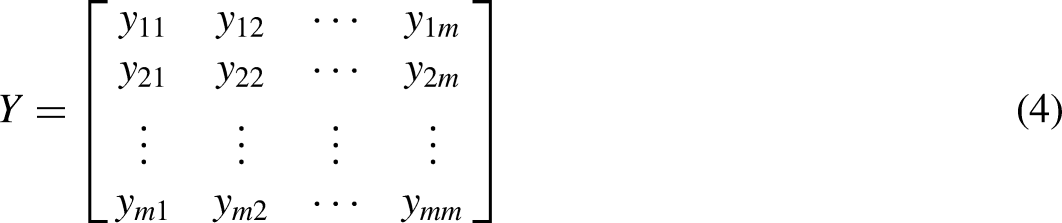
First, the factors which control the potential of CBM are established. Second, the dimensions of different factors should be eliminated to better compare the influencing factors with each other. The following formulas have been used to normalize the values of influencing factors:


The quantitative standard of the factor comparison method.
Define W = (wi)1×m as the weight matrix of the factors, which can be calculated as follows: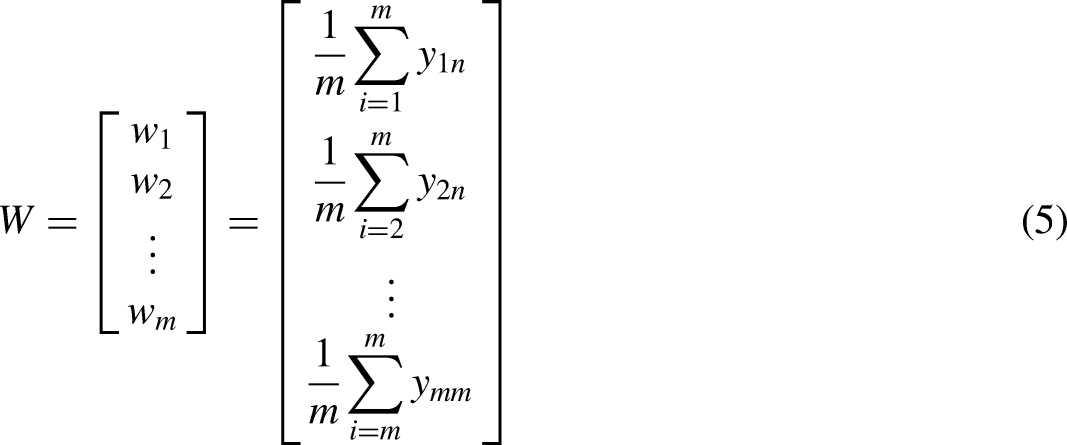


Random index (RI) values.

The weighted linear combination method (WLC) is one of the most common evaluation methods in spatial decision-making. In this method, the decision-maker is required to first give the criteria and weight information of the scheme, then standardize all the criteria and have a uniform numerical range, and finally combine the criteria and their weights linearly to obtain a continuous image. The calculation formula is as follows:
Following the weighted linear combination (WLC) and spatial overlay analysis in a GIS environment (Malczewski, 2000, 2011), the evaluation results of the study area can be as follows: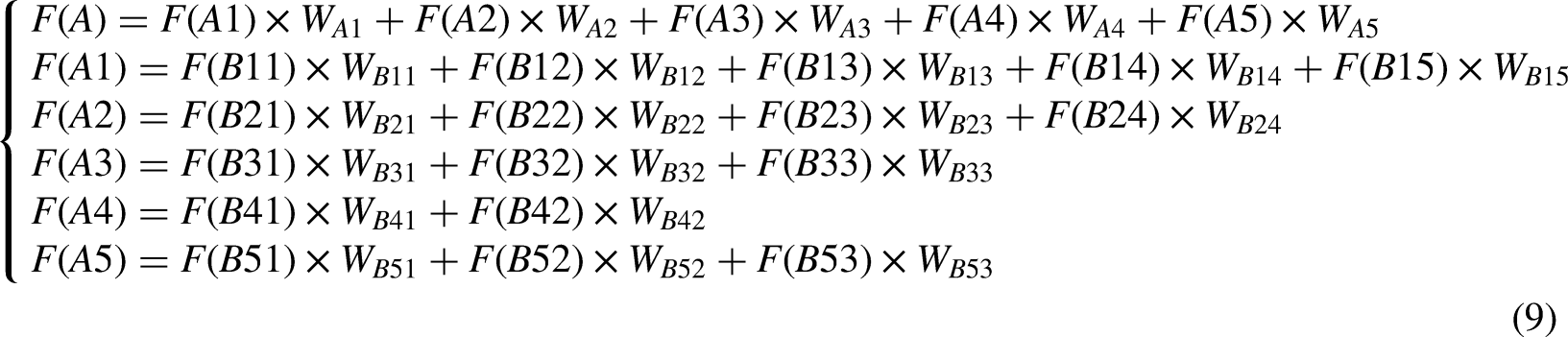
Results and discussion
Influencing factors and their spatial distribution in South Yanchuan Block
It is generally known that the influencing factors of CBM recovery are various and interactive. Based on the previous investigations (Fu et al., 2016; Niu et al., 2021a; Peng et al., 2017), factors that control the CBM potential are divided into five main factors and seventeen sub-main factors as follows:
Coal maceral composition and quality: gas content, moisture (Mad), ash yield (Aad), volatile matter (Vad), fixed carbon (Cad); Coalification: Ro,max, vitrinite, inertinite, mineral; Pore structure: BET pore specific surface area, BET pore volume, BET pore diameter; Coal reservoir condition: reservoir pressure, temperature; Geological and hydrogeological conditions: total dissolved solids (TDS), the fractal dimension of fault, buried depth of coal seam.
Coal maceral composition, quality and coalification
The gas content in the South Yanchuan Block is exhibited in Figure 2. In the study area, the gas content is unevenly distributed in the range of 6.1–20.4 m3/t, with an average of 11.3 m3/t (on an air-dried basis). As a whole, the gas content increases from the east to the west, the gas content is controlled by the fault zone and the gas content on both sides of the middle fault zone shows the obvious difference. In the Wanbaoshan tectonic block, the total gas content of the No. 2 coal seam ranges from 9.5 to 21.8 m3/t (avg. 14.4 m3/t), while the Tanping tectonic block ranges from 8.0 to 12.3 m3/t (avg. 10.6 m3/t).
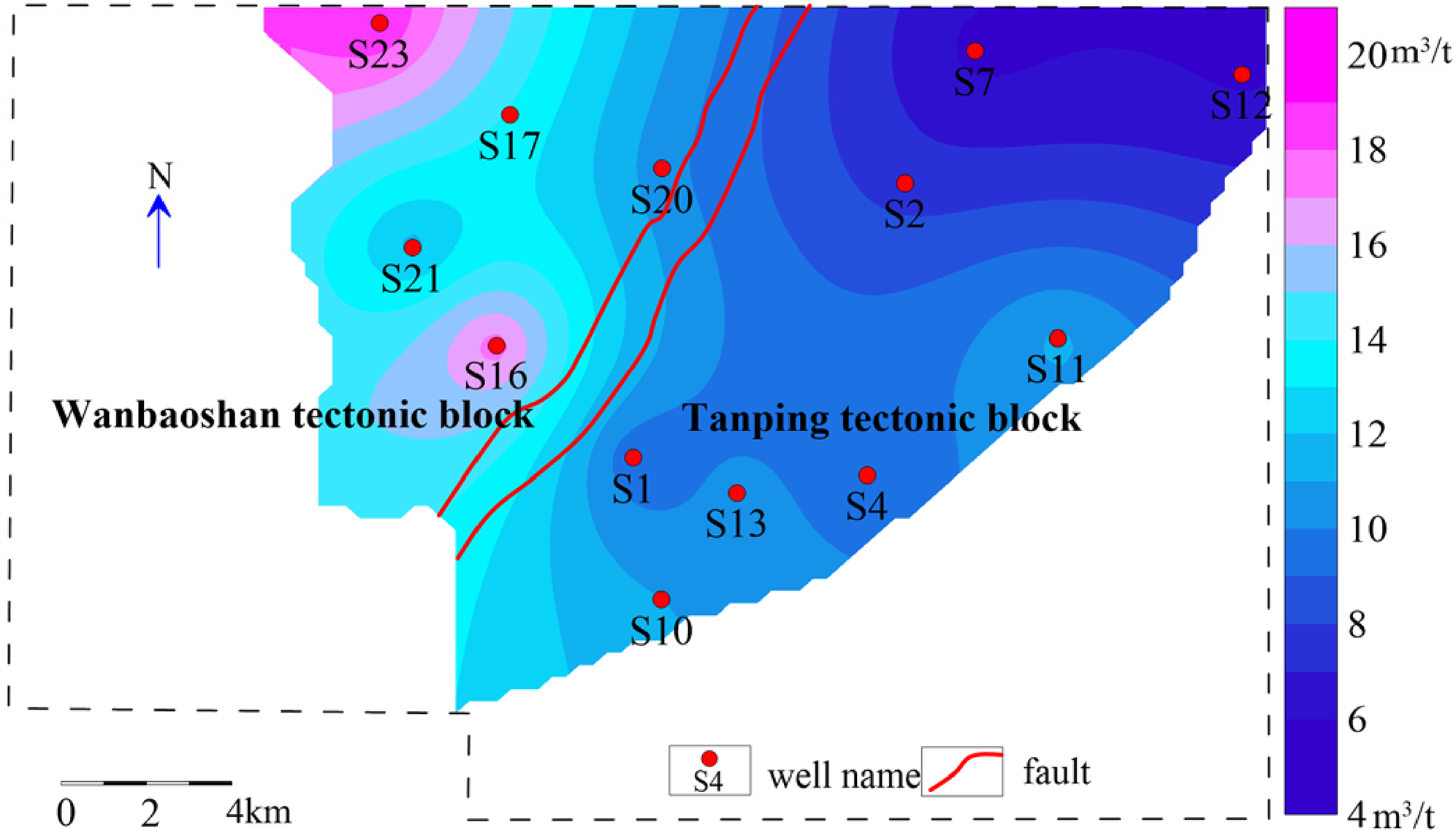
The gas content contour of the No. 2 coal seam of South Yanchuan Block.
The proximate analysis is always used to understand the main indexes of coal quality characteristics, which is also the basis for evaluating the coal quality. Test results show that the range of moisture content, ash yield, volatile matter and fixed carbon fall in the range of 0.6–1.7% (avg. 1.0%), 3.7–26.7% (avg. 10.3%), 3.5–73.0% (avg. 14.4%) and 63.96–80.27% (avg. 74.64%), as shown in Figure 3(a)–(d), respectively.
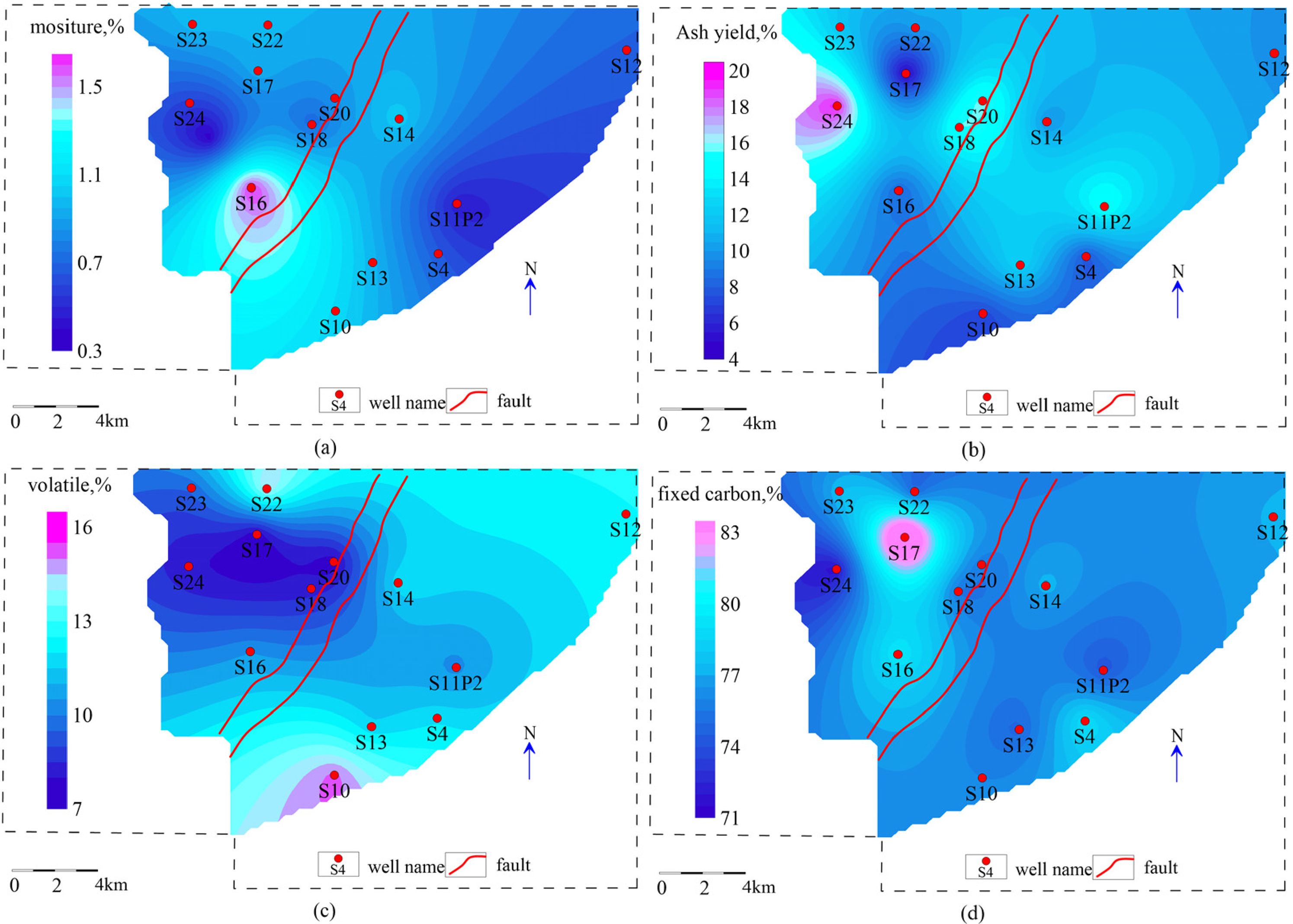
Maceral composition of the No. 2 coal samples of South Yanchuan Block, (a) moisture content; (b) ash yield; (c) volatile matter; (d) fixed carbon.
The maceral analysis is capable of qualitatively describing and quantitatively determining the rock composition, structure, properties and metamorphic degree of coal. The test results reflect the Ro,max and the content of vitrinite, inertinite, exinite and mineral. Results show that the Ro,max of coals in the study area ranges from 2.06% to 3.08% (avg. 2.39%), with a quite high metamorphic degree (Figure 4(a)). According to the China Coal Industry Standard MT/T1053–2008, the coals in the study area belong to the low-rank anthracite and medium-rank anthracite. The organic composition of coal is mainly vitrinite (40.8–87.6%, avg. 74.8%) (Figure 4(b)), which reflects the metamorphic characteristics of coal. The inertinite is the second most common component in coal, ranging from 9.2% to 44.6%, with an average of 27.2% (see Figure 4(c)). The inorganic constituent is the mineral substrate, ranging from 0.2% to 15.1% (see Figure 4(d)).
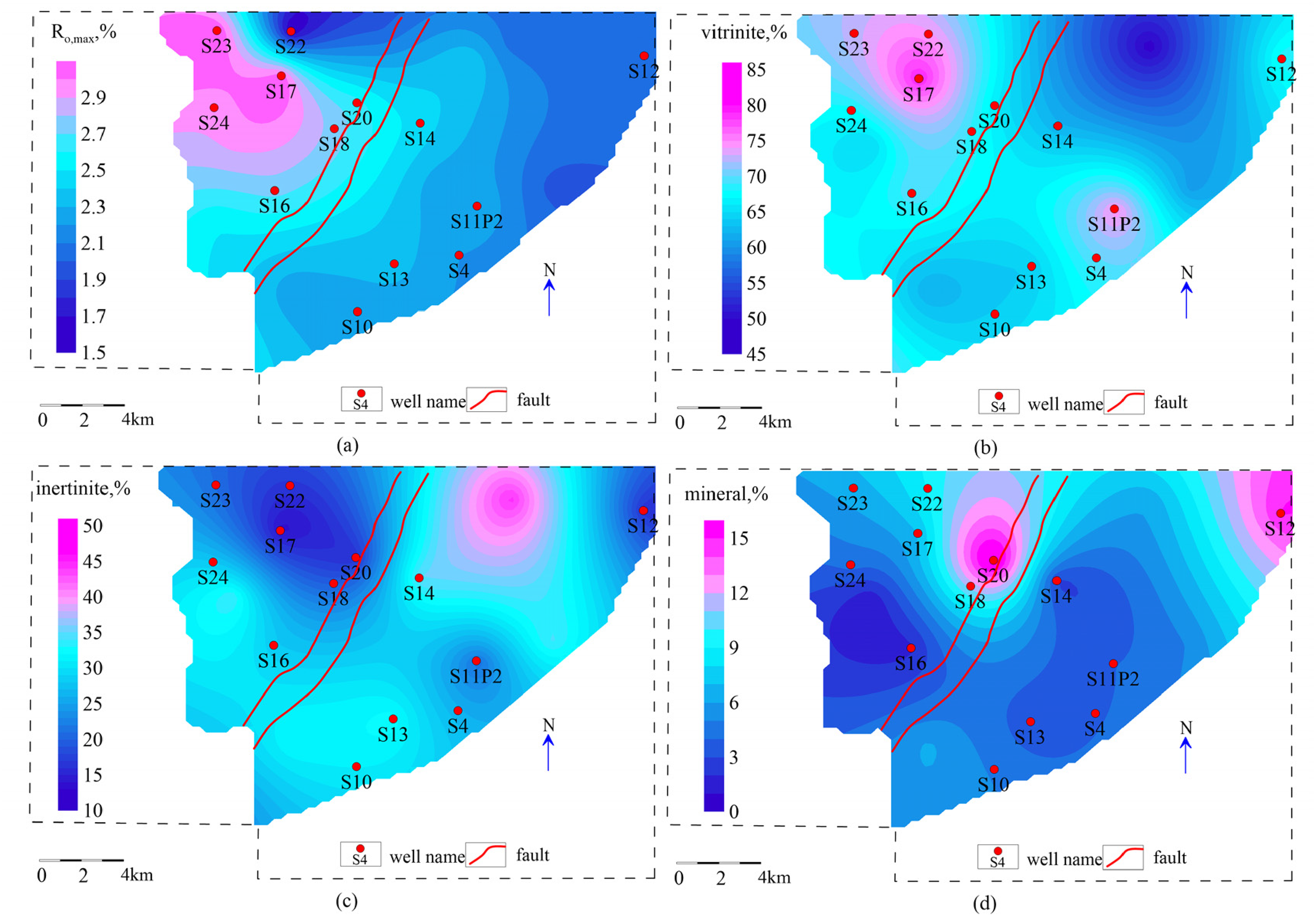
Coalification and quality of the No. 2 coal samples of South Yanchuan Block, (a) Ro,max; (b) vitrinite; (c) inertinite; (d) mineral.
Pore structure
Pores are the place for adsorption and storage of methane molecules in coal, they also can be regarded as seepage channels for gas to a certain degree (Jin et al., 2017a, 2017b, 2019). Thus, the pore structure is very important to study the production potential of CBM. The BET pore surface area, BET pore volume and BET pore diameter are the three main parameters to characterize pore characteristics. Similarly, the pore structures in the Tanping tectonic block and Wanbaoshan tectonic block show various features. The ranges of the BET specific surface area, BET pore volume and BET pore diameter in the Tanping tectonic block are 0.078–0.349 m2/g (avg. 0.169 m2/g), 0.00042–0.00102 ml/g (avg. 0.00077 ml/g) and 17.0–25.5 nm (avg. 20.6 nm), respectively (Figure 5). They are classified as transition pores according to the classification standard by Hodot (Hodot, 1966). Meanwhile, the ranges of the BET specific surface area, BET pore volume and BET pore diameter in the Wanbaoshan tectonic block are 0.360–0.832 m2/g (avg. 0.537 m2/g), 0.00050–0.00149 ml/g (avg. 0.00091 ml/g) and 6.1–12.1 nm (avg. 8.3 nm), respectively. And they can be classified as micropores according to the classification standard by Hodot (Hodot, 1966).
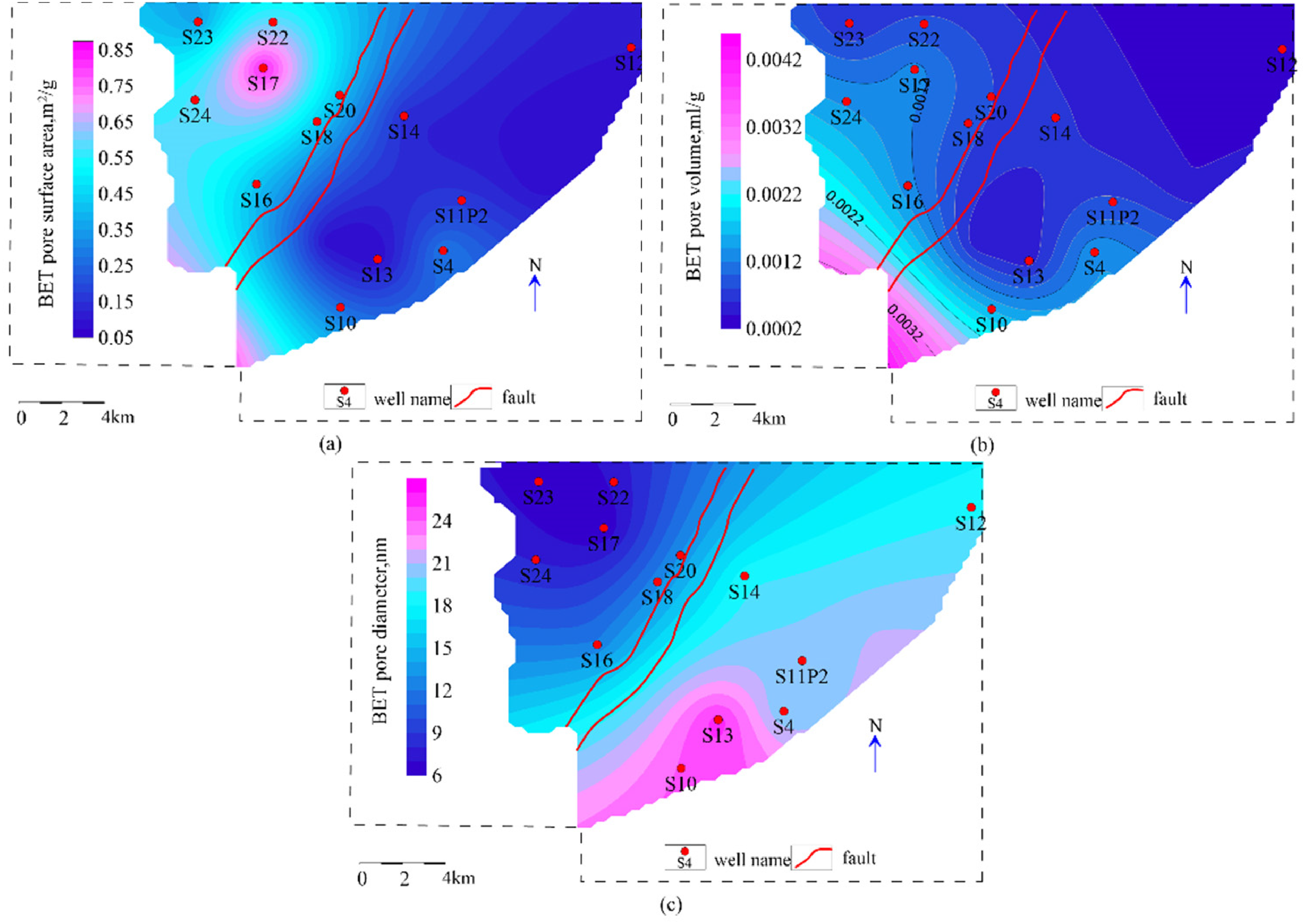
Pore structure of the No. 2 coal seam of South Yanchuan Block, (a) BET pore surface area; (b) BET pore volume; (c) BET pore diameter.
Coal reservoir condition
Coal reservoir pressure and temperature directly determine the absorptive capacity and resolution of the coal seam to gas, which are important factors affecting CBM development (Du et al., 2021; Zheng et al., 2019). In the South Yanchuan Block, the reservoir pressure system can be divided into two parts by Baihe and Zhongduo reverse faults (Figure 6). Based on the test results, the reservoir pressure is 5.5–10.5 MPa in the Wanbaoshan tectonic block and 3.5–4.5 MPa in the Tanping tectonic block. Combining the pressure drop and horizontal distance, the pressure gradient is 0.31–0.45 MPa/100 m in the Tanping tectonic block and 0.50–0.85 MPa/100 m in the Wanbaoshan tectonic block.
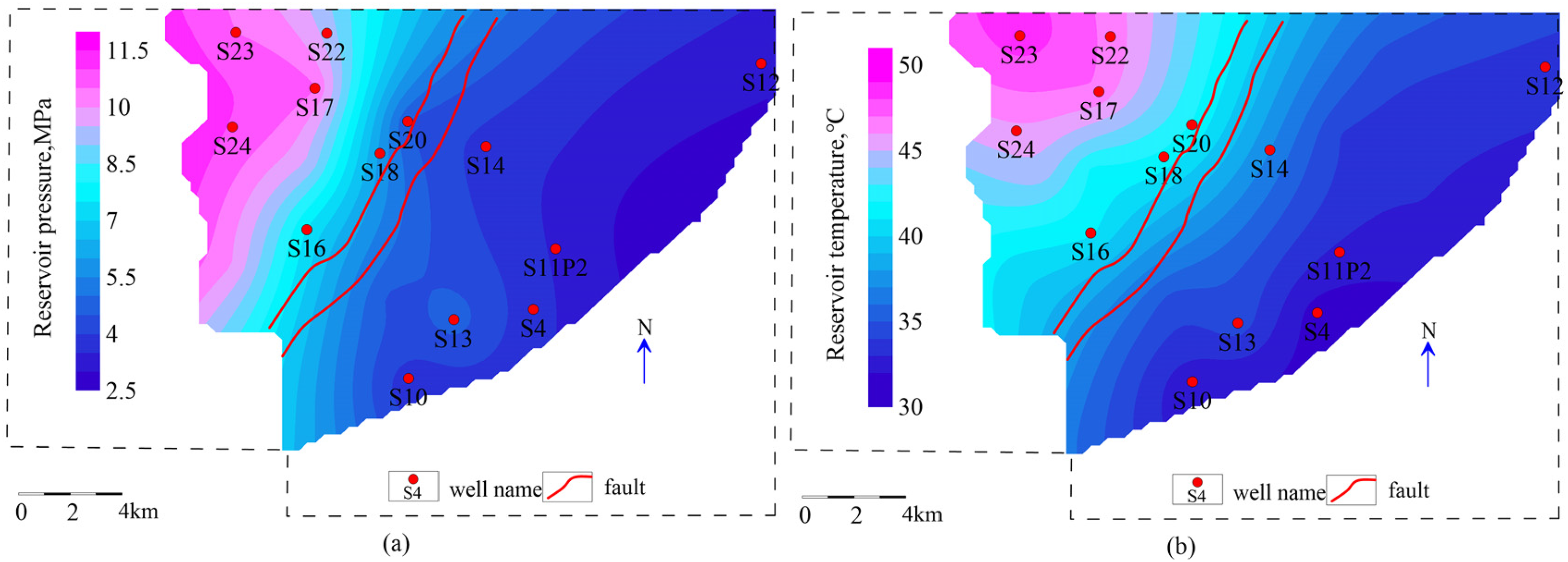
Coal reservoir pressure and temperature of the No. 2 coal seam, (a) reservoir pressure; (b) temperature.
The reservoir temperature of the No. 2 coal seam is shown in Figure 6(b). The reservoir temperature in the Tanping tectonic block is 31.6–34.9°C (avg. 33.4°C) and 37.9–46.8 (42.5°C) in the Wanbaoshan tectonic block, respectively. The reservoir temperature increases from east to west in the South Yanchuan Block.
Geological and hydrogeological conditions
The variation in the gas content reflects the complex effect of multiple geological factors on gas enrichment. The correlation analysis determines the relationship between gas content and the influential factors in the study. The high buried depth means that the coal seam bears large in-situ stress, which controls the adsorption, diffusion and seepage processes of gas. Thus, the buried depth is also the concerned parameter for the evaluation of CBM potential. The buried depth of No. 2 coal seam in South Yanchuan Block is shown in Figure 7(a). From east to west, the buried depth of the No. 2 coal seam increases from 880 m to 1450 m, while the gas content increases from 10.0 m3/t to 21.8 m3/t. It indicates that the deep coal seam possesses a large gas source.
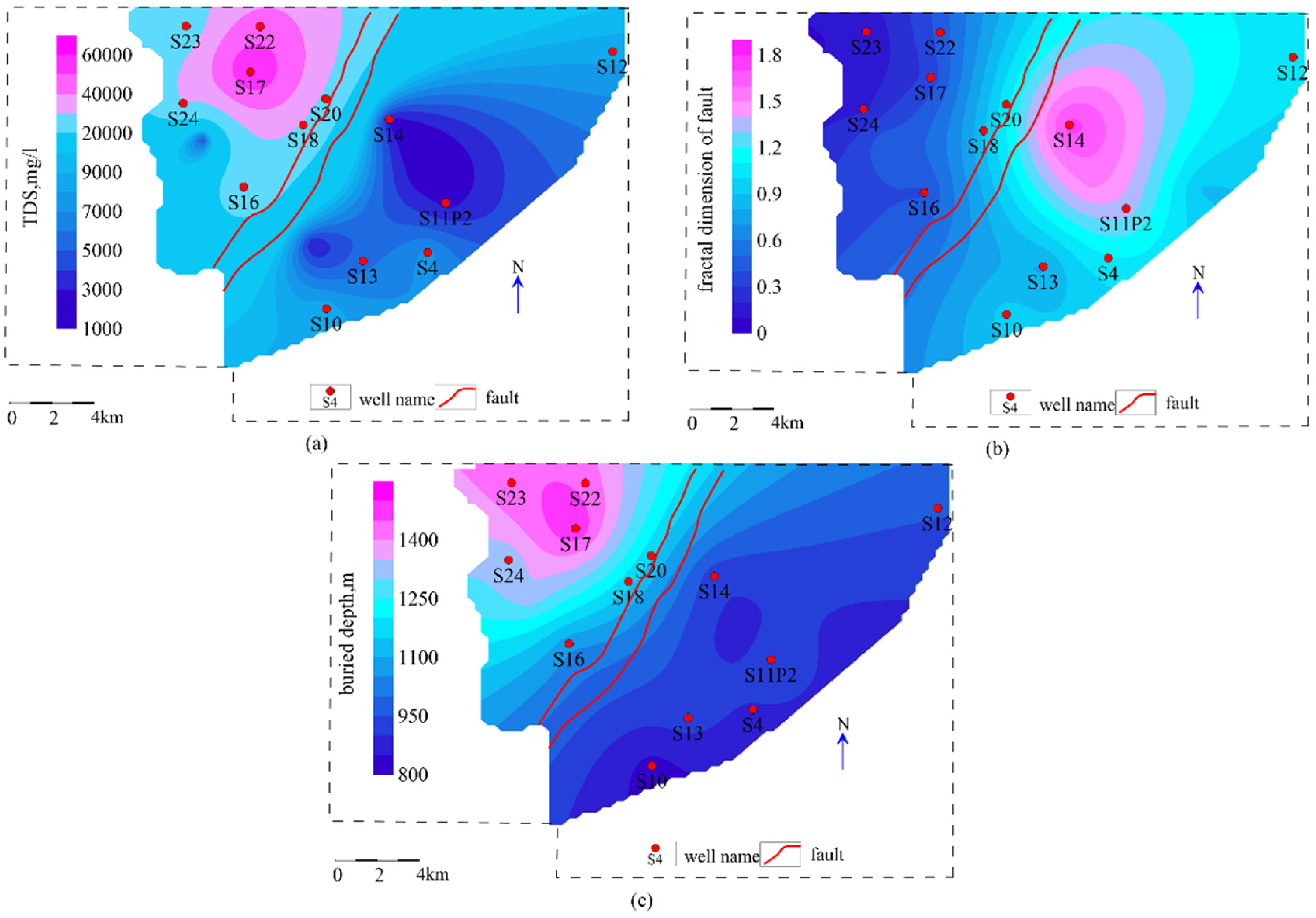
Geological and hydrogeological conditions of No. 2 coal seam of South Yanchuan Block, (a) TDS; (b) fractal dimension of fault; (c) buried depth.
The geological structure influences the occurrence and migration of gas in coal. For example, the coal in the axis of the anticline structure is always squeezed and is conducive to the storage of coalbed methane, however, the fault fracture zone high incidence area for CBM leakage because of its highly fractured coal structure. The fractal dimension of fault is used to characterize the complexity of fault structure, this paper adopted this parameter to describe the geological structure characteristics in the study area, results are shown in Figure 7(b). The fractal dimension of fault in the east is larger than that in the west, the maximum value reaches 1.88, which indicates that the faults are more developed and complex in the west of South Yanchuan Block.
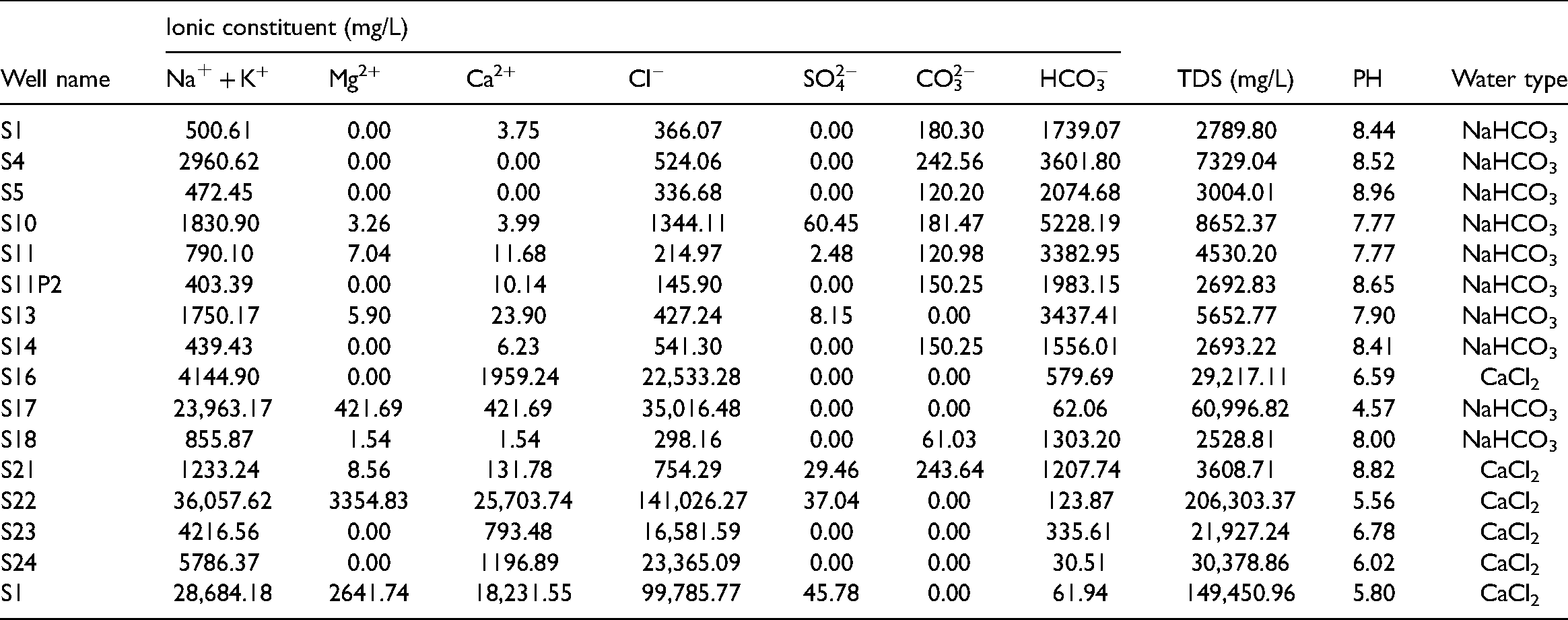
The hydrogeologic characteristics of the control gas have three functions: the movement of hydraulic dissipation to control gas; the action of sealing off the hydraulic to control gas; and the action of calking of the hydraulic to the control gas. From these three characteristics, the first one would lead to the scatter of CBM, and the second and third ones would benefit the storage of CBM. There is a large difference in the hydrologic conditions between the western and eastern parts of the study area, as shown in Figure 7(c). In the eastern part, the total dissolved solids (TDS) range from 3000 to 5000 mg/L, and the water type is sodium bicarbonate as listed in Table 4. This indicates that the eastern part is a runoff area and that the water dynamics are strong, which detracts from CBM preservation. In the western part, the TDS ranges from 10,000 to 100,000 mg/L, and the water type is calcium chloride. In stagnant regions and under hydrodynamic-weak conditions, the CBM preservation condition is favorable. The coal seam gas content has a positive correlation with groundwater total dissolved solids. In the southwestern study area, where the TDS and CBM content are greater than 100,000 mg/L and 16 m3/t, respectively, the TDS and the CBM content significantly overlapped.
Total dissolved solids of groundwater samples of the No. 2 coal seam.
Analysis on the relationship between influencing factors
Factors and their influence on gas content
Relationships between some influencing factors and CBM content are shown in Figure 8. There is a poor relationship among organic macerals, moisture and thickness of roof mudstone with coal seam gas content (Figure 8(a)–(c)). In other words, the coal seam gas was less affected by the three factors. Thus, the weights will be reduced during the following evaluation of CBM potential. The visual correlation between coal rank and gas content is illustrated in Figure 8(d). Although previous research has shown that the gas content is largely influenced by hydrocarbon generation, adsorption property and preservation conditions (Wang et al., 2016), the metamorphic degree plays a leading role in the influence of gas content. This is because massive micropores are formed during the pyrogenic hydrocarbon generation stage, which provides enough space for the storage of generated gas (Niu et al., 2017b). Thus, under the same condition of coal quality and maceral, the higher the coalification is, the more gas the coal has.
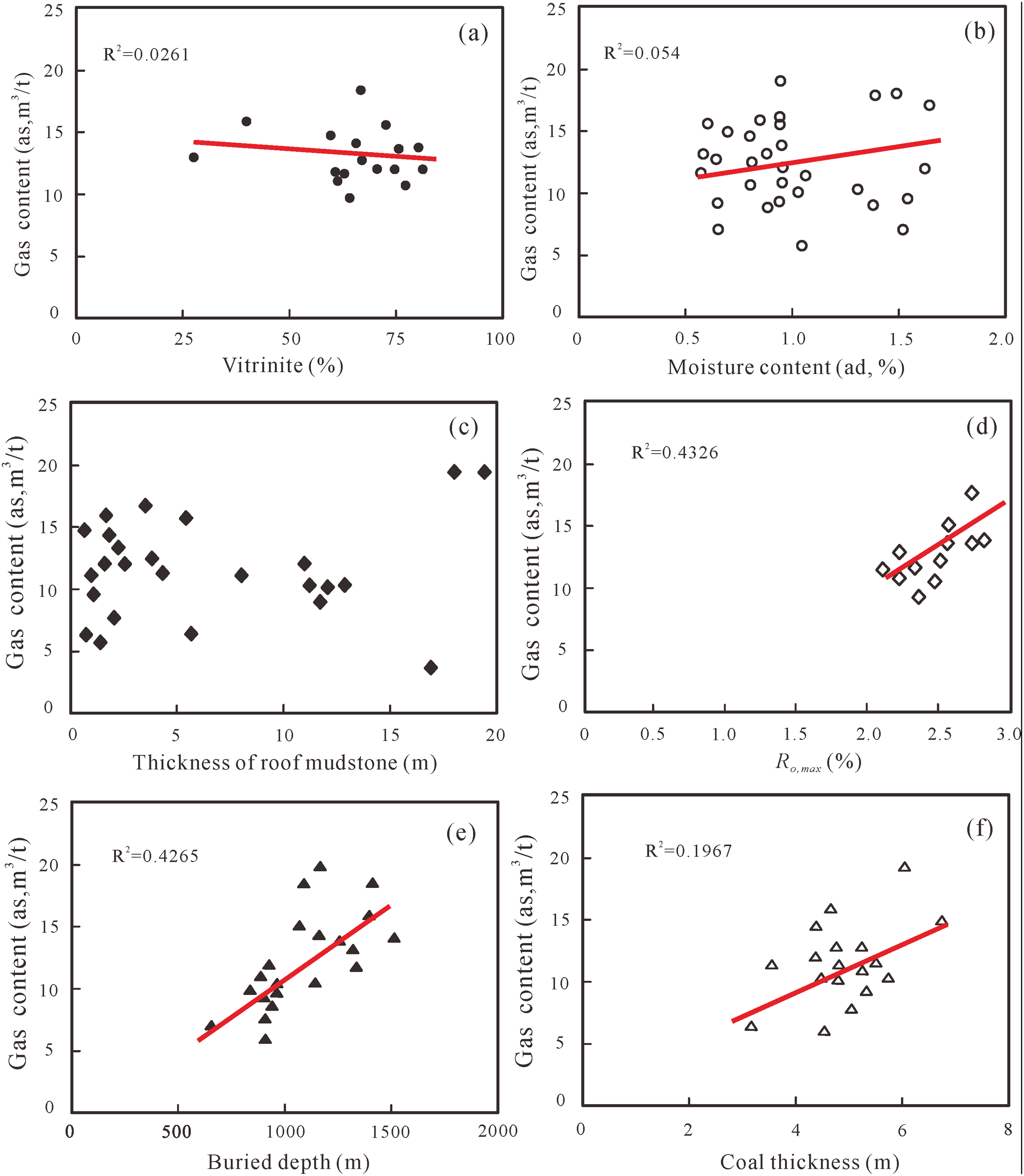
Relationship between gas content and corresponding influencing factors.
The Ro,max is the most important parameter representing the coalification. As discussed above, there is a positive correlation between the metamorphic degree and gas content, therefore, coals with higher Ro,max have more gas content (Figure 8(d)). It shows that the variation of gas content from southeast to northwest is highly correlated with variation in coal rank in the same direction and trend. As shown in Figure 8(e), the amount of gas in the coal beds linearly increases with the buried depth, with a correlation coefficient of 0.43. Over the entire block, the coal seam with a deeper burial depth possesses more gas. Last, the gas content shows a linear positive correlation with coal thickness (Figure 8(f)), the thicker the coal seam is, the greater the gas reserves in coal seams, this is consistent with previous studies (Cai et al., 2014). The reservoir pressure is directly related to the buried depth, and the gas content shows a better relationship with the reservoir pressure, with a correlation coefficient of 0.58 (Figure 8(g)). The correlation coefficient between gas content and buried depth is lower than that between gas content and reservoir pressure, which is because the changes in buried depth also affect the reservoir temperature. The gas molecules in a high-temperature environment are more active and easily escape from the coal surface, additionally, increasing the temperature can promote the thermal expansion of the matrix and reduce the adsorption sites. Therefore, the temperature exhibits a negative relationship with the gas content (Crosdale et al., 2008).
Metamorphic degree and pore structure of coal at different buried depths
Figure 9 shows the relationships between the metamorphic degree and pore structure of coal with the buried depth. The Ro,max linearly increases with the buried depth (Figure 9(a)), with a correlation coefficient of 0.81. Thus, it was found that the coal seam with a deeper buried depth is associated with greater hydrocarbon generation during the thermal evolution process, where the gas source is more sufficient.
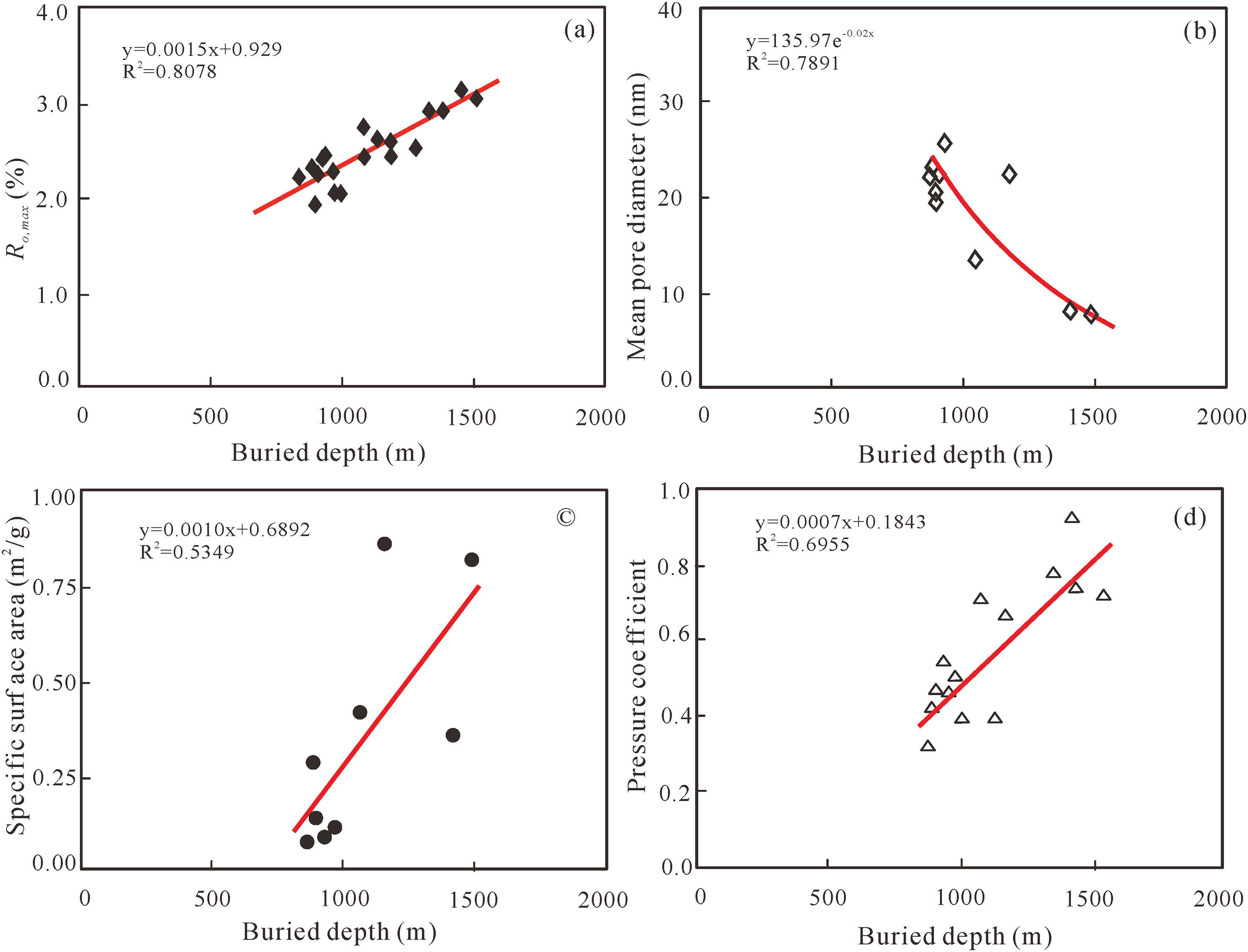
Relationship between buried depth of the No. 2 coal and corresponding factors.
The experimental data show that the BET pore diameter exhibits a negative correlation with the buried depth of the coal seam (Figure 9(b)), while the relationship between BET specific surface area and buried depth is positive (Figure 9(c)). As the buried depth of the No. 2 coal seam increases from 900 m to 1500 m, the average pore diameter decreases from 25.5 nm to 6.1 nm and the surface area increases from 0.08 m2/g to 0.83 m2/g. This means that the macropore and mesopore diameters decrease gradually and transform into micropores as the buried depth deepens. Thus, the volume and specific surface area of micropores are promoted. However, the pore connectivity may be weak for deep coal seams because the pore throats are largely improved at the high ground stress conditions. Briefly, the pore structure exhibits the significant changes of coal seams at different buried depths. For a deep coal seam, it is inclined to adsorb and store ample gas, while it is difficult to be developed because of the limited permeability.
The pressure coefficient is the reservoir pressure divided by the Langmuir pressure. As shown in Figure 9(d), for coal seam with a deeper buried depth, the pressure coefficient is large, they show a strong correlation and their correlation coefficient is 0.70. It can be seen that the deep coal seam possesses a favorable CBM preservation condition. This is because the number and specific surface area of micropores are largely developed in deep coal seams, which provide abundant space for gas storage as a free state or adsorption state.
Analysis of evaluation results for deep coalbed methane recovery in South Yanchuan block
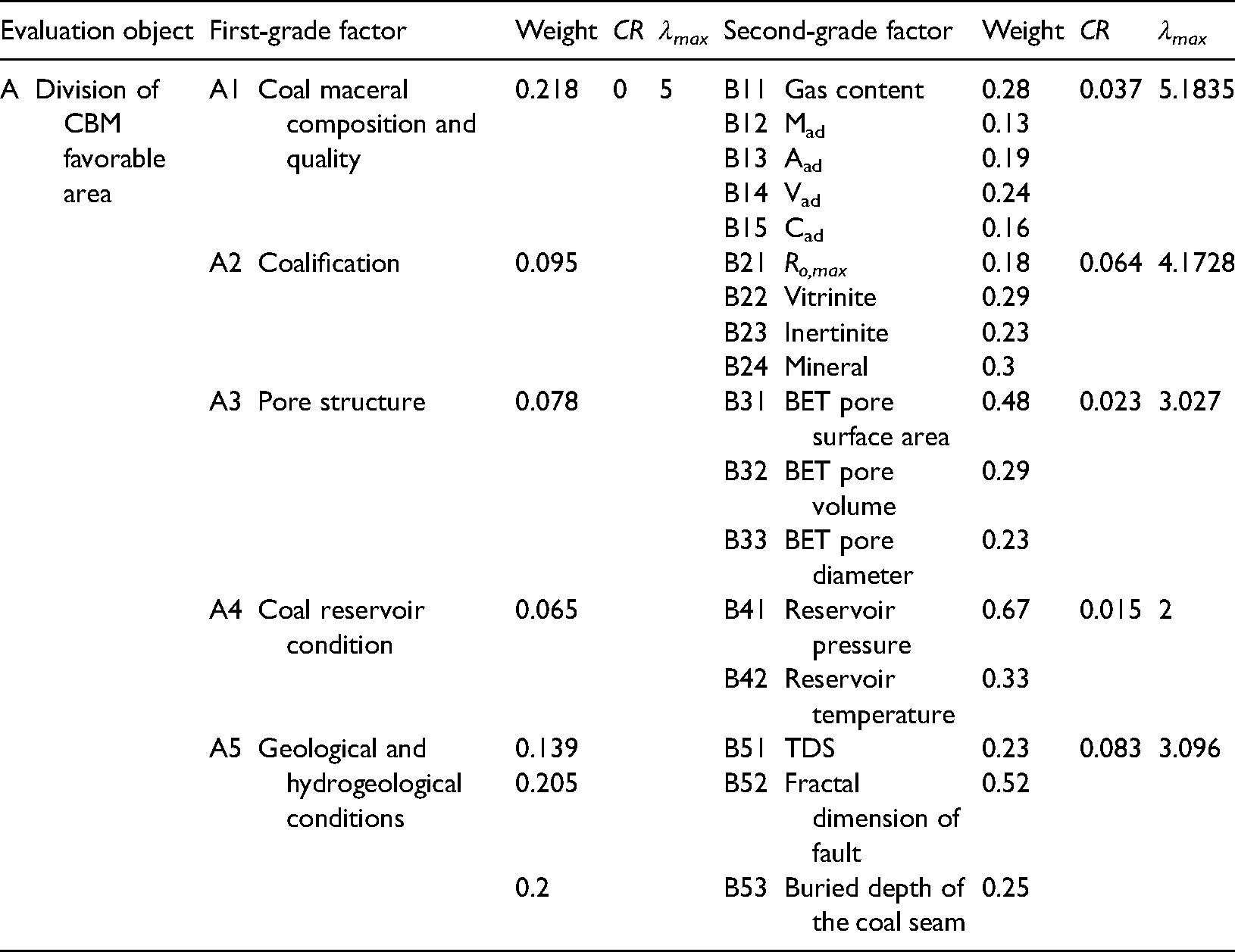
Based on the GIS, the thematic maps of the factors were constructed by using the natural breaks method (Yang et al., 2017), which is a means of data classification as shown in Figures 2–7. The weight of each factor is calculated by the AHP model. All of the factors and calculated weight of these factors by using the AHP are summarized in Table 5. Based on the weights of the factors, the evaluation result can be obtained by using the spatial overlay analysis in ArcGIS as shown in Figure 10. The digitization and analysis of the maps were performed by using GIS software. The evaluation result has been classified into five areas according to the natural breaks method.
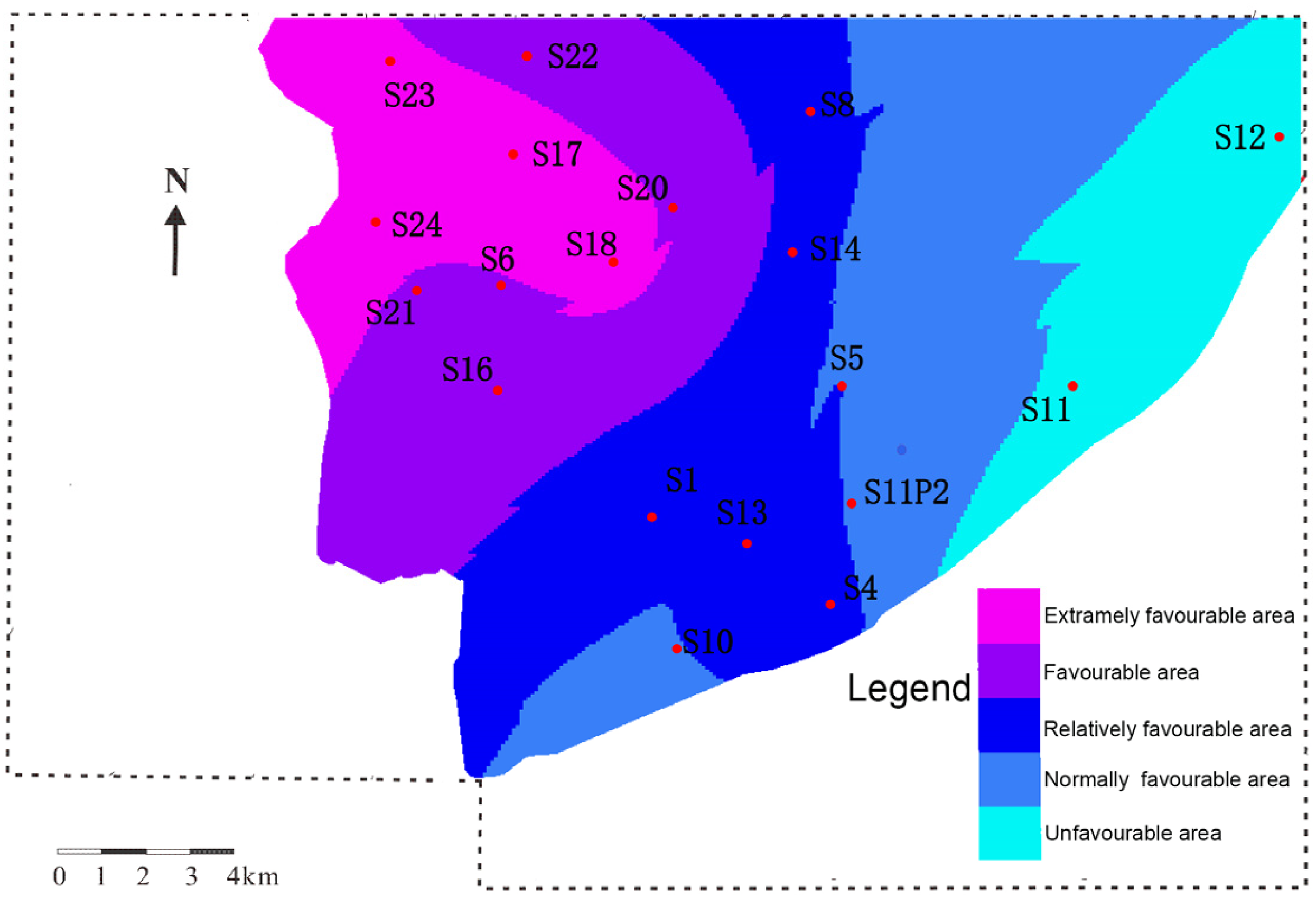
Predicted map of CBM of the No. 2 coal in the South Yanchuan Block.
Weight of factors.
The South Yanchuan block was divided into five areas: the extramely favourable area, the favourable area, the relatively favourable area, the normally favourable area and the unfavourable area, which account for 14.23%, 22.23%, 24.77%, 25.08% and 13.70% in area, respectively. Following the evaluation result, the extremely favorable area is in the northwestern study area, where the buried depth of coal seam is generally greater than 1200 m, the fault is undeveloped and the complexity of geological structure belongs to the simple type. The gas content is generally more than 15 m3/t. The favorable area is distributed in the midwest of the study area. The relatively and normally favorable areas are distributed in the center of the study area. As the decrease of buried depth of coal seam, and the structural complexity increased, when the CBM was developed in these areas, the poor index conditions should be taken into account, and the theory and technology should be improved. The unfavorable area is distributed in the east of the study area, which is not suitable for CBM development. If CBM development is planned in this area, some methods of hydraulic fracturing (Cao et al., 2021), CO2/N2 enhanced coalbed methane recovery (CO2-ECBM, N2-ECBM, etc.) (Niu et al., 2021b, 2022; Wang et al., 2021a, 2021b) should be considered.
The evaluation results can provide the theoretical basis for the target area selection of CBM development, and help for the design and implementation of the development process. Still, to improve the accuracy of favorable area division for CBM recovery, more field data and experimental data should be collected and tested, different evaluation methods should be applied as confirmation and comparison, which are also the focus of future work for us.
Conclusion
Based on geological data and experimental results, the influence of Reservoir properties and geological conditions on gas content of No. 2 coal seam in the South Yanchuan Block were comprehensively analyzed, the decision-making model of the potential of deep high-rank coalbed methane resource based on geographical information system (GIS) and weighted linear combination (WLC) was established, and the CBM potentials of the study area was evaluated and divided. Conclusions were as follows:
The buried depth, coal rank and hydrodynamic condition in the coal seam are dominant factors that control the gas content on a block scale, while the maceral composition, coal thickness, and the effective thickness of overlying strata are weakly related to the gas content. A stagnant hydrodynamic condition is favorable to the preservation of CBM. There are two enrichment areas of gas content in the northwest and southwest parts of the Wanbaoshan tectonic block which are controlled by the buried depth and hydrodynamic conditions, respectively. Five first-grade factors including seventeen factors are proposed to evaluate the favorable area in the South Yanchuan Block. An AHP model is used to calculate the weight of the factors. Based on GIS and WLC methods, the evaluation result has been obtained. The study area has been classified into five areas according to the natural breaks method. The the extramely favourable area, the favourable area, the relatively favourable area, the normally favourable area and the unfavourable area account for 14.23%, 22.23%, 24.77%, 25.08% and 13.70% in area, respectively. From northwest to southeast of South Yanchuan Block, extramely favourable area, the favourable area, the relatively favourable area, the normally favourable area and the unfavourable area are distributed in order.
The research results can deepen the understanding of the geological control mechanism of CBM occurrence and provide help for CBM development sequence and development strategy in the South Yanchuan Block. However, the accuracy of favorable area division is limited. To promote the further application of theoretical results, more field data and experimental data should be obtained and more evaluation methods should be compared, which are also the focus of future work for us.
Footnotes
Acknowledgements
This work was sponsored by the National Natural Science Foundation of China (Grant nos. U1967208, 51979170), the Natural Science Foundation of Hebei Province (E2021210077) and the Science and Technology Research Project of Hebei Province Colleges and Universities (QN2021129). We would like to thank the East China Company of SINOPEC for the coal samples and technical support.
Declaration of conflicting interests
The author(s) declared no potential conflicts of interest with respect to the research, authorship, and/or publication of this article.
Funding
The author(s) received no financial support for the research, authorship and/or publication of this article. The work was funded by the Guangzhou Youth Fund project – Study on metallogenic regularity of sea sand in wailingding sea area (202102021054).
