




Abstract
The distribution of rare earth elements (REE) and gold (Au) in fly ash released during combustion of brown coal from the Pereyaslavskoye (Siberia) and Erkovetskoye (Far East) deposits has been investigated. Coal combustion was carried out in two locations: the boiler unit of the Blagoveshchenskaya coal-fired power plants (CFPP), equipped with an electrostatic precipitator (ESP); and at the Amur Experimental and Technological Complex (ETC) with the aim of separating the combustion products (slag, fly ash, sludge). It was found that in both processes the highest contents of REE (400 and more ppm) and Au (up to 0.29 ppm) are concentrated in fly ash. These characteristics of coals were used as the basis for the author's calculation of the predicted resources of REE and Au under the conditions of the annual operation of firstly one boiler unit, and then five, equipped with an ESP. Further research by the authors will be aimed at improving the degree of recovery of concentrates through the development of technologies at pilot plants such as ETC “Amur”.
Keywords
Introduction
Global production of rare earth elements (REEs) increased from 190 000 tonnes in 2018 to 210 000 tonnes in 2019. REEs have been in growing demand worldwide, which is mainly due to increasing demands for green energy (Nd, Pr) and due to the growing applications of REEs in modern technologies. Modern society has become increasingly dependent on REEs, especially as electric and hybrid vehicles gain in popularity. In 2019, Russia produced 2700 tonnes of REEs, unchanged from 2018. The Russian government tasked the industry with increasing mining for commercial REE production. Over the last few years, large volumes of ash and slag waste (ASW) have been accumulated in the territories adjacent to coal-fired power plants. Ash and slag, generated at coal-fired power plants (CFPPs) and sent to ash-disposal sites around power plants, take up huge areas and pollute the environment with toxic trace elements. At the same time, ASW contains concentrations of valuable and useful components exceeding the economic threshold, such as REEs and Au. Electricity generation accounts for as much as 30% of total industrial wastes generated by mining and processing industries. The total reserves of ASW in Russia are assessed at more than 1.5 billion tonnes (Cherepanov, 2008). Industrial use of ASW is limited, and mainly in the construction industry, to between 4% and 13% in Russia as a whole and less than 0.5% in the Far East of Russia.
Therefore, it seems relevant to resolve issues related to optimization of coal combustion and precipitation and extraction of both harmful and valuable microcomponents, as well as a preliminary assessment of the use of wastes as crude ore. They have been extensively researched, and we can build on the achievements already made (Varshal et al., 1994; Leonov et al., 1998; Tselykovsky, 2000; Bakulin and Cherepanov, 2003; Kuz; inykh and Sorokin, 2004; Krapiventseva, 2005; Seredin, 2007; Cherepanov, 2008). Much research continues today on these issues in Russia (Huang et al., 2020; Lanzerstorfer, 2018; Li et al., 2020).
The purpose of this study is to determine the conditions for the accumulation of industrial concentrations of REE and Au in fly ash and to determine the scale of accumulated REE for the use of ash from the ESP of the Blagoveshchenskaya CFPP in industrial processing. The authors solved these problems with the study of the composition of primary brown coal and fly ash at one of the boiler units equipped with an ESP using the results obtained in a previously published article (Sorokin et al., 2019) related to the process of modeling industrial processes at the author's Experimental and Technological Complex (ETC) “Amur”.
Materials and methods
The investigation was concerned with brown coals from the Yerkovetskoe (Amur Region) and Pereyaslovskoe (Krasnoyarsk Krai) deposits. A mixture of these coals was used as fuel in boilers at the Blagoveshchenskaya CFPP. Fly ash produced from the burning of a mixture of coals was also investigated. Ash was deposited on an ESP of the boiler unit № 4 (B-4).
Technical equipment of the blagoveshchenskaya CFPP
Two of the five boilers of the power plant (BU-4 and BU-5) are equipped with an ESP of the EGBM 2-64-12-4 type ensuring high collection efficiency (99.0–99.8%). BU-1, 2, and 3 boilers are equipped with Venturi scrubbers. Figure 1 provides a process flow diagram of the ESP.
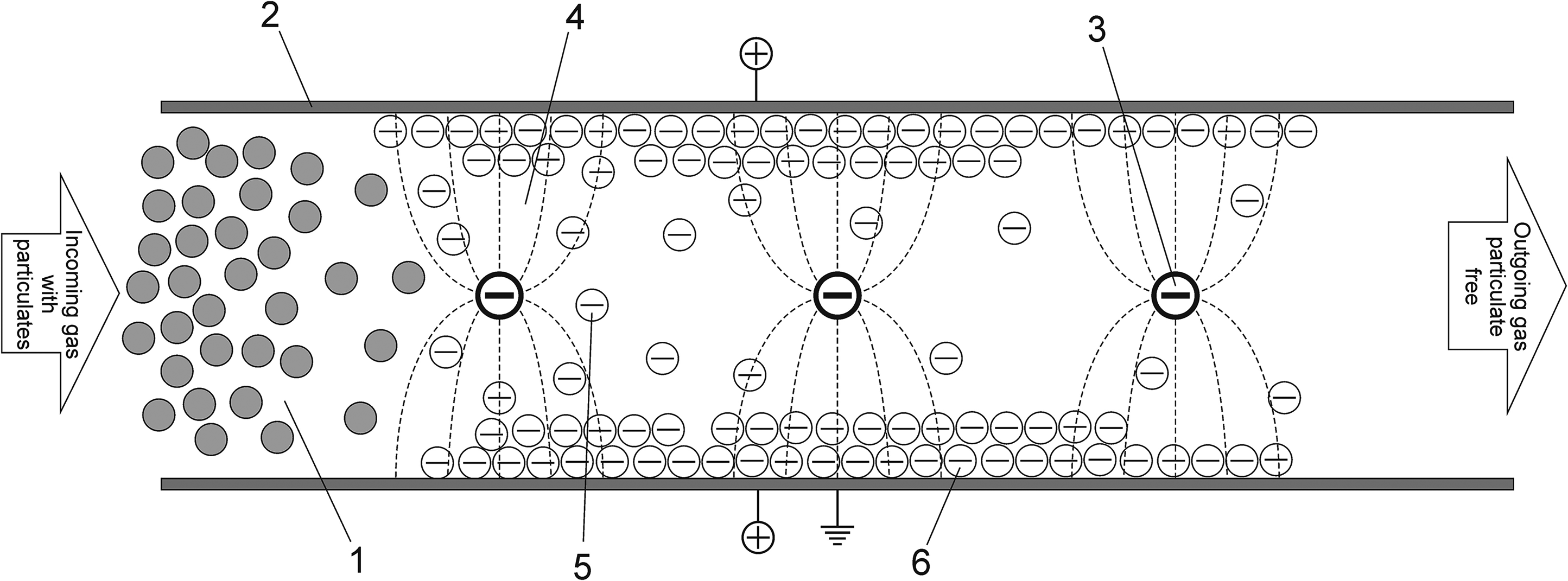
Process flow diagram of ESP: 1—uncharged particles, 2—grounded precipitating elec-trode, 3—discharge electrode, 4—electric field, 5—charged particle, 6—ash particles accumu-lated on the collecting plate.
A flow of flue gas from the boiler passes through the lanes formed by collecting electrodes (CEs), with discharge electrodes (DEs) centered between the collecting electrodes. The DEs are connected to the negative polarity of a high-voltage power supply, with CEs grounded. When the electric field strength is in the range between 30 and 100 kV, the ionization of the flue gas around the discharge electrodes induces a corona discharge. The extent and intensity of the corona discharge decreases as the electric field strength towards the precipitating electrode decreases. Corona-discharge generated electrons and positive and negative gas ions drift in the electric field towards the electrodes of opposite polarity. As a result, electric currents, called corona currents, are generated in the inter-electrode space. Ions are absorbed on the particle surfaces and in the presence of the electric field, charged particles travel towards the electrodes. Most of the particles are negatively charged since ions formed in close proximity to the DEs receive a positive charge and are therefore attracted to the DEs before they are absorbed on the solid surface of an ash particle. Particles range from 0.01 to tens of microns in size (Vetoshkin, 2005).
Thus, the bulk of the ash particles accumulate on the collecting plates, with a small minority of them on the discharge electrode surfaces. A rapping system is used which involves mechanical striking of the collection surface at stated intervals to dislodge the ash. The dislodged ash falls by gravity from the collection surface into ash hoppers arranged under the CEs. From the collection hoppers, the fly ash is transferred either to a storage site or an ash-disposal area (Vetoshkin, 2005).
Coal combustion technique at the blagoveshchenskaya CFPP
In 2018, a total of 2 036 336 tonnes of coal was burnt at the CFPP in Blagoveshchensk in 5 pulverized coal-fired boilers with a high flame temperature of 1100–1600°C, with 1 756 775 tonnes from Yerkovetskoe and 279 561 tonnes from Pereyaslovskoe deposits. Before coal is burned in the operational boiler, the premixed coal was crushed, dried, and pulverized into fine coal particles of several tens of microns. Thereafter the pulverized coals from the above deposits were mixed. It was not technically feasible to sample the mixed coal before it was fed into the boiler. Therefore, to determine the average REE and Au contents in the mixed coal fed to the КА-4 boiler we performed calculations by assuming the coal mix with mixing proportions of 86.27% for the Yerkovetskoe and 13.73% Pereyaslovskoe coals. These calculations are based on the actual tonnage of coal from both deposits used for an annual burn. The necessity of using a mixture of coals stems from the higher calorific value of the Pereyaslovskoe coal. One tonne of the mixed coal burned at the power plant generates 0.106 tonnes of coal ash, with 0.1102 tonnes of the ESP fly ash (95%) and 0.058 tonnes of slag (5%).
Sampling procedure
The authors were engaged in the study on the distribution of REEs and Au within coal combustion by-products examining the path of coal from the mine to the BU-4 boiler to the ash-collection system at the power plant for 70 days from August 21, 2018 to October 25, 2018 (Table 1) and collecting three 10-kg samples every week. Each week, the authors took two samples of coal and one sample of fly ash from the ESP. Coal samples were taken on the same day every week from the coal bin before it was loaded onto a conveyor for shipment to jaw crushers. One sample of coal was from Pereyaslovskoye, and another from Erkovetskoye deposits. The size of the pieces of coal in the samples varies from 3 to 15 cm. The next day, ash samples were taken from the EF bunker. The weight of each sample of coal and ash is 10 kg. A total of 20 coal samples were taken (10 samples from each deposit) and 10 fly ash samples.
Coal (t) from yerkovetskoe (YR) and Pereyaslovskoe (PR) deposits burned in the BU-4 boiler and combustion products from the ESP.
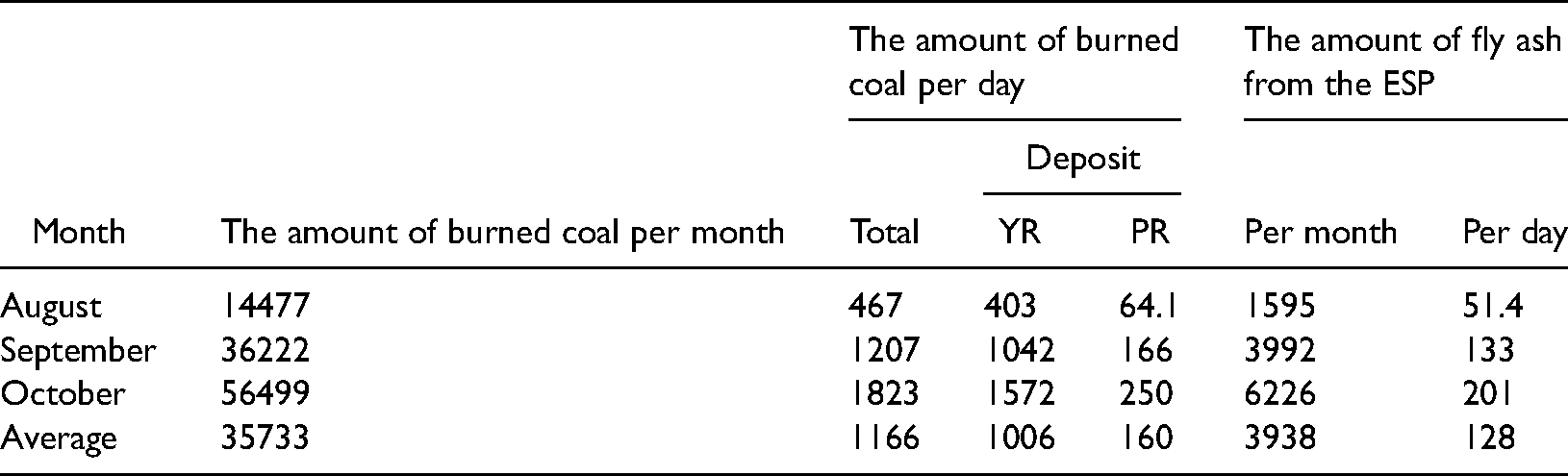
Monthly changes in the tonnage of the coal burned are due to the climate pattern of the region. The average mixing ratio of coals from the Pereyaslovskoe and Yerkovetskoe deposits was calculated based on the tonnage of coal burned over the year at the power plant. At the same time, the Yerkovetskoe coals were investigated at the “Amur” ETC allowing coal combustion products (CCPs) to be studied separately and in more detail (Sorokin et al., 2019).
Samples of coal and fly ash from TPPs and coal combustion products obtained from the “Amur” ETC were analyzed for Au in the Fire Assay Laboratory of the IGNM FEB RAS using the technique developed by V.M. Kuz’minykh and Chursina (2003). Representative portions of crushed coal, each weighing 50 g, were obtained from the samples by the scooping method. Each specimen was further divided into 20 specimens 2.5 g in weight. Then, the specimens were blended with chemically pure litharge, sodium carbonate, sodium tetraborate, and other reagents accelerating coal combustion and were subjected to cupel smelting (by the pyrometallurgical method) in a fireclay–graphite crucible to produce lead–silver-gold alloy 25 g in weight. After quartation of silver, cupellation in standard dripping was performed. The beads from 20 specimens were united and parted with HNO3 with subsequent treatment (washing, drying, calcination) and weighing of the gold beads. Based on the weight, the content of gold in coal was calculated.
The coal and fly ash samples were analyzed to determine the REE content at the Innovation-Analytical Center of the Institute of Tectonics and Geophysics (IT&G) FEB RAS (Khabarovsk) by inductively coupled plasma mass spectrometry using a Perkin Elmer Sciex Elan 6100 DRC ICP-MS system.0 ICP-MS ELAN 9000 (Perkin Elmer, Waltham, MA, USA) inductively coupled plasma spectrometer (Thermo Scientific).
The studies were carried out in compliance with analytical normative documents of the Russian Federation “PND F 16.1: 2.3: 3.11-98 Methods for Performing Metal Content Measurements by ICP-MS”.
REEs were found the Yerkovetskoe coal ash from the “Amur” ETC. These analyses were completed at the Analytical Center of the Far Eastern Geological Institute FEB RAS (Vladivostok) by inductively coupled plasma atomic-emission spectroscopy using an iCAP 7000 Duo ICP spectrometer (Thermo Scientific Corporation, USA). The chemical composition, size, and morphology of ash particles were studied by scanning electron microscopy (YEGA 3LMH) using an X-Max80 energy dispersive X-ray microanalyzer at the IT&G FEB RAS. The mineral composition was examined following gravitational and magnetic enrichment using microchemical reactions and immersion at the IGNM FEB RAS.
Results and discussion
Coal specifications
Coals of the Pereyaslovskoe deposit are classified as bituminous (3BR technological group of coal), low-sulfur (0.3–0.42%), and med-ash (7.5% on average) coals of Middle-Late Jurassic age with calorific values of 18.1 ppm and volatile-matter yield of 48%. The chemical composition of the coal ash is as follows (%): SiO2 (66), Al2O3 (5.3), Fe2O3 (14.1), TiO2 (0.4–0.9), CaO (7.1), MgO (1.8), Na2O (0.23–1.1), K2O (0.27–0.5), SO3 (4.5), and P2O5 (0.04–0.11) (Bykadorov et al., 2002).
Coals of the Yerkovetskoe deposit are classified as sub-bituminous (2B technological group of coal), low-sulfur (0.3–0.5%), and med-ash (19.8% on average) coals of Paleogene age with calorific values of 12.3 ppm and volatile-matter yield between 43 and 55.2%. The chemical composition of the coal ash is as follows (%): SiO2 (36.6), Al2O3 (19.4), Fe2O3 (13.5), TiO2 (0.6), CaO (17.7), MgO (1.9), MnO (0.9), Na2O (0.6), K2O (0.9), SO3 (5.5), and P2O5 (0.1) (Vasiliev et al., 2000).
The Pereyaslovskoe coals are used to enhance the Yerkovetskoe coals due to their higher calorific values and low ash content.
REE in coals and fly ash from the power plant
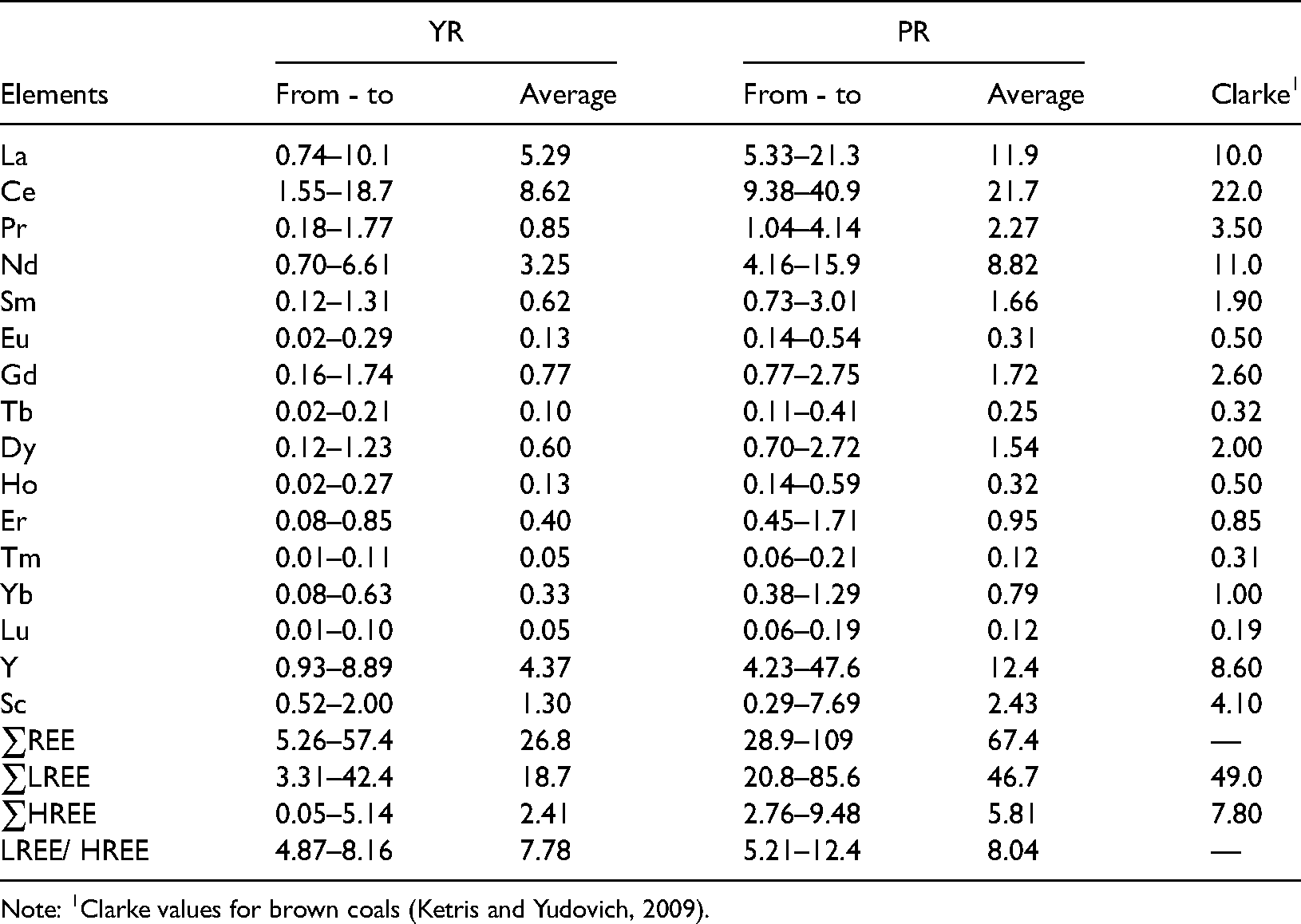
REE content of coals from the Pereyaslovskoe and Yerkovetskoe deposits burned in the BU-4 boiler are given in Table 2.
REE contents (ppm) of coals from the Pereyaslovskoe (PR) and Yerkovetskoe (YR) coal deposits.
Note: 1Clarke values for brown coals (Ketris and Yudovich, 2009).
The results after analysis show appreciable differences in the REE contents of coal samples from both coal deposits. The REE concentrations in most of the Pereyaslovskoe coal samples are lower than the Clarke values. Their total content varies from 5.26 to 57.4 ppm with an average of 26.9 ppm and an LREE/HREE ratio of 7.78. The REE concentrations in the Yerkovetskoe coal samples are higher and vary from 28.9 to 109 ppm with an average of 67.4 ppm and the LREE/HREE ratio of 8.04. It is evident that they contain slightly higher concentrations of light elements. Relative to the Clarke values, there are elevated contents of La, Ce, Dy Er, Yb, and Y with Dy, Er, and Y from the group of critical and potentially critical REEs (Seredin, 2010).
The average REE contents in the mixed coal were calculated based on the data on their mixing proportions (Pereyaslovskoe coals - 13.73%, Yerkovetskoe coals - 86.27%) and the instrumentally determined average REE contents in the Pereyaslovskoe (Table 2) and Yerkovetskoe coals (Table 3) by the following formula (1):
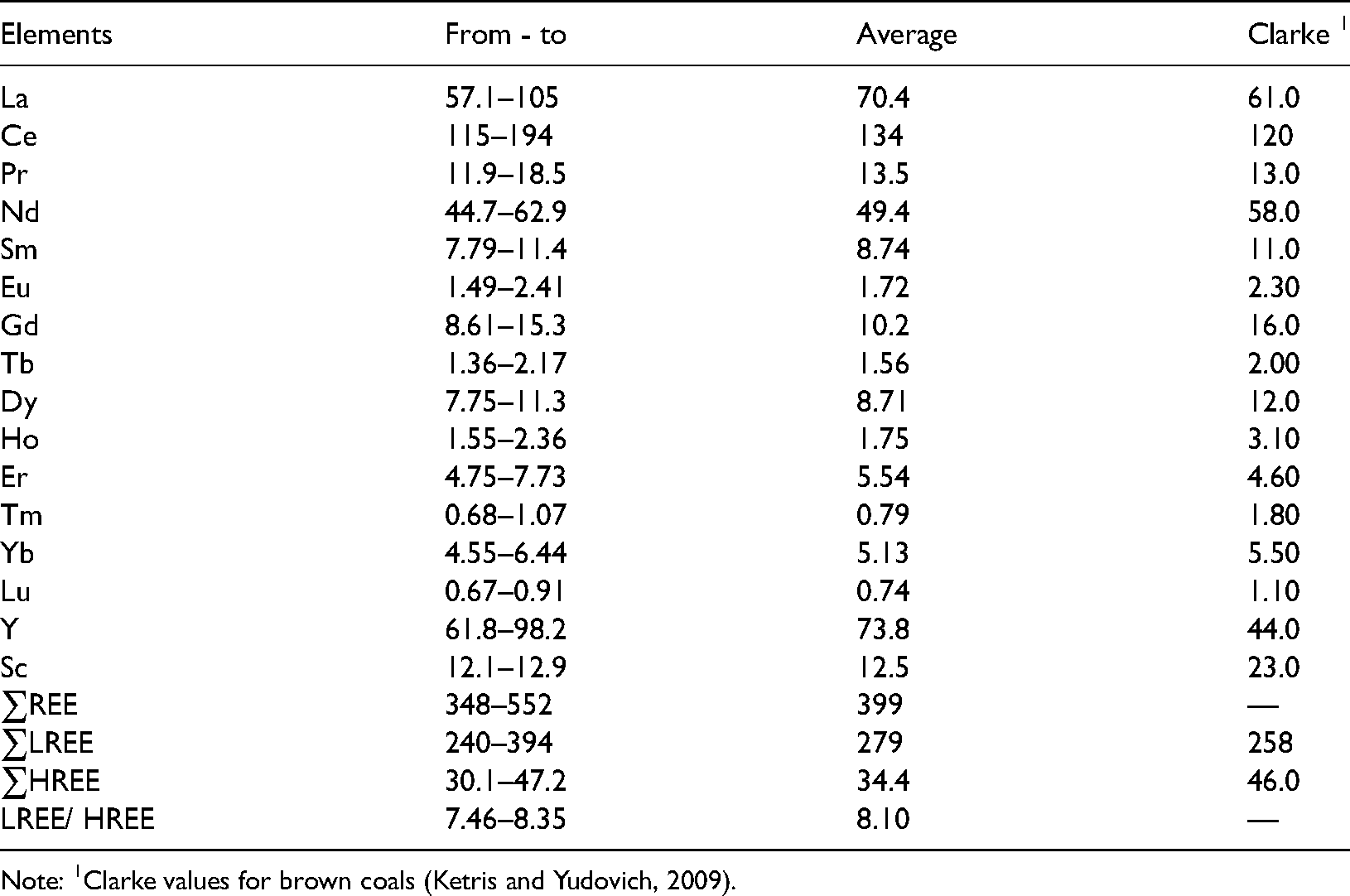
REE content (ppm) of the electrostatic-precipitator fly ash.
Note: 1Clarke values for brown coals (Ketris and Yudovich, 2009).
Where Cmc – REE content of the mixed coal, СYE – REE content of the Yerkovetskoe coal, СPR – REE content of the Pereyaslovskoe coal.
The average REE content in the mixed coal is 61.9 ppm.
The total REE distribution in the ESP fly ash (Table 3) in many aspects replicates their distribution pattern in the Yerkovetskoe coal. The REE contents range from 348 to 552 ppm with an average of 399 ppm and the LREE/HREE ratio of 8.10. Characteristic of Er and Y, as well as La, Ce, and Pr are the concentrations that are above Clarke values.
The fraction of critical REEs (Nd, Eu, Tb, Dy, Y, and Er) in the fly ashes was 20–22% of the total.
Using the information on the daily amounts of the coal burned, the ESP fly ash (Table 1), and the average REE content in the mixed coal and the ESP fly ash, REE contents were determined in the feed coal for 24 h and in the resulting ESP fly ash, as well as REE contents in the ESP fly ash after burning 1 tonne of coal. Losses by burning were also calculated (Table 4). The authors consider fly ash to be the best sources for the subsequent extraction of REE. REEs that are not found in fly ash are taken as losses, i.e. remaining in the slag and escaping into the atmosphere.
Potential REE production and losses per day with the coal burned in the BU-4 boiler.
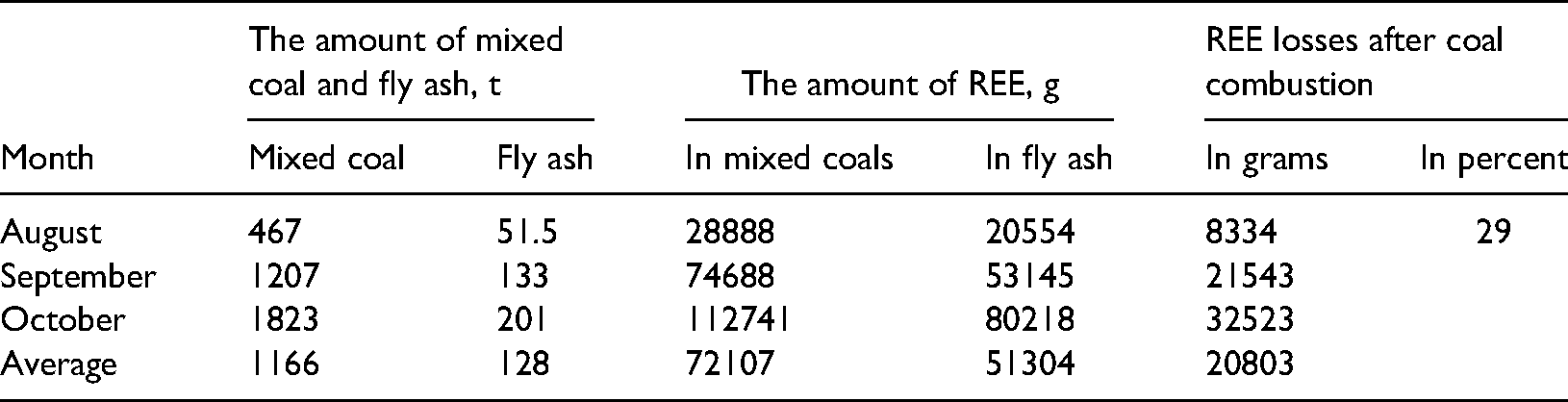
A daily average burn of 1166 tonnes of coal generates a total of 128 tonnes of ESP fly ash (Table 1). With an average REE content of 61.9 ppm, the feed coal contains 72107 g of REEs before it is fed into the boiler. The fly ash collected for 24 h accumulates 51304 g of REEs with an average REE content of 399 ppm (Table 4). Our findings indicate that about 29% of the REEs either remain in the coal ash after burning coal or are not collected in the ESP and escape into the atmosphere (Radomskaya et al., 2018). Thus, one tonne of the mixed coal burned in the BU-4 boiler of the Blagoveshchensk power plant can produce fly ashes with 44.0 g of REEs, which in annualized terms is 89619 kg.
In order to determine element-by-element losses of REEs in the ESP fly ash, the contents of REEs in the mixed coal, and then their contents in coal ash yields, were calculated. Calculations were performed for each element in the mixed coal, according to the formula (2):
REE contents (ppm) in ash yields from coals of the Pereyaslovskoe (PR) and Yerkovetskoe (YR) deposits and in the electrostatic-precipitator fly ash.
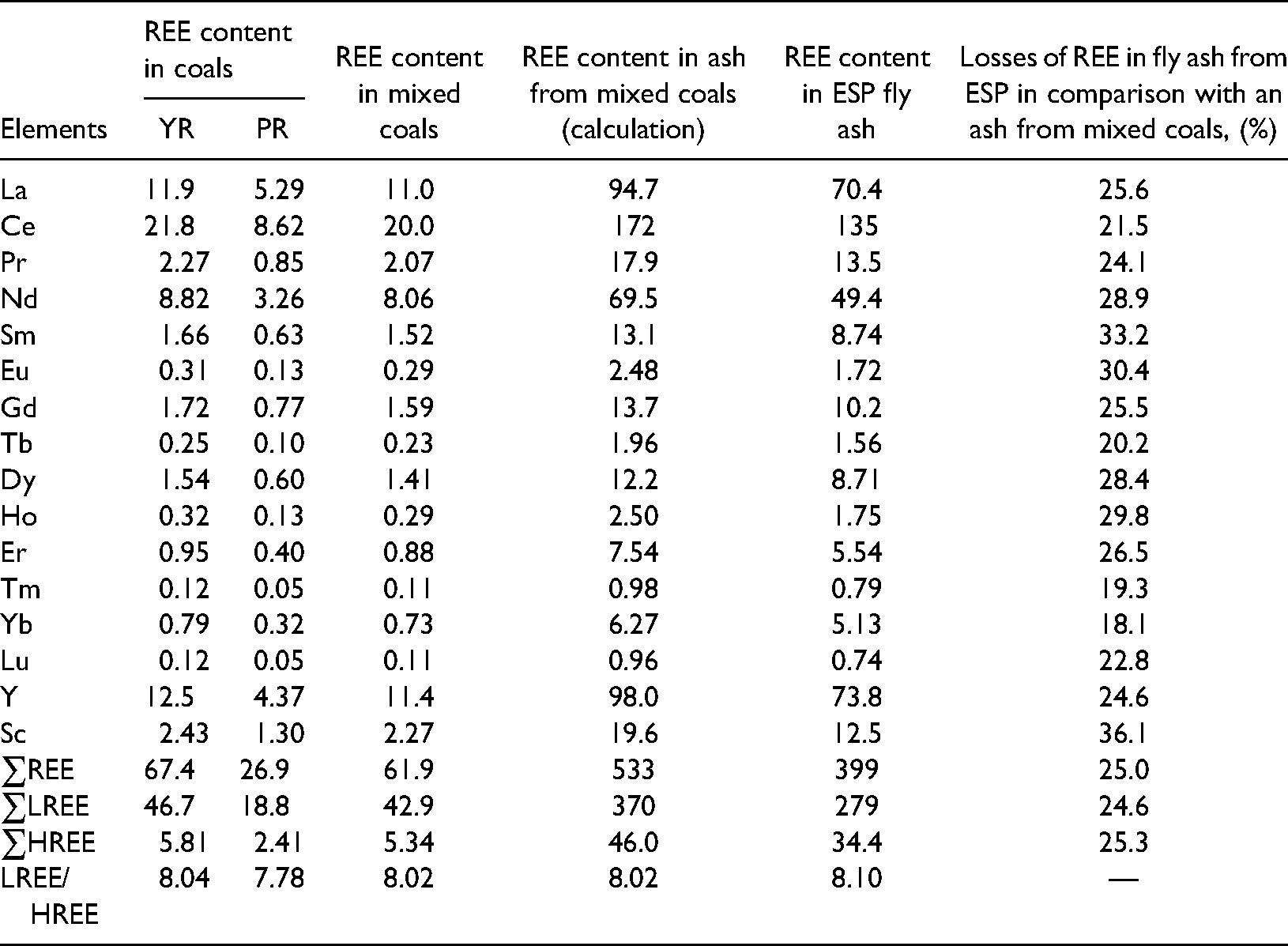
Estimated losses of REEs in the ESP fly ash relative to the ash yields from coal amount to 25.0%. The losses were broken down into three groups. The first group – below 20% (Tm and Yb). The second group - from 20 to 30% (La, Ce, Pr, Nd, Gd, Tb, Dy, Ho, Er, Lu, and Y). The third group - above 30% (Sm, Eu, and Sc). Losses of LREEs and HREEs reached 24.6% and 25.3%, respectively. Figure 2 shows REE losses in coal ashes and in the ESP fly ash.
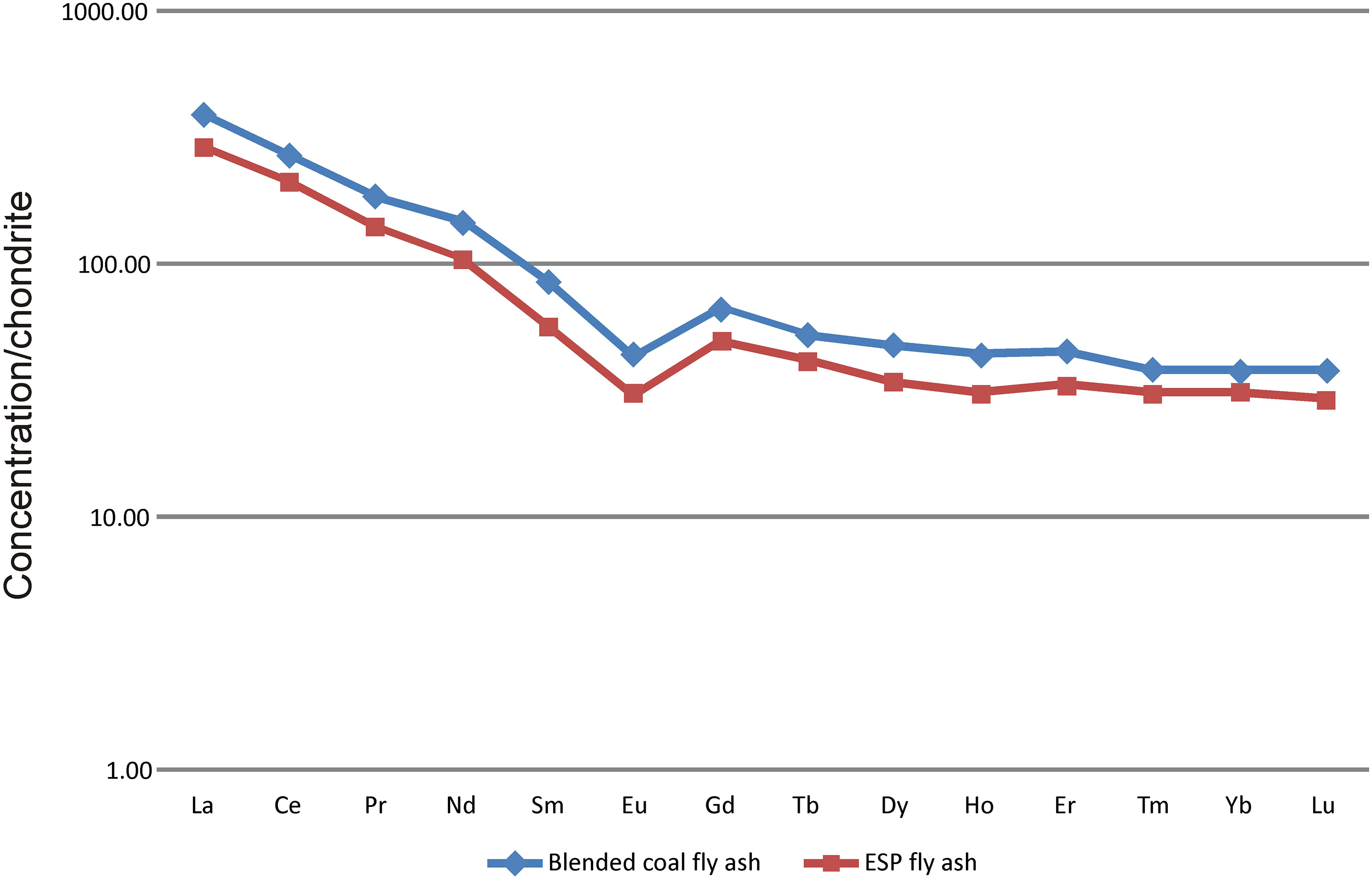
Chondrite-normalized REE contents in the coal ash and in the electrostatic-precipitator fly ash (Evensen et al., 1978).
The supporting evidence for REE losses comes from findings of the research on REE concentrations in the snow cover, which was carried out by V.I. Radomskaya et al. (2018) in the territory immediately adjacent to the Blagoveshchensk power plant. Mineral composition, distribution, and fractionation of REEs in liquid, and suspension (sediment) were investigated during the combustion of brown coals from the Raichikhinskoe, Yerkovetskoe and Kharanorskoe deposits. REE contents in the solid-state were determined to vary from 115 to 573 ppm with elevated (relative to background) concentrations of La, Ce, Pr, Nd, and Sm. Electron microscope investigations of dust aerosol compositions identified REE-bearing phosphate and carbonate minerals. REE concentrations in liquid are lower and range from 93.7 to 142 ng/l (ppb/L) with REE minerals primarily of the cerium group. Characteristic of REE distribution in the snow sediment is REE being enriched in LREEs, which be aligned with the distribution pattern of elements in the ash generated by the power plant.
The average total REE concentrations in the Appalachian basin coal ashes is 591 ppm, which is significantly higher than in the coal ash from sources in the Illinois and Powder River basins (403 and 337 ppm, respectively). The fraction of critical REEs (Nd, Eu, Tb, Dy, Y, and Er) in the fly ash is 34–38% of the total and is appreciably higher than in run-of-mine ores (usually less than 15%) (Taggart et al., 2016).
REE distribution in combustion products of the “Amur” ETC
For completeness of the studies, the authors relied on the results of the experiment in a previously published article (Sorokin et al., 2019). To study the loss of REE in separate products of coal combustion (slag, fly ash, sludge), the authors conducted a pilot test using the “Amur” ETC. The experiment was based on the combustion of a bulk sample of 241 kg. The sample was collected at the Yerkovetskoe coal deposit (Sorokin et al., 2019). At ETC “Amur”, processes were simulated burning of coal at a power plant with production of CCPs but allow quantitative information about the amounts of each coal combustion product, that is, slag and fly ash separated into heavy and light fractions. This made it possible to obtain quantitative information about the volumes of REE in the slag and in the heavy and light fractions of fly ash.
The following operating temperature ranges were used during coal combustion: at the outlet of the furnace chamber - 650–1050°C, the afterburn chamber - 610–750°C, the fly-ash collector - up to 250°C, and moisture collector - no more than 60°C.
The following amounts of by-products were produced from burning coal: slag - 27 kg, two fractions of fly ash with particles over 40 microns (heavy fraction) and below 40 microns (light fraction) totaling 2.6 kg, sludge - 2.6 kg, industrial wastewater sediment, and industrial wastewater. Coal was burned in a fluidized-bed combustor of the “Amur” ETC as opposed to the power plant with the resulting amount of slag much greater than the amount of fly ash. Table 6 shows the distribution of REEs in CCPs of the “Amur” ETC separately for slag, fly ash, and sludge.
REE distribution (ppm) in coal combustion by-products of the “Amur” ETC, ppm (Sorokin et al., 2019).
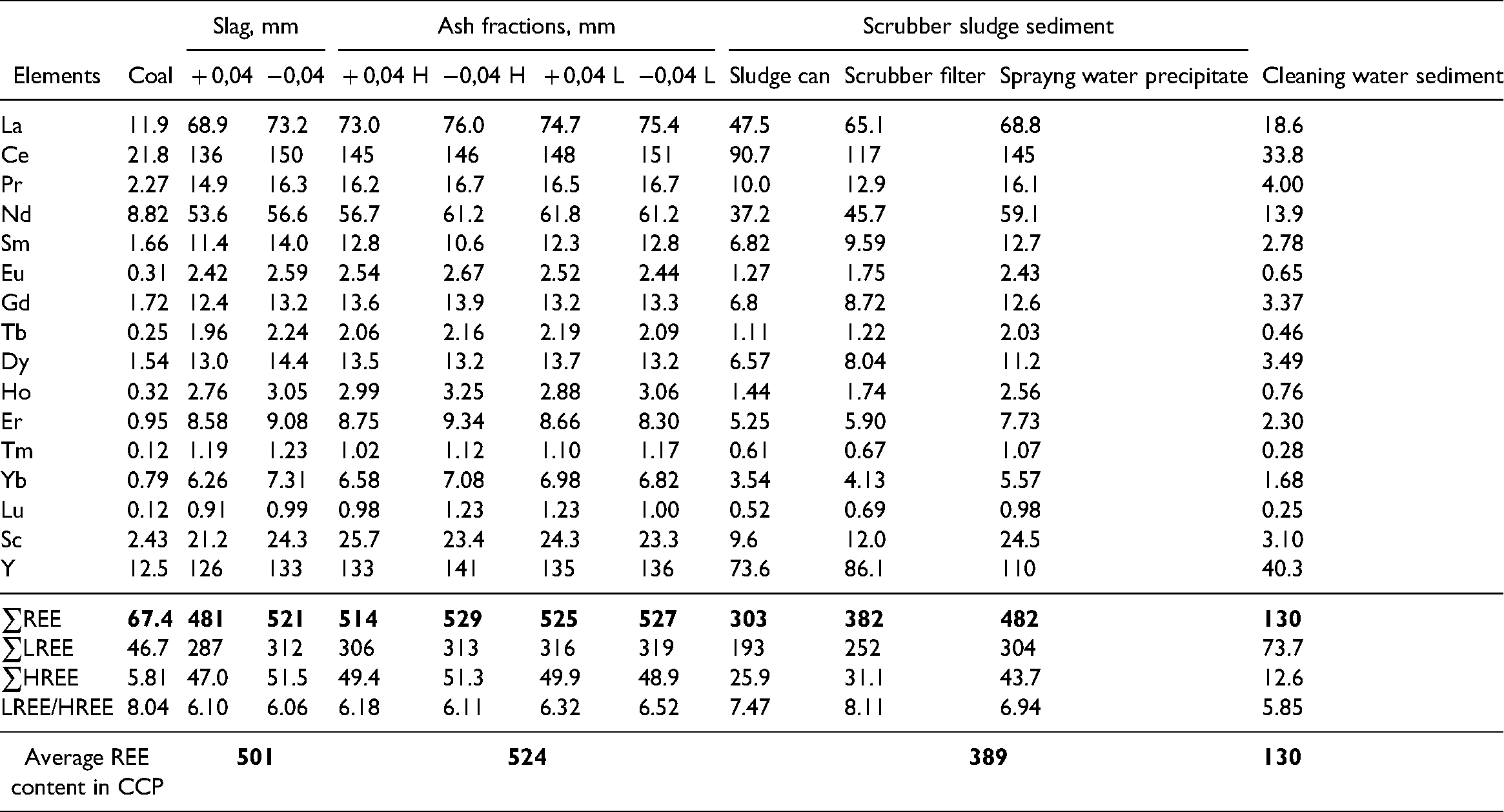
Test results showed an even distribution of REEs in all CCPs with contents from 481 to 529 ppm. This distribution of REEs is comparable with ESP fly ash contents ranging from 389 to 524 ppm. It may well be that REEs owe their losses of 29% in the BU-4 boiler to the fact that a fraction of the REEs remained in the slag while another fraction escaped into the atmosphere along with gases, which was confirmed by V.I. Radomskaya et al. (2018).
Analysis of REE concentrations in CCPs shows that REEs in fly ash particles below 40 microns are of the highest concentrations. REE distributions in the Yerkovetskoe coals are shown for comparison (Figure 3).
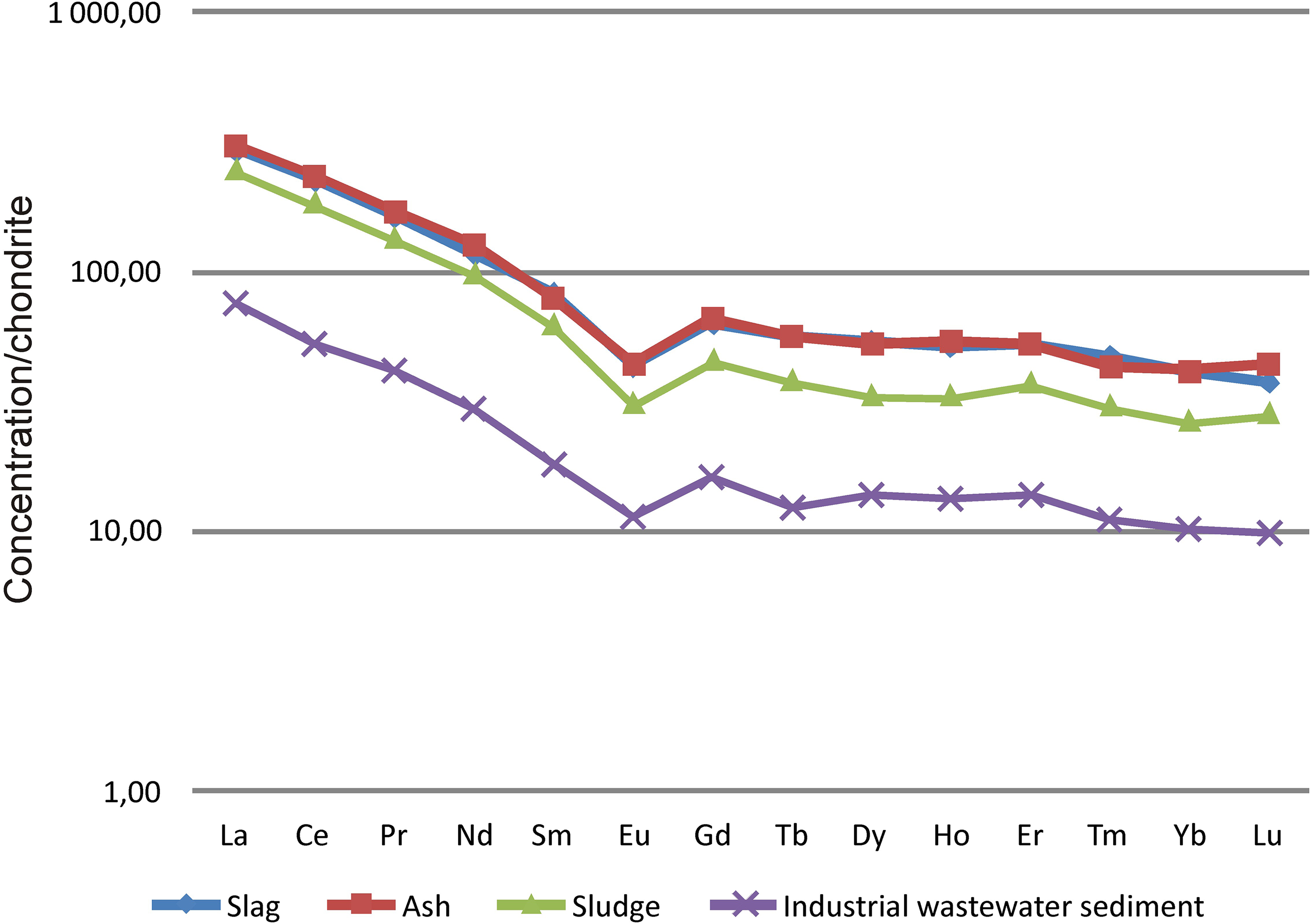
Chondrite-normalized REE distributions in the combustion by-products of the Yerkovetskoe coals (Evensen et al., 1978).
The data from Figure 3 and Table 6 present evidence of a similarity of the REEs with the combustion products. But since coal burning in the BU-4 boiler produces appreciably more fly ash than slag and sludge, the REEs preferentially concentrate in the ESP fly ash.
Au in coals and fly ash generated by the power plant
Gold assays performed in the Fire Assay Laboratory of the IGNM FEB RAS are shown in Table 7.
Gold (ppm) in Yerkovetskoe (YR) and Pereyaslovskoe (PR) coals and electrostatic-precipitator fly ash.
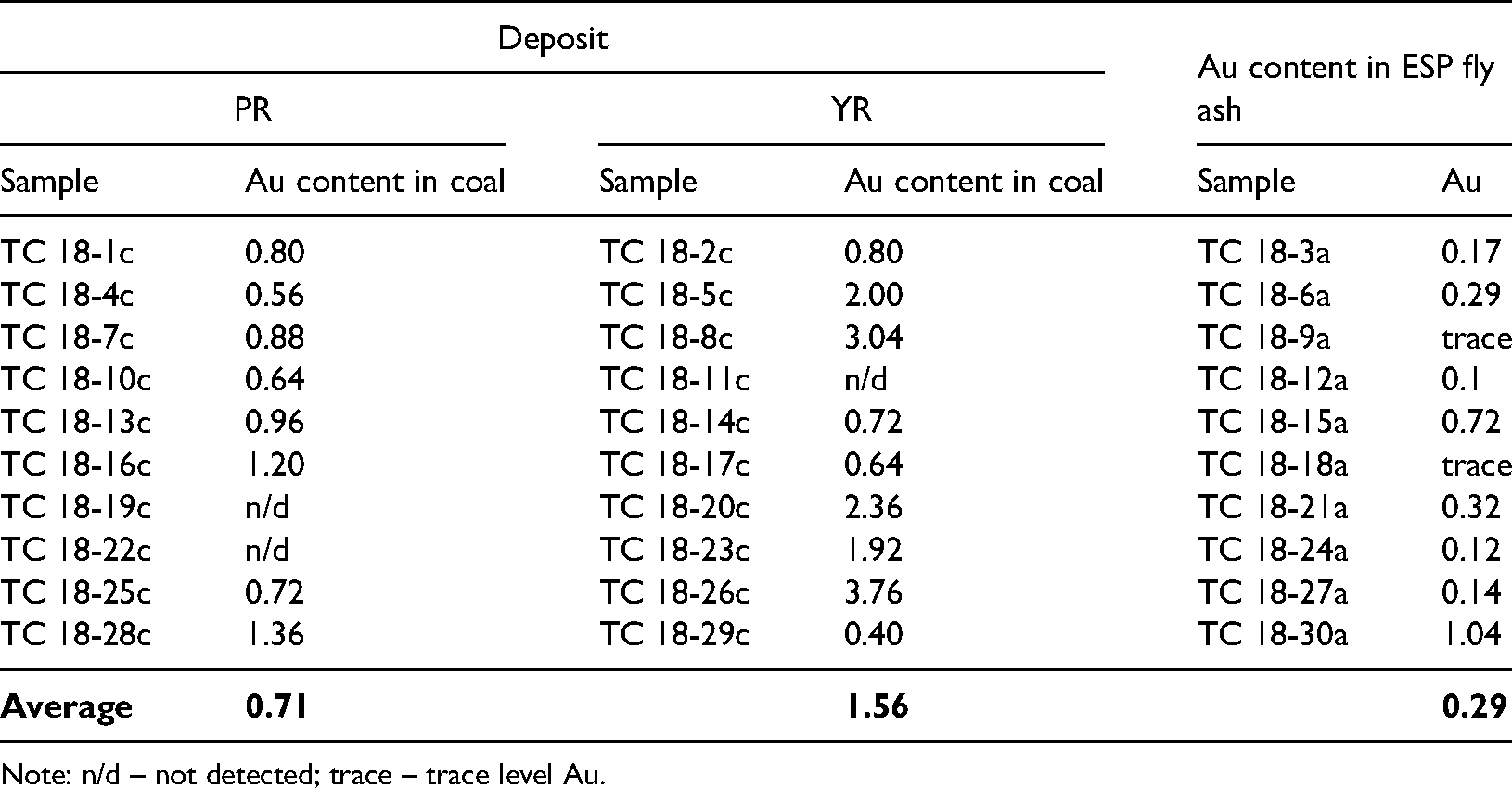
Note: n/d – not detected; trace – trace level Au.
The gold content of the Pereyaslovskoye coal ranges from 0.56 to 1.36 ppm and in the Yerkovetskoe coal from 0.40 to 3.76 ppm. Average Au contents in the mixed coal were calculated according to the same formula as average REE contents in the mixed coal based on the calculated coal mixing ratios and assaying data on Au contents in the mixed coal (Table 7) and amounted to 1.30 ppm (August), 1.38 ppm (September), and 1.96 ppm (October) with an average of 1.44 ppm.
A total of 128 tonnes of fly ash is electrostatically precipitated with a daily average burn of 1166 tonnes of coal (Table 1). The coal with an average Au concentration of 1.44 ppm contains 1684 g of REEs. The daily volume of fly ash contains 37.3 g of Au with an average concentration of 0.29 ppm. This suggests that as a result of coal combustion, about 97.8% of Au either remains in the slag or is not electrostatically precipitated and is carried by flue gases into the atmosphere.
About 4000 samples have been assayed for Au in the Assay Test Laboratory of the IGNM FEB RAS. The data show that in 50–55% of the samples studied Au contents are in the range of 0.5 to 5.0 ppm. The average grade of gold in coals (ppm): 1.85 for the Yerkkovskoe deposit; 1.87 for the Raichikhinskoe deposit; 1.37 for the Pavlovskoe deposit, etc. (Sorokin et al., 2012). When investigating the behavior of Au separately in different combustion products of 200–250 kg bulk samples of brown coals from the Yerkovetskoe deposit at the “Amur” ETC, it was found that Au concentrations in the slag, fly ash, and sludge tended to decrease from 10 to 0.06 ppm. The size of gold particles also decreased from 300–400 microns to 1–5 microns (Sorokin et al., 2019). These specific features were repeatedly considered in the publications of Russian and foreign researchers (Varshal et al., 1994; Zhang et al., 2002; Seredin, 2004, 2007, 2010; Kuz; inykh and Sorokin, 2004; Dai et al., 2005; Ketris and Yudovich, 2009), therefore the authors believe that the above data are reliable.
The potential of coal combustion products of the blagoveshchensk CFPP as viable sources of REEs and Au
Coals from the Yerkovetskoe, Raichikhinskoe, Arkharo-Boguchanskoe, Pavlovskoe, and other coalfields in the Russian Far East have been found to have elevated concentrations of metals. They have gram amounts of Au and high (400–500 ppm) concentrations of REEs in coal ashes (Seredin, 2004, 2007; Kuz; inykh and Sorokin, 2004; Sorokin et al., 2012, 2019; Vyalov et al., 2010, 2017; Nezhenskii et al., 2013). According to V.I. Vyalov et al. (2017), coal ash yields containing REEs (in terms of Tr2O3 oxides) with concentrations just over 400 ppm are qualified as industrial. On this basis, the authors estimated P2 and P3 resources of the above coalfields. They also prepared broad geological and economic estimates of open-pit mining in the western segment of the Yerkovetskoe coalfield to produce a marketable end product and estimated extra costs to extract valuable components (Nezhenskii et al., 2013). The authors believe that in addition to REEs, of great practical interest are Ga, V, Sc, and Au. V.V. Seredin (2010) uses the outlook coefficient (Coutl) to estimate the potential of REE concentrations based on the ratio of critical and potentially critical elements (Nd + Eu + Tb + Dy + Er + Y) to the sum of and a fraction of excessive REEs (Ce + Ho + Tm + Yb + Lu). Considering the economic viability of REE extraction from the ESP ash of the Blagoveshchensk power plant, their Coutl is 0.98. This value of the Coutl allows the REEs to be considered as ores of potential economic value.
The above data allow the authors to assess the potential annual amounts of REEs and Au with the following average contents (Table 8): REEs - 399 ppm (Table 3) and Au - 0.29 ppm (Table 6). The authors also considered the scenario with five boilers equipped with an ESP.
Annual amounts of Au and REEs derived from the coal ash produced at the blagoveshchensk power plant.
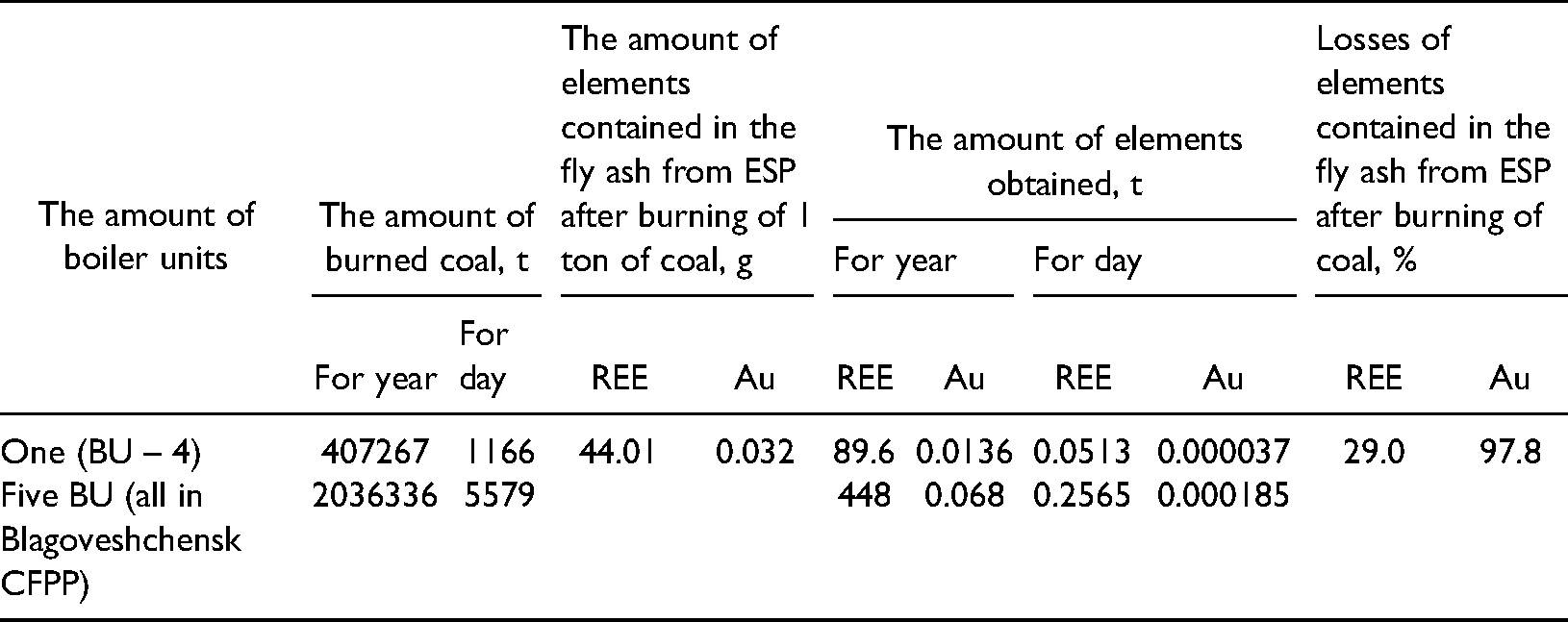
Studies have estimated that annual recovery amounts of REEs and Au from ESP ashes generated from coal burning in the BU-4 boiler will be as high as 89.6 t and 0.0136 t, respectively. If all five boilers of the power plant are equipped with ESP, an average of 448 t of REEs and 0.068 t of Au will be extracted annually. The ESP fly ash is a raw material that is easily transportable and requires no drying as opposed to the fly ash from conventional wet scrubbers in which valuable and useful components are washed out from the ash.
Conclusions
This study addressed the distribution of REEs and Au in fly ashes derived from burning coals from the Pereyaslovskoe and Yerkovetskoe coal deposits at the Blagoveshchensk power plant and in different coal combustion products such as slag, fly ash, sludge, etc. of the “Amur” ETC. Burning coals from the Pereyaslovskoe and Yerkovetskoe deposits at the power plant generated the ESP fly ashes with average concentrations of 399 ppm REE and 0.29 ppm Au and losses of 29.0% and 97.8%, respectively. Burning coals from the Yerkovetskoe deposit at the “Amur” ETC revealed that the distribution of REEs in the slag and sludge is relatively even (501–389 ppm) with higher levels of their concentration in the fly ash (as much as 524 ppm) while concentrations of Au are low in all fractions (0.01 ppm).
Our findings suggest that REEs tend to concentrate in the fly ash (≥400 ppm) if the feed coal contains ≥60 ppm REEs. In this case, fly ash can be considered as a potential viable source of REEs, and fly ashes of the Blagoveshchensk power plant can be recommended for industrial-scale extraction of REEs and Au.
The profitability of the power plant, in our opinion, depends on burning brown coals and their mixture with high REE contents in the ESP fly ash (at least 400–500 ppm), and introducing innovative coal combustion technologies. This will call for further investigations on metal contents of brown coal deposits, the initial assessment of mineralization of which can be conducted on the basis of studying bulk samples using pilot plants of the “Amur” ETC type.
With the well-honed industrial technologies for the recovery of REEs from fly ash, pilot plants of the “Amur” ETC type can be used for the cost-effective production of salable concentrates of the REE-enriched fly ash and commercial coal ash by-products using environmentally friendly and highly productive processes of physical and chemical enrichment jointly with low-capacity boilers of municipal heating plants of Siberia and the Far East of Russia.
Footnotes
Author contribution statement:
S. Dugin – data collection, study design, statistical analysis, manuscript preparation.
A. Sorokin – data interpretation, manuscript preparation, literature search.
V. Kuz’minykh – statistical analysis.
A. Konyushok - literature search.
Declaration of conflicting interests
The author(s) declared no potential conflicts of interest with respect to the research, authorship, and/or publication of this article.
Funding
The author(s) received no financial support for the research, authorship and/or publication of this article.
