




Abstract
Oil reservoirs have been discovered in the Mesoproterozoic strata in the Liaoxi Depression, NE China. In order to determine the source of oil shows of the Mesoproterozoic Gaoyuzhuang Formation and their organic geochemical characteristics, eight source rocks and reservoir cores from the Mesoproterozoic Gaoyuzhuang Formation and four source rocks from the overlying Middle Jurassic Haifanggou Formation were geochemically analysed. The distribution patterns of normal alkanes, acyclic isoprenoids, hopanes, steranes and triaromatic steroids of the Mesoproterozoic hydrocarbons from Well N-1 are consistent with those of source rock extracts from the Mesoproterozoic Gaoyuzhuang Formation in the Well L-1. The molecular marker compositions of source rock extracts from the overlying Middle Jurassic Haifanggou Formation are distinctively different from those of the Mesoproterozoic hydrocarbons. The results suggest that the Mesoproterozoic source rocks have significant petroleum generation potential. The Mesoproterozoic paleo-reservoir may be prospecting exploration targets in the Liaoxi Depression, NE China.
Introduction
The vast potential of Precambrian petroleum systems has been demonstrated by the discovery and development of large-scale oil and gas fields in Russia, India, Oman and China (Craig et al., 2013, 2018; Dutta et al., 2013; Kelly et al., 2011; Zhao et al., 2018; Zou et al., 2019). The Meso-neoproterozoic strata widely occur in the Yanliao Faulted-Depression Zone (YFDZ), northeast China (Sun and Wang, 2016; Wang, 1991). Numerous bituminous sandstones and oil-seepages (bitumen spots) have been discovered in the Mesoproterozoic strata (1800–1327 Ma) in the YFDZ (Figure 1) (Liu et al., 2011; Luo et al., 2016; Wang, 1991; Wang and Han, 2011; Wang et al., 2016, 2017).
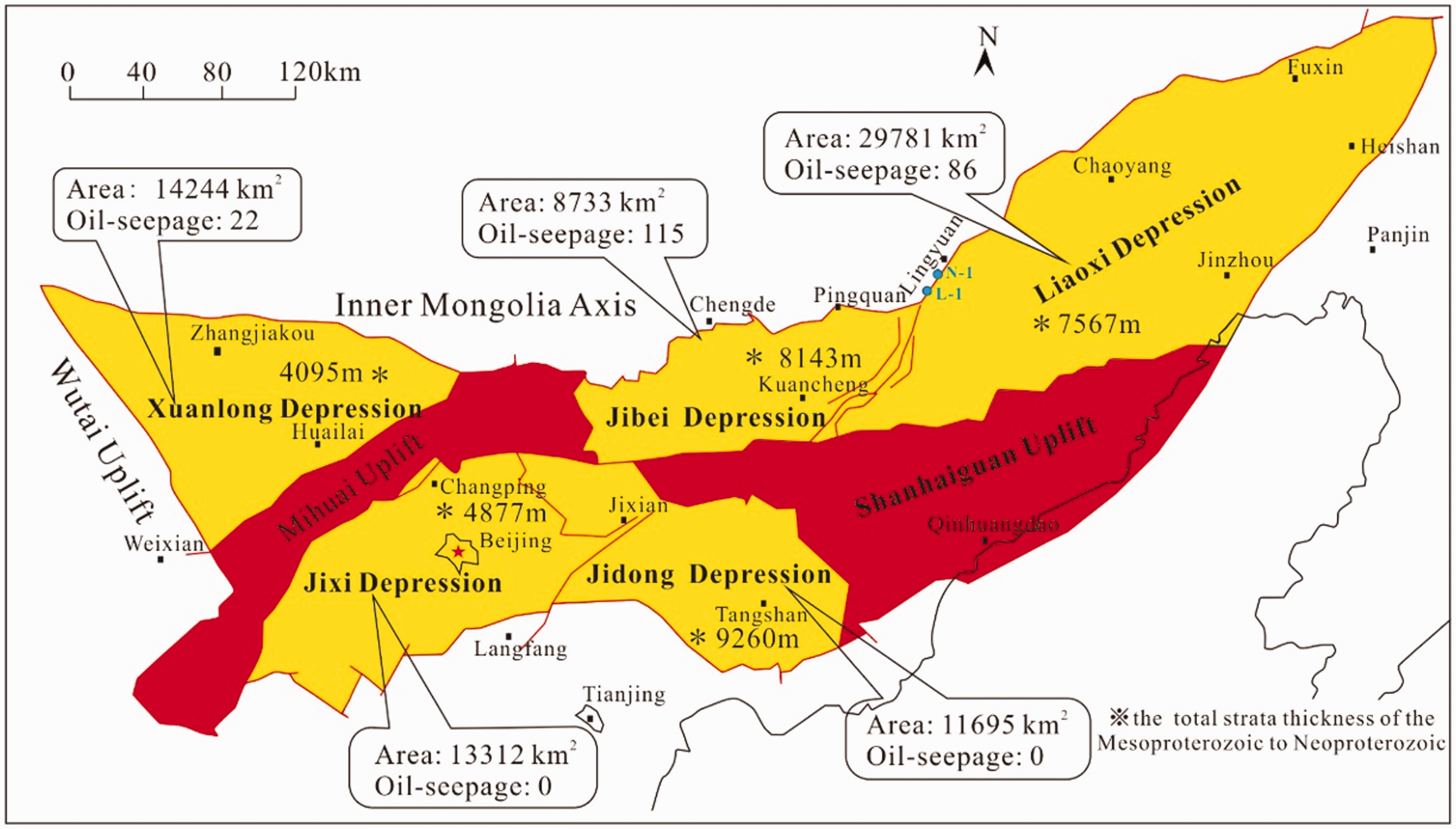
The schematic structural map shows the location of oil seepages in the YFDZ, NE China (after Wang and Han, 2011).
Previous oil-source correlation studies mainly focus on the Jibei Depression. Liu and Fang (1989) have proposed that the oil-seepages within the Tieling Formation in the Kuancheng region were mainly derived from the limestone of the Tieling Formation and secondarily from the Hongshuizhuang shales. According to the characteristics of molecular markers distribution and isotopic compositions, Liu et al. (2000) further reported that crude oils within the Tieling and Wumishan formations in the Well Hua 1 and oil-seepages within the Tieling and Wumishan formations in the Shuangdong paleo-reservoir are mainly sourced from the Tieling and Wumishan source rocks, respectively. And there are also minor contributions from the adjacent Hongshuizhuang shale. Afterward, Wang and Han (2011) noted that all the oil-seepages in Shuangdong, Longtangou and Lujiazhuang paleo-reservoirs in the Pingquan, Lingyuan and Kuancheng regions, respectively, display an affinity with the source rocks of Hongshuizhuang Formation. Previous studies show that oils and oil-seepages in the Mesoproterozoic in the Jibei Depression of YFDZ have different oil source for each reservoir and were mainly derived from the source rocks of Mesoproterozoic Tieling and Hongshuizhuang formations (Liu et al., 2011; Luo et al., 2016; Wang et al., 2016). The Liaoxi Depression, located in the northeast of YFDZ, is the largest structural subunit, covering an area of ∼30,000 km2 (Figure 1). However, less work has been done on petroleum systems of the Liaoxi Depression. Recently, a borehole (Well N-1) has been drilled in the Liaoxi Depression of YFDZ (Xiao et al., 2018) and oil shows and potential source rocks have been found in Mesoproterozoic strata. In this paper, a set of 12 rock samples from the Mesoproterozoic Gaoyuzhuang Formation and the Middle Jurassic Haifanggou Formation were geochemically analysed. Based on the systematic geochemical experiments of extractable organic matter in rocks, the comprehensive geochemical characteristics, especially, the molecular marker compositions were investigated to determine the source and origin of the Mesoproterozoic hydrocarbon. The results may expand the understanding of the Mesoproterozoic petroleum systems in the North China Craton (NCC).
Geological settings
The YFDZ is located in the north of NCC, covering an area of 10.6 × 10⁴ km2. Two uplifts, i.e. Mihuai and Shanhaiguan and five depressions were subdivided in YFDZ (Figure 1). The Liaoxi Depression is in the northeast part of the YFDZ with accumulative thickness of the Meso-Neoproterozoic strata more than 7500 m. The Mesoproterozoic Changchengian (Stathenian) and Jixianian (Calymmian), and Neoproterozoic Qingbaikou (Tonian) widely occurred in the entire Liaoxi Depression and overlain by Palaeozoic and Mesozoic strata. Recently, two wildcat wells (Well N-1 and Well L-1) have been drilled in the west part of the Liaoxi Depression (Figure 1). The Jixianian Gaoyuzhuang Formation, mainly consisting of dolomicrite and fine-grained dolomite was encountered in wells N-1 and L-1 (Figure 2). The overlying Middle Jurassic Haifanggou Formation is dominated by lacustrine sandstone, conglomerate, carboniferous mudstone and coal seams. Oil shows have been found in the upper part of Gaoyuzhuang Formation of Well N-1.
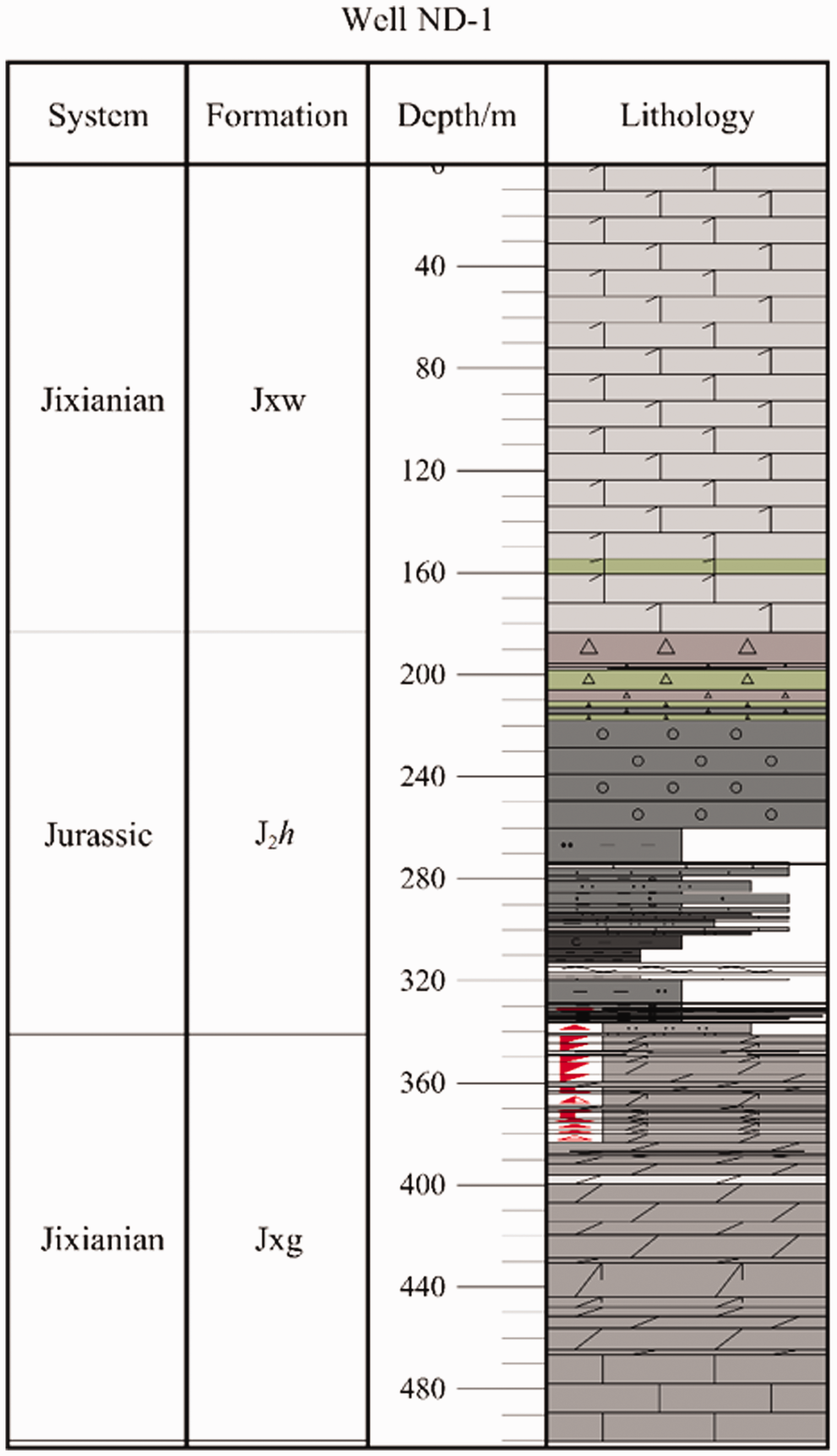
Stratigraphic column showing the lithology of Well N-1.
Samples and experimental
Eight rock samples, including four oil sands from the Mesoproterozoic Gaoyuzhuang Formation and four mudstones from the Lower Jurassic mudstones were collected from Well N-1. Four dolomite samples from the Mesoproterozoic Gaoyuzhuang Formation in Well L-1 were geochemically analysed. Potential source rock samples were crushed to 80 mesh. 100 mg powdered rocks for each sample were selected for TOC and Rock-Eval pyrolysis analysis using a LECO CS-230 Carbon Analyser and an OGE-II Rock Pyrolyser, respectively (Chang et al., 2011).
All rocks have been Soxhlet extracted and the extractable organic matter (EOM) has been separated into saturate, aromatic, resin and asphaltene fractions. Gas chromatography–mass spectrometry has been performed on saturate and aromatic hydrocarbon fractions following the standard procedure (Chang et al., 2018; Fang et al., 2015; Tang et al., 2019). All compounds were identified by comparison of relative retention time and mass spectrum with those of literature.
Results and discussion
Normal alkanes and acyclic isoprenoids
Figure 3 shows the distribution of normal alkanes and acyclic isoprenoids in oil shows of the Mesoproterozoic Gaoyuzhuang Formation (Jxg) dolomite in Well N-1 (Figure 3(a) and (b)), the Gaoyuzhuang source rocks in Well L-1 (Figure 3(c) and (d)) and the Middle Jurassic Haifanggou mudstones in Well N-1 (Figure 3(e) and (f)). Oil shows from the Jxg in Well N-1 show normal alkane series with carbon number of 15–36 and evident base line ‘hump’ (unresolved complex mixture) on gas chromatograms. The normal alkane series are dominated by low weight molecular hydrocarbons with a unimodal distribution pattern, consistent with those of Gaoyuzhuang source rocks in Well L-1 (Figure 3(c) to (d)). The relative abundance of pristane is generally lower than that of phytane with a mean Pr/Ph ratio of 0.55 for oil shows in Jxg of Well N-1 (Table 1) and Jxg source rocks in Well L-1.
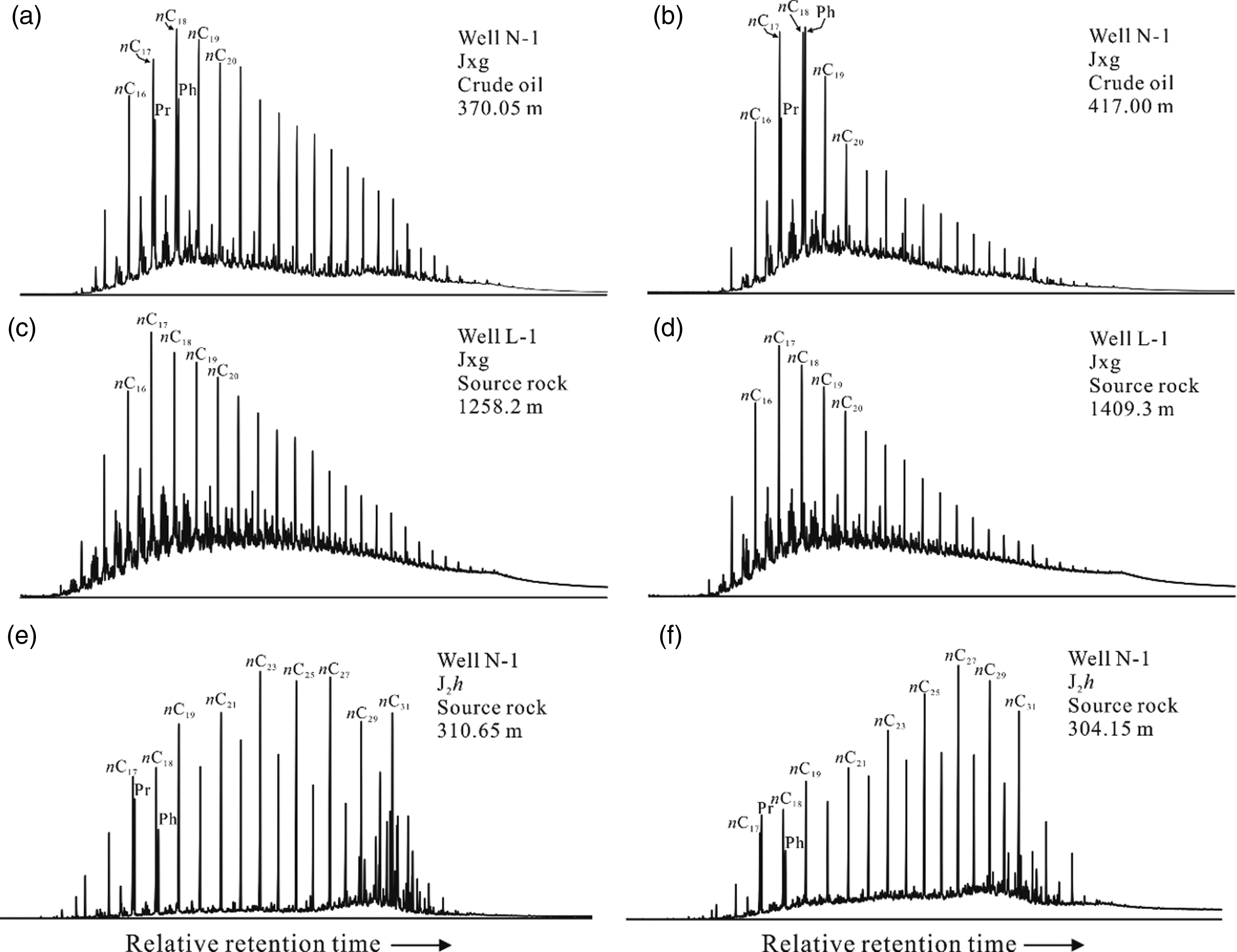
Gas chromatograms of saturate hydrocarbons for oils and EOM of rocks from Mesoproterozoic Gaoyuzhuang and Middle Jurassic Haifanggou formations.
Selected molecular parameters composition for oil shows and source rocks from the Mesoproterozoic Gaoyuzhuang and Middle Jurassic Haifanggou formations.
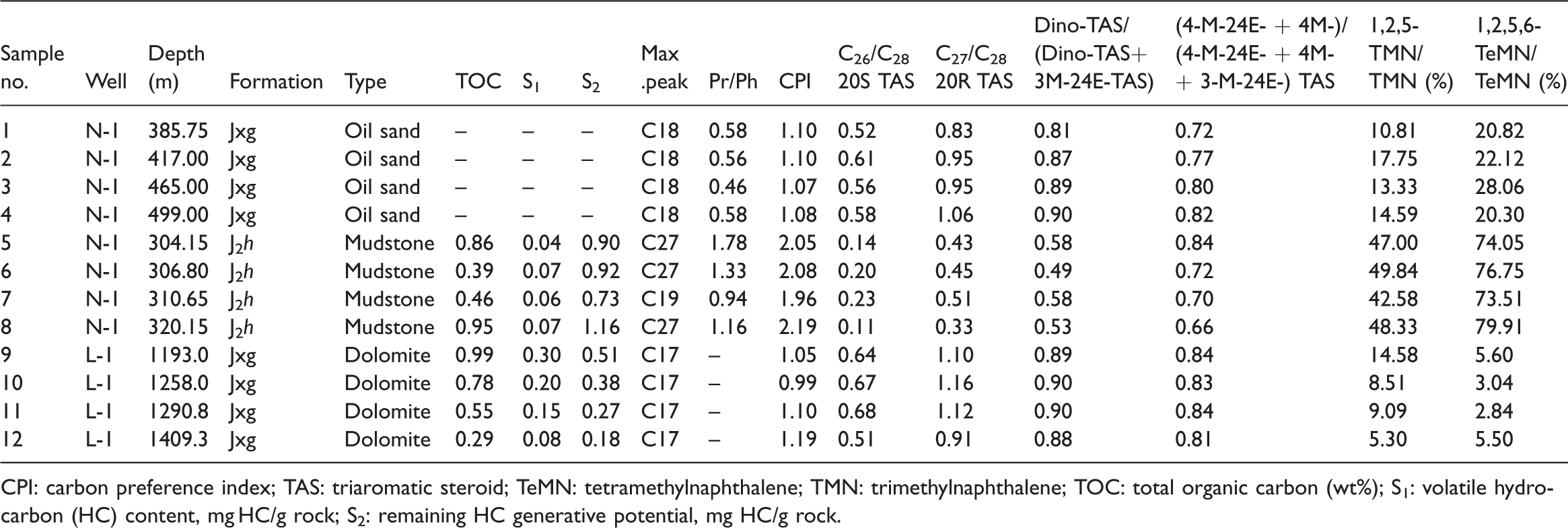
CPI: carbon preference index; TAS: triaromatic steroid; TeMN: tetramethylnaphthalene; TMN: trimethylnaphthalene; TOC: total organic carbon (wt%); S1: volatile hydrocarbon (HC) content, mg HC/g rock; S2: remaining HC generative potential, mg HC/g rock.
The EOM from Middle Jurassic Haifanggou Formation in Well N-1 shows a unimodal of normal alkanes with dominant high molecular weight hydrocarbons (Figure 3(e) and (f)) and evident odd-to-even carbon preference (CPI = 2.07). The abundance of pristane is higher than that of phytane with a mean Pr/Ph ratio of 1.30.
Triterpanes, hopanes and regular steranes
Tricyclic terpanes (TTs) are ubiquitously present in oils and source rock extracts in various depositional environment (Aquino Neto et al., 1983; Xiao et al., 2018). The C31–C35 hopane series are derived from bacteriohopanetetrol and other polyfunctional C35 hopanoids that are the component of membrane of prokaryotic organisms (Ourisson et al., 1987). Figure 4 shows the distribution of C19–C29 TT and hopane series in crude oils and source rock extracts. Crude oils from Well N-1 and source rocks of Gaoyuzhuang Formation from Well L-1 have higher abundance of TTs relative to that of hopane series (Figure 4(a) to (d)), while mudstone of the Middle Jurassic Haifanggou Formation in Well N-1 has quite low abundance of TTs relative to hopane series (Figure 4(e) and (f)).
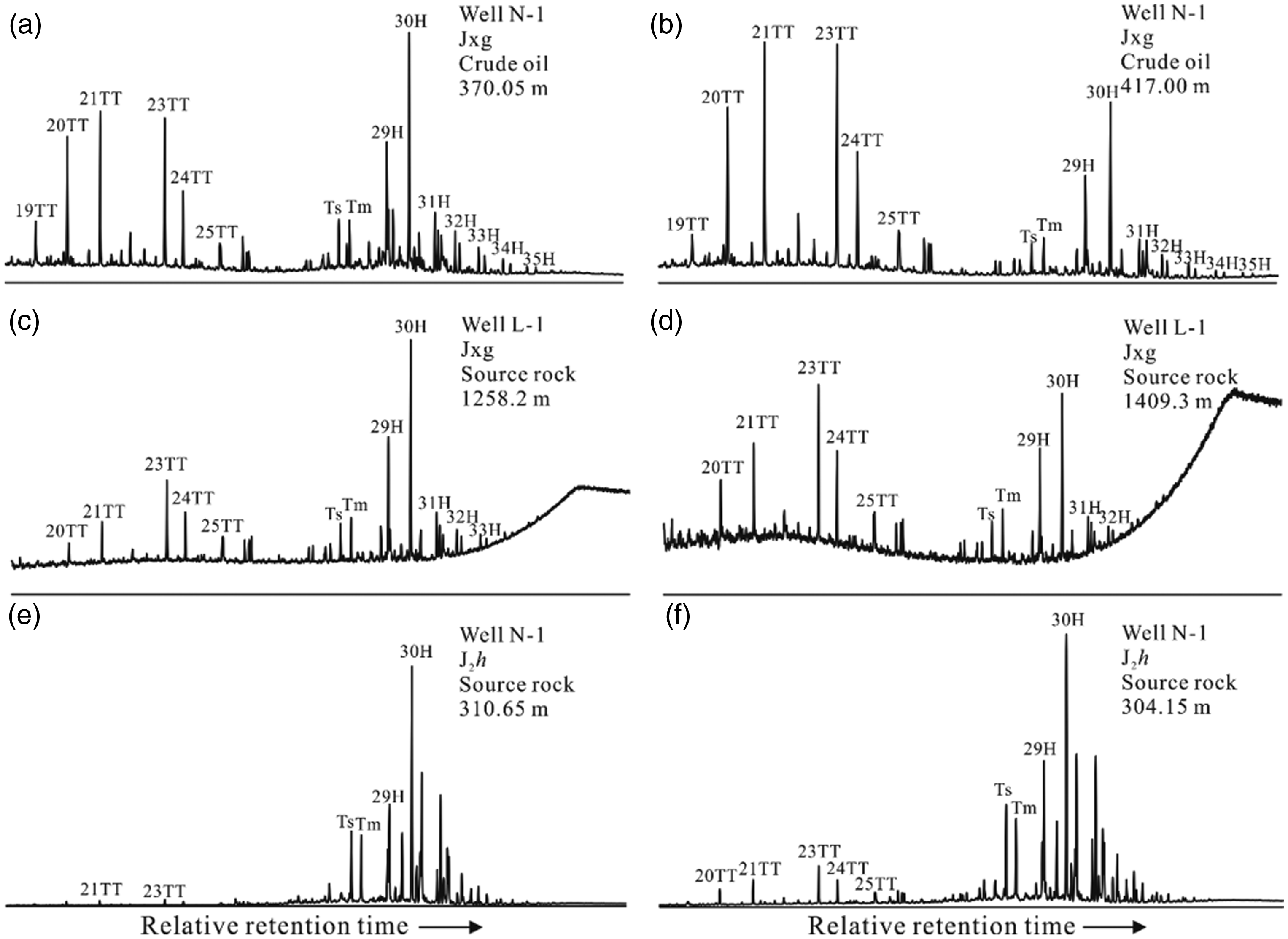
Representative mass chromatograms (m/z 191) showing the distribution of TTs and hopanes in oil shows and source rocks from the Liaoxi Depression, NE China. H: hopane; TT: tricyclic terpane. Note: The number on the peak means the carbon number of the compound.
Distribution of C27–C29 regular steranes and C21 pregnane and C22 homopregnane has been widely used to characterize the organic matter origin and correlate oil to its relative source rocks (Grantham and Wakefield, 1988; Huang and Meinschein, 1979; Peters et al., 2005; Summons et al., 1987). The occurrence of C27–C29 regular steranes indicates the contribution of eukaryotic organisms (Peters et al., 2005). Figure 5 shows that C27–C29 regular steranes have been detected in the Mesoproterozoic hydrocarbons and source rocks, indicating the contribution of eukaryotic organism in sedimentary organic matter in the Mesoproterozoic strata. The regular sterane series have also been discovered in many Proterozoic oils to Early Palaeozoic oils and related rocks in Oman, India, Easter Siberia and Yangtze Craton of China (Dutta et al., 2013; Grosjean et al., 2009; Kelly et al., 2011; Wang et al., 2019). The results of palaeontology show that eukaryotic organisms might have been well established in the late Paleoproterozoic and were of moderate diversity (Miao et al., 2019) and have evolved into a new level in the Early Mesoproterozoic (Shi et al., 2017).
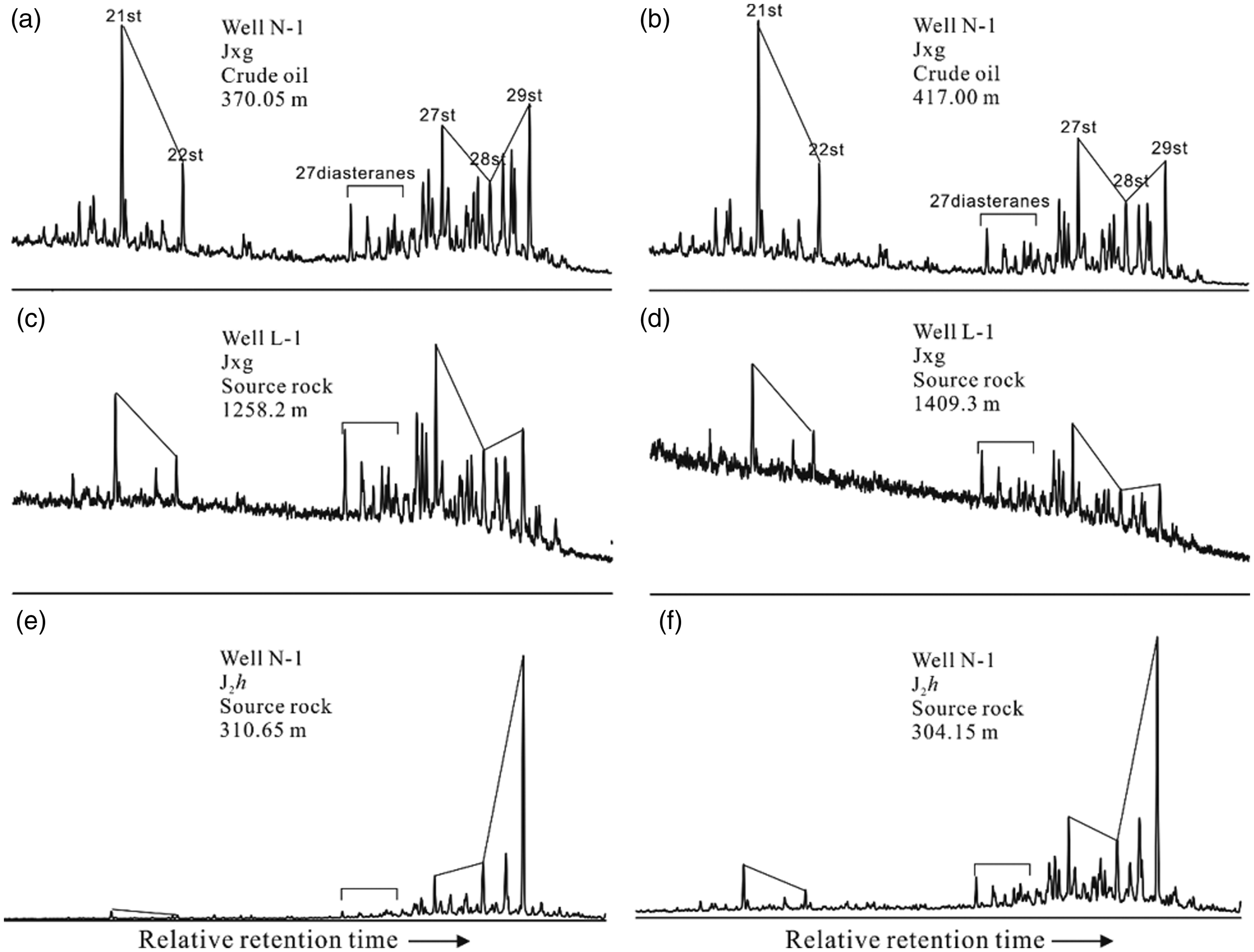
Representative mass chromatograms (m/z 217) showing the distribution of steranes (st) in oil shows and source rocks from the Liaoxi Depression, NE China.
Pregnane (C21) and homopregnane (C22) are present in much higher abundance in oils and source rock extracts from the Mesoproterozoic Gaoyuzhuang Formation. The enrichment of these short chain steranes was generally associated with restricted, clastic-starved depositional settings (Requejo et al., 1997), or anoxic carbonate/marl source rocks (Lu et al., 2014; Wang et al., 2015), or cleavage of the side chains of regular steranes by microbial activity and/or photo-oxidation in anoxic to euxinic bottom waters (Li and Jiang, 2001).
Oil shows and source rock extracts of the Mesoproterozoic Gaoyuzhuang Formation are characterized by much higher relative abundance of pregnane and homopregnane, which may indicate anoxic carbonate depositional environment, while source rock extracts of the Middle Jurassic Haifanggou Formation have low content of pregnane series.
Triaromatic steroids (TASs) and their methylated homologues
The TASs and their methylated homologues can be detected on m/z 231 and m/z 245 mass chromatograms of aromatic fractions of oils and rock extracts, respectively (Figure 6). They are also effective biomarkers for oil–oil and oil–source rock correlation (Huang et al., 2016; Li et al., 2012; Yang et al., 2015; Zhang and Huang; 2005; Zhang et al., 2002). The cross plot of C27/C28 20R versus C26/C28 20S TASs has been used to distinguish petroleum systems in previous studies (Li et al., 2012; Peters et al., 2005). The values of C26/C28 20S TAS and C27/C28 20R TAS in the Mesoproterozoic Gaoyuzhuang oils and source rocks are >0.5 and >0.8, respectively (Table 1 and Figure 7). Whereas, those values for the Middle Jurassic Haifanggou Formation are lower than 0.3 and 0.6, respectively (Table 1 and Figure 7).
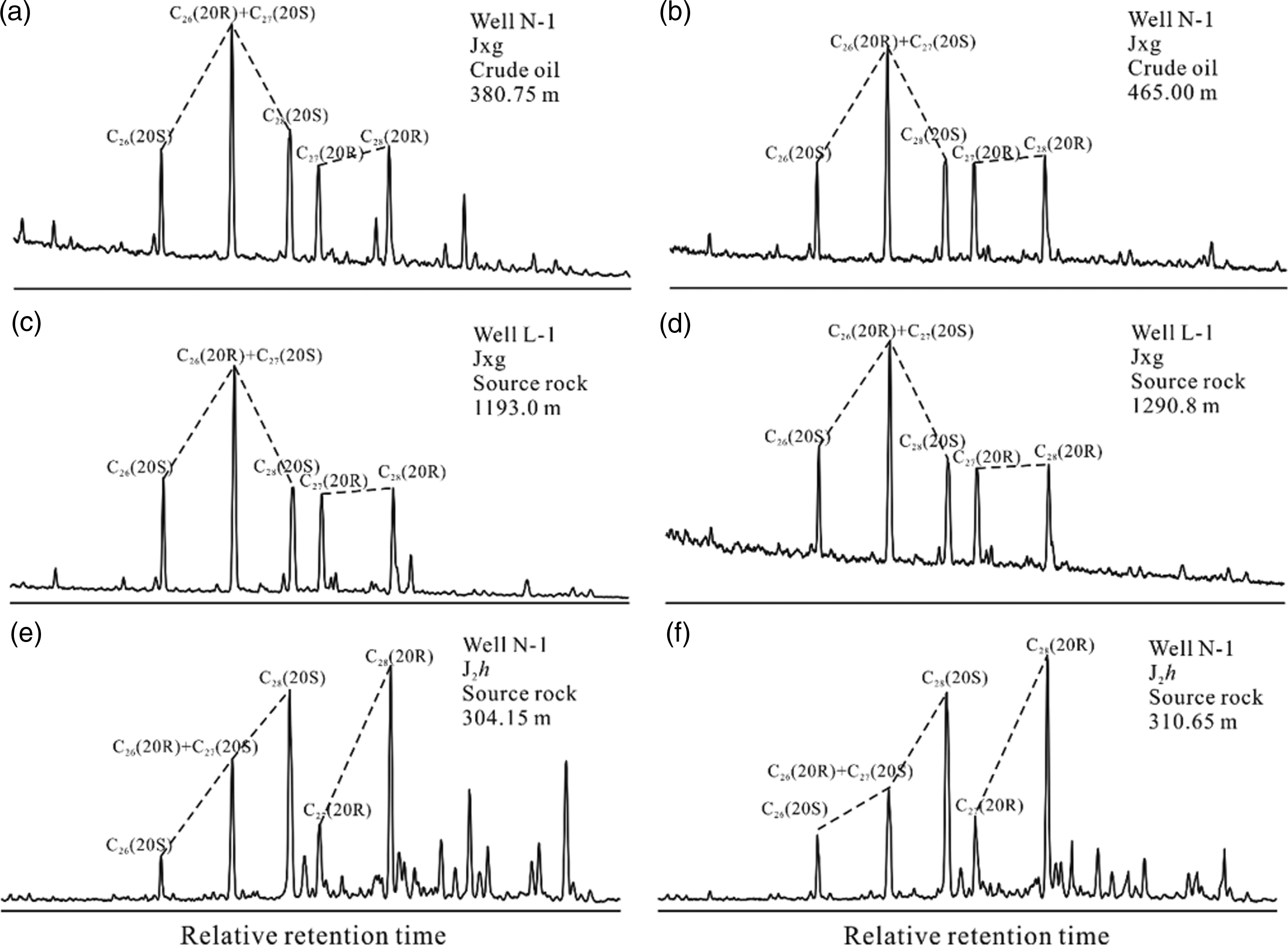
The distribution of TASs in oil shows, source rocks from Mesoproterozoic Gaoyuzhuang and Middle Jurassic Haifanggou formations (m/z 231 mass chromatograms of aromatic fractions) in the Liaoxi Depression, NE China.
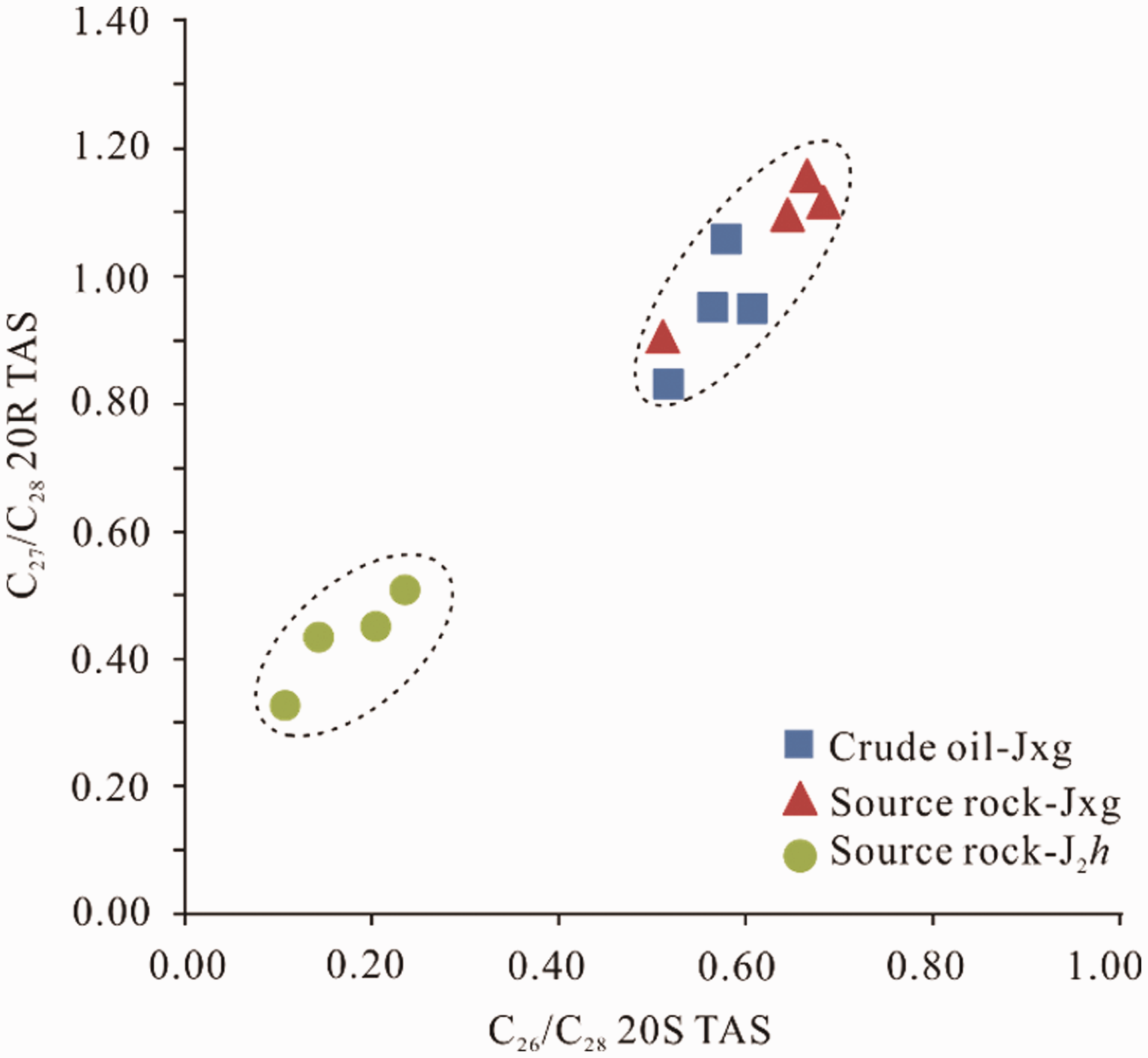
Cross plot of the ratios of C27/C28 20R versus C26/C28 20S TASs correlating oils to source rocks from the Liaoxi Depression, NE China.
Methyl TASs are also widely presented in oils and source rocks from the Mesoproterozoic Gaoyuzhuang Formation (Figure 8). The crude oils are dominated by triaromatic dinosteroids (4,23,24-trimethyltriaromatic steroids, Peak 7 in Figure 8), similar to those from Gaoyuzhuang source rocks (Figure 8(c) and (d)), whereas source rock extracts from Middle Jurassic Haifanggou Formation have relatively lower abundance of triaromatic dinosteroids (Figure 8(e) and (f)). TDSIs (triaromatic dinosteroids/(triaromatic dinosteroids + triaromatic 3-methyl-24-ethylcholestane) were defined by previous studies (Wang et al., 2008; Zhang et al., 2002) to indicate the abundances of triaromatic dinosteroids relative to other methyl TASs. In this study, TDSI values of the oils and source rock extracts from Mesoproterozoic Gaoyuzhuang Formation are typically >80% (Table 1 and Figure 9). However, the source rock extracts from Middle Jurassic Haifanggou Formation have relatively lower TDSI values (<60%) (Table 1 and Figure 9).
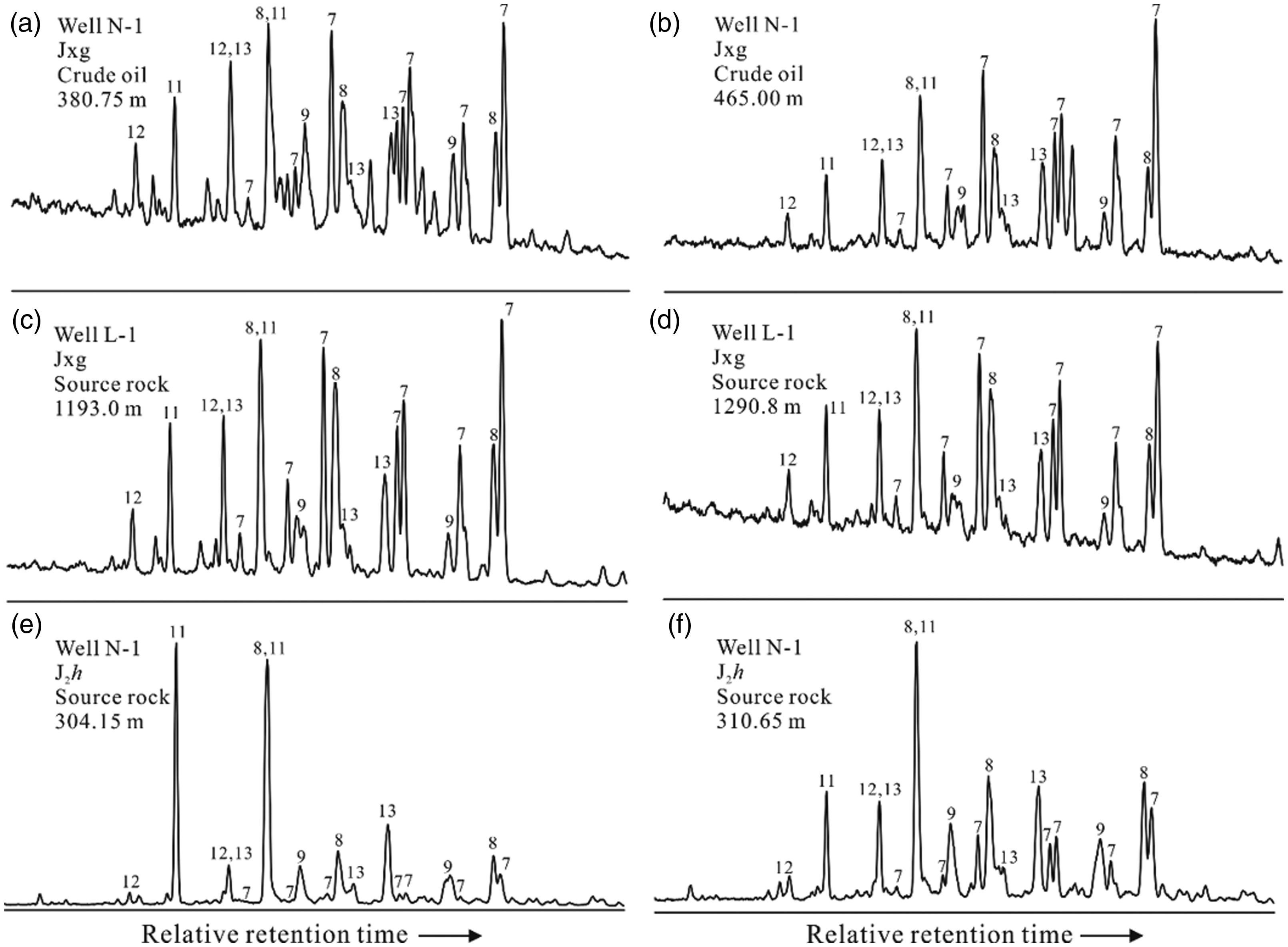
The distribution of methylated TASs in oil shows, source rocks from the Mesoproterozoic Gaoyuzhuang and Middle Jurassic Haifanggou formations (m/z 245 mass chromatograms of aromatic fractions) in the Liaoxi Depression, NE China. Peak 7: 4,23,24-trimethyltriaromatic steroids (C29 TASs), peak 8: 4-methyl-24-ethyltriaromatic steroids (C29 TASs), peak 9: 3-methyl-24-ethyltriaromatic steroids (C29 TASs), peak 11: 4-methyltriaromatic steroids (C27 TASs), peak 12: 3-methyltriaromatic steroids (C27 TASs), peak 13: 3,24-dimethyltriaromatic steroids (C28 TASs).
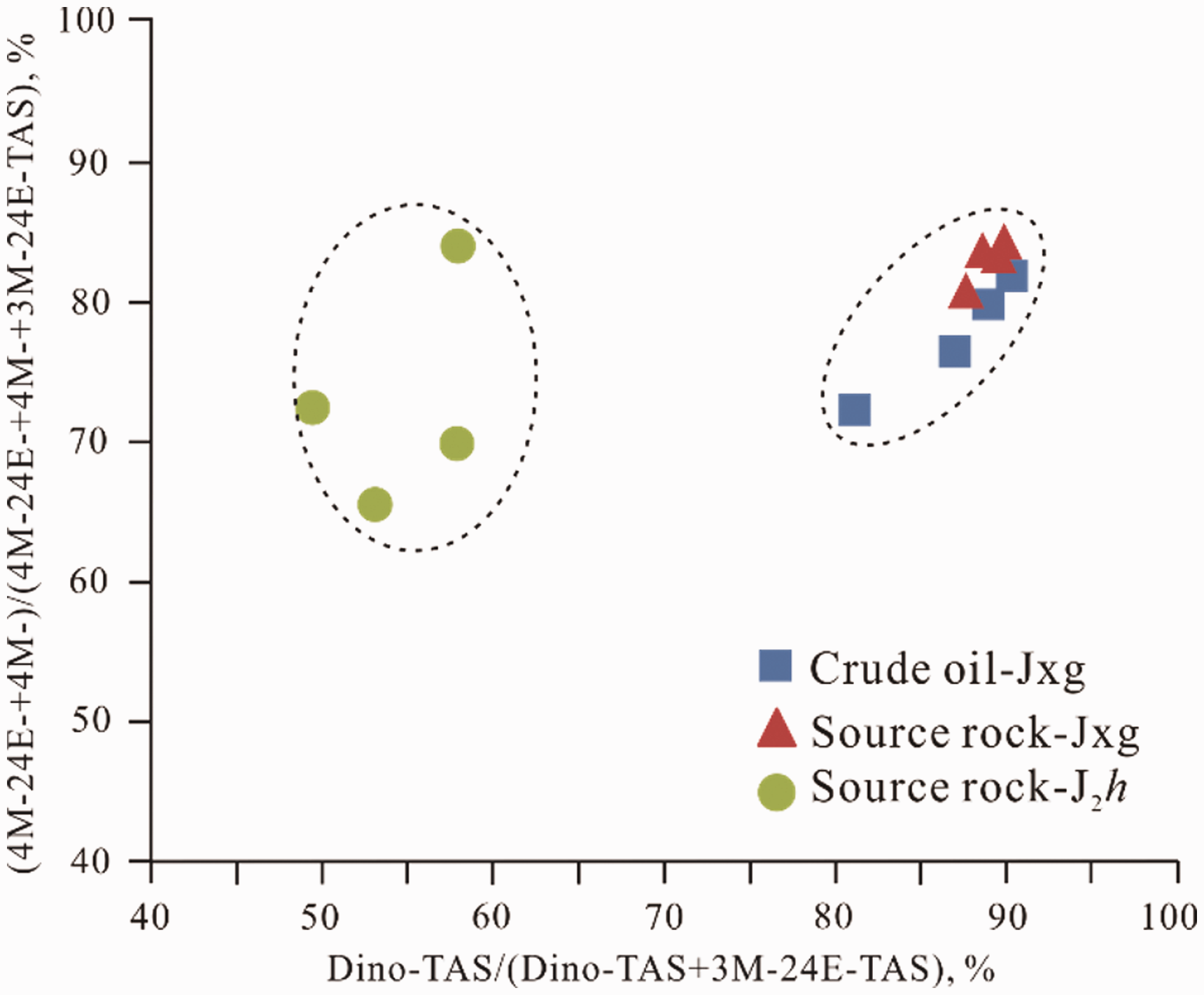
Cross-plot of (4-M-24E- + 4M-)/(4-M-24E- + 4M- + 3-M-24E-) TAS versus Dina-TAS/(Dino-TAS + 3-M-24-E-TAS) showing the relative abundances of methylated TAS in oils and source rocks from the Liaoxi Depression, NE China. TAS: triaromatic steroid.
Oil–source rock correlation
The distribution patterns of normal alkanes, acyclic isoprenoids, hopanes, steranes and TASs show that the oils of Gaoyuzhuang Formation are consistent with those of source rocks from Mesoproterozoic Gaoyuzhuang Formation. The source rocks from Middle Jurassic Haifanggou Formation have distinctively different biomarker composition, indicating no or negligible contribution to hydrocarbon accumulations in the Gaoyuzhuang Formation. The results can be further confirmed by other molecular markers, e.g. methylated naphthalenes. Dimethylnaphthalenes (DMNs), trimethylnaphthalenes (TMNs) and tetramethylnaphthalenes (TeMNs) are common polycyclic aromatic compounds of petroleum and source rock extracts (Bastow et al., 2000; Chang et al., 2016). The presence of abundant 1,6-DMN, 1,2,5-TMN and 1,2,5,6-TeMN (Bastow et al., 2000; Killops, 1991; Strachan et al., 1988) in low maturity sedimentary organic matter suggests that these compounds may originate from terpenoids derived from microbial and plant resources. The source rock extracts from Middle Jurassic Haifanggou Formation have relatively higher abundance of 1,2,5-TMN and 1,2,5,6-TeMN isomers than those of Mesoproterozoic hydrocarbons and source rocks (Figure 10).
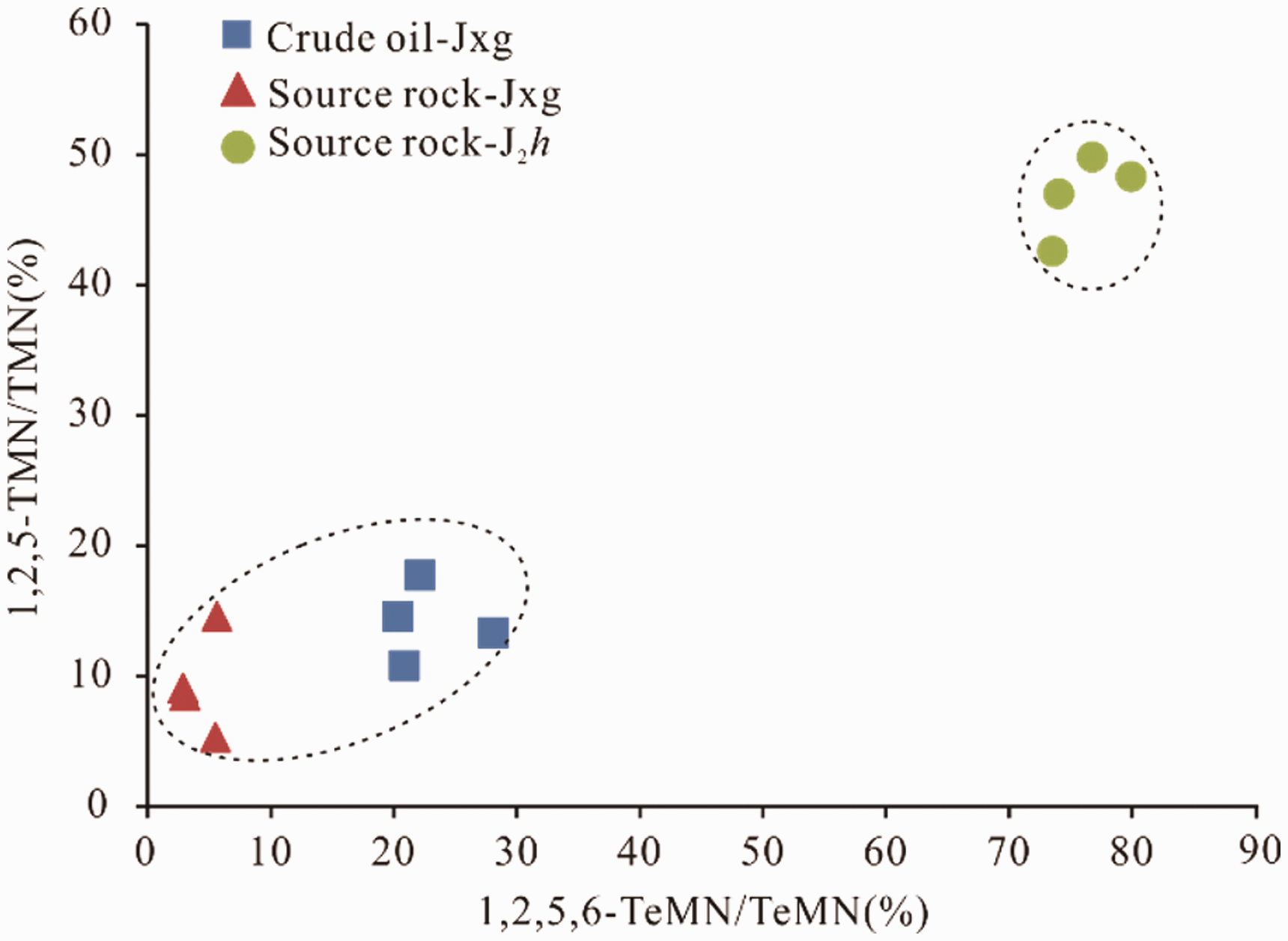
The relative abundance of 1,2,5-TMN and 1,2,5,6-TeMN among all TMNs and TeMNs, respectively. TeMN: tetramethylnaphthalene; TMN: trimethylnaphthalene.
The result shows that all rock samples have intact normal alkane series with carbon number of 15–35 and acyclic isoprenoids (pristane and phytane). The ratio of pristane to phytane is lower than 1.0, generally indicating anoxic to suboxic depositional environment. TTs and hopanes (H) with dominance of C23 TT and C30 hopane in respective series occurred in all oil shows and Mesoproterozoic source rocks. The C27–C28–C29 regular steranes and C26–C27–C28 TASs were detected in all oil shows and rocks. The oils have similar distribution patters of steranes and TASs to Mesoproterozoic Gaoyuzhuang Formation and are different from those of Middle Jurassic Haifanggou Formation.
Conclusions
A suite of oil sandstones and potential source rocks from the Liaoxi Depression were geochemically analysed in this study. The hydrocarbons of Mesoproterozoic Gaoyuzhuang Formation have similar geochemical characteristics of lower pristane/phytane (Pr/Ph) ratios, higher abundance of TT series relative to hopane series and higher content of pregnane and homopregnane relative to regular steranes. Selected geochemical indicators relative to polycyclic aromatic compounds were applied in this study to constrain the origin of Mesoproterozoic hydrocarbons. The hydrocarbons of source rock extracts from Mesoproterozoic Gaoyuzhuang Formation have higher C27 20R TAS and C26 20S TAS, relative to C28 20R TAS and C27 20S TAS, respectively. Among all methylated TAS isomers triaromatic dinosteroids were dominated in Mesoproterozoic hydrocarbons and source rocks. Among all methylated naphthalenes, 1,2,5-TMN and 1,2,5,6-TeMN are relatively depleted in Mesoproterozoic hydrocarbons and source rocks. However, source rock extracts from overlying Middle Jurassic Haifanggou Formation have distinctively different organic geochemical characteristics. The results indicate that hydrocarbon in Mesoproterozoic Gaoyuzhuang paleo-reservoirs were derived from Mesoproterozoic Gaoyuzhuang source rocks, which may imply potential petroleum resources of old Mesoproterozoic strata in the Yanliao Fault-Depression Zone, NE China.
Footnotes
Acknowledgements
The authors are grateful for the assistance of Lei Zhu and Shengbao Shi for the GC–MS analysis. And the authors thank Dr Yuzhuang Sun, Dr Jian Cao and three anonymous reviewers for the constructive suggestions and comments.
Declaration of conflicting interests
The author(s) declared no potential conflicts of interest with respect to the research, authorship, and/or publication of this article.
Funding
The author(s) disclosed receipt of the following financial support for the research, authorship, and/or publication of this article: This work was funded by the National Key Research and Development Program of China (Grant No. 2017YFC0603102), the National Natural Science Foundation of China (Grant No. 41730424), the China Geological Survey Programs (Grant No. 121201007000150074) and the research project granted by the Liaohe Oilfield Company, CNPC (Oil Accumulation Mechanism of Meso-Neoproterozoic Oil Reservoir in the Liaoxi Depression, NE China).