




Abstract
The Hancheng area is a hot spot for coalbed methane exploration and exploitation in China. Structure is a key factor affecting coalbed methane accumulation and production in the Hancheng area. For a better understanding of the coalbed methane accumulation conditions and high-yield potential, this study investigates the structural patterns and evolution, the hydrogeological conditions, and the geothermal field in the coal-bearing strata in the Hancheng area. Then, the spatial distribution of the coalbed methane content and the tectonic deformation of the coal seam are evaluated. Finally, the critical depth for coalbed methane enrichment and a high-yield potential are revealed, and the favorable areas for coalbed methane development are predicted. The following conclusions are obtained: (1) Under the Yanshanian SE–NW trending maximum principle stress, the Hancheng overturned anticline was formed and subsequently subjected to uplift and erosion along its axis, which led to the NW limb of the anticline forming the current uniclinal structure of the Hancheng area; (2) Four degrees of tectonic deformation in the coal seam are identified based on structural curvature analysis. The moderately deformed area shallower than 800 m would benefit coalbed methane production with higher permeability. Most of the locations of coal and gas outburst events that occur during coal mining were distributed along the highly and very highly deformed areas; (3) The gas content gradually increases along the NW-trending inclination of the coal seam. 400 m and 800 m are discriminated as the critical depth levels for controlling coalbed methane accumulation and a high yield. Secondary biogenic methane was generated in the shallow formations; and (4) The Hancheng area is divided into four ranks for determining coalbed methane development potential. From high to low, they are ranked A, B-1, B-2, and C. Most of the high-yield wells are located in the areas ranked A and B-1.
Introduction
The exploration and development of coalbed methane (CBM) have rapidly increased in China during the past several decades, and China has gone into early-stage large-scale CBM development (Qin et al., 2018). CBM is different from conventional gases and mainly resides in coal reservoirs due to adsorption. As a special organic rock mass, coalbeds are typically characterized by low mechanical strength, cleat development, and strong heterogeneity (Geng et al., 2017). Coal reservoirs have significant sensitivity for temperature, pressure, and stress, which results in the evident planar zonation and vertical leap variations in CBM accumulation and development conditions (Clarkson et al., 2011; George and Barakat, 2001; Li et al., 2014; White, 2005; Yao and Liu, 2012). Gas accumulation in coal reservoirs is a synergistic interplay between the distribution of coal, coal rank, gas content, permeability, depositional setting, structural setting, and groundwater flow (Kaiser et al., 1994). In comparison to conventional gas reservoirs, coal seams can be extensively naturally fractured (cleated). These cleats provide the flow pathways for methane out of coal seams and are directly affected by in situ stress and geothermal temperature (Zhao et al., 2016). Recent research converges in identifying the impacts of external stress fields, temperature fields, and hydrodynamic and tectonic conditions on the variations of coal reservoir characteristics and CBM recovery (Li et al., 2013, 2018; Mazumder et al., 2012; Tang et al., 2018; Wu et al., 2017).
Depth plays a significant role in the processes of CBM accumulation and production (Qin and Shen, 2016). The gas content, porosity and permeability, adsorption and desorption, fluid pressure, and reformation feasibility of the coal reservoir vary vertically (Bustin and Clarkson, 1998; Durucan et al., 2013; Ma et al., 2016; Xu et al., 2015; Zhao et al., 2014), and there is a “golden depth range” for CBM exploration and exploitation (Guo and Lu, 2016), with a critical depth as the boundary. The CBM critical depth is largely controlled by geological structure and in situ stress state, and further supports the formation of the independent superposed CBM systems (Qin et al., 2008a, 2016a). It is of great significance to distinguish the spatial differences in CBM accumulation and discriminate the critical depths of a gas-bearing system to identify the favorable areas or intervals of CBM enrichment (Chen et al., 2017; Feng et al., 2017; Karacan, 2013; Liu et al., 2019; Zhao et al., 2015, 2017). It is also meaningful and necessary to study the role of critical depth on CBM high yields (Chatterjee and Pal, 2010; Chatterjee and Paul, 2013; Guo et al., 2018).
The Ordos Basin is one of the most important fossil-fuel energy provinces in west–central China and contains large reserves of coal, oil, natural gas, and CBM (Wang, 2017; Yao et al., 2014). Commercial production of CBM in the basin began in 2010 in the Hancheng area. Now, the eastern margin of the Ordos Basin has become the second largest industrial development CBM field after the Qinshui Basin in China. The Hancheng area is located in the southeastern margin of the Ordos Basin and has been a hot spot of CBM development and academic research in China. Previous studies mainly focused on the reservoir’s physical properties and development engineering. However, there are a few studies on the CBM accumulation and high-yield conditions; especially since the critical depth in the Hancheng area is still unknown, which limits CBM production. Therefore, this study presents a case study on the Hancheng area, which is a typical medium- to high-ranked coal prospect with complex structural conditions. We performed an evaluation of the geological conditions of CBM accumulation based on the analysis of structural evolution, hydrogeological conditions and geothermal field characteristics. We also performed additional research on the CBM content, tectonic deformation, and CBM recoverability of the Hancheng area. On this basis, we finally revealed the critical depth for CBM accumulation and identified the probable CBM high-yield areas. This study helps to increase our understanding of CBM accumulation mechanisms and promote efficient CBM development in this area.
Geological setting for CBM accumulation
Tectonics and strata
The Hancheng area has been a hot spot for CBM research and exploration in China. CBM accumulation is significantly controlled by tectonic conditions. The Hancheng area is located in the eastern Weibei Carboniferous–Permian (C–P) coalfield in the southeastern margin of the Ordos Basin. The tectonic location of the Weibei C–P coalfield changes with the evolution of regional geotectonic settings. In the Paleozoic, the Weibei Coalfield was located in the southwestern margin of the ancient North China plate, and it belongs to the unified North China C–P coal-accumulation basin. In the Mesozoic, the giant North China basin disintegrated, the western part subsided and formed the Ordos Basin, and the eastern part uplifted. In the late Mesozoic, the Weibei Coalfield became an uplift area in the southern margin of the Ordos Basin, i.e., the Weibei uplift. Since the Cenozoic, with the uplift of the Ordos Basin, a number of rifted basins formed surrounding the basin, and the Weibei Coalfield was located in the northern margin of the Fenwei rift system. At present, the Hancheng area is located at the intersection of the Lvliang uplift and Weibei uplift in the southeastern margin of the Ordos Basin (Figure 1).
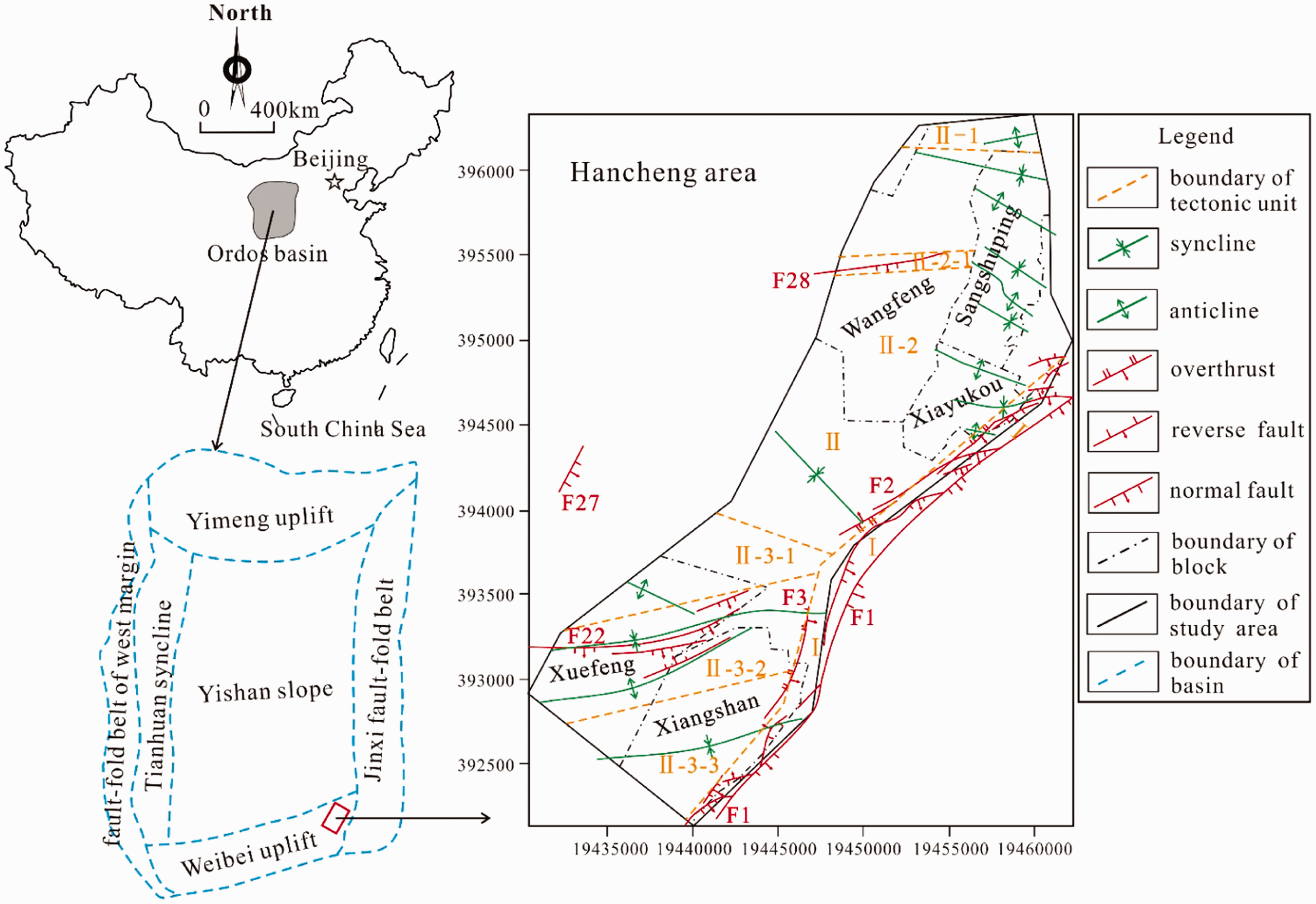
The tectonic map of the Hancheng area (Xia et al., 2018, modified). (I: Shallow steep-dip fault zone on the southeast side; II: Mid-deep slow-dip fault-and-fold zone; II-1: Sangbei fault-and-fold zone; II-2: north fold-and-slide zone; II-3: south fault-and-fold zone; II-2–1: Longguling fault zone; II-3–1: Baimaoling monoclinic; II-3–2: Dongzecun anticline and fault zone; II-3–3: Yingshangou syncline.).
The Hancheng area is in a monoclinal structure with NW-trending inclination and NE-trending strike, and the dip angle is 3–20°. The strata in the Hancheng area were strongly compressed in the Yanshanian period, and an overturned anticline and fault zone were formed in the shallow part (southeastern side), which caused the coal seam to be strongly deformed. Both compressional and extensional structures were developed in the Hancheng area. The compressional structures are dominated by fold and compressive torsion NE-, NNE-, and SE-trending faults. The extensional structures are dominated by normal NE- and NEE-trending faults, exemplified by the F1 fault (the Hancheng fault).
The Hancheng area can be divided into different tectonic units (Figure 1). The structure is more complicated in the shallow part than that in the mid-deep part. The southern area of Hancheng is dominated by extensional structures (faults) and the northern area is dominated by compressional structures (fold and slip-sheet structures). The Hancheng area includes two first-level tectonic units in an E-W orientation, namely, the shallow steep-dip fault zone (I) and mid-deep slow-dip fault-and-fold zone (II). On this basis, unit II can be subdivided into II-1, II-2, and II-3 (Figure 1).
The NE-oriented shallow tectonic zone (I) and the NEE-oriented Dongzecun tectonic zone (II-3–2) have significant influence on the C-P coal-bearing strata. The NEE-oriented Longguling tectonic zone (II-2–1) represented by the F28 fault has a slight influence on the coal-bearing strata (Figure 1).
The stratigraphic units of the Hancheng area include the Shushui Group in the Archean, the Sinian in the Neoproterozoic, the Cambrian, the Ordovician, the Carboniferous, the Permian in the Paleozoic, the Triassic in the Mesozoic, and the Quaternary in the Cenozoic. The coal seams in the study area mainly occurred in the Taiyuan and Shanxi formations of the upper Carboniferous and lower Permian. The Taiyuan formation was formed in a sea-land transitional environment (lagoon and tidal flat) and contains three to nine coal seams. The Shanxi formation was formed in a fluvial-delta plain environment and contains one to four coal seams. Among them, the No. 3, 5, and 11 coal seams are minable seams. The No. 2 coal seam is a locally minable coal seam.
The C–P coal-bearing strata of the Hancheng area experienced its first horizontal compressional movement during the Indosinian orogeny. The S–N directional compressional stress makes the formation shrink from the south to the north (Figure 2(a)). The compressional stress decreases gradually from the south to the north, and results in large-scale E–W trending anticlines and synclines arranging alternatively in the south, and small-scale folds with slight fluctuation in the north of the Hancheng area.
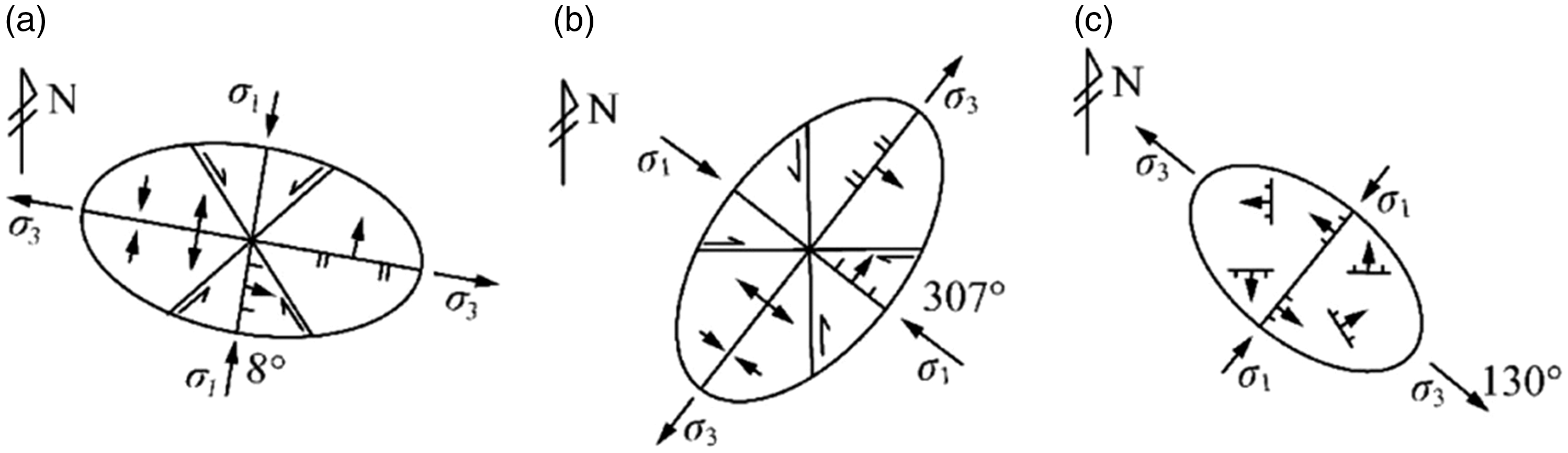
Tectonic stress fields with corresponding combination types of main structure patterns (Xia et al., 2018). (a) Indosinian. (b) Yanshanian. (c) Himalayan.
Then, the coal experienced an intensified horizontal compressional movement during the Yanshanian orogeny. With the SE–NW compressional stress, the formation folded and reversed, especially in the eastern area. The NW limb of the Hancheng overturned anticline formed the present uniclinal structure, with erosion of the anticlinal axis (Figures 2(b) and 3).
During the Himalayan orogeny, the compressional stress turned into extensional stress (Figure 2(c)), and a number of faults formed in the Hancheng area. On the one hand, the extensional structure cut and reformed the preformed structure. On the other hand, it resulted in the tectonic transformation of some inverse faults into positive faults, such as the F1 fault (Figure 3).
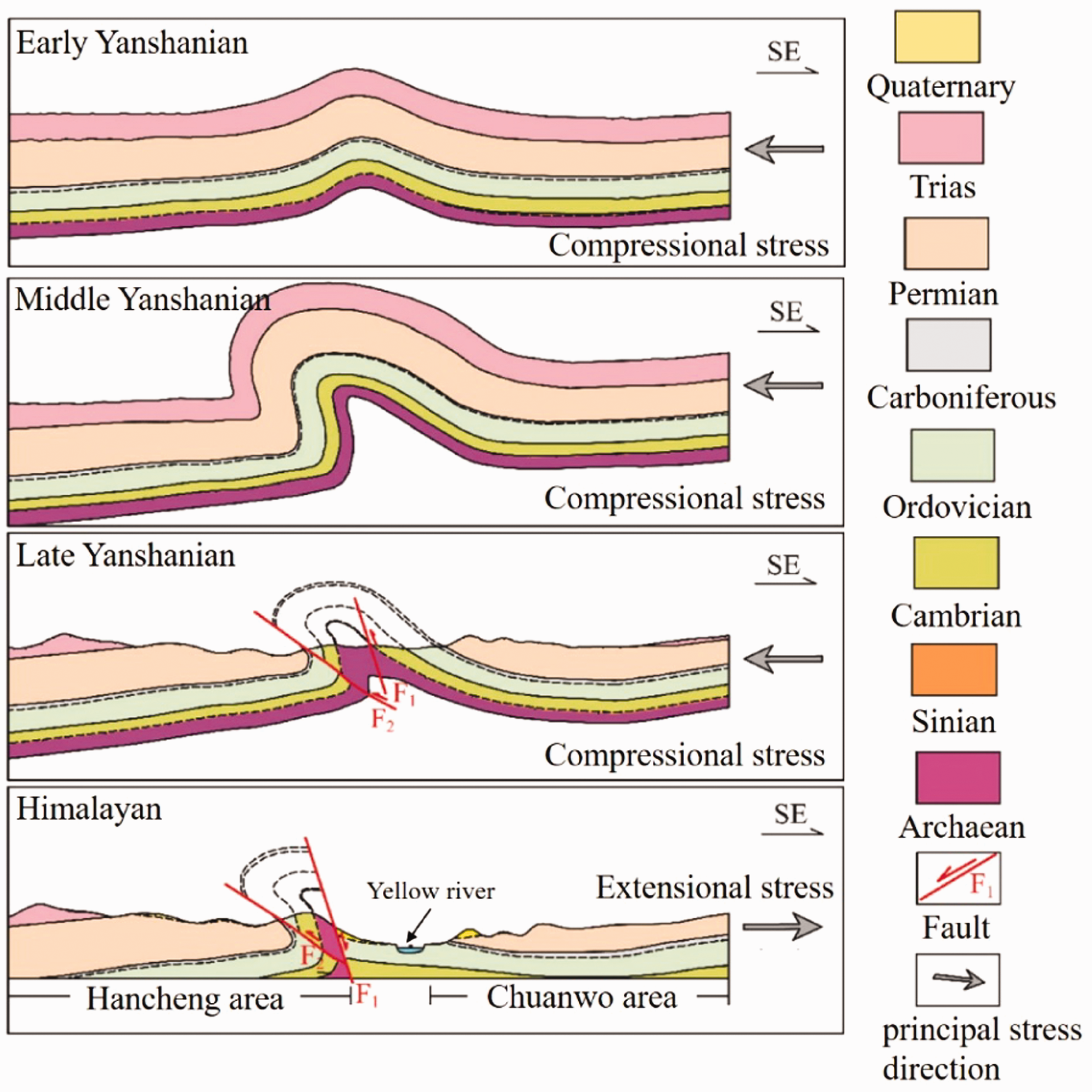
Sketched structural evolution map during the Yanshanian-Himalayan stage (Xia et al., 2018).
Hydrogeological conditions
The Benxi formation at the bottom of the C–P coal measure in the Hancheng area is made up of a set of aquicludes with an average thickness of 19 m, and composed of silty sandstone, mudstone, aluminium mudstone and quartz sandstone. As a result, the coal measure has no hydraulic connection with the underlying Ordovician Karst Aquifers. The C–P coal measure contains a thin limestone aquifer in the Taiyuan formation and a sandstone aquifer in the Shanxi formation, with a limited recharge capacity and weak hydrodynamic conditions.
Affected by the Yanshanian tectonic movement, the strata in the southeastern edge of the Hancheng area was tilted up with highly developed folds and faults. As a result, the C–P coal measure was exposed to the surface and was highly deformed and broken, which formed the recharge area of groundwater from the atmospheric precipitation and surface water. The isoline map of the water table of No. 3 coal seam and its roof aquifer were plotted based on the data from borehole pumping tests (Figure 4). The groundwater flows from the SE shallow recharge area to the NW deep formations. Two water level funnels were formed in the Sanshuping and Xiangshan blocks, respectively, mainly due to the long-term coal mining history of the two blocks. Moreover, the construction and operation of the Xiangshan power plant further reduced the local groundwater level (Figure 4(a)). The water quality zonation is consistent with the hydrodynamic conditions, transforming from type “SO4-Ca” to type “HCO3-Na” with increasing burial depth and decreasing groundwater flow capacity (Figure 4(b)). Water in coal seams becomes more sodic with depth due to the dissolution of Na and the precipitation or adsorption of Ca and Mg. Additionally, sulfate reduction processes reduce the SO4 concentration and increase the HCO3 concentration and the pH of groundwater in coal-bearing strata, which results in the further precipitation of Ca and Mg. Overall, with increased distance from the recharge area or enhanced water–rock interactions, total dissolved solids (TDS), Na and HCO3 concentrations increase, while Ca and SO4 concentrations decrease. Higher TDS means better hydrogeological conditions for the preservation of CBM, and the higher HCO3 concentration would further promote the carbon dioxide reduction and thus methane generation. Several studies have noted that the areas where “HCO3-Na” water quality dominated are likely to produce CBM at high rate (Guo et al., 2017; Meng et al., 2014; Wang et al., 2015).
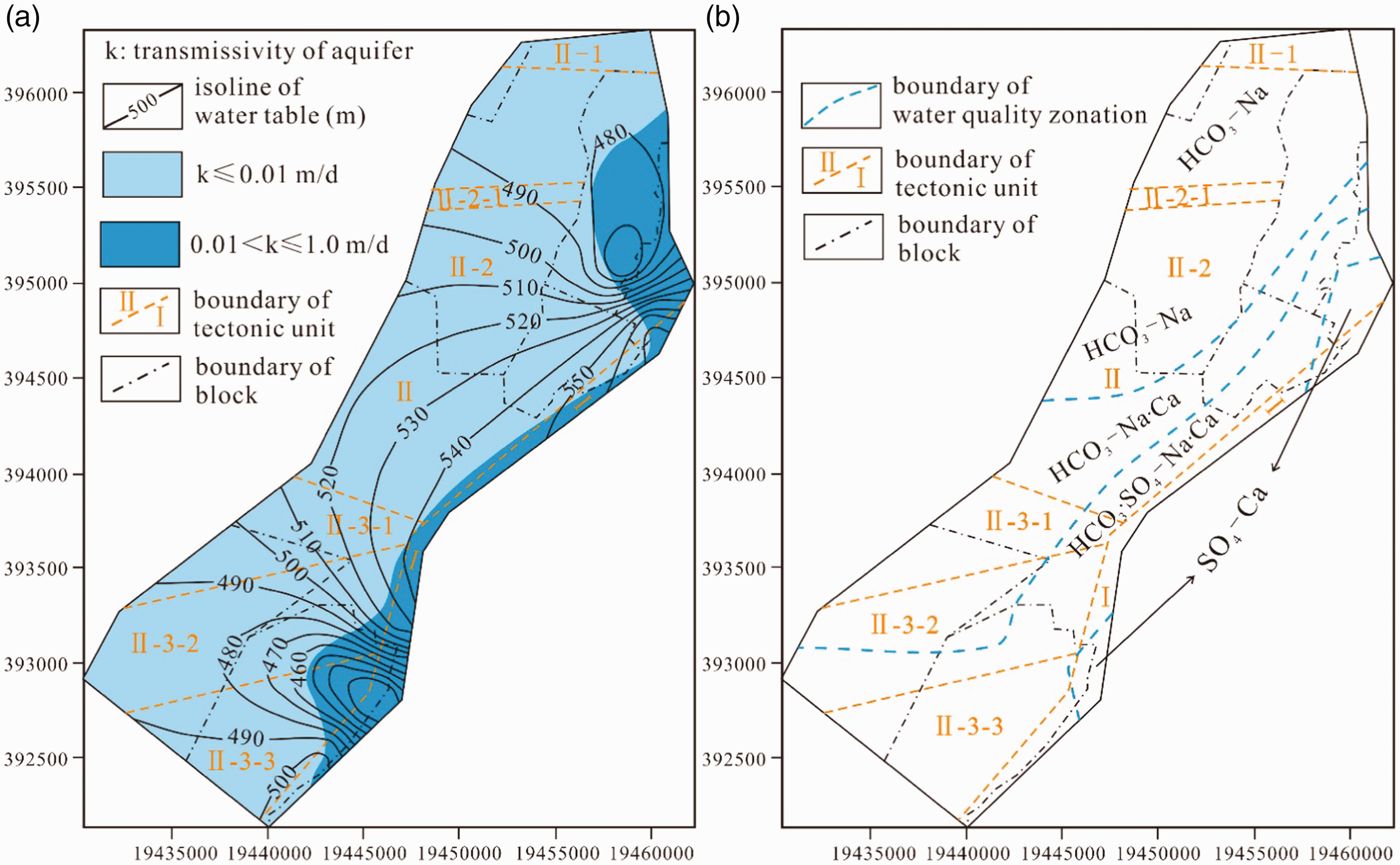
Hydrodynamic conditions and water quality zonation of coal seam No. 3 and its roof aquifer. (a) Water table and transmissivity zonation. (b) Water quality zonation.
CBM content, distribution and preservation conditions, and CBM concentration and enrichment are influenced by hydrodynamic zoning and hydrodynamic intensity (Wang et al., 2015). The hydrodynamic conditions are relatively stronger in the shallow strata with better transmissivity. On the one hand, CBM would dissipate with a stronger water flow capacity. On the other hand, the groundwater carries microorganisms into the coal seam, which is advantageous to the generation of secondary biogenic methane under suitable conditions (Li and Zhang, 2013). As the depth increases, the formation’s transmissivity decreases and the groundwater flow slows or even stagnates, which is conducive to the enrichment of CBM deep in the coal seam (Tang et al., 2003; Ye et al., 2001).
Geothermal field characteristics
In coal-bearing strata, the geothermal field significantly influences coal mining and CBM accumulation and development. During previous coal and CBM exploration, a certain amount of geothermal data was obtained, but few studies have focused on the geothermal field in the Hancheng area. In this study, we collected temperature measurement data from boreholes and coal seams, in order to reveal the geothermal field in the Hancheng area. Figure 5 shows the temperature curves from nine approximately steady-state temperature measurement boreholes, indicating that the geothermal temperature generally increases with depth in an approximately linear manner. The exceptions are Boreholes WF7 and WF29, whose temperatures remains stable at depths shallower than 120 m and suddenly decreases at approximately 120 m and then increases with depth. This anomaly in the geothermal temperature has a high affinity to the water-bearing sandstone and the active shallow groundwater. The thicknesses of sandstones and unconsolidated sediments overlying the coal-bearing strata are higher in the boreholes. Generally, the geothermal temperature has a heat conduction warming characteristic in the Hancheng area.
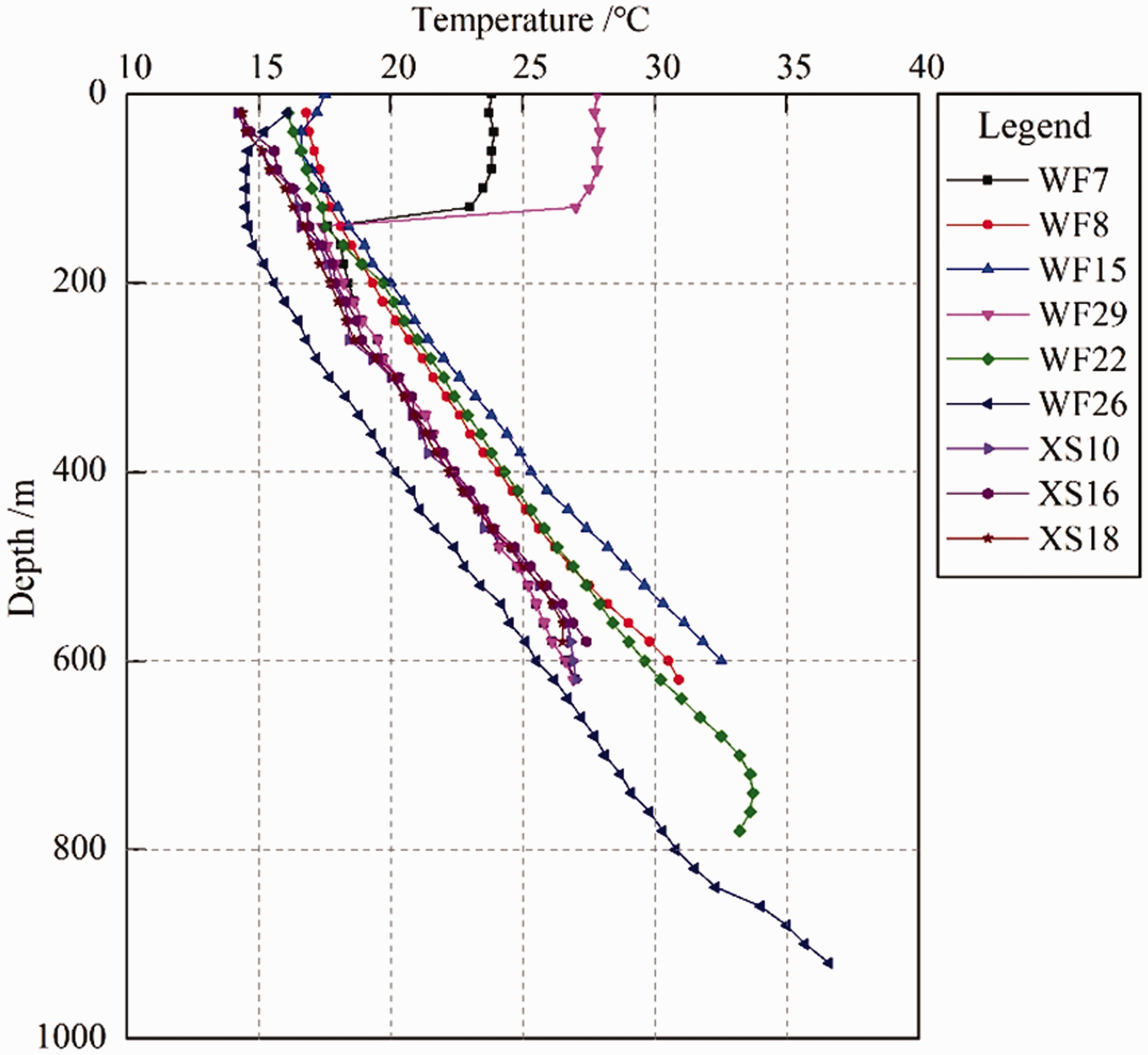
Temperature-logging curves of boreholes in the Hancheng area.
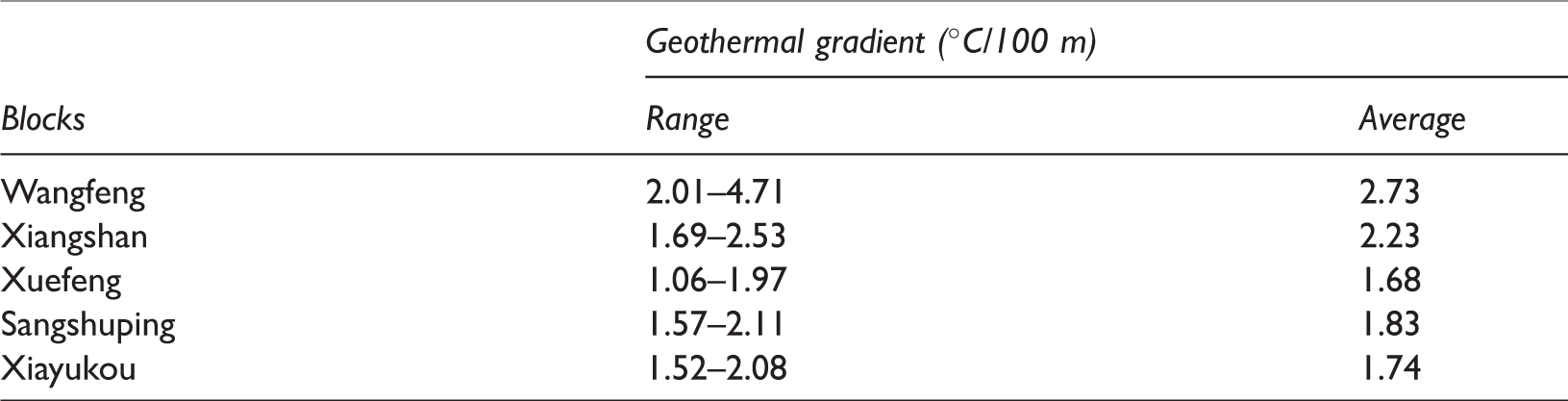
The rate of temperature increase with depth in the subsurface is called the geothermal gradient. The calculation method of the geothermal gradient is given in detail by Guo et al. (2018). Referring to this method, the geothermal gradients from temperature measurements from boreholes in the Hancheng area were calculated in order to reveal the vertical variation of the geothermal gradient in a given borehole (Figure 6). The average geothermal gradient of each block was acquired from the data from the boreholes within these regions (Table 1). According to Figure 6, the geothermal gradient in the Hancheng area is relatively higher in the shallower strata (<200 m). The geothermal gradient decreases dramatically above a 200 m depth, then tends to remain stable or increase slightly with depth. Generally, the geothermal gradient in the Hancheng area ranges from 1.06 to 4.71°C/100 m, and averages 2.1°C/100 m. The geothermal field is normal in the Hancheng area. The geothermal gradients of the Wangfeng and Xiangshan blocks are relatively higher.
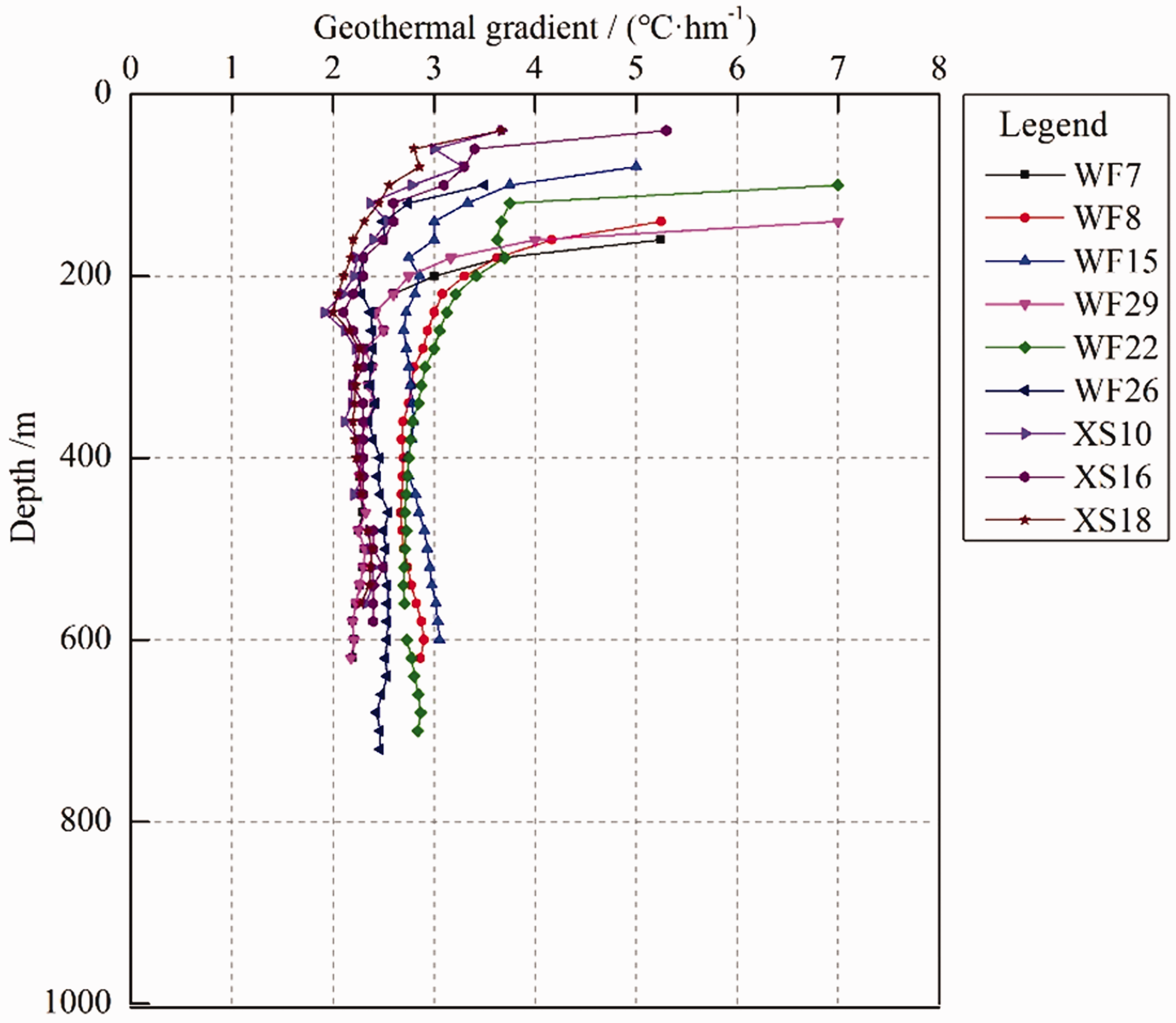
Relationship between present geothermal gradients and depths of temperature-logging holes in the Hancheng area.
Statistics of geothermal gradients in the Hancheng area.
Based on the geothermal gradients and temperature-logging holes, the temperatures of coal seams Nos. 3 and 11 in the Hancheng area were predicted (Figure 7). The temperature of coal seam No. 3 is between 13.0°C and 46.0°C, averaging 30.9°C. The minimum temperature point is located in borehole No. X58 in the Xiayukou block. The highest point is located in borehole No. 134 in the Wangfeng block. The temperature of coal seam No. 11 ranges from 18.9°C to 48.2°C, with an average value of 32.7°C. The minimum temperature point is located in borehole No. X59 in the Xiayukou block. The highest point is located in borehole No. 134 in the Wangfeng block.
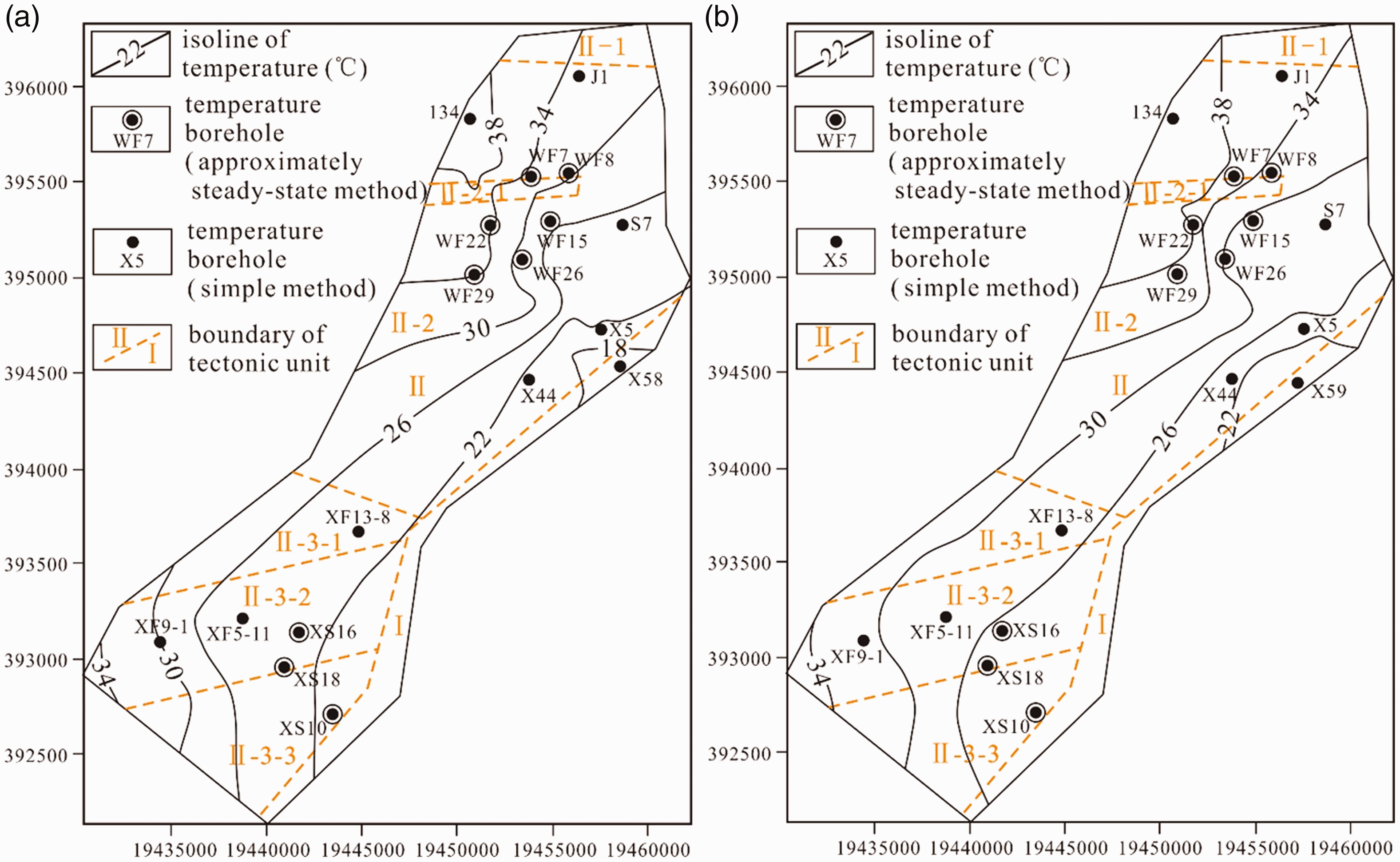
Temperatures of coal seams Nos. 3 and 11 in the Hancheng area. (a) No. 3 coal seam. (b) No. 11 coal seam.
The geothermal distribution trend of coal seams Nos. 3 and No. 11 is basically consistent, and the temperature of coal seam No. 11 is higher than that of coal seam No. 3. The geothermal temperature gradually increases from the SE to NW, consistent with the trend of burial depth of the coal seam (Figure 7). The hydrodynamic conditions also contribute to this trend in the geothermal temperature. Burial depth is the most important factor controlling the geothermal distribution. The Wangfeng block in the northwestern part of the Hancheng area has the highest geothermal temperature in the region.
According to the criterion of heat damage assessments in coal mines, the Wangfeng block and the southwestern part of the Xuefeng block reach heat damage levels for coal mining (>31°C, Feng, 2011). The northern part of the Sangshuping block also reaches heat damage levels in coal seam No. 11. The high temperature of the coal seam will promote gas desorption from the inner surface of the coal matrix and hence, enhance gas productivity. Therefore, coal mining operations in these areas should devote attention to the risks of heat damage and gas outbursts, especially in the Wangfeng block. Zhao et al. (2019) noted that when the temperature is >40°C, the permeability is <0.1 mD in the Hancheng area. The burial depth is the main control on this relationship, due to the negative effects of high in situ stress and geothermal temperature on the seepage paths of gas and water.
CBM accumulation characteristics and development potential
Structural curvature and implications for permeability
Tectonic conditions determine CBM accumulation and production, especially coal deformation resulting from tectonic movement, which significantly influences the gas content, permeability, and fracturing feasibility of coal seams. As an important tool for structural description and analysis, structural curvature has been widely used in the evaluation of tectonic characteristics and the prediction of high permeability reservoirs. Structural curvature is a mathematical quantitative description of geological structure geometry and reflects the degree of strata deformation caused by tectonic stress. In the field of coal and CBM geology, structural curvature can be used to analyze the stress state and deformation degree of coal seams, discriminate coal body structure, and predict CBM enrichment, high yields, and gas outburst potential (Zhang et al., 2003; Lin et al., 2012). In this study, the “extremum principal curvature method” was used to calculate the curvature of coal seams based on the seam floor contour (Shen et al., 2010). The equation for the curvature calculation is





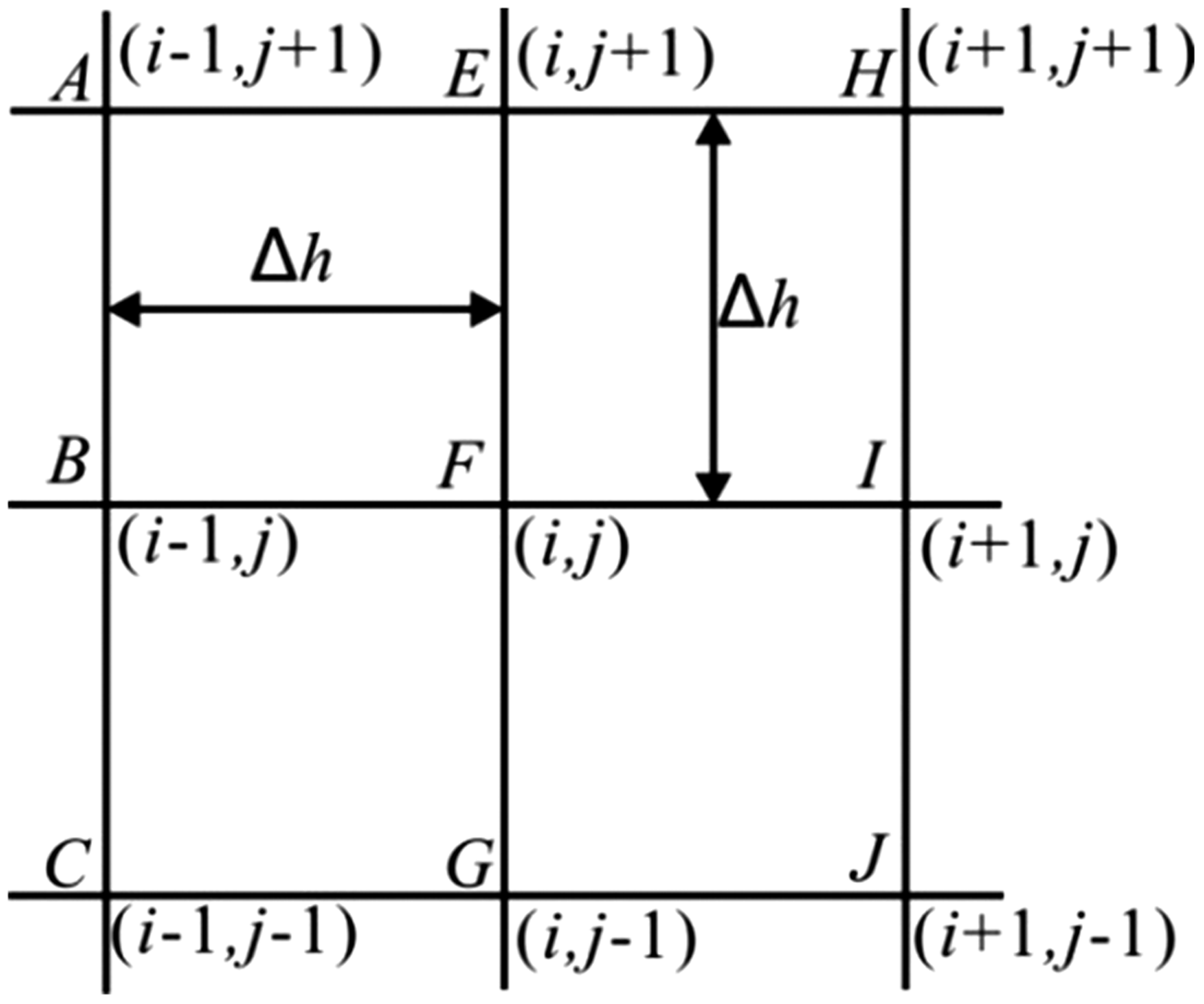
Grid difference diagram for structural curvature calculations.
The greater the absolute value of the curvature, the stronger the deformation of the coal seam. The deformation degree of coal seams can be partitioned quantitatively based on the absolute value of the curvature (Table 2) (Qin et al., 2008).
Classification of coal deformation based on the structural curvature.

The highly deformed and very highly deformed areas of coal seam No. 3 are mainly distributed in the Dongzecun fault zone (II-3–2) and the northern Sangshuping (II-1 and II-2) and Xiayukou blocks (II-2). The situation of coal seam No. 11 is similar to that of No. 3 (Figure 9). According to coal mining practice, coal and gas outburst events happen most frequently in the Sangshuping and Xiayukou blocks with extensively developed tectonically deformed coals (Chen et al., 2013; Wang, 2017), which is apparently related to the strong deformation of coal seams under complex tectonic conditions. Most of the coal and gas outburst points are distributed along the highly and very highly deformed areas (Figure 9(a)). The tectonic pattern is dominated by folds in the north and by faults in the south. Folds influence the structural curvature more significantly than faults and results in more deformed coal in the north. Additionally, the slip-sheet structure in the north of the Hancheng area leads to the extensive development of tectonically deformed coals (Figure 10). In the south of the Hancheng area, highly deformed coal seams are mainly distributed in the Dongzecun anticline and fault zone (II-3–2) (Figure 9).
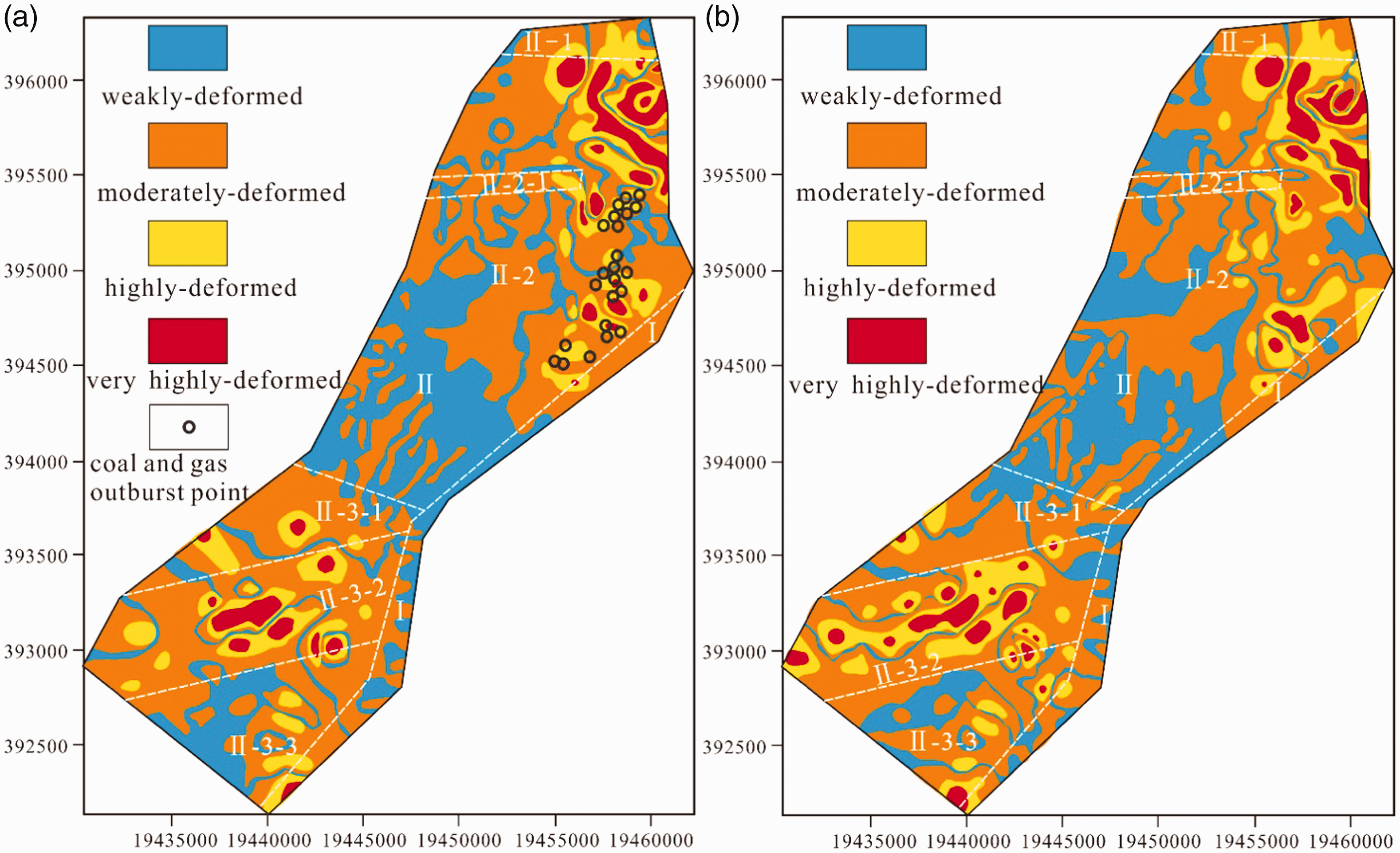
Classification of the tectonic deformation of coal seams in the Hancheng area. (a) No. 3 coal seam. (b) No. 11 coal seam.
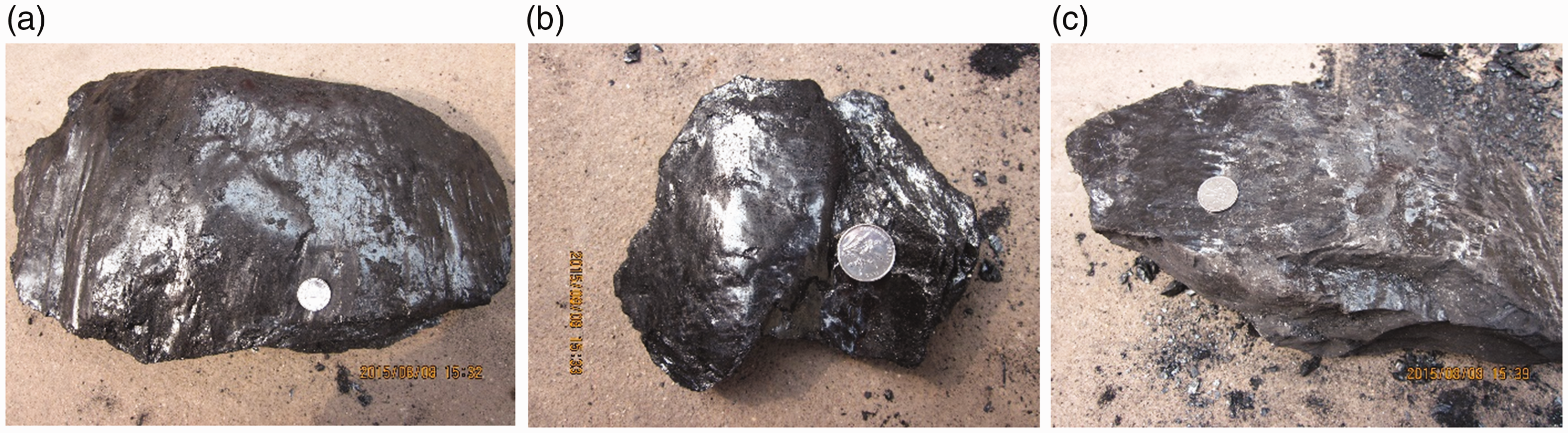
The sliding structure of the tectonically deformed coals in the shallow Hancheng area. (a) slickensides and striations from coal seam No. 3 in the Xiangshan block, (b) slickensides from coal seam No. 3 in the Xiangshan block, (c) steps from coal seam No. 3 in the Sangshuping block.
Moderate deformation can effectively improve reservoir permeability. Excessive deformation will lead to the development of tectonically deformed coals, which is not conducive to CBM development (Yao et al., 2014), and no or very slight deformation of coal seams is not conducive to the generation of fractures and an increase in permeability (Tang et al., 2017). Previous studies have suggested that under similar geological settings (especially the burial depth level), a coal reservoir would achieve the best permeability when the structural curvature is within the 0.1–0.5 × 10⁻⁴ range, i.e., the moderately deformed area in this study (Qin et al., 2008). The superposition of a high gas content and high permeability will enhance CBM productivity (Song et al., 2013).
CBM content and critical depth
The gas content of coal seam No. 3 ranges from 0.01 to 27.46 m3/t and averages 6.68 m3/t. Under the dominant control of the uniclinal structure, the gas content gradually increases along the NW direction. In addition, the gas content is higher in the north than that in the south, mainly due to the developed faults in the south. The risk of coal and gas outbursts is also higher in the north. In the southeastern shallow part of the Hancheng area, there exist some local areas of high gas contents (even exceeding 19.00 m3/t) with a generally low gas content background. The gas content distribution of coal seam No. 11 is similar to but higher than that of No. 3, ranging from 0.03 to 26.75 m3/t, and averaging 7.55 m3/t (Figure 11).
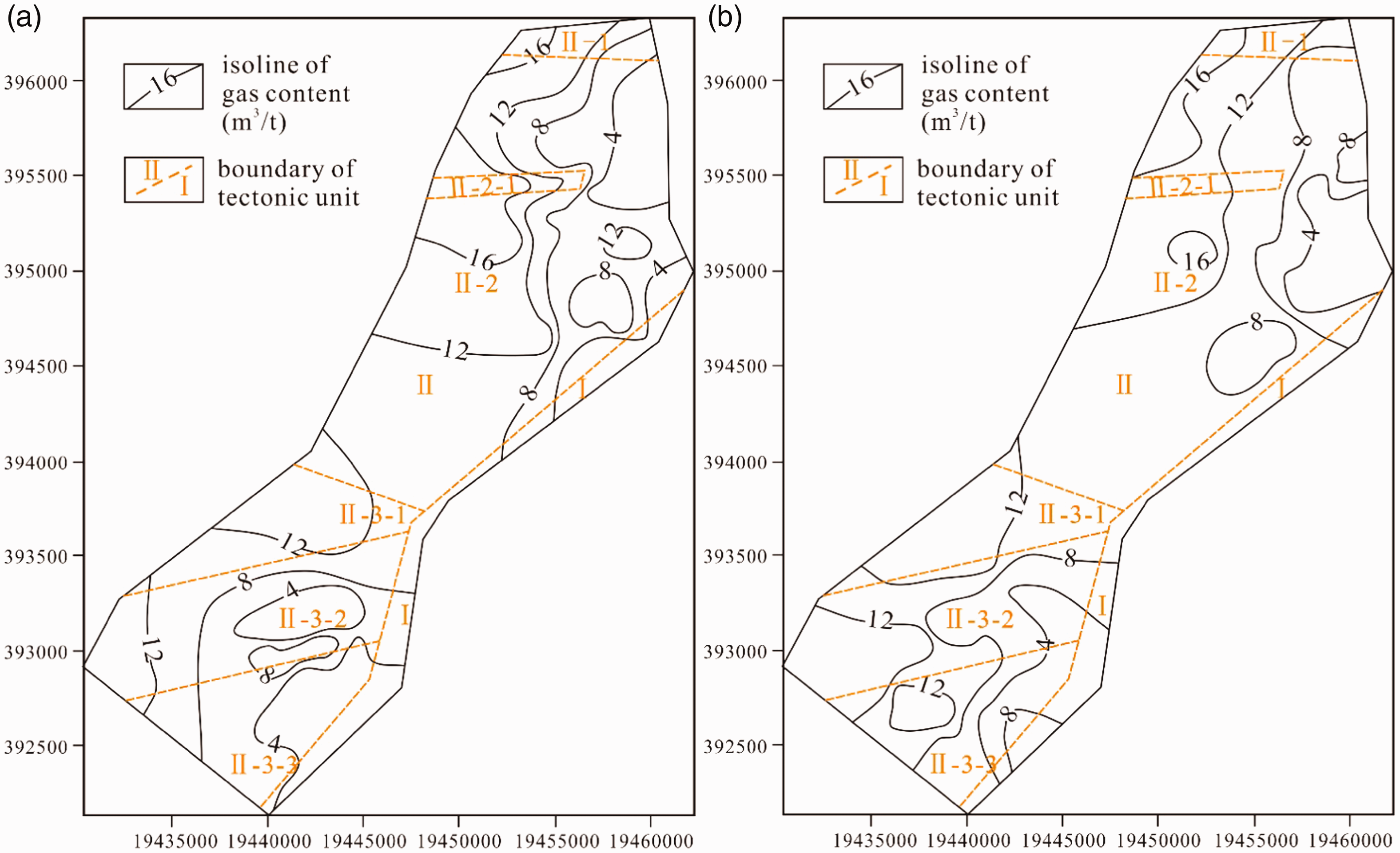
Isogram of gas content of coal seams in the Hancheng area. (a) No. 3 coal seam. (b) No. 11 coal seam.
According to the carbon isotopic tests of CH4 and CO2 from the eight gas samples from coal seams of the eastern Hancheng area, half of the samples are located in the mixing area of biogenic gas and thermal gas, providing evidence for the presence of biogenic gas in the shallow coal seams (Li and Zhang, 2013). Considering the abnormally high gas content in the eastern Hancheng area, the Sangshuping, Xiayukou, and Xiangshan blocks might be enrichment areas of secondary biogenic gas.
Figure 12 shows the vertical variation trends of CBM content with depth. Two critical depth levels can be identified, i.e., 400 m and 800 m. Above 400 m, the gas content is lower than 8 m3/t and the CH4 concentration is lower than 80%. Below 800 m, the gas content is higher than 8 m3/t and the CH4 concentration is higher than 80%. In addition, depths between 400 m and 800 m are in the transitional interval. Accordingly, 400 m to 800 m might be the critical depth level for controlling CBM accumulation in the Hancheng area. The decreasing trend of gas content with depth below 800 m indicates the negative effect of a high geothermal temperature on gas adsorption capacity (Qin et al., 2012, 2016b).
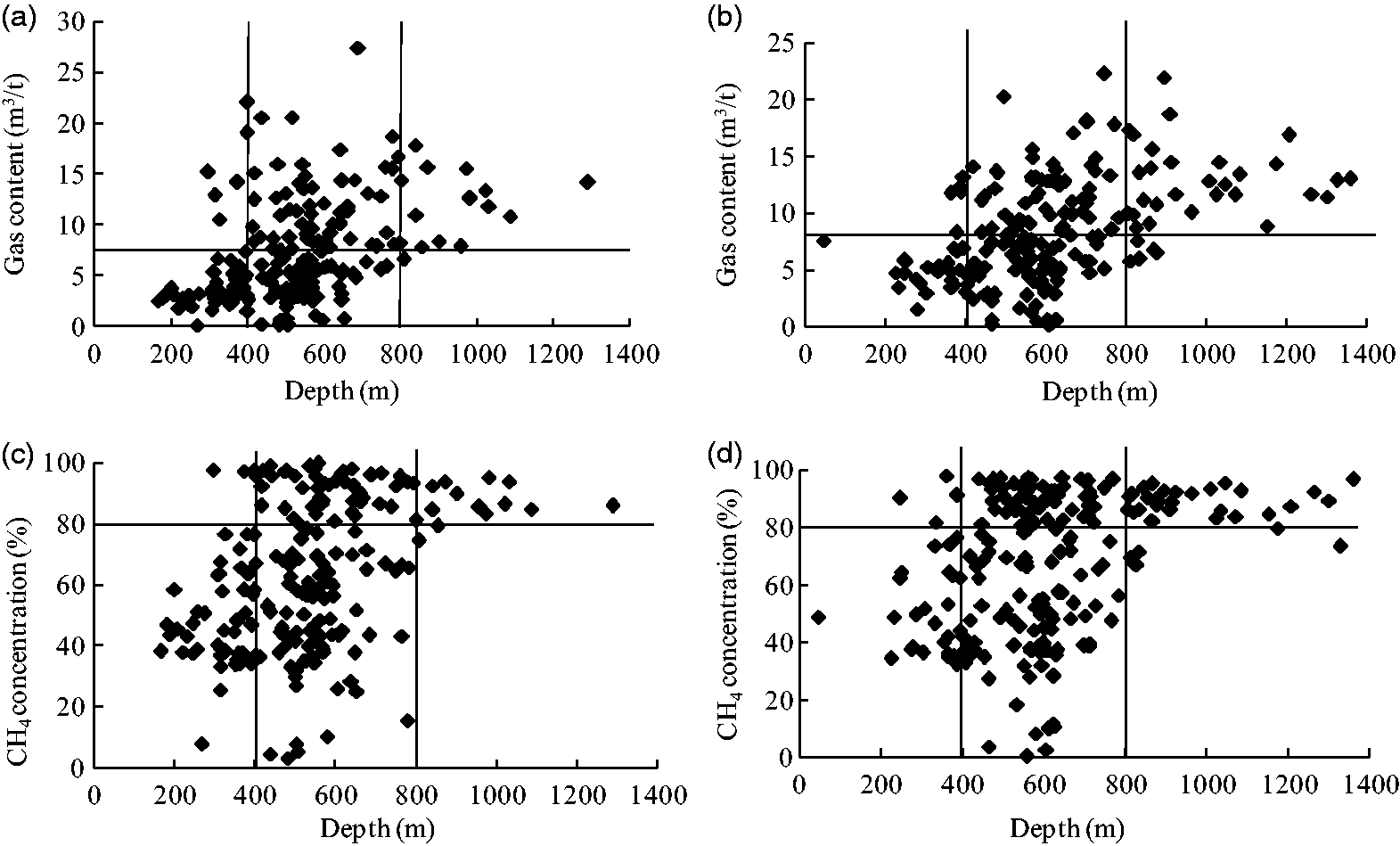
Relationships between gas content/methane concentration and burial depth of coal seams in the Hancheng area. (a) No. 3 coal seam. (b) No. 11 coal seam. (c) No. 3 coal seam. (d) No. 11 coal seam.
The critical depth also controls the CBM isotopic composition and reservoir permeability. The relationship between δ13C1 and depth varied significantly when the depth exceeds 800 m and the δ13C1 is lower in the 800 m depth level (Li et al., 2014) (Figure 13). The different trend on both sides of the 800 m level may be due to the different metamorphism mechanisms of the coalbed. The shallow areas, such as in the Sangshuping block, developed highly deformed coals, and thus indicate the possibility for dynamic metamorphism of the coalbed. The higher δ13C1 of the CBM and the negative relationship between δ13C1 and depths shallower than 800 m may be related to dynamic metamorphism in shallow coal seams. Below 800 m depths, the tectonic deformation is weaker and the tectonic condition is simple. The relationship between δ13C1 and depth becomes positive with dominant hypozonal metamorphism. The relationship between volatile producibility and depth is different between the Wanfeng block and Sangshuping block, verifying dynamic metamorphism in the shallow area with strong deformation to some degree (Figure 14). Ji et al. (2016), based on infrared spectroscopy tests of shallow tectonically deformed coal samples from the Hancheng area, found that tectonic deformation can lead to the condensation of coal molecular structures and increase the condensation and aromatic degree, which was demonstrated by the increase of vibration absorption intensity of the aromatic nucleus C=C skeleton. This result provides direct evidence for the dynamic metamorphism in the shallow Hancheng area.
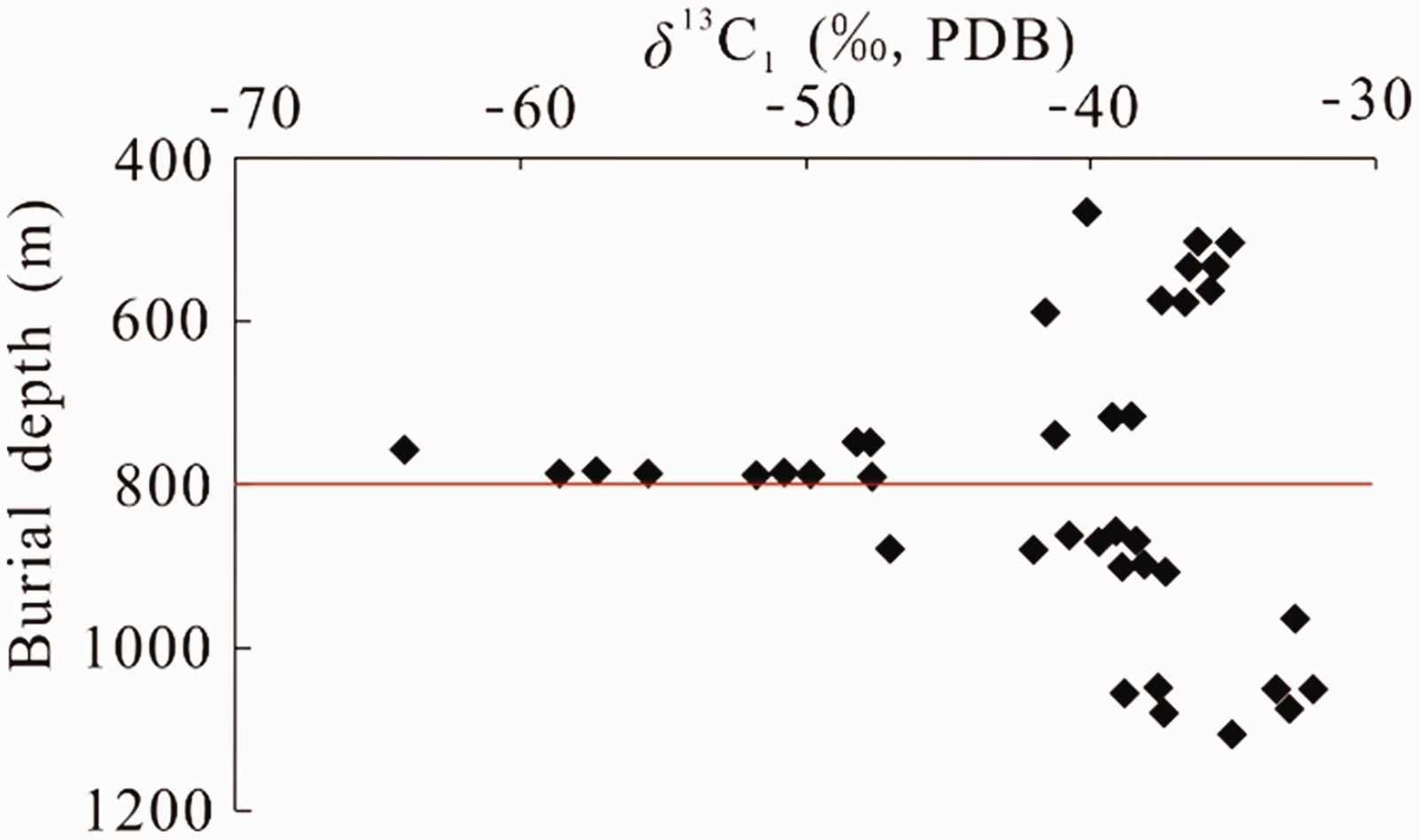
Relationship between carbon isotopic composition of CH4 and burial depth in the Hancheng area (Li et al., 2014).
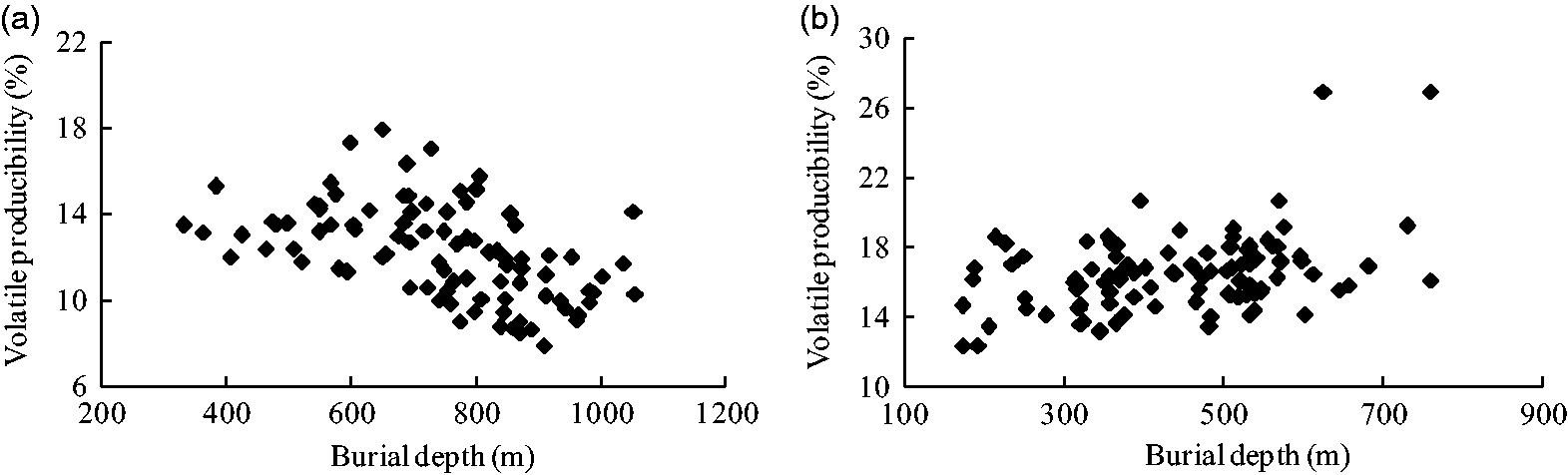
Relationship between volatile producibility and burial depth of the coal seam in the Hancheng area. (a) No. 3 coal seam in Wangfeng block. (b) No. 3 coal seam in Sangshuping block.
Coincidentally, the fracture pressure (or breakdown pressure) and closure pressure (or shut-in pressure), measured by hydraulic fracturing processes and used to describe the in situ stress, also have obvious responses to the critical depth (800 m) (Figure 15(a) and (b)). Actually, the in situ stress field and state play an irreplaceable role in the evaluation of CBM accumulation, coal reservoir permeability and gas recovery, and determines the critical depth (Chen et al., 2018; Guo and Lu, 2016). Generally, the fracture pressure and closure pressure are all positively correlated with the burial depth of the coal seam. However, above an 800 m depth, the relationship is relatively weak, indicating a stronger influence from horizontal tectonic stresses; below 800 m, the relationship turns into a significant linear form, indicating a stronger influence of burial depth and a triaxial compressive state of the coal reservoir where vertical stress plays a leading role. This state determines the low permeability and poor development potential of CBM. The permeability of coal cylinders under triaxial compression tends to decrease with an increase in stress (Geng et al., 2017). The permeability of coal reservoirs obtained from well tests in the Hancheng area is between 0.01 and 2.19 mD, and dramatically decreases when depths exceed 800 m (Figure 15(c)). From Figure 9, the tectonic deformation of coal seams below 800 m is obviously weaker than that above 800 m. Thus, we suppose the tectonic activization mainly occurs at depths shallower than 800 m where tectonic stress dominates. Among the CBM wells with producing coal seams below an 800 m depth, only one well produced gas at a rate exceeding 1000 m3/day (Liu, 2016). In addition to the poor permeability, vertical fractures are more generation-prone during hydraulic fracturing processes due to dominant vertical stress below 800 m, which is not conducive to CBM production (Liu et al., 2018). Thus, for deep coal seams in the Hancheng area (>800 m), coal reservoirs are characterized by extremely low permeability, high in situ stress, and poor fracturing feasibility, meaning that these CBM resources are difficult to develop. Song et al. (2017) also notes that the high production wells in the Hancheng area are mainly distributed in the middle slope with burial depths between 280 and 800 m.
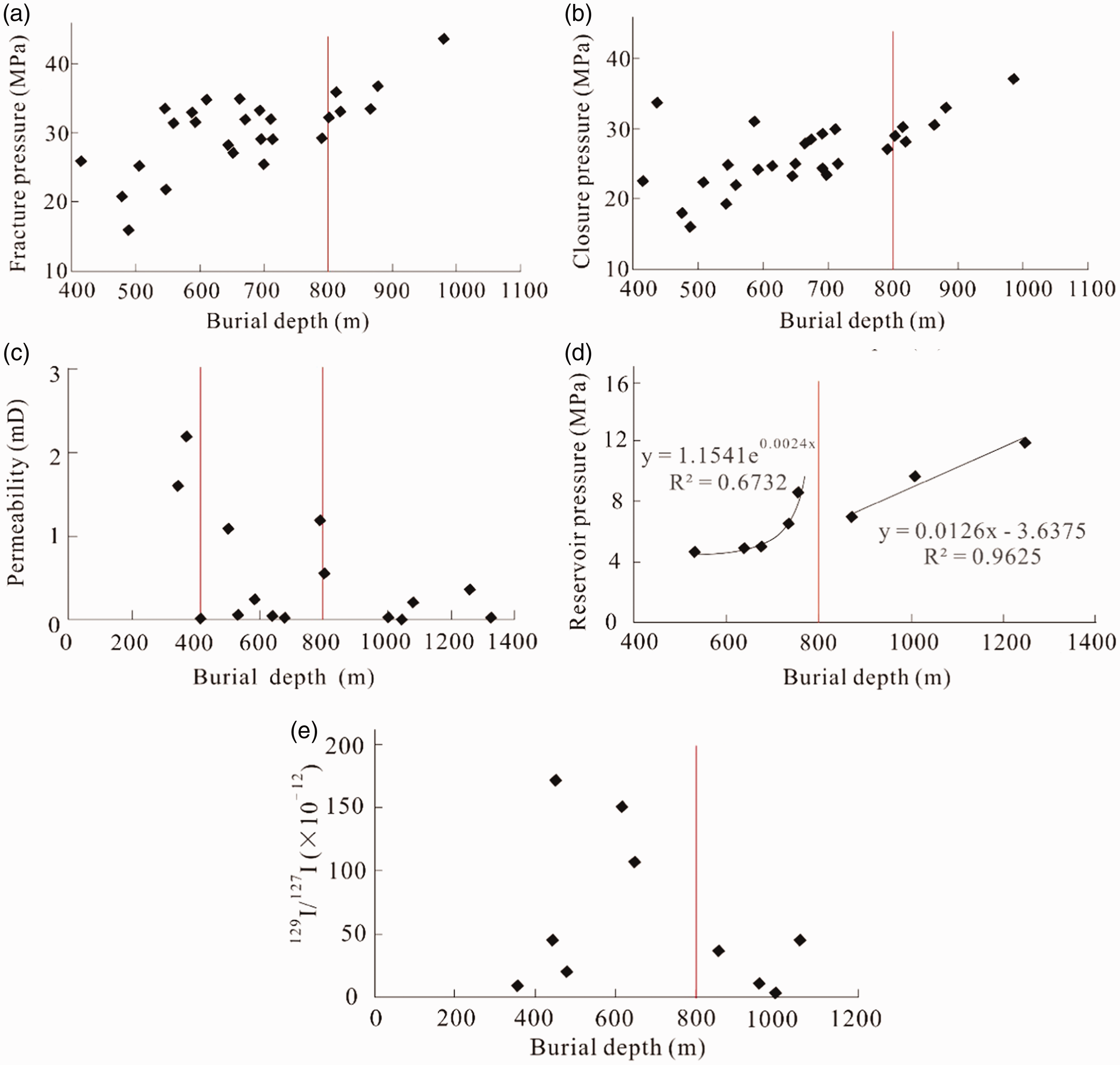
Relationship between reservoir parameters and burial depth of coal seams. (a) fracture pressure versus depth, (b) closure pressure versus depth, (c) permeability versus depth, (d) reservoir pressure versus depth, and (e) 129I/127I versus depth. Notes: the data in (a) and (b) are from Li et al., 2017; the data in (c) are from Liu, 2016; the data in (d) are from Yi et al., 2017; and the data in (e) are from Ma et al., 2013.
The relationship between reservoir pressure and burial depth also varied between the both sides of the 800 m depth, i.e., with a linear relation below 800 m and exponential relation above 800 m, which might be influenced by the horizontal tectonic stress in the shallow area (Figure 15(d)). Overall, the vertical variations of permeability, fluid pressure, gas content and composition are in good agreement with the critical depth we discriminated in this study, the essence of which is the coupling effect of coal reservoir properties and geological environments (e.g., in situ stress, tectonic deformation and geothermal temperature). The ratio of 129I/127I represents the radioactivity level of 129I. The 129I values can provide a valuable insight into the origin and migration of hydrocarbons and formation waters. The variations of 129I/127I ratios of CBM co-produced water samples from the Hancheng area generally correspond to the critical depth of 800 m (Figure 15(e)). The 129I/127I ratio is higher above 800 m, suggesting that meteoric-derived water is extensively recharged and mixed with the initial formation water. The meteoric-derived water mixing has less impact on the deeper samples below 800 m (Ma et al., 2013).
Spatial partition for CBM enrichment and high yield
Based on the above analysis, three kinds of CBM accumulation types can be distinguished in the Hancheng area:
Type I, the shallow part with depths less than 400 m: The structural condition is complex, and the hydrodynamic activity lowers the gas content and methane concentration. However, secondary biogenic methane is generated under active groundwater conditions, which causes local CBM enrichment. Additionally, the strong deformation of the coal seam promotes the metamorphism degree, to some degree, and lowers the CBM development potential and increases the risk of coal and gas outbursts; Type II, the deep part with depths greater than 800 m: The geological structure is relatively simple with a dominant vertical stress state and hypozonal metamorphism. The weak hydrodynamic condition is conducive to CBM enrichment. However, the deep buried depth and resultant high stress and low permeability bring great challenges to CBM development; Type III, the transitional part with depths between 400 and 800 m: The moderate structural deformation is advantageous for improving the permeability of coal reservoirs. The favorable conditions for CBM development can be achieved in this type with the superposition of higher gas content and higher permeability. According to Liu (2016), among the 108 CBM-producing wells in the study area, 55 wells have a predominant gas production capacity, the buried depth interval of which are between 350 and 864 m, basically consistent with this type.
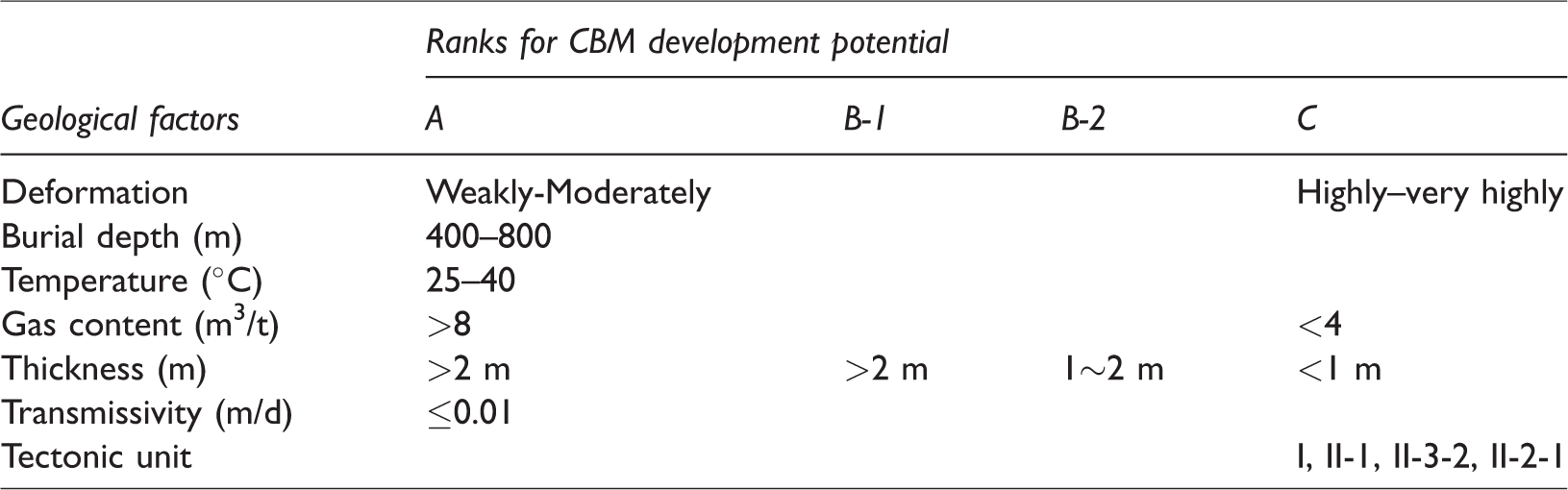
To further promote efficient CBM exploration and exploitation in the Hancheng area, we choose several key parameters to divide the area into four ranks for determining CBM development potential (Table 3). The partition method is:
Rank C with a lower CBM potential: Only one of the conditions listed in Table 3 (deformation, gas content, thickness, and structural unit) needs to be satisfied for determining rank C. Rank A with a higher CBM potential: All the conditions listed in Table 1 must be satisfied totally in order to determine rank A. The rest of the study area is rank B, and based on the coal thickness, it can be further classified into B-1 and B-2.
Parameters and criteria for the partition of coalbed methane (CBM) enrichment and high-yield potential.
Generally, most of the high-yield wells with average daily CBM production rates more than 1000 m3/day are located in ranks A and B-1, while most of the wells with production rates less than 500 m3/day are located in rank C, suggesting a scientific and reasonable partition made in this study for CBM development potential (Figure 16).
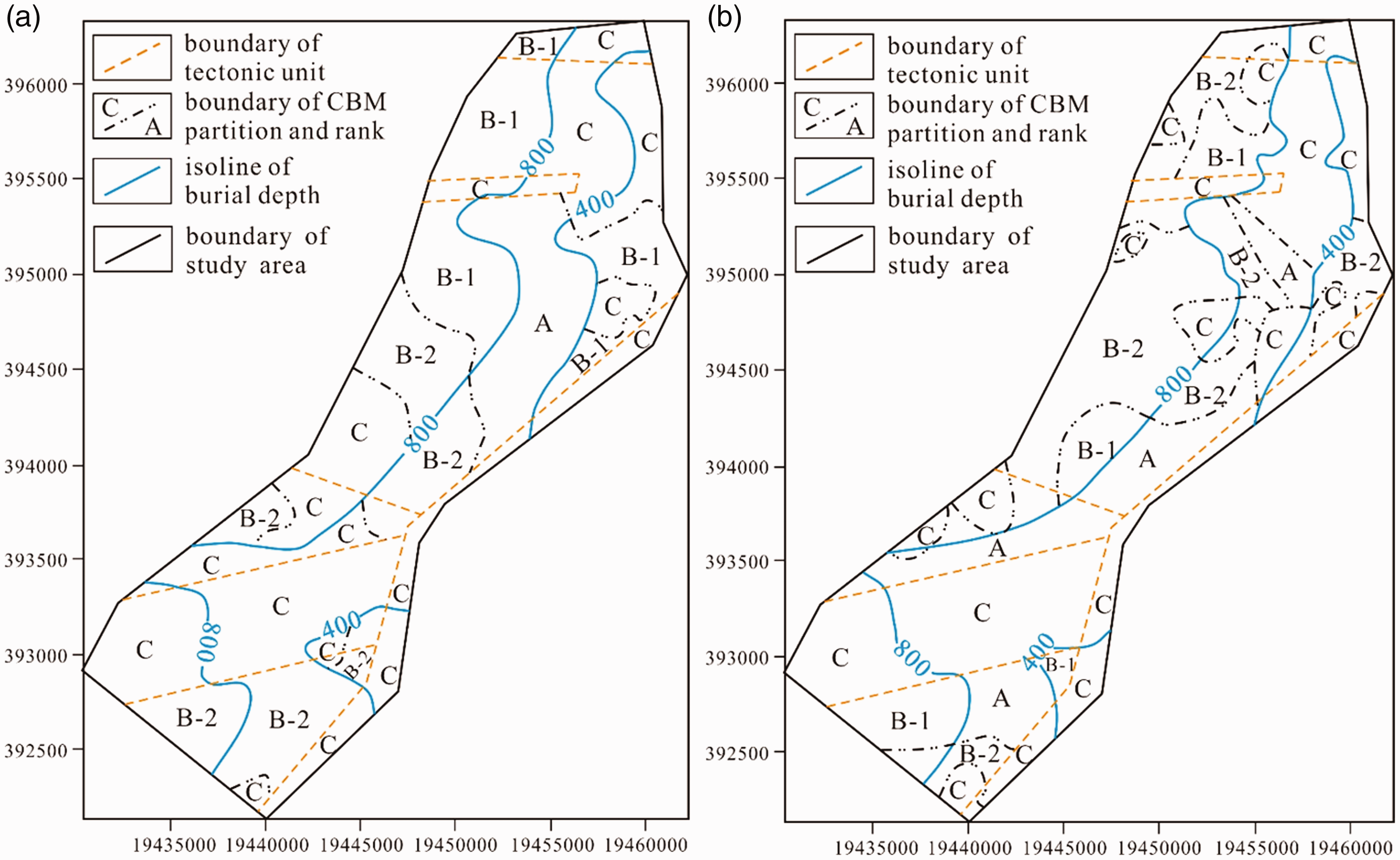
Spatial partition for CBM enrichment and high-yield potential. (a) No. 3 coal seam. (b) No. 11 coal seam.
Conclusions
Under the Yanshanian SE-NW maximum principle stress, the formation was folded and reversed, especially in the eastern area. Subsequently, the compressional stress was turned into extensional stress in the Himalayan orogeny. The F1 fault transformed from an inverse fault into a positive fault. The NW limb of the Hancheng overturned anticline forms the present uniclinal structure in the Hancheng area with erosion of the anticlinal axis. The geothermal gradient in the Hancheng area ranges from 1.06 to 4.71°C/100 m, and averages in 2.1°C/100 m. The geothermal temperature has a heat conduction warming characteristic and a normal geothermal field state. The geothermal temperature gradually increases from the SE to NW, consistent with the trend of burial depth of the coal seam. The Wangfeng block and the southwestern part of the Xuefeng block reach heat damage levels of coal mining. Four degrees of coal seam tectonic deformation are identified based on structural curvature analysis. The highly deformed and very highly deformed areas of coal seams are mainly distributed in the Dongzecun fault zone (II-3–2) and the northern Sangshuping (II-1) and Xiayukou blocks (II-2). The high coal and gas outburst potentials in the Sangshuping and Xiayukou blocks are closely related to the strong deformation of the coal seams. Moderate deformation can effectively improve reservoir permeability, and thus gas production. The moderately deformed area shallower than 800 m in depth in the Hancheng area would benefit the CBM flow capacity. Under the dominant control of burial depth of the coal seam, the CBM content gradually increases along the NW-trending inclination. With the stronger hydrodynamic condition in the shallow formations, secondary biogenic methane was generated and led to the abnormally high gas content in some local coal seams. 400 m and 800 m are the critical depth levels for controlling CBM accumulation and high yield. Three CBM accumulation types can be distinguished in the Hancheng area: the shallow part with a depth less than 400 m, the deep part with a depth greater than 800 m, and the transitional part with a depth between 400 and 800 m. The transitional part is most conducive to CBM development. Based on seven key parameters and corresponding criteria, the Hancheng area is divided into four ranks for determining CBM development potential. From high to low, they are ranked A, B-1, B-2, and C. Most of the high-yield wells are located in areas ranked A and B-1.
Footnotes
Declaration of conflicting interests
The author(s) declared no potential conflicts of interest with respect to the research, authorship, and/or publication of this article.
Funding
The author(s) disclosed receipt of the following financial support for the research, authorship, and/or publication of this article: This paper was jointly sponsored by a National Science and Technology Major Special Project of China (Grant No. 2016ZX05044), a Postdoctoral Science Foundation of China (Grant No. 2018M631181), a Key Project of the Shaanxi Coal and Chemical Industry Group Company Limited (Grant No. 2015SMHKJ-B-J-08), a Foundation Research Project of Shaanxi Provincial Key Laboratory of Geological Support for Coal Green Exploitation (Grant No. MTy2019-08), and the Independent Projects of the Key Laboratory of Coal Resources Exploration and Comprehensive Utilization, Ministry of Land and Resources of China (Grant No. ZKF2018-1, ZP2018-2).